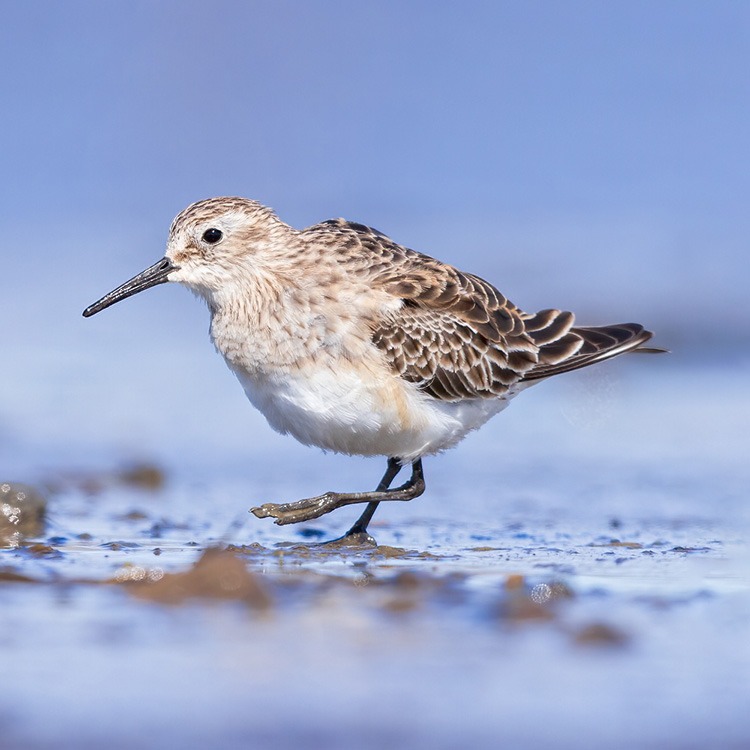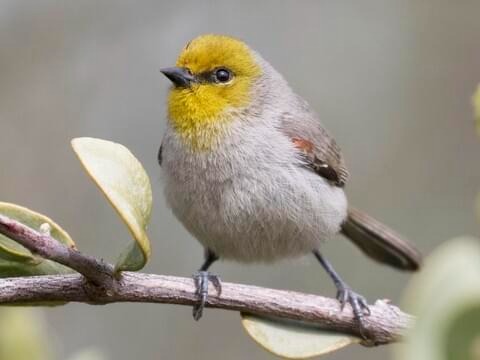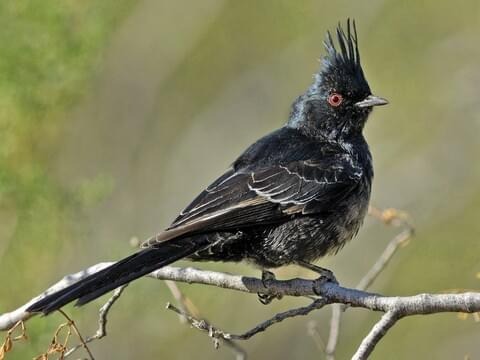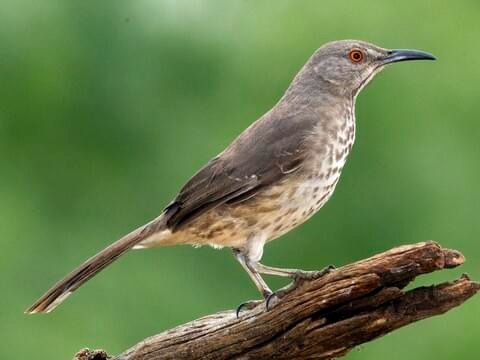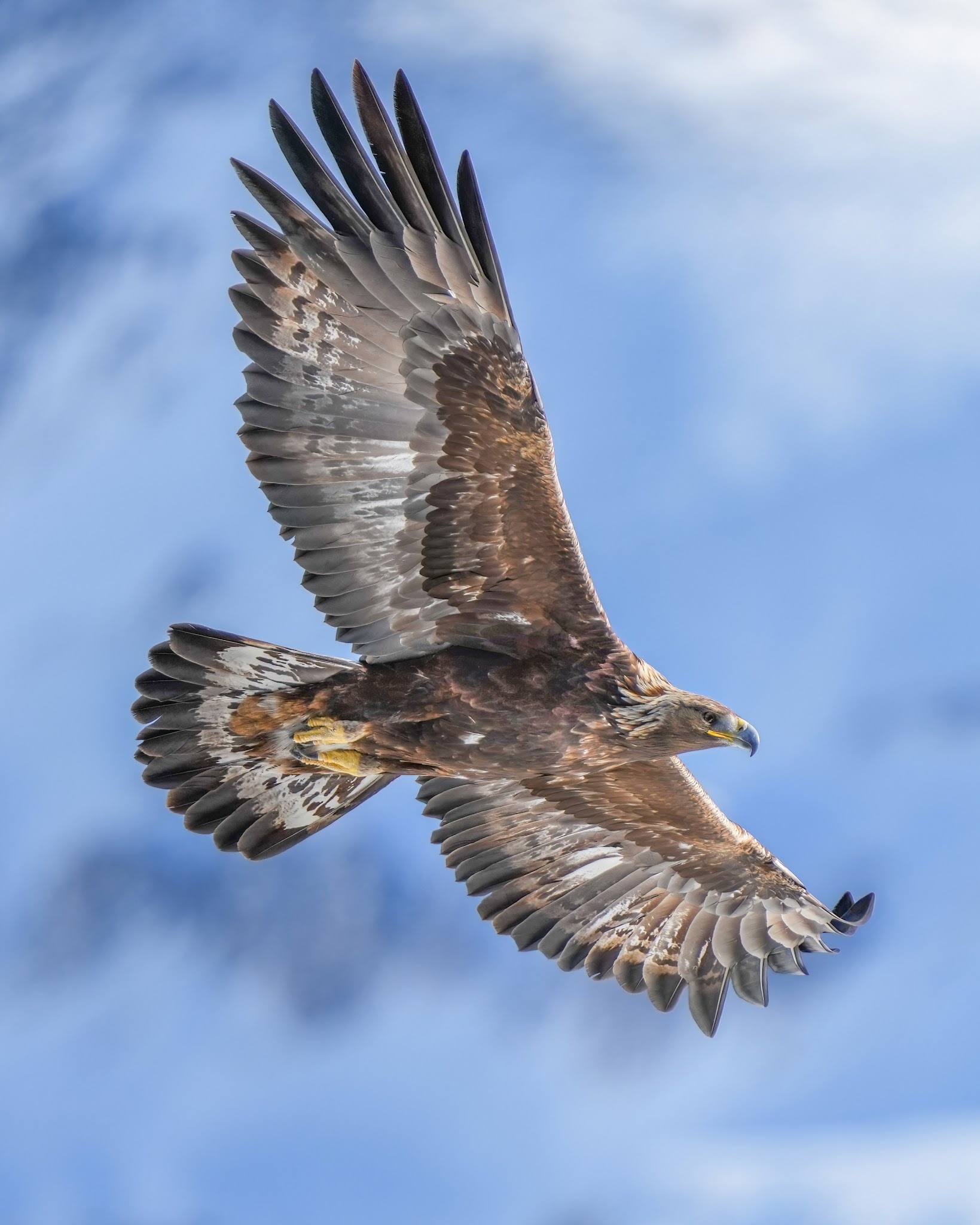
Birds of New Mexico
In a land too dry for excuses, the Southwest’s birds don’t wait for rain. In New Mexico they show up in flame orange, cactus green, sky blue and desert dust, and make the whole dress code thing look easy.
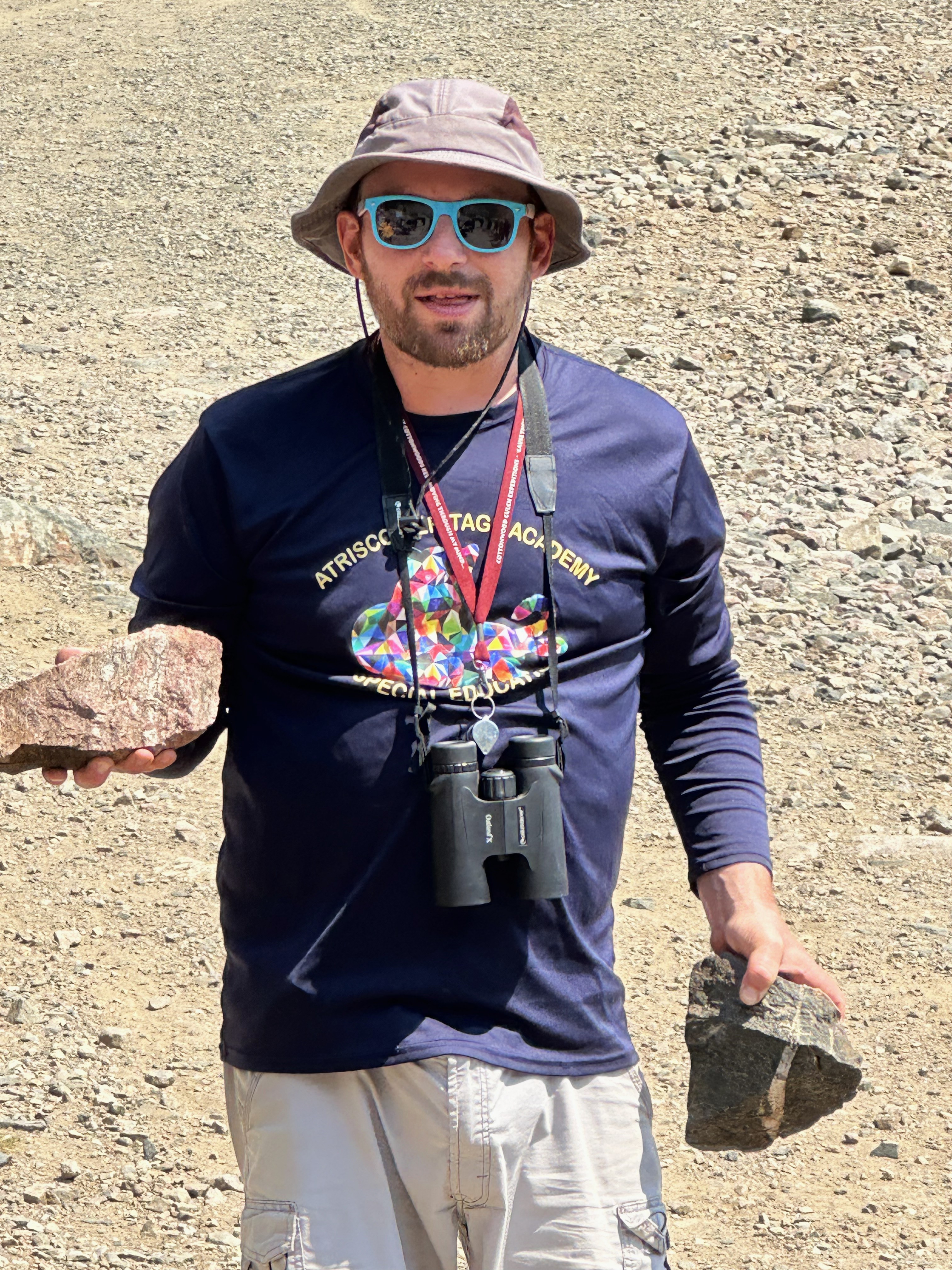
Flocks & Rocks is an annual trek orchestrated by the Prairie Trek Expeditions and the Cottonwood Gulch, based in Albuquerque, New Mexico. The leader of the Flocks portion of our trip was Dr. Arch McCallum, a noted ornithologist and master professor. The leader of the Rocks portion was Dr. Brad Jeffrey, an enthusiastic geologist and gifted teacher. We had a group of 21 adult trekkers (ages 21 to 81) and our journey made a clock-wise circle around the Mountain ranges of this beautiful state. Why this trip? I have wanted to go on this trek for many years and finally was able to set aside time in my calendar to join Arch and Brad.
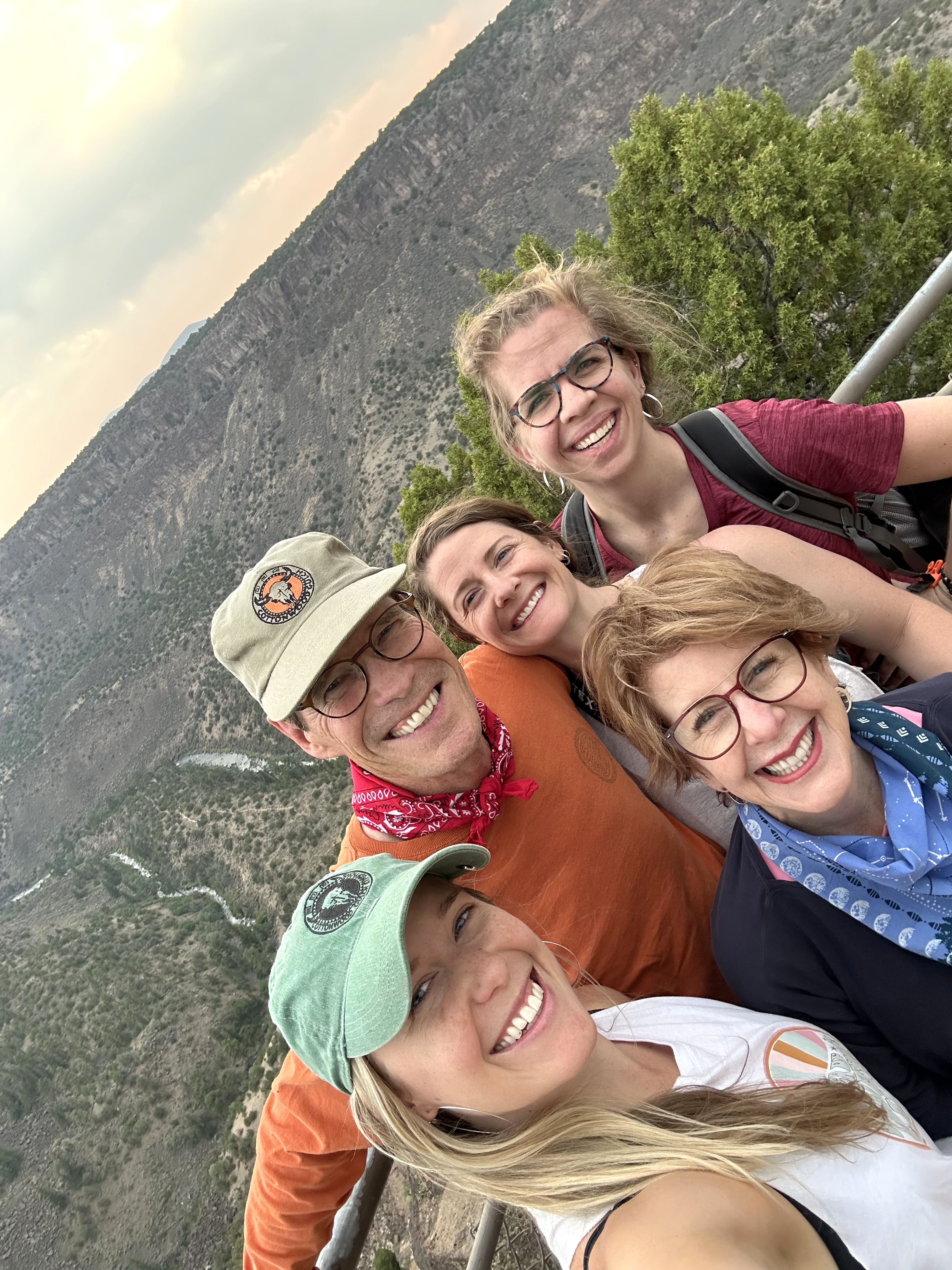
The best part for me, however, was the joy of sharing the trek with my wife, Tracy, and our three adult daughters: Margaret, Eleanor, and Kathleen. Their zeal, songs and spirit made an impression for a lifetime.

The order of the birds in this compendium uses the taxonomic sequence created by recent North American field guides (Sibley, National Geographic, Peterson), following current AOU/Clements/eBird classification: waterfowl → gamebirds → grebes → doves → roadrunners → nightjars → hummingbirds → rails → shorebirds → herons/ibis → vultures → hawks → owls → woodpeckers → falcons → flycatchers → shrikes/vireos → corvids → larks → swallows → bushtit → nuthatches → wrens → dipper → thrushes → mimids → warblers → sparrows/towhees → cardinals/tanagers/buntings → blackbirds → finches → Old World sparrows.
After the images (one, two or three pictures of the birds we identified) I have some remarks about the birds, should they have something to say to me in the moment. I hope you enjoy this list as much as we did on Flocks & Rocks. If you want to go on a trip like this one, here is a link to the website for the expedition: Flocks and Rocks Trek.
->->->->->->->->->->->->->->->->->->->->->->->->->->->->->->->->->->->->->->->->->->->->->->->->->->->->->->->->->->
Start the List with Waterfowl
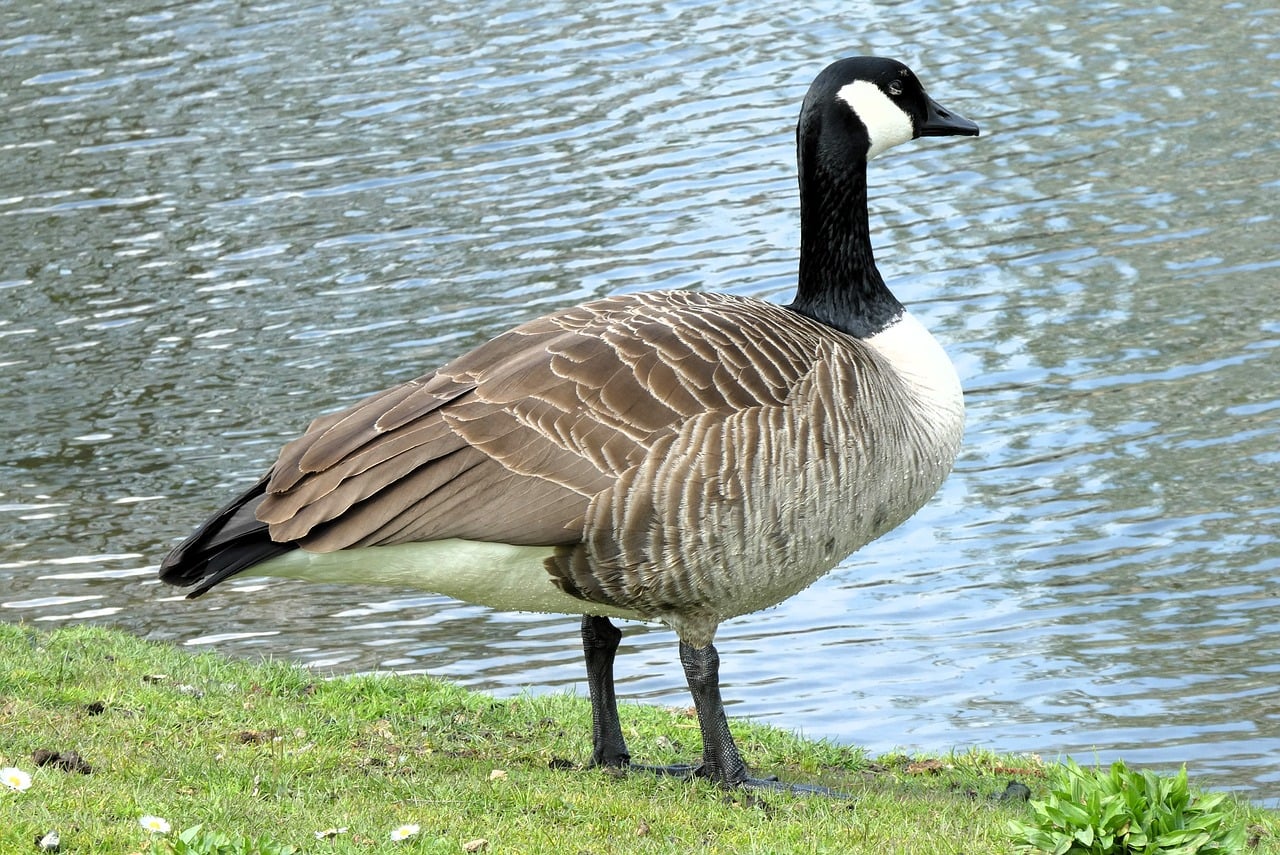

Canada Goose (Branta canadensis) — Voted as the HOA president of every golf course and office park, this bird knows its status. Watch out for those green poop droppings. They can be nasty on running shoes and gets stuck in Vibram-souled hiking boots. And for more facts about the Canada Goose you can visit this Bird post: Canada Goose.
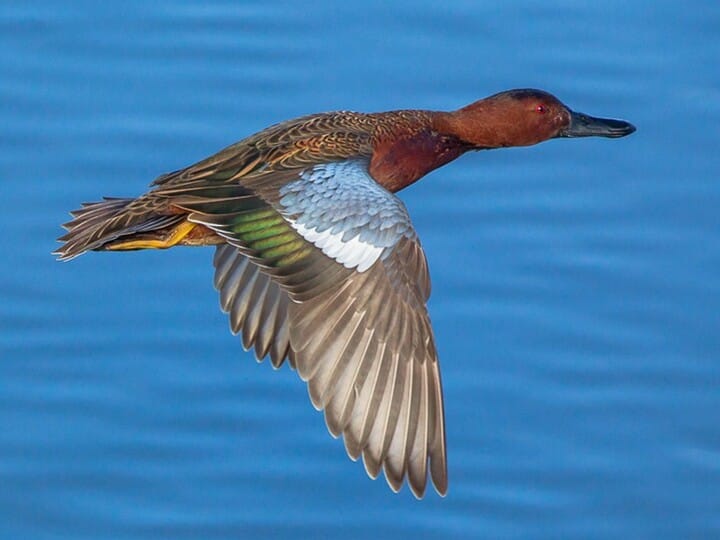
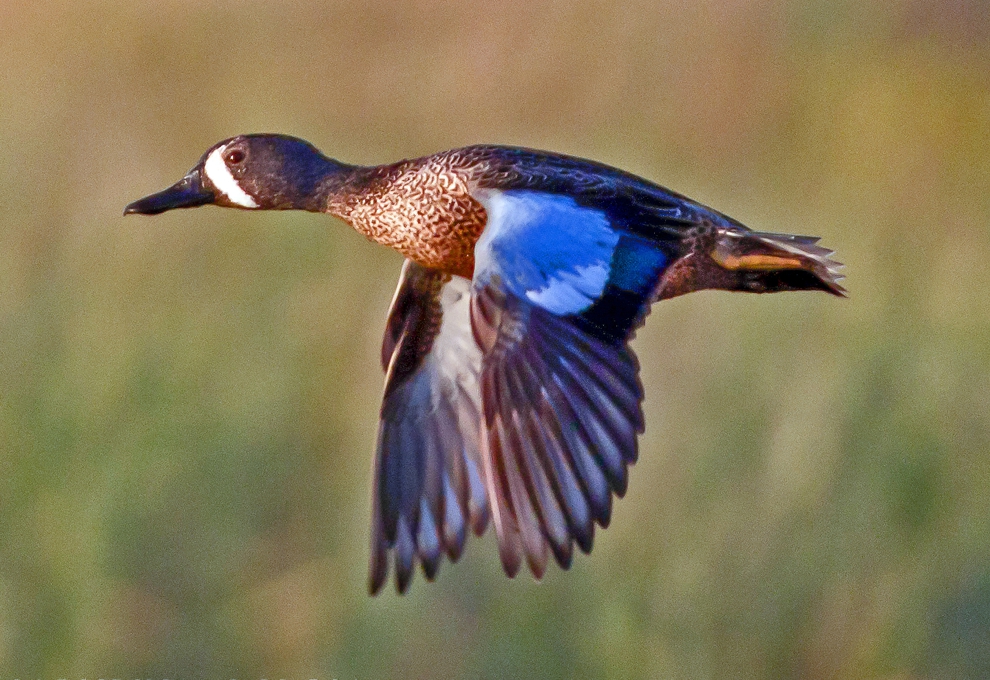

Blue-winged Teal (Spatula discors) — Small, sharp, and gone before you’ve finished raising your binoculars. We were seeing these ducks wandering among the reeds at the edge of Apache Creek Camp Ground in Catron County. The wetlands are an impoundment of the Tularosa River, which joins the San Francisco near Reserve, and that joins the Gila near Clifton. The teals and mallards and coots were hiding steps away, but deep in the cattails along with the pied-billed grebes.
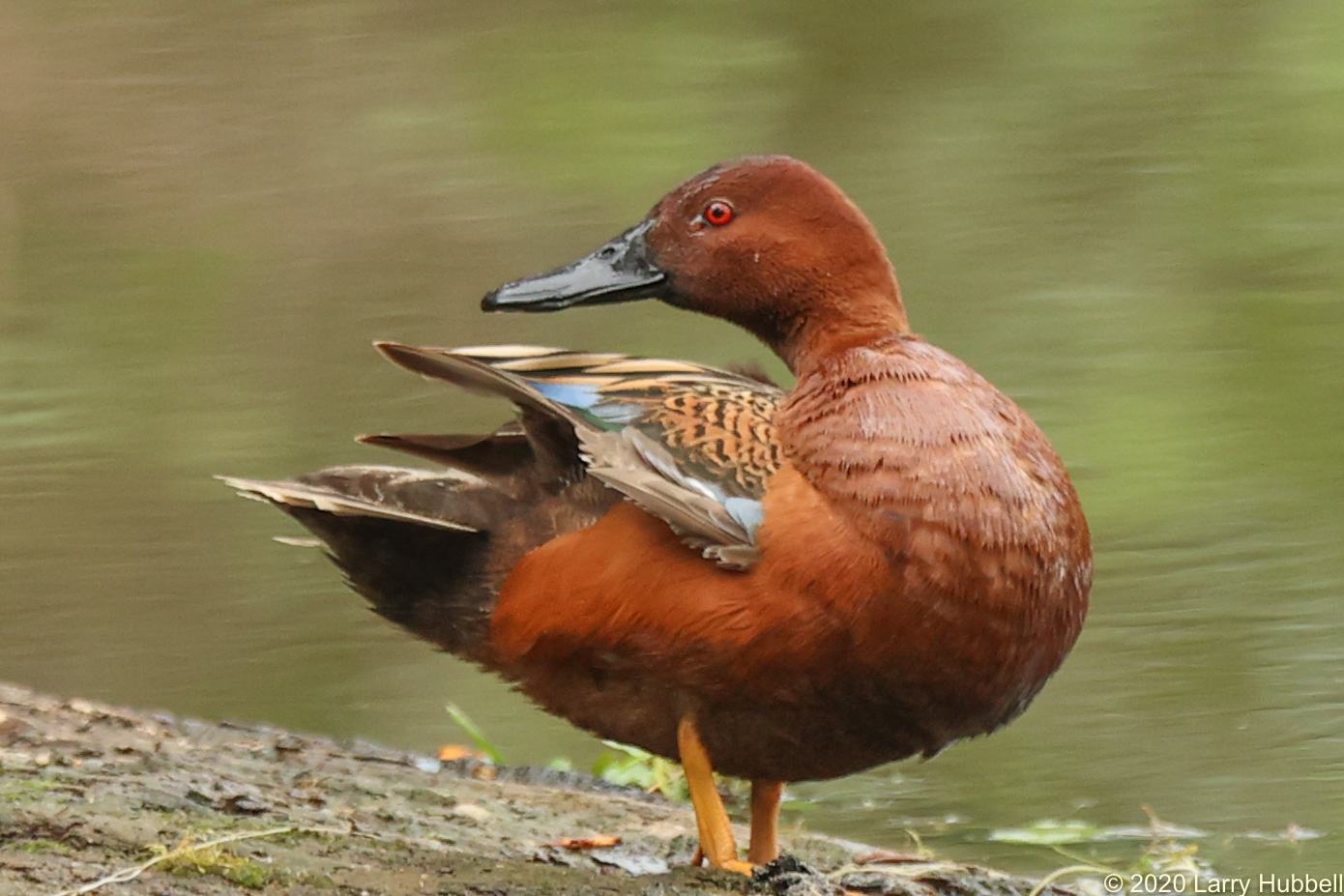

Cinnamon Teal (Spatula cyanoptera) — Looks dipped in desert sunset; although it acts like just any other duck. The eye of the male teal is a color only found in nature. Up close and personal, it is stunning. We spotted what looked like a family of these ducks in a pond near our campground near Apache Creek.


Mallard (Anas platyrhynchos) — The default setting for “duck,” everywhere, always, without apology. The quintessential duck has got to be the mallard. It is fun to see and hear the quack of these birds any time of day, on any body of water. Love them!


Ruddy Duck (Oxyura jamaicensis) — A sky-blue bill and a tail like a raised eyebrow, this duck has “main cartoon character energy” and appears to have been drawn by Walt Disney himself. The Ruddy Duck is such a joyful, unapologetic bird. Seeing the male’s blue bill is such fun, no matter how many times you have seen these ducks in the past.
->->->->->->->->->->->->->->->->->->->->->->->->->->->->->->->->->->->->->->->->->->->->->->->->->->->->->->->->->->
Now on to Gamebirds
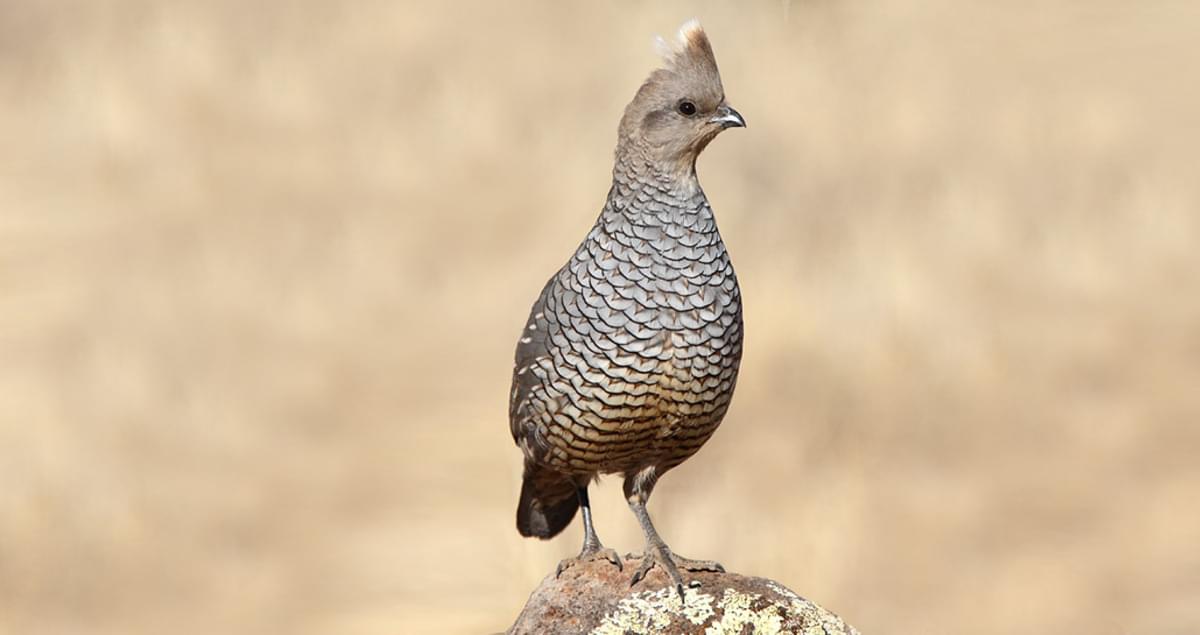

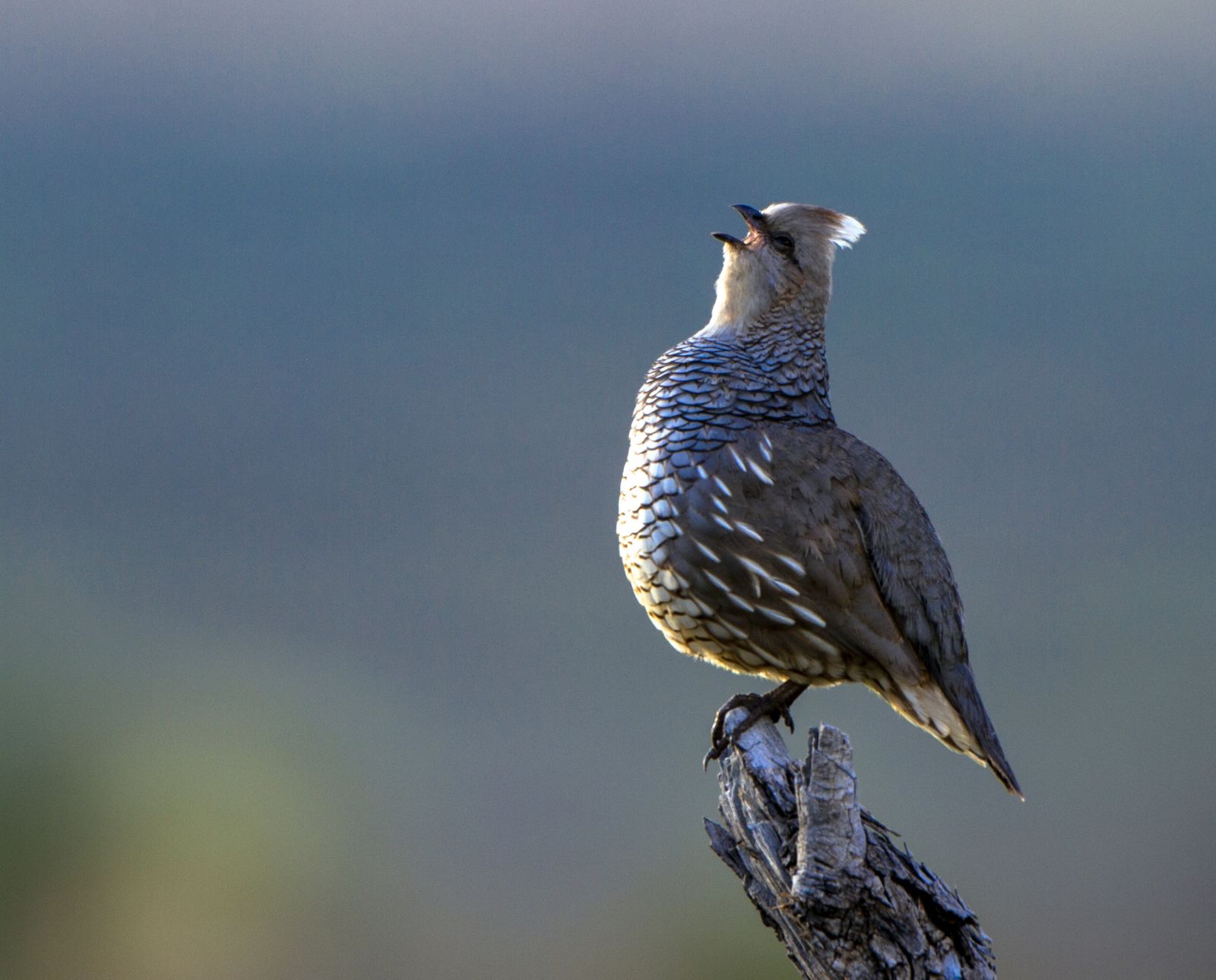
Scaled Quail (Callipepla squamata) — Sometimes called the “Desert Cotton-Top,” we saw a mother and chick running the caliche flats like they owned the deed to the property. We heard their call first and then saw a pair of these quail scooting in and out of the clumps of grama grass at the campground for the Valley of Fires, near Carrizozo, New Mexico. It was a desolate area with basalt flows all around us. Despite the aridity, the birding was great for Nighthawks, Mourning Doves, Mockingbirds and Scaled Quail (my first sighting).

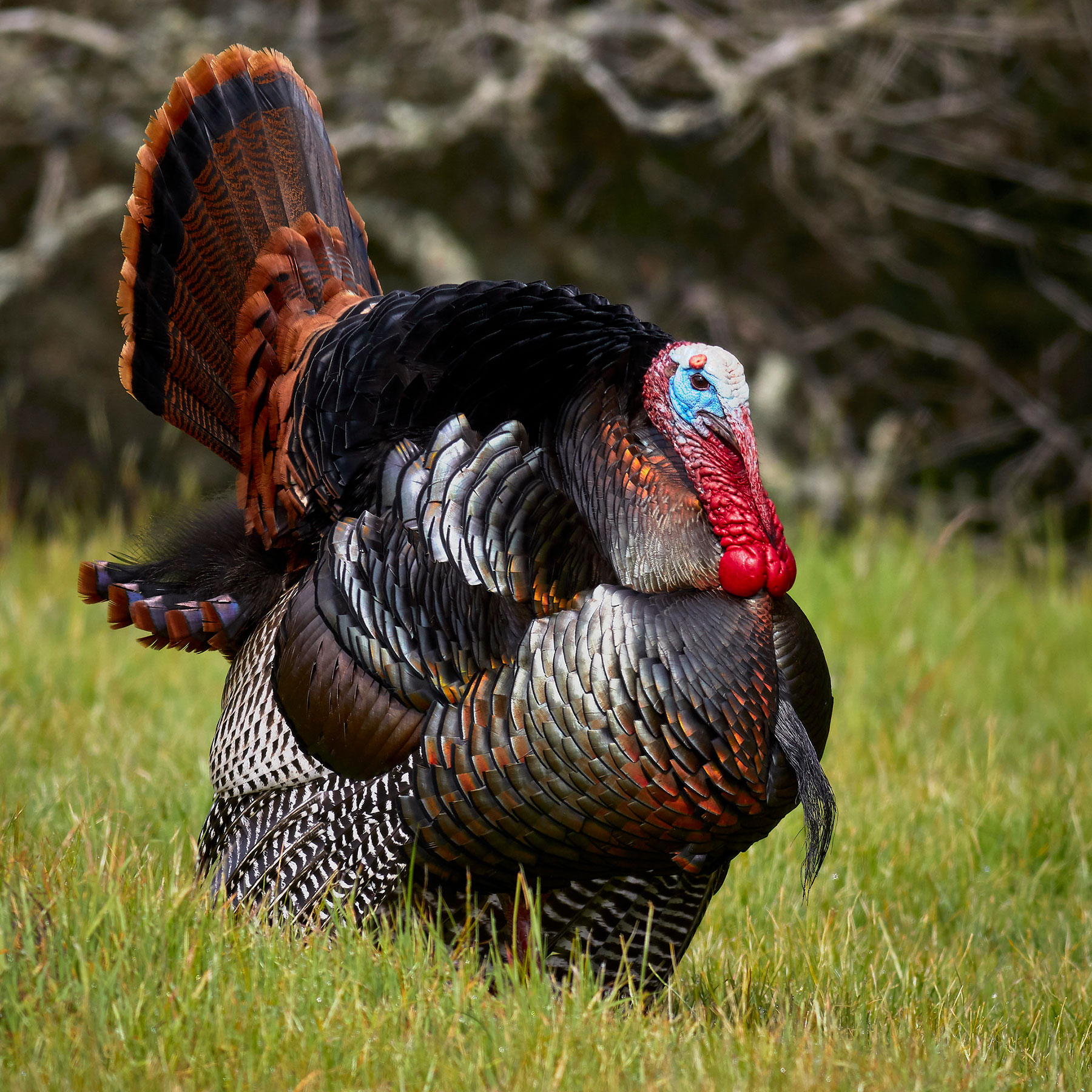
Wild Turkey (Meleagris gallopavo) — All swagger, zero subtlety, and somehow still surprised when you notice it, turkeys are usually more subtle than these gaudy males. We saw a whole rafter of turkeys strolling along a fenceline on the Fort Union Ranch near Watrous, New Mexico. They appeared to have no cares in the world, as fire trucks and birders and construction crews, buzzed all around, watching the forest fires on an adjacent ridge-line.
->->->->->->->->->->->->->->->->->->->->->->->->->->->->->->->->->->->->->->->->->->->->->->->->->->->->->->->->->->
Moving on to Grebes

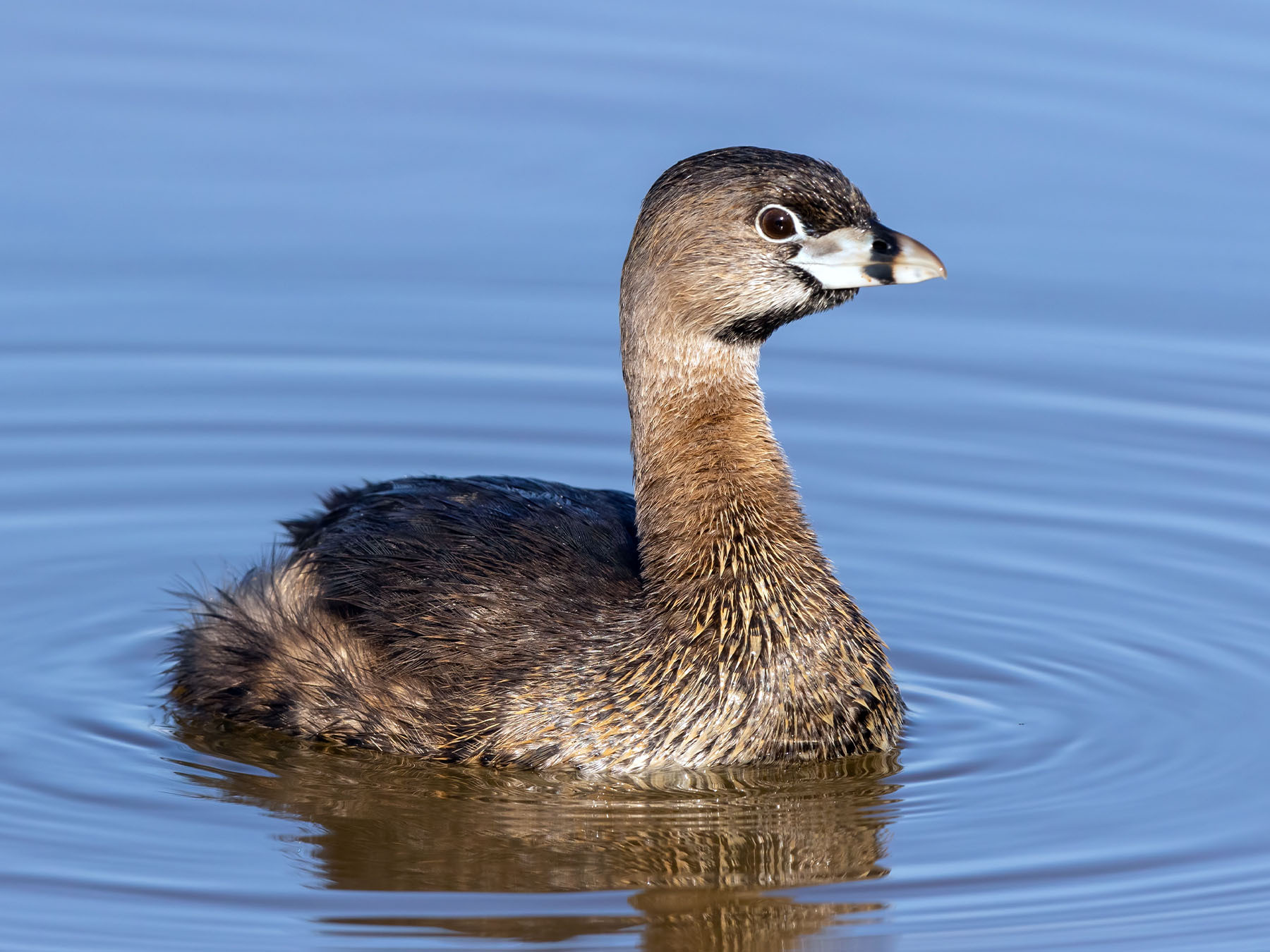
Pied-billed Grebe (Podilymbus podiceps) — This water loving bird is like a chicken that learned to dive and never mentions it at parties. We saw a wide selection of adult and juvenile grebes on the ponds and lakes of our trip to New Mexico, which are fun to watch as they dive, and resurface with a mouthful of minnows.
->->->->->->->->->->->->->->->->->->->->->->->->->->->->->->->->->->->->->->->->->->->->->->->->->->->->->->->->->->
Pigeons & Doves
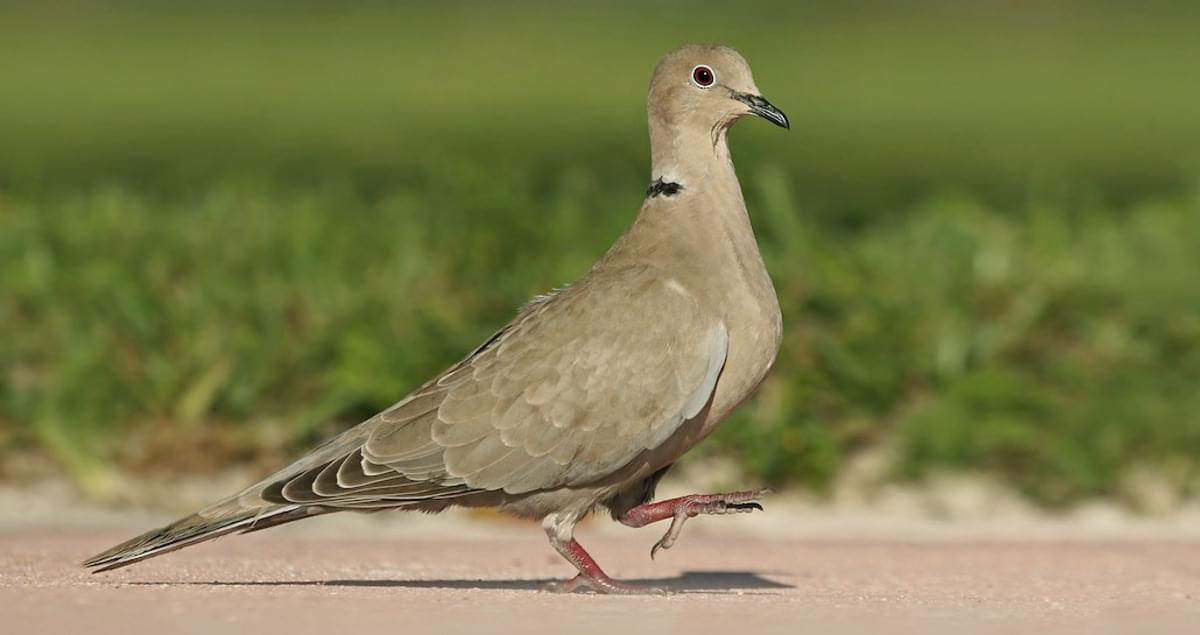
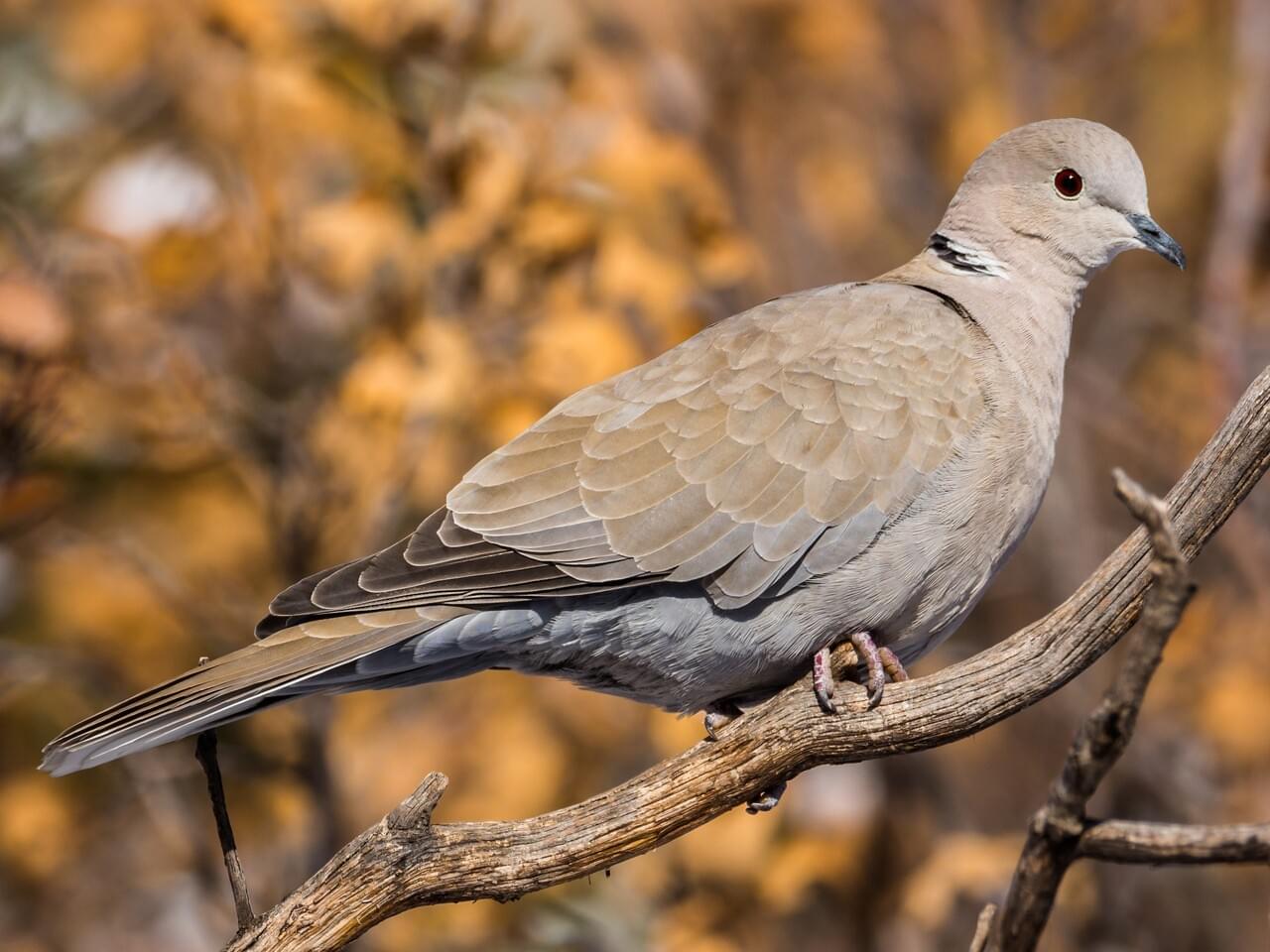
Eurasian Collared-Dove (Streptopelia decaocto) — The uninvited houseguest of the dove world, the Eurasian variety arrived a few decades ago, and has never left. We heard these birds calling and saw them sitting atop trees, posts, fences and even strolling on the ground. They were comfortable in our campground, eating anything crumb-like that the humans may have left behind.
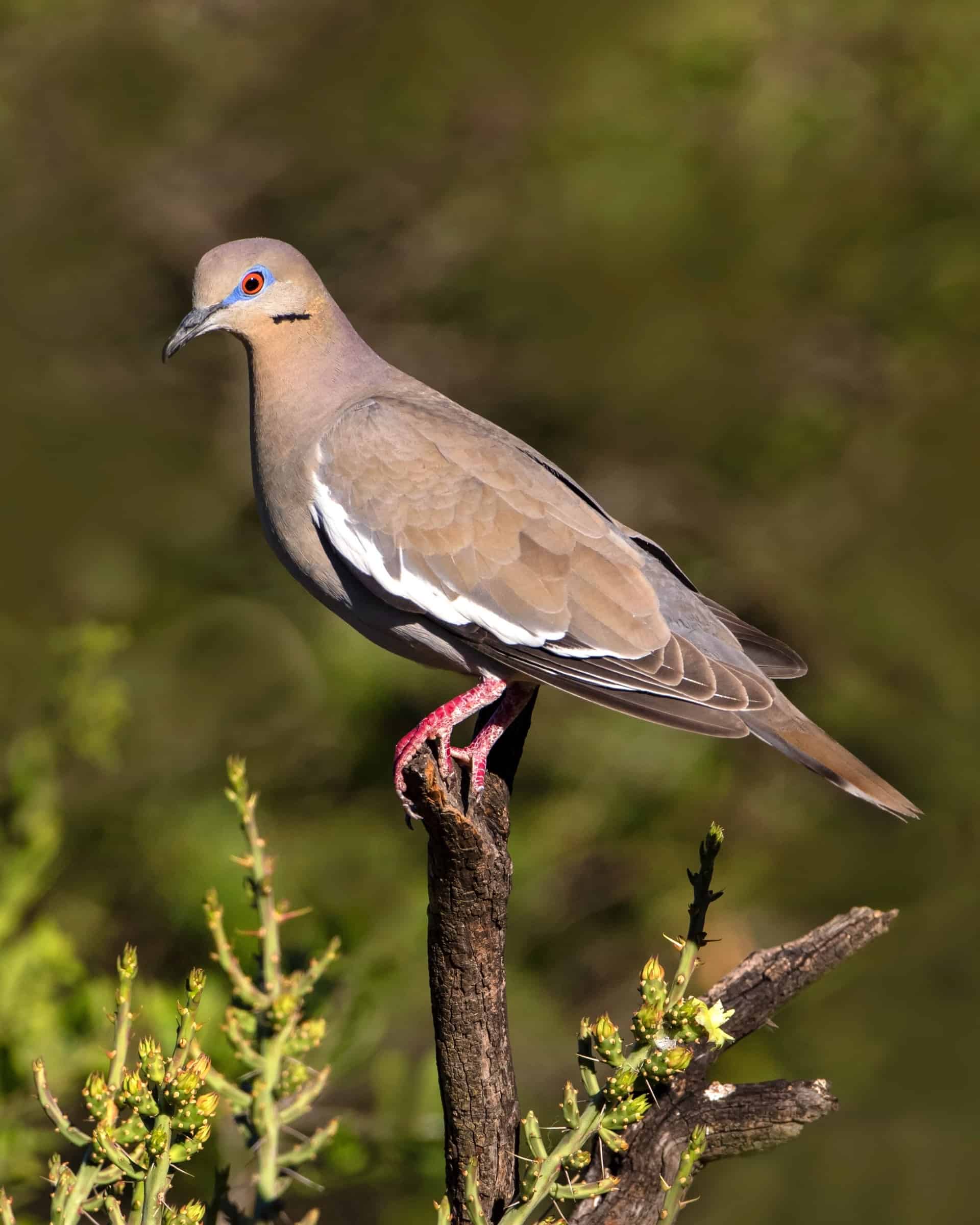


White-winged Dove (Zenaida asiatica) — Sounds like it’s asking “who cooks for you?” This bird is the unofficial soundtrack of a steamy saguaro summer. The close-up view of eye-ring of this bird is amazing! And its call? Very fun to recognize in the desert.

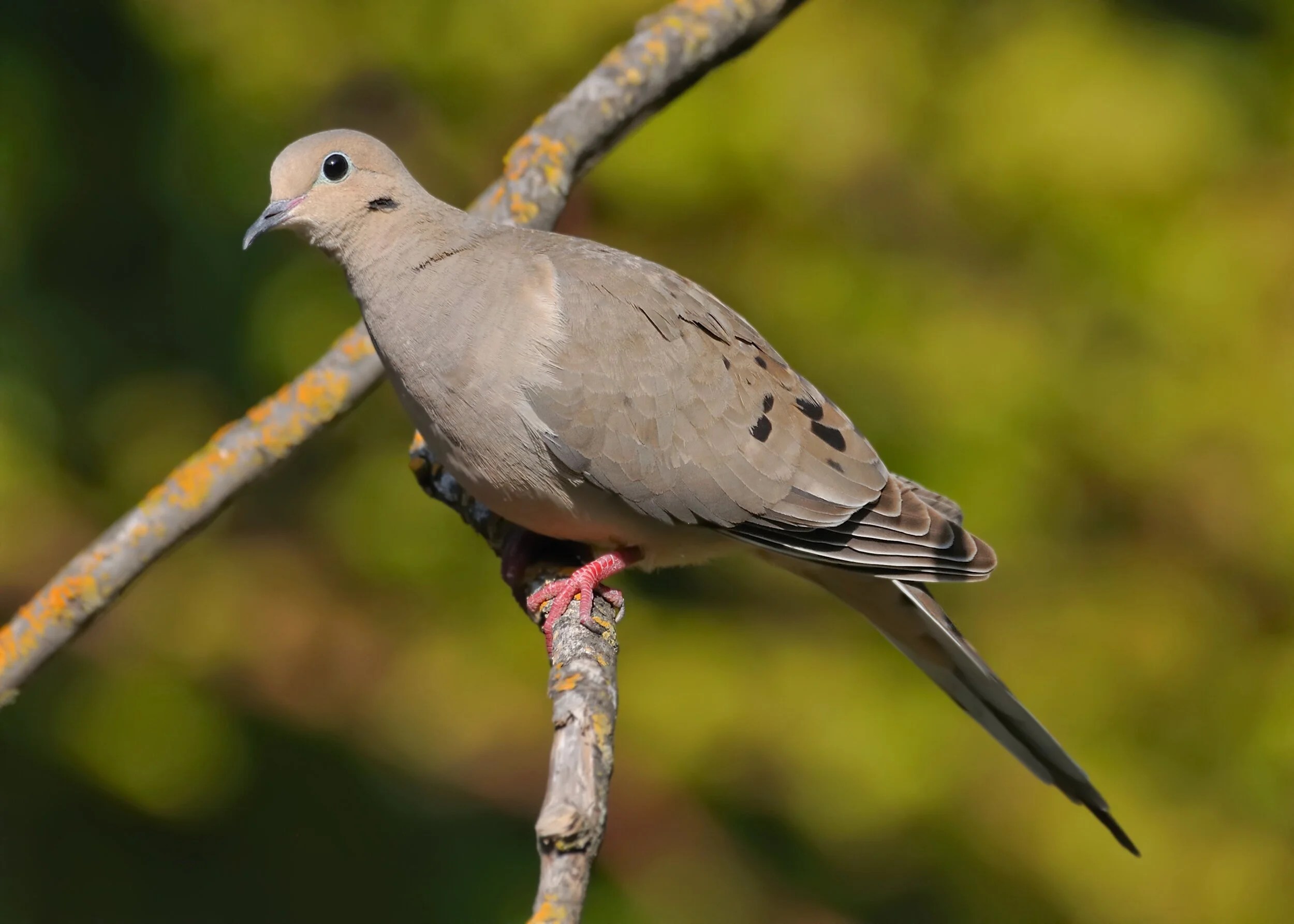
Mourning Dove (Zenaida macroura) — These doves are easily imitated and fun to listen to, even though most people feel their call is sad and mournful. This birder feels they are mournful in name only; in practice, they are the calmest bird at the feeder, and a welcomed visitor.
->->->->->->->->->->->->->->->->->->->->->->->->->->->->->->->->->->->->->->->->->->->->->->->->->->->->->->->->->->
Catchin’ up with Roadrunners
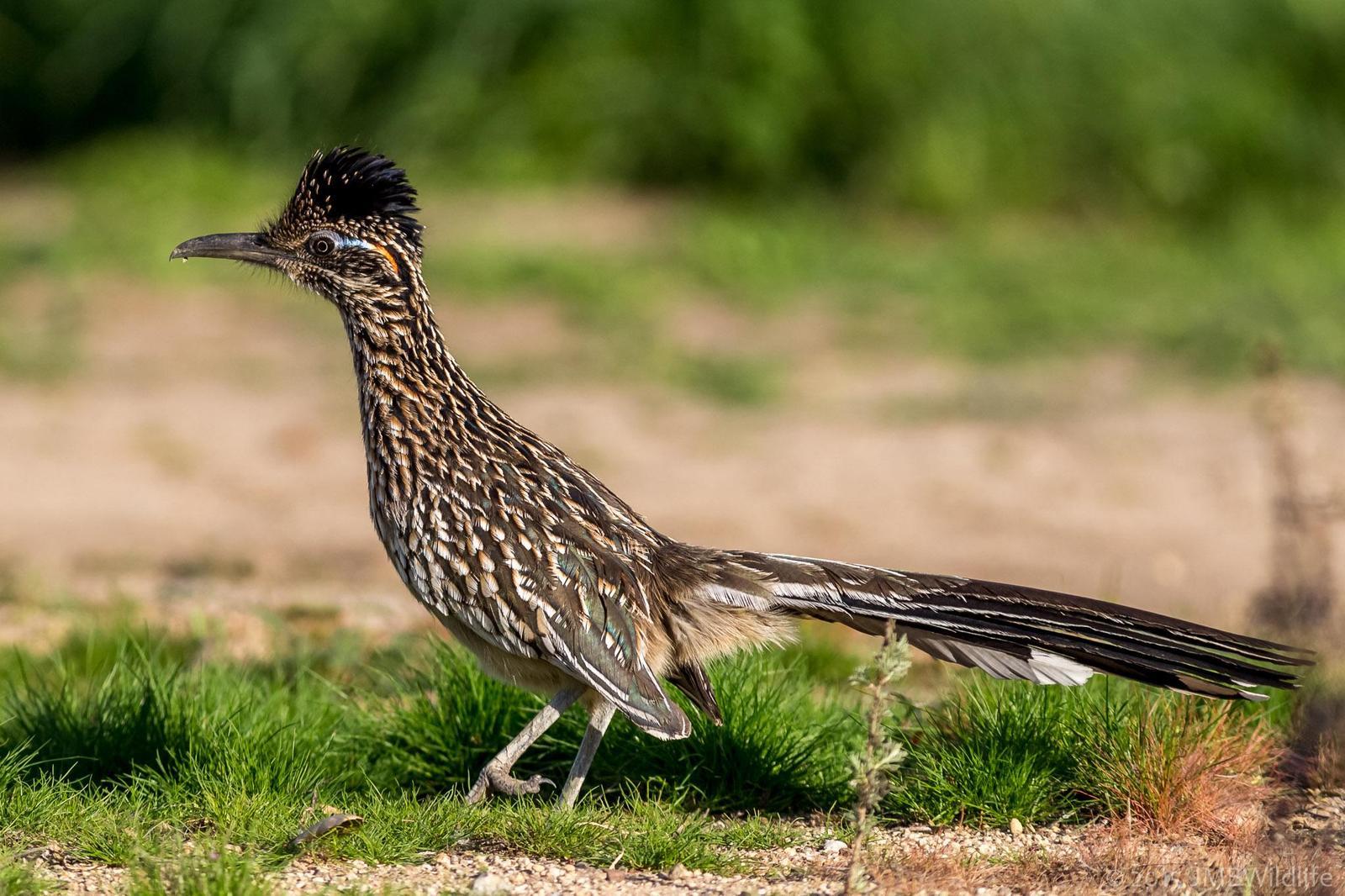
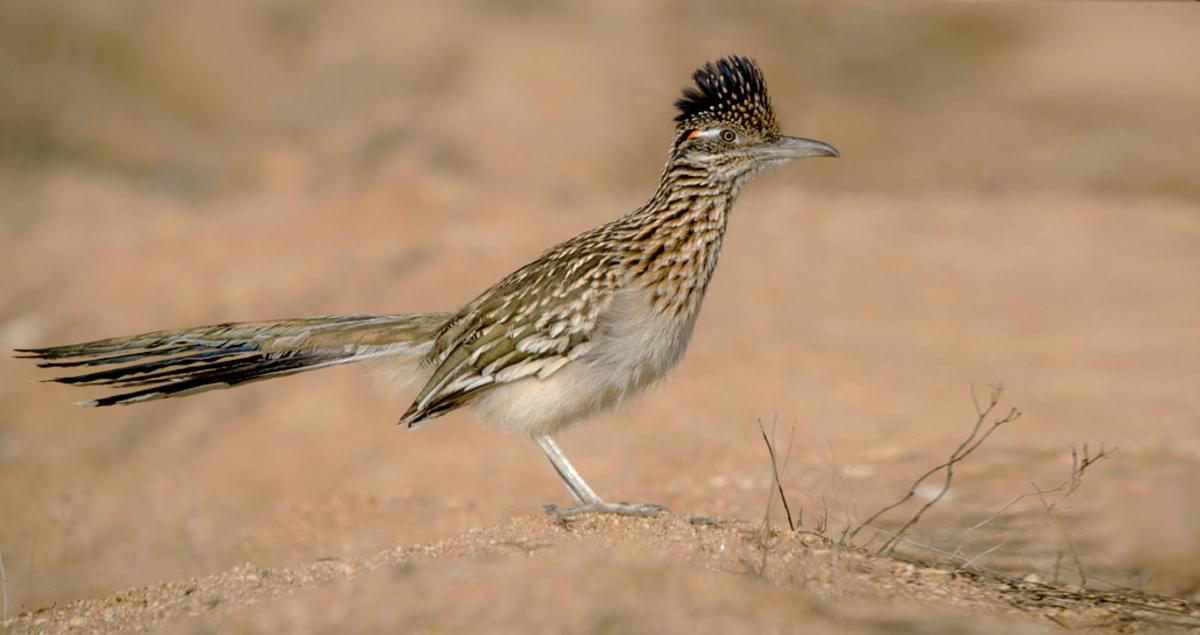
Greater Roadrunner (Geococcyx californianus) — This signature Southwestern bird would rather sprint through a cactus patch than fly ten feet. We saw this bird while we were just beyond the Albuquerque airport. Our ornithologist, Arch McCallum, said we could NOT count the roadrunner on our bird list, because we spotted it before the Flocks & Rocks trek officially began. Well, since this is my list, we are counting it anyway. And what a nice find it is! Roadrunner.
->->->->->->->->->->->->->->->->->->->->->->->->->->->->->->->->->->->->->->->->->->->->->->->->->->->->->->->->->->
The strangely named Nightjars


Common Nighthawk (Chordeiles minor) — A “peent” from nowhere, and then all of a sudden and it is everywhere. A swift change in direction and it is in a dive-bomb “boom,” then it’s gone. The nighthawk puts on the desert’s own private fireworks show. And the “boom” is louder than most people expect! We saw a pair of these graceful fliers while camping at the Valleys of Fire near Carrizozo, New Mexico. They were flying low over the lava, then soaring to the heights. We heard them before dawn then spotted them waltzing to the east, while the morning sun rose above the mountains. It was a beautiful territorial dance.
->->->->->->->->->->->->->->->->->->->->->->->->->->->->->->->->->->->->->->->->->->->->->->->->->->->->->->->->->->
Now on to Hummingbirds
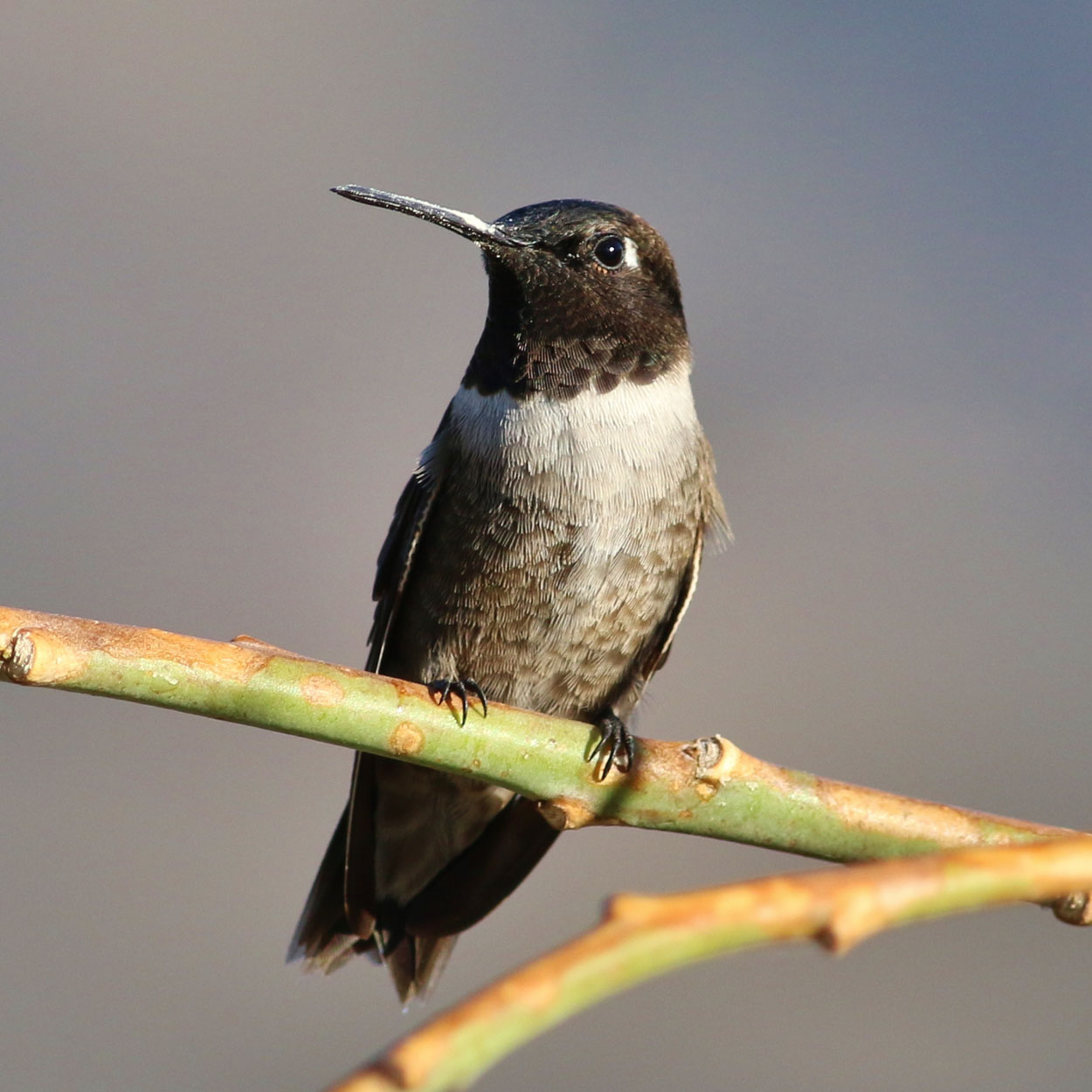
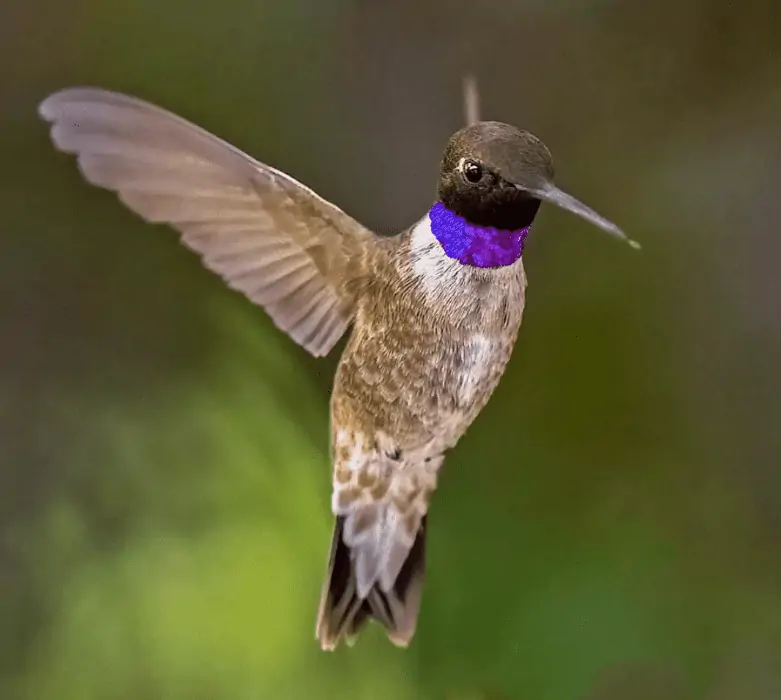
Black-chinned Hummingbird (Archilochus alexandri) — Mostly plain looking, until the light hits that throat — then instant amethyst. What a color, what a sight! We saw these beauties and the rest of these competitive fliers (diving competitively after the remaining spots at the birdfeeders), while at the Bloch family ranch in Mora, New Mexico.
Arch McCallum may correct our sightings, but I believe we saw Black-chinned, Rufous, Broad-tailed, and Calliope hummers that day. Thank you John and Betsy Bloch for hosting us for the lunch-time hummingbird feeding frenzy.
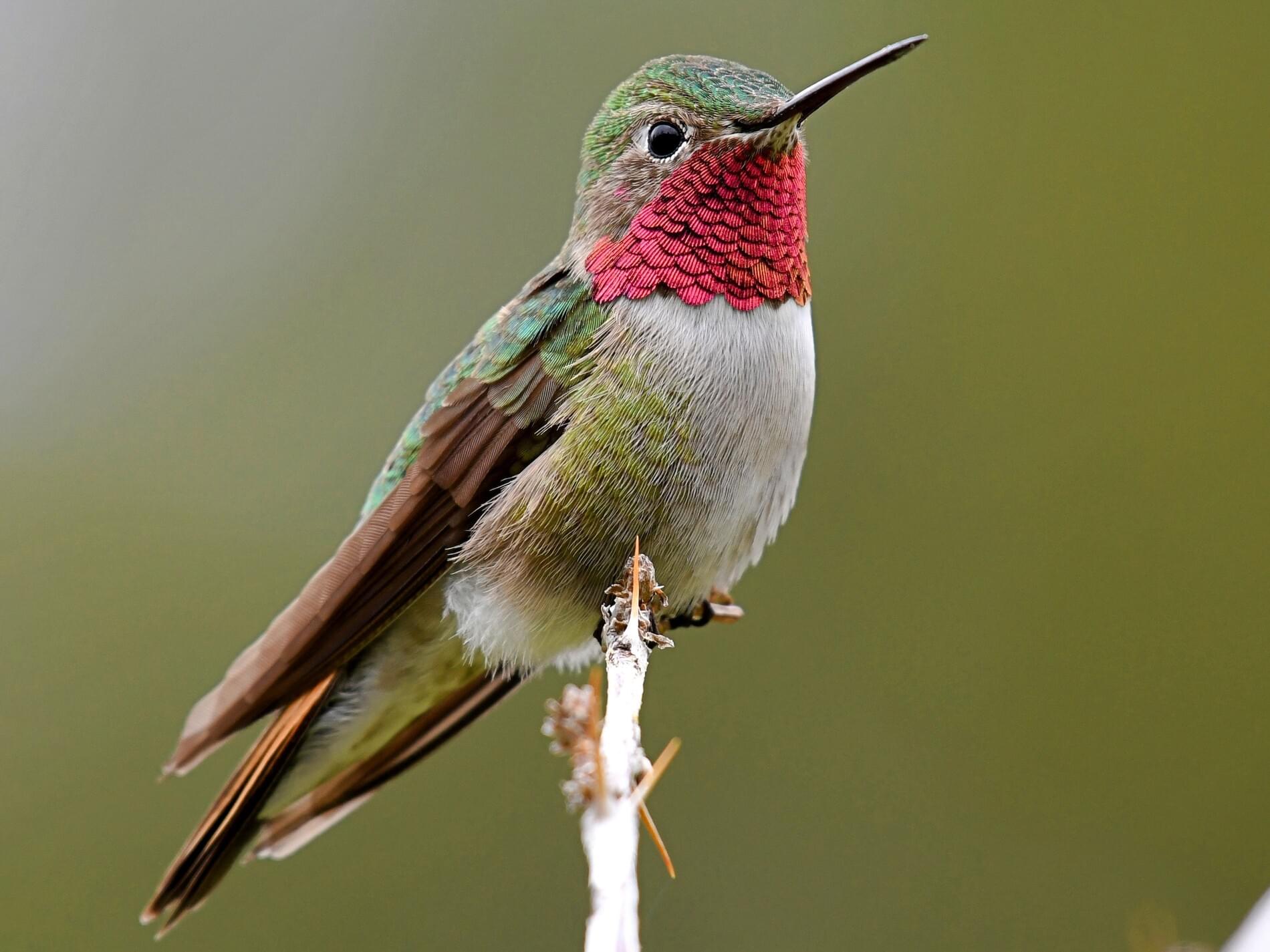

Broad-tailed Hummingbird (Selasphorus platycercus) — You’ll hear the wings before you see the bird. This hummer makes a trilling little jet engine sound at 9,000 feet. A flash of green and red, these brilliant, tiny, precision-flying creatures glitter like jewels in the full sun, then vanish with a zip toward the next nectar source. Feeders and flower gardens are great ways to attract these birds, and some avian lovers turn their yards into buzzing clouds of hummingbirds each summer. We count the Bloch’s back porch in that category!

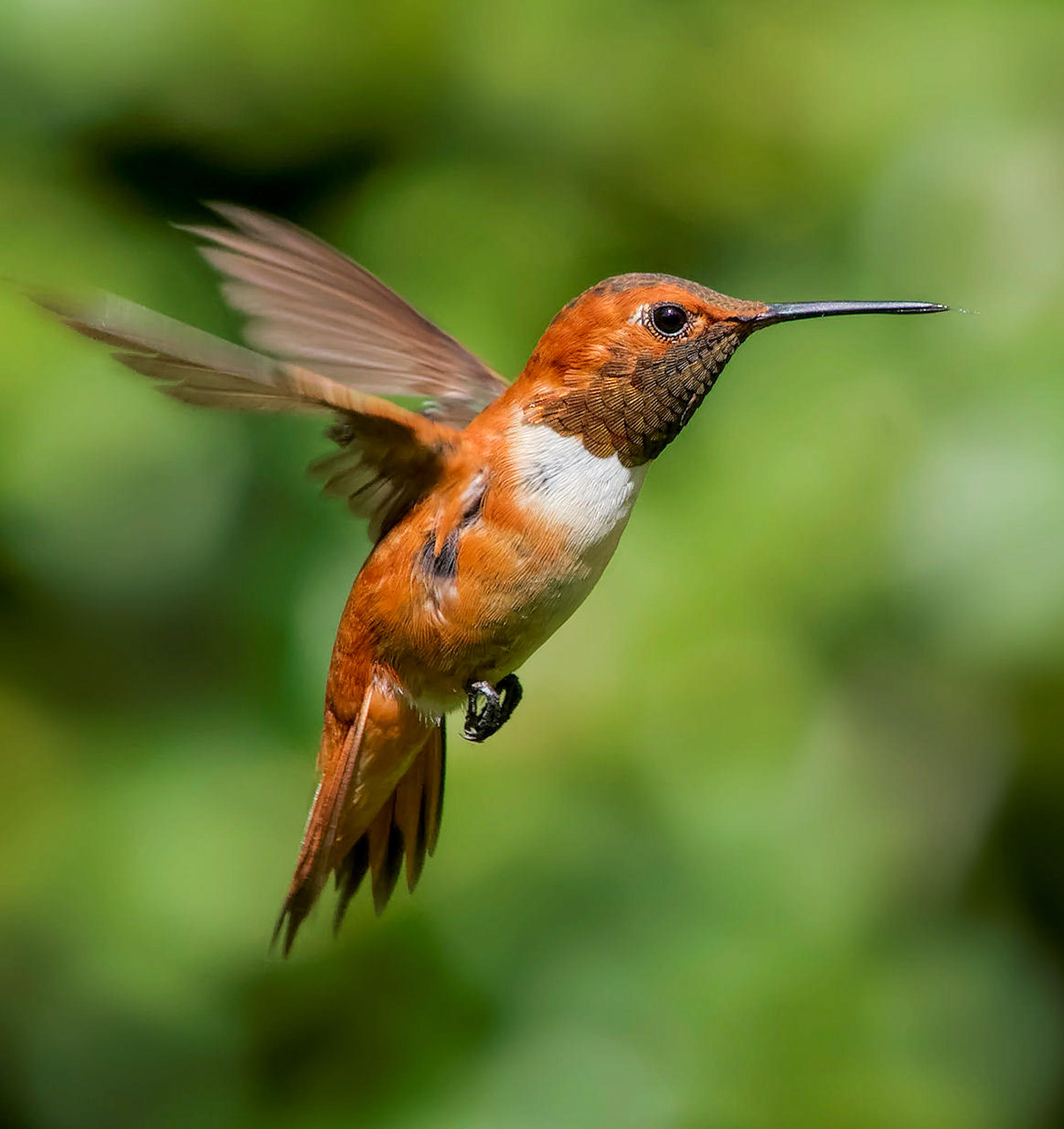
Rufous Hummingbird (Selasphorus rufus) — A tiny copper firecracker with a Napoleon complex and a feeder to defend. The rufous may not be the smallest hummingbird, but it is among the most aggressive.

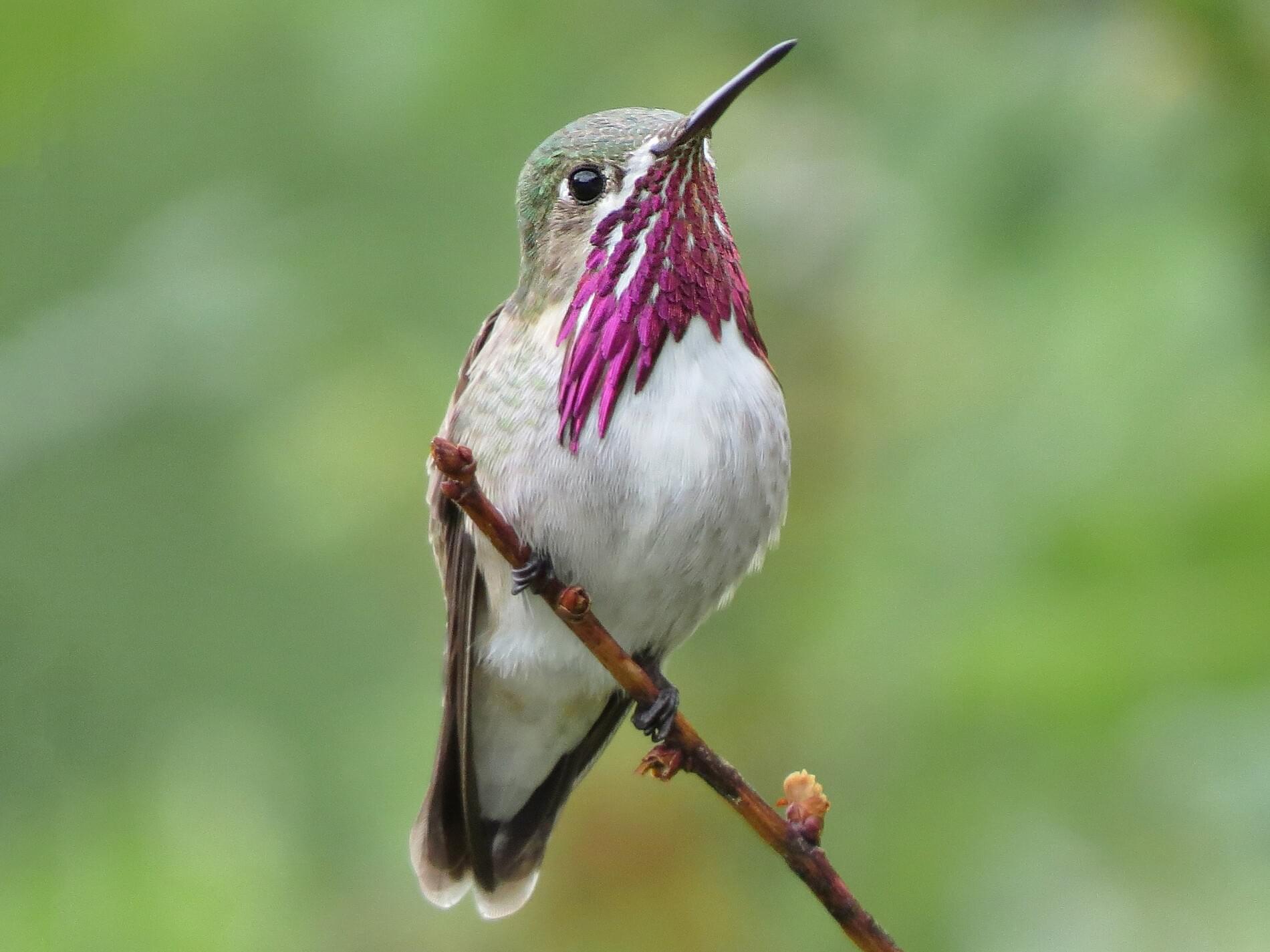
Calliope Hummingbird (Selasphorus calliope) — Earning the reputation as North America’s smallest bird, this gem is adorned with a white/magenta throat that is streaked like war paint. Small but never overlooked, these hummers dance and hover, performing U-shaped display dives for females. During these displays the male makes a sputtering buzz with his tail feathers and gives a sharp zinging call.
Our daughter, Eleanor, spotted one of these small birds lying dead on the roadway. She picked it up, photographed it and then drew a picture of it by hand. It remains the best bird image of the Trek this summer!
->->->->->->->->->->->->->->->->->->->->->->->->->->->->->->->->->->->->->->->->->->->->->->->->->->->->->->->->->->
On to Rails & Coots


Sora (Porzana carolina) — A whinnying call from deep in the reeds; the bird itself, rarely seen and utterly unbothered by that fact. We fall into the category of “heard these fellas but never saw it,” too. These elusive reed dwellers were out there for sure (eBird and Merlin said so), we just could not get our binoculars close enough to see it walking or on the wing. There are two images of the Sora out of guilt for never actually seeing one.
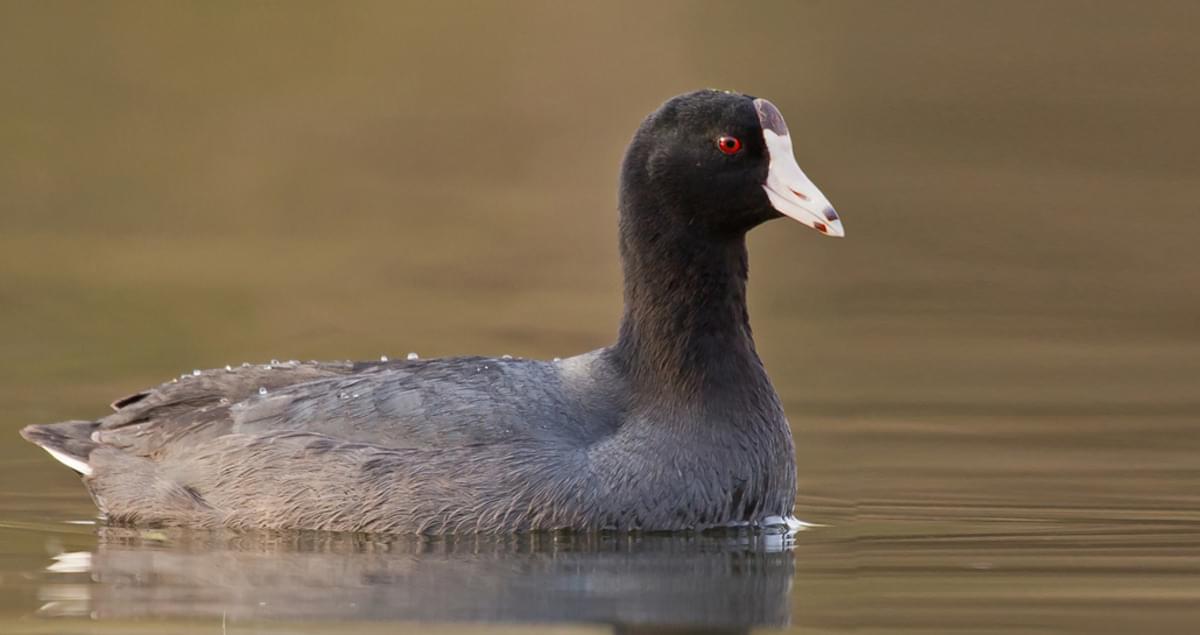
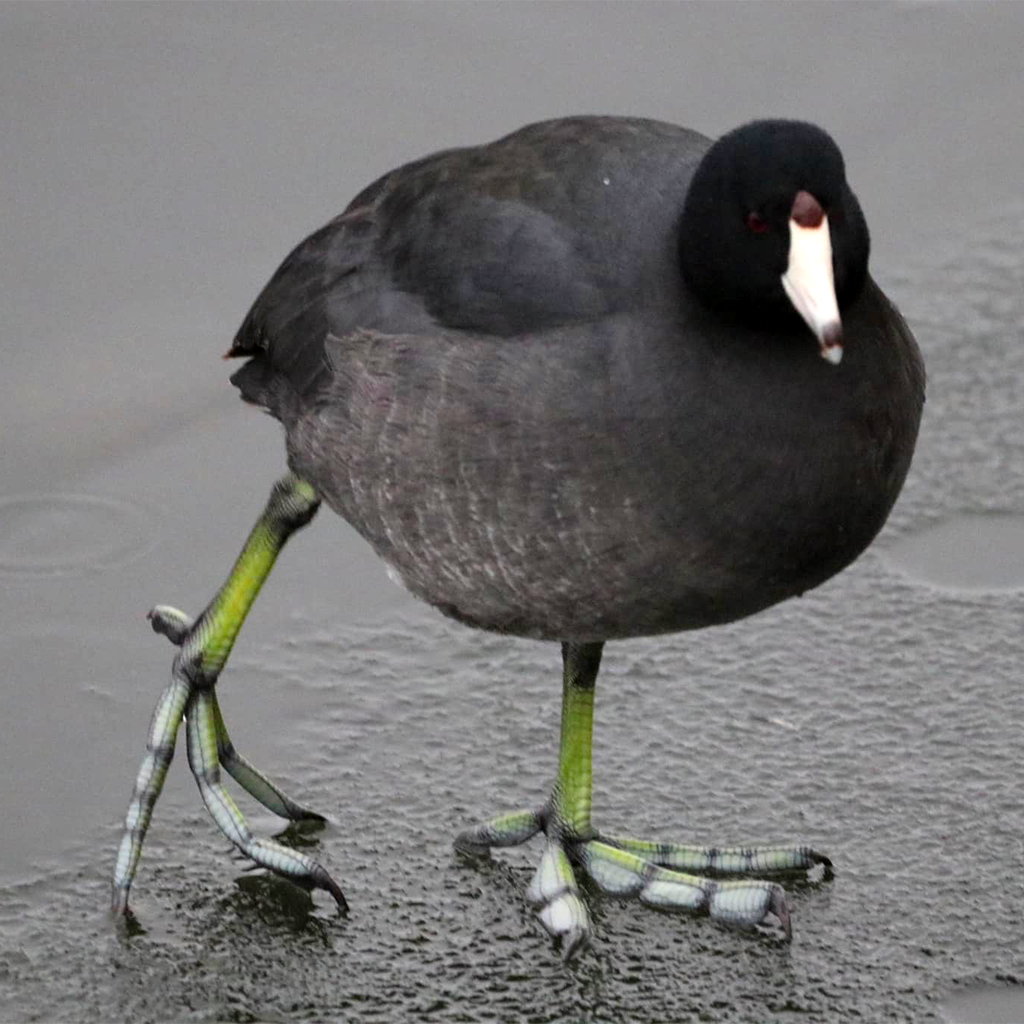
American Coot (Fulica americana) — Take a good look at those absurd lobed feet! It dives like a duck, swims like a duck, dances with ducks, but it is a coot. And coots belong to an entirely different family called Rallidae (the rail family), making them more closely related to cranes and rails than to ducks.
->->->->->->->->->->->->->->->->->->->->->->->->->->->->->->->->->->->->->->->->->->->->->->->->->->->->->->->->->->
Shorebirds, Yes! Love these birds
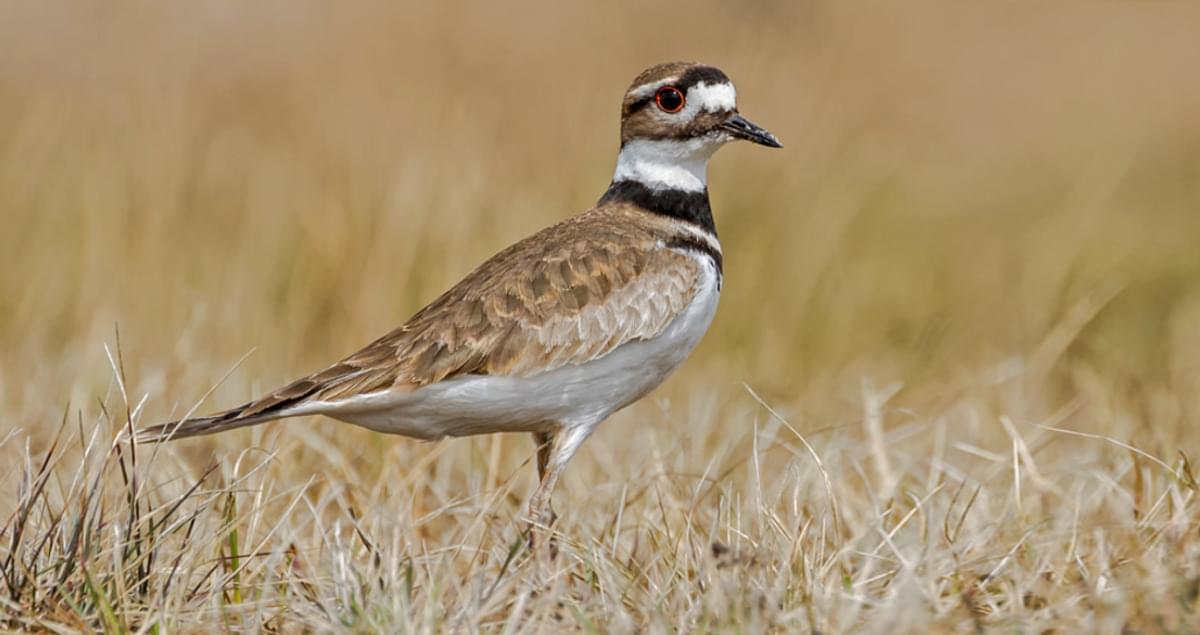
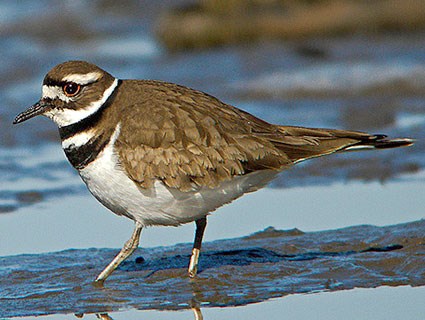

Killdeer (Charadrius vociferus) — The most dramatic actor on the trail or in the parking lot, Killdeer are always faking a broken wing to save chicks that were never in danger to begin with. Their call is often the first sign of this shorebird hiding in plain sight nearby. And yes, this well-named bird owns a call that is indeed vociferous. You can hear it from many football fields away! For more on the Killdeer see the following Bird post: Killdeer and Other Plovers.
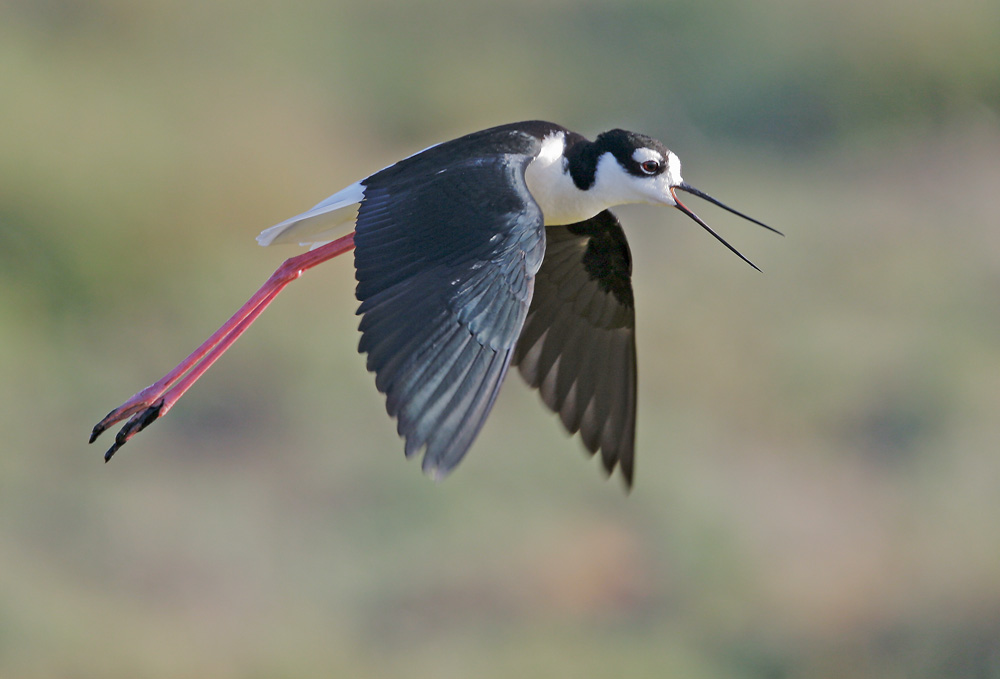
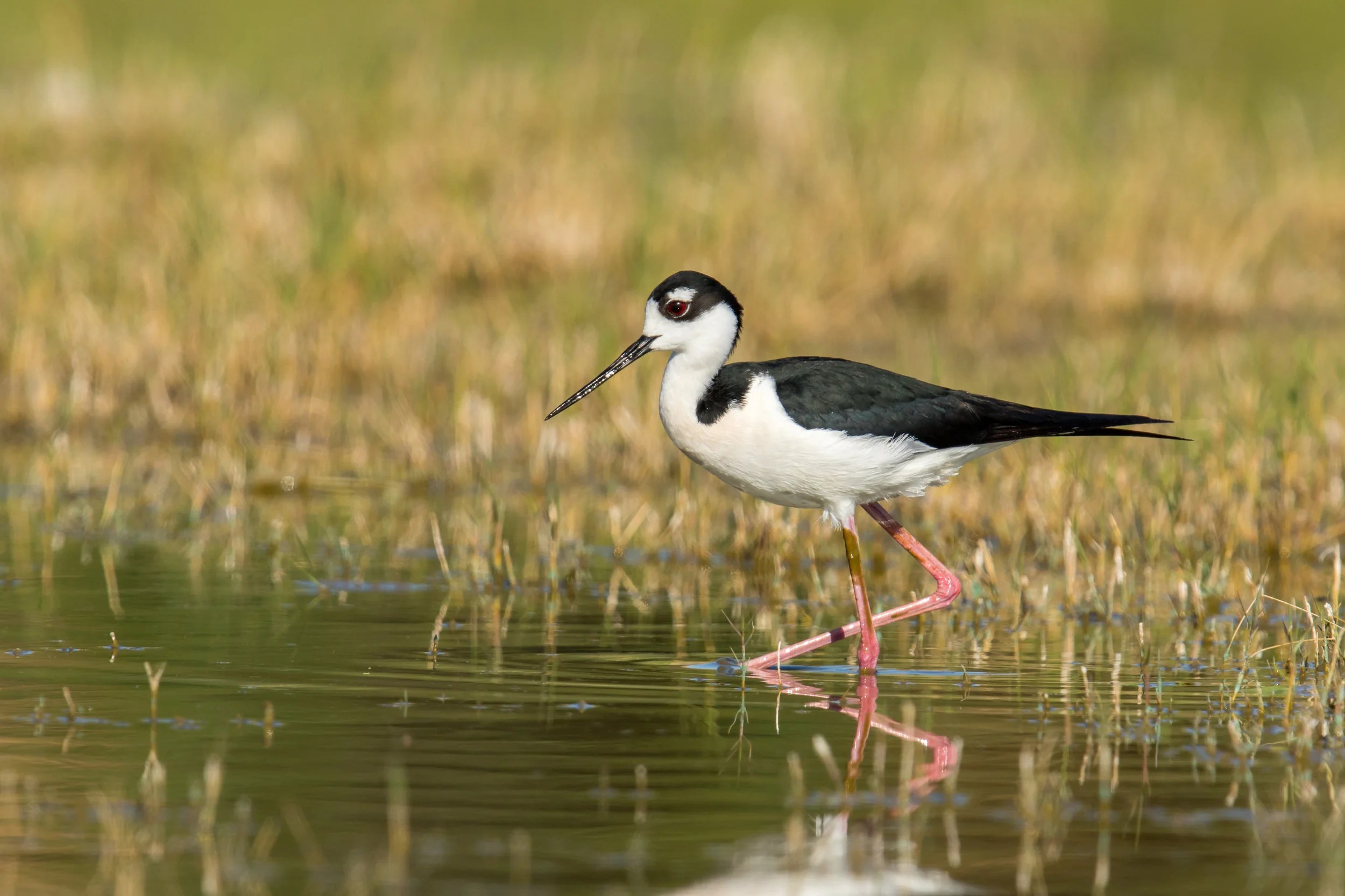
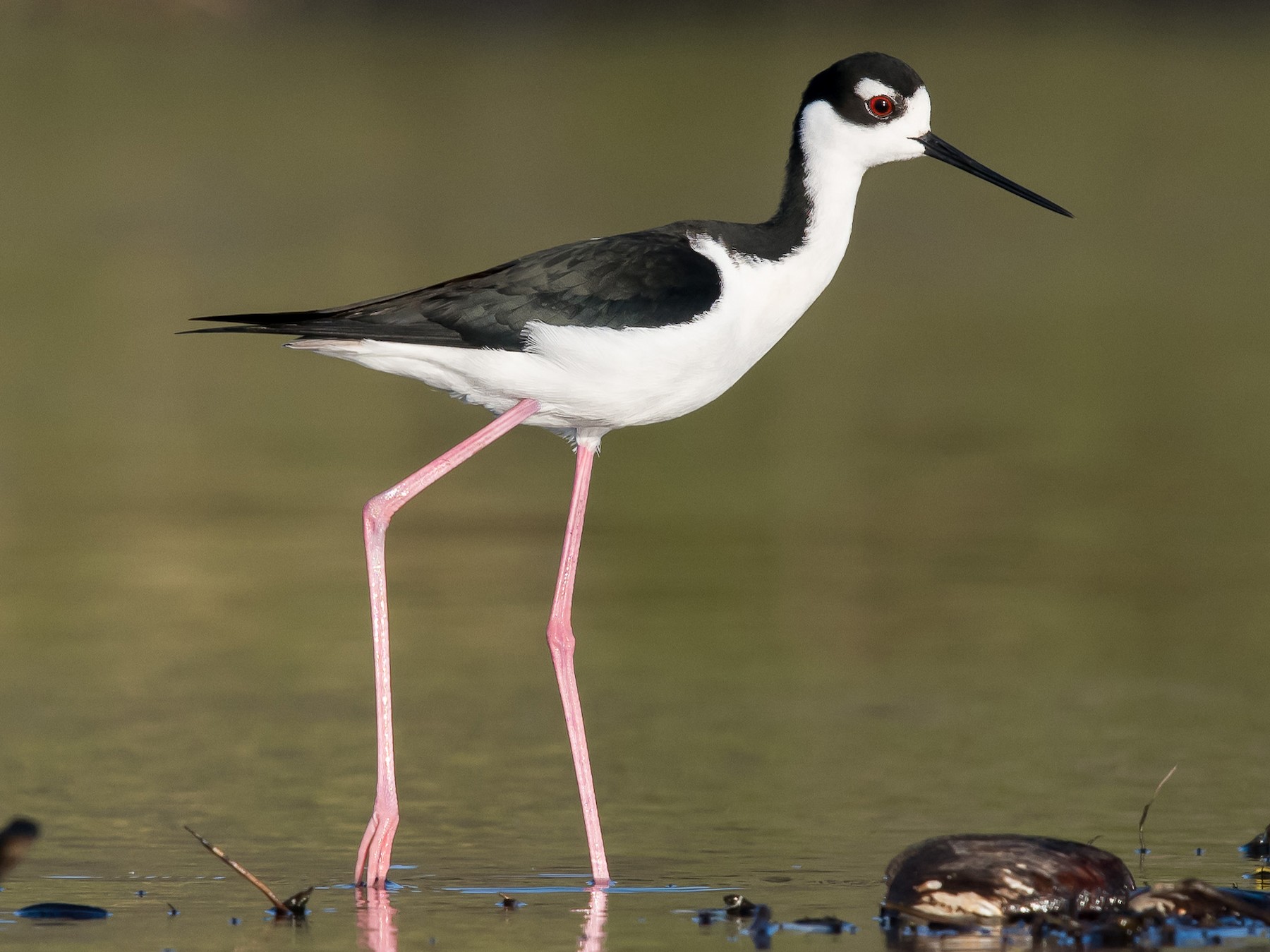
Black-necked Stilt (Himantopus mexicanus) — Legs for days, patience for none — this species is the desert wetland’s own runway model. They are such fun to watch as they stroll in the shallows searching for insects and larvae. Their elegant pink legs allow them to wade out deeper than other shorebirds, so stilts hav a definite height advantage. For more on Stilts see the following post: Avocets & Stilts.

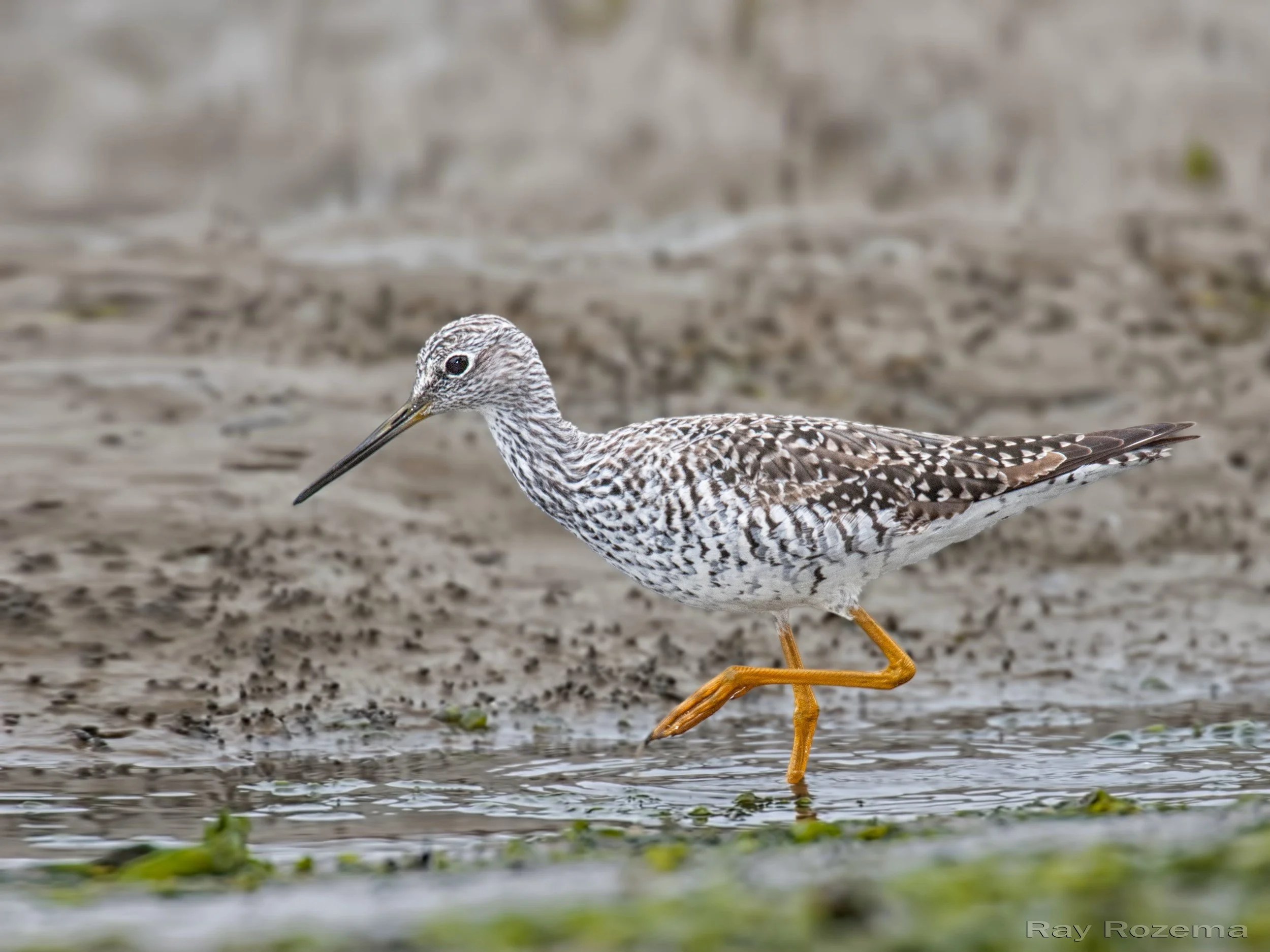
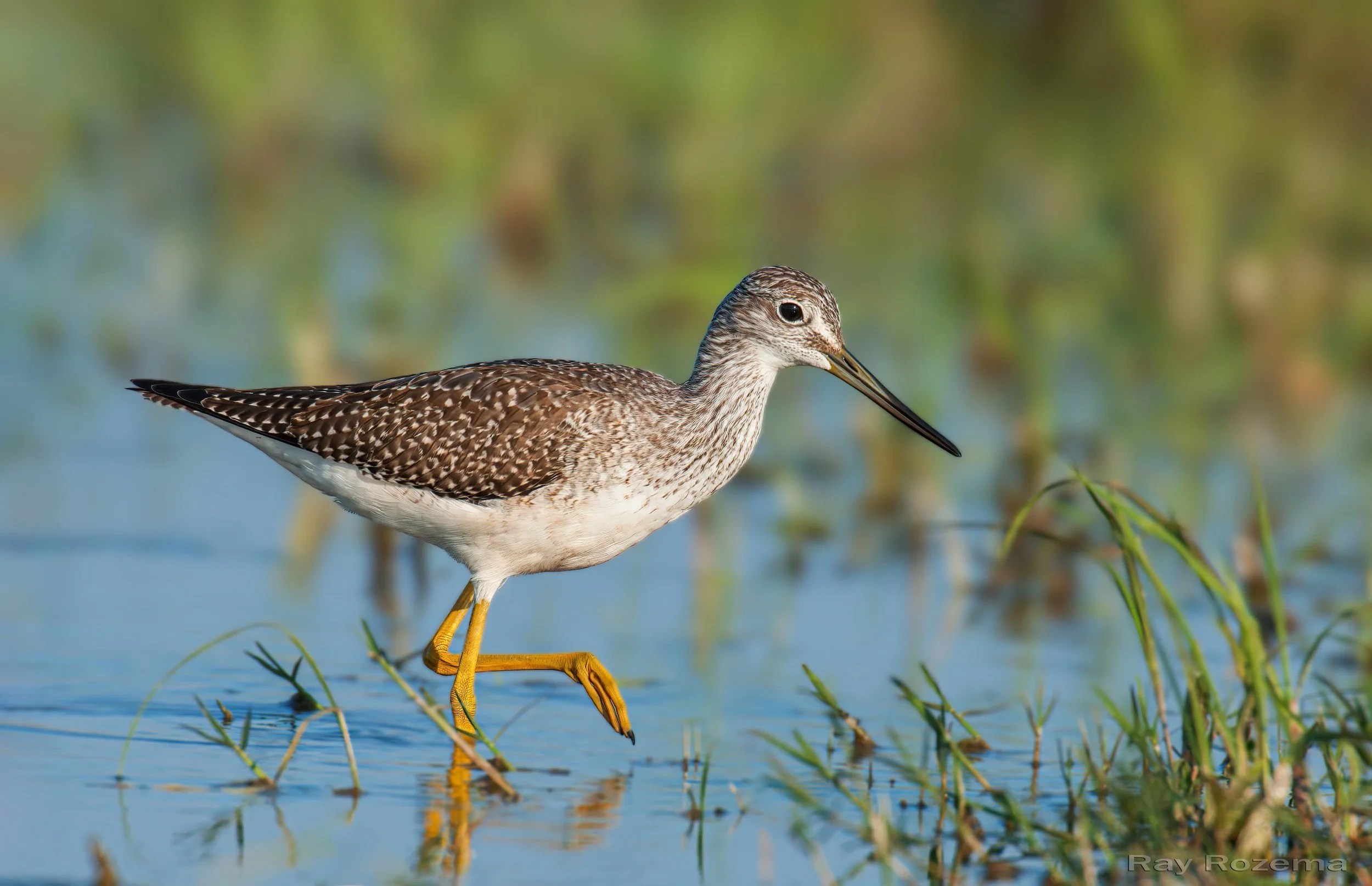
Greater Yellowlegs (Tringa melanoleuca) — This wader announces itself loudly, wades in like it’s late for something, and probably is.
We saw these birds at the Fort Union Ranch in the settling ponds and they were both loud and hungry. It was nearly 100 degrees that afternoon, so forgive us if we were seeing a mirage. In any event it was very fun to watch the waders, as they scavanged in the shallows. Arch McCallum or Jamey French may correct this sighting with the statement, “NO, we only saw the LESSER Yellowlegs in the pond, not the GREATER!” For that reason, I have included both species that show off their yellow socks, just in case.

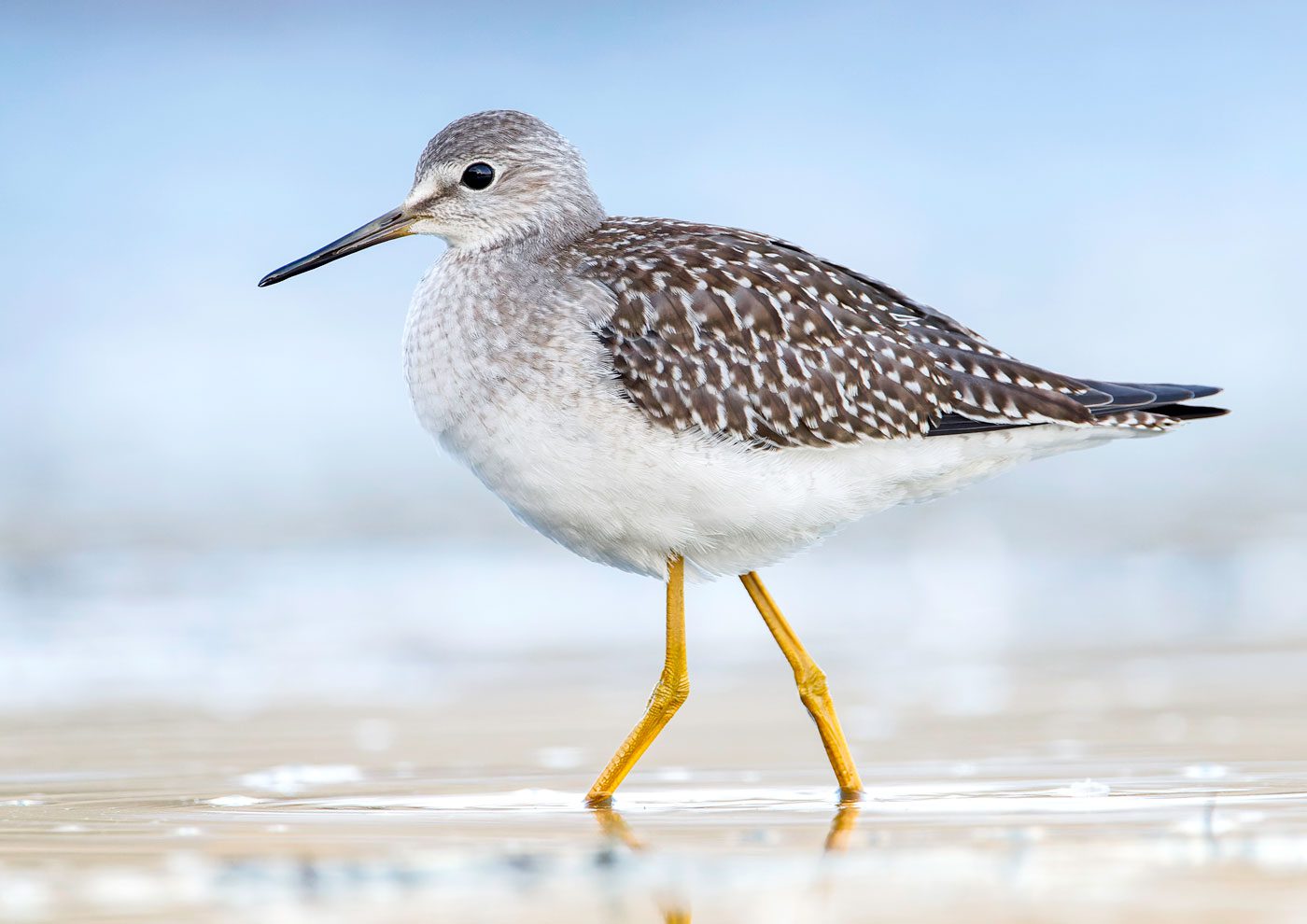
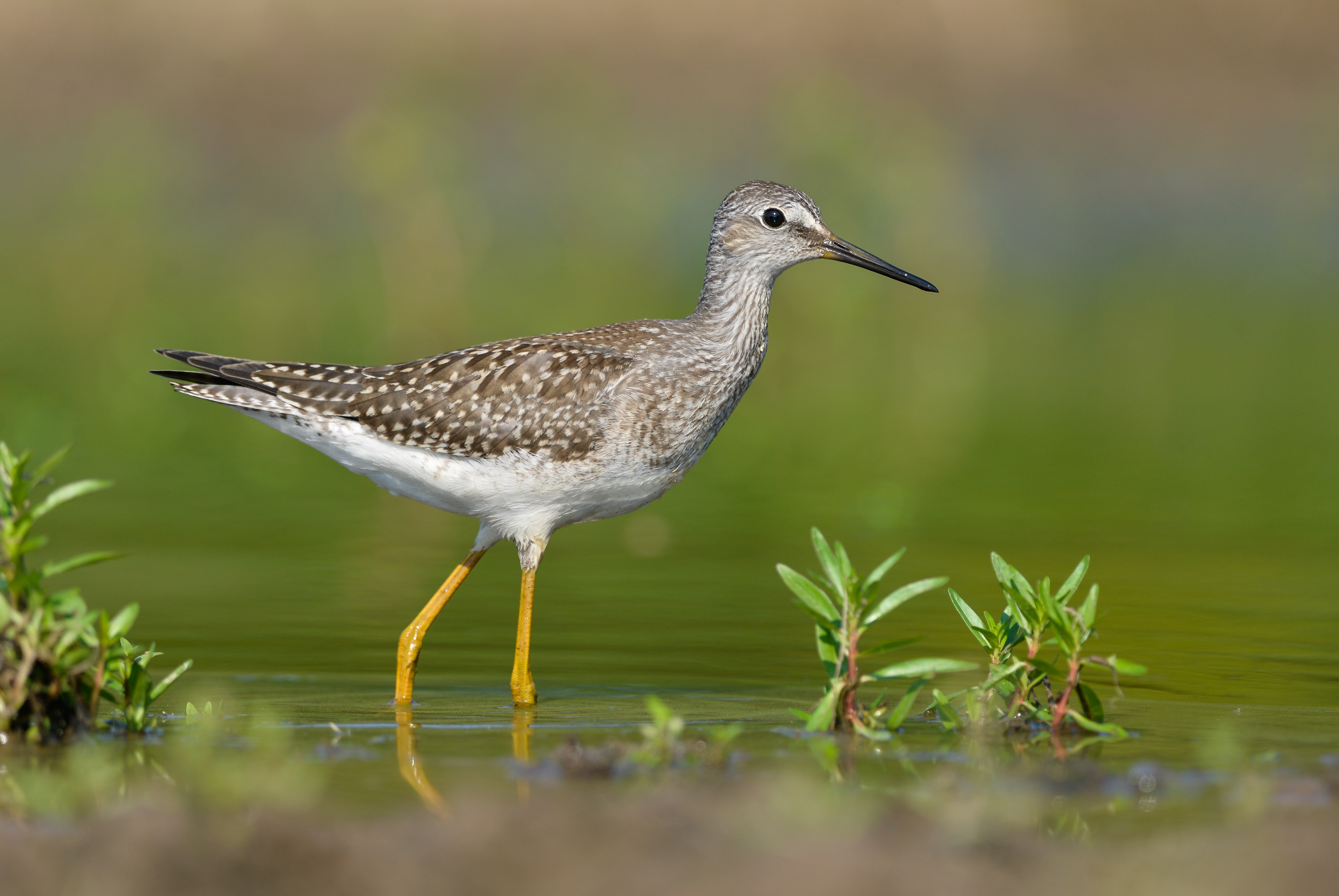
Lesser Yellowlegs (Tringa flavipes) — The Greater’s quieter, daintier sibling — same yellow socks, half the volume. This may be the more accurate wader in our binoculars at Fort Union Ranch, New Mexico.


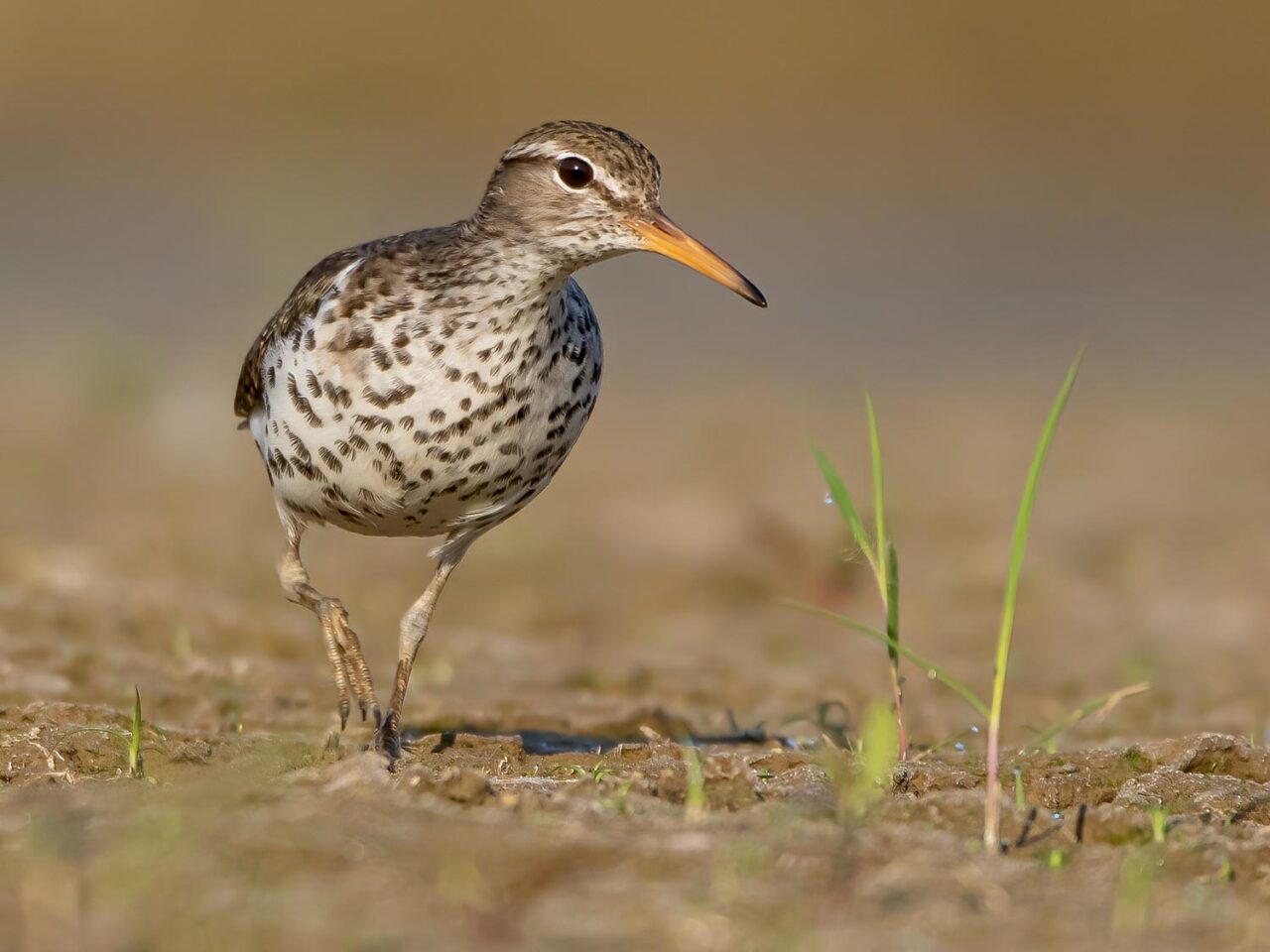
Spotted Sandpiper (Actitis macularius) — Bobbing its tail constantly, this sandpiper seems as if it’s perpetually nodding along to a beat only it can hear. We saw this bobber land on a rock on the edge of the pond at Apache Creek Campground. Jamey called out, “Now watch this guy bob up and down.” It was amazing to see it never miss a beat! The name “actitus” sounds like a nickname our father would have given this sandpiper, as he added “-itis’ to nearly every malady.
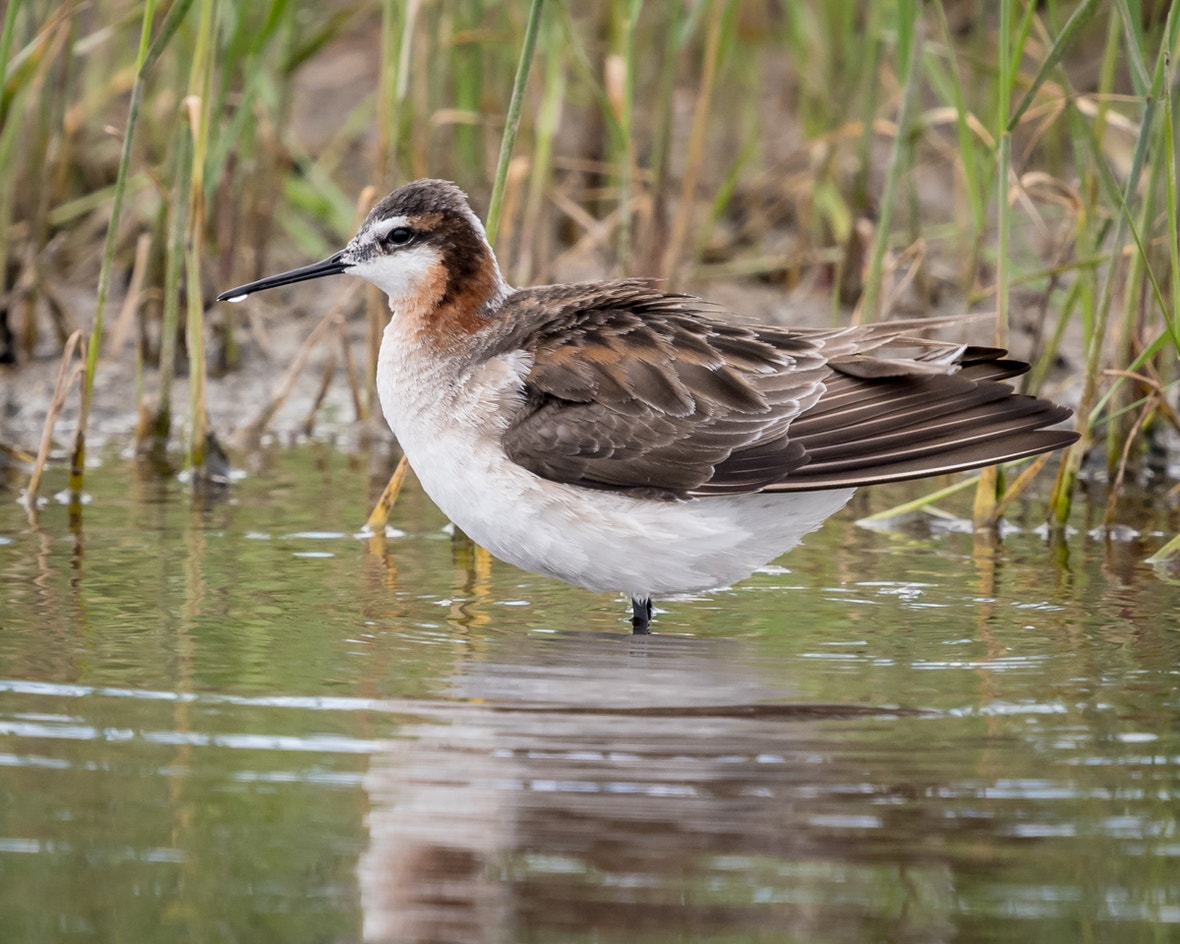


Wilson’s Phalarope (Phalaropus tricolor) — Spins in tight circles to stir up food, and role-reversal royalty. Interestingly in this case, the female of the species wears the brighter plumage. If you want to read a bit more about the ornithologist, Wilson, here is a teaser: Birds of Wilson
->->->->->->->->->->->->->->->->->->->->->->->->->->->->->->->->->->->->->->->->->->->->->->->->->->->->->->->->->->
Heros: The Herons & Ibis


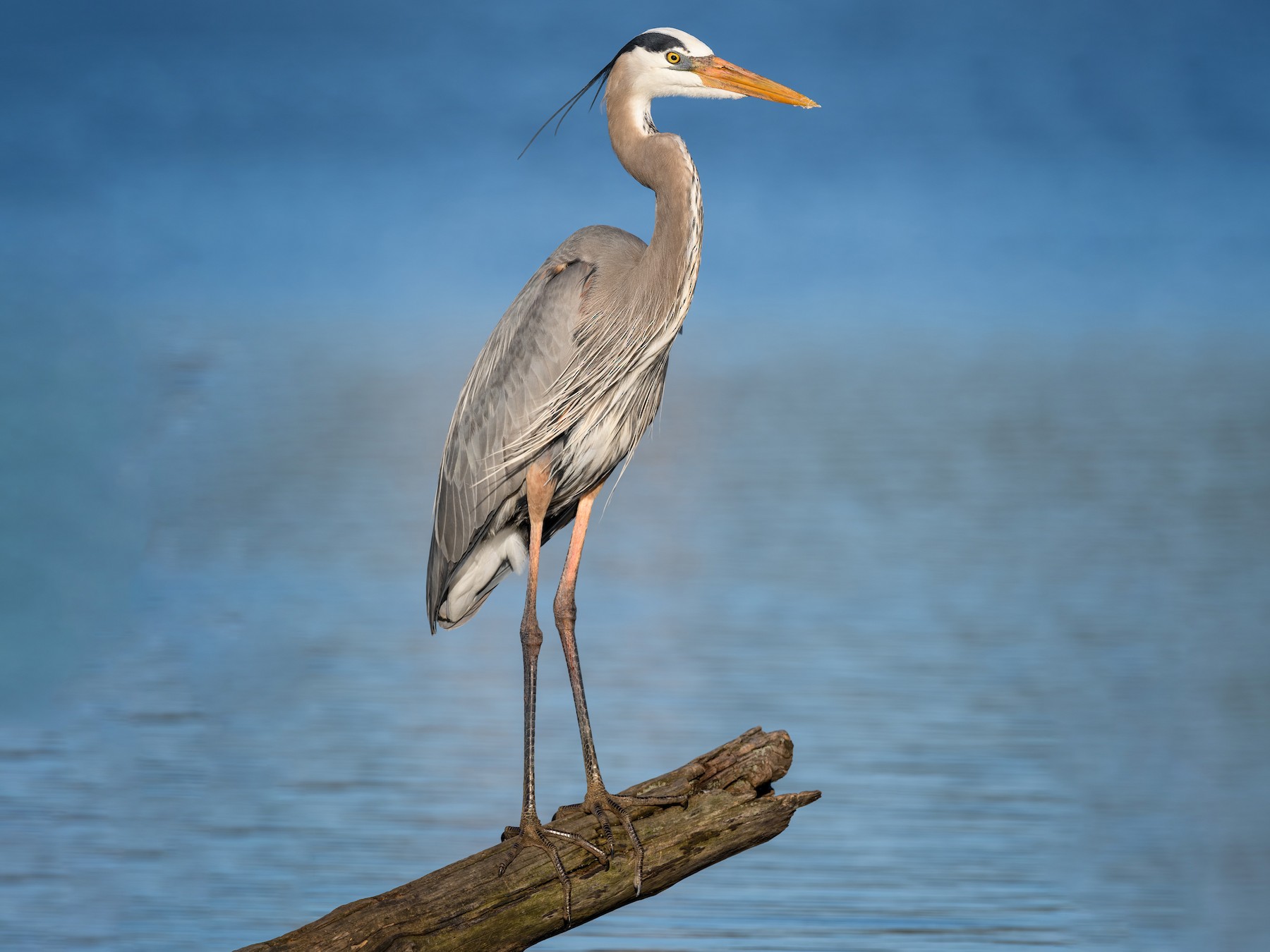
Great Blue Heron (Ardea herodias) — Stands motionless in the shallows for so long it starts to look like a lawn ornament; that is until it isn’t. For some identification purposes the Great Blue Herons are listed in the Herodias Group. Not sure exactly what that means, I have to say that seeing them on the wing is one of the greatest viewing pleasures of my birding life. I feel hope when I see them on the wing, circling, and landing nearby. This one is Tracy Hooper’s “spark bird,” by the way!
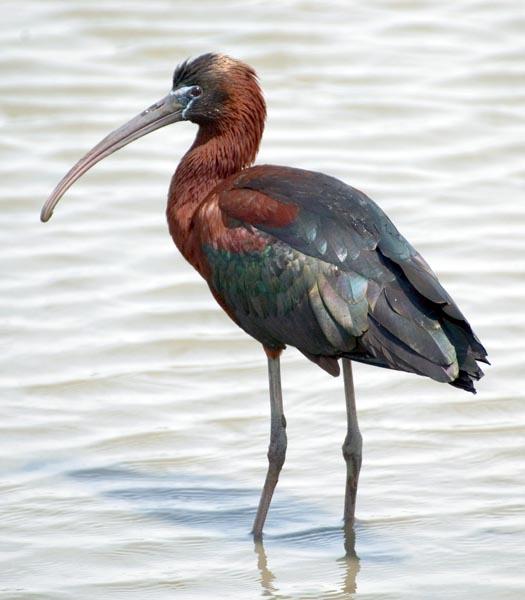

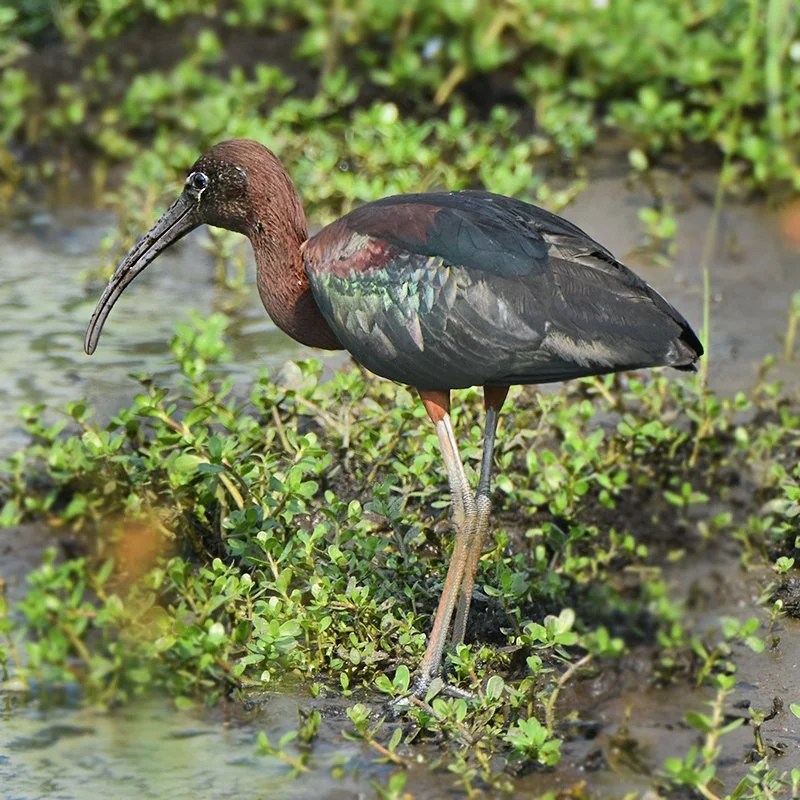
Glossy Ibis (Plegadis falcinellus) — The body of this ibis looks black from a distance, iridescent bronze-green up close. It is indeed a bird that rewards a second look. And even a third look. The face of the Glossy is sometimes confused with the White-Faced Ibis, which has a slightly wider band of white around its eyes and beak. We spotted a lone ibis wading in the ponds on Fort Union Ranch, getting the close-up from Jamey French’s scope made them seem more impressive!
->->->->->->->->->->->->->->->->->->->->->->->->->->->->->->->->->->->->->->->->->->->->->->->->->->->->->->->->->->
Cleaning Up with Vultures
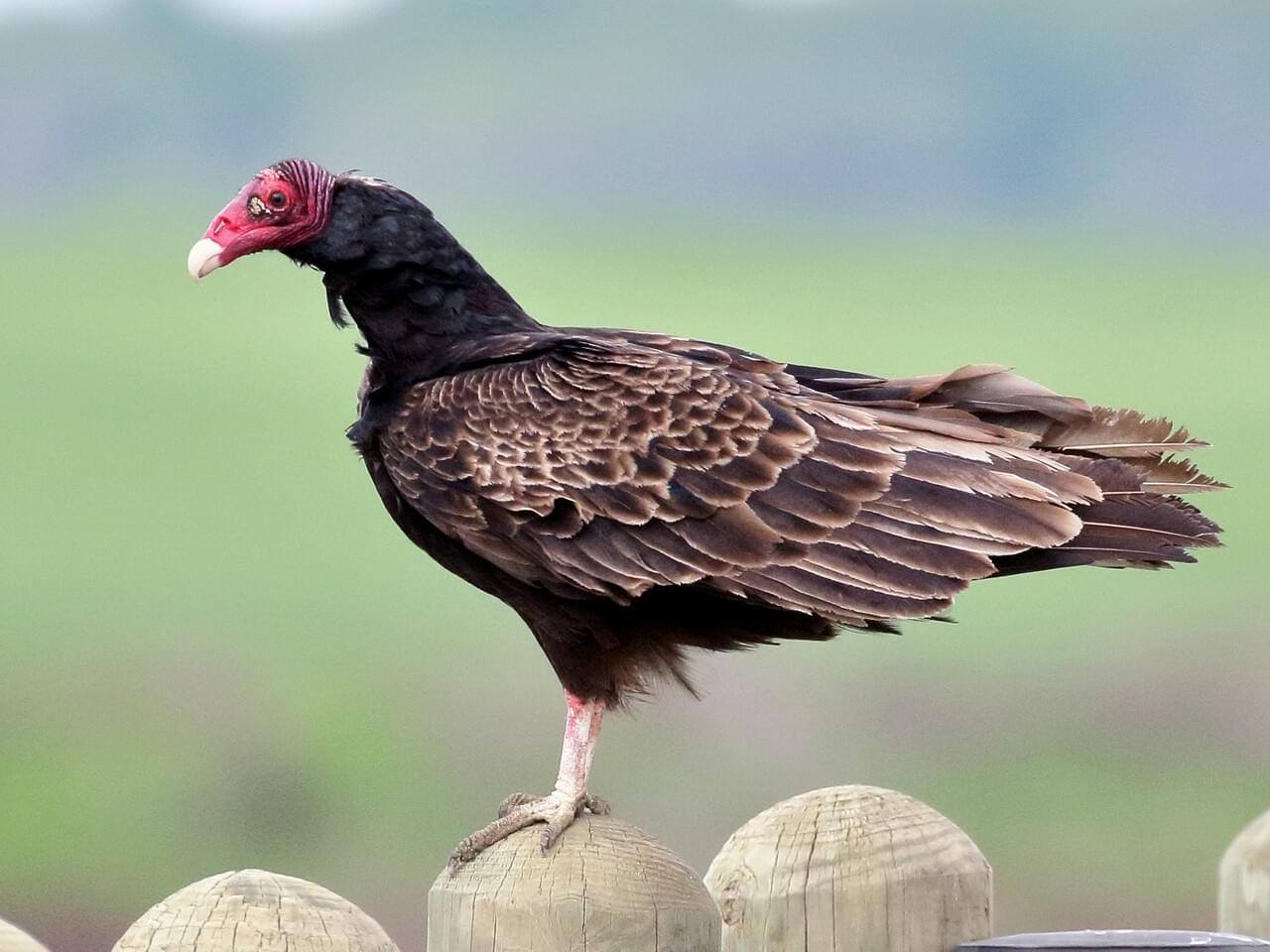
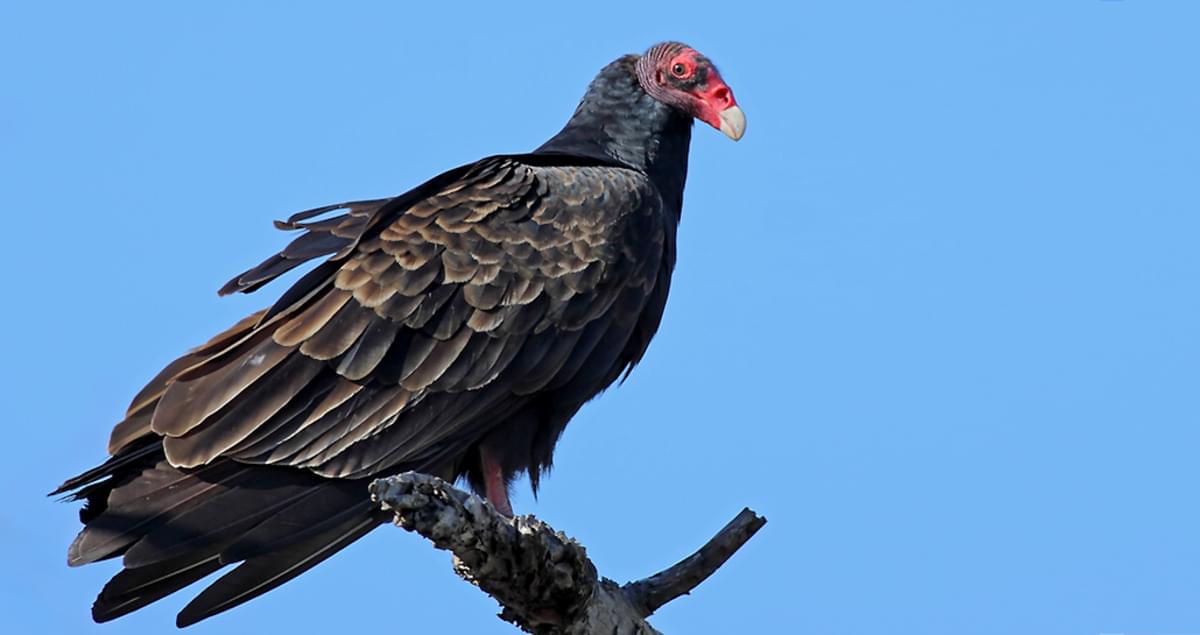
Turkey Vulture (Cathartes aura) — Circles the desert sky on thermals doing the honest, unglamorous work nobody thanks it for. “The TV turns on” when the carcasses are smelly; that’s when turkey vultures appear. Their wing patterns, gliding motions and lighter underwing coloring are distinctive. We often get excited to see the hawks and eagles, only to be disappointed, “Oh, its only a TV.” That said, they help clean up the landscape from roadkill better than any sanitation trucks could.
->->->->->->->->->->->->->->->->->->->->->->->->->->->->->->->->->->->->->->->->->->->->->->->->->->->->->->->->->->
Now for the Hawks

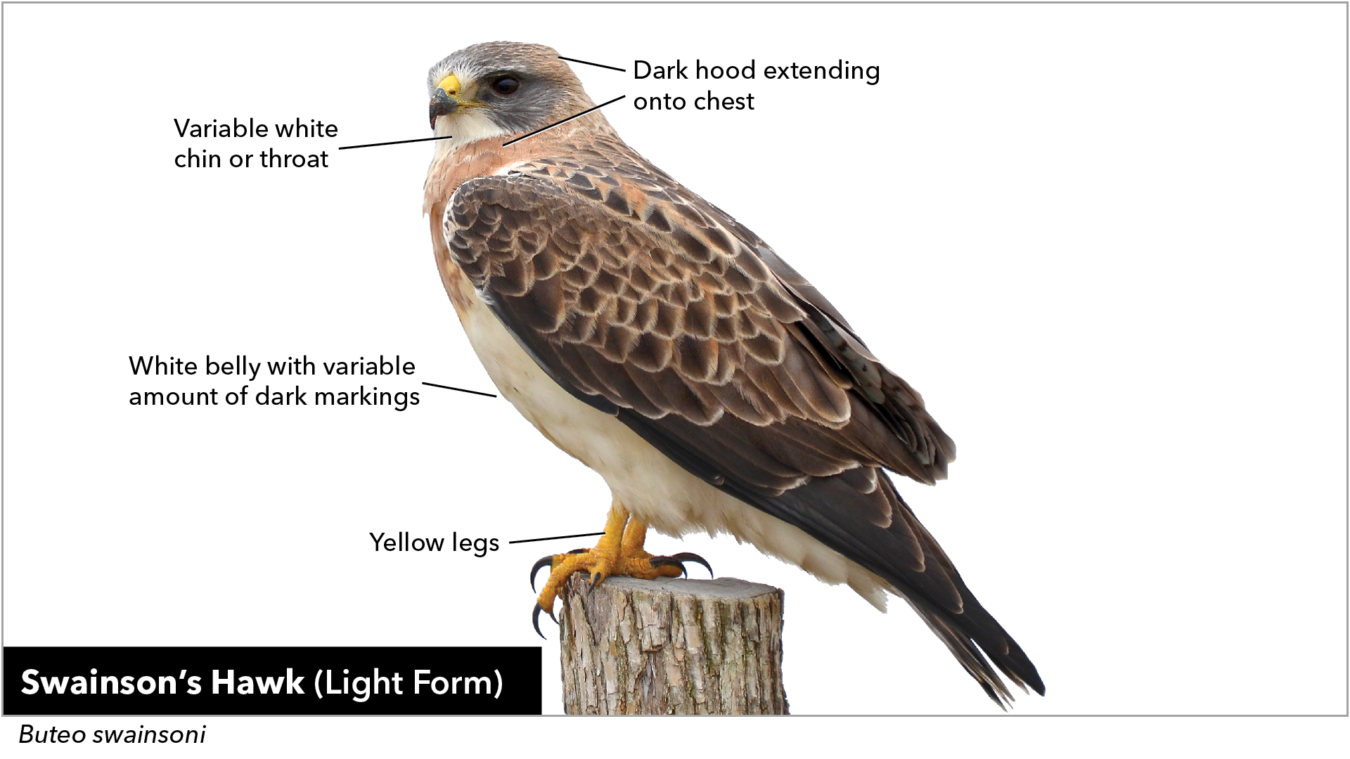
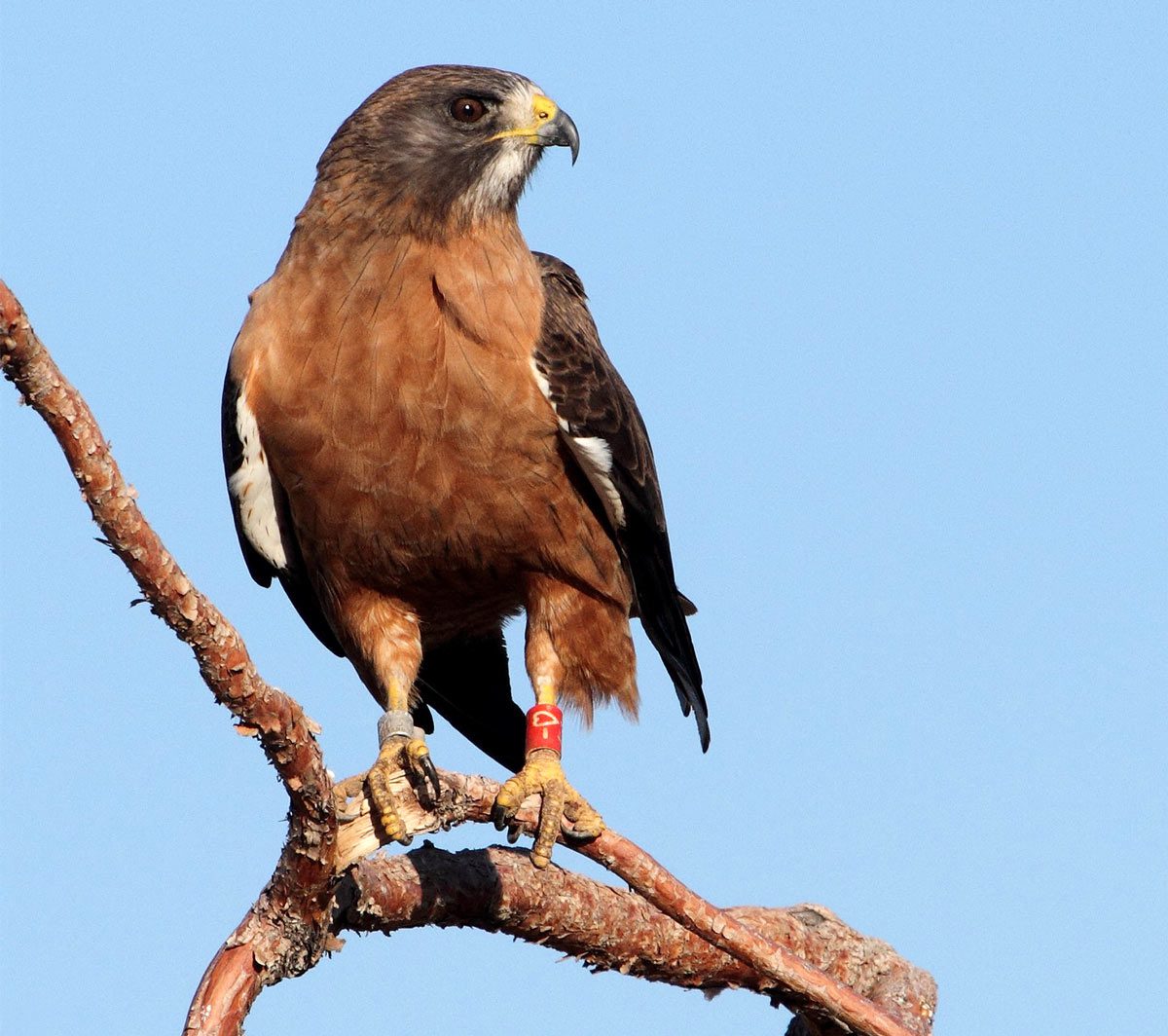
Swainson’s Hawk (Buteo swainsoni) — Skips the mountains for grasshoppers on the wing — an epic migration for an unglamorous snack. If you want to know more about the namesake of this beautiful flier, you can find it on another Bird Post: Birds of Swainson.


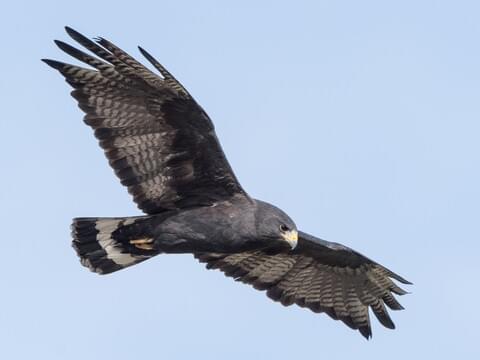
Zone-tailed Hawk (Buteo albonotatus) — Flies like a vulture to lull the unsuspecting, then strikes like a hawk. The desert’s best-dressed impersonator. The key indentifiable feature is the TAIL obviously, and a gorgeous white stripe calls this one out as “in the zone!”
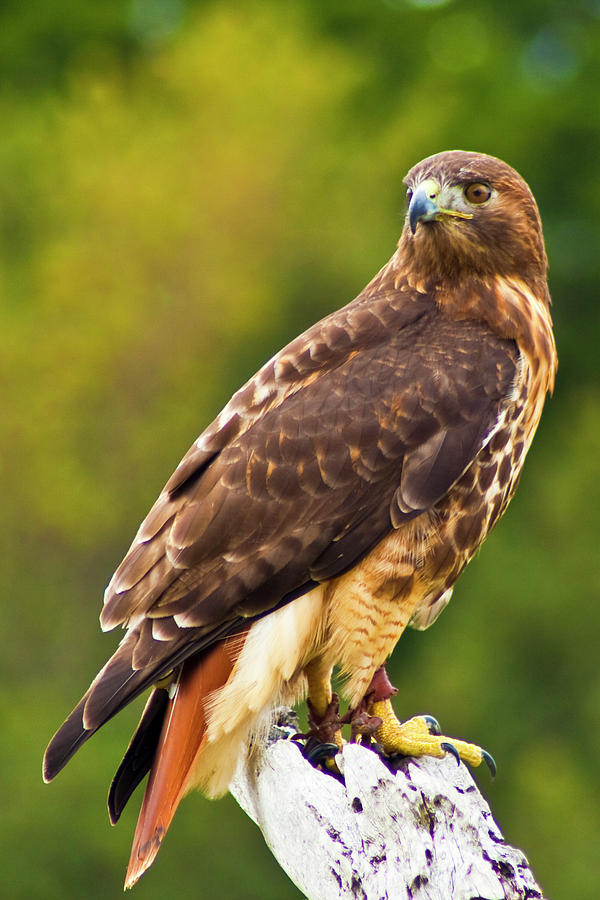
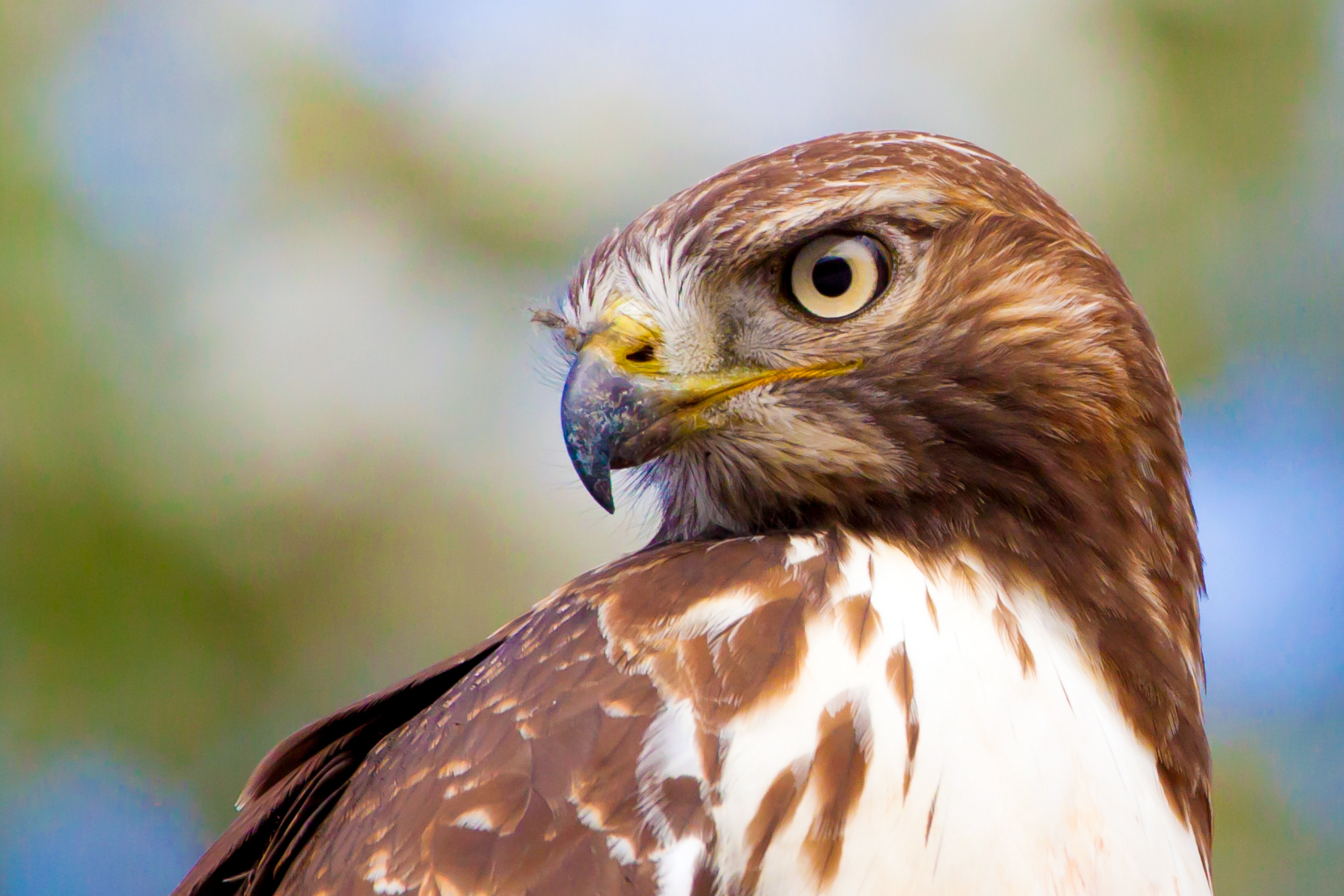
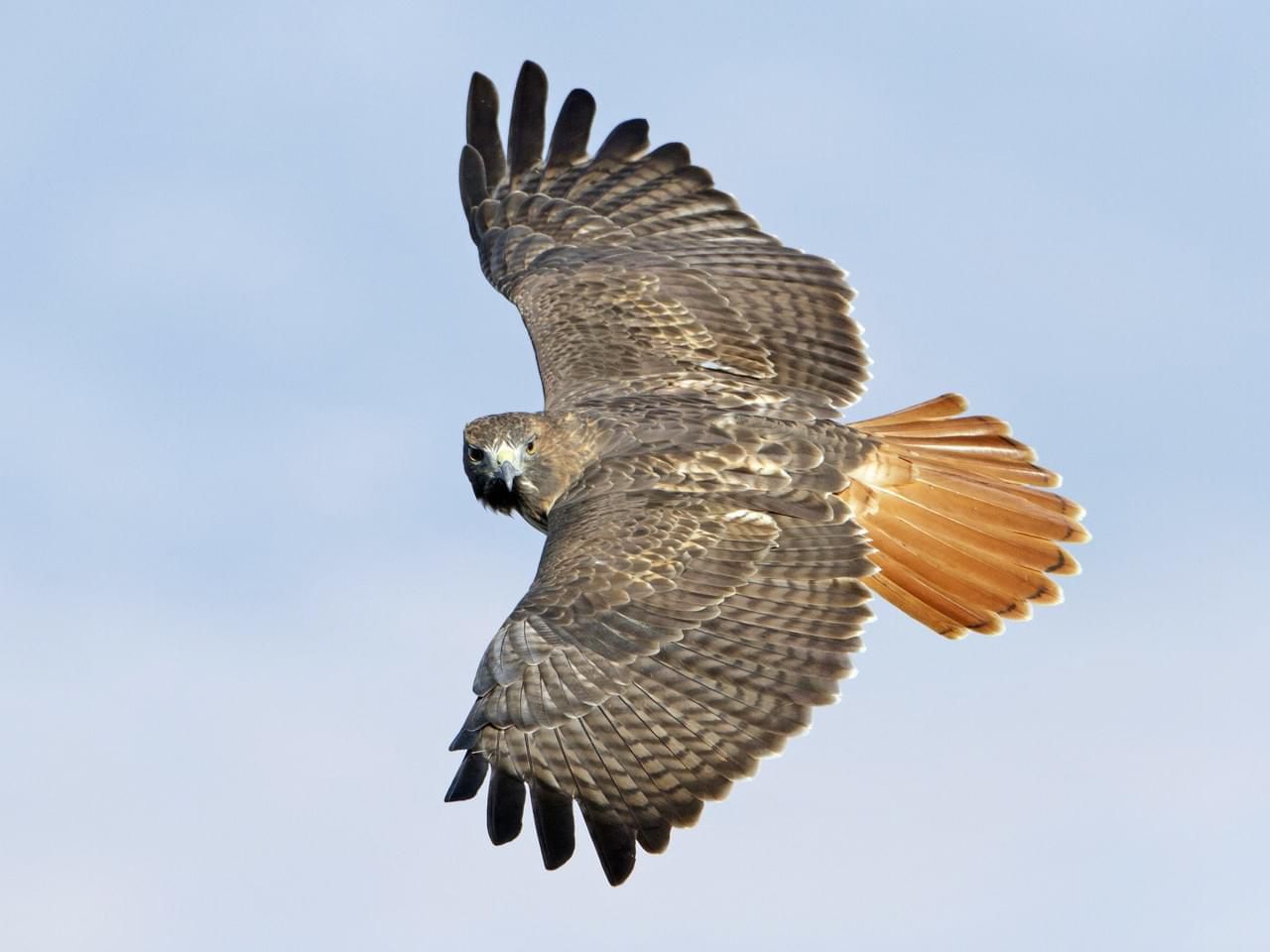
Red-tailed Hawk (Buteo jamaicensis) — That piercing scream in every movie? And the bird call that is a bald eagle’s stunt double? It’s actually this hawk’s voice substituting for weaker birds in Western movies. The red tail is distinctive and beautiful in my view.
->->->->->->->->->->->->->->->->->->->->->->->->->->->->->->->->->->->->->->->->->->->->->->->->->->->->->->->->->->
Now for Wise Owls

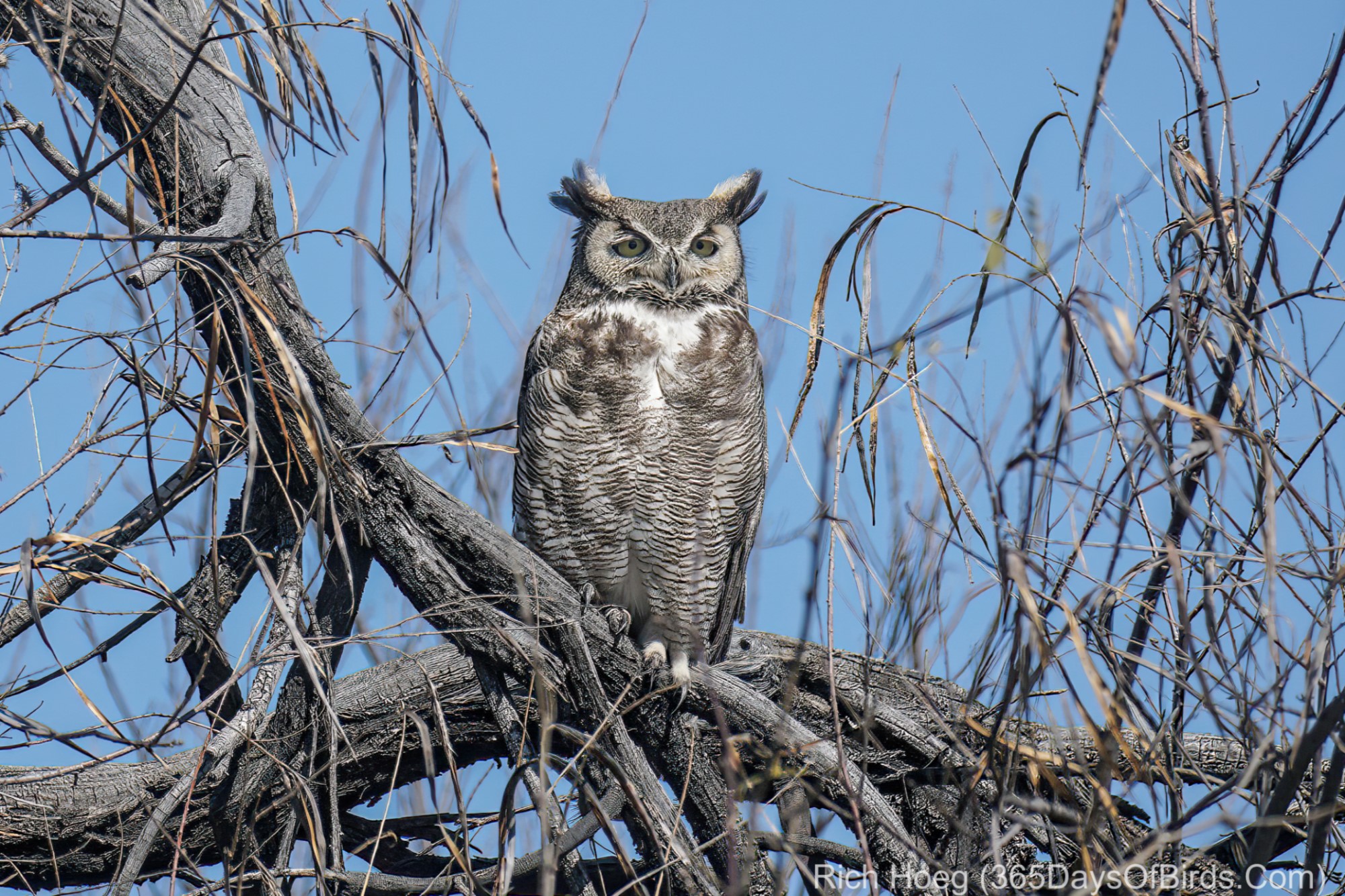
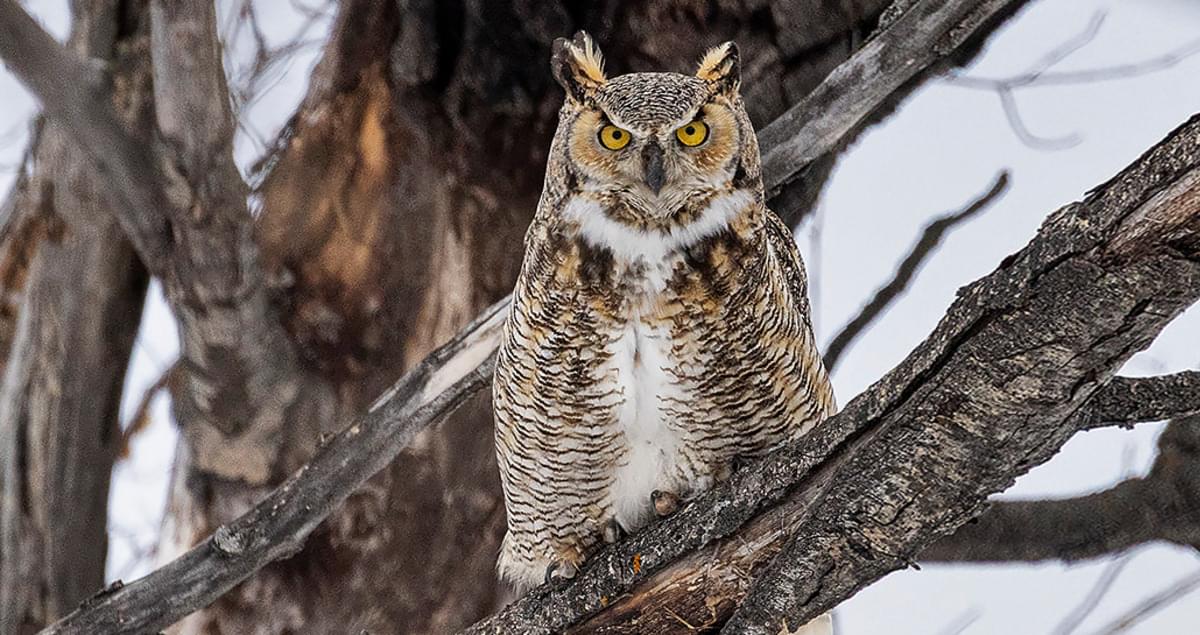
Great Horned Owl (Bubo virginianus) — With grip strength that could crush your hand, the power is delivered with the calm indifference of a tenured professor. We saw our fair share of these night creatures in the Malheur National Wildlife Refuge this summer, and we heard this one on our trip, I just can’t recall where we were. For some Native American beliefs about owls, see the following Bird post: Great Horned Owls.
->->->->->->->->->->->->->->->->->->->->->->->->->->->->->->->->->->->->->->->->->->->->->->->->->->->->->->->->->->
Hold on to your nuts, here come the Woodpeckers
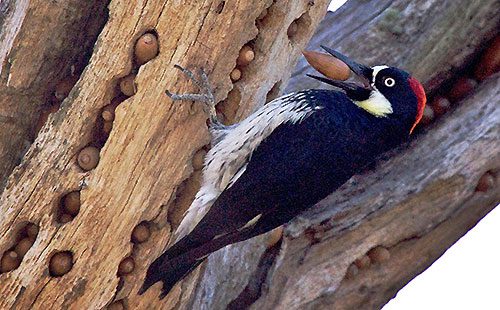
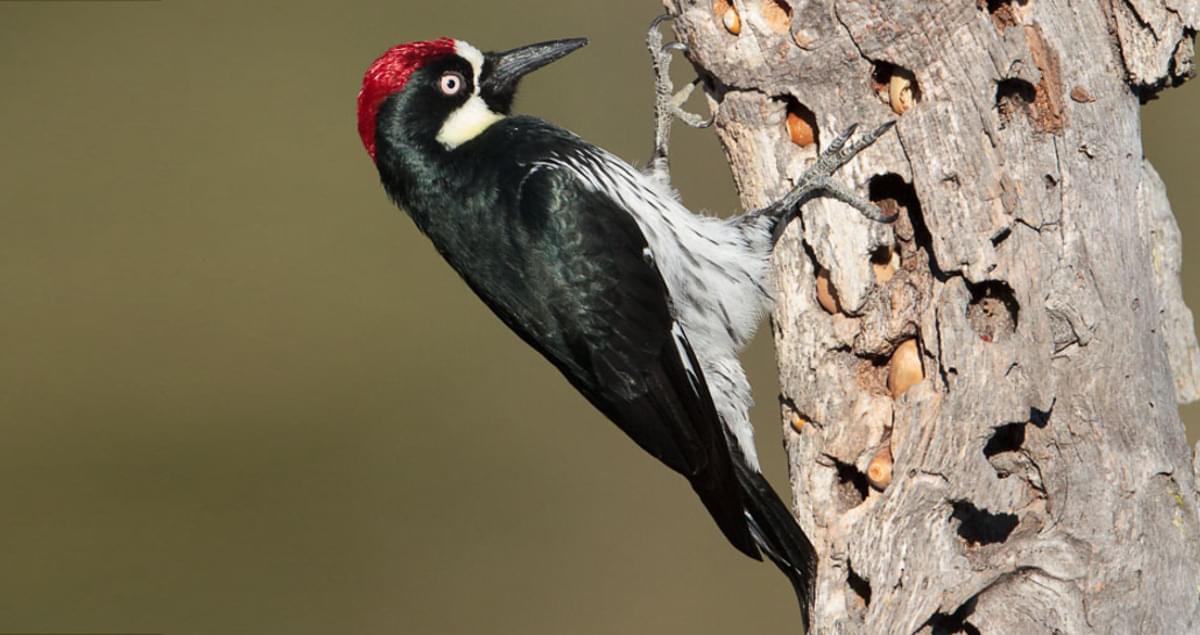
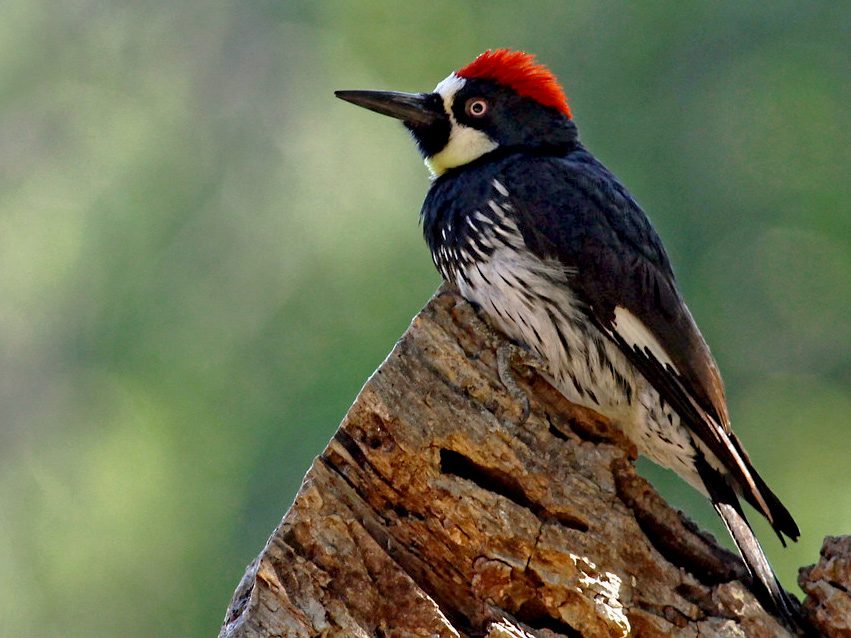
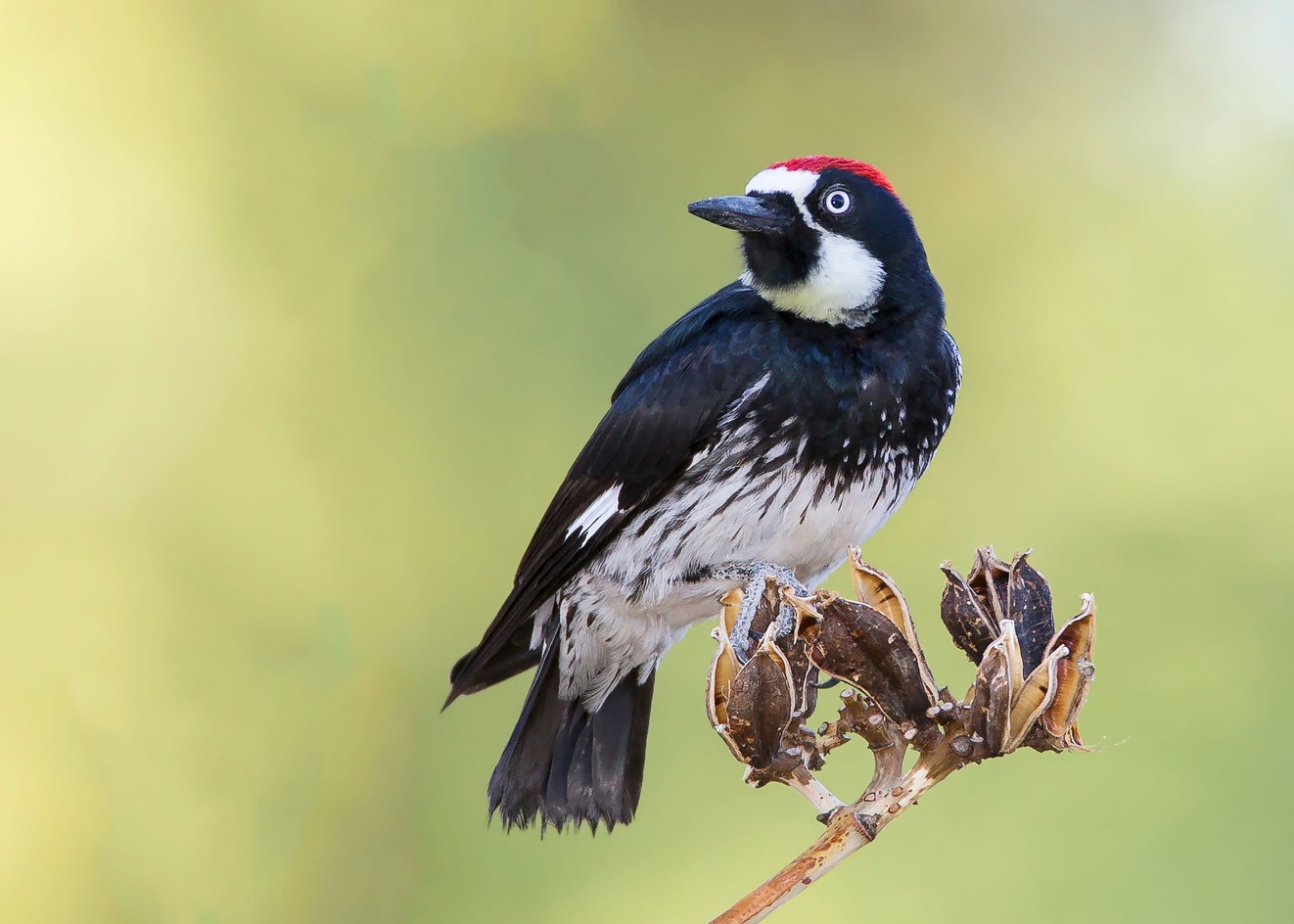
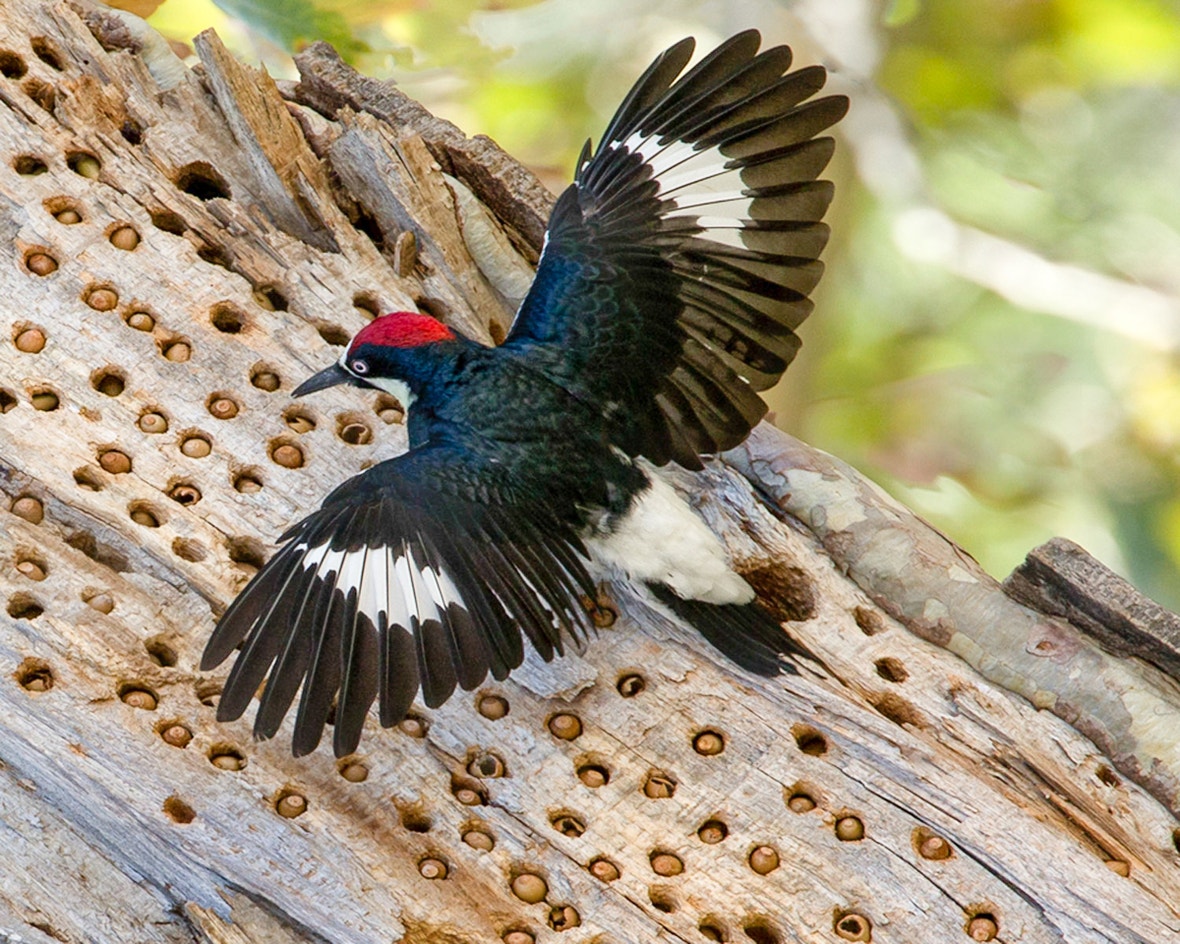
Acorn Woodpecker (Melanerpes formicivorus) — Clown-faced hoarder of acorns, these birds turn whole trees into nut pantries, then defends the pantry like it’s Fort Knox. These were in large family groups in Apache Creek Campground during our trip. Watching them playing in the trees and foraging for acorns was a real treat, expecially for birders who were new to this loud-calling species. We spotted a family of these woodpeckers who were whooping it up for a few hours in the morning. It was quite a sound bowl.
We also have seen telephone poles in Ashland, Oregon, that were covered with thousands of pecked holes, each one with an acorn carefully wedged into an opening. Quite a scene!
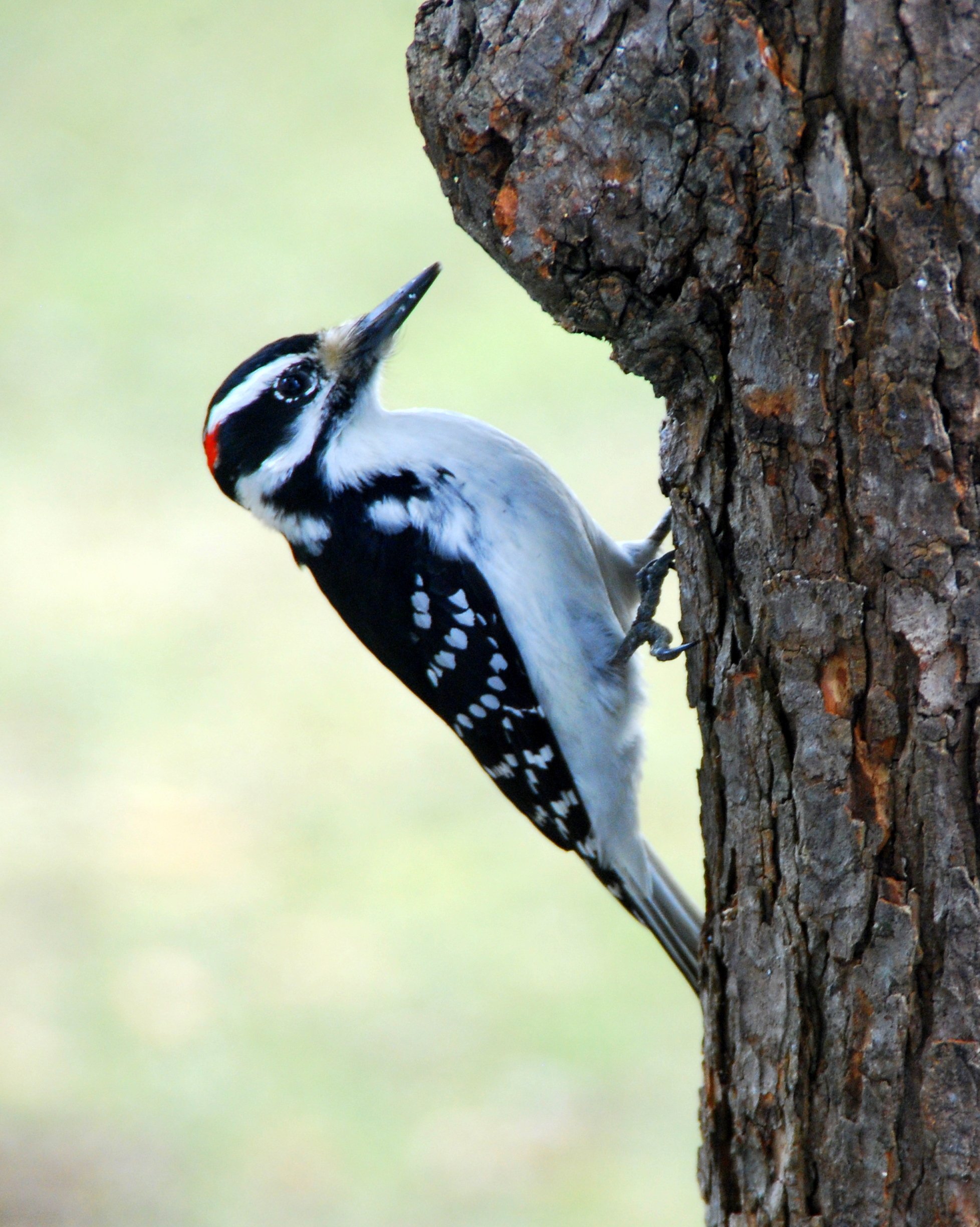
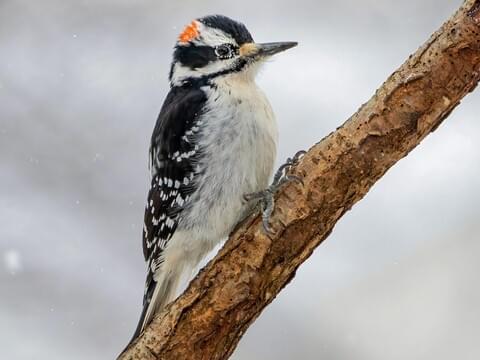
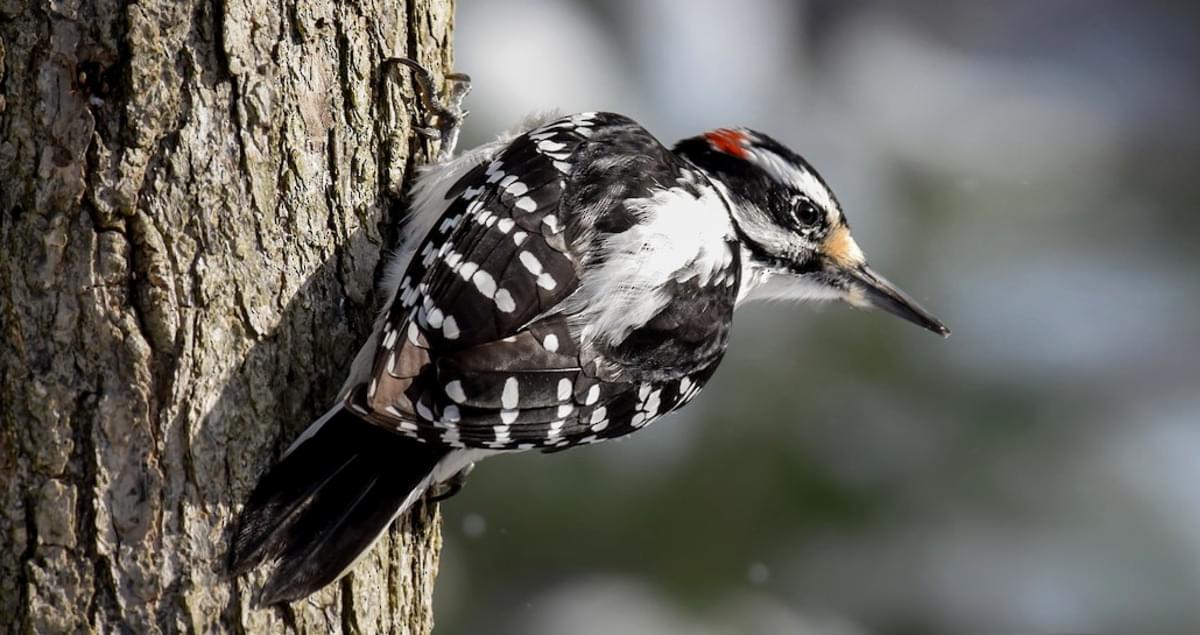
Hairy Woodpecker (Leuconotopicus villosus) — The Downy Woodpecker’s bigger, longer-billed lookalike — perpetually mistaken for its smaller cousin.
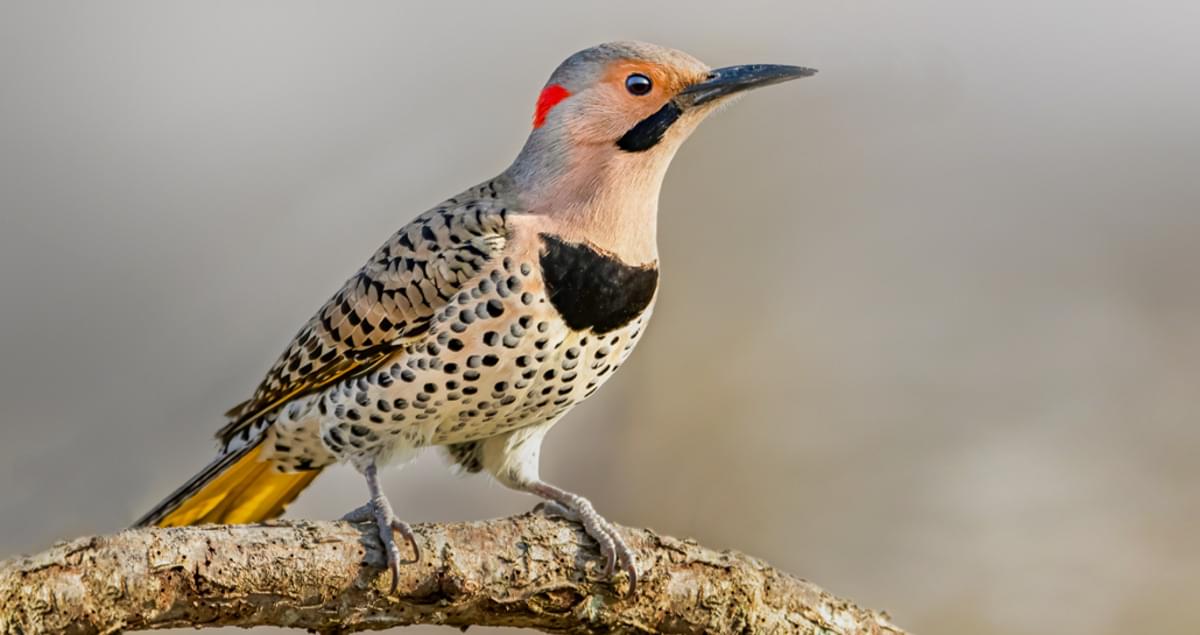

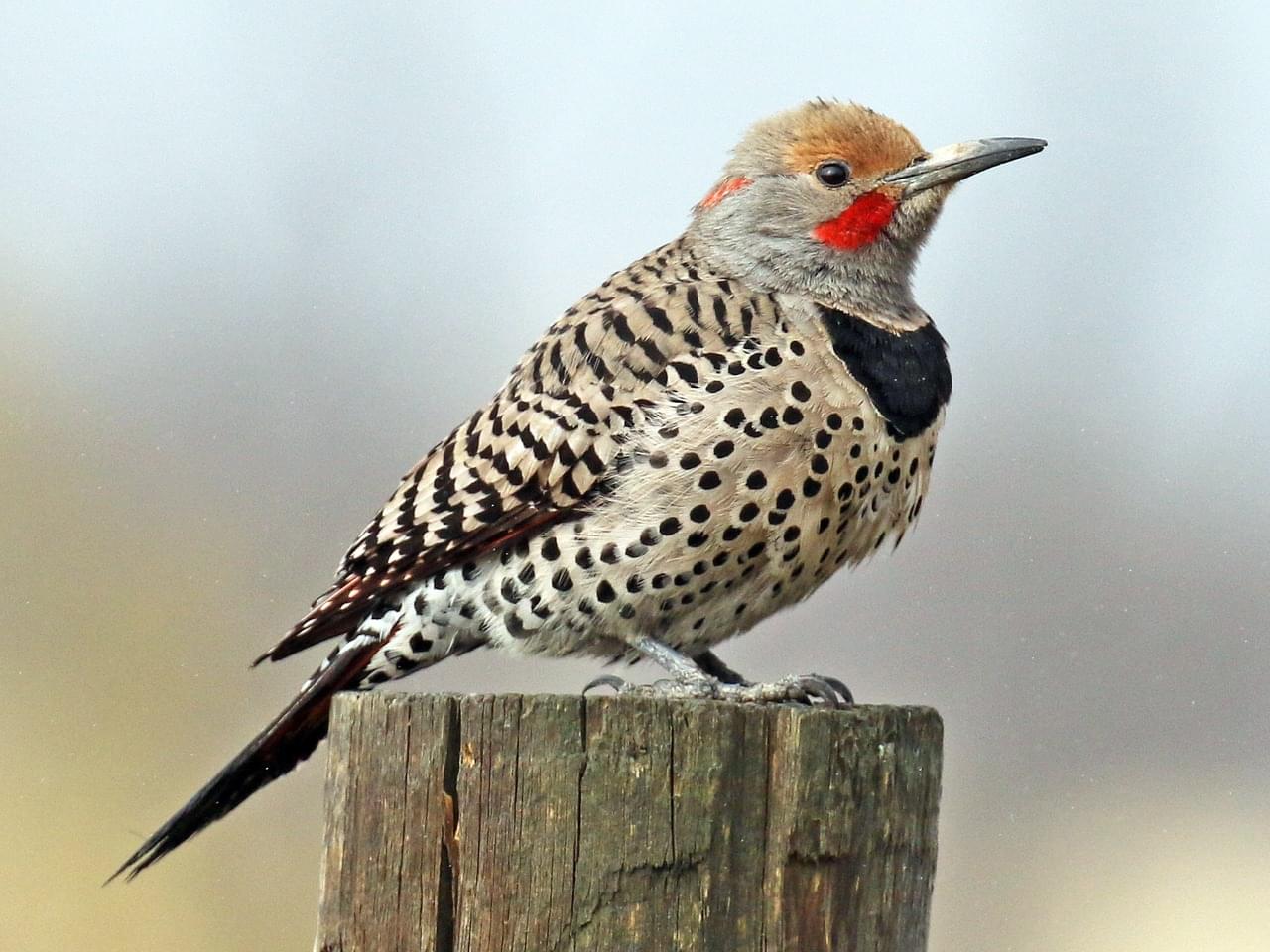
Northern Flicker (Colaptes auratus) — A woodpecker that gave up on trees and started hammering the ground for ants, this bird seems to peck at everything, including your gutters, at 6 a.m. We heard them and saw them many times on our trek. We love seeing the white triangle on the rump of this woodpecker, as it flies up from the ground onto the tree trunks, or wings to another branch. We picked up some of the red feathers from this flicker, which looked fashionable in our hats all trek long.
->->->->->->->->->->->->->->->->->->->->->->->->->->->->->->->->->->->->->->->->->->->->->->->->->->->->->->->->->->
The Lone Falcon is Coming
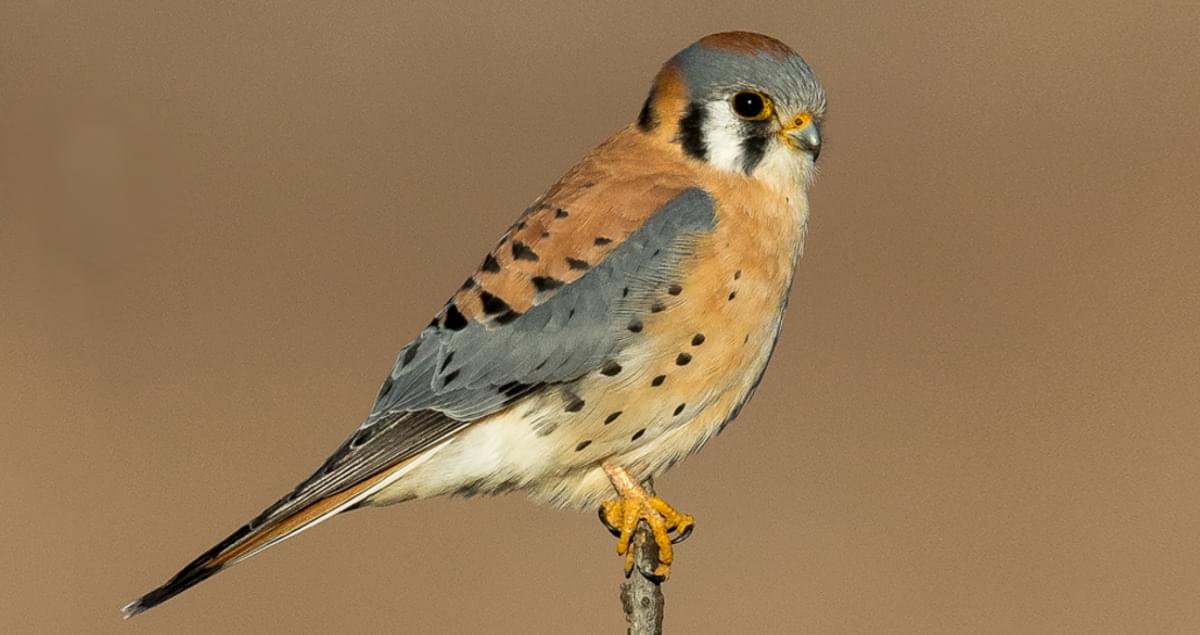

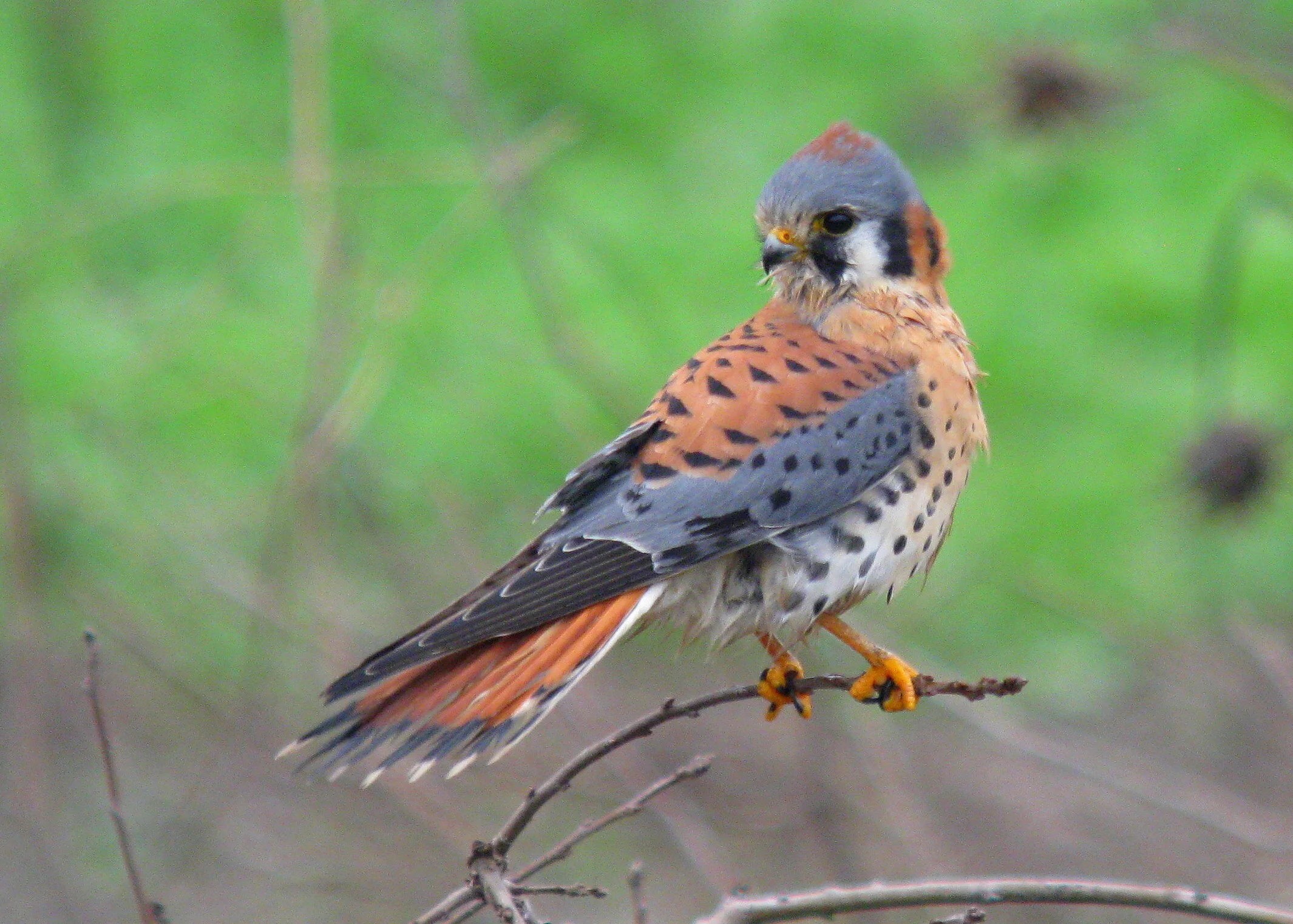
American Kestrel (Falco sparverius) — North America’s smallest falcon, dressed like it borrowed its colors from a paint sample chart. It is such a beautiful bird, I could spend hours watching it balance on telephone wires, show off its wing and face colors and just fly. It is a winner, in my book.
->->->->->->->->->->->->->->->->->->->->->->->->->->->->->->->->->->->->->->->->->->->->->->->->->->->->->->->->->->
Flitting to Flycatchers
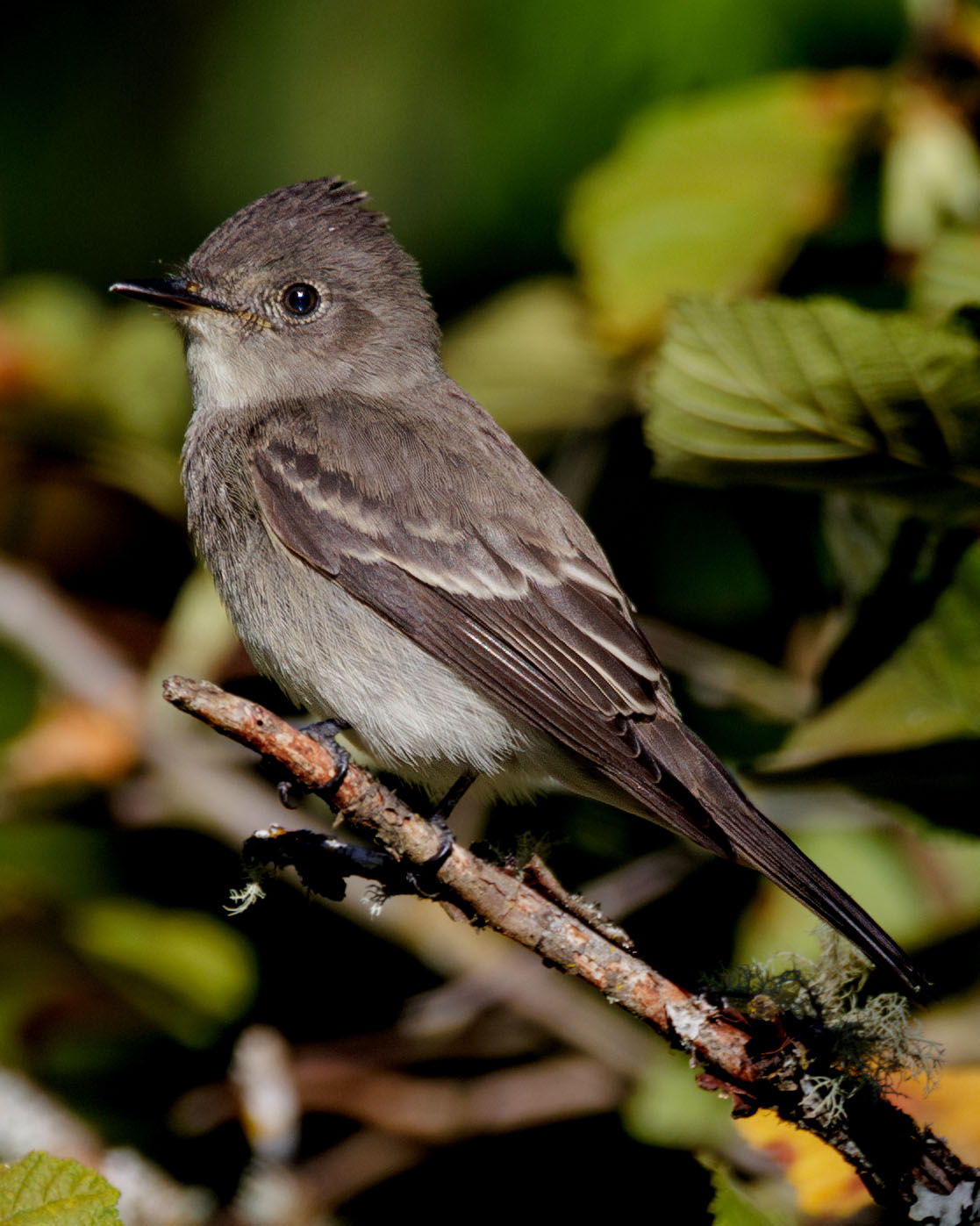
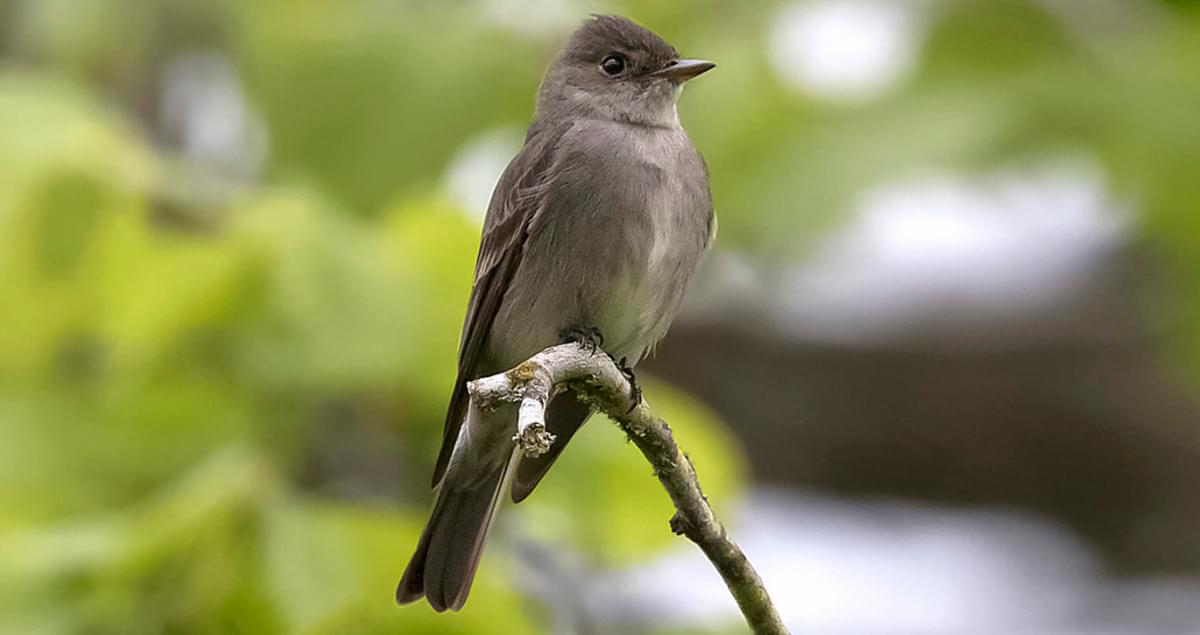
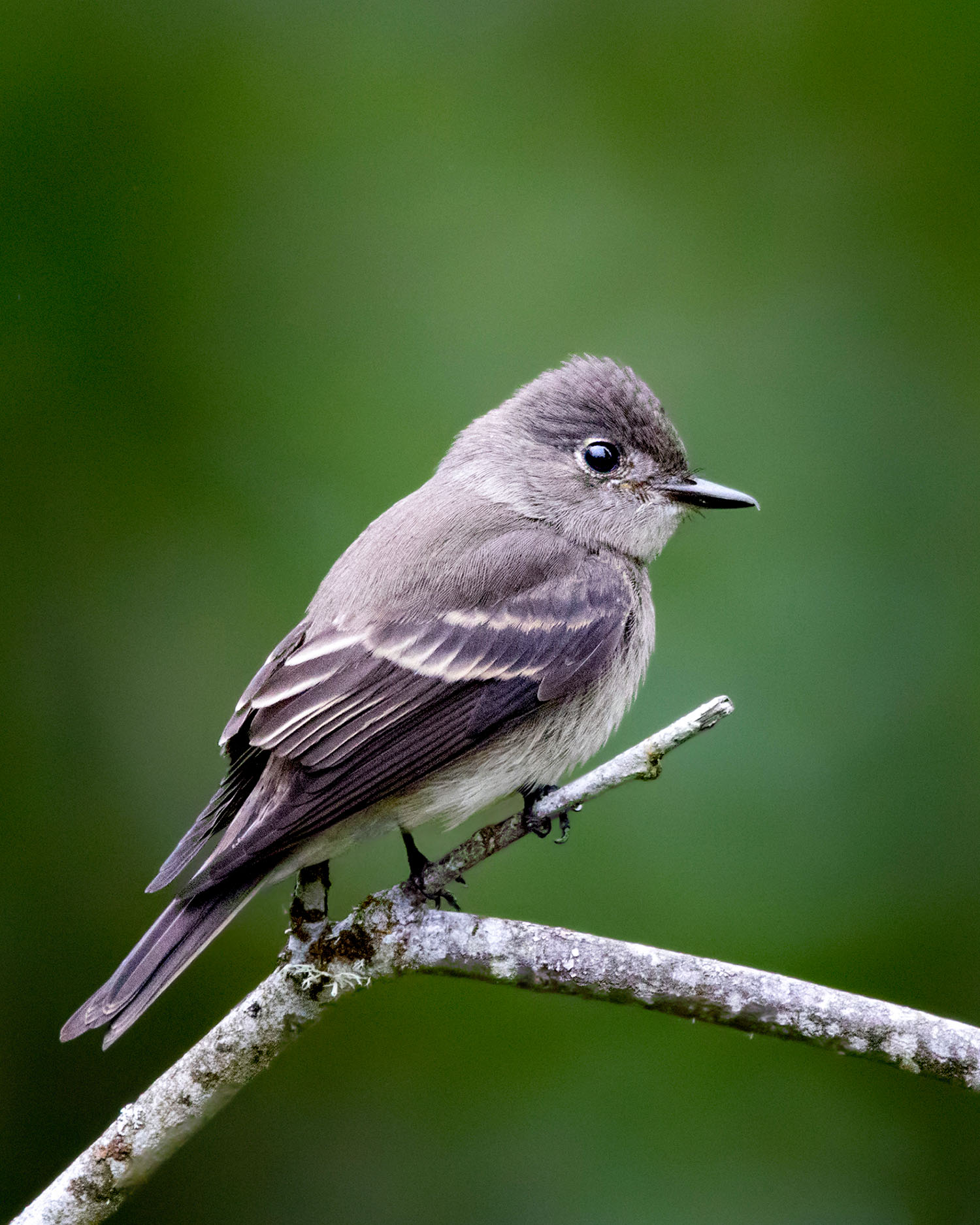
Western Wood-Pewee (Contopus sordidulus) — Not calling as clearly as its Eastern cousin, this flycatcher says its own name, sadly, from the same branch, all day, all summer. It is less colorful than other flycatchers, but it is fun to watch flitting back and forth in action catching insects, nonetheless.
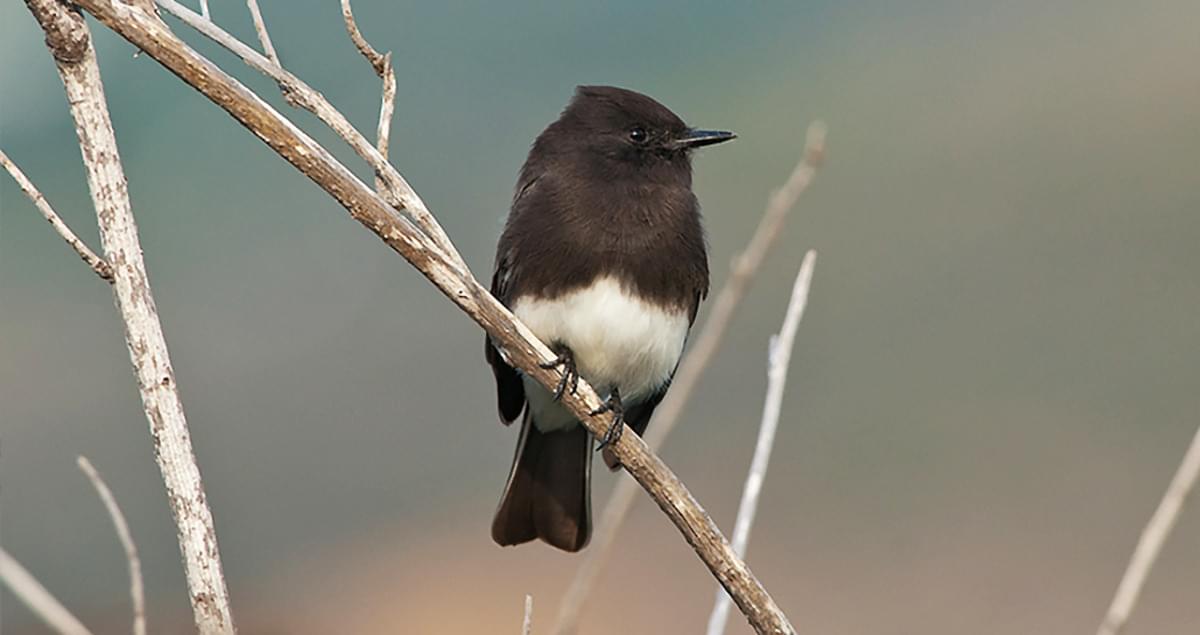
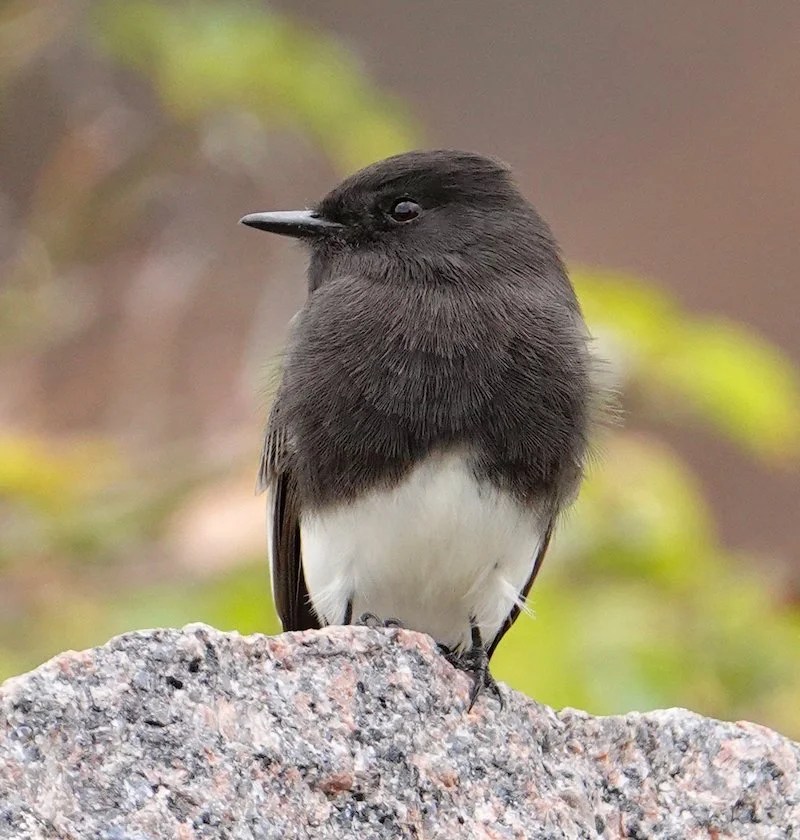

Black Phoebe (Sayornis nigricans) — A tuxedoed regular at every desert fountain and horse trough, this flycatcher has its tail pumping like a metronome. We saw this elegant flycatcher moving back and forth over the ponds in Water Canyon, naturally. It was very fun to watch on its mission of catching as many bugs in flight as possible, without getting its wings wet! The wire where it took off and landed, seemed the perfect perch for the phoebe show.
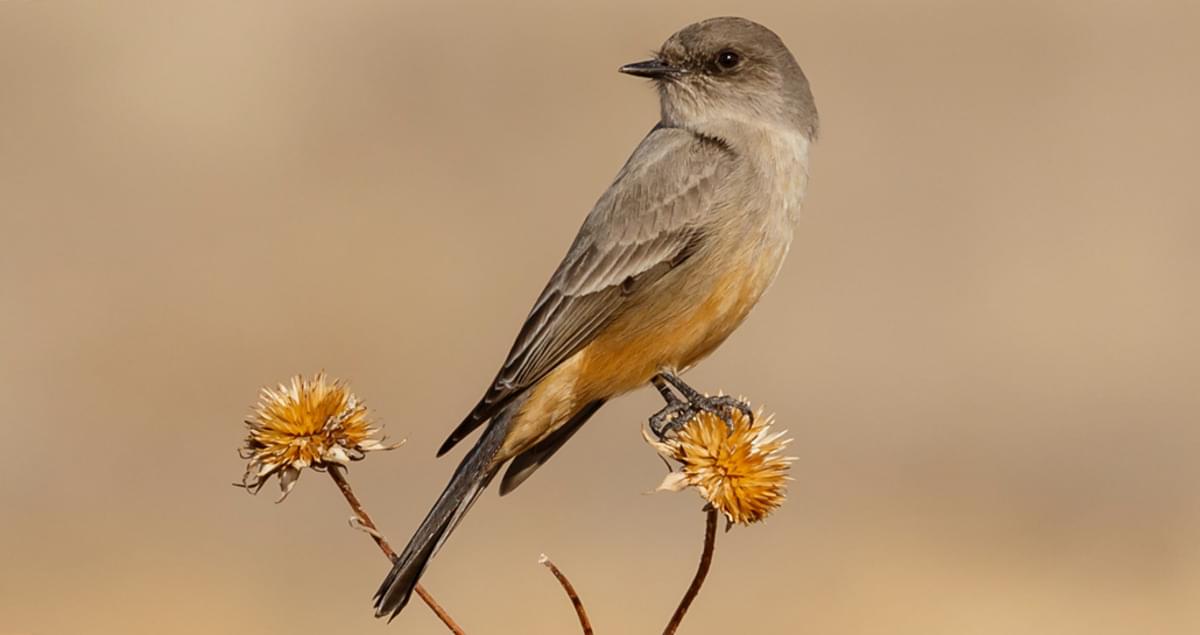
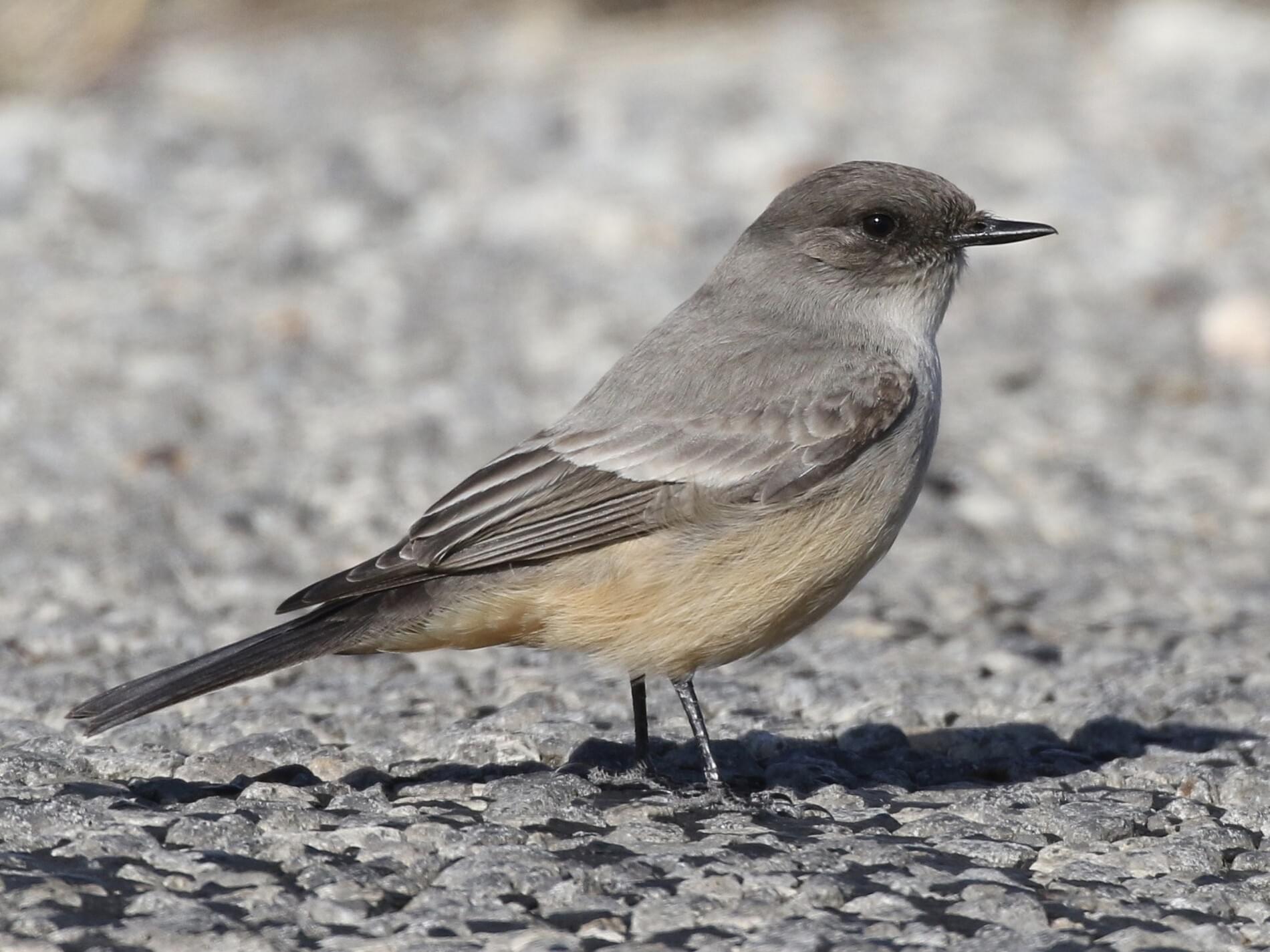
Say’s Phoebe (Sayornis saya) — A soft peach belly and a plaintive whistle — one of the few birds truly at home in open desert scrub. There are many nesting pairs of Say’s Phoebes at the Cottonwood Gulch outside of Thoreau, New Mexico.
As someone who knew nothing about the name — Say — I did some research to see who he was and why we might care about this fellow. Here is a link to what I found out: Birds of Say.


Vermilion Flycatcher (Pyrocephalus rubinus) — A hot flame with wings; this species may be the single best argument for looking twice at any desert wash. He is an eye-dazzler for sure and one of my all-time favorites.


Western Kingbird (Tyrannus verticalis) — Lemon-bellied and pugnacious, this territorial bird will absolutely chase a hawk off its fence post. They are also beautiful fliers, able to catch slightly less acrobatic insects with relative ease. They are fun to watch on the wing! We saw these flycatchers all over New Mexico, and never tired of them.
->->->->->->->->->->->->->->->->->->->->->->->->->->->->->->->->->->->->->->->->->->->->->->->->->->->->->->->->->->
Killer Shrikes & Warbling Vireos
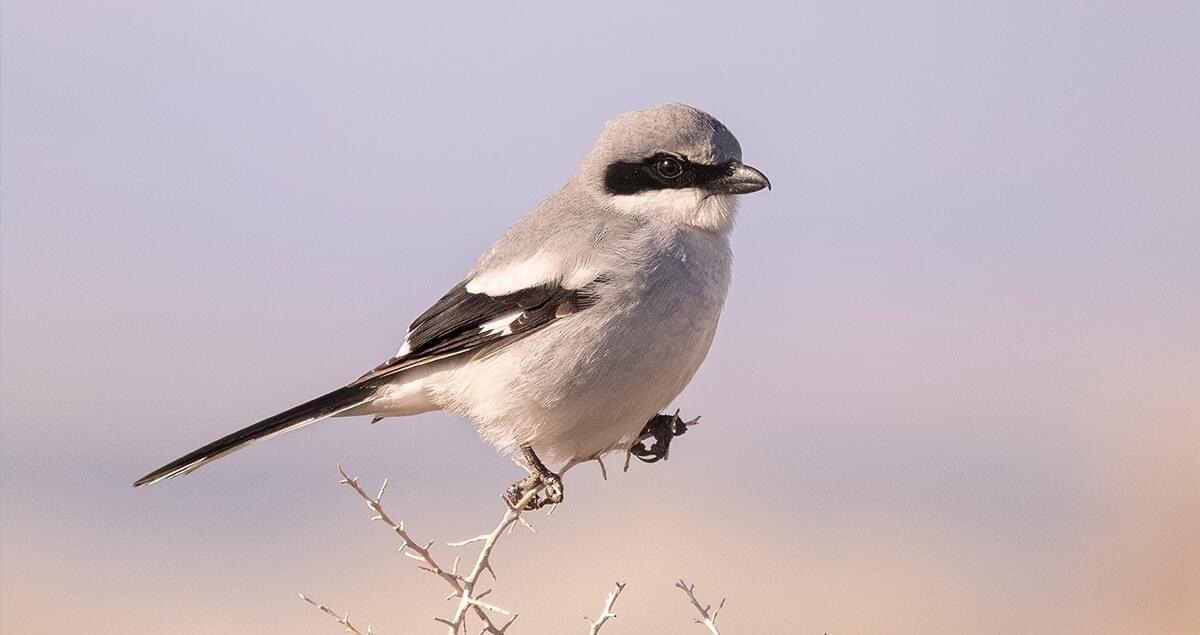
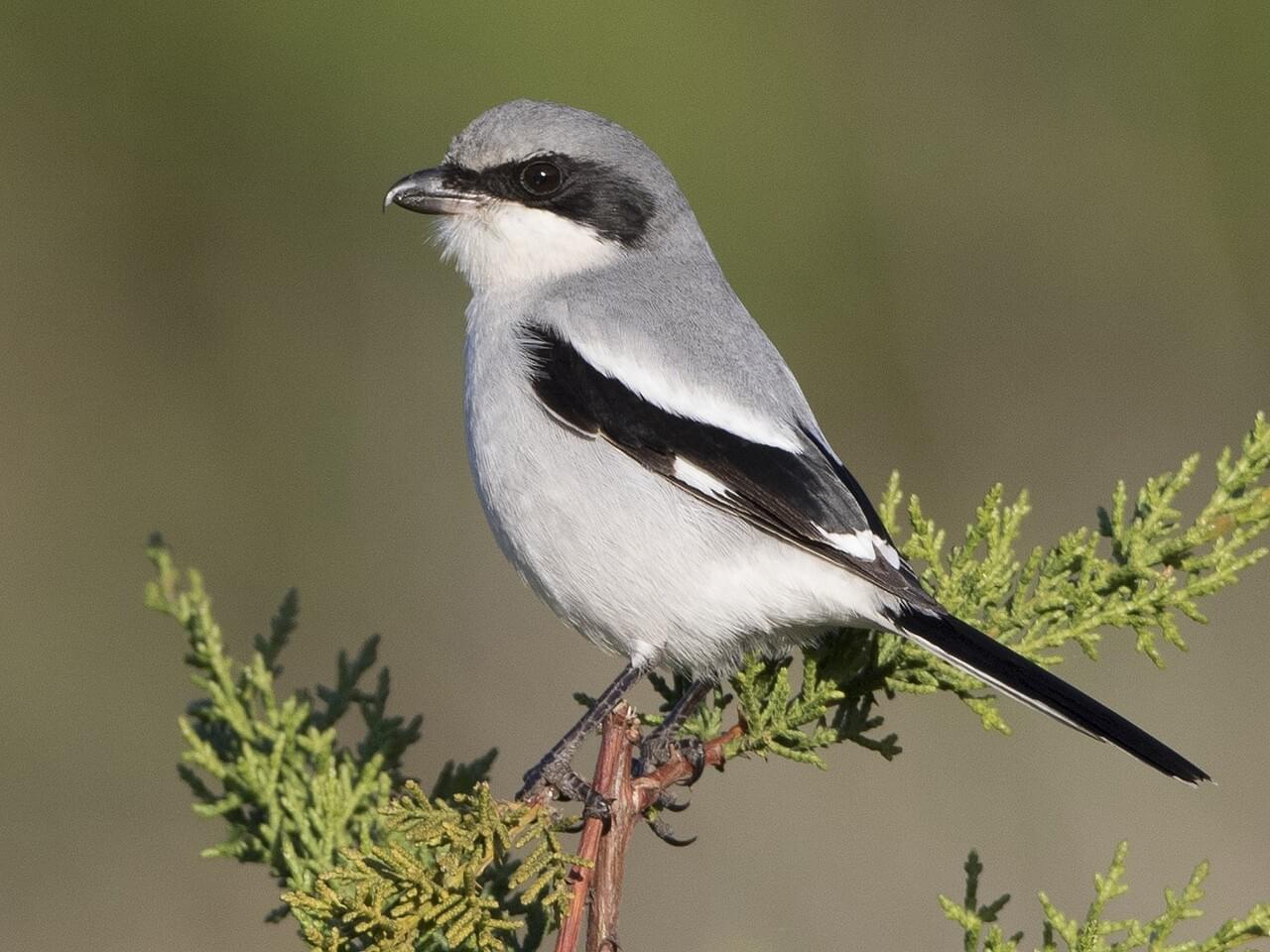

Loggerhead Shrike (Lanius ludovicianus) — Songbird by build, serial killer by habit, the shrike is famous for impaling its prey on barbed wire like a tiny, terrifying butcher. We did not see evidence of impaled dead mice, but we did see these birds on the roadside wires as we zipped along the highways in eastern New Mexico.
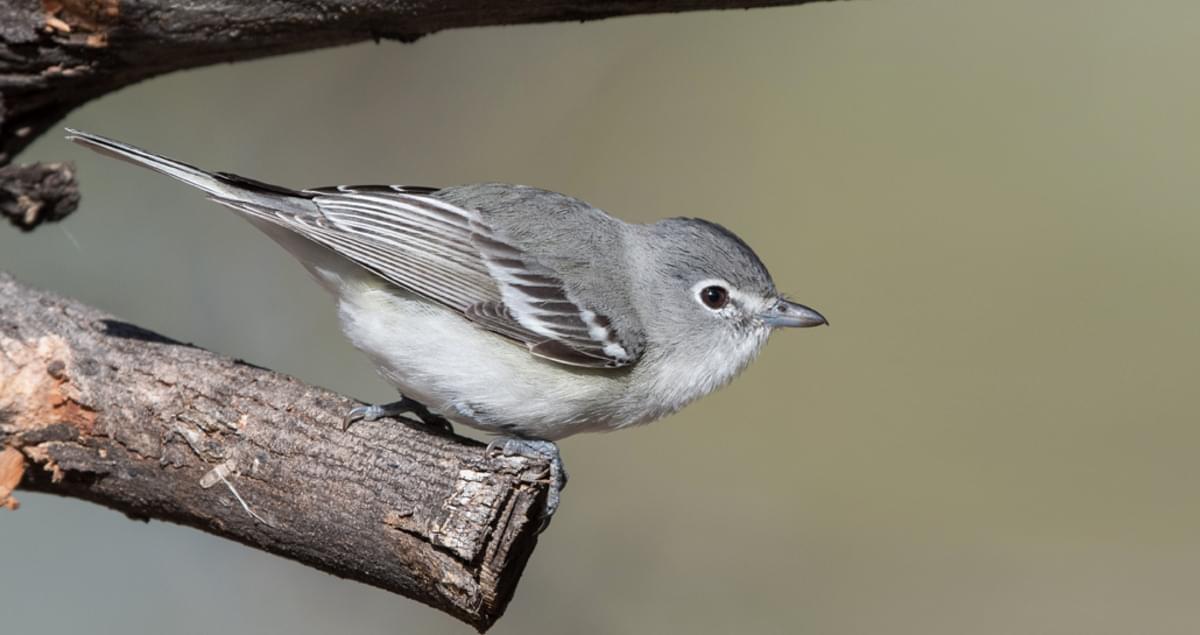

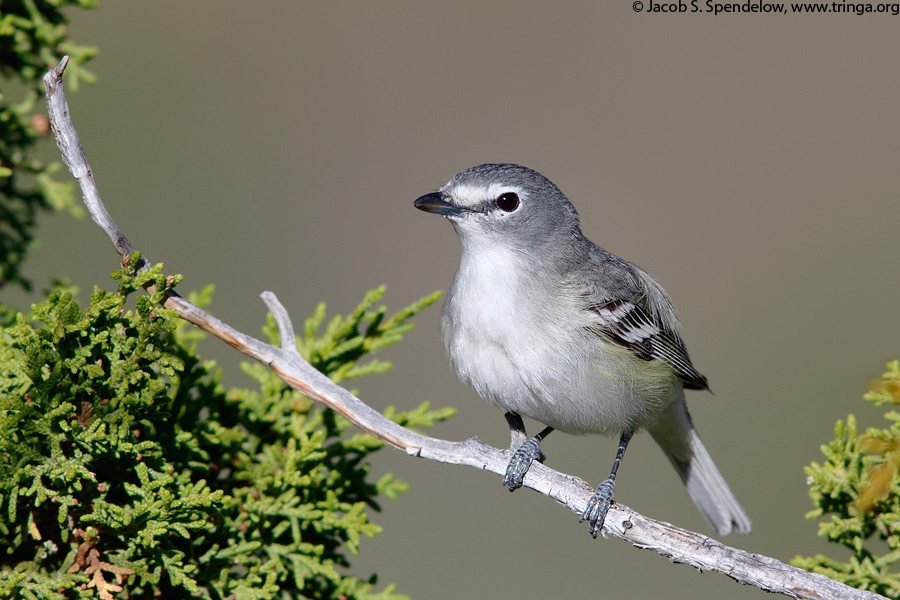
Plumbeous Vireo (Vireo plumbeus) — Slate-gray and slow-moving through pine and pinyon canopy, singing in unhurried, deliberate phrases, this vireo also has a distinctive white eye-mask. The name Plumbeous refers to the mineral lead, which is what humans have made into pipes for our homes. And when those pipes spring a leak, we call the plumber! The plumbeous vireo is lead colored on its head, legs and back, hence the name.
->->->->->->->->->->->->->->->->->->->->->->->->->->->->->->->->->->->->->->->->->->->->->->->->->->->->->->->->->->
Can’t Forget Jays, Crows & Nutcrackers

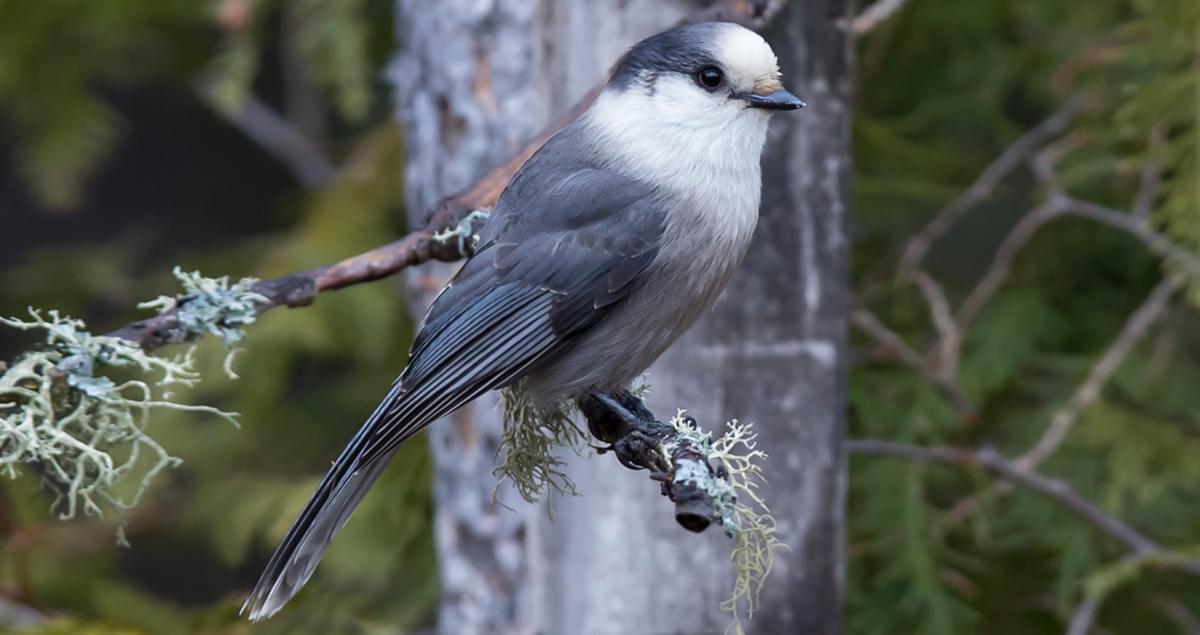
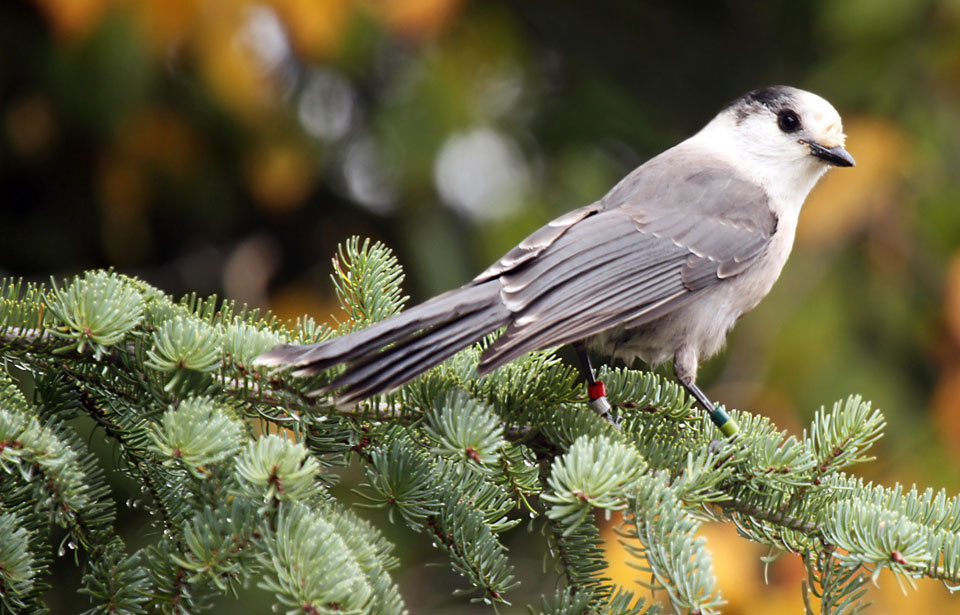
Canada Jay (Perisoreus canadensis) — Formerly called the Gray Jay and now officially the “Canada Jay,” this high altitude intruder is famously bold enough to steal food right off a hiker’s plate. Stay vigilant out there, the jays are watching and waiting for the next time to swoop in for a taste of your meal. We saw these jays when we had lunch in the Taos ski slopes, just beyond the chairlift above the Bavarian parking lot.

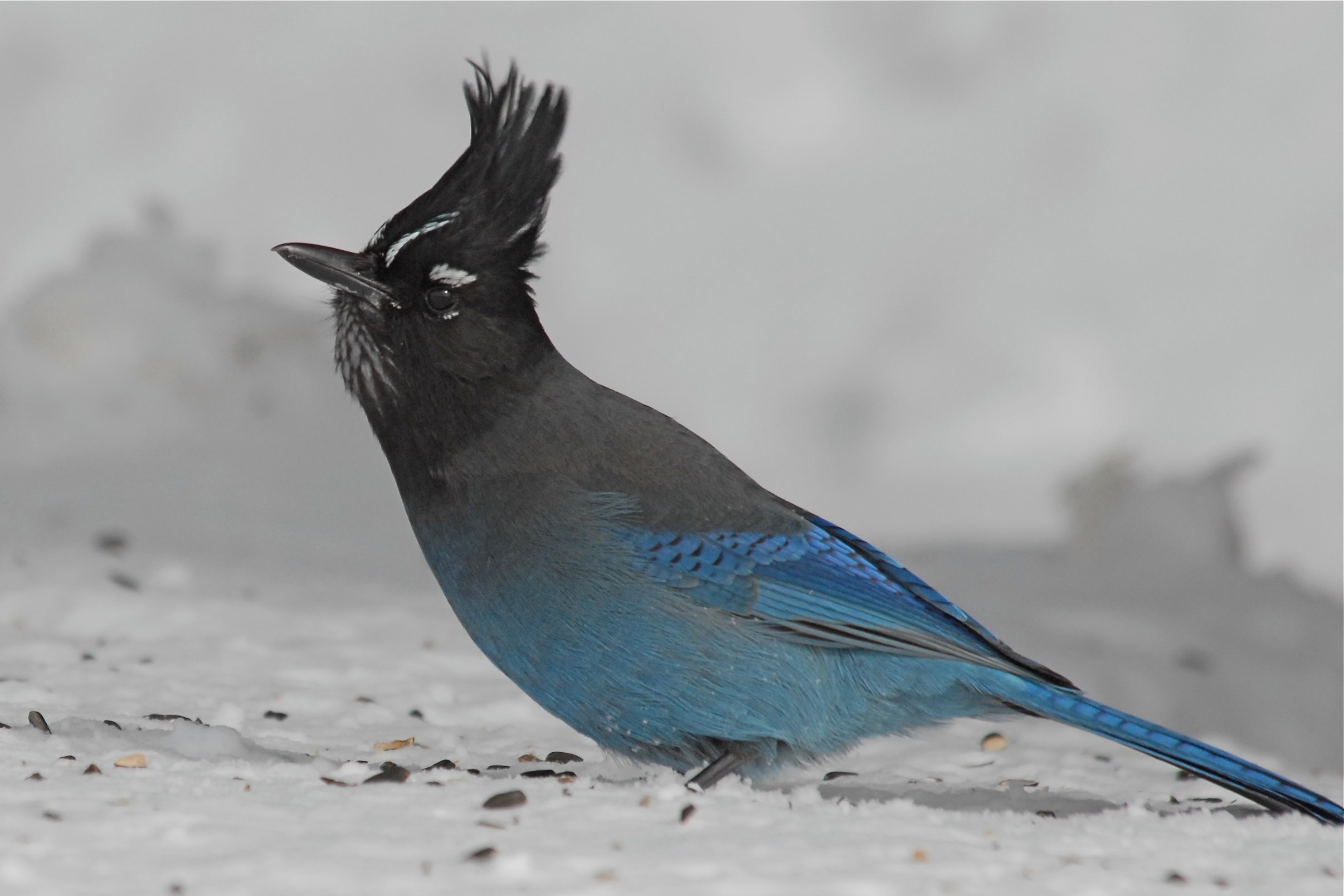
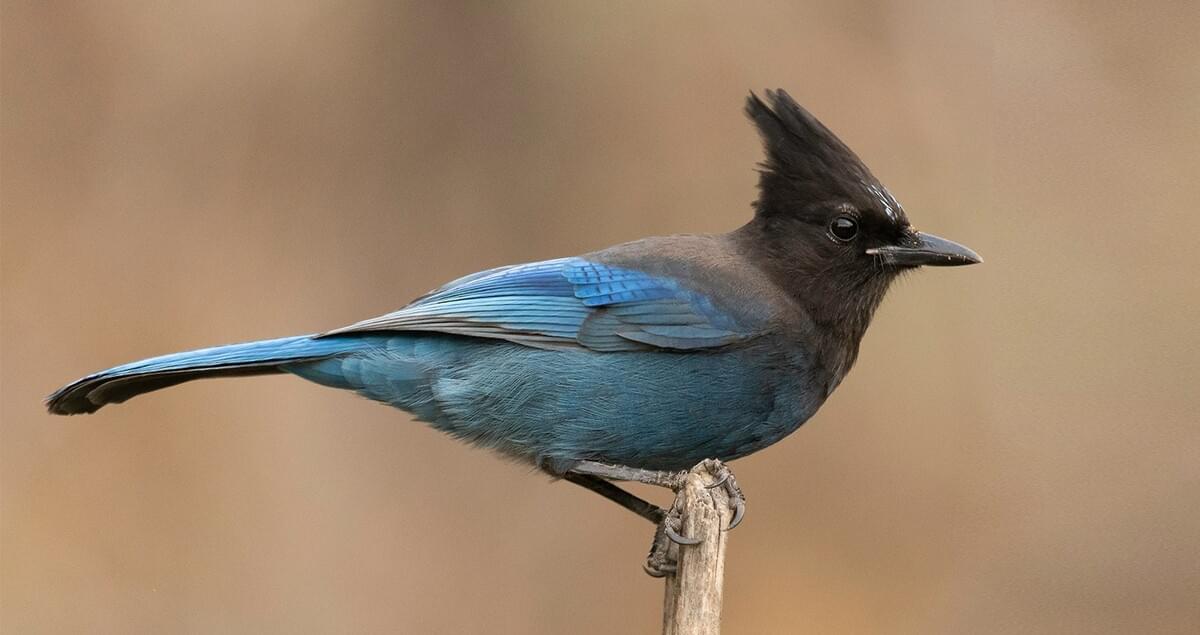
Steller’s Jay (Cyanocitta stelleri) — A mohawked mountain gangster with a voice that mimics hawks just to clear the feeder, this is a beautiful flier with an annoyingly loud and creaky call, especially when more than one in a flock come your way. By the way, the name Steller is after Georg W. Steller, who was an 18th-century German naturalist and explorer, who diligently studied medicine and natural sciences. We love the crest on this guy for sure.
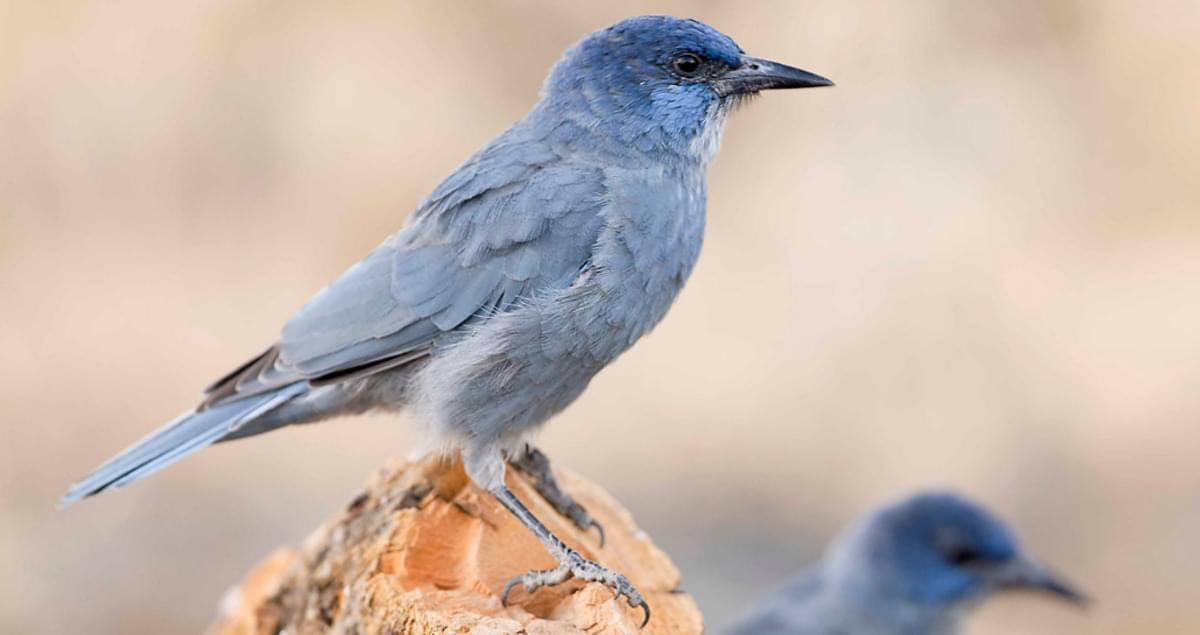


Pinyon Jay (Gymnorhinus cyanocephalus) — Travels in raucous, all-blue mobs, planting the pinyon forests it depends on, one buried seed at a time. If you thought the Steller’s Jays were loud, wait until you come across a flock of Pinyon Jays! So much LOUDER. We heard them calling from many yards away, as they moved from pine tree to pine tree in the valleys of New Mexico.
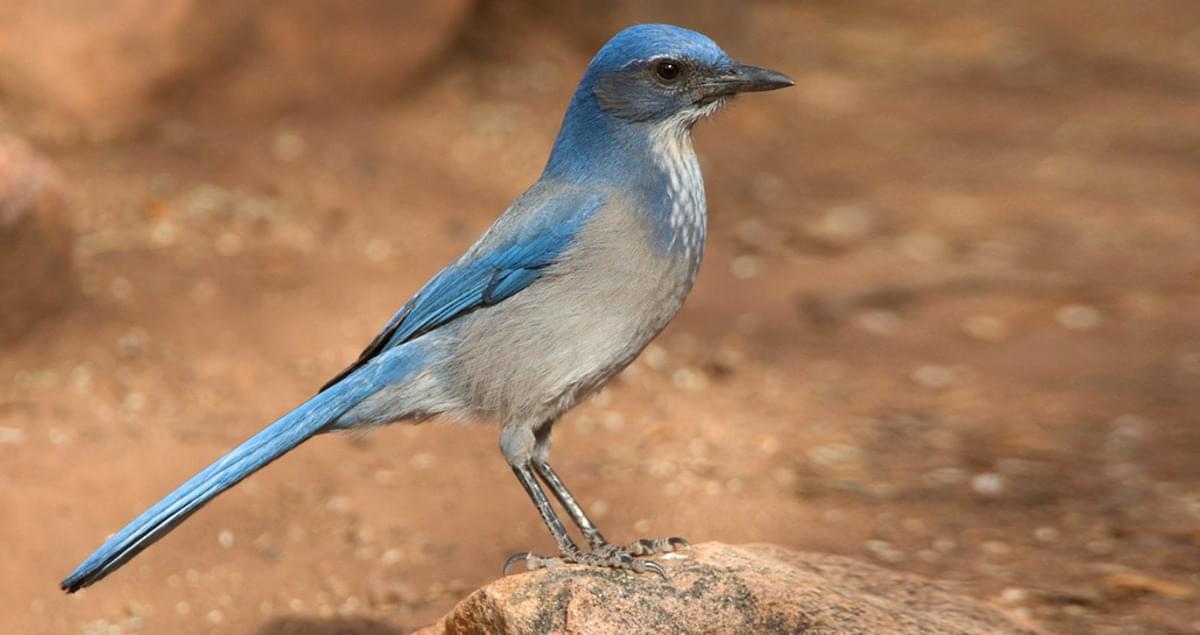
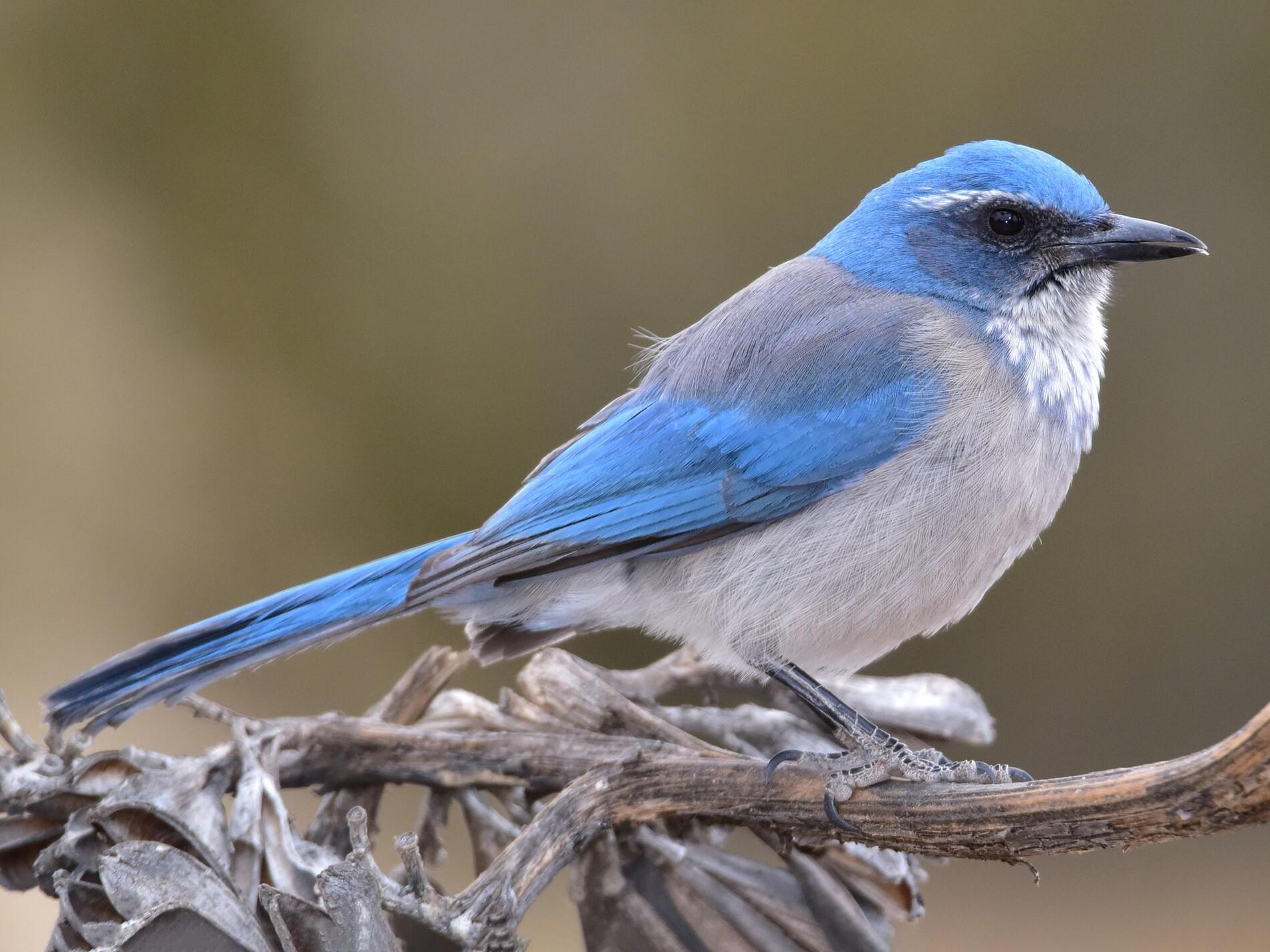
Woodhouse’s Scrub-Jay (Aphelocoma woodhouseii) — No crest, no ceremony with this bird, just a dusty-blue interior desert local that never met a piñon nut it wouldn’t hoard. Arch pointed out that these were more than simply scrub jays: they are the woodhouse sector of jays. Woodhouse, by the way, is named after Samuel W. Woodhouse who served as a surgeon and naturalist on government-sponsored expeditions to the American Southwest in the mid-19th century. He also has a toad and a variety of aster named after him.
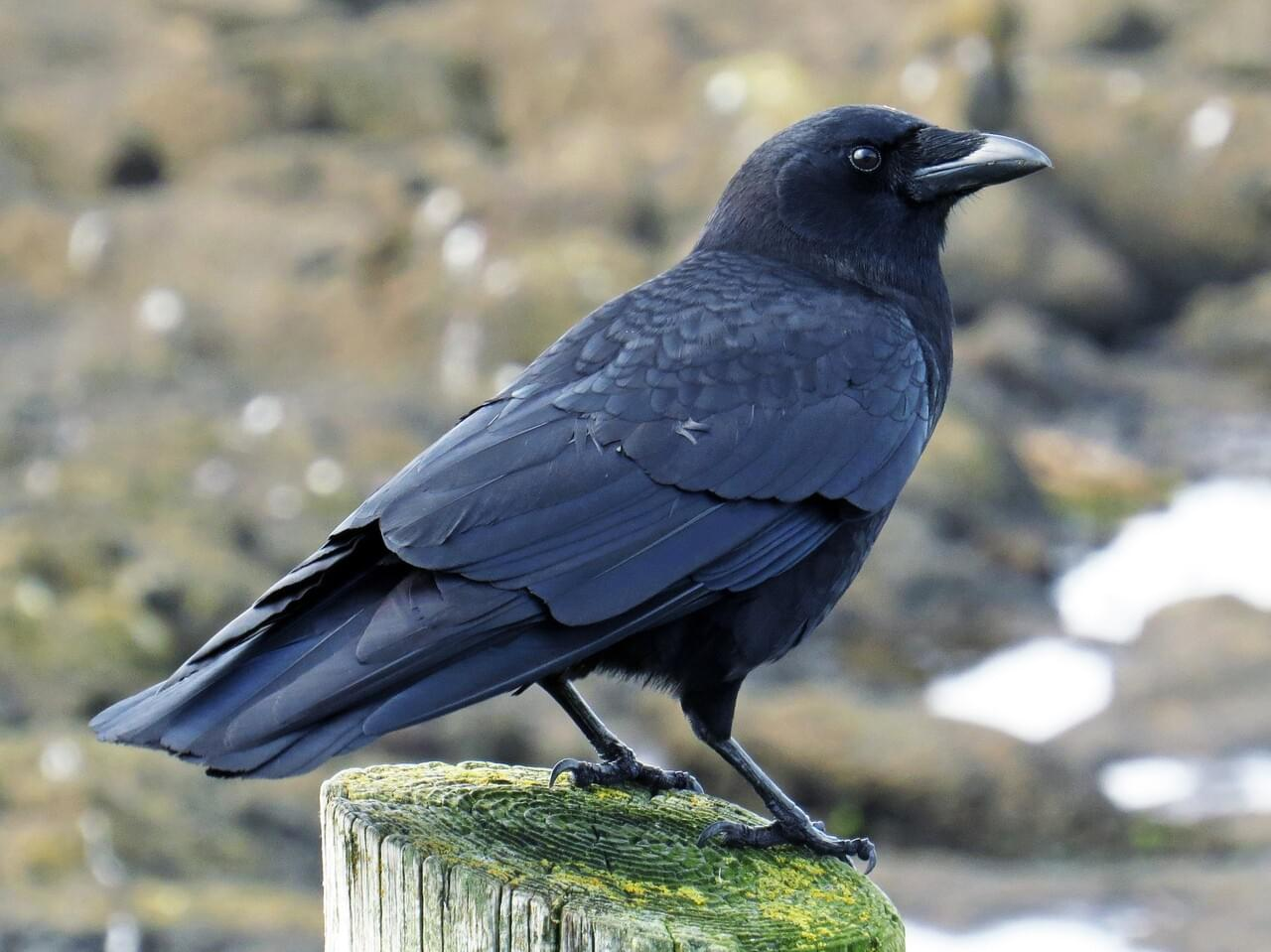
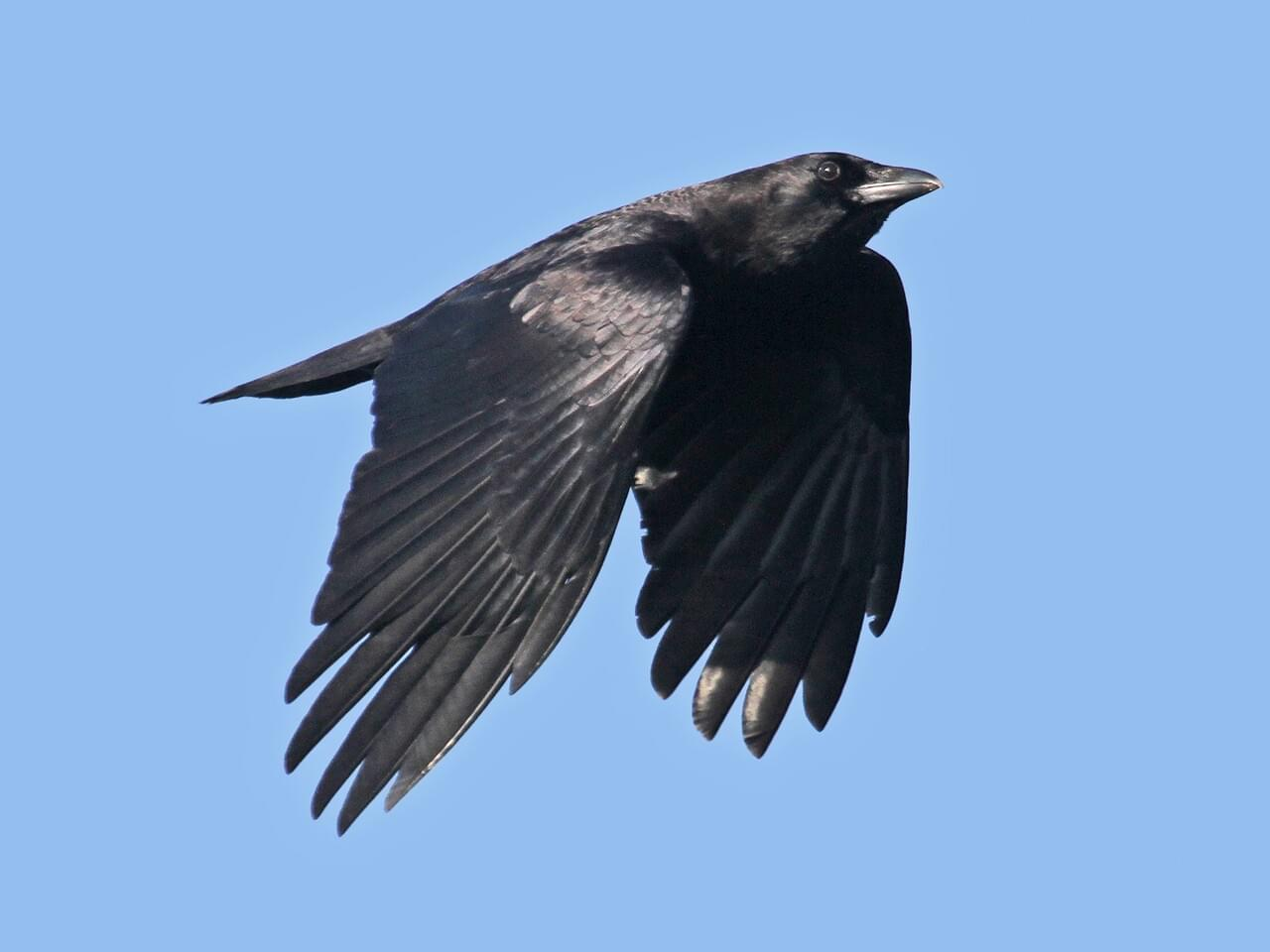
American Crow (Corvus brachyrhynchos) — American Crows are familiar all over the Southwest and over much of the continent. They are large, intelligent, all-black birds with hoarse, cawing voices. They are common sights in treetops, fields, and roadsides, and in habitats ranging from open woods and empty beaches to town centers. They usually feed on the ground and eat almost anything—typically earthworms, insects and other small animals, seeds, and fruit; also garbage, carrion, and chicks they rob from nests. Their flight pattern is unique, a patient, methodical flapping that is rarely broken up with glides.
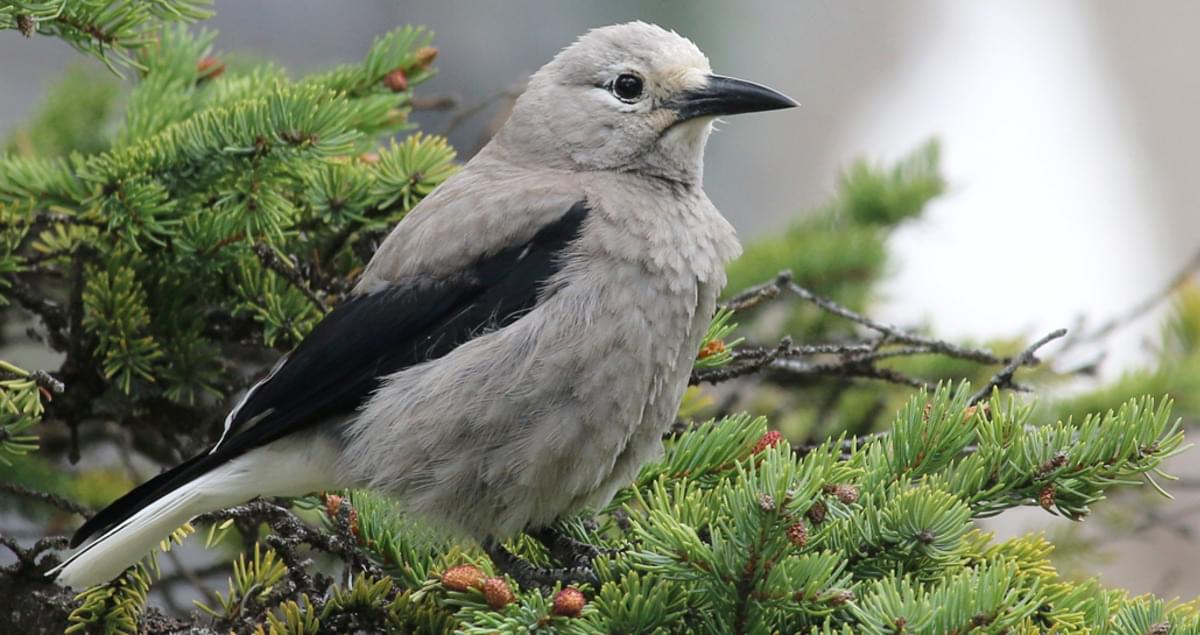


Clark’s Nutcracker (Nucifraga columbiana) — This high altitude bird, of Lewis and Clark fame, buries tens of thousands of pine seeds and remembers where they are hidden. It has a memory that would humble any human. We spotted this nutcracker while visiting the chair lift at Taos ski resort. It was fun to see as it flew across our path while we rested for lunch. Fortunately it was more interested in the nuts than our lunches. For more on the Birds of Lewis & Clark see the following Bird post: Lewis & Clark.

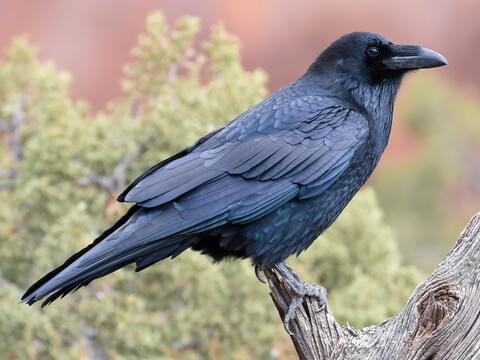

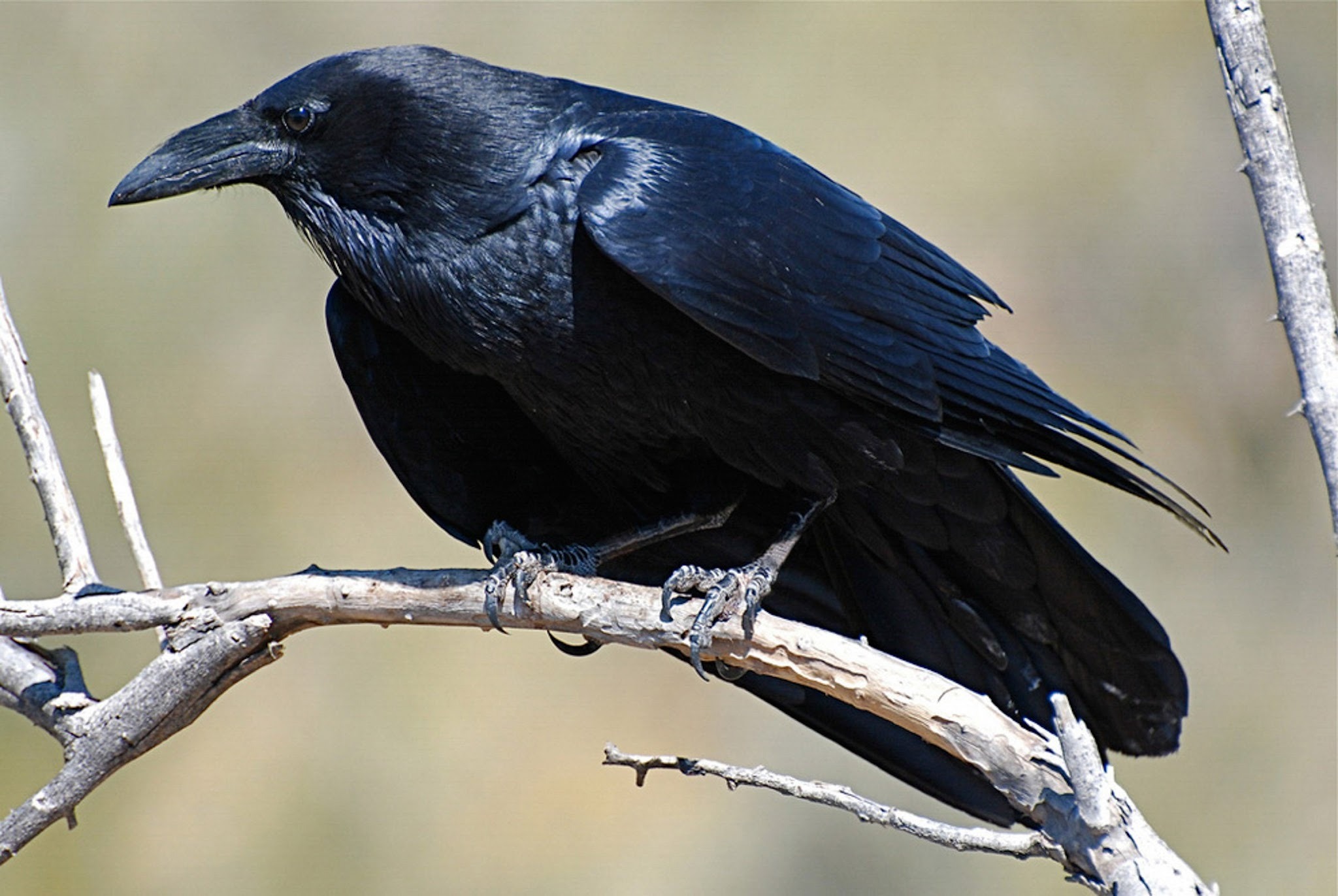
Common Raven (Corvus corax) — Bigger, croakier, and smarter than any crow, there is even a professional football team who chose it as their mascot (think Edgar, Allan, and Poe). These birds are problem-solves, always looking like it’s got somewhere to be. We saw these sinister creatures on many telephone poles as we drove along the way, sometimes confusing them with crows, which are further up on my list.
->->->->->->->->->->->->->->->->->->->->->->->->->->->->->->->->->->->->->->->->->->->->->->->->->->->->->->->->->->
Larks, the Horned Variety

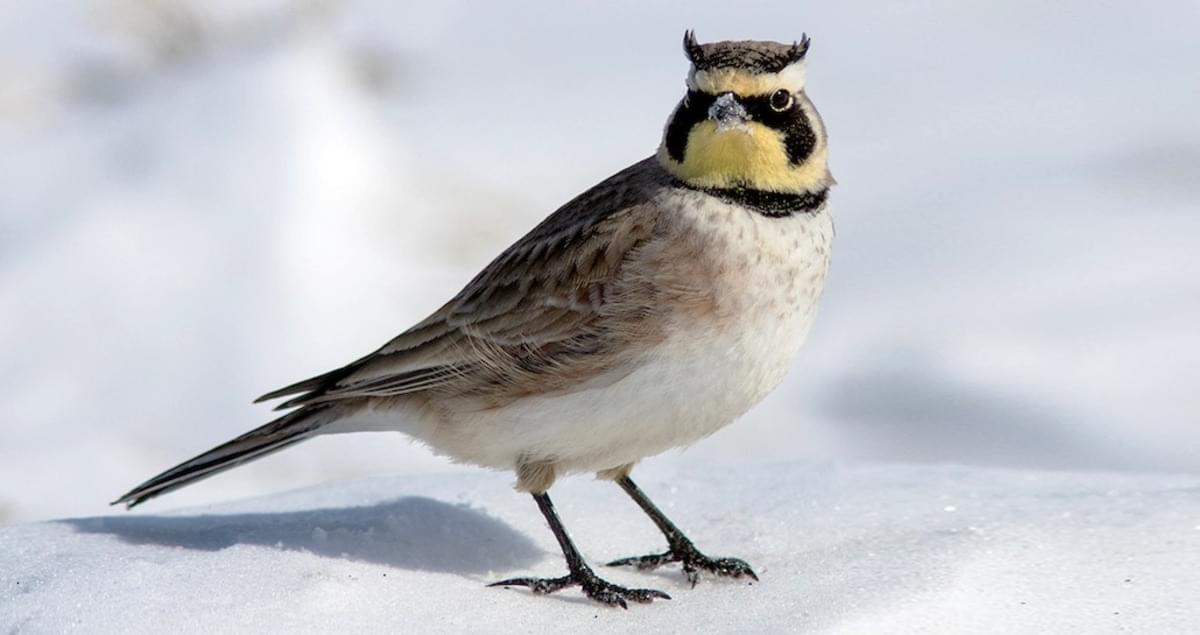

Horned Lark (Eremophila alpestris) — Tiny black “horns” and a face like a bandit’s mask, singing from open ground where nothing else will nest. We were fortunate enough to see these birds at Fort Union Ranch and to draw pictures of them for our log of the trek.
->->->->->->->->->->->->->->->->->->->->->->->->->->->->->->->->->->->->->->->->->->->->->->->->->->->->->->->->->->
Swallows
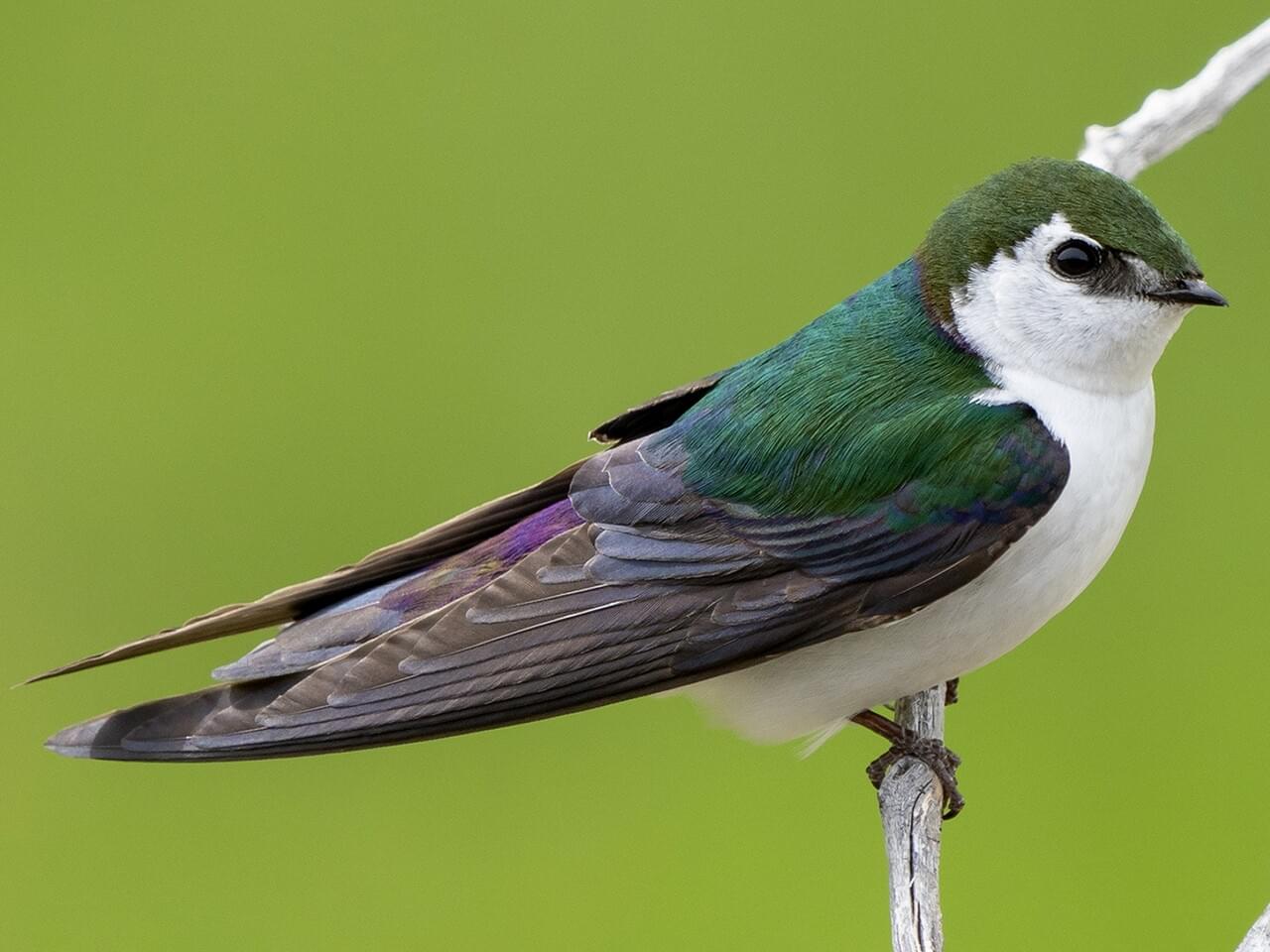
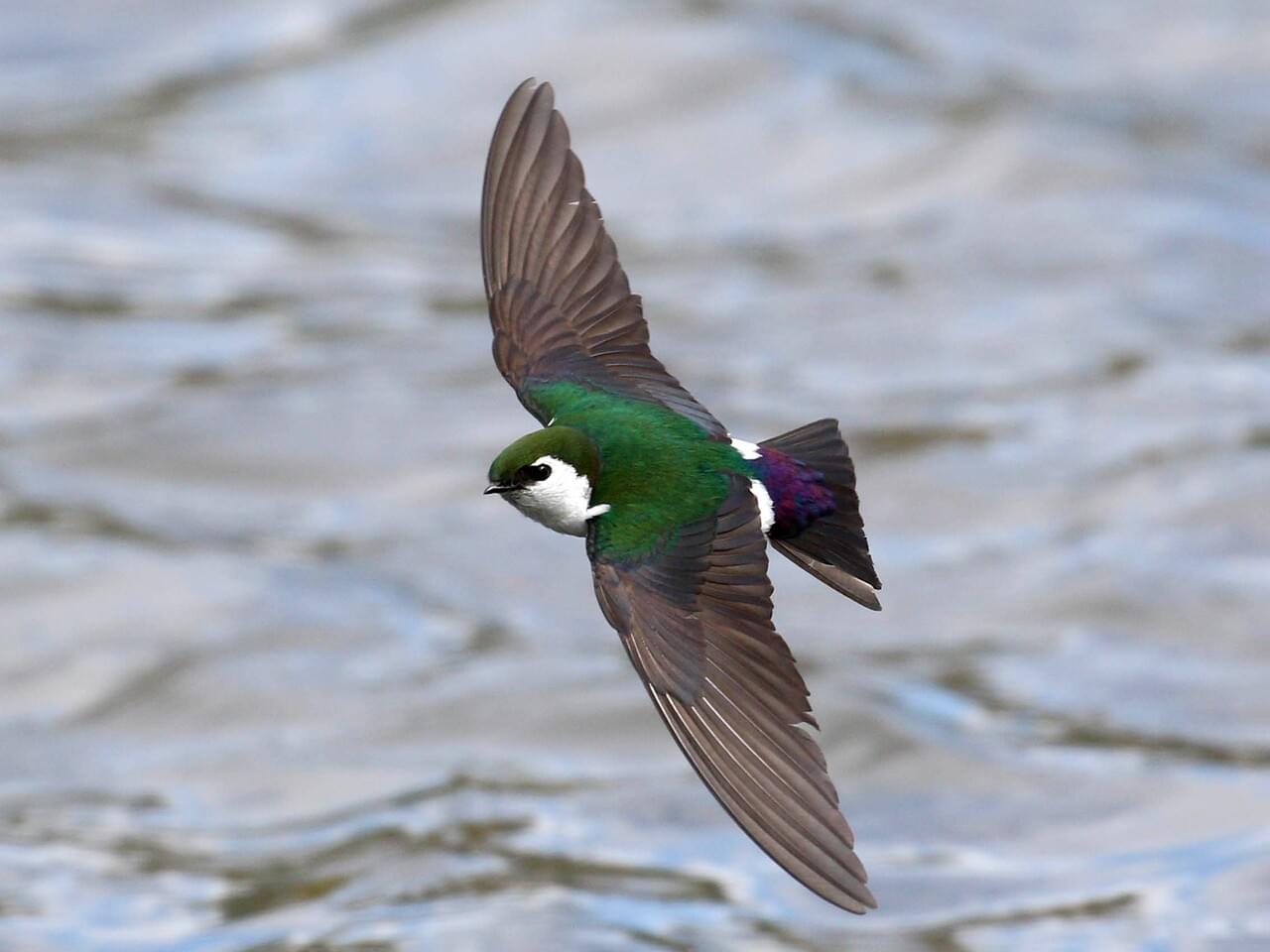
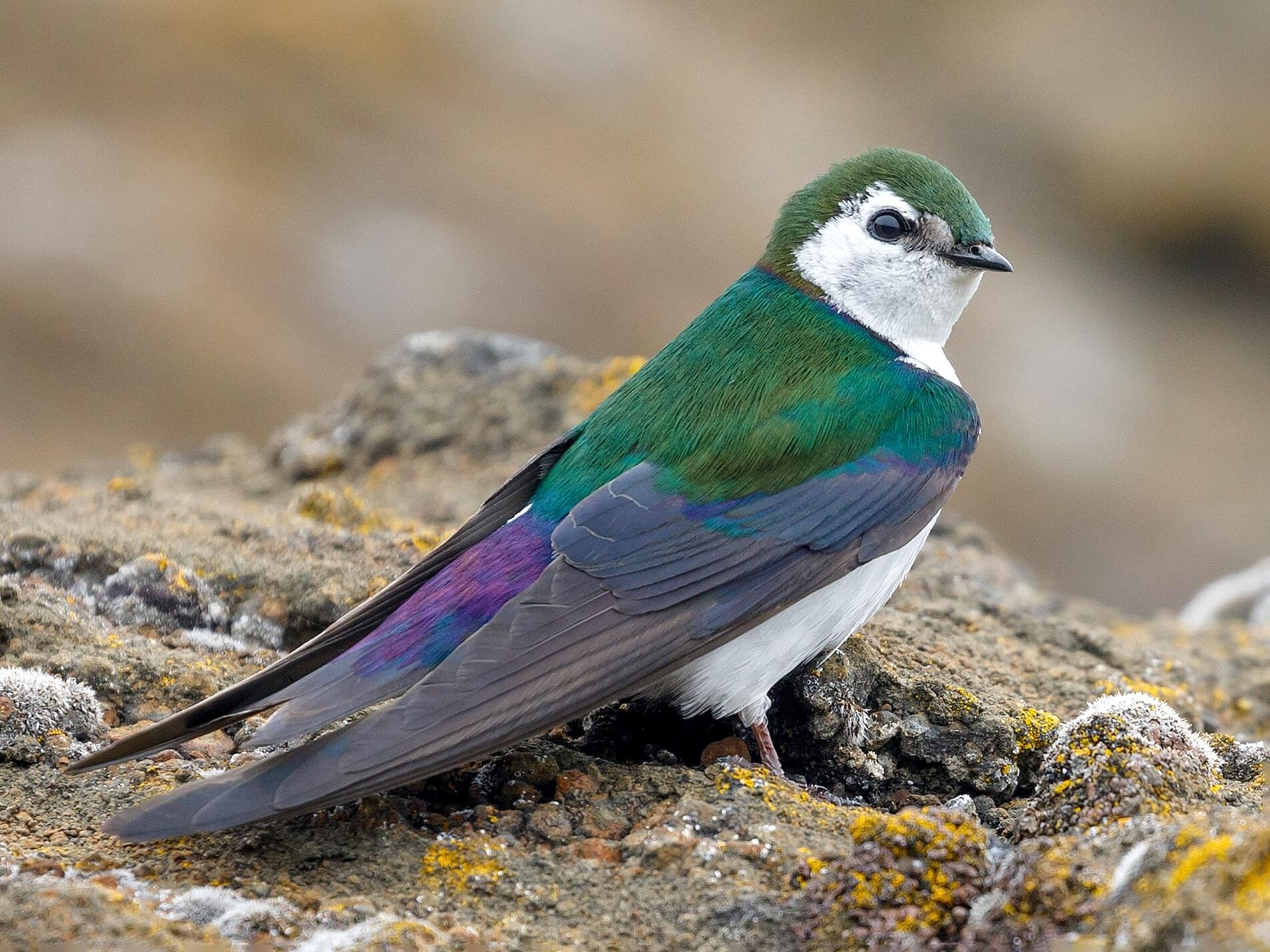
Violet-green Swallow (Tachycineta thalassina) — Emerald back, violet rump, white breast, this is a bird that looks like it’s wearing an oil slick, and pulls it off. So graceful in flight, it catches insects without missing a beat. We may have seen many more species of swallow (and swifts) at El Morro National Monument, but I did not take the time to positively ID as many as Arch encouraged me to spot.
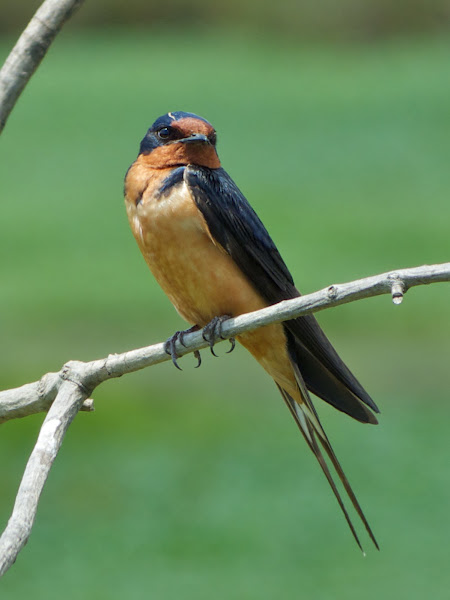
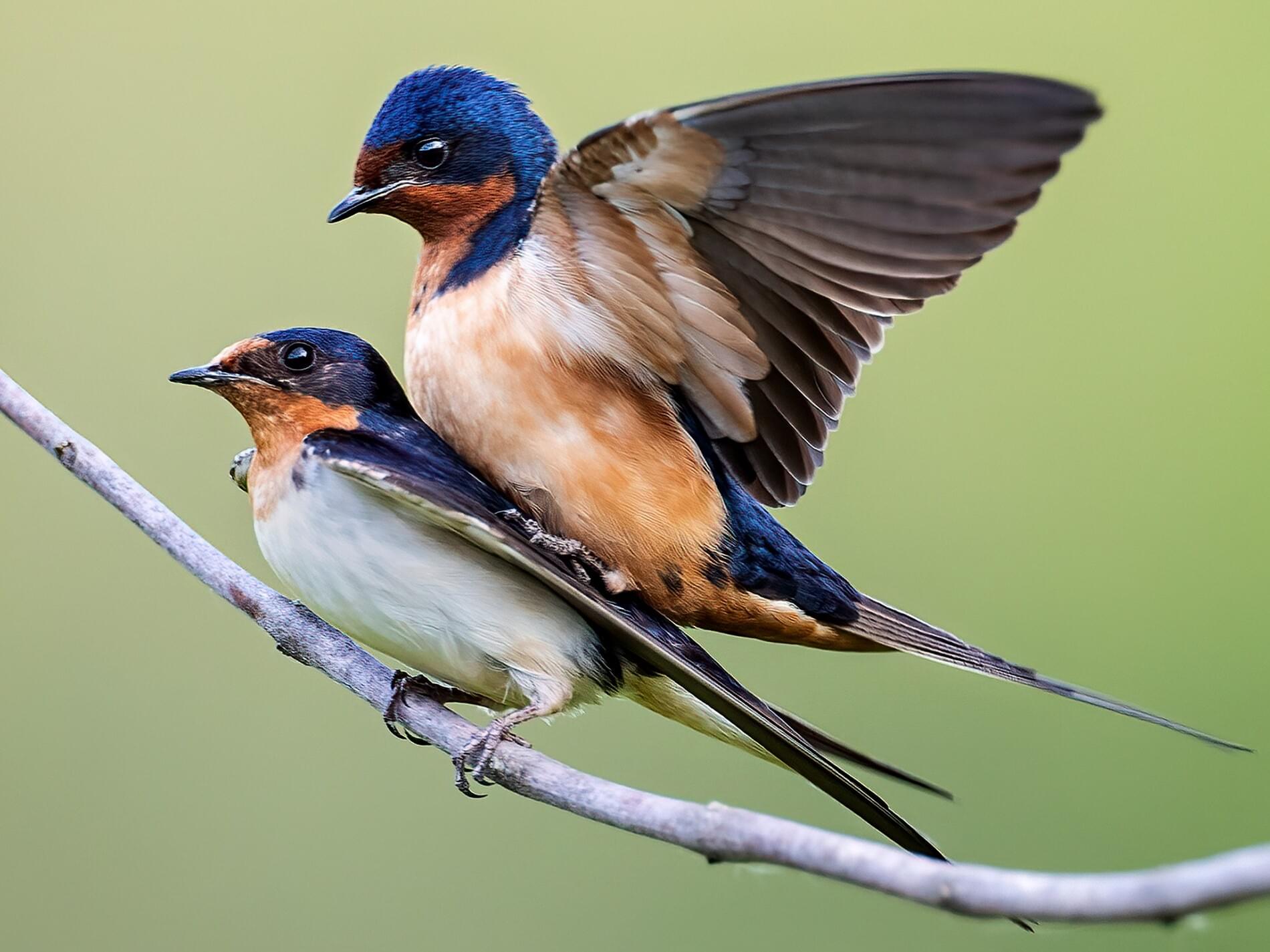
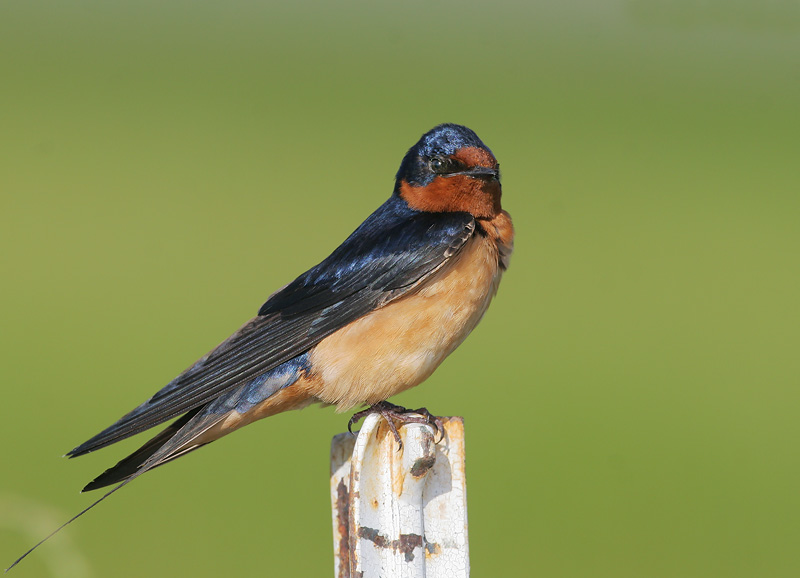
Barn Swallow (Hirundo rustica) — Deeply forked tail, mud nest under every eave — the original bird that decided your porch was prime real estate. We saw these in profusion on our trek, expecially at Fort Union Ranch, where the barns were plentiful and the grasslands everywhere. If you can’t get enough swallows, see this Bird post on the subject: Swallows.
->->->->->->->->->->->->->->->->->->->->->->->->->->->->->->->->->->->->->->->->->->->->->->->->->->->->->->->->->->
Bushtits & Chickadees

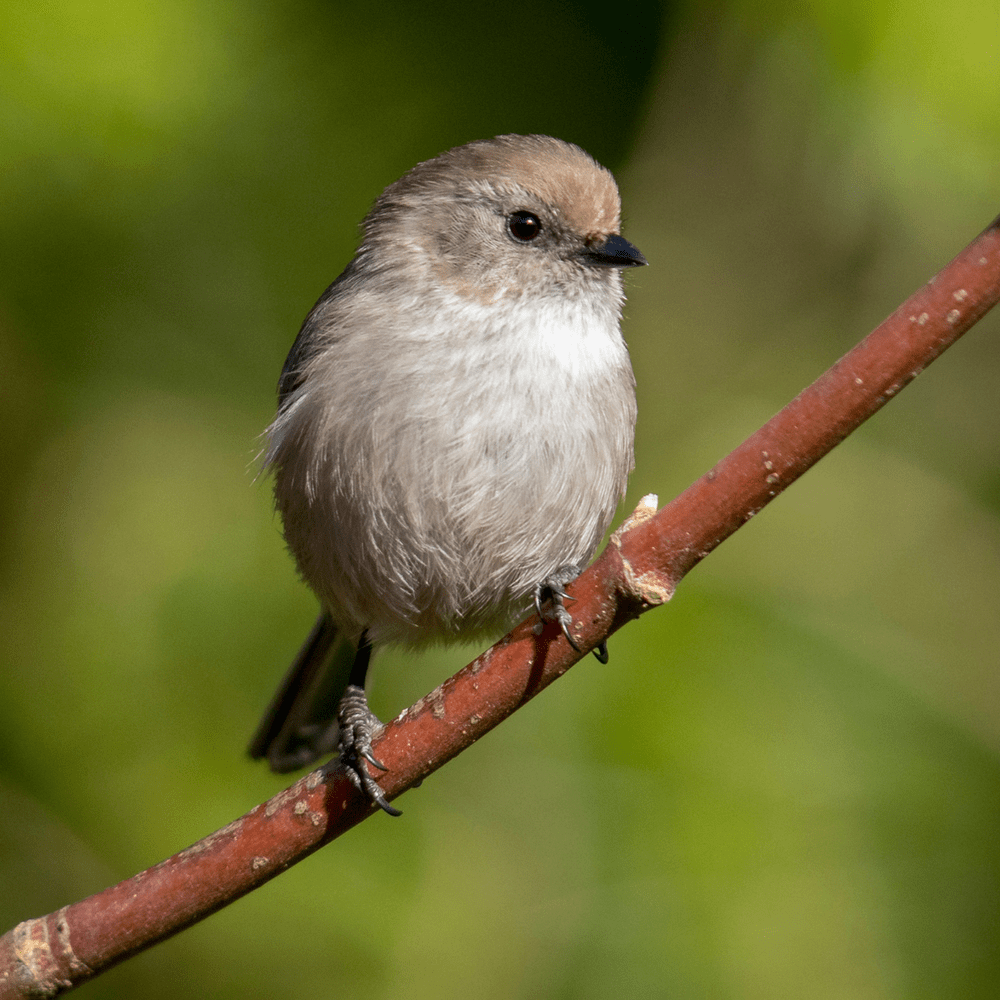
Bushtit (Psaltriparus minimus) — A gray puffball that travels in a chattering mob and builds a sock-shaped nest like nothing else in North America. We saw a passel of these puffballs on the trail at Fort Union Ranch. They flitted in and around the dry creek bed as we walked up one of the canyons.
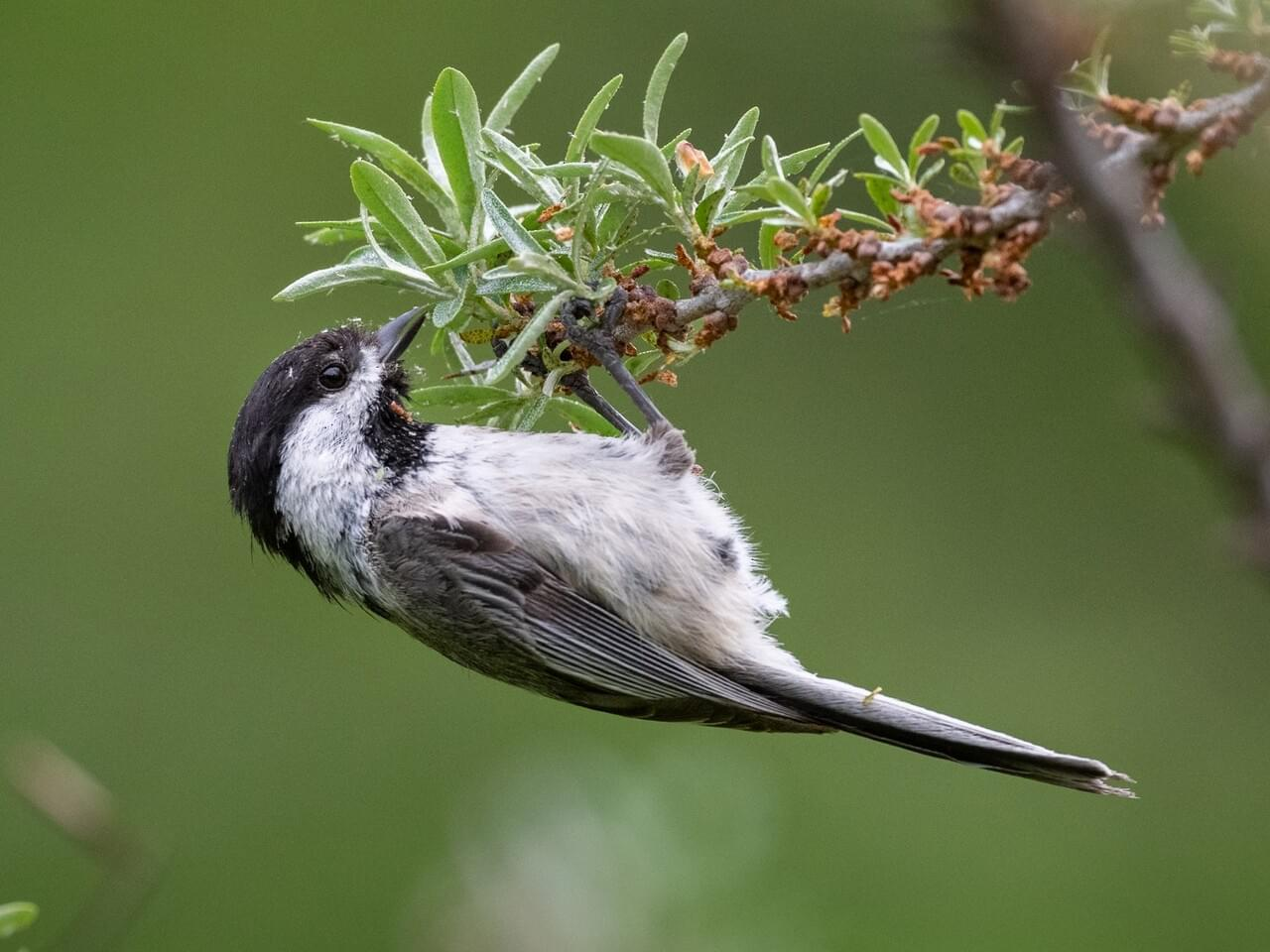
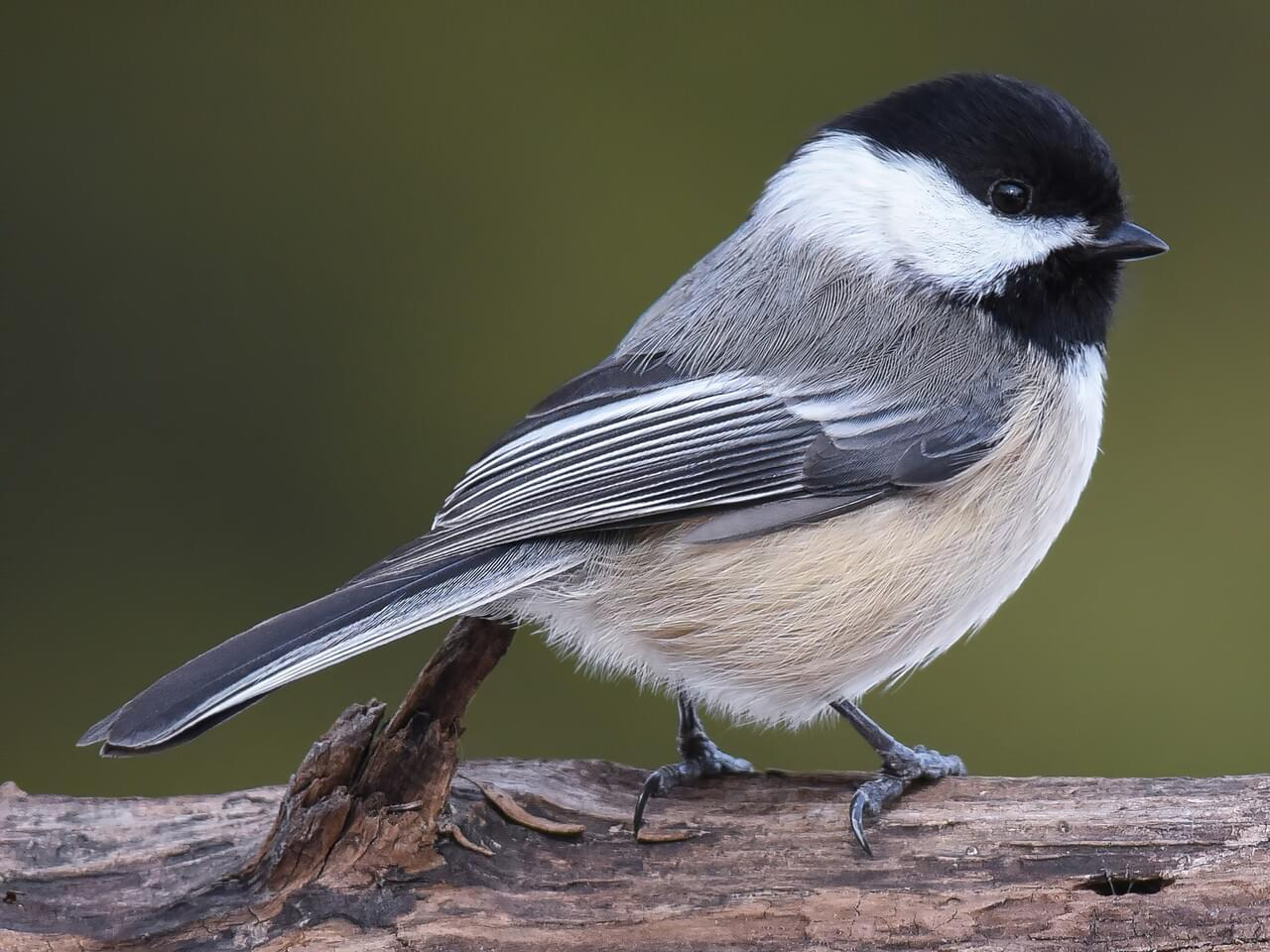
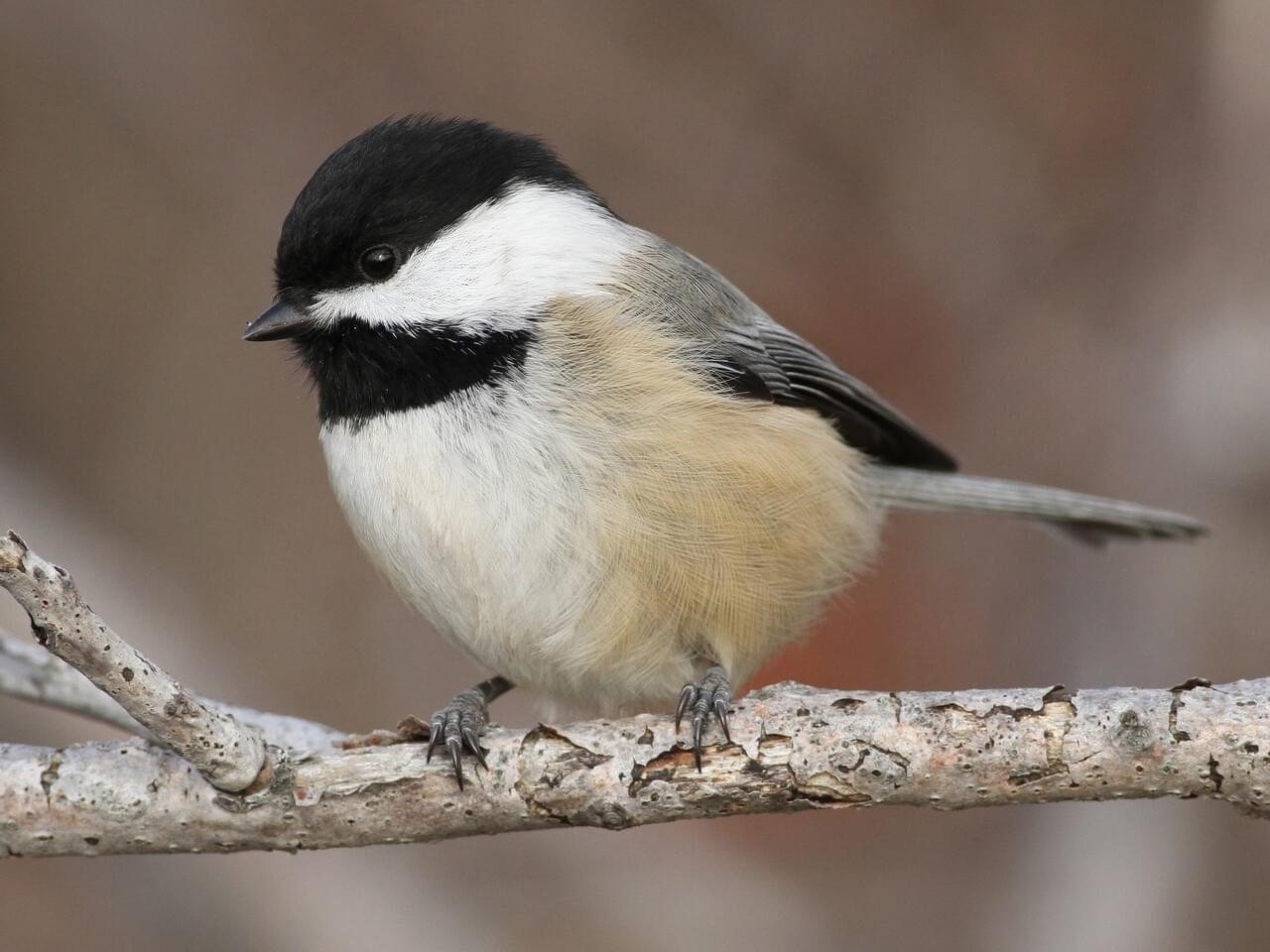
Black-capped Chickadee (Poecile atricapillus) — This chickadee is a bird that is universally considered “cute,” thanks to its oversized round head, tiny body, and curiosity about everything, including humans. The chickadee’s black cap and bib; white cheeks; gray back, wings, and tail; and whitish underside with buffy sides are distinctive. Its habit of investigating people and everything else in its home territory, and quickness to discover bird feeders, make it a beloved species across the U.S.
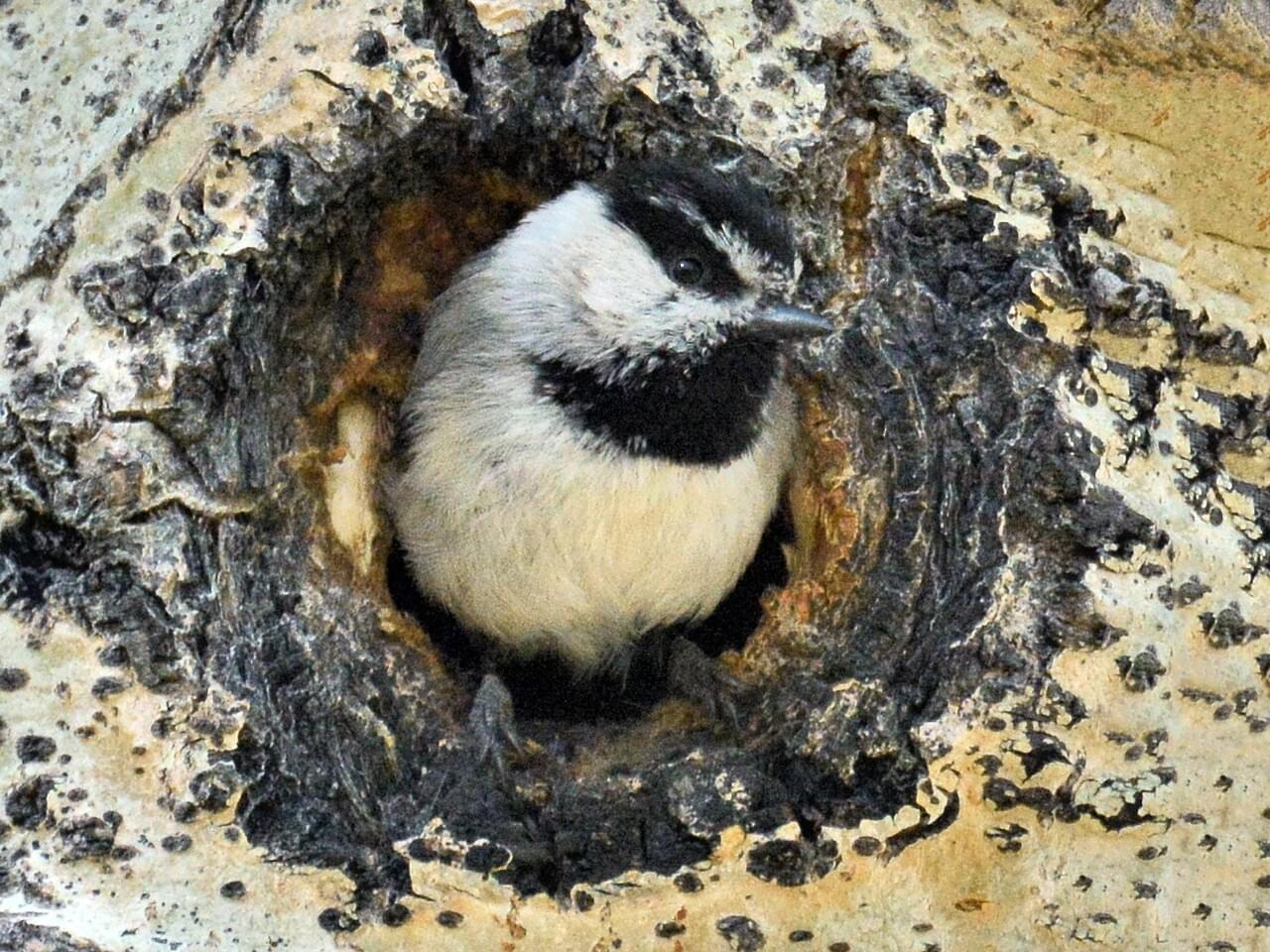
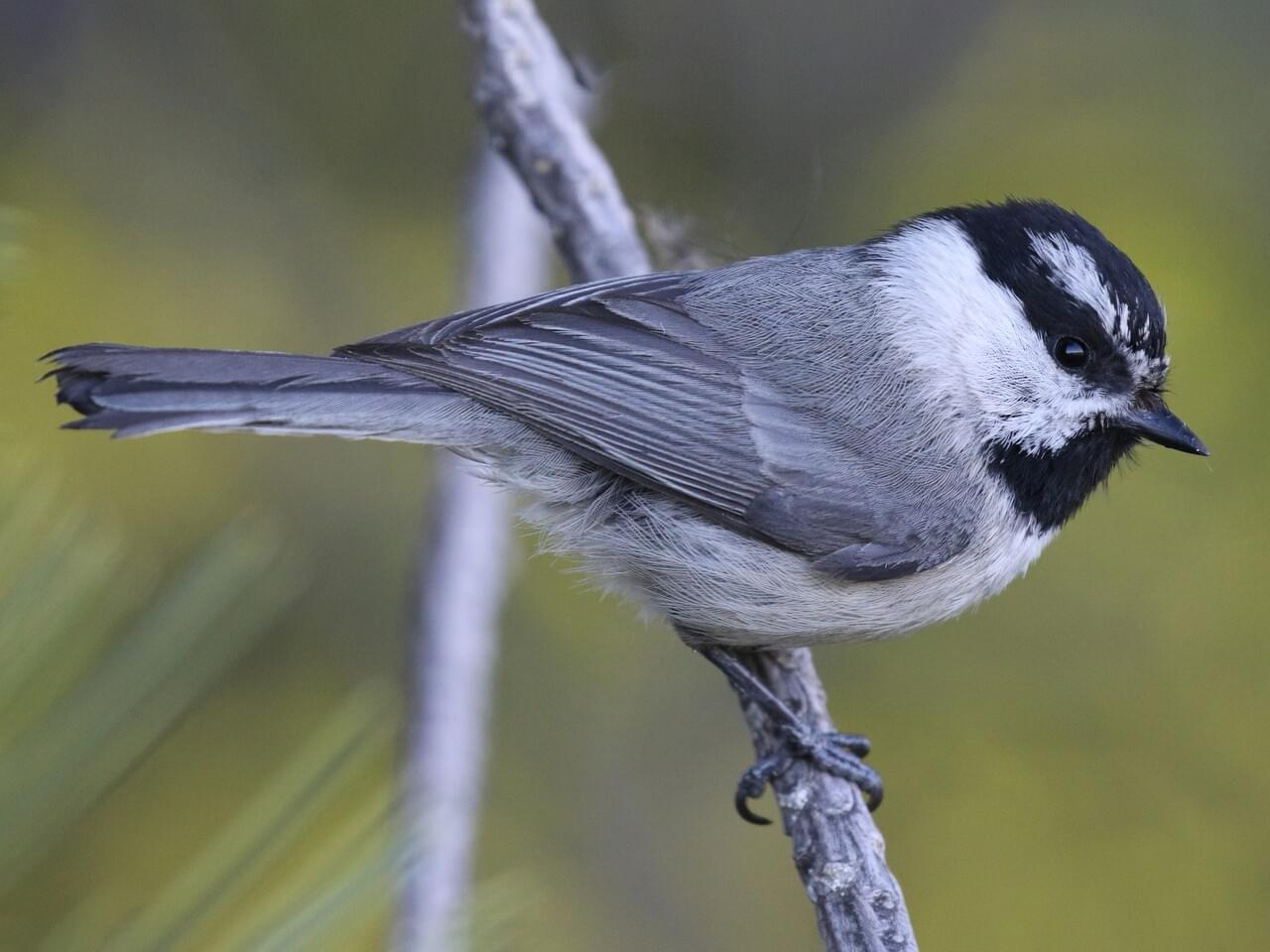
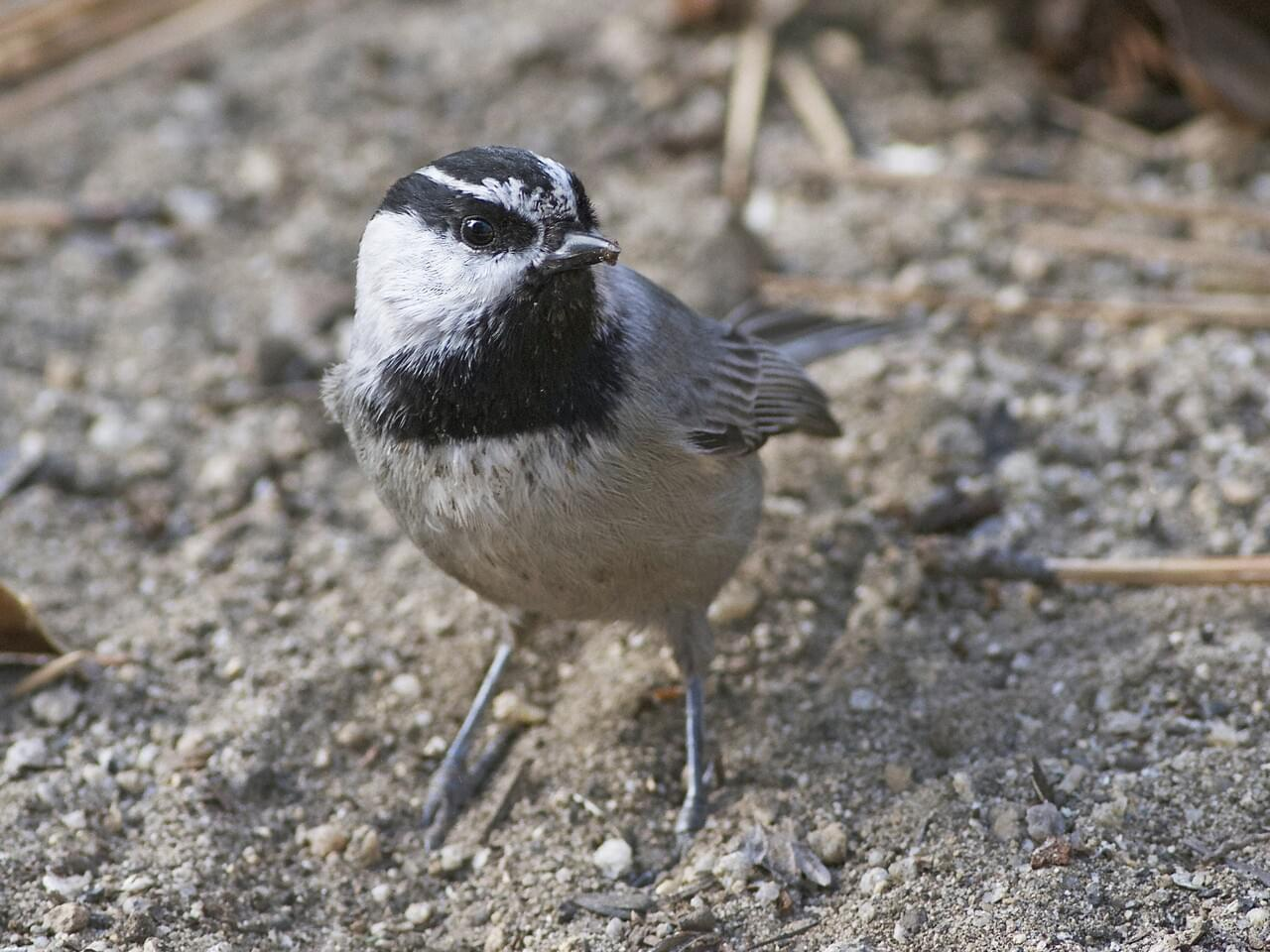
Mountain Chickadee (Poecile gambeli) — One of the many birds named after William Gambel, this is one of our groups favorites, because of its call and its friendly nature. Similar to the Black-capped Chickadee it is somewhat irresistible. Here is a Bird post about Gambel that may be interesting in and of itself: Birds of Gambel.
->->->->->->->->->->->->->->->->->->->->->->->->->->->->->->->->->->->->->->->->->->->->->->->->->->->->->->->->->->
Now to Nuthatches
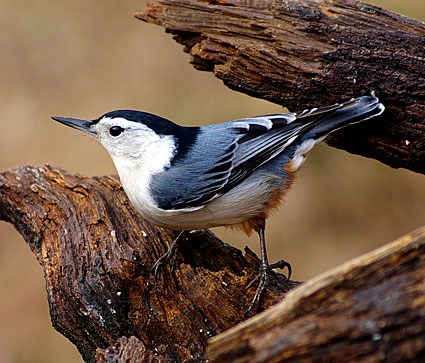

White-breasted Nuthatch (Sitta carolinensis) — Walks headfirst down tree trunks, defying gravity and common sense with equal confidence. These birds were all around El Morro National Monument, enjoying their migration up and down the pine trees, while the rain swamped out tents and dented our campfire!

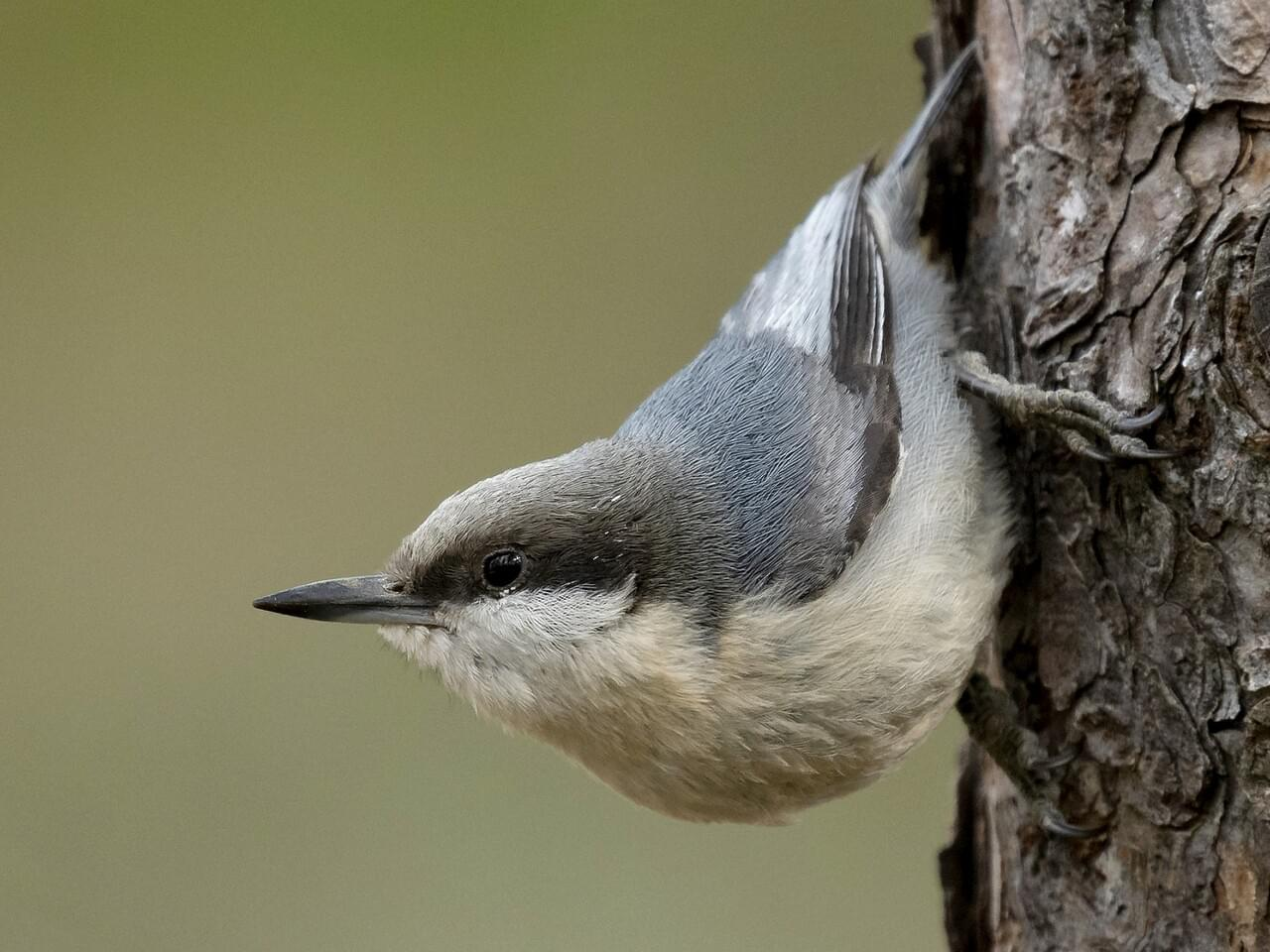

Pygmy Nuthatch (Sitta pygmaea) — Palm-sized and never alone — these ponderosa pine specialists roost in piles to survive the cold. They are surprisingly difficult to spot, as they seem to be loud, yet always scooting off to the other side of the tree, as your binoculars zero-in on the area you know the bird must be pecking. With patience, it will eventually come into view. It is worth the wait, as they are cute and pint-sized, noisy and prolific. Fun to watch, indeed.
->->->->->->->->->->->->->->->->->->->->->->->->->->->->->->->->->->->->->->->->->->->->->->->->->->->->->->->->->->
Wrens

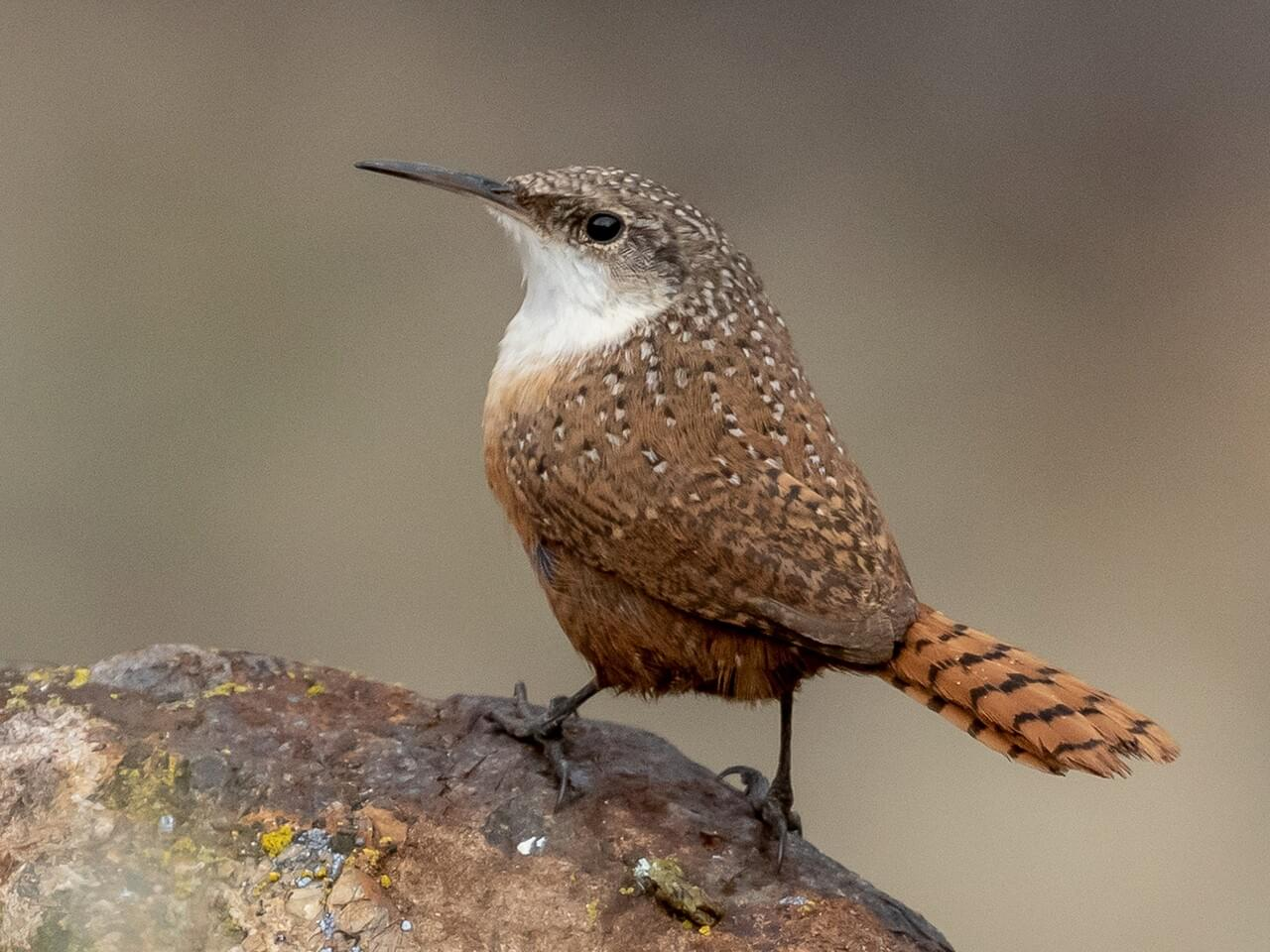
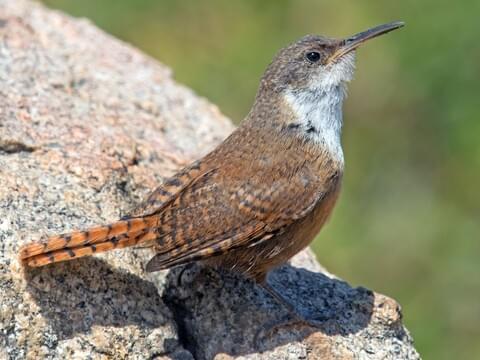
Canyon Wren (Catherpes mexicanus) — Its cascading, descending song is the actual sound of the desert Southwest — canyons feel empty without the call and the wilderness seems less wild. These are some of the most loved wrens and seem to be more numerous than the Cactus wrens and House wrens and Rock wrens of the area (none of which I saw on this particular trek).
->->->->->->->->->->->->->->->->->->->->->->->->->->->->->->->->->->->->->->->->->->->->->->->->->->->->->->->->->->
Dippers that Oozel
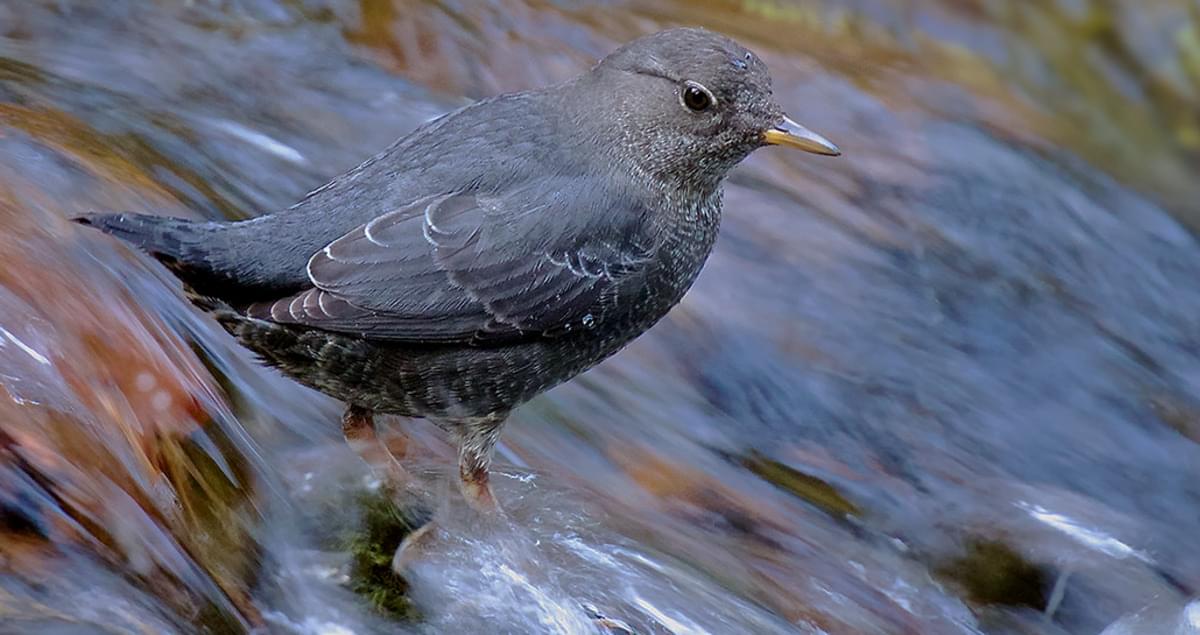


American Dipper (Cinclus mexicanus) — A plain gray songbird that walks underwater against the current, in mountain streams, like it’s no big deal. We saw a lone dipper swimming and jumping upstream along the Rio Hondo, whose banks served as our campsite for two nights near Taos, New Mexico. It was fun to see this elusive species on this trip, as it strolled up the water course and plunged in the rio for crawling insects underneath the rocks.
->->->->->->->->->->->->->->->->->->->->->->->->->->->->->->->->->->->->->->->->->->->->->->->->->->->->->->->->->->
Rushes to Thrushes

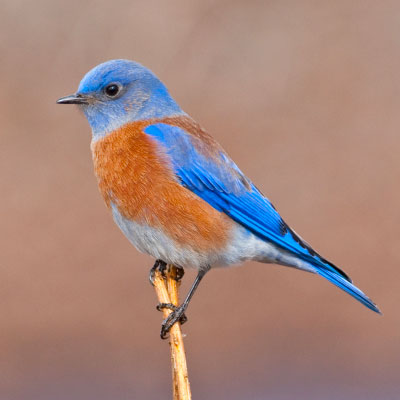
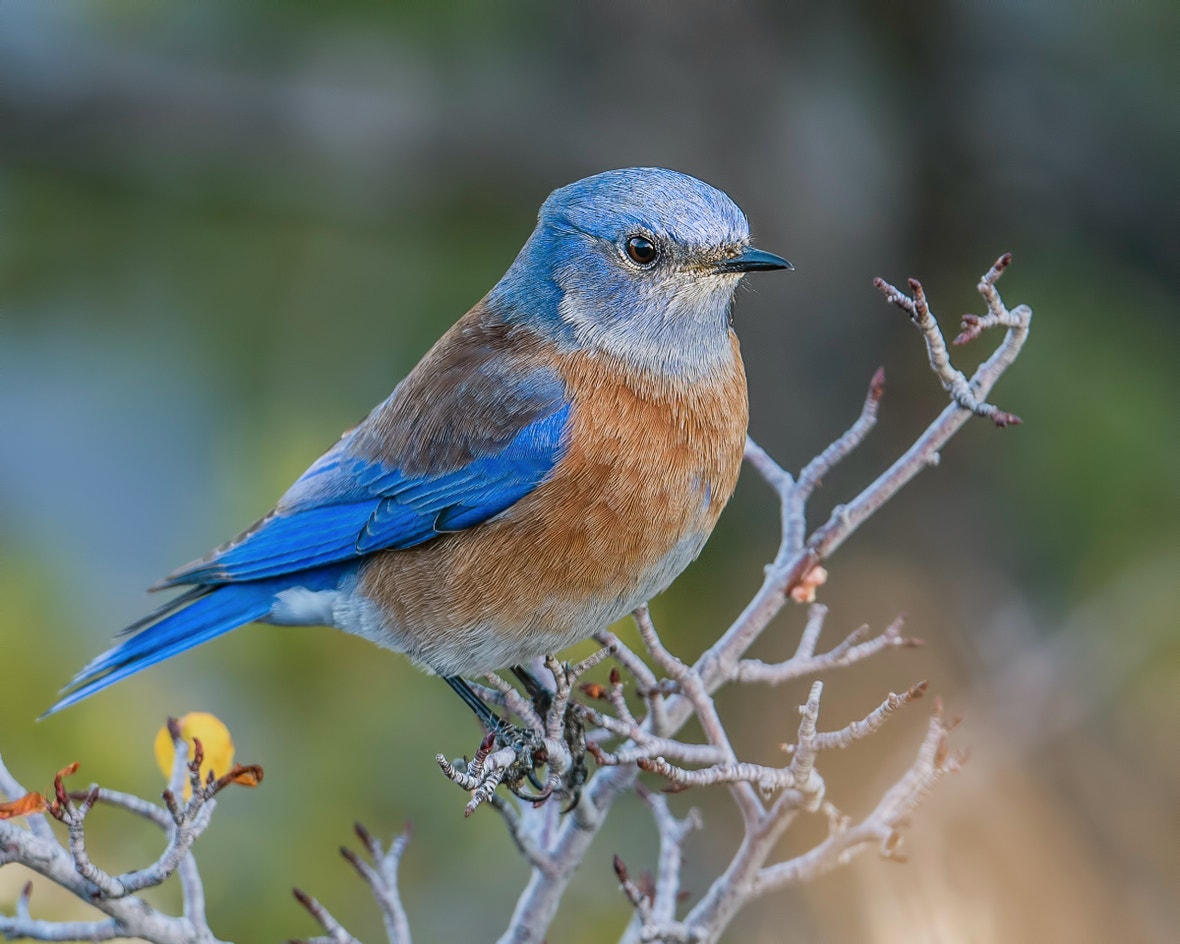
Western Bluebird (Sialia mexicana) — Rusty chest, deep blue back, this bird is so photogenic it looks retouched by professional photographers, even in the wild.
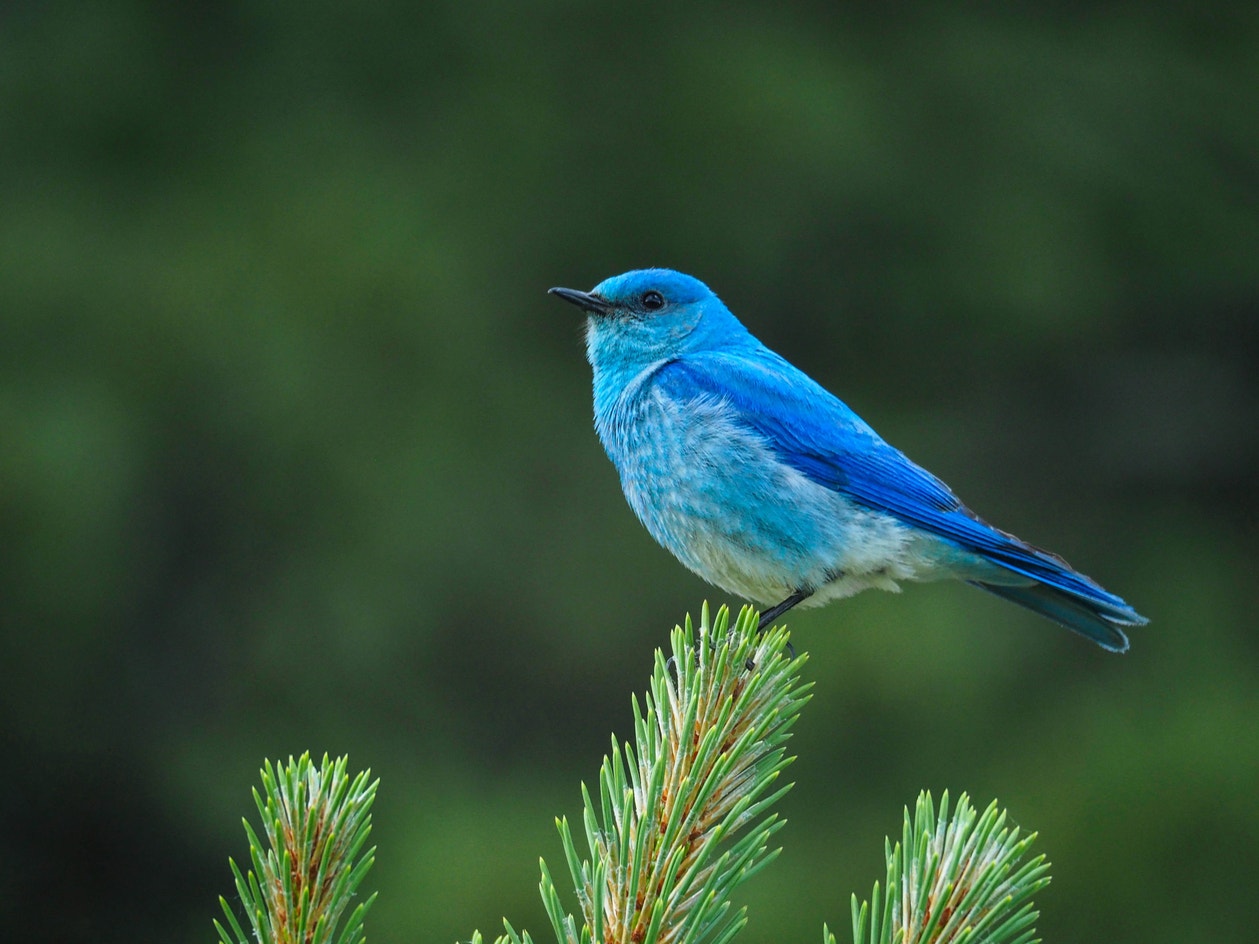
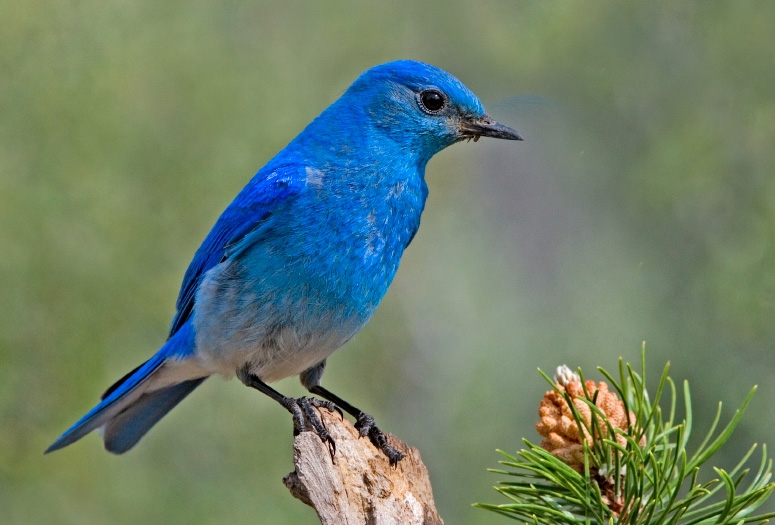

Mountain Bluebird (Sialia currucoides) — Sky-blue, all over, like it flew straight out of the horizon it’s usually photographed against. This is one of those iconic birds that is hard to believe that it is THAT blue. It is a show stopper for sure. Arch would call: “Bird Emergency” for all of the spotting locations for real!
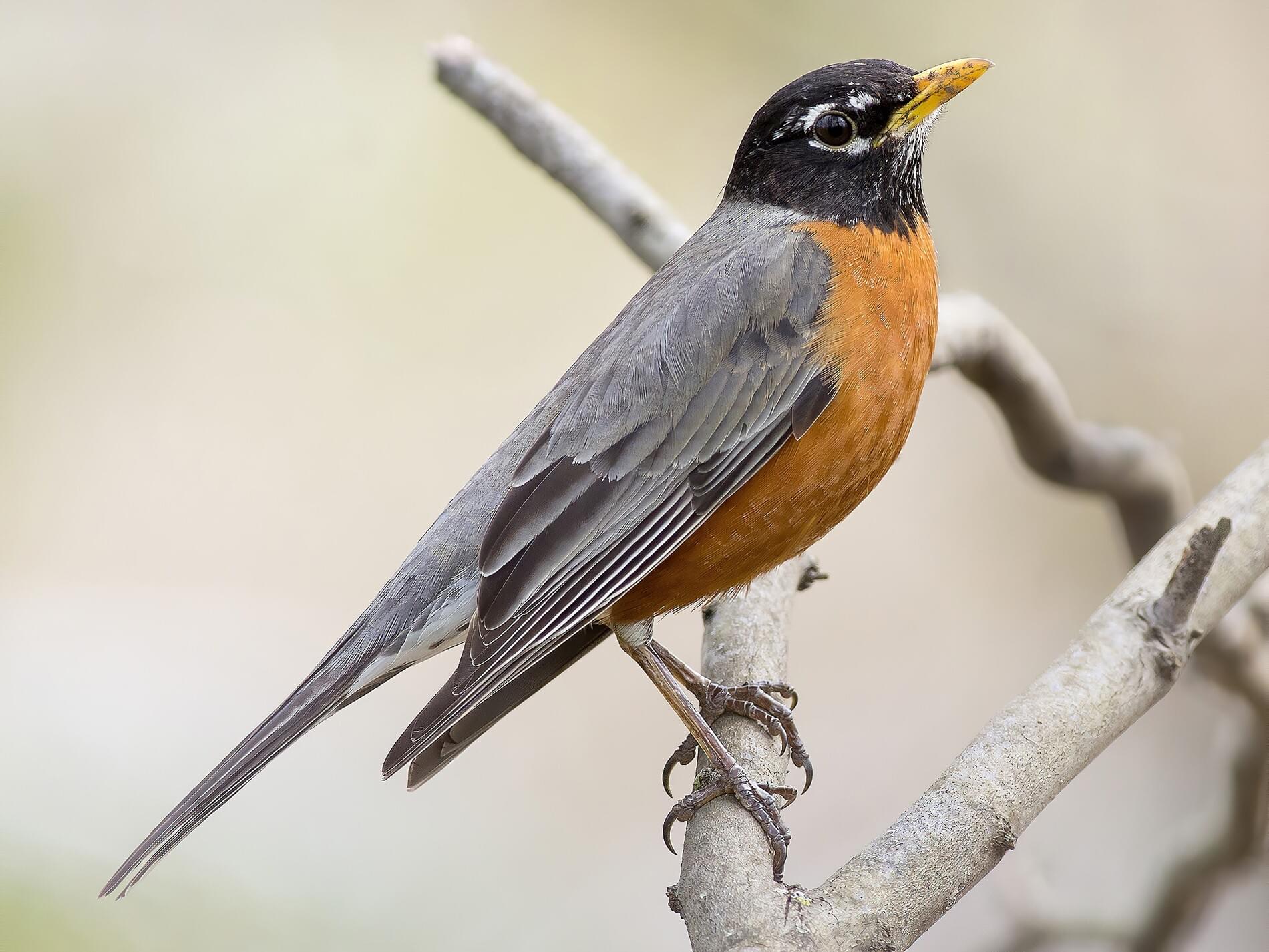
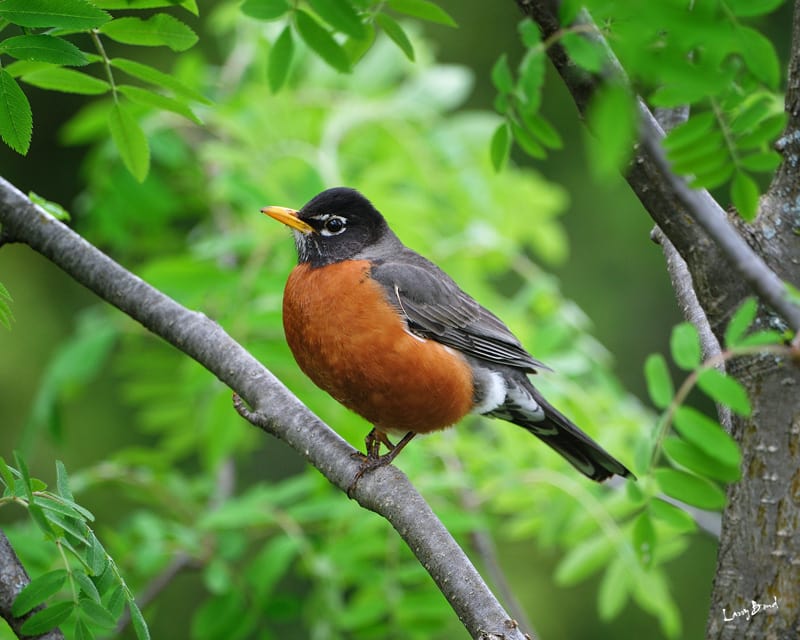

American Robin (Turdus migratorius) — A harbinger of spring in the Northwest, the Robins seem more permanent residents in New Mexico. The bird everyone thinks they know, tugging worms out of lawns with theatrical concentration can fool you. Robins catch their meal by combining sharp vision and acute hearing. Watch when a robin cocks its head to one side: it is not just listening, it turns its head to aim one large eye directly at the ground. It can spot tiny movements, while simultaneously using its ear to catch the faint rustling sound of a worm wiggling through the dirt. Pretty clever, if you ask me.
->->->->->->->->->->->->->->->->->->->->->->->->->->->->->->->->->->->->->->->->->->->->->->->->->->->->->->->->->->
Mockingbirds & Thrashers
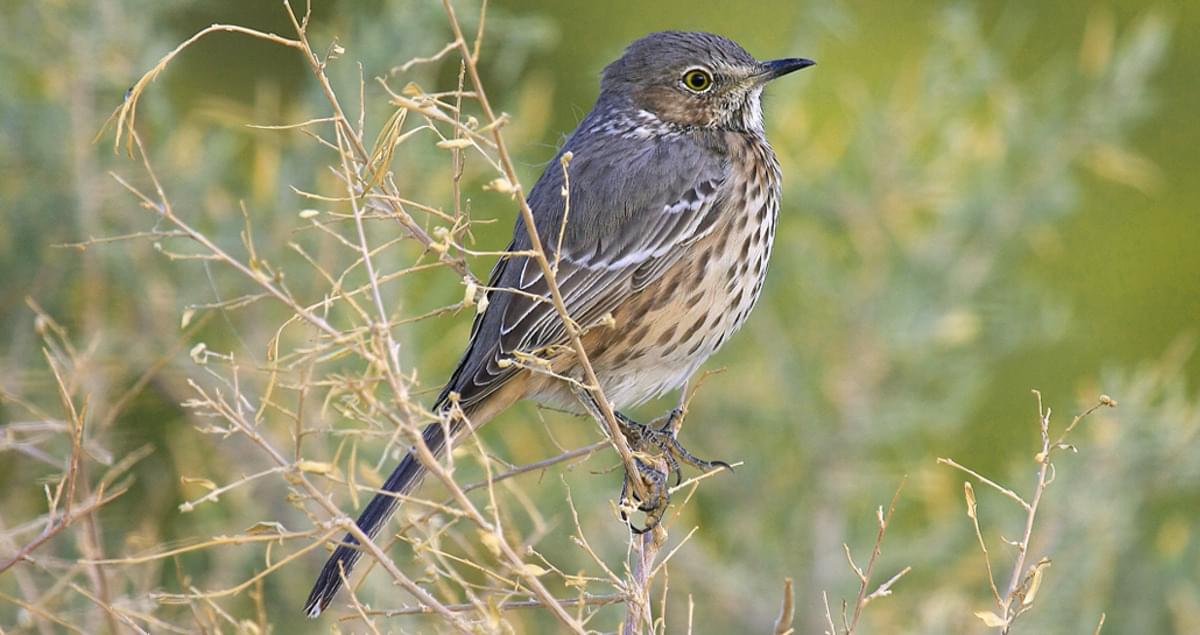
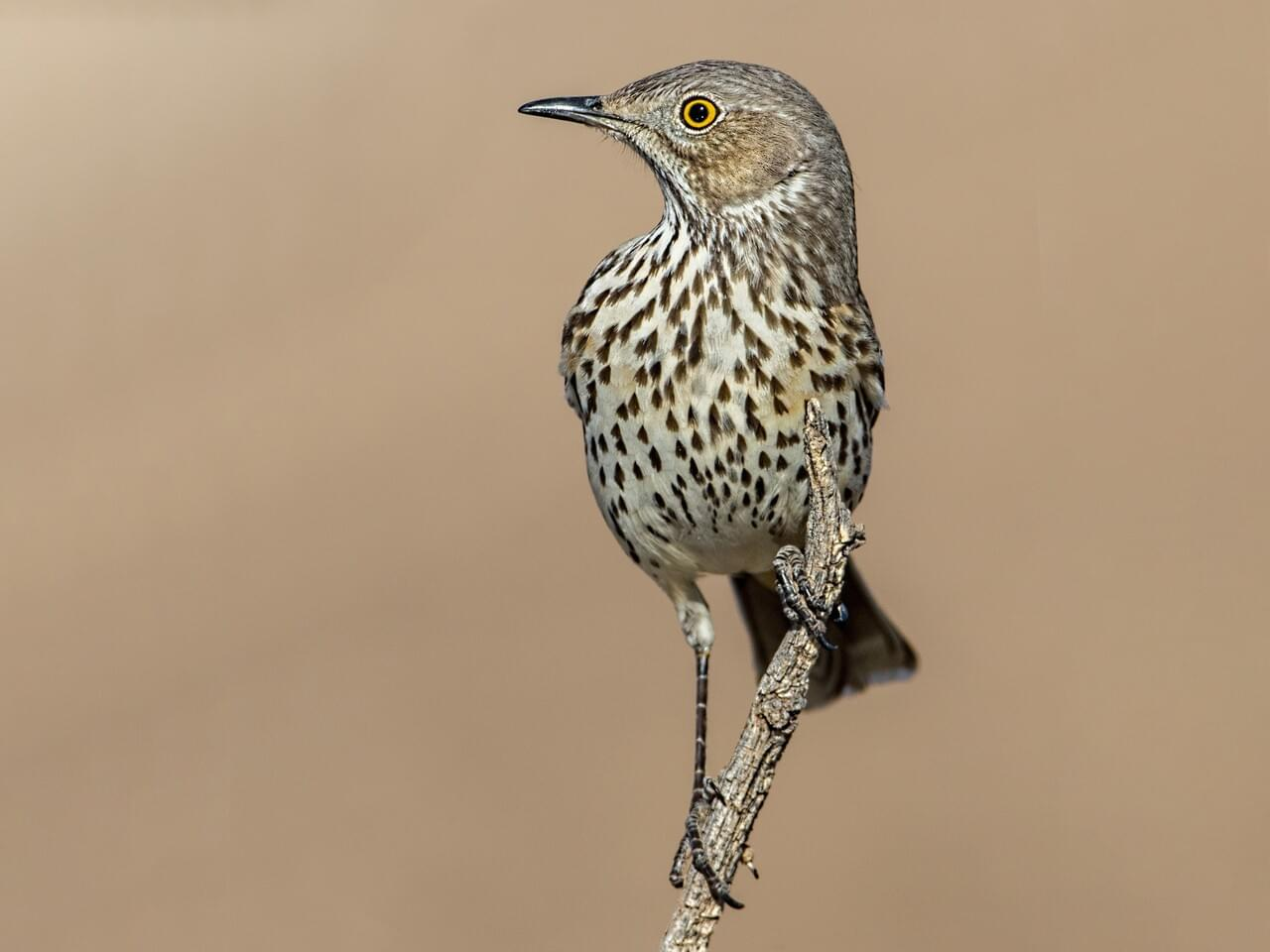

Sage Thrasher (Oreoscoptes montanus) — The smallest thrasher, but it sings the longest, most tangled song of any bird in the sagebrush sea.
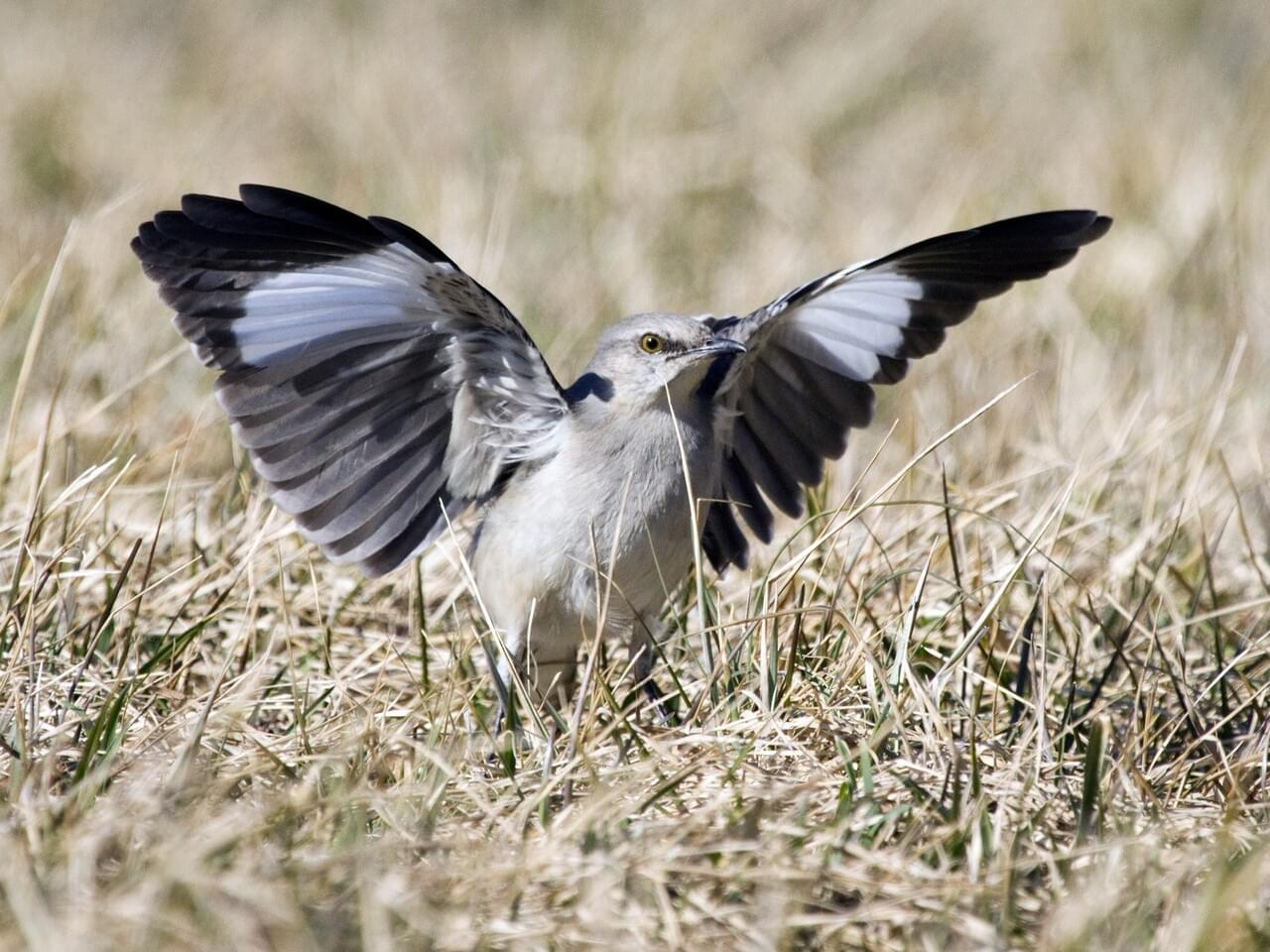
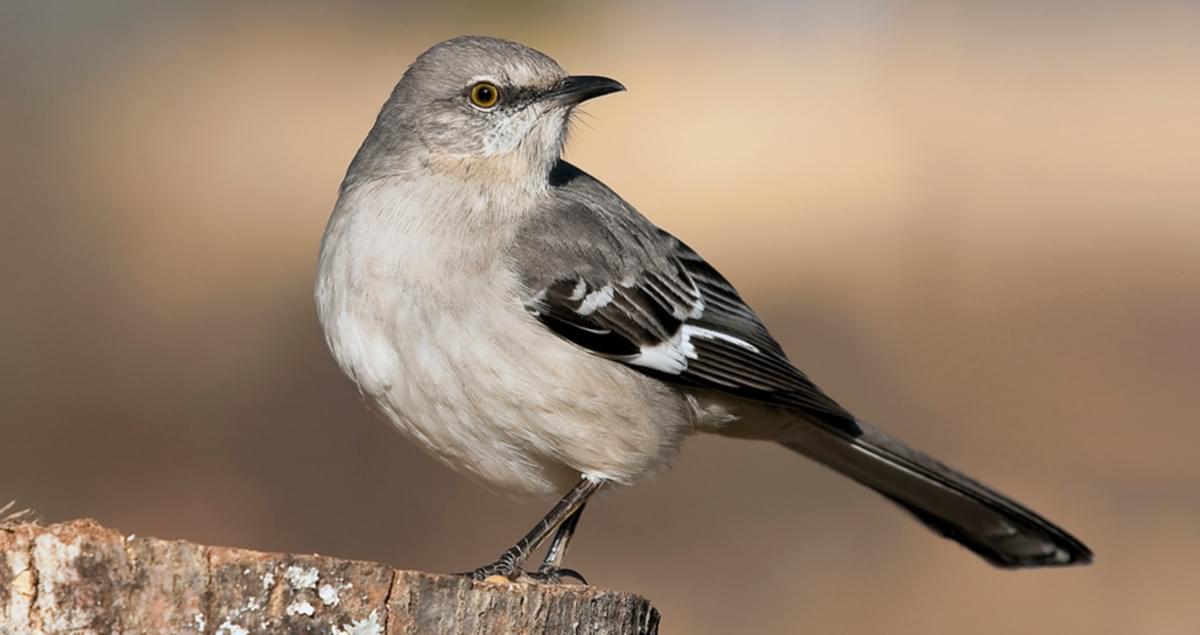

Northern Mockingbird (Mimus polyglottos) — Steals every other bird’s song, remixes it, and sings the medley at 2 a.m. under a streetlight. We saw and heard these birds in the early morning and at the Valley of Fires Campground. This songster is such a good mimic that the scientific name cheers for the many languages and tonalities the Mockingbird has mastered. Sing along with Mock, why don’t you.
->->->->->->->->->->->->->->->->->->->->->->->->->->->->->->->->->->->->->->->->->->->->->->->->->->->->->->->->->->
Wood-Warblers


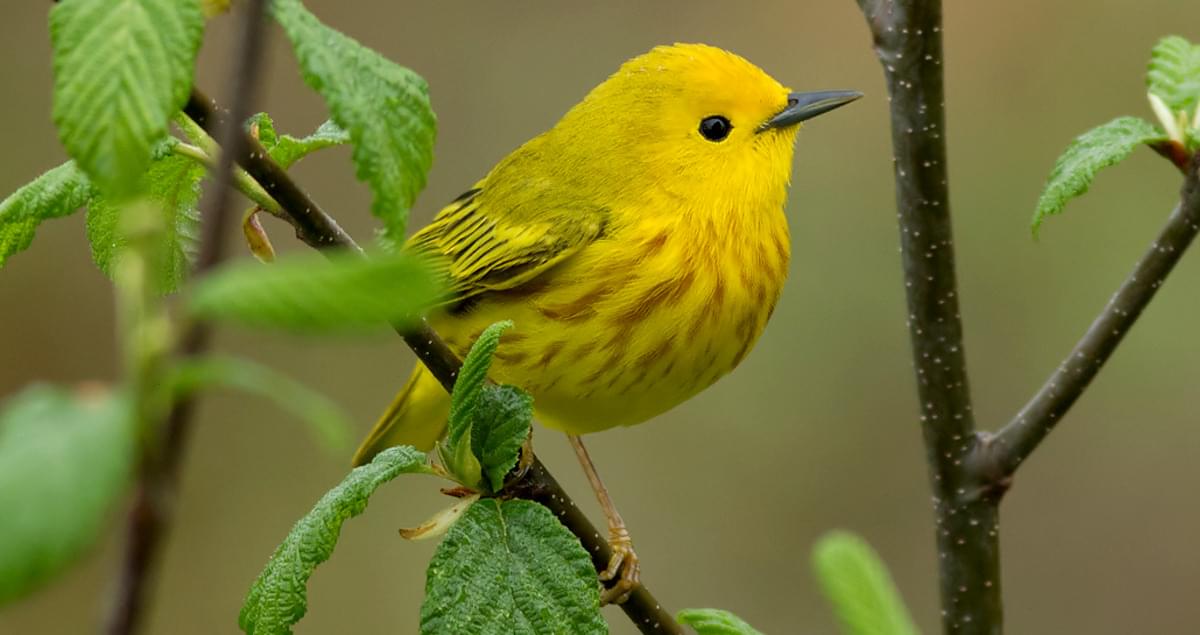
Yellow Warbler (Setophaga aestiva) — A streak of pure sunshine in the willows, singing “sweet-sweet-sweet, I’m so sweet” like it means it. The sound of warblers in the willows sounds romantic, and it is. Warblers seem to thrive in the willows along the streams and rivers of the Southwest, and entire West for that matter.
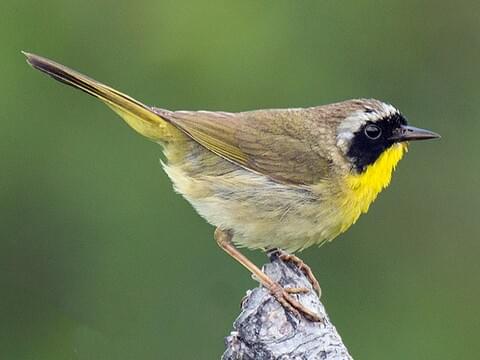
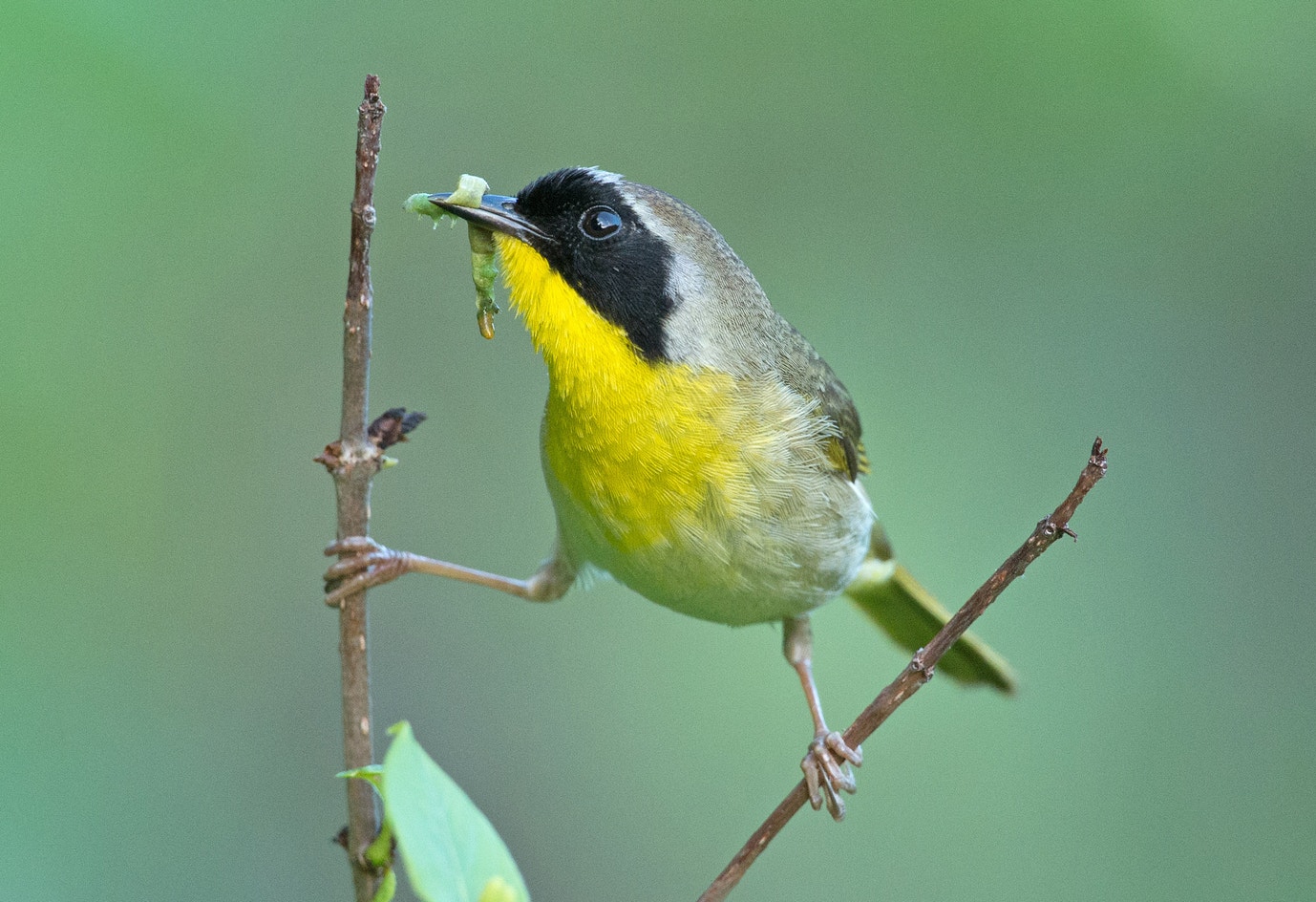
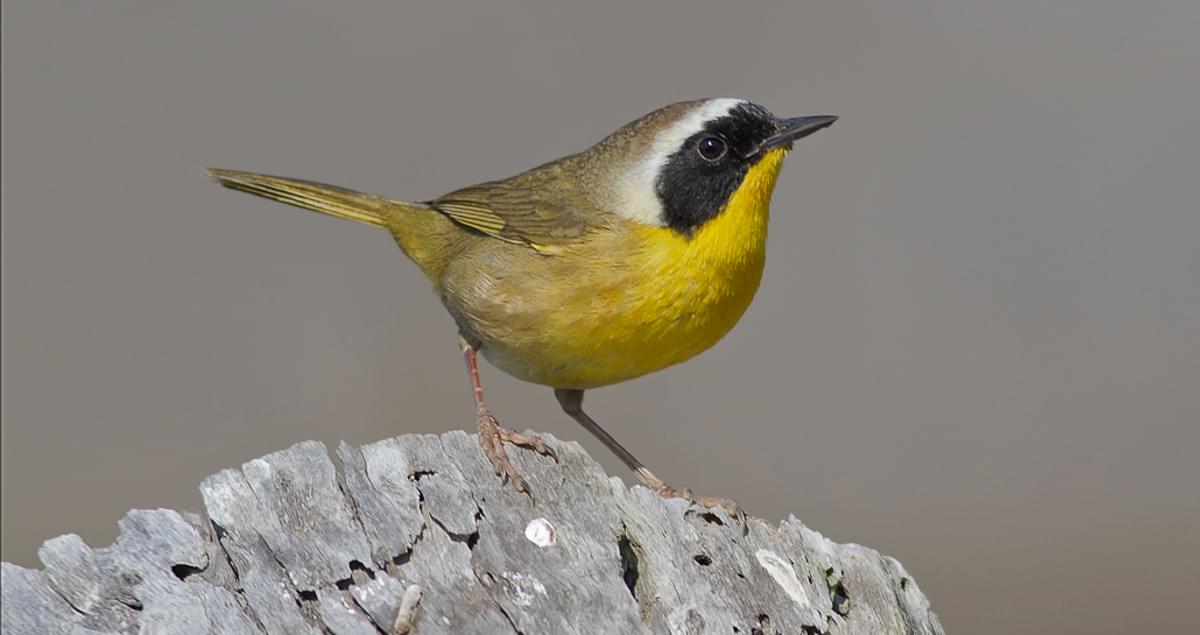
Common Yellowthroat (Geothlypis trichas) — A black bandit mask on a yellow face, singing “witchety-witchety-witchety” from the reeds like it’s daring you to find it. The yellowthroat is a bird that is able to cheer up even a gloomy day, when you are in a sticky wicket.
->->->->->->->->->->->->->->->->->->->->->->->->->->->->->->->->->->->->->->->->->->->->->->->->->->->->->->->->->->
Towhees & Sparrows
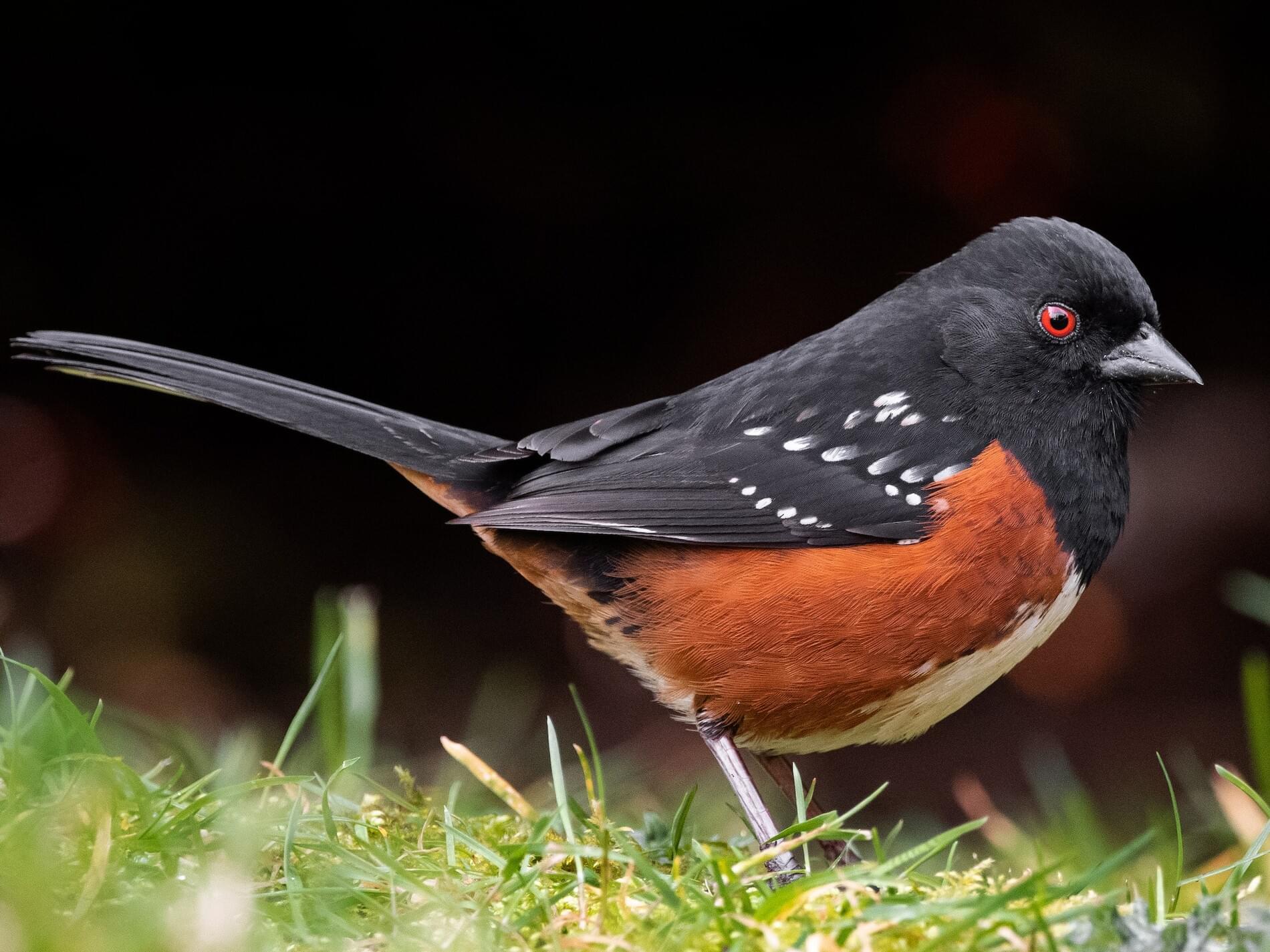
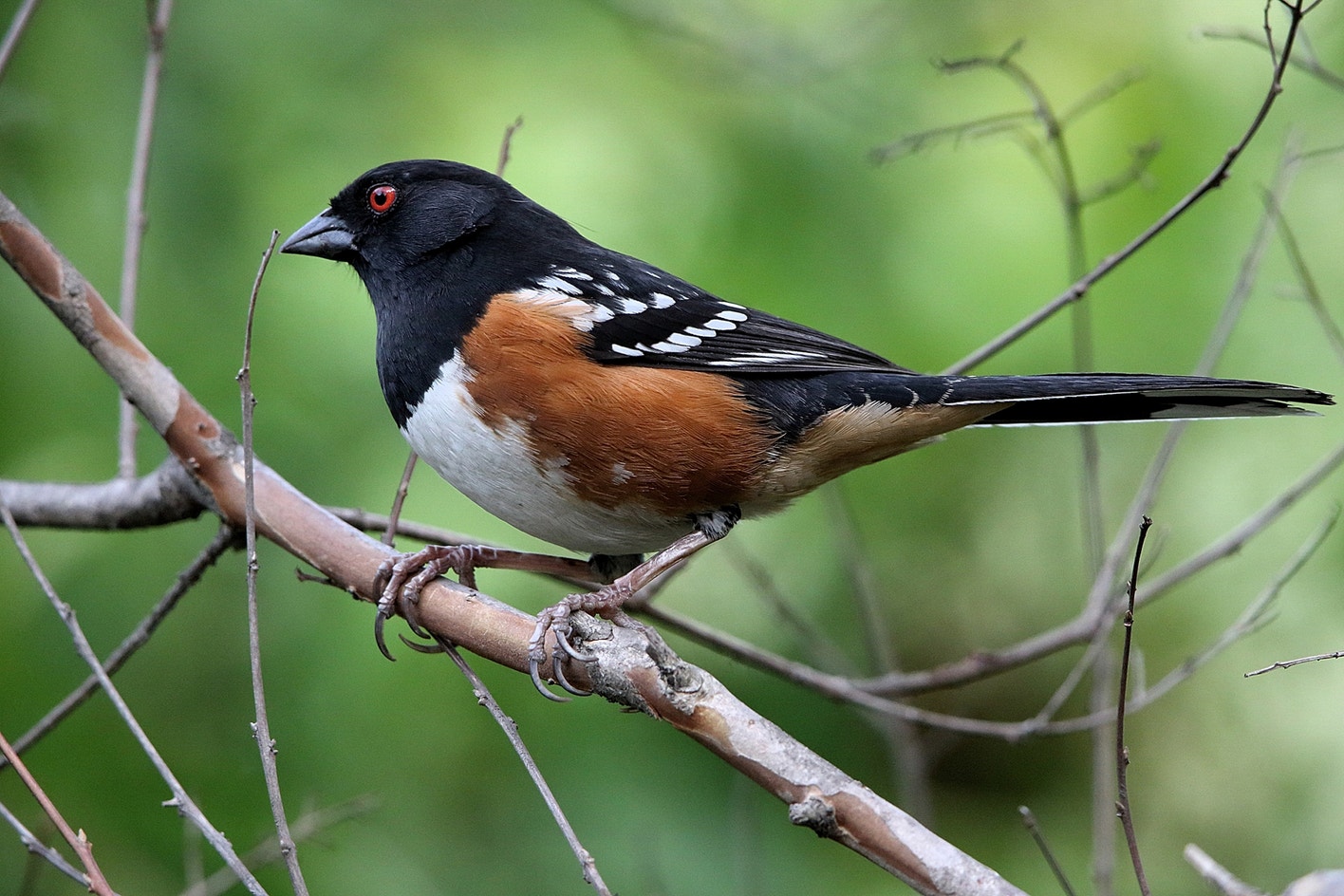
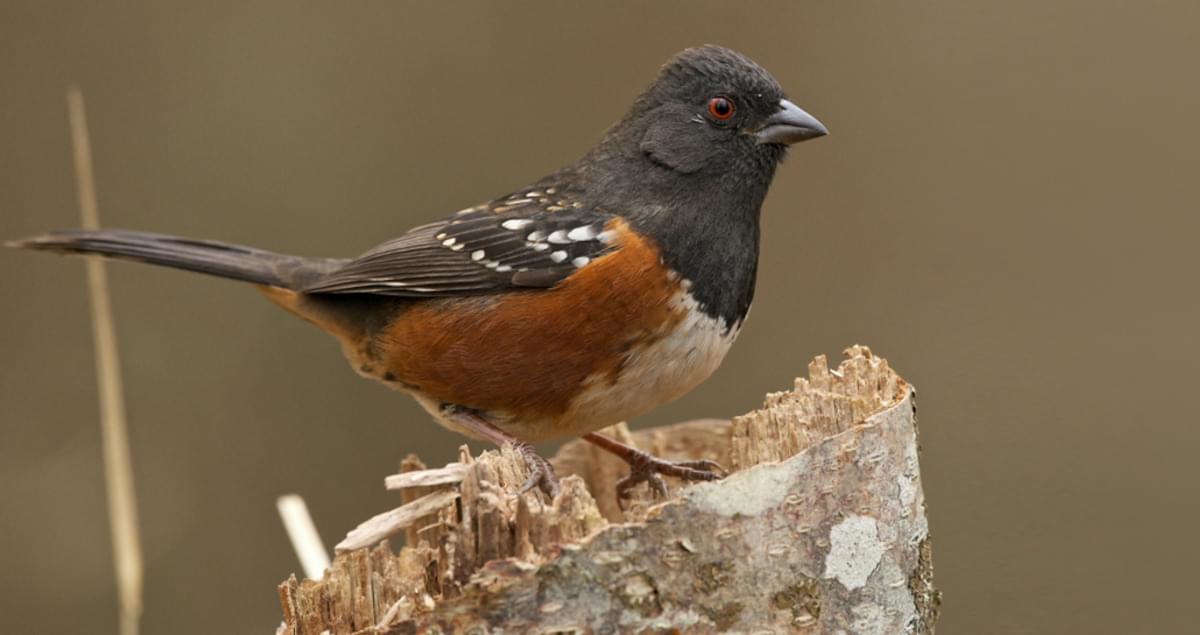
Spotted Towhee (Pipilo maculatus) — Kicks through leaf litter with both feet at once, like a bird doing a two-footed hop-scratch dance. Their call which sounds like “drink your tteeeee, drink you tteeee,” is a welcome reminder to stay hydrated in the deserts of New Mexico.
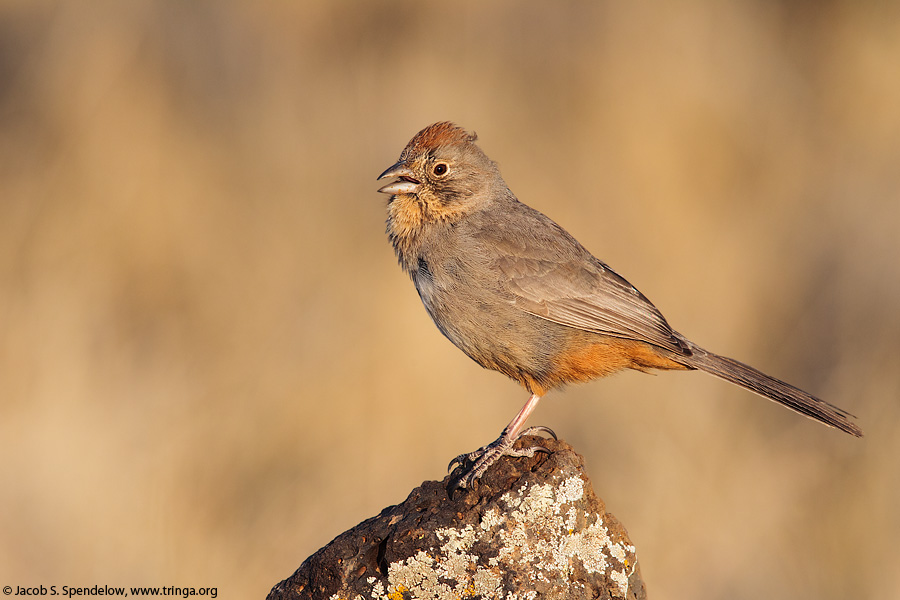


Canyon Towhee (Melozone fusca) — Dusty brown, this towhee is easy to overlook. It is perfectly camouflaged for a life spent on the ground in the arid deserts and canyons of the American Southwest. These towhee may not have the color of their cousins, but there is joy in spotting them, nonetheless.
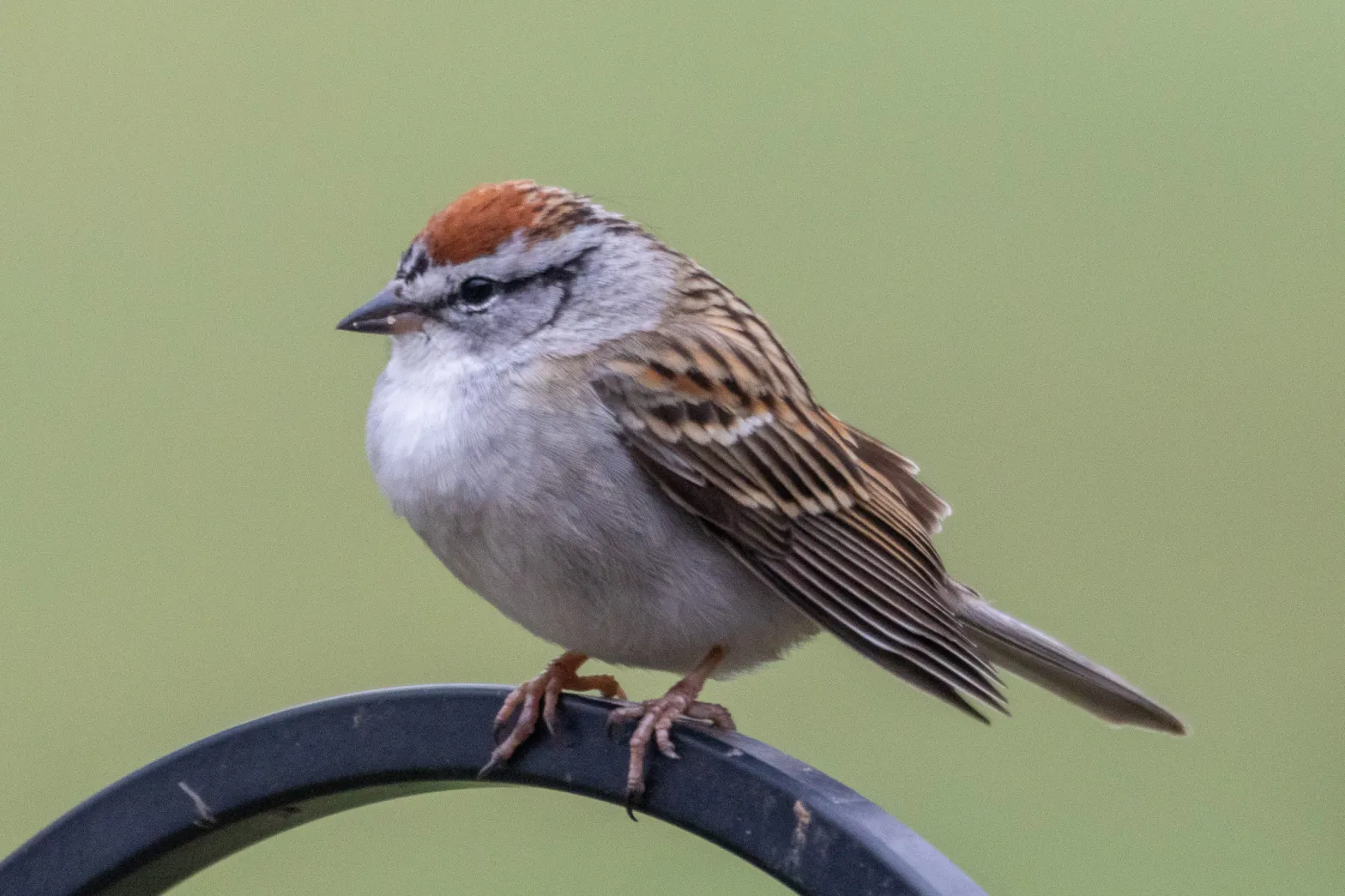
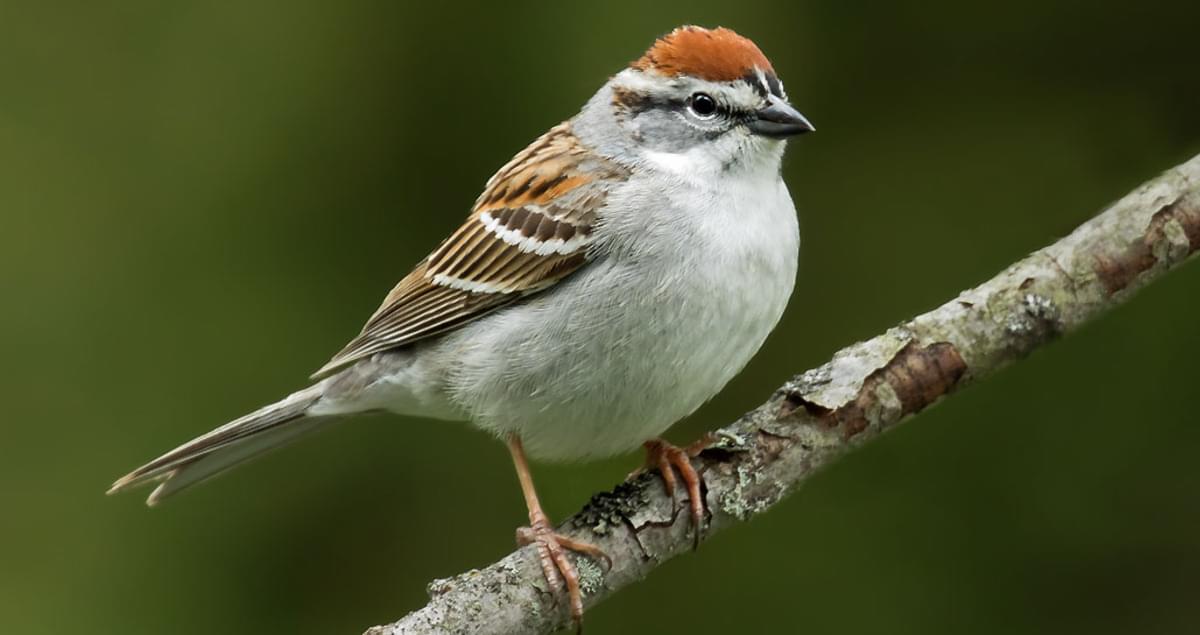
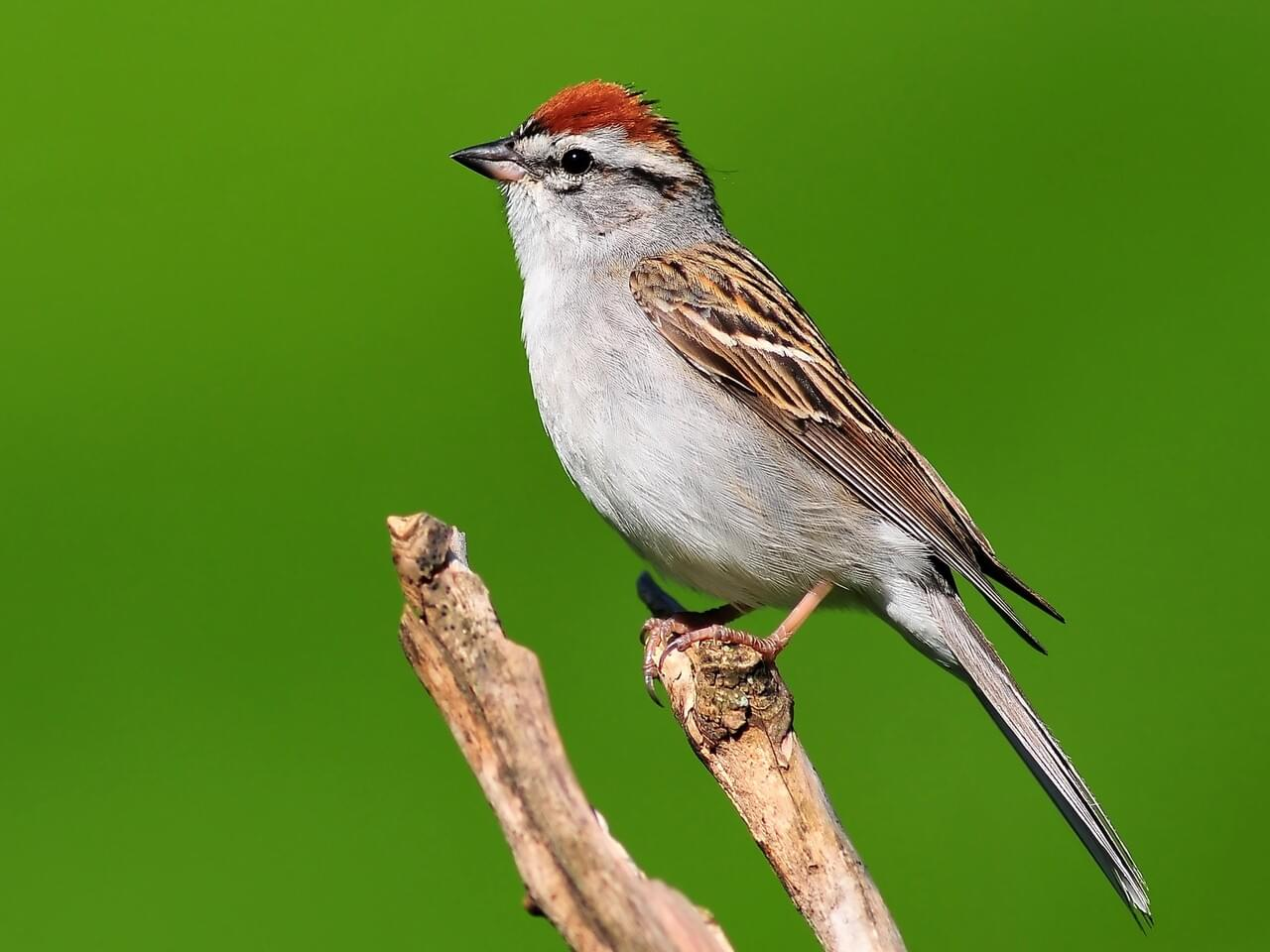
Chipping Sparrow (Spizella passerina) — A rusty cap and a dry trilling song, so plain it’s practically the sparrow definition of “sparrow.”
On our trip to Fort Union Ranch we saw about 40 of these birds along the fences and in flocks on the patches of grass. Other than the Canada Geese, these seemed to be among the most numerous birds we saw on the entire Flocks and Rocks trek in New Mexico.
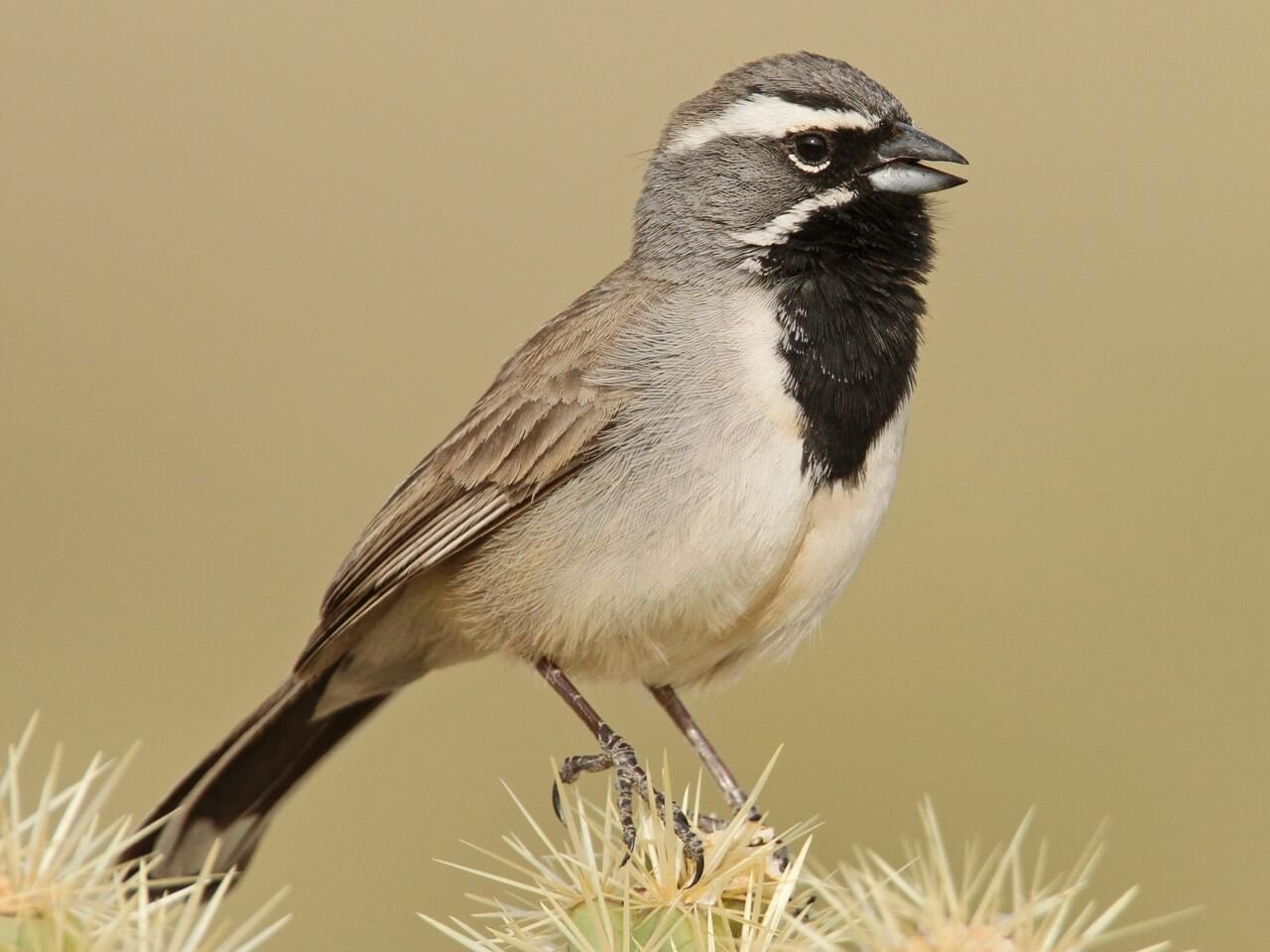
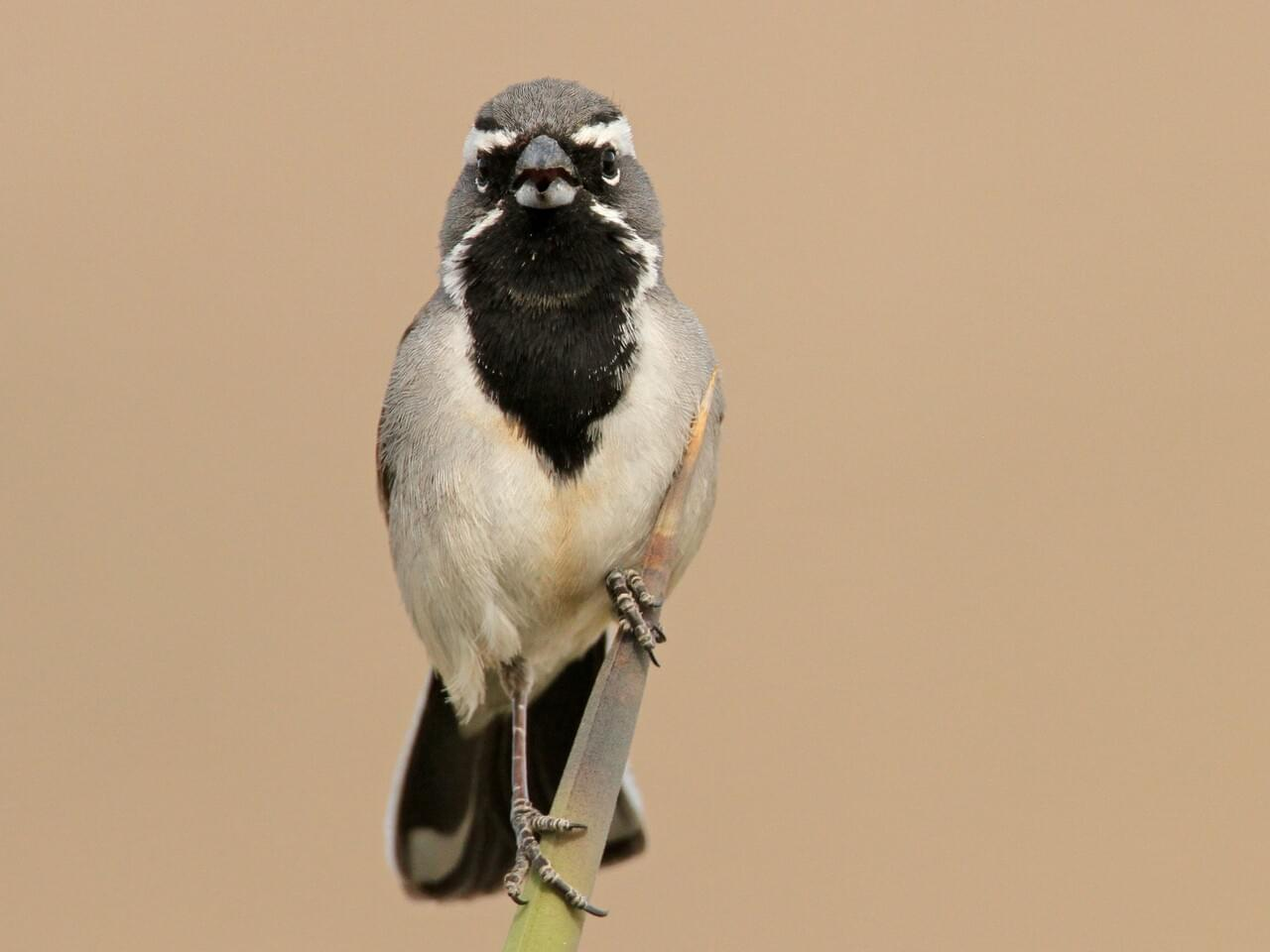
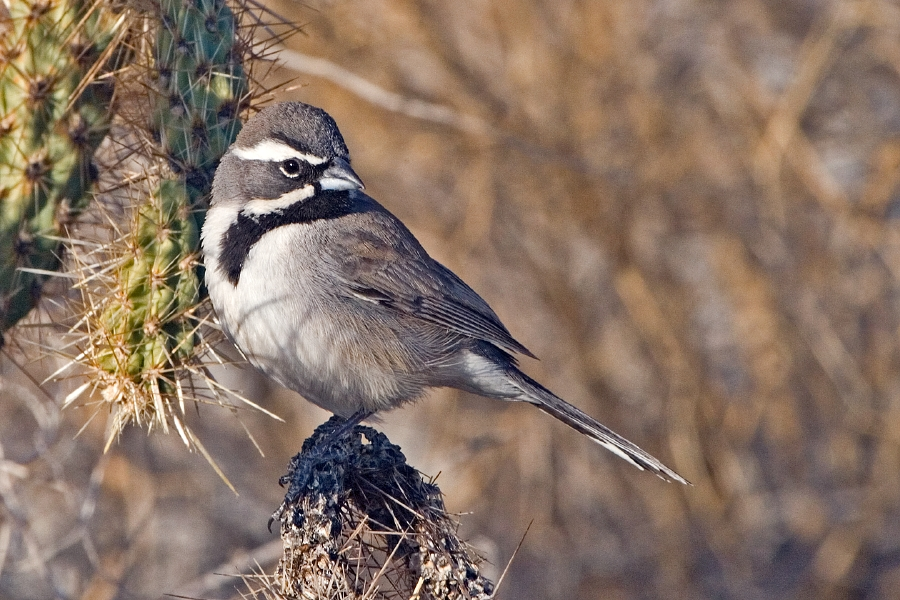
Black-throated Sparrow (Amphispiza bilineata) — This resident of open, shrubby deserts is one of the sharpest-looking of all sparrows. Black-throated Sparrows have neat gray faces set off by two bold white stripes and a neat black triangular patch on the throat. The face pattern jumps out when the bird is perched in the open, but at other times the soft brown back and pale underparts help it blend in with its desert home. It’s call is a quiet twittering of jumbled notes. The overal sound is like tinkling bells, or a thin, ringing peek/chip note that rises from the desert.


Vesper Sparrow (Pooecetes gramineus) — Named for its habit of singing into the evening, long after every other sparrow has called it a day. We enjoyed the vesper calls and the sight of these small seed eaters, which were one of the highlights of our trip to Fort Union Ranch. Thank you, Jamey French for accommodating our group for a two-night stay at Fort Union. We needed that second night to acclimate to this historic Fort and mysterious landscape!

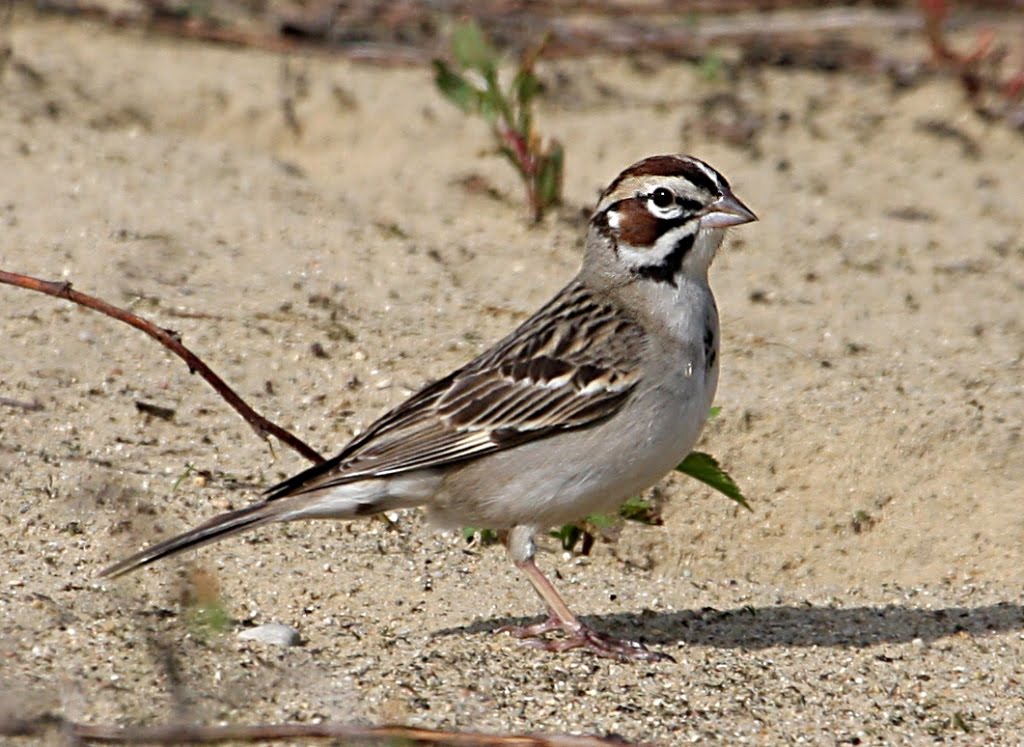
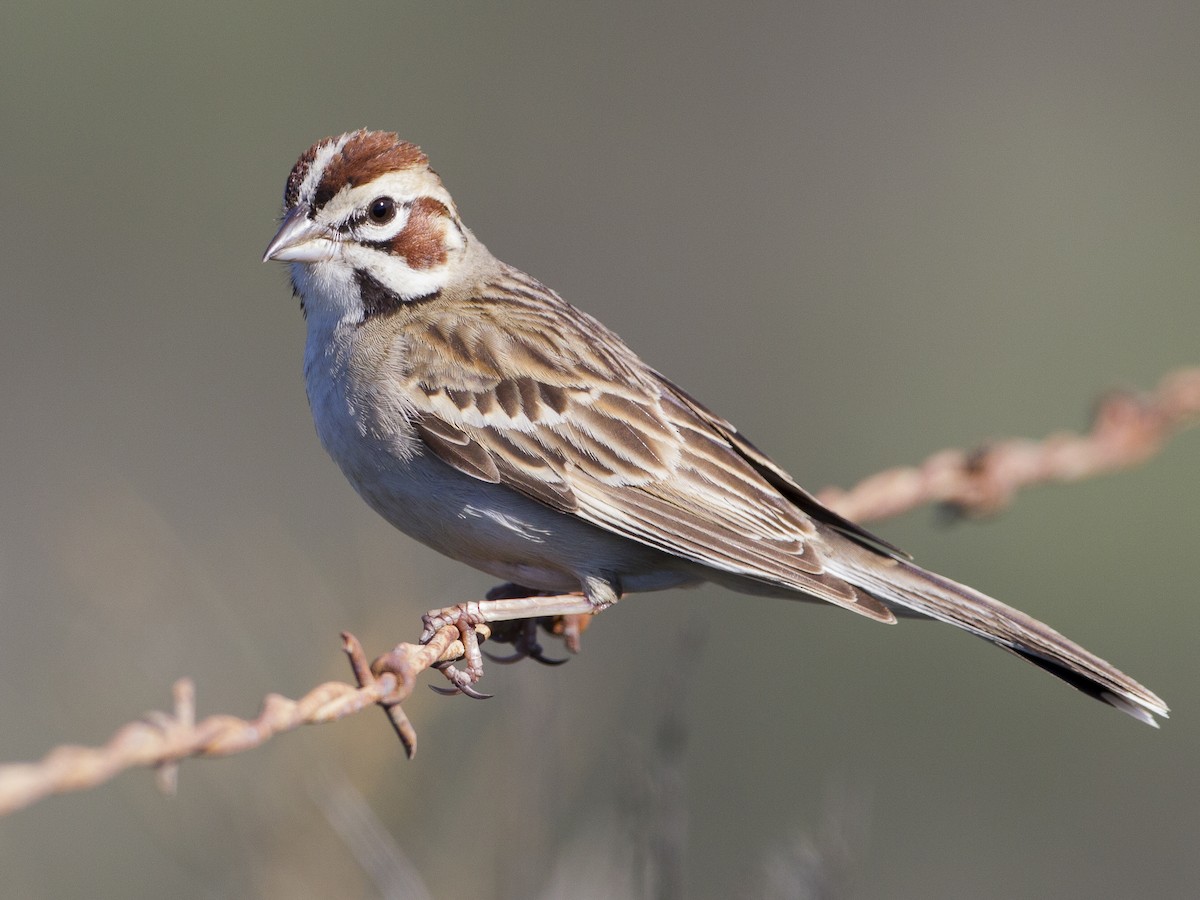
Lark Sparrow (Chondestes grammacus) — This sparrow owns a harlequin face pattern that makes it the most elaborately painted sparrow you’ll ever mistake for something rarer. Whenever someone says, “as plain as a sparrow,” I’ll counter that they have not seen the Lark Sparrow or the Black-throated Sparrow yet!
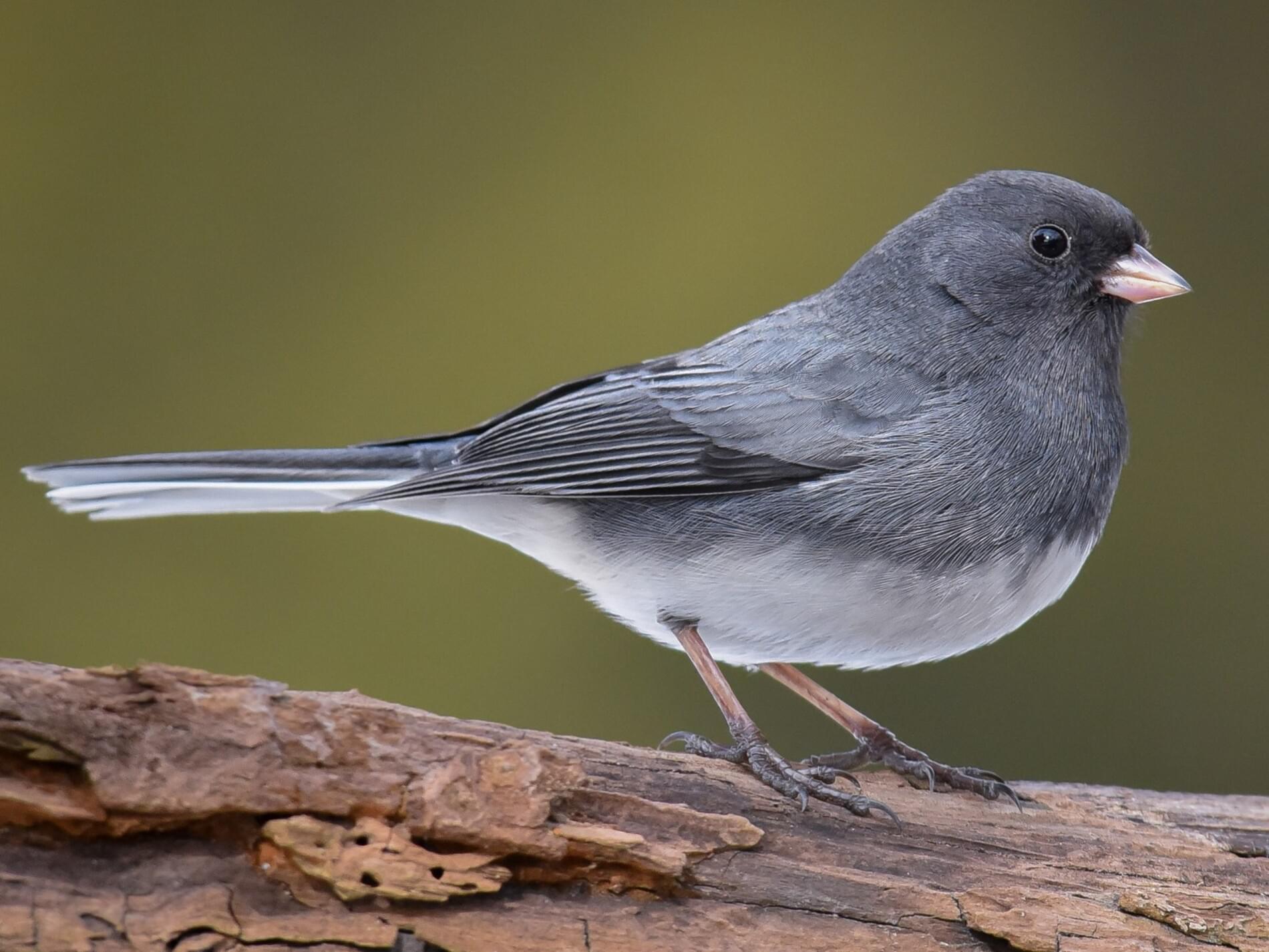
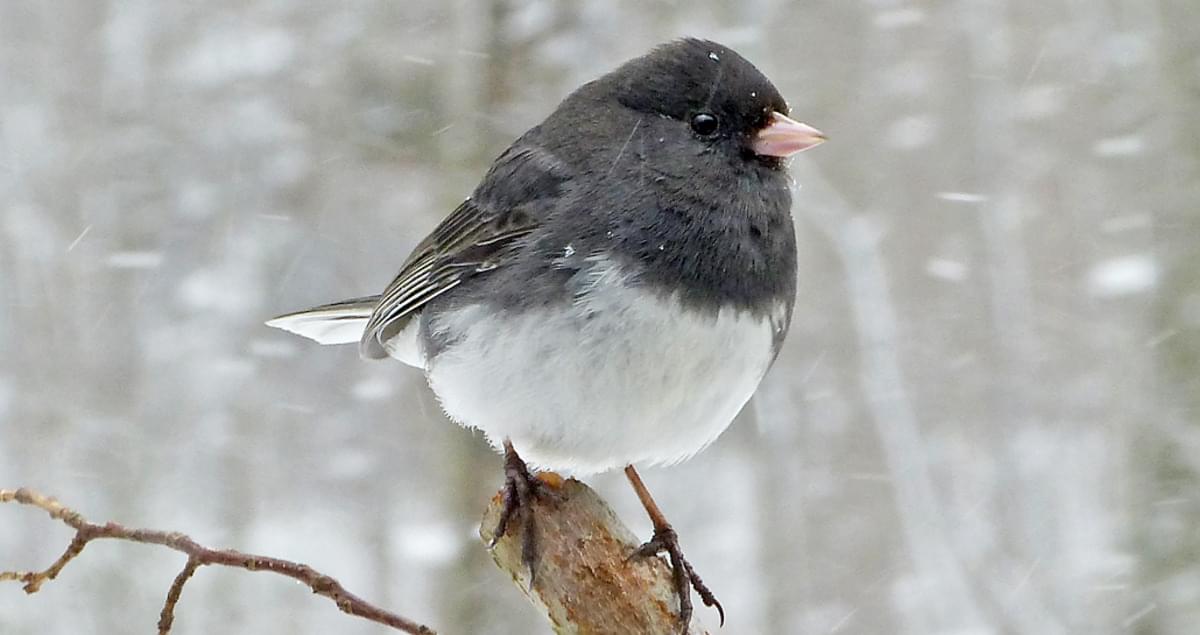
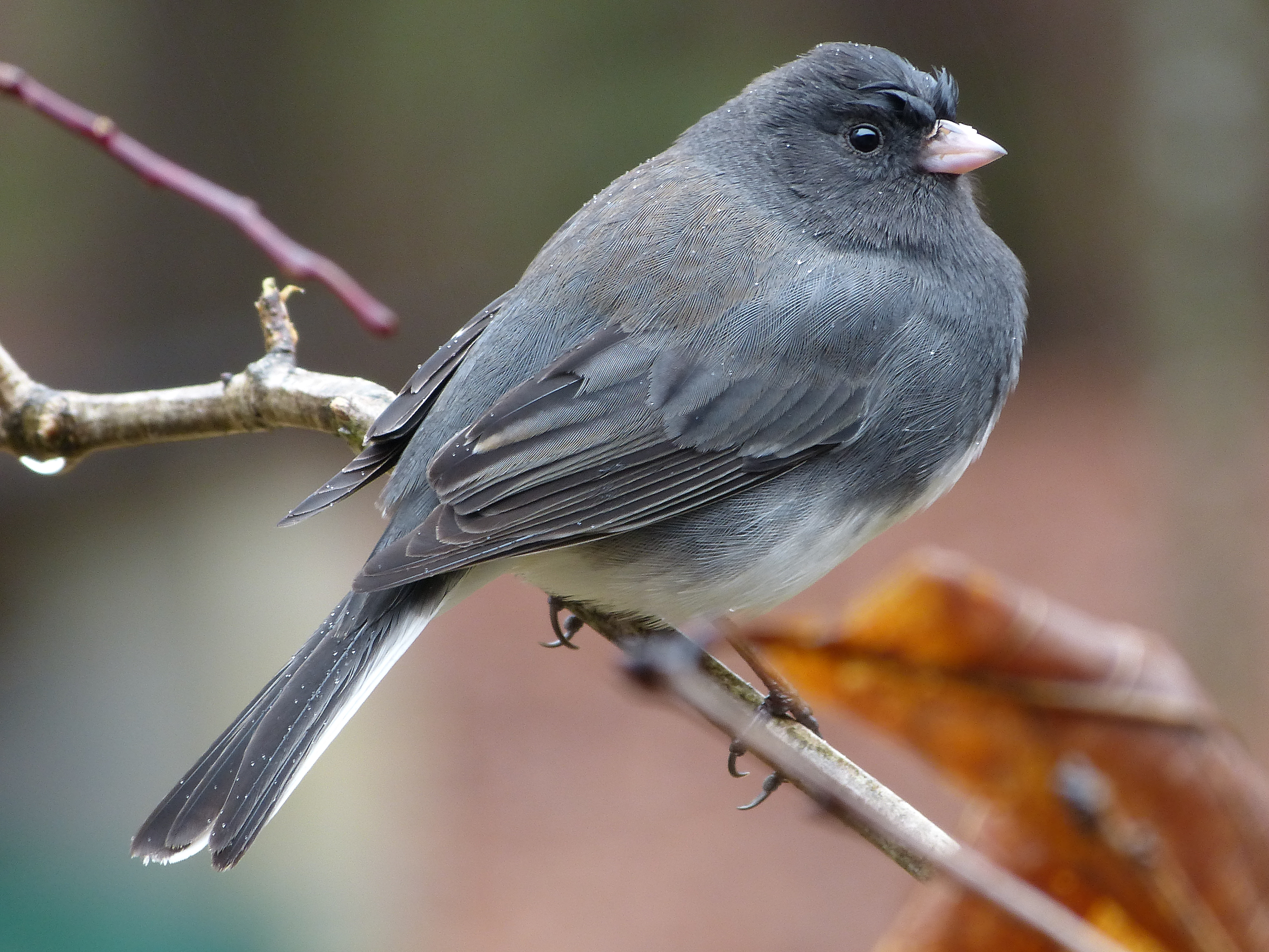
Dark-eyed Junco (Junco hyemalis) — Slate-gray with a flash of white tail feathers on each side of his body, this junco is the self-appointed harbinger of winter at every feeder. For those of us in the Pacific Northwest, they stick around all year. The “Oregon” race of the dark-eyed Junco is a daily participant at our feeders, fountain and gardens.
->->->->->->->->->->->->->->->->->->->->->->->->->->->->->->->->->->->->->->->->->->->->->->->->->->->->->->->->->->
Tanagers, Grosbeaks & Buntings
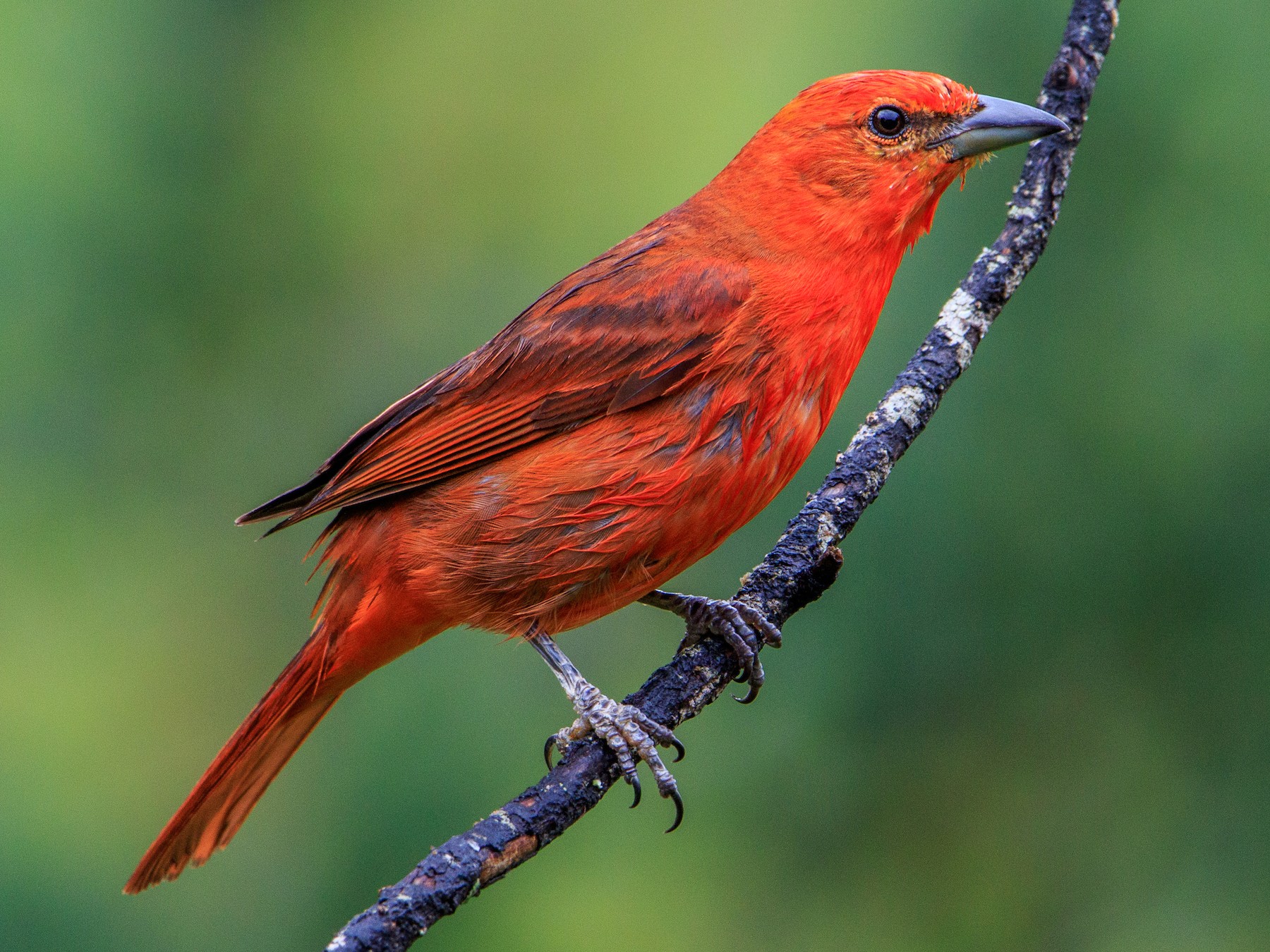


Hepatic Tanager (Piranga flava) — Brick-red and named for the color of quivering liver, which is neither particularly poetic nor the most flattering compliment in ornithology. This was my first lifetime discovery of this beautiful hepatic-colored tanager. Spotting it in New Mexico in the tall Ponderosa Pine boughs was thrilling. Apache Creek Canyon and its campground have a place in my birding heart for sure.
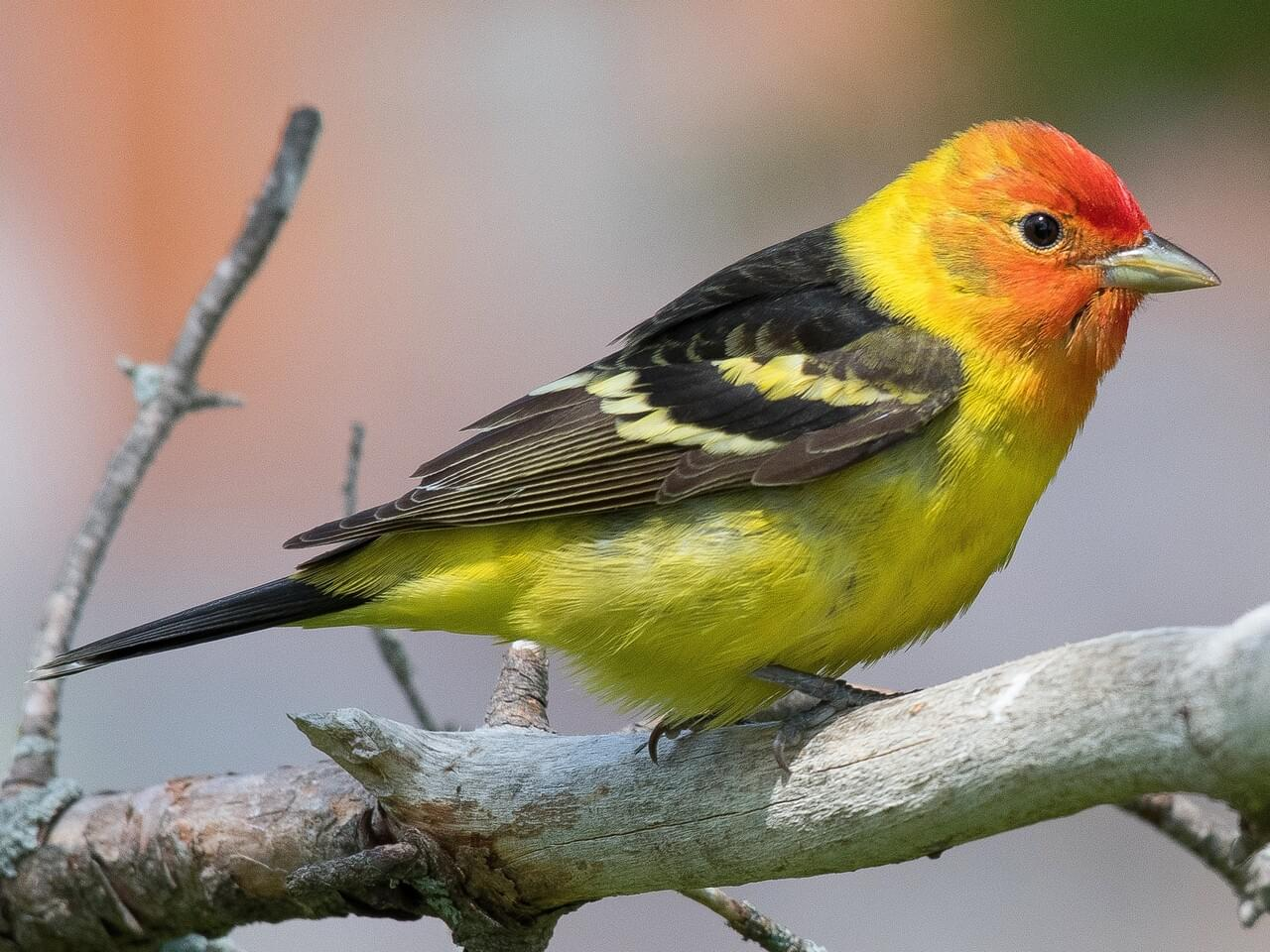
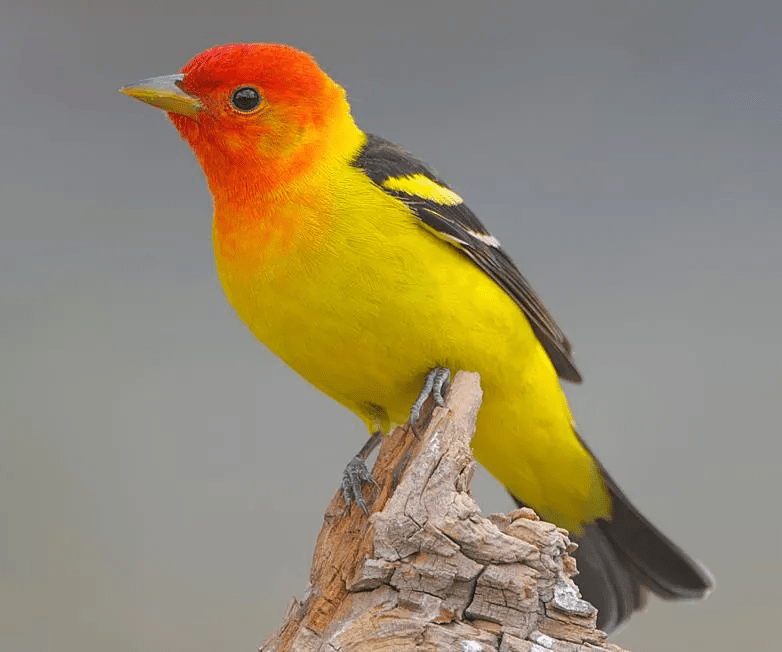

Western Tanager (Piranga ludoviciana) — A red-headed, yellow-bodied bird that looks tropical and somehow spends summers in pine forests up to 10,000 feet. This tanager, alongside the Scarlet Tanager, are gaudy and gutsy and exhilarating to see in the wild. In this birders opinion, the Western Tanager is one of the most spectacularly feathered birds in North America. The male tanager in full mating colors is a show stopper. If that beauty is in doubt, show me one that can top it!
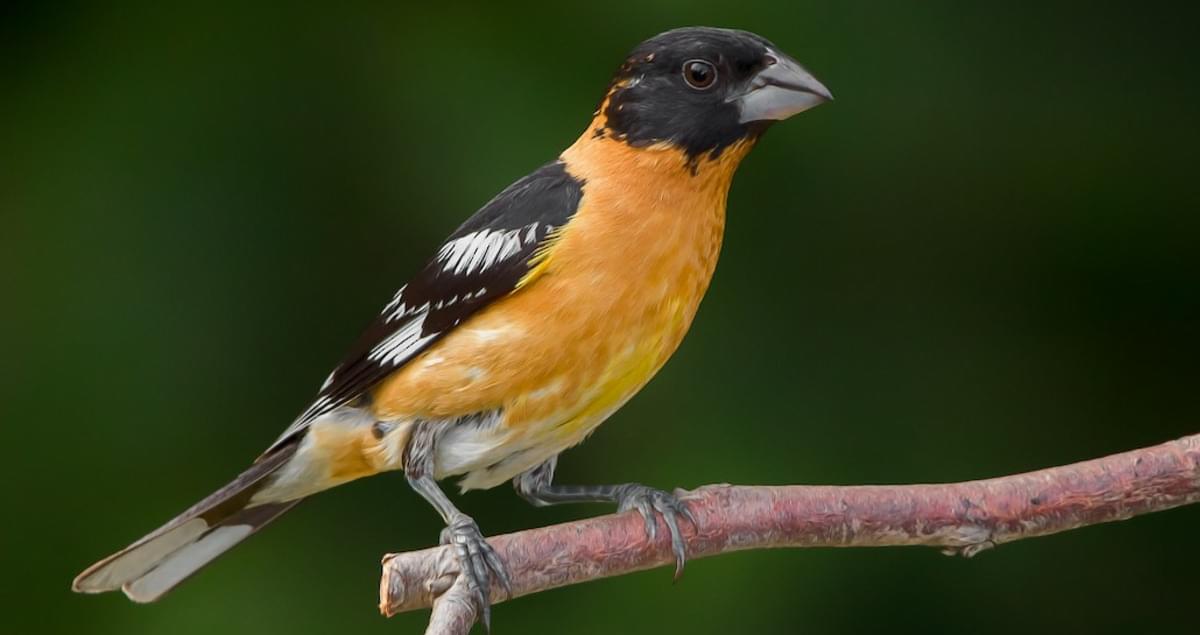
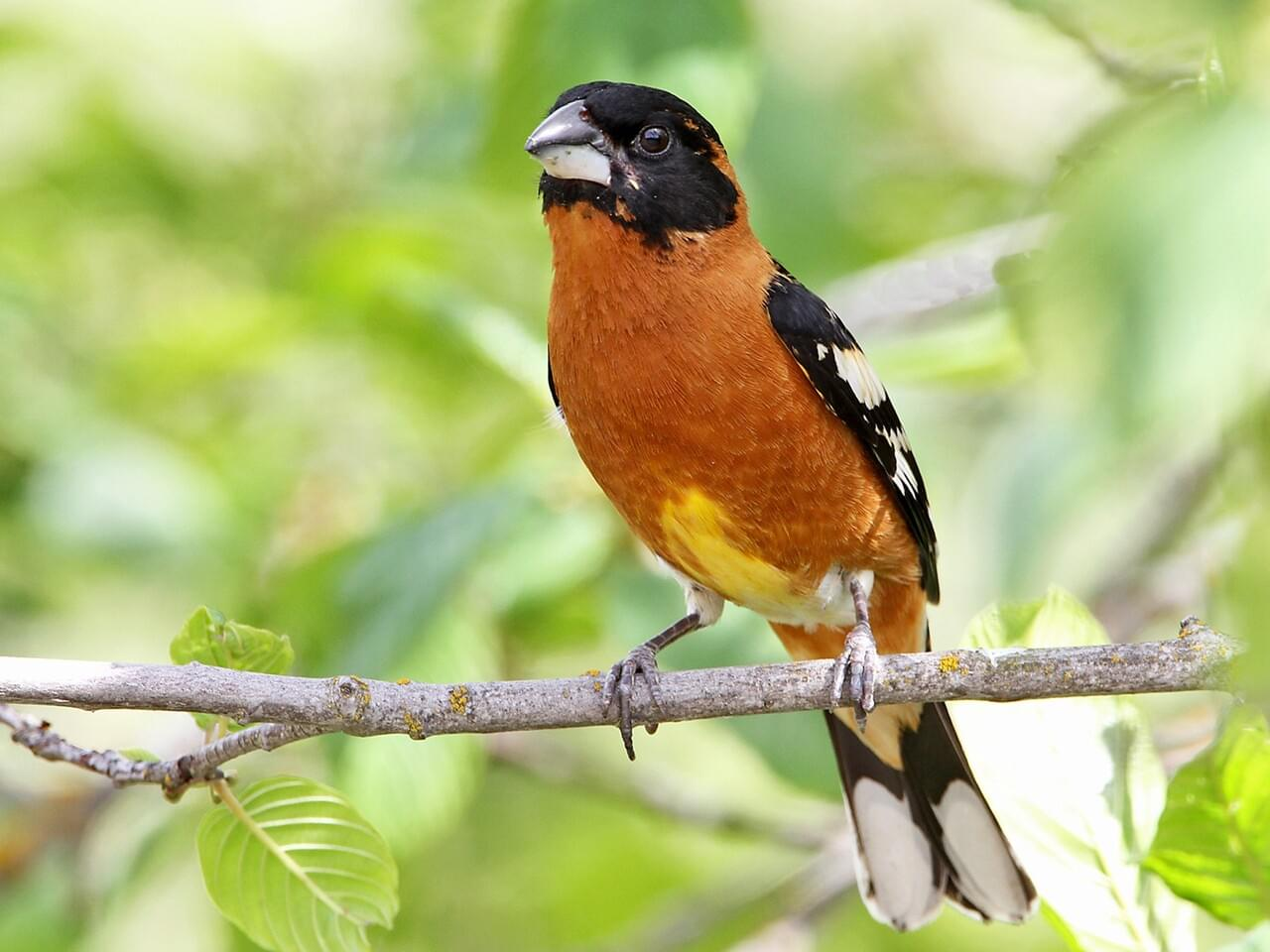
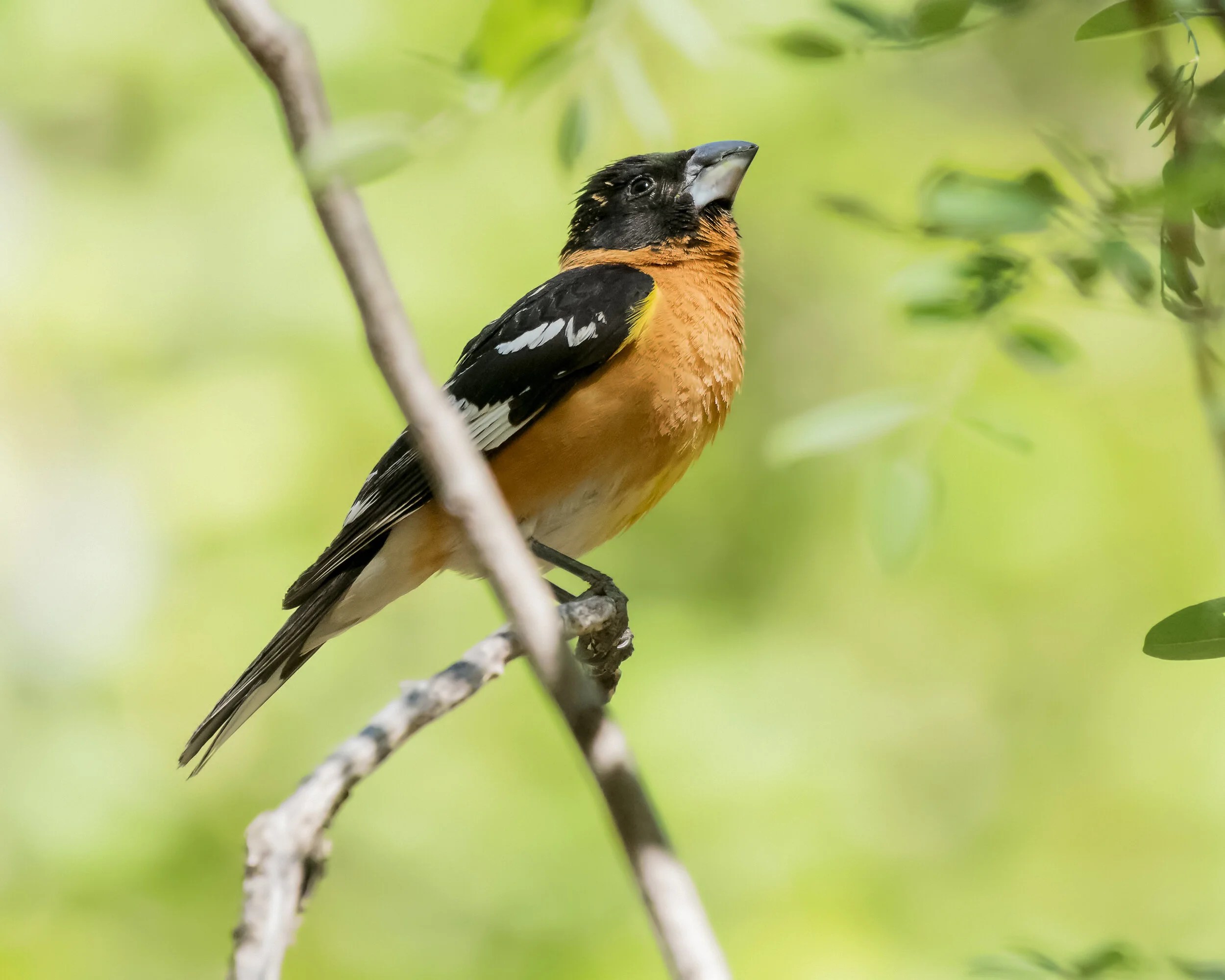
Black-headed Grosbeak (Pheucticus melanocephalus) — This species is one of the few birds that can safely eat monarch butterflies without getting sick, thanks to an oversized bill and a cast iron stomach.

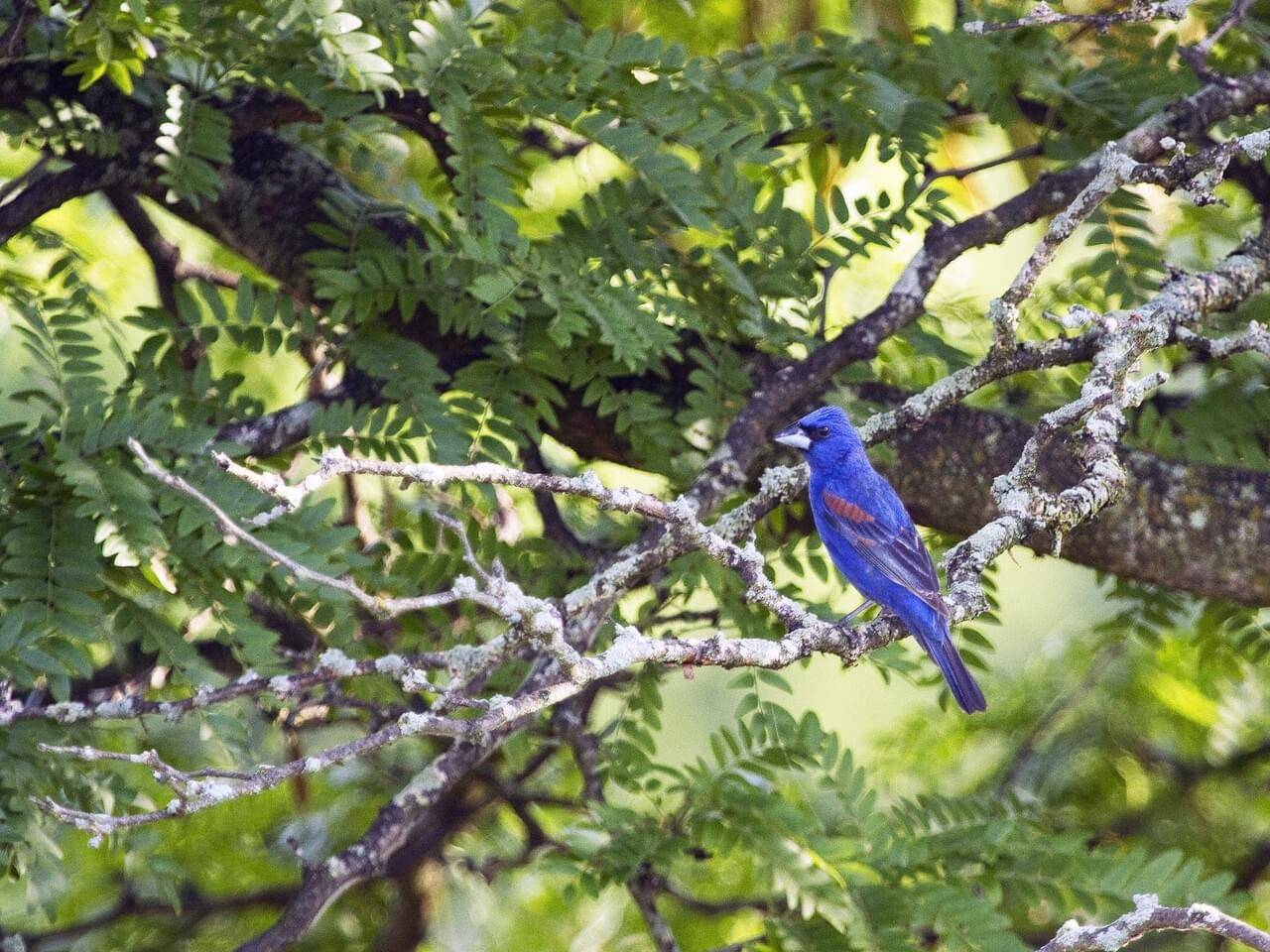

Blue Grosbeak (Passerina caerulea) — This blue/purple-toned bird with deep indigo body, rusty brown wing bars and a black eye-mask, it could easily move up on everyone’s pleasure meter of seeing this male in mating season. Worth noting is that the Lazuli Bunting, below looks like a smaller, less chunky-billed cousin.


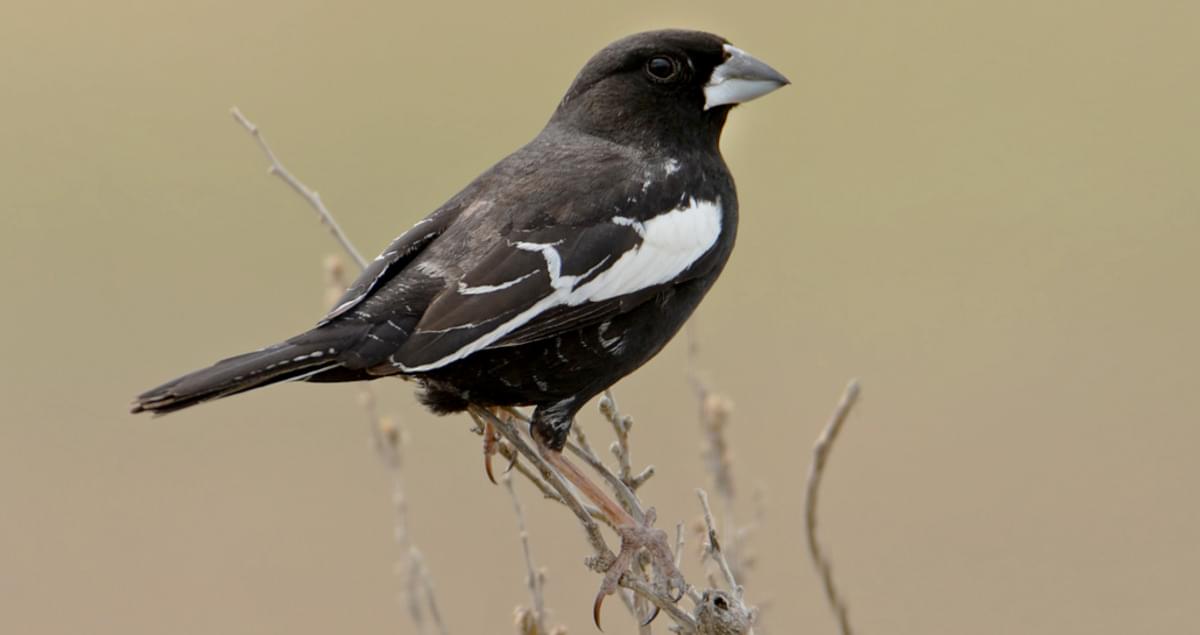
Lark Bunting (Calamospiza melanocorys) — Breeding males go jet-black with a white wing patch. This beautiful black and white flier is Colorado’s state bird. A sartorial trend-setter, this bunting is always dressed for a formal occasion, even while feeding in the middle of the dusty and dry prairie.
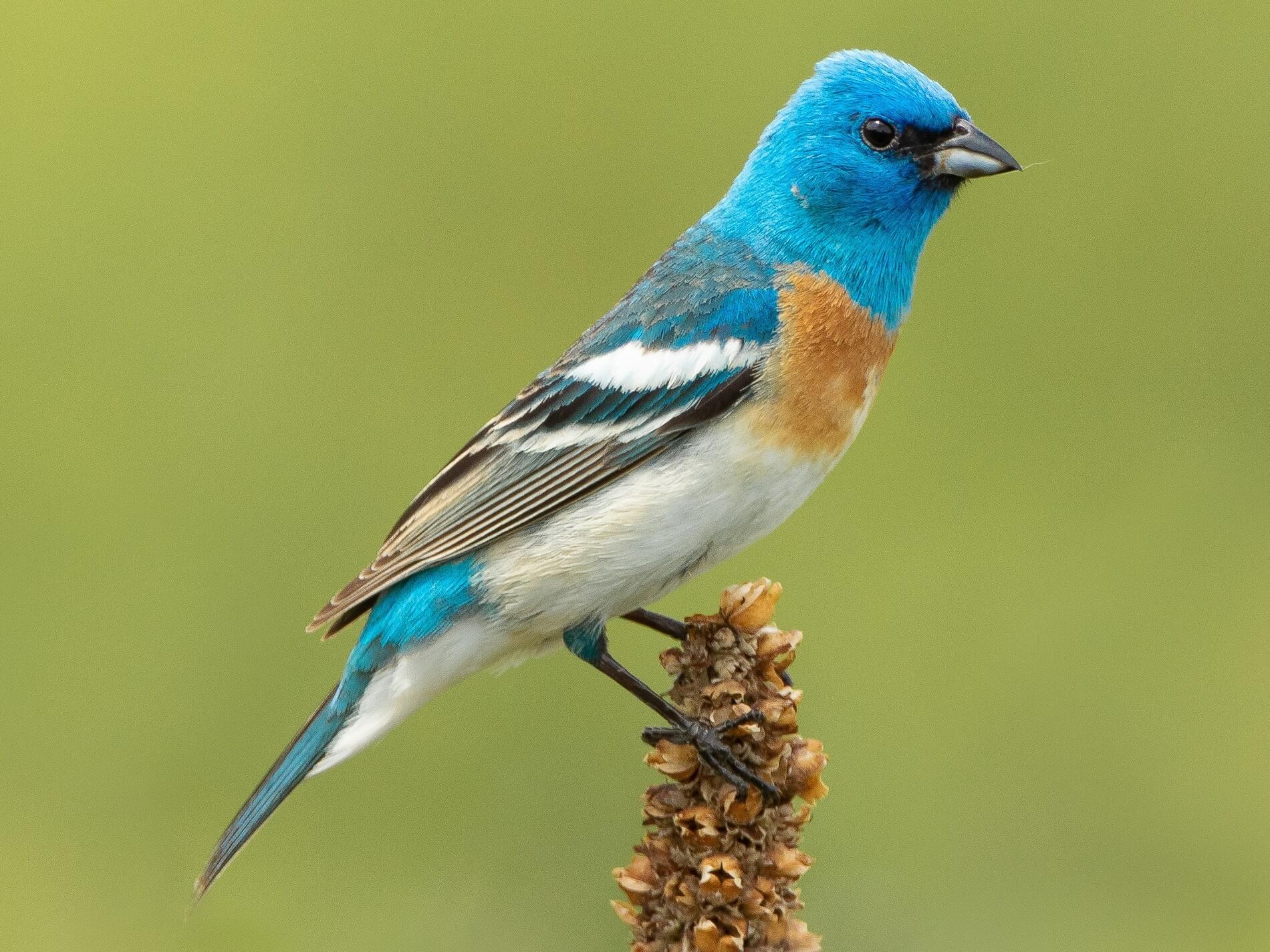
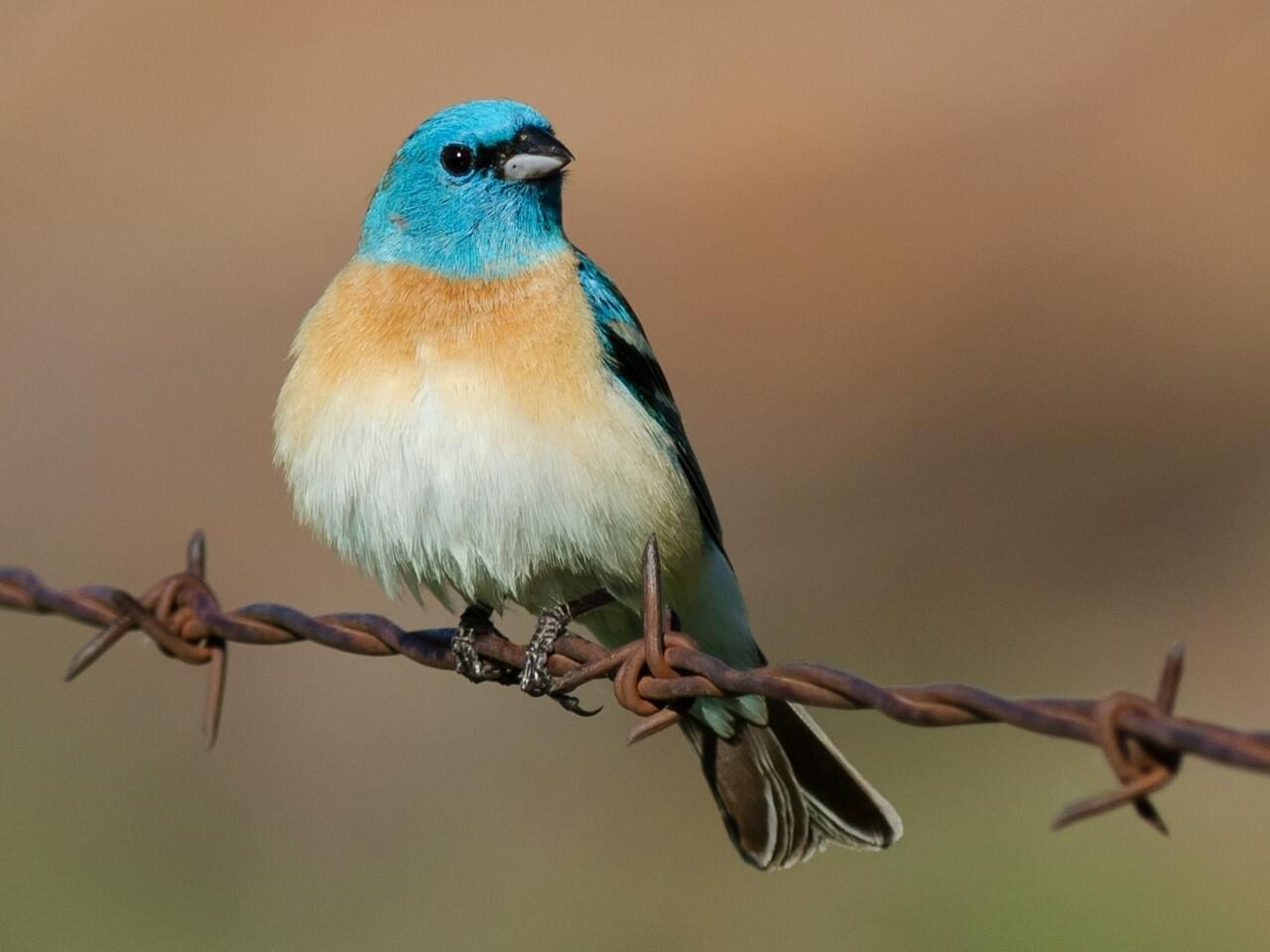
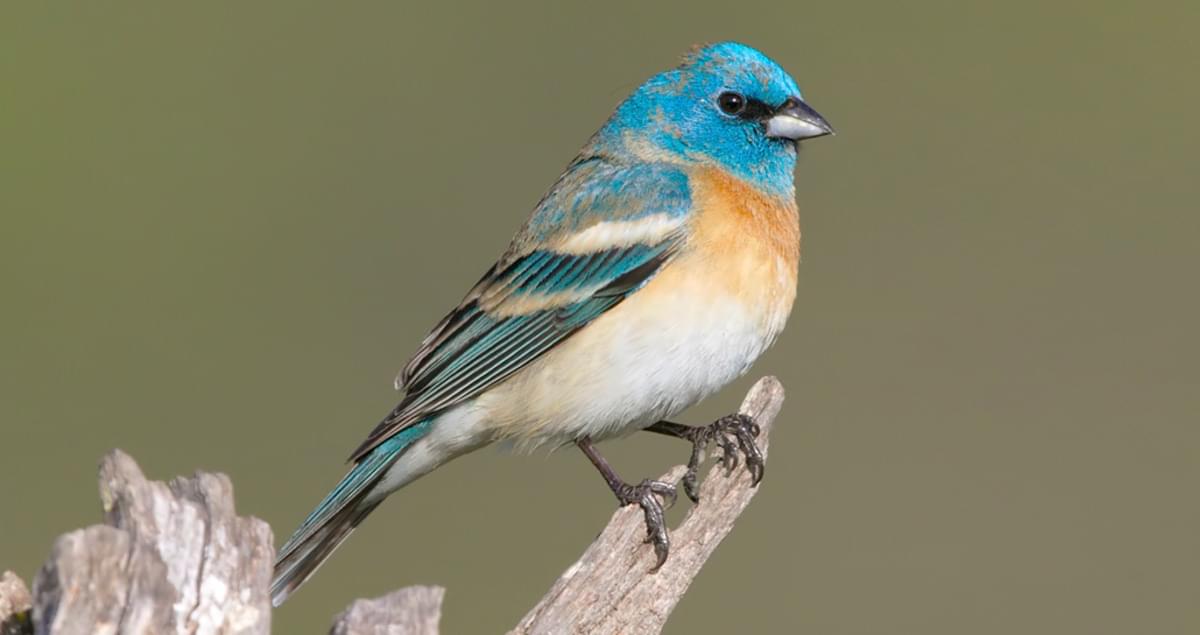
Lazuli Bunting (Passerina amoena) — With its turquoise head, cinnamon chest, white belly and wing bars, this bunting is proof that from time to time birds of the desert scrub can outdress males from the tropics. We have seen these birds several times in the same location in the Columbia River Gorge, which is a treat for us to visit. We now know that its migratory range extends far south into central Mexico.
->->->->->->->->->->->->->->->->->->->->->->->->->->->->->->->->->->->->->->->->->->->->->->->->->->->->->->->->->->
Bye-Bye Blackbirds
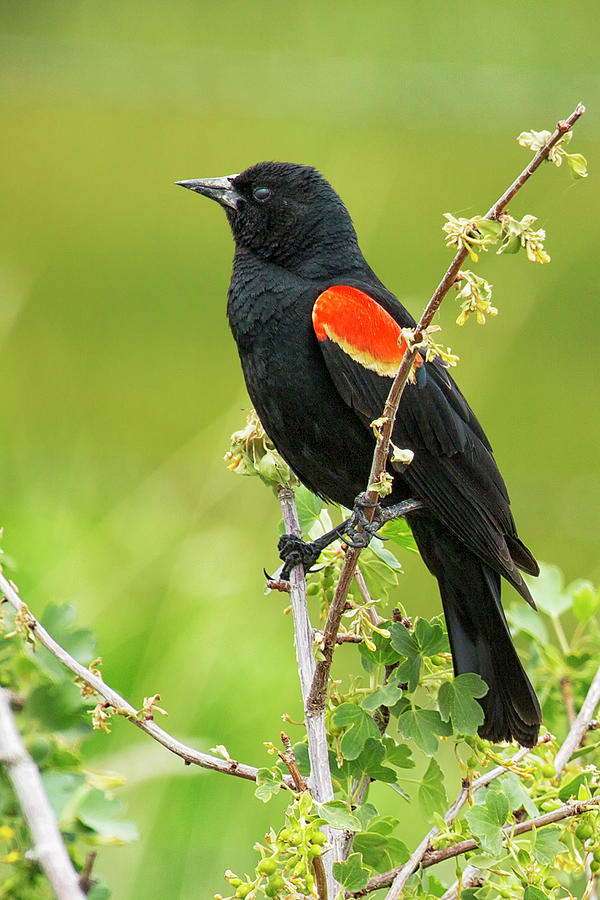
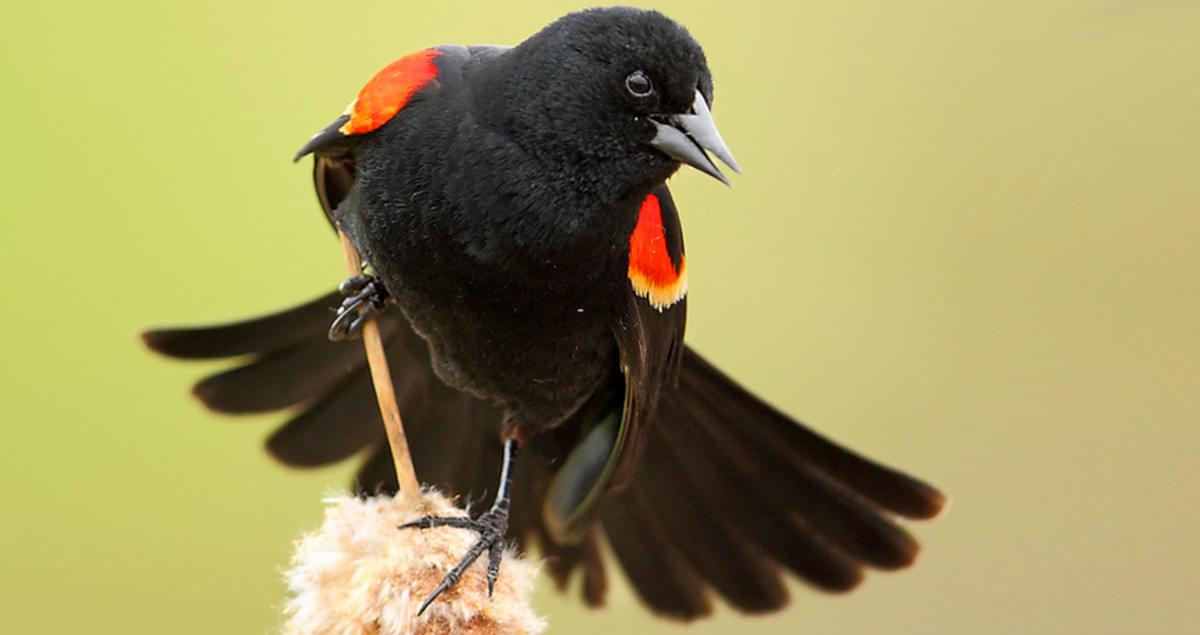
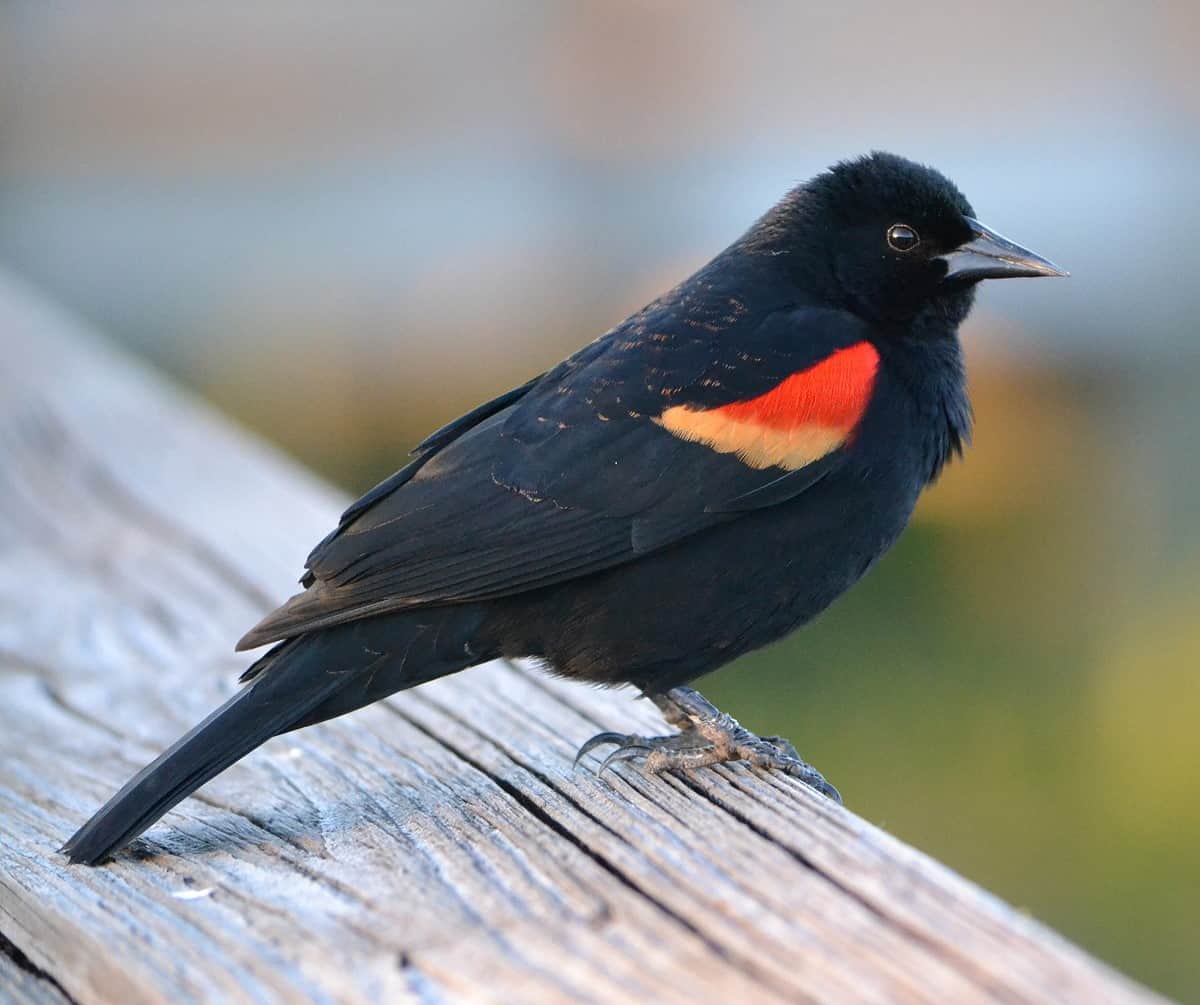
Red-winged Blackbird (Agelaius phoeniceus) — Perches on a cattail, flashes those red-and-yellow epaulets, and screams “conk-la-ree!” like it’s staking a claim, because it is. If you want more on Blackbirds see the following Bird post: Blackbirds.
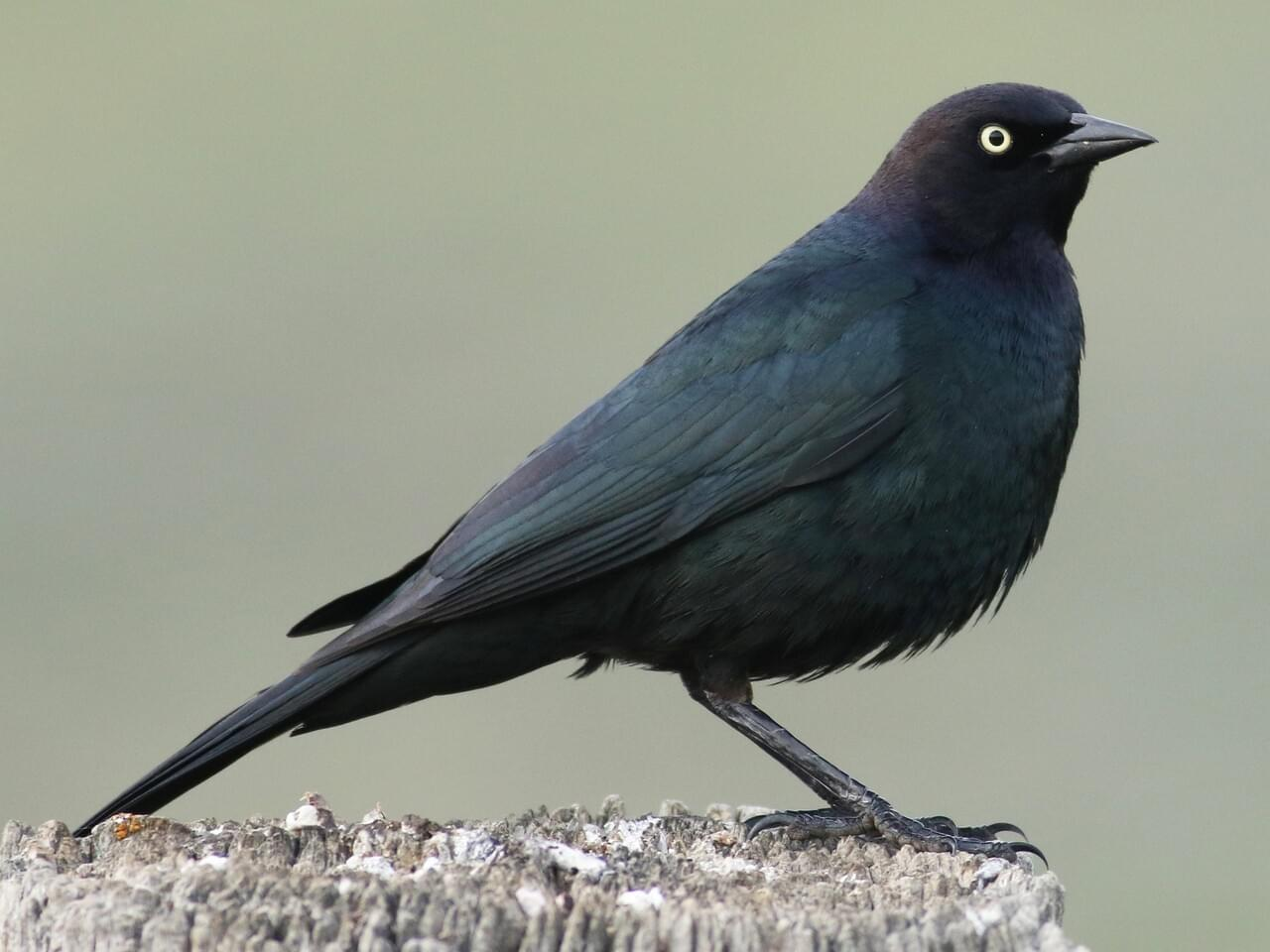
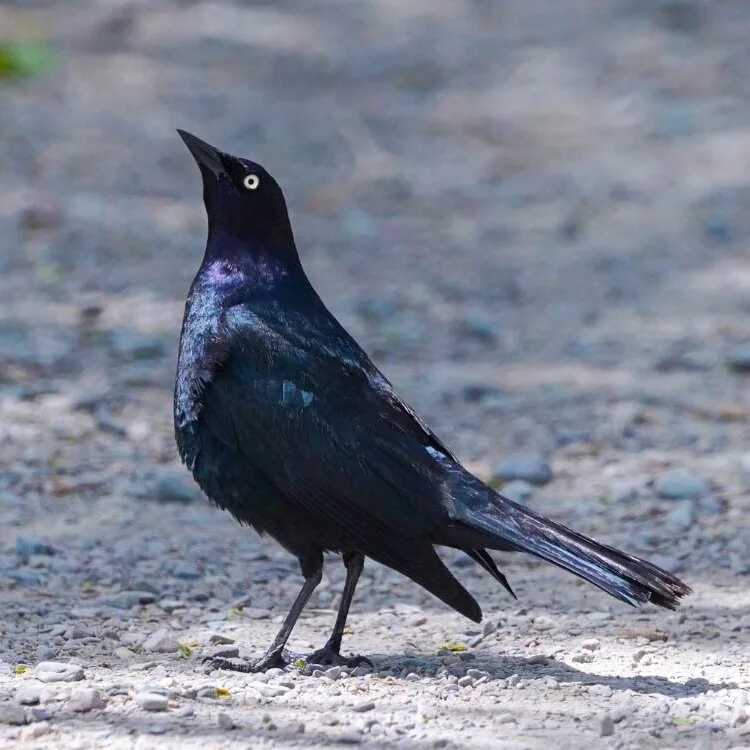
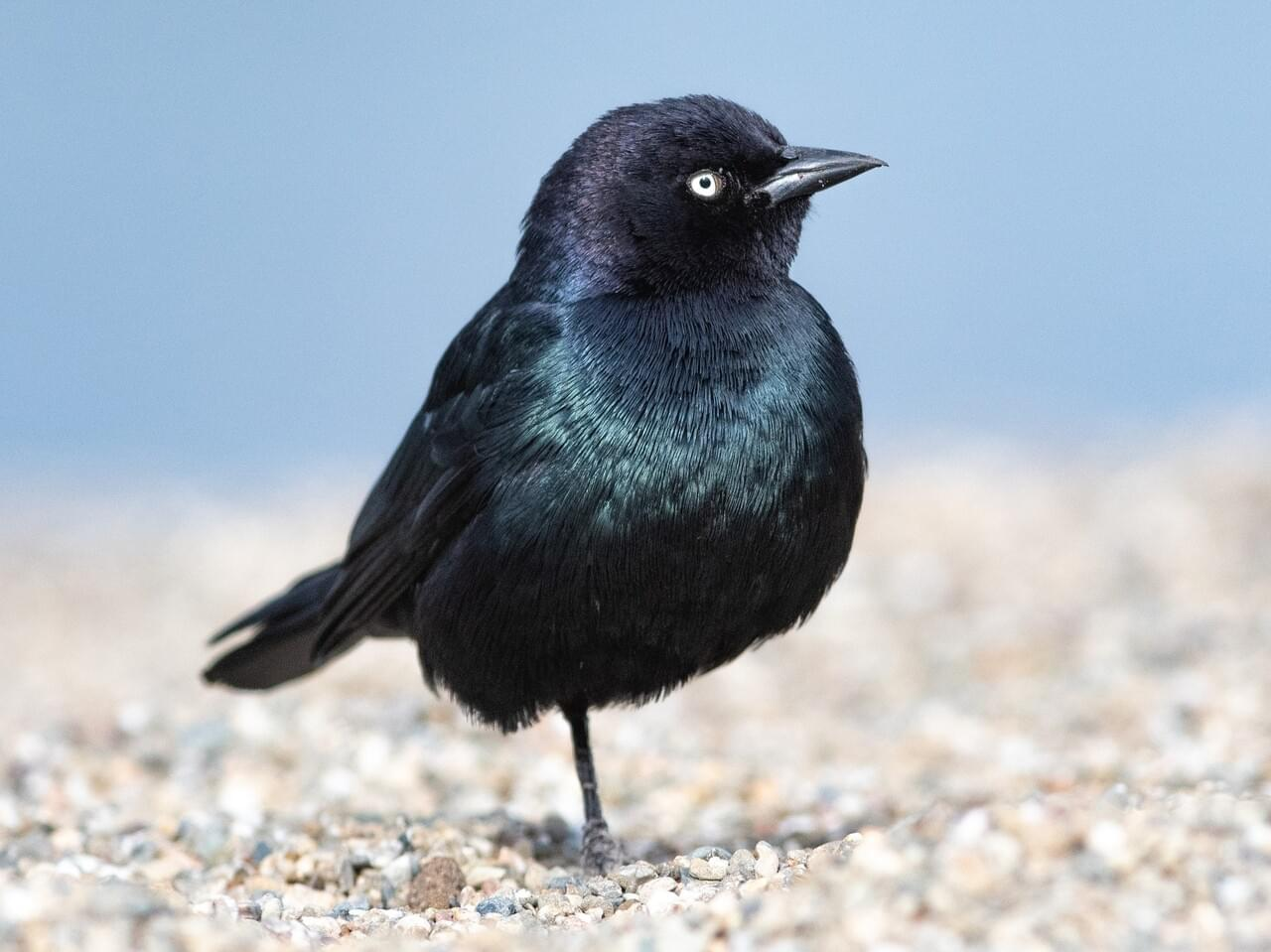
Brewer’s Blackbird (Euphagus cyanocephalus) — The male Brewer’s Blackbird is a glossy, almost liquid combination of black, midnight blue and metallic green. Females are a staid brown, without the male’s bright eye or the female Red-winged Blackbird’s streaks. They were common in towns and open habitats of much of New Mexico. Birdwatchers will see these long-legged, ground-foraging birds on sidewalks and city parks, as well as chuckling in flocks atop shrubs, trees and cattails.
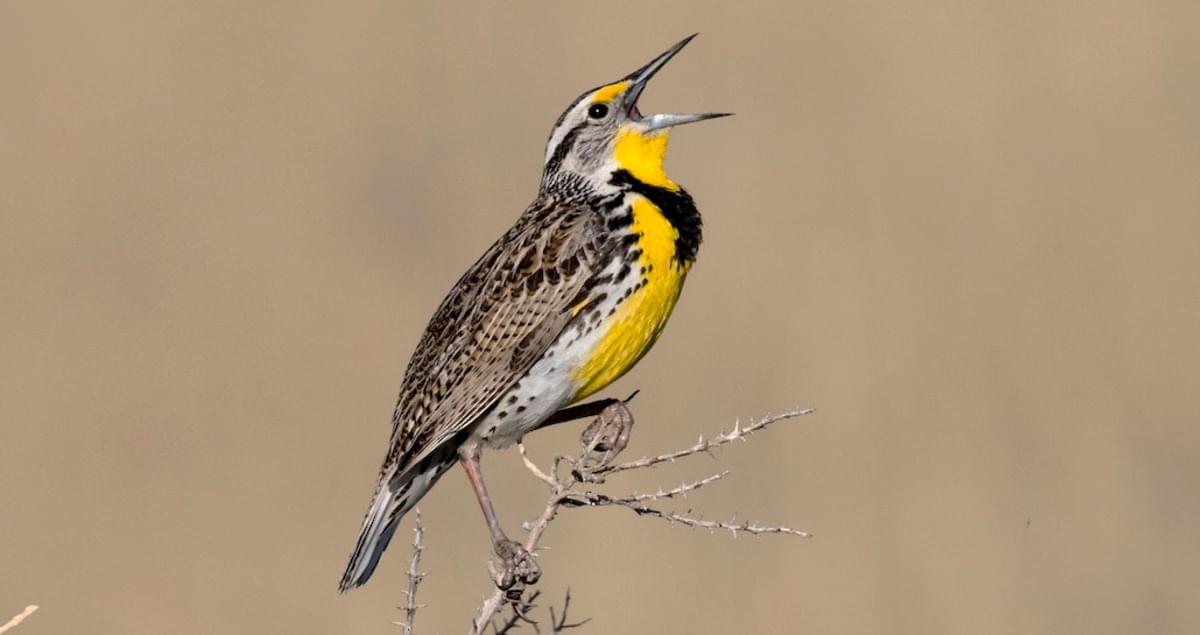
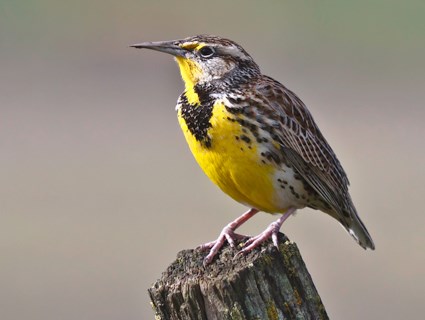
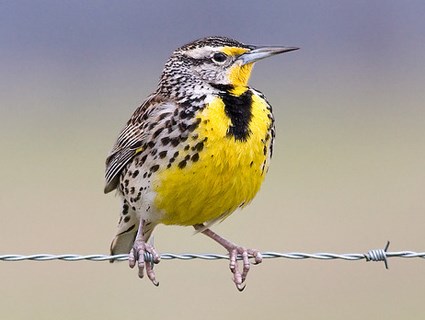
Western Meadowlark (Sturnella neglecta) — A bright yellow chest, a black “V” necklace, and a flute-like song that’s basically the state anthem of six different states: Kansas, Montana, Nebraska, North Dakota, Oregon (designated as the state songbird), Wyoming. The sound of these birds is glorious and so fun to watch as it moves from ground to wire, to fence and back again, calling all the while. If Meadowlarks are your spark bird, you may want to visit this Bird post: Meadowlark.
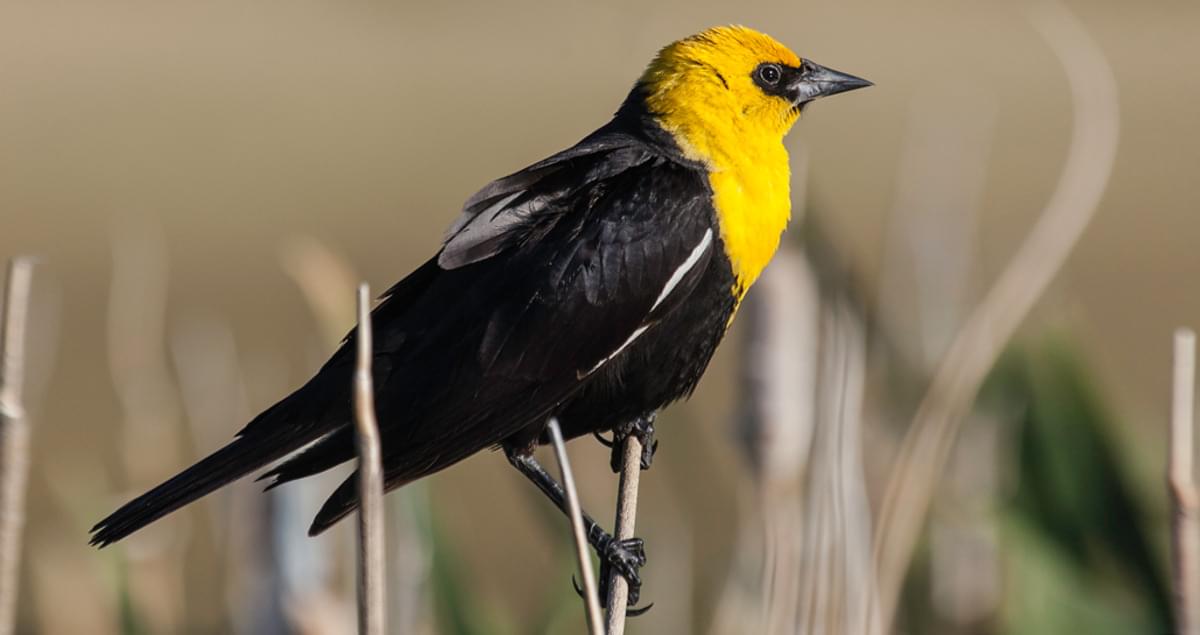

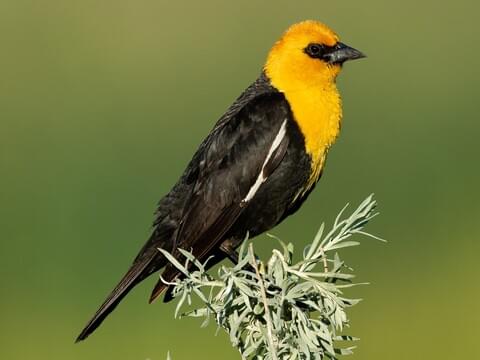
Yellow-headed Blackbird (Xanthocephalus xanthocephalus) — A blazing yellow head on a jet-black body, with a song that sounds like a rusty gate — beauty and a voice that doesn’t match. And along with the rusty gate comes a scientific name that is difficult to spell, so they double the trouble by making us say the name twice. Still, despite the last few comments, this is a beautiful bird to spot in the reeds of a nearby pond.
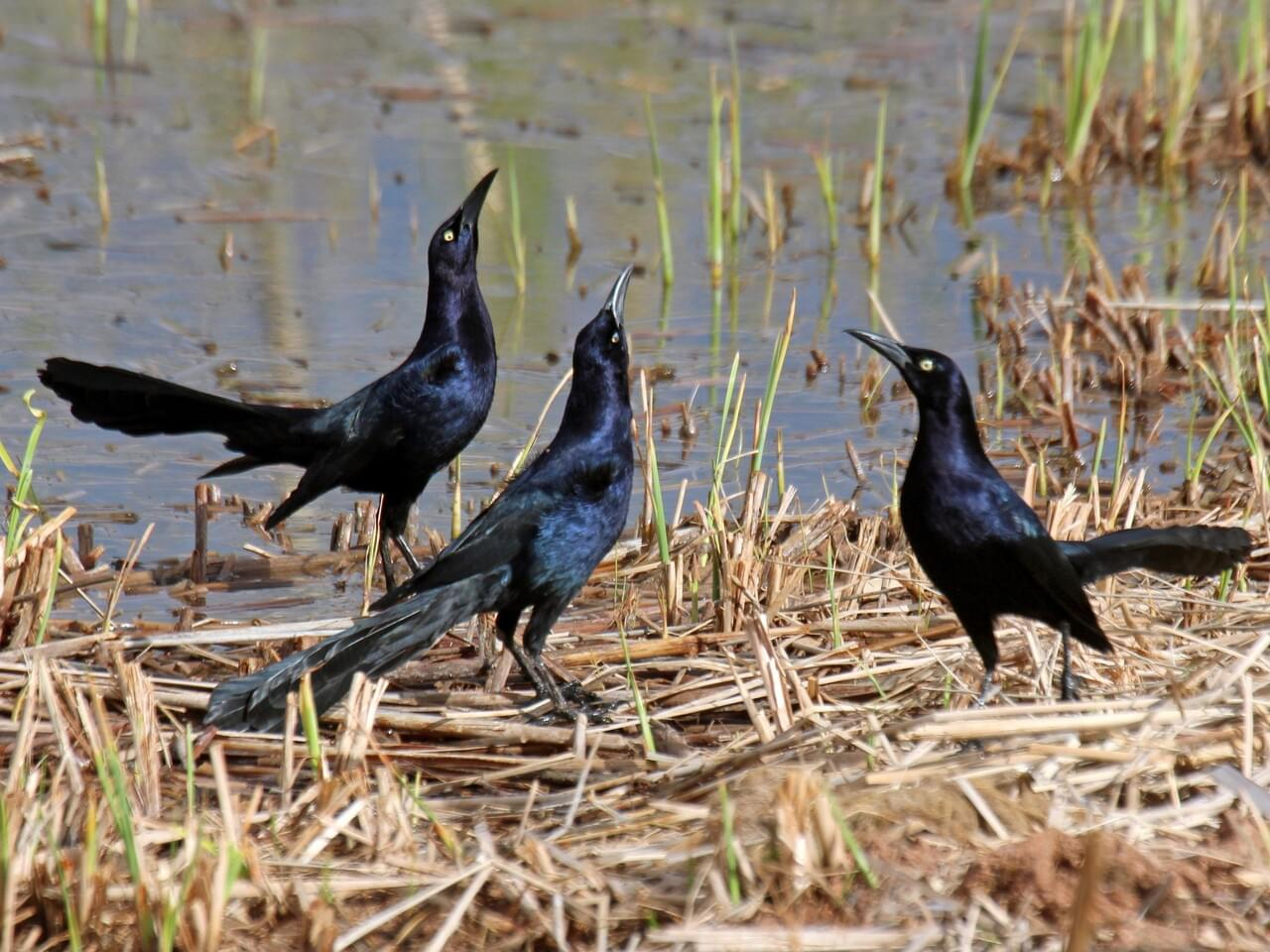
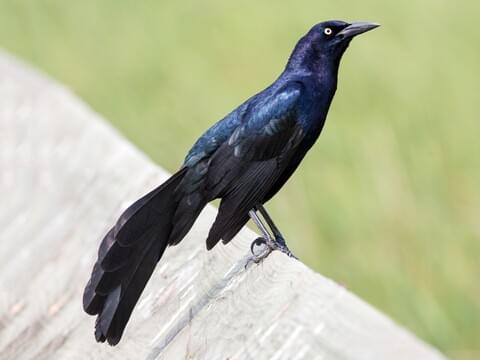
Great-tailed Grackle (Quiscalus mexicanus) — Iridescent black, a keel-shaped tail, and a call like a rusty machine — the parking lot’s loudest, most confident resident. These birds seem to be imperious with their heads held high and their sweeping long tails trailing behind them with ease. We saw them in Taos on the first night in New Mexico and in many of the urban areas thereafter.
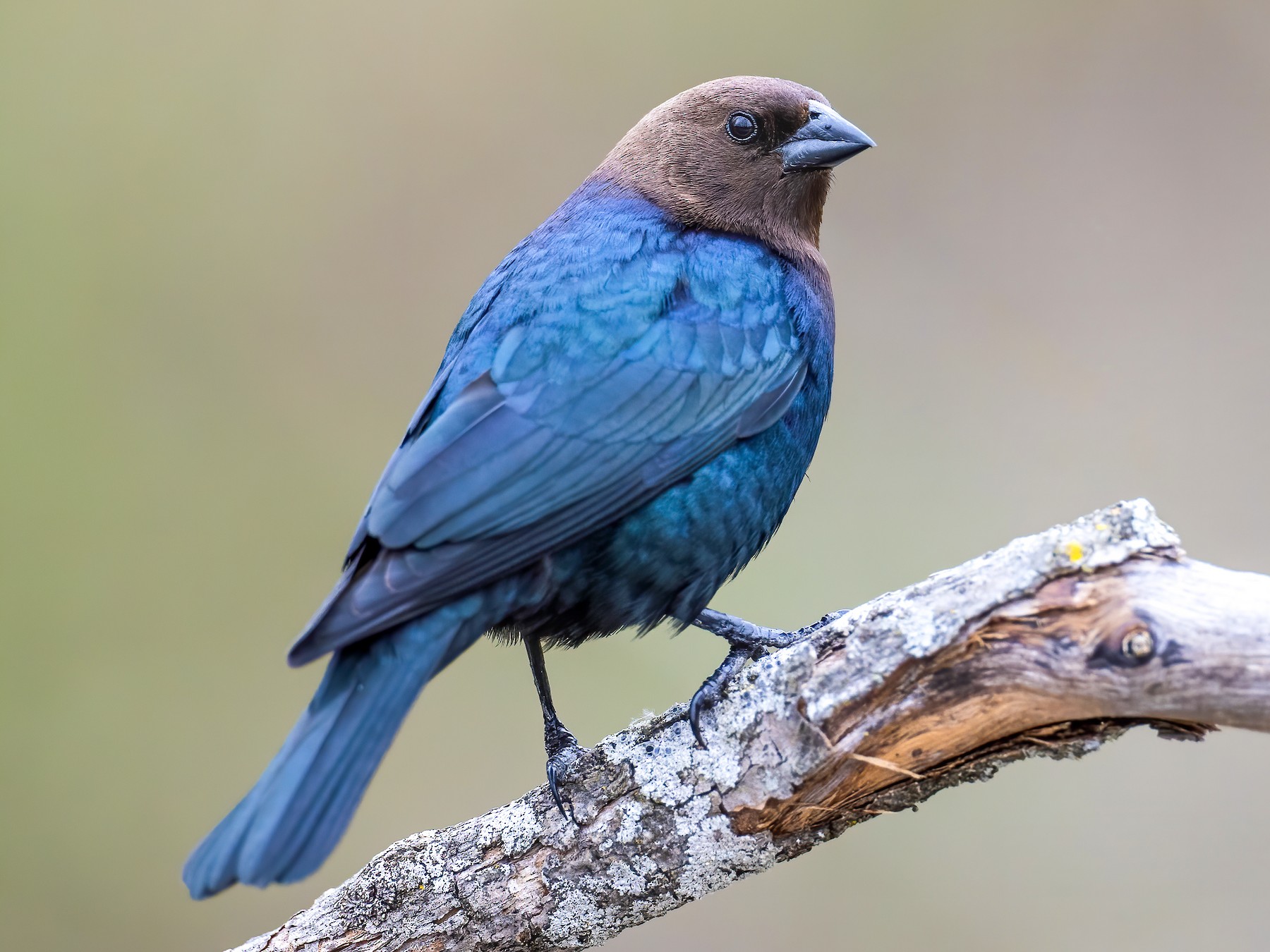

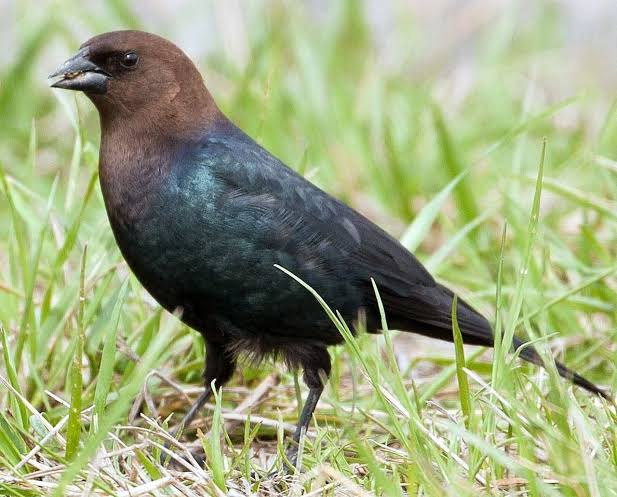
Brown-headed Cowbird (Molothrus ater) — This “el cheepo bird” never builds a nest and never raises a chick. Instead it quietly hands the job to somebody else, laying the egg in another bird species nest for them to raise. The ultimate freeloader. To find out more about this home wrecker and freeloader see the following Bird post: Cowbirds.
->->->->->->->->->->->->->->->->->->->->->->->->->->->->->->->->->->->->->->->->->->->->->->->->->->->->->->->->->->
Atticus Finches
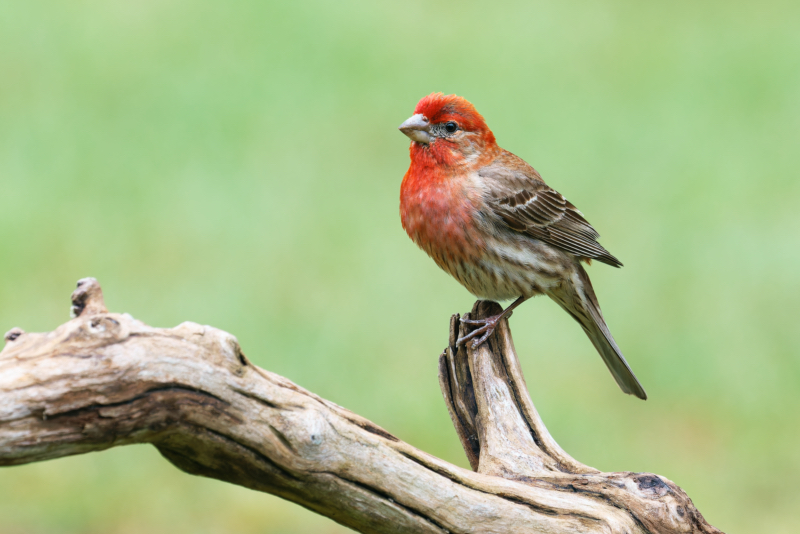
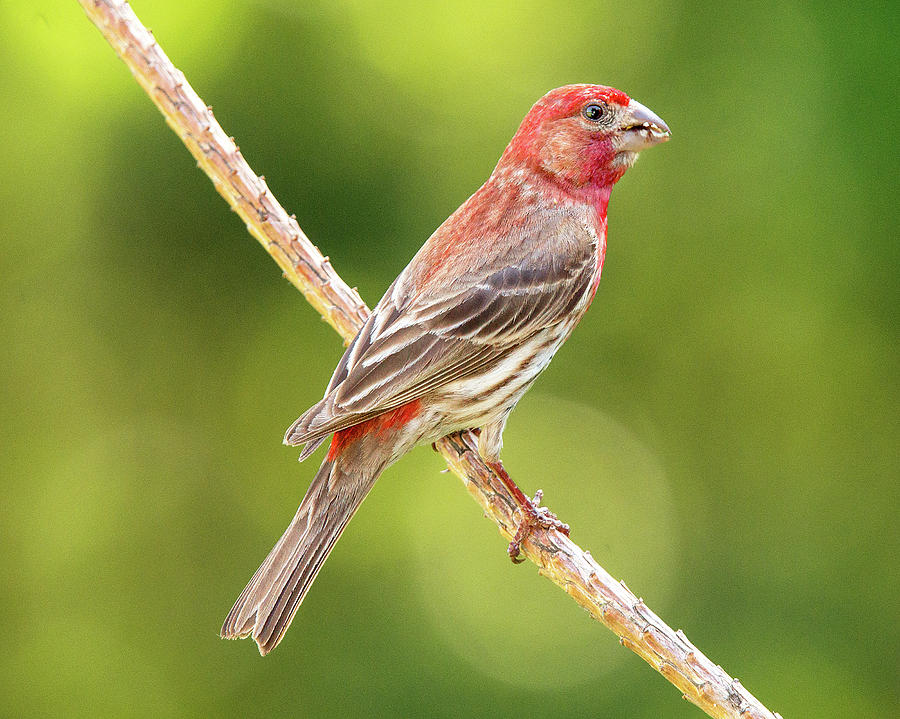
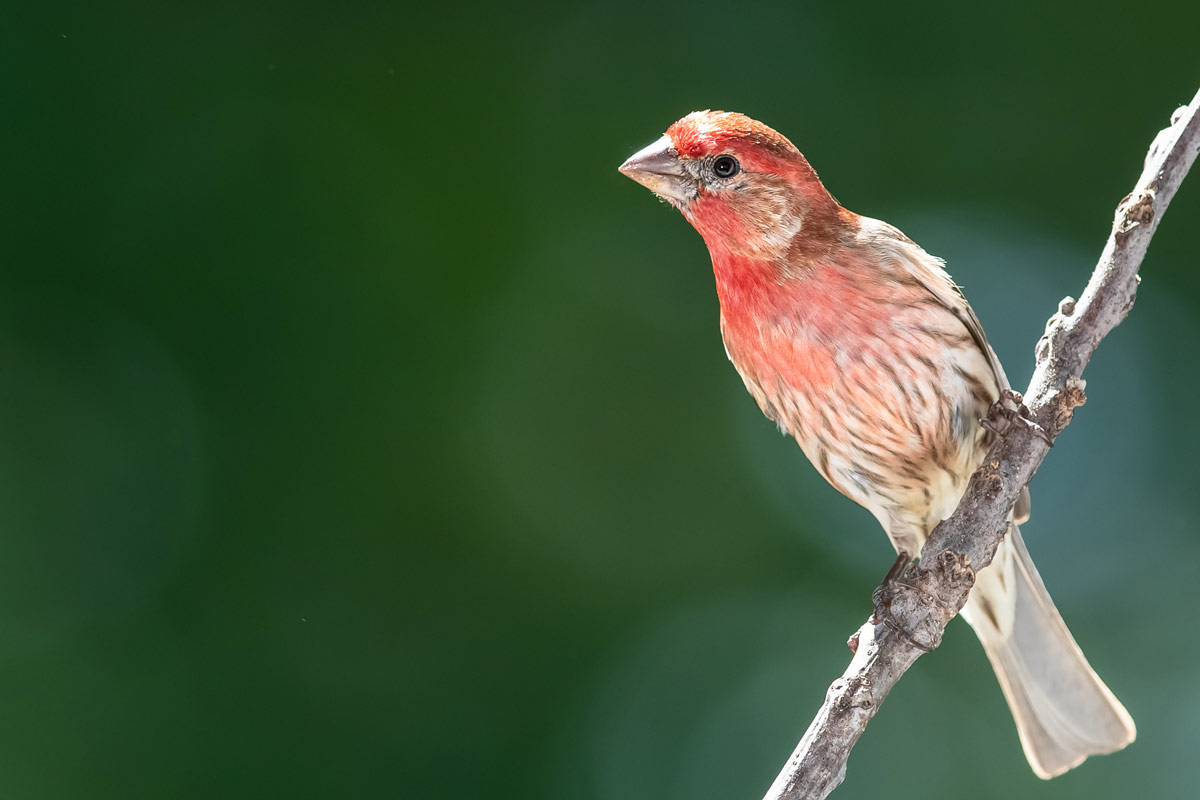
House Finch (Haemorhous mexicanus) — Raspberry-red head, cheerful warble, and an absolute lock on every backyard feeder in the Southwest. The house finch has a pleasant call that is a sharp, frequent “cheep” or “chirp” that can be announced while perched or in flight.
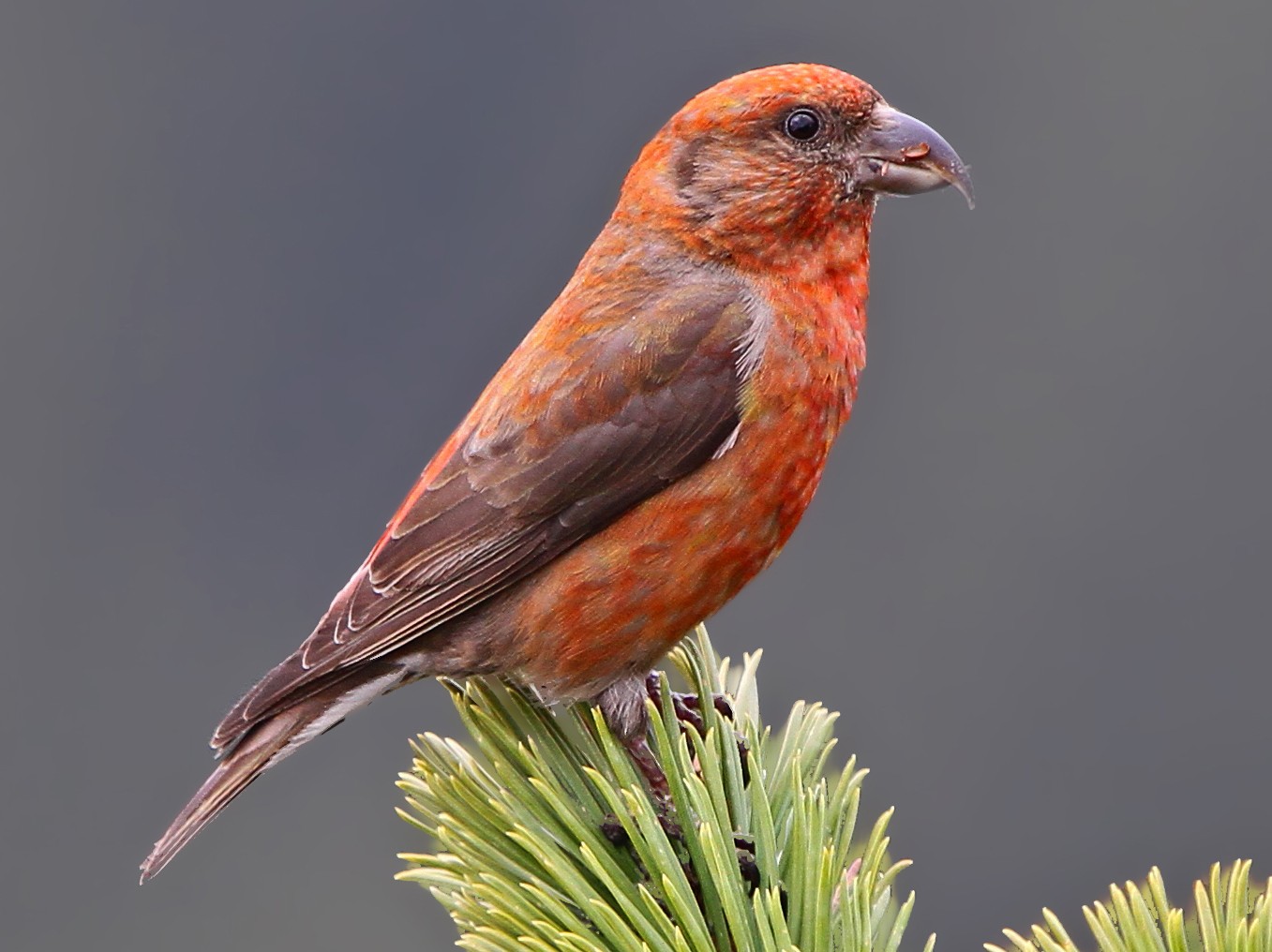
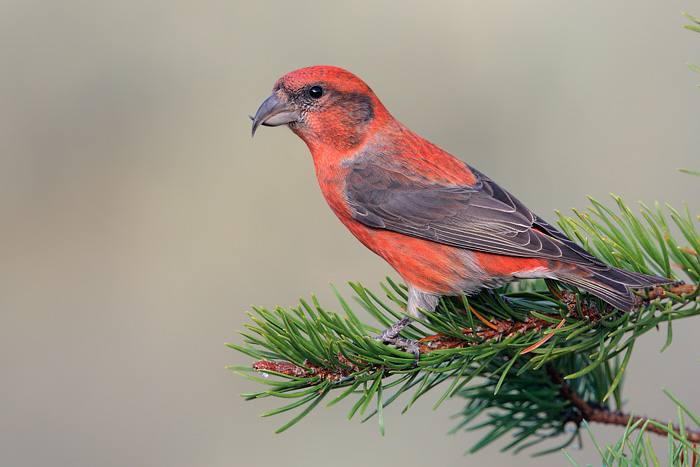
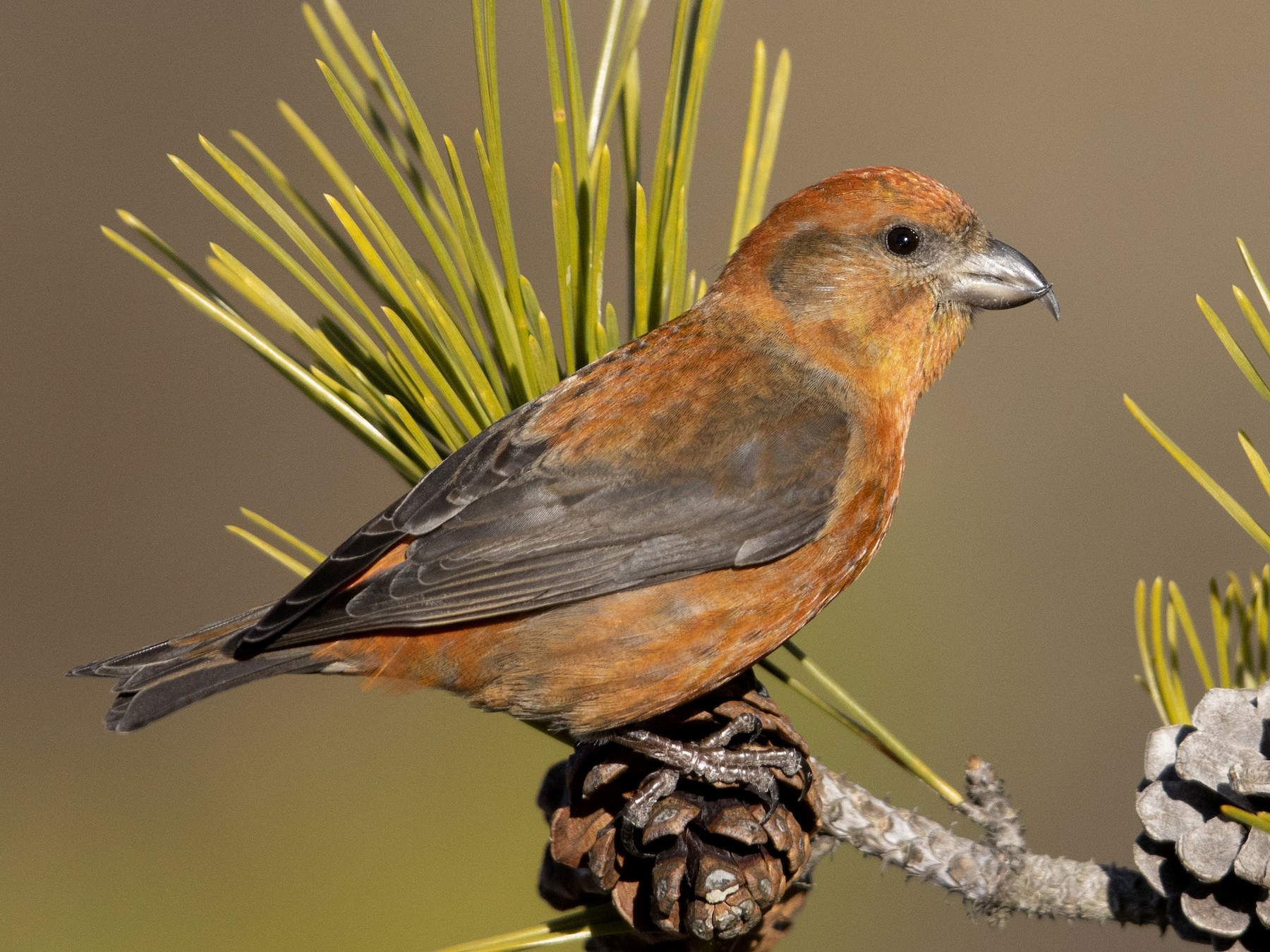
Red Crossbill (Loxia curvirostra) — Its bill tips actually cross — an odd design flaw that turns out to be the perfect tool for prying open pine cones. We saw and heard a bevy of these birds in the pine and fir and spruce trees, as we stopped along our trip at elevations just below Taos ski area.
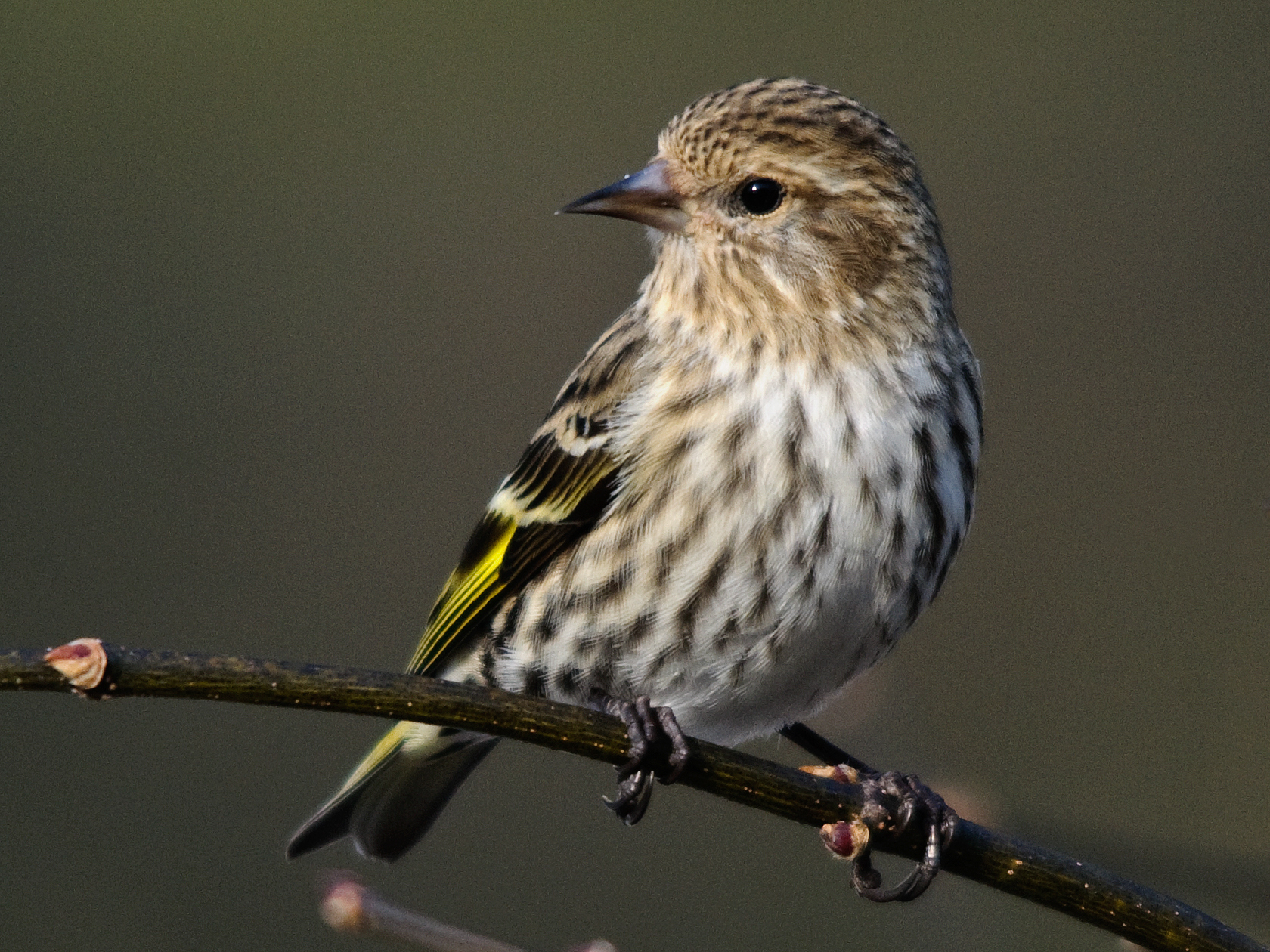
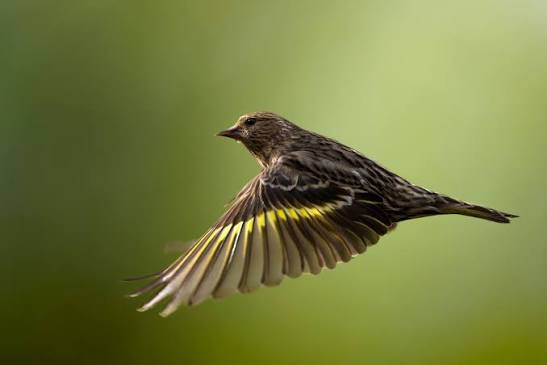

Pine Siskin (Spinus pinus) — A streaky little finch with hidden hints of yellow in the wings, this small fry is easy to dismiss until it opens up in flight. That is when the forest comes alive with that flash of wing color. I have seen these at high altitudes over the years and always enjoy their company, when walking in silent pines.

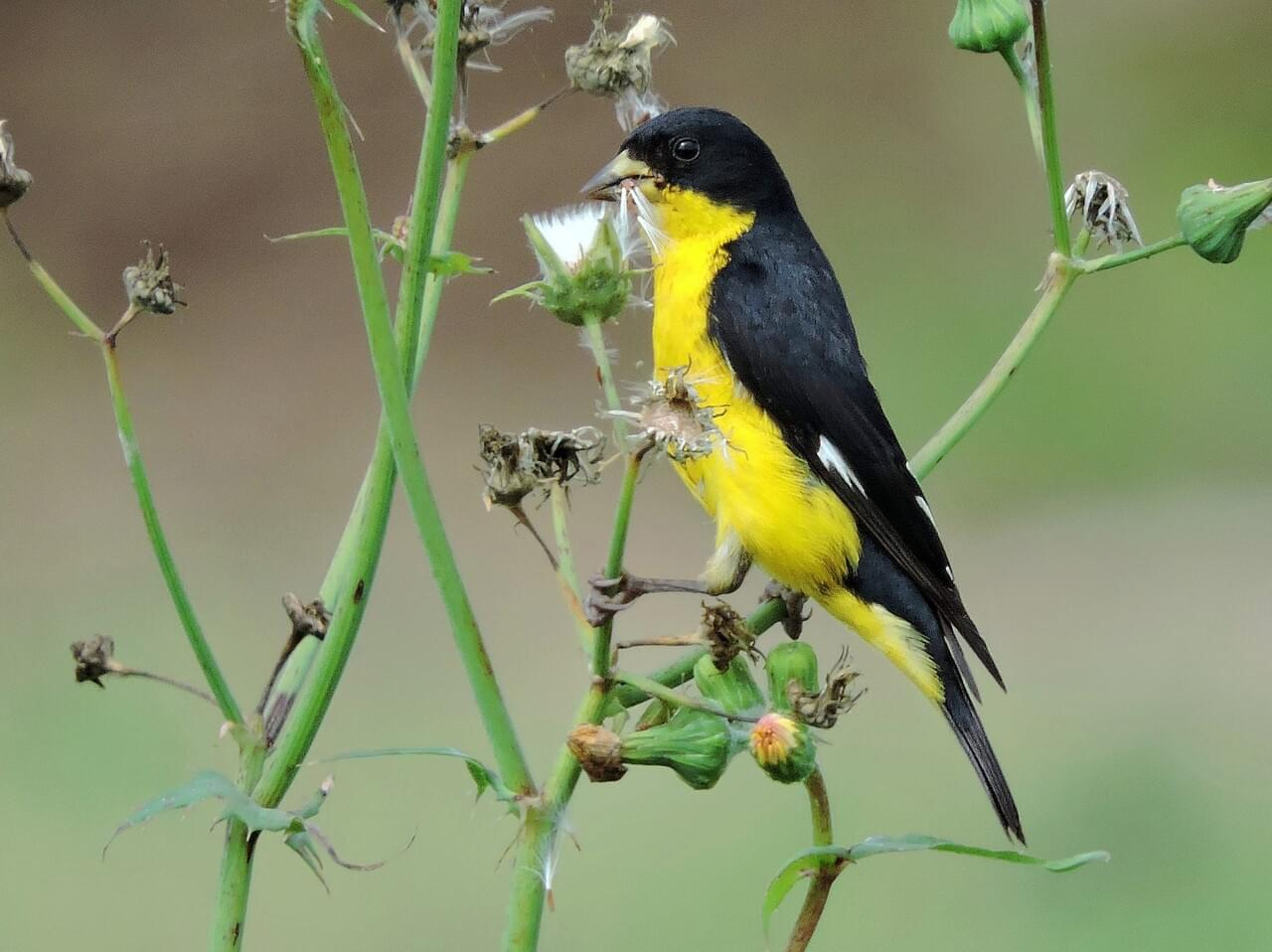

Lesser Goldfinch (Spinus psaltria) — North America’s smallest goldfinch — this bird is a bright yellow bundle of attitude that dominates the thistle feeder anywhere it can. The plaintive call of this goldfinch is easy to recognize and fun to hear as it approaches bird feeders and bird baths and fountains. It is not as vocal in flight as the American Goldfinch, the gaudy cousin, but it is still pleasant nonetheless.
->->->->->->->->->->->->->->->->->->->->->->->->->->->->->->->->->->->->->->->->->->->->->->->->->->->->->->->->->->
Old World Sparrows
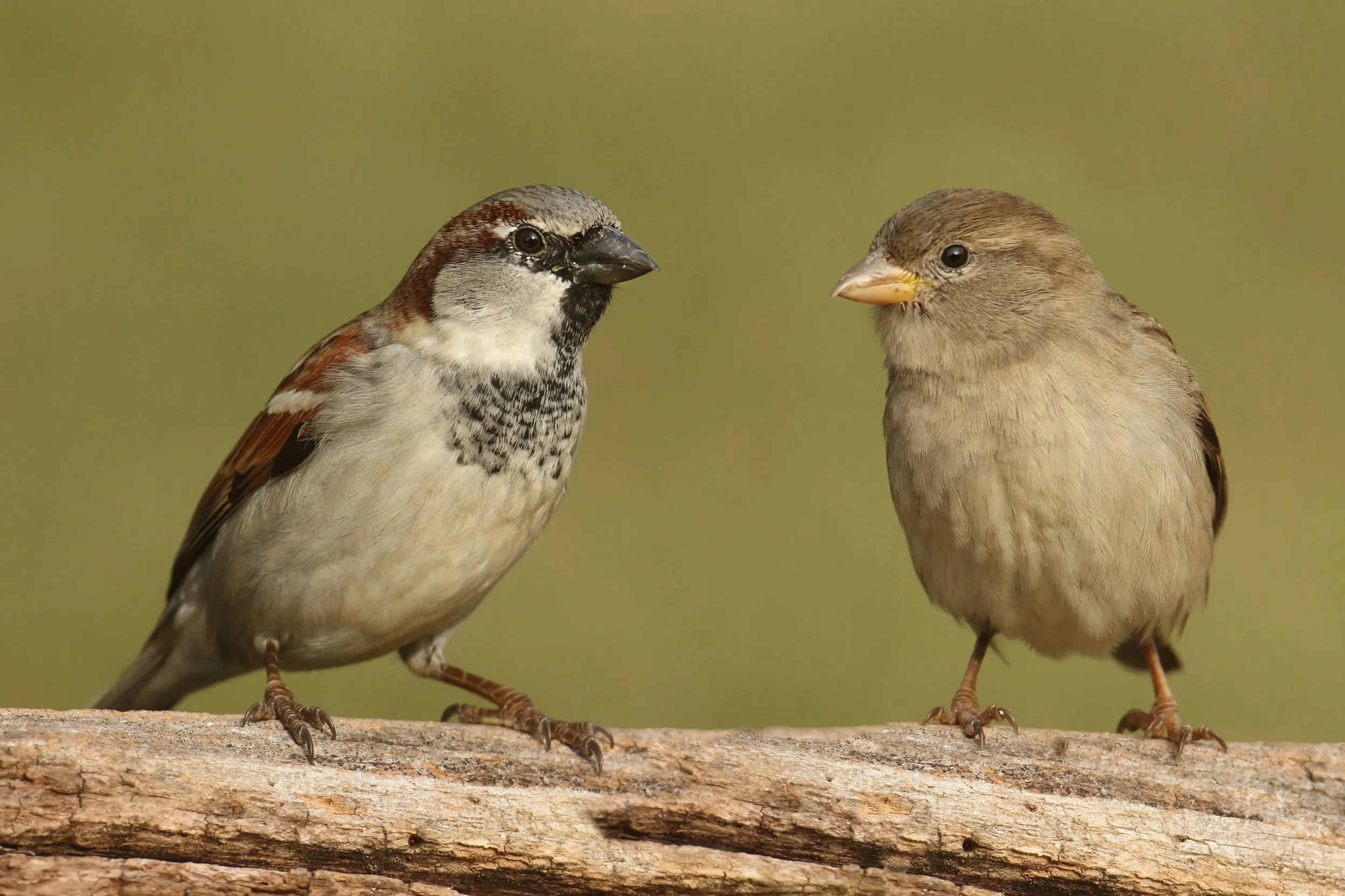
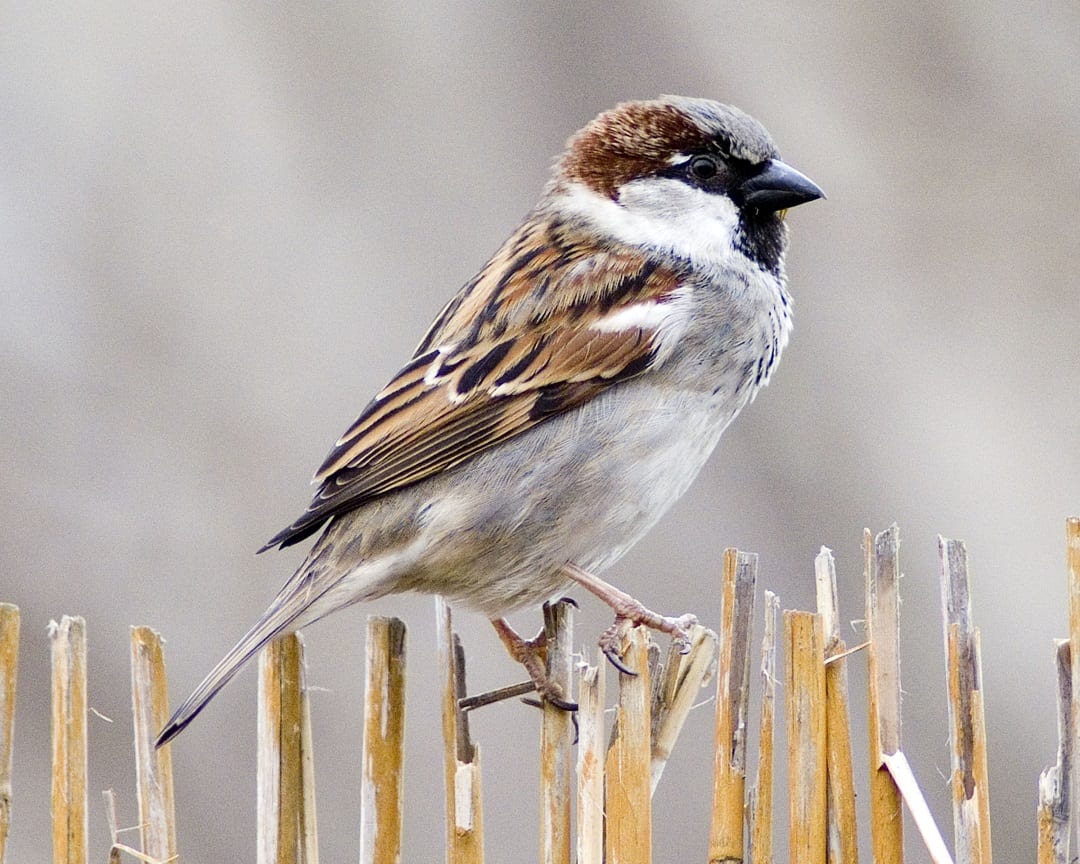
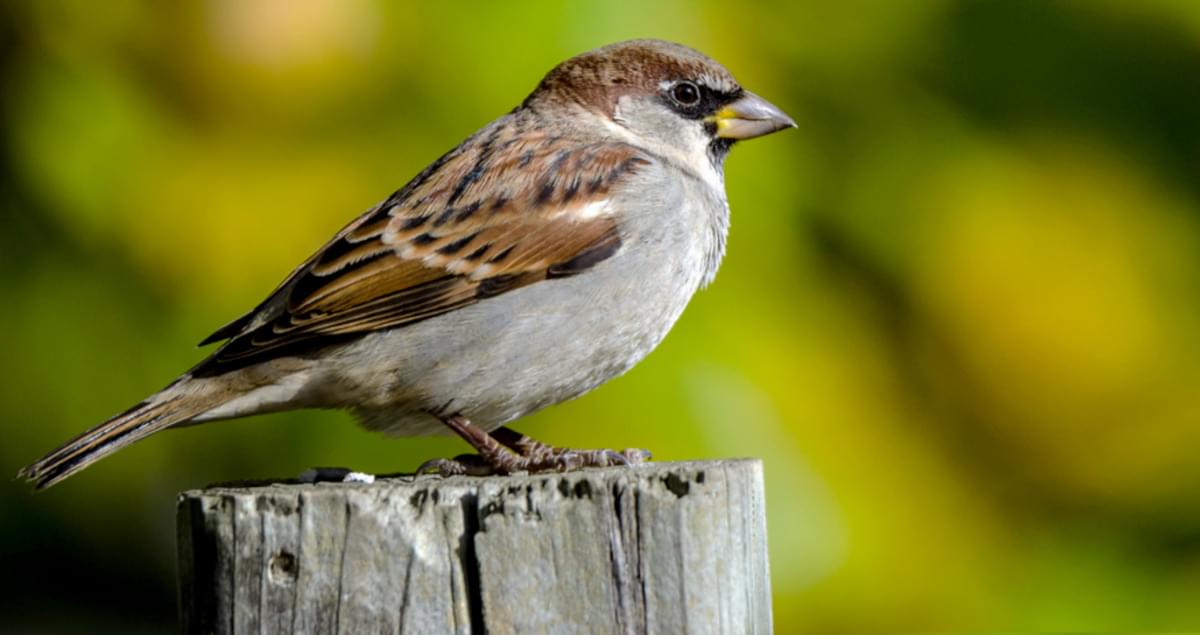
House Sparrow (Passer domesticus) — Not native, not shy, not going anywhere, this scrappy immigrant has outhustled and outcompeted half the continent’s native cavity-nesters. It is mighty: mighty hard to displace, and mighty hard to move.
THE END …
->->->->->->->->->->->->->->->->->->->->->->->->->->->->->->->->->->->->->->->->->->->->->->->->->->->->->->->->->->
Almost, that is.
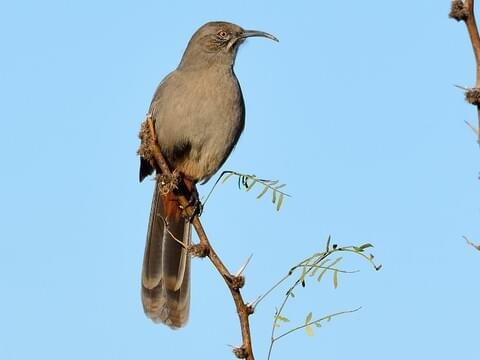
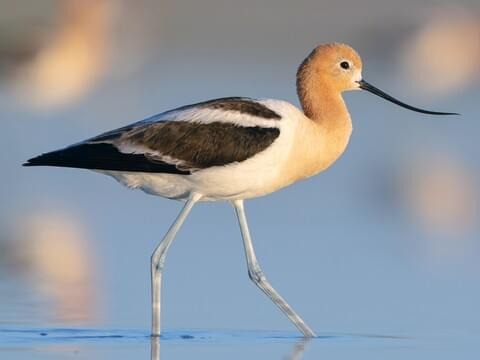
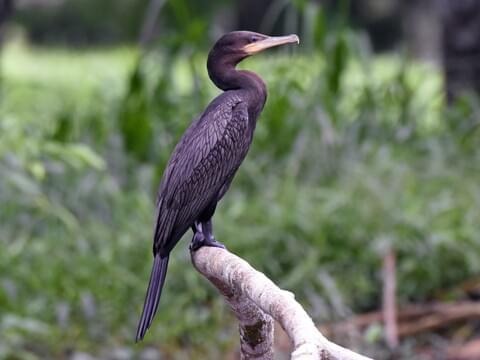
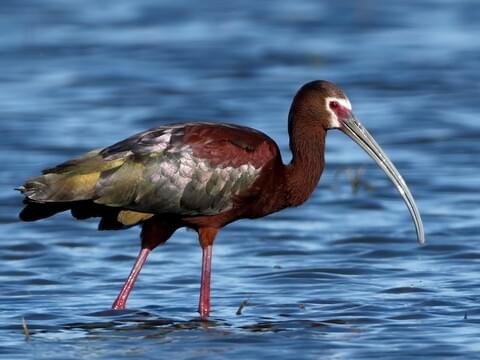
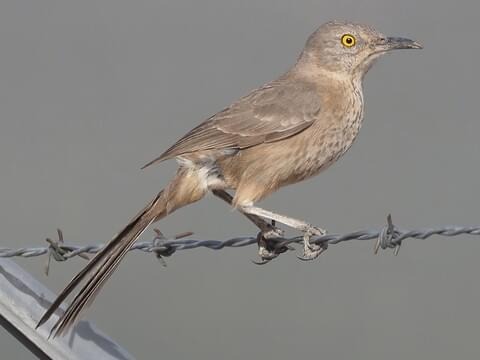
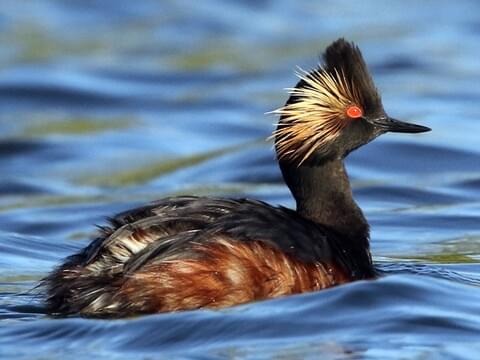
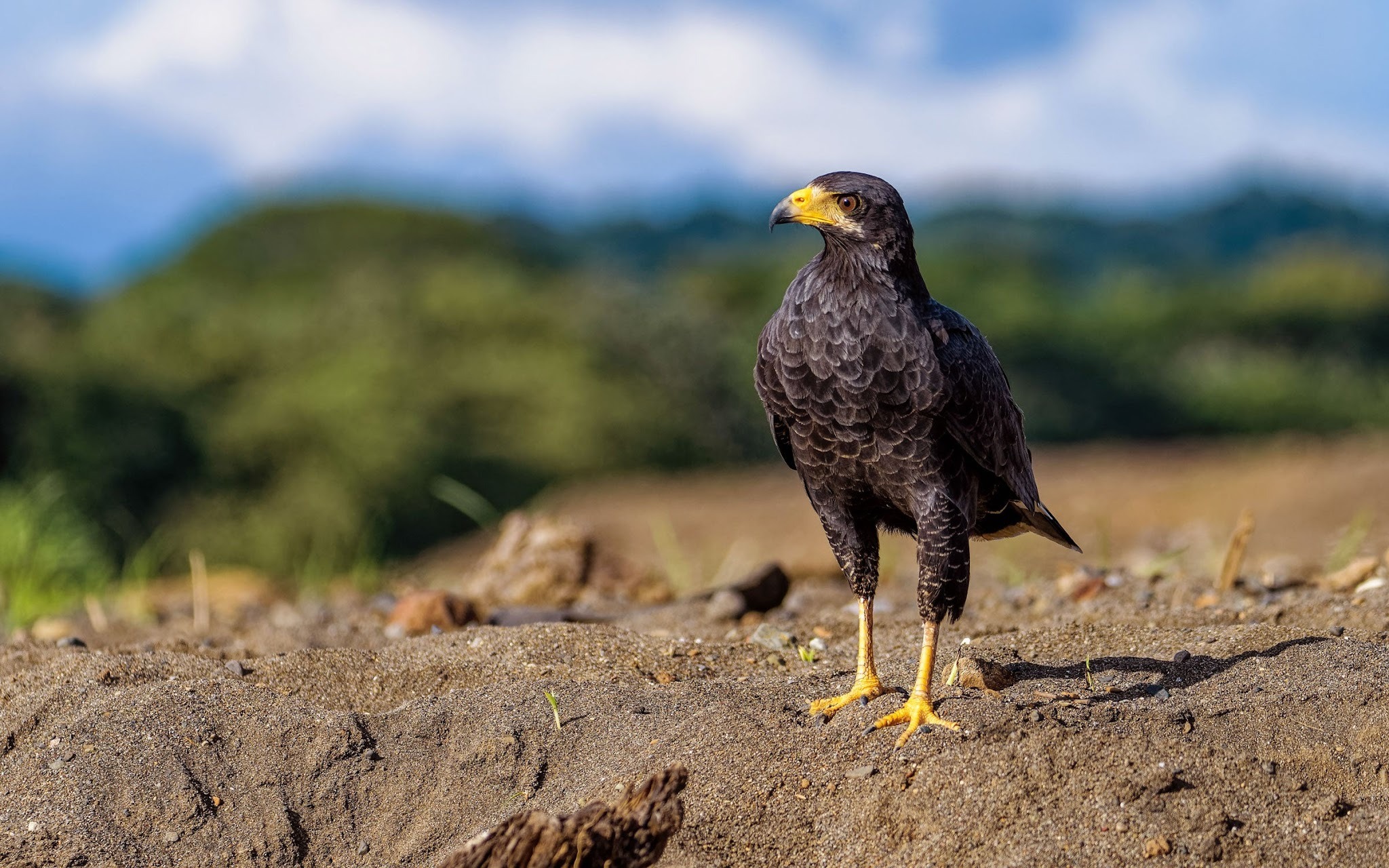
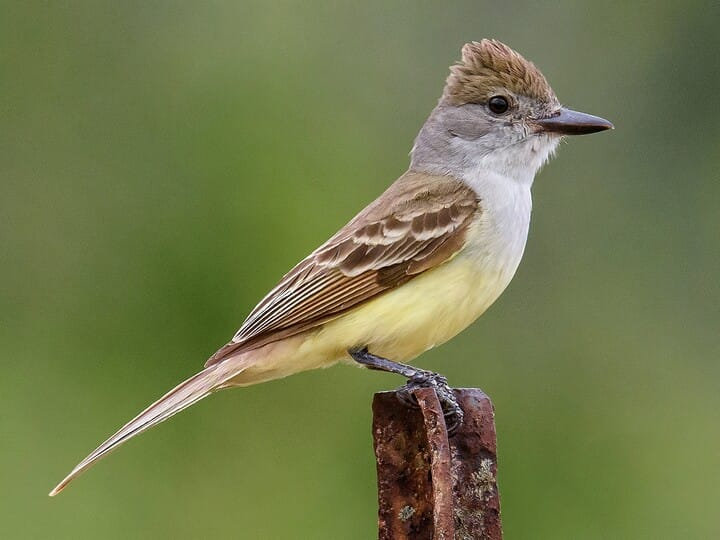
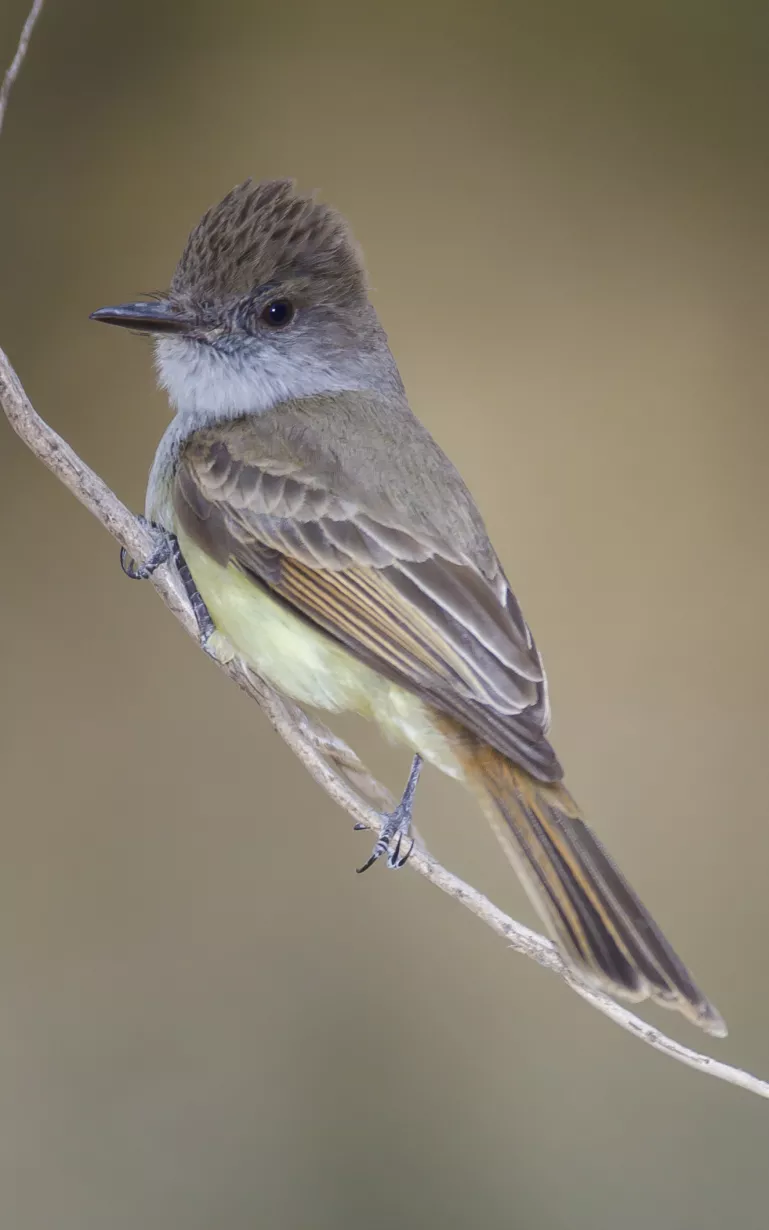
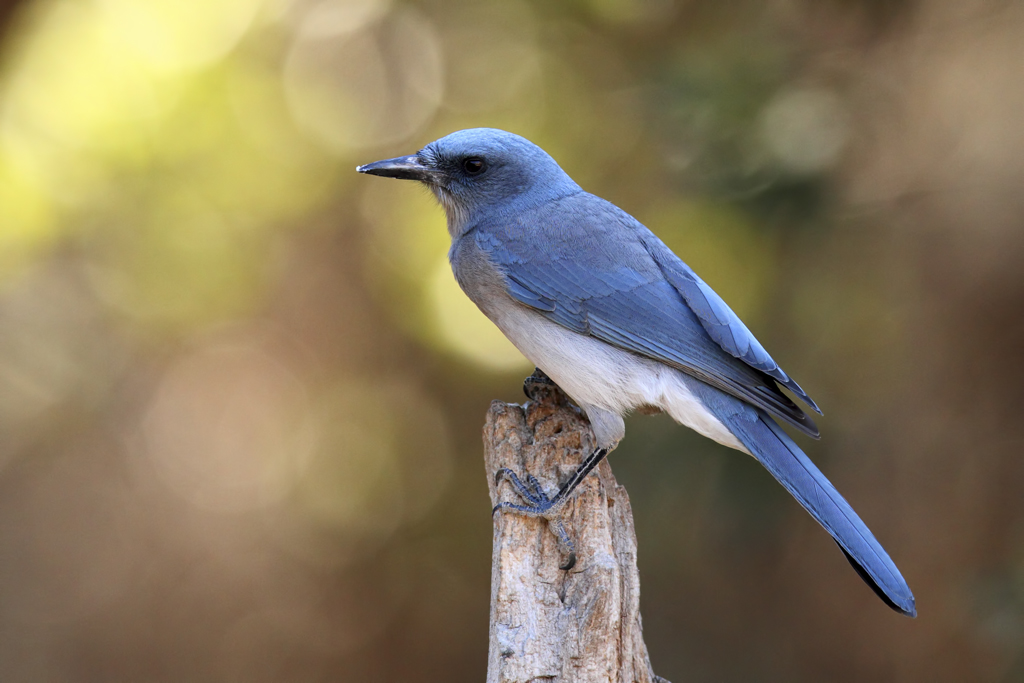
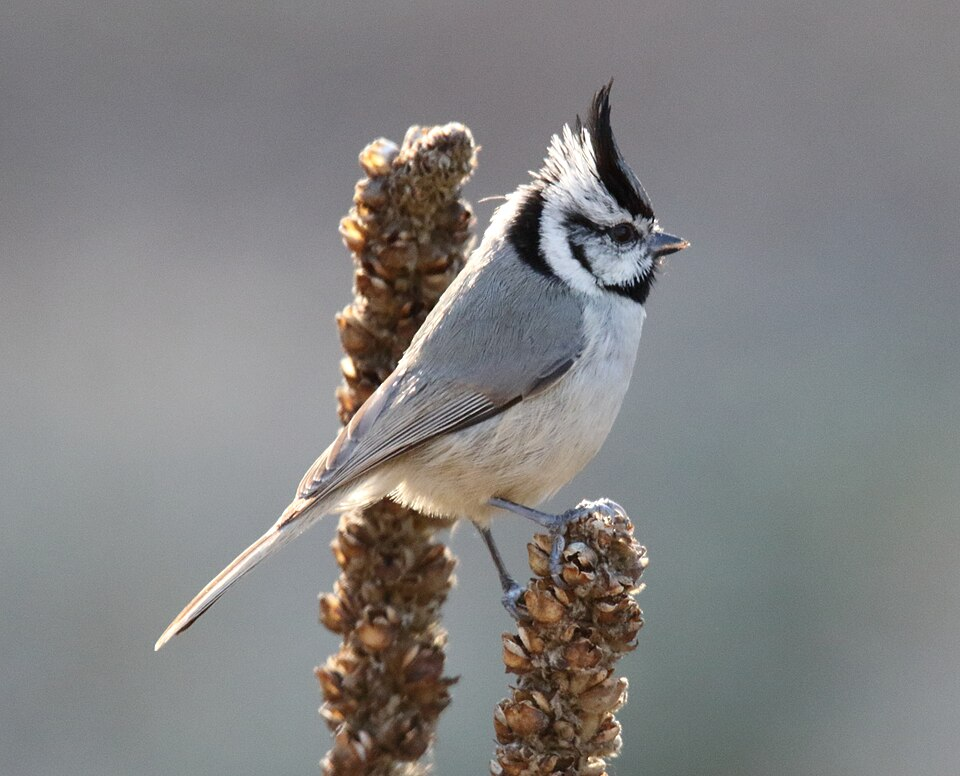
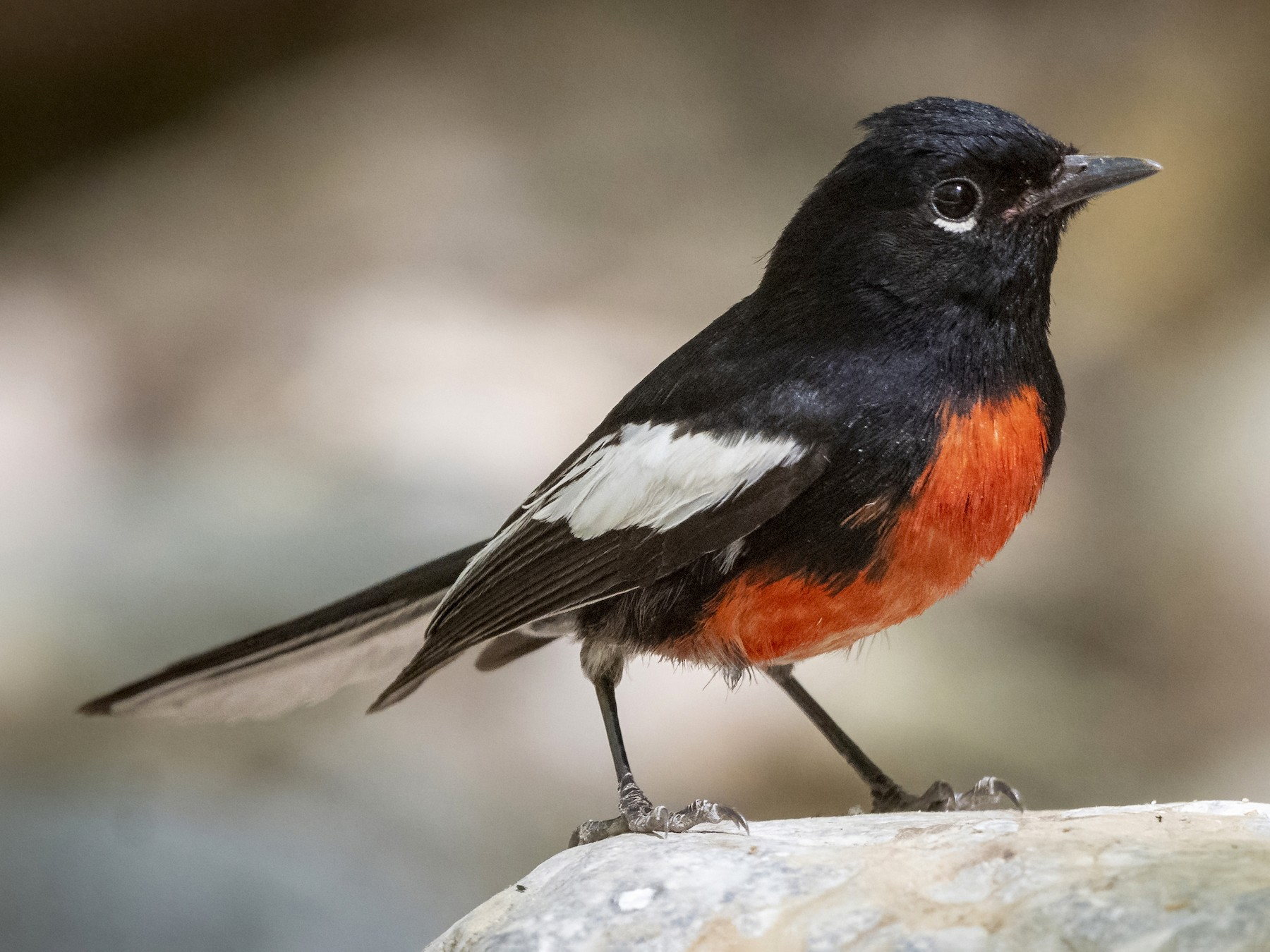
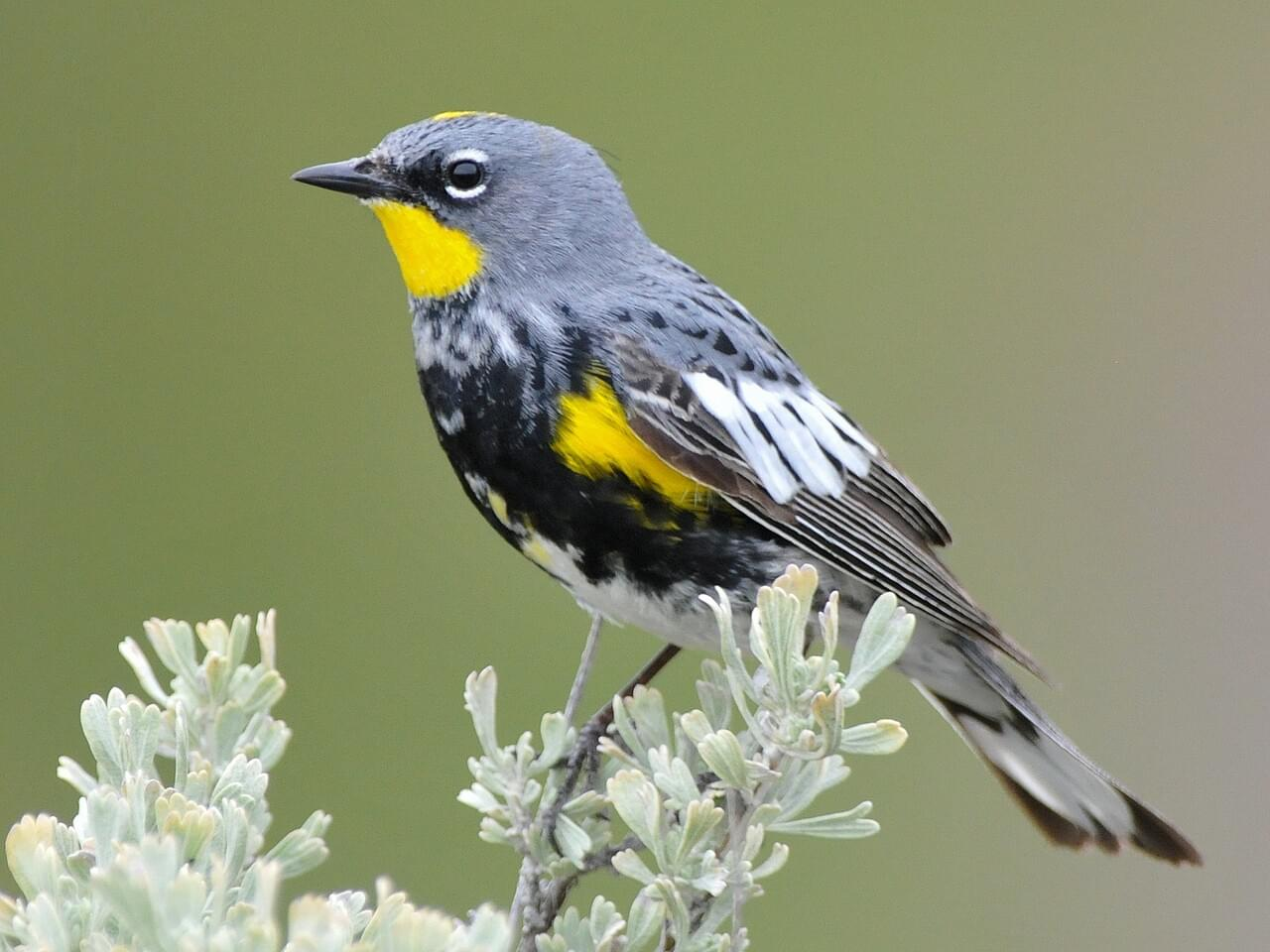
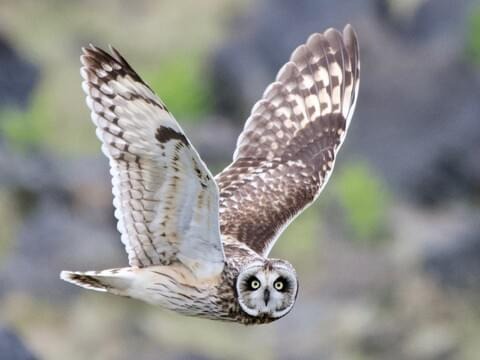
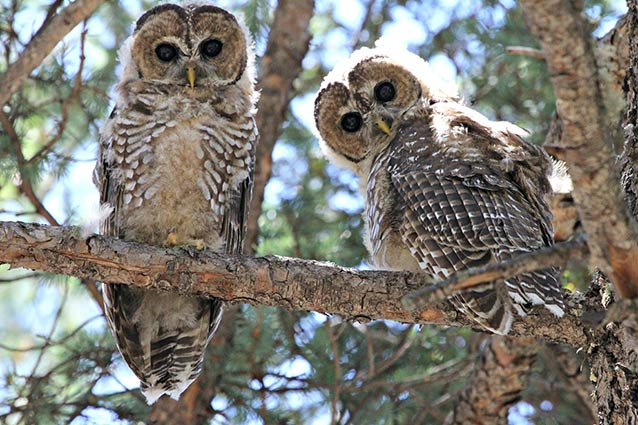
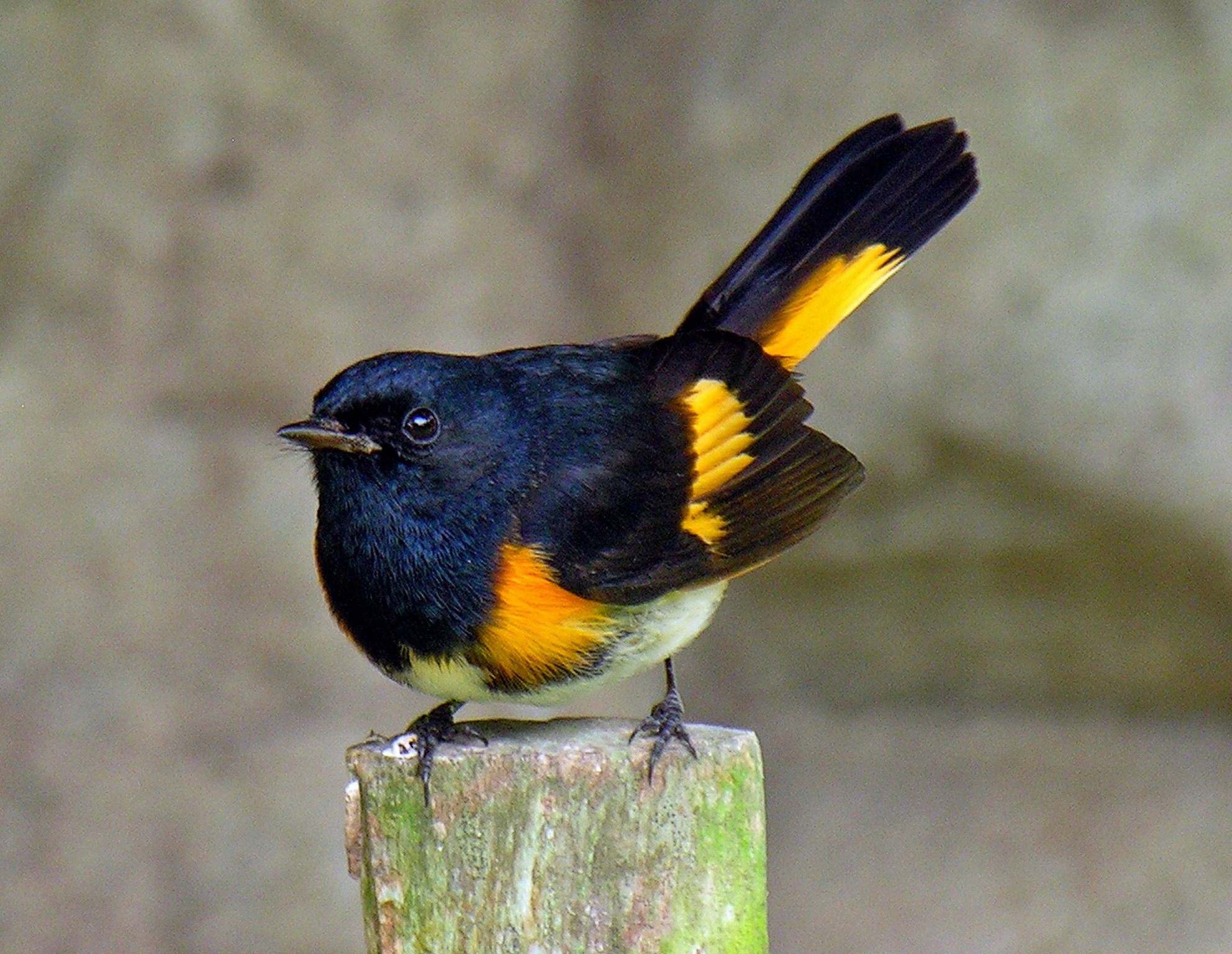
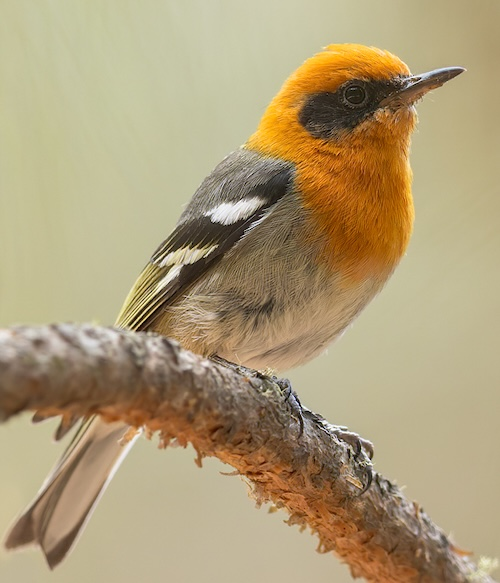
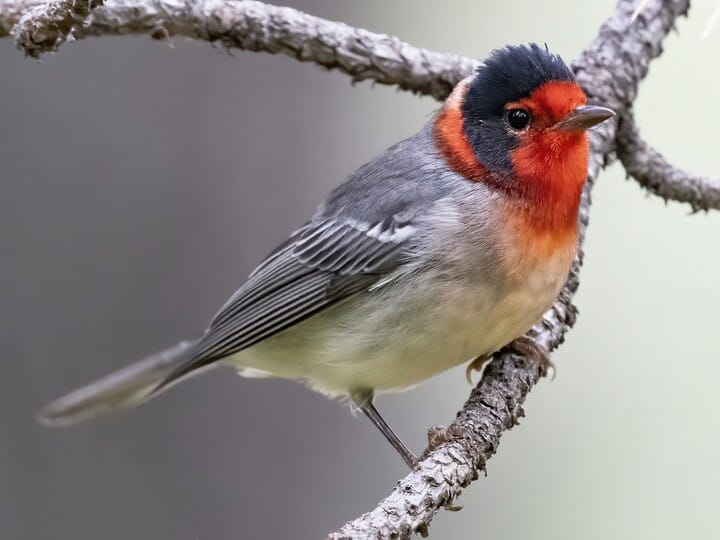
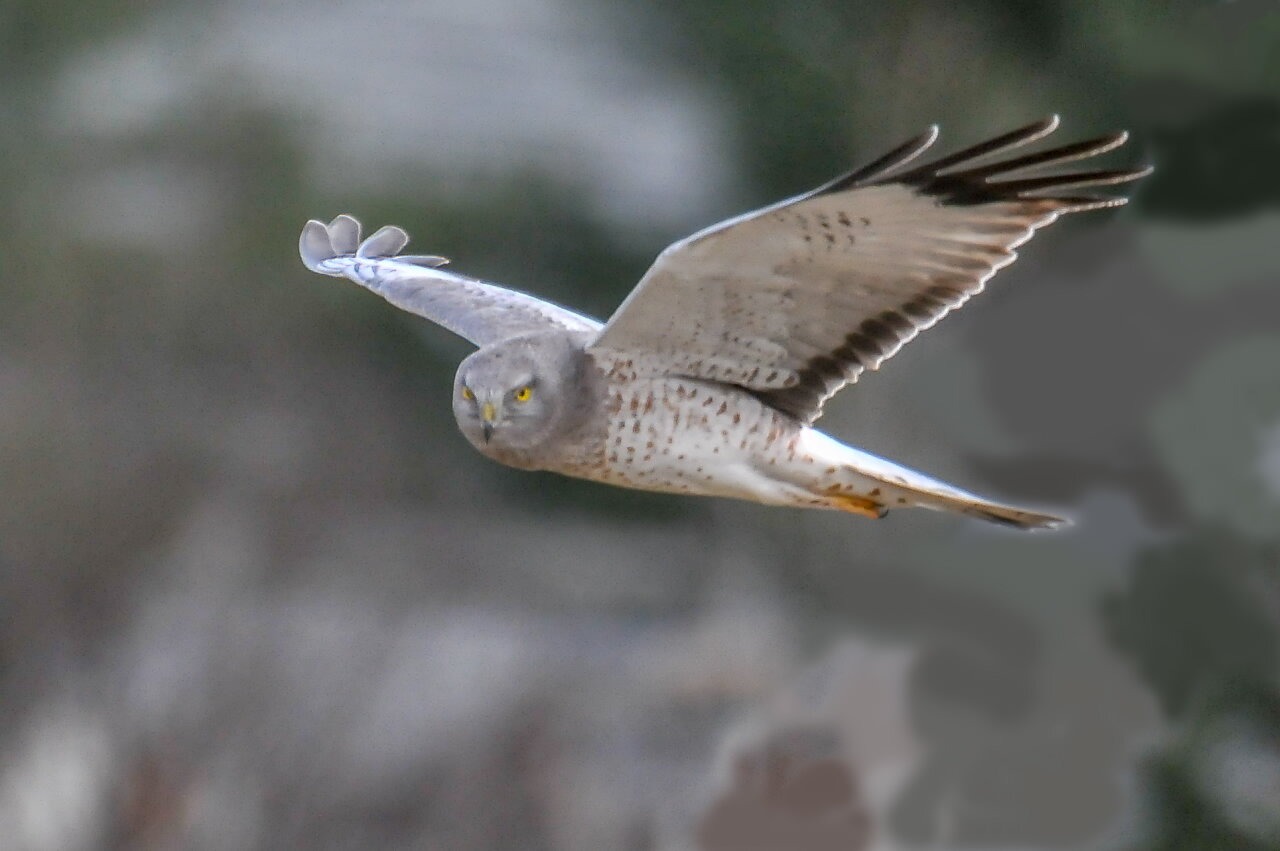
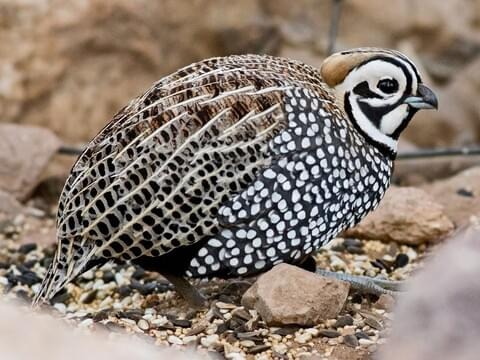
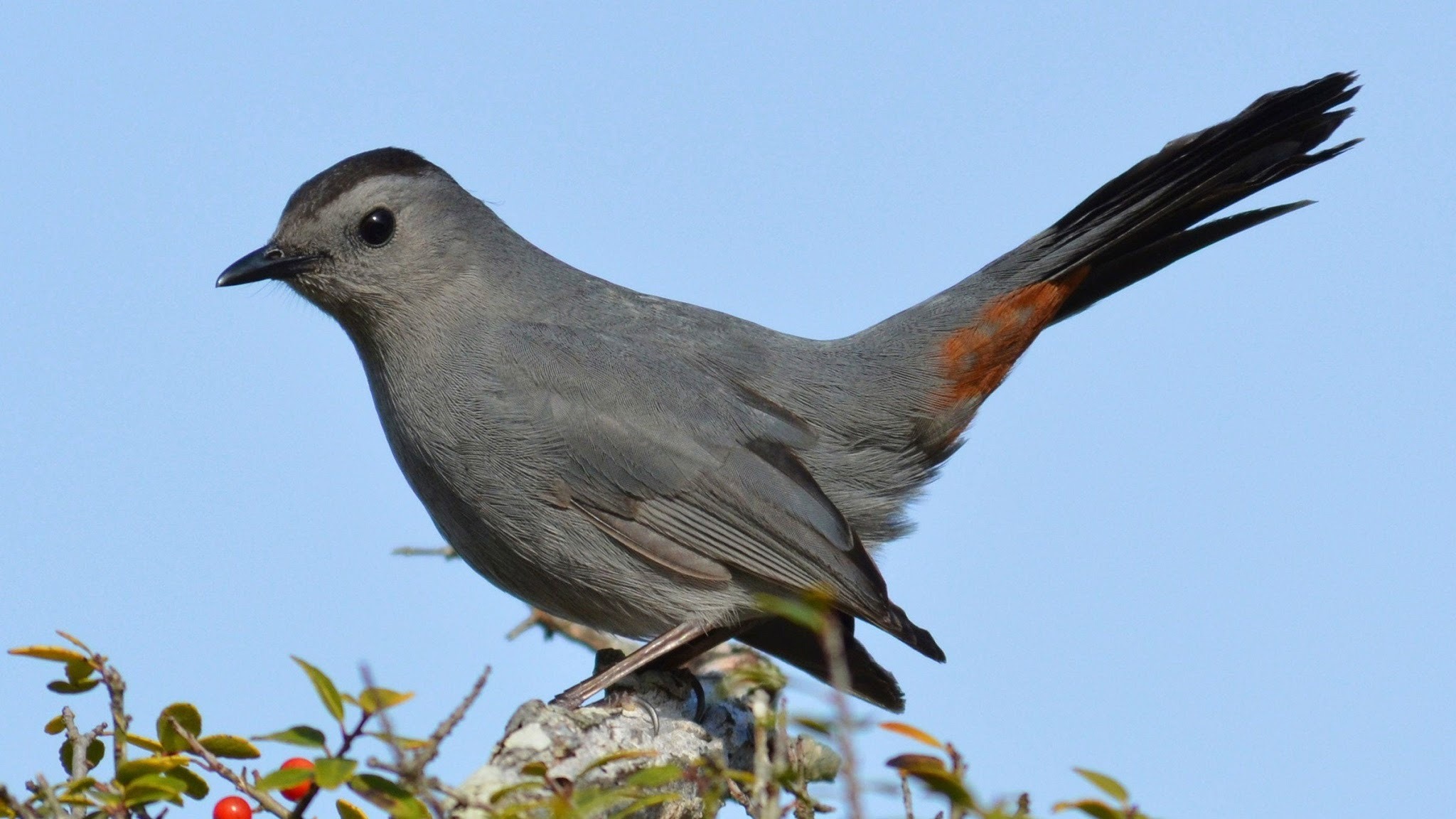
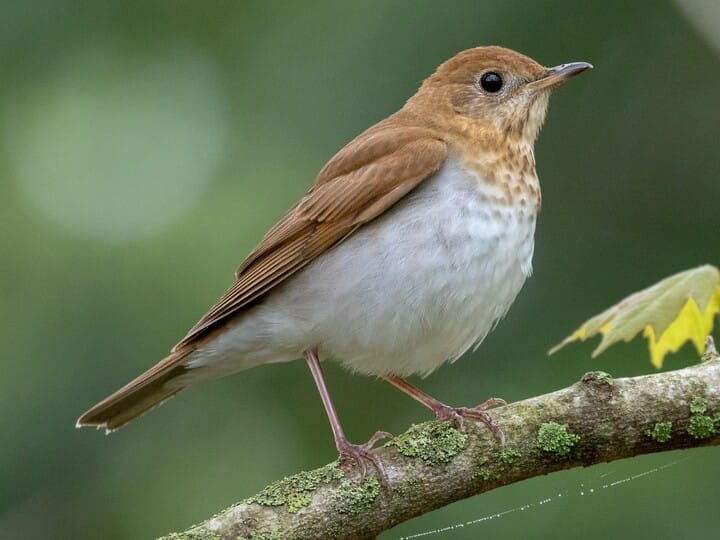
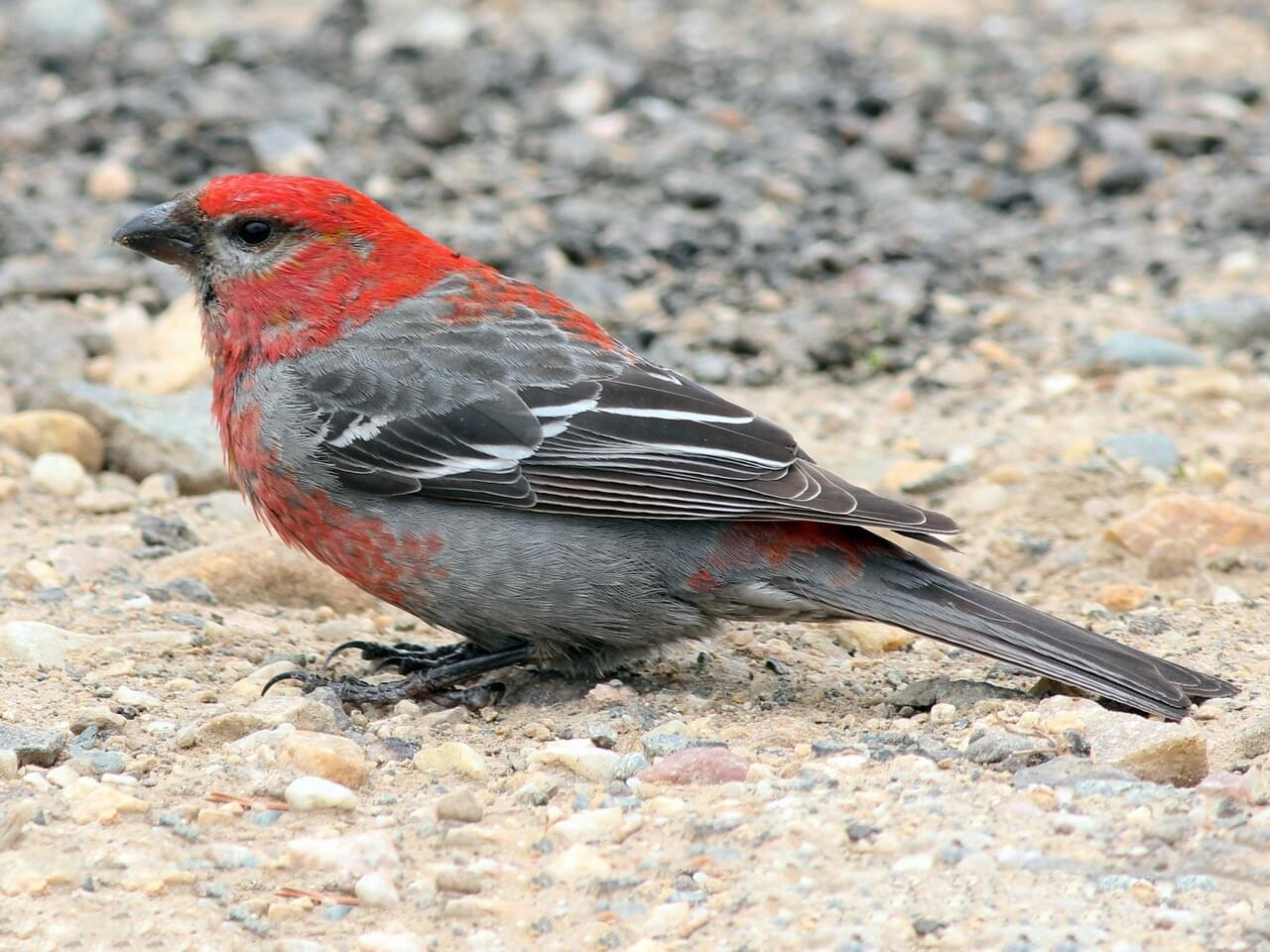
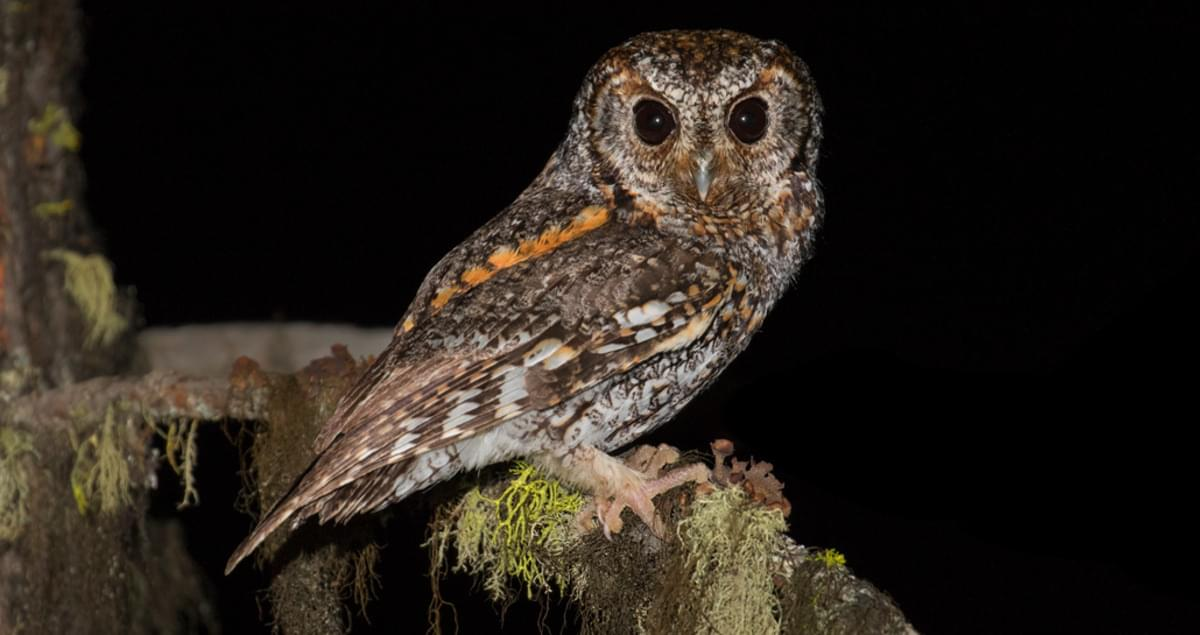
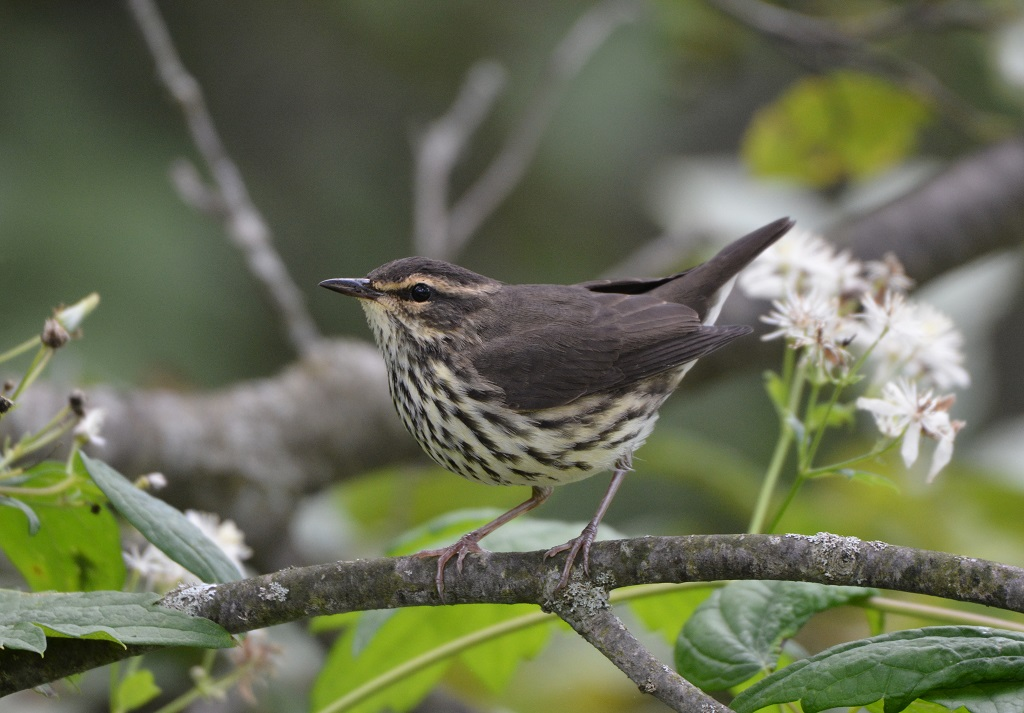
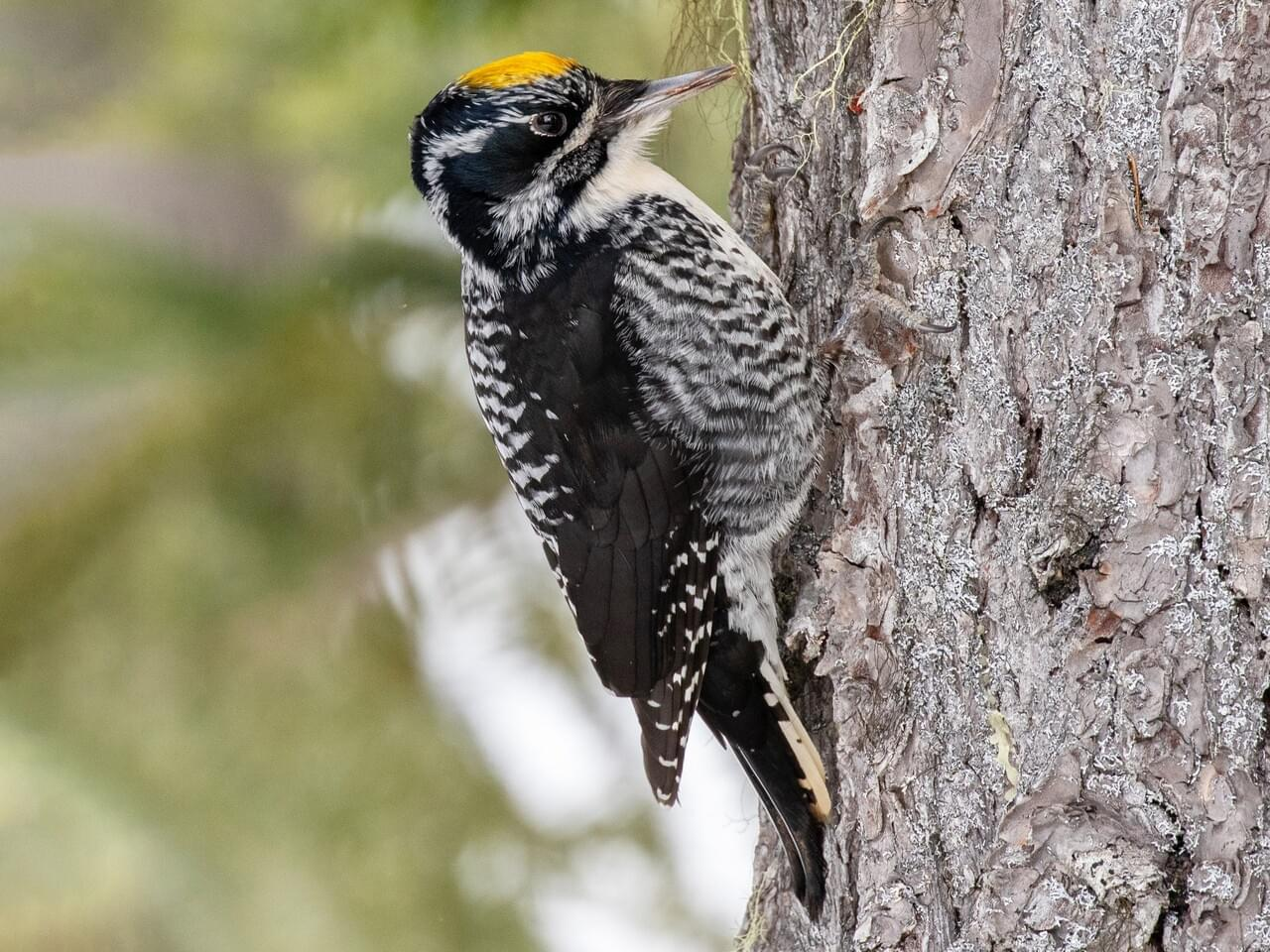
Below are some images of birds that we were teased about by Arch McCallum. In his opening letters he said that we MIGHT see some cool birds this year on Flocks and Rocks Trek; however, for all sorts of reasons, seasons and explanations I did not see them this trek. Others in our group may have spotted them and positively ID’d them. I did not. We can imagine these birds in our minds as the rest of this Bird Post fades away with the summer of 2026.
PLUS, the thought of seeing these species in the future is a solid reason to return to Flocks & Rocks, even in 2027!!!