Birds of Lewis & Clark
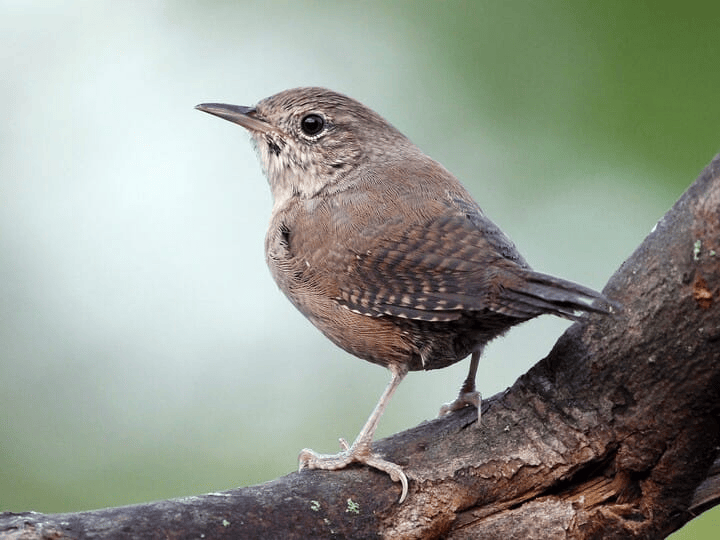
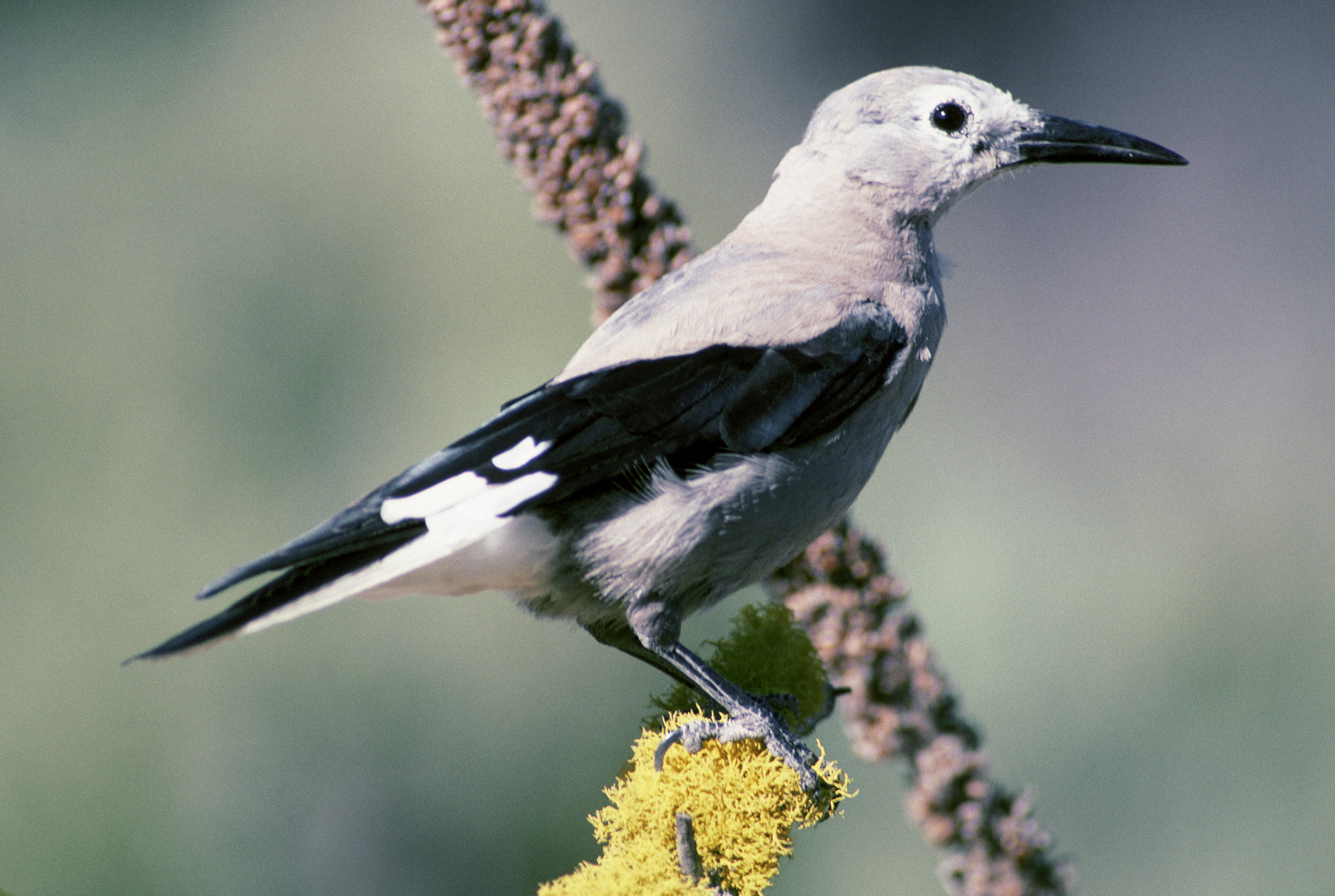
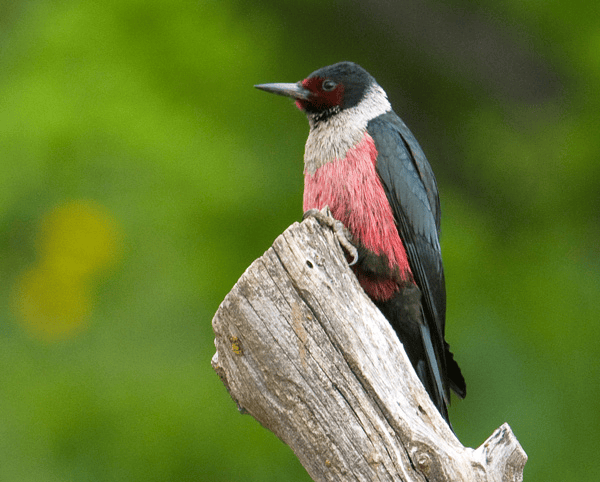
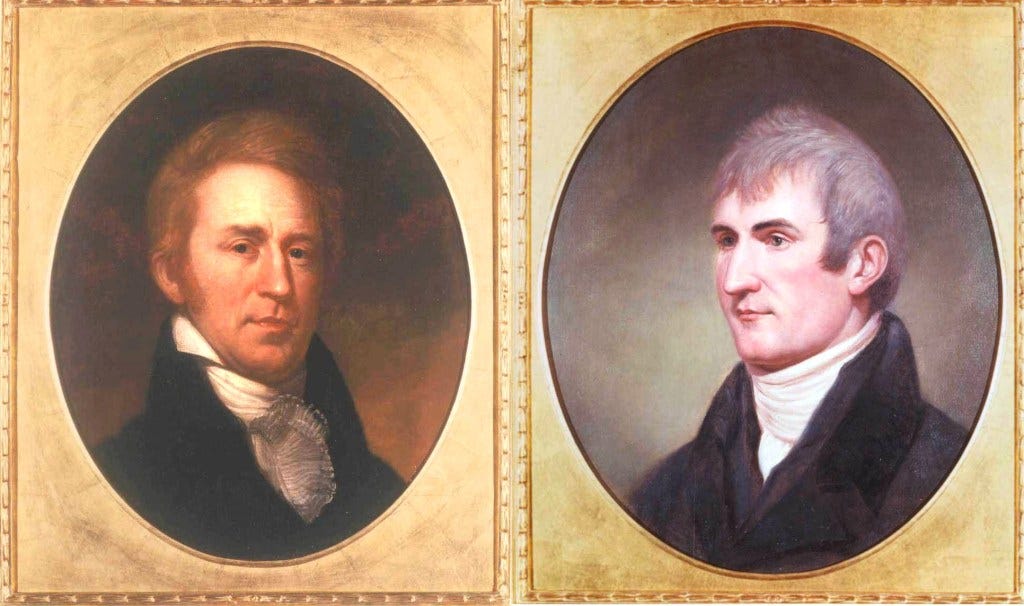
Captains Meriwether Lewis and William Clark, on their journey with the Corps of Discovery, observed and recorded many birds during their expedition (1804-1806). Their bird list included grouse, aquatic birds, upland birds, hawks and a woodpecker. They also chose the common names of two bird species, which they named after themselves: Clark’s Nutcracker and Lewis’s Woodpecker, as pictured above.
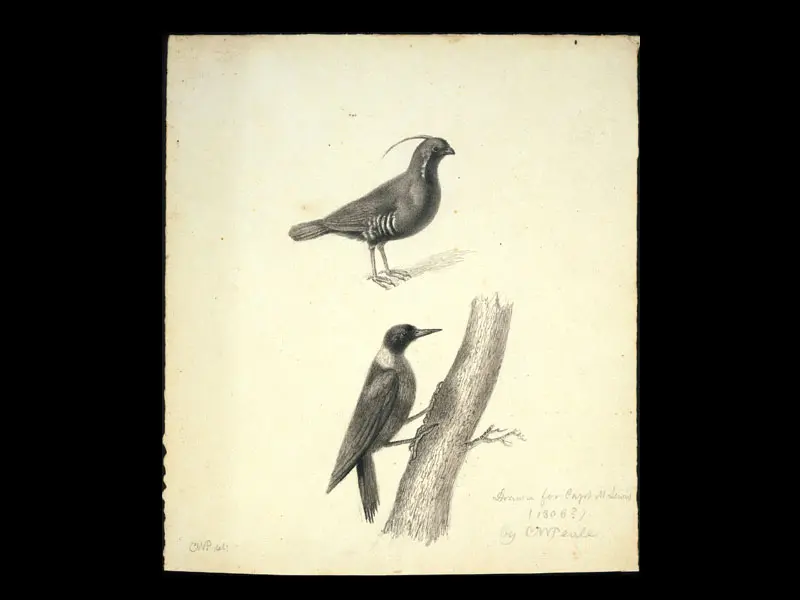
The personal writings and journals of the members of the Expedition identify ~135 different species of birds with reasonable certainty . . . . Perhaps the two co-leaders felt a special interest in birds because they knew, as did the others, that President Thomas Jefferson was an enthusiastic birdwatcher. Jefferson was keeping his own personal “life list” of birds as seen and positively identified around his home in Charlottesville, Virginia.[1]
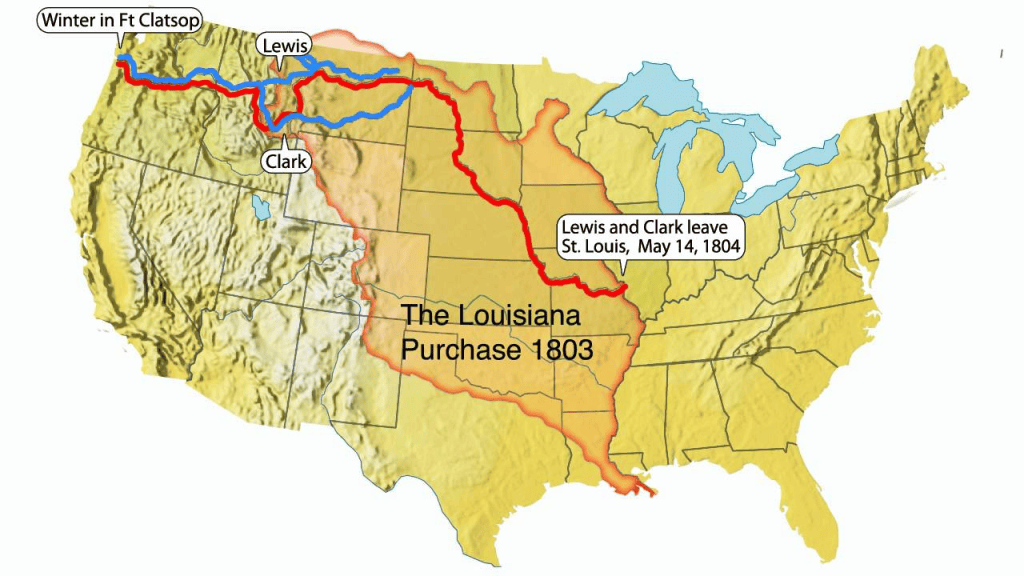
The Corps of Discovery Charter
The list of birds is indeed, impressive, especially when considering that the members of the Corps of Discovery were chartered by Jefferson with four distinct and enormous challenges:
1. Geography and Cartography — They were tasked with mapping the vast newly acquired Louisiana territory and the Pacific Northwest. In the process they meticulously recorded latitude, longitude, the flow of the Missouri River, its principal tributaries, and crucial mountain pass/portage locations.
2. Ethnography and Native American Diplomacy — Jefferson ordered the captains to make friendly contact with Native American nations and announce to them U.S. sovereignty over the lands. And, in the process, Jefferson wanted them to identify the Native tribes (names, populations, boundaries, languages, traditions, clothing, food, social laws and prevailing diseases) as well as to initiate Native American Diplomacy (as depicted in the “medals of friendship” given to the tribal leaders).
3. Economic and Commercial Opportunities — A primary economic motive for the Expedition was to evaluate how American merchants could capture the lucrative western fur trade from Great Britain. The Expedition was also instructed to check the soil quality for future agricultural viability and identified potential locations for trading posts and settlements.
4. Natural Sciences (beyond Birds) — The Corps was chartered to discover and preserve specimens of plant life, trees, and animals previously unknown to Euro-American science. (In addition to the 135 bird species, the Corps ultimately logged over 170 new plants and 120 animal species, including mammals like the grizzly bear and the prairie dog.) They recorded mineral deposits (such as salt, iron and coal), unique geological formations, fossils, and daily weather patterns, including temperature ranges and wind directions.
Back to Bird Sightings
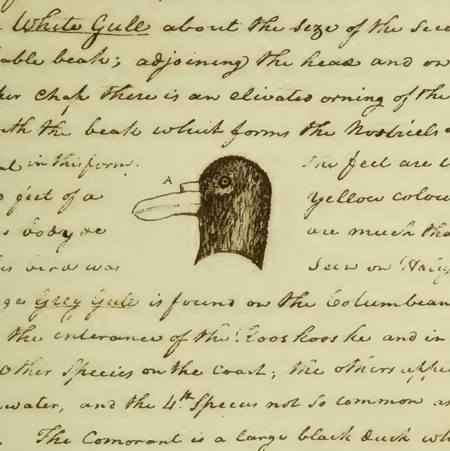
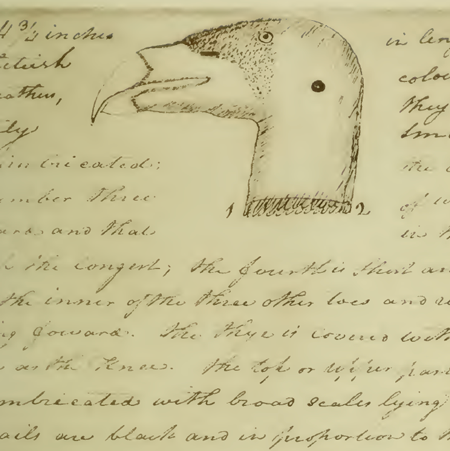
Lewis made drawings and wrote descriptions of gulls, vulture, grouse and many other species. While camping at Fort Clatsop, today’s Pacific Northwestern state of Oregon, Lewis describes aquatic birds: four seagulls, black cormorants, arctic loons, and western grebes.
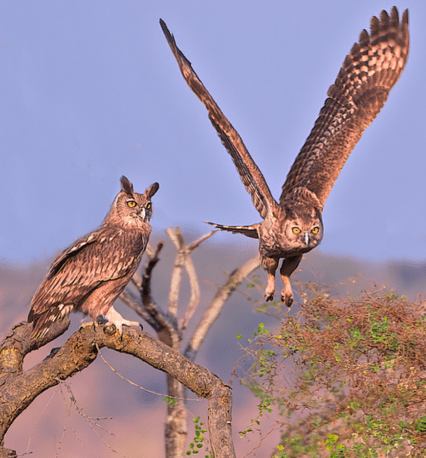
Another bird they spotted included the Dusky Eagle-Owl, which is a sub-species of the Great Horned Owl, seen on the Clearwater River (Kooskooskee) on March 3, 1806, on their return trip. This owl is the darkest colored of all the horned owls.
Grouse Lek
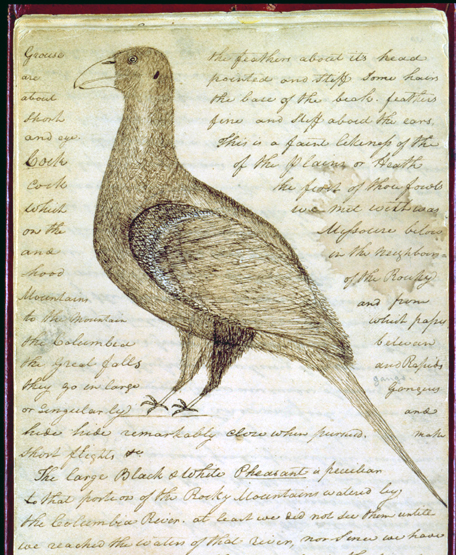
More attention by naturalists is given to the species of grouse that the Expedition members spotted during a ritualistic lek. Both Meriwether Lewis and William Clark documented October 1, 1804 sightings of the sharp-tailed grouse and the sage grouse (called the cock-of-the-plains) during their expedition.
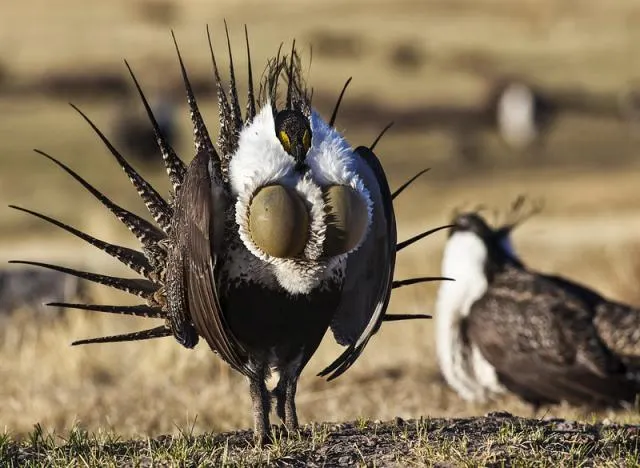
The sage grouse is known to perform elaborate mating rituals, including songs and dances on their breeding grounds during their noteworthy leks.[2]
Clark’s Nightengale
Not all of the Lewis and Clark sightings or identifications of birds were accurate. For example: Clark’s Nightengale, known as the “mystery bird,” was heard one night by Clark and company. Exactly what bird species did their members hear? This particular “nightingale” sang all night on June 3, 1804. Capt. Clark and First Sergeant John Ordway heard the night call and named a small creek near that June, 1804 campsite “Nightingale Creek” in honor of the bird. Some called the bird a cardinal, others called it a thrush, veery or whip-poor-will. The bird’s true identity, according to ornithologists, remains unknown.
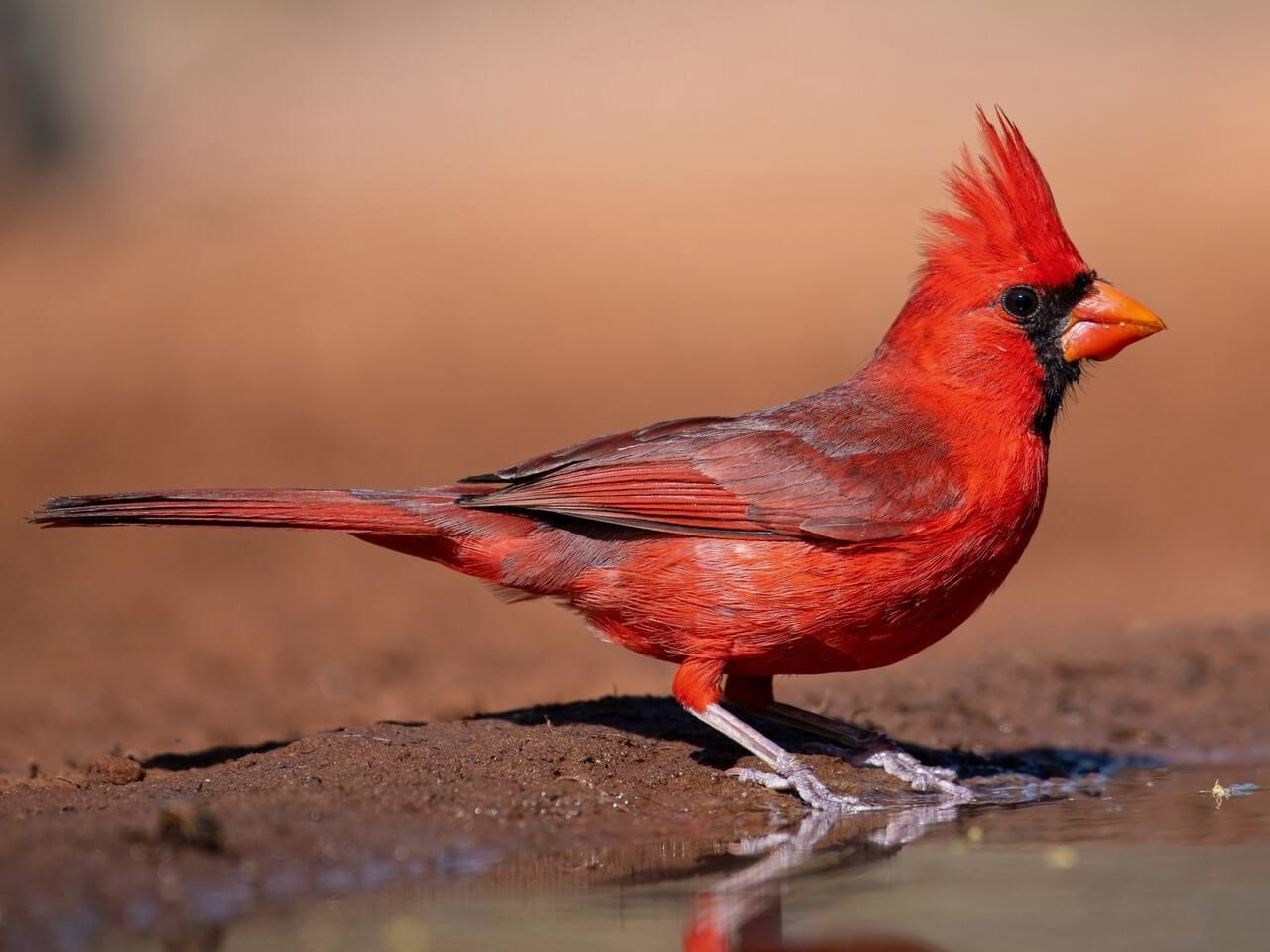
The historian and biologist Paul Cutright dismissed the idea of the bird being a cardinal, or other species, finally concluding that the bird’s identity was a mystery. Virginia Holmgren, who has studied the 135 species carefully, has proposed that the mystery bird could have been a hermit thrush, a veery, Chuck-will’s-Widow or a whip-poor-will. All good guesses for their secretive behavior and haunting calls, day and night.
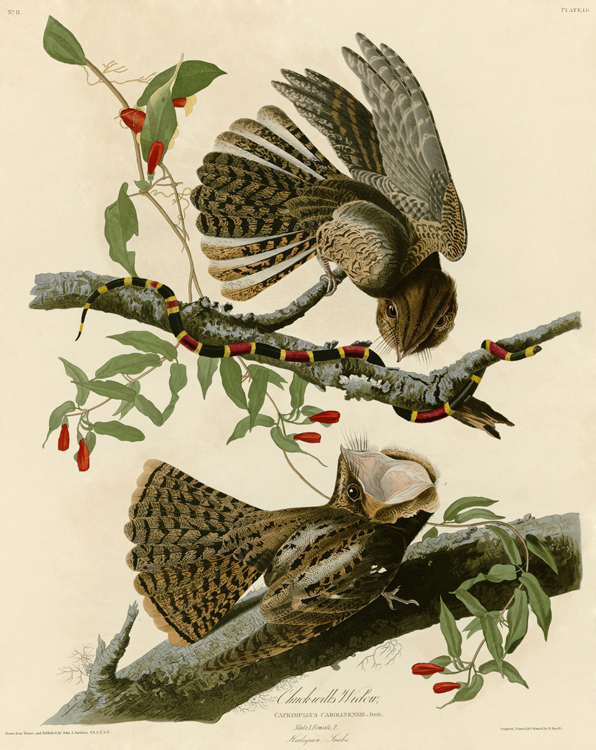
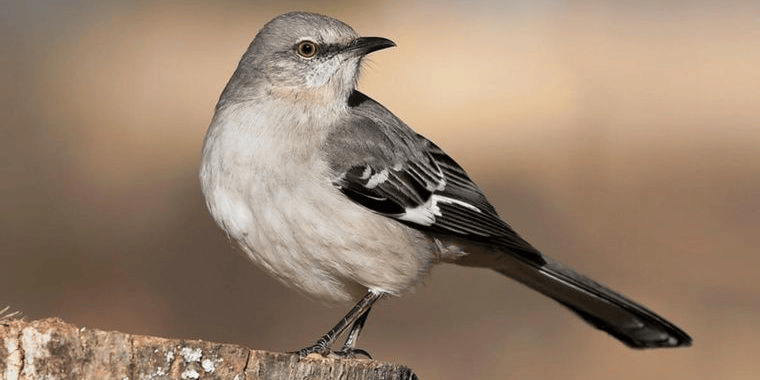
Another guess, and the one where I have landed [122 years later (in 2026)] is that “Clark’s Nightengale” was a Northern Mockingbird. I believe it most probably was that distinguished and melodic night time singer.[3]
(See complete list of birds related to Lewis & Clark Expedition in the Appendix below.)
=-=-=-=-=-=-=-=-=-=-=-=-=-=-=-=-=-=-=-=-=-=-=-=-=-=-=-=-=-=
[1] https://lewis-clark.org/sciences/birds/
[2] Holmgren, Virginia C., Birdwatcher’s Guide to Lewis and Clark
[3] My sister, Mary Hooper Klaff, sent me a note and voice recording in April, 2025 where she asked: “Henry: What do you make of this bird call? I was outside at 12:30am, when it’s always pretty quiet, and there were nonstop bird calls. It’s coming from the same location, although there is another series down the street. It cannot be real birds doing this. Changing series of bird calls nonstop. This is a sample of the call, as I recorded it.”
When I heard the call that she had recorded on her phone, I thought it was either a catbird or a mockingbird. I finally landed on the Northern Mockingbird. Here are my four reasons for this bird: First, there are no known Nightengales native to North America (and, coincidentally, the Mockingbird has been called “America’s nightengale”). Second, the Mockingbird is found nesting and prevalent well within the site of Nightingale Creek (near Jefferson City, Missouri). Third, the time of year (June 4) is consistent with the mating months of many birds, including the Mockingbird (April to July). And lastly, the Northern Mockingbird is a virtuoso nocturnal singer and could easily have been the songster in question. They are known for their beautiful singing voice and tendancy to make plaintive calls all night long during mating season. Therefore, my gambling bucks would go to this beautiful “mimic of a bird caller” with more melodious notes in its repertoire than almost any other species.
One final thought: it could just as easily have been a seasonal serenade by the never previously identified American Nightengale. Time to go searching for that elusive bird.
=-=-=-=-=-=-=-=-=-=-=-=-=-=-=-=-=-=-=-=-=-=-=-=-=-=-=-=-=-=
Appendix:
NOTE: Below is a “List of Birds Sighted by Lewis & Clark and Corp of Discovery (1804-1806).” The order of the list does not necessarily follow known patterns of bird identification. It is from lists that were first curated by Virginia C. Holmgren. Her list includes the locations and the dates of the sightings and is a treasure trove to the Expeditions in many ways that are beyond the scope of this Post.
I have linked the common bird names to known websites and I have scribed the scientific names for further species discovery. There are many species which have changed names and others that have been identified differently in today’s taxonomy. The Passenger Pigeon is extinct and there are approximately 70 Whooping Cranes left in the U.S. Whenever possible, I have changed to more current labelling. The main links are to Cornell Labs Site – All About Birds.
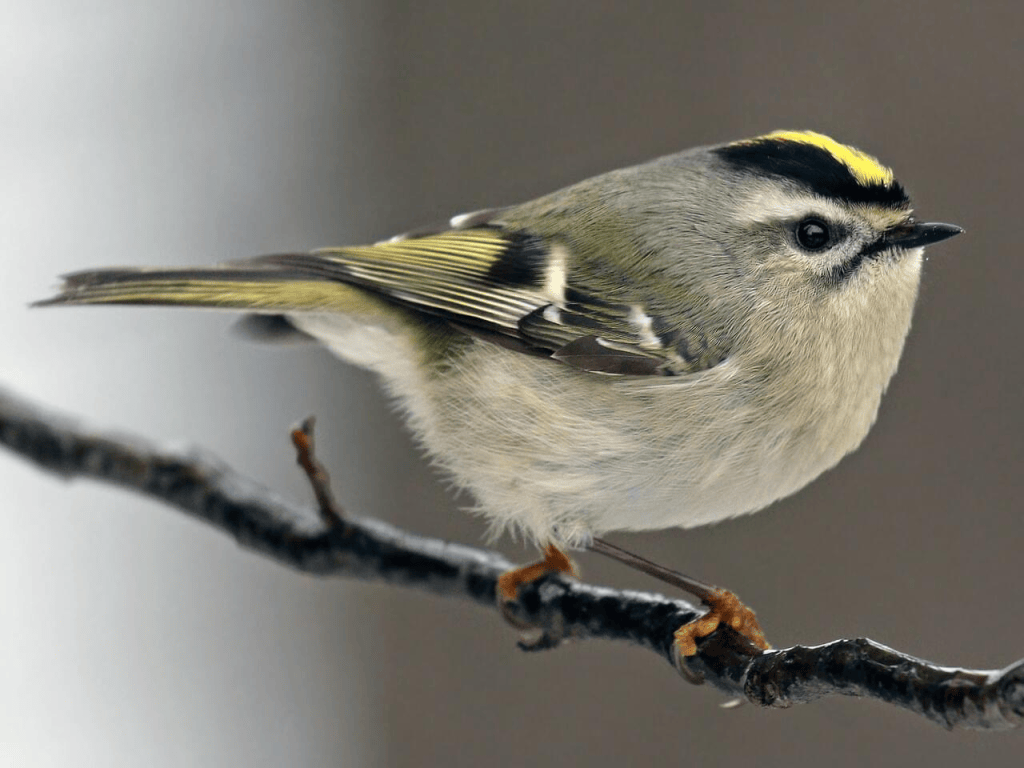
- Golden-crowned Kinglet, Regulus satrapa
- Least Tern, Sterna antillarum
- Eastern Kingbird, Tyrannus tyrannus
- Common Grackle, Quiscalus quiscula
- Rusty Blackbird, Euphagus carolinus
- Brewer’s Blackbird, Euphagus cyanocephla
- Mountain Bluebird, Sialia currucoides
- Brown Brant, Branta bernicla bernicla
- Black Brant, Branta bernicla nigricans
- Blue Goose, Chen caerulescens caerulescens
- Greater white-fronted Goose, Anser albifrons
- Snow Goose, Chen caerulescens hyberborea
- Brown-headed Cowbird, Molothrus ater
- Bufflehead, Bucephala albeola
- Turkey Vulture, Cathartes aura
- California Condor, Gymnogyps californianus
- Golden Eagle, Aquila chrysaetos
- Canvasback, Aythya ualisineria
- Gray Catbird, Dumetella carolinensis
- Loggerhead Shrike, Lanius ludovicianus
- Cedar Waxwing, Bombycilla cedrorum
- Heath Pheasant; Ring-Necked Pheasant, Tympanuchus cupido cupido
- Greater Prairie-Chicken, Tympanuchus cupido pinnatus
- Sage Grouse; Cock-of-the-Plains, Centrocercus urophasianus
- Sharp-tailed Grouse, Tympanuchus phasianellus
- Double-crested Cormorant, Phalacrocorax auritus
- Black-winged Crow; Hooded Crow, Corvus cornix
- Clark’s Nutcracker, Nucifraga columbiana
- Steller’s Jay, Cyanocitta stelleri
- Gray Jay; Canada Jay, Perisoreus canadensis
- Great Blue Heron, Ardea herodias
- Sandhill Crane, Grus canadensis
- Great Egret, Casmerodius albus
- Common Egret, Ardea alba
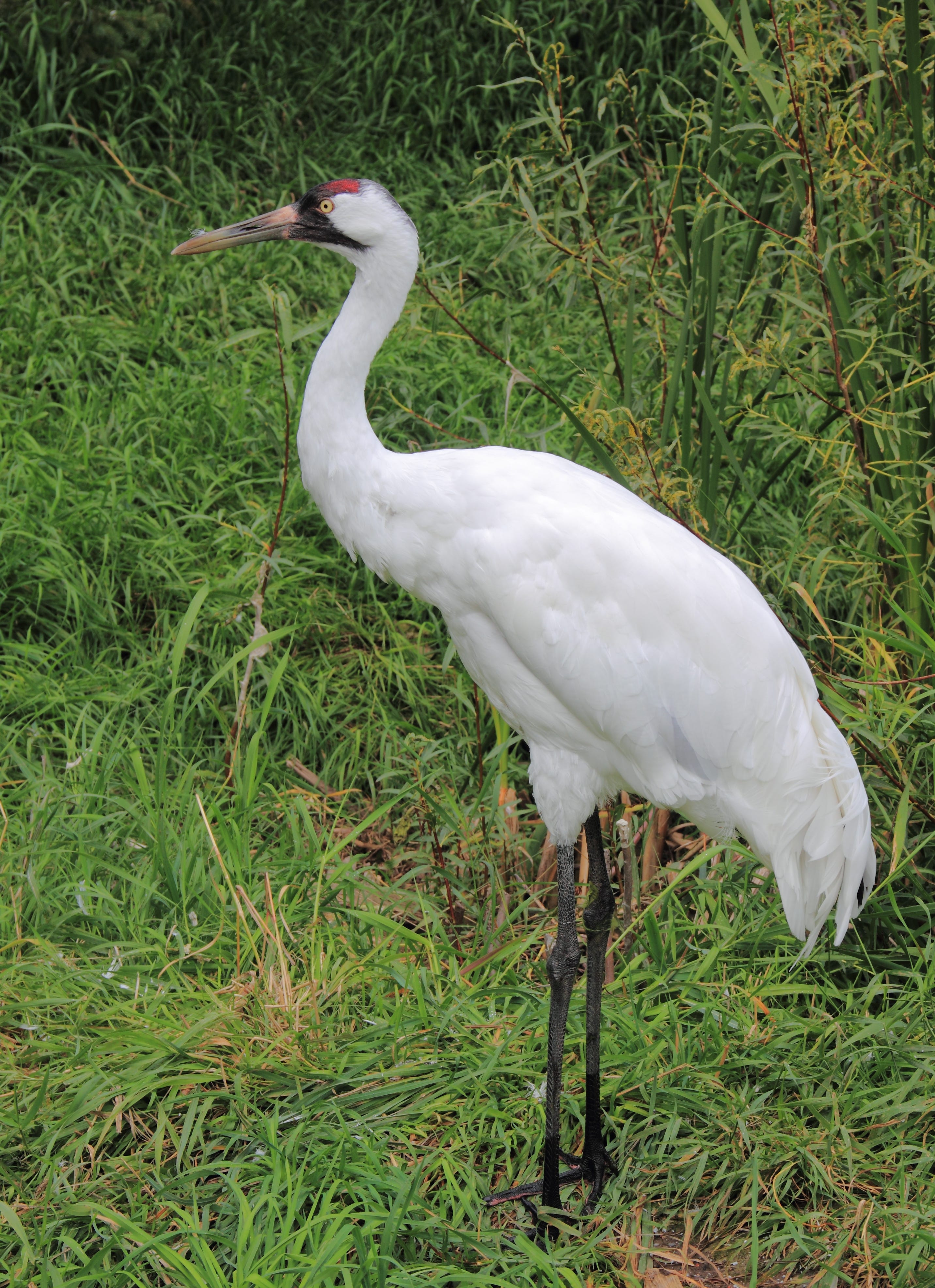
- Whooping Crane, Grus americana
- American Crow, Corvus brachyrhynchos
- Yellow-billed Cuckoo, Coccyzus americanus
- Black-billed Cuckoo, Coccyzus erythropthalmus
- Northwestern Crow, Corvus caurinus
- Long-billed Curlew, Numenius americanus
- Eskimo Curlew, Numenius borealis
- Red-necked Grebe, Podiceps grisegena
- Horned Grebe, Podiceps auritus
- Pied-billed Grebe, Podilymbus podiceps
- American Coot, Fulica americana
- Common Merganser, Mergus merganser
- Ring-necked Duck, Aythya collaris
- Green-winged Teal, Anas crecca
- Western Grebe, Aechmophorus occidentalis
- Northern Shoveler, Anas clypeata
- Wood Duck, Aix sponsa
- Cinnamon Teal, Anas cyanoptera
- Gadwall, Anas strepera
- Bald Eagle, Haliaeetus leucocephalus
- Hammond’s Flycatcher, Empidonax hamondii
- American Goldfinch, Carduelis tristis
- Canada Goose, Branta canadensis
- Cackling Goose, Branta canadensis minima
- Herring Gull, Larus argentatus
- Western Gull, Larus occidentalis
- Glaucous-winged Gull, Larus glaucescens
- California Gull, Larus californicus
- Bonaparte’s Gull, Larus philadelphia
- Northern Fulmar, Fulmarus glacialis
- Rough-legged Hawk, Buteo lagopus
- Ferruginous Hawk, Buteo regalis
- Northern Harrier, Circus cyaneus
- American Kestrel, Falco sparverius
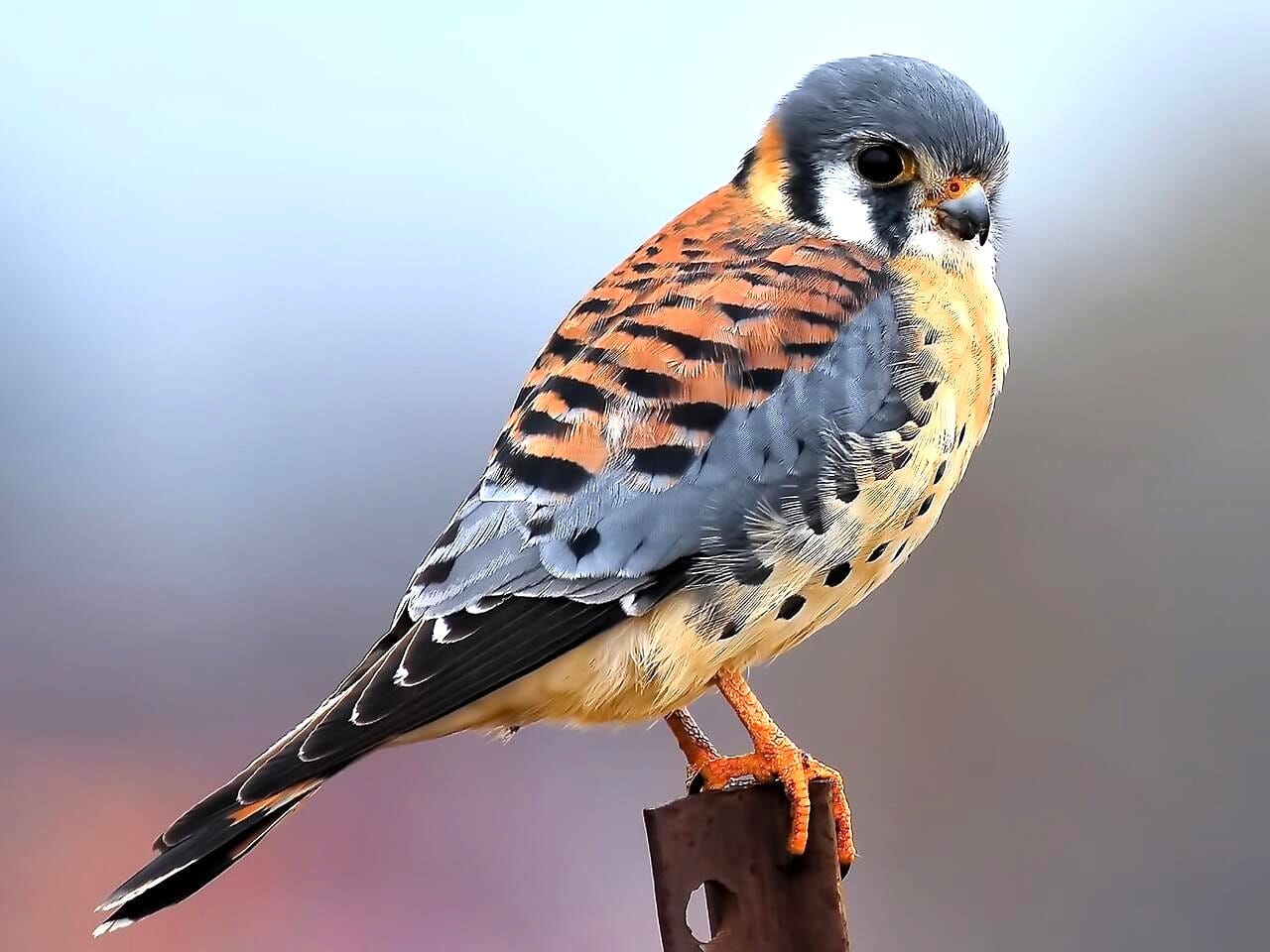
- Merlin, Falco columbarius
- Osprey, Pandion haliaetus
- Cooper’s Hawk, Accipiter cooperii
- Northern Goshawk; American Goshawk, Accipiter gentilis
- Sharp-shinned Hawk, Accipiter striatus
- Red-tailed Hawk, Buteojamaicensis
- Black-shouldered Kite, Elanus caeruleus
- White-tailed Kite, Elanus leucurus
- American Bittern, Botaurus lentiginosus
- Black-crowned Night-Heron, Nycticorax nycticorax
- Ruby-throated Hummingbird, Archilochus colubris
- Rufous Hummingbird, Selasphorus rufus
- Black-chinned Hummingbird, Archilochus alexandri
- Calliope Hummingbird, Stellula calliope
- Broad-tailed Hummingbird, Selasphorus platycercus
- Blue Jay, Cyanocitta cristata
- Pinyon Jay, Gymnorhinus cyanocephalus
- Scrub Jay, Aphelocoma coerulescens
- Killdeer, Charadrius vociferus
- Semipalmated Plover, Charadrius semipalmatus
- Belted Kingfisher, Ceryle alcyon
- Western Tanager, Piranga ludoviciana
- Eastern Meadowlark, Sturnella magna
- Western Meadowlark, Sturnella neglecta
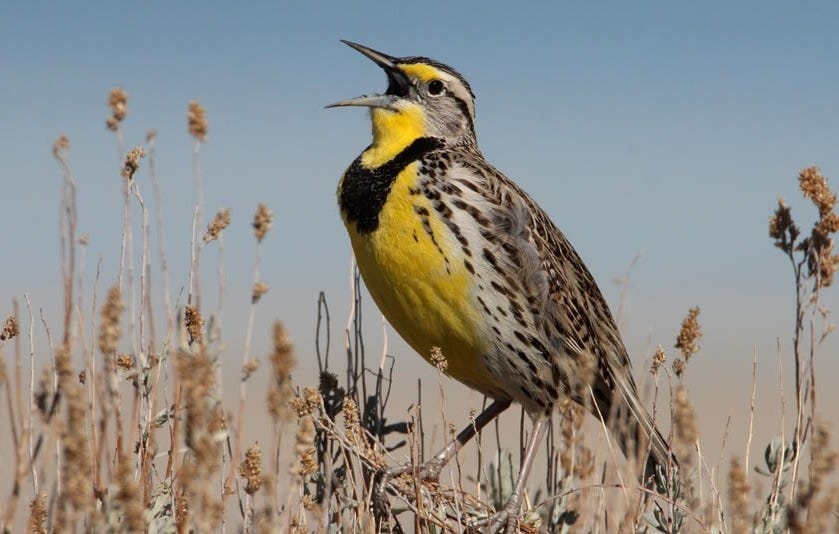
- Horned Lark, Eremophila alpestris
- Yellow Rail, Coturnicops noveboracensis
- Sprague’s Pipit, Anthus spragueii
- McCown’s Longspur; Thick-billed Longspur, Calcarius mccownii
- Common Redpoll, Caruelis flammea
- Purple Finch, Carpodacus pupurea
- House Finch, Carpodacus mexicanus
- Common Loon, Gavia immer
- Red-throated Loon, Gavia stellata
- Arctic Loon, Gavia arctica
- Black-billed Magpie, Pica pica
- Mallard, Anas platyrhynchos
- Bank Swallow, Riparia riparia
- Purple Martin, Progne subis
- Cliff Swallow, Hirundo pyrrhonota
- Mockingbird, Mimus polyglottos
- Northern Cardinal, Cardinalis cardinalis
- Long-eared Owl, Asio otus
- Dusky Eagle-Owl, Ketupa coromanda
- Great Horned Owl, Bubo virginianus
- Great Gray Owl, Strix nebulosa
- Carolina Parakeet, Conuropsis carolinensis
- Say’s Phoebe, Sayornis saya
- American White Pelican, Pelecanus erythrorhynchos
- Ruffed Grouse, Bonasa umbellus
- Blue Grouse, Dendragapus obscurus
- Spruce Grouse, Dendragapus canadensis
- Passenger Pigeon, Ectopistes migratorius
- Band-tailed Pigeon, Columba fasciata
- Common Pigeon; Rock Dove; Rock Pigeon, Columba Livia
- Upland Sandpiper, Bartramania longicauda
- Stilt Sandpiper, Calidris himantopus
- Pectoral Sandpiper, Calidris melanotus
- Willet, Catoptrophorus semipalmatus
- American Avocet, Recuruirostra americana
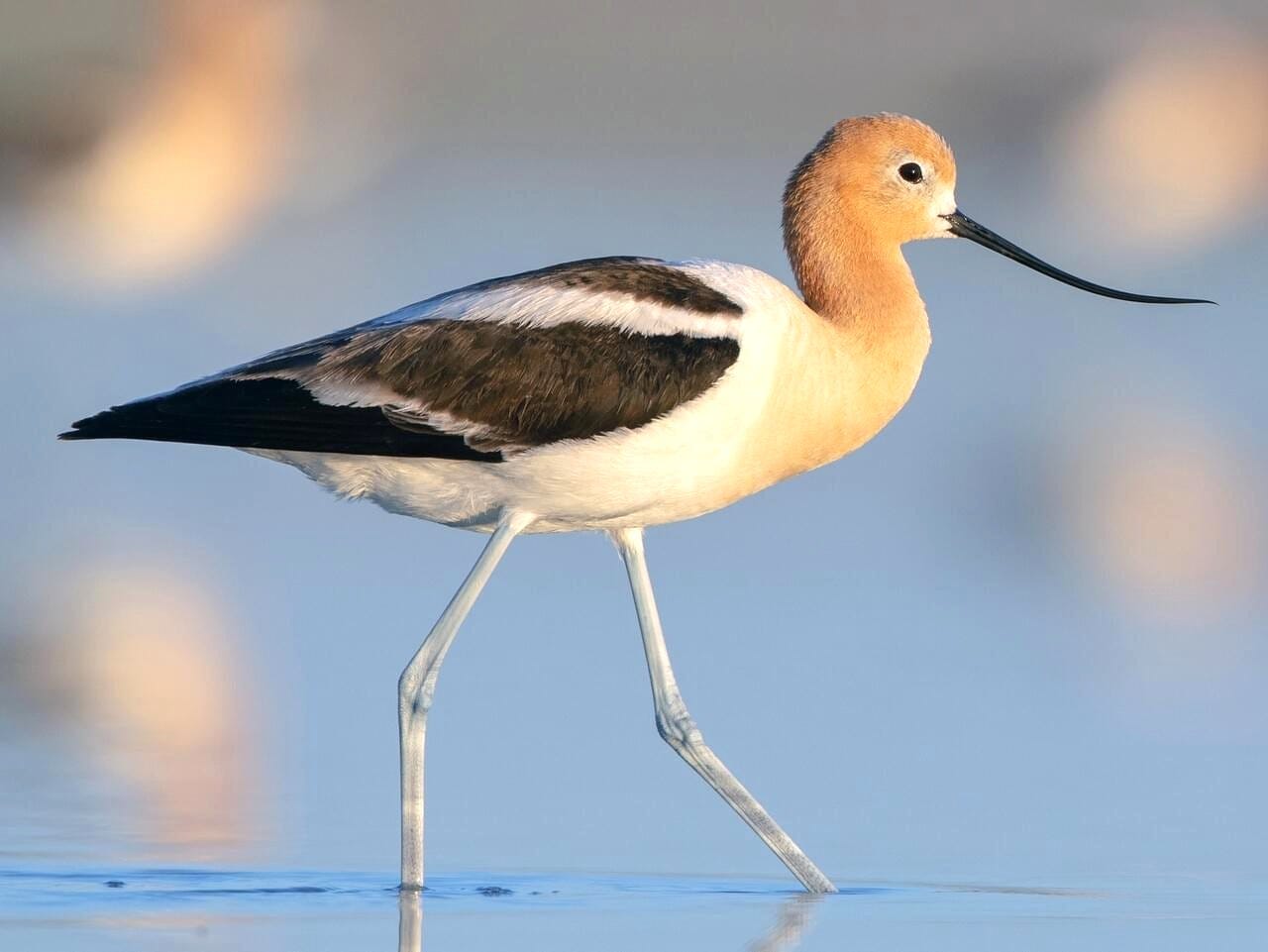
- Mountain Plover, Charadrius montanus
- Mountain Quail, Oreortyx pictus
- Common Raven, Corvus corax
- American Robin, Turdus migratorius
- Varied Thrush, Ixoreus naeuius
- Yellow-bellied Sapsucker, Sphyrapicus uarius
- Red-breasted Sapsucker, Sphyrapicus ruber
- Common Snipe, Gallinago gallinago
- Spotted Sandpiper, Actitis macularia
- House Sparrow, Passer domesticus
- Fox Sparrow, Passerella iliaca unalascensis
- Golden-crowned Sparrow, Zonotricia atricapilla
- Wood Stork, Mycteria americana
- Barn Swallow, Hirundo rustica
- Whooper Swan, Cygnus cygnus
- Trumpeter Swan, Cygnus buccinator
- Tundra Swan, Cygnus columbianus
- Blue-winged Teal, Anas discors
- Eastern Bluebird, Sialia sialis
- Brown Thrasher, Toxostoma rufum
- Wild Turkey, Meleagris gallopauo
- White-tailed Ptarmigan, Lagopus leucurus
- Mourning Dove, Zenaida macroura
- Whip-Poor-Will, Caprimulgus vociferus
- Common Poorwill, Phalaenoptilus nuttallii
- Lewis’s Woodpecker, Melanerpes lewis
- Downy Woodpecker, Picoides pubescens
- Hairy Woodpecker, Picoides villosus
- Pileated Woodpecker, Dryocopus pileatus
- Lark-Woodpecker; Yellow-shafted Flicker, Colaptes auratus auratus
- Red-shafted Flicker, Colaptes auratus cafer
- Northern Flicker, Colaptes auratus
- Red-headed Woodpecker, Melanerpes erythrocephalus
- Winter Wren, Troglodytes troglodytes
- House Wren, Troglodytes aedon