
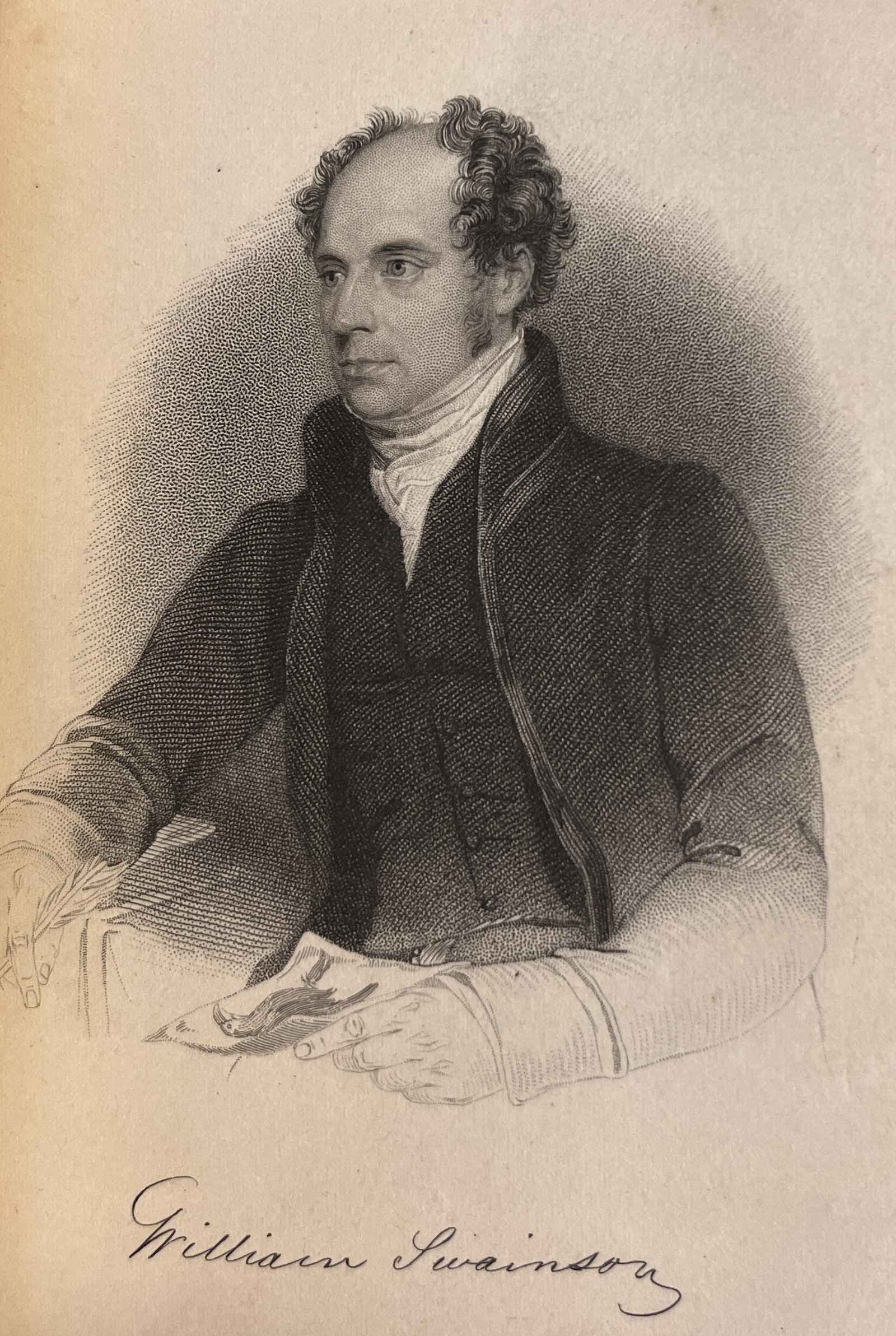
Birds of Swainson
With all of the brouhaha going on with the NAMES of birds and other animals these days, many old family names are being stripped from our favorite birds. It is hard to guess the next bird name that will fall among the casualties of our time. If there are some names that are SAVED in this purge, perhaps the name Swainson could be on that list.
The Swainson family name in this bird story is from the Englishman, William John Swainson (1789 – 1855). He was a prominent and prolific studier of many “-ology” disciplines: ichthyology (study of fish), ornithology (study of birds), malacology (study of mollusks), conchology (study of conch shells) and entomology (study of insects). In addition to those studies, he was a highly skilled nature artist. His drawings are revered even today.
Among his many travels, Swainson explored across Europe studying fish, before moving on to South America, where he collected over 20,000 insects, 1,200 species of plants and 760 bird skins. He also sketched drawings of 120 species of fish. Similar to J.J. Audubon, the tradition at the time was to shoot the fish, birds or animals, to bring it back in the studio or workshop and to draw them. Swainson used these species to create images for his world famous book, ‘Zoological Illustrations’ (1820–23). As an artist and scientist, he was best known for his early use of lithography: his lithographs were the first time this process had been used by an illustrator and it soon became the standard for all future zoological renderings.
He is particularly remembered in the U.S. for the following three birds, named in his honor:
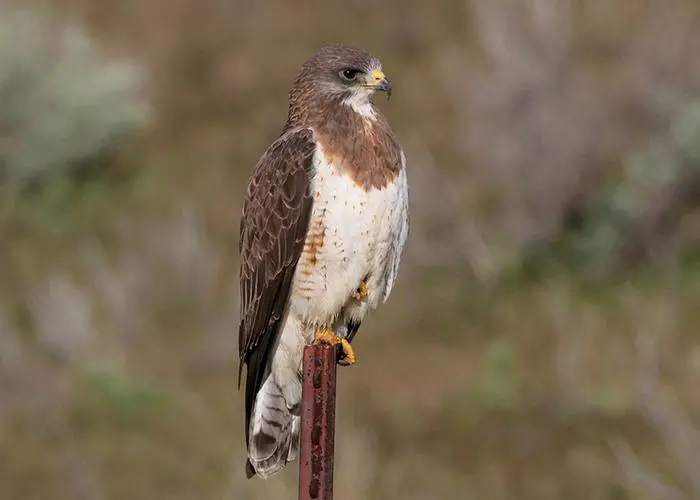
- Swainson’s Hawk (Buteo swainsoni): A large bird of prey that breeds in the North American prairies and makes a massive 12,000+ mile round-trip migration to Argentina each winter. They are also called “Grasshopper Hawks” due to their voracious appetite for insects.
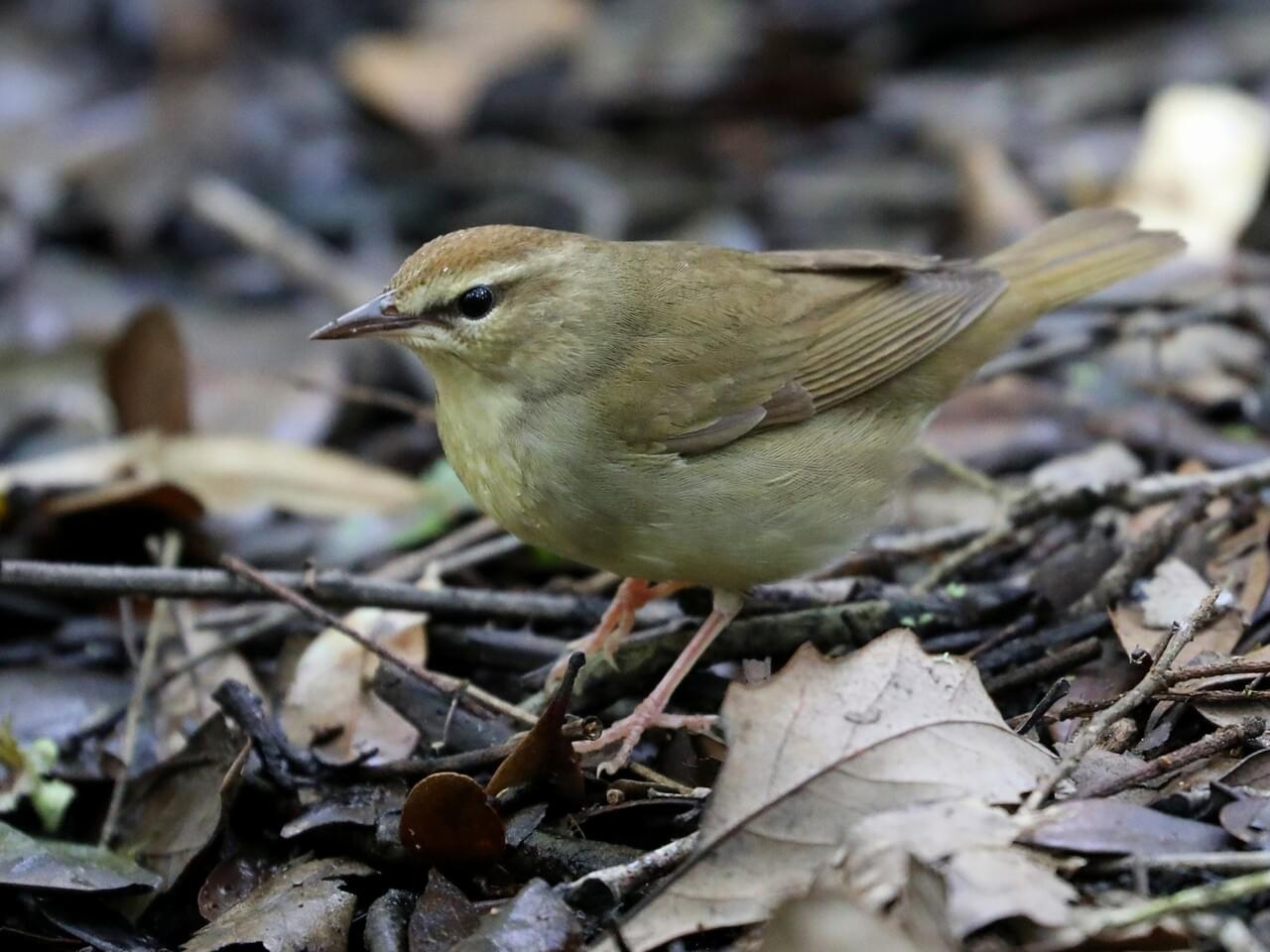
Swainson’s Warbler (Limnothlypis swainsonii): A highly elusive and skittish songbird that resides in dense, shady thickets and canebrakes of the southeastern United States.
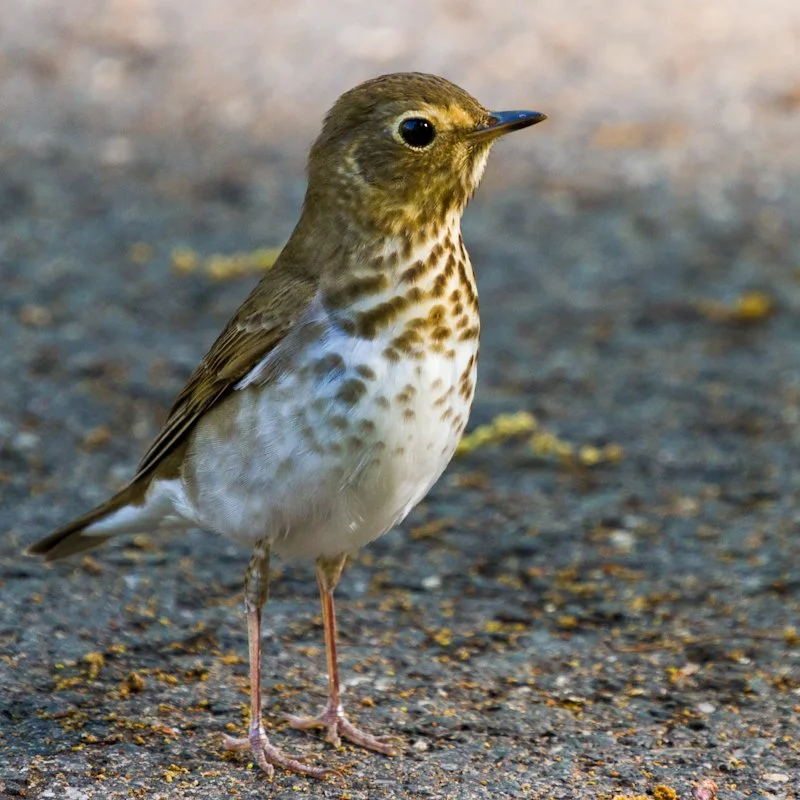
- Swainson’s Thrush (Catharus ustulatus): A medium-sized songbird with the speckled neck, known for its beautiful, flute-like, ascending song that can be heard repeatedly in the forest.
Swainson is also known for his study of birds, fish, insects, sea creatures, and trees from around the globe [1]:
- Swainson’s Spurfowl (Pternistis swainsonii): Also known as Swainson’s Francolin it is a medium-sized pheasant from South Africa. It belongs to the Phasianidae family, which includes pheasants and partridges.
- Swainson’s Toucan (Ramphastos swainsonii): Some beauties in this bunch. See the Swainson drawings below.
- Collared Trogon (Trogon collaris): one of the best birds in northern Mexico and southern Arizona, this is a key bird to spy in the trees and on the wing.


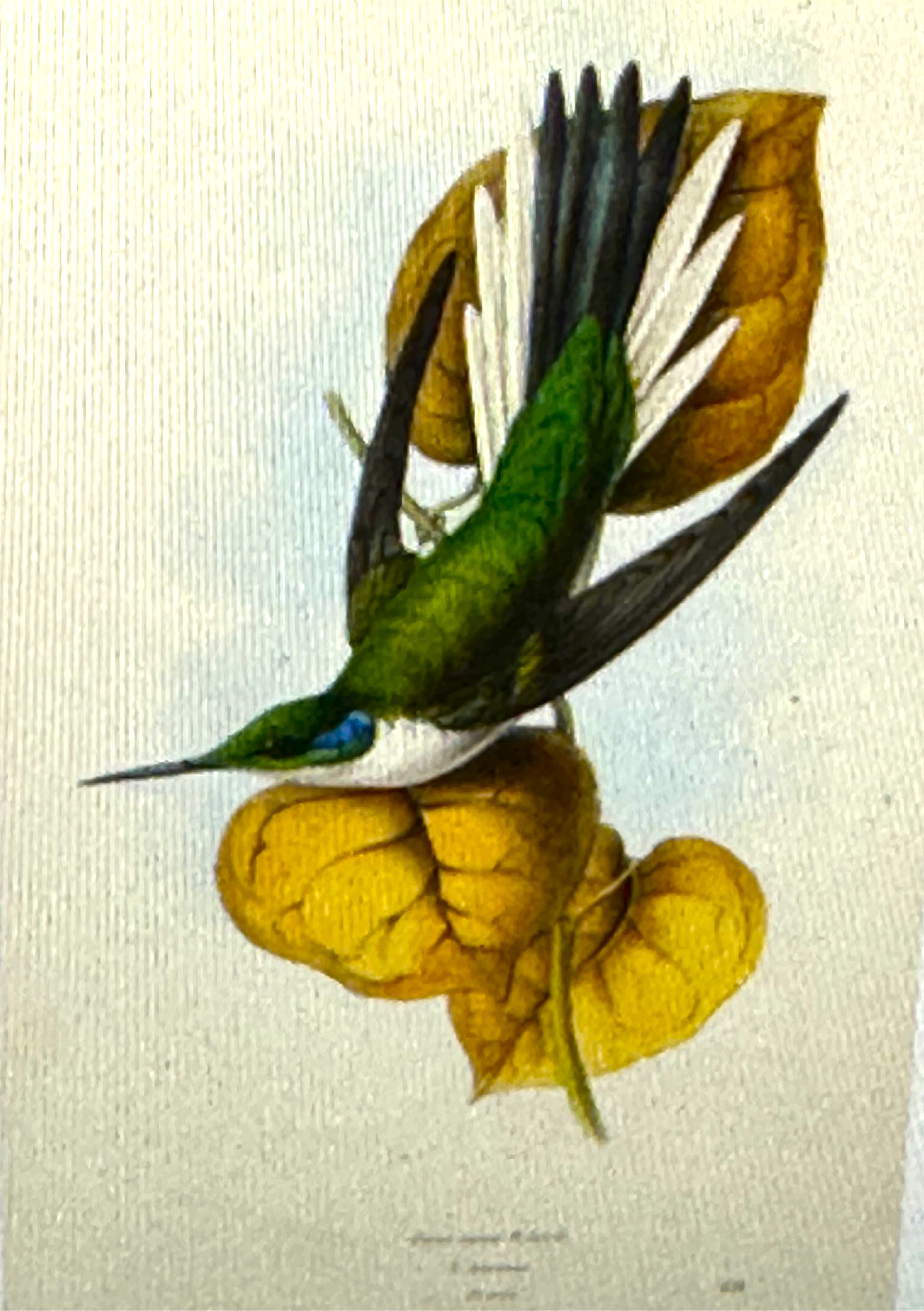
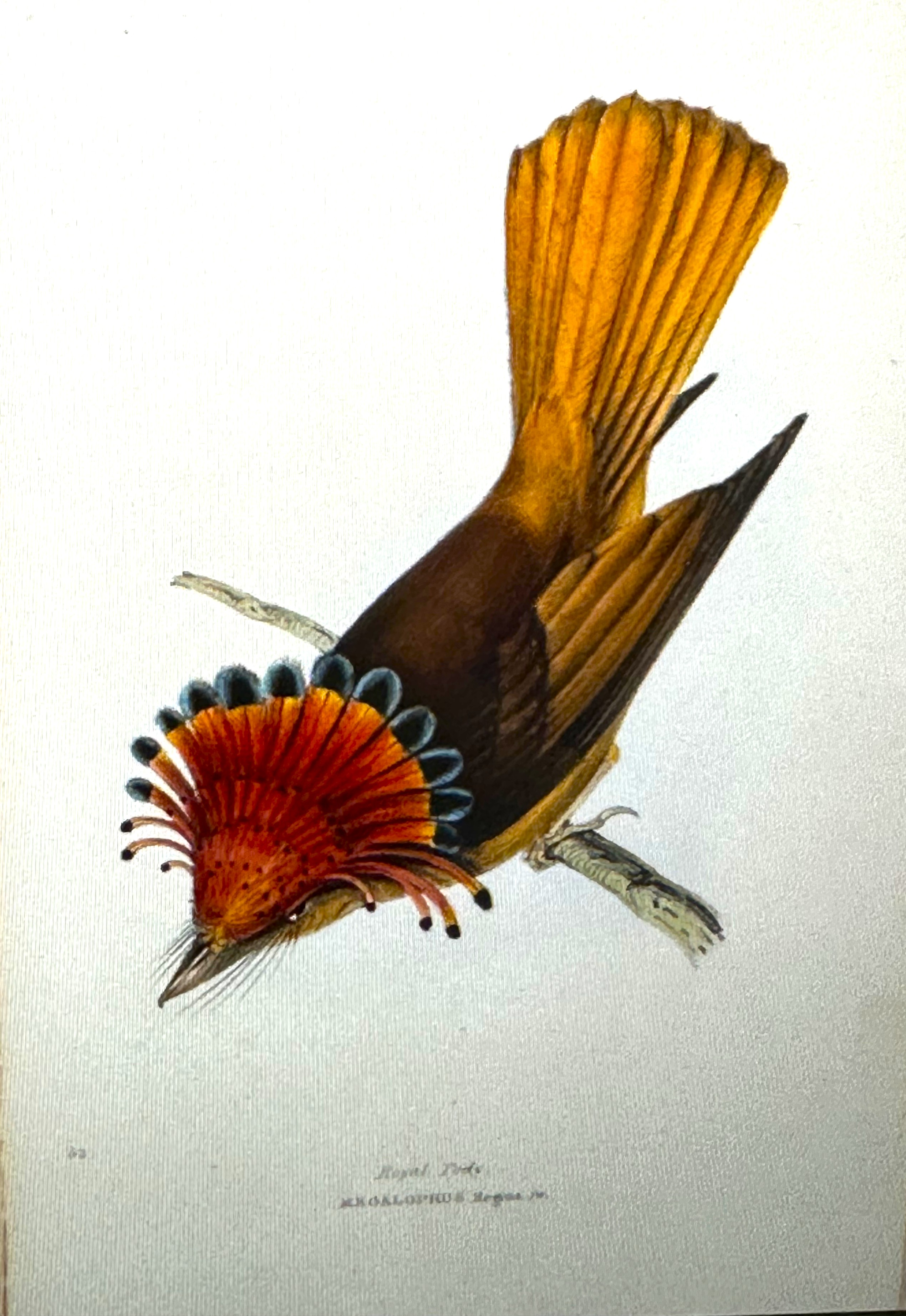
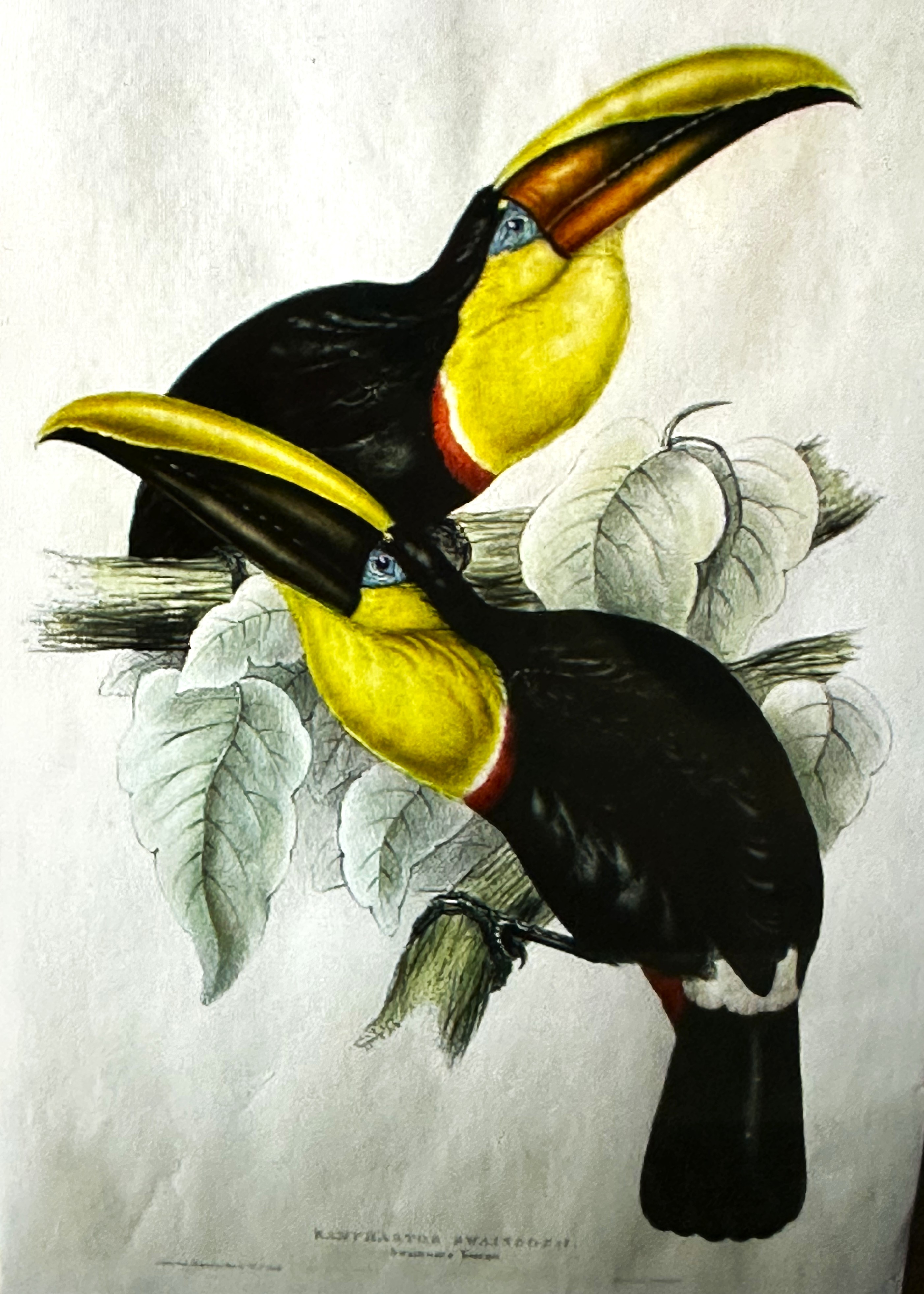
Swainson was an incredibly prolific author and illustrator in the early 1800s, working closely with other legendary naturalists like John James Audubon, Thomas Nuttall and Charles Bonaparte.
- John James Audubon named Swainson’s warbler Limnothlypis swainsonii
- Charles Lucien Bonaparte named Swainson’s hawk Buteo swainsoni
- Thomas Nuttall named Swainson’s thrush Catharus ustulatus
- Swainson’s francolin Francolinus swainsonii
- Swainson’s sparrow Passer swainsonii
- Swainson’s antcatcher Myrmeciza longipes
- Swainson’s fire-eye Pyriglena atra
- Swainson’s flycatcher Myiarchus swainsoni
- Swainson’s toucan Ramphastos swainsonii
Life and Times of William J. Swainson
William John Swainson[2] was born in 1789 in Dover Place, St. Mary Newington, London. He was the eldest son of John Timothy Swainson, an original fellow of the Linnean Society. He was a cousin of the botanist Isaac Swainson, for whom the genus Swainsona was established. The Swainson family had originated in Lancashire, England, and both his grandfather and father had held high posts in Her Majesty’s Customs, his father becoming Customs Collector at Liverpool.
William Swainson, whose formal education was curtailed because of a speech impediment, joined the Liverpool Customs as a junior clerk at the age of 14. He joined the Army Commissariat and toured Malta and Sicily. He studied the ichthyology of western Sicily and in 1815 was forced by ill health to return to England, where he subsequently retired on half-pay. William followed in his father’s footsteps to become a fellow of the Linnean Society in 1815.
In 1806 Swainson accompanied the English explorer Henry Koster to Brazil. Koster had lived in Brazil for some years and had become famous for his book Travels in Brazil (1816). There Swainson met Dr. Grigori Ivanovitch Langsdorff, also an explorer of Brazil and a Russian Consul General. They did not spend a long time on shore because of a revolution, but Swainson returned to England in 1818 in his words “like a bee loaded with honey.” He had amassed a collection of over 20,000 insects, 1,200 species of plants, drawings of 120 species of fish, and about 760 bird skins.
Works on Natural History

Swainson was at times quite critical of the works of other biologists and zoologists, later in life, and those scientists in turn became highly critical of him.
Apart from the common and scientific names of many species, he is best remembered for the quality of his illustrations. His friend William Elford Leach, head of zoology at the British Museum, encouraged Swainson to experiment with lithography for his book Zoological Illustrations (1820–1823). Swainson became the first illustrator and naturalist to use lithography, which was a relatively cheap means of reproduction and did not require an engraver.
In 1823, Swainson married Mary Parkes in Warwick, England. Together they had five children who survived to adulthood: four sons (William John, George Frederick, Henry Gabriel, and Edwin Newcombe) and one daughter (Mary Frederica). Mary Parkes Swainson kept detailed diaries and letters that provide a historical record of their life. This included her husband’s financial struggles trying to support a large family through scientific writing. She died in 1835, at the age of 41.
Swainson also produced a second series of Zoological Illustrations (1832–1833), three volumes of William Jardine‘s Naturalist’s Library, and eleven volumes of Dionysius Lardner‘s Cabinet Cyclopedia; he had signed a contract with a London publisher named Longman to produce fourteen illustrated volumes of 300 pages in this series, one to be produced quarterly over a period of years.
Swainson began publishing many illustrated works, most serially. Subscribers received and paid for fascicles, which were small sections of the books, as they came out. This subscription pattern made for a constant cash flow and the money could be reinvested in the preparation of subsequent parts. As book orders arrived, the monochrome lithographs were hand-coloured, according to colour reference images, known as ‘pattern plates,’ which were produced by Swainson himself. It was his early adoption of this new technology and his natural skill in animal illustration that in large part led to his subsequent fame.
Biological Classification Systems
In 1819, William Sharp Macleay published his ideas of the Quinarian system of biological classification, and Swainson soon became a noted and outspoken proponent of Macleay. The Quinarian system later fell out of favor with many biologists across the globe, giving way to the rising popularity of the geographical theory put forward by Hugh Edwin Strickland. Swainson was overworked and exhausted by Dionysius Lardner, the publisher of the Cabinet Cyclopaedia, and both Swainson and Macleay were derided for their support of the Quinarian system. Coincidently, shortly after the public derision, these two proponents of the ill-fated Quinarian system both left Britain; Swainson emigrated to New Zealand and Macleay to Australia.
An American biologist who was visiting Australasia in the 1850s heard to his surprise that both Macleay and Swainson were living in these far away places, and imagined that they must have been exiled to the Antipodes: “for the great crime of burdening zoology with a false though much laboured theory, which has thrown so much confusion into the subject of its classification and philosophical study.“
New Zealand private estate
In 1839, Swainson became a member of the committee of the New Zealand Company and of the Church of England committee for the appointment of a bishop to New Zealand. Five years after burying his first wife, Swainson remarried. His second wife, Anne Grasby, was well liked by the children and they seemed happy, before making plans to emigrate to New Zealand.
Settling down and reducing his work load, Swainson made plans to buy land in Wellington, New Zealand. Together with most of his children from his first marriage, they sailed for New Zealand in the Jane, reaching Wellington in the summer of 1841. Swainson purchased 1,100 acres in the Hutt Valley from the New Zealand Company, and established his estate of “Hawkshead.” In the process he gave up scientific literary work and lived on the half-pay from his time in England. After a few months, the New Zealand Hawkshead estate was claimed by a Māori chief, Taringakuri, which led to many years of uncertainty and threats.
Swainson was an officer in a militia that rose up against the Māoris in 1846. During these troubled times Swainson was largely dependent on his half-pay. Eventually, when local land tensions with Māori groups began to stabilize, Swainson focused his efforts on managing his family homestead, known as Fern Grove, which was located on his broader Hawkshead estate in the Hutt Valley.
Botanical studies in Australia
In 1851, Swainson sailed to Sydney and took the post of Botanical Surveyor with the Victoria Government in 1852, after being invited by Lieutenant-Governor Charles La Trobe to study local trees. He finished his report in 1853 in which he claimed a grand total of 1,520 species and varieties of Eucalyptidae. He identified so many species of Casuarina that he ran out of names for all of them.
As with many Victorian scientists, Swainson was also a member of many learned societies, including the Wernerian Society of Edinburgh. He was elected a fellow of the Royal Society after his return from Brazil in 1820.
Swainson and his wife, Ann Grasby, had one daughter together. Swainson was involved in property management and natural history-related publications from 1841 to 1855, and forestry-related investigations in Tasmania, New South Wales, and Victoria from 1851 to 1853. He had studied the flora of New South Wales, Victoria, and Tasmania before his return to New Zealand in 1854.
Returning from his flora studies in Australia and Tasmania, William Swainson lived with his family at Fern Grove in the Lower Hutt, New Zealand, where he died in 1855. He was 66 years old.
==================================================
[1] Many of the images above are from the book by William Swainson:
Swainson, William. A Selection of the Birds of Brazil and Mexico: the Drawings. London, H.G. Bohn, 1841, 78 plates.

