
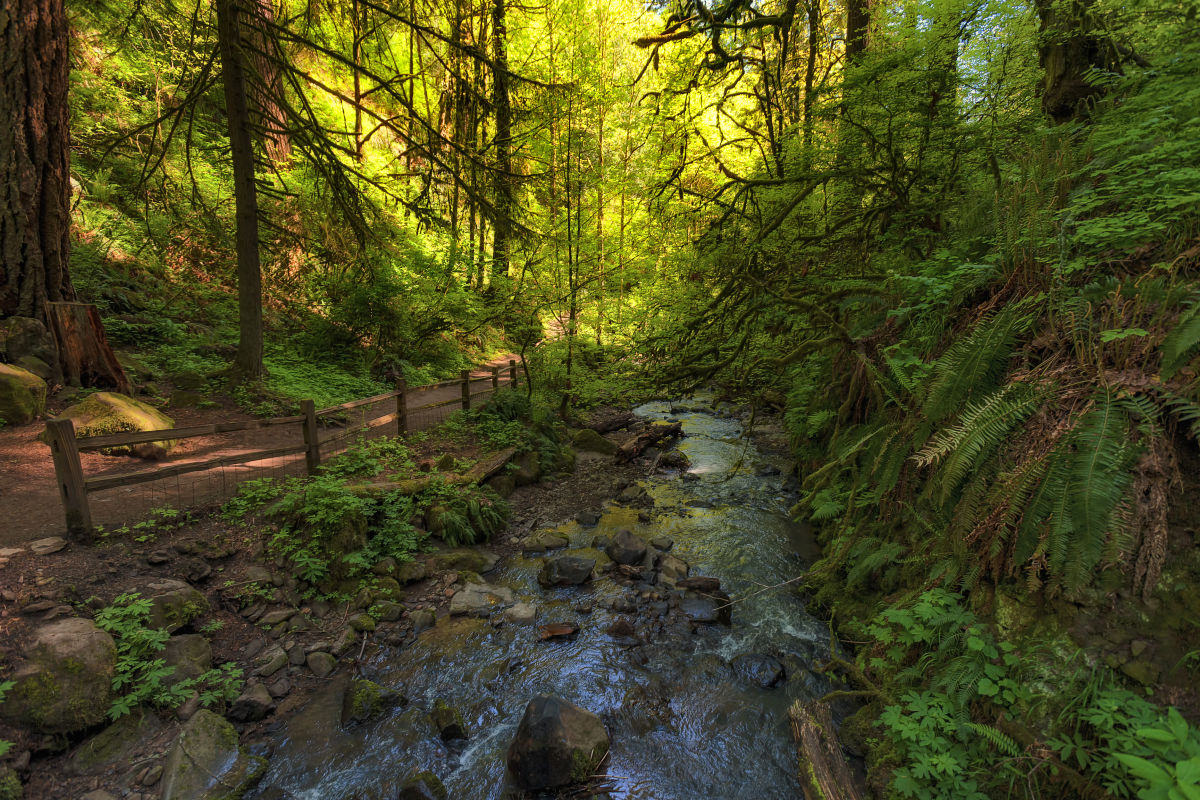
Plants of Oregon and the Pacific NW
Here’s a vivid, field-guide-meets-family-text thread that includes a wide variety of plants, shrubs and trees that we consider Pacific Northwest natives. While some descriptions are botanically accurate, they may possess a little personality. My apologies. I’ve tried to add a “Why It’s Cool” segment so that these have some greater resonance with the reader. I have also included image groups, so that readers can easily spot leaves, fruit, trunks, shape and other characteristics of plants in the wild.
🌿 Cascara buckthorn (Frangula purshiana)

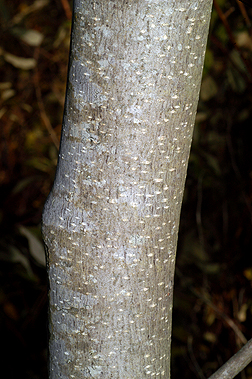
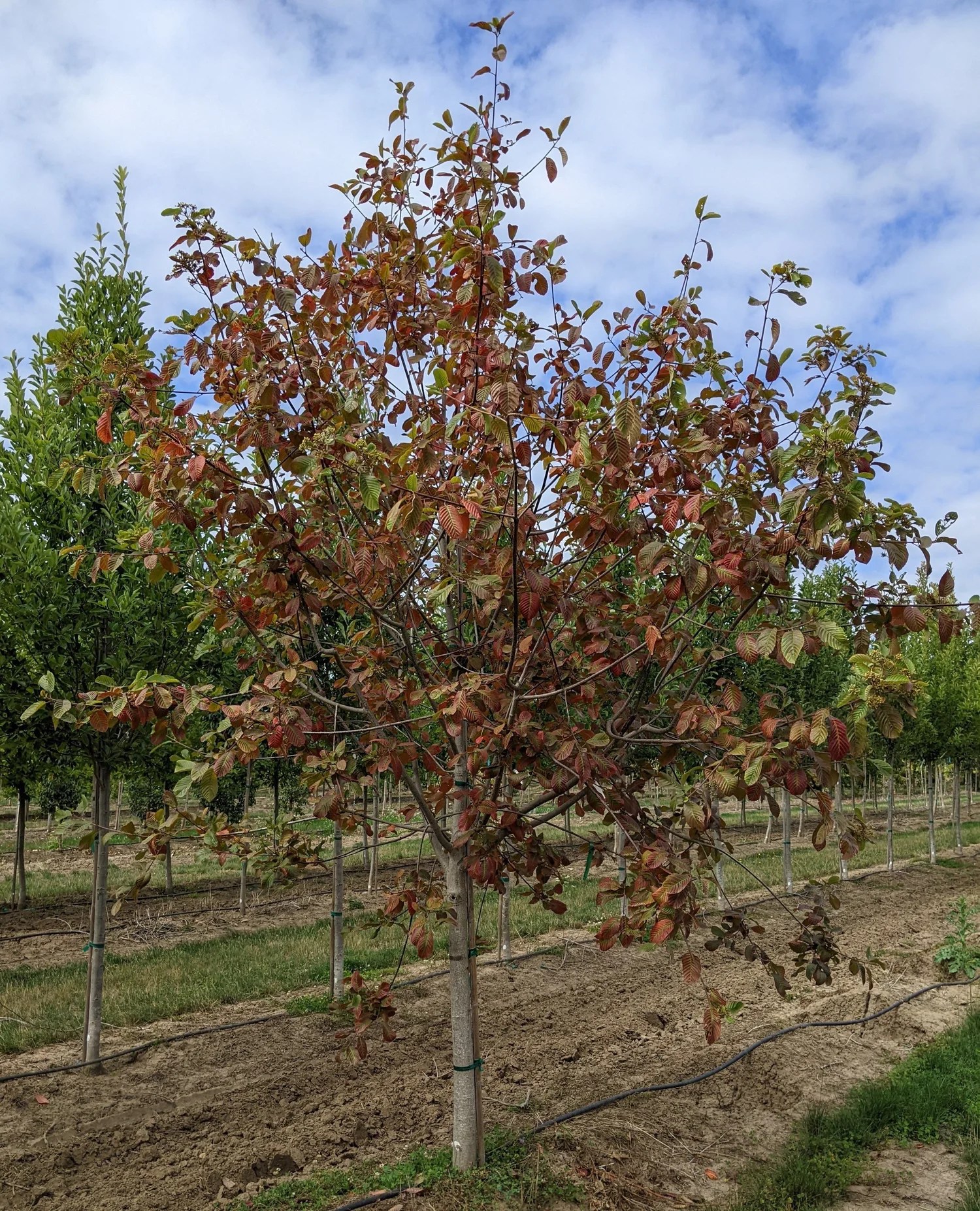
- A tall shrub to small tree (15–30 ft.) with smooth gray bark and bold, ribbed leaves that look almost tropical when they unfurl.
- Spring brings small greenish-yellow flowers; summer delivers deep purple-black berries that birds treat like a seasonal buffet.
- Fall color glows yellow to orange-red.
- Thrives in sun or dappled shade; happiest in moist soil but tougher than it looks during dry summers.
Why it’s cool: This is one of the quiet backbone plants of Northwest forests — understated, bird-friendly, and seasonally dramatic.
🌳 Black cottonwood (Populus balsamifera)
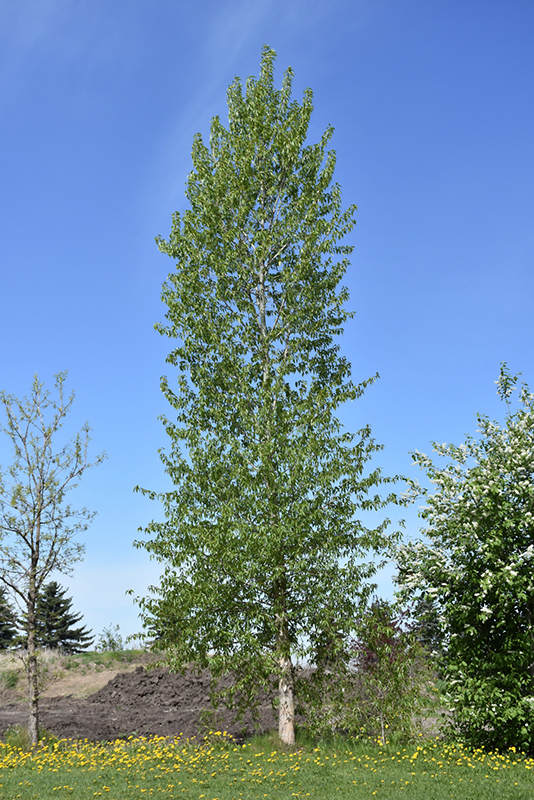
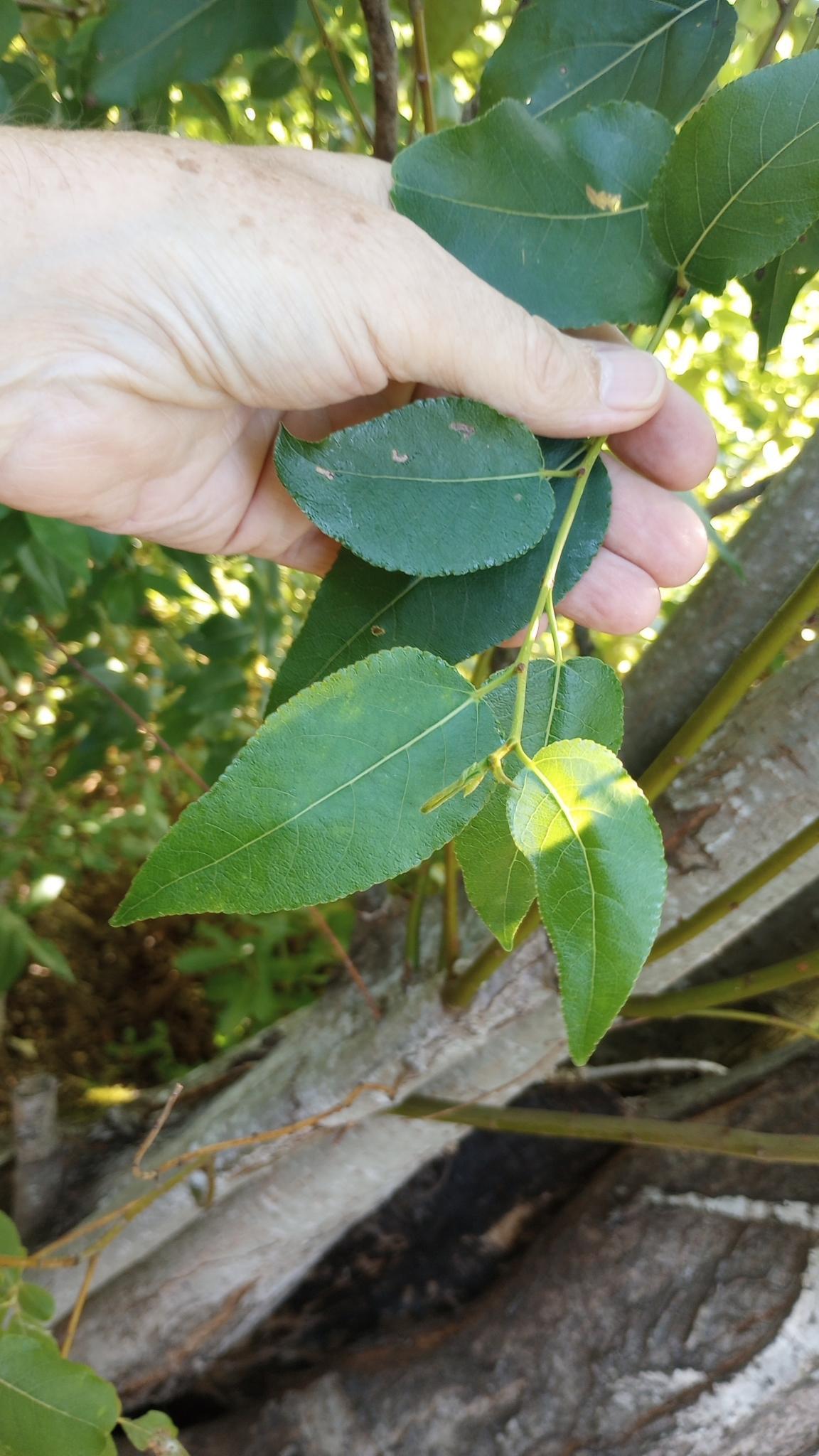

- The skyscraper of Northwest riverbanks — 100–200 ft. tall, with trunks up to 6 ft. wide.
- Leaves shimmer: deep green on top, silvery underneath.
- Spring buds are sweetly fragrant. Male and female trees flower separately in dangling catkins.
- Early summer releases clouds of cottony seeds that drift like snow.
Why it’s cool: If you’ve walked near the Columbia and seen “summer snow,” you’ve met this tree.
🌸 Salmonberry (Rubus spectabilis)
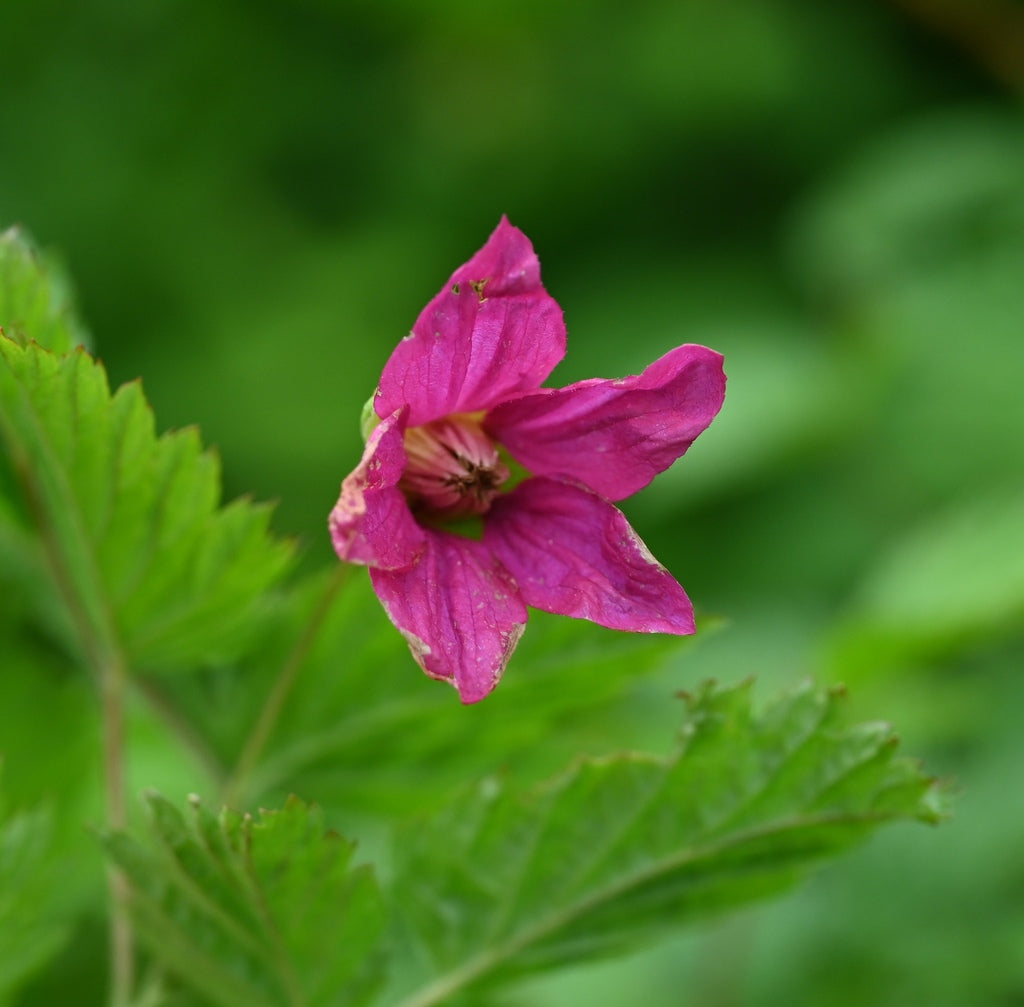
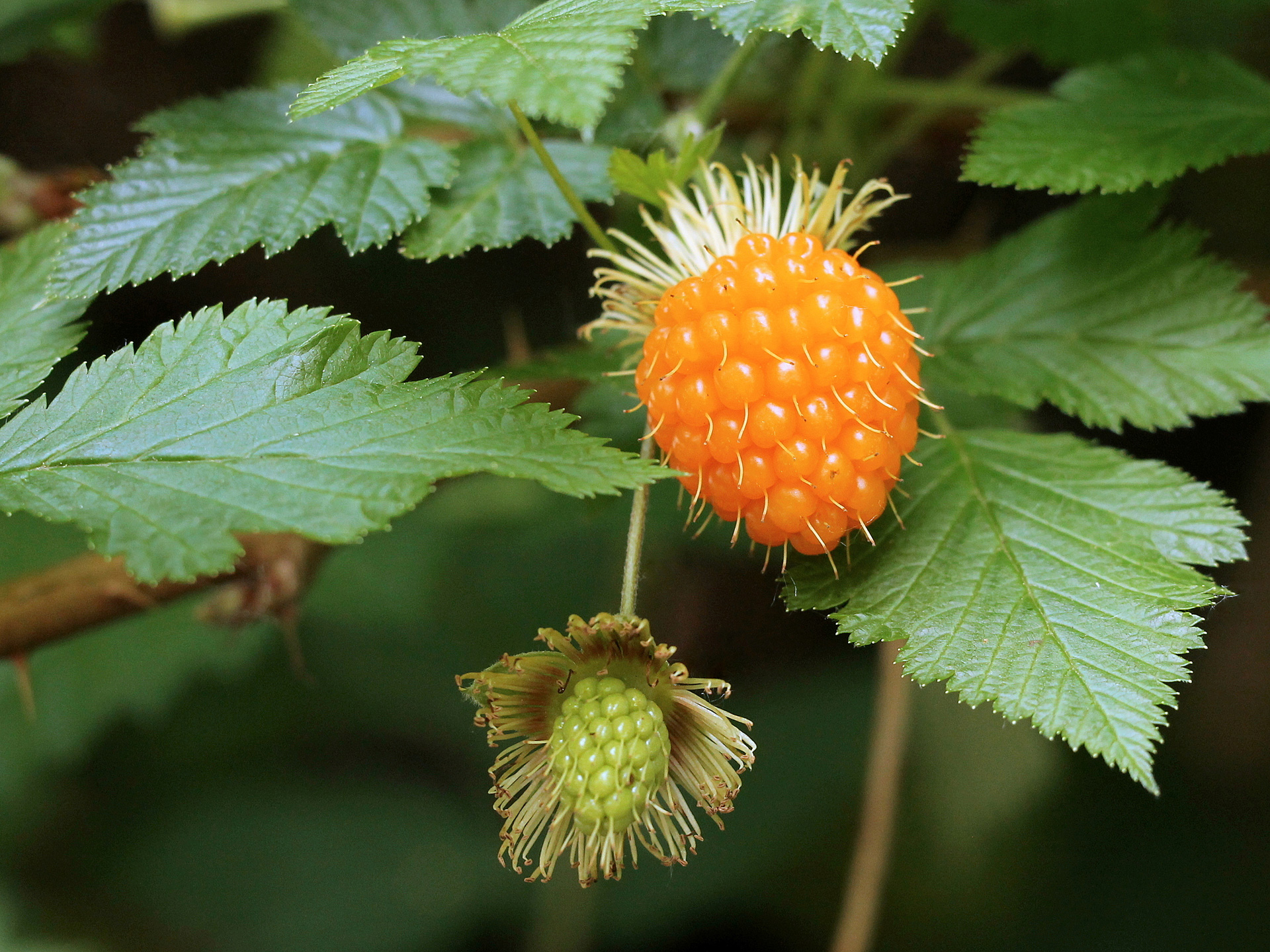
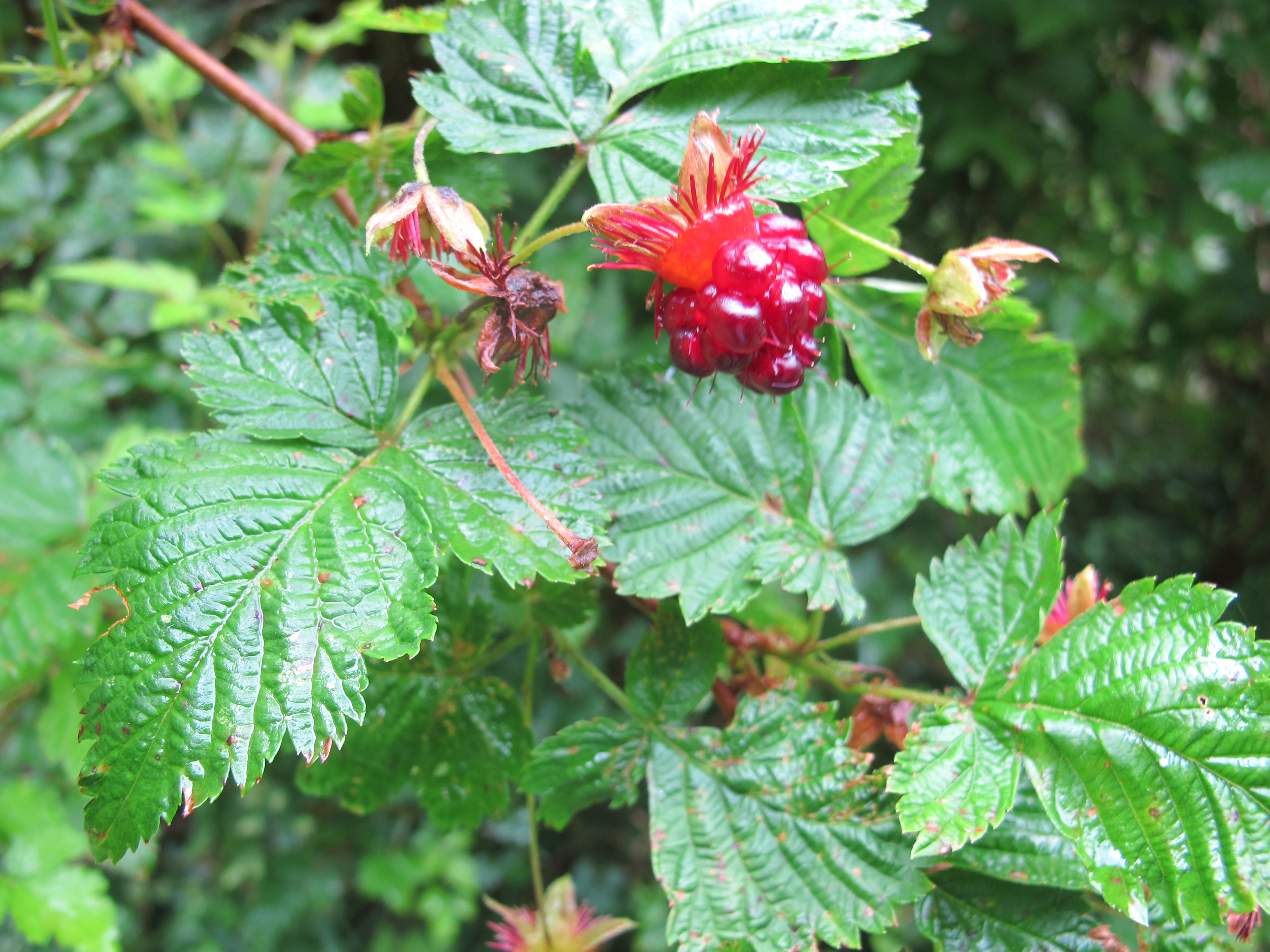
- A 3–10 ft. thicket-forming shrub with bright magenta flowers that bloom before the leaves — like nature jumping the gun on spring.
- One of the first nectar stops for hummingbirds.
- Edible berries range from salmon-orange to deep red-purple.
- Excellent for erosion control along streams — but it spreads enthusiastically.
Why it’s cool: It’s the wild cousin of raspberries, and its berries taste like early summer freedom.
❄️ Common snowberry (Symphoricarpos albus)
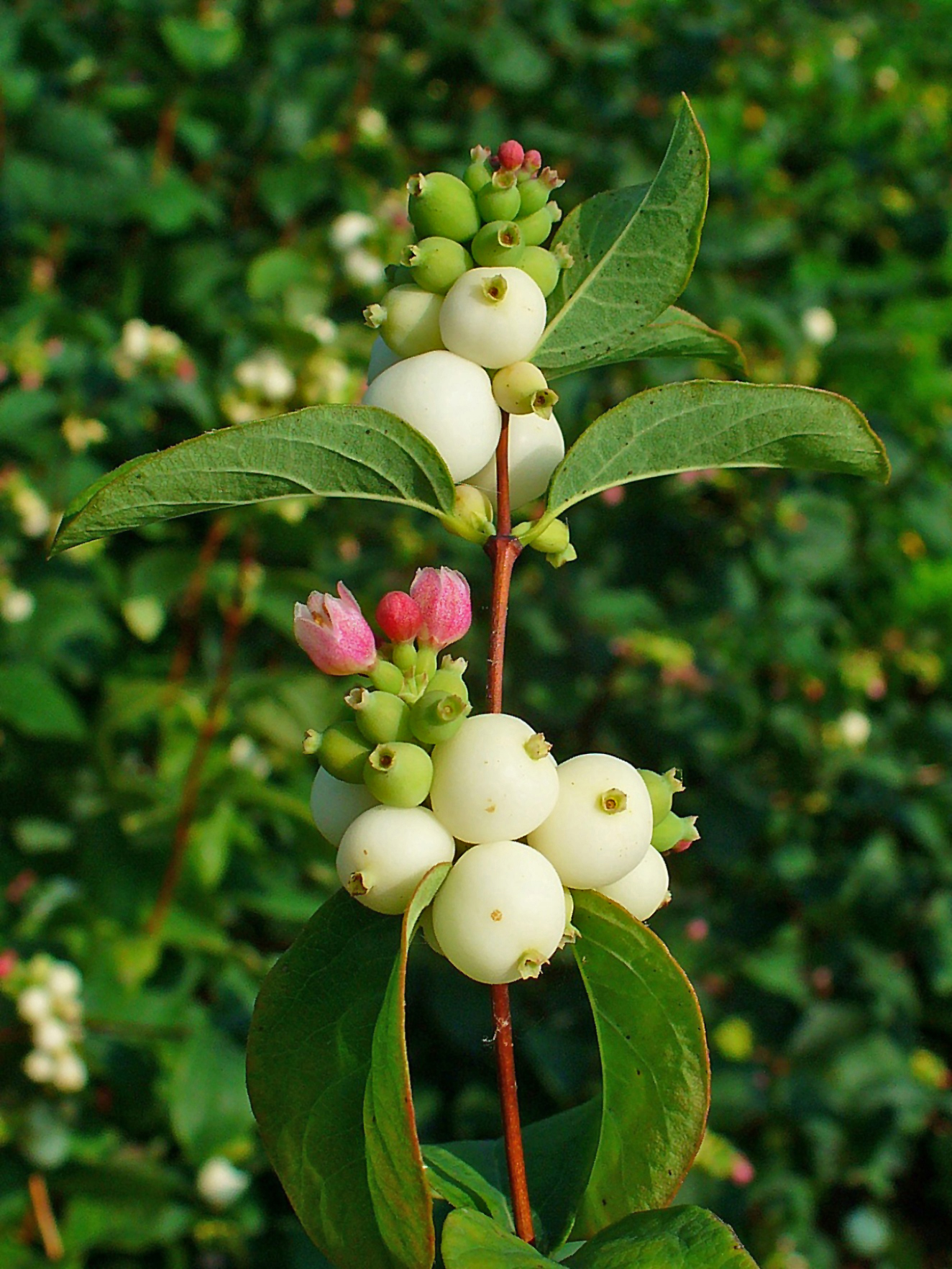
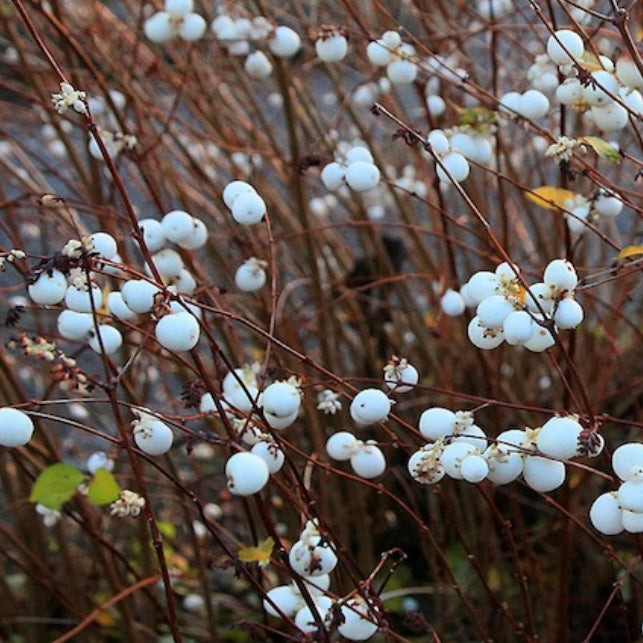
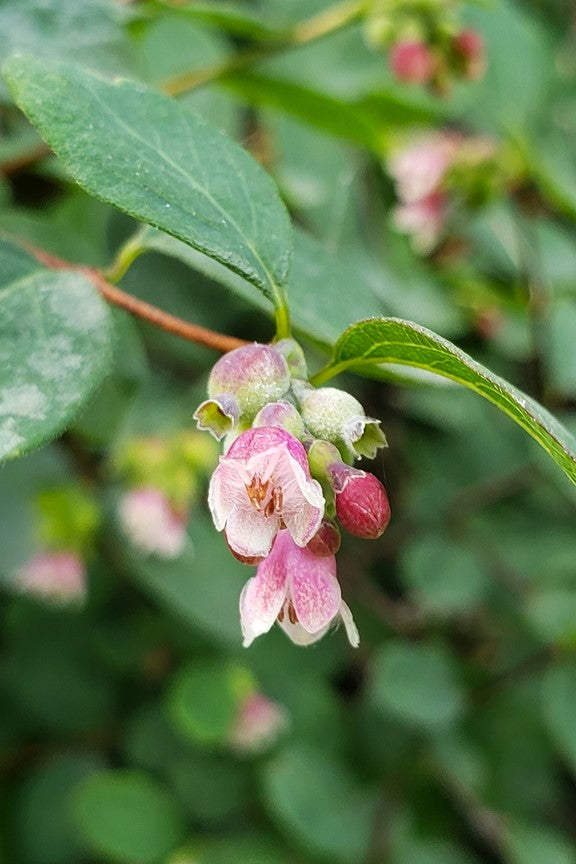
- A finely branched shrub to 6 ft.
- Small pink-white bell flowers in summer.
- Then come the snow-white berries that cling into winter like ornaments.
- Adaptable and bird-friendly.
Why it’s cool: When everything else goes gray, snowberry keeps the forest festive.
🌲 Grand fir (Abies grandis)
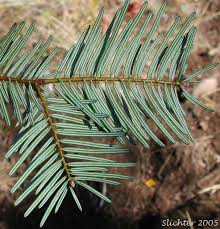


- 125–250 ft. evergreen with glossy needles arranged in two neat rows.
- Upright cones sit like candles.
- Smells incredible — citrusy and resinous.
- Fast-growing when young.
Why it’s cool: Crush a needle and you’ll understand why it’s called “grand.”
🌼 Indian plum / Osoberry (Oemleria cerasiformis)
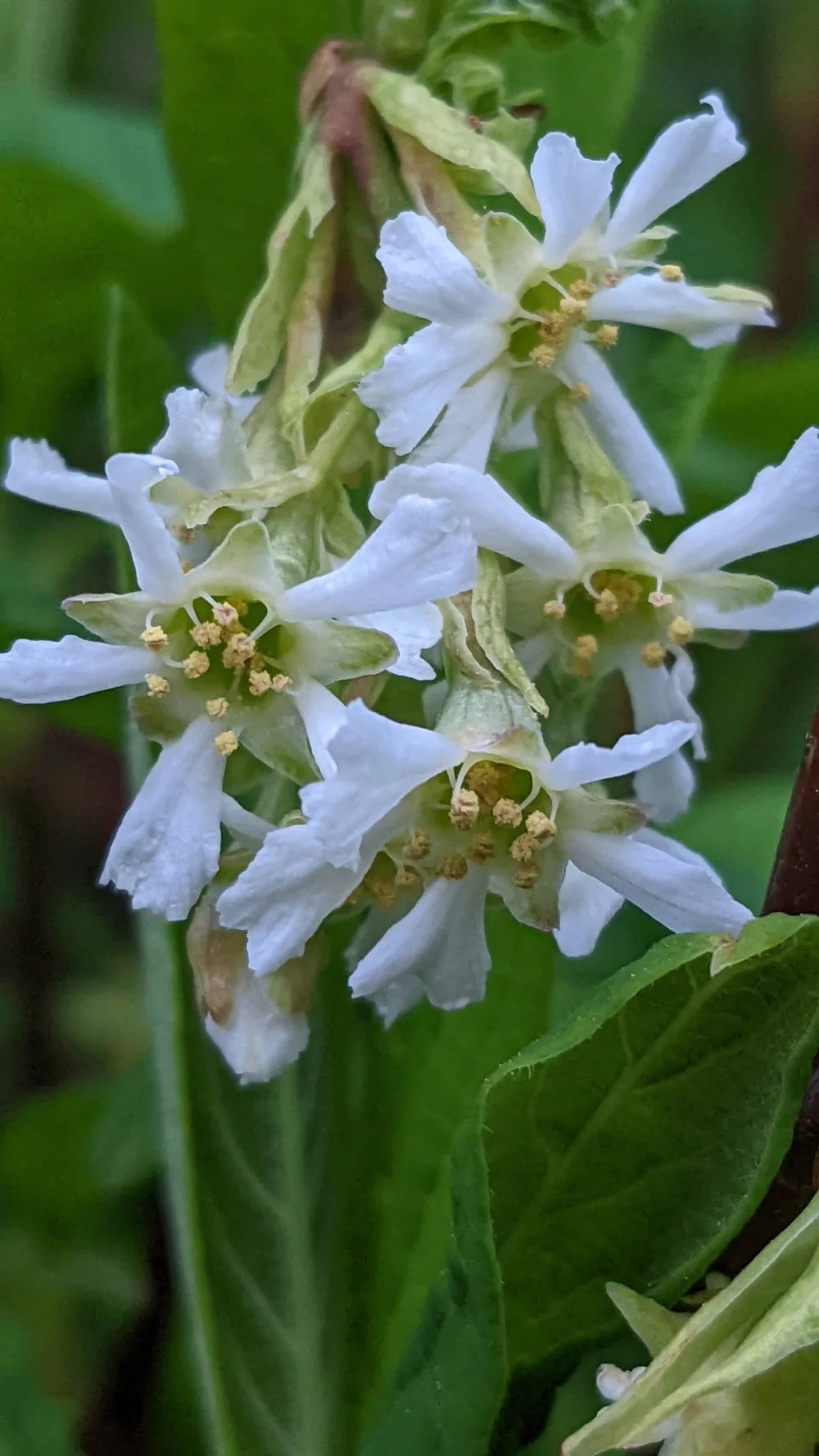
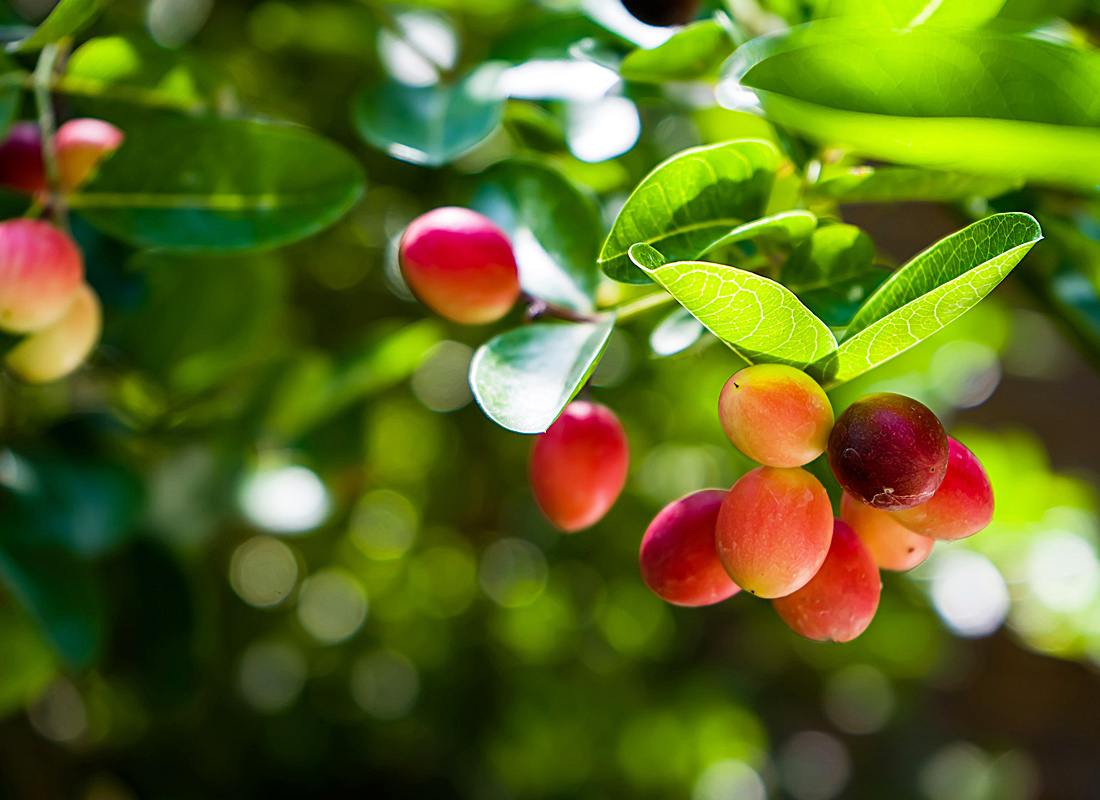
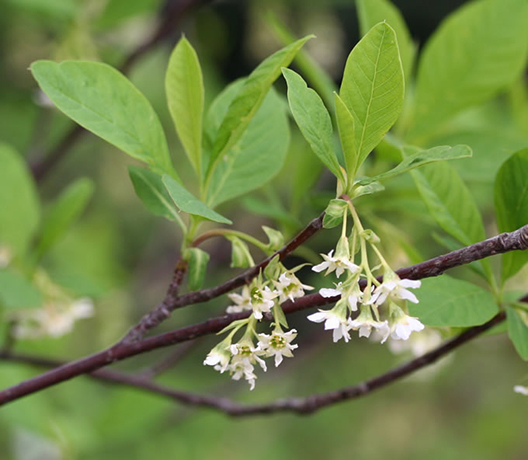
- One of the first shrubs to bloom — delicate white flowers in very early spring.
- Male and female flowers grow on separate plants.
- Dark plum-like fruits follow and are loved by birds.
- Elegant understory plant for part shade.
Why it’s cool: It’s the Northwest’s biological alarm clock for spring.
🍁 Vine maple (Acer circinatum)

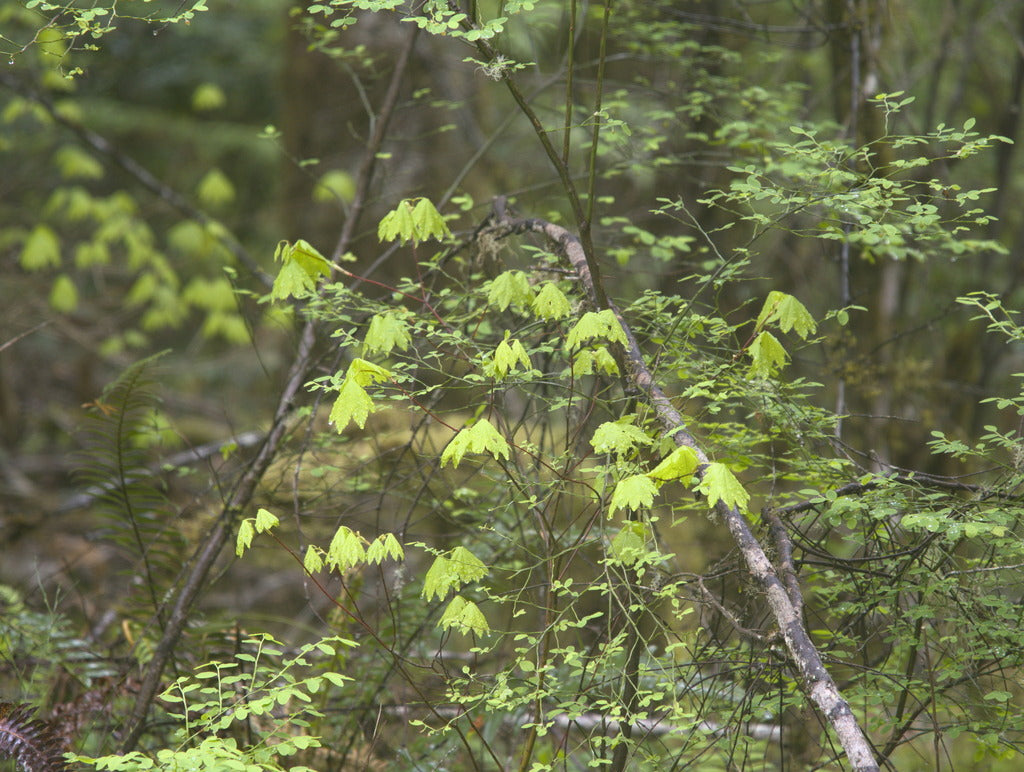

- Usually under 20 ft., sometimes taller.
- Graceful, curving branches in shade; more upright in sun.
- Spring flowers are surprisingly showy.
- Red-orange “wings” (samaras) follow.
- Fall color can be electric — scarlet, gold, orange.
Why it’s cool: It turns mossy forests into autumn art galleries.
🍁 Bigleaf maple (Acer macrophyllum)
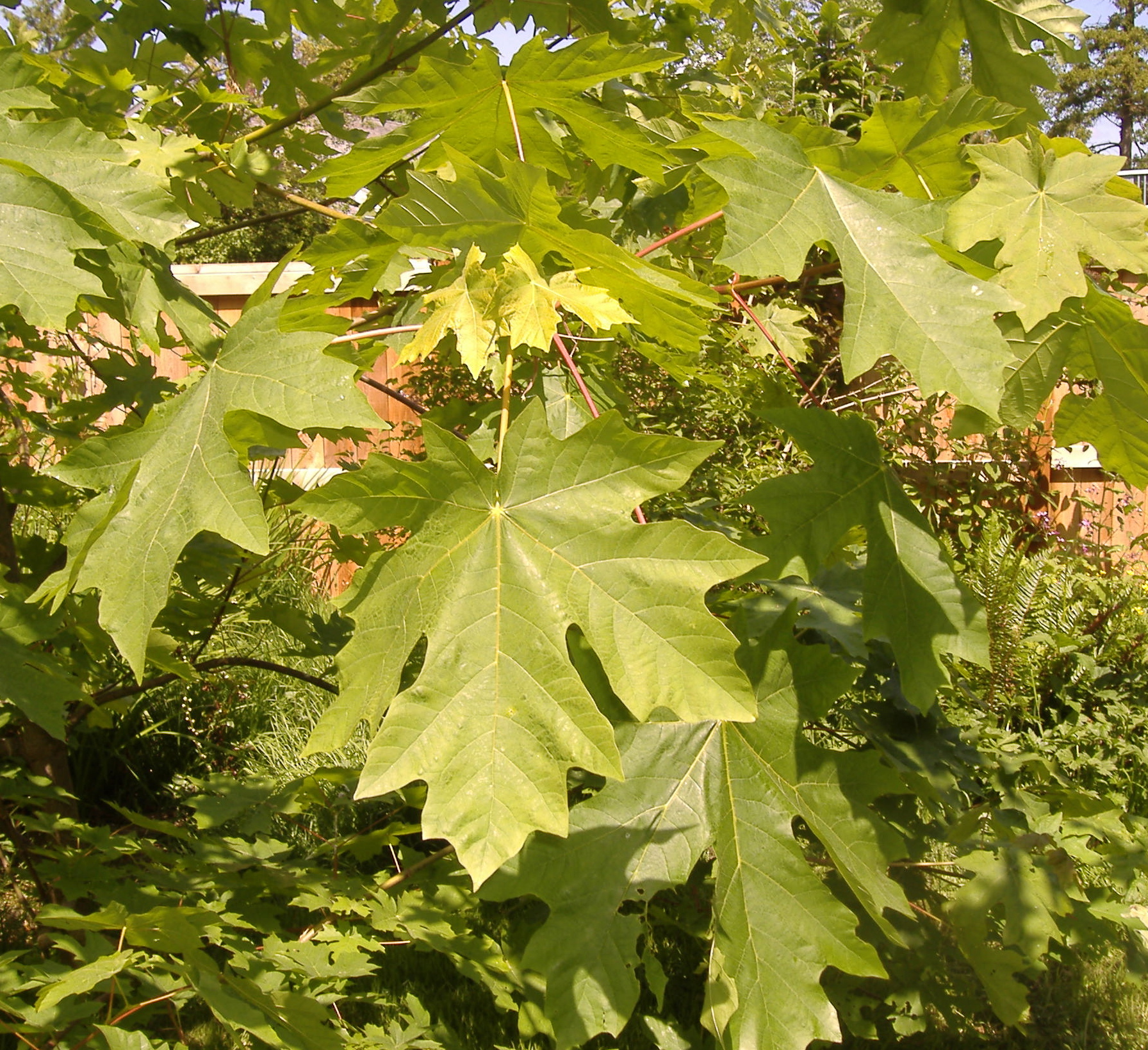
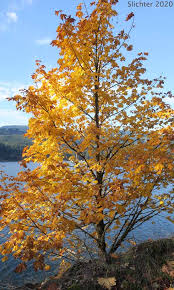
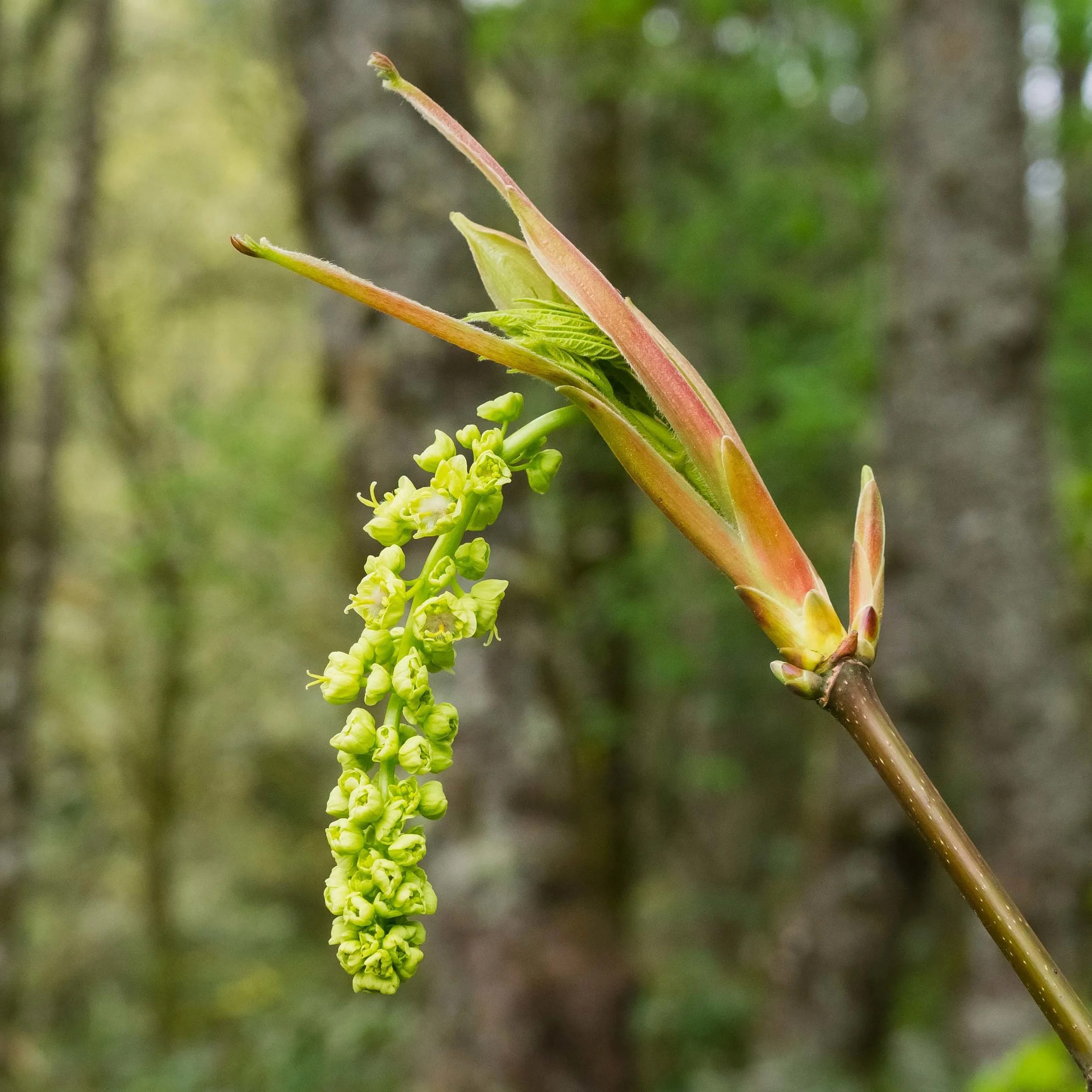
- 75–100 ft. tall with enormous 6–12 inch leaves.
- Creamy yellow flower clusters hang in spring.
- Fall color glows golden.
- Seeds feed birds; branches often draped in moss.
Why it’s cool: The leaves are so large they feel prehistoric.
🌸 Rose spirea (Spiraea douglasii)
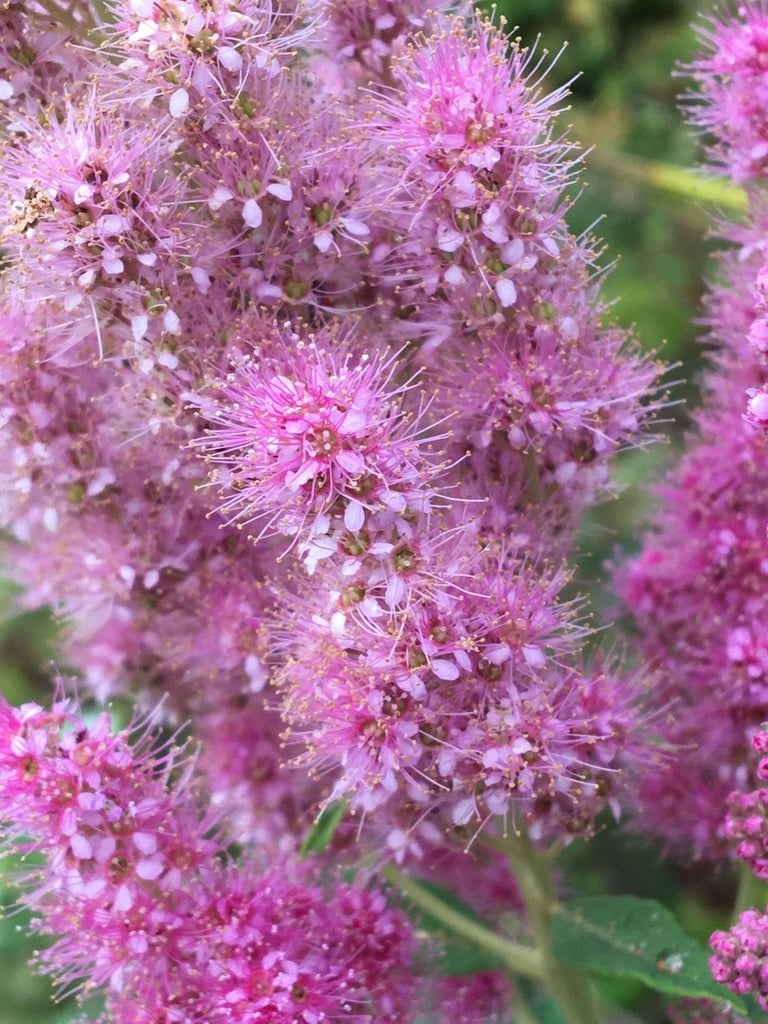
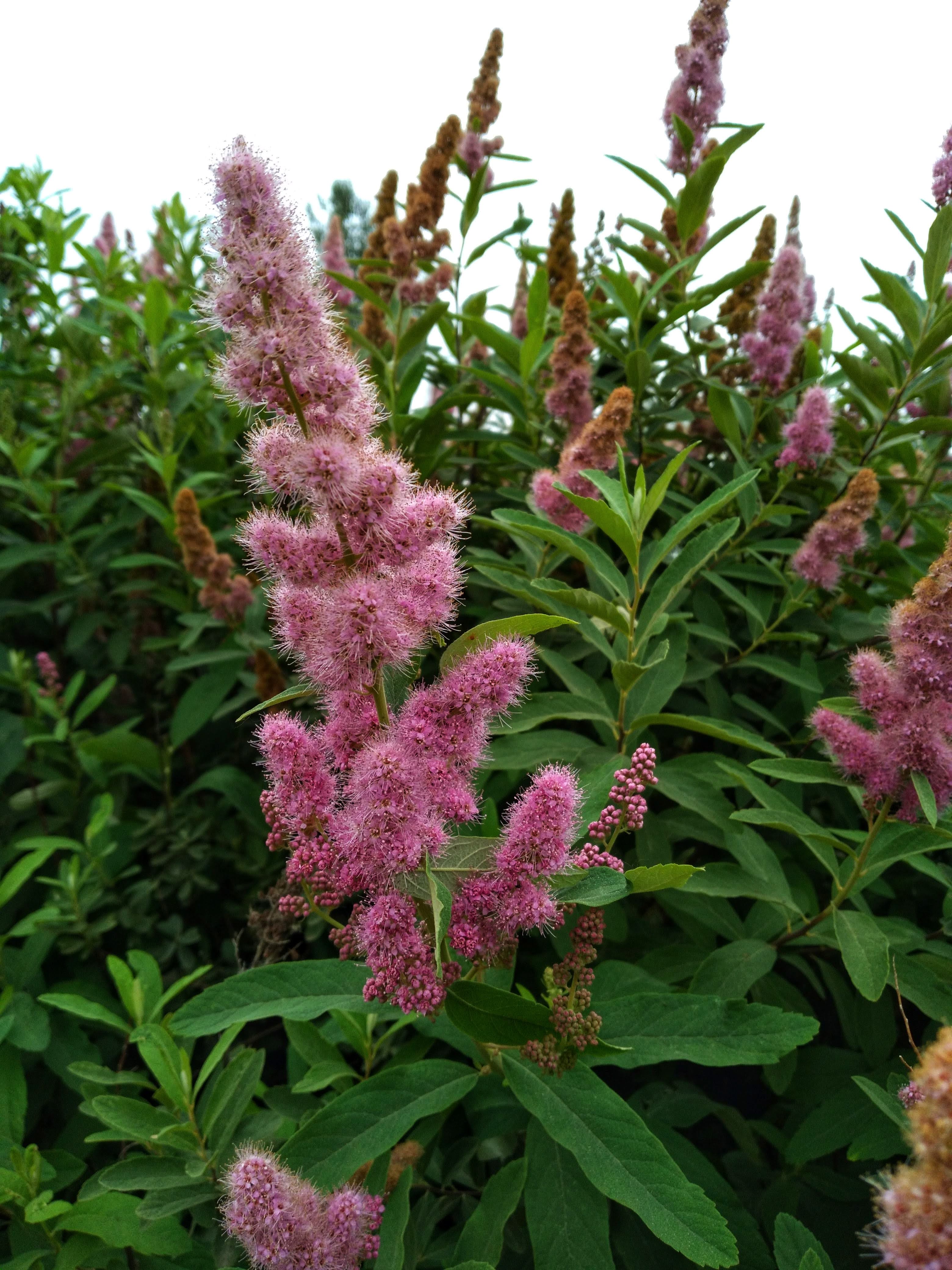

- 6–12 ft. suckering shrub.
- Summer explodes with tall pink flower plumes.
- Loves wet soils and boggy spots.
Why it’s cool: It turns marsh edges into pink fireworks shows.
🌲 Douglas fir (Pseudotsuga menziesii)
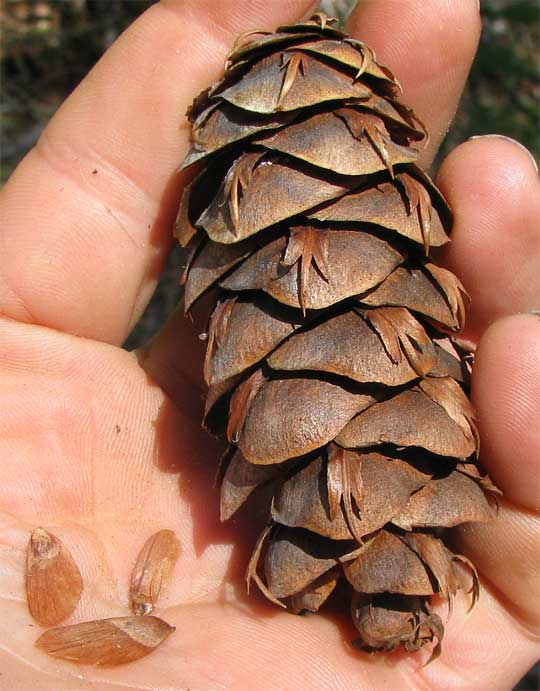
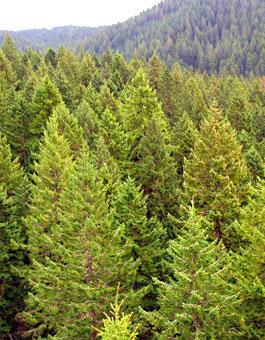
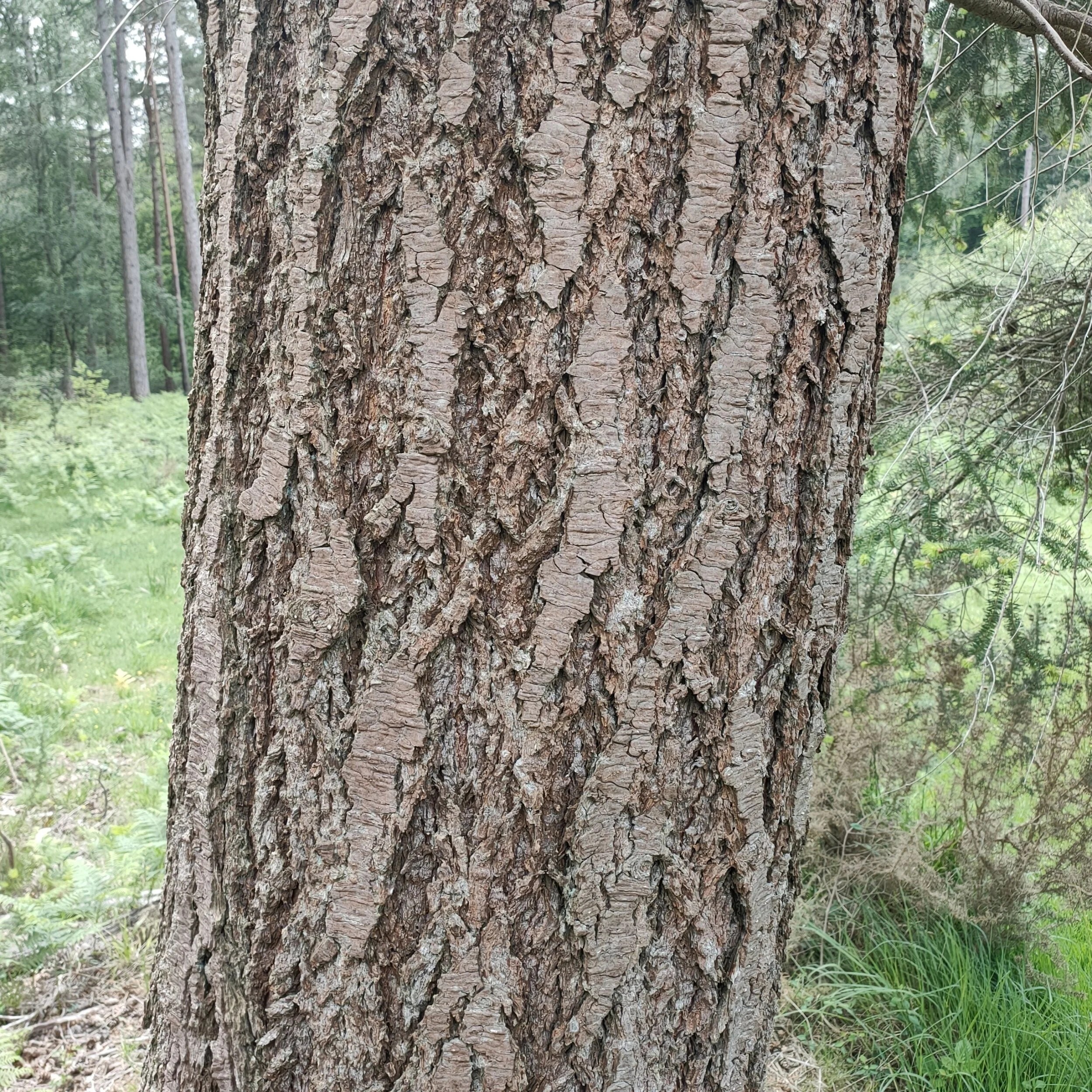
- 100–250 ft. conifer with soft needles.
- Cones have distinctive three-pointed bracts — like tiny pitchforks sticking out.
- Keystone wildlife tree; seeds and insects feed countless species.
- Tolerates drier sites once established.
Why it’s cool: If Oregon had a personality in tree form, this would be it.
🌲 Western red cedar (Thuja plicata)
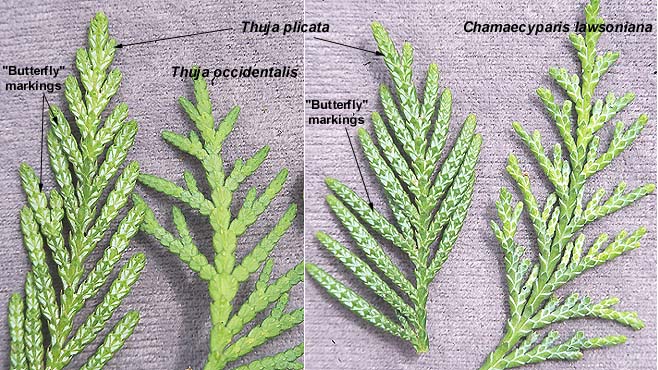
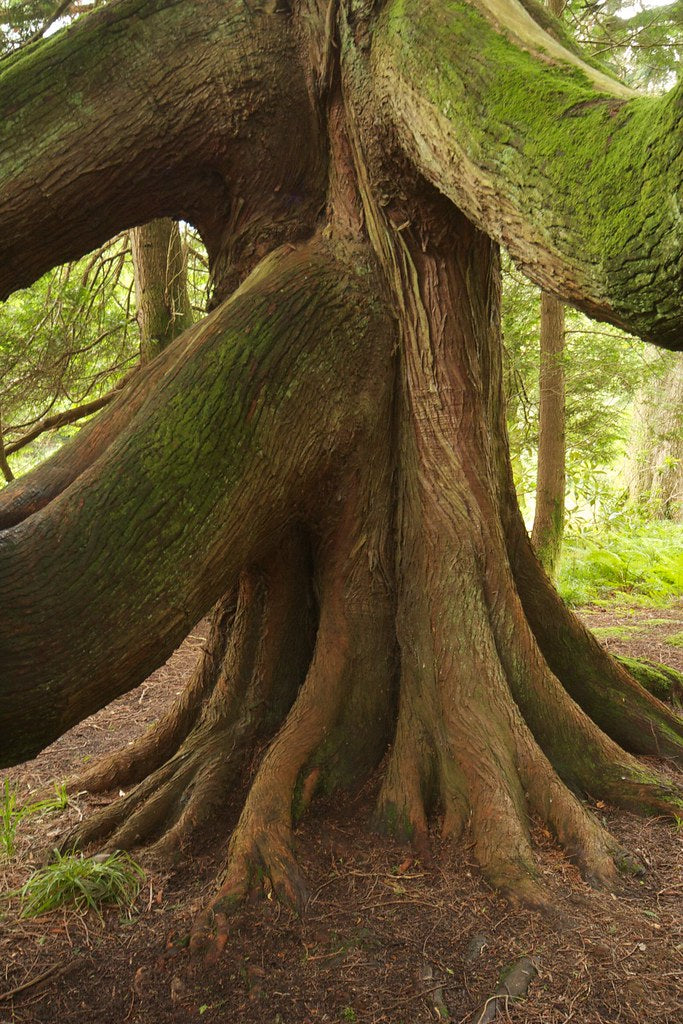

- 150–200 ft. evergreen with flat, scale-like sprays.
- Undersides show pale butterfly-like markings.
- Small cones resemble tiny carved roses.
- Deeply fragrant wood.
Why it’s cool: Sacred to Indigenous cultures and iconic in Northwest rainforests.
🌲 Western hemlock (Tsuga heterophylla)
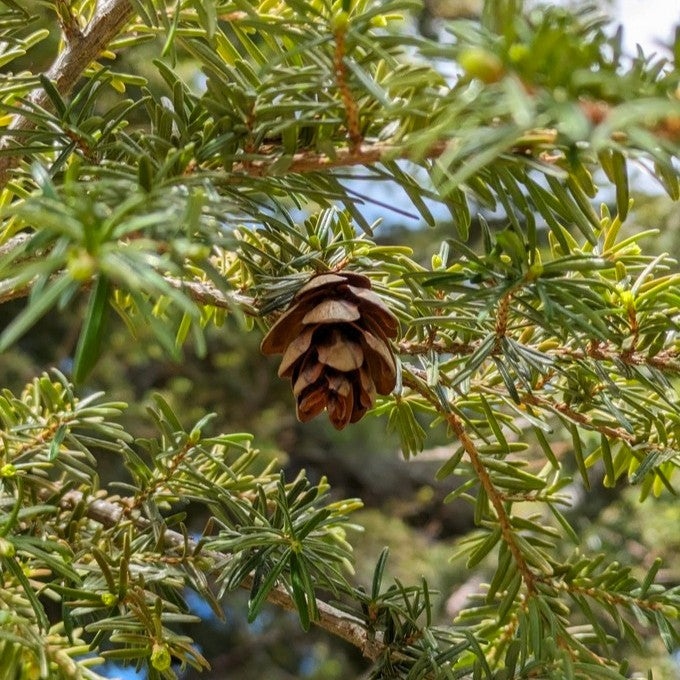
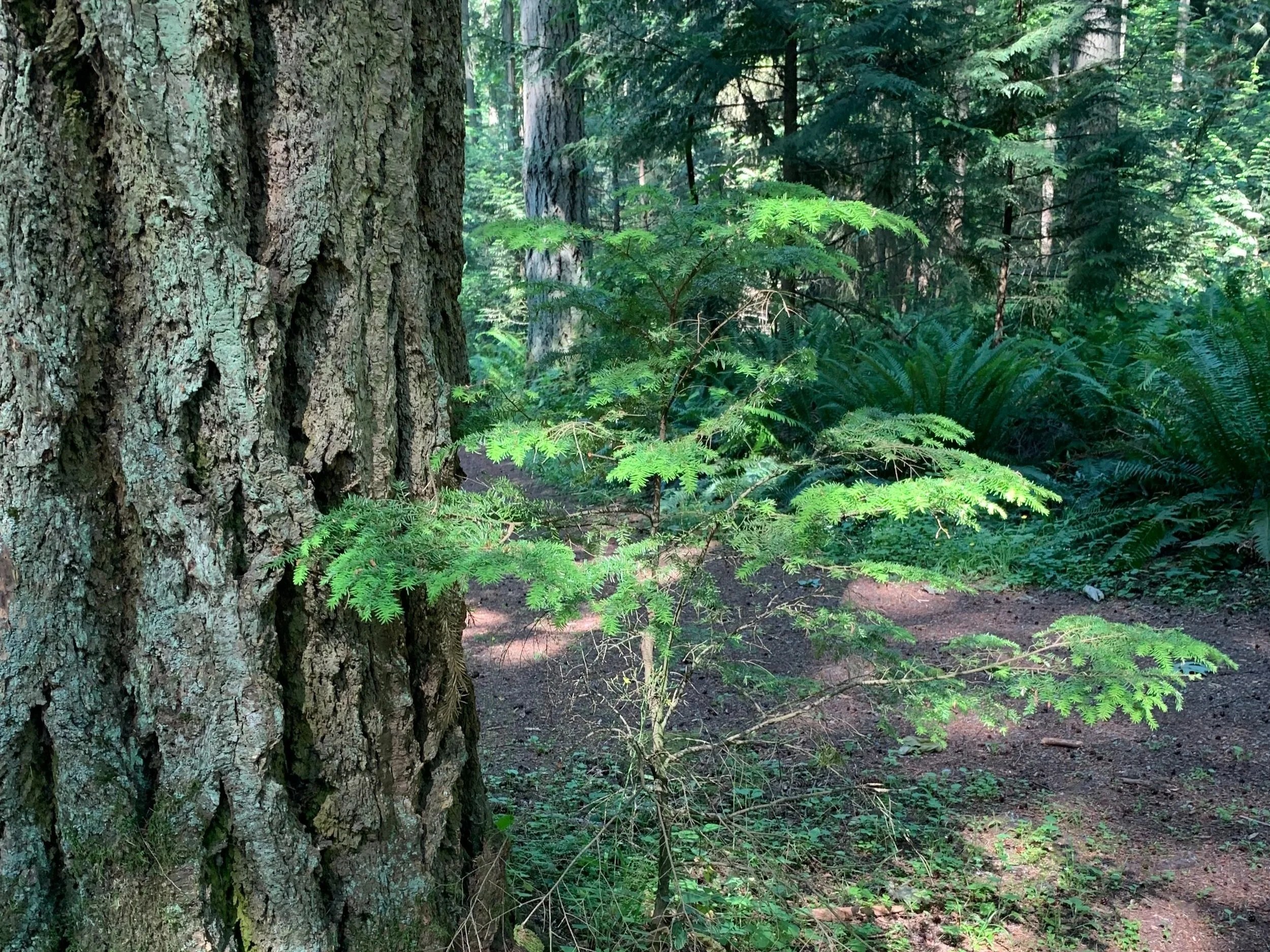
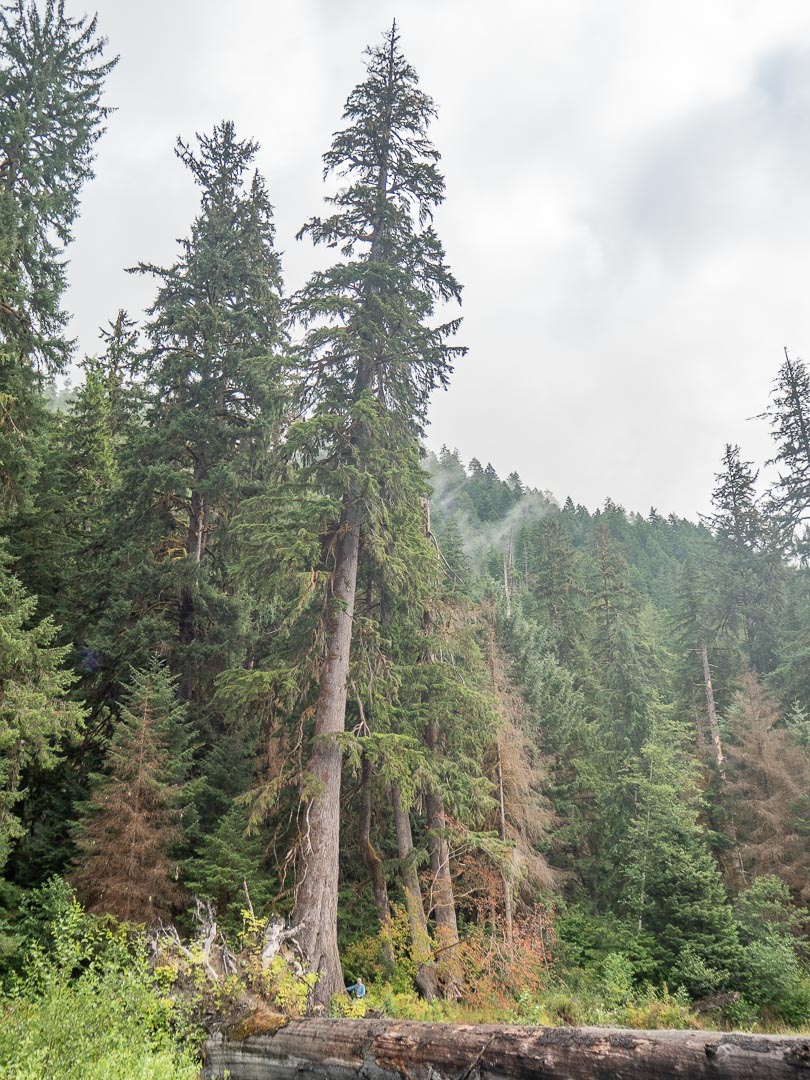
- 190–240 ft. tall with a graceful, drooping top leader.
- Short, delicate needles.
- Small cones dangle like ornaments.
Why it’s cool: The elegant introvert of Northwest conifers.
🌲 Port Orford cedar (Chamaecyparis lawsoniana)
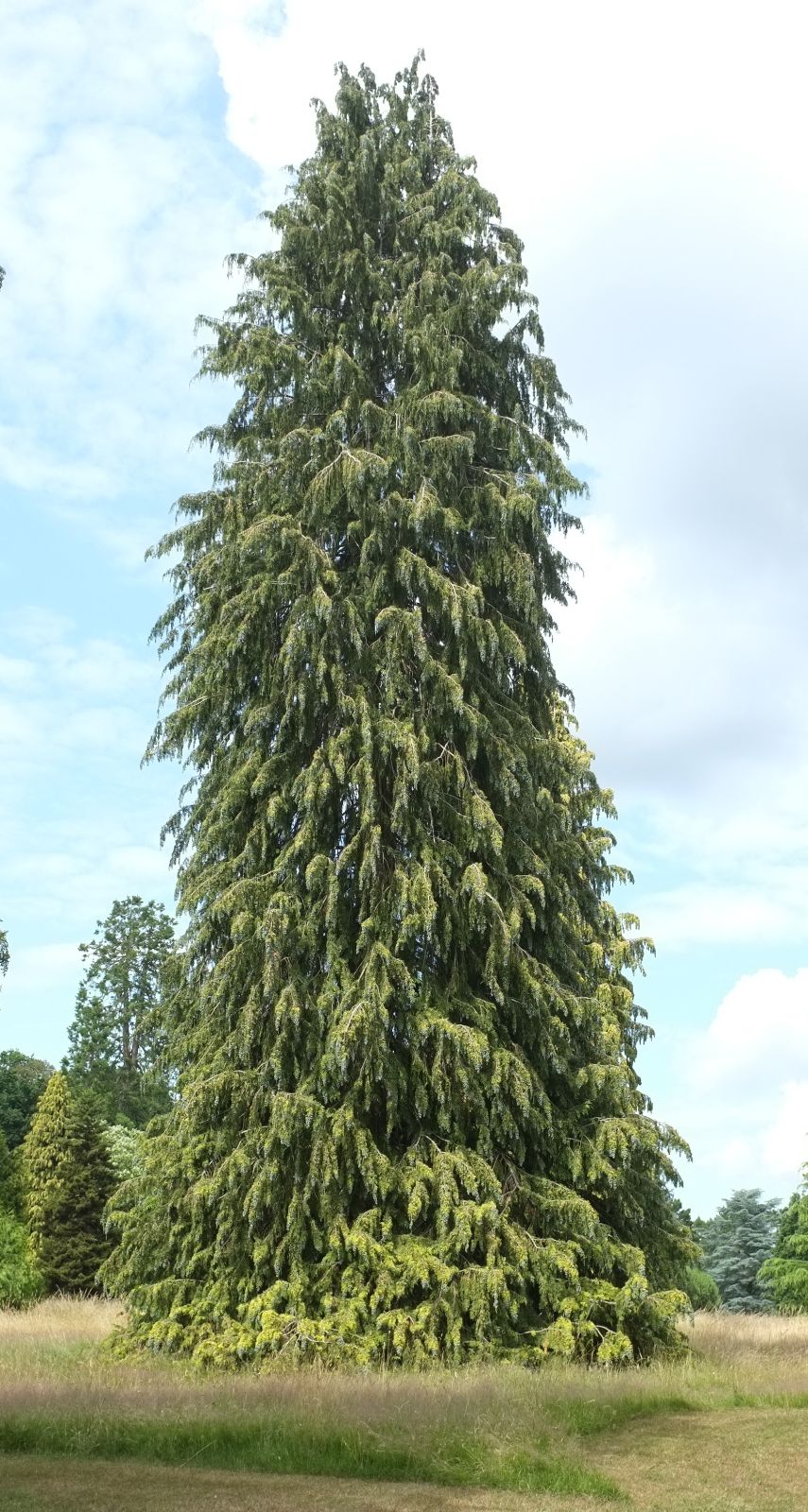
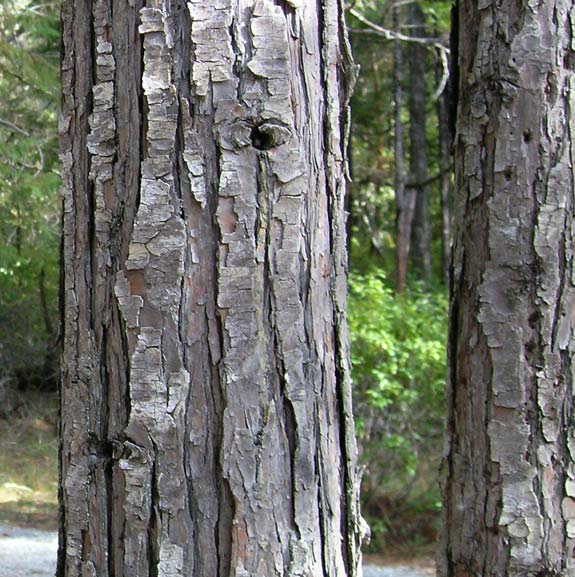
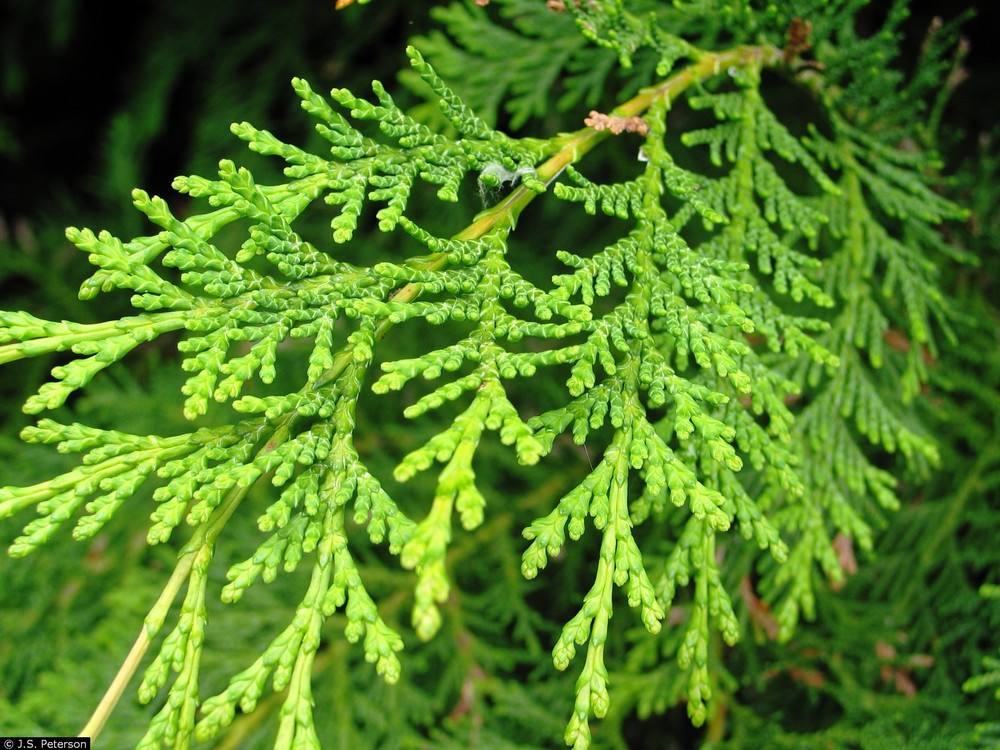
- 40–60 ft. in cultivation (much taller in the wild).
- Narrow, pyramidal form with drooping branch tips.
- Not a true cedar, despite the name.
Why it’s cool: A southern Oregon specialty with refined, almost architectural lines.
🌲 Western white pine (Pinus monticola)


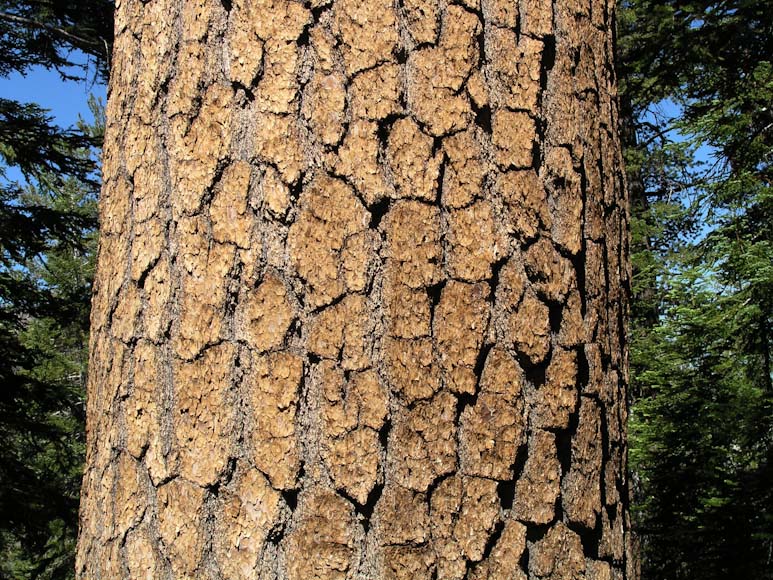
- 120–180 ft. tall.
- Needles grow in bundles of five, one for each of the letters in the name WHITE.
- Long cones (5–12 in.) hang like rustic ornaments.
- Fast when young, dignified with age.
Why it’s cool: The Northwest’s elegant five-needle pine — classic mountain silhouette.
🌲 Western red alder (Alnus rubra)


- Fast-growing deciduous tree (40–80 ft.) common along streams and disturbed areas.
- Smooth, pale gray bark; serrated leaves that stay green late into fall.
- Long dangling catkins in winter and early spring.
- Nitrogen-fixer — it literally improves the soil for the forest around it.
Why it’s cool: It’s the forest’s first responder — moving in after landslides or logging and rebuilding the ecosystem.
🌲 Sitka spruce (Picea sitchensis)
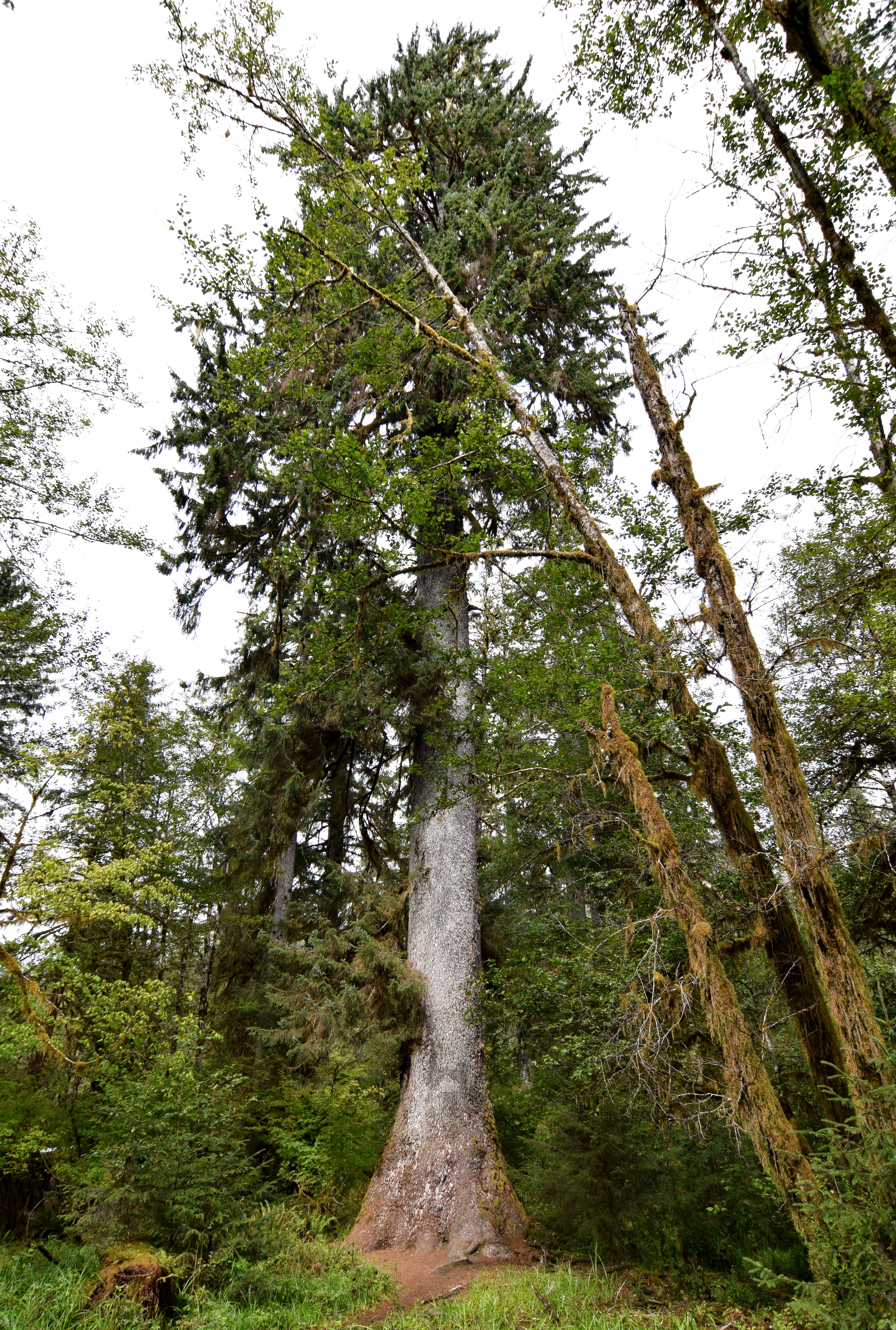
- Tall evergreen (up to 200 ft. on the coast).
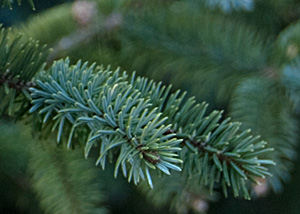
- Sharp, stiff needles (roll one between your fingers — carefully).
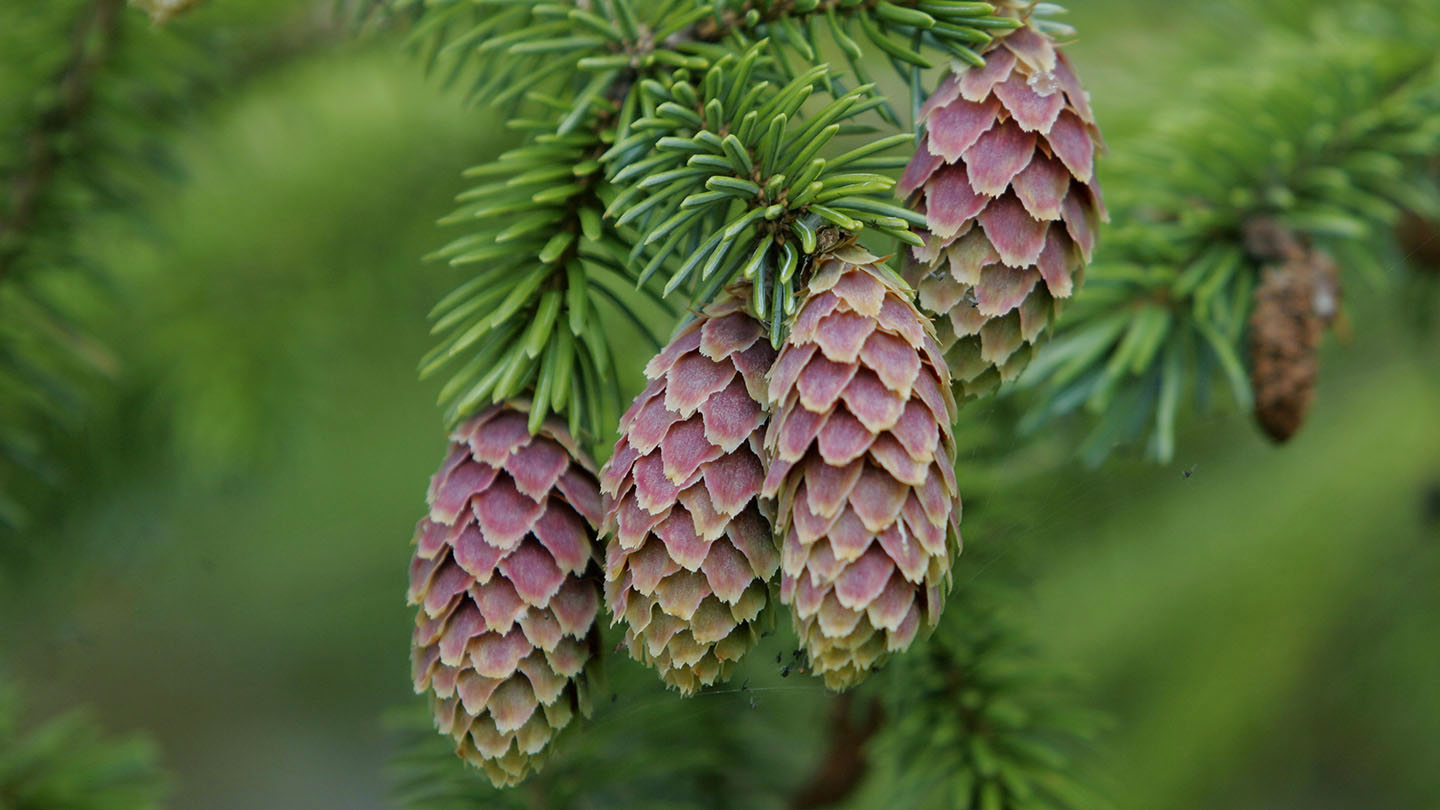
- Papery, hanging cones.
- More common closer to the coast but present in moist westside forests.
Why it’s cool: One of the largest spruce species on Earth — rugged, wind-tested, coastal royalty.
🌿 Sword fern (Polystichum munitum)

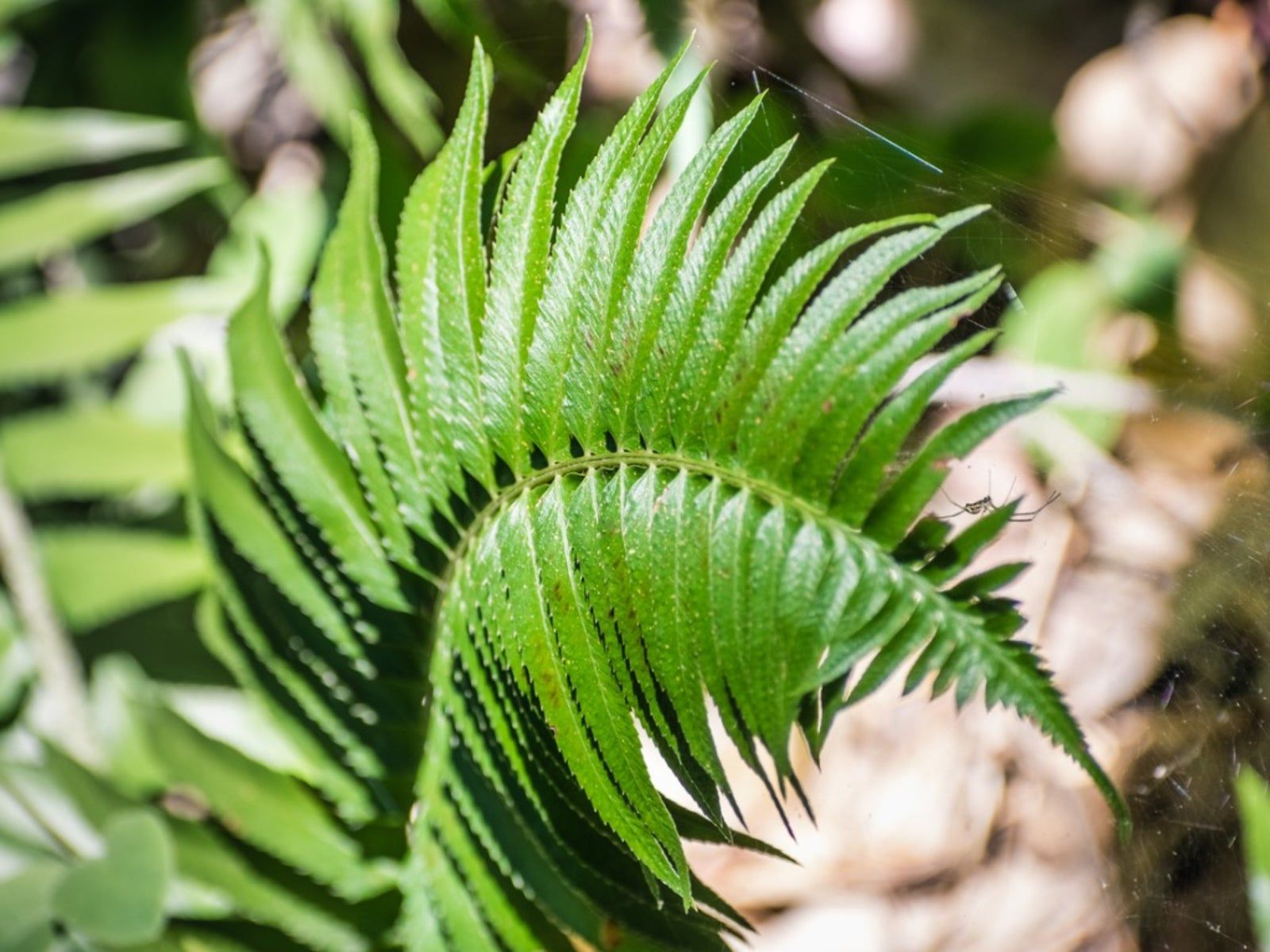
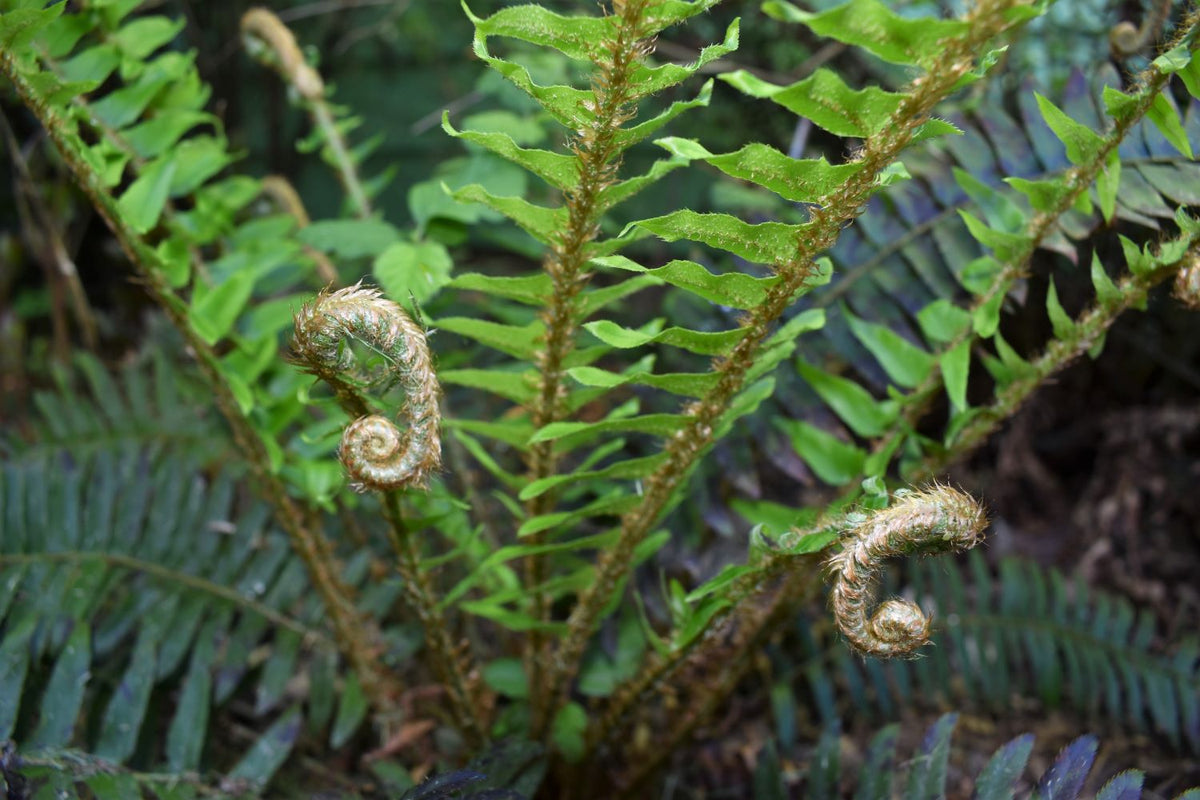
- Evergreen fern forming lush, waist-high clumps.
- Glossy, sharply toothed fronds.
- The dominant forest-floor plant in much of Forest Park.
Why it’s cool: If the forest had carpet, this would be it.
🌿 Western trillium (Trillium ovatum)
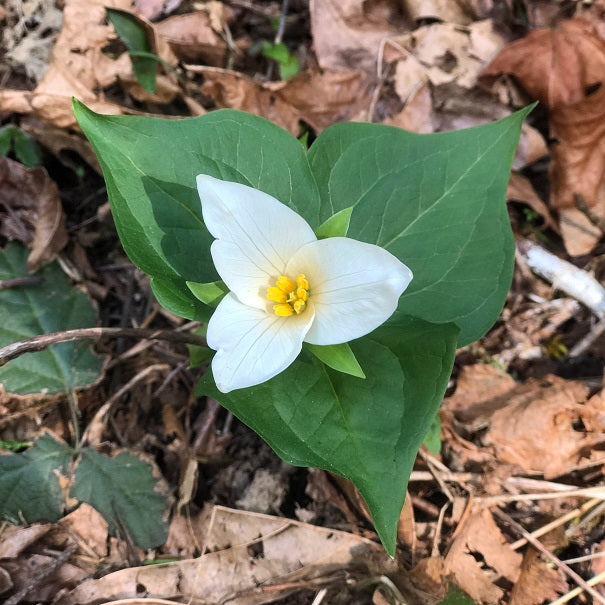

- Iconic spring wildflower.
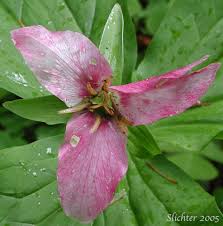
- Three leaves, three petals — white at first, often aging to pink.
- Blooms March–May.
Why it’s cool: It’s basically the woodland equivalent of spotting the first cherry blossoms.
🌸 Red flowering currant (Ribes sanguineum)
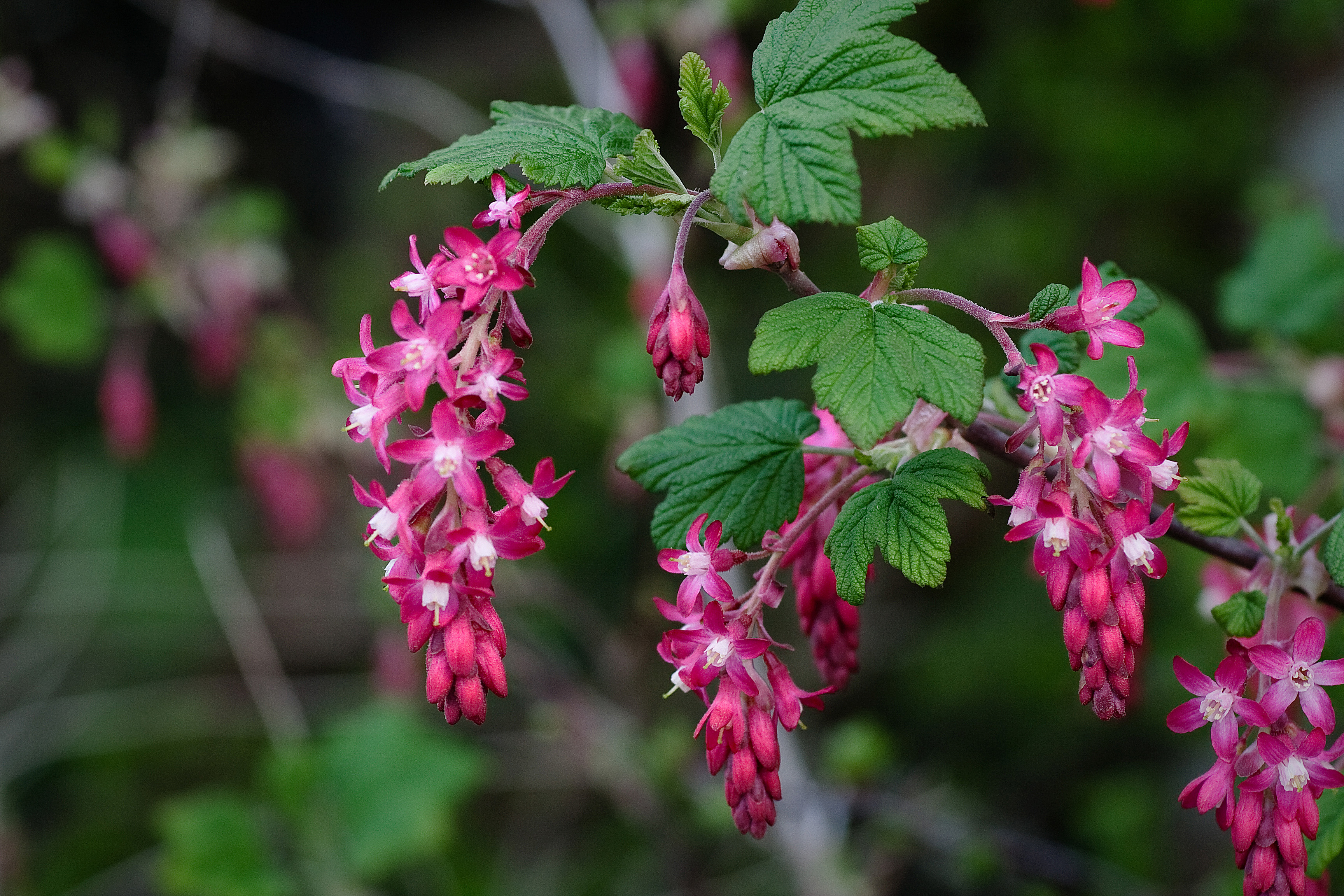
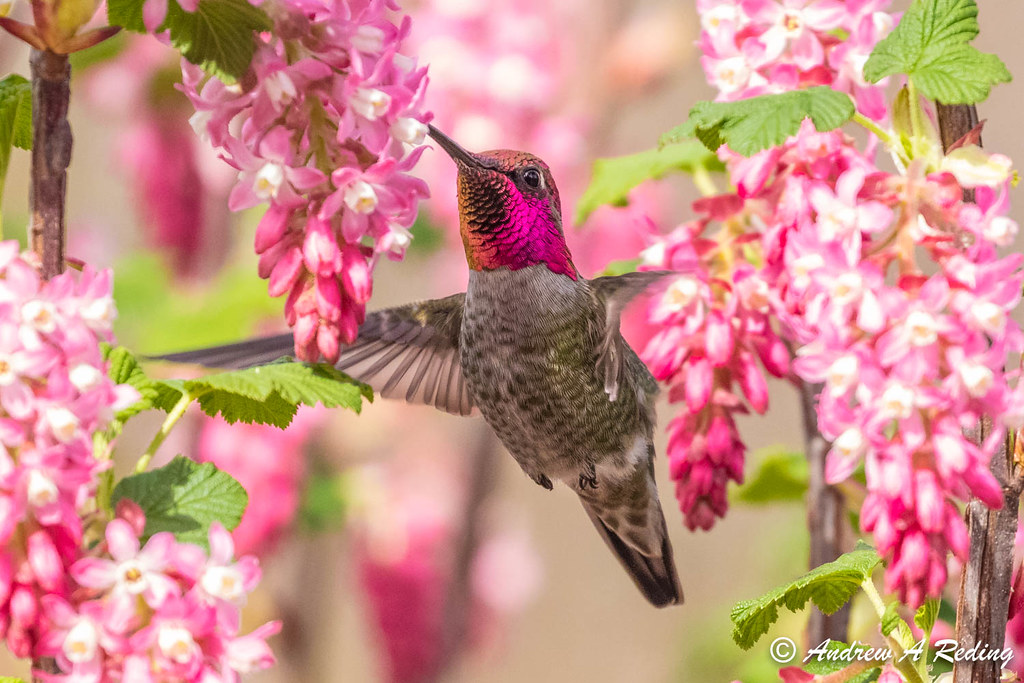
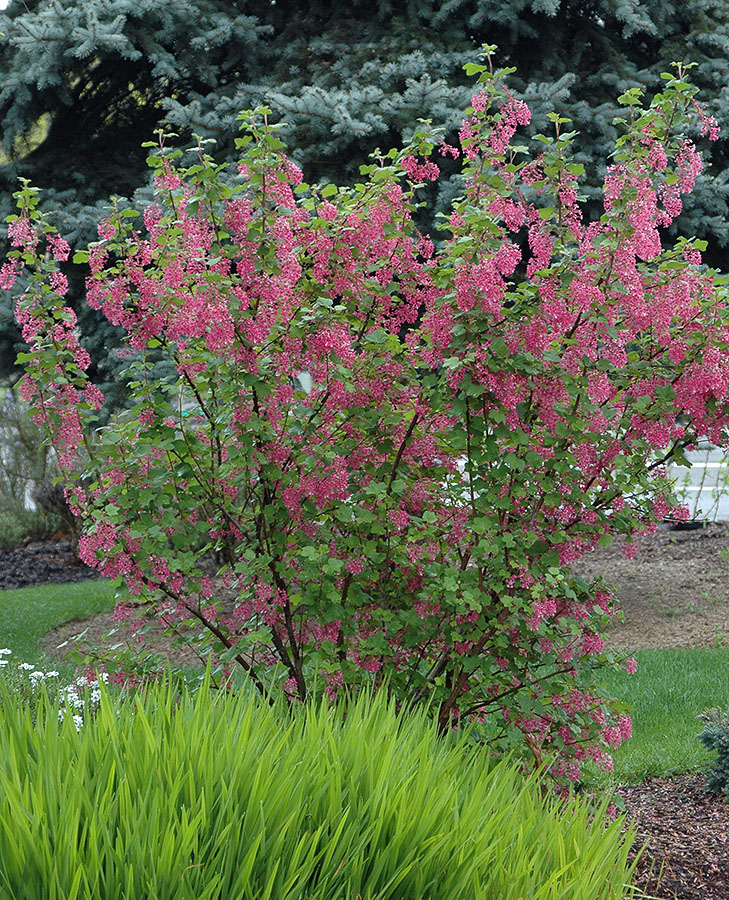
- Deciduous shrub (6–10 ft.) with drooping clusters of bright pink-red flowers in early spring.
- A hummingbird magnet.
- Blue-black berries follow.
Why it’s cool: One of the showiest native shrubs — looks like it belongs in a curated garden but grows wild.
🌳 Pacific yew (Taxus brevifolia)
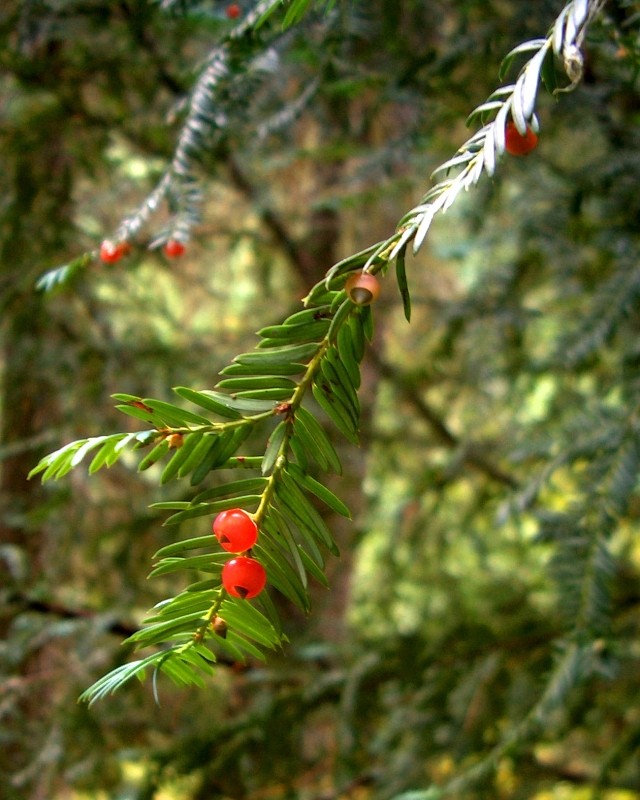
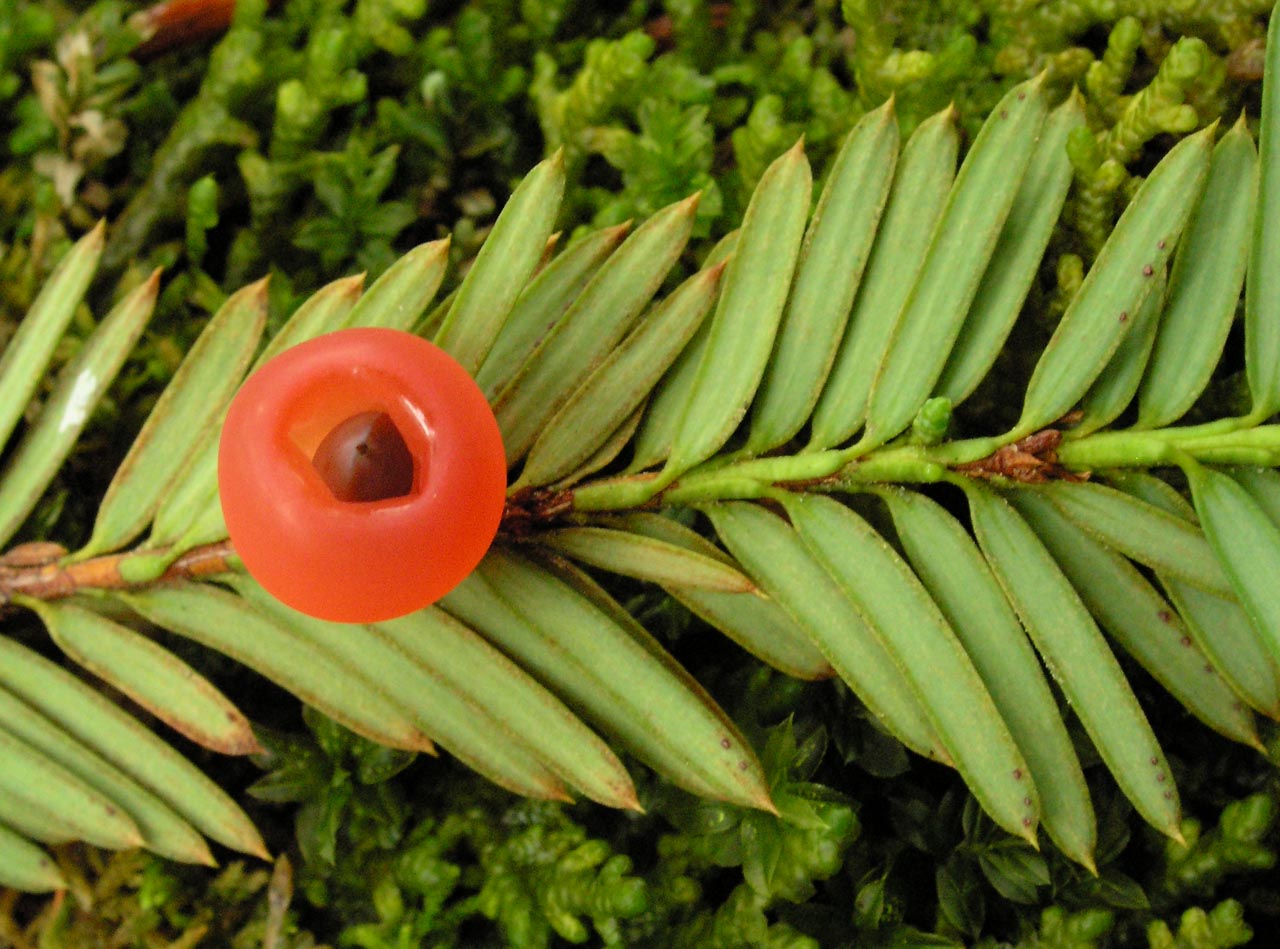
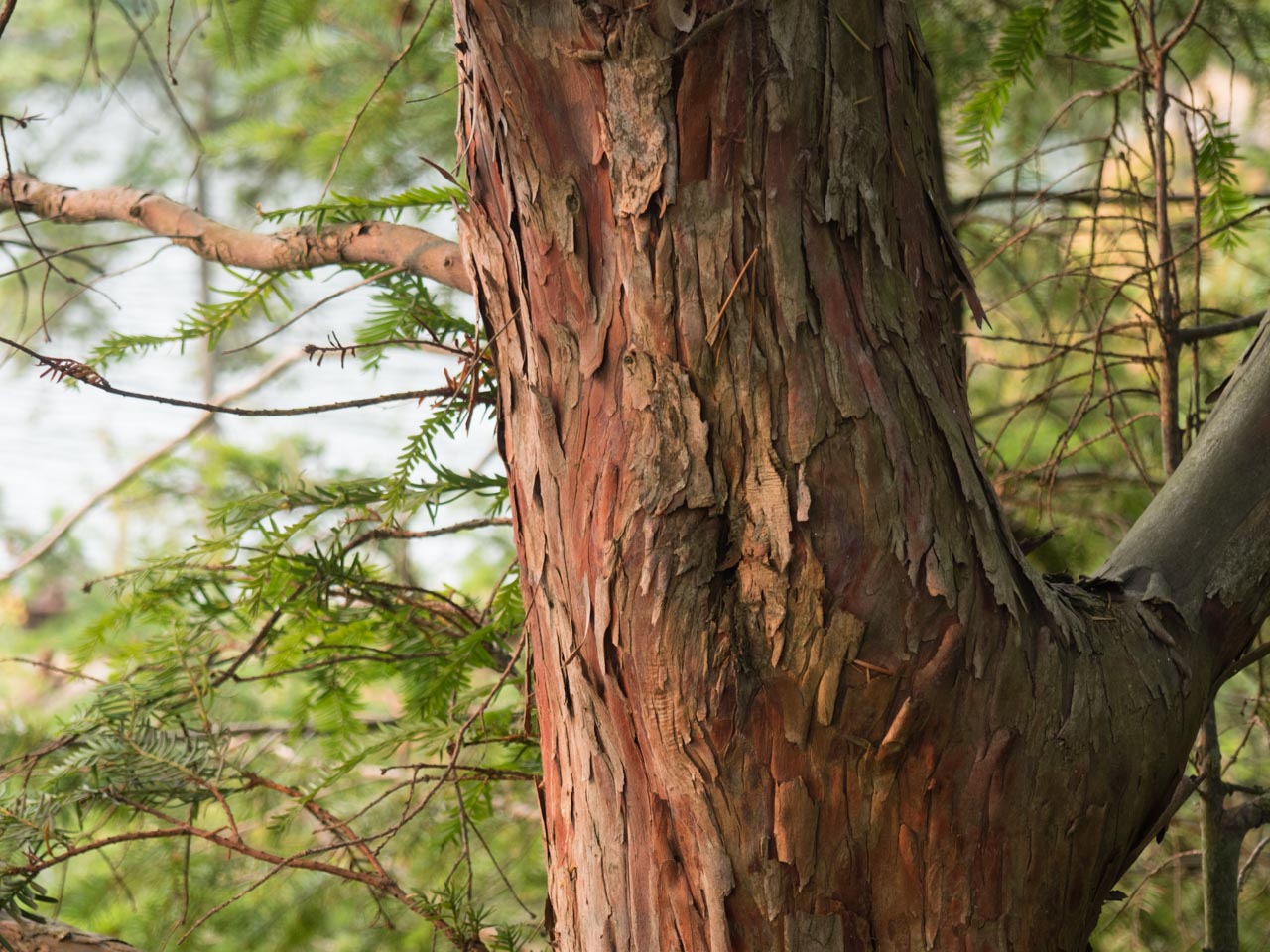
- Small understory evergreen tree.
- Flat, dark green needles.
- Bright red berry-like arils (the flesh is edible; the seed inside is toxic).
- Historically important — source of the cancer drug paclitaxel.
Why it’s cool: Quiet, slow-growing, medicinally powerful — the introvert genius of the forest.
🌲 Bigleaf maple moss community highlight
Bigleaf maple is a key tree; however on Wildwood Trail it deserves special emphasis for the extra foliage it bears:
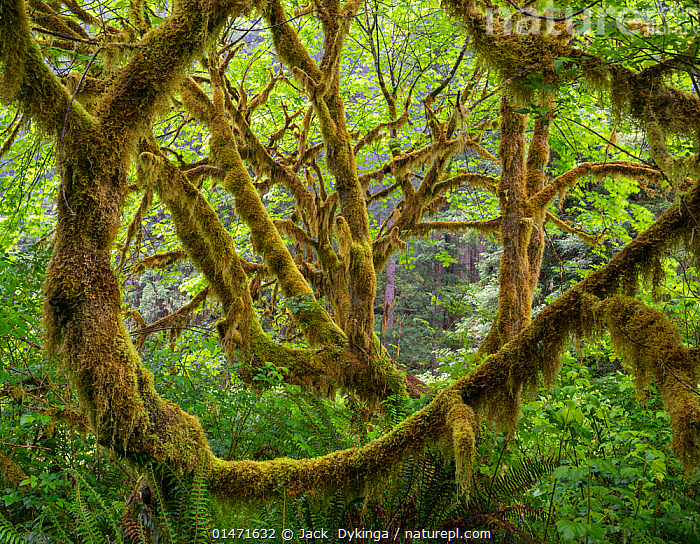
In Portland’s moist air, these trees host entire ecosystems consisting of insects, mosses, lichens, resurrection ferns and licorice ferns, growing right on their branches. In winter, when leaves drop, you see suspended gardens overhead. It feels like James Cameron has it right about other worlds, they exist.
 Henry E. Hooper