
Birds: Goat Suckers
Indigenous tribes in the American Southwest believe that certain hawks suckle the milk from goats at dusk to feed their young. Still other people believe that it is not a bird, but a four legged beast that is drinking the milk of goats and/or cows. (More on the myths of the nighttime chupacabra later.)
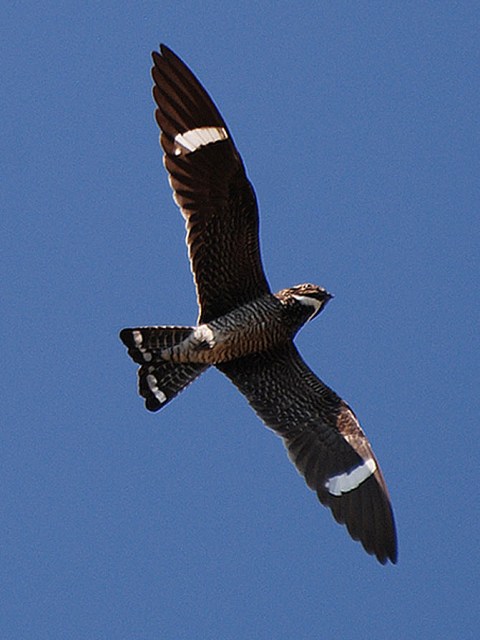
The family of birds that thrive on this extraterrestrial liquid nourishment is called the nighthawk. The nighthawk is a mysterious species: active at dawn and dusk, it streaks across the sky, has white wing bands, screeches a call that can wake the dead, and captures flying insects in its wide, whiskered mouth. Sometimes the species is called Nightjars and Bugeaters because of their nighttime foraging ritual and diet of everything bug.

Related to Whippoorwills and Poorwills, the Common Nighthawk is a regular summertime visitor to cities, grasslands, and forests. Their sharp call, sometimes referred to as an “electric peent,” is often the first sign of a nighthawk overhead. They fly at dusk in long, graceful loops, flashing their white-colored wing patches, as they chase insects.
The nighthawk is ubiquitous as a resident of much of North America, including the continental 48 states and much of Canada and Mexico. See map below.

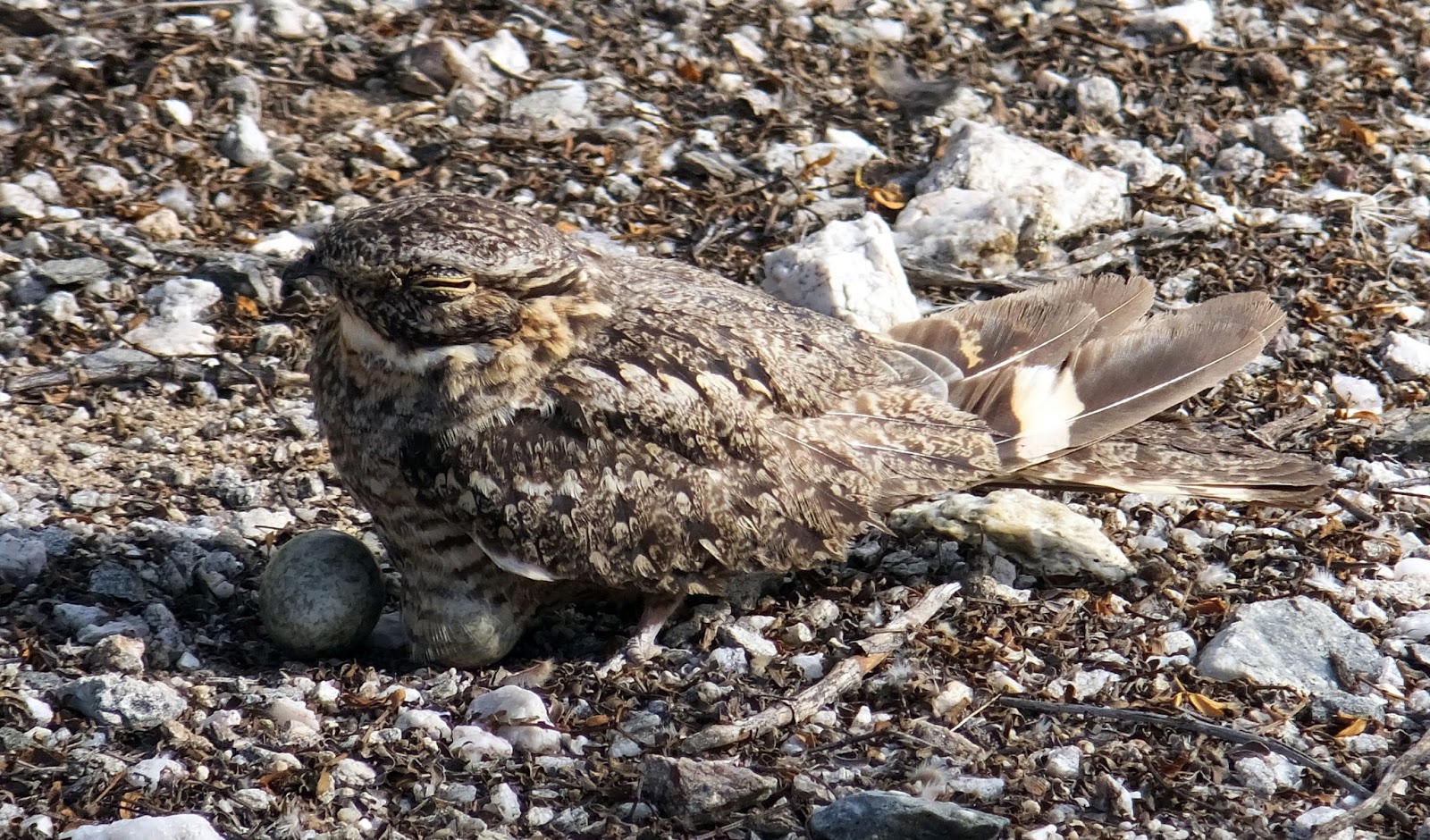
These fairly common birds are declining in population for various reasons. One reason might be that, unlike most other birds, they make no nest. Instead they lay their eggs on the ground and warm them during the day and night with their down. Their young are so well camouflaged that they’re hard to see, even when in plain sight. The adults are hard to spot when they land, as they seem to vanish as soon as they come to earth.
Chupacabra: The Goat Sucker
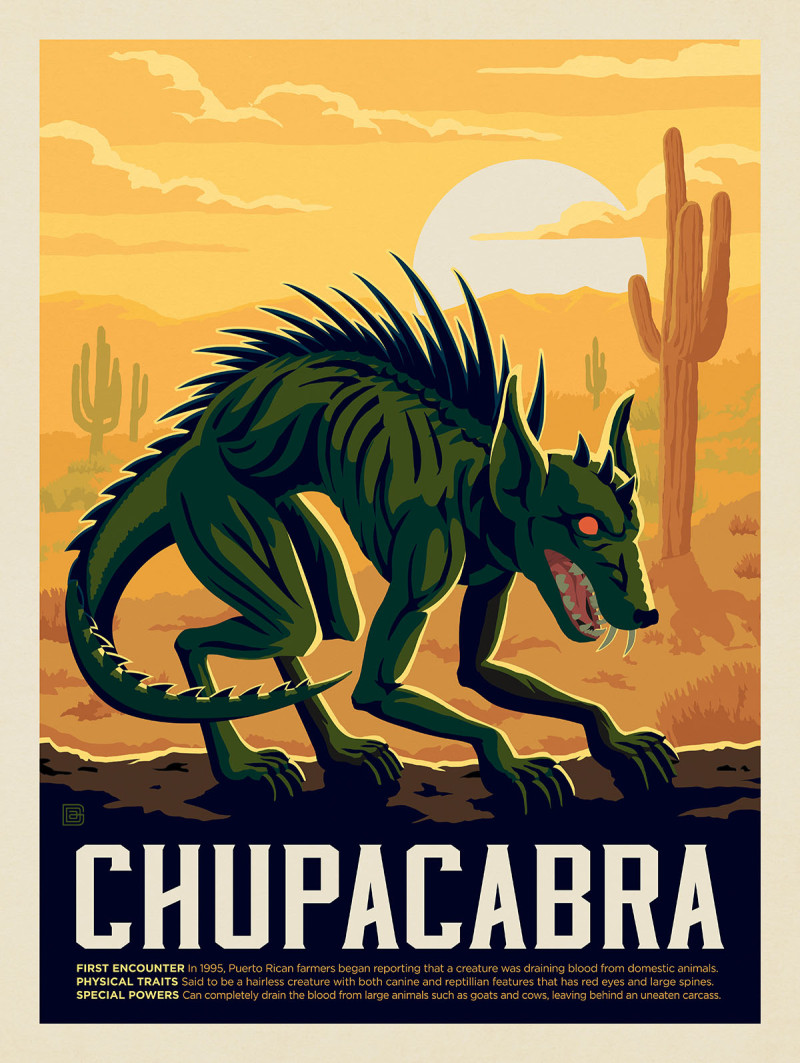
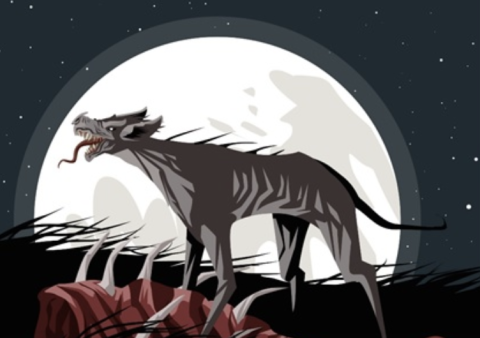
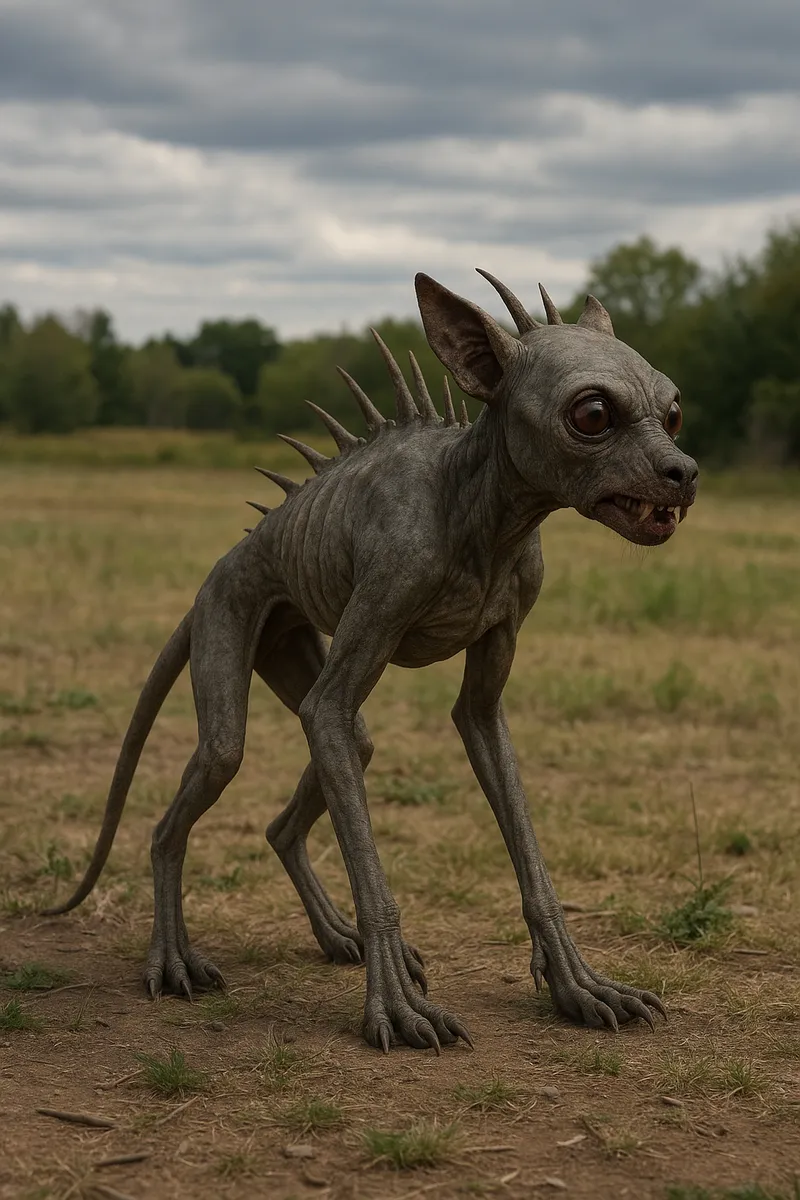
The chupacabra (Spanish for “goat-sucker”) is a legendary cryptid in the Americas, famous for purportedly attacking livestock—especially goats—and drinking their blood. Originating in Puerto Rico in 1995, the myth describes two distinct versions: a reptilian, alien-like beast with spikes, and a hairless, dog-like canine. Science attributes these sightings to mangy coyotes.[1]
The Legend and Sightings of Chupacabra
- The Origin: The legend began in 1995 in Puerto Rico when farmers found farm animals dead, drained of blood, and bearing strange puncture wounds.
- The Descriptions: The monster was initially described as a bipedal, alien-like creature standing 3 to 4 feet tall with glowing red eyes, sharp fangs, and spines running down its back.
- Spread of the Myth: Sightings quickly spread from Puerto Rico throughout Latin America and eventually to the Southwestern United States, including Texas and Florida.
Scientific Explanation
- Mangy Canines: Wildlife biologists and veterinarians have consistently identified the physical remains of supposed “chupacabras” as local animals—primarily coyotes or dogs—suffering from severe sarcoptic mange.
- Physical Deformities: Mange causes a painful loss of hair and causes the animal’s skin to shrivel, thicken, and turn a gray, leathery color. This gives these otherwise mundane animals a bizarre, monstrous appearance.
- Blood-Draining Theory: The “vampiric” nature of the attacks can be explained by coyote hunting behavior. Coyotes bite the necks of prey to kill them, which can leave deep puncture wounds, and the rapid coagulation of blood in dead animals makes it appear as though it was completely drained.
Cultural Impact
Despite the scientific explanations, the chupacabra remains one of the most famous urban legends and pop culture icons in modern folklore, frequently appearing in video games, television, and movies.
===============================================
References:

