
Scuttlebutt – Seafarer Water Cooler
Word Smith: Scuttlebutt
The word “scuttlebutt” refers to the Water Cooler Talk that evolved from 19th Century Seafarers!
It has changed over time, because the expression has not always meant Water Cooler Talk. That other meaning threw me, as I read the word repeated twice on the same paragraph of my last re-reading of Moby Dick. The author, Herman Melville, talks about sailors on the quarterdeck, as they changed watch. A strange noise was heard by the seamen:
“Hist! Did you hear that noise, Cabaco?”
It was the middle-watch: a fair moonlight; the seamen were standing in a cordon, extending from one of the freshwater butts in the waist, to the scuttlebutt near the taffrail. In this manner, they passed the buckets to fill the scuttlebutt. Standing, for the most part, on the hallowed precincts of the quarterdeck, they were careful not to speak or rustle their feet. From hand to hand, the buckets went in the deepest silence, only broken by the occasional flap of a sail, and the steady hum of the unceasingly advancing keel.
I thought I knew the expression scuttlebutt, but this meaning seemed to be referring to the origin of the word, rather than its use in the vernacular of businesses today.
Seafarer Scuttlebutt
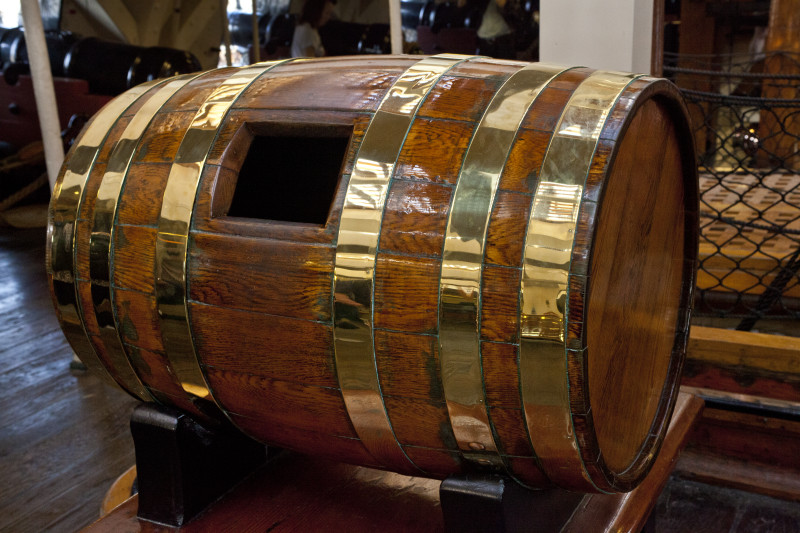
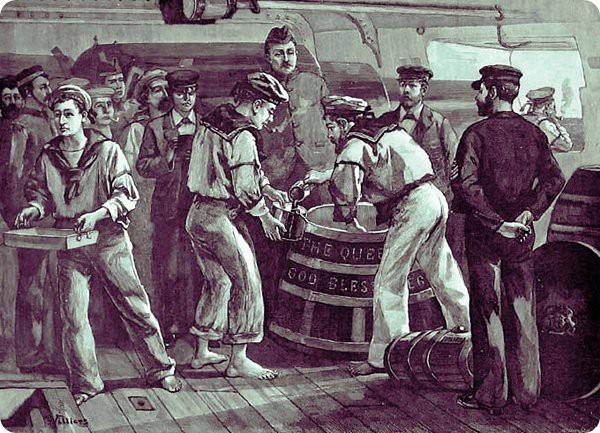
When office workers catch up on the latest scuttlebutt while standing around the company water cooler, these days, they are continuing a long-standing tradition that probably also occurred on the sailing ships of yore. Back in the early 1800s, the wooden cask containing a ship’s daily supply of fresh water was called a scuttlebutt (from the verb scuttle, meaning “to cut a hole through it” and the noun butt, meaning “cask”); that name was later applied to a physical drinking fountain on a ship or at a naval base. Over time, the term for the water source was also applied to the gossip, the buzz and the rumors that were generated around the drinking fountain, and the juicy verbal chatter has been called “scuttlebutt” ever since.
The Little Mermaid
A Timeless Classic for Investors
Moving beyond Disney movies, the corollary to the seafarer’s expression is the information gathering techniques promulgated by the renounced investor, Phil Fisher. Fisher called his information gathering process “The Scuttlebutt Method.” The subtitle of the Fisher method was: “A Timeless Classic for Investors.”
Simply put, the Scuttlebutt Method refers to a process of gathering as much information about a company as is humanly possible, by talking with employees, vendors, doormen, errand boys, office cleaners and a myriad of others who are associated with the company. Why? You are looking for insider news, rumors and insights. In short you are seeking unfettered and relevant information. The trick to the Fisher Method is to do so without breaking the SEC’s security regulations and rules around insider trading.
We recently re-watched the movie classic, Wall Street, with Academy Award winner, Michael Douglas, playing Gordon Gekko in one of the lead roles. Gekko’s version of scuttlebutt forced accomplices, such as Bud Fox (played by Charlie Sheen), to veer into the danger zone with the SEC rules on insider trading and insider information. It is a great movie to watch again and again.
What is the Scuttlebutt in your work life?

Michael Douglas as Gordon Gekko, “Greed is Good!”
What is the Scuttlebutt in your work life?
Note to Navy types:
Scuttlebutt—The Social Network Just for Boaters.
 Henry E. Hooper