
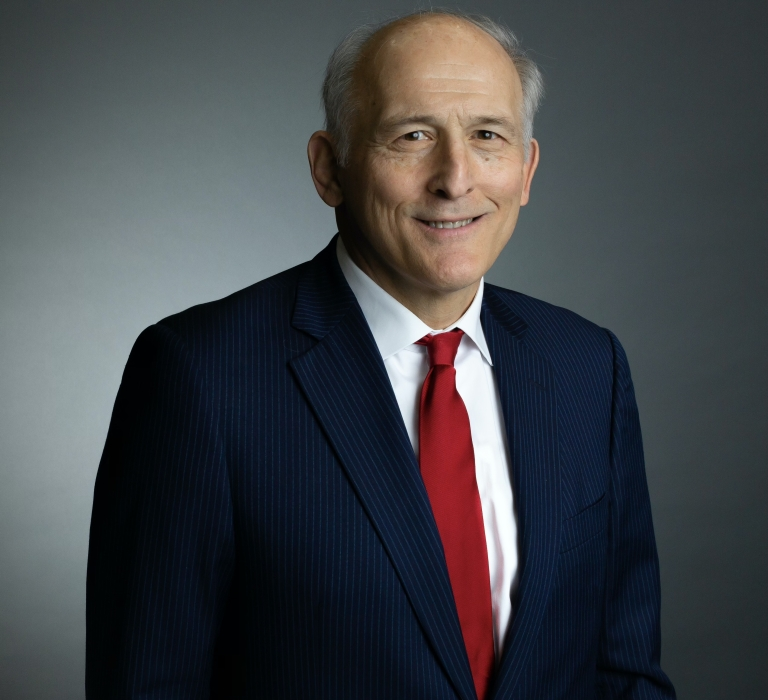
Witness Post: Neal Brendel
Wrestling at Yale during what is known as the Waterman/Bennett Era (Coach Bert Waterman and NCAA Champion Jim Bennett), one wrestler besides Bennett, was a singular force: Neal Brendel.
A history major, Neal was an athletic, physical presence on campus. As a freshman Neal was approached by the Varsity Heavyweight Crew Captain, Dave Thomas, who tried to recruit him to try out for the Crew team. Neal replied, “Why would I want to be on a team that sweats a lot, gets blisters, and is exhausted by practicing one move over and over again? I want a sport with more than one move!” He participanted on the Calhoun College intramural football team, the Yale lacrosse team, the Yale rugby squad, and the Varsity Wrestling team. Wrestling was his only consistent athletic engagement his entire time as an undergrad. One of the reasons for his inconsistency in football was because Yale’s JV coach refused to have his boys on the line opposite Neal, a mere Calhoun College lineman. During intersquad scrimmages, however, Brendel kicked the daylights out of every opponent, often leaving them injured and incapacitated for the next few games. Neal was banned from all further scrimmages. Early on Neal abandoned lacrosse as it was a hand-eye coordination sport that he decided he did not excel. (Bill Gamper, from the wrestling team, was a life-long lacrosse player, and he offered to coach Neal in lacrosse, but at age 19, Brendel found it a hard sport to master.) Wrestling became his athletic focus.
Wrestling at Yale
In the 1970s and 1980s Yale wrestlers, under coach Bert Waterman, hit their pinnacle. The Eli’s had four All-Americans: Tim Karpoff (1974), Neal Brendel (1976), Jim Bennett (1975, 1976), and Colin Grissom (1982). And in those years of NCAA Division I competition, Yale teams placed among the top 20 programs in the country three times. In the years of 1970-1982, Yale under Waterman produced one NCAA champion — Jim Bennett (142 lbs) — and many other notable wrestlers, who were strong contributors to the program.
Bert Waterman hit his coaching stride, and the results from his wrestlers were astonishing: Terry Light, Alan Gaby, Chris Legg, Frank Kreiji, Jeff Spendelow, Tim Karpoff, Tom McEwan, Jamie McEwan, Bill Gamper, Brian Robb, Mike Poliakoff, Ken Stewart, Colin Grissom, Kent Weichmann, Marty Schwartz, Craig Davis, Jack Moses, Matt D’Annunzio and Neal Brendel, along with Jim Bennett. All of them were scoring machines. With team points coming in dual meets and tournaments from many weight classes, the other Ivy coaches considered Yale to be a perennial Ivy League contender, an Eastern’s (EIWA) dark horse, and an NCAA surprise.

The Captain of the Yale Wrestling Team in 1972-1973 was heavyweight, Tim Karpoff, an All-American with a ferocious temper. On a daily basis, the matches between Karpoff and Brendel were loud and vicious. It felt to others wrestlers as if the two were in the finals of the NCAA tournament and they neither let down their guard or let up their intensity. No drilling and no collegial banter; it was all business with those two on the mat. Screams from Neal’s side of the practice room were ignored by Coach Waterman, when Brendel and Karpoff squared off. The shrieks from their corner of the room were intense.
The brutalist on the team was definitely Neal Brendel (190 lbs), who had been a Pennsylvania Catholic league champion from the Pittsburgh region of the Keystone State. He often battered his wrestling opponents and practice partners, even during warm-up sessions and take-down drills. Neal had one speed: ALL OUT! Marty Schwartz and Cliff Wilson were wise enough to stake their weight class (158 lbs) as too light to wrestle with Neal. Even when they were overweight, Schwartz and Wilson did their darnedest not to partner with Brendel. That declaration extended their wrestling careers considerably.
Jamie McEwan (Yale Captain in 1975) hated wrestling Neal as much as Kent Weichmann, Ken Stewart, Tim Karpoff, Jim Simpson, Jack Moses, Joe Cooper, Henry Hooper, Matt D’Annunzio, Sam Teeple, Frank Jackson, and the rest of the heavier guys did. Why? Because Jamie knew he would likely finish practice with a hyper-extended elbow, a broken nose, or flesh wounds of some kind to show for the effort. Partnering for drills with Jamie McEwan, on the other hand, was a pleasant experience, all things considered. He could crank it down a gear and go half-speed, which helped us learn the move that Coach Waterman was drilling. Neal never mastered that lower gear.
Yale Wrestling Club
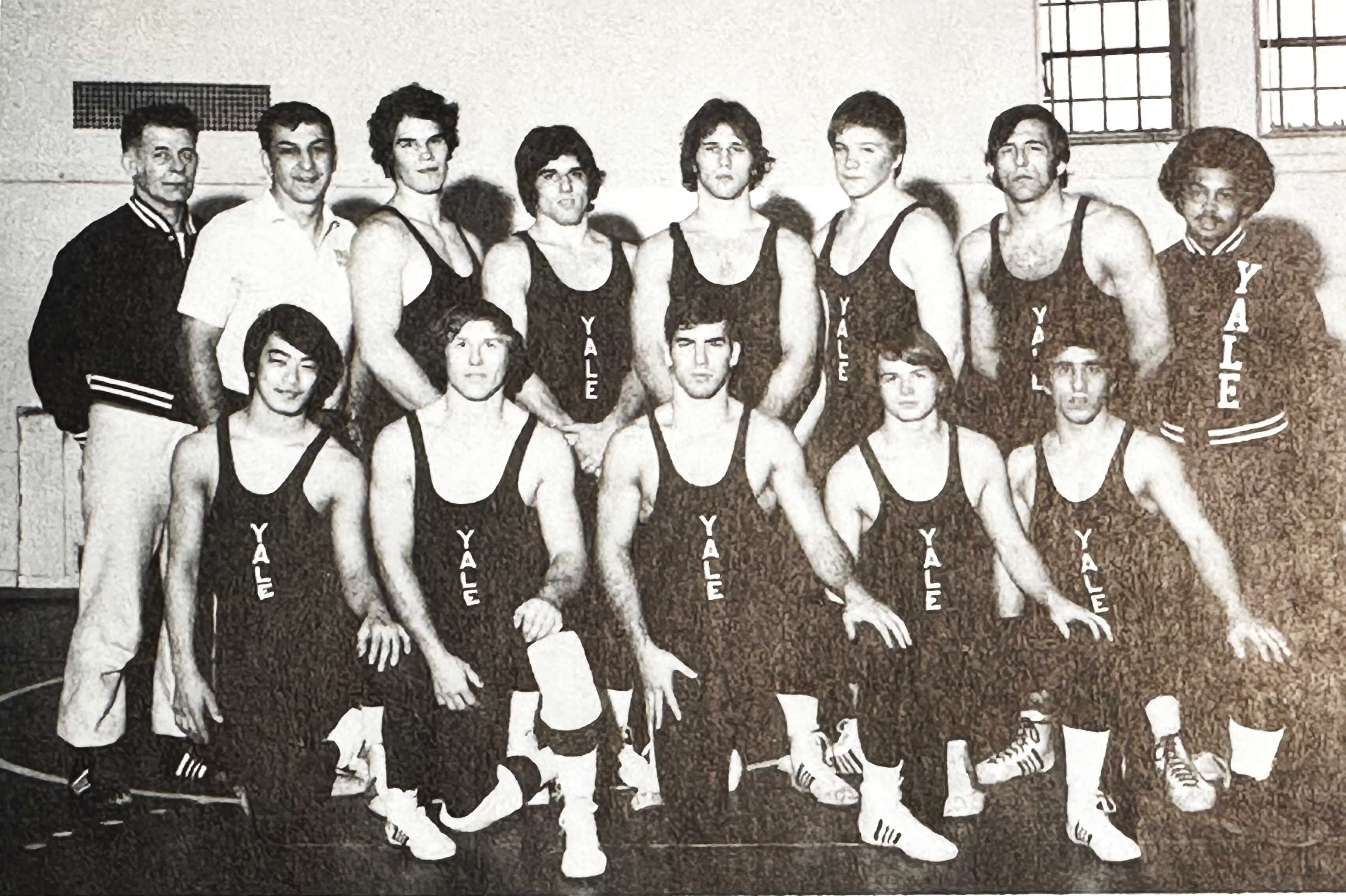
In the winter of 1974 Yale formed a Club team to compete in the wrestling tournament held at Montgomery County Community College, in Bethesda, Maryland. The Club consisted of Jim Bennett, Bill Gamper, Jamie McEwan, Henry Hooper, Craig Davis, Neal Brendel and Tom McEwan (Jamie McEwan’s older brother and former Yale captain ’68). During one of Bennett’s early round matches, Coach Waterman got so angry at the referee that he stood up, lifted his seat and threw it across the gym. The metal chair went clattering across the wooden floor, as Coach Waterman berated the official’s calls. At the second expletive, the referees ejected Coach from the gymnasium. Waterman kept yelling at and heckling the refs from the exit door to the locker room. They finally called security, who escorted Waterman from the premises. The team esteemed Waterman for his passion and his fire. He was a formidable man with a very loud baritone voice which resonated in gyms, even from the exit doors. Bennett commented, “I have never had a coach who cared that much about me before” and the rest of his wrestlers felt the support as well.
During NCAA regional competition Neal Brendel had to cut 30 pounds (from 220 to 190) to get to his fighting weight. (Note: losing 30 pounds is difficult, losing that weight in a matter of weeks teetered on impossible. Neil was losing nearly 14% of his body weight. To put that percentage in context, chopping off your head would yield a reduction of only about 8% of one’s body weight.) Actually making weight was a challenge for all of us, especially when Neal was around. He had a generous appetite and meals in Commons were always accompanied with dessert. On most “away” wrestling meets he pulled out the tins of Ukrainian Mykolaichyky cookies (aka St. Nicholas Cookies) and the Pryaniki (spice cookies) that his mother had mailed to Yale Station from McKeesport. He always seemed to have a stash of mom’s cookies on the bus rides to and from New Haven those days. They were all delicious.
At the open tournaments, like the one in Montgomery County, MD, Neal usually skipped the weight loss regime and wrestled Heavyweight. Brendel wrestled well at the early rounds in Bethesda that winter and made it to the finals. In his last match, Brendel was up against a 350-pound wrestler from Cleveland State, who was an NCAA All-American named Chuck Erhardt. Talking to Neal at mats edge, before the match, Coach Waterman advised, “Neal, play it smart. Do an arm drag to an ankle sweep. Whatever you do, don’t get underneath this guy. He’ll crush you.”
On the whistle Brendel ignored Coach’s advice and immediately dove in low for an ankle. As Erhardt tried to collapse on him, Neal used an ankle freeze and a knee lock that made Erhardt topple over to his back like a felled tree. “It sounded as if Brendel, like a lumberjack with an axe, had broken Erhardt’s leg,” Tom McEwan shouted. Neal quickly dove at Erhardt’s head, securing a half nelson. By lying on Erhardt’s face, Brendel muffled any audible shrieks of pain. The ref quickly slapped the mat. Brendel had won the match by fall in less than a minute.
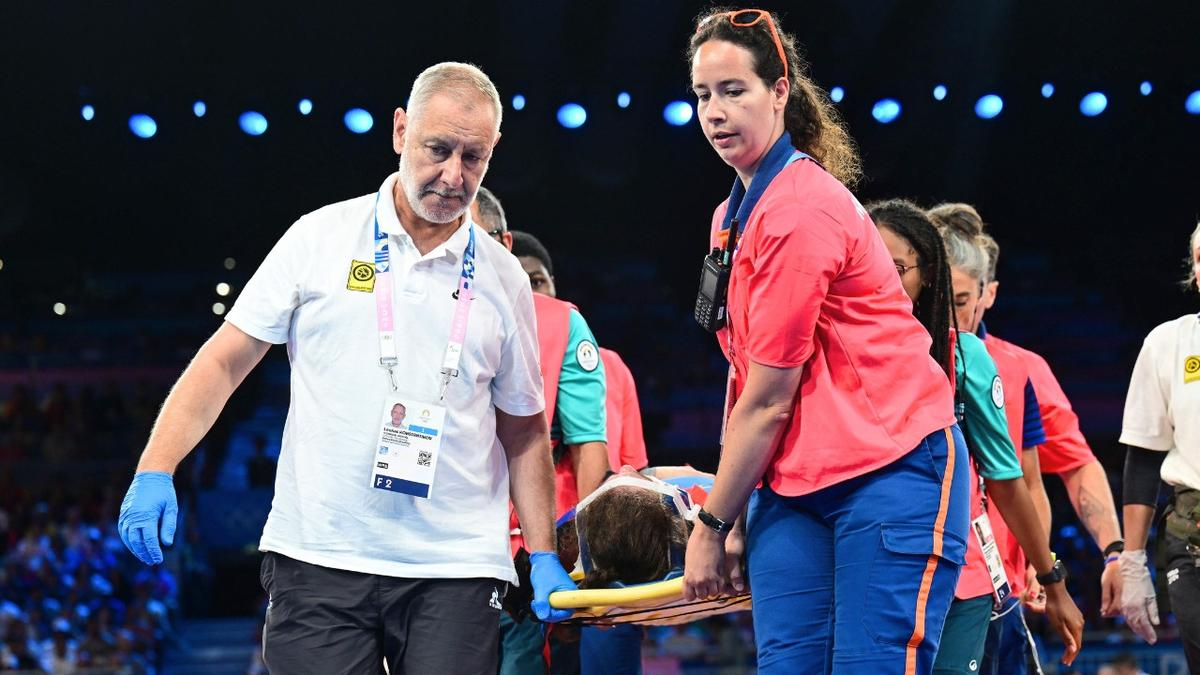
Not sure what had happened to Erhardt, a team of eight medic supporters quickly showed up and carted Erhardt off in a waiting gurney. Brendel was competing against an opponent who had a 130 pound weight advantage! His first period pin over Erhardt was dramatic and extraordinary.
Brendel Early Years
Neal Brendel was born on September 12, 1954 in western Pennsylvania. He grew up as the third son in a family with six children: Timothy, Kenneth, Neal, John, Joseph, Jr. and Maryann. Their parents were Joseph A. Brendel and Olga Dobash Brendel from McKeesport, Pennsylvania, a suburb of Pittsburgh. Neal and his siblings were raised in mom’s faith tradition, Ukrainian Catholic. Their father had a long career as a nuclear engineer for Westinghouse Electric Co., where he was an active member in the Foreman’s Association. Joseph Brendel was also a World War II Navy veteran. Olga, was a veteran as well, having served in the Marine Corps during WW II. She graduated from Duquesne University before marrying Joseph.
The children attended schools in the Catholic archdiocese of Pittsburgh, with Neal and his brothers attending Serra Catholic High School in McKeesport. He had picked up wrestling as a freshman in high school and he stuck with it, winning the Pennsylvania State Catholic Tournament as a senior in 1972. He was recruited by Yale wrestling coach, Bert Waterman, to join the team.
To help pay for college Neal worked in the local coal mines during college breaks, which proved the fastest way to put cash in his pockets during the summers.
Neal Brendel’s Wrestling Career & Awards
Neal is the only wrestler in Yale history to compete in four consecutive NCAA Championships.[1] That fourth year (1976) he entered the tournament seeded #2 in the 190-pound weight class. His high seeding was based on a pin he executed against Keith Ely from Princeton for Yale’s Ivy League championship and a victory in the finals of the EIWA regional tournament over Greg Cooper of Navy by a 9-1 score.
In the NCAA tournament Brendel advanced through the early rounds by beating Harold Smith of Kentucky (13-0) and Billy King of Alabama (7-2), before narrowly losing to Evan Johnson of Minnesota (3-2) in a tight quarter-finals match. Johnson went on to earn the champion title at 190 lbs that year. The wrestlebacks for a top four finish in any tournament are tough. Brendel battled brilliantly in the grueling consolations beating Fred Bohna of UCLA (10-6), Bob Johnson of Nebraska (5-4) and Mark Neumann of Oklahoma (7-4), however, he lost in the consolation finals to Iowa’s Bud Palmer (2-2 and 10-2 overtime), securing 4th place for the Elis.
Jim Bennett, the defending champion from Yale at 142 pounds, placed fourth his senior year as well, becoming a two time All American for the Eli’s.
Before graduation from Yale, Brendel was nominated by Coach Waterman and voted by the administration as winner of the William Neely Mallory Award, designated to the athlete “who best represents the highest ideals of American Sportsmanship.” The administration had obviously not consulted with Cleveland State’s wrestling coach or Heavyweight on the award. To this day Brendel remains the only collegiate wrestler ever to have won that Yale award.
Worth noting is that Neal Brendel was far more than a “jock.” He had an expansive vocabulary, a keen mind for history, and he was a great writer. He was recognized and honored at graduation with the White Prize, awarded to Brendel for his academic excellence in undergraduate writing.
From Wrestling to Rugby
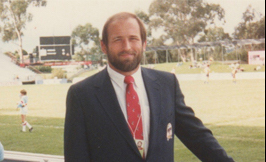
Having played as “tight head Prop” on the rugby squad in the spring of his senior year at Yale, Neal was interested in finding a graduate program at a school with Rugby. He was accepted to law school at University of Virginia, which had a prominent Rugby team.
While in Charlottesville, Neal wrestled with the varsity to stay in shape. One workout partner was a New Jersey high school state place winner named Mark Serruto. An eventual ACC finalist at UVA, Serruto claimed, “In my career I have wrestled multiple NCAA champs and Olympians. Neal Brendel was hands down the toughest guy I ever wrestled.” Mark added, “He was famously mean in practice.” Softening his tone, Serruto confirmed that the workouts with Neal made a positive impact on his training and personal development.[3]
In the spring of his first year of law school (1977), Neal worked hard to improve his Rugby skills. Before the spring season ended, the sport of Rugby had emerged as his latest passion. When on the pitch, Brendel mastered the techniques even better than he had while wrestling. He loved the physical challenge of the scrum, the raw muscular strength needed to move the ball, the strategy of the sport, and he revelled in the fun of seeing the little guys out there running with the ball he had lateralled. One Brendel watcher observed, “In wrestling the matches are one-on-one, and in Rugby it is a beautiful all-out team brawl.”
Neal was drawn to leadership roles in many of his pursuits and he was elected as president of the Virginia Rugby Union, while still in law school. He grew his talent in this new-to-Brendel sport and he continued his quest to be the best. He gradually rose to be a master US player, internationally ranked. He told the rest of us wrestlers, with evangelical certainty, “You guys are all missing out: Rugby is the Way!” Later in his career he became the first national team player — the United States Eagles — from 1983 to 1987, and was elected to serve as Chairman of the USA Rugby Football Union.
Amazingly, Neal competed in the inaugural Rugby World Cup in Australia in 1987, while remaining a full-time partner at his law firm K&L. He also led the Pittsburgh Rugby Football Club (now the Pittsburgh Forge) as captain and president during the Club’s most successful decade of the 1980s. He also served as the North American / West Indies representative to the International Rugby Board (now World Rugby).
The Next Challenge: Marathons
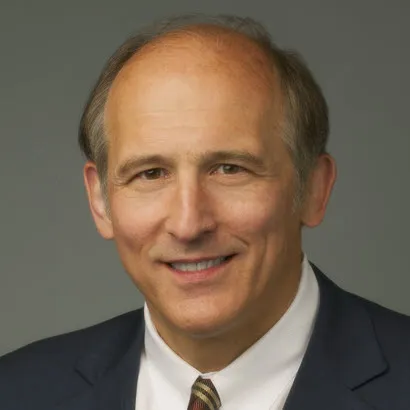
Neal and Peter Kalis, a colleague and later Chairman of K&L Gates, often joined by several fellow partners, would occasionally enjoy an adult beverage after work. At one such session in the mid-1990s Kalis asked Brendel if he would consider taking up the sport of long distance running: namely marathons. Fortified by the energy in the room and the elixer in the moment, Kalis and Brendel shook hands and agreed on the 26.2 mile proposition. Their friends and colleagues, not appreciating Neal’s sincerity, laughed outloud at the very thought of these two aging athletes hitting the road. Even months later, the two proved either too stubborn or too embarrassed to back down from their verbal agreement.
According to Kalis, both men labored through their training runs. It was tortuous. Meanwhile Neal, grabbing a phrase from his fellow wrestler, Marty Schwartz, advised Peter to “welcome pain as an old friend.” In 1995, true to their word, Neal and Peter ran in the Marine Corps Marathon in Washington, DC. Known as the Marathon of the Monuments, it was an uphill battle on a relatively flat course, passing important land marks in our nation’s capitol. They crossed the finish line at Marine Corp War Memorial (known as the Iwo Jima Memorial) and were elated to still be standing.
The following year the intrepid duo decided to up their game and committed to running the Athens Marathon in Greece. As a history buff, Neal noted that they were running exactly on the path where, 2,500 years earlier, Athenian warriors had fought to preserve their civilization. Neal told his wrestling buddies, “If you can’t run to Athens in the footsteps of Pheidippides with pride, you are not a real marathoner, you’re just a runner!” As Neal and Peter launched their second run on the Plains of Marathon, Peter marveled, “This formidable man, Neal Brendel, ran side-by-side with veteran and quite slender international marathoners.” According to Kalis, “Neal crossed the finish line in Panathenaic Stadium in Athens about an hour before I did.” Neal was indeed true to his pacts and promises.

Brendel and Rollings
Point of Note: Yale is where Neal first met Pamela Rollings, the captain and star of the Yale Women’s Basketball team. In 1976 Pamela graduated from Yale Phi Beta Kappa, summa cum laude. Pamela and Neal met in their senior year at Yale, attended graduate school together and were married shortly after they both graduated from Law School at UVA.
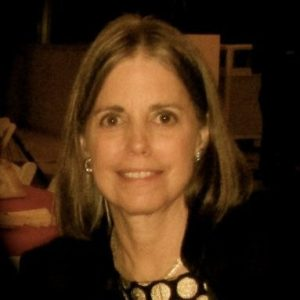
Pamela is a powerful force. She has been a legal specialist in finance, securing roles at Buchanan, Ingersoll & Rooney, P.C., where she became an equity partner. She rose through the ranks to serve as the Vice-Chair of Corporate Finance within the law firm.

In 1992 Pamela moved to a new role as in-house council at PNC Bank Corp, a top-tier US regional bank. There she honed her specialties of general corporate law, mergers and acquisitions, commercial transactions and corporate finance. During her time at PNC Pamela managed the legal staff focusing on loan documentation, capital markets, real estate and business “workouts.” Later in her career, Pamela served as part-time in-house counsel for the Pittsburgh Parks Conservancy of Western Pennsylvania.
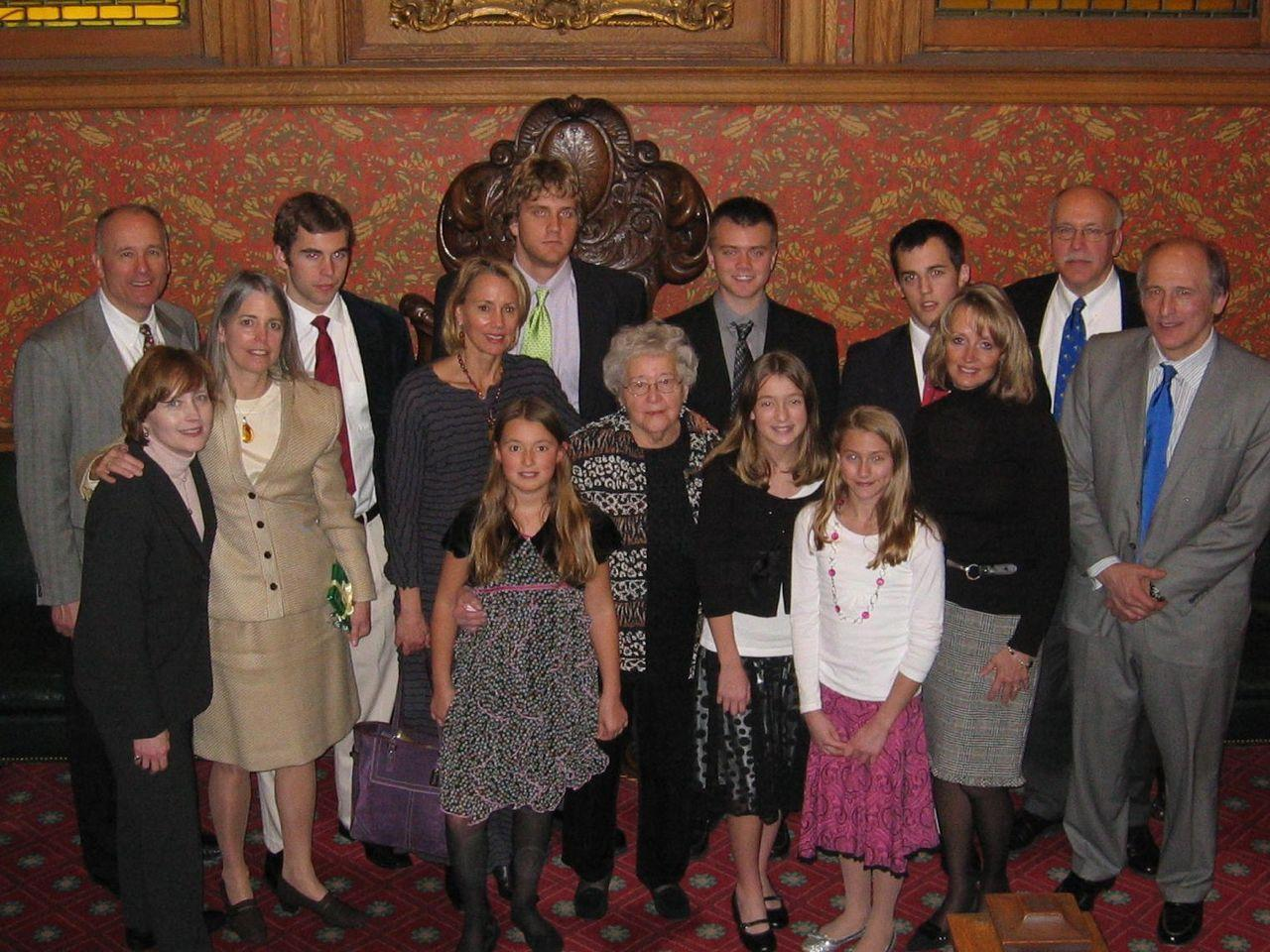
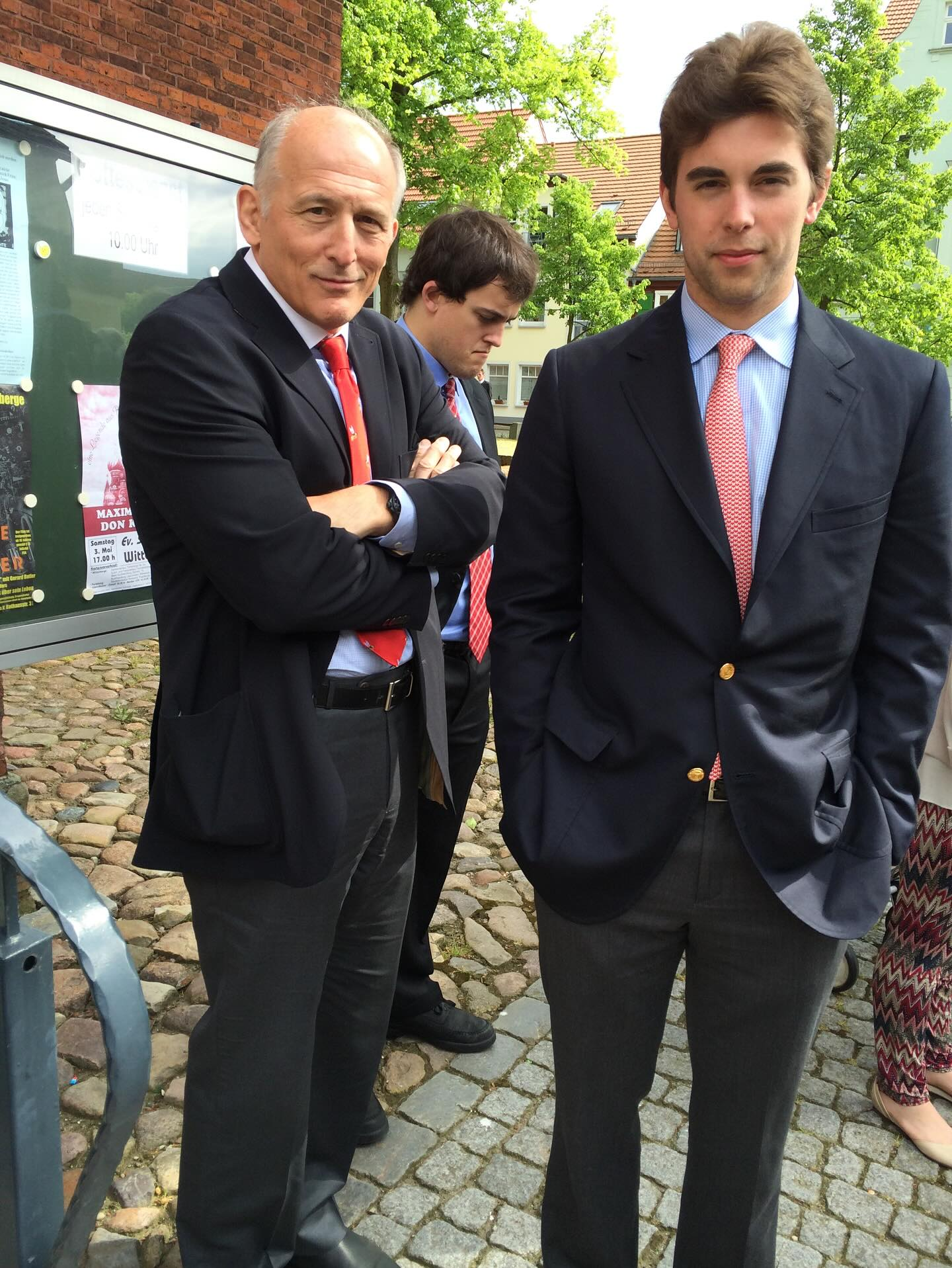
The couple was married for 33 years, before Neal’s untimely death. Together they raised two sons: Ross Brendel (Yale ’11) and Kurt Brendel, a Princeton grad and wrestler. (Yale had dropped the wrestling program, so Kurt matriculated at Princeton.)
Legal Career in Pittsburgh and Beyond
In 1979, fresh out of UVA Law, Neal Brendel arrived at the Pittsburgh headquarters of the firm Kirkpatrick, Lockhart, Johnson & Hutchison (K&L). His life as an All American college wrestler and a rising rugby star was immediately evident to his workmates. As his K&L colleagues mentioned, “You can just tell he was an athlete, by the way he carried himself and walked the halls.”
The Yale Daily News published a retrospective on wrestling at Yale dating back to 1903. The article featured Neal, the only wrestler in school history to participate in four NCAA championships. The writer described Brendel as “a man of class and humility, despite being tough as nails on the mat.” Simply substitute “in the courtroom” for “on the mat” and you have an apt description of how Neal rolled in his legal career.
In 1986 Neal Brendel was elected as a partner at K&L. His colleagues recognized him for his smart, savvy, client-focused approach to the law. His law partner, Peter Kalis, elaborated on Neal’s outside pursuits, “We were enormously proud that Neal represented his country in a sport that other nations had first mastered. How many law partners do you know who have been at the pinnacle of two sports (wrestling and rugby) in their native land? I knew only one — Neal Brendel.”
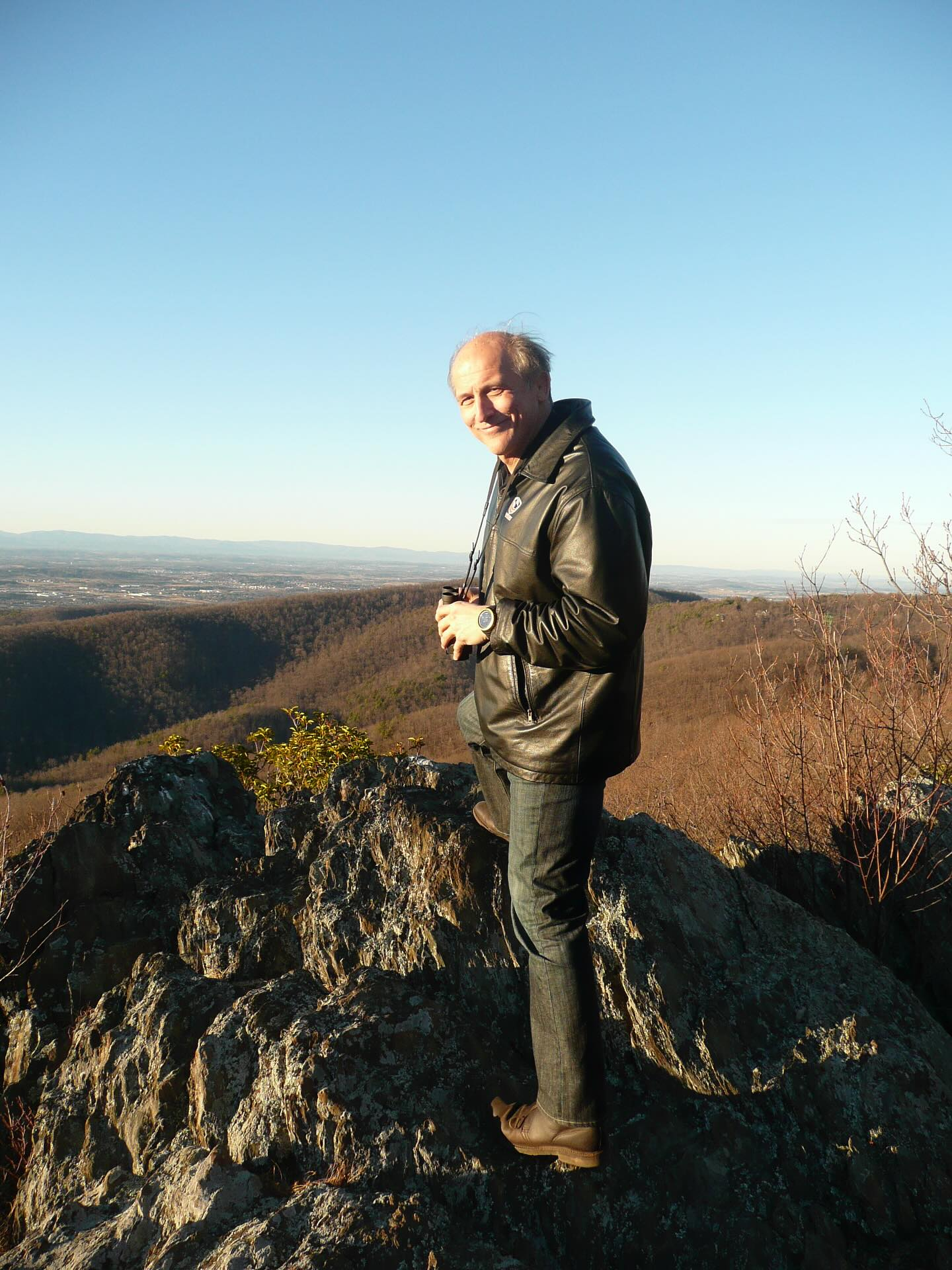
Over the years, Neal and his partners diligently practiced law together. One colleague said, “He was unfailingly brilliant and courageous as we traveled across the US from courtroom to courtroom, often joined by our younger colleagues.” Because of the nature of the cases Brendel brought to the firm, K&L would typically be opposed by dozens of law firms, including some of America’s greatest firms: Skadden Arps, Simpson Thacher, Ropes & Gray and others. Chairman Kalis noted, “Our clients usually prevailed, in no small part because of the quality of Neal’s advocacy, his strategic and tactical thinking, and the team spirit that he infused into our enterprise.”
About a dozen years later, Peter Kalis suggested that the firm should grow more internationally, by moving to win-over clients in the Middle East. Rising to the challenge, and after securing approval from Pamela, Neal was off and running as the founder of the K&L Dubai office. And as Kalis stated, “It was not without personal and professional sacrifice in the early days, where Neal developed from scratch an active international arbitration practice and earned the friendship, respect and admiration of a new circle of colleagues.”
Over the next decade, the firm known then as K&L Gates, improved their Middle East offices in Dubai and Doha, noting that they stood out as unusually successful for a US-based global law firm. “This success is a tribute to Neal Brendel and to Michael Johns, the transformational leader from London, now retired, as well as the extraordinary personnel in each of those offices.”
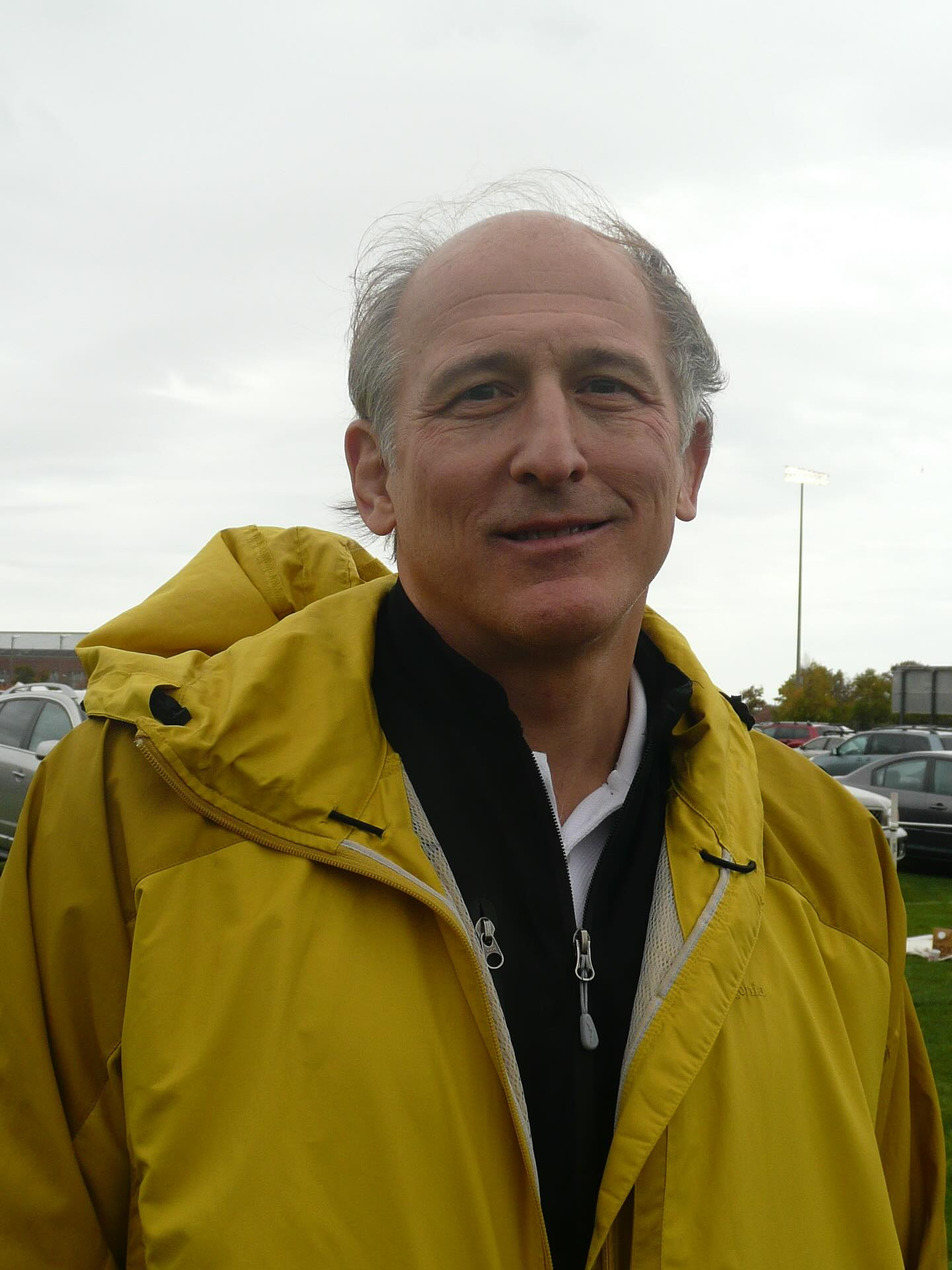
Neal retired from K&L Gates in 2019, after a forty-years. He continued working as a mediator and arbitrator until his illness struck him down. Neal was an avid traveler, naturalist and sportsman. In his retirement he cultivated native trees and plants at the family home in Fox Chapel, PA. Neal also enjoyed escapes with friends for bird hunting trips around the US and abroad.
Neal Brendel died on August 25, 2021, after an extended battle with mesothelioma. Those summers in the coal mines caught up with him. He was 66 years old.
Jim Bennett remembered Neal with a statement on our 50th Reunion Wall of Tribute, which was created to honor the deceased members of the class of 1976. Jim wrote:
Behind Neal’s exterior toughness was a life rich in love, camaraderie, and sheer fun. A longtime teammate recalled him as an “unadulterated person and true friend,” the guy who would fly into town for a supposedly “important” ABA meeting and instead spend the afternoon sharing Jack Daniels and old wrestling stories. Neal’s family includes the incomparable Pamela Rollings (Yale ‘76), their sons Ross (Yale ’11) and Kurt (Princeton ’12), Ross’s wife, Capel, and granddaughter, Clara, along with a wide circle of teammates, colleagues, and friends who will forever smile when they think of Neal — on the mat, on the pitch, in the courtroom, or just raising a glass and filling the room with his indomitable energy.
Neal, we miss you deeply.
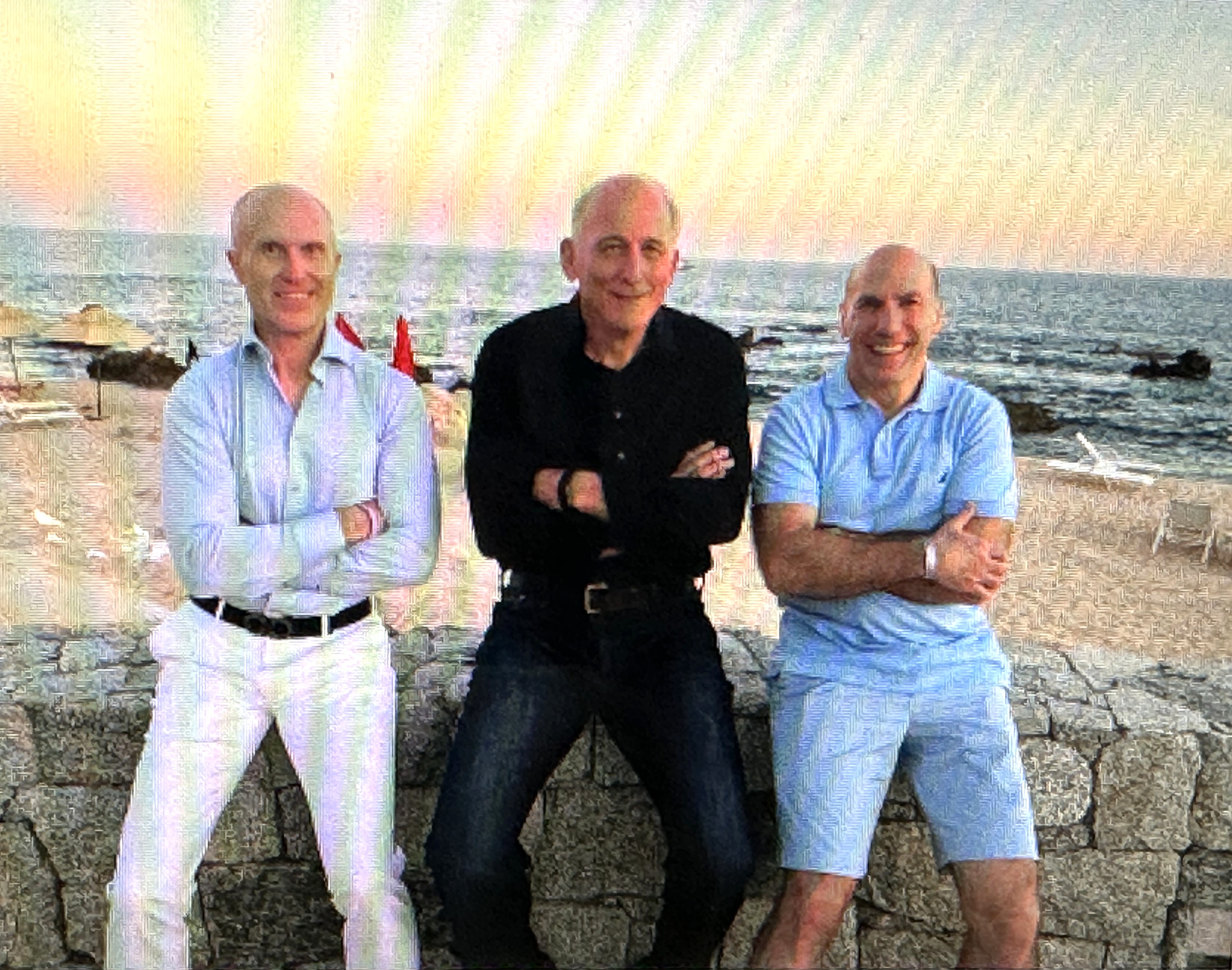
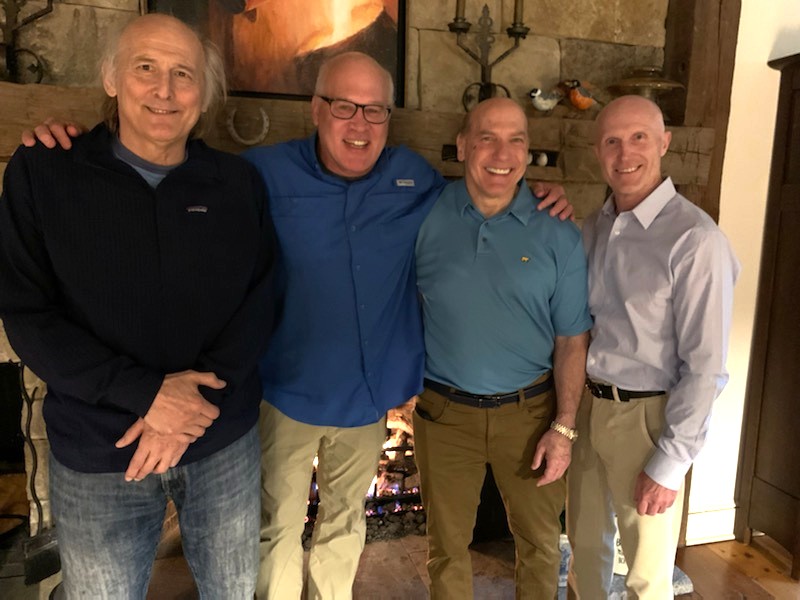
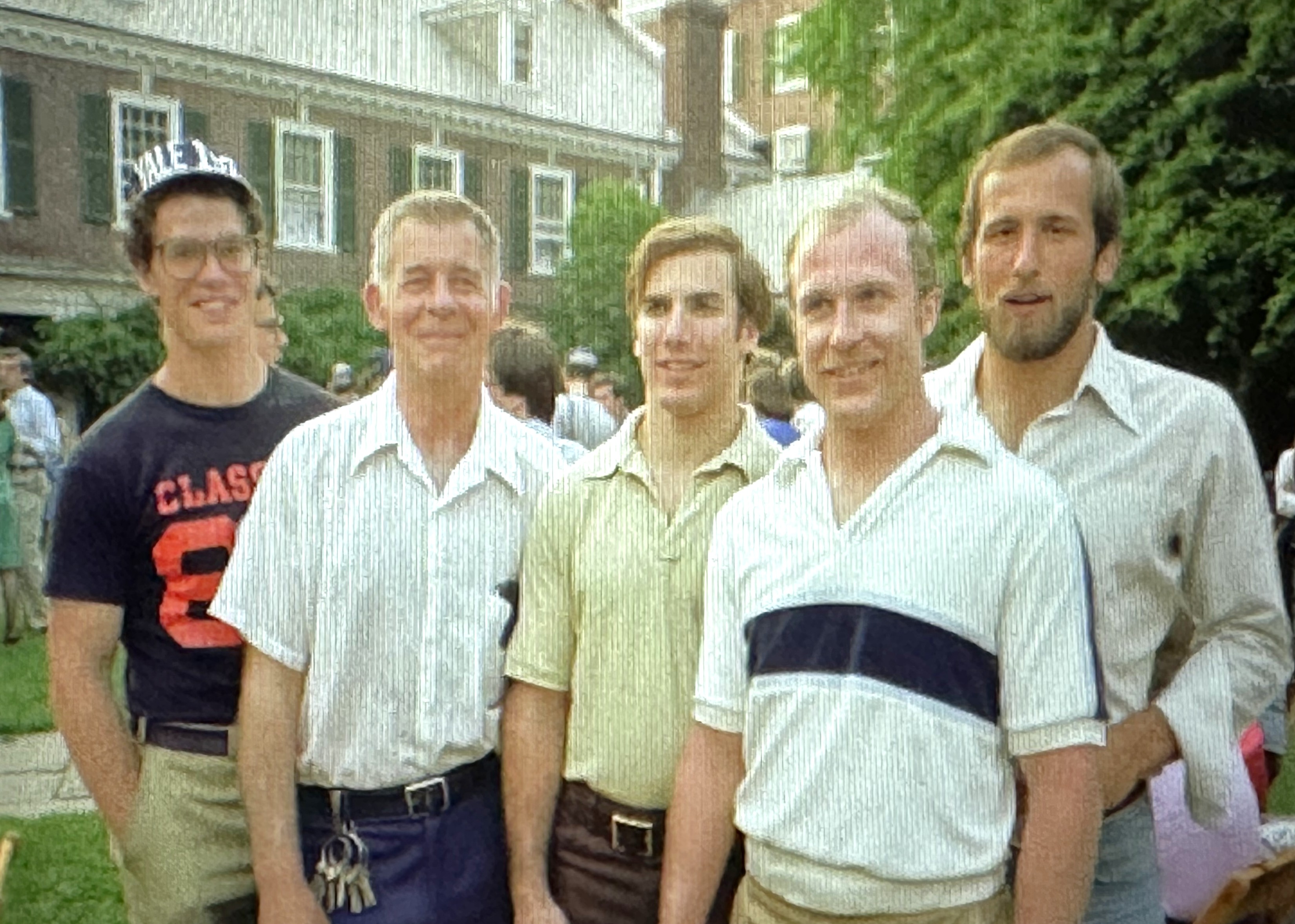
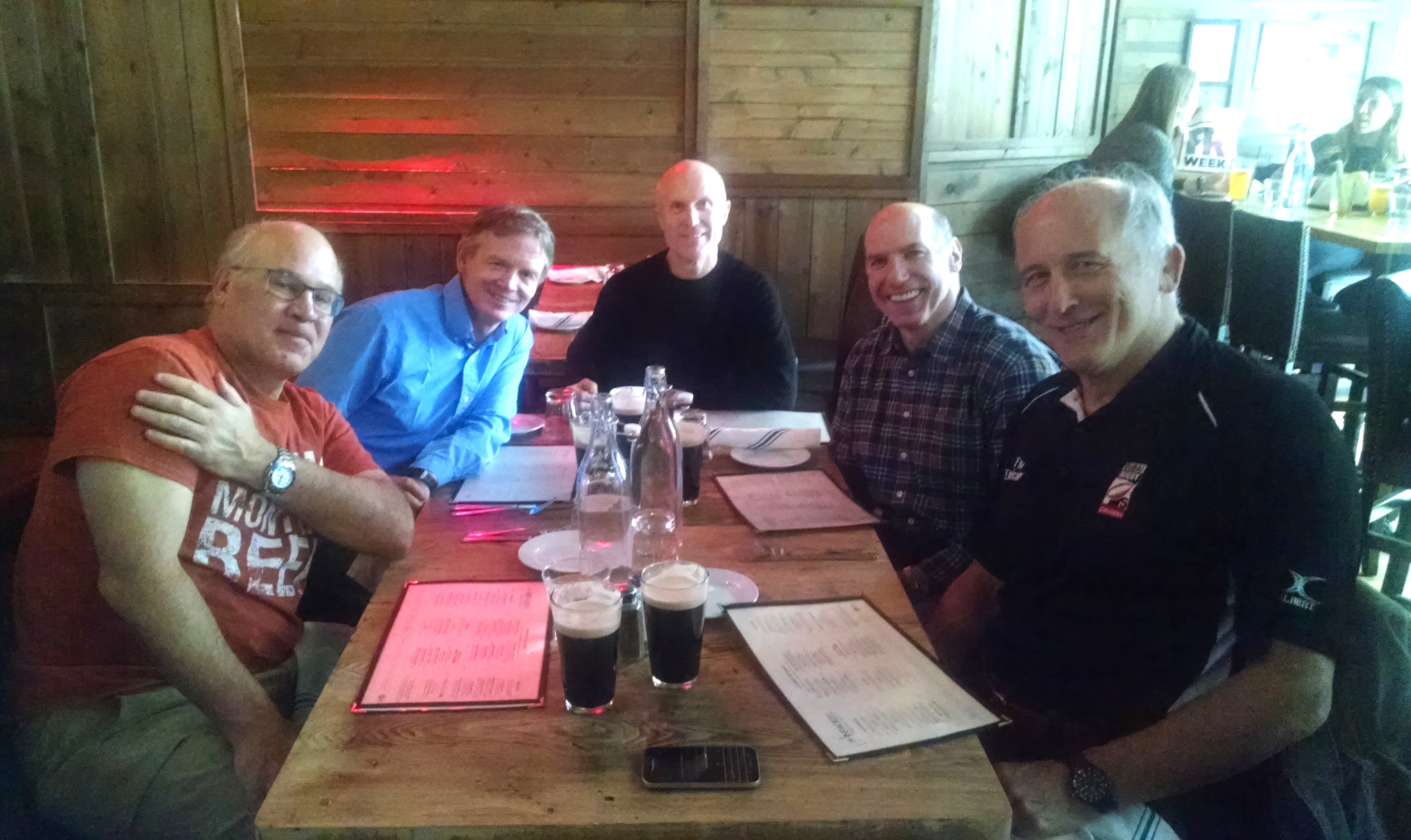
“In honor of Neal Brendel’s legacy both on and off the field, the Forge is proud to establish the Neal R. Brendel Scholarship Fund, which in conjunction with the Brendel family will annually award grants to local high school rugby seniors who will be continuing their rugby careers at the collegiate level. We hope to fund this endowment with your support, which is crucial to enabling this fund to live on in perpetuity, and to continuing to honor Neal’s lifelong commitment to the sport of rugby.”[2]
=============================================================================
References:
[1] Since the NCAAs are a relatively recent fabrication in the sport of wrestling, it is worth noting that Neal may be considered the second Yale wrestler since 1903 to be a four time tournament participant. George Dole (Yale 1906) accomplished this feat by winning four intercollegiate titles (1903-1906). His twin brother, Louis Dole, (Yale 1906) was a three time wrestling champ. The distinguishing mark is that the NCAA’s did not exist when Dole accomplished his feat. Dole went on to win the wrestling gold medal at the Olympics in London in 1908 for the USA.
[2] See more about the scholarship from the Pittsburgh Forge Rugby Club: pghrugby.com/brendel-scholarship.
[3] The UVA connection with Neal on the wrestling team was added by Jeff Waters, a fellow Yalie, who knows the Serruto family well. His comments were overheard more than once, when Mark Serruto talked about tough competition and physical preparation for the national and international wrestling scene.
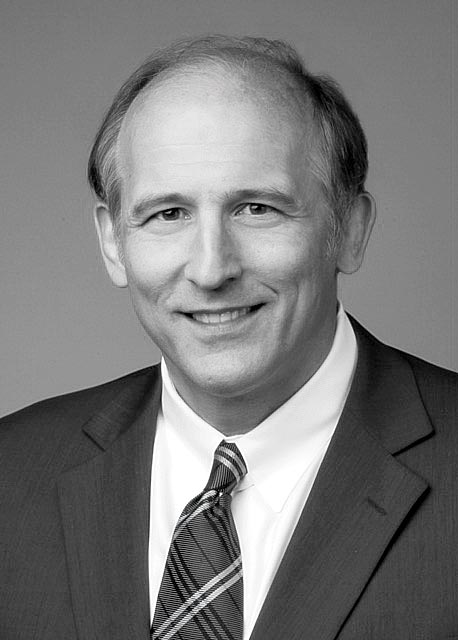
[4] A separate obituary was written about Neal in conjunction with his receiving the Sweeney Award in 2017, which highlighted his lifetime as a Rugby player and flag-bearer of great importance to the sport. It is included below:
Neal Brendel winner of Sweeney Award (2017)
Neal Brendel was an All-American wrestler at Yale College, placing 4th in the NCAA’s at 190 pounds in 1976, his senior year. His wrestling career over, Neal directed his athleticism and aggression to the rugby pitch that spring and quickly found his position as tight head prop for the Elis. He went on to law school at the University of Virginia, where his promise as a rugby player truly blossomed playing for the UVA rugby club, featuring a colorful assortment of townies, undergrads, and grad students, the most famous of whom was George Allen Jr., future governor and Senator of Virginia. Neal’s rugby play on the pitch at UVA earned him select side honors and eventual election into the Commonwealth of Virginia Rugby Hall of Fame in 2012.
After law school, Neal started his legal career in Pittsburgh and joined the Pittsburgh Rugby Club, where he served as club president for the black and gold from 1984-1987. He continued to mature at prop, gaining selection to the Ohio Rugby Union and Midwest Rugby Union select sides in the 1980’s. Following trials in Sonoma, California, he was selected for the 1983 USA Eagles team, which toured Australia where Neal earned his first cap in a 9-34 loss to Australia in Sydney, an emergent Wallabies team featuring Mark Ella and David Campese. He earned his second cap for the Eagles in a 21-13 win against Canada in Chicago in 1984. He played against Canada again in 1985 and against Japan on the Japan tour in 1985. The next year he was on the field in Pebble Beach California for the Eagles’ 47-13 win over Tunisia in a World Cup warmup match. Neal’s career as an Eagle culminated with the 1987 World Cup, where he earned his sixth cap in the 6-34 loss against England in Sydney. 1987 also saw Neal’s Pittsburgh Rugby Club end their best-ever season as finalists in the National Club Championship.
Neal was elected to the USA Rugby Board of Directors in 1996 as one of the first IOC-mandated International Athlete Representatives. He also served as legal counsel and advanced through the officer ranks to become President in 2002 and then Chairman in 2004. He had the great pleasure of representing USA Rugby at the 1999 World Cup in Ireland and the 2003 World Cup in Australia. His most significant achievements as Chairman included reorganizing the Board and reducing the number of directors from 36 to the present 8, securing a tournament fixture on the IRB World Sevens Series Tour, and solidifying the future for the USA Rugby Sevens World Series fixture through partnership with long time rugby supporter and entrepreneur Jon Prusmack. In the February 2004 debut for the USA Sevens tournament at The Home Depot Center in Carson, California, he had the honor of presenting the first trophy to winners Argentina.
Neal played a significant role representing the USA in International Rugby Board functions and developing the Union’s international profile and reputation as a reliable commercial partner. He served as Vice President and then President of the North American West Indies Rugby Association from 2003-2008 and as NAWIRA’s Representative to the IRB from 2006-2008.
Neal also volunteered his services as director and president of Three Rivers Rugby from 1997-2009, a nonprofit dedicated to promoting grade age rugby.
In 2009 Neal moved his law practice to the Middle East, where he opened an office for his law firm K & L Gates in Dubai, United Arab Emirates, site of a hugely popular fixture on the IRB World Sevens Series Tour. Having previously served as an IRB Judicial Officer for North America, Neal continued to serve as an IRB Judicial Officer in the UAE and also chaired the Judiciary Committee for the UAE Rugby Association from 2011-2015.

