Witness Post: Corn Dance of the Zia Pueblo
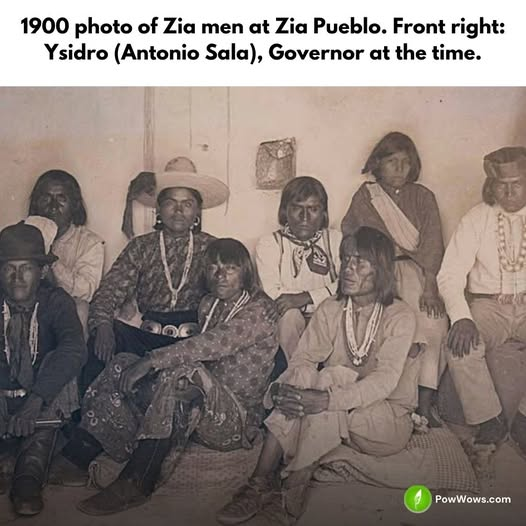
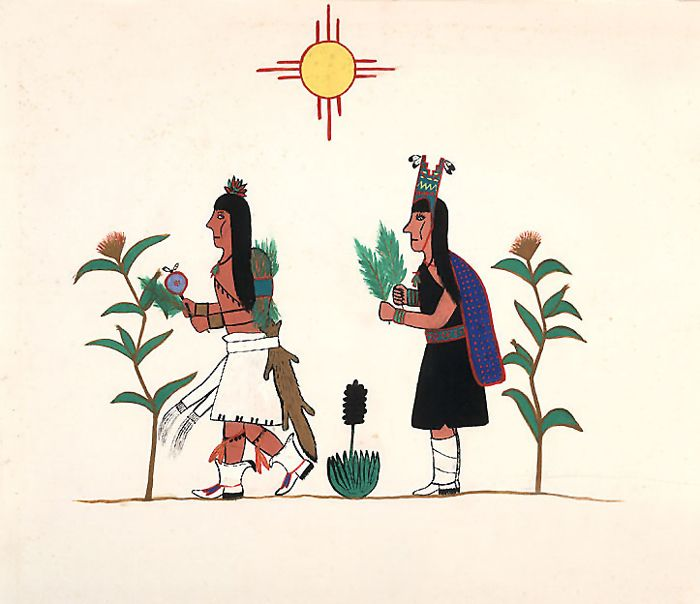
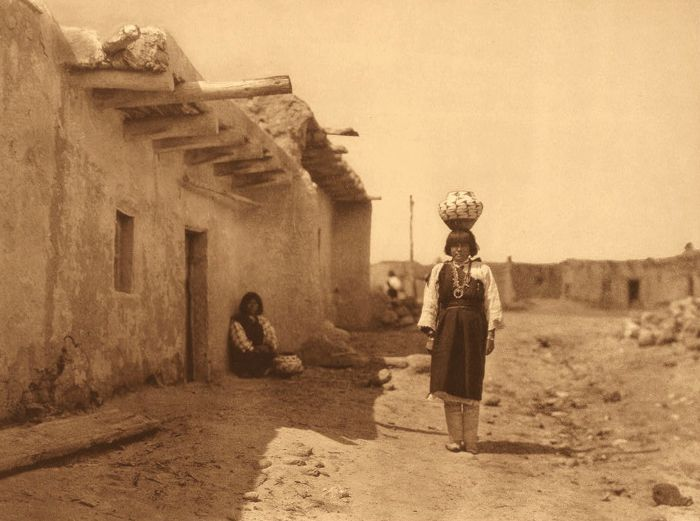
Please Note: This Witness Post is written from memory. The Zia tribes did not want either contemporaneous note taking or photographs of the Corn Dance. I wrote down as much as I could recall in short-hand the evening after the dance; however, there were no others with whom I discussed these “pueblo private” rituals. Therefore, these are my own personal recollections. If I have made any mistakes in identifying the pueblo rituals, Zia terminology, or dance references please forgive me and let me know how to make it right. This Witness Post is not meant to misappropriate or to critique the traditions of the Zia tribe. It is simply intended to serve as a recollection from personal experience while attending the Corn Dance in 1981, which is now (in 2026) 45 years ago. The images below are from the public domain and were found on the internet.
Indian Ceremonials, Gallup, NM
Arch McCallum prepared his incomparable whole wheat pancakes, to the gastronomic glee of us all. The cakes were complemented by yogurt, cereal, and vaious fruit juices. After a few additional cups of coffee, John Mayer and I rolled out of BaseCamp outside Thoreau and bound for Gallup to attend the Native American Intertribal Ceremonials. We stopped first at Herman’s Garage in Thoreau for Jimmie Herman to repair a nail puncture in John Mayer’s car tire. Jimmy was there with his usual pleasant sense of humor and his multitude of grease monkey comments about our poor driving skills. He made quick work of the hole and bid us all luck driving Trek commissary trucks and vans in the future. Jimmy reiterated final laments for the #4 truck, which was always in need of repair, then he bid us farewell and waved goodbye.
After brief additional stops at the music store then M&M’s and we were off to Red Rock State Park in Gallup. We waited in line for a quick meal in the rear of the Park pavillion and endured a lackluster spaghetti meal, spiced with good conversation and watered-down tomatoes. Over charged and under nourished, we wandered from there to the exhibition halls. The treasures were all there — the best the Southwest had to offer in Native American arts and crafts.
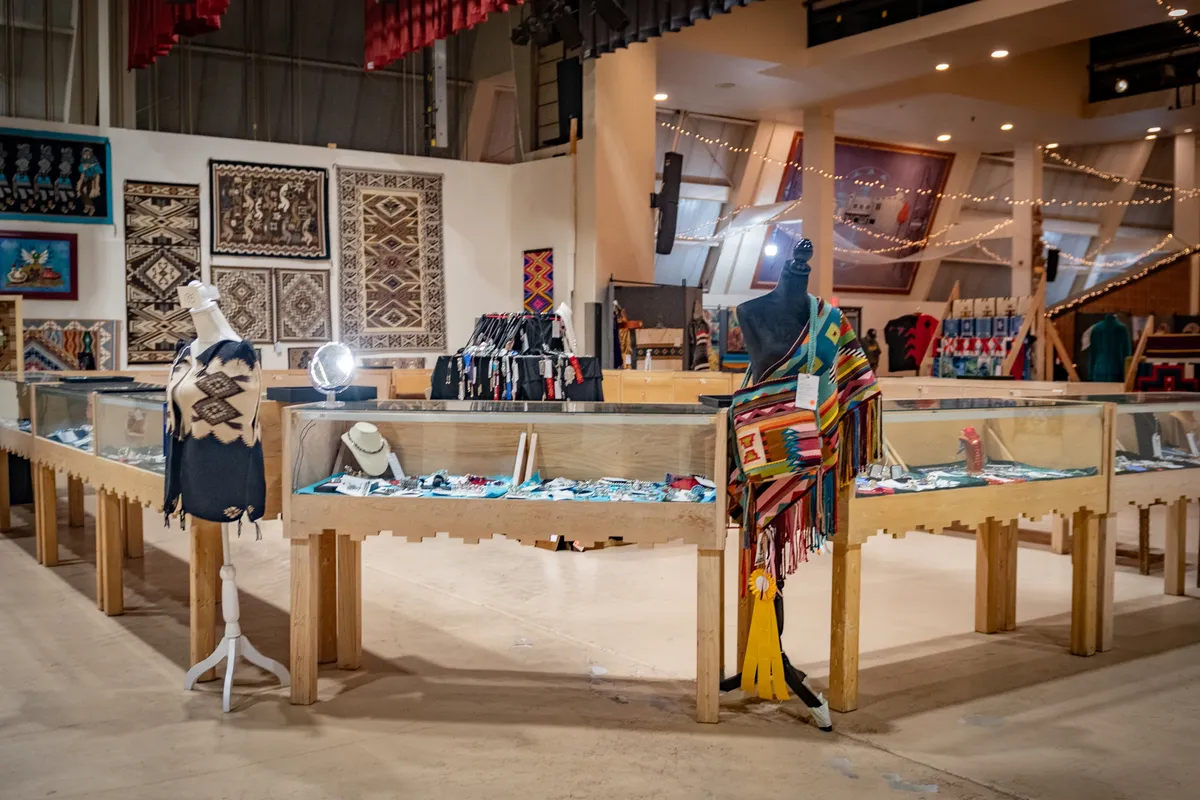
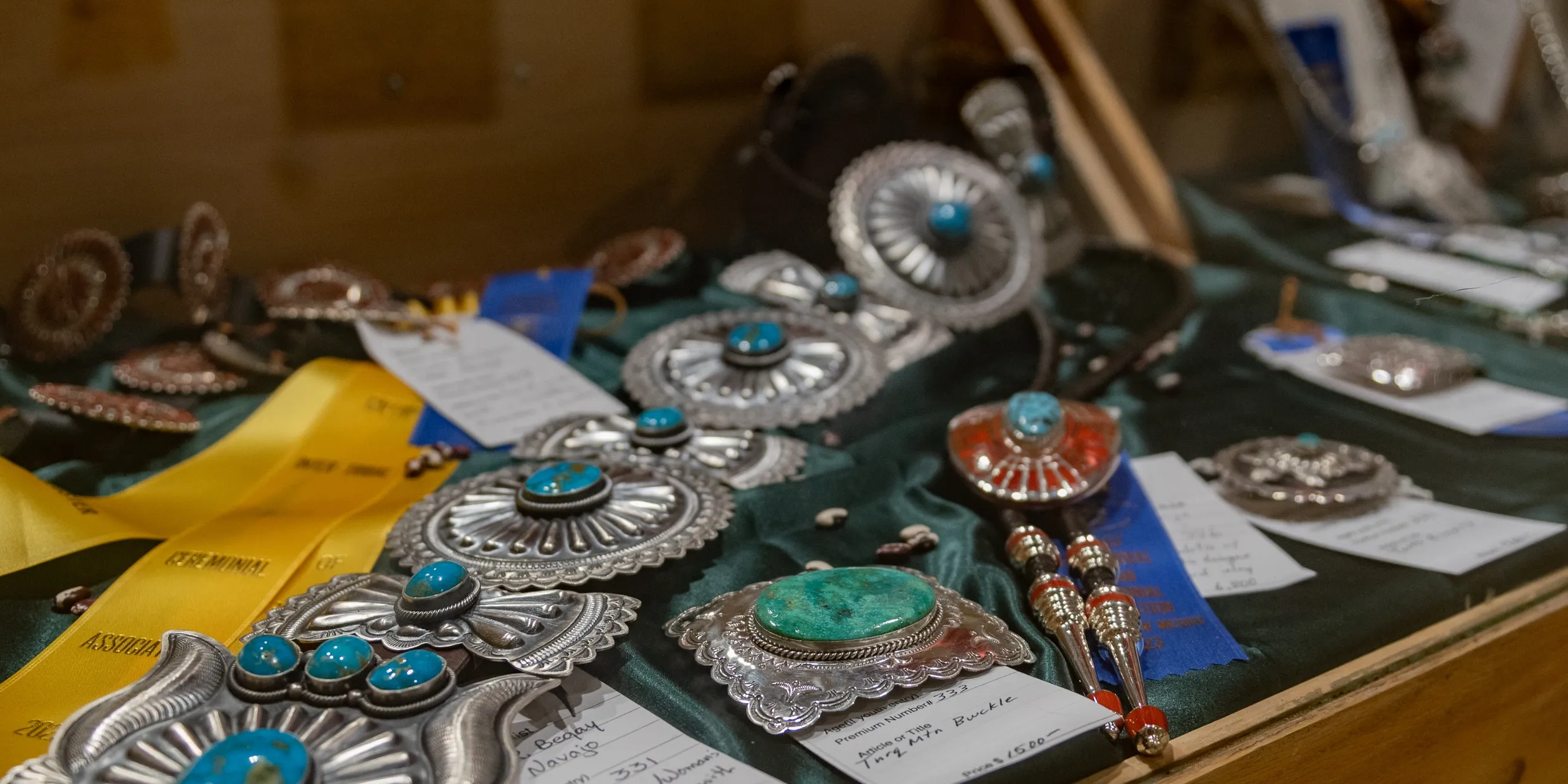
We were agog at the sheer masses of silver, rungs, turquoise, brass, gold, leather, baskets, pottery and people. Traders and artisans from across the Southwest were prolific in their displays of fine Hopi overlay silver, Two Gray Hills rugs, outstanding smithing, and fine lapidary work. One craftsman, George Henry, won the outstanding silversmithing award for a geometric gold chain, accented with spider web turquoise. His pieces included rings, necklaces, bracelets, and ear rings. Prize pieces for sure and a price tag to match. One of Don Woodard’s presented objects was a prized weaver’s rug (12′ x 18′) and priced at $9,000 — just out of reach for our combined $2,500 group leader / group counselor summer salaries.
Next we wandered into the exhibition hall full of posters, paintings and drawings. Again we saw beautiful pieces of original art from all walks of life, real and mythological. We saw a labrynth of magnificent murals, as the walls were real eye-dazzlers.
A quick stop for the blue corn meal break and/or Navajo tacos, then it was off to the stadium for the rain-delayed parade of the Indian tribes. It was full of surprises. The most depressing part of the demonstration was the highly acclaimed Zuni Marching Band, complete with majorettes, drum majors, and a band leader. The baton-twirling, high-stepping band members looked like the Ohio State band, and they were evidence of the white Anglo stamp-of-stupidity on the otherwise authentic Native American production.
The Zuni presenter appropriately finished with a prayer that was reverent and heart-felt. After instruction from the male Zuni band leader, we rose to our feet, removed head coverings and sang the National Anthem. Really? We sit for Indian prayers and songs and stand for the National Anthem? Francis Scott Key leaves the Fort McHenry stigma on baseball games and now Indian Ceremonials. So it goes these days.
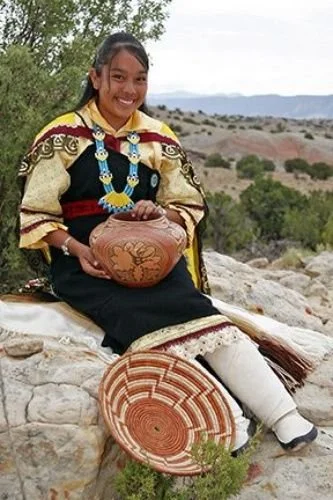
In the parade of tribes, the dancers and soloists who came from as far away as Texas, Oklahoma, New York and Central America, were more than praiseworthy. John Mayer and I loved the display, particularly the daring Aztec pole climbers/performers from Mexico. They descended the tall poles with the death-defying ease and acrobatic grace. It was amazing.
After the performances, John and I wandered off to Dunkin Donuts for a crusty donut and tepid coffee, followed by phone calls. I called my friend Forrest Berkley to see if I could work out summer details on a planned hike we had to the Sierras. (To no avail, he was probably off to Seattle, Hawaii or Nepal, where he would normally be hiking. I may have to alter plans.)
The next morning was busy at BaseCamp as we moved the solar water heater for the showers, packed up all of the food cans and jars and equipment to move it into storage, and generally assisted Exec. Director, Monty Billings, with his post-camp cleaning for the summer season. That afternoon, my sister, Nancy Hooper, and I drove to Sue Trevathan’s house in San Rafael to meet up with Arch and Wenda. Glenn Kennedy, a good friend of Sue’s, had just flown in from Anchorage, Alaska, and she was our welcome receptionists at Sue’s. At the time Sue owned a beautiful old Spanish home, which was a former building of old Fort Wingate, west of Thoreau. Wenda invited herself to Sue’s garden for some fresh greens. Then Wenda and Nancy drove to Albuquerque for more substantial supplies.
A whole mass of trek staff had willingly accepted Wenda’s offer to stay for post-camp partying at her families’ home in Platoro, Colorado. The Frank and Trevathan families own the house jointly, I think, and we were cordially invited to visit Platoro over the next weekend.
Arch met me at Sue’s house about an hour after Wenda and Nancy had left for Albuquerque, and we planned to rendezvous with them at or near Zia Pueblo, where a ceremonial Corn Dance was about to take place.
What is a Corn Dance all about?
The Corn Dance, to all Native American Indian tribes, is a significant cultural event. It symbolizes the importance of the corn crop as a critical staple in their culture. The dance, which invites all tribe members, whether they are dancers and non-dancers, serves as a prayer for a successful harvest. It also offers a Pueblo-wide expression of gratitude to the sacred spirits for their blessings over the past year. The ritual often involves elaborate movements, traditional songs, and participation from community members. The ceremony highlights the deep connection between Pueblo life and agricultural cycles. Pueblos perform the dance during the summer months, aligning with the growth cycle of corn, which is a vital ingredient for native communities.
Participants often wear traditional clothing and use symbolic elements such as feathers and corn husks to enhance the significance of the dance. The Corn Dance reflects agricultural importance and it also strengthens social ties among community members through active participation. Pueblo members can be dancers, chanters, clowns, meal preparers or simply spectators. The preparation for the dancers is truly a community-wide exercise, encouraging families to hunt for hides, bring out family heirlooms, sew silver or shell buttons, and collect the native tree branches and feathers that are valued in the ceremony.
The dates of the Corn Dance and the length of the ceremony can vary among different Pueblo communities, showcasing unique interpretations and traditions. At the same time the dances maintain a common theme of reverence for corn, prayer for rain and honor for the dance rituals.
The Zia Corn Dance
Arch and I drove to Albuquerque and the Univ. of New Mexico Museum for odds and ends, before reaching Zia Pueblo by early afternoon. While Arch packed the car, I walked up a steep hill toward the pueblo’s central plaza. The sound of a drum drew me closer…
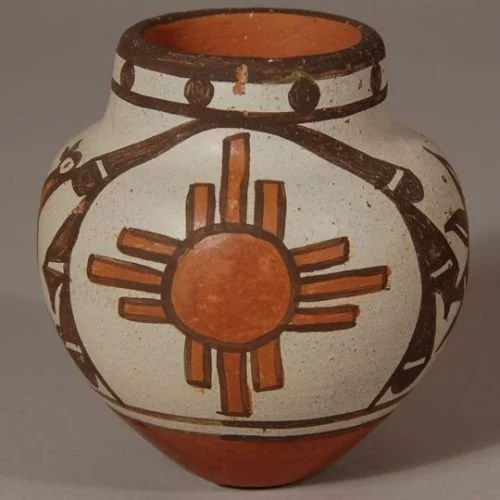
The sound of a rhythmic drum beat and the tone of the shells rattling were just ahead. As I rounded the corner of an adobe walled dwelling, the scene, right out of a Frank Waters chapter, the sound and the sight of the dancers rose before my eyes.
The spectators were dressed in a collage of colors, sitting in lawn chairs, and shaded by umbrellas. Some sipped snow cones in the not too hot weather. Many of the spectators stood on the fringes of the dance pathway, careful to be single file against the houses on the dance route. Arch and I squeezed into a narrow space in the front row.
The roof tops of the Zia homes were jammed two and three deep with pueblo residents and spectators, who strained to see all of the dancers, while being careful to have a secure hand-hold.
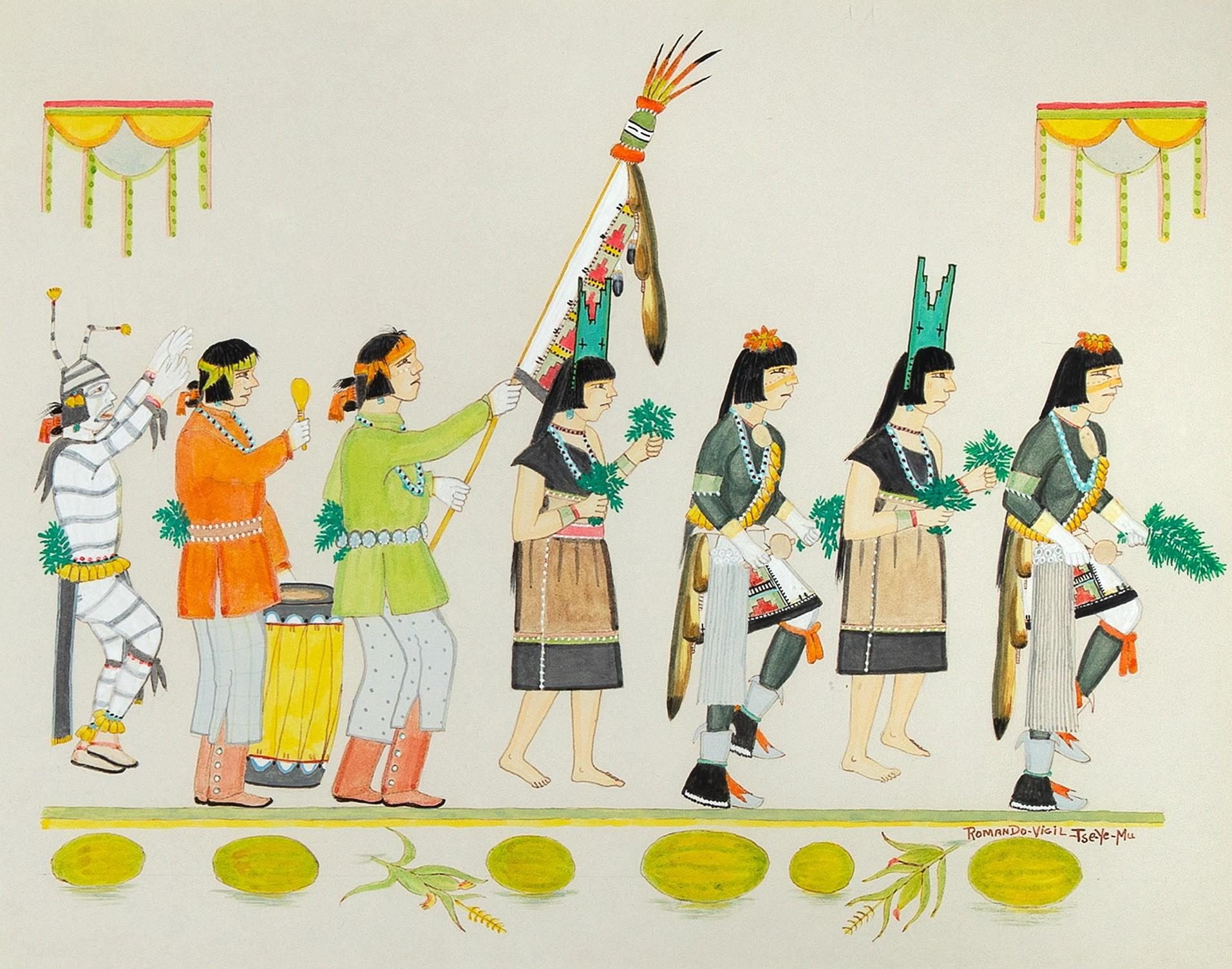
The town elders, about 20 men in all, known as the Chanters, were the rhythm keepers for the dance. This day they wore light colored shirts, and dark pants, which they dressed-up with red sashes and bandannas tied on their foreheads. They all wore traditional Kiabab moccasins. One elder Koshare carried a large deer-skin covered drum, which he pounded to maintain the beat of the dancers, both male and female groups.
The dancers came from two kivas (ceremonial clan chambers) for this corn dance, one was turquoise in color (Mother Sky) and the other earth-toned (Mother Earth). The groups, who emerged from the kivas numbered about 75 men and 75 women from each clan kiva site. There seemed to be about 300 dancers in all, and they alternated groups male and female.
The central Zia Pueblo plaza is oriented north to south. There are two large stones at the mid-point lying east and west. It was very crowded and control of the people was relatively restrained. The wind, on the other hand, was another matter. With every puff of wind, the plaza dust would swirl up from the sides and ascend to the roof-tops. Spectators would cover up from the flying red dust particles and remove them from their eyes and mouths, awaiting the next set of dancers.
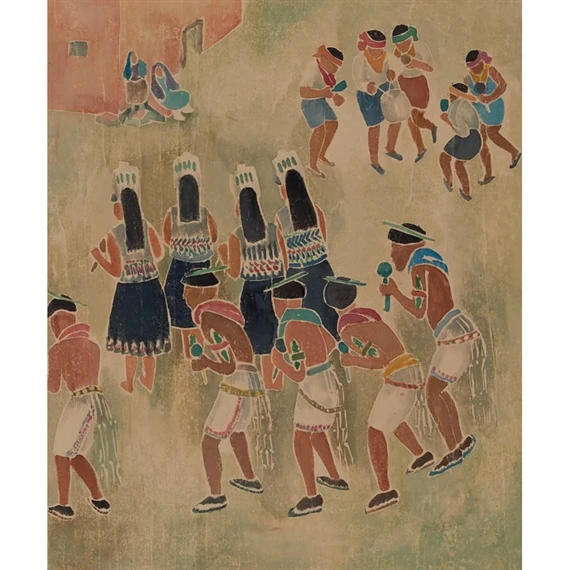
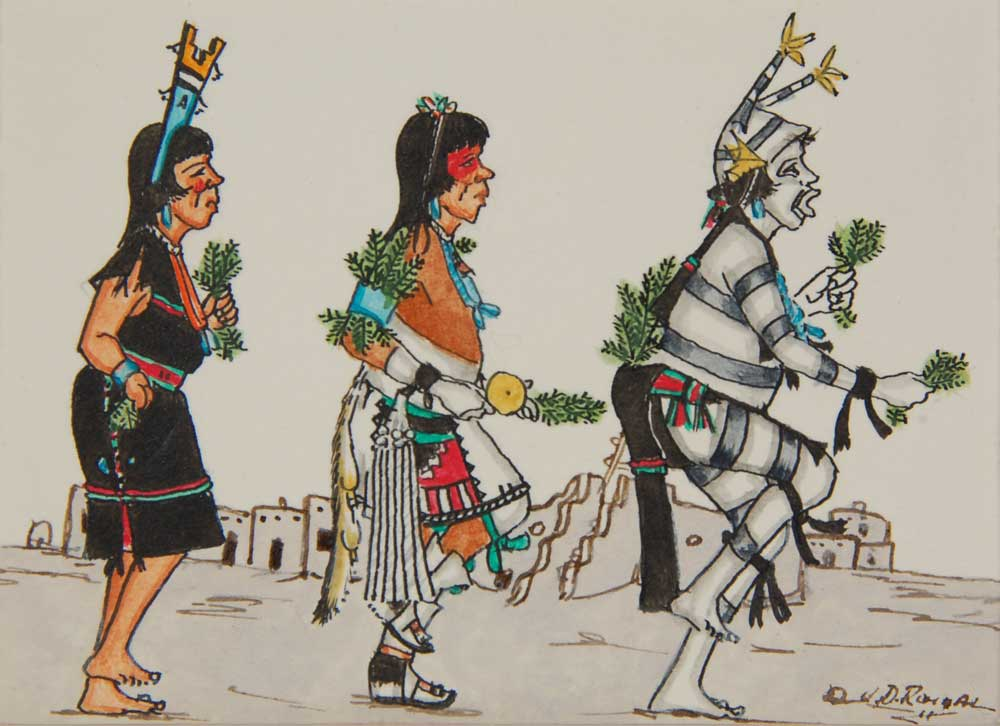
As the turquoise colored male dancers emerged, they kept their beat and dance steps in time with the drum. Next came the earth-toned dancers and their prideful and spectacular costumes. The men from both kivas wore bright white kilts with brilliant colored black, green and red waist belts and sashes. They each had a fox pelt hanging from the back of their belts. They also had spruce branches strapped to both bicepts with “clan colored” ribbons. They had tufts of bird feathers in multi-colors that were secured to their heads with a crown that was strapped around their hair. They all carried shells in strings that they wore around the chests from right shoulder to left waist-side. Many had ornamental shells, turquoise, leather, and string secured as necklaces.
Each male dancer had a pink colored gourd in their left hands that was filled with pebbles. They shook the gourd during certain parts of the dance. They also had colored and ornamented garder strips tied to their legs at mid-calf. On their feet they had white moccasins trimmed with dark deer skins. On their faces they had paint that matched with their clan-designated chest paint. As the dancing progressed the skin and face paint chaffed off their bodies and changed to darker tones as their bodies perspired in the heat and exercise of the dance.
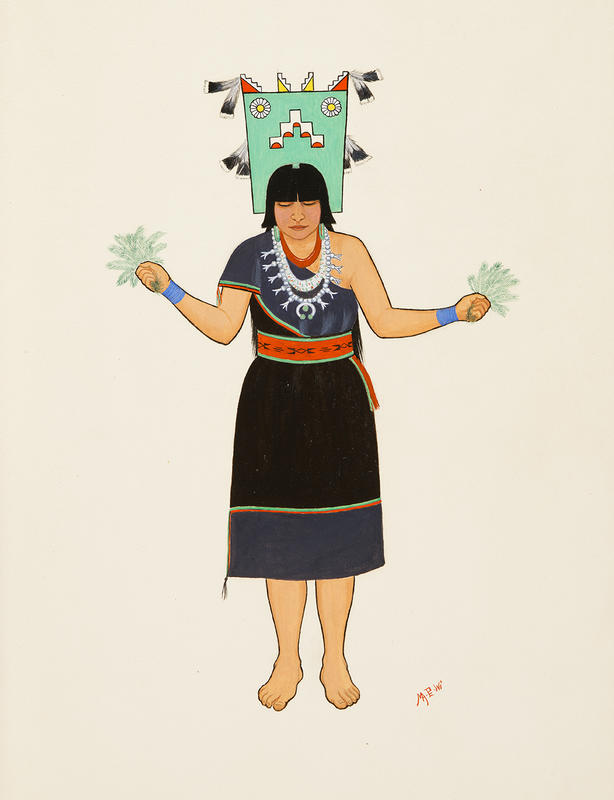
Though it was challenging for the men, the female dancers had a rougher go of it. They wore heavy black dresses that draped over their right shoulders. Their left shoulders remained bare. The dresses appeared to be made from cotton, but with the hot sun, the heat-absorbing cloth and hot wind blasts, it still seemed oppressive to wear. Each female dancer had her waist adorned with either a red sash, a belt or a concho belt. The women dancers’ dresses were adorned with fancy ribbons and buttons which were sown along the sides. Visible underneath their dresses were full slips with beautiful pastel colors and elaborate lace fringes on the bottom.
On their heads, the female dancers wore tablitas. They were brightly colored with turquoise on one side and yellow on the other. They had white and gray tufts of feathers that matched their clans. The tablitas were secured with a string chin strap that was tied underneath their necks with a bow. Their collars were adorned with beautiful silver and turquoise which appeared to be from the Zuni and Navajo squash blossom jewelry makers, though they may have worn necklaces that were unique to Zia and other Rio Grande tribes. Some of their faces were colored with red dots of rouge on both cheeks. They held spruce branches in both hands. They did not wear moccasins, rather their feet were bare.
On their arms, many of the female dancers wore fancy silver bracelets on both wrists and some, not all, had them above the elbow.
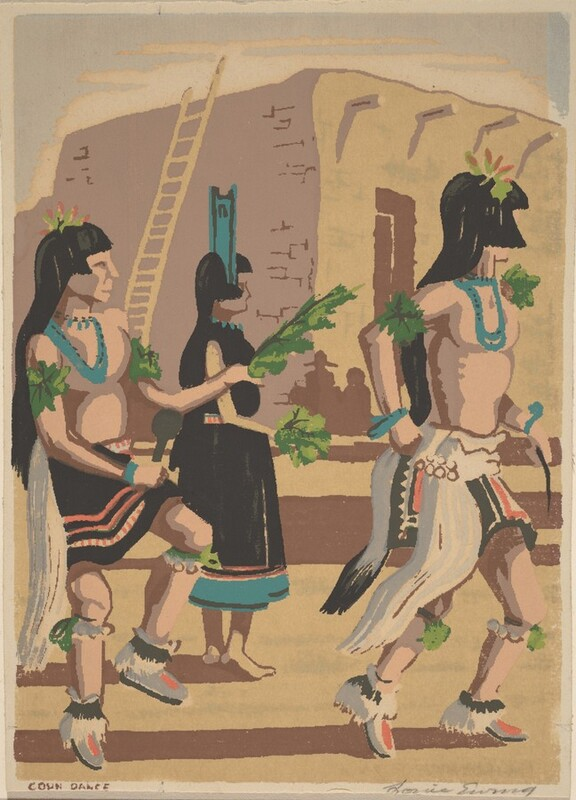
It seemed that the degree of ornamentation varied by the age of the female dancer: the older women had exquisite jewelry, while the younger women had less jewelry and more colorful ribbons.
The dance patterns seemed to vary with the group: some in first danced in circles, followed by lines, followed by square shaped foot steps. When the circles turned, the men would all shake their rattles (pink gourds) as they spirelled around.
There was one man from each clan who held a huge flag (or more like long banners) on white poles that they waved and borne aloft during the ceremony. The banners had images of the Zia Sun Symbol (also on the license plates of New Mexico), the American flag, the New Mexican State flag, and a flag honoring tall, green stalks of Corn and its fruit.
In the central plaza on the south side there was an Altar constructed from spruce and aspen logs. The altar had three sides and roof. The table-sized altar in the middle of the structure was adorned with icons, such as a statue of the Virgin Mary under a baldacchino, a Christian tapestry and a Crucifix. Some of the dancers come up to the altar and made the sign of the cross, when they passed by.
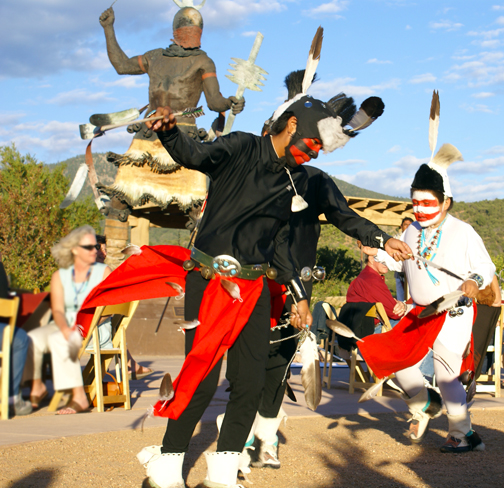
Distracting from the solemnity of the altar, and adding some fun to the Corn Dance, were several Sacred Clowns among the dancers. They are known in many traditions as the Koshare. Some of the Sacred Clowns had loin cloths around their waists. Others were painted white with black stripes across their torsos. And others had black ribbons around themselves. They had kestrel feathers and horns sticking up from their heads that were attached via a headband to their hair. They also had a lot of boughs of spruce tied to their waists, arms and calfs.
The Koshare were more than ornamental participants; they helped keep the spectators in line and the children in order. They also helped the dancers, by picking up any dropped branches or clothes. As the dance continued, the Koshare helped the dancers replace any missing items that was blown away, or had fallen to the floor of the plaza. There seemed to be one or two Sacred Clown/Koshare’s per kiva, adding important humor to the long dance ceremony.
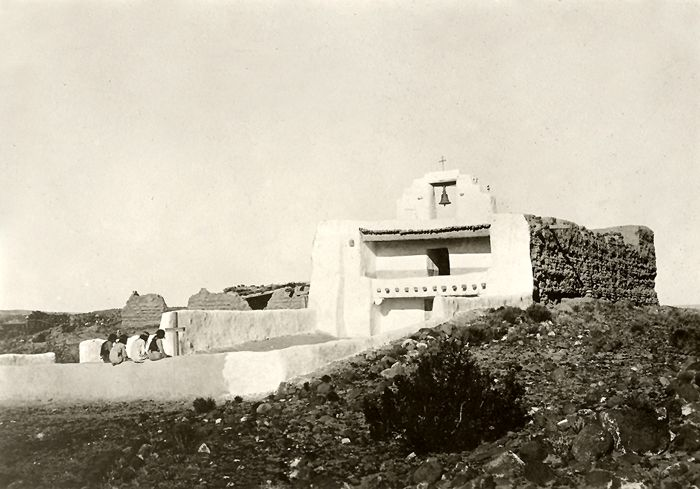
During the finale of the Corn Dance, the Koshare elders ceremonially picked up the items at the altar: the Crucifix, followed by the statue of the Blessed Virgin. Next the flags and banners. There was a startling Two-Gun Salute discharged from the rifle of one of the elders, that caused a stir in the crowd.
In the audience there was a Franciscan brother, who presided over the Corn Dance and stood among the spectators. At the end of the Dance, the Franciscan brother walked with one of the dance groups, who helped carry back the altar pieces to the Catholic church in the pueblo. All of the other Dancers, Chanters and Koshare walked back to their respective kivas to ceremoniously finish their private practices.
It was a memorable two days of Intertribal Ceremonials in Gallup and a sacred Pueblo Corn Dance at Zia. I felt honored to have been there as a non-member of the Zia Pueblo and a witness to their rituals.