
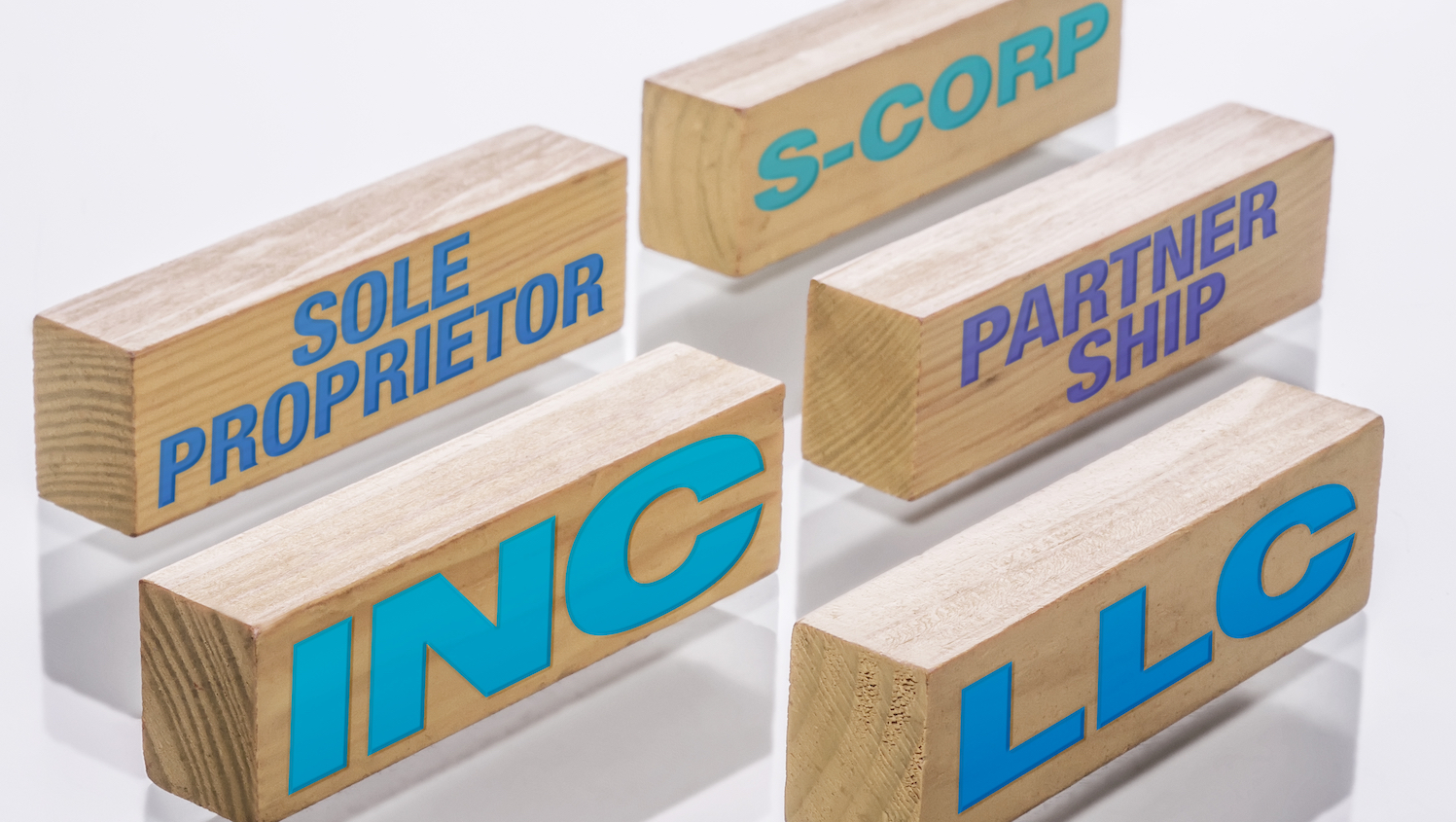
Friday Finance: Corporate Structures
On our Friday Finance call in May, 2026, the idea of a corporate struction was discussed and debated; however, it focused mainly on Sole Proprietorships, LLC’s, S Corps and C Corps. That makes sense since these about 90% of all corporate structures.
At the same meeting, since my daughter Kathleen is a musician, she asked about the creation of the “A Corp” in Colorado. Having no experience with A Corps, there was some spade work to do. And there is a separate Friday Finance: A Corps page on that unique to Colorado concept, which is worthy of deeper discussions as the legislation moves forward in the Rockies, but has yet to gain traction in the rest of the country.
The other Friday Finance participants felt it was worthwhile to review all of the Corporate Structures out there, so that when we re-read books like Rich Dad, Poor Dad, by Robert Kiyosaki, we can place the appropriate business situation in the right context.
Below is a quick Chat-GPT summary of the Corporate Structures, with limited color commentary from me. Each section has been outlined with: What it is; Best Suited for; Pros and Cons of these corporate types.
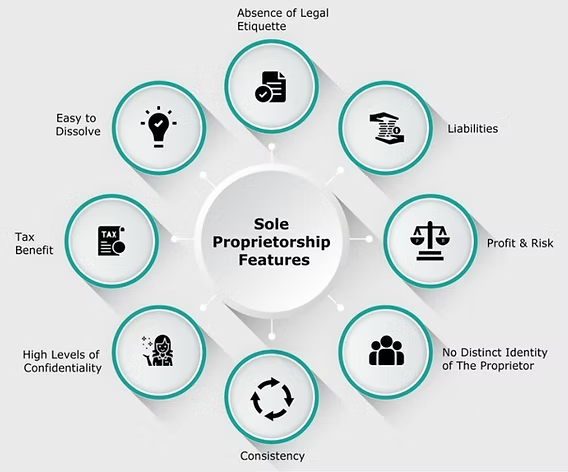
1. Sole Proprietorship
What it is
The simplest business form: one individual owns and operates the business personally. Sole Proprietorships also represent, by far, the largest number of companies in the country. Approximately 70-73% of all US companies are sole proprietorships.
Best suited for
- Freelancers
- Consultants
- Small side businesses
- Very low-risk operations
Pros
- Extremely easy and inexpensive to start
- Minimal paperwork
- Income taxed once on personal return
- Complete owner control
Cons
- Unlimited personal liability
- Harder to raise capital, after examining own wallet and money from friends and family …
- Business ends upon owner’s death unless transferred
- Self-employment taxes apply
2. General Partnership
What it is
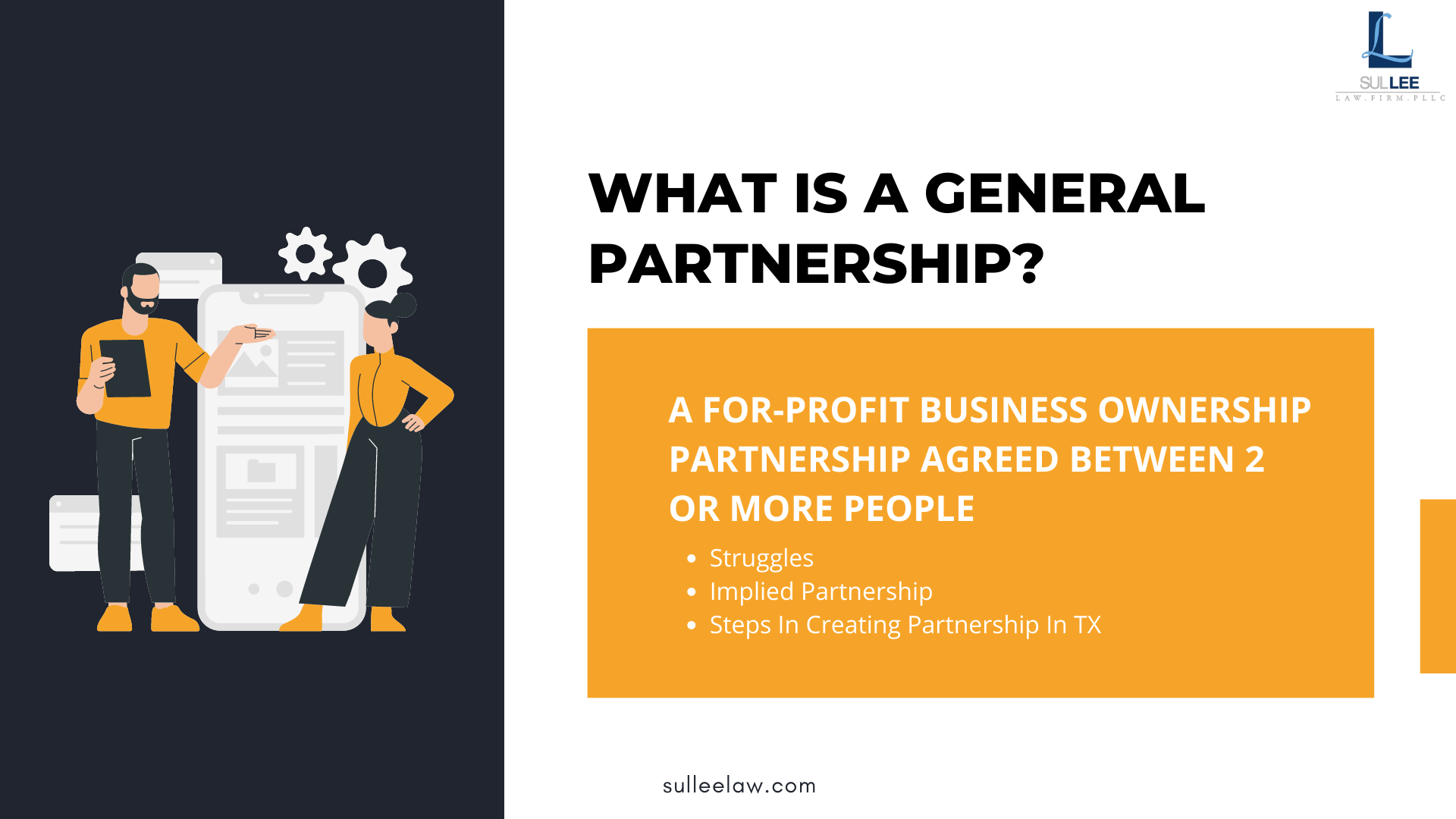
Two or more people operate a business together without formal incorporation.
Best suited for
- Professional collaborations
- Small family businesses
- Informal ventures
Pros
- Simple setup
- Shared management and capital
- Pass-through taxation
Cons
- Each partner personally liable for debts
- One partner can legally bind others
- Potential disputes
- Self-employment taxes generally apply
3. Limited Partnership (LP)
What it is
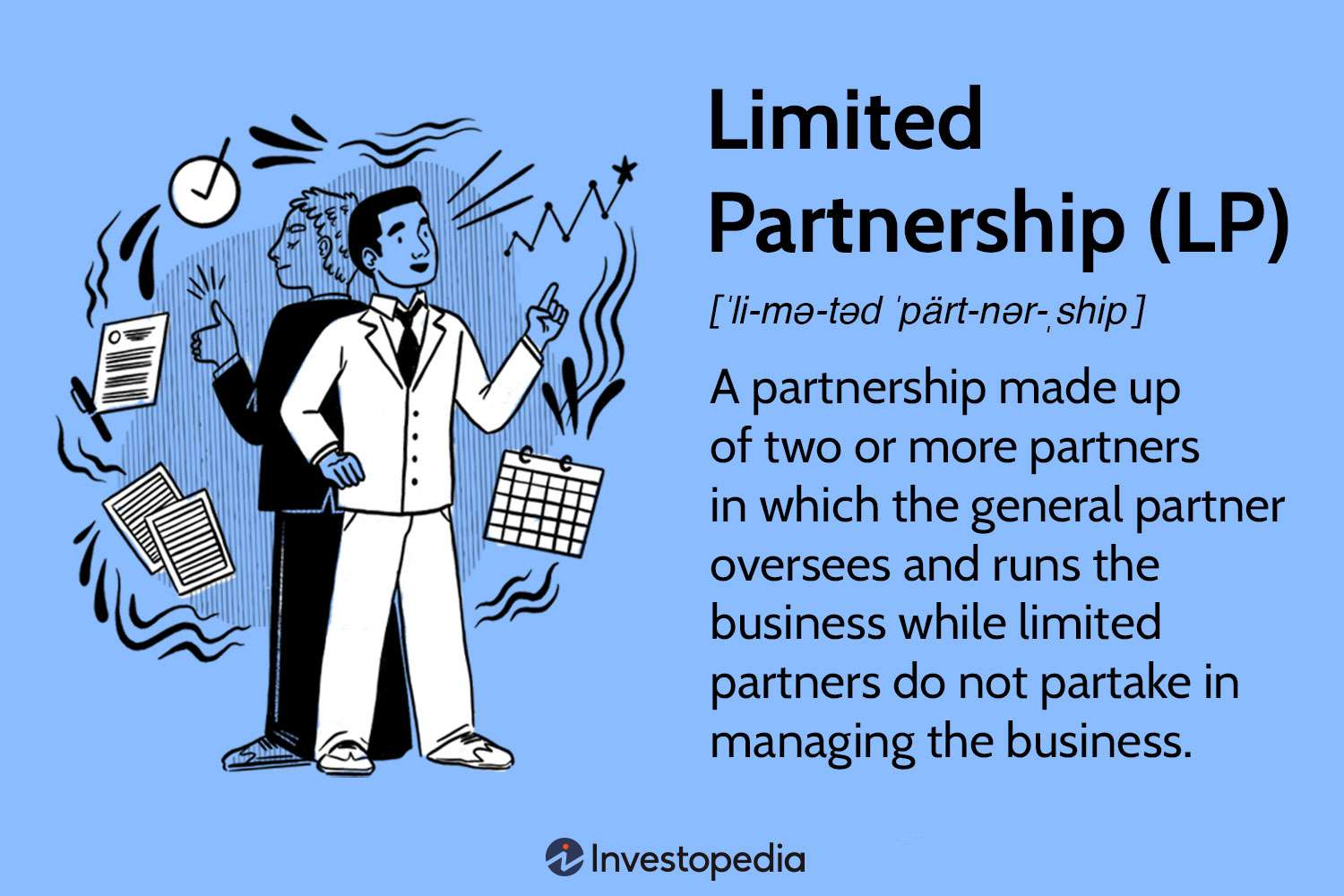
A partnership with:
- General partners (manage and bear liability)
- Limited partners (investors with limited liability)
Best suited for
- Real estate investment groups
- Film or venture investment structures
- Passive investor arrangements
Pros
- Allows passive investors
- Flexible profit allocation
- Pass-through taxation: n.b. 96% of all US business tax returns in 2026 were pass-through entities
Cons
- General partner has unlimited liability
- More filing complexity
- Investor protections depend on agreements
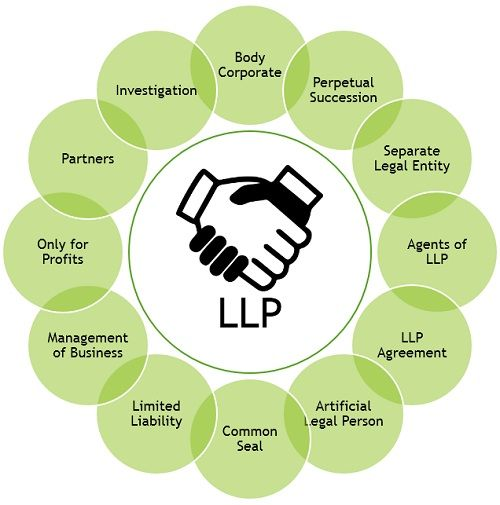
4. Limited Liability Partnership (LLP)
What it is
A partnership where partners receive liability protection from actions of other partners.
Best suited for
- Law firms
- Accounting firms
- Professional services
Pros
- Liability shield from other partners’ malpractice
- Pass-through taxation
- Shared management flexibility
Cons
- Not available for all professions in all states
- More regulatory requirements
- Some personal liability may remain
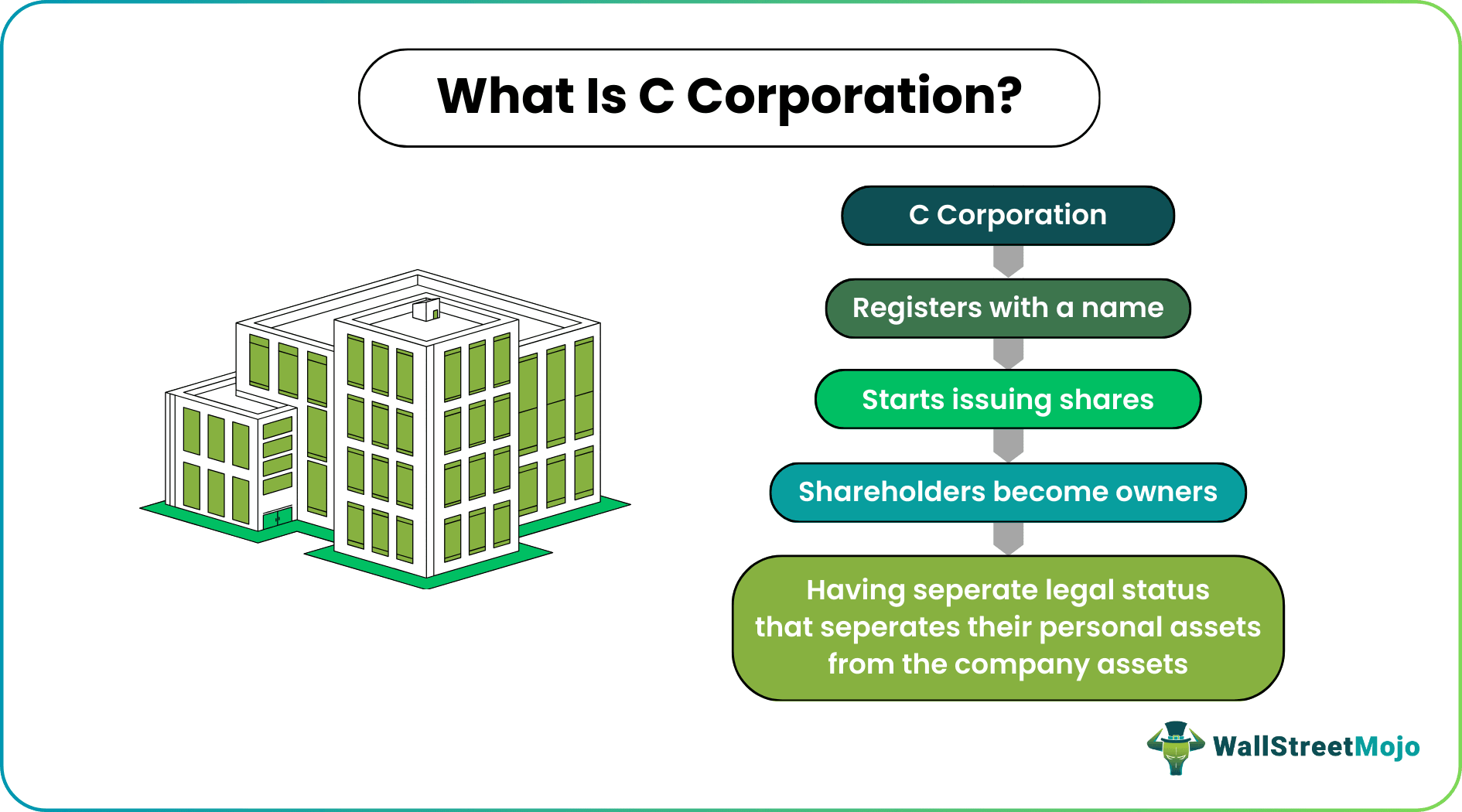
5. C Corporation (“C Corp”)
What it is
The standard corporation under IRS Subchapter C. And while the number of companies in the US who choose to be C Corps is small (~5–6%), they generate a huge share of company investment, revenue, market capitalization, and employment,
Separate legal entity from owners.
Best suited for
- Large companies
- Venture-backed startups
- Businesses planning IPOs
- Companies needing multiple investor classes
Pros
- Strong liability protection
- Easier to raise capital
- Unlimited shareholders
- Multiple stock classes allowed
- Perpetual existence
- Attractive to institutional investors
Cons
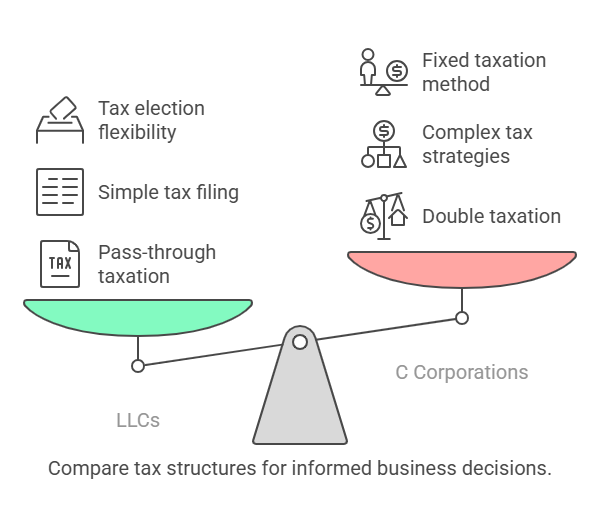
- Double taxation:
- corporation pays taxes
- shareholders taxed again on dividends
- More formalities and compliance
- More expensive administration
Famous examples
- Apple Inc.
- Microsoft Corporation
- The Coca-Cola Company
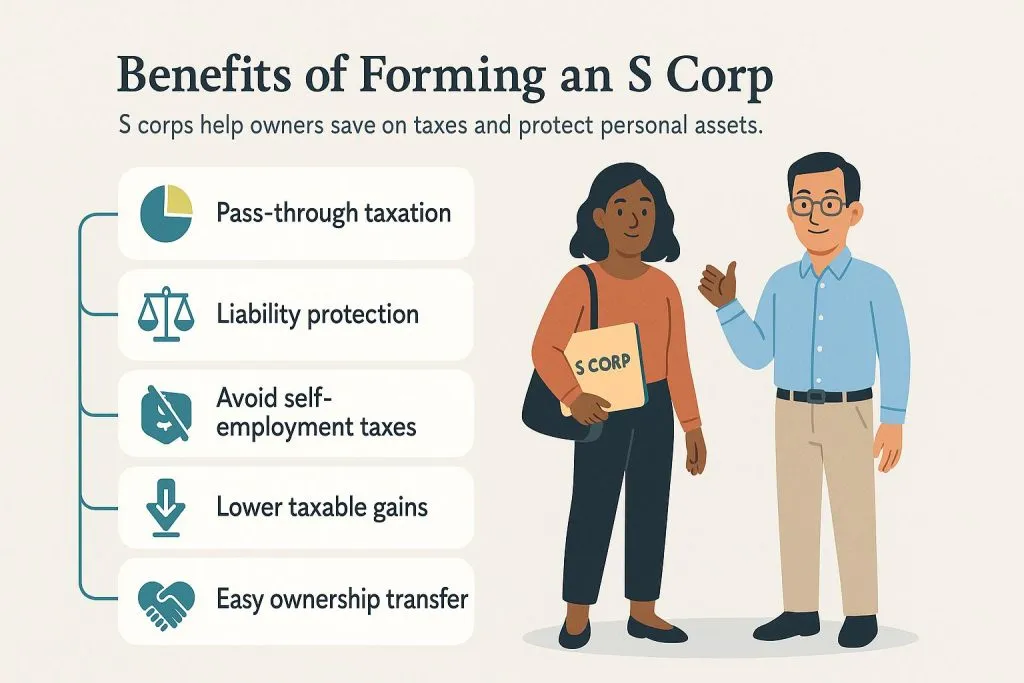
6. S Corporation (“S Corp”)
What it is
A tax election under IRS Subchapter S. The number of companies that are S Corps is approimatetly ~12–15% of all corporations. Legally it is usually a corporation or LLC, but taxed differently. [1]
Best suited for
- Small-to-medium operating businesses
- Owner-operated firms
- Businesses with steady profits
Pros
- Pass-through taxation
- Avoids corporate double taxation
- Potential payroll tax savings
- Liability protection
Cons
- Strict IRS requirements:
- ≤100 shareholders
- U.S. citizens/residents generally required
- One class of stock only
- More IRS scrutiny on compensation
- Less attractive to institutional investors
Often ideal for
- Medical practices
- Small agencies
- Closely held businesses
7. B Corporation (“Benefit Corporation” / Certified B Corp)
Important distinction
There only a tiny fraction of the US corporations who choose to become Certified B Corps. There are actually two related concepts:
A. Benefit Corporation
A legal corporate form available in many states.
B. Certified B Corp
A private certification issued by B Lab.
A company can be one, the other, or both.
Best suited for
- Mission-driven companies
- ESG-oriented firms
- Social enterprises
Pros
- Allows balancing profit with social/environmental goals
- Appeals to socially conscious consumers and employees
- Signals governance commitments
Cons
- Additional reporting obligations
- Certification process can be rigorous
- Mission goals may complicate investor priorities
Examples
- Patagonia
- Ben & Jerry’s
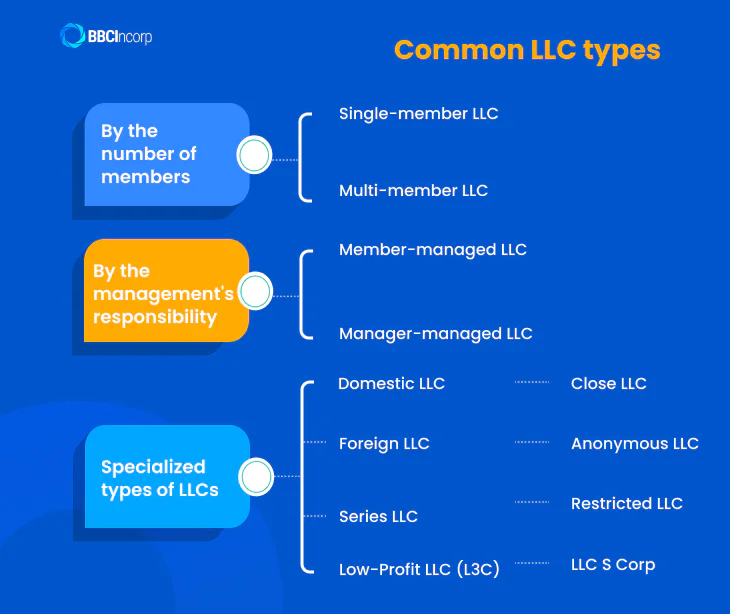
8. Limited Liability Company (LLC)
What it is
A hybrid structure combining:
- liability protection of corporations
- tax flexibility of partnerships
Best suited for
- Small businesses
- Real estate holdings
- Family businesses
- Flexible ownership arrangements
Pros
- Liability protection
- Flexible taxation:
- sole proprietor
- partnership
- S corp
- C corp
- Fewer formalities
- Flexible management structure
Cons
- Self-employment taxes may apply
- Some states impose extra LLC taxes/fees
- Investors often prefer C corps
- Rules vary by state
Extremely common today
The LLC has become the dominant entity choice for many small and medium businesses. Approximately 15–20% of all corporations in the US were created and are structured as LLCs.
9. Series LLC
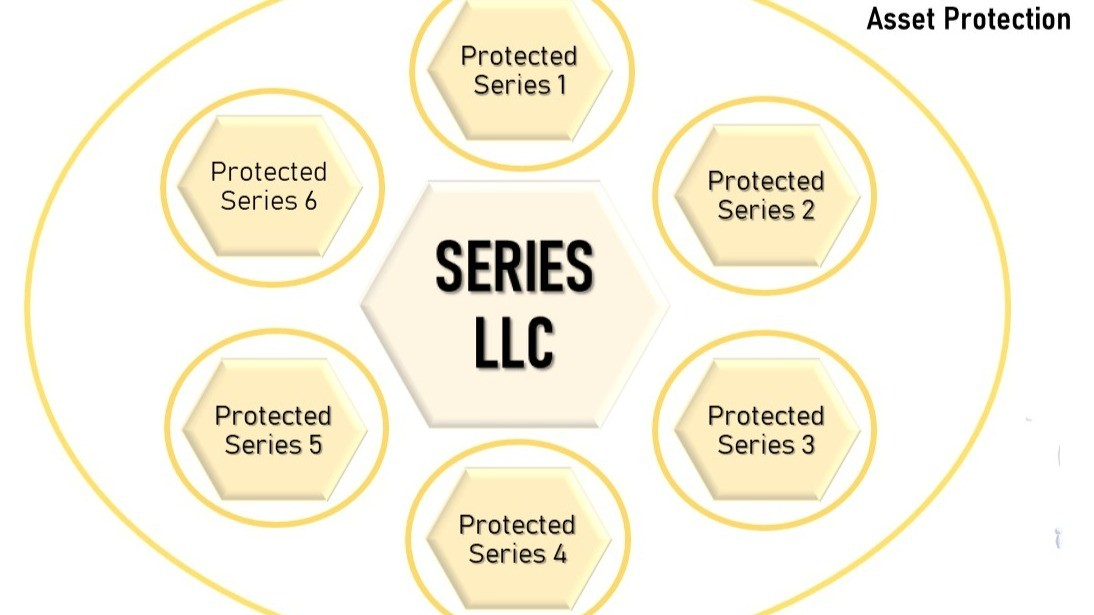
What it is
An LLC with separate internal “series” compartments.
Each series can hold different assets and liabilities.
Best suited for
- Real estate investors
- Asset segregation
- Multi-property holdings
Pros
- Liability separation between series
- Can reduce administrative duplication
Cons
- Not recognized equally in all states; therefore, cross state line holdings can be challenging.
- Legal uncertainty across jurisdictions
- More complex accounting
10. Nonprofit Corporations – 501(c)(3), etc.
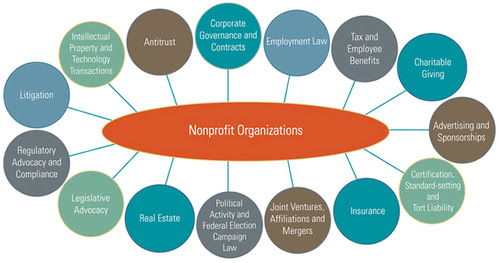
What it is
Organizations formed for charitable, educational, religious, scientific, or public purposes. And while these entity types are small in the overall scheme of corporate structures (1–2% of all organizational entities), they have missions and funders who are passionate about their work and value to society. [2]
Best suited for
- Charities
- Schools
- Museums
- Foundations
Pros
- Tax-exempt status possible
- Eligible for grants/donations
- Limited liability
Cons
- Extensive regulation
- No equity ownership
- Profits cannot benefit private individuals
Examples
- American Red Cross
- Smithsonian Institution
11. Professional Corporation (PC)
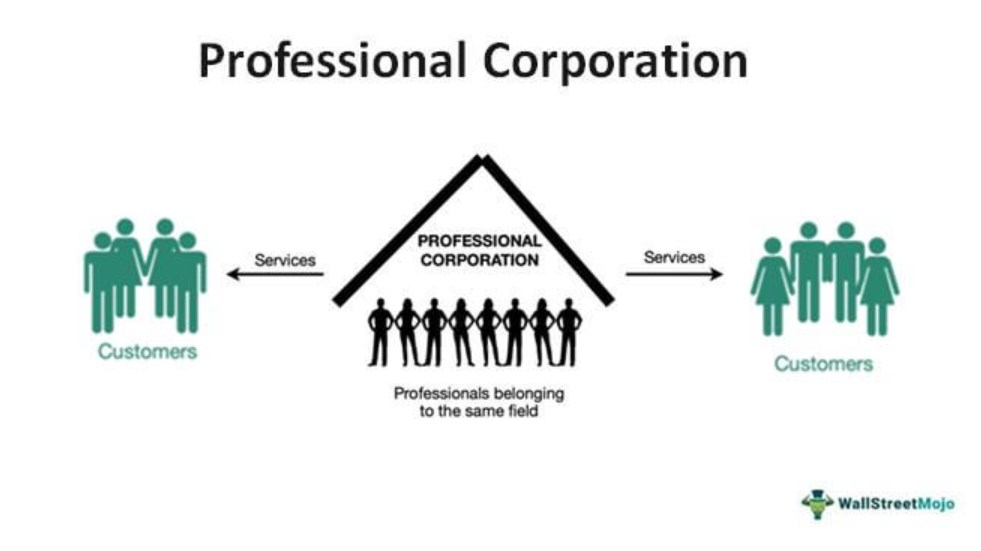
What it is
Corporation for separately licensed professionals.
Best suited for
- Doctors
- Lawyers
- Dentists
- Architects
Pros
- Liability protection for business debts
- Professional branding
- Tax planning opportunities
Cons
- Cannot shield own malpractice
- State-specific rules
- Ownership restrictions
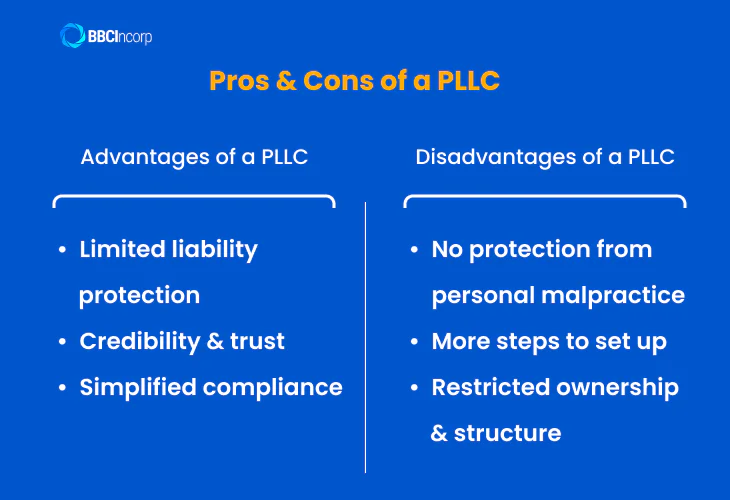
12. Professional Limited Liability Company (PLLC)
What it is
LLC version for licensed professionals in states that prohibit or curb normal LLCs for professions.
Best suited for
- Medical groups
- Legal practices
- Accounting firms
Pros
- Flexible taxation
- Liability protection
- Easier administration than corporations
Cons
- State restrictions
- Professional licensing oversight
13. Cooperative (“Co-op”)
What it is
Business owned and democratically controlled by members/users of the cooperative.
Best suited for
- Agricultural groups
- Food co-ops
- Worker-owned businesses
- Credit unions
Pros
- Democratic governance
- Shared economic benefit
- Community orientation
Cons
- Slower decision-making
- Harder to raise traditional capital
- Governance can become complex
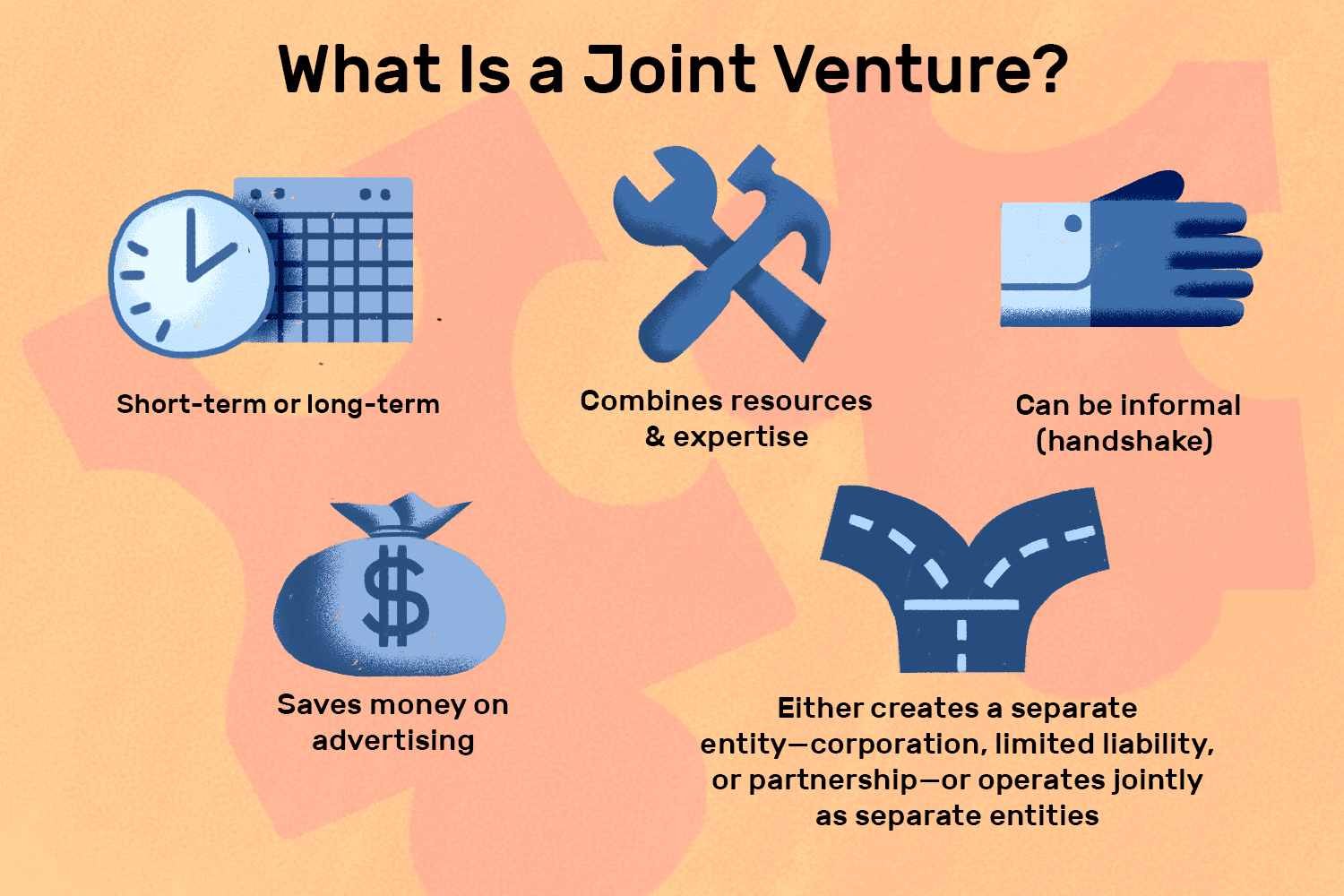
14. Joint Venture (JV)
What it is
Temporary arrangement between two or more companies for a specific project.
Best suited for
- Construction projects
- International business expansion
- Collaborative business development
Pros
- Shared risk/resources
- Strategic collaboration
Cons
- Potential conflicts
- Complex agreements
- Limited duration
Tax Classifications vs Legal Structures
A major point of confusion: Legal entity ≠ tax classification
For example:
- An LLC is a legal structure with limited liability protections
- It may elect different tax classifications:
- sole proprietor taxation
- partnership taxation
- S corp taxation
- C corp taxation
This legal protection and general tax flexibility are two of the reasons why LLCs are so popular.
Quick Comparative Summary
| Structure | Liability Protection | Taxation | Best For |
|---|---|---|---|
| Sole Proprietorship | No | Pass-through | Solo side businesses |
| Partnership | No/Partial | Pass-through | Multiple owners |
| LLC | Yes | Flexible | Most small businesses |
| S Corp | Yes | Pass-through | Profitable owner-operated firms |
| C Corp | Yes | Double taxation | Scalable/high-growth firms |
| B Corp | Yes | Depends on entity | Mission-driven businesses |
| Nonprofit | Yes | Tax-exempt possible | Charitable/public missions |
| LLP | Partial | Pass-through | Professional firms |
| LP | Mixed | Pass-through | Investment structures |
Typical “Best Choice” by Scenario
| Scenario | Often Best Structure |
|---|---|
| Freelance consultant | LLC or sole proprietorship |
| Real estate investor | LLC or Series LLC |
| Startup seeking VC funding | C Corp (usually Delaware) |
| Family-owned operating business | S Corp or LLC |
| Law/accounting practice | LLP or PLLC |
| Mission-driven company | Benefit Corporation |
| Charity or foundation | Nonprofit corporation |
One Important Reality
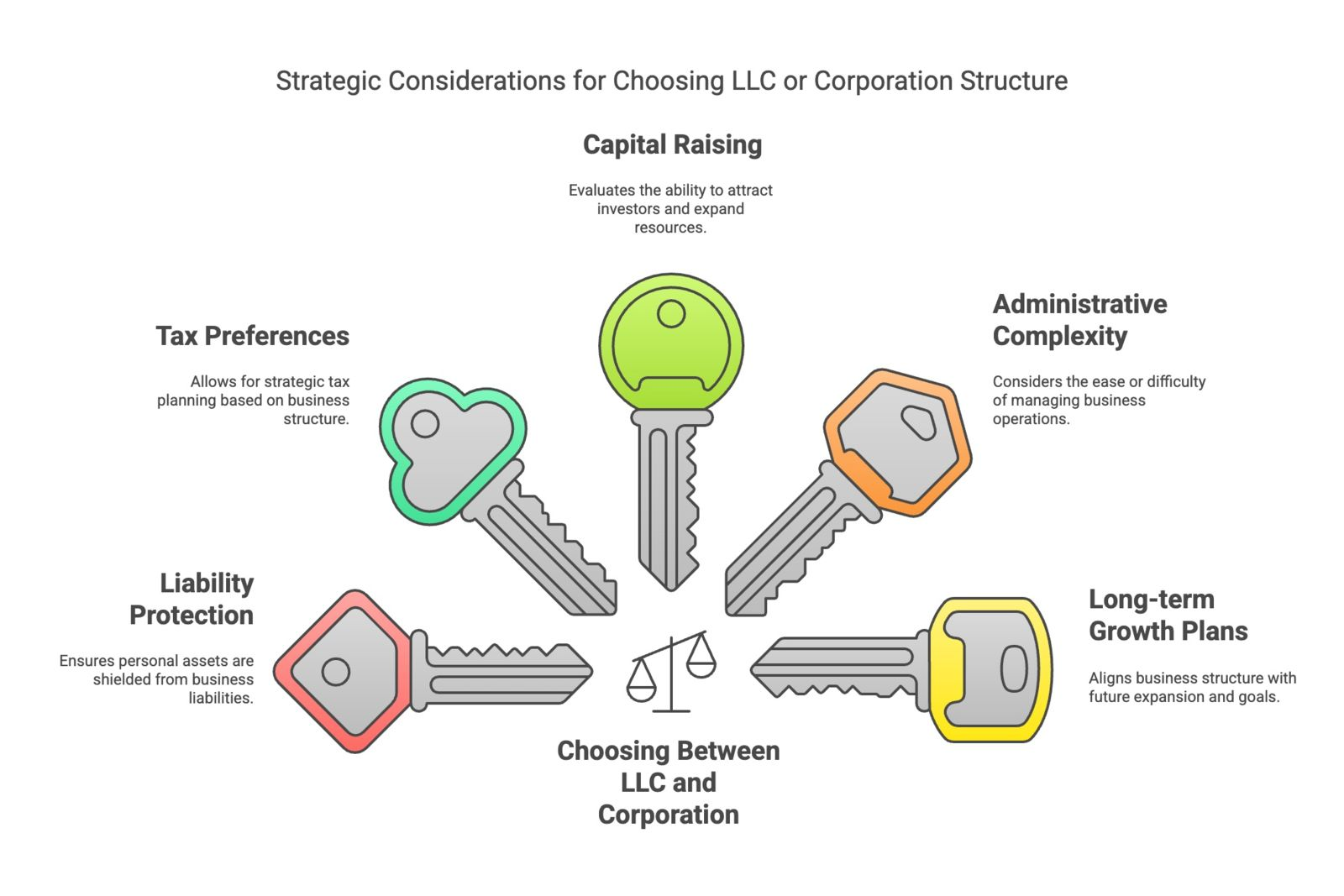
The “best” structure usually depends on your ultimate goals of your organization:
- tax goals
- liability exposure
- number/type of owners
- fundraising plans
- state law
- exit strategy
- payroll/distribution strategy
That is why serious businesses usually consult with one of the following experts before starting your new corporate structure:
- a CPA
- a business attorney
- sometimes an estate planner
============================================================
References:
[1] Subchapter S is the term used in regards to how many times is the individual or corporation taxed. The Revenue Act of 1958, was designed to let small businesses choose a corporate structure without suffering the burden of double taxation. The subchapter was created by Congress in 1946, after a recommendation by the Department of Treasury. It was later pushed forward by President Eisenhower (1954). The IRS code designation was enacted by Congress in 1958 as part of the Technical Amendments Act of 1958 (often referred to alongside the Revenue Act of 1958), and codified under 26 U.S. Code § 1361 – 1379 of the Internal Revenue Code.
[2] Non-Profit 501(c)3 entities. There has been misunderstanding by some non-profit employees that a company with “Not-For-Profit” in their name, mission statement or bylaws, is supposed to lose money (i.e. not make a profit). This is a serious mistake, for any company that does not make a profit will soon lose energy and go out of business. It is imperative, no matter the corporate structure, that the enterprise value it’s work, its product, its services and its ultimate value to society with profits, even if those dollars are simply plowed back into the organization for future growth. Without profits the enterprise will not survive.

