
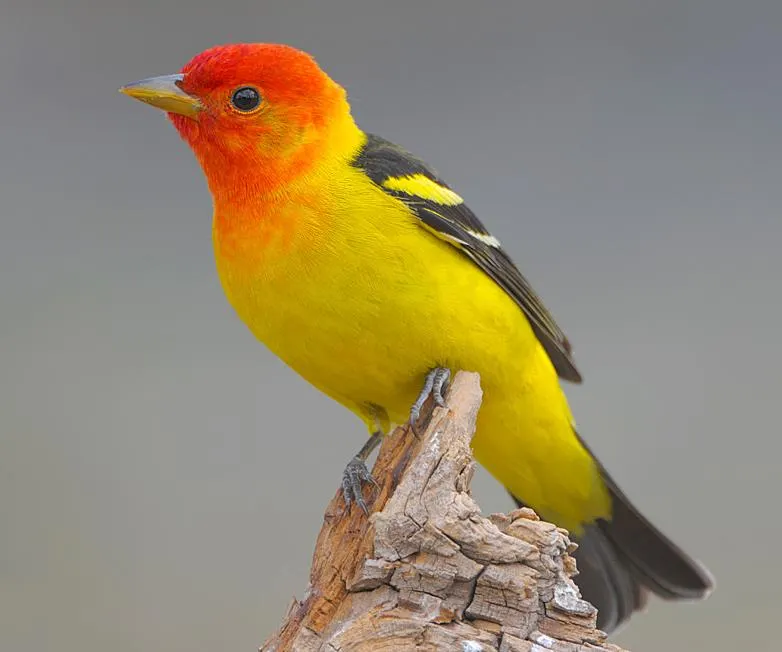
Birds: Western Tanager
Up on the list of most colorful birds in the world are tanagers. I love all tanagers, but have a special place in my soul for the Western member of the US species. During hikes over the years in Vermont, Pennsylvania, Connecticut, North Carolina, I have fallen in love with the Scarlet Tanager. When we moved the Pacific Northwest, the Western Tanager captured my imagination and I have never looked back.
The other day (May, 2026) there was a large flock of Western Tanagers feasting on a fruiting apple tree on our neighbors yard. The lone male was at the top of the tree and about six females were in the cohort. They seemed to be in no hurry, taking their time on the newly budding apples that were green with youthful growth.
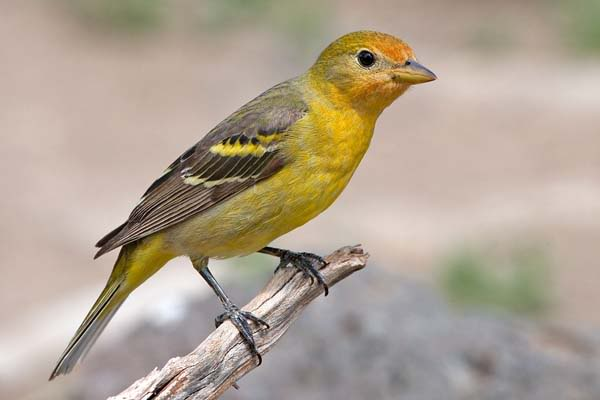
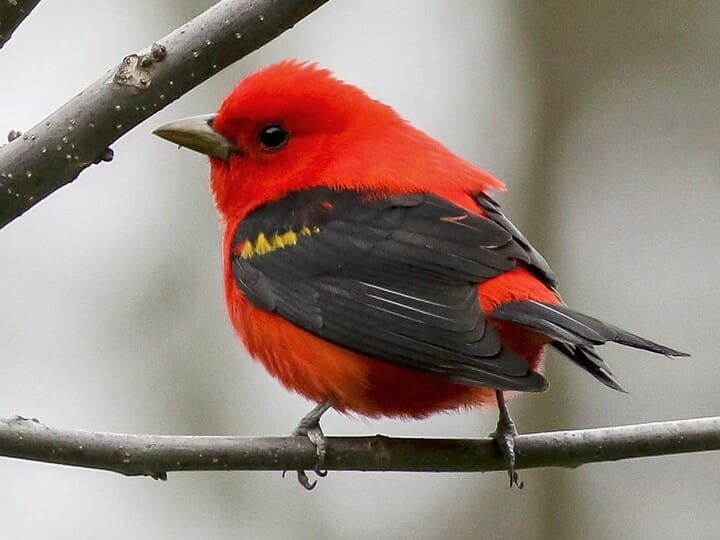
Western Tanagers go by several names, such as Tanagara a tete rough (French meaning tanager with a red head) or Tangara Capucha Roja (Spanish with the same translation). The red head is distinctive, though some varieties have an orange to reddish colored head, always accompanied by that brilliant yellow body, black wings (with yellow and white stripes), black back and black tail.
The females and juvenile of the species are all dimmer in color, which can shift to yellow-green and blackish.
It is interesting to note that the International Ornithological Committee (IOC) recognizes these 392 tanager species in family Thraupidae, which are distributed among 107 genera. That is a lot of birds to keep track of and a lot of beauties out there in the world to discover for the first time. [See the full list in the footnote below.[3]]
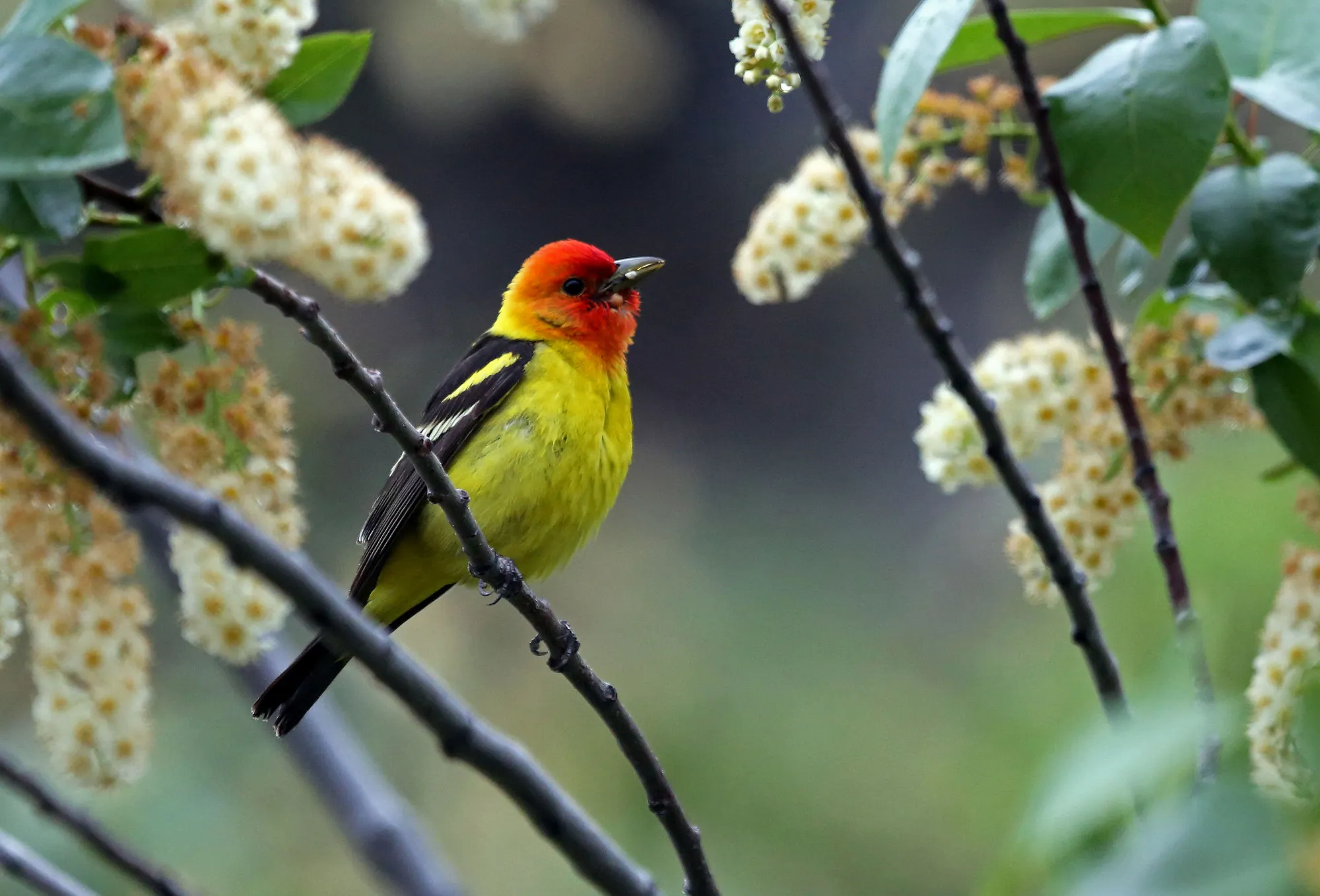
The Tanagers all undergo gradual feather molting, which is a precursor to the courtship season. This new feather growth gives the males the attractive plumage necessary for attracting females. Molting also replaces worn out feathers before migration and also improves hygiene in the birds — with new feathers comes new growth.
During mating season, the birds have a distinctive call: “Pit-er-ick,” the inflection keeps rising with the call. The also have low chuckling call notes. Ornithologists have described their song as – “Short, burry song that is similar to other tanagers as far as tone and pattern are concerned” and they have notes while in flight – “weet or howie.”
Another feature of these birds is that with their evolved beaks and tongues, they can slide into flowers to feed on nectar. Their flexible bodies also allow them to catch insects in mid-air by flying out and capturing them like a flycatcher. Interestingly, Western Tanagers make use of techniques like tail-cocking and wing-flapping to help them protect against predators who come into their parimeter.
Their most common predators, by the way, are red-tailed hawks, prairie falcons, northern goshawks, Mexican spotted owls, sharp-shinned hawks, Cooper’s hawks, jays and, as usual, domestic cats. Sorry, pet cat – Magico, we are wary of you with birds around.
Some other Tanagers, Finches, Grosbeaks (all in the family) from around the world:


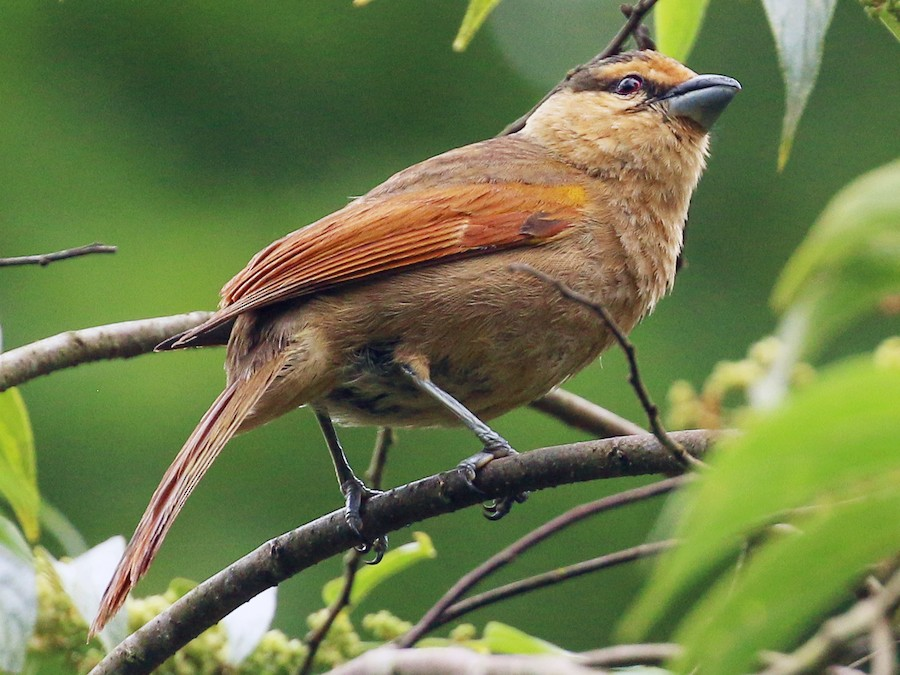


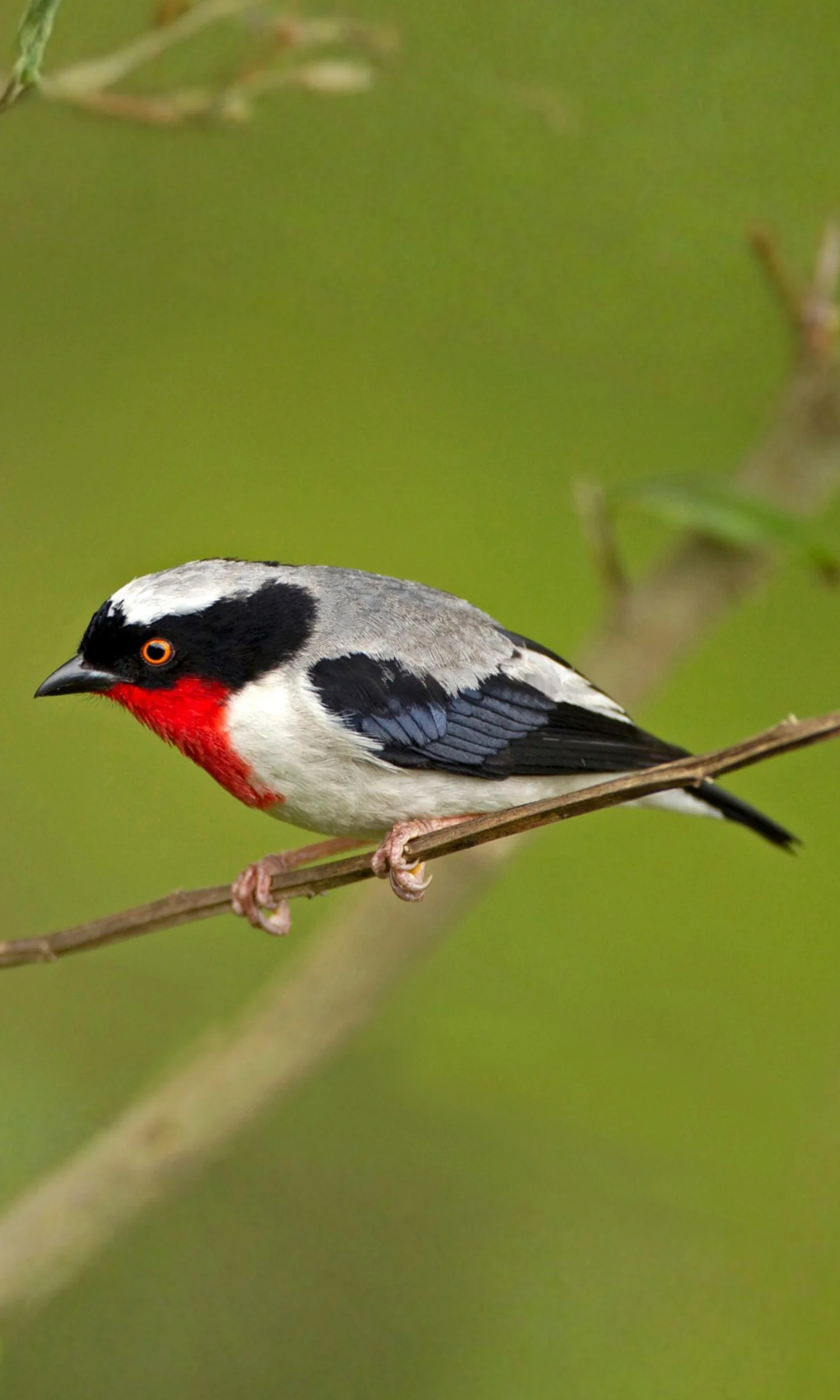


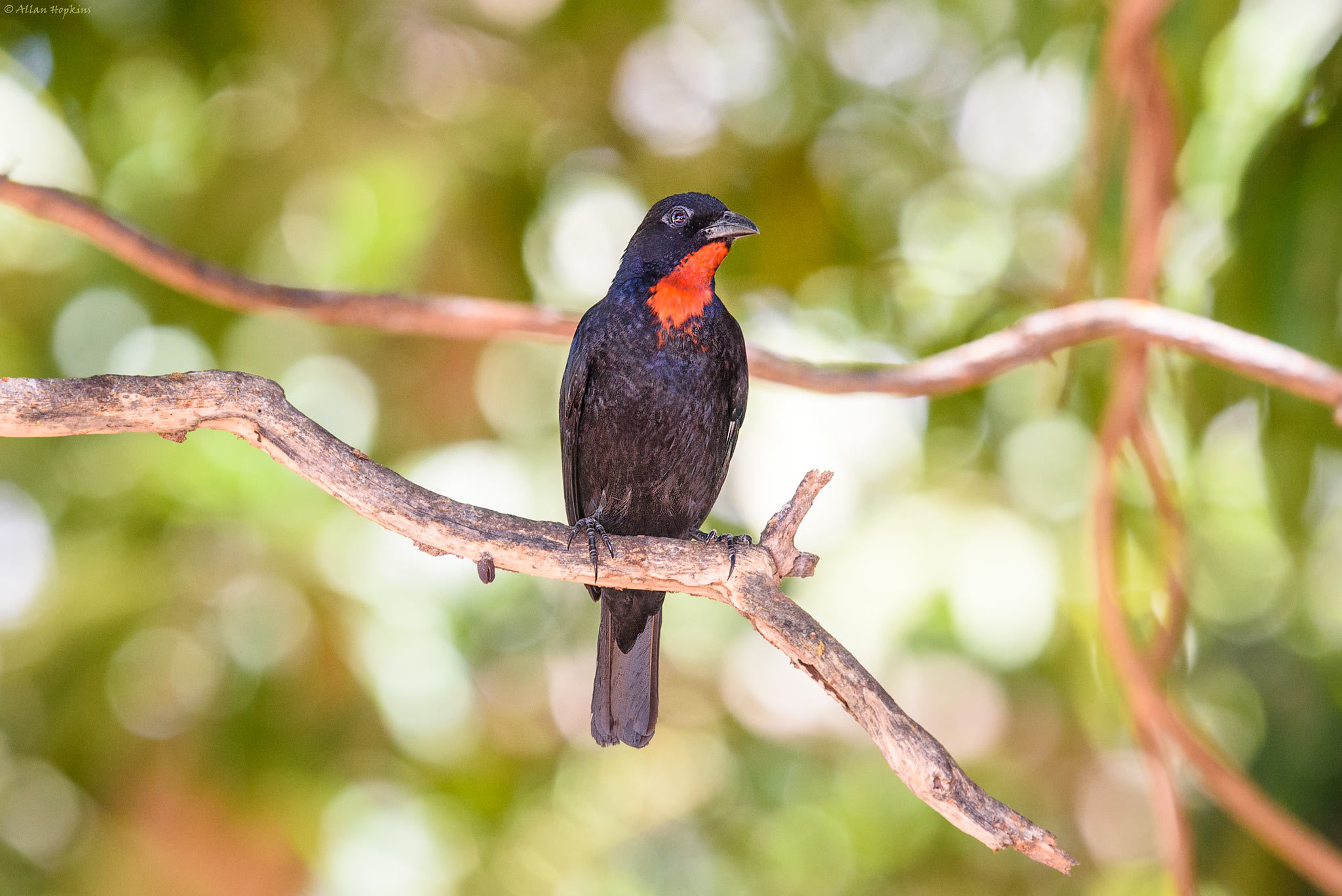

==========================================================
[1] https://en.wikipedia.org/wiki/Western_tanager

