
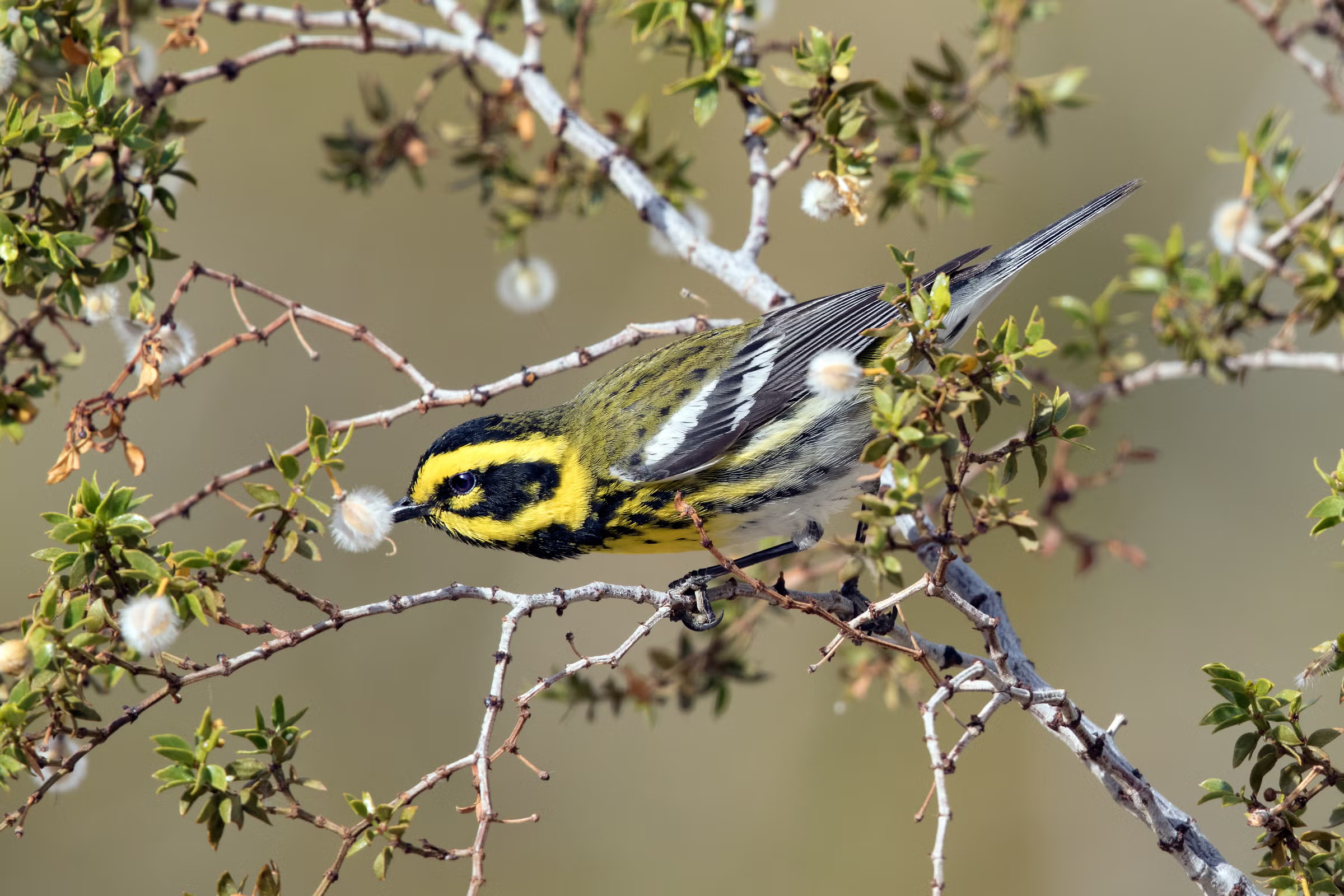
Birds of Townsend
To find John Kirk Townsend in the headlines lately (2026) is strange and alarming. He was a Philadelphia Quaker, schooled at Westtown, trained as a physician and pharmacist, and practiced dentistry. In his mid 20s he explored the West and made some remarkable discoveries of birds, mammals, fish, and natural science. Yet he was accused of secretly robbing Native American graves and sending their skulls to a racist craniologist in the East, who was also a Quaker. It is even more headscratching to consider that he has been dead for 175 years. Why is this revelation coming out this many years past the savagery? What is the best way to square this man’s grave robbing with the rest of his short life?
Who Was John Kirk Townsend?
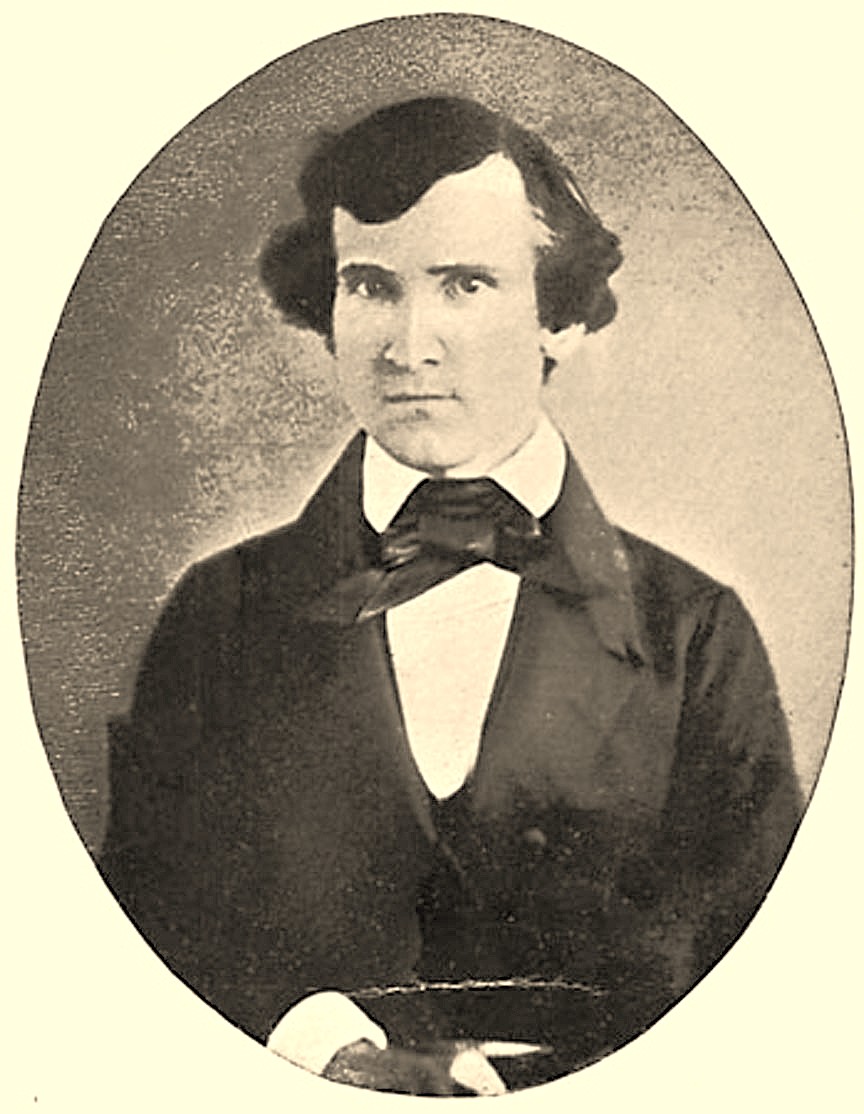
Townsend: The Boy, The Birder
Born in 1809, John Kirk Townsend was the fourth of ten children. The Townsend family members were devout Quakers, which meant that they were serious about education, non-violence and reform. His parents, Charles Townsend and Priscilla Kirk Townsend, lived on the outskirts of Philadelphia. Charles Townsend worked as a jeweler, watch and clockmaker at 10th and Chestnut Street in Philadelphia. The family members were notable in their own rights: one sister, Mary, was a naturalist with an interest in entomology. She wrote a popular book called “Life In the Insect World” in 1844. And Mary, together with her sister, Hannah, wrote The Anti-Slavery Alphabet (1846), which was sold at the Anti-Slavery Fair in Philadelphia. Their brother, Edward, rose to be the President of the Philadelphia Institution for Instruction of the Blind and he helped organize the Philadelphia Dental College.
John Townsend started his formal education at the Friends’ Boarding School at Westtown (Chester County, PA) when he was 10. The school was known for its emphasis on science. Townsend became interested in nature, ornithology and collecting early on. His surroundings made his hobbies easy to pursue: Philadelphia offered plenty of people interested in natural history; noted artist, Charles Willson Peale’s museum, was a short walk from home; and the Academy of Natural Sciences, which Townsend visited frequently, was also steps away. When Townsend learned to shoot a rifle, more than anything he loved targeting and collecting birds. He saved the bodies of every bird he could find in the area around West Chester. His mother, Priscilla Townsend, was a pacifist, and she hated the killing. She also worried that natural history would not give her son any way to make a living.
By the time he was a late teenager, Townsend had trained as a physician and pharmacist, which would be providential in his later life. He also learned the skill as a taxidermist: he could mount and preserve with arsenic the birds in his growing collection. One admirer reportedly said Townsend could “skin, stuff and sew up a bird in five minutes, so as to make it look far superior to any I have ever seen.”[5] In 1829, he met Thomas Nuttall, a Harvard natural history professor, and shortly thereafter he met John James Audobon, the revered artist. His natural science connections were expanding.
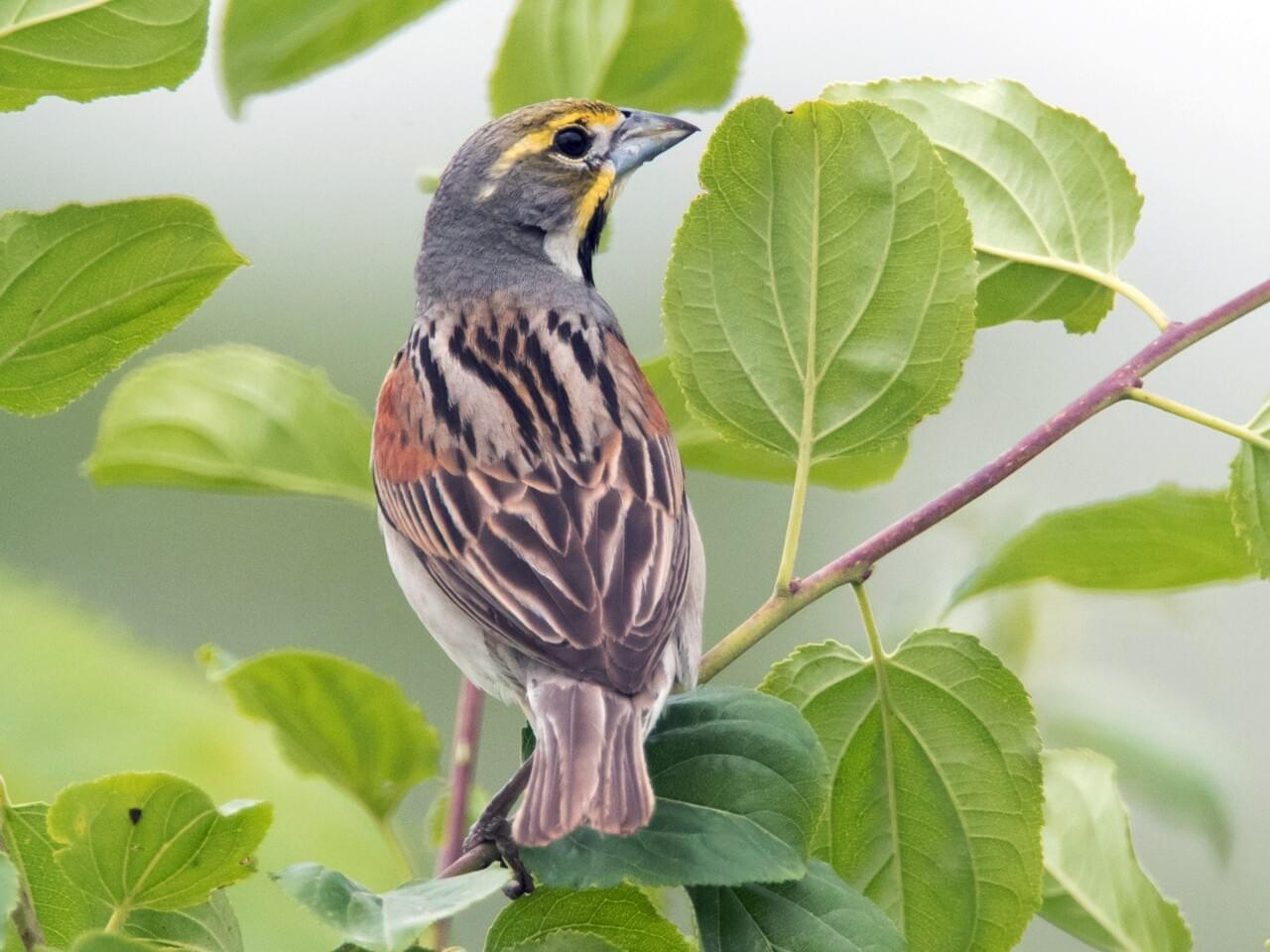
Townsend’s Mystery Bird
In 1833, while collecting near the home of fellow naturalist friend in New Garden, Pennsylvania, Townsend found an unusual bird he had never seen before. He shot it, stuffed it, and sent it to Audubon. After Audubon thoroughly examined the specimen, he thought it was a new species and named it Townsend’s Bunting. Audubon painted a portrait of it for Birds of America, and he wrote that the name was a “tribute of respect to [Townsend] in honor of his great attainments in ornithology.“[2] bioone No one else has been known to collect another one. Audubon’s verdict was that “nothing is known of its habits.” Thus at age 23 Townsend began a pattern of actions that he would repeat for the rest of his life: find something new, shoot it, stuff it and hand it off to Audubon, who painted it.[3] Although there have been plenty of guesses as to the Mystery Bird, including the Dickcissel (above), it remains a mystery to this day.
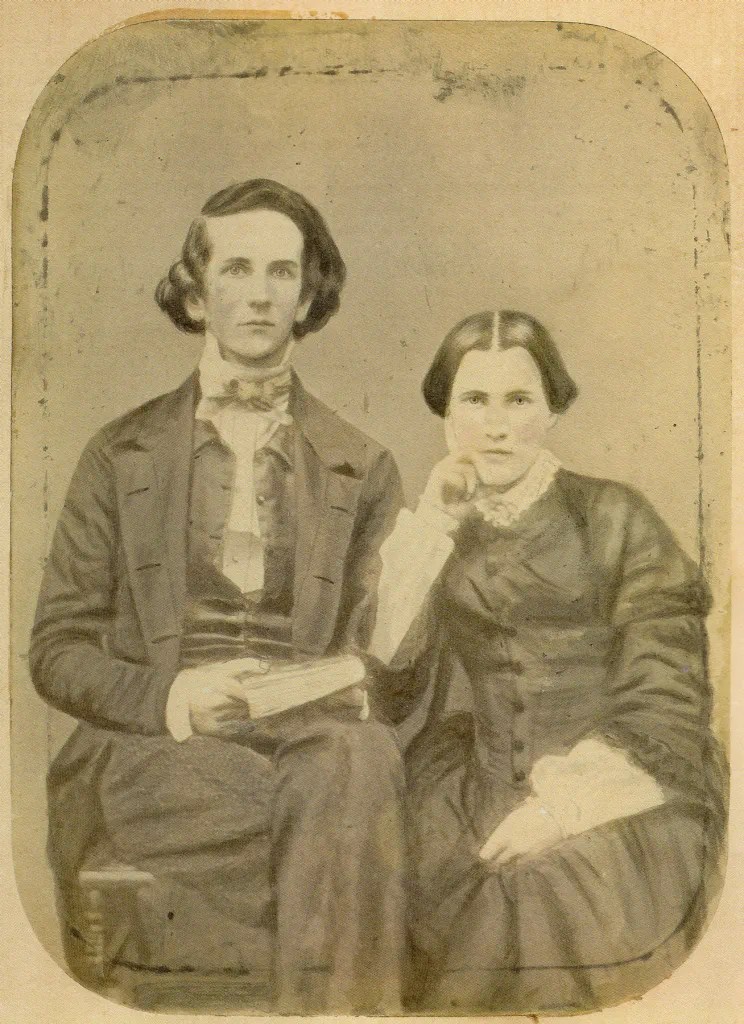
Townsend: The Family Man
Townsend married Charlotte Holmes in 1834. Charlotte’s family called her “Lottie,” a nickname that the Delaware Valley Ornithological Club used when they referred to her by name.
In 1834, shortly after his marriage to Lottie Holmes, John Townsend’s life had a change in geography — to the West! Thomas Nuttall, who had recently retired as professor of natural history at Harvard, invited Townsend to join Nathaniel Wyeth’s second trading expedition to the Columbia River basin. Nuttall made arrangements for the Academy of Natural Sciences and the American Philosophical Society to fund Townsend’s position. Townsend was hired to be the expedition’s ornithologist and collector of animals.
Go West, Young Man
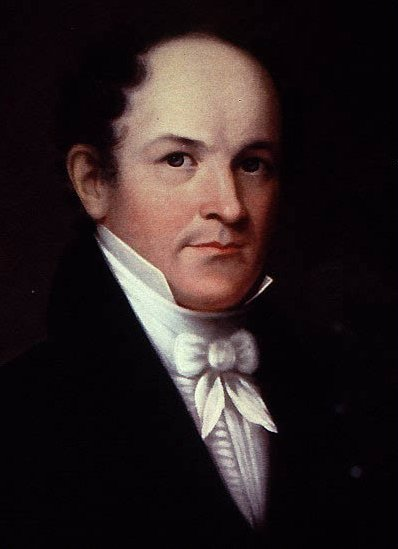
Nethaniel Wyeth’s trip, for him, was strictly a commercial venture. He was leading his second attempt at building a fur trading business, under the banner of the Columbia River Fishing & Trading Company, to compete with the established British furriers, such as the Hudson’s Bay Company, in the region. Wyeth’s first objective was to sell the goods he was slated to haul for the Rocky Mountain Fur Company.
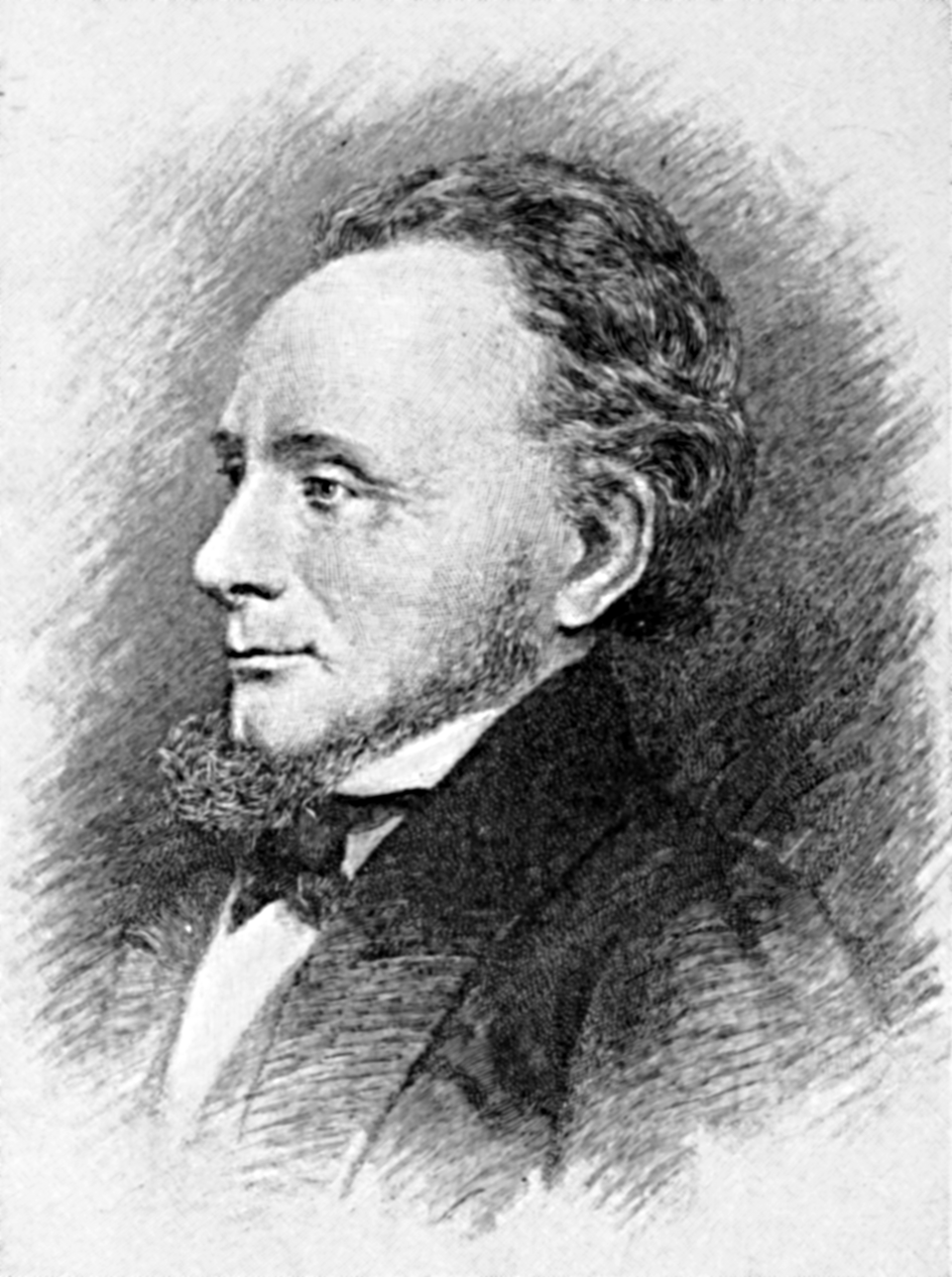
The route would take the Wyeth party west from Independence, Missouri, up the Platte River, past Chimney Rock and Independence Rock, along the Sweetwater River and over South Pass to the fur traders’ rendezvous on the Green River. Next the trip was on to the Snake River, across the Blue Mountains, and down the Columbia to Fort Vancouver. The travel party left the Missouri frontier in late April 1834. Within days, four men had deserted: one oarsman traveling with Wyeth, turned back after a few days because his leg couldn’t take the travel. A competing supply caravan was racing the Wyeth party to the fur trappers’ summer rendezvous, and won the race.
At the rendezvous on the Green, Wyeth suffered another setback that shaped the rest of the venture. The Rocky Mountain Fur Company refused the goods he had contracted to haul out for them. He had agreed with two purveyors to deliver $3,000 in supplies, and the deal collapsed. Wyeth’s solution was to build his own trading post on the Snake River and sell the goods there. That post, (in present-day Idaho), became known as Fort Hall. From Fort Hall the party went west along the Snake, across the Blue Mountains to Fort Walla Walla, and down the Columbia River, reaching Fort Vancouver in mid-September. Wyeth went on to found Fort William (near present-day Portland), but the business never paid off.
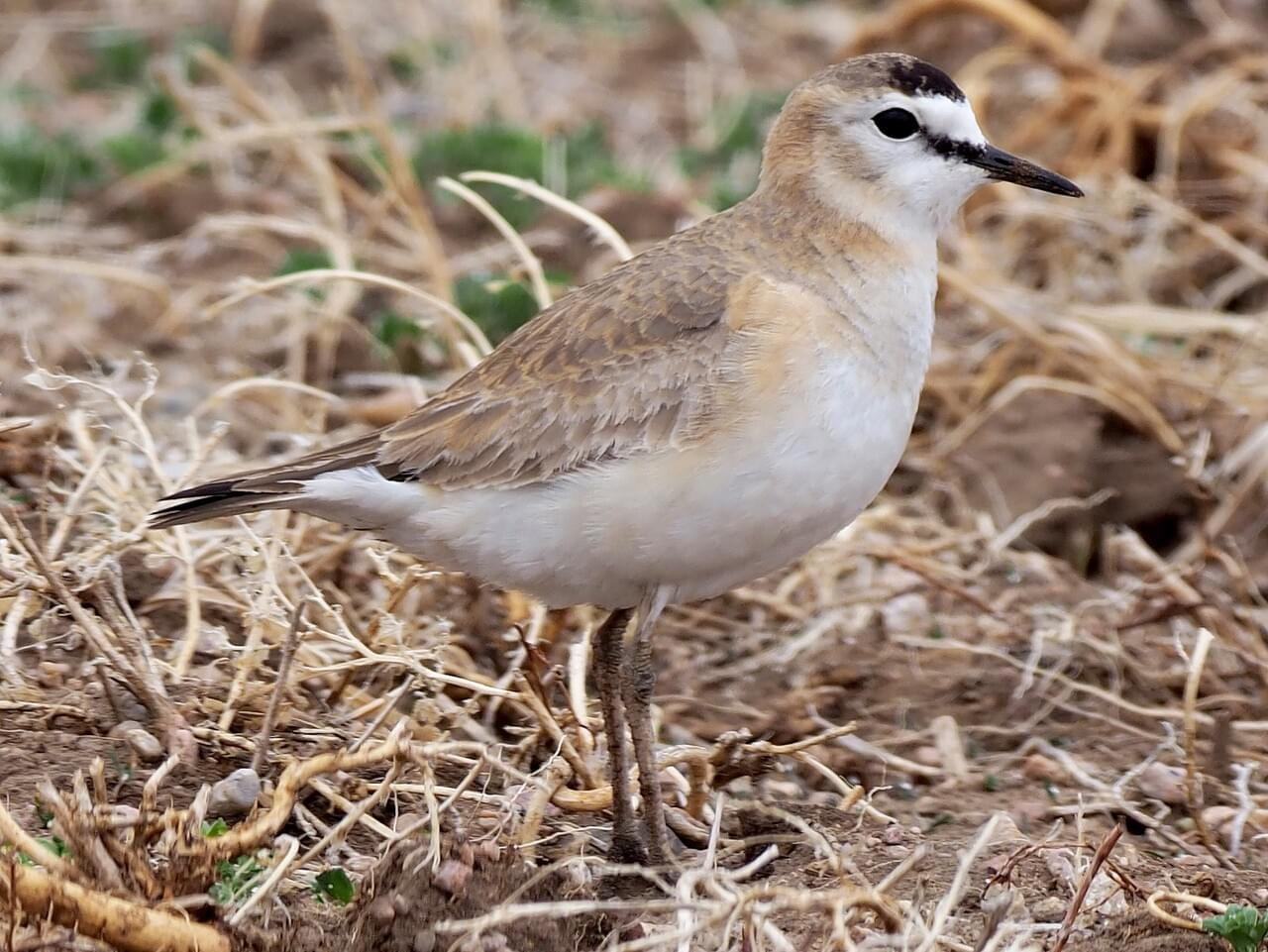
Settling in at Fort Vancouver, Townsend set about documenting the fauna of the region. He described five different wood warblers from the Pacific Northwest. Townsend kept careful behavioral notes about his prize discoveries. Townsend characterized the Audubon’s Warbler as “always silent while engaged in seeking its food,” and observed that the shy member of the family we now call MacGillivray’s “Warbles a very sprightly and pleasant little song, raising its head until the bill is almost vertical, and swelling its throat in the manner of many of its relatives.” He collected, and formally described, a remarkable set of western birds: Hermit Warbler, Black-throated Gray Warbler, Sage Thrasher, Mountain Plover, and Chestnut-collared Longspur. (The complete known lists of birds and mammals and fish are in the appendices.) John Audubon later used several of Townsend’s specimens as models for his paintings in Birds of America.
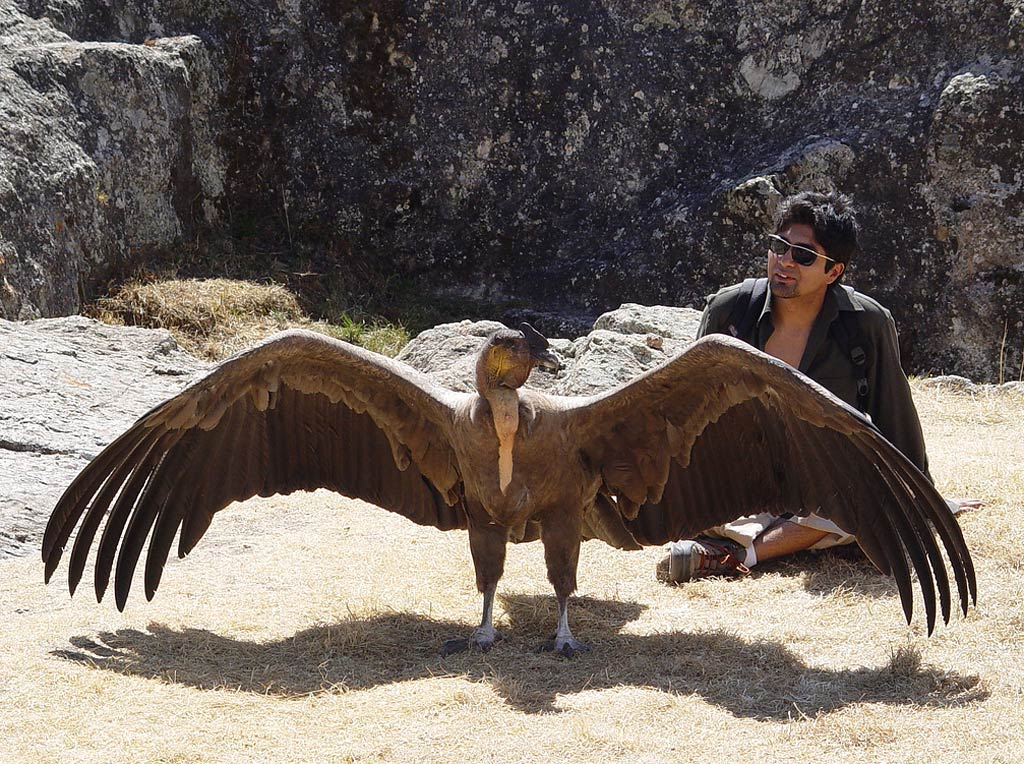
Well aware that the California Condor had been previously studied by both Meriwether Lewis and William Clark and later by David Douglas, Townsend determined to make his own study skin of the vulture. He encountered one male, while it was feeding on dead salmon at Willamette Falls (near current day, Portland). After taking what he thought was a kill shot, he stripped naked and swam over to a sand bar to retrieve the condor. To Townsend’s surprise, “the huge creature had been only wing-broken and as I approached him, seemed determined not to yield himself a willing captive.” As people and dogs from the local native Chinook village gathered around, Townsend began to pelt the condor with stones. Laughter from the women rang in his ears, as he embarrassingly tried to kick sand in the bird’s eyes to kill it. After a long battle, Townsend prevailed, and the lifeless condor carcass was carried off for embalming.
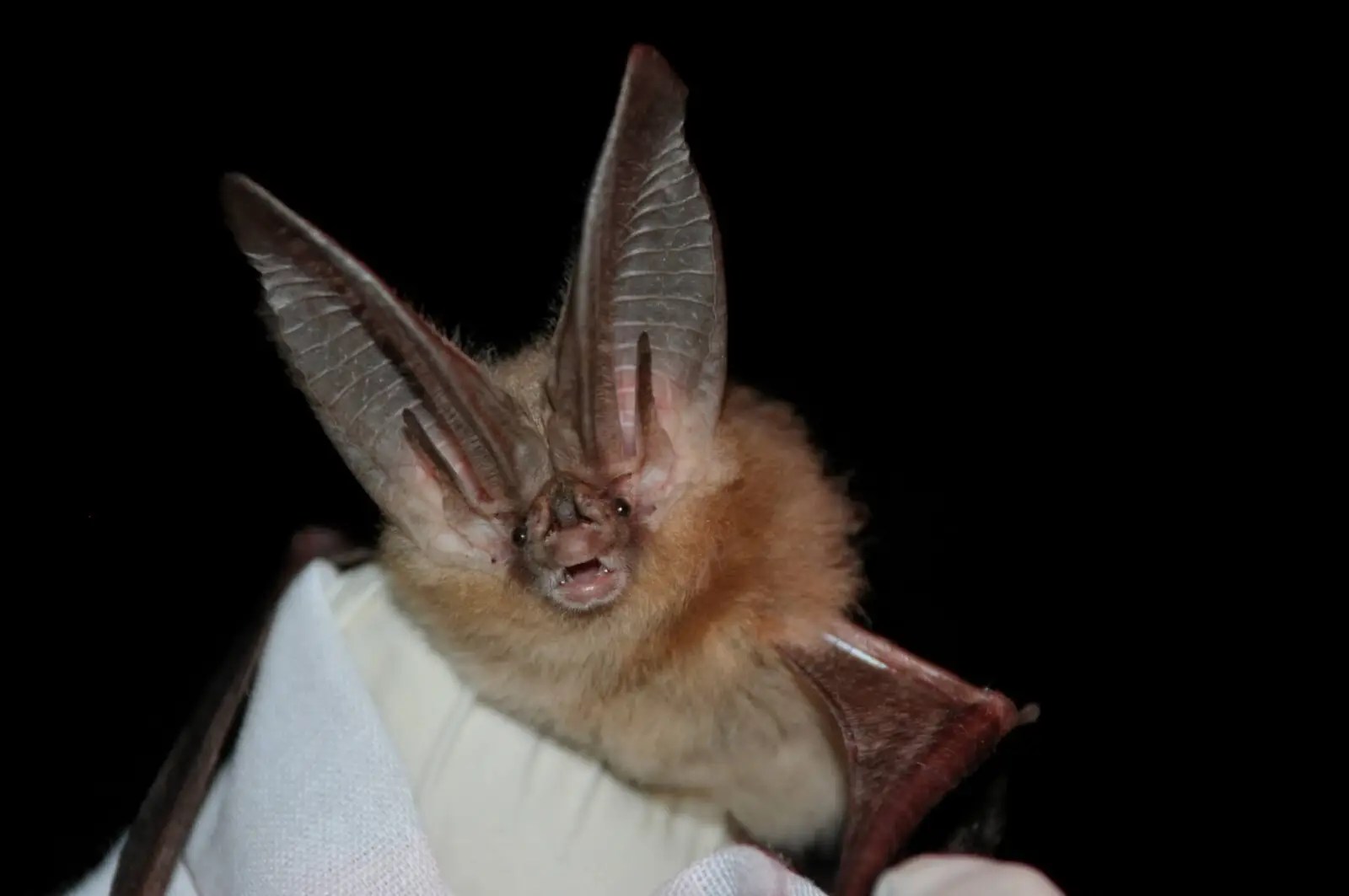
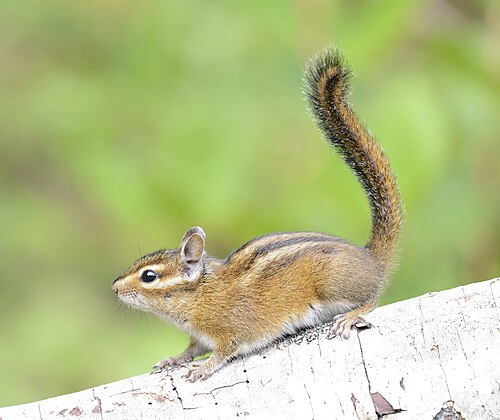
Townsend, was soon called the “Bird Chief” by the local tribes. Since he was equally keen on small rodents, he pursued moles, voles, squirrels and other animals. One species named after him is Townsend’s big-eared bat, about which he noticed a symbiotic relationship with the workers at the fort: “This species is protected by the gentlemen of the Hudson’s Bay Company, for their services in destroying the dermestes beetles which abound in their fur establishments.”
Disease Comes to the Pacific Northwest
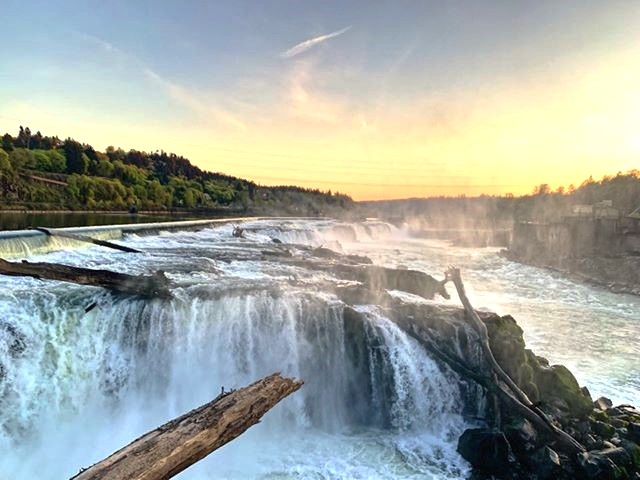
The primary native groups who lived and fished for salmon at Willamette Falls in the 1830s were the Clackamas and Clowwewalla (Tumwater band) peoples, who were all Upper Chinookan speakers. Also regularly visitors were tribes and bands such as the Wapato Island, the Molalla, and the Kalapuya people. The Falls was known for its seasonal fishing and the tribes who came there traded goods with white settlers and Euro-American families in the region. Tragically, the Willamette Falls became the epicenter of disease outbreaks, that spread among the Native tribes. During the early 1830s annual epidemics of “fever and ague” (probably malaria, a parasite spread by local mosquitoes, smallpox and complicated by pneumonia) sickened the indigenous tribes living along the lower Willamette and Columbia rivers.[7]
Although there were no accurate records kept, it is believed that between 80,000 and 100,000 tribal people died in the decade from the epidemics. There are records from 1830 for the residents of Fort Vancouver: 75 Euro-Americans got sick from “fever and ague.” And in 1832, among the 140 inhabitants at the fort, 137 were sick, however few died. The difference came down to treatment. Fort Vancouver had cinchona bark and quinine, but the fort only stored enough for its own residents and employees. The Native people who came for help were turned away.
For the Tribal members who contracted malaria, the story is more nuanced. Native people used their own remedy from the accompanying fevers: a sweat bath followed by a cold plunge into river water. With malaria, this treatment often killed the patient immediately, when they dove into the rivers.
Wet and Disagreeable Winters
Townsend and Nuttall spent the first winter in Oahu, Hawaii. Both men wanted to avoid the “wet and disagreeable winters” in Oregon. They sailed on Wyeth’s personal brig and at the end of the trip they recruited Hawaiian laborers to return with them to Fort William. While on the island of Kaua’i, Townsend collected a specimen called the Kauaʻi ʻŌʻō, his most important Hawaiian bird. Nuttall left Hawaii and went on to California in 1836. From there he sailed to San Diego and then home to Philadelphia. Townsend felt abandoned by his natural history sponsor, and his letters from that period point noticeably to being homesick.
Returning to Fort Vancouver that first spring, he arrived in time for songbird migration. Townsend continued his collecting of birds and animals. That next winter, he returned again to Hawaii. This time he sailed to Maui on a boat owned by the Hudson’s Bay Company, arriving before Christmas. He would never return to Oregon. His most productive outing came in January 1837, when he went into Nuʻuanu Valley on Oahu with the German collector, Ferdinand Deppe. They collected the Oahu ʻAkialoa and the Oahu Nukupuʻu, both species are now extinct. In mid-March, 1837 he left Hawaii as a passenger on an American ship, bound for Valparaíso, Chile. From Chile he sailed around Cape Horn to the East Coast and reached Philadelphia in late 1837, arriving about three and a half years after he left.
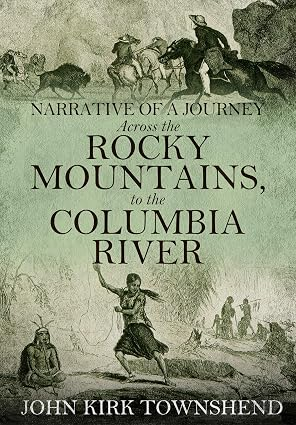
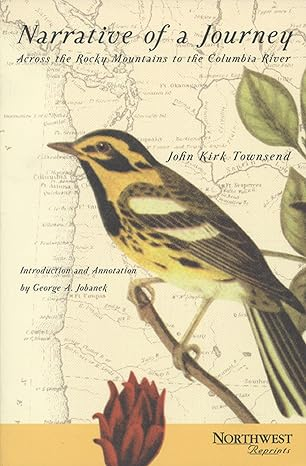
On his return trip to Pennsylvania, Townsend wrote The Narrative of a Journey across the Rocky Mountains to the Columbia River and a Visit to the Sandwich Islands (1839). This is a narrative of the journey with Wyeth’s expedition over the Rocky Mountains to the Pacific Ocean and back between 1834 and 1835. His narrative adds visits to Hawaii and the Sandwich Islands. Townsend praises Wyeth and Nuttall for their support. By the time he returned to Philadelphia, he was a changed man.
Shortly after he returned East from his Oregon and Hawaiian trips, Townsend moved his family to Washington, DC, where he set up practice as a dentist and taxidermist. The Quaker family papers mention that the couple had one child, a son named Francis Holmes Townsend (1843 – 1911). Francis was born six years after Townsend returned to the East from his expeditions.
Townsend: The Rivalry with Audubon
Historically speaking, Audubon was the famous bird artist who needed western specimens, and Townsend was the young birder who had preserved them. The rivalry came from that power imbalance more than from head-to-head competition. Those tensions surface first in the area of “WHO GETS CREDIT” for the discovery of new species. While Townsend was still in the West, Audubon got hold of his specimens through the Academy of Natural Sciences and started painting and naming species from them. The sage thrasher is the best example: Audubon obtained Townsend’s specimen first, and Nuttall rushed out a description under Townsend’s name to make sure Townsend kept some credit. When Townsend got home, he was upset to find that Audubon had used dozens of his specimens for Birds of America without crediting him. One of Audubon’s paintings, which became two engraved plates, shows 11 western birds, and every one of them was painted from a Townsend specimen. MacGillivray’s Warbler is a small but telling case. Audubon named it after his Scottish collaborator William MacGillivray. Townsend had published his own name for it, tolmiei, and Townsend’s name came first, so it is still the official scientific name. Audubon’s choice stuck as the common name. In effect, Townsend won the scientific name and Audubon won the common name.
“FINANCES”: Townsend sold Audubon specimens, which helped pay for his work but also gave Audubon control over how they were used. The exact number of stuffed birds vary by source. The Oregon History Project says Townsend sold Audubon 93 birds and supplied 74 of the 508 species in Audubon’s work, but that source garbles many details. Townsend’s western material was crucial to Audubon’s final bird volumes, and also to the mammal book Audubon wrote with John Bachman, Viviparous Quadrupeds of North America.
The most direct competition with Audubon was Townsend’s plan to “PUBLISH HIS OWN BOOK!” rather than publishing through Audubon. By 1837 Townsend could afford to publish without help from either Audubon or Nuttall. He started a book called Ornithology of the United States of North America around 1840, but it never got far; as only one part was ever issued. It was hard to compete with a well-financed, and already famous Audubon.
In the 1820s, the Philadelphia Academy was a hostile place for Audubon. Allies of the late ornithologist Alexander Wilson, especially George Ord, attacked Audubon’s work and opposed his admission to the Academy. “TOWNSEND WAS A PHILIDELPHIAN” and Audubon was not. Townsend belonged to that Philadelphia scientific world; Audubon was an outsider. Audubon was self-promoting showman, and he sold his work aggressively, which rubbed the Academy members the wrong way. Townsend was a reserved Quaker with a self-deprecating sense of humor. Yet, he was uncomfortable watching his discoveries help build someone else’s fame and fortune.
At the same time, Audubon honored Townsend. He named Townsend’s Solitaire and the mystery Townsend’s Bunting after him, and he praised Townsend’s “great attainments in ornithology.” Townsend kept working with Audubon and selling him specimens, and the two men stayed professionally connected. Audubon needed Townsend’s specimens. Townsend needed Audubon’s fame and money. Both men knew it.
Two Townsend Birds
Images of the two birds that carry the Townsend name are worth centering: Townsend’s Warbler and Townsend’s Solitaire. The solitaire was named by J.J. Audubon after Townsend.
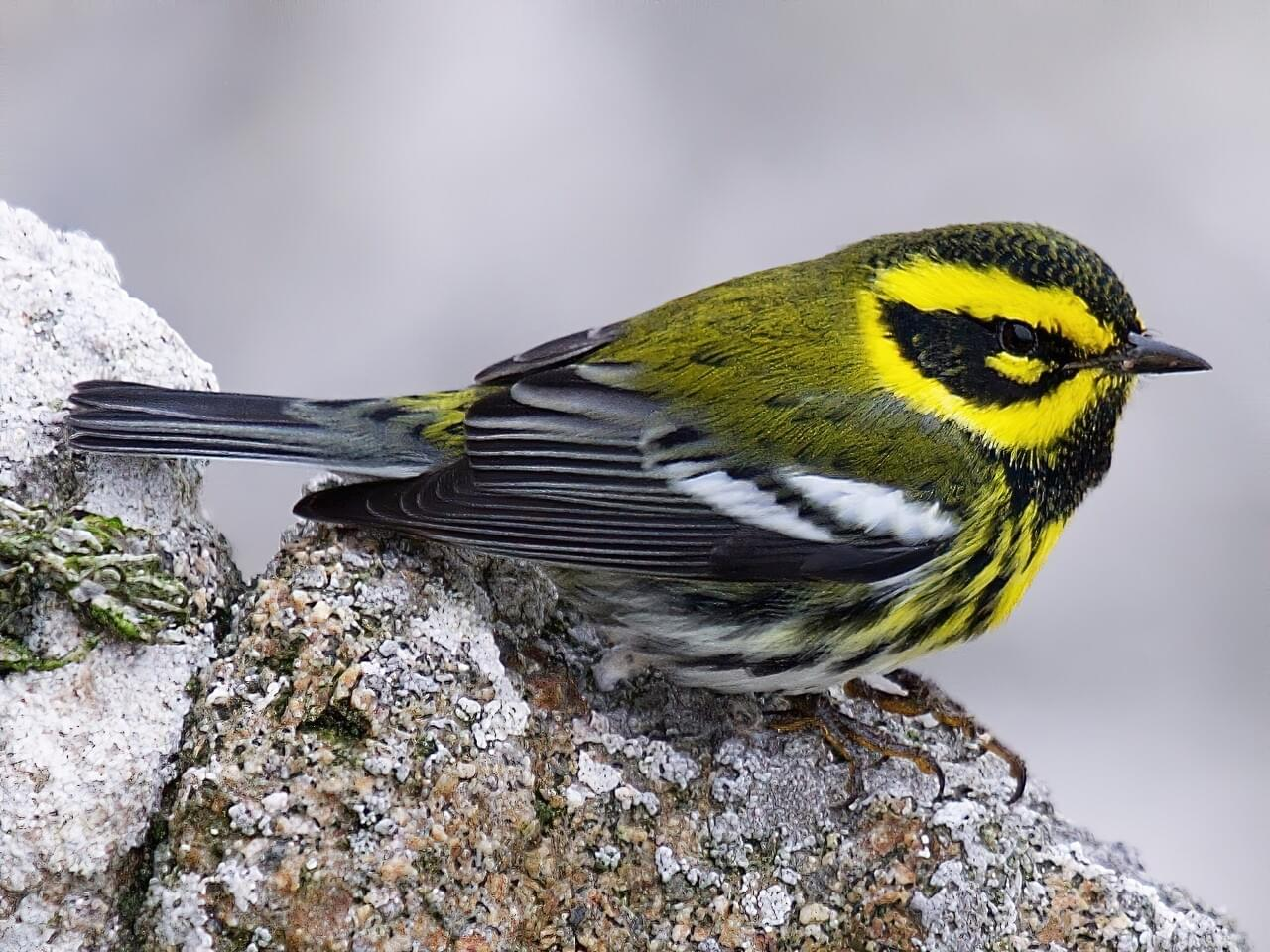
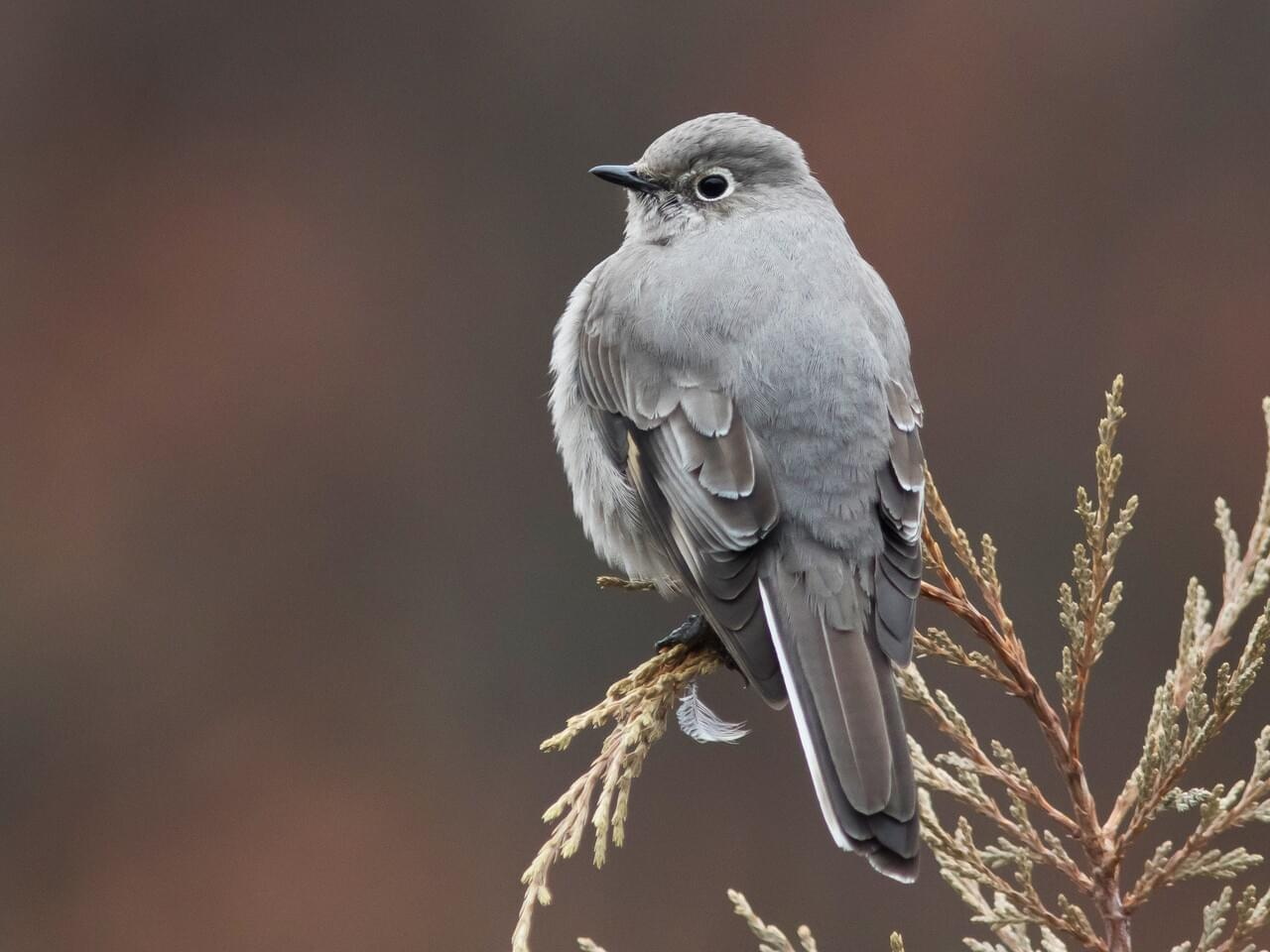
Townsend’s Legend Is True: Grave-Robbing Documented in his Own Words
Shockingly, Townsend wrote about his efforts to exhume human remains from grave sites. He published some of his findings in Narrative and also in letters back and forth with Dr. Samuel George Morton, a craniologist and a Quaker. Morton relied on skull measurements to argue that races were separate and ranked by intelligence. Morton had asked Townsend and others to bring back skulls of Native Indians, and Townsend agreed to ship the stolen skulls to Morton. In Narrative, Townsend admits that he held off at one burial ground only because the “sacrilege” might be discovered and cause trouble for his ship’s crew. He was well aware of the recent deaths of the Native tribes and their grave sites were found throughout the Columbia River basin.
Townsend’s own word choice shows that he knew what he was doing was wrong. The most damning line comes from a letter to Morton. He wrote that an epidemic was killing Native Tribes people so fast that the burial grounds would soon lack watchers, which would be “very convenient for my purposes.”
A Chinook man’s skull that Townsend robbed is illustrated in Morton’s Crania Americana. Townsend was not alone in his illicit grave desecration. One co-conspirator was John J. Audubon. The skulls Townsend and Audubon exhumed remained at the Academy of Natural Sciences until the mid-20th century, when they were transferred to the Penn Museum. In 2021 the Penn Museum apologized for holding the Morton Collection and announced a plan to repatriate the skulls back to their known origins. The alleged misconduct on Tribal graves extending to Hawaii by Townsend has not been corroborated. wordpressNPR
Many accomplices were complicit and exhumed skulls from Native American, Mexican, and Hawaiian graves for Morton’s cranium study. Morton and others were attempting to scientifically prove that intelligence and levels of civilization could be measured by the size of a person’s brain inside their skulls. Morton’s theory was that he could rank the races with his findings. Such racial xenophobia was not new, but the disclosure of these abhorrent behaviors is still shocking and repulsive today.[4]
1851, The Year to Die
John James Audubon died in January 1851, John Kirk Townsend died in February 1851, and Samuel George Morton died in May 1851.[5] There must have been something about that year: the timing seems more than coincidental. Townsend was 41 years old. His brother-in-law recalled seeing Townsend in Washington, DC, “bent over a large tray of arsenic, surrounded by a cloud of dust.” The Townsend family members believe John Townsend died from arsenic poisoning. The three men at the center of the grave robbing story all died within four months of each other, which leaves many loose ends.[5][6]
And Other Townsend related images
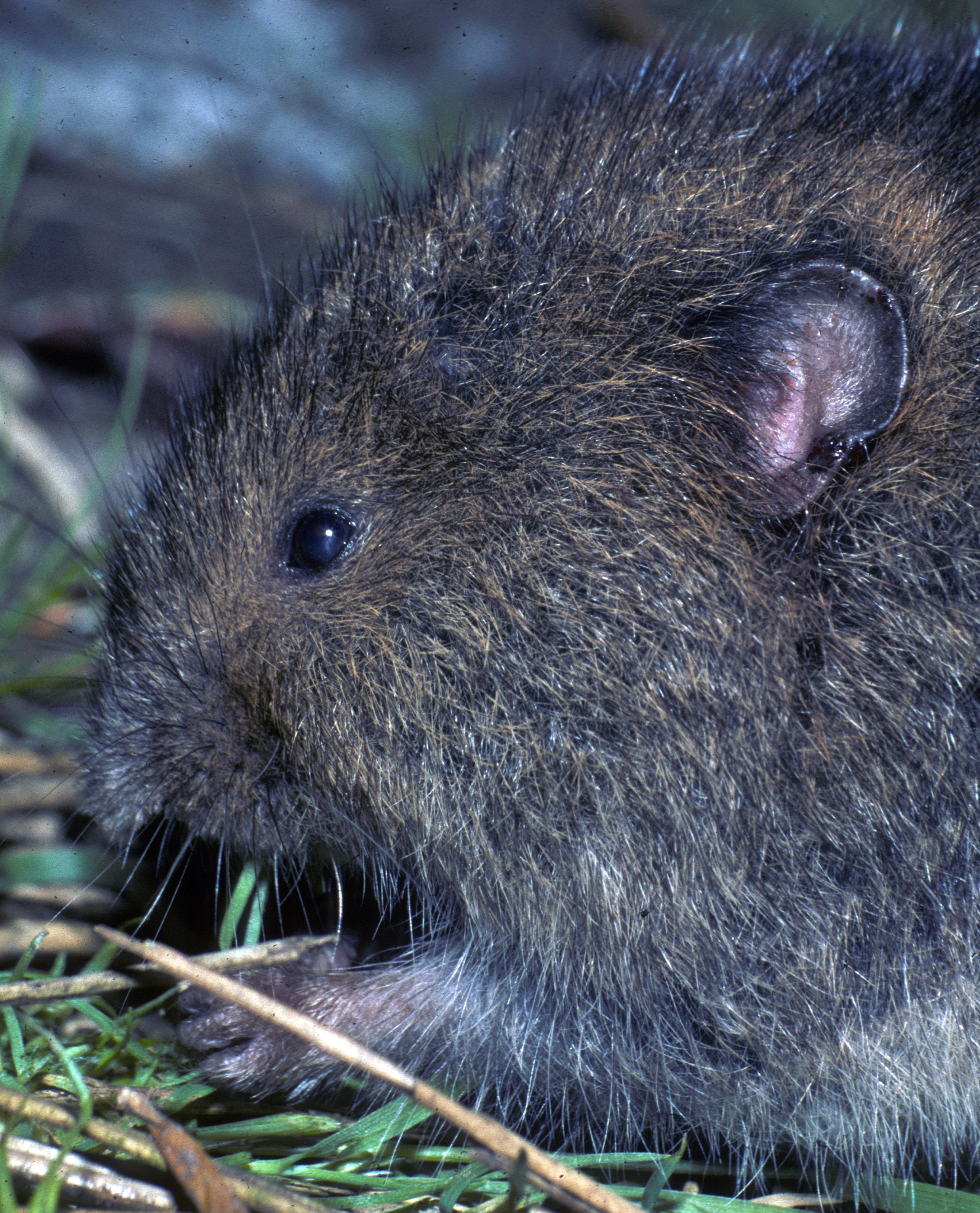
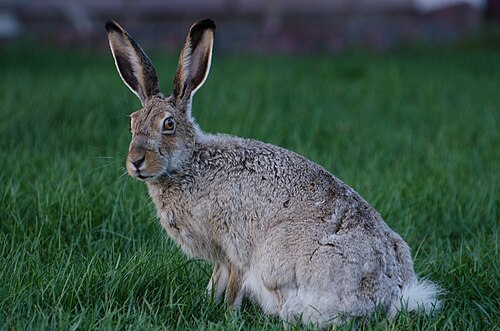
=====================================================
Footnotes:
[1] https://en.wikipedia.org/wiki/John_Kirk_Townsend
[2] John K. Townsend library Bio One Digital Library
[3] Townsend did record observations of the Mystery Bird of 1833, but did not reveal them until many years later. His original field notes were forgotten for decades and finally published in The Auk in 1909. In them Townsend describes the mystery bird and its song. He contradicted Audubon, who had called the specimen a female; Townsend reported it as a singing male.
[4] The issues that arise from the revelation of “grave-robbing,” as shocking as they are, were part of broader racist theories that led to a justification for slavery. By Samuel G. Morton’s own account, the project began in 1830. He was preparing a lecture on skull shapes and sizes across what were then called the “five races of men.” Morton couldn’t find enough skulls to illustrate his theory, so he started collecting … and getting others to collect for him.
- Building “the skull collection.” Morton never traveled to collect. He relied on a network of correspondents: army officers, physicians, missionaries, diplomats, and naturalists like Townsend. Many of the skulls came from battlefields, hospitals, and plundered graves. By the time Morton died, his collection numbered close to a thousand. Morton’s admirers called his skull collection, which included hundreds of Native American skulls, the “American Golgotha.” The nickname, borrowed from the biblical “place of the skull” where Jesus was crucified, was meant as a scholarly compliment. Today it reads very differently: Golgotha was a place of execution and suffering, and many of Morton’s skulls came from graves, battlefields, and people who never consented to being measured and ranked.
- The method. Morton measured cranial capacity, meaning the volume inside the skull, as a stand-in for brain size. He first filled skulls with white mustard seed, found the results inconsistent, and switched to lead shot because it packed more uniformly. He then averaged the volumes by racial group.
- The assumption behind it. The core premise was that a bigger brain means more intelligence. That idea came largely from phrenology, which held that the brain’s size and shape reveal mental abilities. Morton was more cautious than the phrenologists, but Crania Americana (1839) included an essay by the Scottish phrenologist George Combe, and the book’s framework relied on the same premise.
- The false conclusions. Morton ranked the groups by average skull volume, with Europeans at the top and Africans at the bottom. Crania Americana focused on Native American skulls, including at least one Chinook skull that Townsend had stolen. In Crania Aegyptiaca (1844), Morton used skulls from Egyptian tombs to argue that racial differences had stayed fixed since ancient times. That argument supported polygenism, the claim that human races were separately created species. After Morton’s death (1851), his blind followers built on his data in Types of Mankind (1854), and Morton’s work was cited in defense of slavery.
Q: Was Morton wrong? A: Yes, about human intelligence. When researchers went back and re-measured his skulls, most of his numbers held up. Morton was a careful measurer. But measuring accurately is not the same as thinking clearly. Morton started with the belief that white people were superior, and he interpreted his skull data in a way that confirmed it. The clearest evidence of his racial bias comes from his own era. In 1836, the German anatomist Friedrich Tiedemann measured skulls and brains much as Morton did, but eight years earlier, and he got nearly the same results; however, he drew the opposite conclusion — there was no meaningful difference between races, and slavery was wrong. Same kind of data, opposite verdict. The difference? The man doing the interpreting.
Morton’s skulls were measured carefully. His conclusions were not. John Kirk Townsend’s grave robbing crimes supplied a project that was wrong from the start.
Morton’s contemporaries knew better too. In 1854, Frederick Douglass stood before a college audience and took apart the “pseudo science” of Morton and his followers, showing it for what it was: an argument built to defend slavery. Modern science agrees with Tiedemann and Douglass. The size of someone’s brain tells us almost nothing about how smart they are, and it tells us nothing at all about any group of people. Brilliant minds come in every head size, from every continent and every ancestry.
[5] Arsenic is one of the prime ingredients used in preservatives to taxidermy birds that were stuffed for scientific and avian collections around the world. Taxidermists in that era struggled heavily with flesh-eating dermestid beetles and moths. To combat this, they used powerful toxic agents including: Alum and Salt (used as drying agents and minor curatives to draw out moisture and tighten the skin); Arsenic (a paste made of arsenic trioxide, camphor, potassium carbonate, tallow, and soap); and Mercuric Chloride (a poison dusted on the interior of the skin to kill pests). These ingredients became the global gold standard for bird preservation, and were later connected to the deaths of those who were in constant contact with these preservation methods.
[6] Other People of Note who died in 1851: Thomas Lincoln (Abraham’s father), Sylvester Graham (inventor of the Graham cracker), Mary Shelley (of Frankenstein fame), Hans Christian Ørsted (discoverer of electromagnitism), Louis-Jacque Daguerre (inventer of the Daguerreotype photography), James Fenimore Cooper (Last of the Mohicans author), and J.M.W. Turner (English landscape artist of Ships and Harbors).
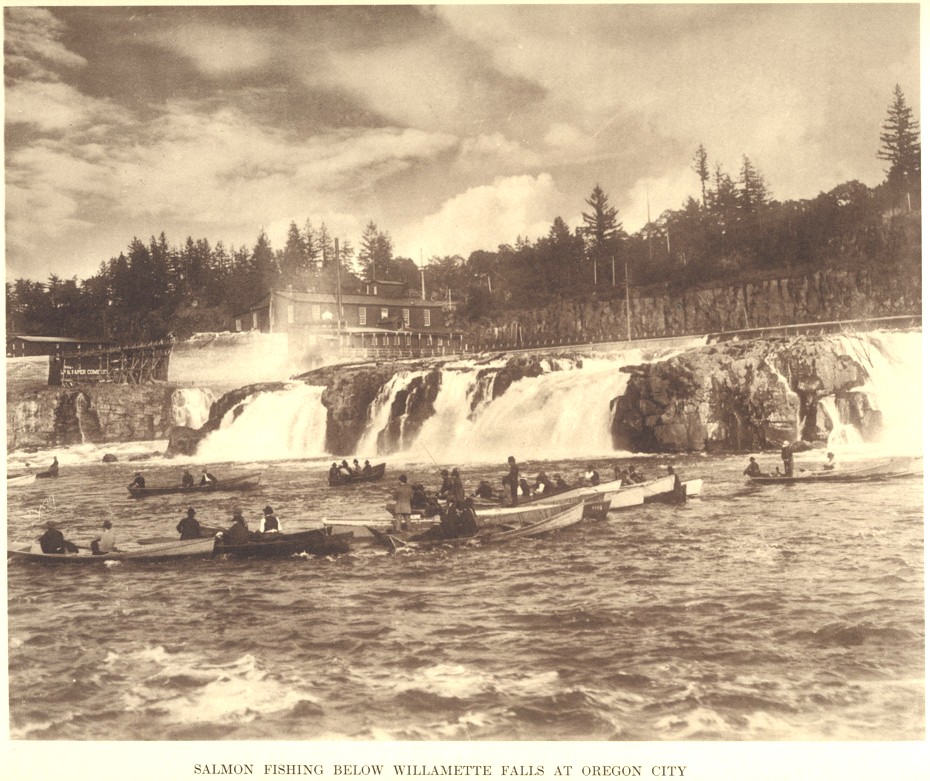
[7] Willamette Falls has been an historic and prolific fishing site for centuries. The Native tribes have attempted to preserve the grounds and the water, only to have it desectrated by two paper companies: Willamette Falls Paper Company and Hawley Pulp and Paper Mill which chose the rivers as sources of hydro power. Anglo fisherman, who wanted to displace the Native fishermen, were often in boats on the river, as seen in the picture below. Oregon City and the Willamette Falls are the classic end points of the Oregon Trail. (The trail started in Independence, Missouri and ended in Oregon City. The Oregon Trail gained popularity in the 1830s and expanded quickly after that decade with governmental encouragement for settlers to Go West. And with those settlers? Diseases that wiped out large swaths of the Native tribes.)
=-=-=-=-=-=-=-=-=-=-=-=-=-=-=-=-=-=-=-=
Appendices
Appendix I: Documents
Bibliography for further study
- Audubon, John James. Ornithological Biography, or an Account of the Habits of the Birds of the United States of America. Vols. 4–5, Adam and Charles Black, 1838–39.
Audubon’s descriptions of species from Townsend’s specimens, including Townsend’s Solitaire. - Audubon, John James, and John Bachman. The Viviparous Quadrupeds of North America. 3 vols., V. G. Audubon, 1846–54.
Includes the mammals named from Townsend’s specimens. - Bachman, John. “Description of Several New Species of American Quadrupeds.” Journal of the Academy of Natural Sciences of Philadelphia, vol. 8, 1839, pp. 57–74.
The formal descriptions of Townsend’s chipmunk, mole, vole, and other mammals. - Dana, Richard Henry, Jr. Two Years Before the Mast. Harper and Brothers, 1840.
The scene where Dana finds Nuttall, his former Harvard professor, collecting shells on a California beach. - Fabian, Ann. The Skull Collectors: Race, Science, and America’s Unburied Dead. U of Chicago P, 2010.
The broader skull-collecting network. Townsend is discussed on pp. 63–66. - Gould, Stephen Jay. The Mismeasure of Man. W. W. Norton, 1981.
The well-known critique of Morton’s skull measurements and conclusions. - Graustein, Jeannette E. Thomas Nuttall, Naturalist: Explorations in America, 1808–1841. Harvard UP, 1967.
The standard Nuttall biography, and the best place to find stories of Nuttall’s side of the trip to Oregon, Hawaii and back. - Halley, Matthew R. “The (Literal) Skeletons in the Closet of American Ornithology.” Matthew Halley, 16 June 2020, matthewhalley.wordpress.com/2020/06/16/the-literal-skeletons-in-the-closet-of-american-ornithology/.
Transcribes Townsend’s grave-robbing letter to Morton, held at the American Philosophical Society, and also covers Audubon’s donations of skulls to Morton. - Jordan, David Starr, and Barton Warren Evermann. “The Aquatic Resources of the Hawaiian Islands. Part I: The Shore Fishes.” Bulletin of the United States Fish Commission, vol. 23, pt. 1, 1905.
Documents the fish Townsend collected in Hawaii and the species described from them. - Lee, Daniel, and J. H. Frost. Ten Years in Oregon. J. Collord, 1844.
The missionaries’ account of the 1834 journey and the early Methodist mission. - Lee, Jason. “Diary of Rev. Jason Lee.” Oregon Historical Quarterly, vol. 17, 1916. [verify: issue numbers and page ranges; the diary ran in several installments]
Jason Lee’s day-by-day record of traveling with Wyeth’s Columbia River party. - Lewis, Jason E., et al. “The Mismeasure of Science: Stephen Jay Gould versus Samuel George Morton on Skulls and Bias.” PLOS Biology, vol. 9, no. 6, 2011, e1001071.
The 2011 remeasurement of Morton’s skulls, which challenged Gould’s critique. - Mearns, Barbara, and Richard Mearns. Audubon to Xantus: The Lives of Those Commemorated in North American Bird Names. Academic Press, 1992.
Short biographies of the people birds are named for. Its Townsend entry is the longest in the book. - Mearns, Barbara, and Richard Mearns. John Kirk Townsend: Collector of Audubon’s Western Birds and Mammals. 2007.
The essential biography. Its 18 appendices cover Townsend’s specimens and what happened to his collections. - Morton, Samuel George. Catalogue of Skulls of Man and the Inferior Animals. 1840. [verify: publisher]
Morton’s catalog of his skull collection, which lists the donors, including Audubon. - Morton, Samuel George. Crania Aegyptiaca; or, Observations on Egyptian Ethnography. John Penington, 1844.
Morton’s argument that racial differences had stayed fixed since ancient times. - Morton, Samuel George. Crania Americana; or, A Comparative View of the Skulls of Various Aboriginal Nations of North and South America. J. Dobson, 1839.
Includes the illustration of the Chinook skull Townsend took. - Nisbet, Jack. “John Kirk Townsend.” National Park Service, www.nps.gov/people/johnkirktownsend.htm.
A readable short profile, including the naked killing of the condor story. - Nisbet, Jack. Visible Bones: Journeys across Time in the Columbia River Country. Sasquatch Books, 2003.
Natural history of the Columbia River region, including Townsend’s time there. - Nott, Josiah C., and George R. Gliddon. Types of Mankind. Lippincott, Grambo, 1854.
A book dedicated to Samuel Morton that built on his skull data. Shows how his work was used to defend slavery. - Penn Museum. “Morton Cranial Collection.” Penn Museum, updated 20 June 2025, www.penn.museum/about/statements-and-policies/morton-cranial-collection.
The current status of the museum’s repatriation and burial efforts. - Porter, Mae Reed, and Odessa Davenport. Scotsman in Buckskin: Sir William Drummond Stewart and the Rocky Mountain Fur Trade. Hastings House, 1963.
The standard biography of William Drummond Stewart. - Pyle, Robert L., and Peter Pyle. The Birds of the Hawaiian Islands: Occurrence, History, Distribution, and Status. Version 2, B. P. Bishop Museum, 2017, hbs.bishopmuseum.org/birds/rlp-monograph/.
Covers the Hawaiian birds Townsend collected with Ferdinand Deppe in 1837. - Russell, Osborne. Journal of a Trapper. Edited by Aubrey L. Haines, U of Nebraska P, 1965.
The view of an ordinary hired man who joined Wyeth in 1834. Includes an early description of Yellowstone. The Haines edition first appeared from the Oregon Historical Society in 1955. - Stewart, William Drummond. Altowan; or, Incidents of Life and Adventure in the Rocky Mountains. Edited by J. Watson Webb, Harper and Brothers, 1846.
A semi-autobiographical novel about the fur trade. - Stewart, William Drummond. Edward Warren. G. Walker, 1854.
A second semi-autobiographical novel drawn from his years in the West. - Townsend, John Kirk. “Description of Twelve New Species of Birds, Chiefly from the Vicinity of the Columbia River.” Journal of the Academy of Natural Sciences of Philadelphia, vol. 7, 1837, pp. 187–193.
Townsend’s main paper describing new birds. Nuttall ghostwrote part of it. - Townsend, John Kirk. Letters to Charles Townsend and family, 1834–37. Collection 404, Academy of Natural Sciences of Drexel University, Philadelphia.
Family letters from the trail and from Hawaii. - Townsend, John Kirk. Letter to Samuel George Morton, 1835. Samuel George Morton Papers, American Philosophical Society, Philadelphia.
The grave-robbing letter that Matthew Halley transcribes. - Townsend, John Kirk. Narrative of a Journey across the Rocky Mountains, to the Columbia River, and a Visit to the Sandwich Islands, Chili, &c. Henry Perkins, 1839. Internet Archive, archive.org.
The original 1839 edition, which is in the public domain. - Townsend, John Kirk. Narrative of a Journey across the Rocky Mountains to the Columbia River. Edited by George A. Jobanek, Oregon State UP, 1999.
This is the annotated scholarly edition and the best version that most people cite.
- Townsend, John Kirk. Narrative of a Journey across the Rocky Mountains to the Columbia River. Early Western Travels, 1748–1846, edited by Reuben Gold Thwaites, vol. 21, Arthur H. Clark, 1905.
A widely available reprint with Thwaites’s notes about the Wyeth journey to the Columbia River basin. - Townsend, John Kirk. “Popular Monograph of the Accipitrine Birds of North America, No. 2.” The Literary Record and Journal of the Linnaean Association of Pennsylvania College, vol. 4, Oct. 1848. [Townsend is credited as the author of the journal, while he may only be a contributor.]
Townsend’s later writing on hawks and other birds of prey. Pennsylvania College is now Gettysburg College. - “Townsend, John Kirk.” Bird Names for Birds, birdnamesforbirds.wordpress.com/historical-profiles/profiles-a-z/townsend-john-kirk/. This is a WordPress Site to profile Townsend for Bird Names Sake.
The case for renaming the Townsend birds, from the campaign that pushed for changing eponimous bird names for men with honorific behaviour. - Wyeth, Nathaniel J. The Correspondence and Journals of Captain Nathaniel J. Wyeth, 1831–6. Edited by F. G. Young, University Press, 1899. Sources of the History of Oregon, vol. 1.
Wyeth’s own journal of the 1834 expedition.
==============================================
Appendix II: Birds
Formally described by John Kirk Townsend (the scientific name’s authority is “Townsend”)
PLEASE NOTE: Townsend’s Shearwater (Puffinus auricularis), Townsend’s Storm-Petrel (Hydrobates socorroensis), the Guadalupe fur seal (Arctophoca townsendi) and some other “Townsend’s” birds, subspecies and animals are named for a different man, Charles Haskins Townsend, who was a naturalist (1859 – 1944) many years after John Kirk Townsend. These species have been left off the lists in Appendix I and Appendix II. A distant relative of the family, David Townsend (1787 – 1858), was a Quaker banker and botanist from West Chester, PA. The plant genus Townsendia is named after him, not John Kirk Townsend.
- Townsend’s Warbler (Setophaga townsendi). Described in 1837, but Nuttall wrote the description and chose the name, which got around the convention that you don’t name a species after yourself.
- Hermit Warbler (Setophaga occidentalis). Described in 1837 from a pair collected at Fort Vancouver.
- Black-throated Gray Warbler (Setophaga nigrescens), 1837.
- Yellow-rumped Warbler (“Audubon’s” form) (Setophaga coronata auduboni). Townsend described it in 1837 as Sylvia auduboni. It is now treated as a subspecies of the Yellow-rumped Warbler by the AOS and Clements, and as a full species by the IOC.
- MacGillivray’s Warbler (Geothlypis tolmiei), 1839. Townsend published his description of Sylvia tolmiei in the appendix to his Narrative. Audubon named the same bird for MacGillivray, which is where the common name comes from, but Townsend’s scientific name has priority.
- Vaux’s Swift (Chaetura vauxi), 1839. His original description also appeared in the Narrative appendix, under the spelling “Cypcelus vauxi.”
- Sage Thrasher (Oreoscoptes montanus), 1837.
- Mountain Plover (Anarhynchus montanus). Originally described as Charadrius montanus, a genus name you’ll still see in older field guides.
- Chestnut-collared Longspur (Calcarius ornatus). Described in 1837 as Plectrophanes ornata, with the type locality in the prairies of the Platte River.
- Bushtit (Psaltriparus minimus), 1837.
- Chestnut-backed Chickadee (Poecile rufescens), 1837, originally as Parus rufescens.
- Dark-eyed Junco (“Oregon” form) (Junco hyemalis oreganus). Townsend introduced it as Fringilla oregana, and it has been placed in the genus Junco since 1856.
- Kauaʻi ʻŌʻō (Moho braccatus). Townsend collected the holotype, the specimen the species was described from, on Kauaʻi sometime between February 10 and March 16, 1835. John Cassin described it in 1855, and the specimen is at the Academy of Natural Sciences. This is his most significant Hawaiian specimen. The species is now extinct.
- Oʻahu ʻAkialoa (Akialoa ellisiana). Townsend and the German collector Ferdinand Deppe found it in Nuʻuanu Valley in 1837. Three of their specimens still exist, including the type specimen. They were probably collected on a January 11–15, 1837 trip into the valley that Townsend describes in his Narrative. This species is now extinct; the last confirmed sighting was in 1892.
- Oʻahu Nukupuʻu (Hemignathus lucidus). Townsend and Deppe collected at least nine specimens in 1837, which are now spread across seven collections. The scientific name came from Lichtenstein in 1839, based on Deppe’s birds rather than Townsend’s. This species is now extinct.
Described by Townsend, but his name didn’t survive
- Lark Bunting (Calamospiza melanocorys). Townsend described it in 1837 as Fringilla bicolor, but that name was already in use for another bird, so Stejneger renamed it in 1885. This is a good example of one of his less successful descriptions.
Named for Townsend by others, from his Bird Specimens
- Townsend’s Solitaire (Myadestes townsendi). Townsend collected it along the lower Willamette River in 1835 and shot only one, but that single specimen was enough for Audubon to describe and name it in 1838.
- Townsend’s Bunting (Spiza townsendi). This is the mystery bird from 1833. Only one specimen has ever been collected, and it is now generally considered an aberrant Dickcissel or a hybrid, so no species page exists for it.
- Fox Sparrow (“Townsend’s”/Sooty form) (Passerella iliaca townsendi). This subspecies is attributed to Audubon in 1838.
Described by Others from Townsend’s Bird Specimens
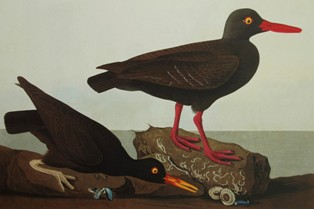
- Black Oystercatcher (Haematopus bachmani). Audubon described it in 1838, and states the type locality is the mouth of the Columbia River. Townsend was collecting there at that time, but the bird was attributed to mammalogist, John Bachman instead. Backman was not in the Northwest at the time.
===============================================
Appendix III: Other Animals (Mammals & Fish)
It seems that Townsend didn’t formally describe any mammals himself. John Bachman described most of the mammals from Townsend’s specimens in an 1839 paper in the Academy’s Journal, and Bachman named several of them for Townsend.
Named for Townsend
- Townsend’s Chipmunk (Neotamias townsendii), Bachman, 1839.
- Townsend’s Ground Squirrel (Urocitellus townsendii), Bachman, 1839. Originally Spermophilus townsendii. The type specimen came from near the Walla Walla River.
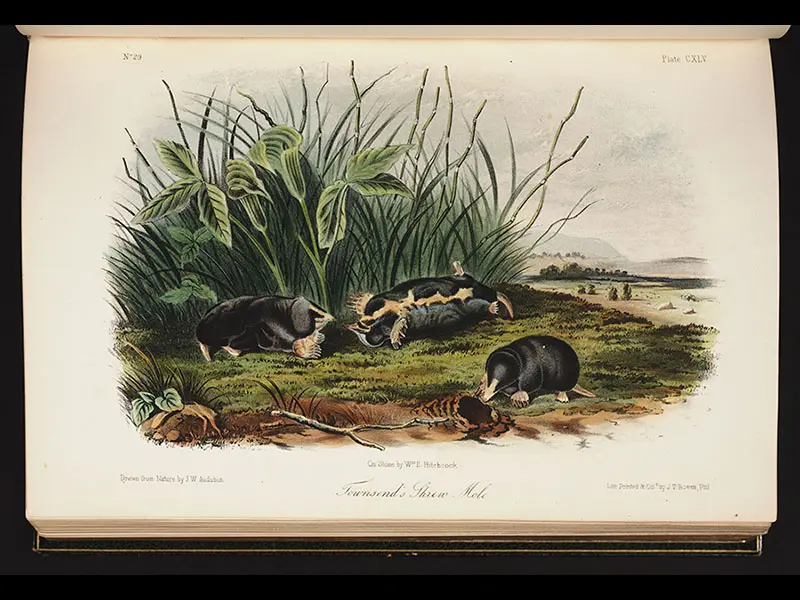
- Townsend’s Mole (Scapanus townsendii), Bachman, 1839, from the vicinity of Vancouver, Washington.
- Townsend’s Vole (Microtus townsendii), Bachman, 1839. Townsend collected the type specimen in 1835.
- Townsend’s Pocket Gopher (Thomomys townsendii), Bachman, 1839. Some recent classifications place it in Megascapheus.
- White-tailed Jackrabbit (Lepus townsendii), Bachman, 1839.
- Townsend’s Big-eared Bat (Corynorhinus townsendii), Cooper, 1837. I’m working from memory on this one, so confirm the specimen was his.
Described from Townsend’s Specimens but not named for him
- Douglas Squirrel (Tamiasciurus douglasii), Bachman, 1839. Several sources credit Townsend with collecting it, but John Bachman chose to honor David Douglas, the Scottish naturalist, in the common and scientific names instead.
Bachman’s 1839 paper also described the Creeping Vole (Microtus oregoni), the Least Chipmunk (Tamias minimus), and an Oregon form of the Northern Flying Squirrel (Glaucomys sabrinus oregonensis). These came from regions Townsend traveled through, but it is not easy to confirm that they were in fact his specimens, so they have been left off the list for now, pending further research.
Fish that Townsend identified in Hawaii
- Magnificent Snake Eel (Myrichthys magnificus). Described by Charles C. Abbott in 1860 as Pisoodonophis magnifica.
- Stout Moray (Gymnothorax eurostus). Abbott, 1860, as Thyrsoidea eurosta.
- Undulated Moray (Gymnothorax undulatus). Abbott named Townsend’s specimen Thyrsoidea kaupii, but the species had already been described, so his name is now treated as a synonym and not connected with the scientific name.
- Muraena acutirostris Abbott, 1860, a moray eel. Its current identity remains unclear.
- Tetrodon florealis Cope, 1870, a puffer fish. Edward Drinker Cope, the famous American paleontologist, described the Puffer from one of the fishes Townsend collected around 1835.
- Brotula townsendi Fowler, 1900. This species was named after Townsend but is no longer recognized: Jordan and Evermann lumped it with Brotula multicirrata.
- Holocentrus gracilispinis Fowler, 1904, a squirrelfish. Fowler described it from a Townsend specimen.
One correction: The Linda Hall Library says “Townsend’s Shrew-Mole.” That should be Townsend’s Mole. The American Shrew-Mole (Neurotrichus gibbsii) is named for George Gibbs, not Townsend.
Sobriety Check: Townsend’s reptile and amphibian collections were mostly lost. According to Townsend’s account, Thornburg, the tailor on the expedition, drank all of the whiskey that the amphibians and reptiles were immersed in to preserve them for later descriptions and study. They became desiccated and could not be appropriately examined for scientific purposes. As Townsend adds in his journals:
Thornburg had been killed this morning by Hubbard, the gunsmith… This Thornburg was an unusually bold and determined man, fruitful in inventing mischief, as he was reckless and daring in its prosecution. His appetite for ardent spirits was of the most inordinate kind. During the journey across the country, I constantly carried a large two-gallon bottle of whiskey, in which I deposited various kinds of lizards and serpents and when we arrived at the Columbia the vessel was almost full of these crawling creatures. I left the bottle on board…and on my return found that Thornburg had decanted the liquor from the precious reptiles which I had destined for immortality, and he and one of his pot companions had been happy upon it for a whole day.
Factually speaking, John Townsend’s companions on the trip to the Columbia River region included gluttonous drunkards who ate his specimens (the birds, not these lizards), drank his preservatives, and killed each other.
Appendix IV: Birds Names Derived From English Names
| English Common Name & Species | Who It Is Named For | Who It Is Named By |
| Ross’s Goose | Bernard R. Ross | John Cassin |
| Steller’s Eider | Georg Steller | Peter Simon Pallas |
| Stejneger’s Scoter | Leonhard Stegneger | Robert Ridgway |
| Barrow’s Goldeneye | Sir John Barrow | Johann Freidrich Gmelin |
| Gambel’s Quail | William Gambel | William Gambel |
| Erckel’s Francolin | Theodor Erckel | Eduard Rüppell |
| Elliot’s Pheasant | Daniel Giraud Elliot | Robert Swinhoe |
| Lady Amherst’s Pheasant | Sarah Amherst | Benjamin Leadbetter |
| Clark’s Grebe | John Henry Clark | George Lawrence |
| Vaux’s Swift | William Sansom Vaux | John Kirk Townsend |
| Chapman’s Swift | Frank M. Chapman | Carl Hellmayr |
| Sick’s Swift | Helmut Sick | Carl Hellmayr |
| Rivoli’s Hummingbird | Victor Masséna, 2nd Duke of Rivoli | Rene Primevere Lesson |
| Anna’s Hummingbird | Duchess Anna Debelle Masséna | Rene Primevere Lesson |
| Costa’s Hummingbird | Louis Marie Pantaleon Costa | Jules Bourcier |
| Allen’s Hummingbird | Charles Andrew Allen | Rene Primevere Lesson |
| Canivet’s Emerald | Emmanuel Canivet de Carentan | Rene Primevere Lesson |
| Brace’s Emerald | Lewis J. K. Brace | George Lawrence |
| Humboldt’s Sapphire | Alexander von Humboldt | Jules Bourcier |
| Xantus’s Hummingbird | John Xantus de Vesey | George Lawrence |
| Ridgway’s Rail | Robert Ridgway | Robert Ridgway |
| Wilson’s Plover | Alexander Wilson | George Ord |
| Temminck’s Stint | Coenraad Jacob Temminck | Johan Leisler |
| Baird’s Sandpiper | Spencer Fullerton Baird | Elliott Coues |
| Wilson’s Snipe | Alexander Wilson | George Ord |
| Wilson’s Phalarope | Alexander Wilson | Louis Pierre Veillot |
| Kittlitz’s Murrelet | Heinrich von Kittlitz | Nicholas Aylward Vigors |
| Scripps Murrelet | Robert Paine Scripps | J. Elton Green/Lee W. Arnold |
| Craveri’s Murrelet | Federico Ettore Craveri | Tommaso Salvadori |
| Cassin’s Auklet | John Cassin | John Cassin |
| Sabine’s Gull | Edward Sabine | Joseph Sabine |
| Bonaparte’s Gull | Charles Lucien Bonaparte | George Ord |
| Ross’s Gull | James Clark Ross | William MacGillivray |
| Franklin’s Gull | John Franklin | Johann Wagler |
| Pallas’s Gull | Peter Simon Pallas | Peter Simon Pallas |
| Belcher’s Gull | Edward Belcher | Nicholas Aylward Vigors |
| Heermann’s Gull | Adolphus Lewis Heermann | John Cassin |
| Forster’s Tern | Johann Reinhold Forster | Thomas Nuttall |
| Salvin’s Albatross | Osbert Salvin | Lionel Walter Rothschild |
| Willson’s Storm-Petrel | Alexander Wilson | Heinrich Kuhl |
| Elliot’s Storm-Petrel | Daniel Giraud Elliot | Daniel Giraud Elliot |
| Leach’s Storm-Petrel | William Elford Leach | Louis Pierre Veillot |
| Townsend’s Storm-Petrel | Charles Haskins Townsend | Charles Haskins Townsend |
| Ainley’s Storm-Petrel | David Ainley | David Ainley |
| Swinhoe’s Storm-Petrel | Robert Swinhoe | Robert Swinhoe |
| Markham’s Storm-Petrel | Albert Hastings Markham | Osbert Salvin |
| Tristram’s Storm-Petrel | Henry Baker Tristram | Osbert Salvin |
| Murphy’s Petrel | Robert Cushman Murphy | Robert Cushman Murphy |
| Zino’s Petrel | Paul Alexander Zino | Gregory MacAlister Matthews |
| Fea’s Petrel | Leonardo Fea | Tommaso Salvadori |
| Cook’s Petrel | Captain James Cook | George Robert Gray |
| Stejneger’s Petrel | Leonhard Stejneger | Leonhard Stejneger |
| Bulwer’s Petrel | James Bulwer | William Jardine/John Selby |
| Jouanin’s Petrel | Christian Jouanin | Christian Jouanin |
| Parkinson’s Petrel | Sydney Parkinson | George Robert Gray |
| Cory’s Shearwater | Charles B. Cory | Charles B Cory |
| Buller’s Shearwater | Walter Buller | Osbert Salvin |
| Newell’s Shearwater | Matthias Newell | Henry Weatherbee Henshaw |
| Bryan’s Shearwater | Edwin Horace Bryan, Jr. | Peter Pyle/A. Welch/Robert Fleischer |
| Audubon’s Shearwater | John James Audubon | Rene Primevere Lesson |
| Brandt’s Cormorant | Johann Freidrich von Brandt | Johann Freidrich von Brandt |
| Cooper’s Hawk | William Cooper | Charles Lucien Bonaparte |
| Gundlach’s Hawk | Juan Cristobal Christoff Gundlach | George Lawrence |
| Steller’s Sea-Eagle | Georg Wilhelm Steller | Peter Simon Pallas |
| Harris’s Hawk | Edward Harris | John James Audubon |
| Ridgway’s Hawk | Robert Ridgway | Charles B. Cory |
| Swainson’s Hawk | William Swainson | Charles Lucien Bonaparte |
| Baird’s Trogon | Spencer Fullerton Baird | George Lawrence |
| Lesson’s Motmot | Rene Premevere Lesson | Rene Primevere Lesson |
| Williamson’s Sapsucker | Robert Stockton Williamson | John Cassin |
| Lewis’s Woodpecker | Meriwether Lewis | Alexander Wilson |
| Hoffmann’s Woodpecker | Karl Hoffman | Jean Louis Cabanis |
| Nuttall’s Woodpecker | Thomas Nuttall | William Gambel |
| Strickland’s Woodpecker | Hugh Edwin Strickland | Alfred Malherbe |
| Fernandina’s Flicker | King Ferdinand II of Aragon | Nicholas Aylward Vigors |
| Zeledon’s Antbird | Jose Castulo Zeledon | Robert Ridgway |
| Euler’s Flycatcher | Carl Euler | Jean Louis Cabanis |
| Hammond’s Flycatcher | William Alexander Hammond | Spencer Fullerton Baird |
| Say’s Phoebe | Thomas Say | Charles Lucien Bonaparte |
| Nutting’s Flycatcher | Charles Cleveland Nutting | Robert Ridgway |
| La Sagra’s Flycatcher | Don Ramon de La Sagra | Juan Cristobal Christiff Gundlach |
| Couch’s Kingbird | Darius N. Couch | Spencer Fullerton Baird |
| Cassin’s Kingbird | John Cassin | John Cassin |
| Bell’s Vireo | John Graham Bell | John James Audubon |
| Hutton’s Vireo | William Rich Hutton | John Cassin |
| Cassin’s Vireo | John Cassin | John Xantus de Vesey |
| Steller’s Jay | Georg Wilhelm Steller | Johan Freidrich Gmelin |
| Woodhouse’s Scrub-Jay | Samuel Washington Woodhouse | Spencer Fullerton Baird |
| Clark’s Nutcracker | William Clark | Alexander Wilson |
| Blyth’s Reed Warbler | Edward Blyth | Edward Blyth |
| Pallas’s Grasshopper-Warbler | Peter Simon Pallas | Peter Simon Pallas |
| Middendorff’s Grasshopper-Warbler | Alexander Theodor von Middendorf | Alexander Theodor von Middendorf |
| Pallas’s Leaf-Warbler | Peter Simon Pallas | Peter Simon Pallas |
| Swinhoe’s White-eye | Robert Swinhoe | Robert Swinhoe |
| Sumichrast’s Wren | Francis Sumichrast | George Lawrence |
| Nava’s Wren | Juan Nava Solorio | Richard S. Crossin/Charles A. Ely |
| Bewick’s Wren | Thomas Bewick | John James Audubon |
| Boucard’s Wren | Adolphe Boucard | Philip Lutley Sclater |
| Cabani’s Wren | Jean Louis Cabanis | Jean Louis Cabanis |
| Bendire’s Thrasher | Charles Bendire | Elliott Coues |
| LeConte’s Thrasher | John Lawrence LeConte | George Lawrence |
| Townsend’s Solitaire | John Kirk Townsend | John James Audubon |
| White’s Thrush | Gilbert White | Jean-Joseph-César Holandre |
| Bicknell’s Thrush | Eugene Bicknell | Robert Ridgway |
| Swainson’s Thrush | William Swainson | Thomas Nuttall |
| Bishop’s Oo | Charles Reed Bishop | Lionel Walter Rothschild |
| Sprague’s Pipit | Isaac Sprague | John James Audubon |
| Pallas’s Rosefinch | Peter Simon Pallas | Peter Simon Pallas |
| Cassin’s Finch | John Cassin | Spencer Fullerton Baird |
| Lawrence’s Goldfinch | George Lawrence | John Cassin |
| Smith’s Longspur | Gideon B. Smith | John James Audubon |
| McKay’s Bunting | Charles McKay | Robert Ridgway |
| Pallas’s Bunting | Peter Simon Pallas | Jean Louis Cabanis |
| Botteri’s Sparrow | Matteo Botteri | Philip Lutley Sclater |
| Cassin’s Sparrow | John Cassin | Samuel Washington Woodhouse |
| Bachman’s Sparrow | John Bachman | Martin Hinrich Carl Lichtenstein |
| Brewer’s Sparrow | Thomas Mayo Brewer | John Cassin |
| Worthen’s Sparrow | Charles K. Worthen | Robert Ridgway |
| Baird’s Junco | Spencer Fullerton Baird | John James Audubon |
| Harris’s Sparrow | Edward Harris | John James Audubon |
| Bell’s Sparrow | John Graham Bell | John Cassin |
| Nelson’s Sparrow | Edward William Nelson | Joel Asaph Allen |
| Baird’s Sparrow | Spencer Fullerton Baird | John James Audubon |
| LeConte’s Sparrow | John Lawrence LeConte | John James Audubon |
| Henslow’s Sparrow | John Stevens Henslow | John James Audubon |
| Lincoln’s Sparrow | Thomas Lincoln | John James Audubon |
| Abert’s Towhee | James WIlliam Abert | Spencer Fullerton Baird |
| Cabani’s Ground-Sparrow | Jean Louis Cabanis | Philip Lutley Sclater/Osbert Salvin |
| Bullock’s Oriole | William Bullock | William John Swainson |
| Audubon’s Oriole | John James Audubon | Rene Primevere Lesson |
| Scott’s Oriole | Winfield Scott | Charles Lucien Bonaparte |
| Brewer’s Blackbird | Thomas Mayo Brewer | John James Audubon |
| Bachman’s Warbler | John Bachman | John James Audubon |
| Swainson’s Warbler | William Swainson | John James Audubon |
| Lucy’s Warbler | Lucy Hunter Baird | James Graham Cooper |
| Virginia’s Warbler | Virginia Anderson | Spencer Fullerton Baird |
| Semper’s Warbler | John E. Semper | Philip Lutley Sclater |
| MacGillivray’s Warbler | William MacGillivray | John James Audubon |
| Belding’s Yellowthroat | Lyman Belding | Robert Ridgway |
| Kirtland’s Warbler | Jared Potter Kirtland | Spencer Fullerton Baird |
| Adelaide’s Warbler | Adelaide Swift | Spencer Fullerton Baird |
| Grace’s Warbler | Grace Darling Coues | Spencer Fullerton Baird |
| Townsend’s Warbler | John Kirk Townsend | John Kirk Townsend |
| Wilson’s Warbler | Alexander Wilson | Alexander Wilson |
| Carmiol’s Tanager | Julian Carmiol | George Lawrence |
| Lesson’s Seedeater | Rene Primevere Lesson | Rene Primevere Lesson |
| Morelet’s Seedeater | Pierre Marie Arthur Morelet | Charles Lucien Bonaparte |
| Blackburnian Warbler | Anna Blackburn | Thomas Pennant |
| Zenaida Dove | Zénaïde Bonaparte | Charles Lucien Bonaparte |
| Montezuma Quail | Aztec Emperor Moctezuma II | Nicholas Aylward Vigors |

