Birds of Malheur National Wildlife Refuge
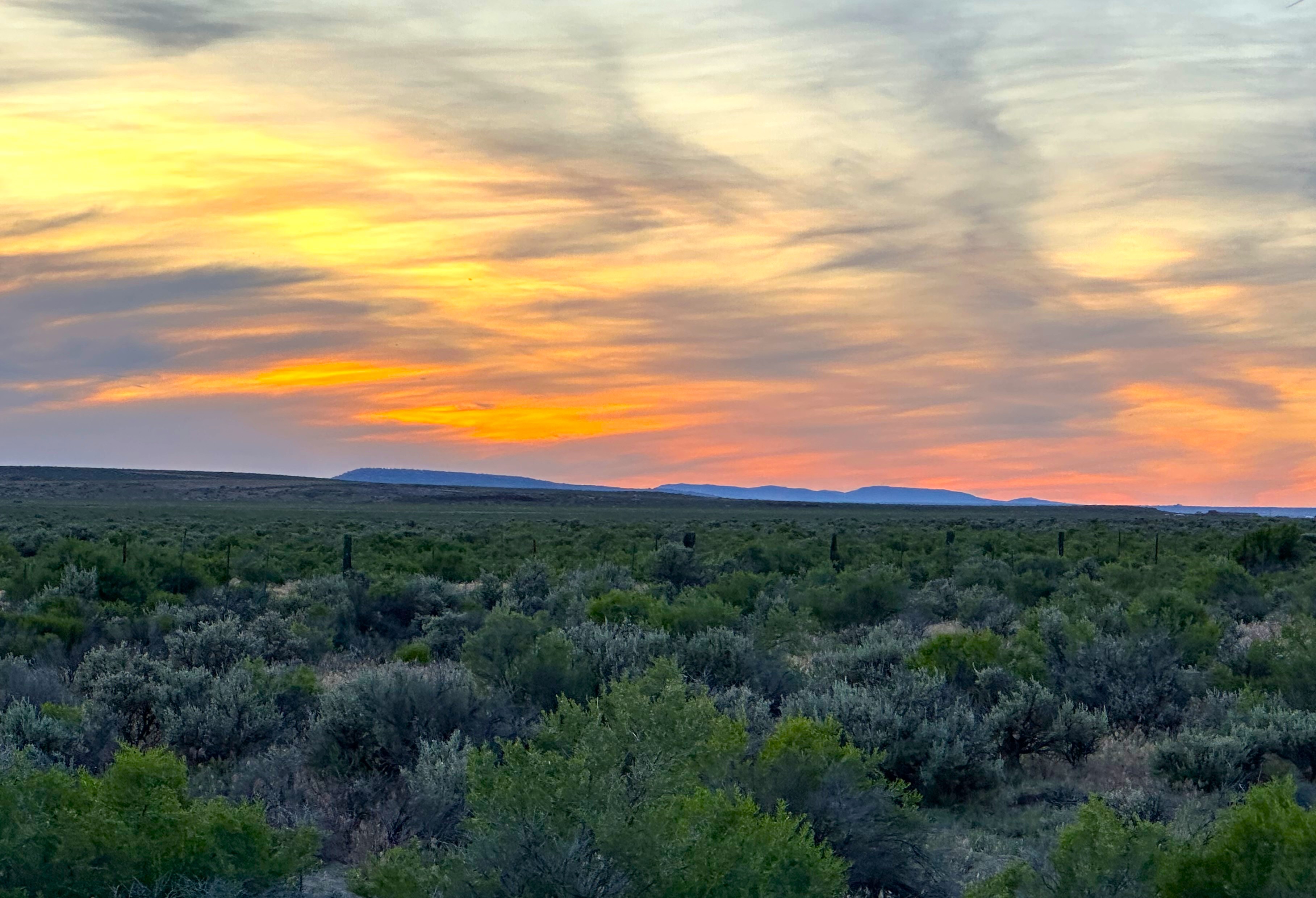
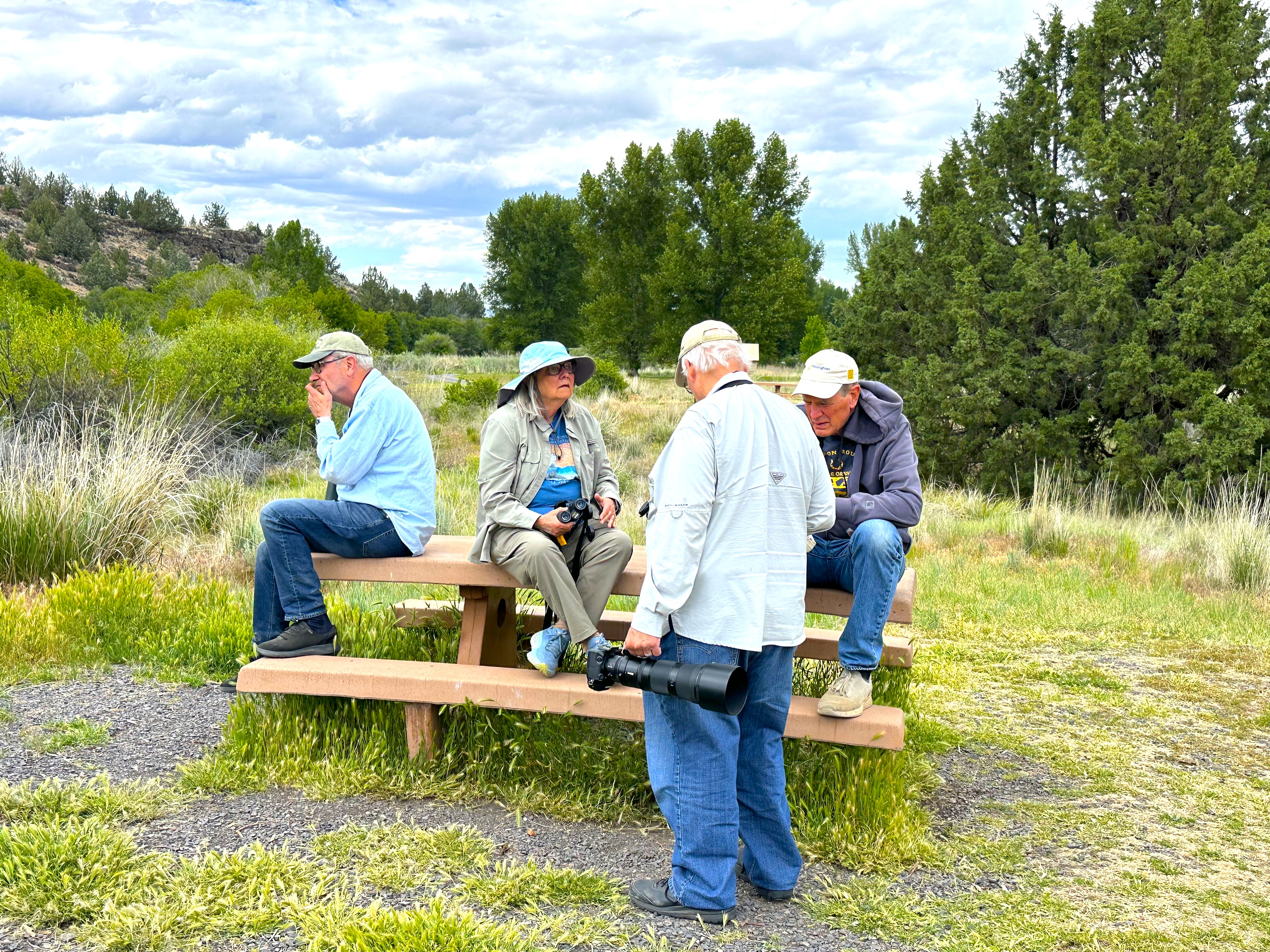
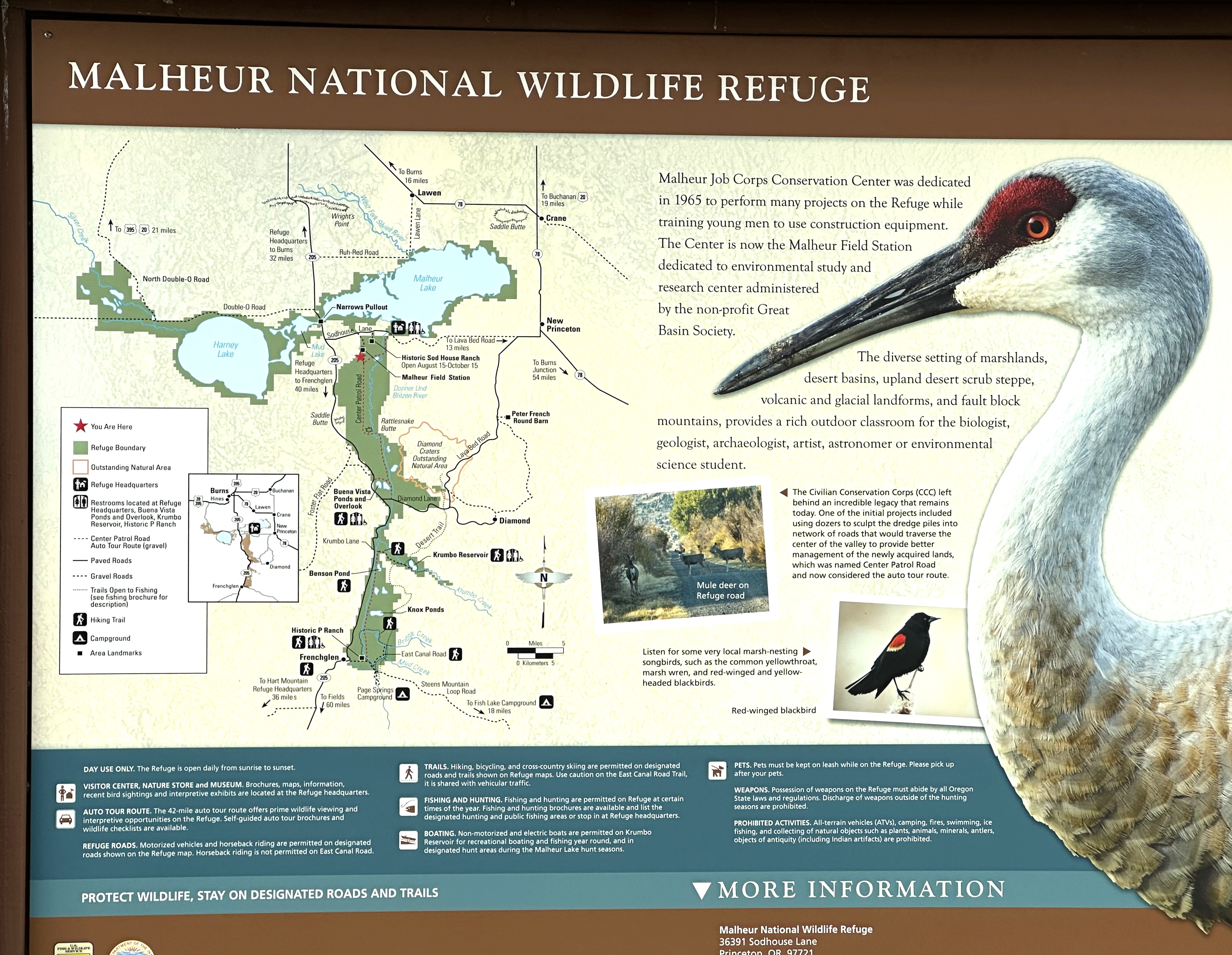
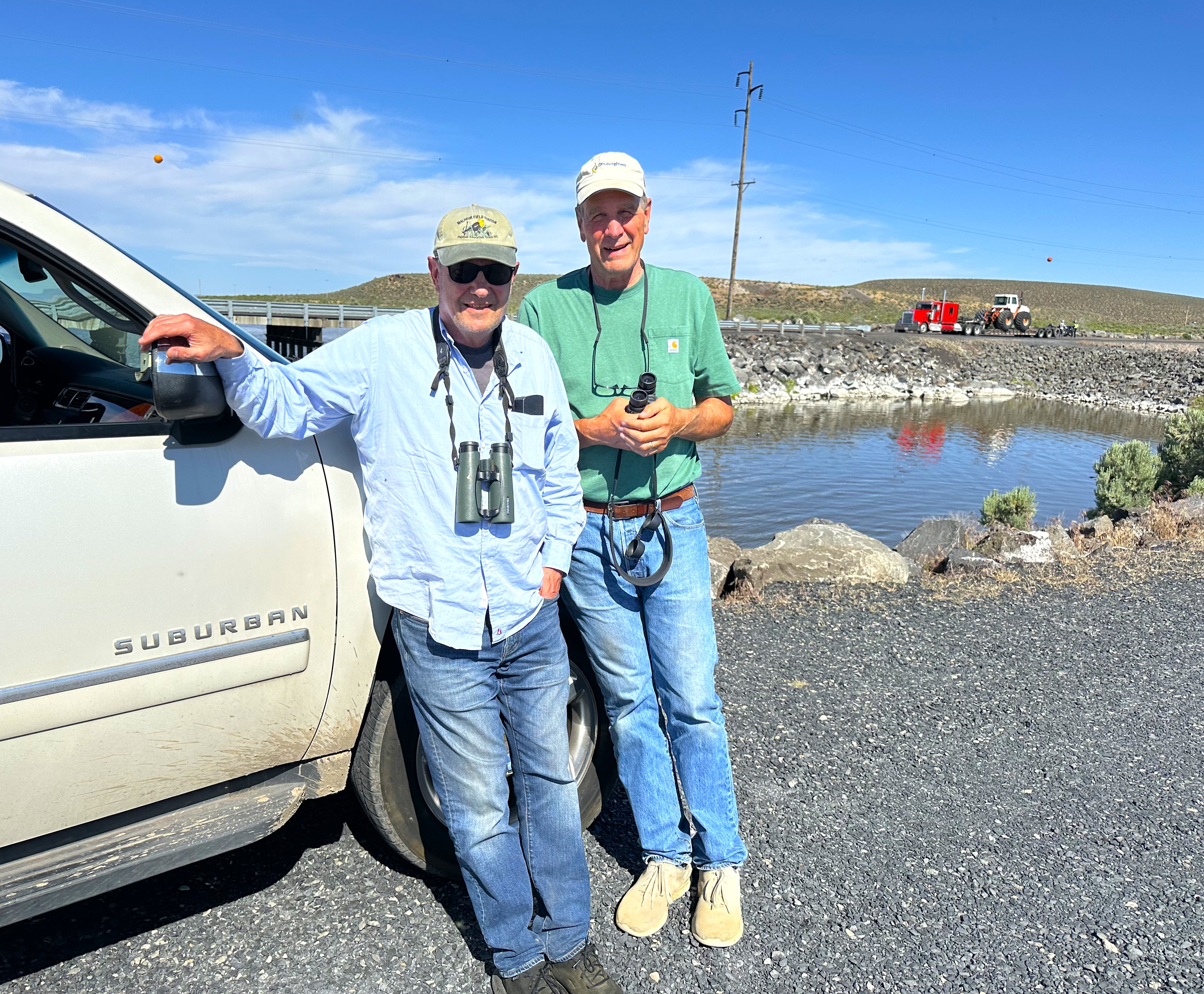
About this list: Malheur National Wildlife Refuge is one of the premier birding destinations in Oregon, if not the American West. The Refuge encompasses over 187,000 acres of wetlands, uplands, and riparian habitat along the Pacific Flyway. While this checklist primarily records birds, it also includes some mammals, and reptiles our party observed during the week of June 1–7, 2026. Scientific names are in italics. Common names can be tricky, so I mostly follow current American Ornithological Society (AOS) taxonomy, as best I could decipher. The trip with Bryan Concannon, Katheen Concannon, Larry Hopkins, and Dick Hartung was extraordinary and, as a real plus, there were far fewer mosquitoes than the Hooper’s last trip in late Spring 2023.
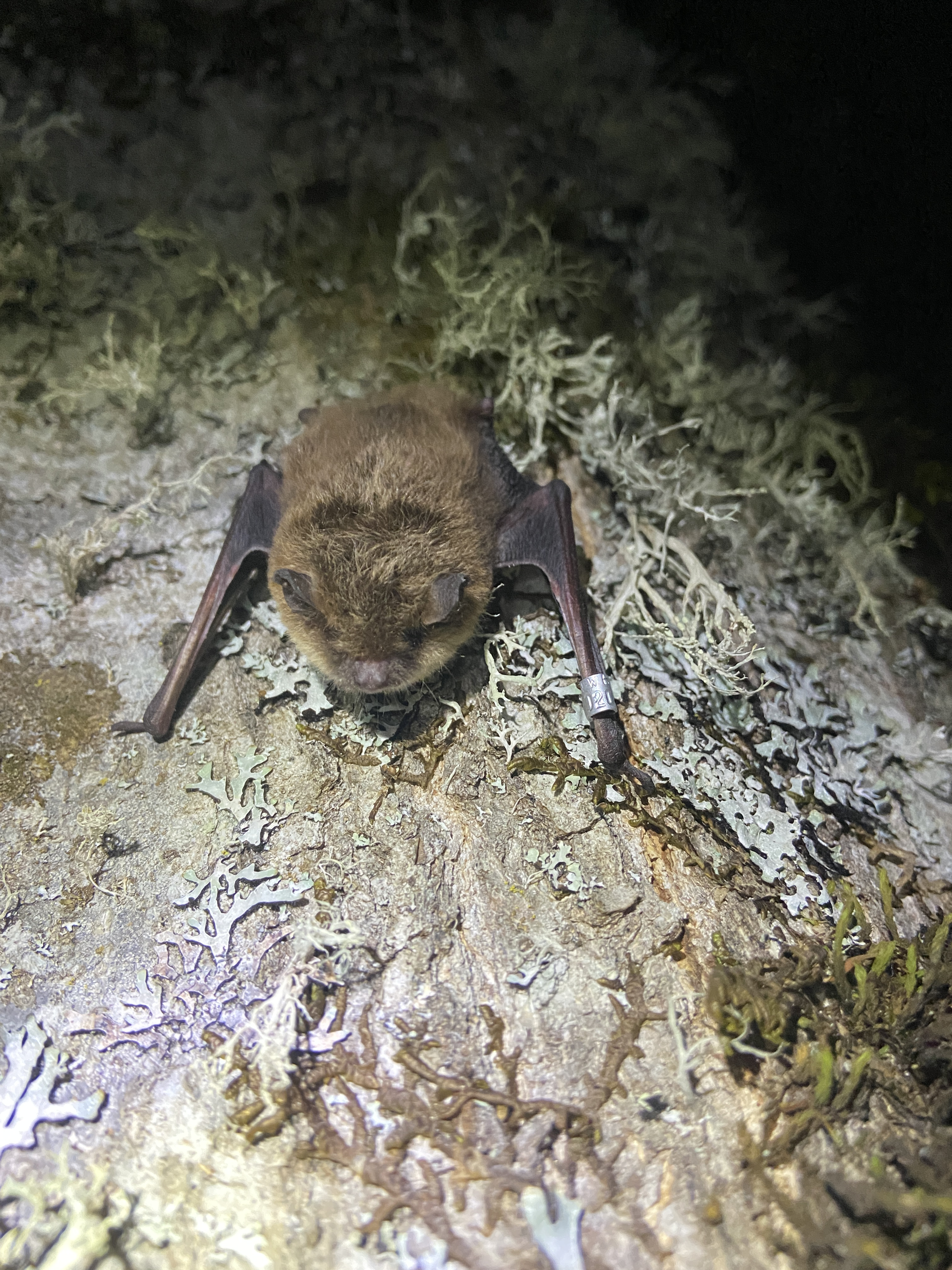
Thank you, swallows, terns, nighthawks, bats and early morning frosts for keeping the bugs at bay this trip.
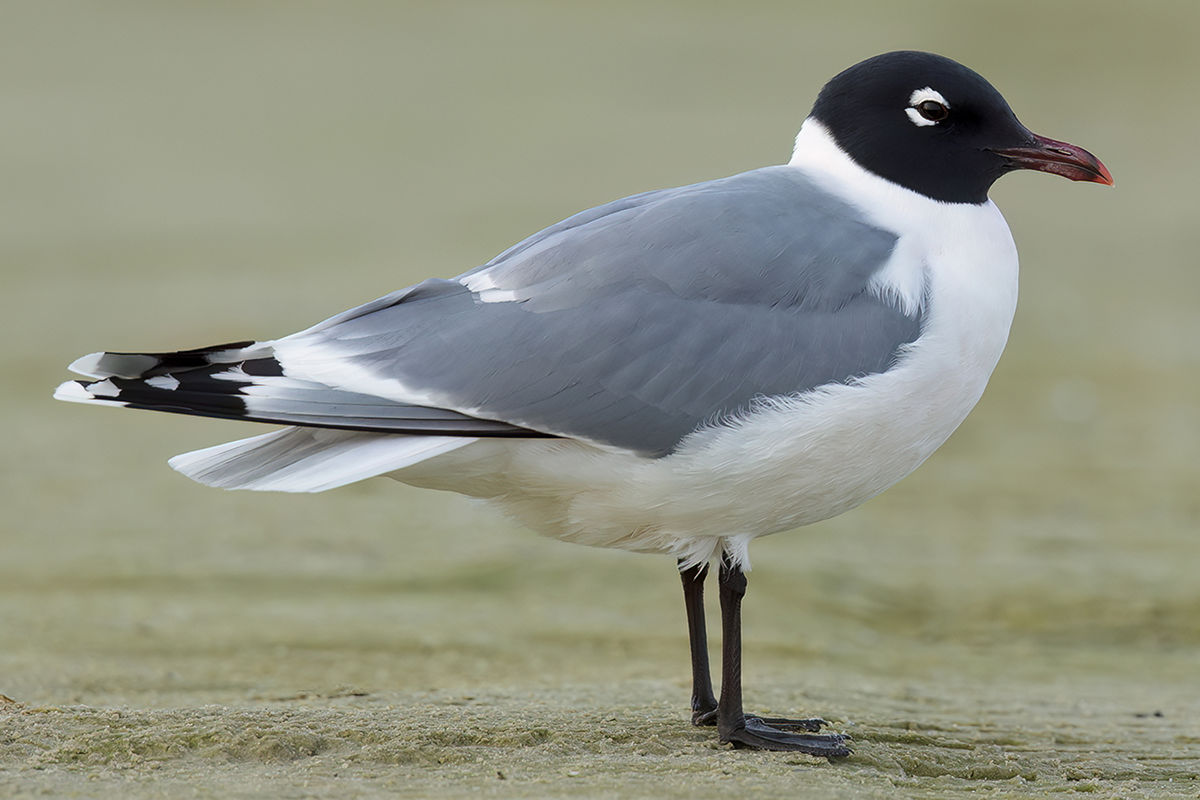
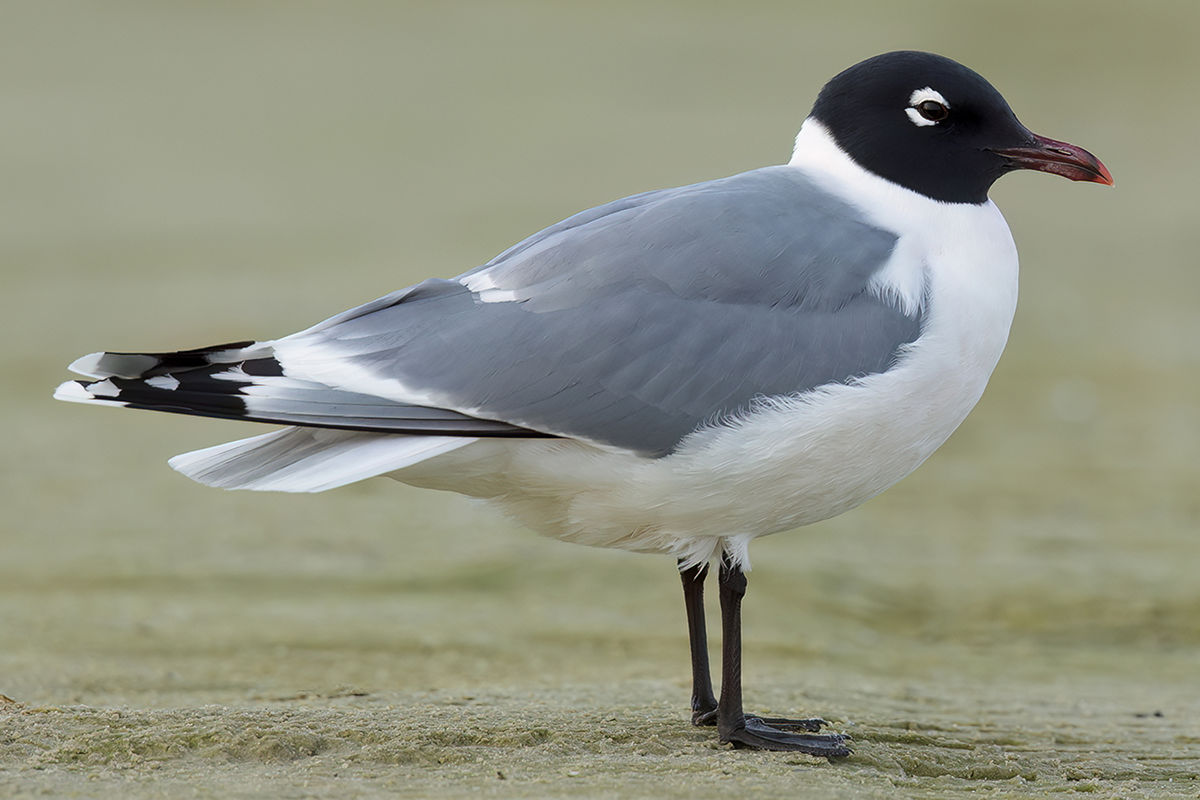
The only gull that completes a full molt twice a year. This frequent flier is basically the avian equivalent of having a complete wardrobe change for every season.
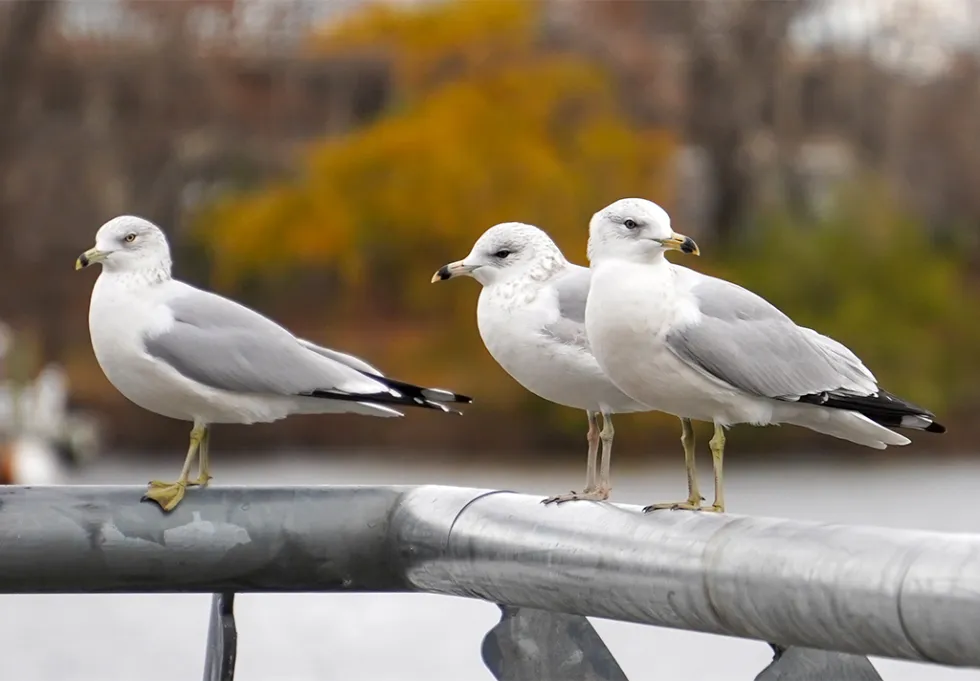
North America’s most opportunistic diner, the Ring-billed is equally at home snatching french fries in a mall parking lot or expertly cracking clams, snails, and snacks on a rocky shore.
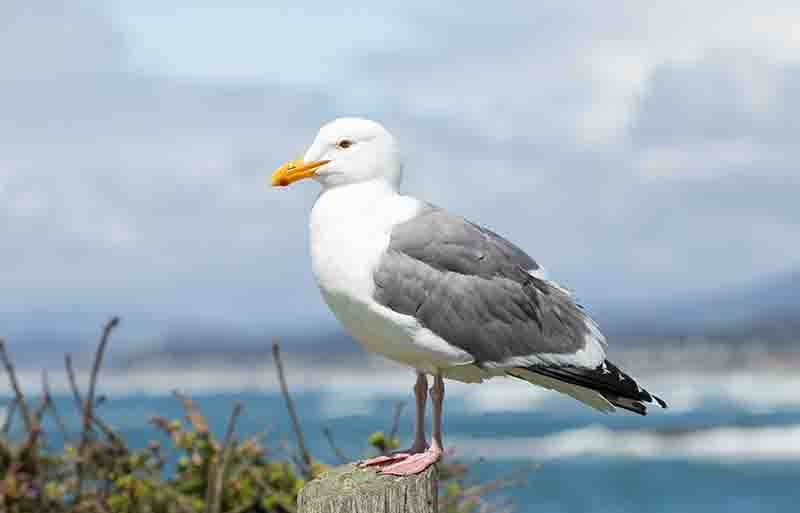
The State Bird of Utah, the California Gull folklore is legendary. In 1848, flocks reportedly saved Mormon settlers’ crops by devouring a plague of crickets. A monument stands in Salt Lake City to thank the gulls to this day.
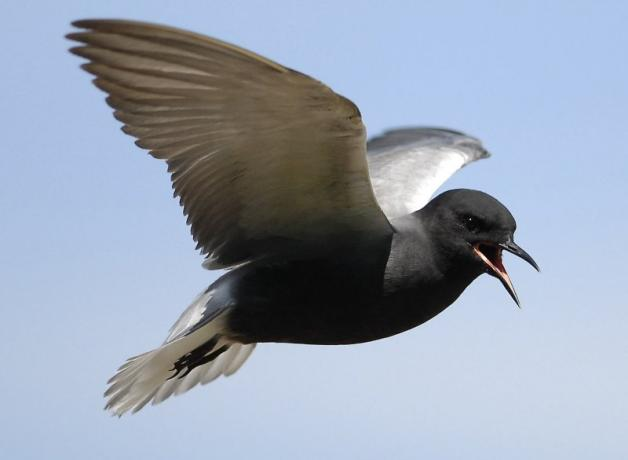
Dressed in striking jet-black breeding plumage, this marsh tern dips and flutters over wetlands like a dark butterfly, snatching insects right off the water’s surface. We spotted five in flight diving into a stream near the Malheur NWR headquarters as they passed a few feet overhead.
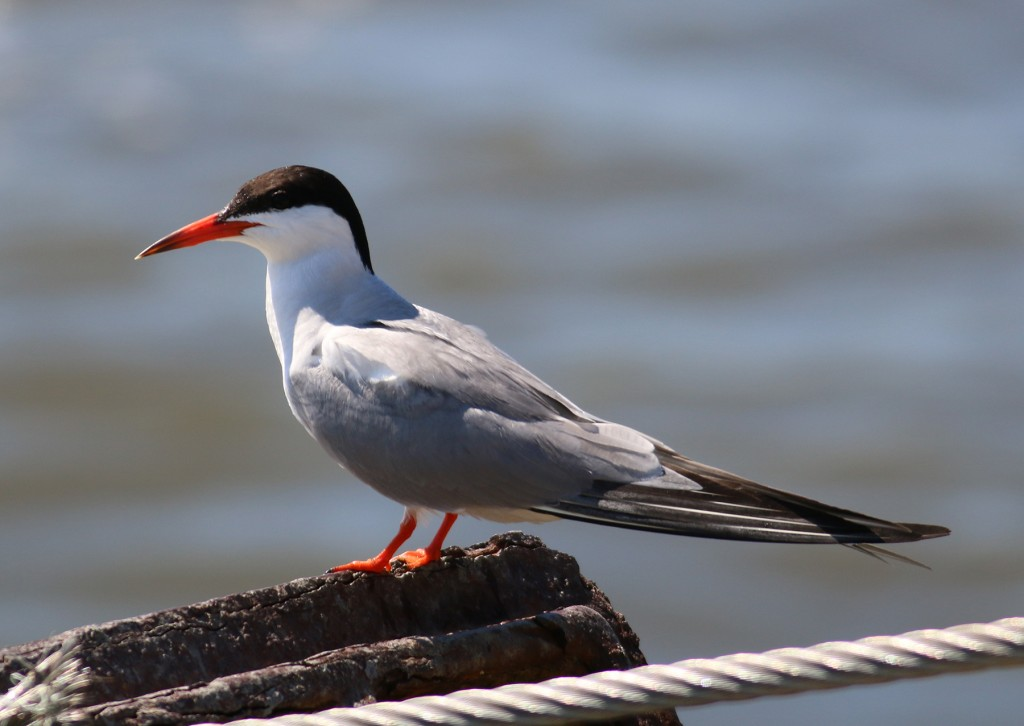
A near precision dive-bomber: Forster’s Terns hovers 20 feet above the water, spots a fish, and plunges in beak-first in under a second. Accuracy rate? Remarkably high, catching a fish about one in three tries.
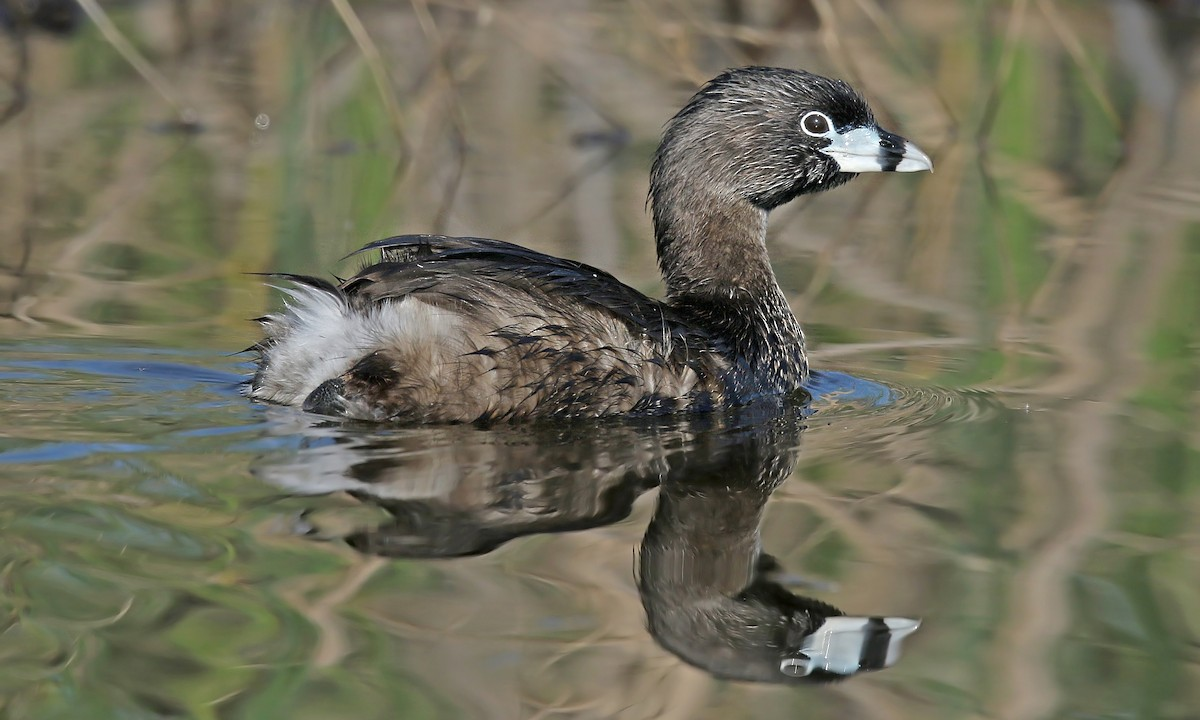
This small but mighty bird can control its own buoyancy like a submarine — by squeezing air from its feathers, it can slowly sink straight down without diving, leaving barely a ripple on the surface of the water.
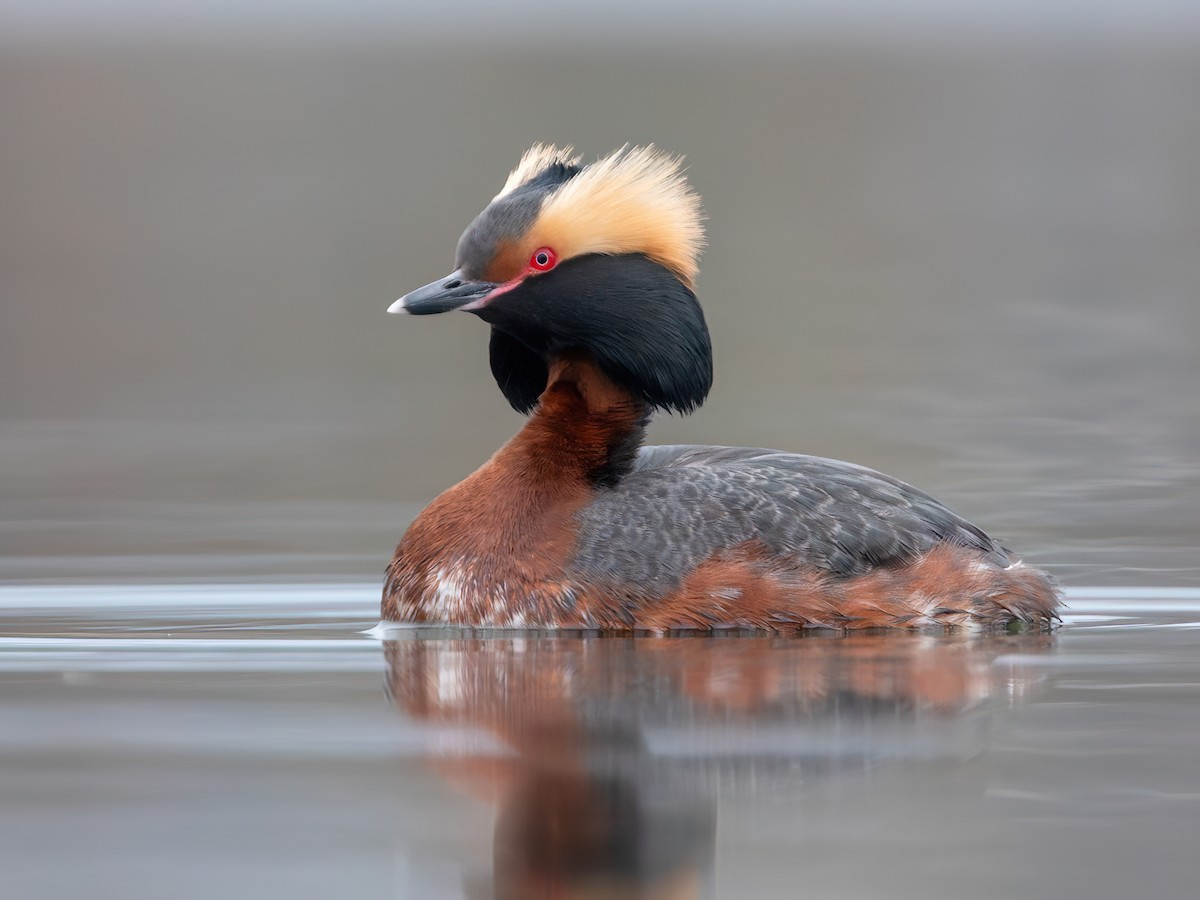
Those flamboyant golden ear-tufts are not horns at all. They are extravagant feather plumes that the male of the species wears only in breeding season. Why? To impress a mate! Then he sheds the feathers entirely by winter.
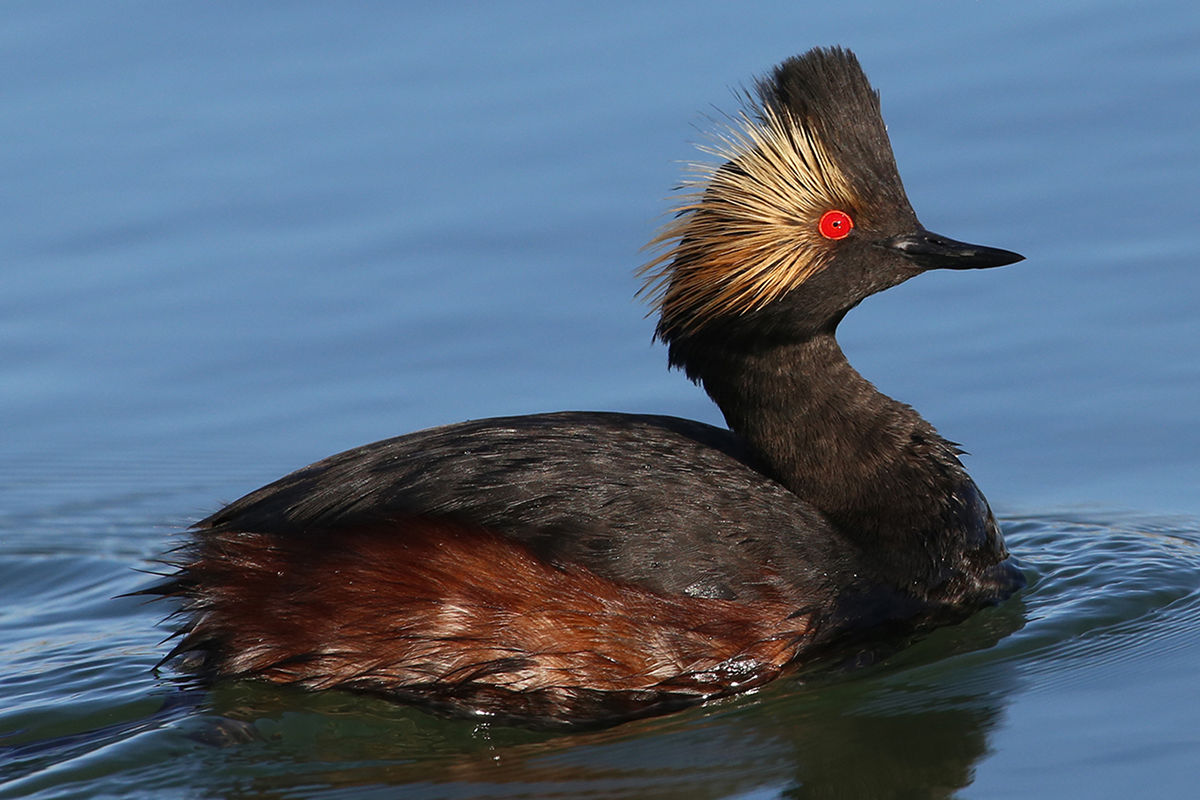
The world’s most numerous grebe, ornithologists note that it is also one of the laziest migrants. After gorging on fish at fresh water lakes, it becomes too fat to fly and must spend weeks exercising before it can take flight again.
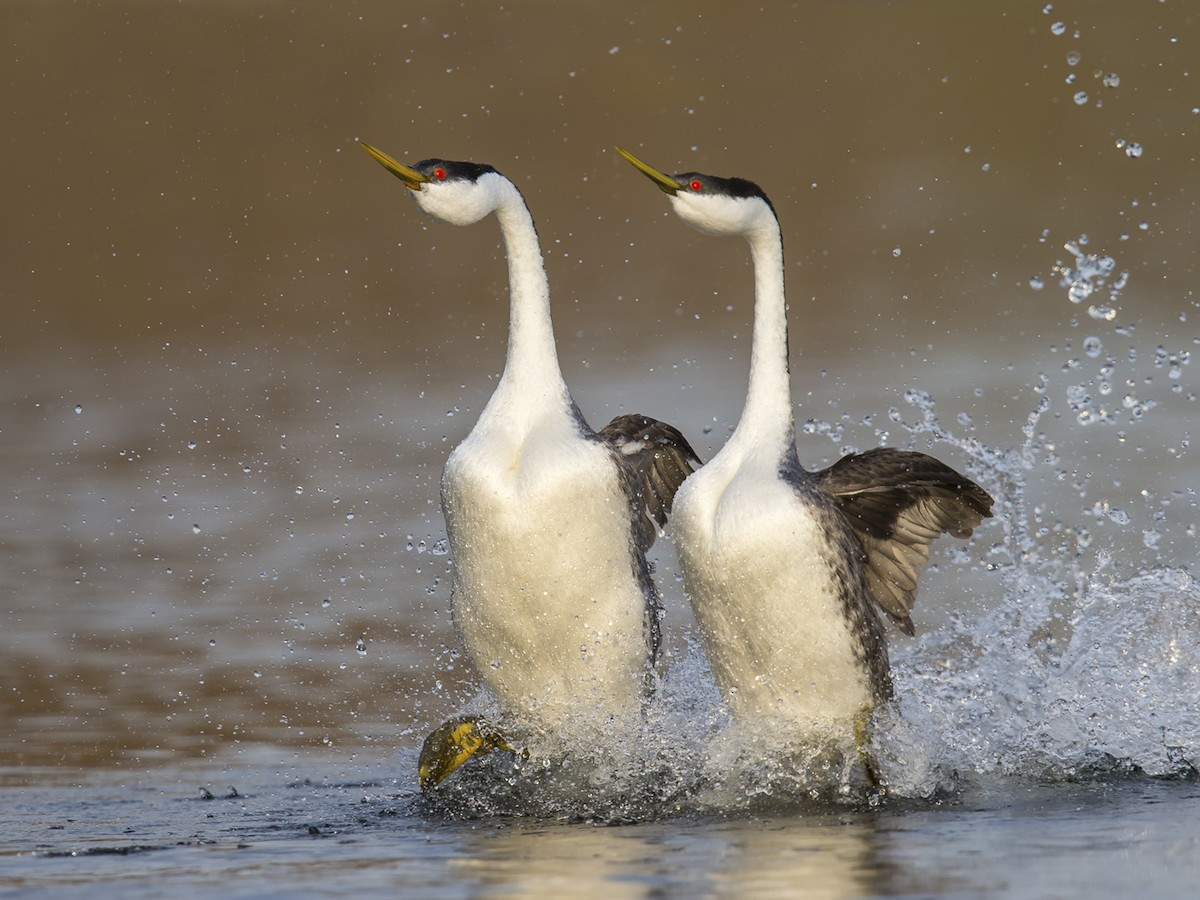
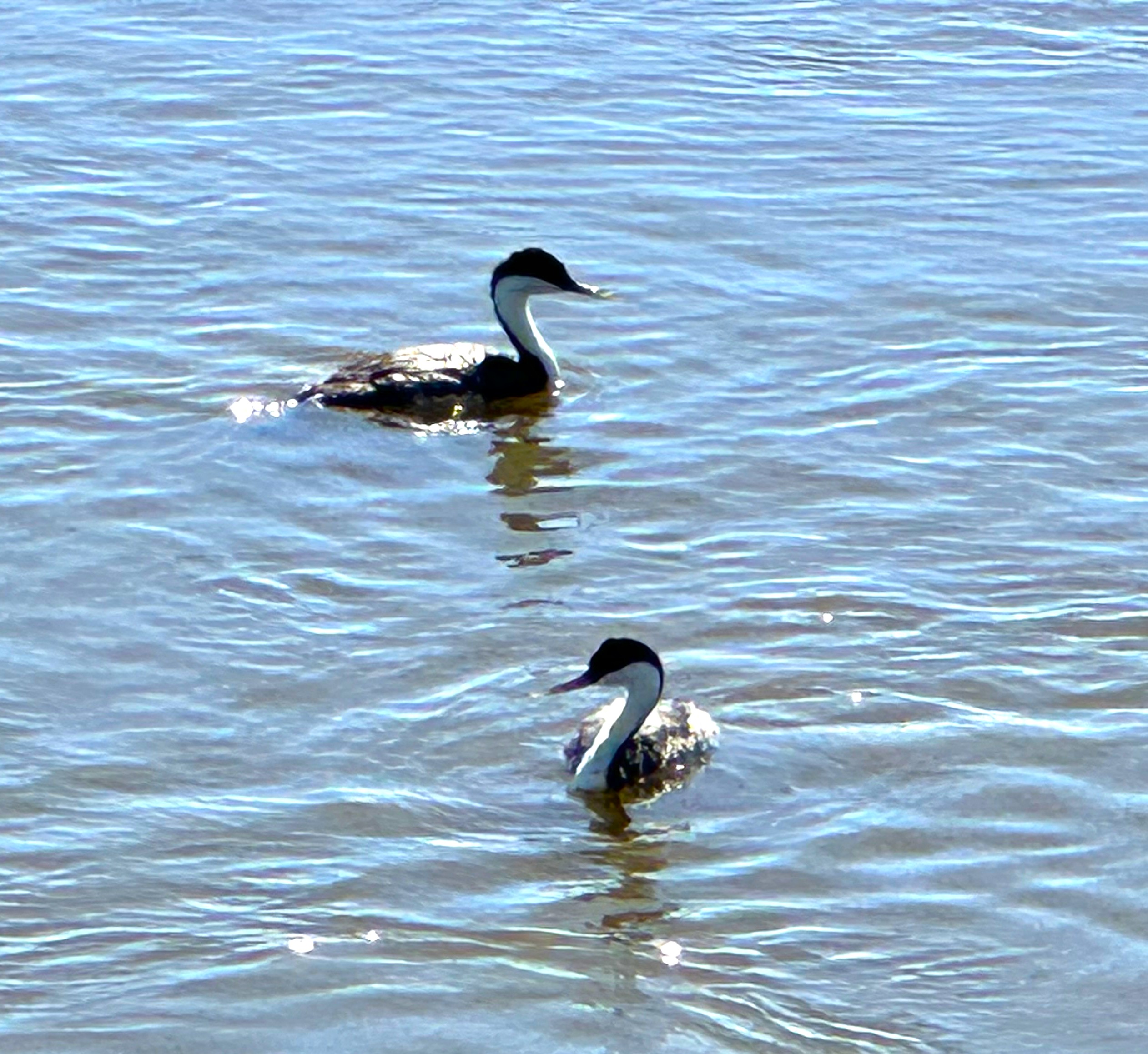
Famous for its “rushing” courtship display, pairs of these grebe sprint across the water’s surface at full speed, running on their feet for up to 60 feet. It’s truly one of the most spectacular avian courtship rituals on Earth. We were late in the season for the “rushing” males; however, we spotted an extraordinary number of Westerns in the Narrows section of the Malheur, many with chicks on their backs, as they paddled and basked in the sun….signs of successful spring courting.
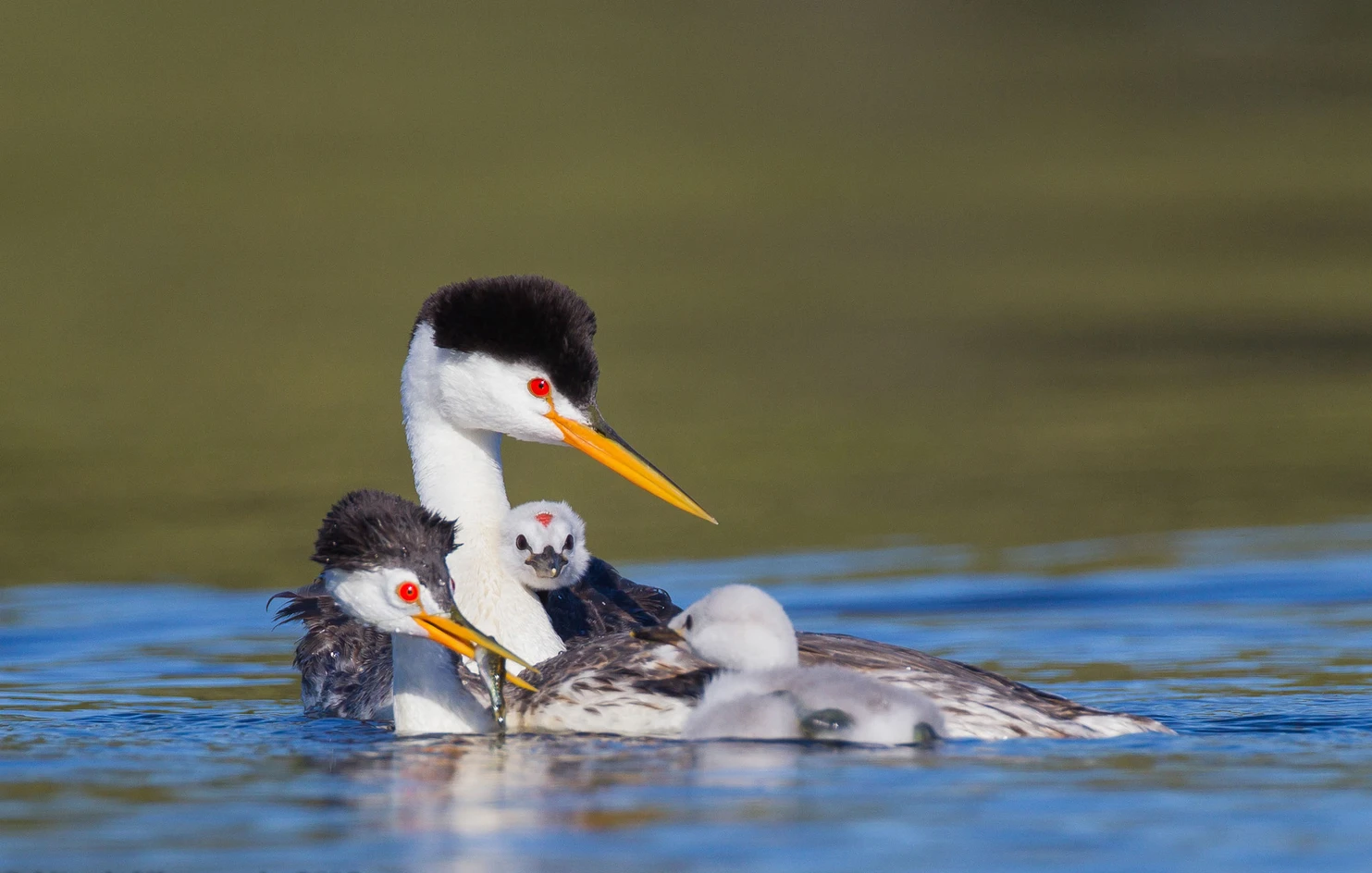
Nearly identical to the Western Grebe, Clark’s was only formally recognized as a separate species in 1985. The key clue? Look closely and notice that its white face extends around the eye, while the Western’s black cap covers it.
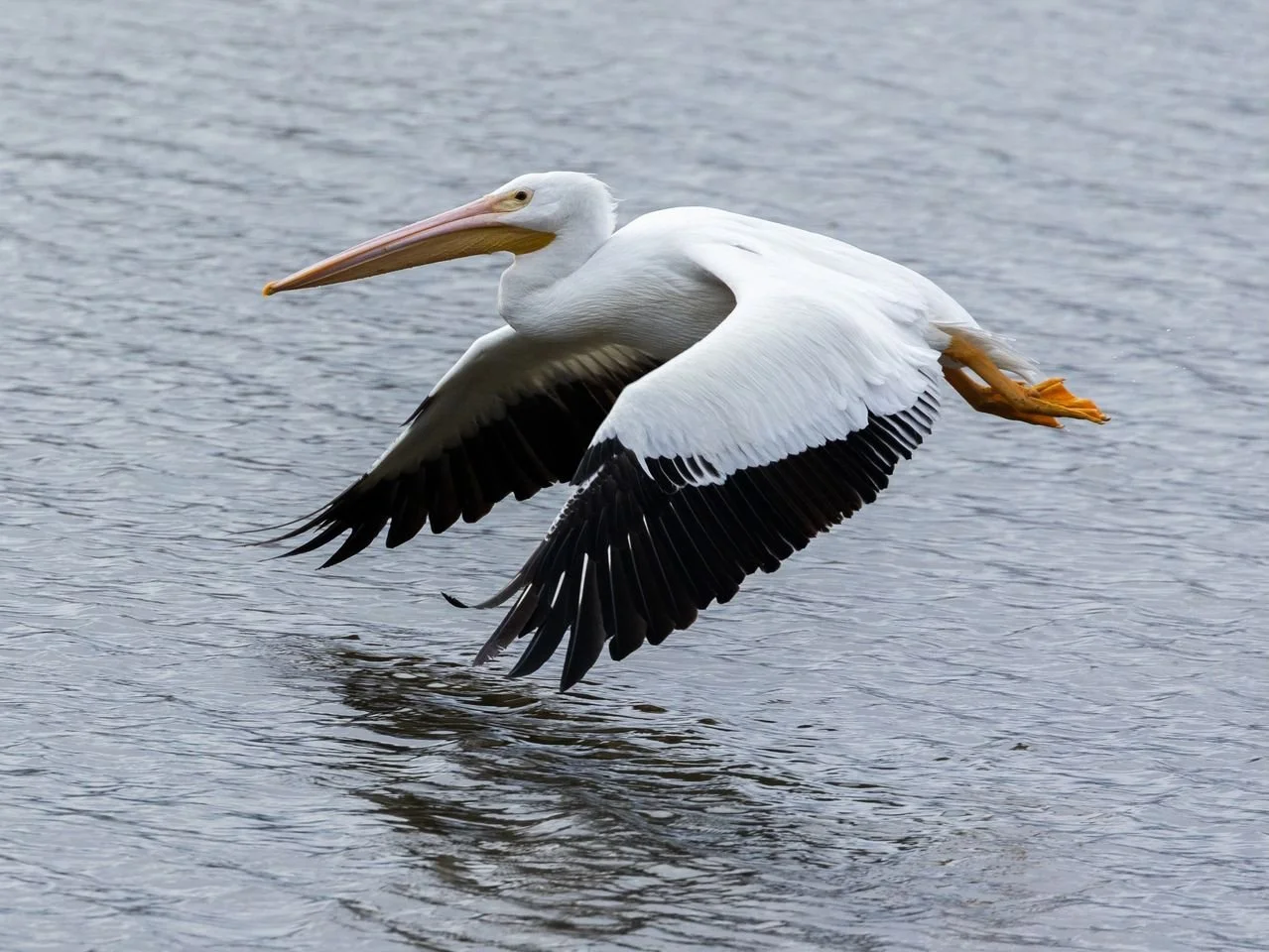
Unlike Brown Pelicans, their salt water favoring cousins, these beautiful white and black birds don’t dive into the water and harm their eyes. Instead they fish cooperatively, forming a line and herding fish into the shallows before scooping them up and sharing them together. As the saying goes, “Teamwork makes the dream work.”
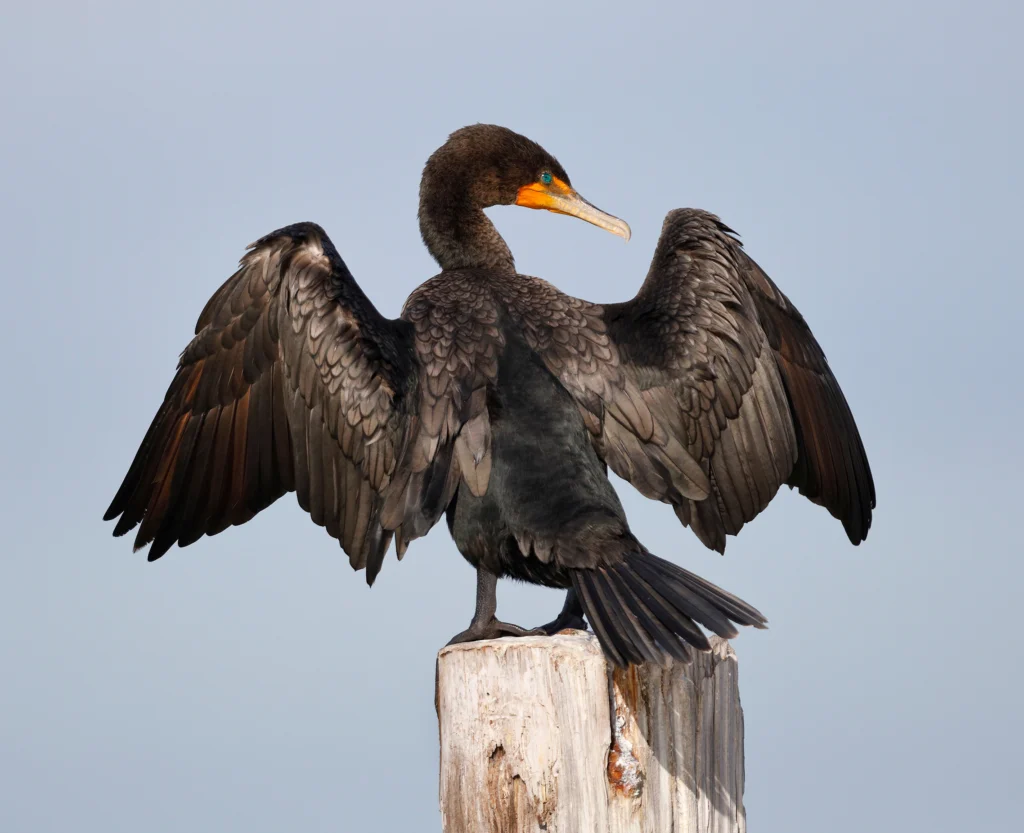
Unlike most waterbirds, their feathers are not fully waterproof. This fact makes for some fishing complexity. The lack of total waterproof allows them dive more efficiently. The tradeoff? They must stand with their wings spread, like an anhinga, to dry off after every swim. They take on the iconic “cape pose.”
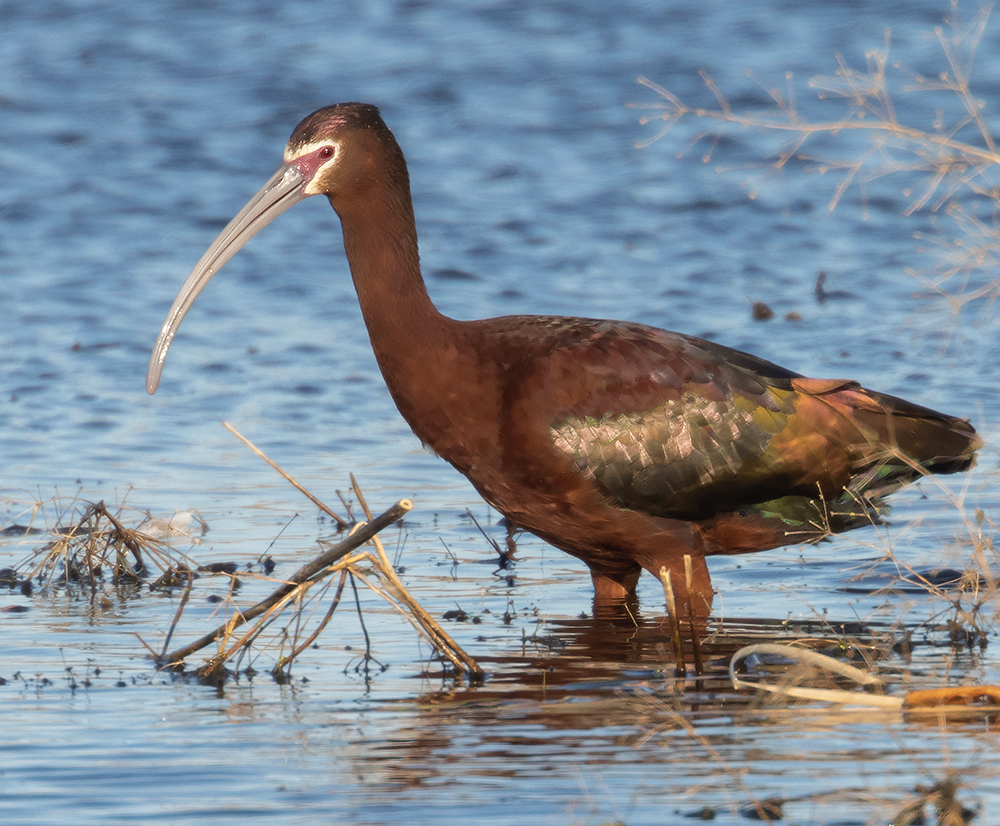
In full breeding plumage, its feathers shimmer with an iridescent purple-green that seems to shift color with every angle of light — looking almost extraterrestrial in the right morning glow. At sunset they gathered for a shower and bug fest under the watering devices on the farms in the Malheur area, it was an ibis festival.
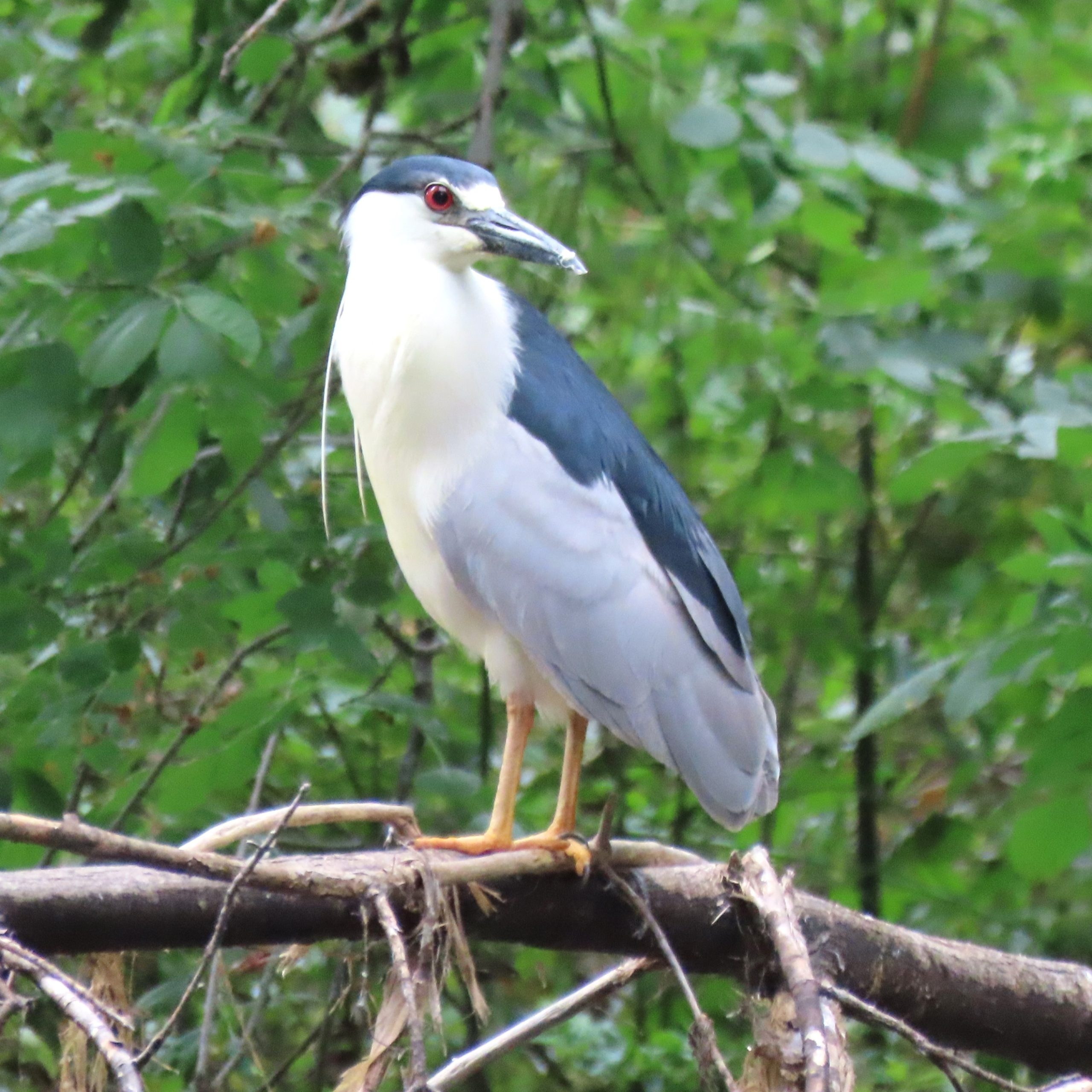
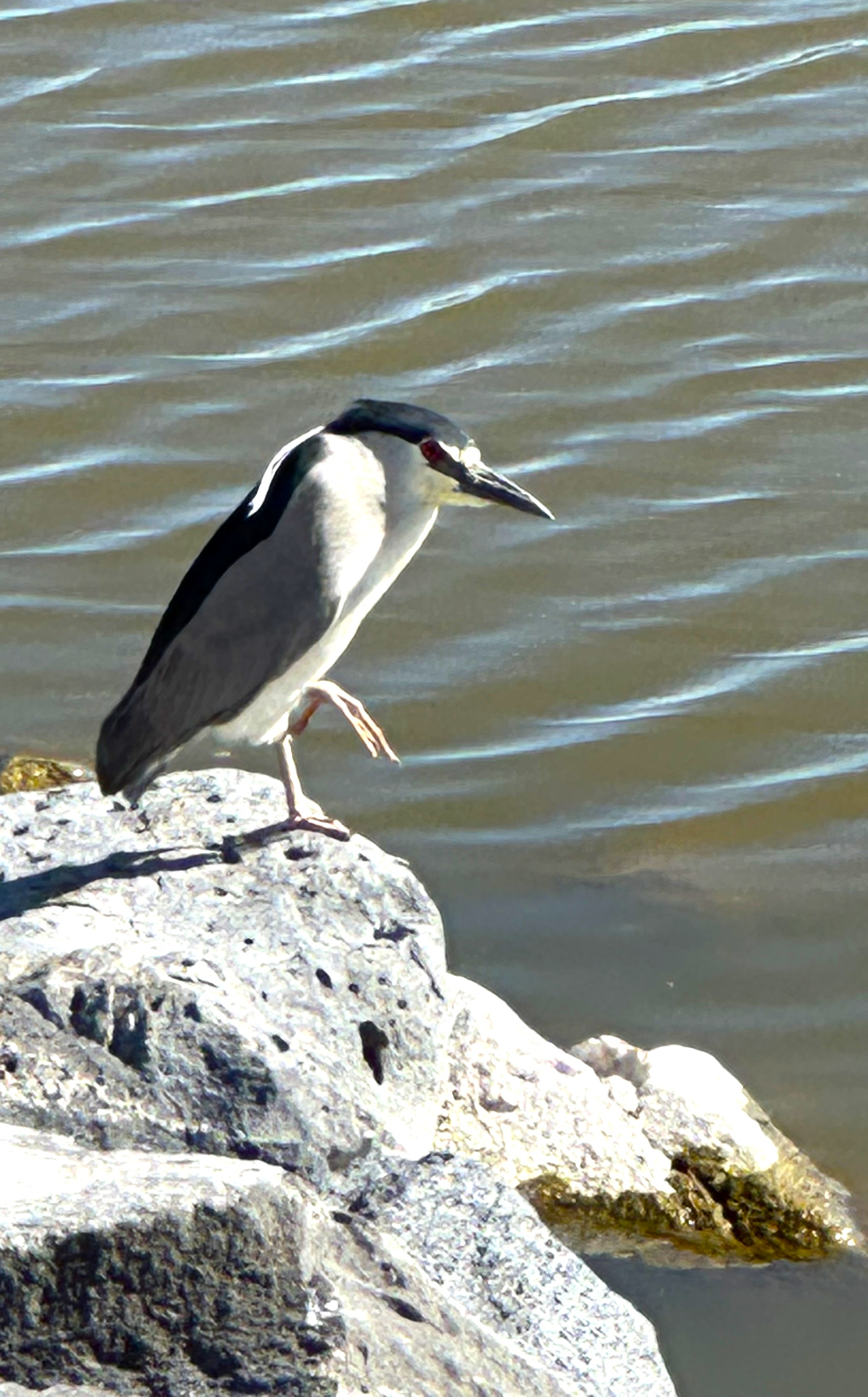
True to its name, it hunts primarily after dark using extraordinarily sensitive eyes. Young birds are speckled brown — so different from adults that they were once described as separate species. This year we saw these birds by the tens, while at other times we felt lucky to find them as singletons.
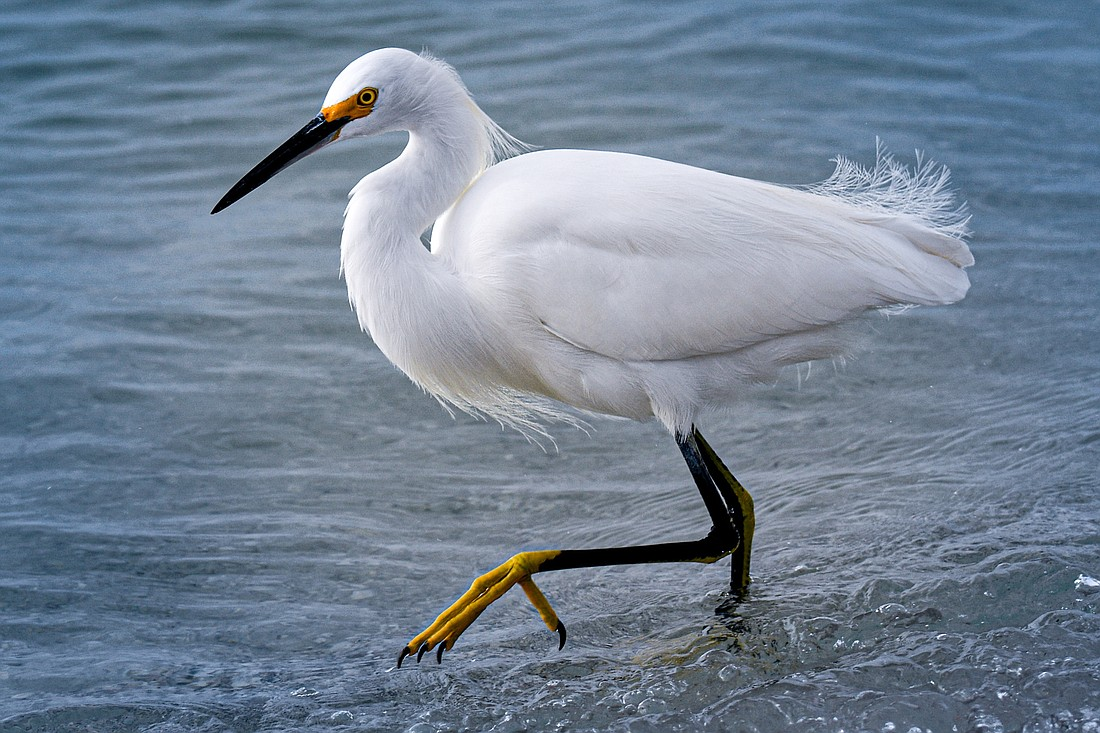
Those bright yellow feet are a hunting tool. The Snowy Egret shuffles and stirs them in shallow water to flush out small fish and invertebrates. Its bright slippers do double duty as fish-frighteners too. We spotted only a few of these beauties on our trip and can see why milliners loved the whispy feathers back in the day. We are glad the days of hunting this species for its plumage are over.
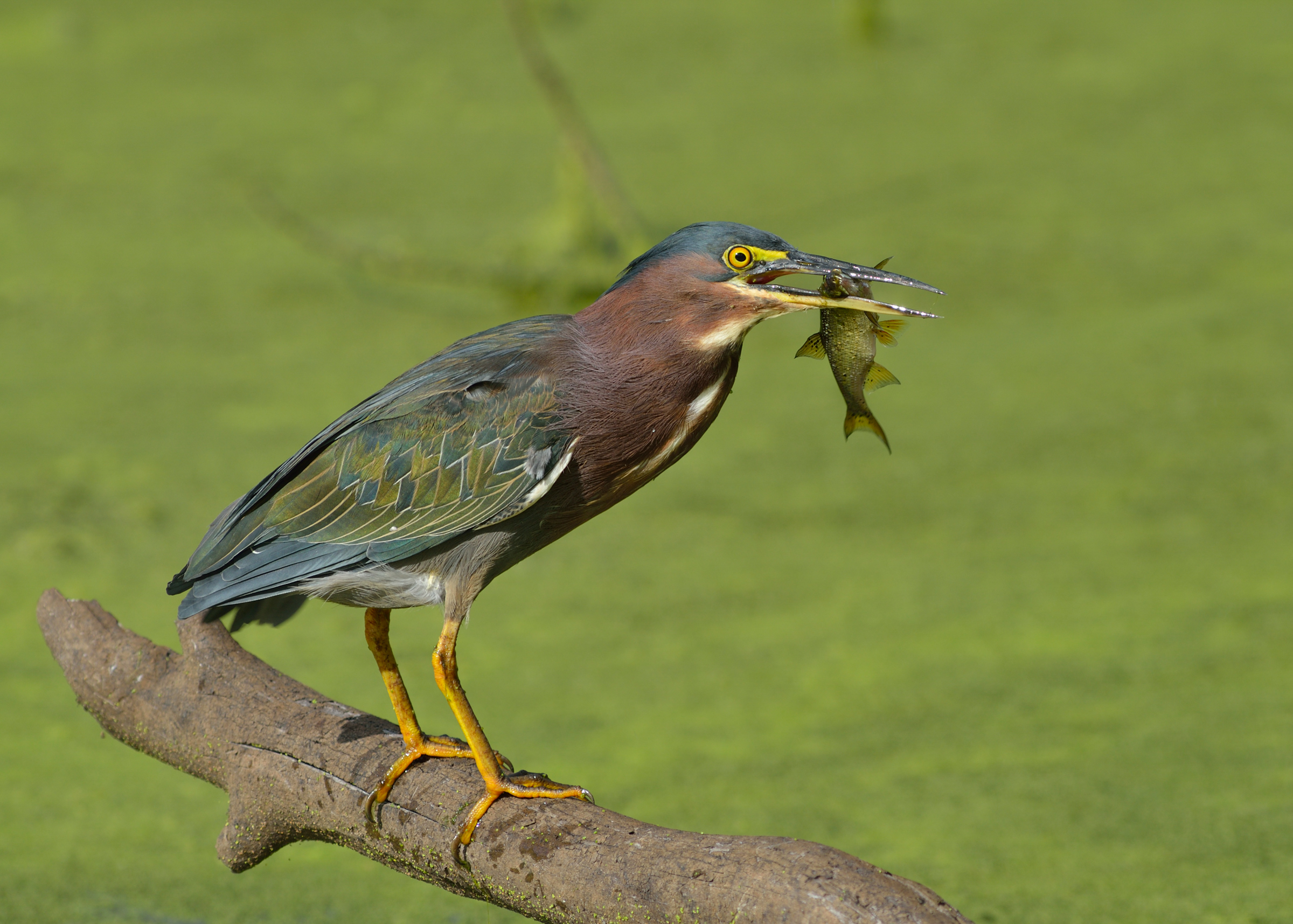
One of the very few tool-using birds, this species drops feathers, berries, or even bread crumbs onto the water as bait to lure curious fish within striking range. Clever little angler we spotted in the Narrows.
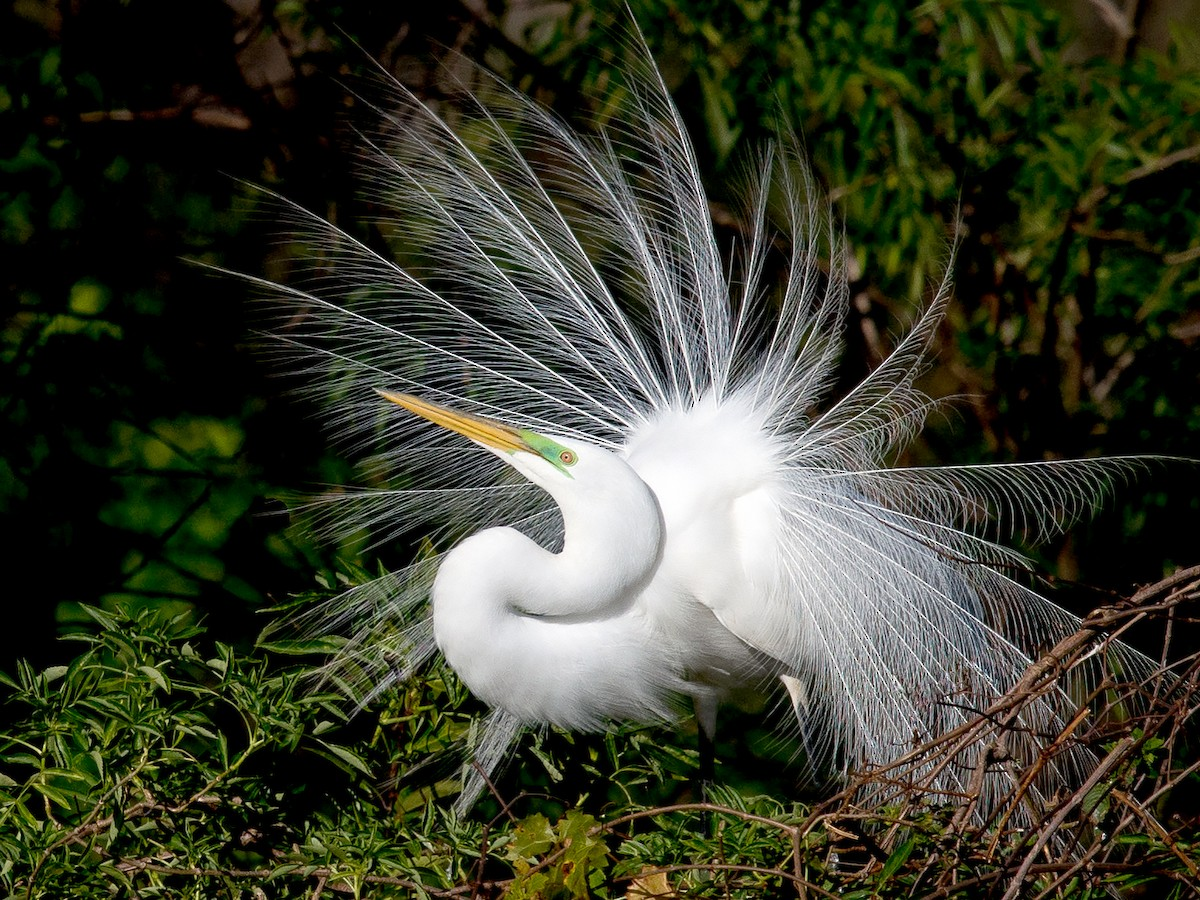
In the late 1800s, along with the snowy egret and many other birds, the Great Egret’s gorgeous breeding plumes (called “aigrettes“) were so coveted for women’s hats that hunters nearly wiped out the species. Their recovery inspired the founding of the Audubon Society and the Great Egret image became their logo.
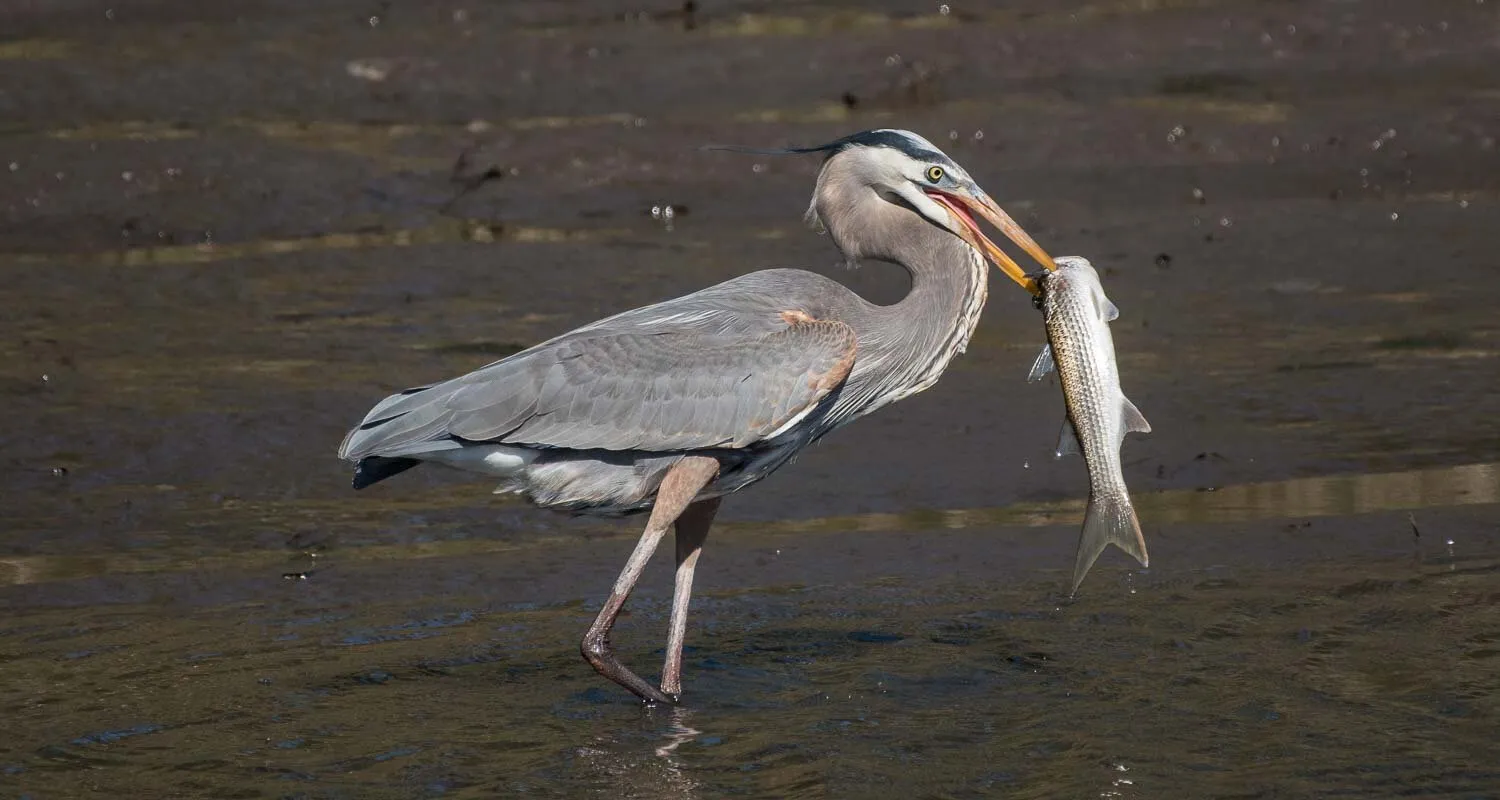
North America’s largest heron can stand motionless for so long while waiting for fish that it appears to be meditating. Don’t be fooled; that stillness is a lethal trap, and the strike is faster than the eye can follow. These majestic fliers have an impressive wing span (from 5.5 to 6.6 feet from tip to tip). Called the Great Gray Heron in Europe, even die-hard Americans have to admit that these birds are more gray than blue, even in the 250th red-white-blue year since our founding.
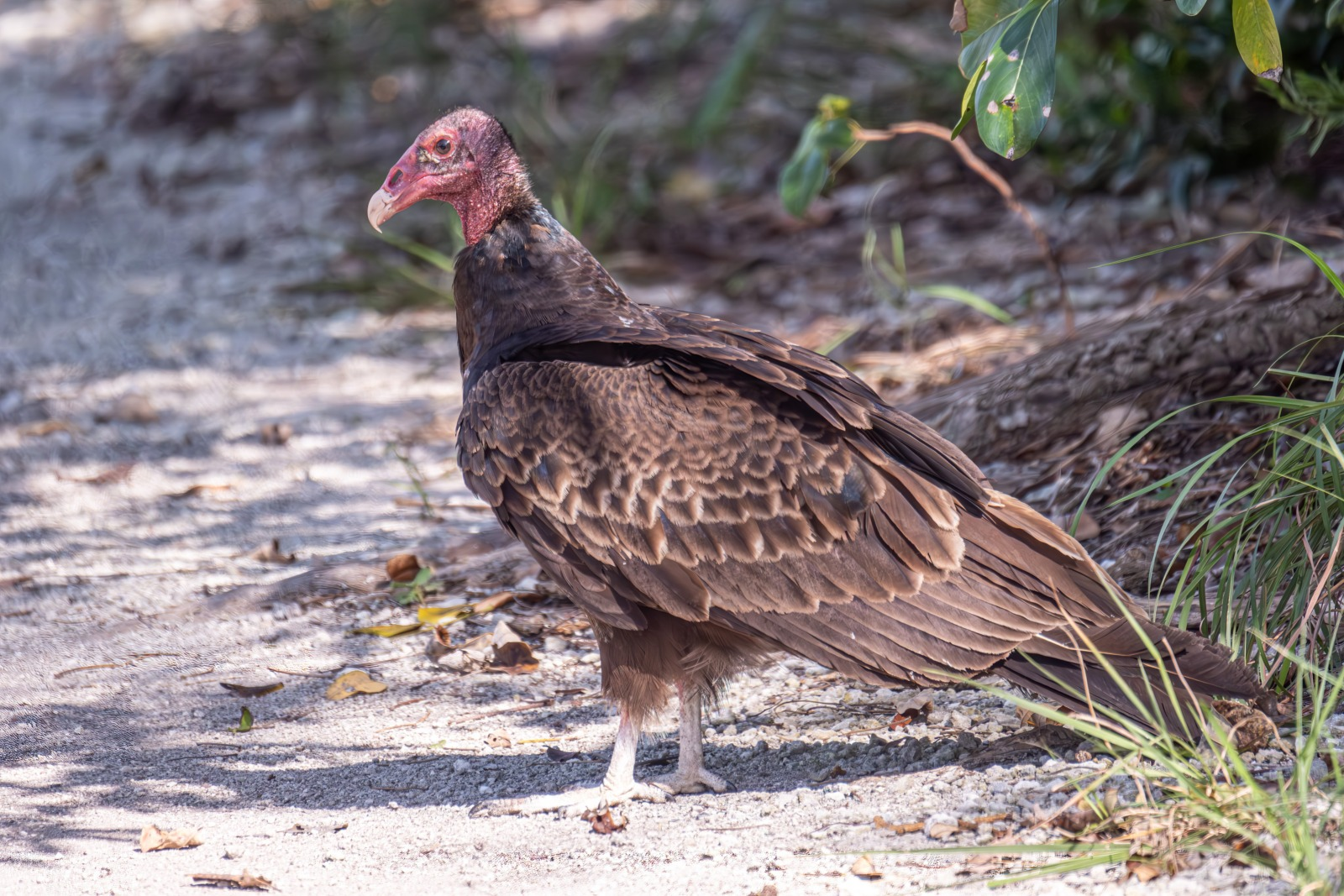
The only North American raptor that locates food primarily by smell, not sight. The Turkey Vulture’s massive nostrils can detect the ethyl mercaptan gas from a carcass hidden beneath a forest canopy. They have no feathers on their head or necks to help them easily shake off flies, larvae and maggots, often breeding in animal carcasses.
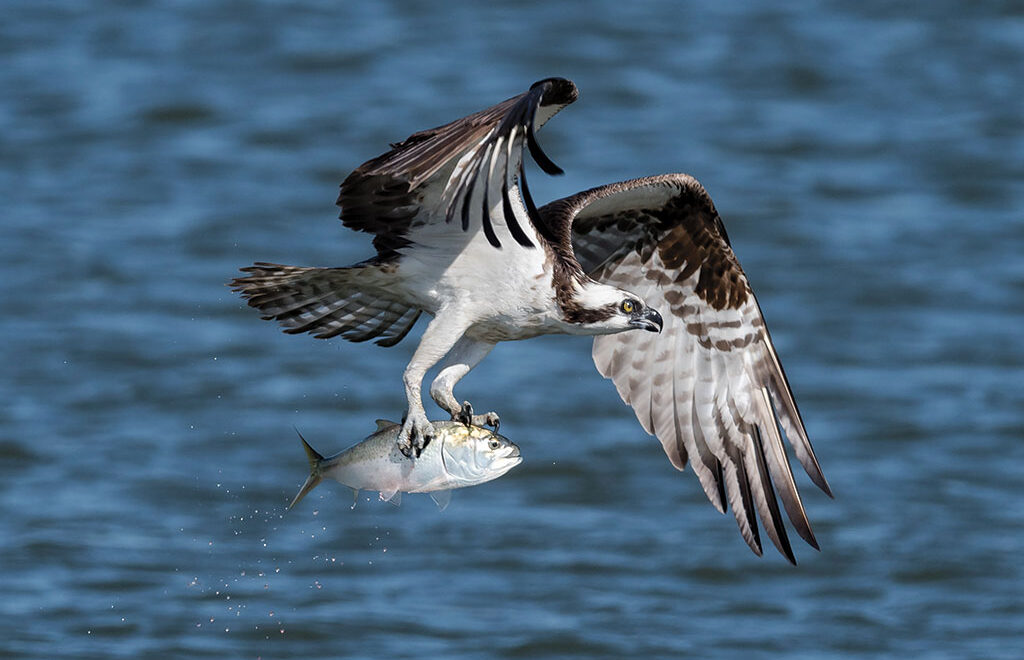
Far more successful than the terns we watched in action, the Osprey catches fish 70% of the time it tries: an extraordinary hit rate for a raptor. Its outer toe is reversible, which allows it grip fish with two toes fore and two toes aft. And oily, spiny foot-pads grip the slipperiest catch, enabling it to carry its catch all the way to the nest. They have to look out for the Bald Eagles, though, often waiting to dive bomb them in a effort to force them to release their catch. Very American of the Eagle, don’t you think?
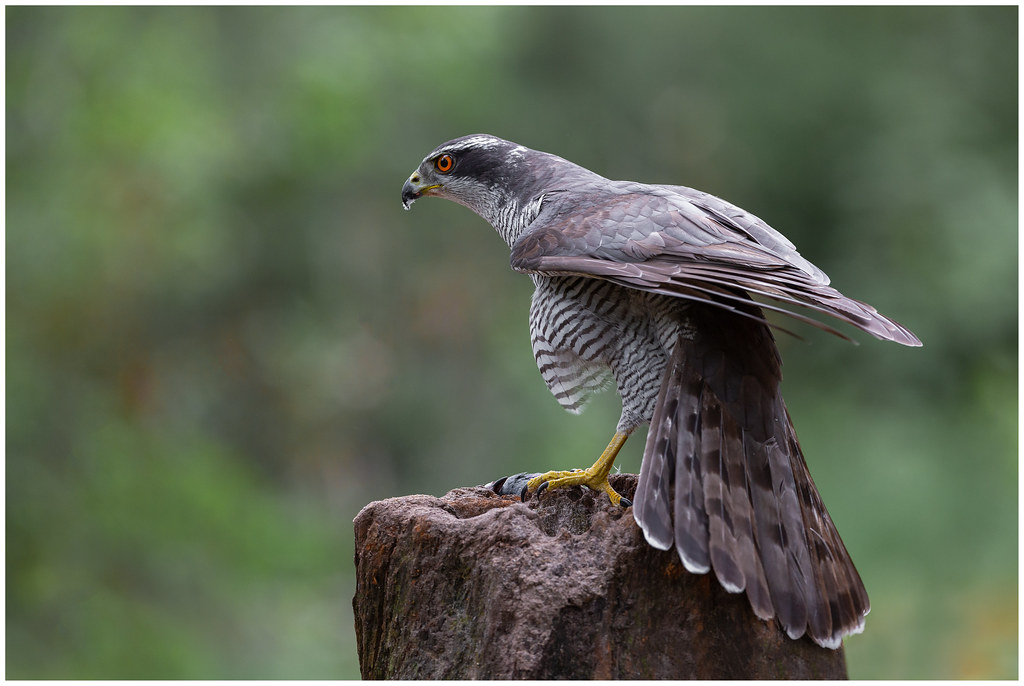
Arguably the most ferocious bird in North America for its size, the Goshawk will fearlessly dive-bomb bears, wolves, lynx and people who venture near its nest. Falconers call it “the grey ghost.” It is also a majestic flier and glider (we saw a lot of majesty in the Malheur).
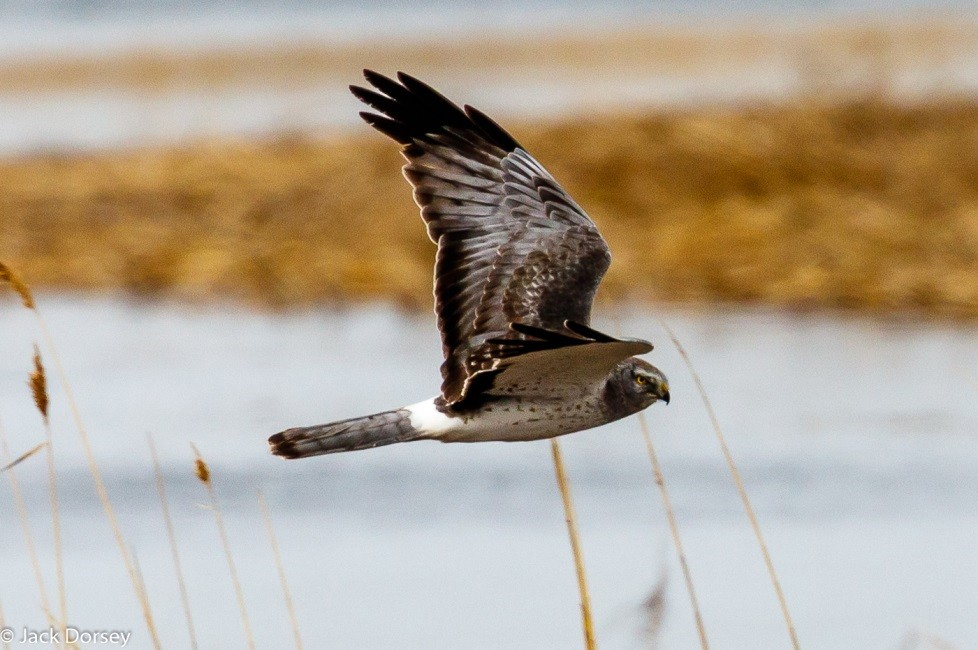
The only hawk that hunts like a diurnal owl, using its owl-like facial disk to funnel sound and locate rodents, like voles, hiding under snow or dense grass. Low, buoyant, and eerily graceful over the marshes; perhaps, some would say, even more graceful than the Goshawk. The white patch on the rump is one of the easy ways to spot this low flier.
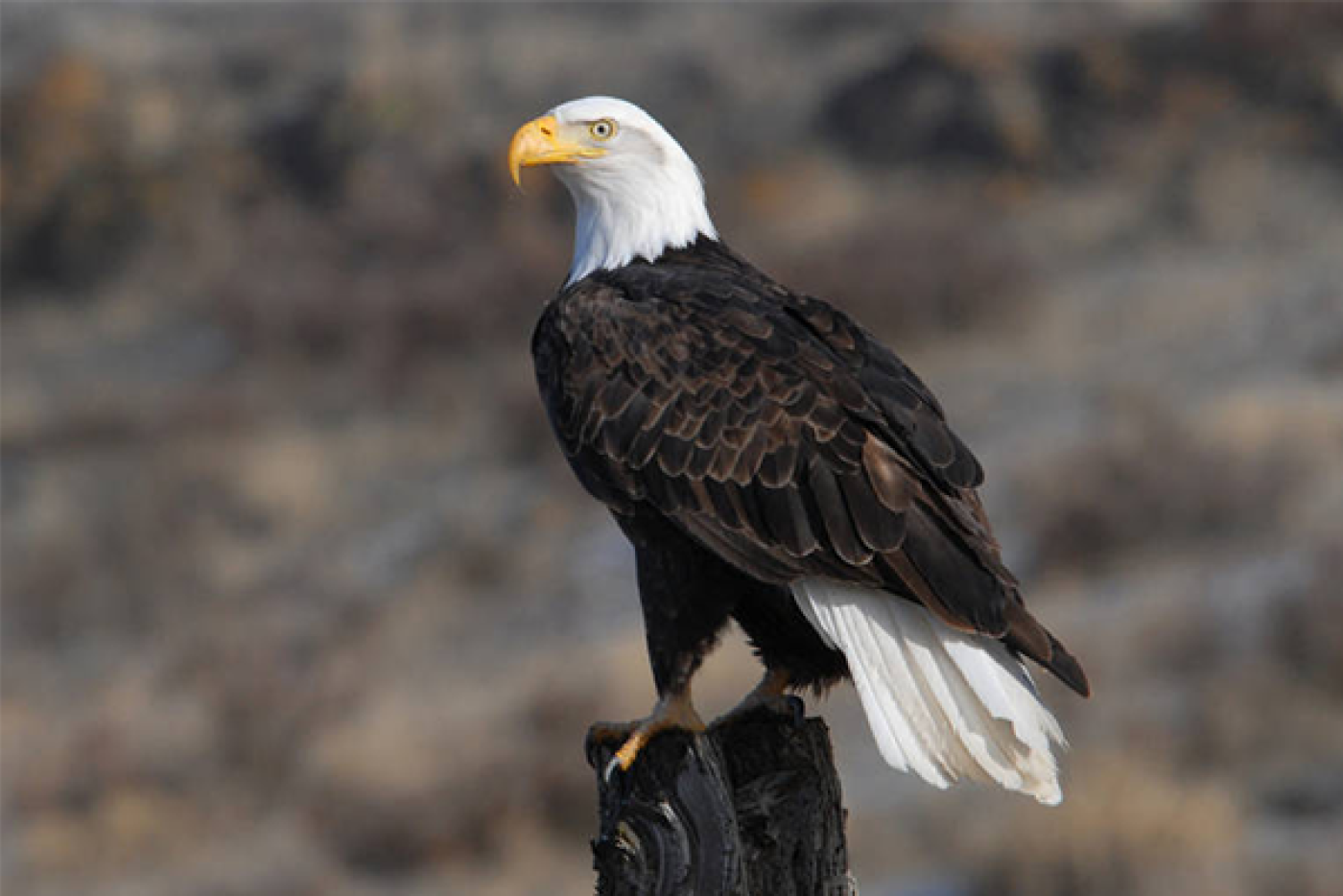
Builds the largest nest (called an eyrie) of any North American bird; it is a structure used and added to year after year that can weigh over a ton. One Florida nest measured nearly 10 feet wide and 20 feet deep. We spotted a few eyries this year, but none held eaglets, which may have left due to human interruption. Interestingly the Bald Eagle’s call is not a loud cry, but a thin, reedy squeak.
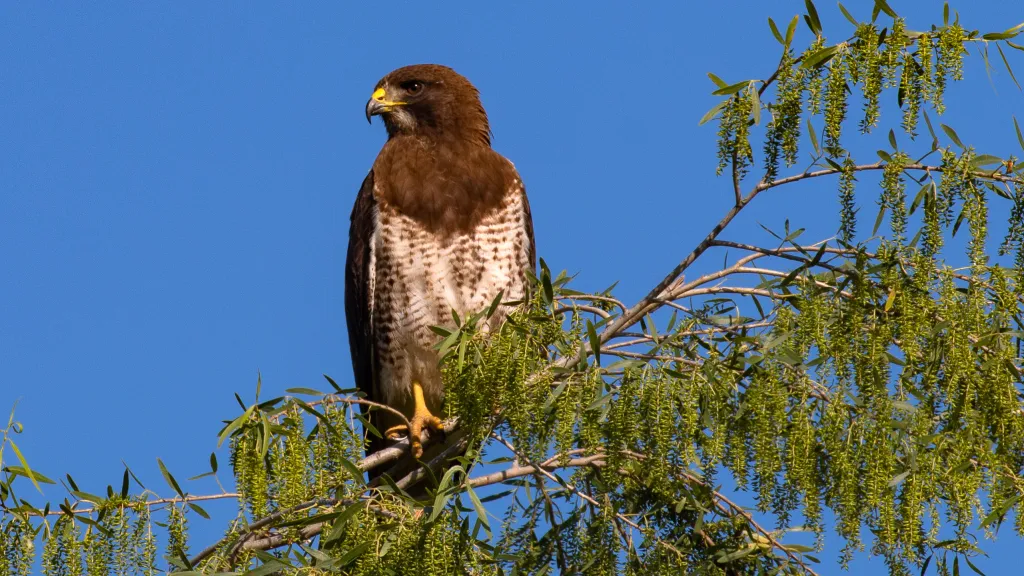
Makes one of the longest migrations of any North American raptor — up to 14,000 miles round-trip from the Great Plains of North America to the pampas of Argentina. During migration, flocks of thousands (known as “kettles“) spiral upward together on thermals and fly together to places yonder and far.
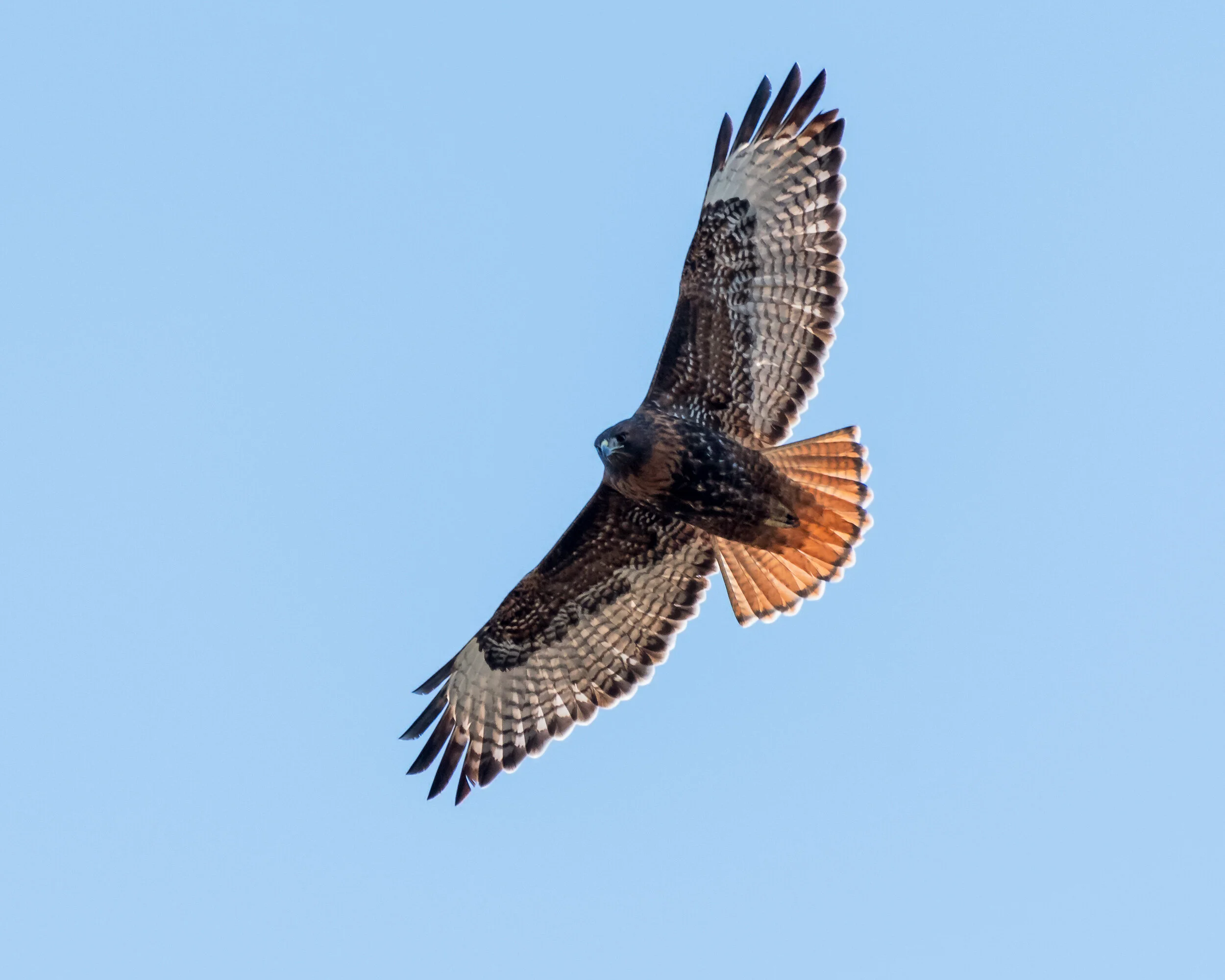
That iconic raptor scream used in virtually every Hollywood movie? It’s almost always a Red-tailed Hawk’s call, even when the bird image on big screen is a Bald Eagle. The squeek is dubbed over by the Red-tail’s voice.
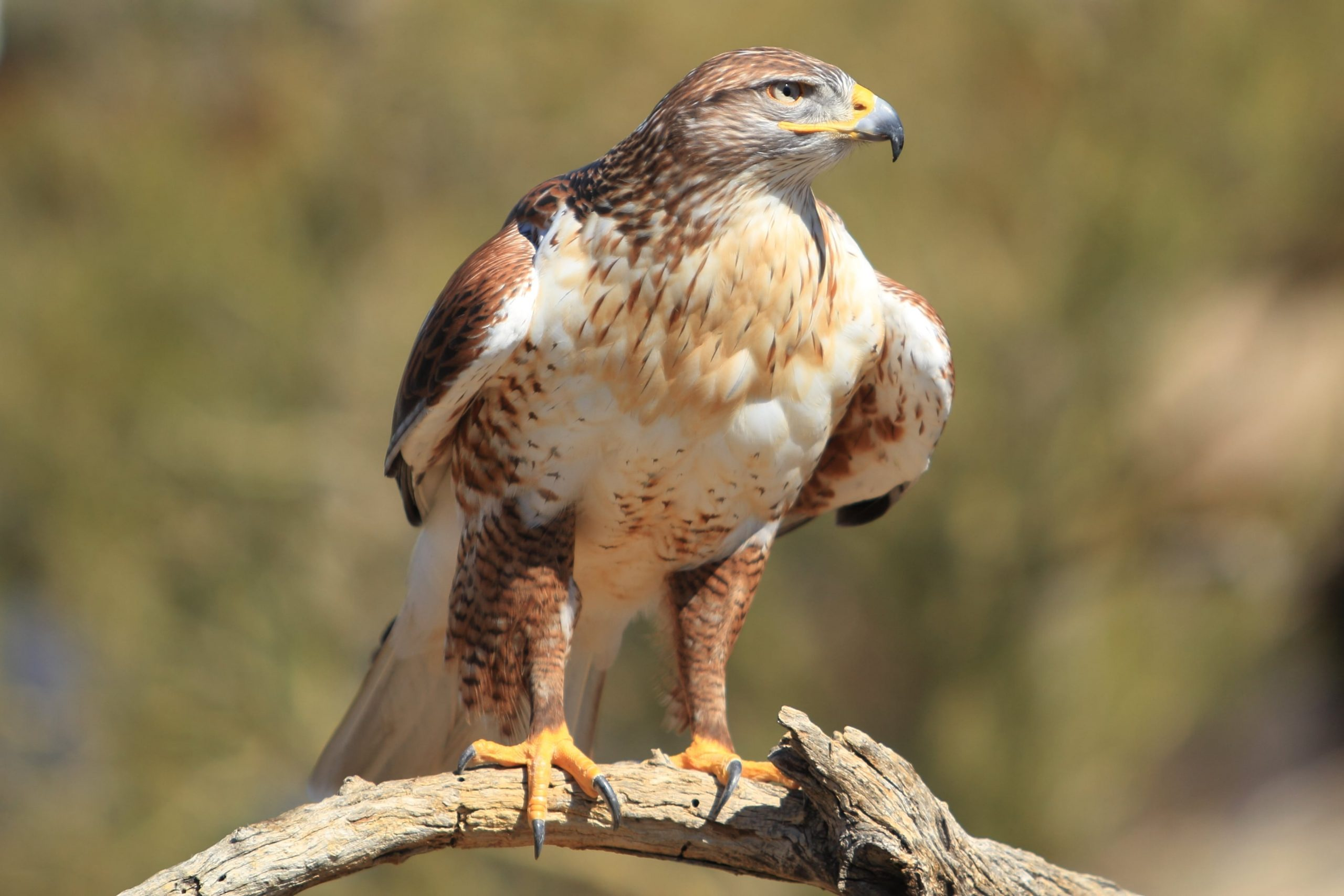
North America’s largest buteo (hawk), the Ferruginous Hawk is named for its rusty (“ferruginous“) plumage. It sometimes hunts prairie dogs cooperatively with other raptors, which is a rare behavior among hawks. Truly the king of open country we saw many on guard of telephone poles and aluminum watering tubes spraying the crops in Harney County. The road known as Raptor Alley lived up to its name on our trip.
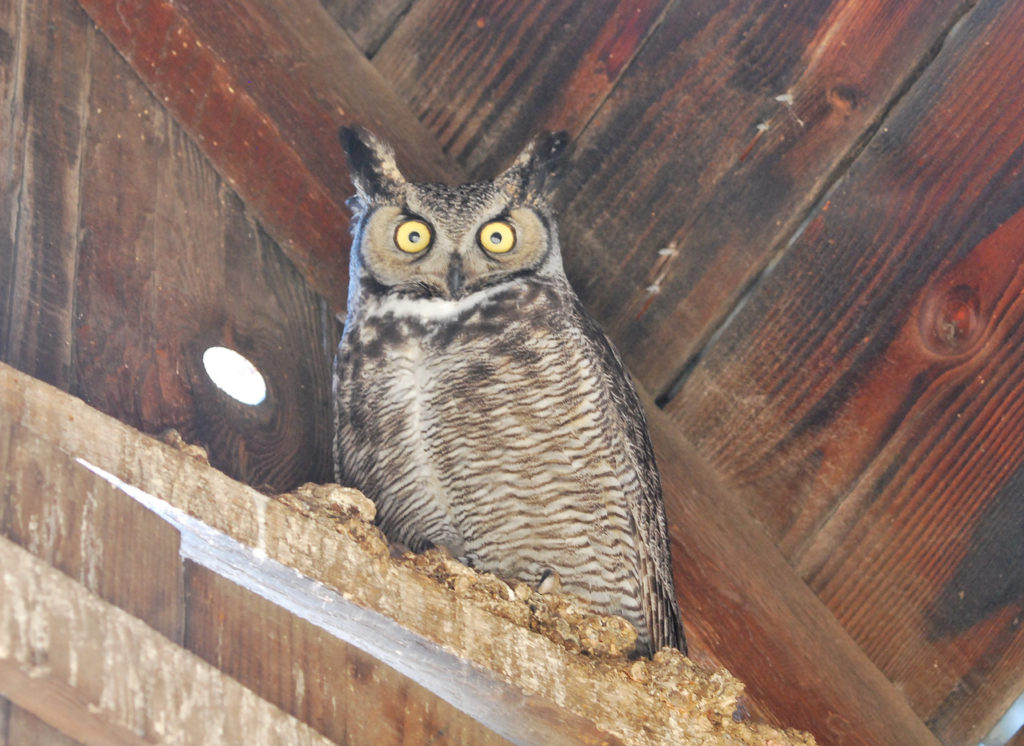
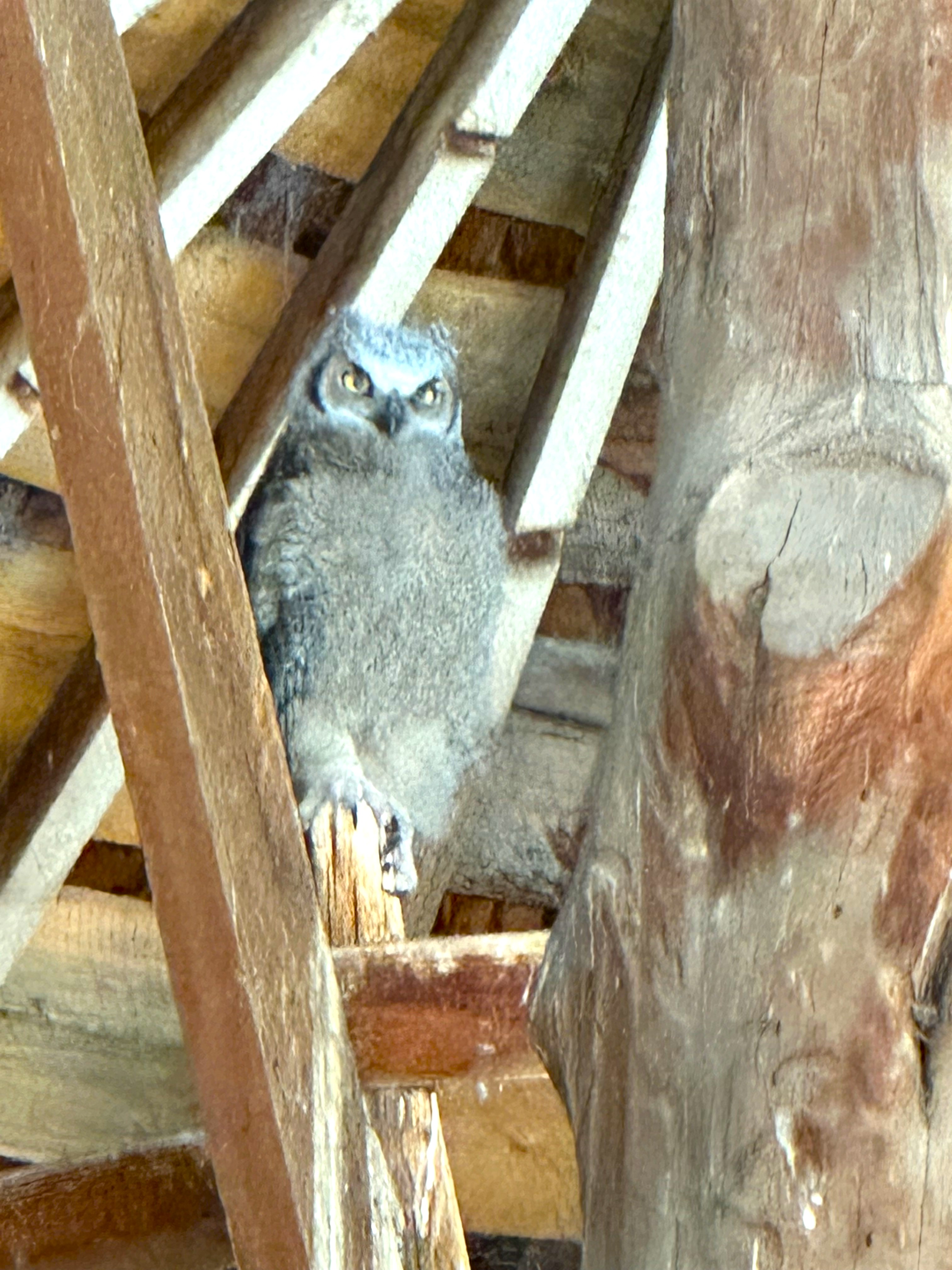
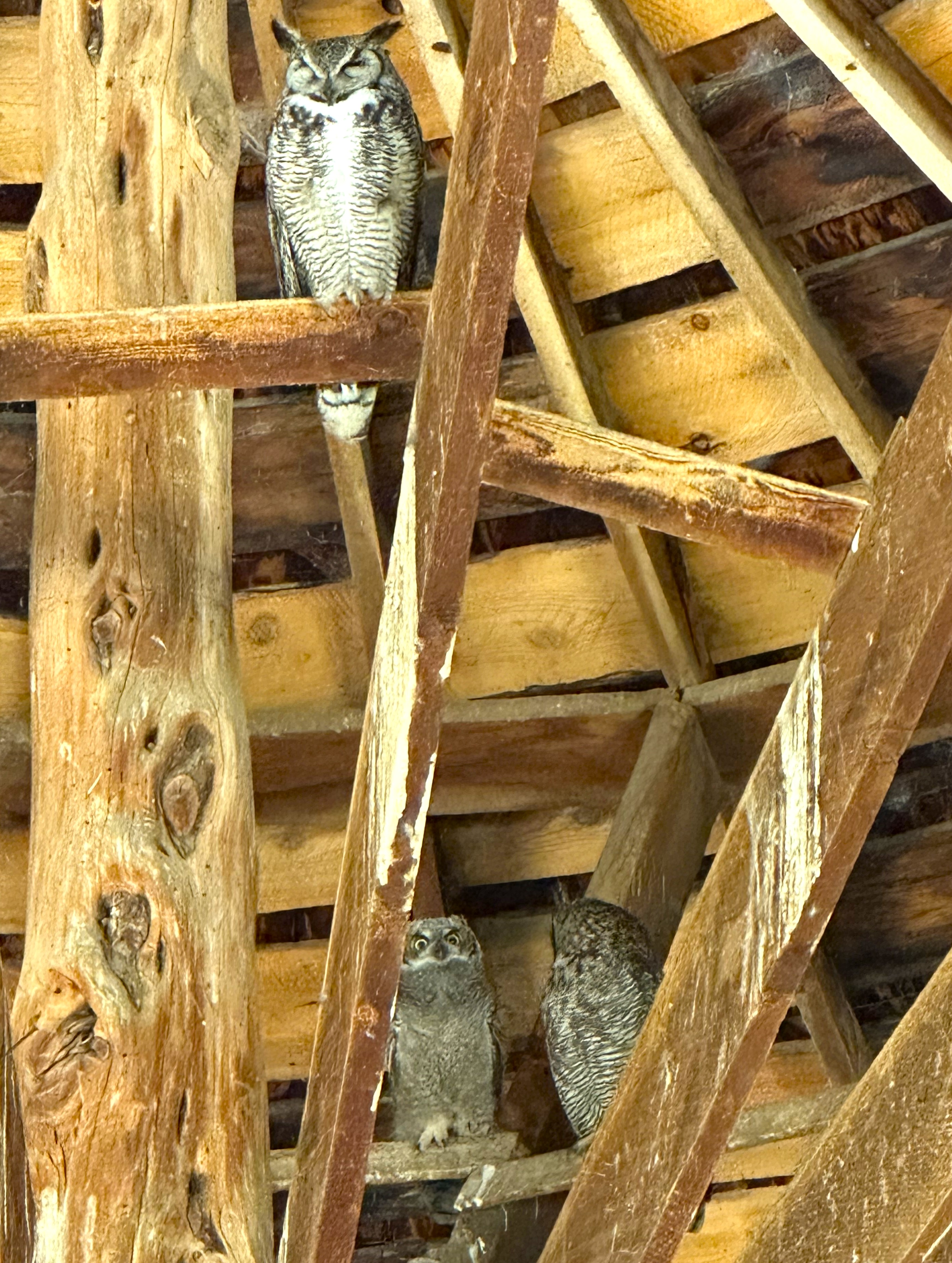
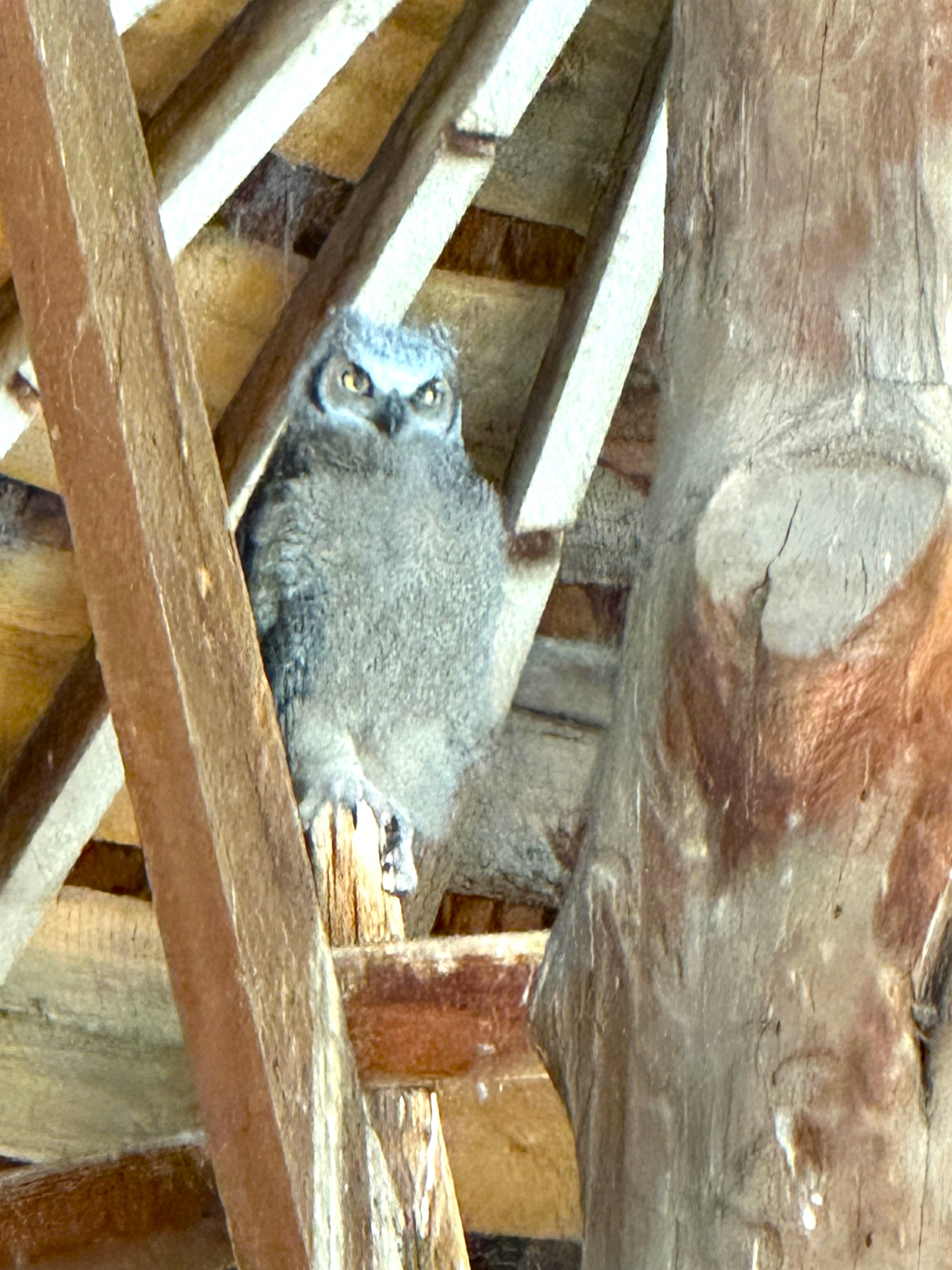
This bird has the strongest grip of any North American owl; once closed, the Great Horned Owl talons require up to 28 pounds of force to open them. It regularly captures prey much larger than itself, including Canada Geese, herons, and even other owls and carries them off to their young for food. We saw several sets of these magical owls, a set of four in the Round House built by the Cattle King, Peter French, in the late 1890s in Harney County. We saw them during the day, many with their eyes closed, resting before the nightly hunt.
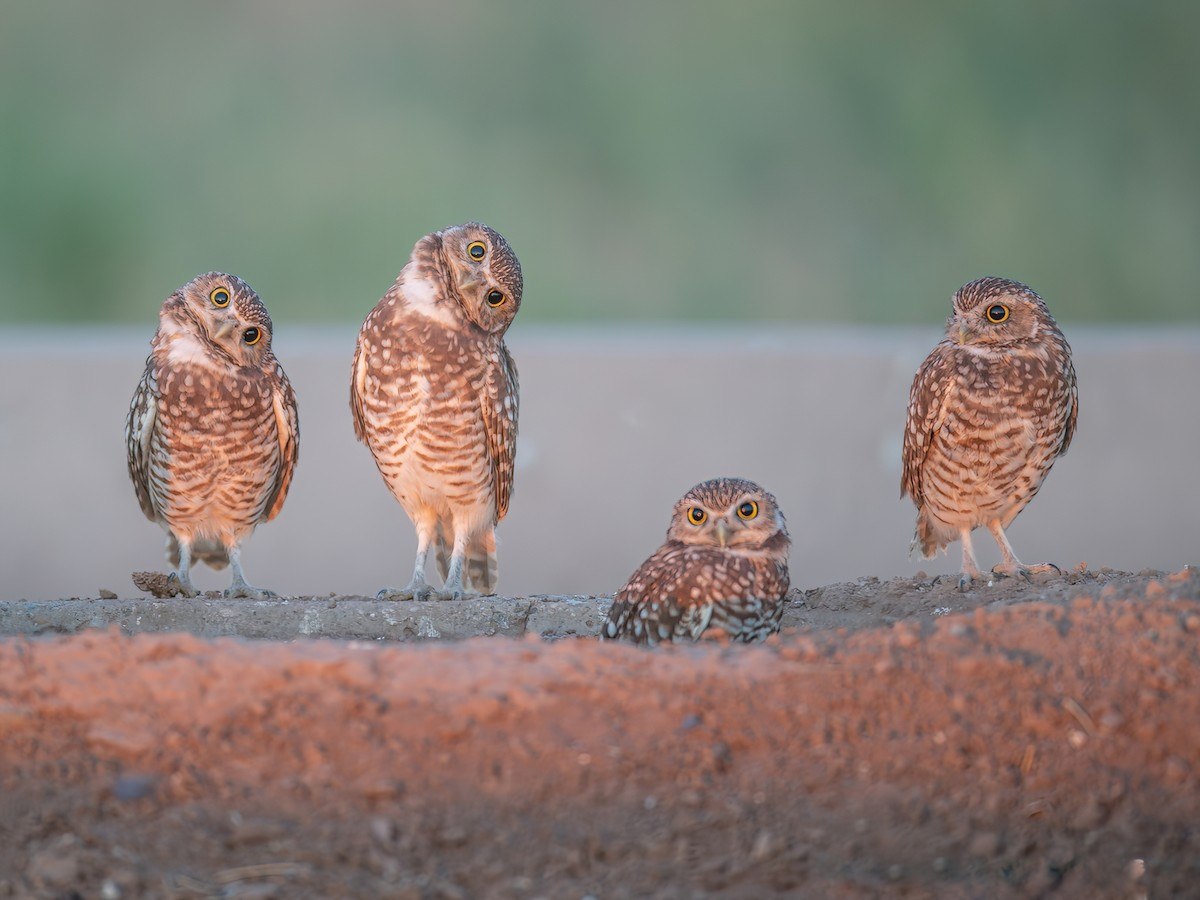
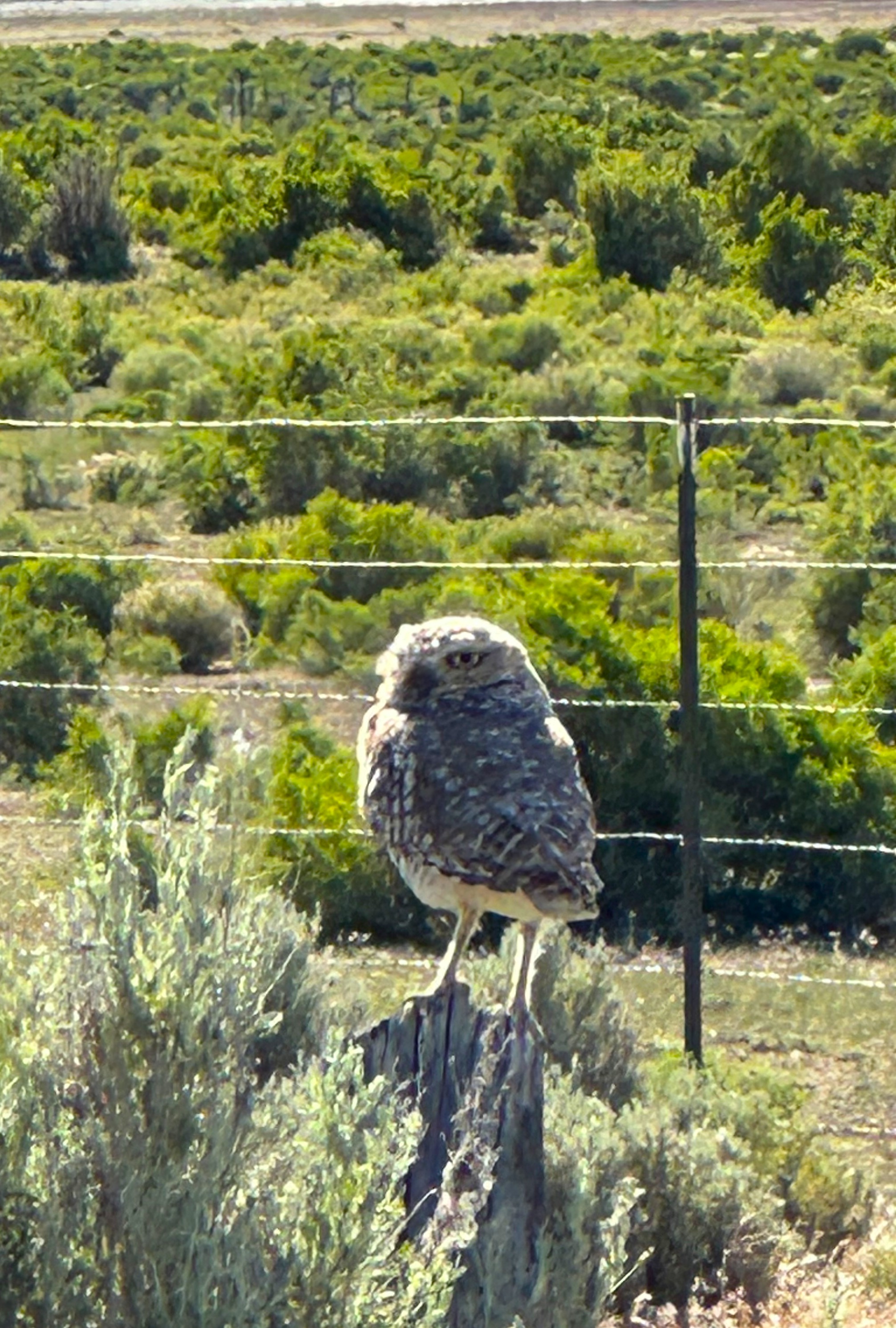
This bird lines its underground burrow with animal dung: not for hygiene, but to attract dung beetles, its favorite snack. This tiny owl has essentially invented drive-through fast food, capturing crawling critters in its front hallway. We may have loved seeing these birds the most of all, returning to see the male guarding on fence posts and spotting chicks and the mom emerging from their nests.
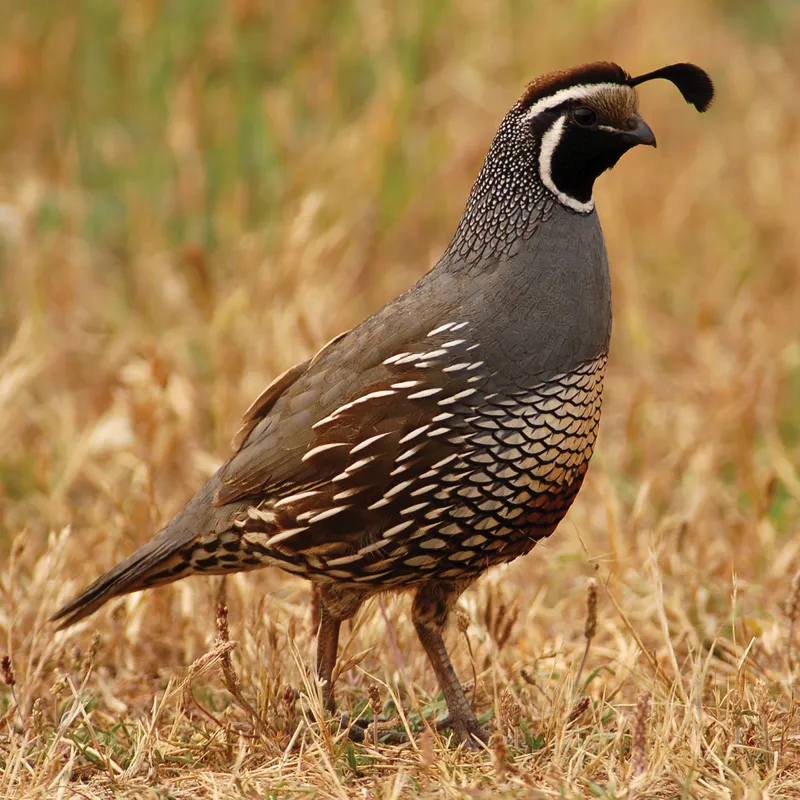
This species has that charming teardrop-shaped head plume, called a topknot. This head dressing is made of six overlapping feathers that bob as the bird walks, giving it the air of a small, perpetually cheerful gentleman. These birds usually secretive birds were fun to see in the wild, as they often spent time dodging the willets and killdeer we saw in the open range.
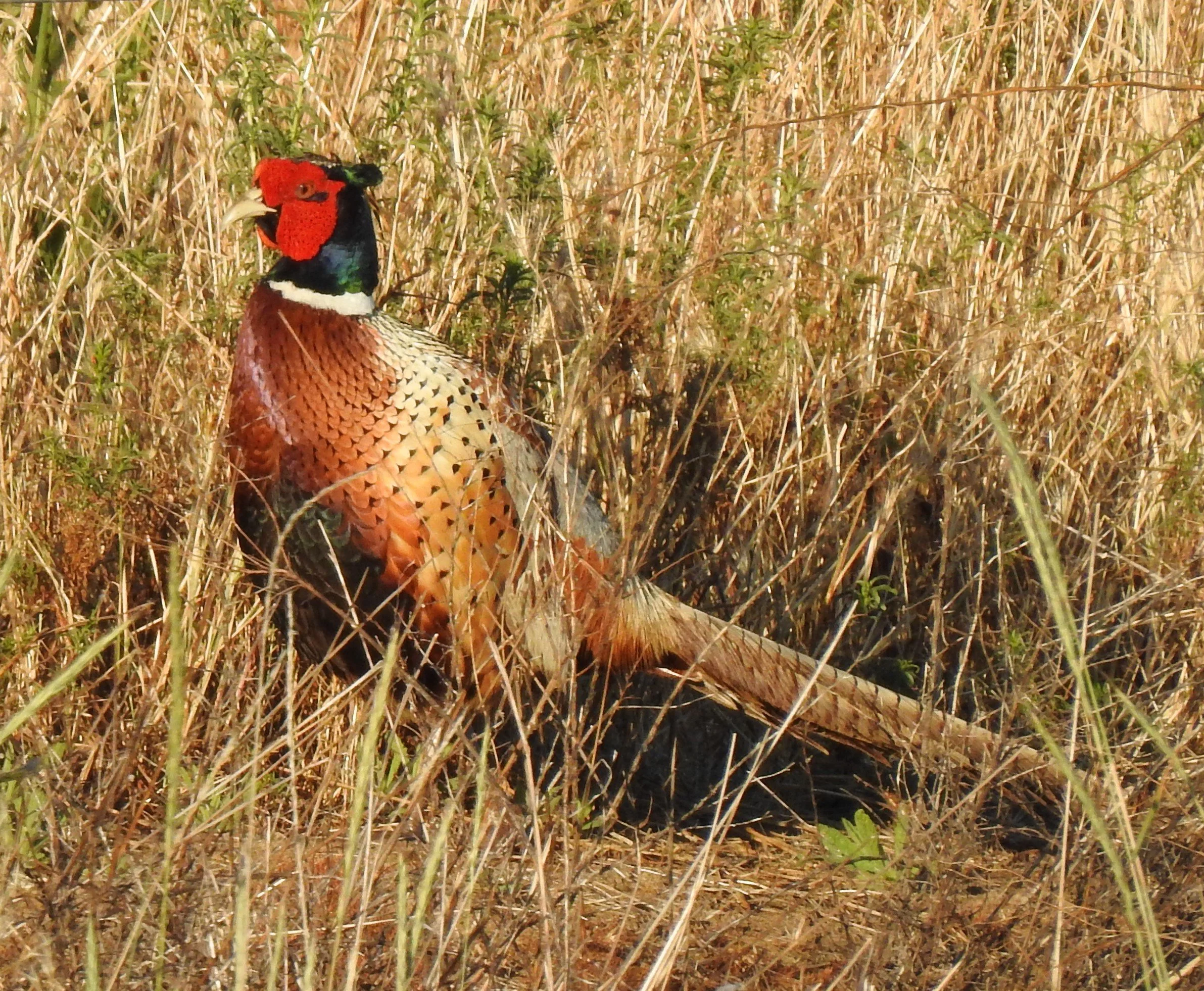
Originally from Asia, the Ring-necked Pheasant was introduced to North America in the 1880s. It is now so entrenched in the landscape that many people forget it’s not native. South Dakota’s entire state identity is practically built around it. They are beautiful strutters. We saw walking along the roadsides and in the grasses and were captivated by their red mask and grace.
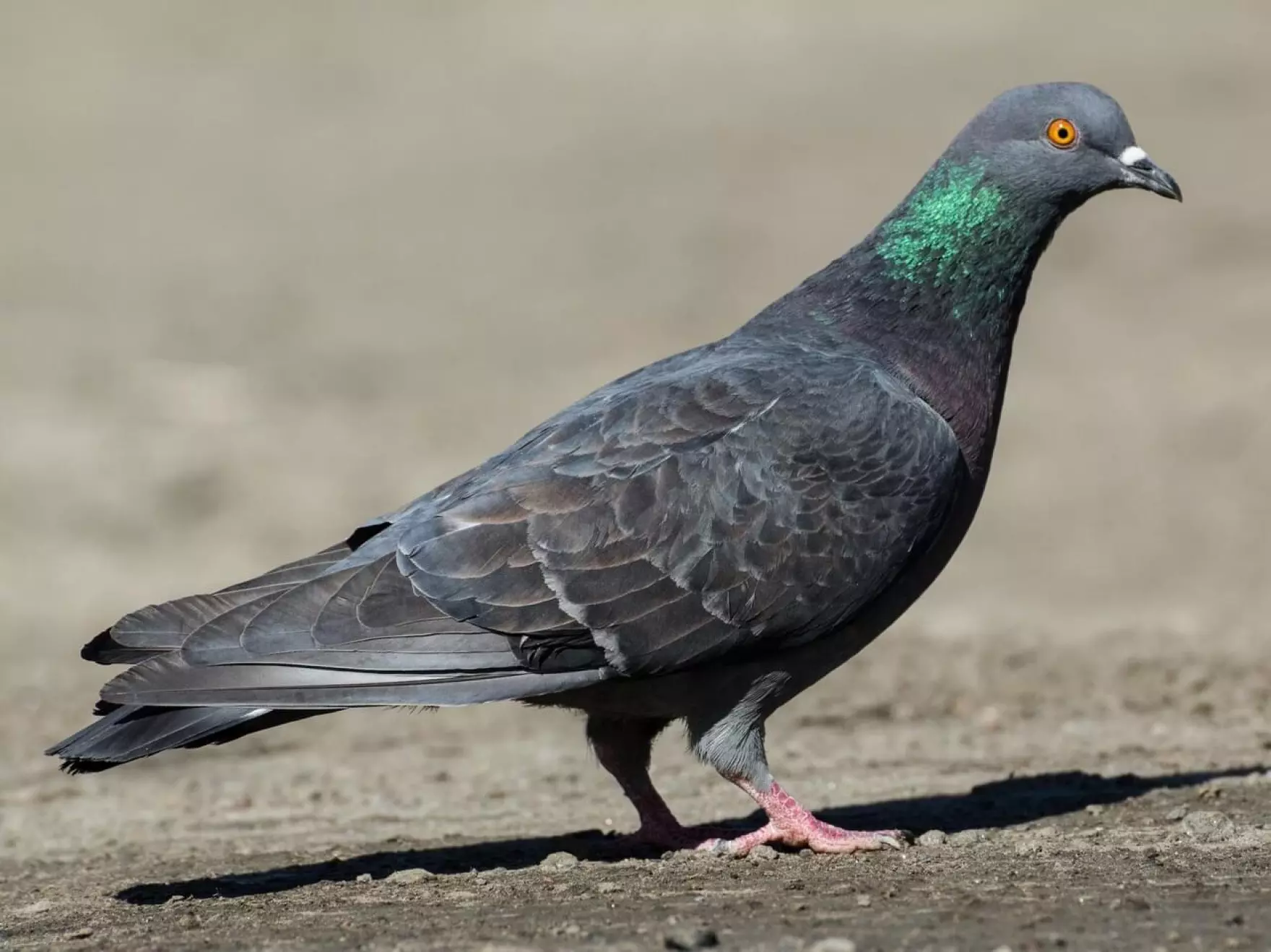
Has a built-in GPS, really. There are magnetite crystals in its beak, which helps it detect the Earth’s magnetic field, letting it navigate home over hundreds of miles with pinpoint accuracy. Carrier pigeons won WWI and WWII medals for bravery.
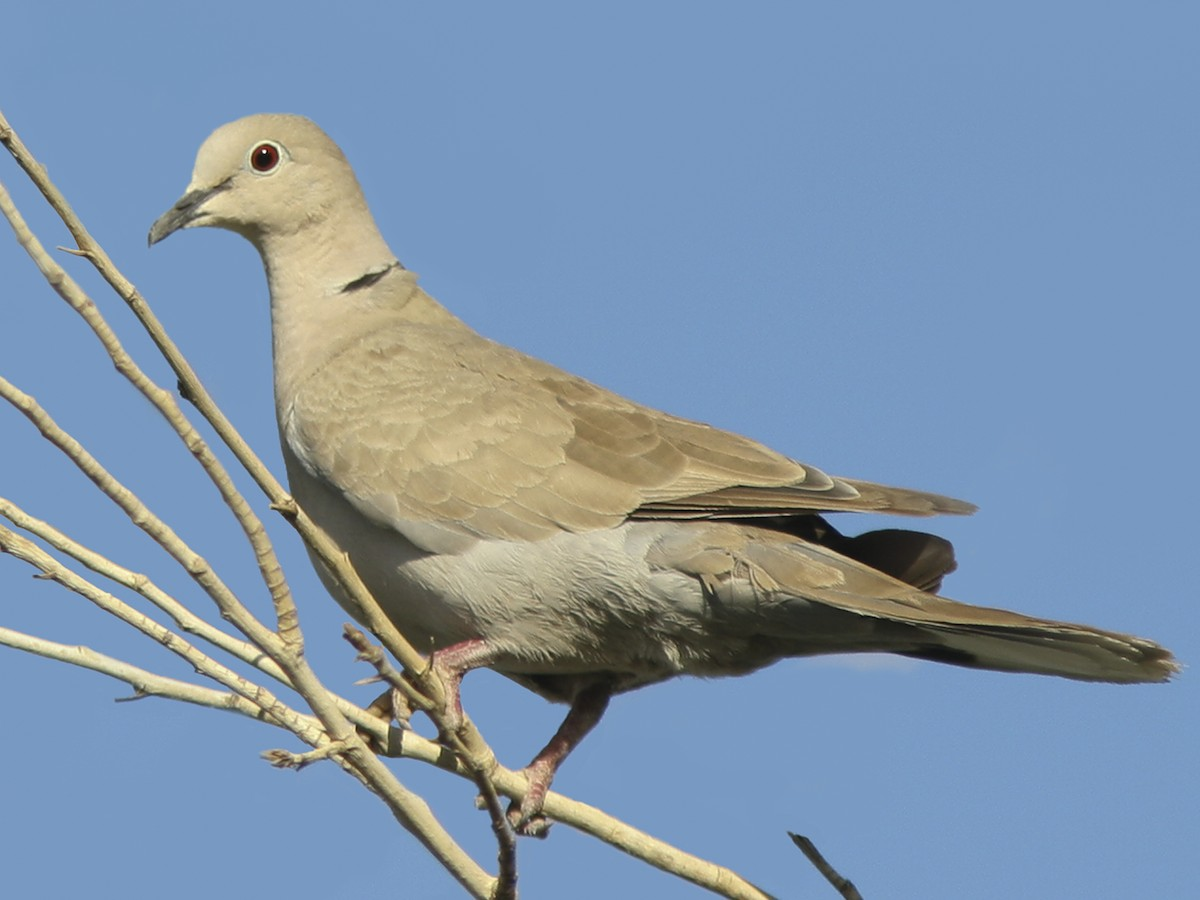
One of the most astonishing natural range expansions in ornithological history, a quorum of Eurasian Collared-doves escaped from the Bahamas in the 1970s, reached Florida by the 1980s, and colonized nearly all of North America within 40 years.
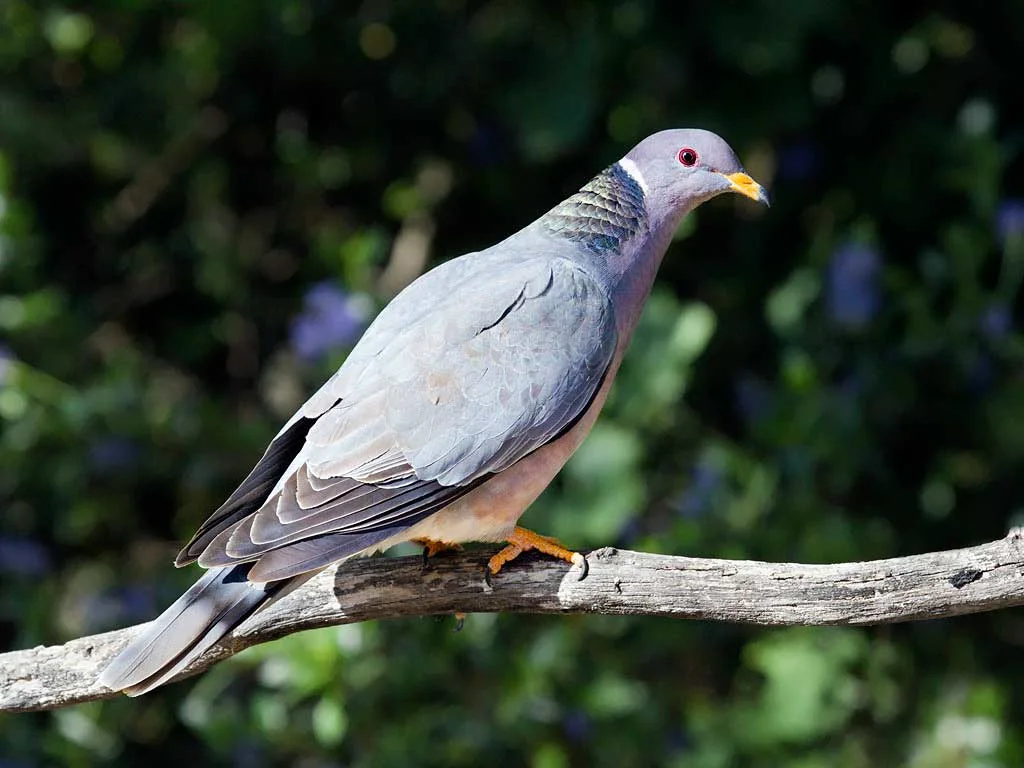
North America’s largest native pigeon, it roams mountain forests in flocks, following mast crops from season to season. It was once hunted so heavily that populations plummeted, which is a sobering echo of the Passenger Pigeon’s fate.
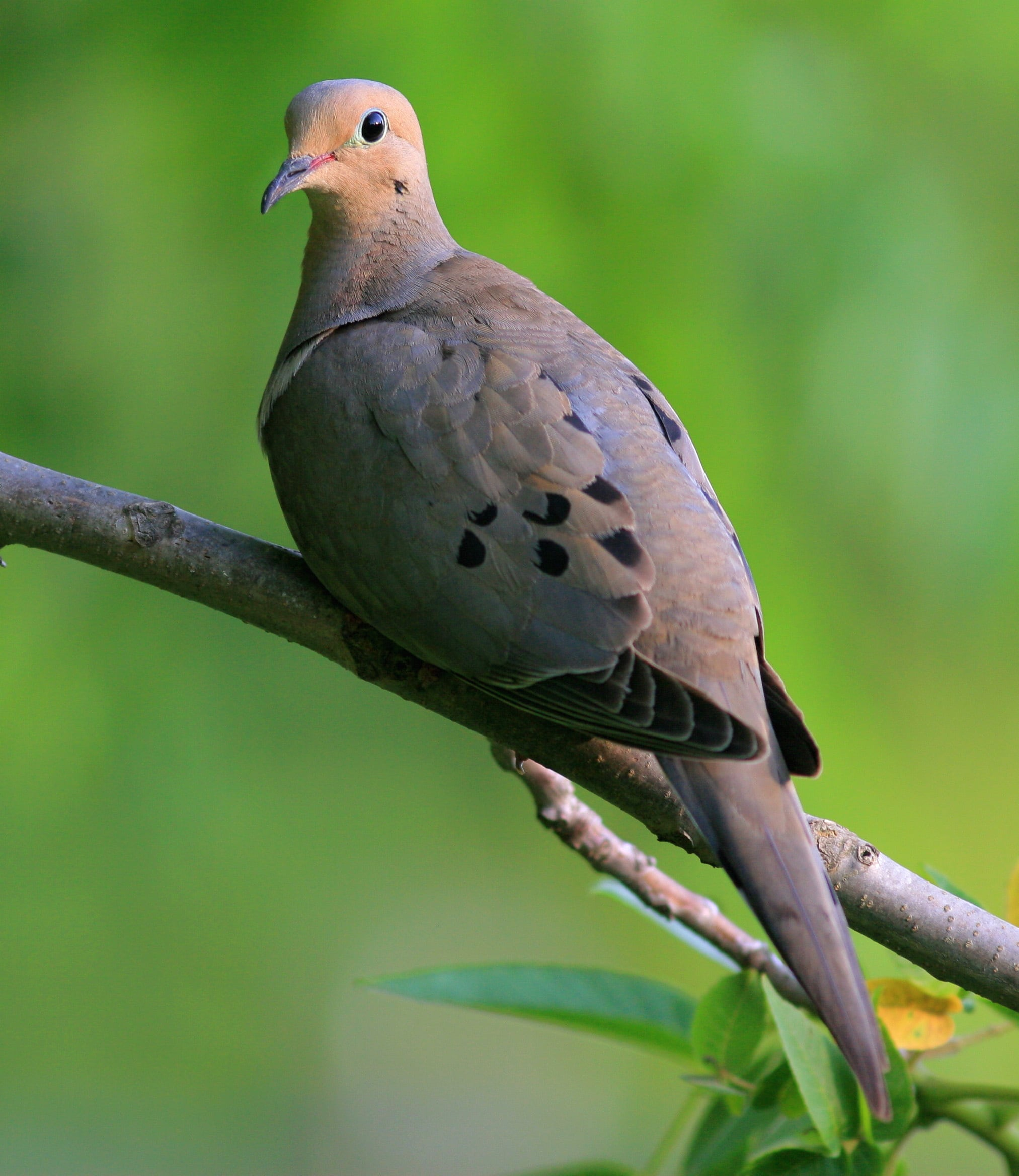
Can drink without lifting its head, using a unique suction method like a straw, n.b. most birds must tilt their head back to swallow. Also, their wing feathers produce a distinctive whistling sound on takeoff to alert flockmates of danger.
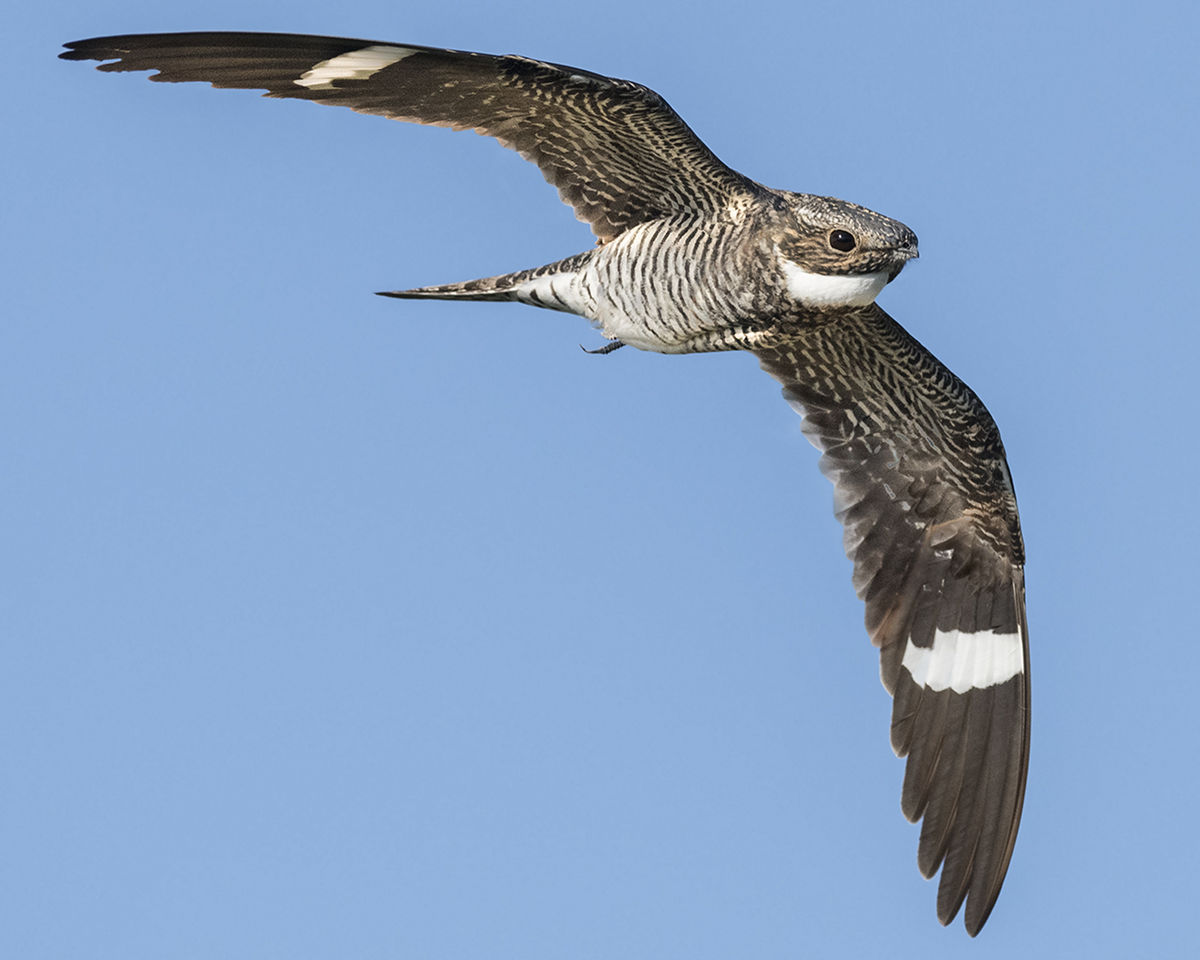
We heard this strange noise for the first time at the Malheur Field Station…During courtship dives, male Nighthawks pulled up sharply at the last second: the rush of air through their wingtip feathers produced a dramatic booming “vroom” sound. Completely involuntary and purely aerodynamic. The local field attendant brought the sound to our attention, as it was short and intense!
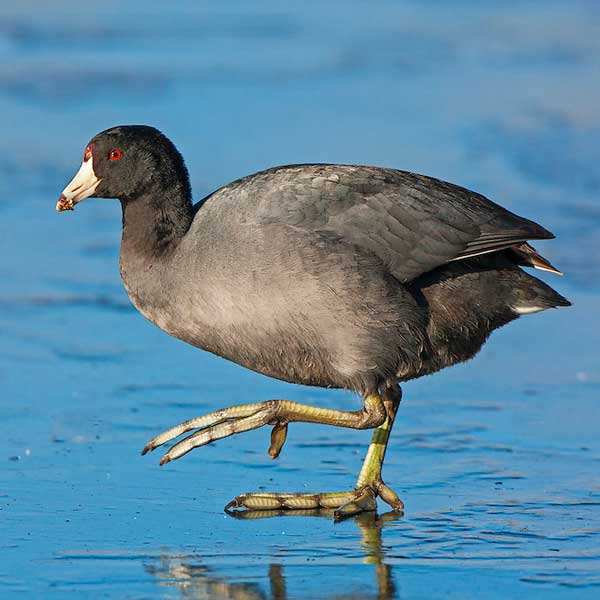
Not a duck, even though it swims like one. Coots feet have lobed toes (not webbed) that fold on the forward stroke, acting like tiny paddles. It also runs comically on the water surface to take flight, legs churning madly. They also practice infanticide, killing all but the most favored chicks.
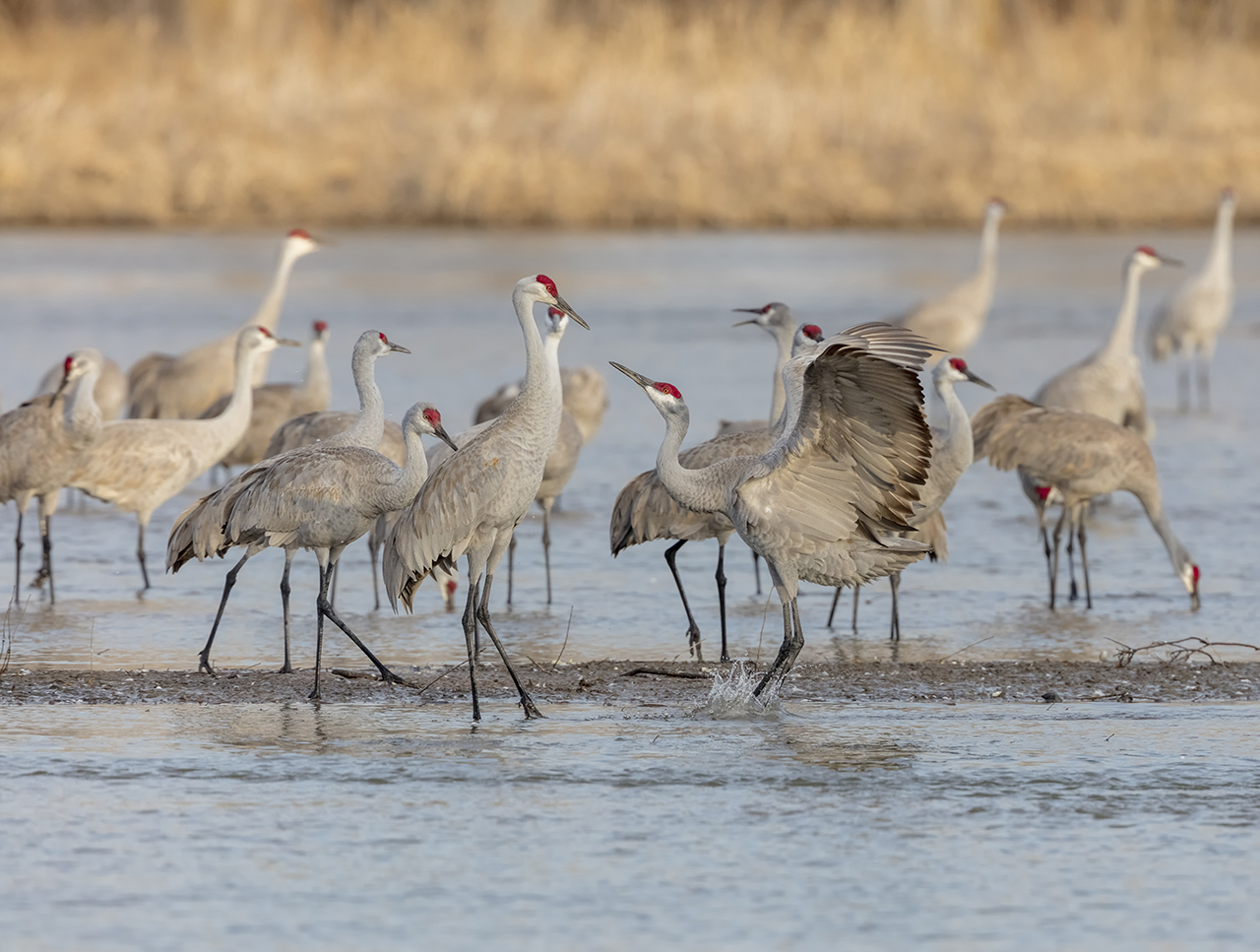
Among the oldest living bird species on Earth, scientists have identified Sandhill Crane fossils that are 2.5 million years old. The geologic records are nearly identical to today’s birds. They mate for life and perform elaborate, leaping courtship dances that pairs repeat throughout their lives together.
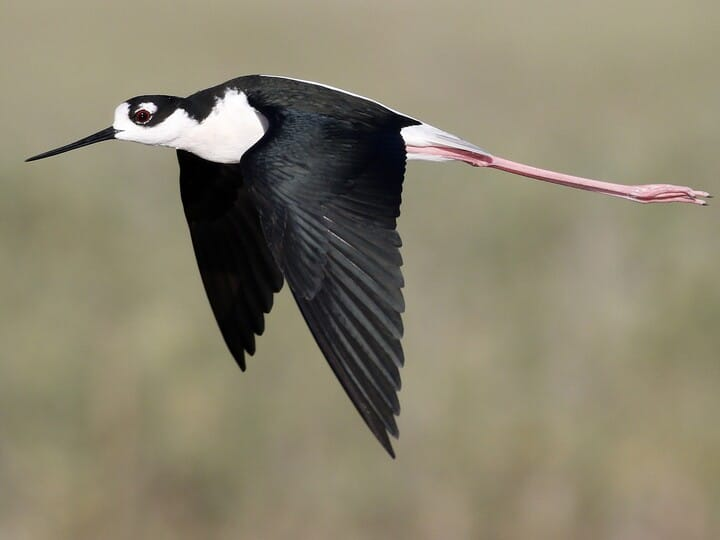
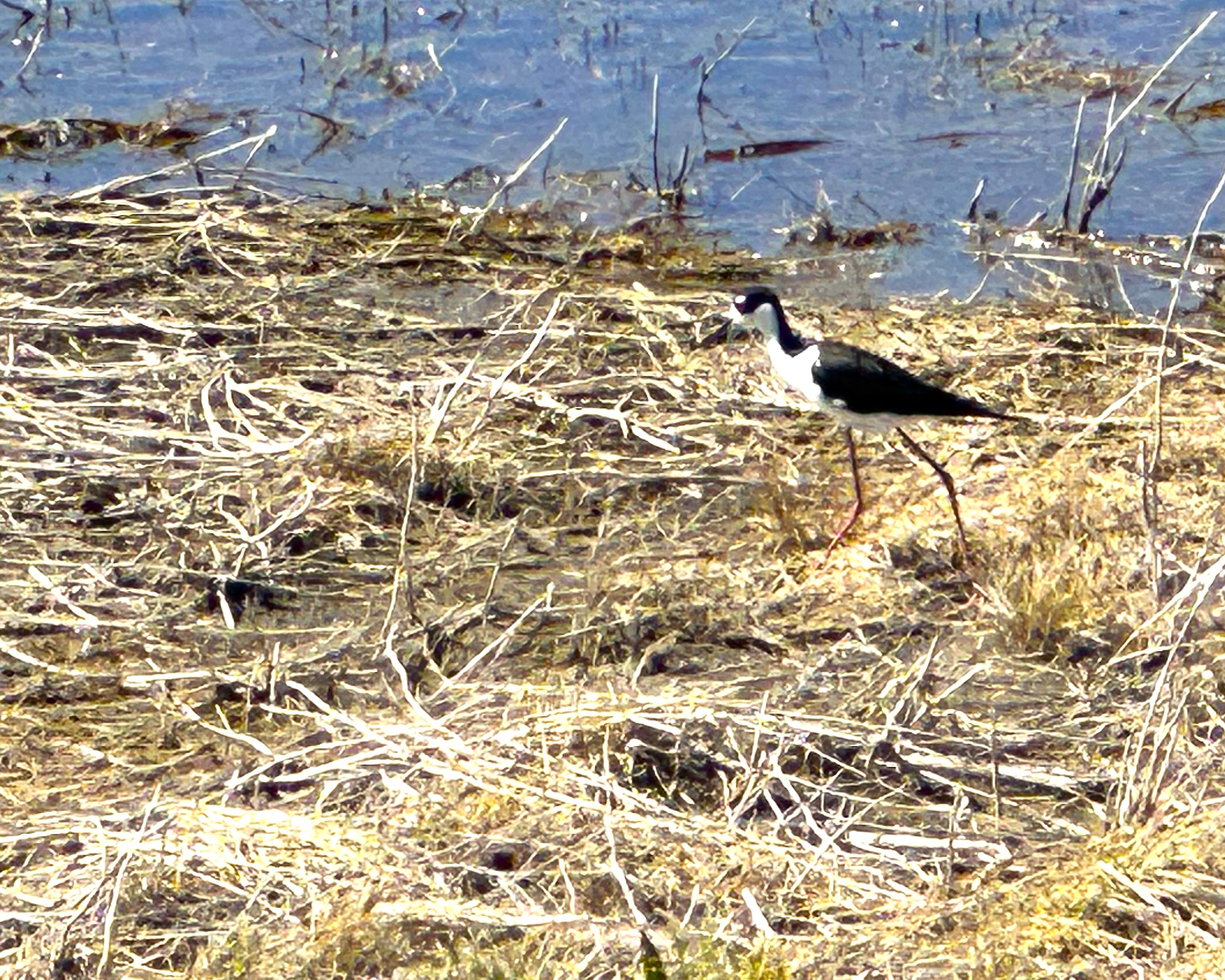
The Black-necked Stilt has second-longest legs relative to its body size of any bird in the world (the longest goes to the Flamingos). Those bubblegum-pink legs let it wade in water too deep for competing shorebirds, giving it exclusive access to prime feeding grounds.
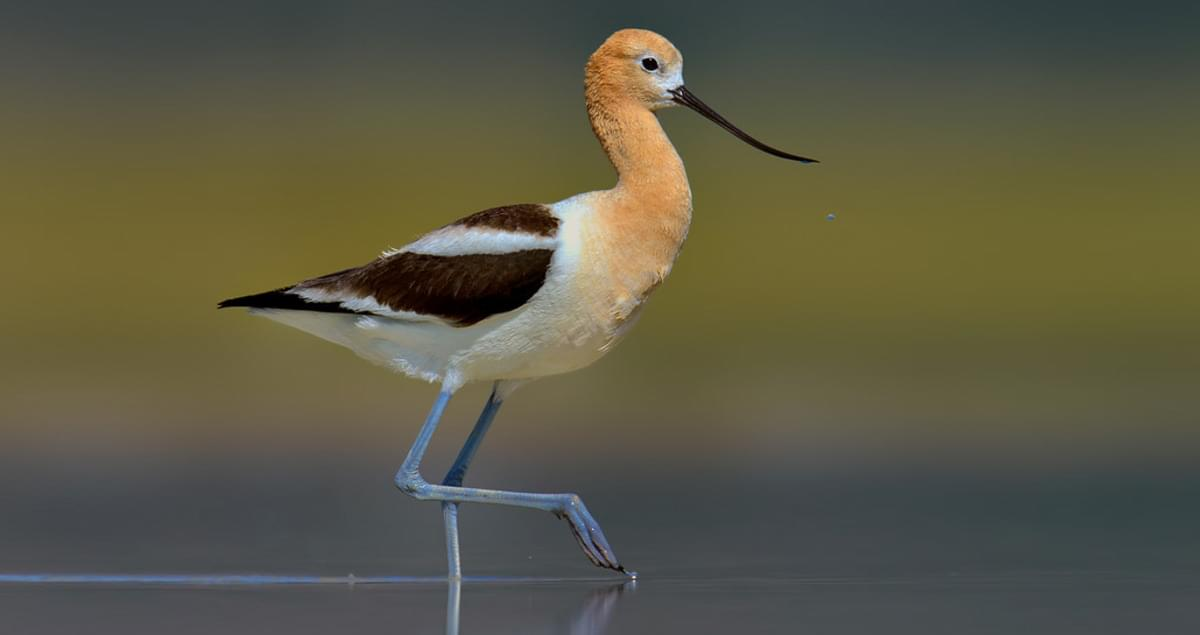
That upturned bill is swept side-to-side through shallow water like a scythe, a technique called “scything” that detects invertebrates by touch. One of the most elegant feeding styles in the shorebird world.
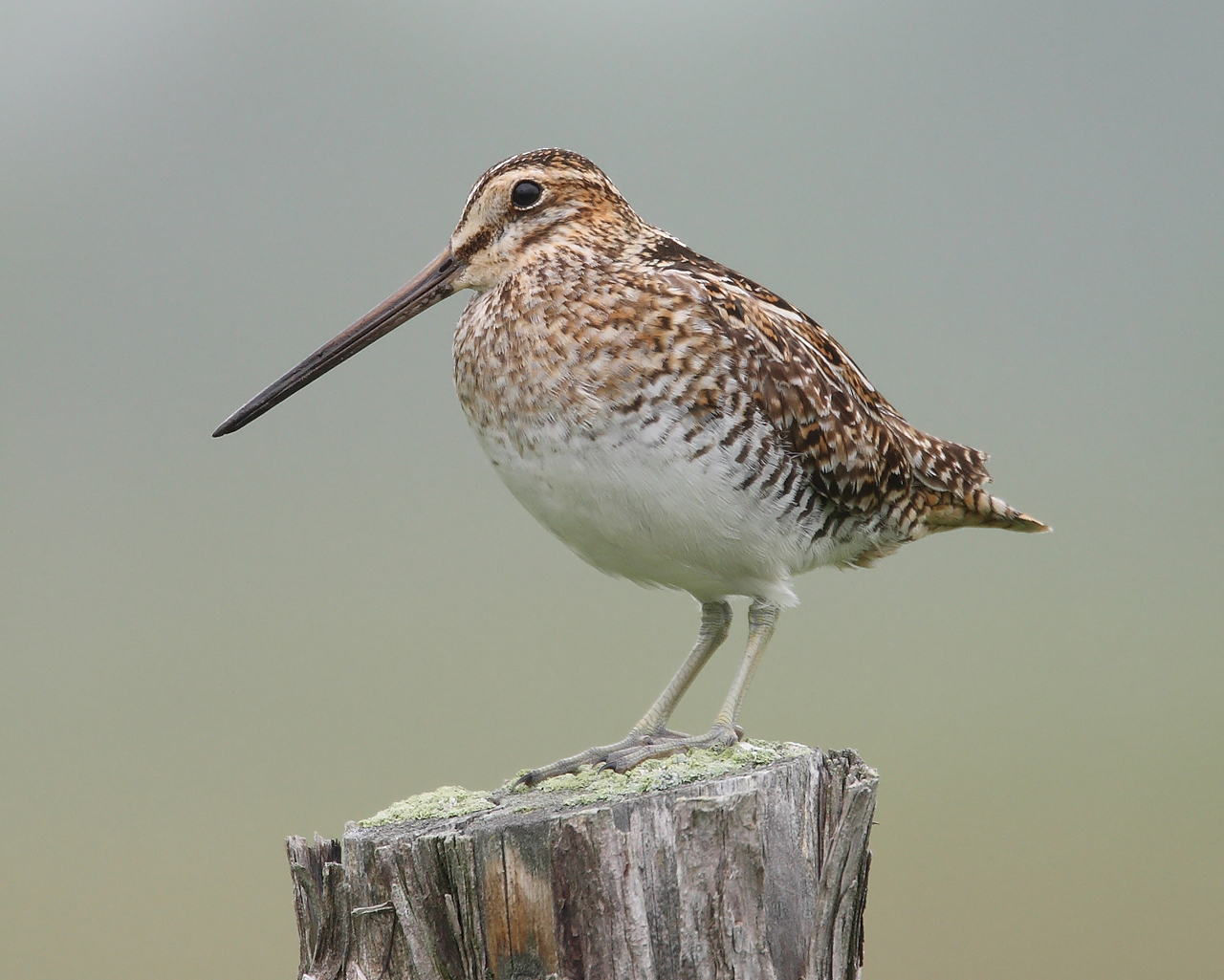
That haunting, trembling “winnowing” sound heard over marshes at dusk? It’s not a call from the throat of the Snipe, it’s made by air rushing through the outer tail feathers as the snipe dives. We heard them “calling” near sunset in the reeds by the Deschutes in Sun River, Oregon. Pure musical aerodynamics.
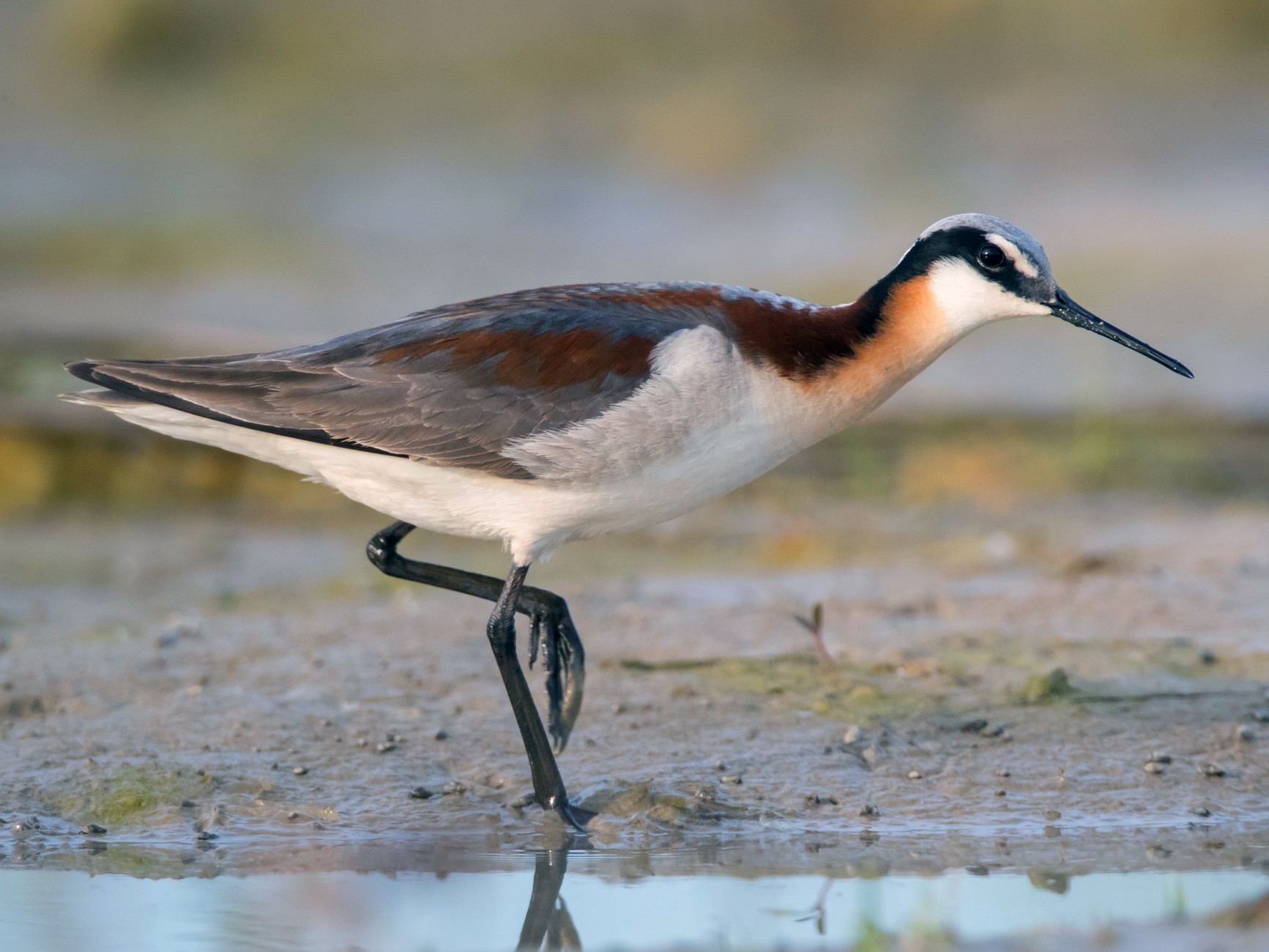
In a complete reversal of typical bird roles, female Wilson’s Phalaropes are more brightly colored, court the males, and then leave the nest, letting the males incubate eggs and raise chicks entirely on their own. Sounds like women’s lib in action in aviary-land.
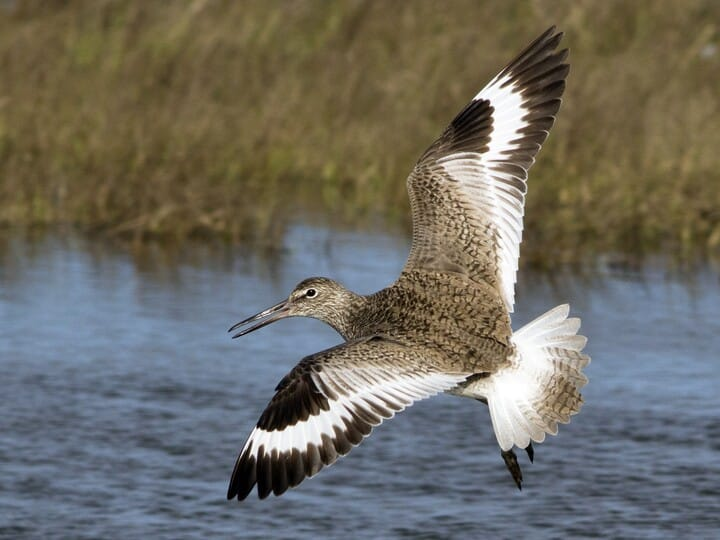
In flight, this plain-looking gray bird suddenly flashes dramatic black-and-white wing patterns — one of the great “Wow” reveals in shorebird watching. The contrast is startling and likely disrupts predator attacks mid-chase. We spotted these shore birds sleeping til dawn in the hilltops around the Malheur Field Station. Their morning rituals, alongside the Killdeer are remarkable.
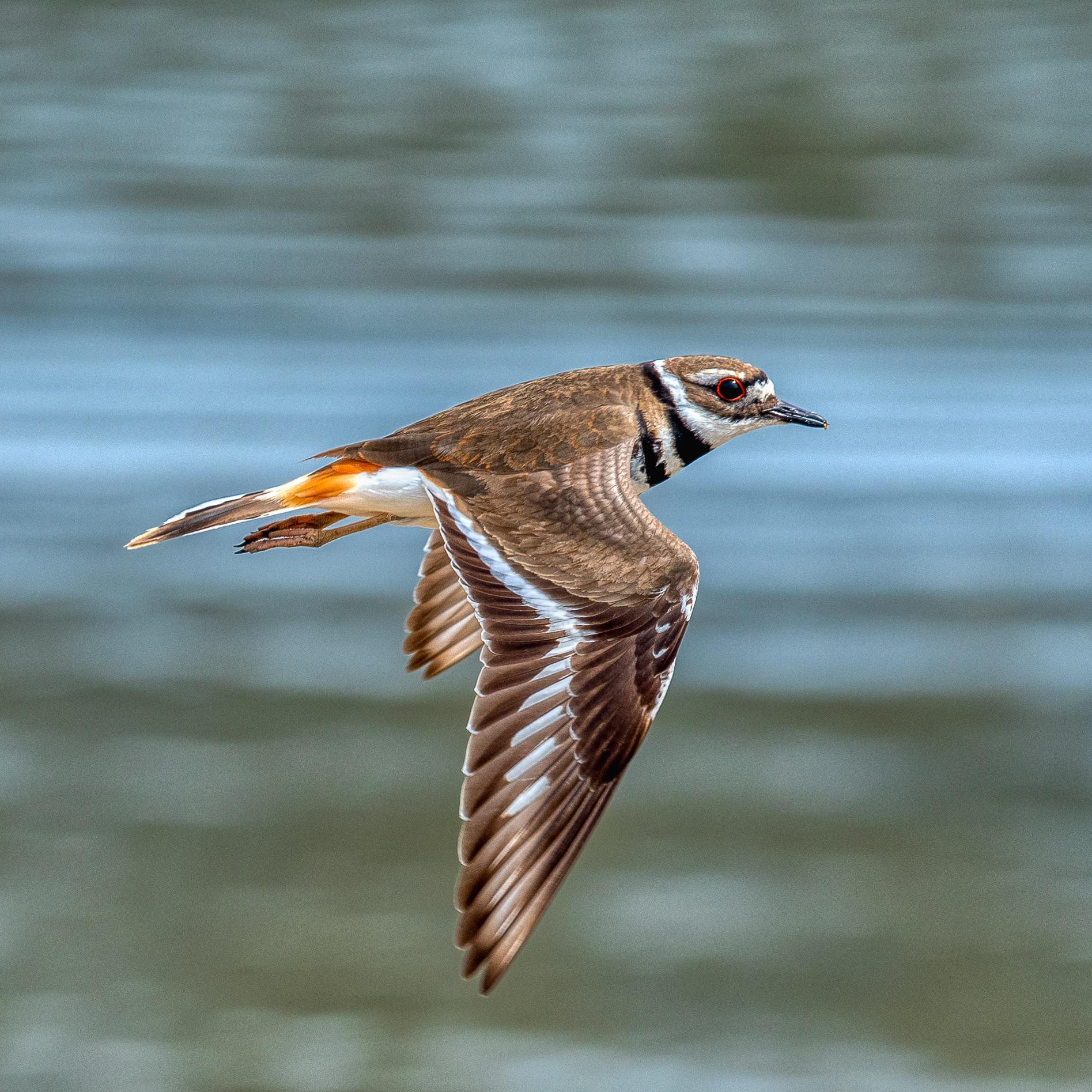
Performs a brilliantly convincing “broken-wing” act to lure predators away from its nest — dragging one wing along the ground while crying pitifully. Suddenly they flying off perfectly fine once the threat is far enough away from its young. Method acting, birdwise.
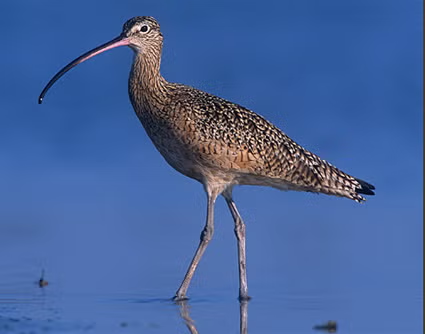
North America’s largest shorebird, the Long-billed Curlew has a bill that can exceed 8 inches in length. The bill (or beak) is perfectly curved to probe deep into burrows and extract fiddler crabs, ghost shrimp, and crayfish without damaging them. We saw solitary Curlews in the fields, which would be a strange place to find a crab, but they seem to like field bugs, which were hatching in perfusion in the short grasses.
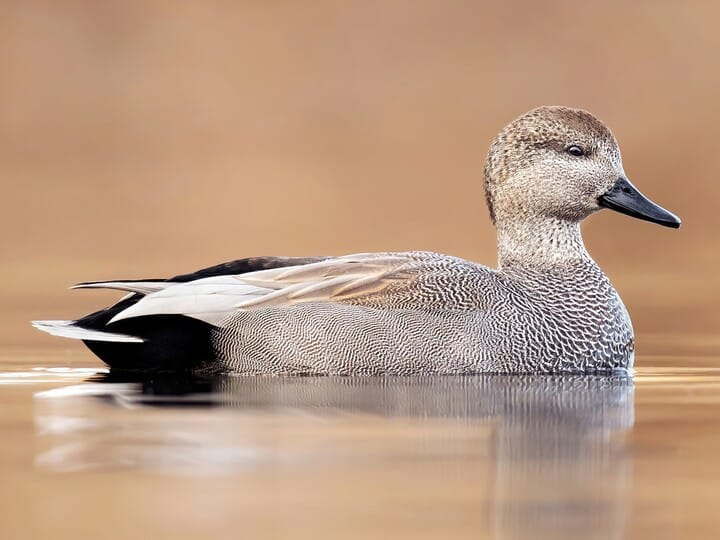
Up close, the male Gadwall’s seemingly plain gray plumage is actually an intricate mosaic of vermiculated feathers; each one a tiny work of art. The black rump is diagnostic and the wing feathers in flight are flashy. Sometimes birders call this one “the gray duck that rewards a second look.”
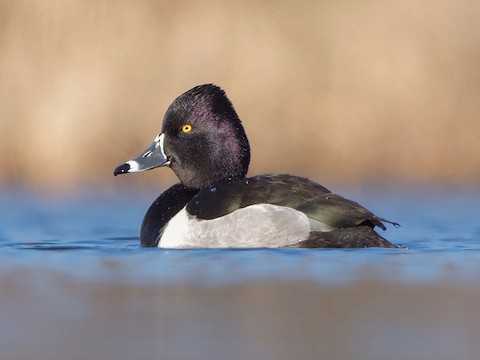
Misnamed by museum ornithologists, the early birders based the name on a barely-visible chestnut ring on the duk’s neck. The much more visible white ring on the bill is what birders actually use to identify it. This one should really be named the “Ring-billed Duck” instead.
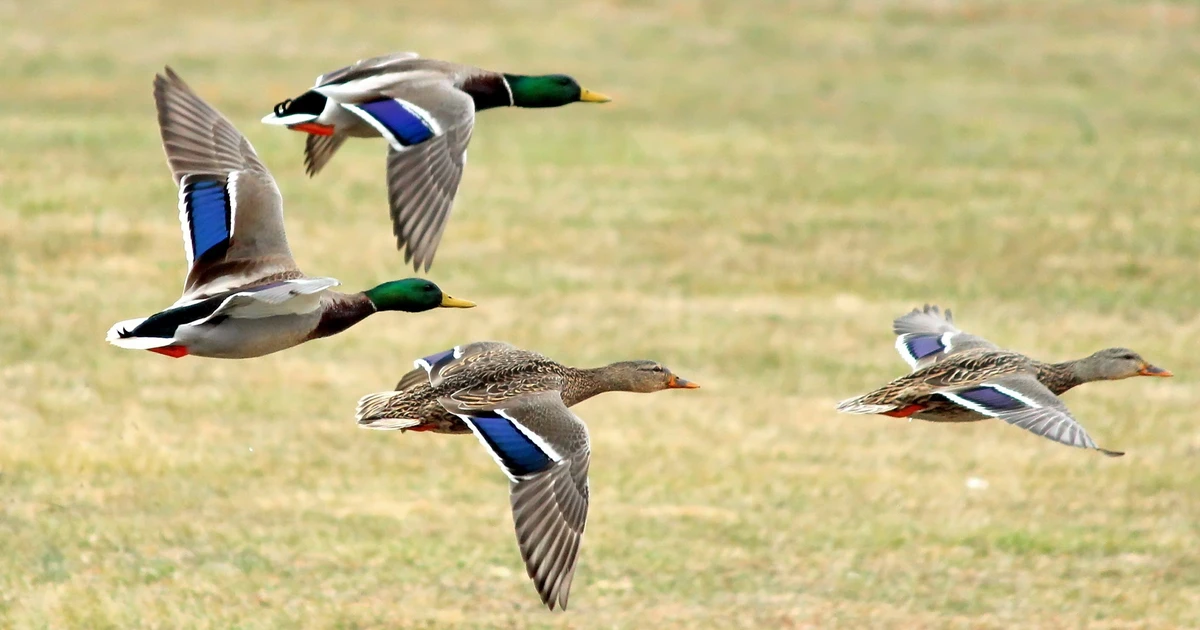
The ancestor of nearly all domestic duck breeds on Earth is of course, the Mallard. The female’s famous “quack” is one of the most recognized animal sounds in the world. But the male’s voice? He can only manage a soft, raspy whisper.
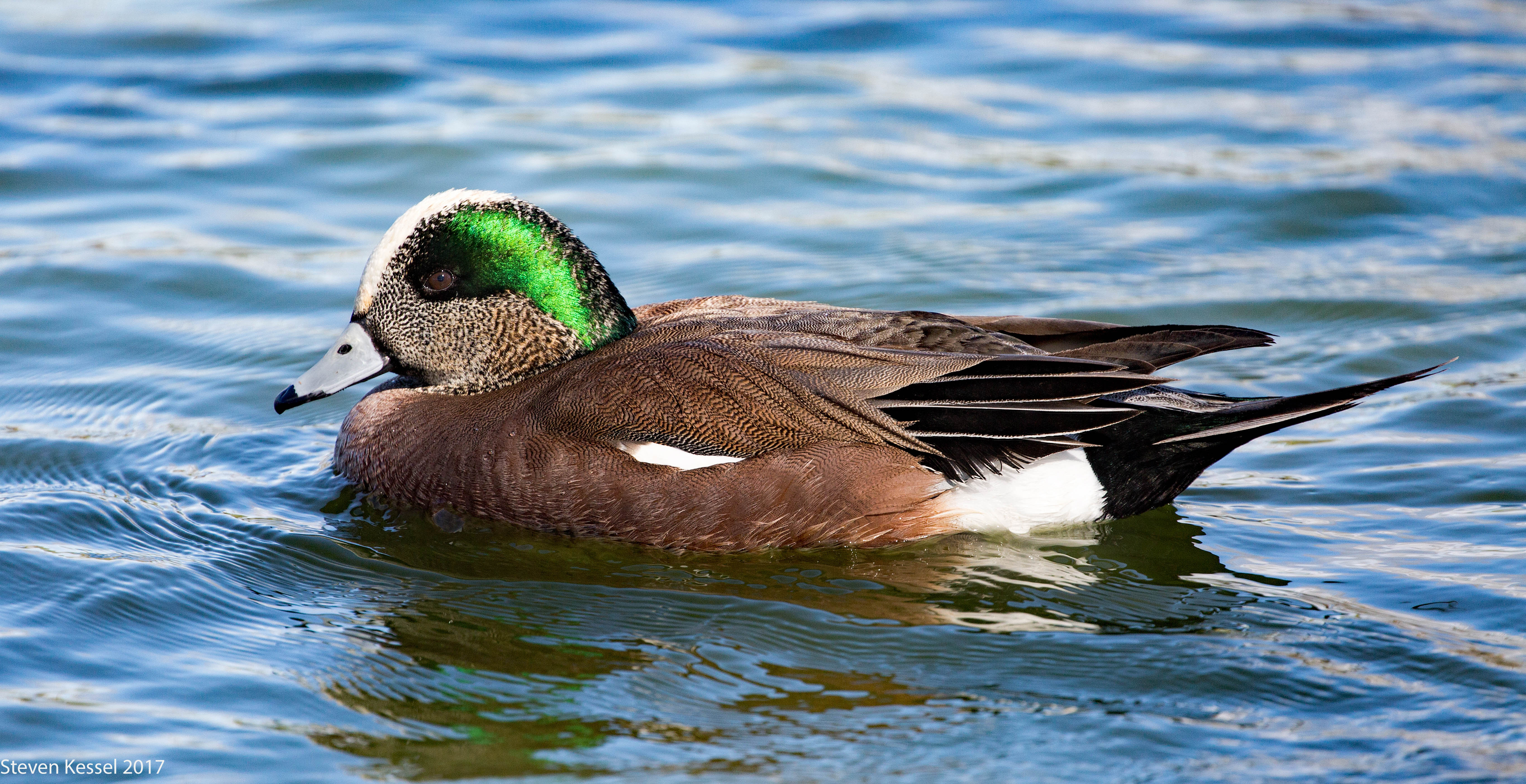
A notorious food-thief (kleptoparasite), the wigeon hangs around diving ducks and coots, waiting for them to surface with aquatic plants, then dashes in to steal the meal before they can swallow it.
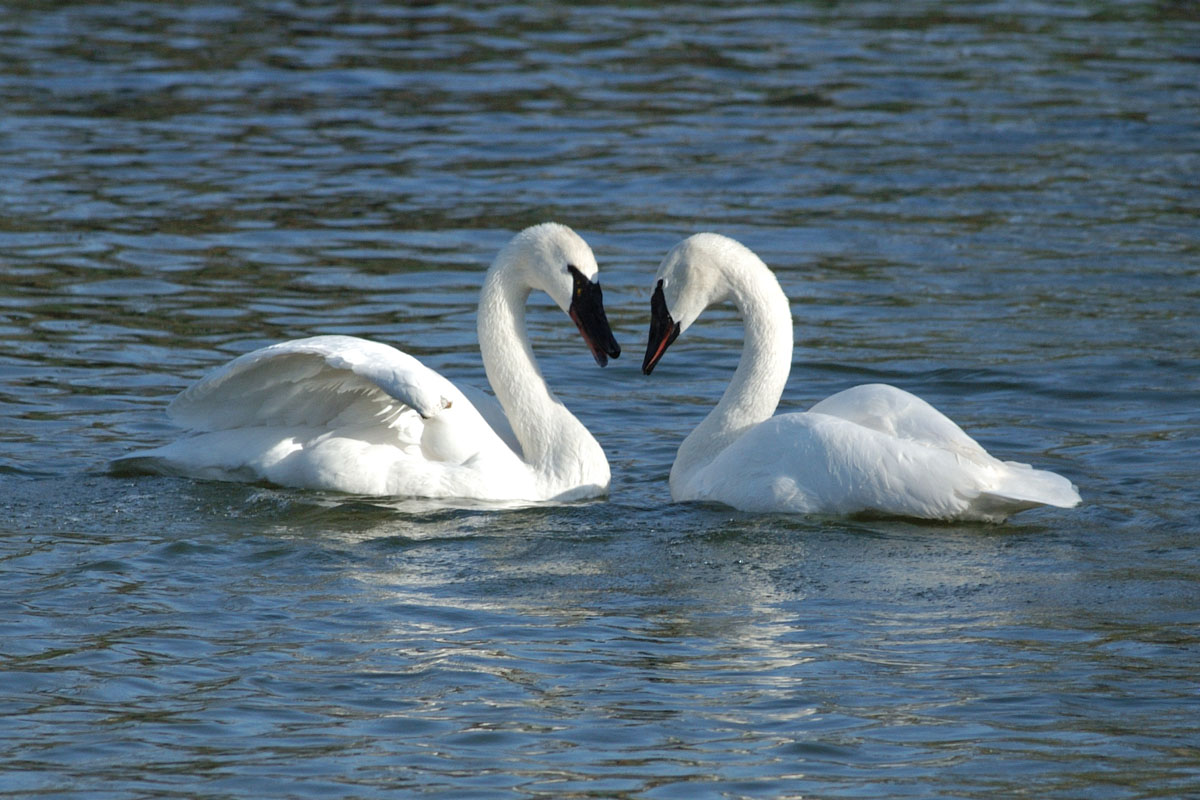
North America’s heaviest flying bird (⚖) males can exceed 30 pounds, yet they can still reach speeds of 60 mph in flight. Nearly hunted to extinction by 1900, patient conservation efforts brought them back from just 69 individuals in 1935 to over 75,000 today.
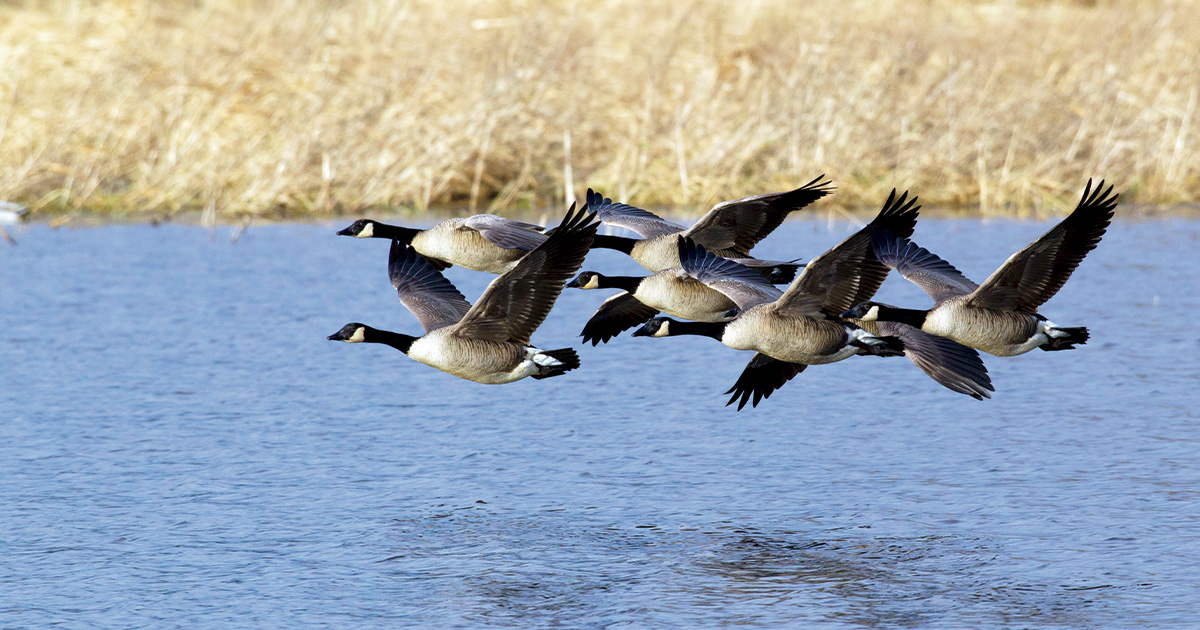
Mates for life and mourns the loss of a partner, a widowed Canada Goose will search for its mate for months, sometimes years, before eventually pairing again. They also vote with their feet on which migration route to take. Nothing quite like the view and sound of migrating geese in chevron flight!
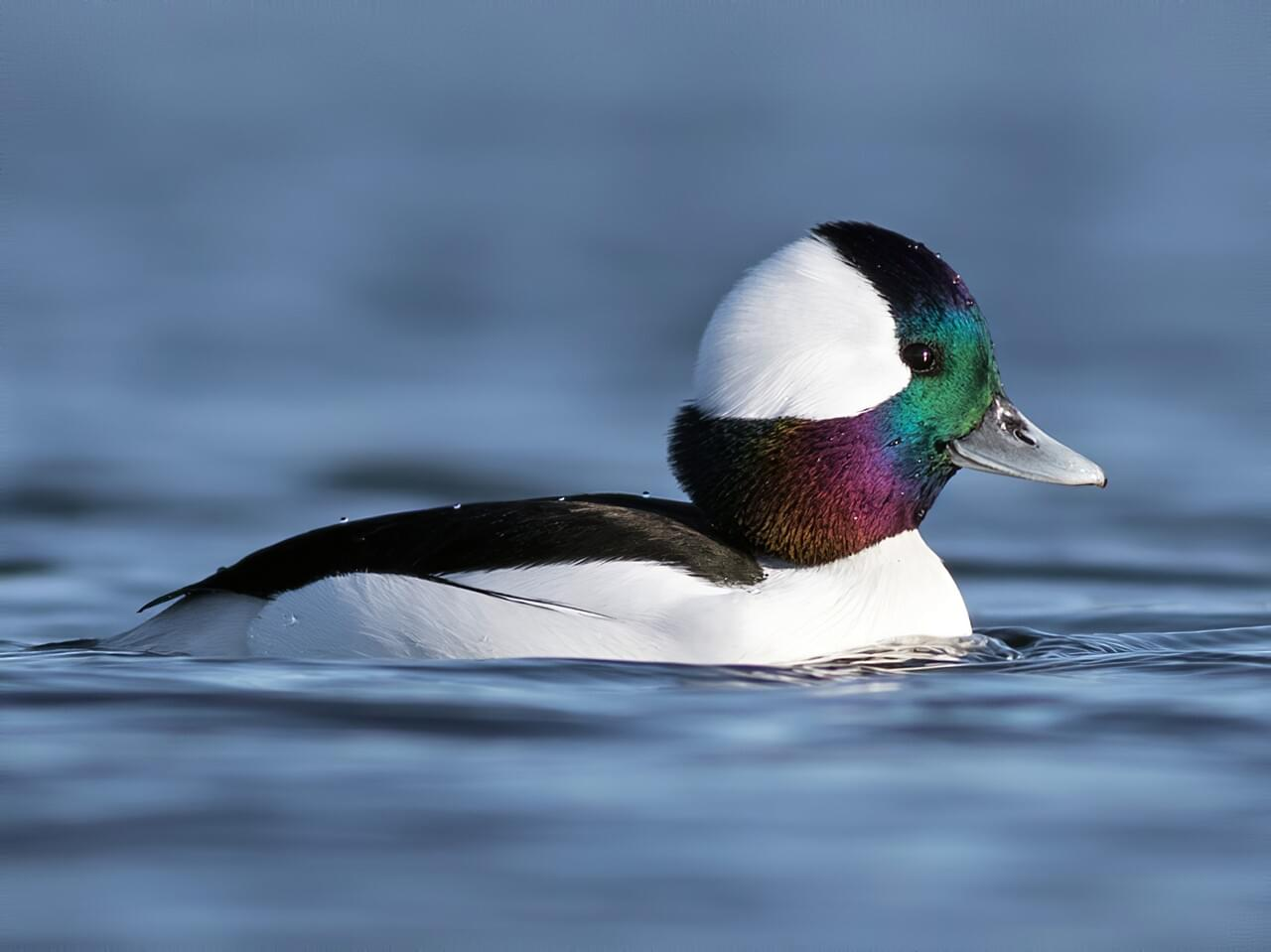
North America’s smallest diving duck, the male Bufflehead has feathers that shift from black to iridescent green, purple, and violet depending on the angle of light. Visually they are like a tiny disco ball bobbing on the water.
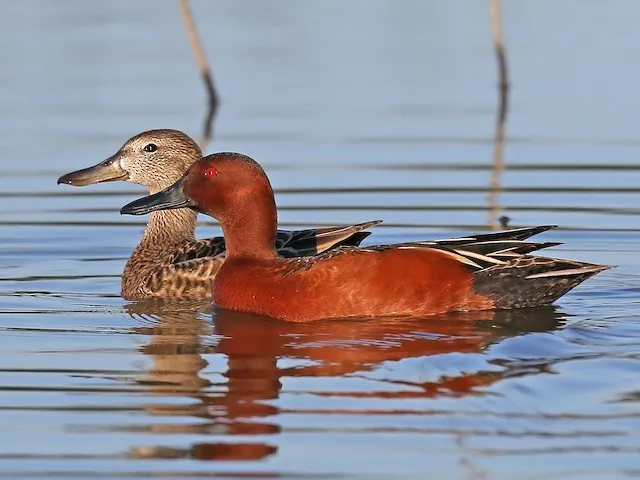
The male’s brilliant brick-red plumage is one of the richest colors in the duck world. Unique among North American ducks, it breeds primarily in the Western US and winters all the way to South America.
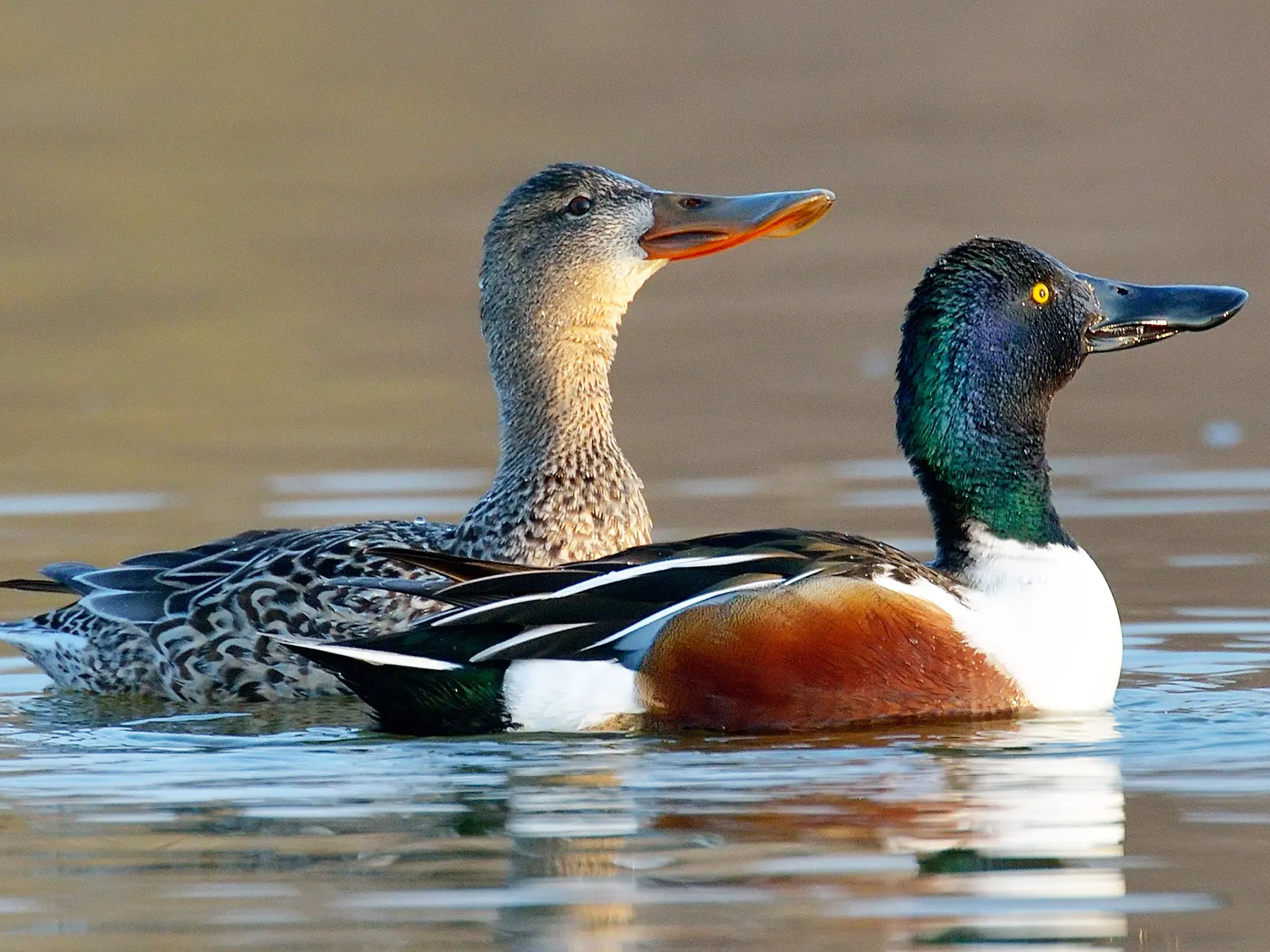
That enormous spatula-shaped bill has fine comb-like lamellae along the edges, which acts like a living filter that strains tiny crustaceans, seeds, and insects from the water. Groups of Northern Shovelers often swim in tight circles to create a vortex that brings food to the surface.
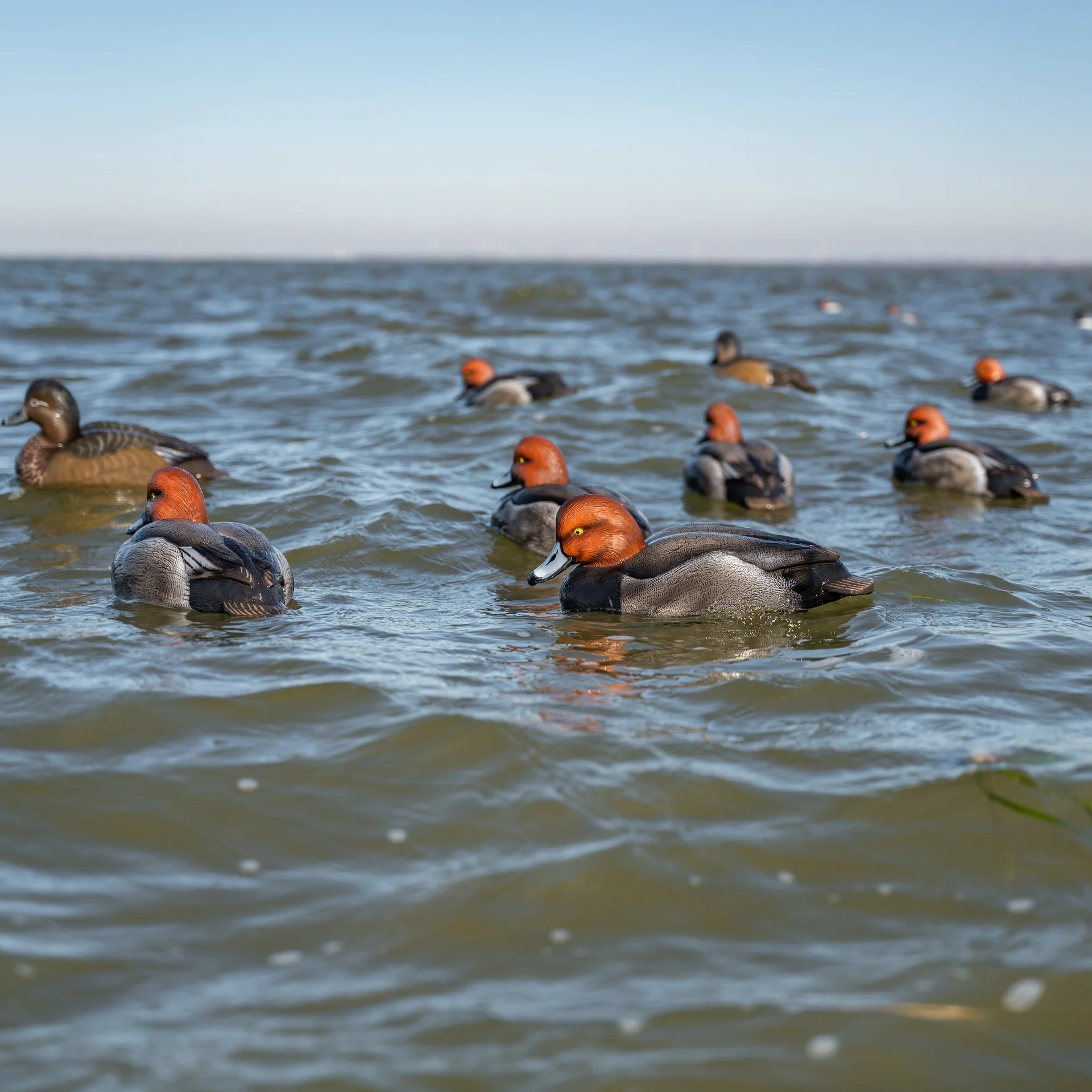
The female is one of the most prolific “brood parasites” among ducks. The fertile female commonly lays her eggs in other ducks’ nests, letting them do the work of incubation and chick-rearing. Sometimes called a “dump nester.“
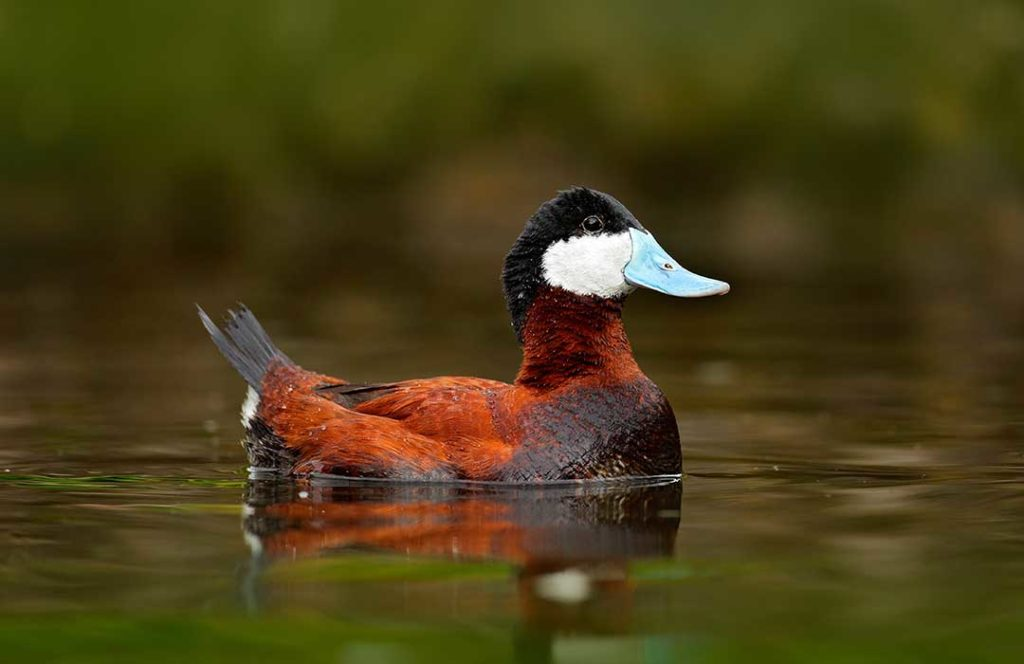
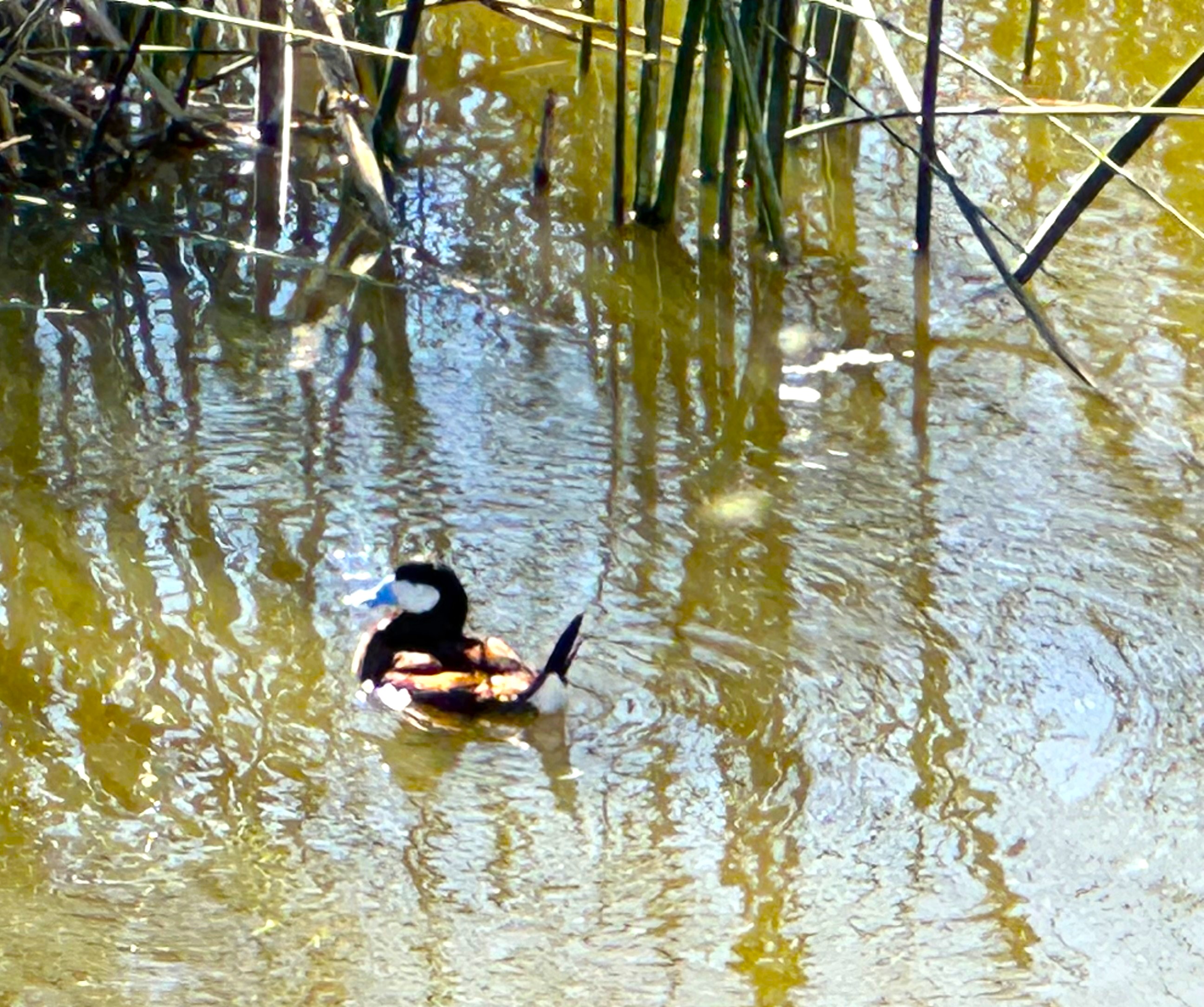
That electric turquoise bill turns vivid blue in breeding season — and the male bobs his head rapidly while beating it against his chest to produce a rapid bubbling sound to impress females. Comically exuberant little duck that seems like a Disney character.
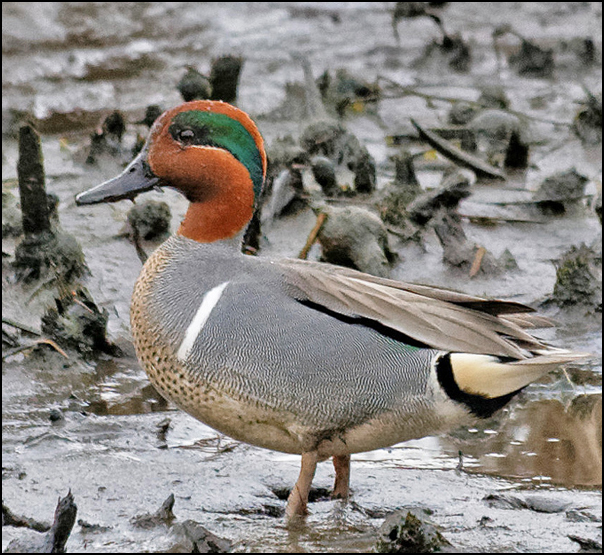
North America’s smallest dabbling duck, and arguably its fastest in level flight. With ⚡ recorded speeds at up to 50 mph. Flocks wheel and turn in perfect unison like a murmuration of starlings.
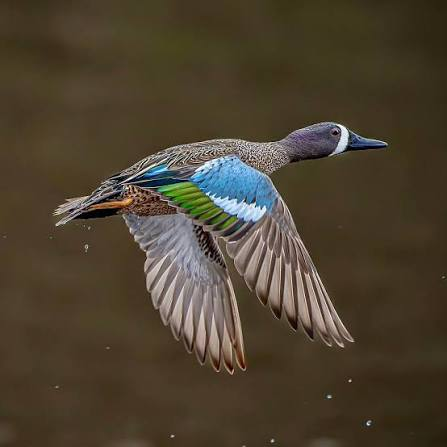
Among the earliest ducks to depart for South America in fall — often leaving in August — Blue-winged Teal are among the last to return in spring. Their powder-blue wing patches flash brilliantly in flight ✈.
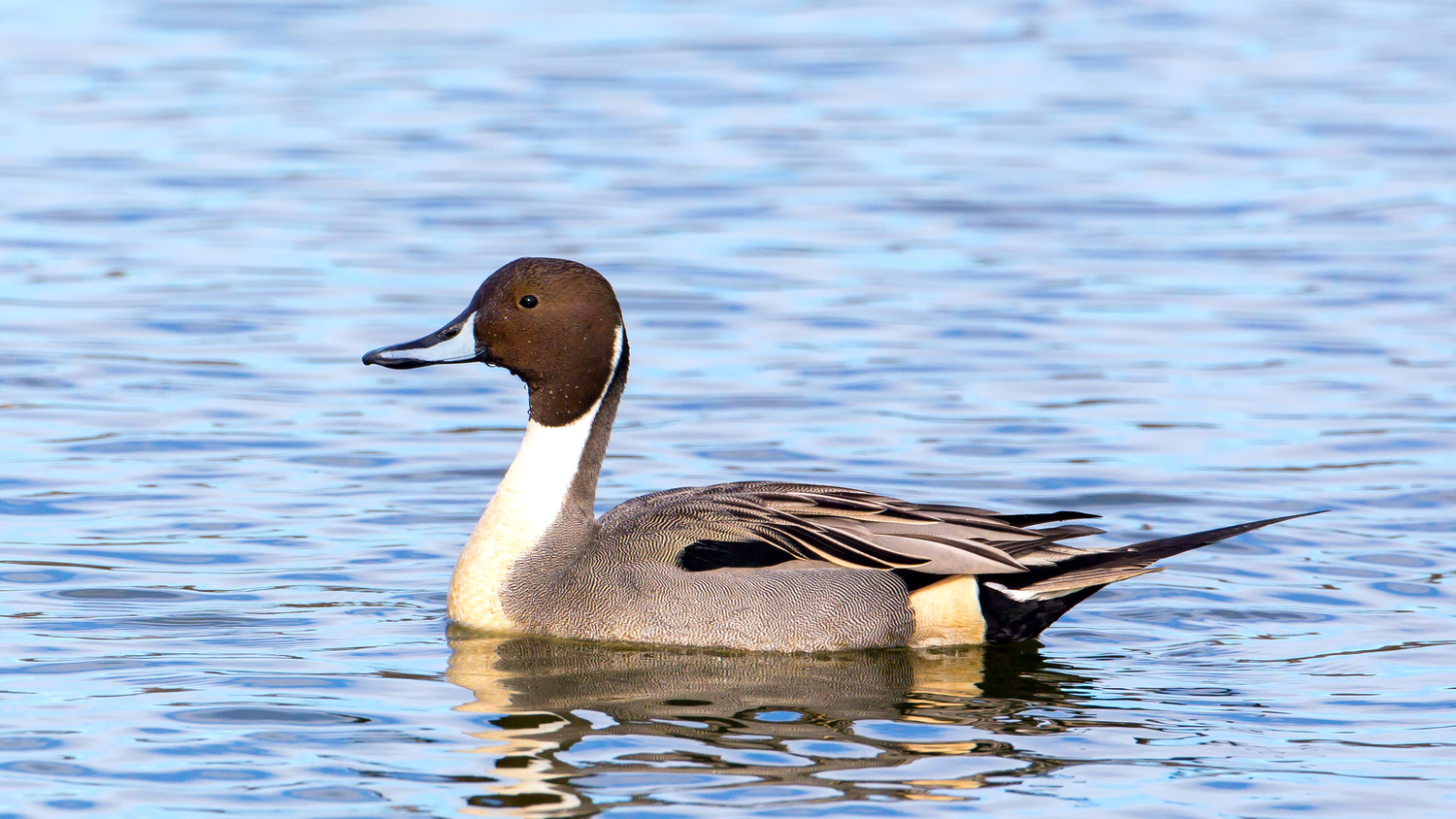
Often called the “greyhound of ducks” — its elongated neck, elegant long tail, and streamlined build make it one of the most graceful birds in flight. The male’s needle-like tail pin can extend up to 4 inches beyond its body.
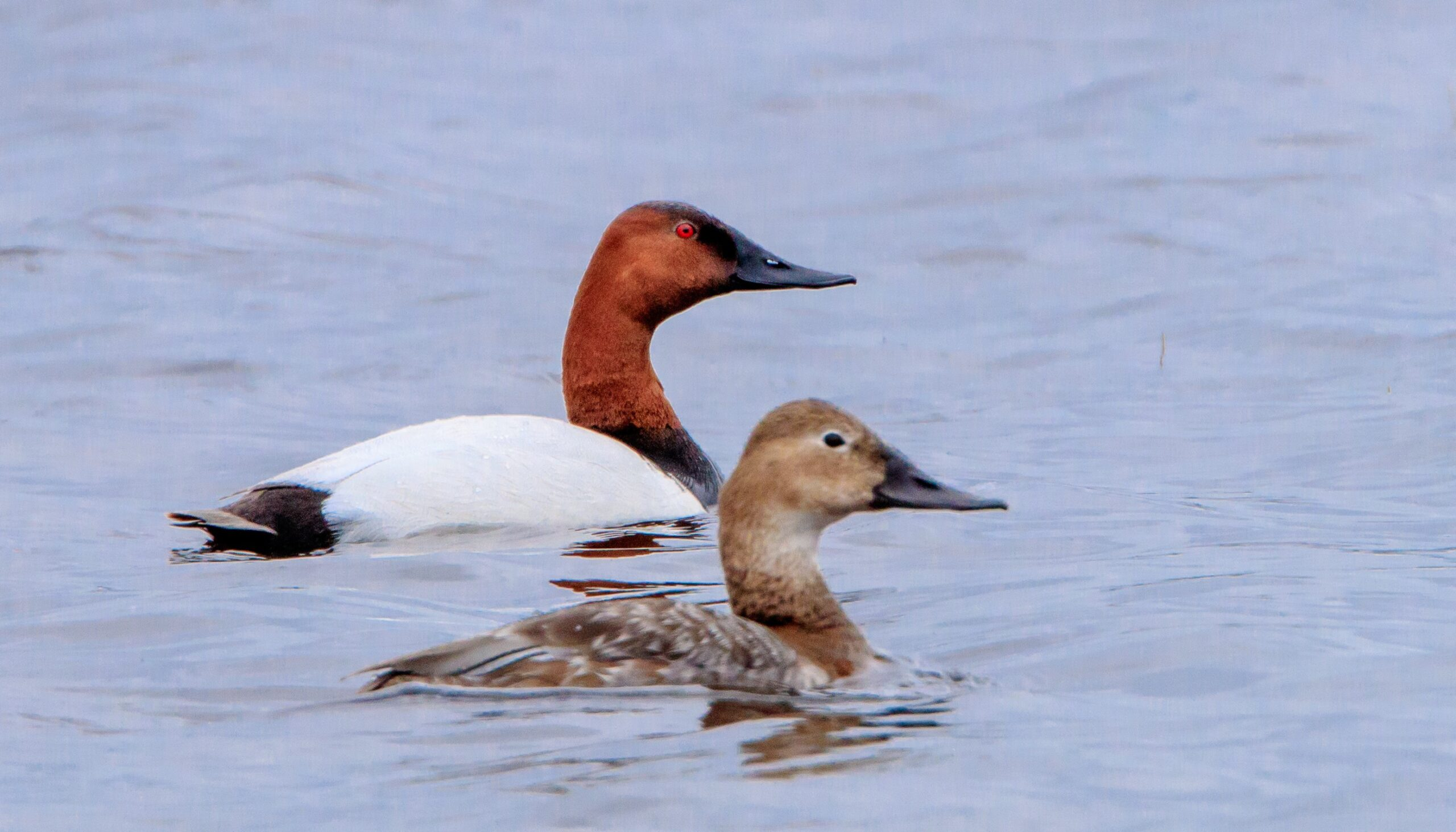
Historically considered the finest-tasting of all North American ducks; its all about the diet. Canvasbacks feed on a diet of wild celery which gives the flesh a unique flavor that made it the most prized bird on 19th-century dinner tables. Dubbed “The King of Ducks” it was often served to royalty, or hunters who thought of themselves as heirs apparent.
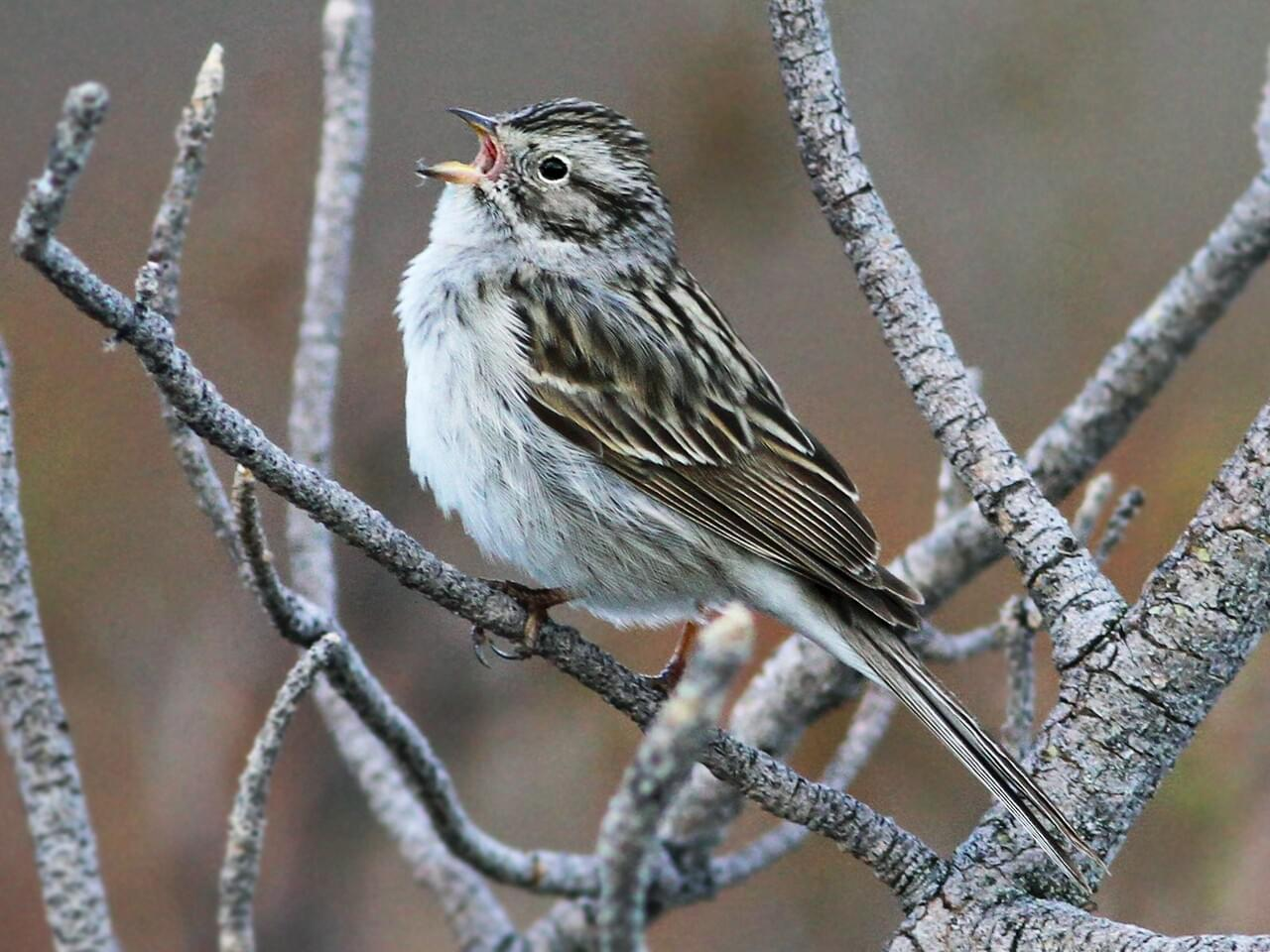
The definitive sound of the sagebrush steppe, the Brewer’s Sparrow long, trilling song can last for over a minute without pause, weaving together buzzes and trills of remarkable complexity for such a plain-looking bird.
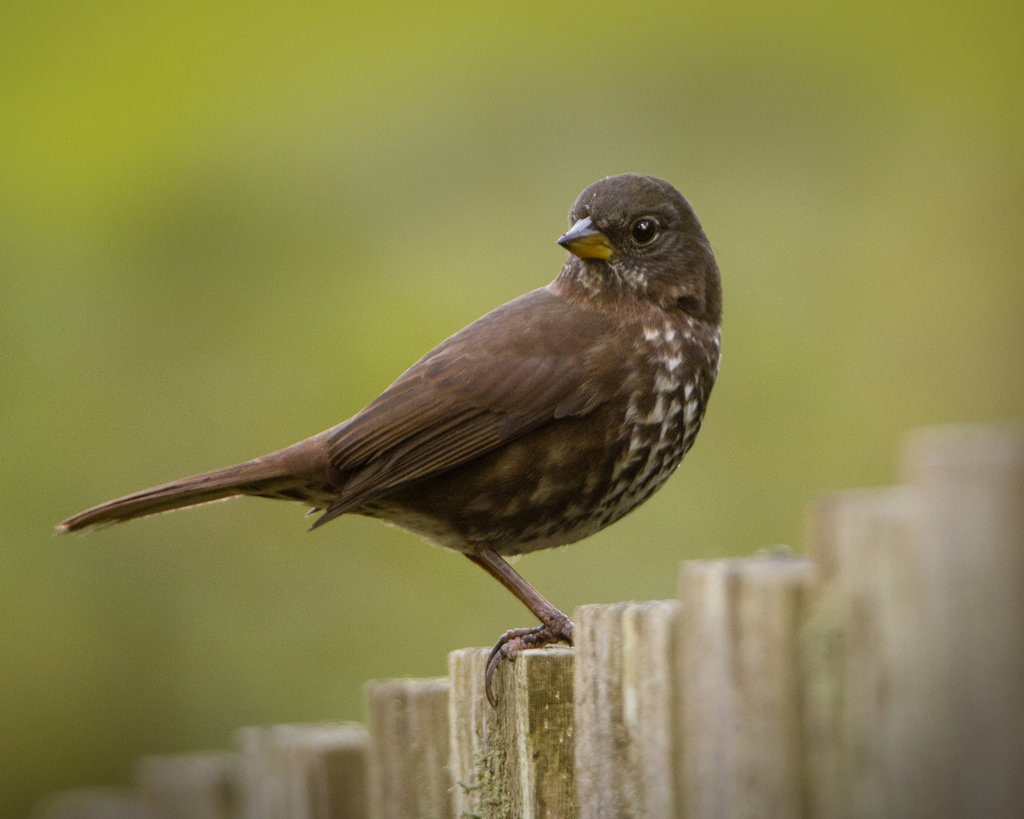
Forages by leaping forward and scratching backward with both feet simultaneously — a double-footed “hop-scratch” that uncovers buried seeds and insects. Its rich, fluty song is one of the most beautiful in the sparrow family.
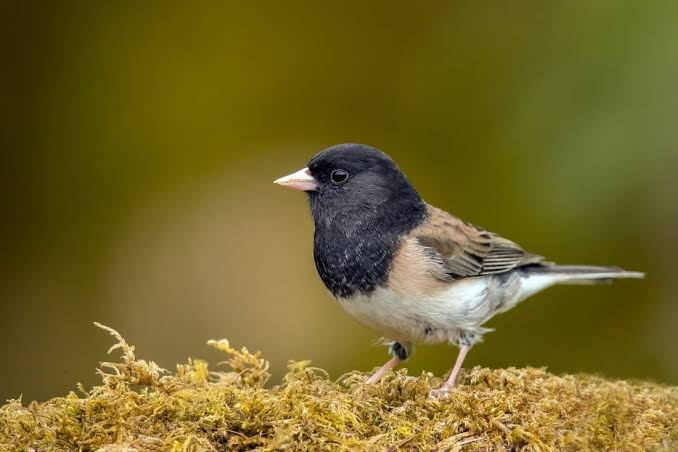
Sometimes called “snowbirds” because their arrival in gardens signals the coming of winter. What looks like one species is actually a superspecies of several juncos: the Oregon, Slate-colored, Pink-sided, and other forms all look strikingly different but interbreed freely.
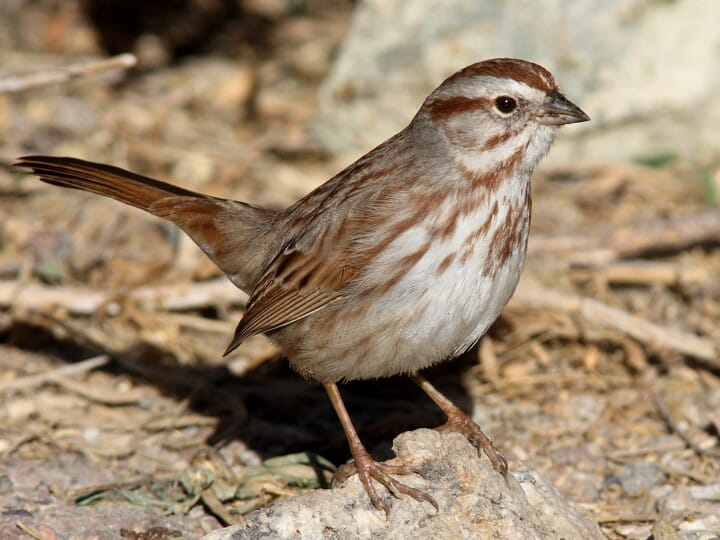
Males learn regional “dialects” — their songs differ measurably from county to county, and young males spend weeks memorizing the songs of their neighborhood. Like a musical culture passed down through generations.
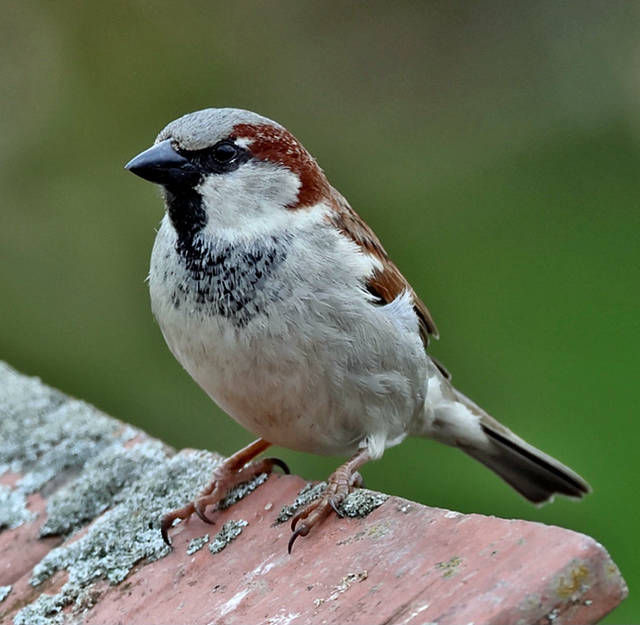
Introduced to Brooklyn in 1851 by the Pike family: Nicholas Pike, the director of the Brooklyn Institute, spearheaded the importation of eight pairs of sparrows from Liverpool, England to control an inchworm infestation affecgting the city’s trees. No good deed goes unpunished, as they say. Since its introdution this bird has flourished: it has since colonized every continent on Earth, except Antarctica. Today the House Sparrow is recognized (and despised) as one of the most successful biological invasions in history. Despite its ubiquity, it was the first songbird to have its entire genome sequenced.
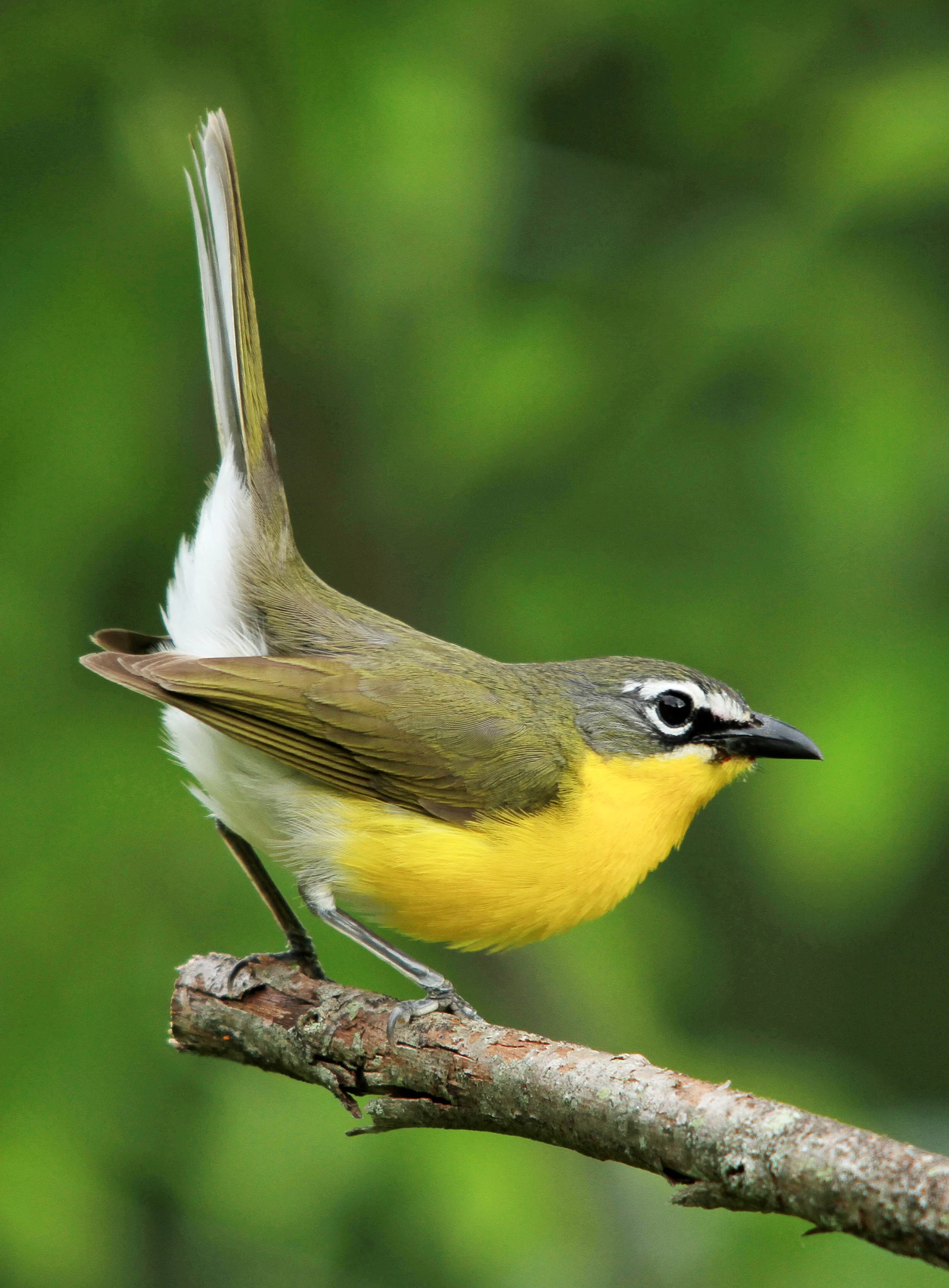
A genuine ornithological oddity, the Yellow-breasted Chat is so unusual that it was recently moved out of the warbler family into its own family entirely (Icteriidae). Its songs include cackles, hoots, clucks, and whistles that sound more like a frog-monkey hybrid than a bird.
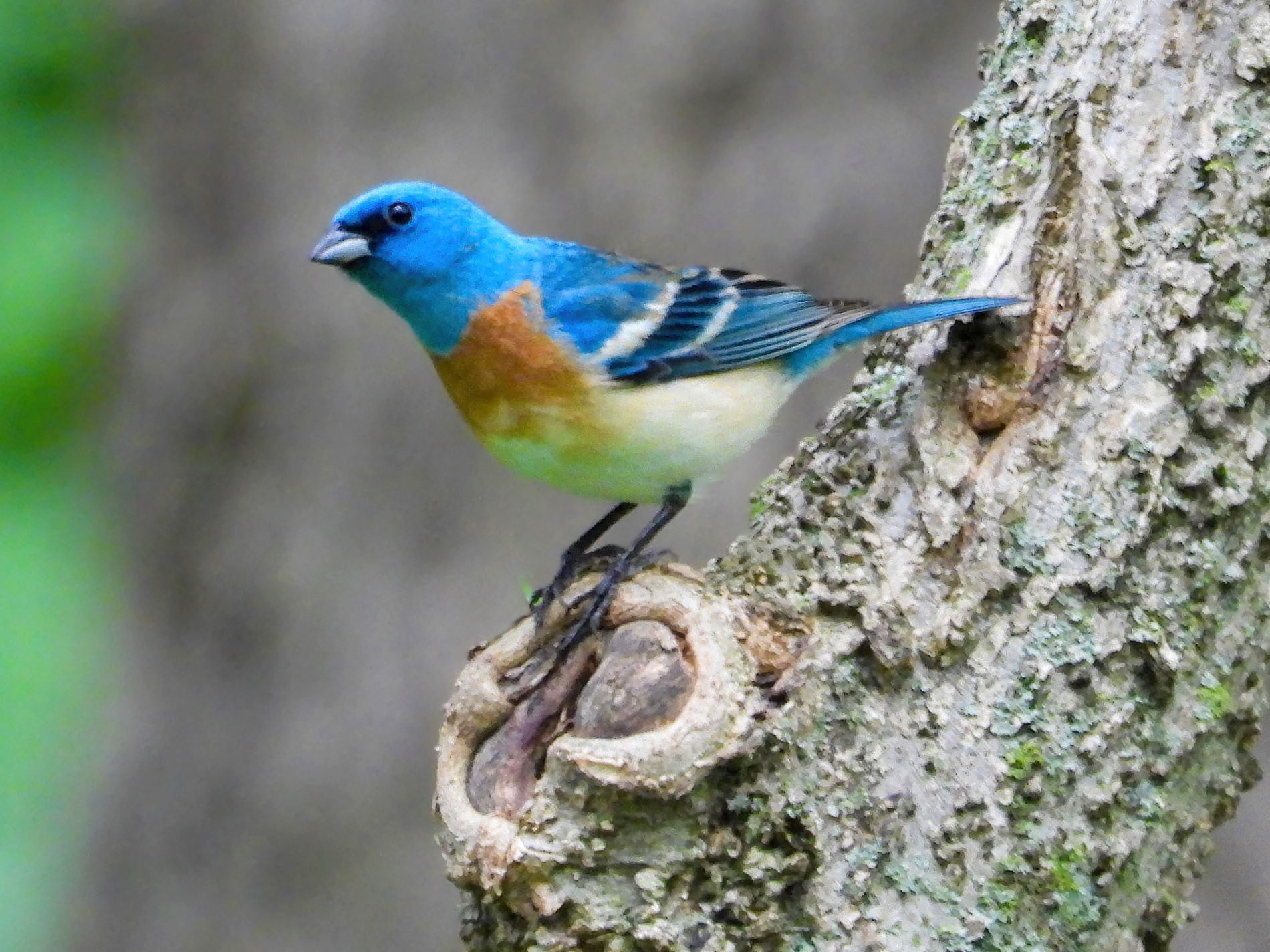
Named for the brilliant blue of lapis lazuli gemstone. Each male Lazuli Bunting creates a unique song by improvising on fragments borrowed from neighboring males. This bunting essentially composes its own original piece each season.
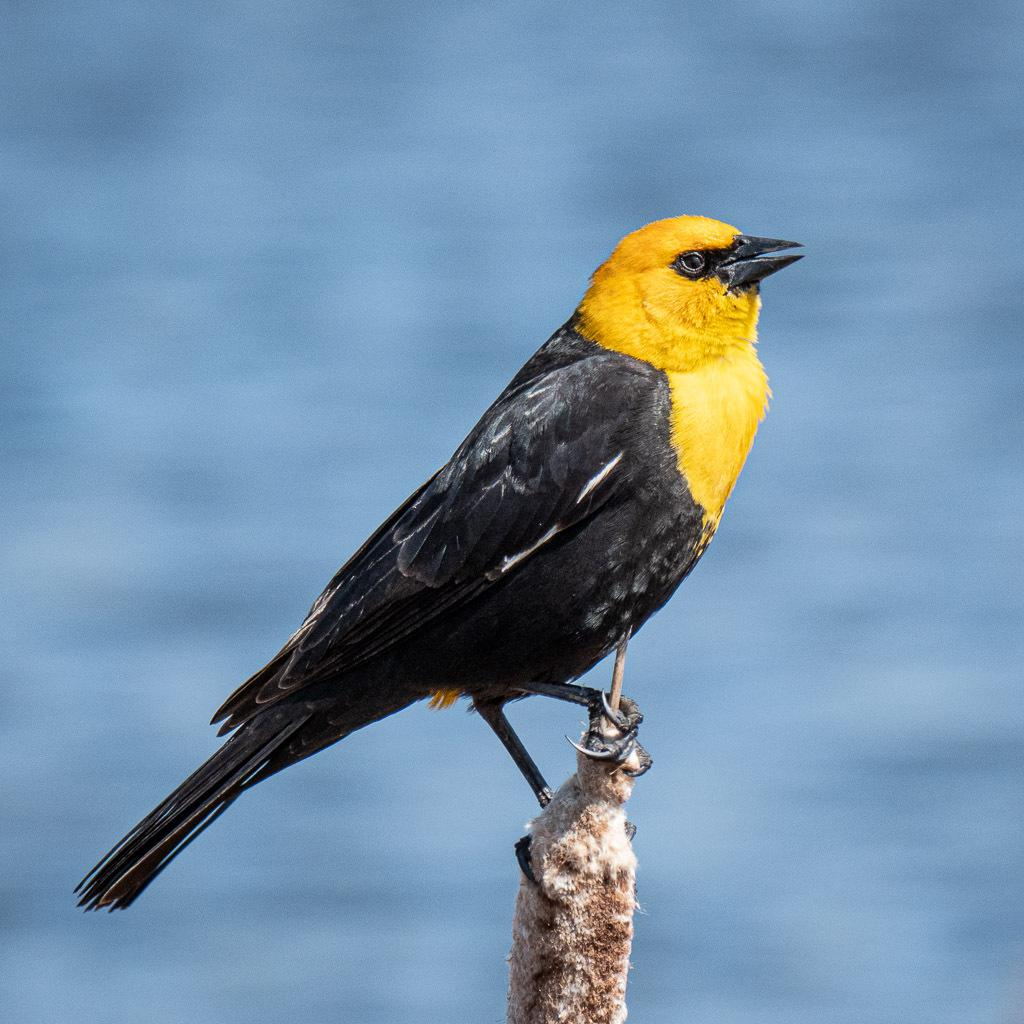
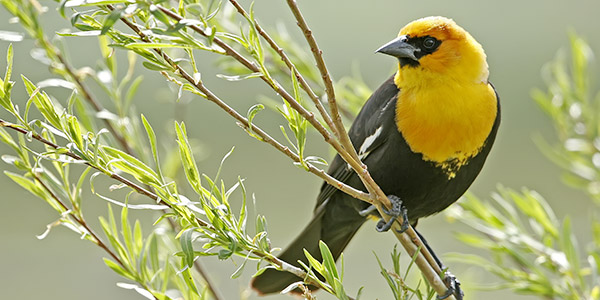
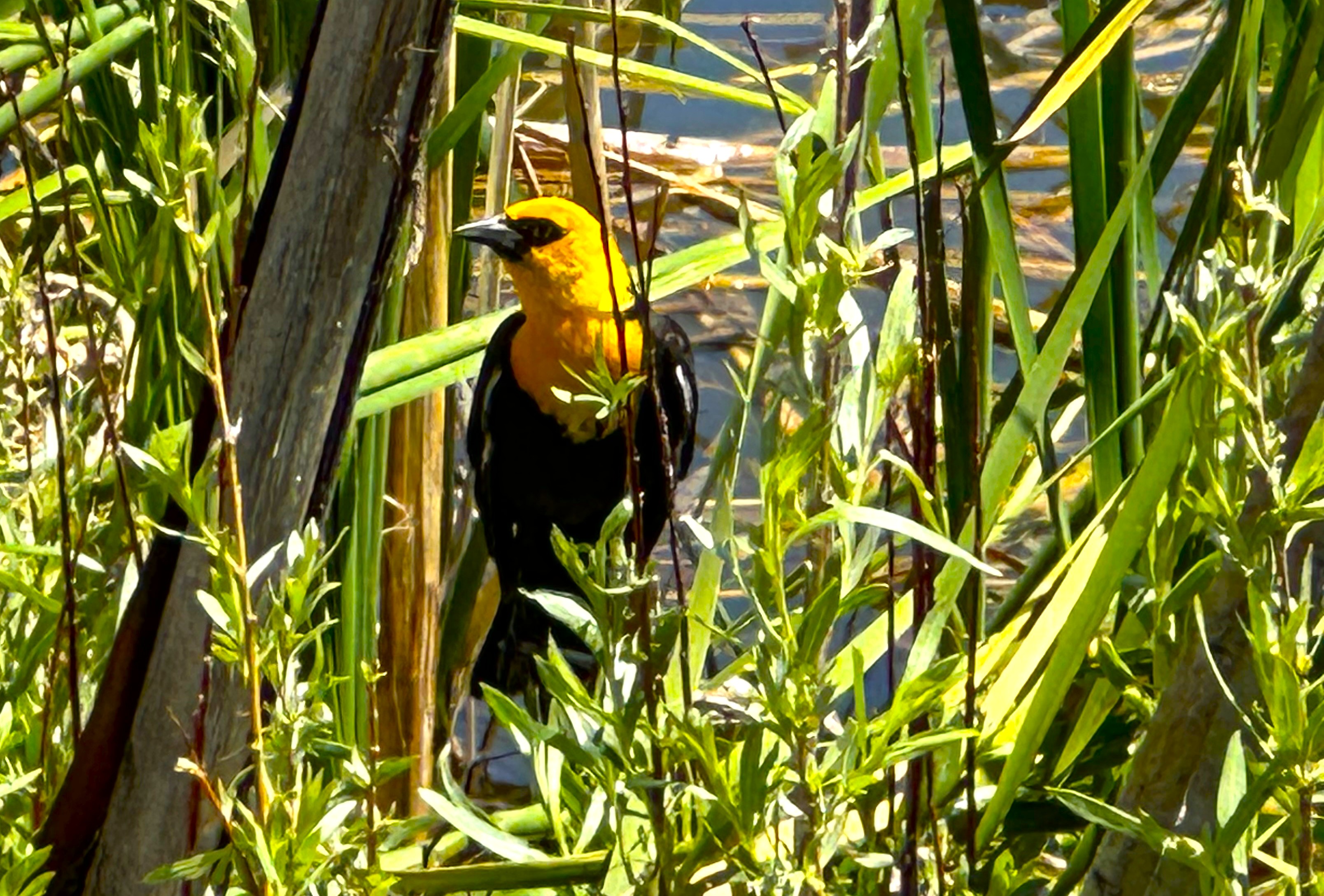
Produces what many consider the worst song of any North American bird, the Yellow-headed Blackbird creeks out a tortured, mechanical grinding squeal that sounds like a rusty gate being forced open. Spectacularly handsome; acoustically catastrophic, this Blackbird, along with the Sandhill Crane, are considered the birds of Malheur. Take a look at the Malheur merch and you will see what we mean.
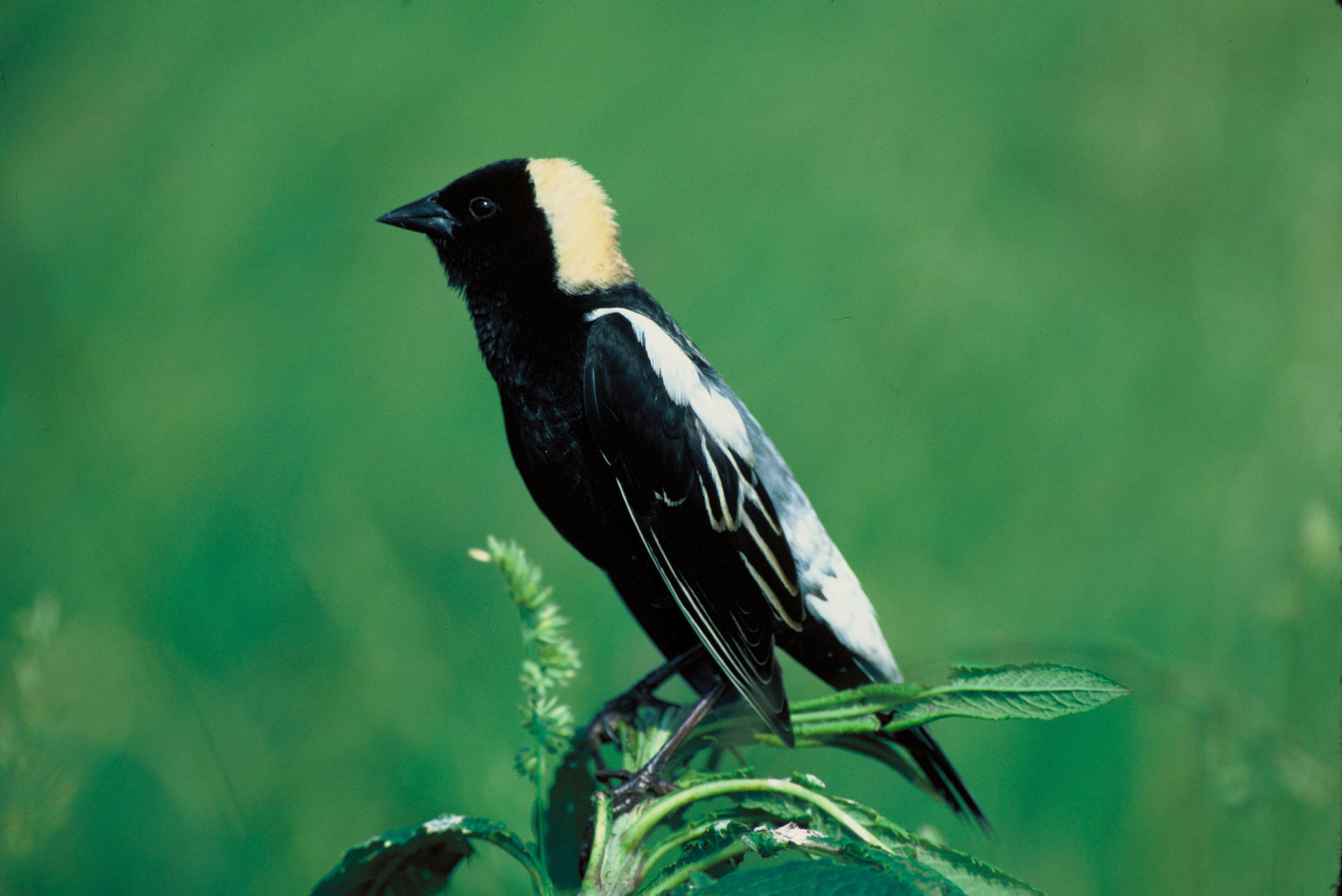
Has built-in biological GPS using the Earth’s magnetic field AND star patterns for navigation. It migrates 12,500 miles round-trip to Argentina the longest journey of any North American songbird. In a tuxedo worn backwards. The Concannon, Hopkins, Hartung race to see, and positively identify this bird, took on epic proportions. The Bobolink Caper was finally resolved on the second to last day when the Hartung crew positively spotted this beautiful bird IRL.
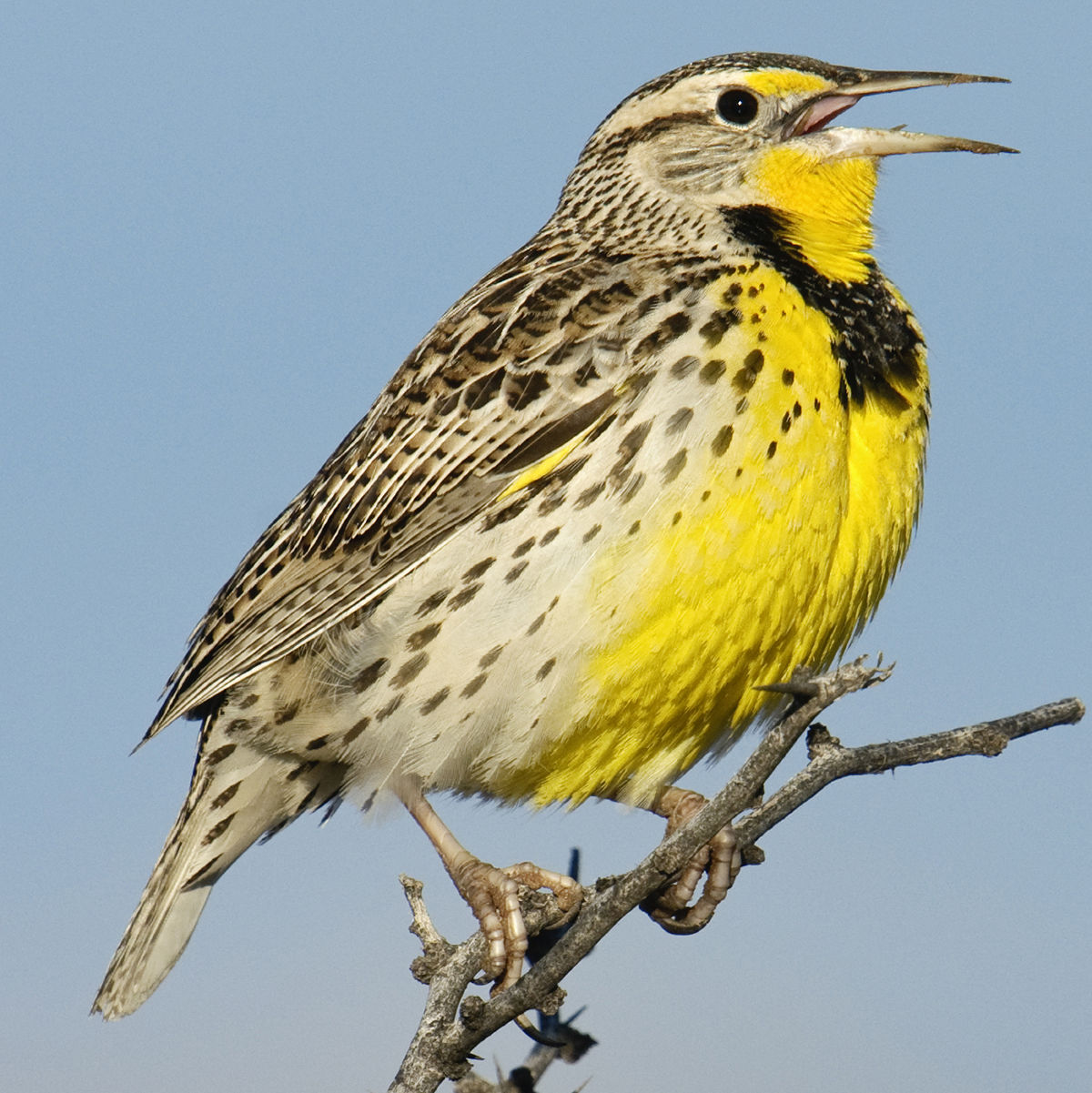
The state bird of six states, the Western Meadowlark claims chief wingman in more states than any other species (Kansas, Montana, Nebraska, North Dakota, Oregon *[Official state songbird] and Wyoming). Its rich, flute-like song carries over half a mile and is so beloved that Lewis and Clark noted its “most beautiful and melodious” song in their journals.
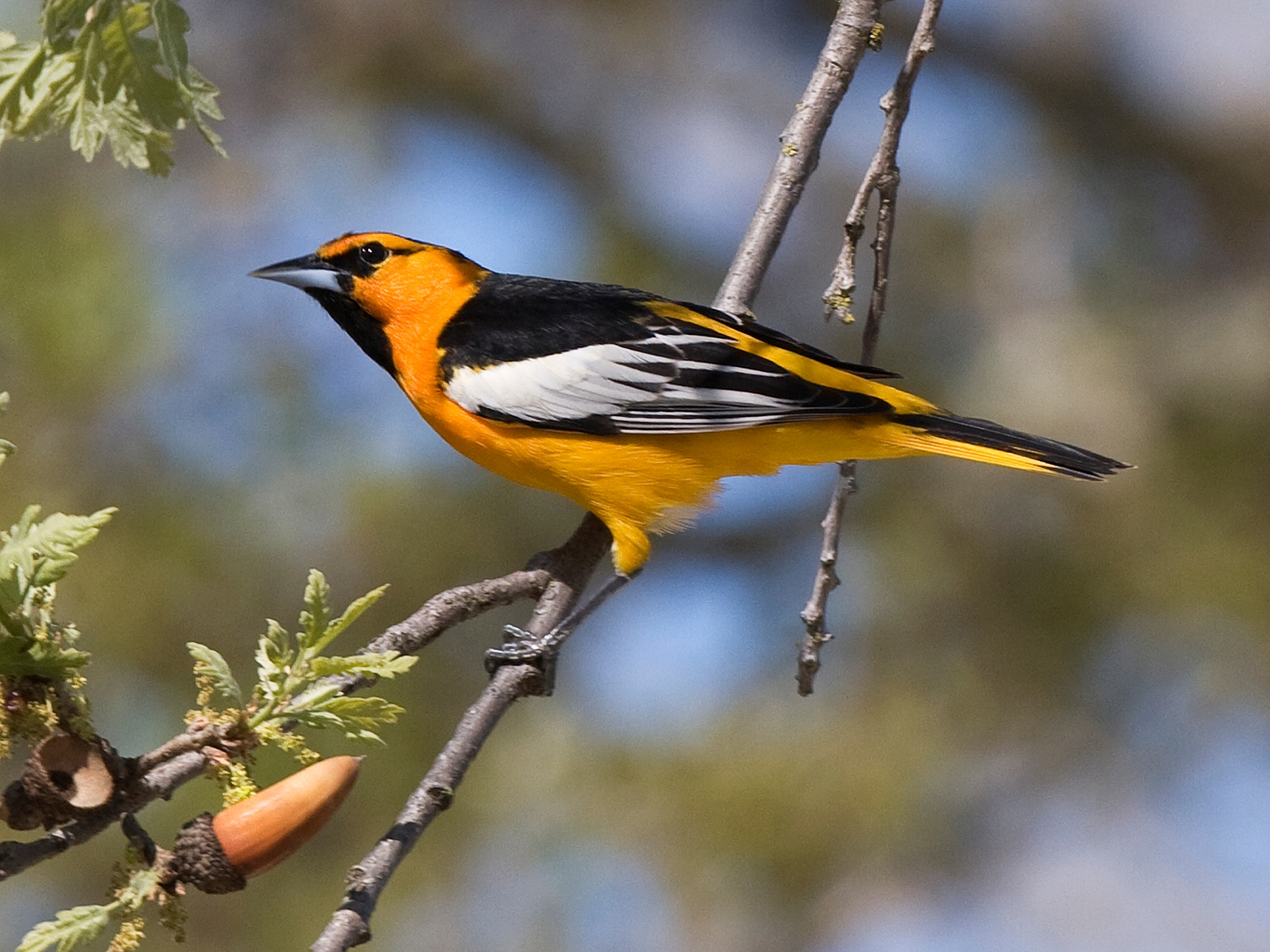
All orioles weave a masterpiece of a nest. The Bullock’s specializes in weaving a hanging pouch of plant fibers, animal hair, and spider silk, so tightly constructed that it stretches rather than tears in the wind and can last multiple seasons.
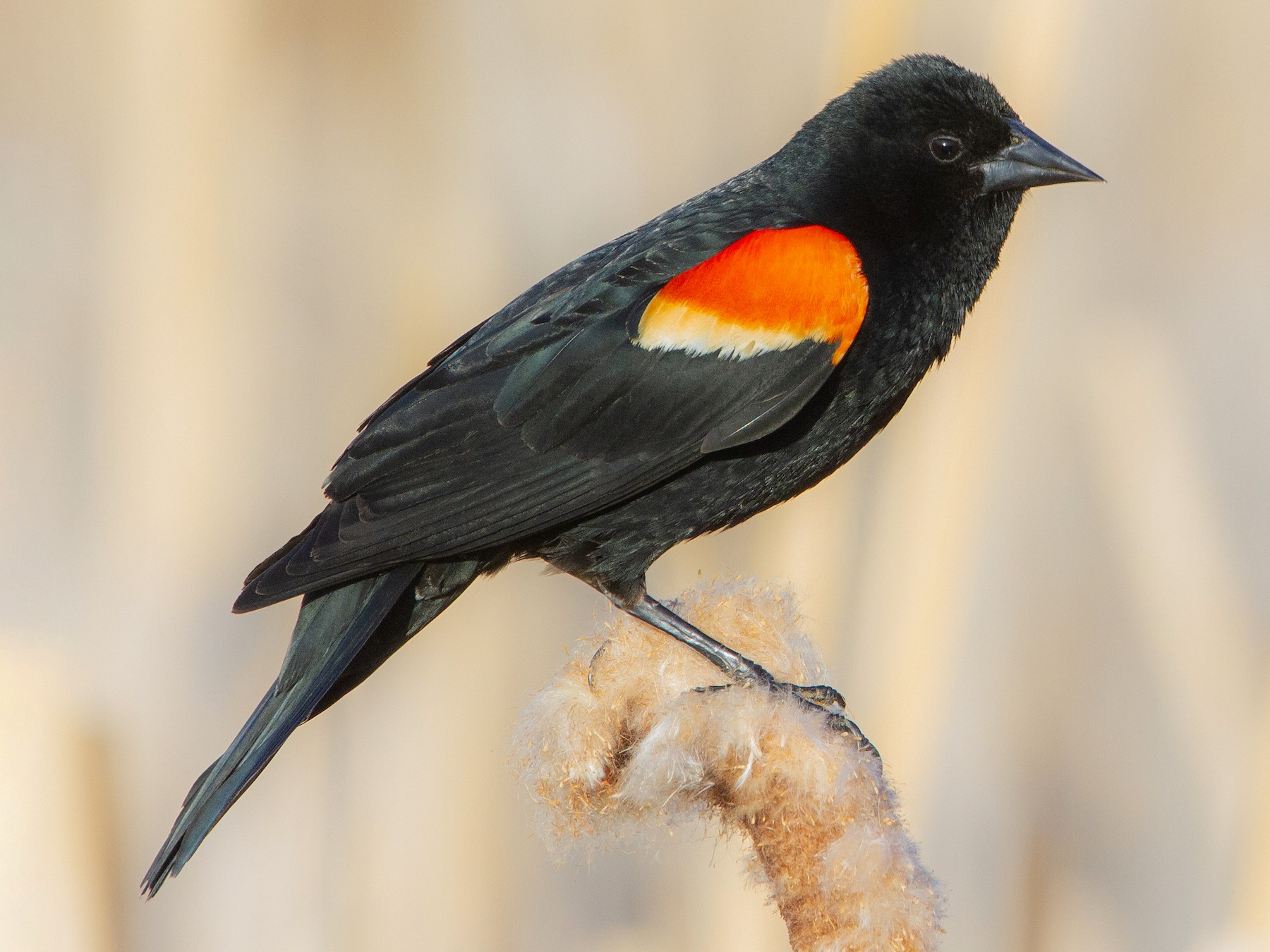
The male Red-winged Blackbird can conceal those red shoulder-patches completely or flash them boldly. They specialize in using them as a social signal. A male that keeps his epaulets covered in another male’s territory can roam peacefully; reveal them, and the fight is on.
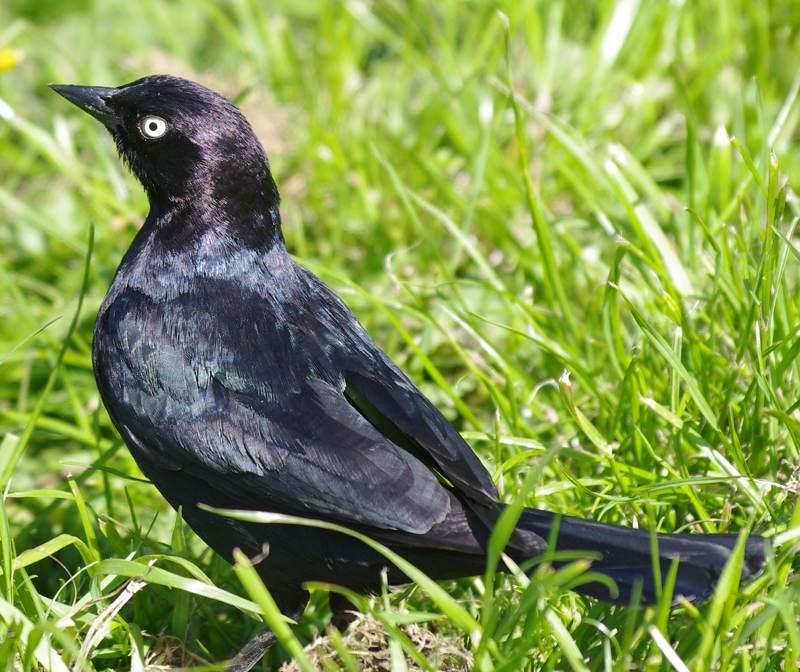
The male’s seemingly plain black plumage conceals iridescent purple and green sheens that are stunning in direct sunlight — like a piece of dark opal set in a feathered frame.
North America’s most prolific brood parasite, the female Brown-headed Cowbird never builds a nest of her own. Instead she sneaks eggs into the nests of over 220 other species. And the result leaves the unwitting foster parents to do all the work. A single female may lay up to 40 brood parasite eggs in one season.
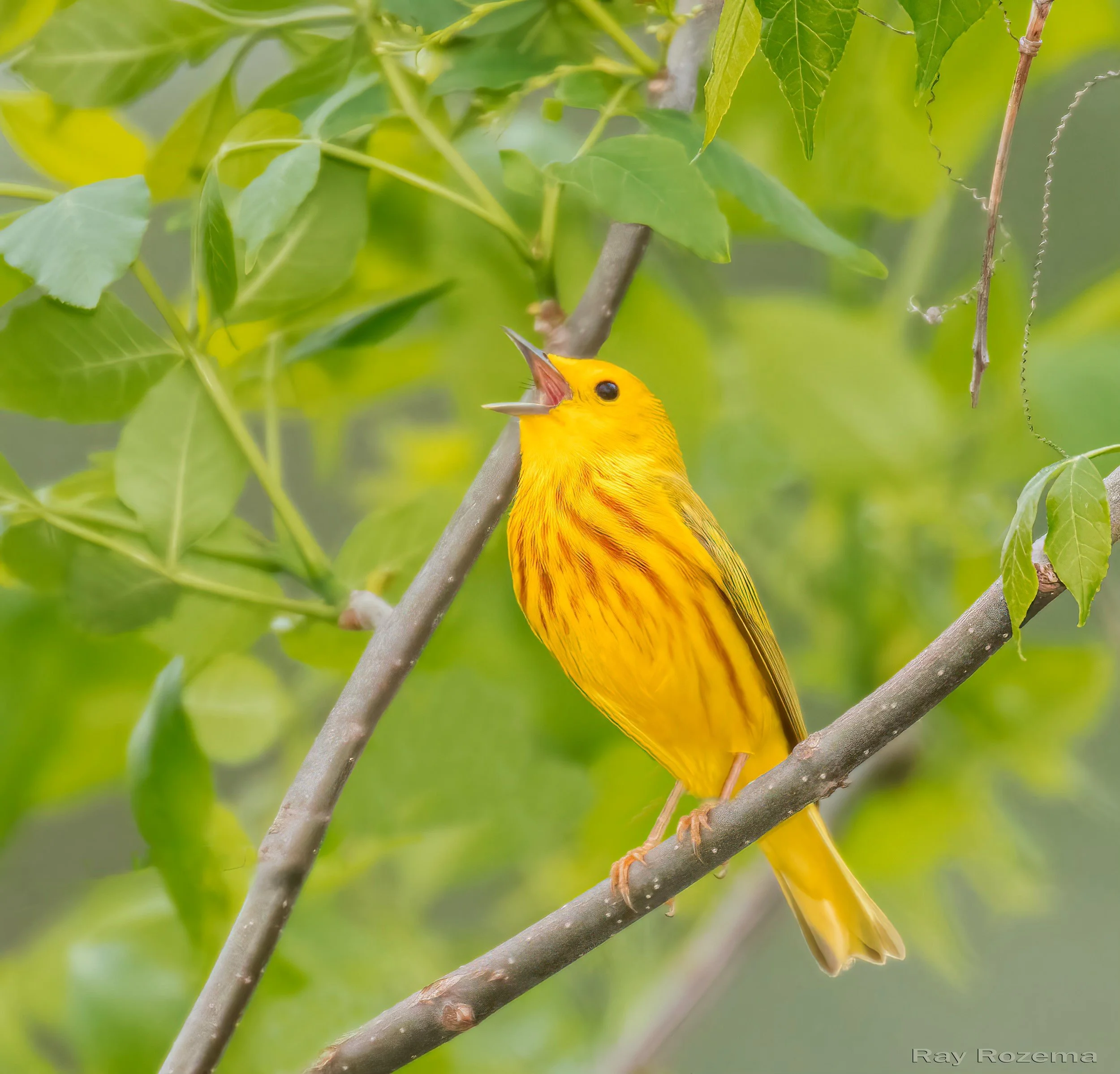
When a Brown-headed Cowbird lays a parasitic egg in this warbler’s nest, this species, among the 220 other species, has a plan. The Yellow Warbler often responds by building a new floor over the top, entombing the foreign egg. Some nests have been found with up to six floors built this way.
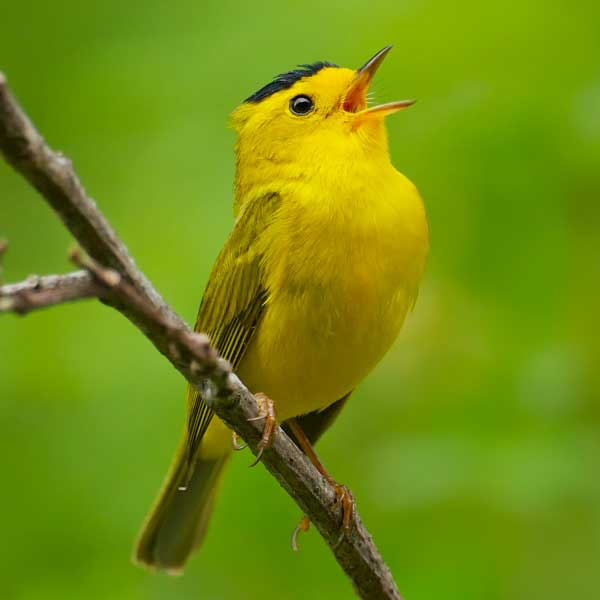
That rakish black cap on the male gives it a perpetually jaunty expression. Despite weighing less than a nickel, the Wilson’s Warbler migrates thousands of miles between Central America and Alaskan breeding grounds each year.
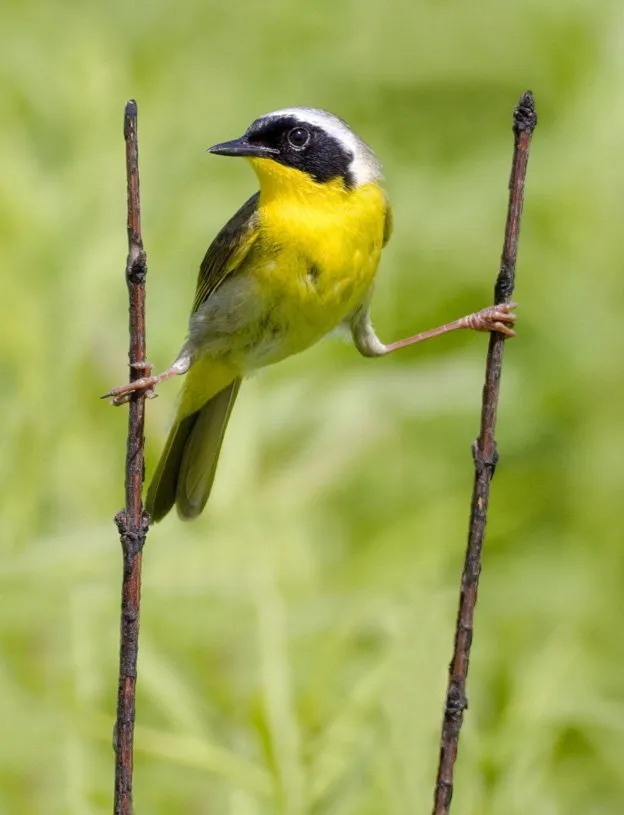
The male’s bold black bandit mask makes it one of North America’s most recognizable warblers. Its “witchety-witchety-witchety” song rings out from marsh edges and tangled thickets across the continent — one of the most frequently heard warbler songs in North America.
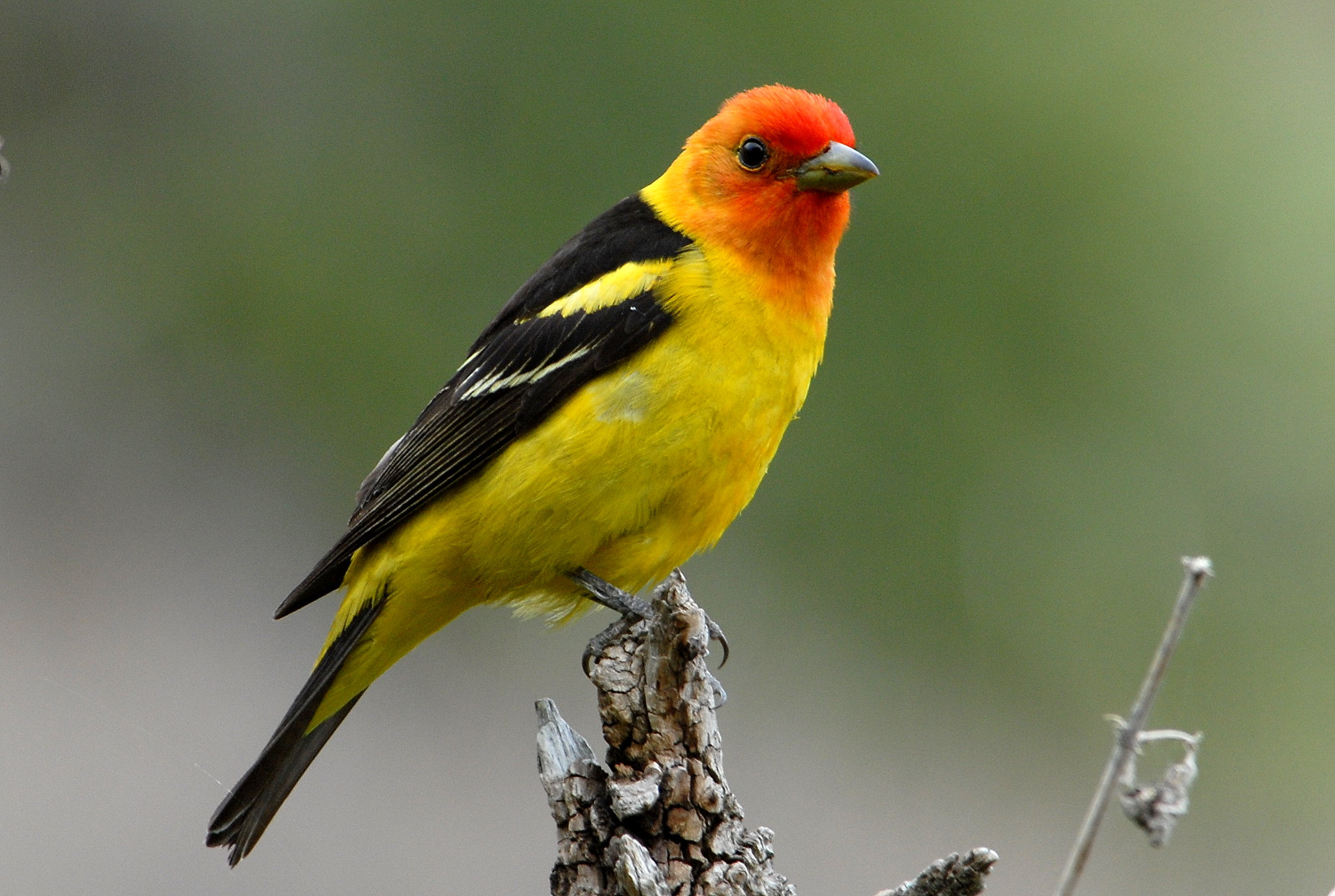
That brilliant orange-red head is pigmented not by carotenoids (as in most birds) but by a rare compound called rhodoxanthin, @ which tanagers must obtain from insects — they literally eat their way to their striking colors.
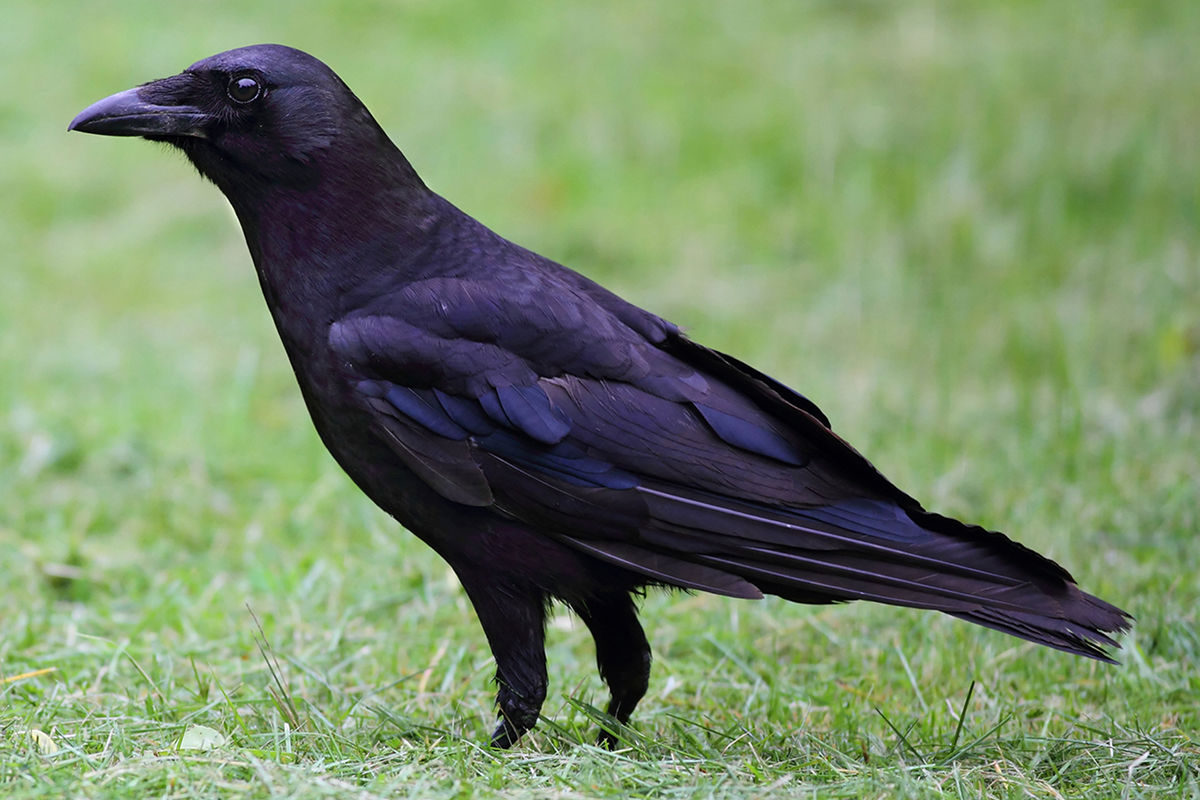
Crows can recognize and remember individual human faces — and they hold grudges for generations. Crows in Seattle were documented harassing a specific researcher for years after he trapped them once. They teach their young which humans to distrust.
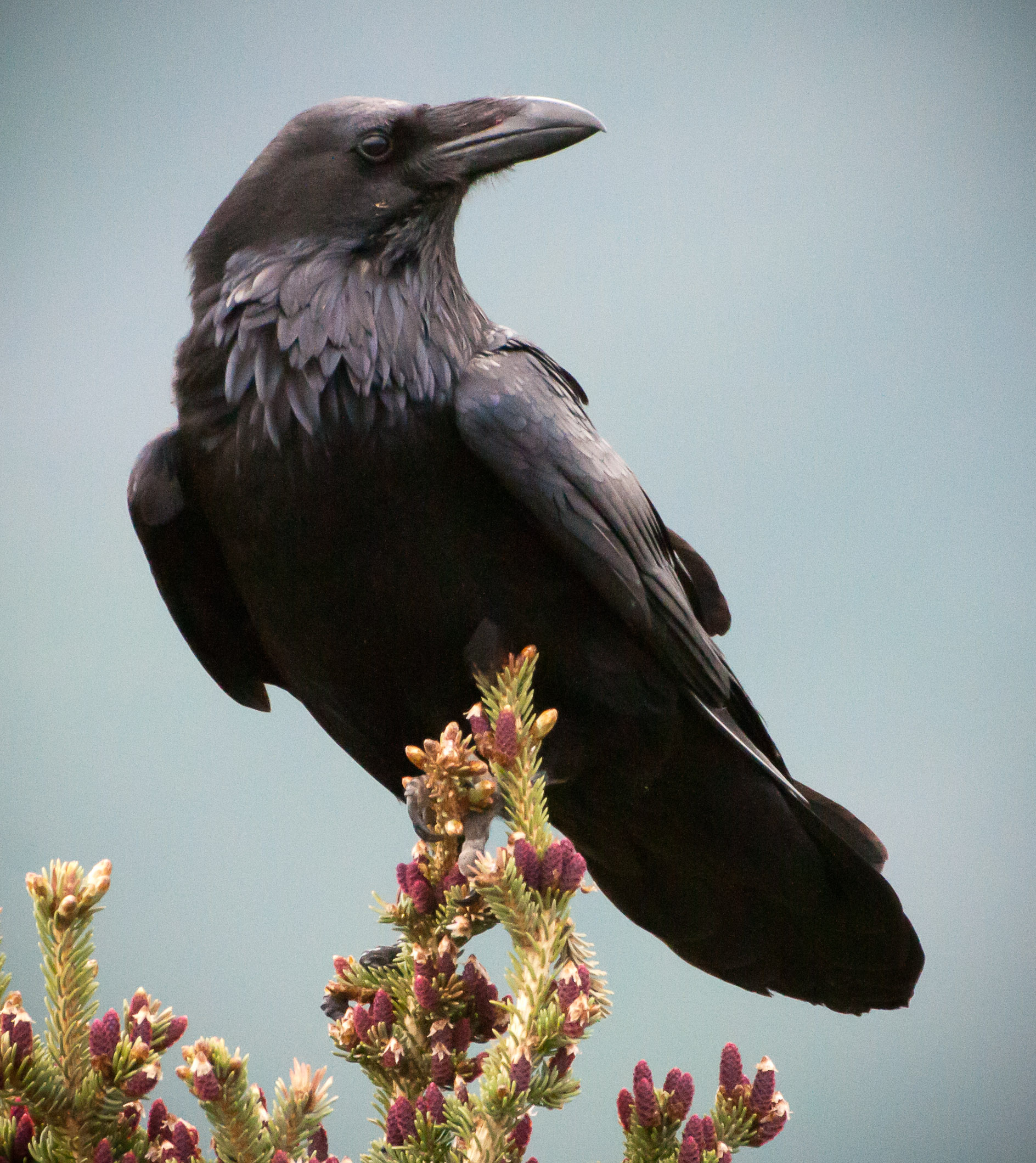
A Common Raven plans for the future, uses tools, solves multi-step puzzles, and even understands what others can see or know. Their cognitive abilities rival great apes. They also play, sliding down snowy rooftops purely for fun.
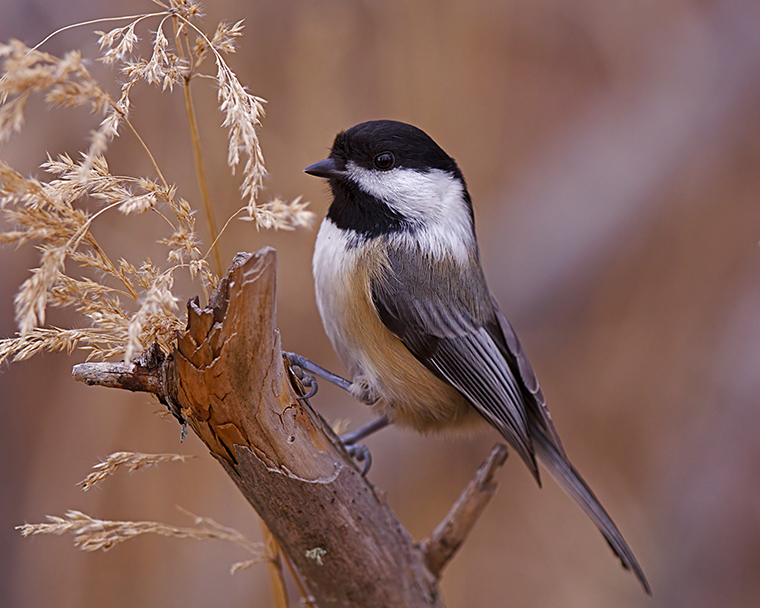
Hides thousands of food items every fall — and, unlike squirrels and other birds, it remembers every single cache location for months. To do this, the Black-capped Chickadee grows new brain cells in its hippocampus each autumn, then loses them in spring. A seasonal brain upgrade.
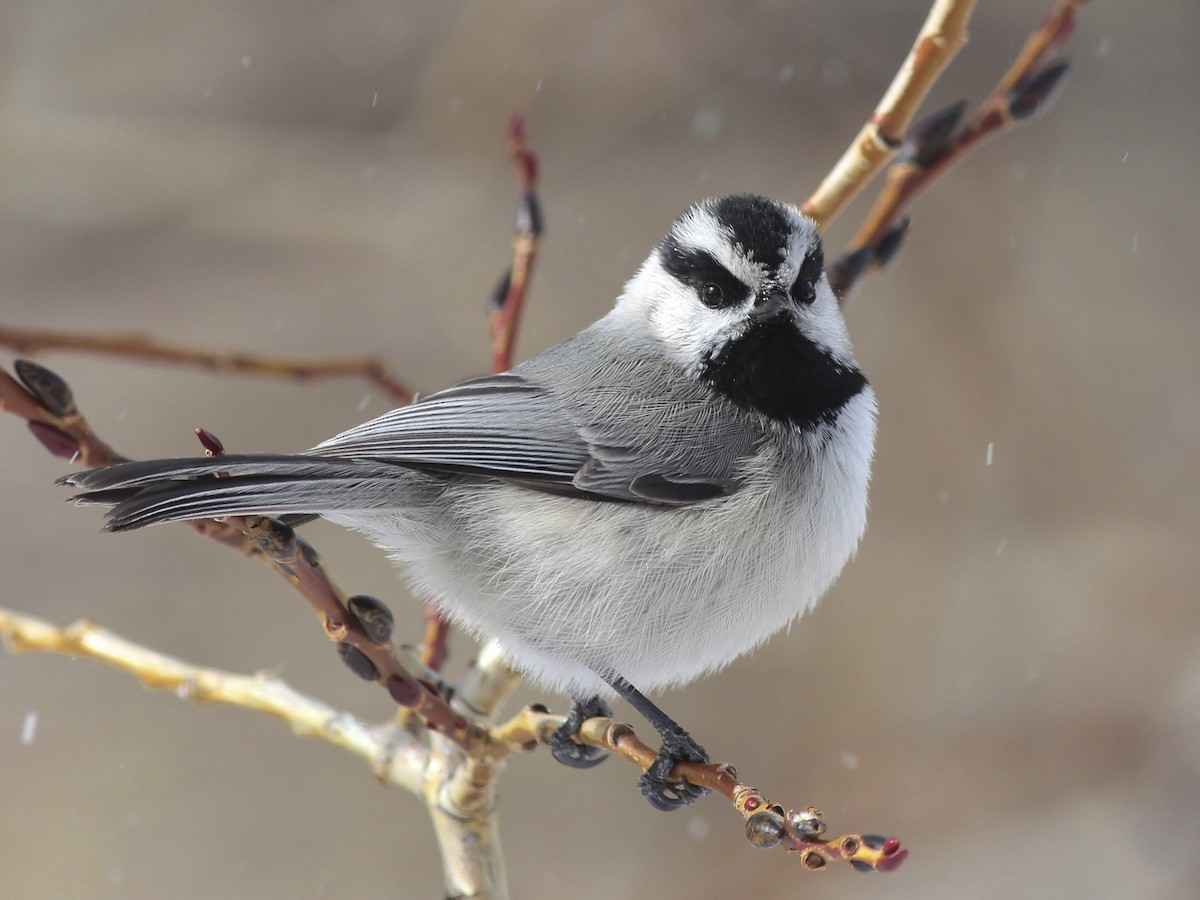
This fella is a survivor. The Mountain Chickadee lives through brutal mountain winters by entering nightly bouts of controlled hypothermia; ❄ dropping its body temperature by up to 22°F to conserve energy, then warming itself back up at dawn. It has its own biological thermostat.
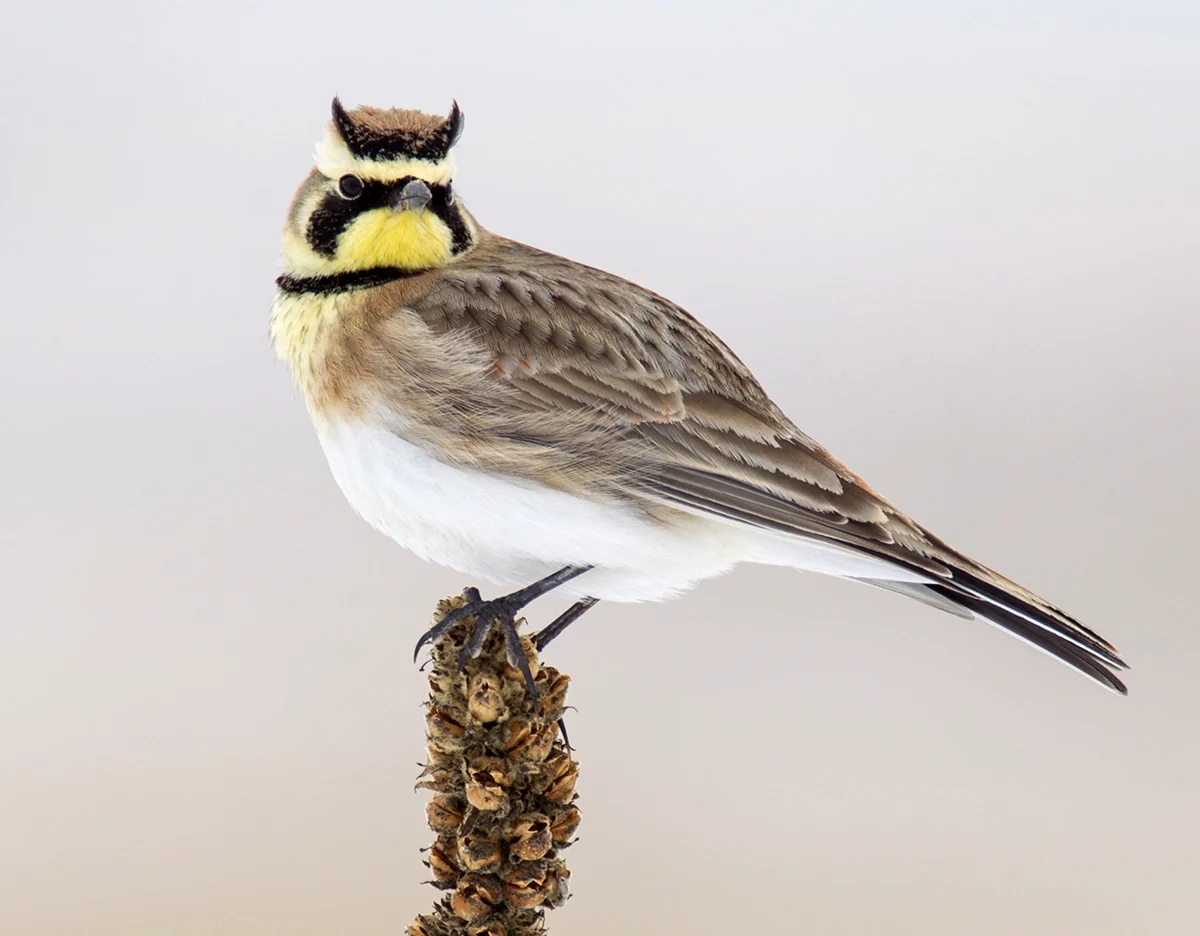
Those tiny “horns” are tufts of black feathers raised or lowered by the bird depending on its mood — raised in aggression or display, flattened when relaxed. The Horned Lark is the only true lark native to North America.
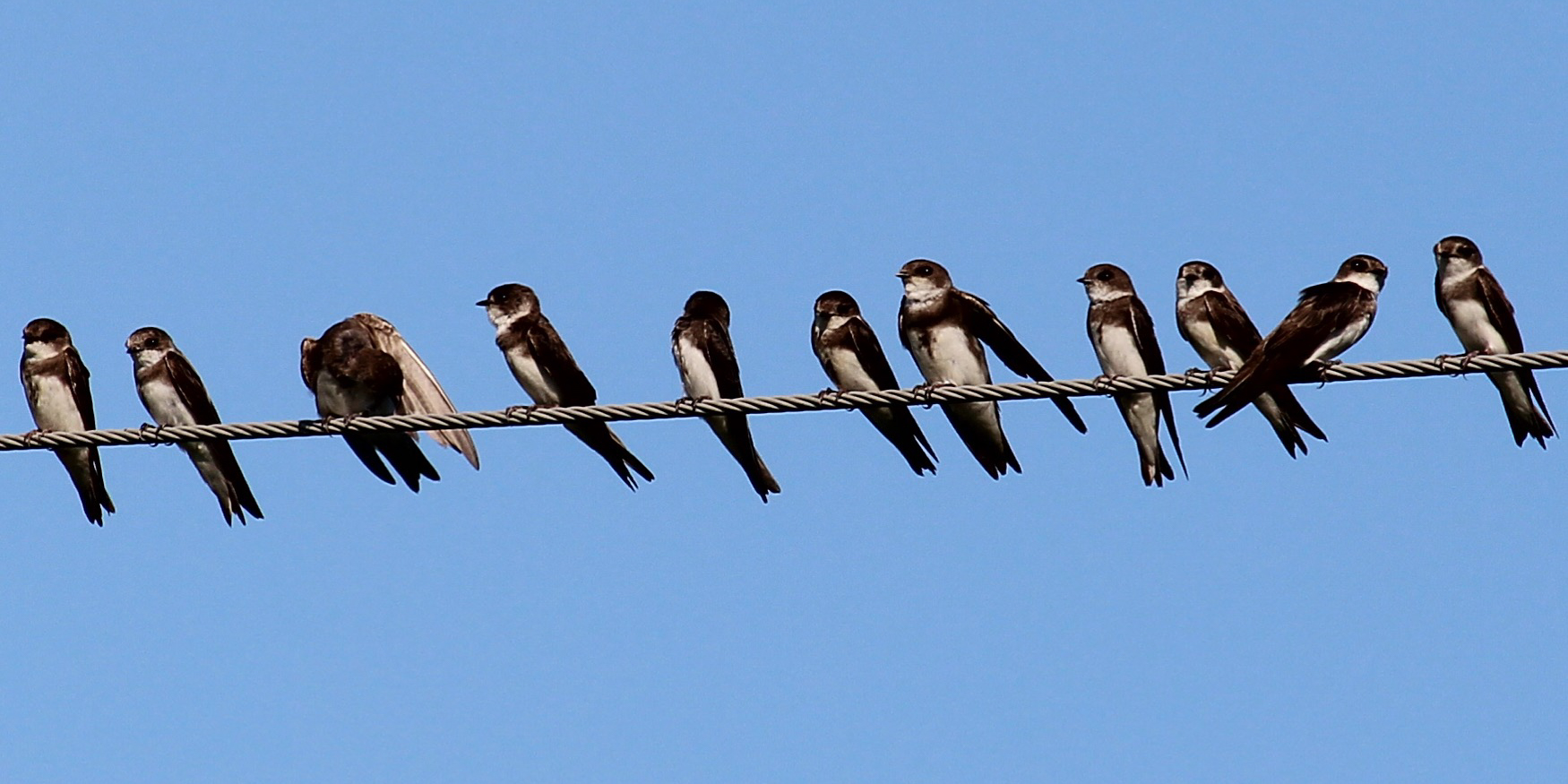
Excavates its own nesting tunnel in earthen banks — up to 3 feet deep — using its beak and feet. Colonies of Bank Swallows can number in the thousands, honeycombing entire cliff faces with tidy round entrances.
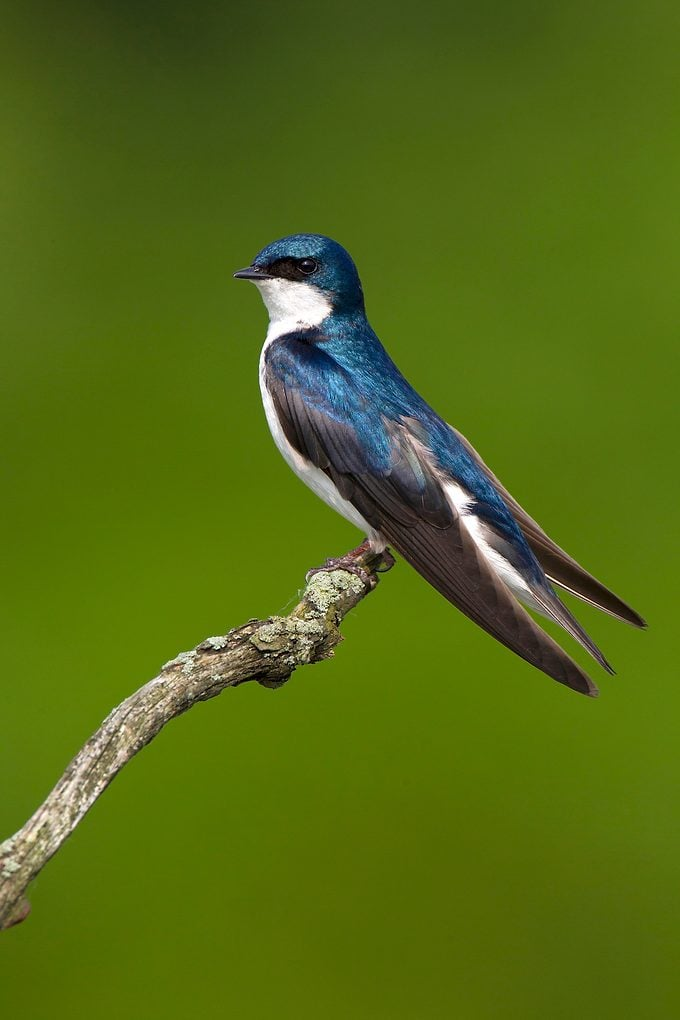
One of the only songbirds that can survive on berries alone when insects are scarce, the Tree Swallow has a useful trick to deploy during cold snaps, since most swallows simply starve or perish in such conditions. Sometimes nicknamed the adaptable swallow.
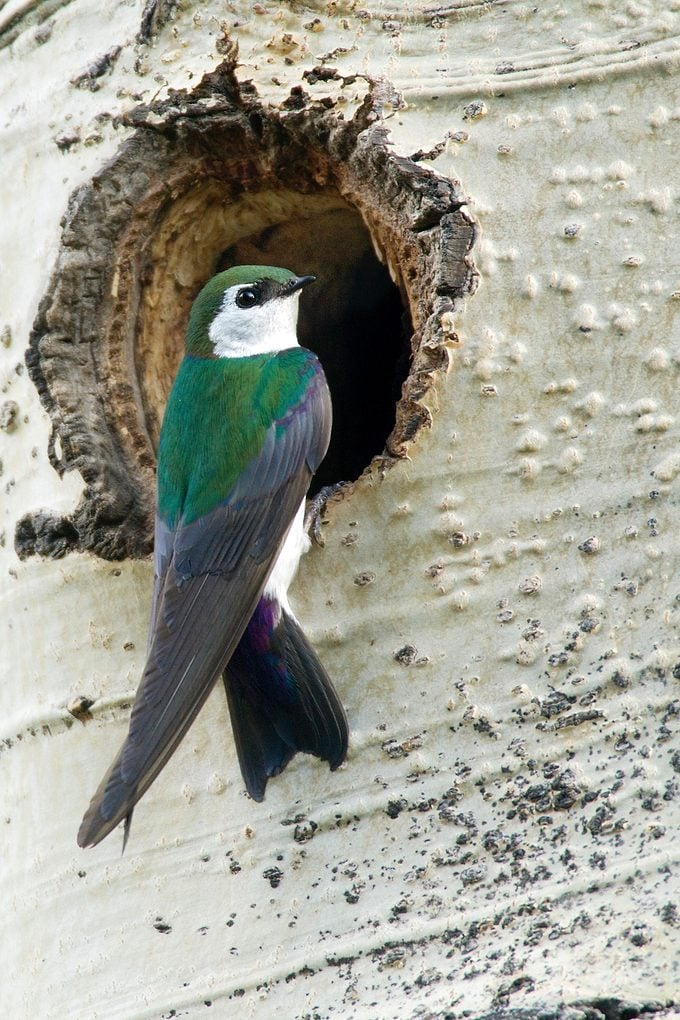
In the right light, the male’s back shifts between jewel-like emerald green and deep violet or VG. The Violet-Green Swallow is arguably the most dazzling iridescence of any North American swallow. A tiny flying gemstone.
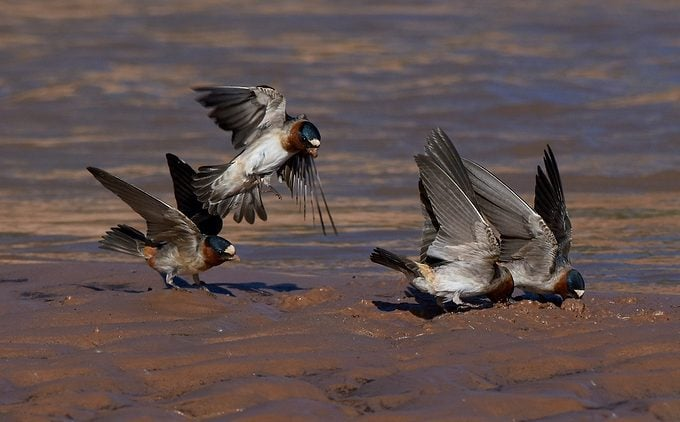
Builds gourd-shaped mud nests in colonies of hundreds or thousands. The famous Swallows of San Juan Capistrano are this same Cliff Swallow species and, yes, they really do return each year around St. Joseph’s Day (March 19) to the California mission.
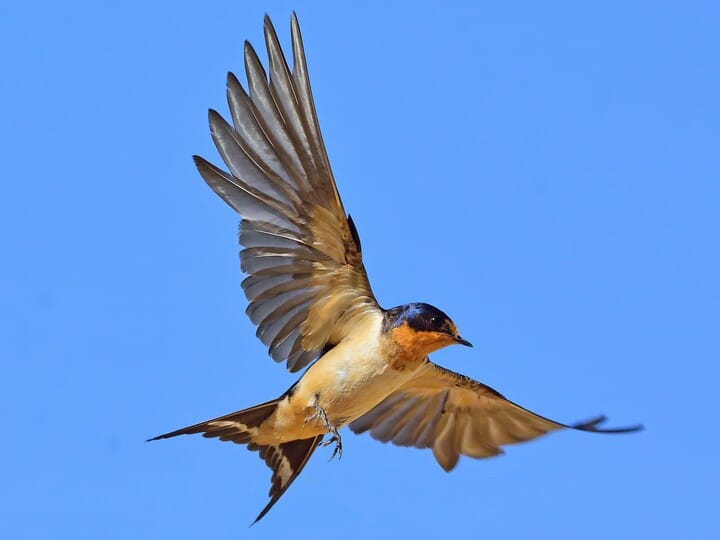
The most widely distributed swallow: indeed, one of the most widespread songbirds on Earth, the Barn Swallow breeds across the entire Northern Hemisphere and wintering in the Southern Hemisphere. Females choose males with longer, more symmetrical tail-streamers.
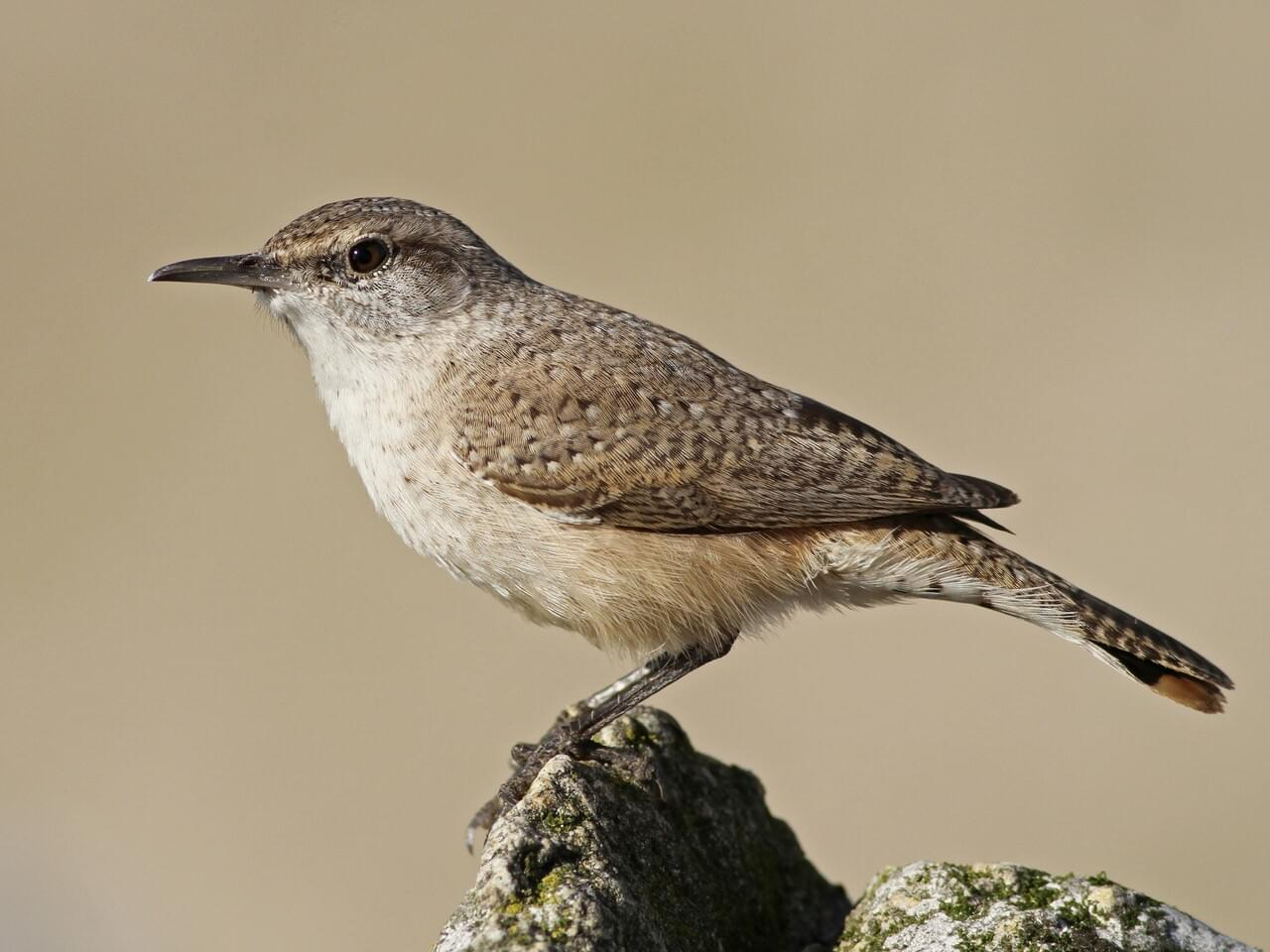
Creates a “pavement” of small pebbles leading to its nest entrance — the Rock Wren is the only bird known to build a stone walkway. No one is entirely sure why; leading theories include camouflage and moisture control.
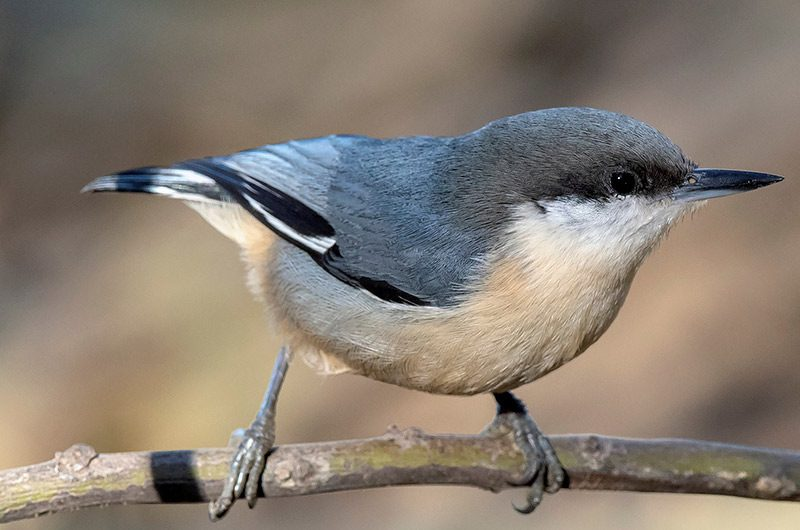
One of the few North American birds that roosts communally in tight huddles for warmth, small Pygmy Nuthatches of up to 100 individual birds have been found packed into a single cavity on a cold night, sharing body heat in a feathered pile.
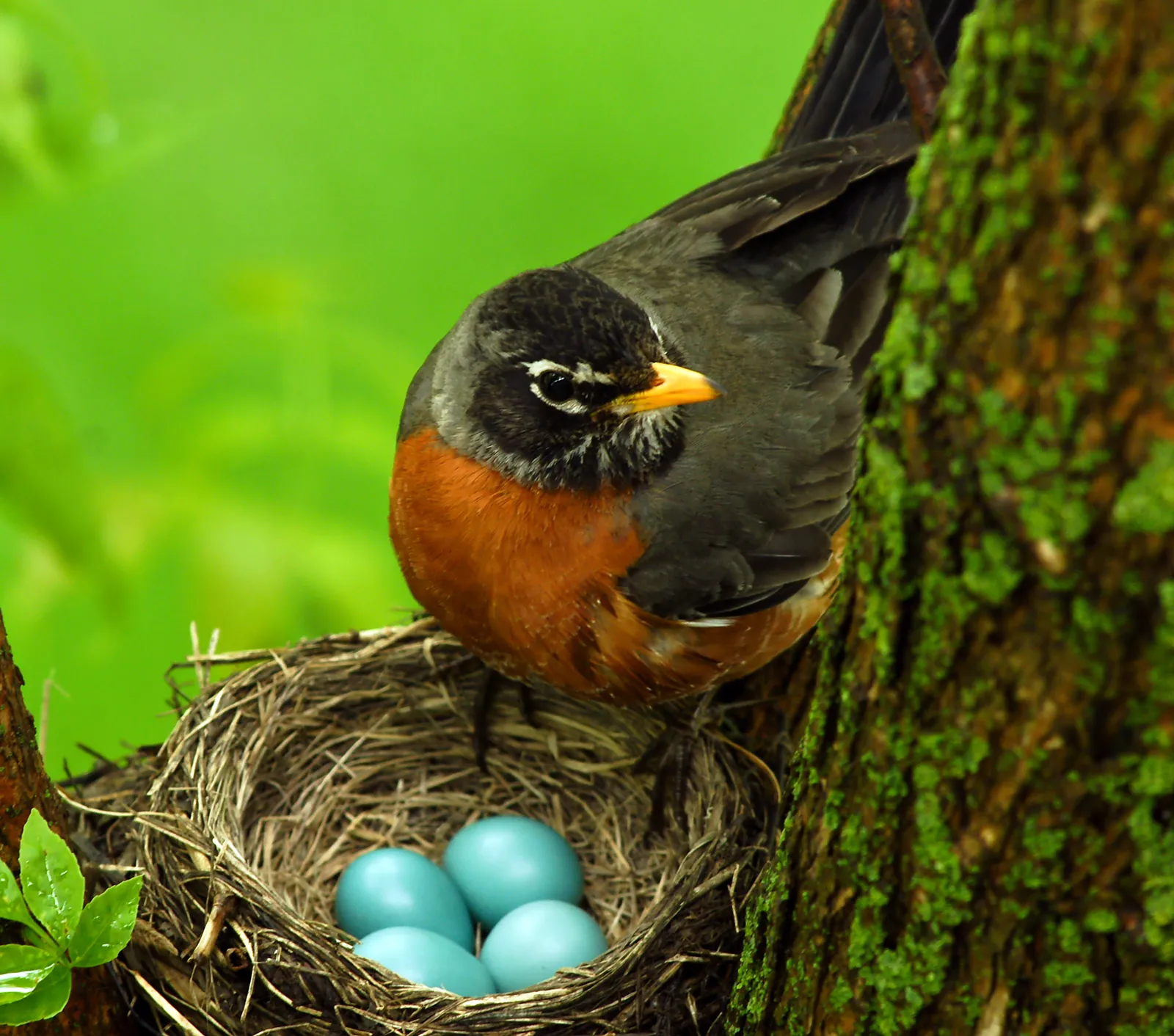
Doesn’t actually see earthworms in the soil, the American Robin tilts its head to listen for them moving. That head-tilt that looks like curiosity is actually precision acoustic hunting. The classic lawn bird harbors a very elegant secret. And, Yes, “robin’s egg blue” is a real color.
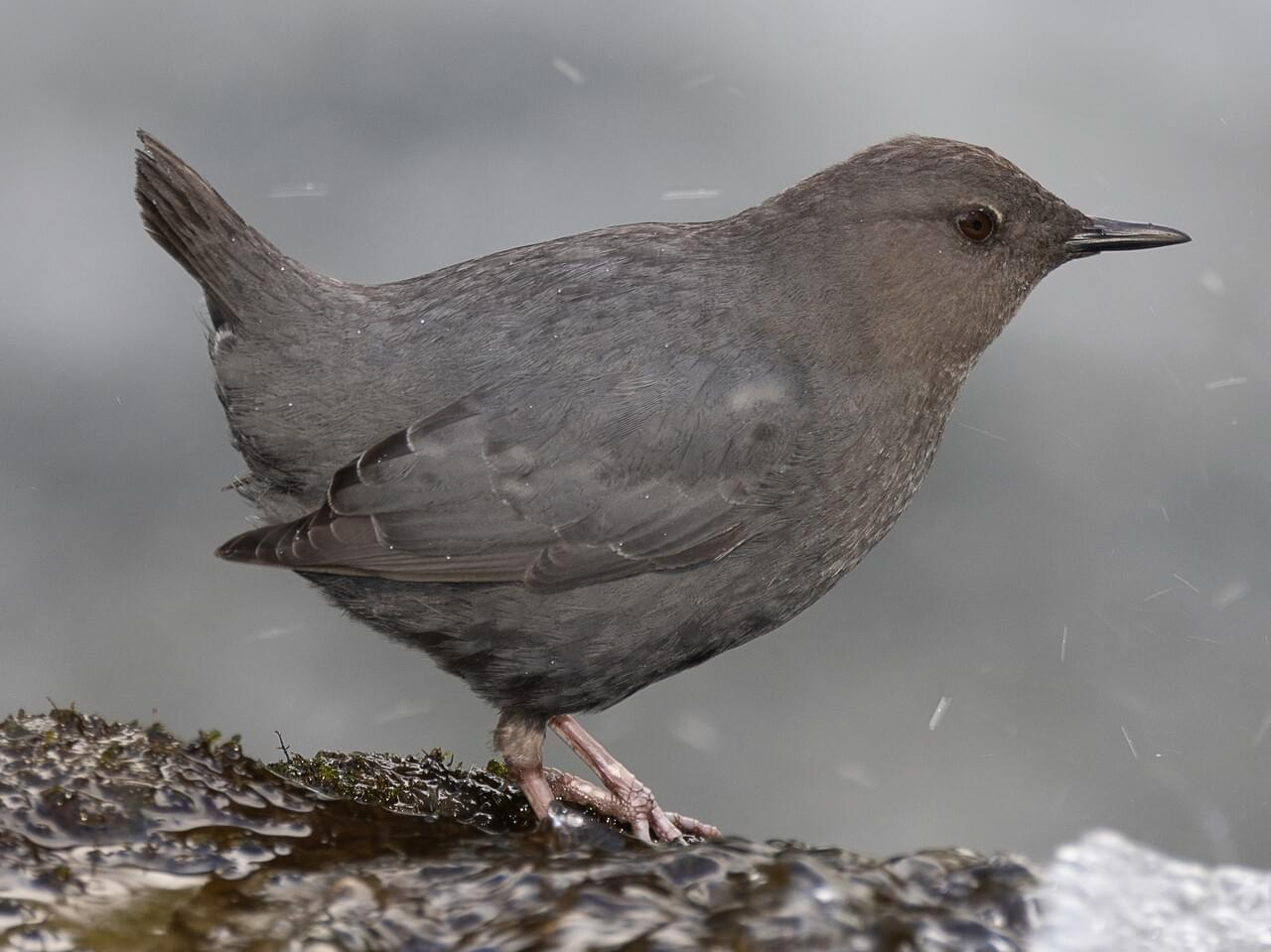
North America’s only truly aquatic songbird, the American Dipper (aka Water Ouzel) walks on the bottom of rushing mountain streams, “flying” through the current with its wings. Has extra-thick feathers, a flap to close its nostrils, and a nictitating membrane for underwater vision.
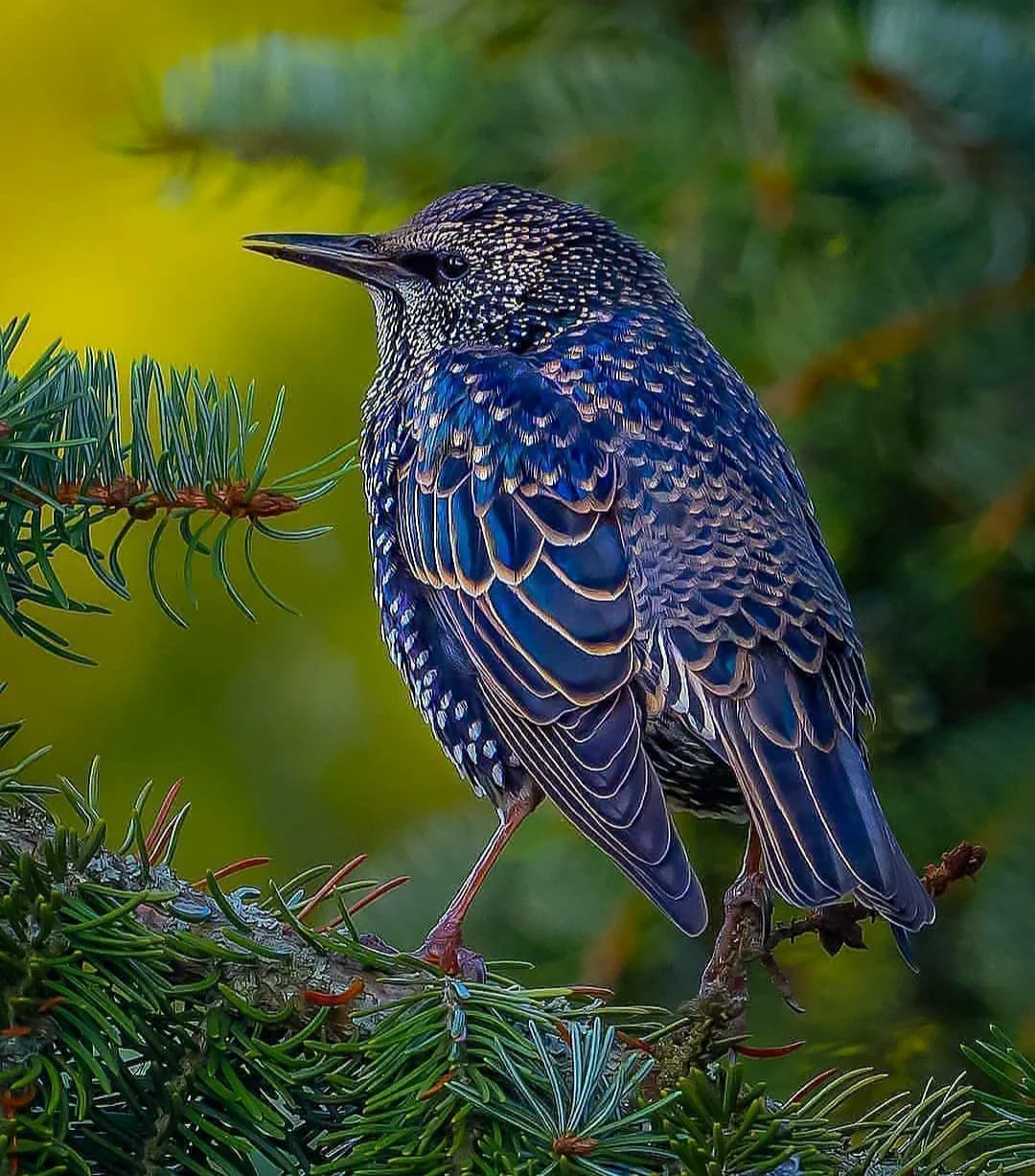
All 200+ million Starlings in North America descended from 100 birds released in Central Park in 1890 by Eugene Schieffelin, a pharmacist. Schieffelin wanted to introduce to America every bird mentioned in Shakespeare’s plays. His introduction of the Starling was a dangerous eccentric act with continent-altering consequences.
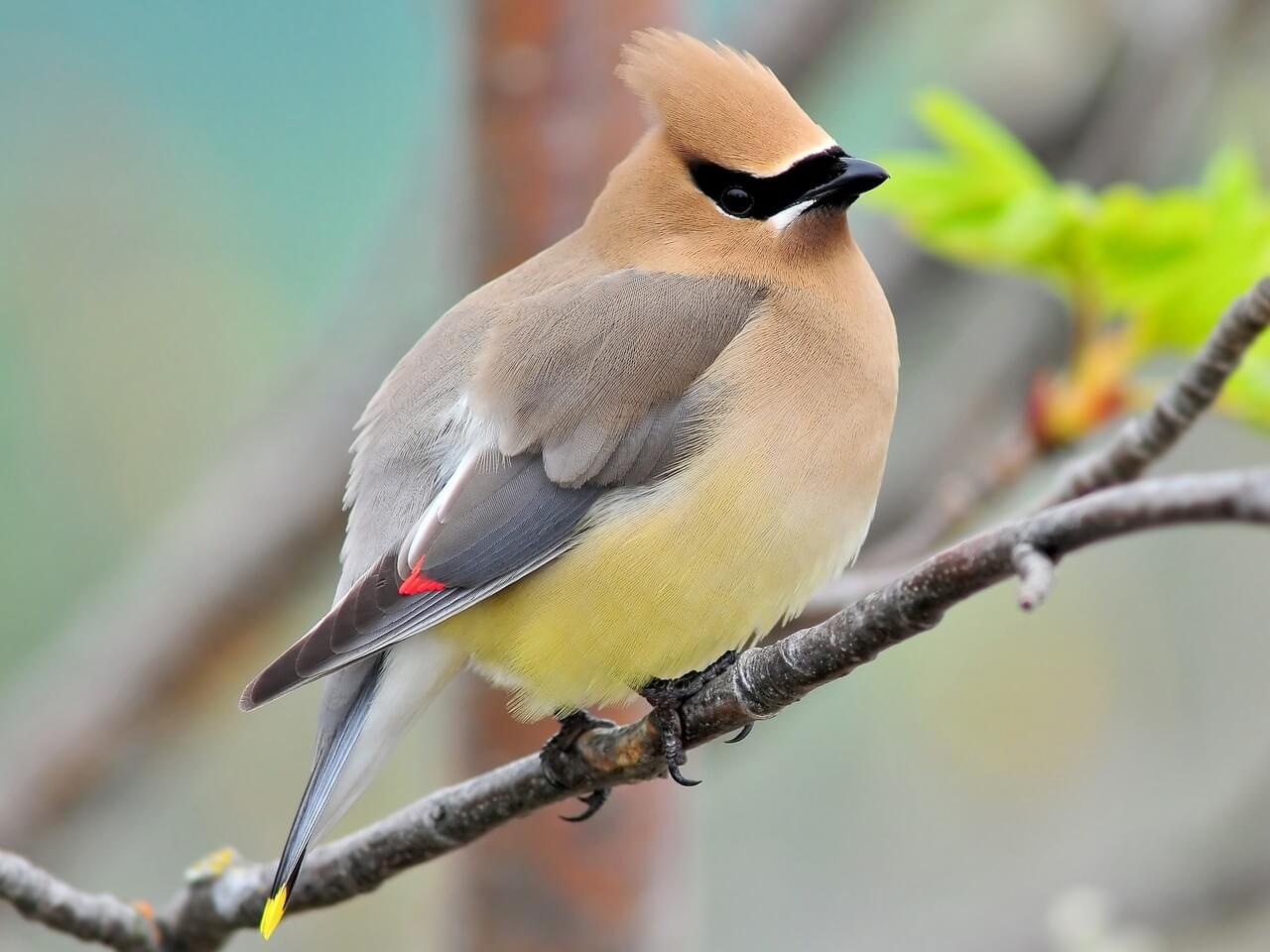
Occasionally gets drunk as it gorges on fermented berries. Cedar Waxwings can become so intoxicated that birds tumble off branches. Groups have been observed passing berries politely down the line, one to another, until each bird has had its share.
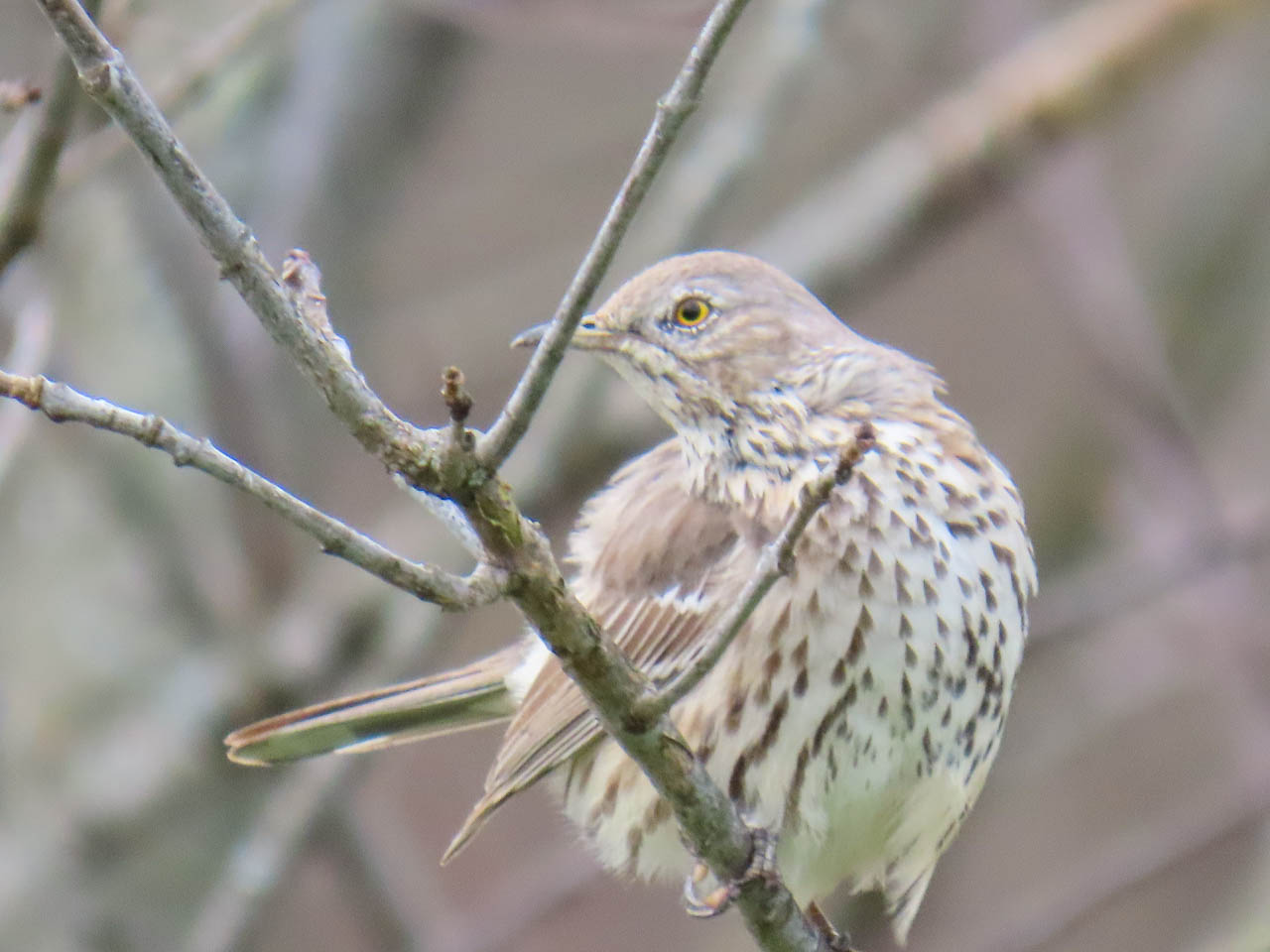
The smallest thrasher, but its song is an endless, varied warbling that can include imitations of other species — sometimes singing
continuously for minutes. The voice of the Great Basin sagebrush steppe.
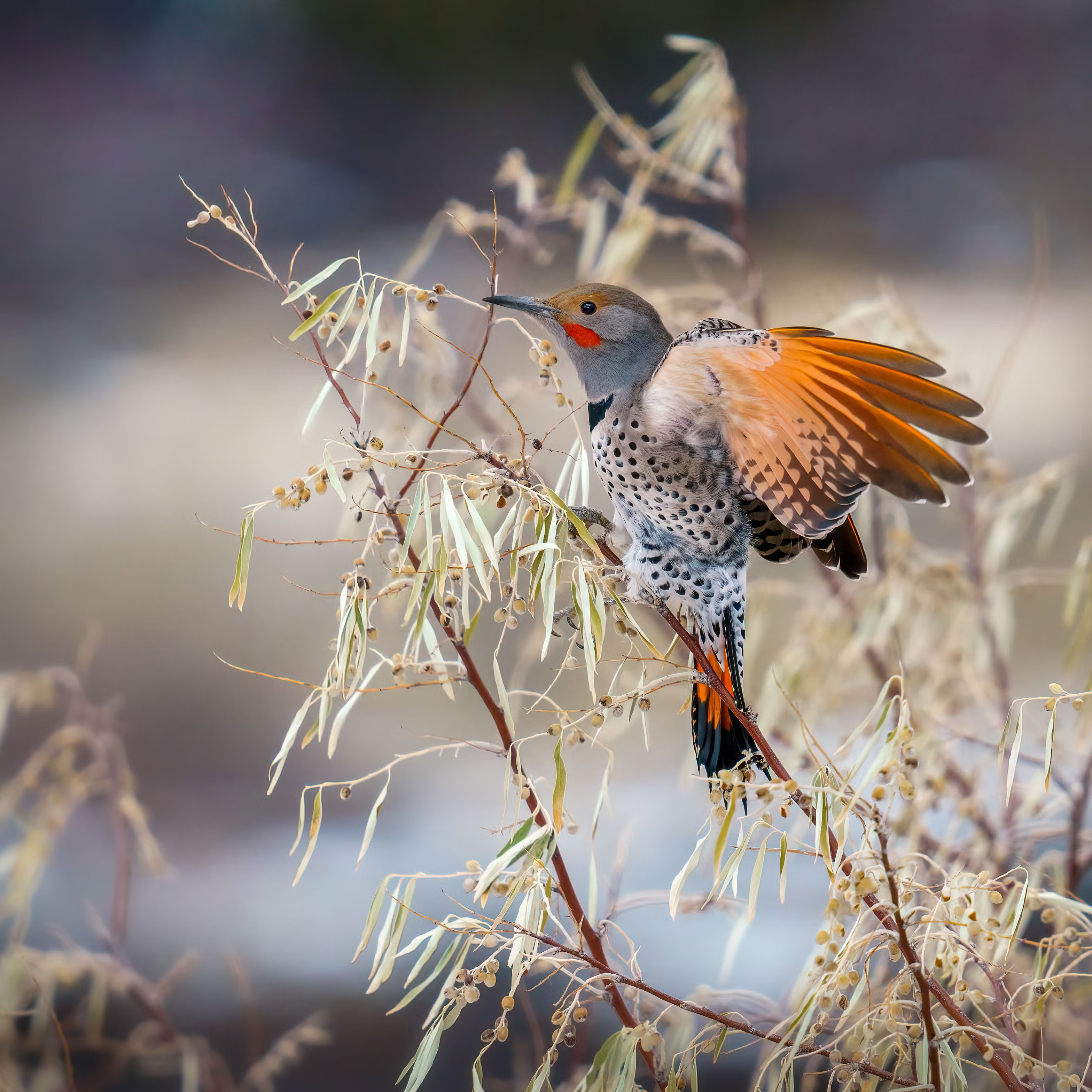
Unlike most woodpeckers, Flickers feeds primarily on the ground, using its long, barbed tongue to lap up ants and beetles. In the West, it shows salmon-red wing flash; in the East, golden yellow — a clue to two once-separate species.
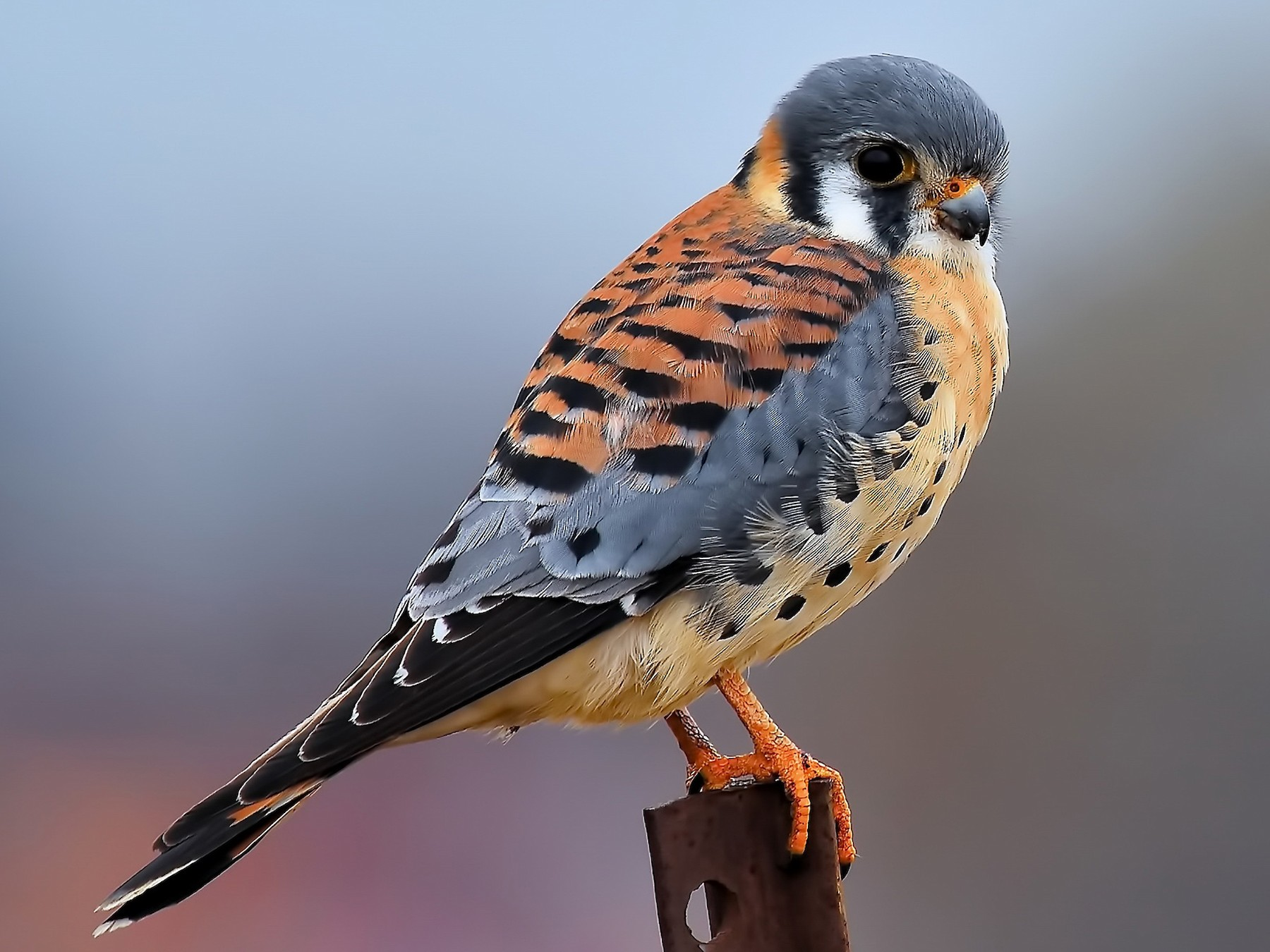
This beautiful falcon can see ultraviolet light, which means it can spot the UV-reflective urine trails that voles leave behind the rodent burrows, essentially following a glowing highway straight to its next meal. This American Falcon is the most likely to be seen balancing on telephone wires alont Raptor Alley and the Malheur Field Station.
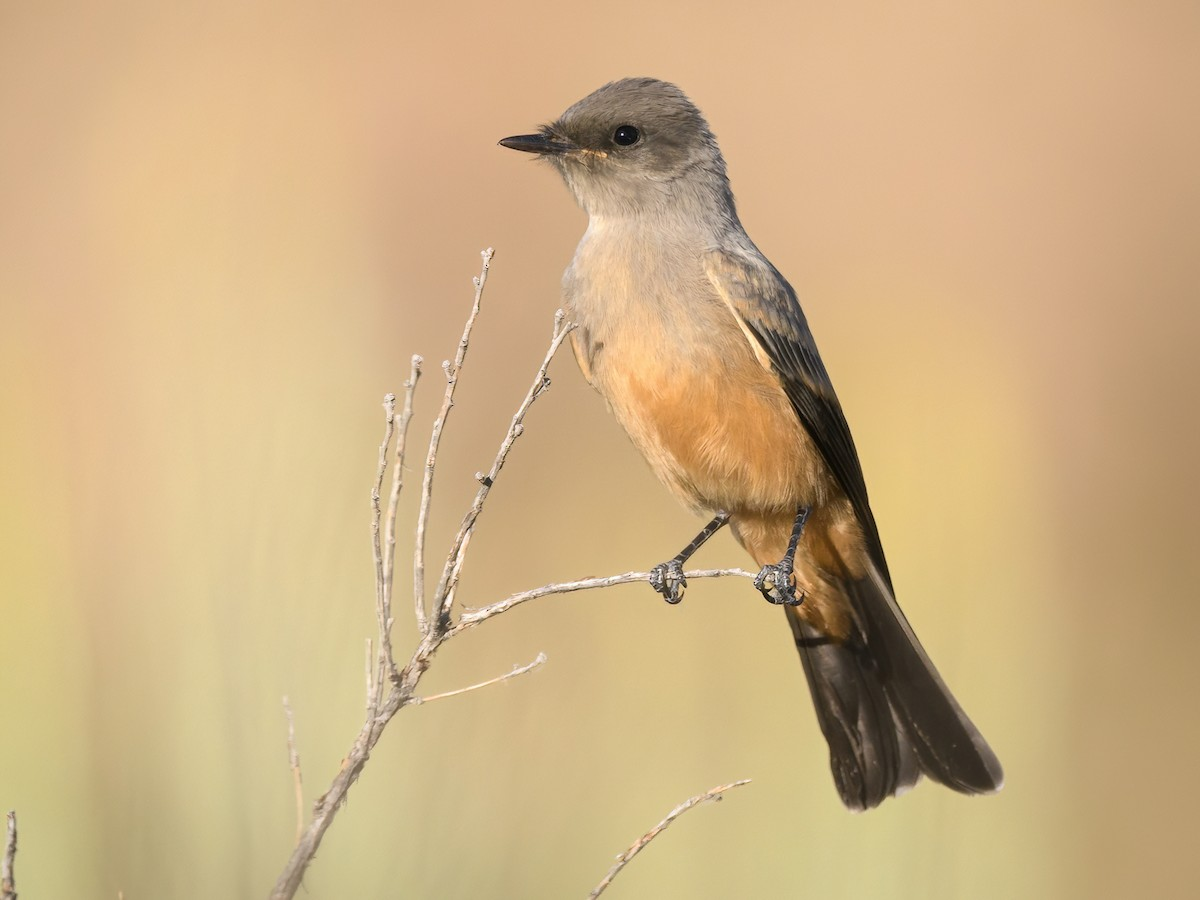
The hardiest of phoebes, breeding farther north than any other flycatcher all the way into Alaska, the Say’s Phoebe also tolerates arid, open country that most flycatchers would avoid. It wags its tail almost constantly, which seems a nervous, endearing tic.
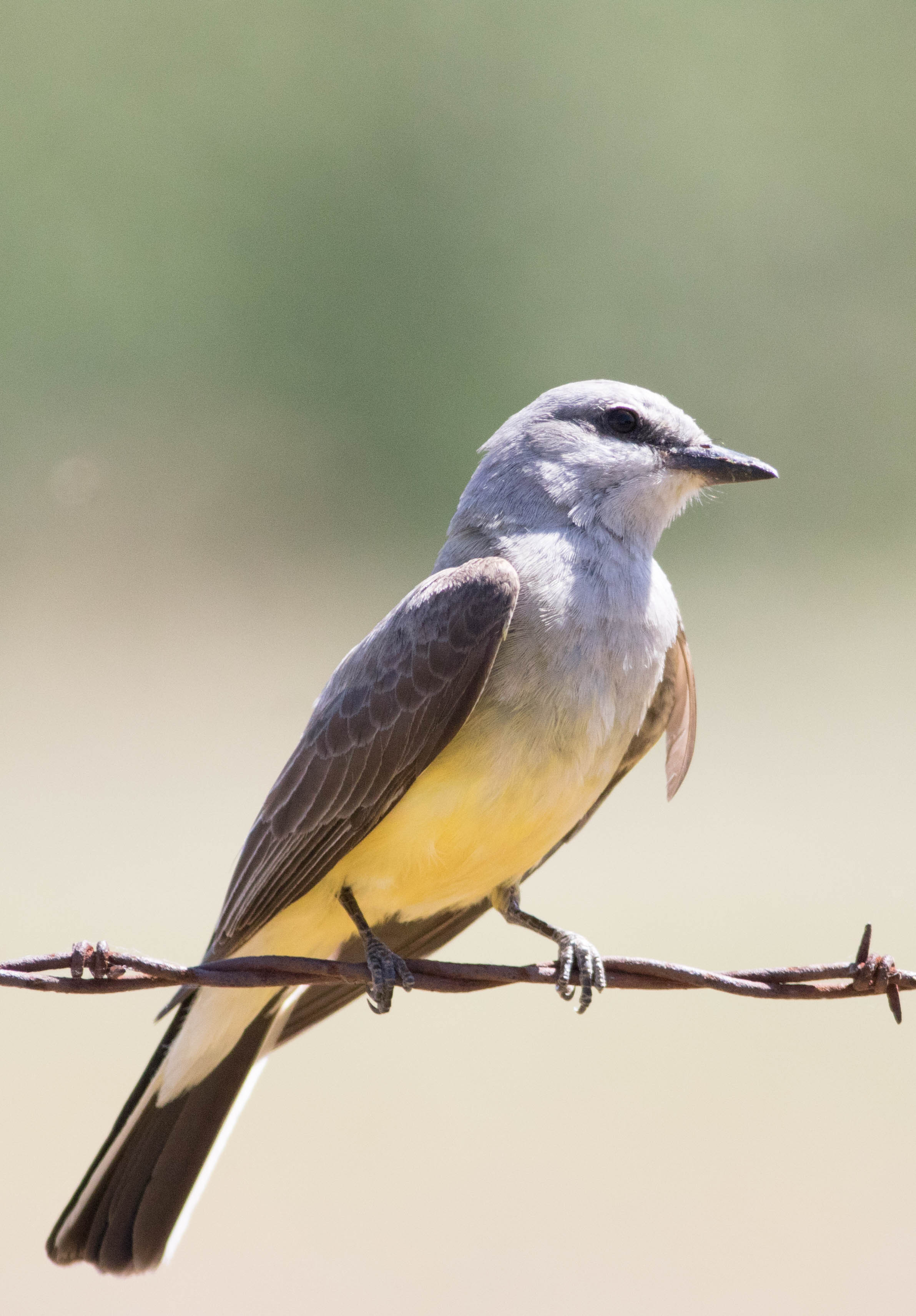
Lives up to its “tyrant” family name — fearlessly attacks hawks, ravens, and eagles many times its own size, diving and striking repeatedly until the intruder leaves. The power-to-size ratio of a Western Kingbird is extraordinary.
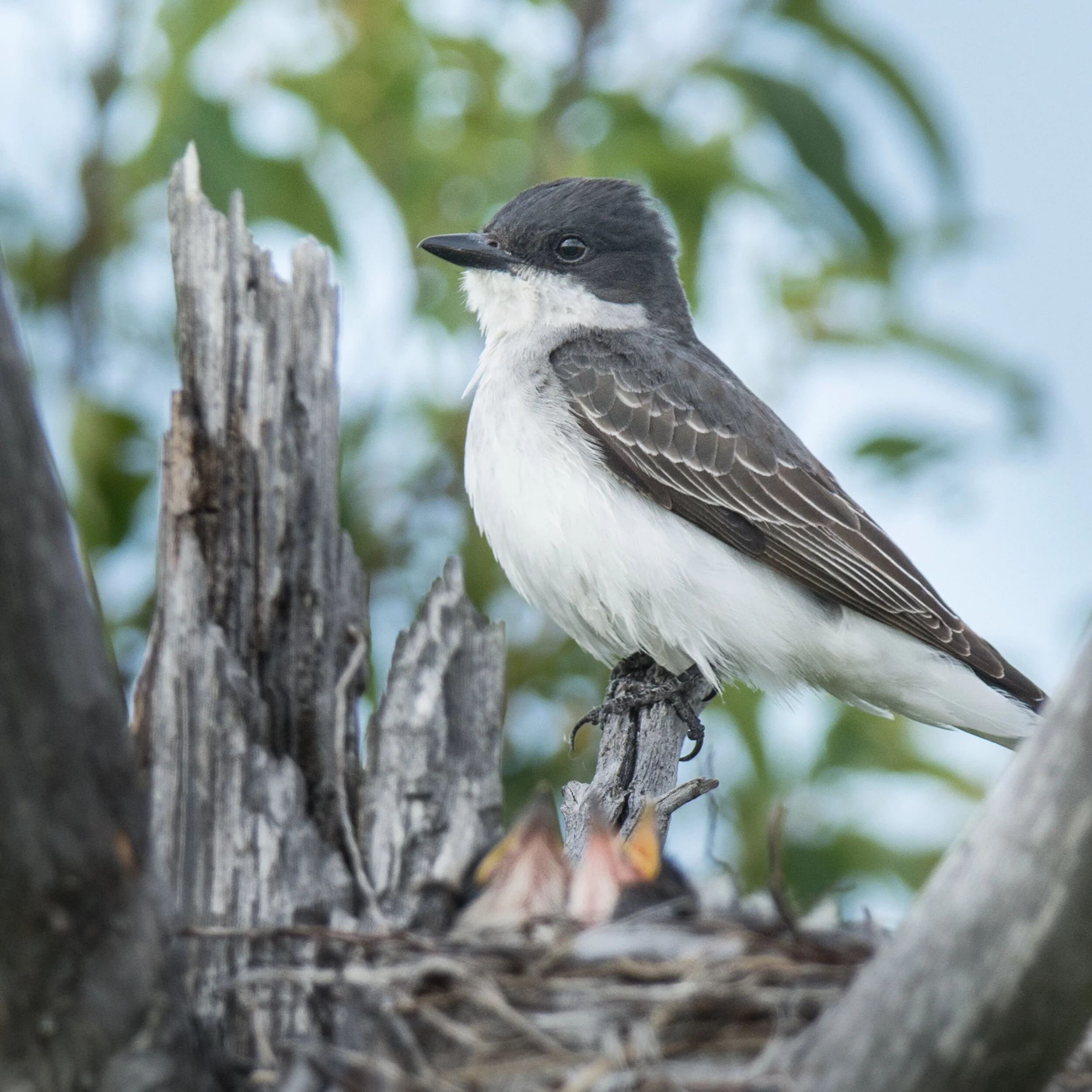
Has a hidden red crown patch — rarely revealed except during extreme agitation or courtship. In winter in South America, the Eastern Kingbird transforms from a fierce territorial loner into a sociable flock-dweller that feeds on fruit. Kind of schizo, it is a bird of two personalities.
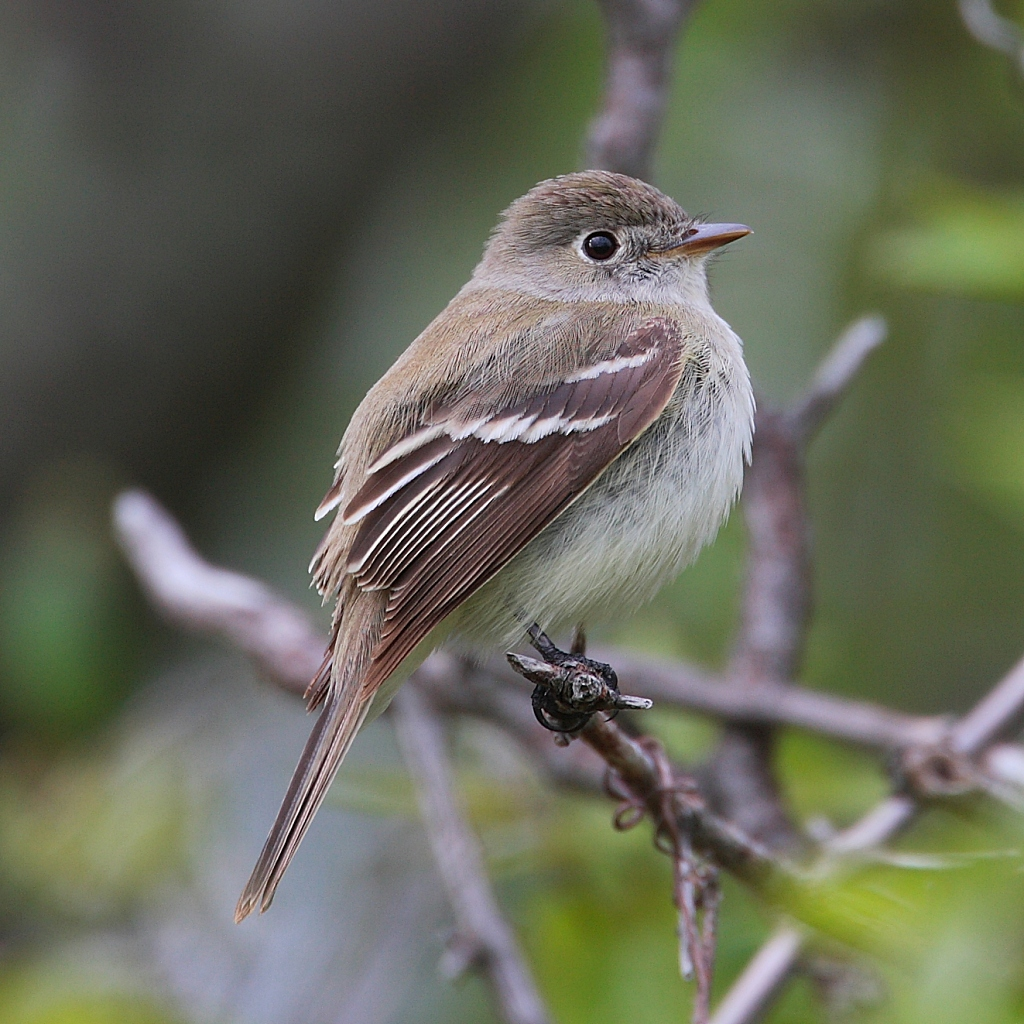
The smallest of the notoriously tricky Empidonax flycatchers, the Least Flycatcher is from a group so similar in appearance that even experts rely almost entirely on voice to tell them apart. The Least’s sharp, emphatic “che-BEK!” snaps out at a rate of up to 75 times per minute, one of the most persistently repeated songs in the woods.
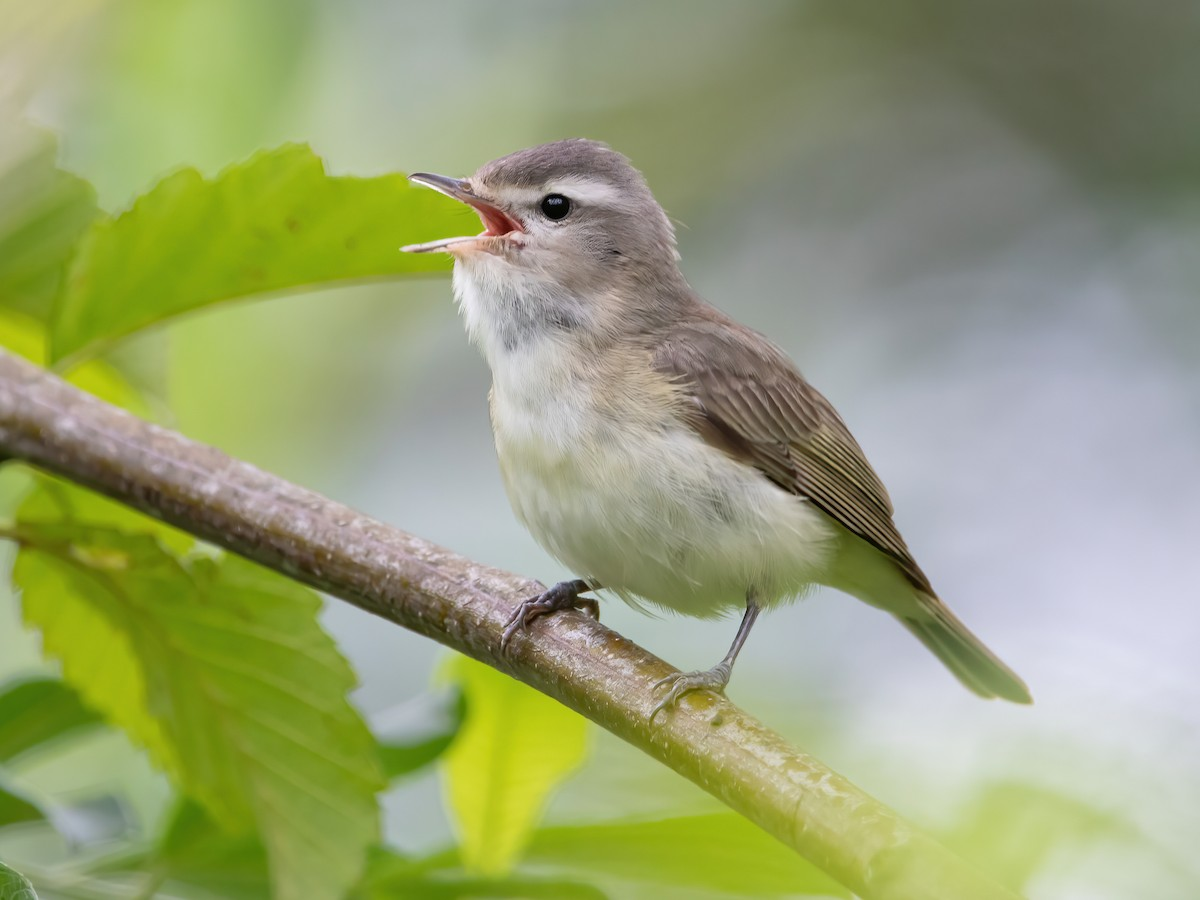
One of the plainest-looking birds in North America (entirely washed-out grayish color) this vireo sings its rambling, slurred warble is one of the most pleasant sounds of riparian woodlands. Birdwatchers say it sounds like it’s asking, “If I see you, will you see me? Oh please let me see you.“
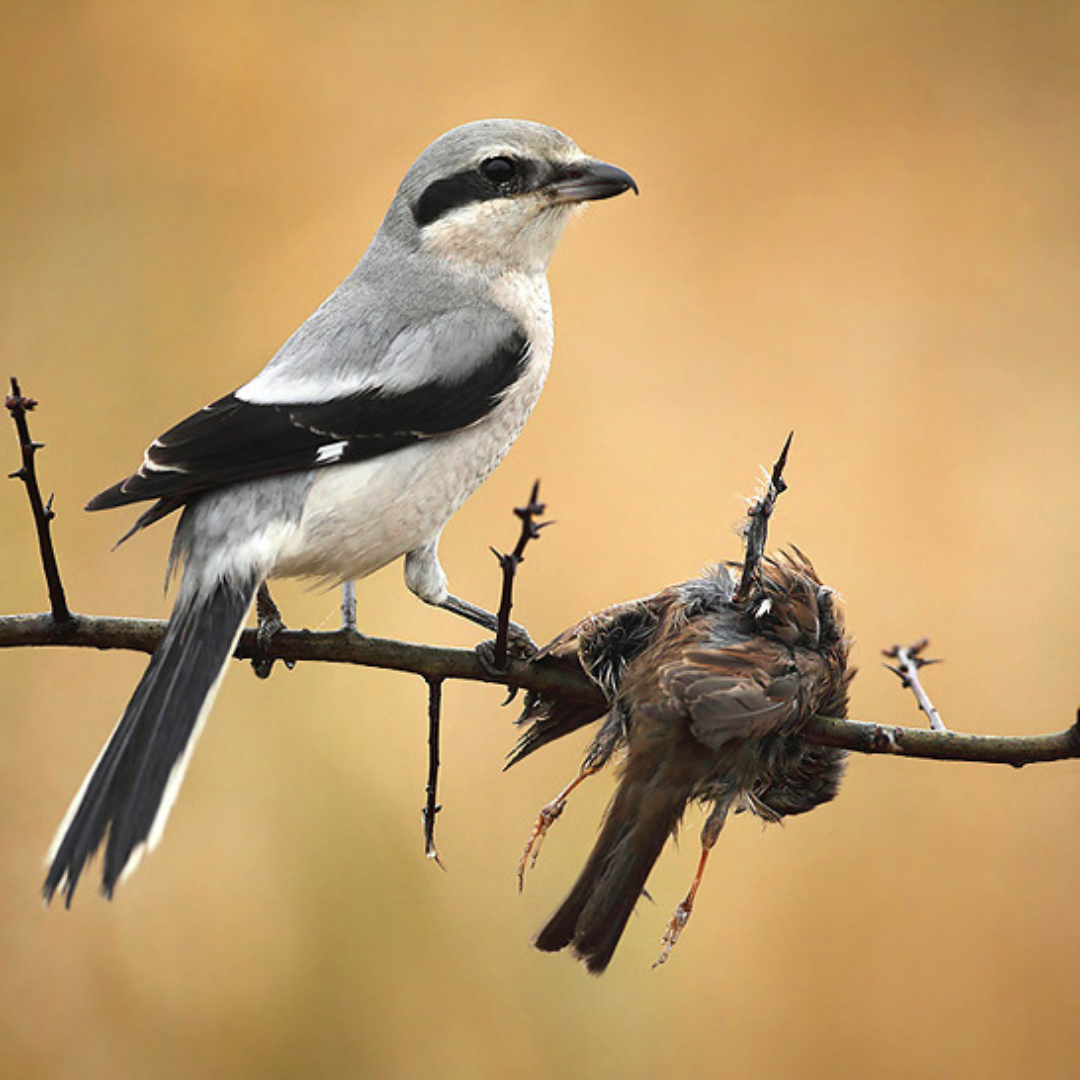
Known as the “butcher bird,” because it impales prey (lizards, mice, large insects) on thorns or barbed wire to create a gruesome larder. The Loggerhead Shrike’s hunting strategy lets it handle prey too large to carry. The shrike can also use the impaled prey to mark territory for potential mates.
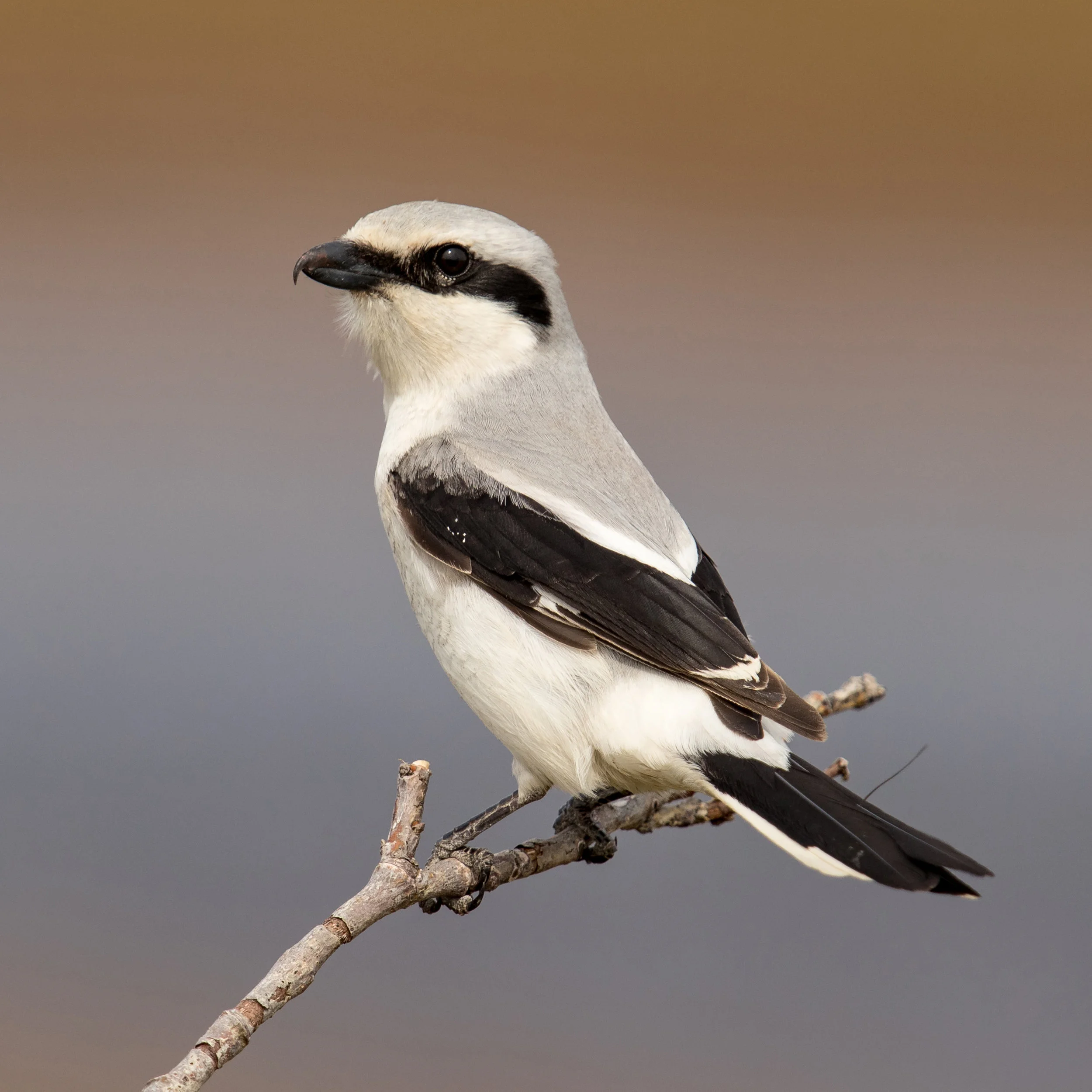
A winter visitor from the far north, it hunts in blizzard conditions that ground other raptors. The Northern Shrike mimics the calls of songbirds to lure curious birds within striking distance. This Shrike has been described as a feathered wolf in sheep’s clothing.
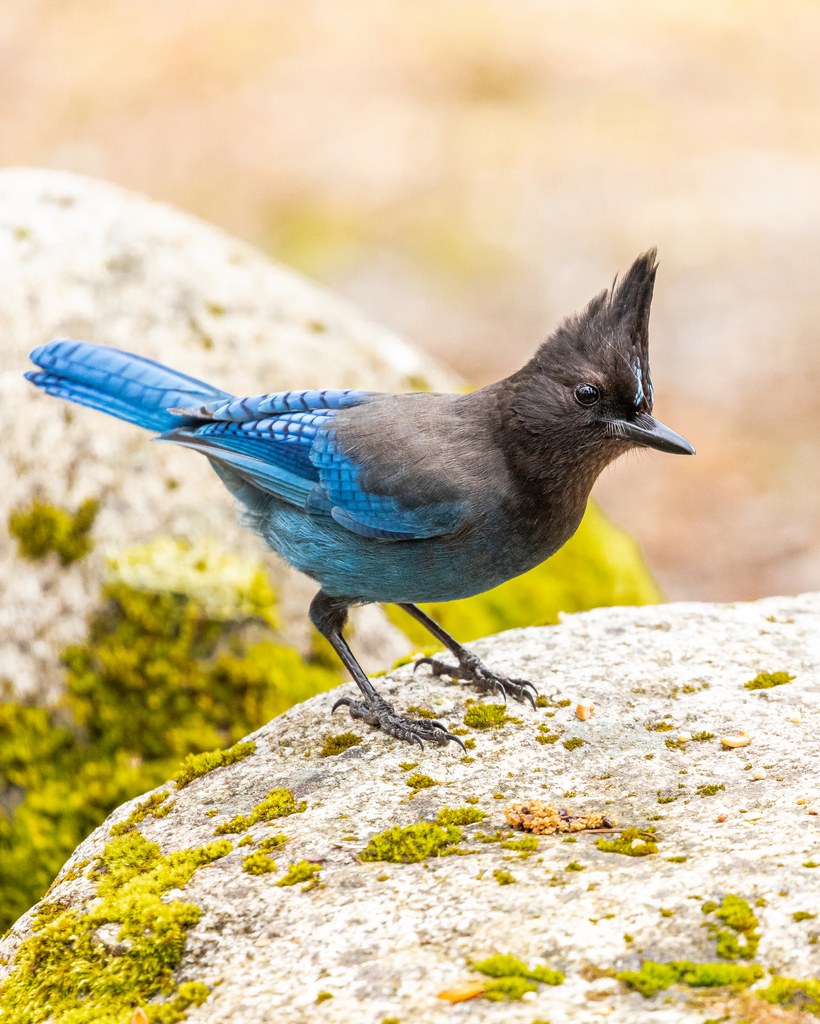
A master mimic that can imitate the calls of Red-tailed Hawks, Bald Eagles, and various other raptors with startling accuracy, the Steller’s Jay uses these false alarm calls to scare other birds away from food sources.
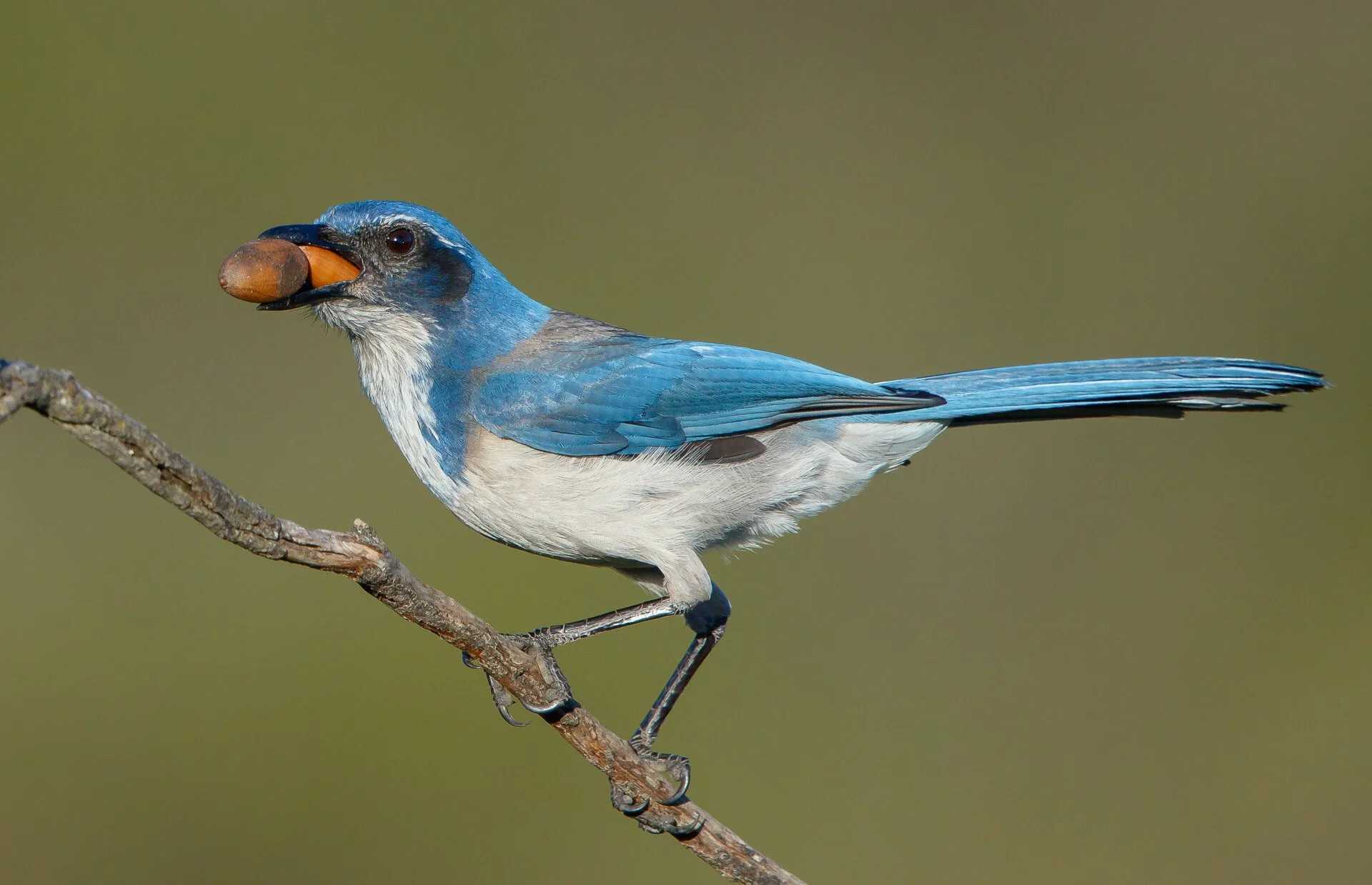
Demonstrates episodic memory, the California Scrub-Jay remembers not just where it cached food, but what it cached and when, allowing it to prioritize eating perishables first. Evidence of genuine mental time-travel in a bird.
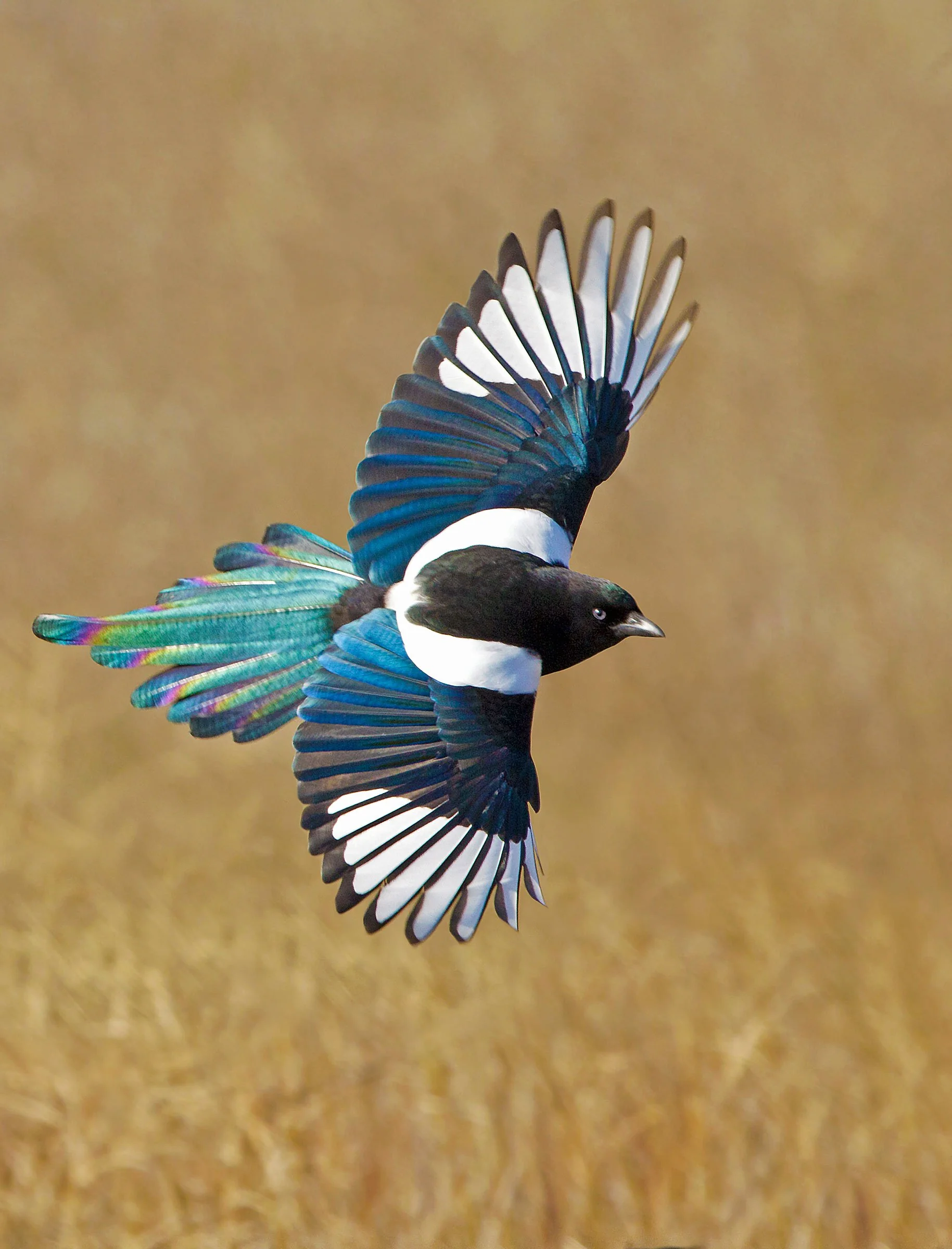
One of only a handful of non-mammal species to pass the mirror self-recognition test, a benchmark of self-awareness. The Black-billed Magpie also hold “funeral gatherings” around dead magpies, calling loudly and sometimes laying grass beside the body.
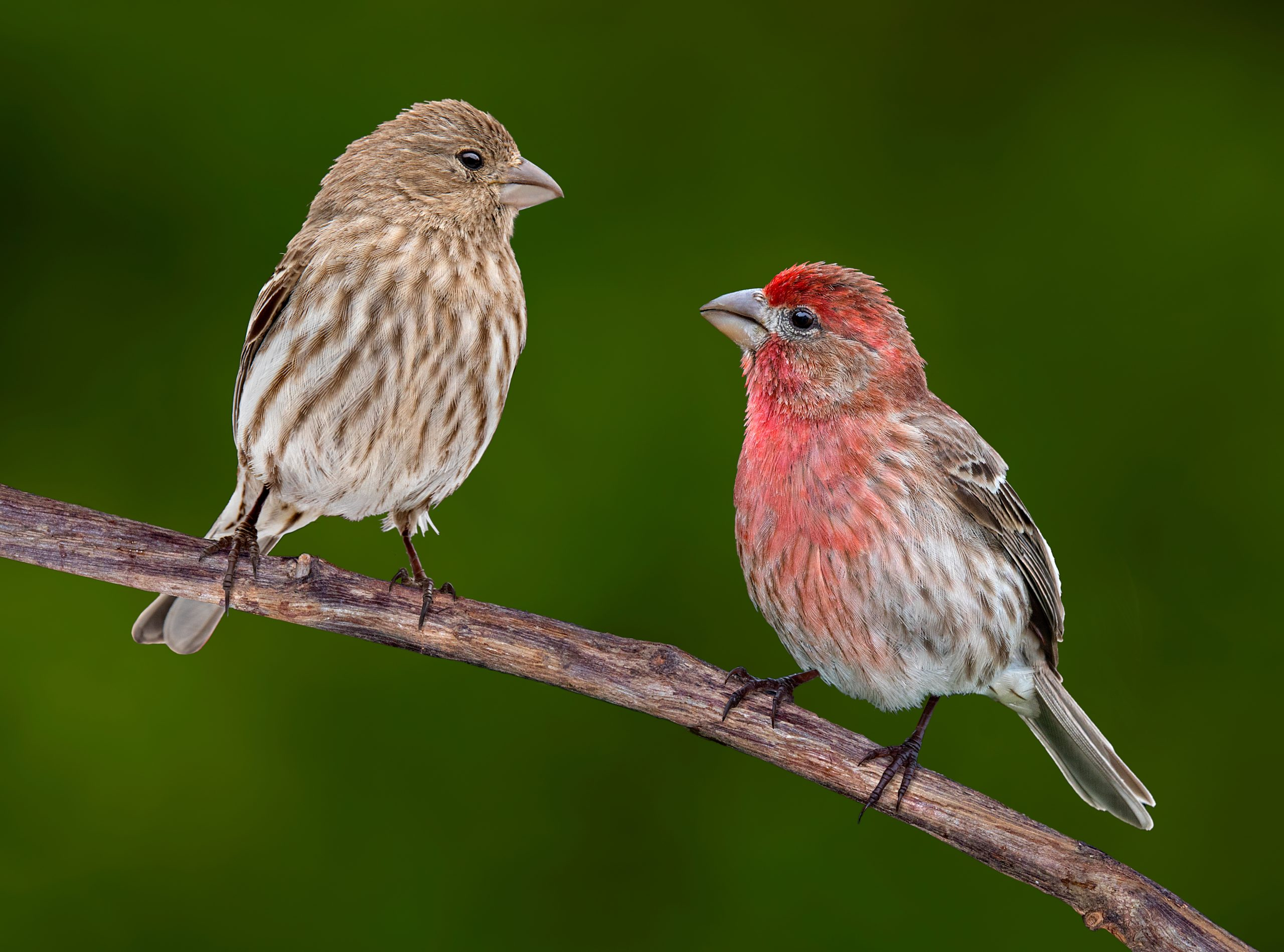
The male’s rosy-red coloring of the House Finch comes entirely from pigments in the food he eats — birds with access to more colorful berries and fruits develop richer reds. Females actively choose the reddest males, since brilliant color signals a skilled forager and future provider.
=-=-=-=-=-=-=-=-=-=-=-=-=-=-=-=-=-=-=-=-=-=-=-=-=-=-=-=-=-=-=-=-=-=-=-=-=-=-=-=-=-
Other Animals Observed
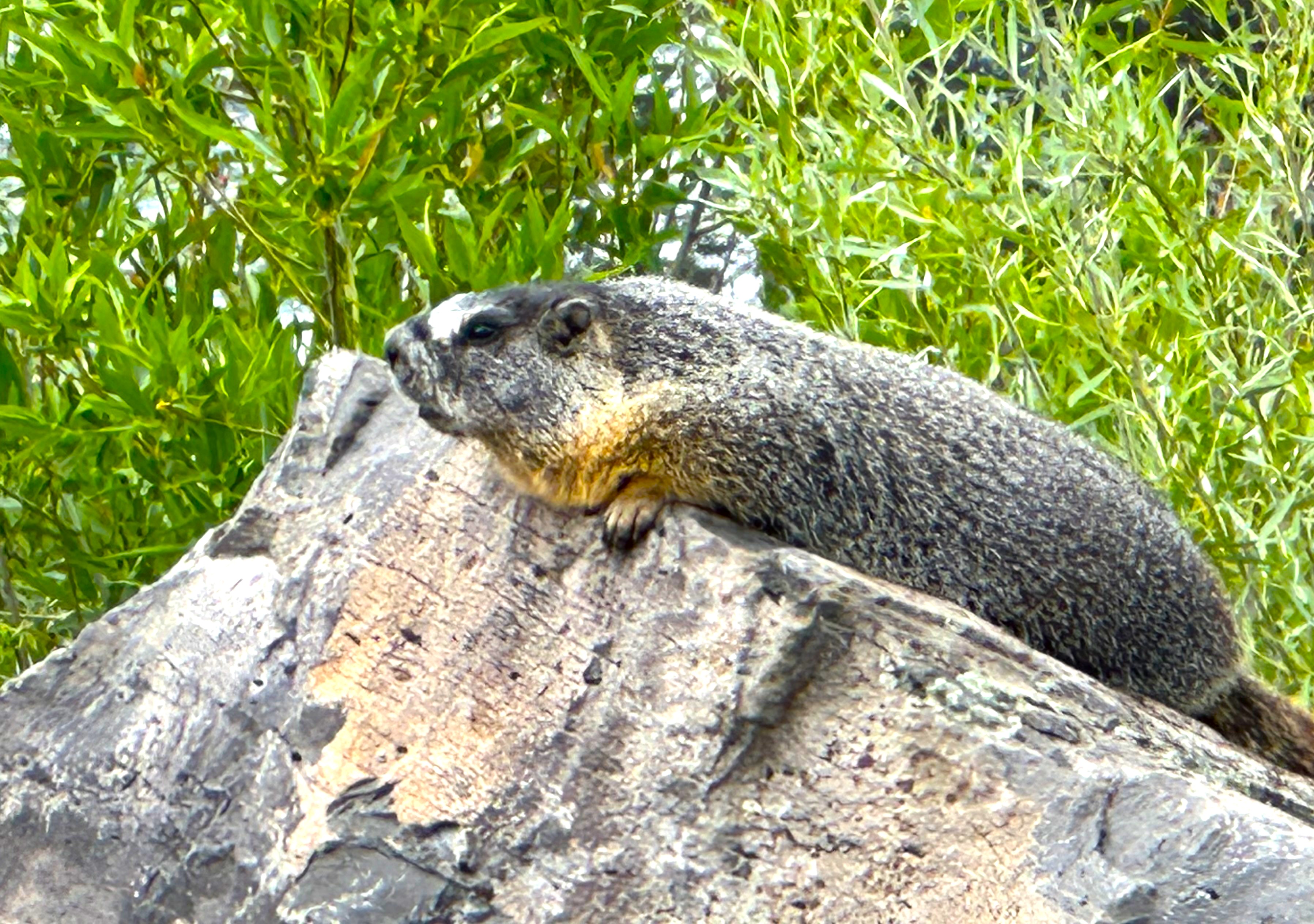
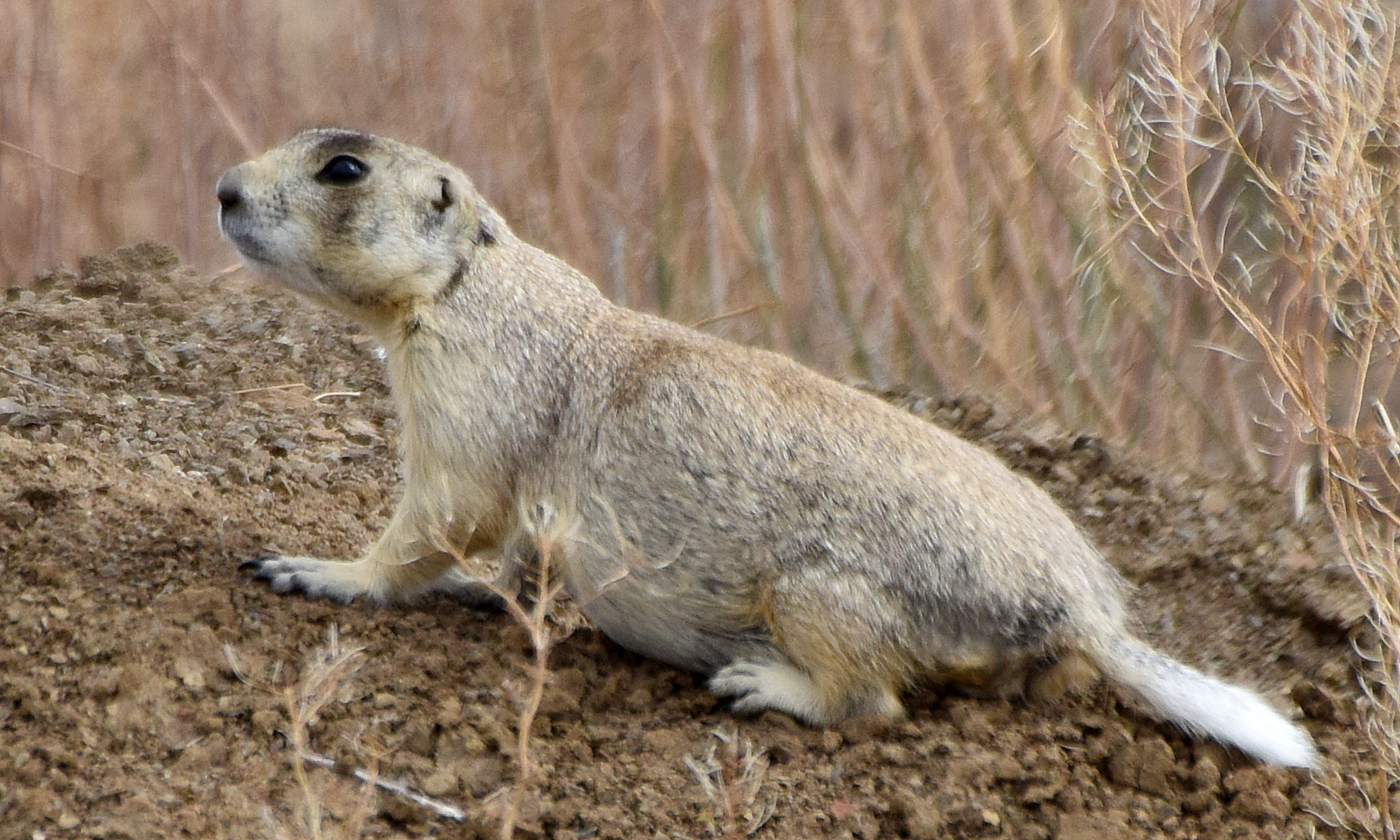
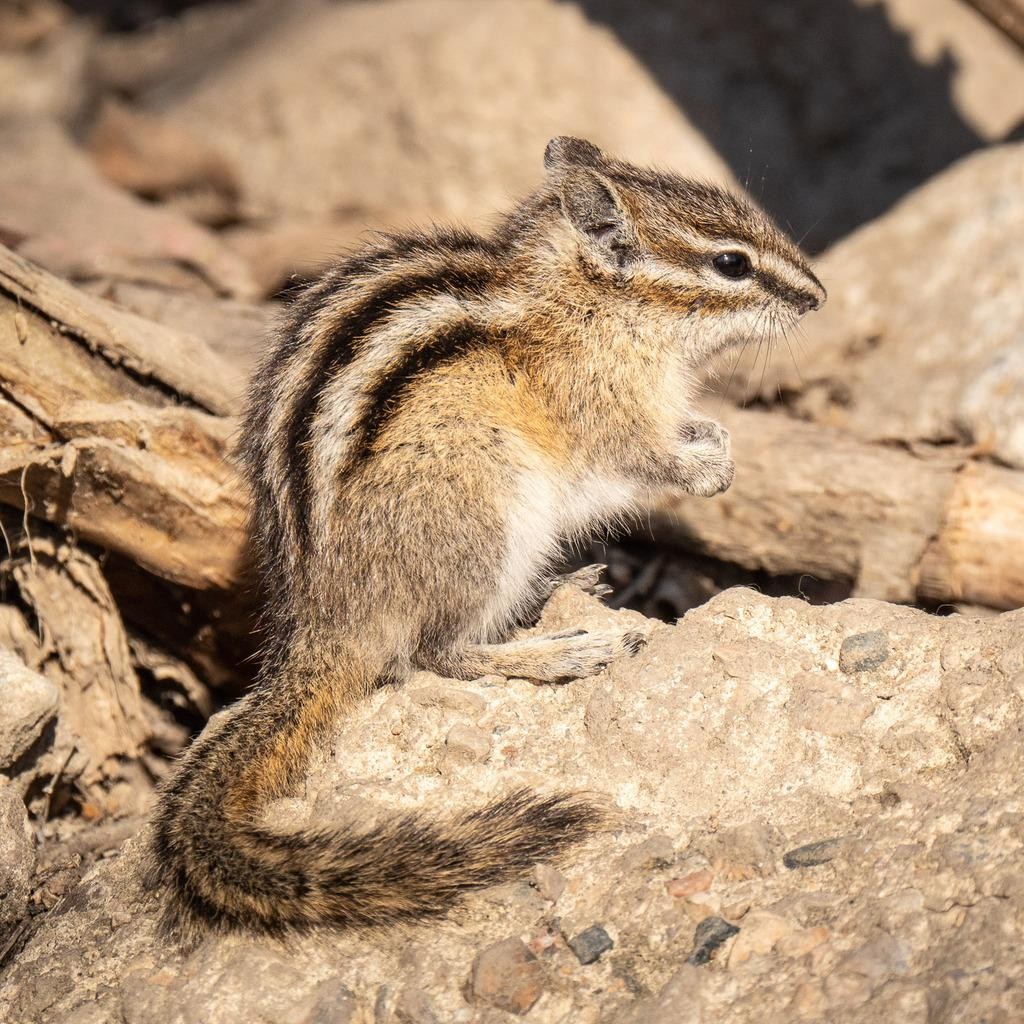
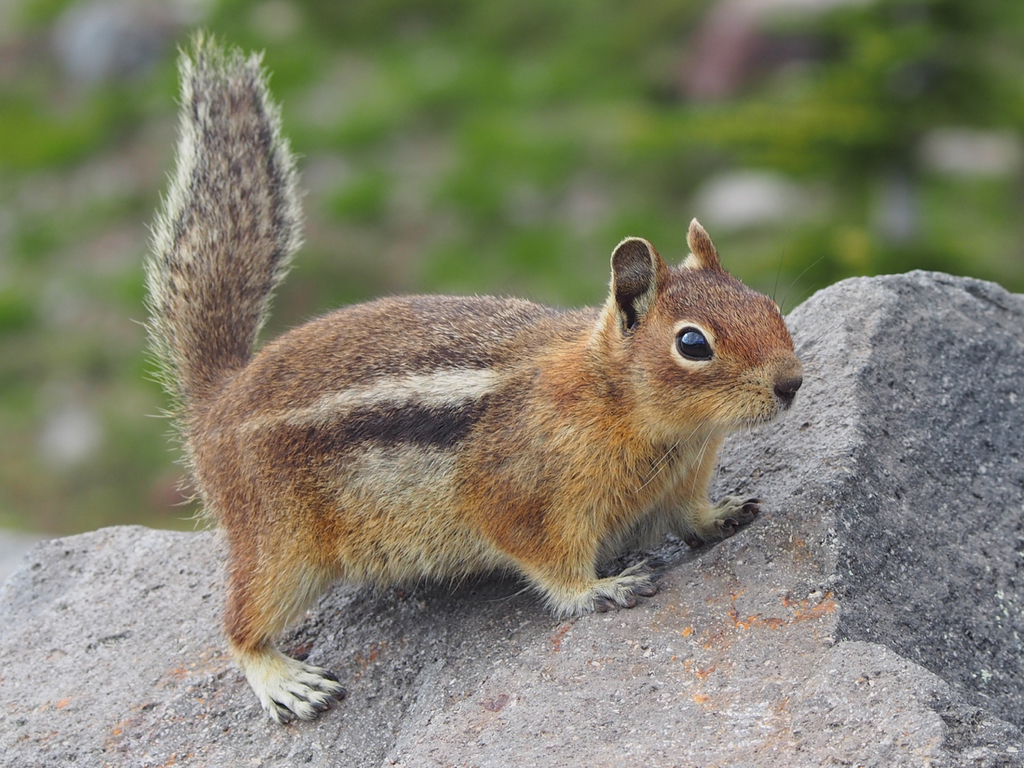
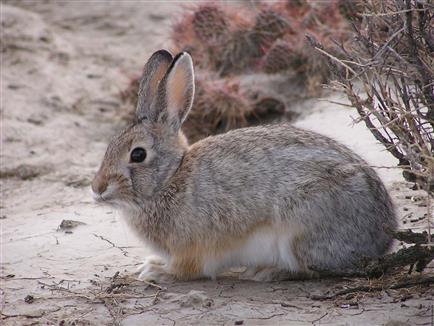
Mammals and reptiles observed and noted during the June 1–7, 2026 survey period at Malheur NWR and vicinity.
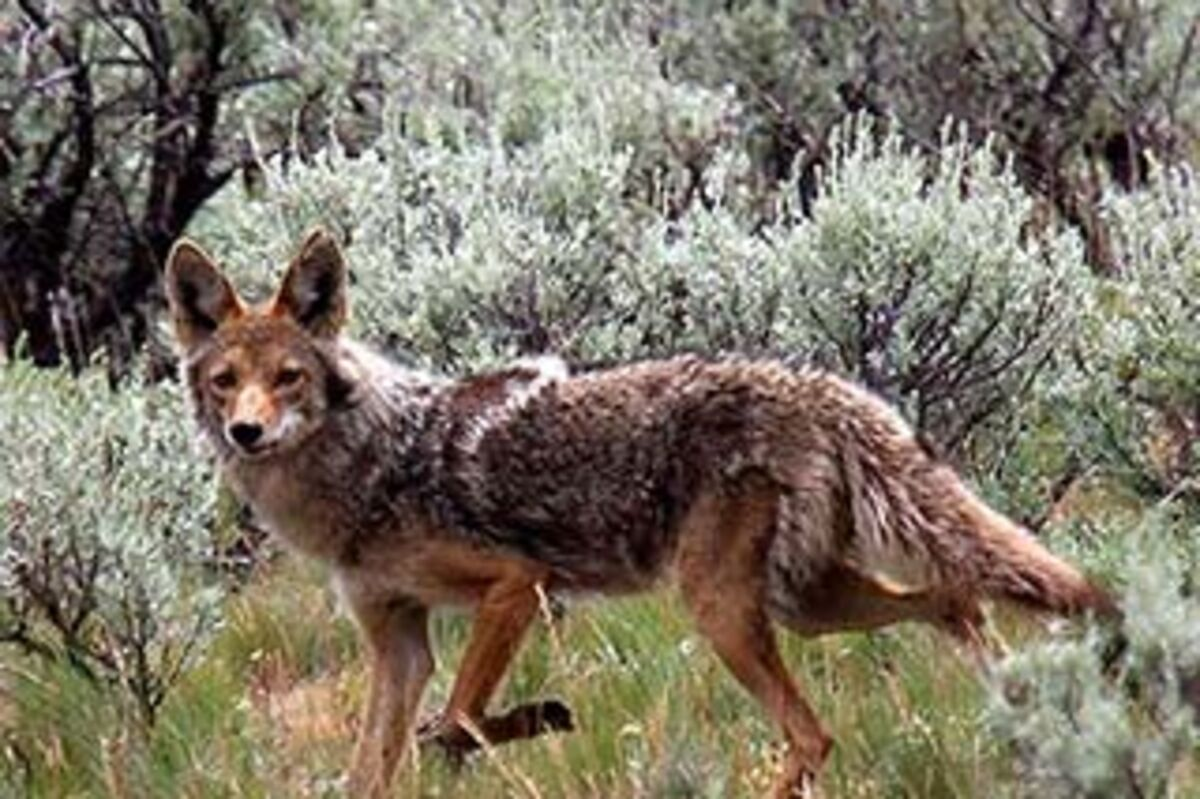
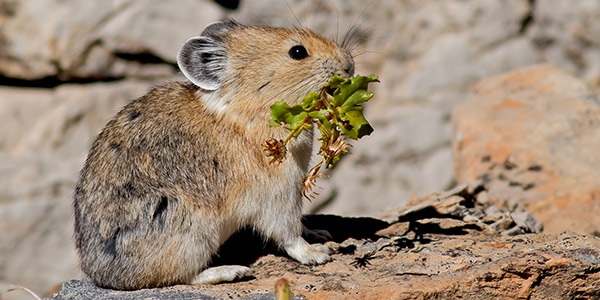
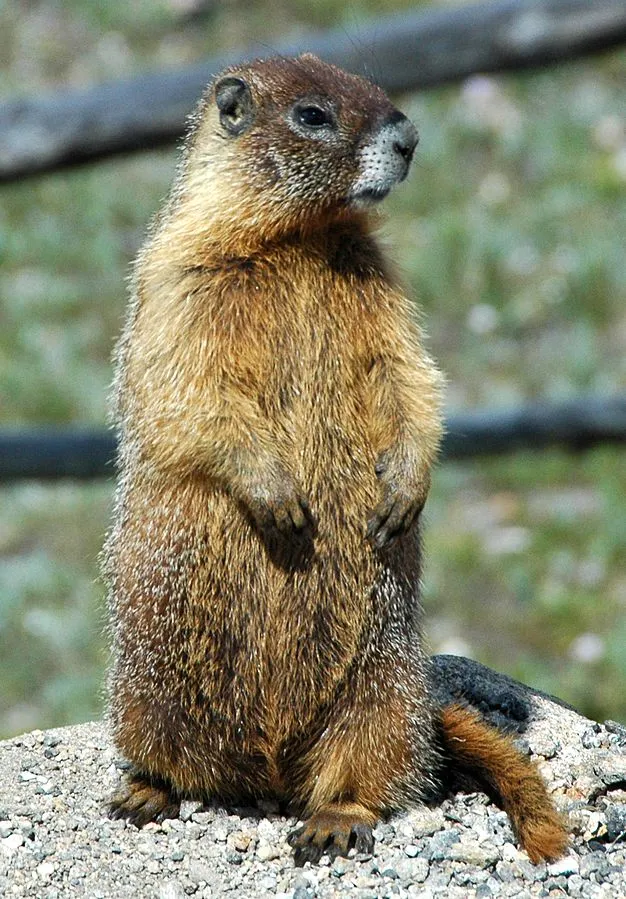
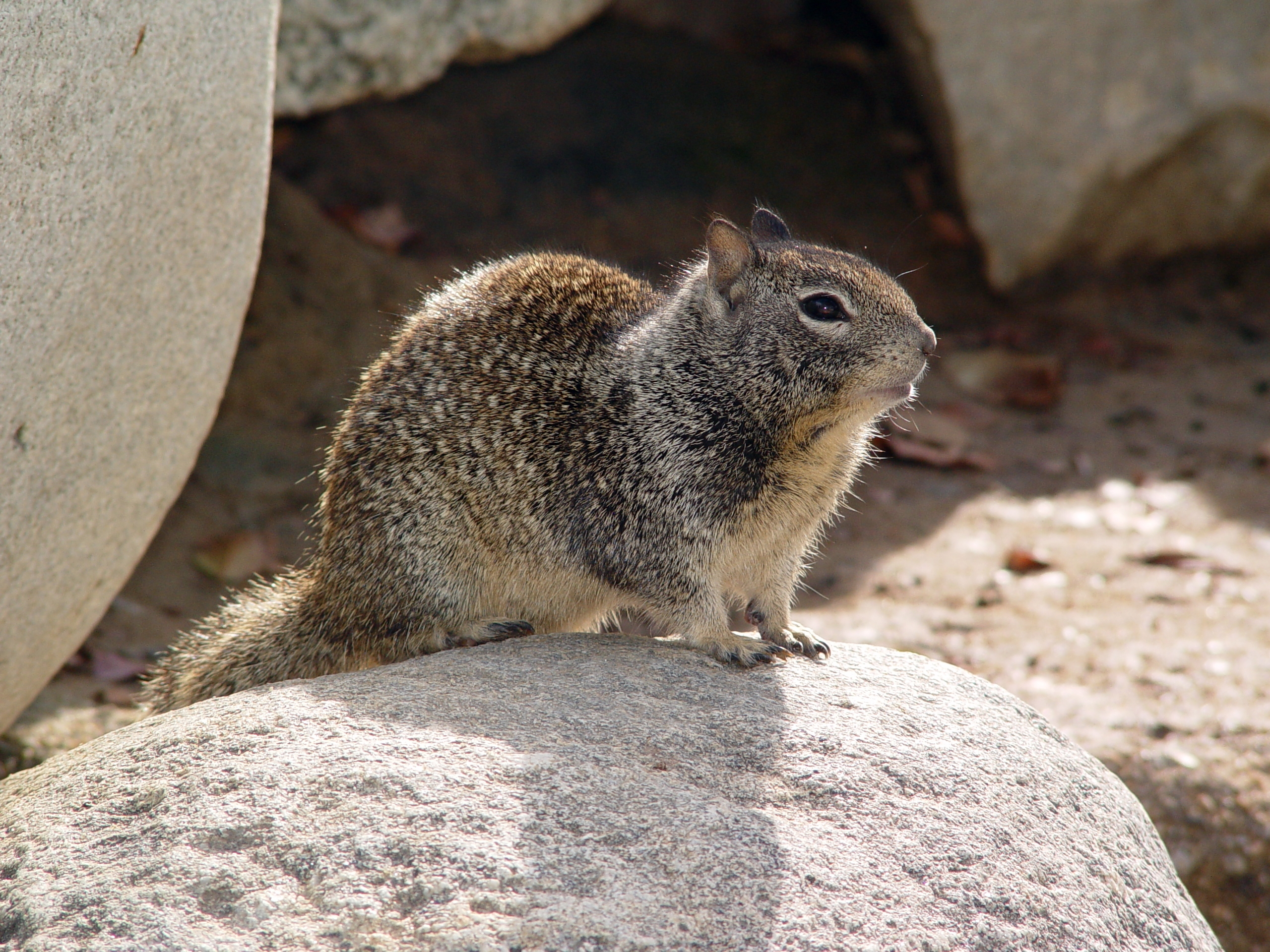
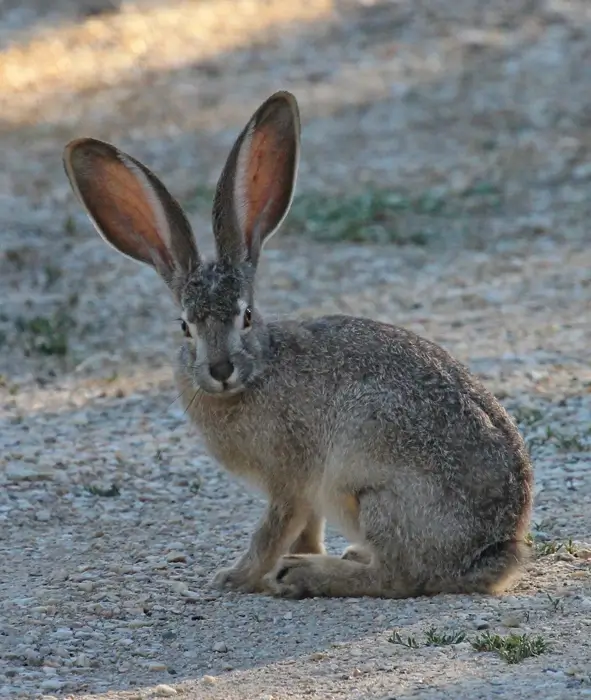
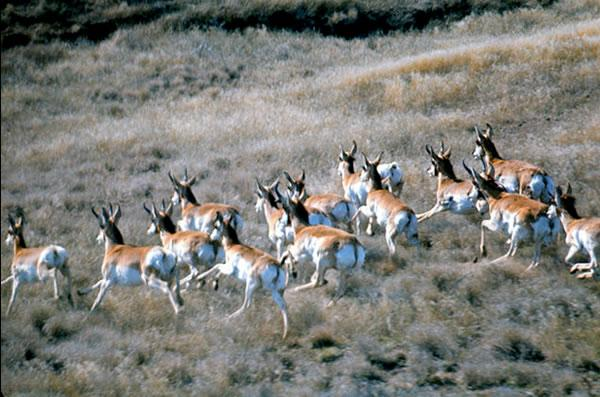
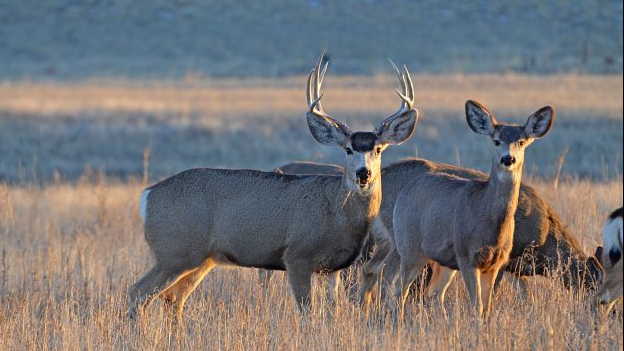
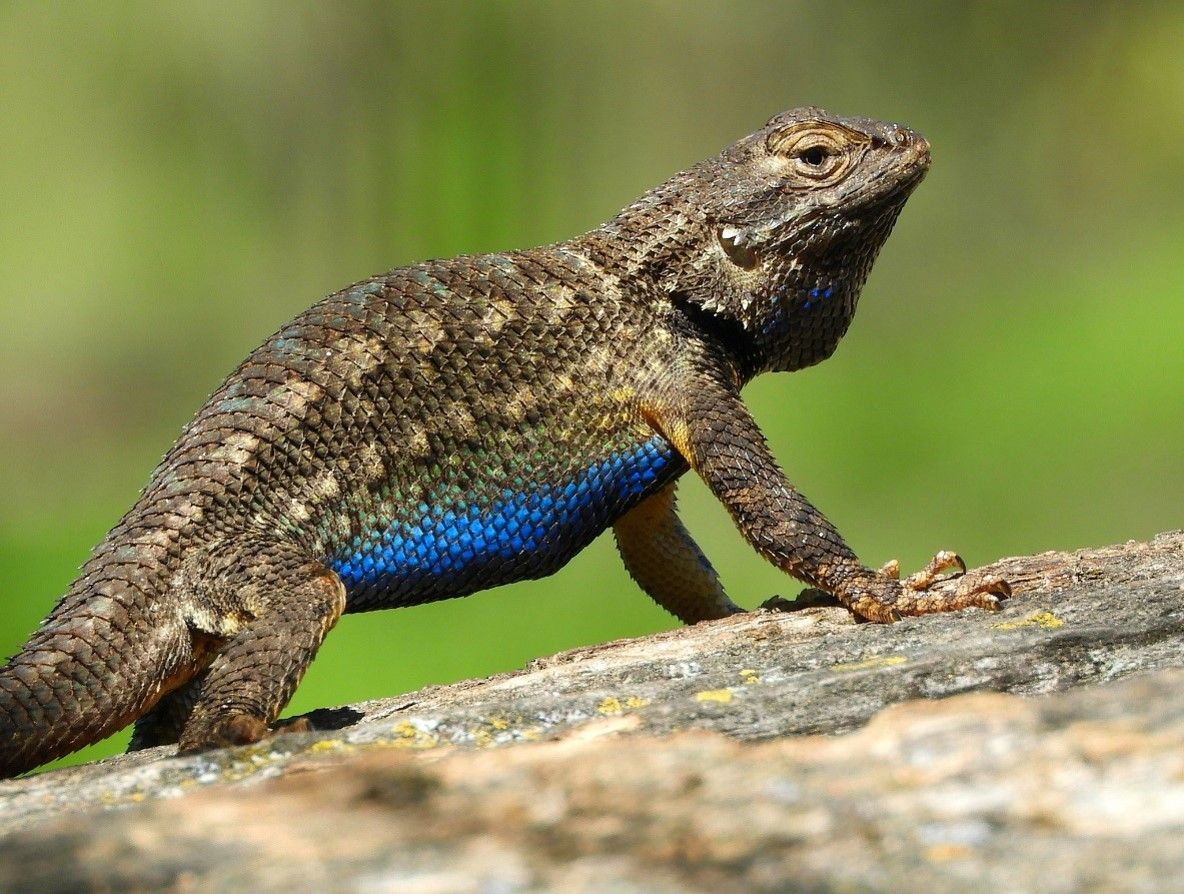
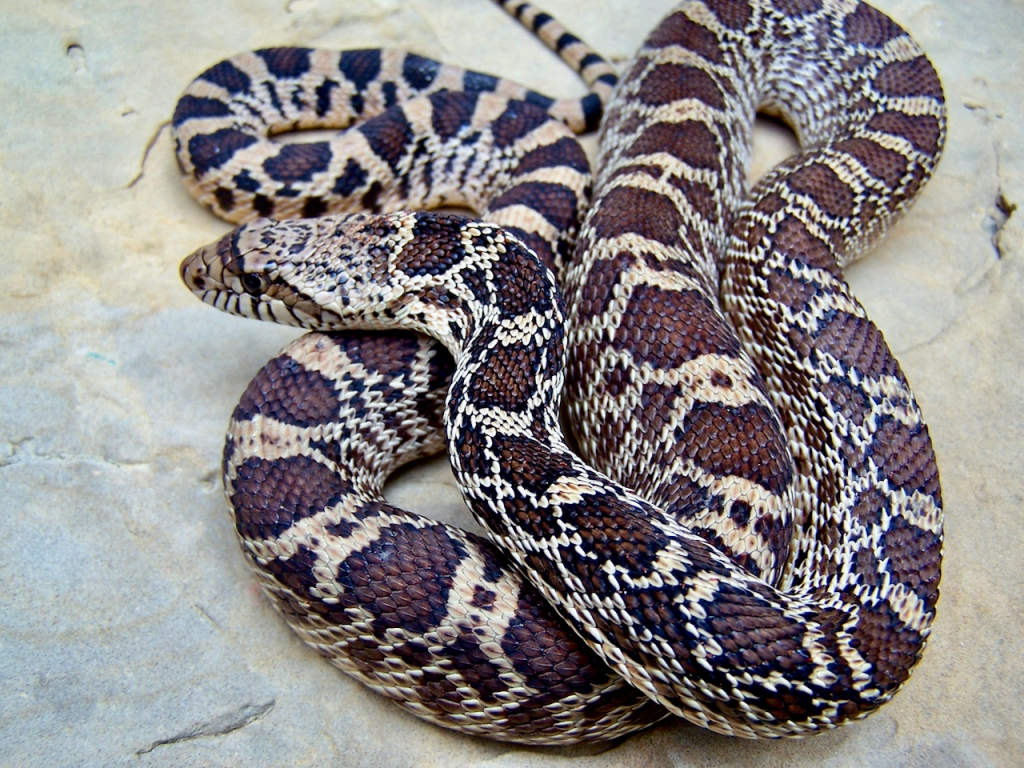
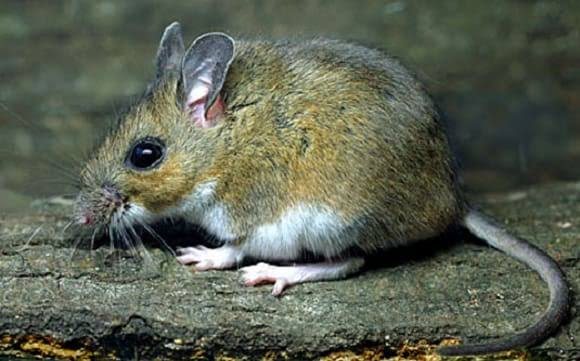
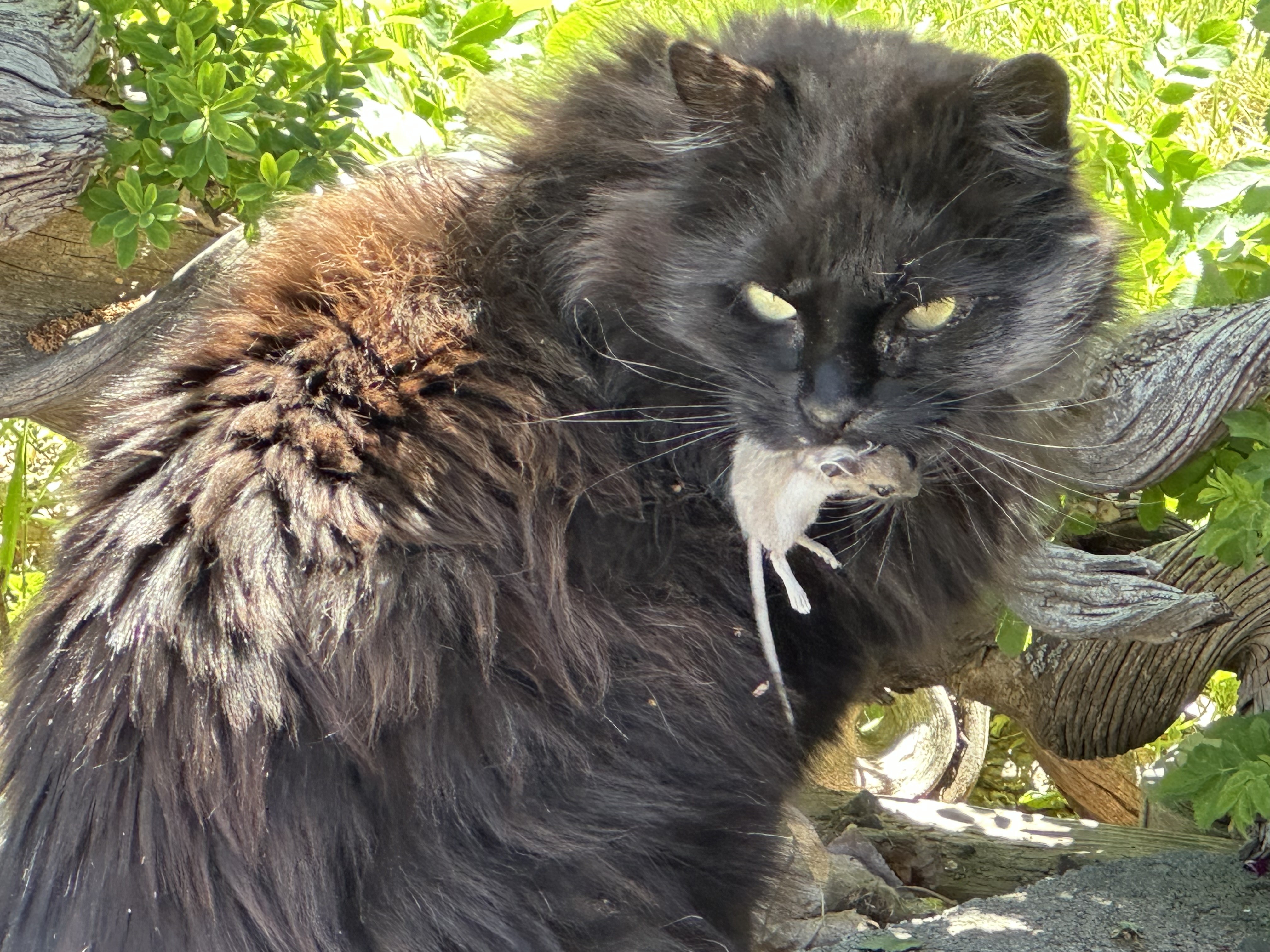
Out-Takes of photos and videos from the Malheur NWR







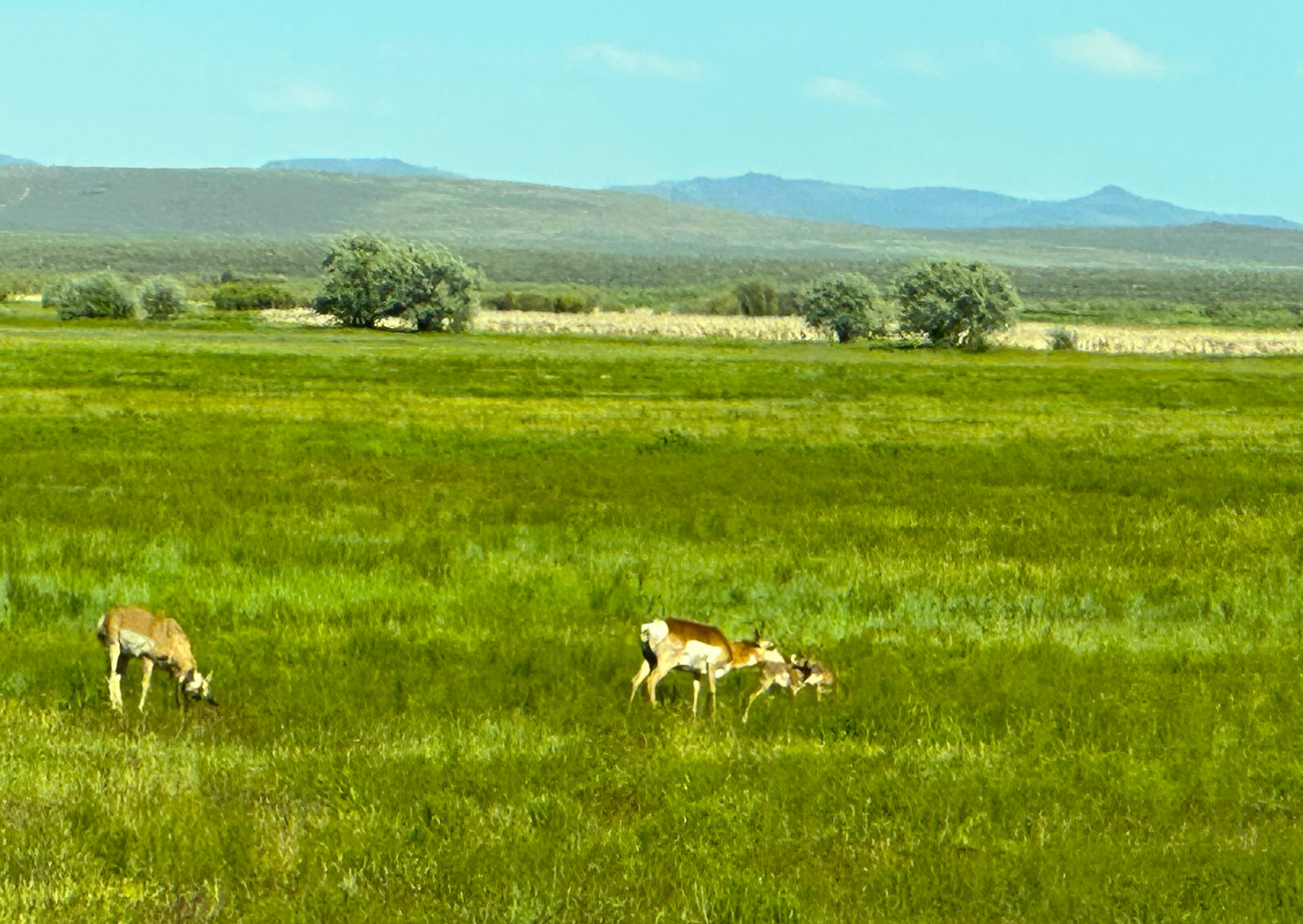
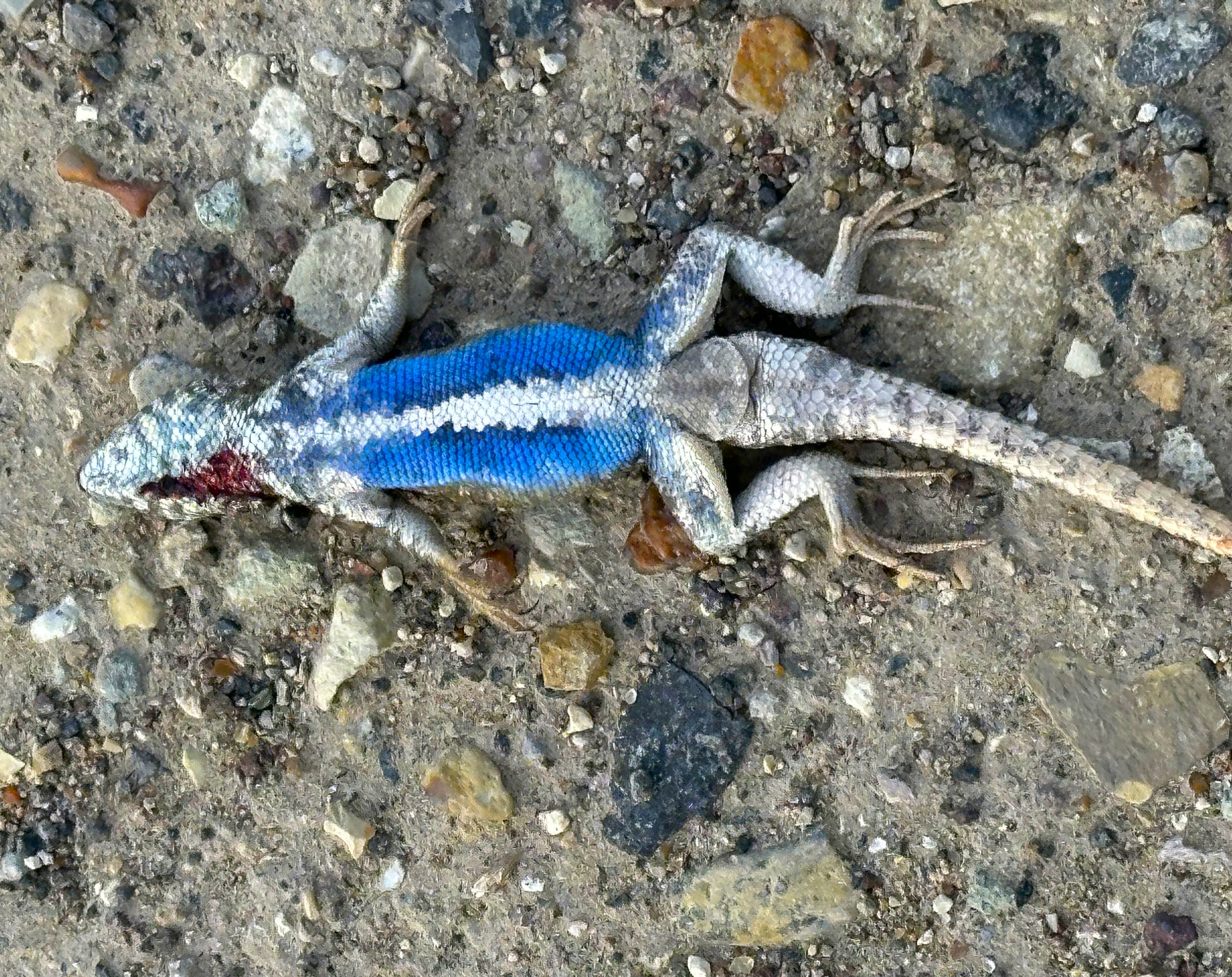
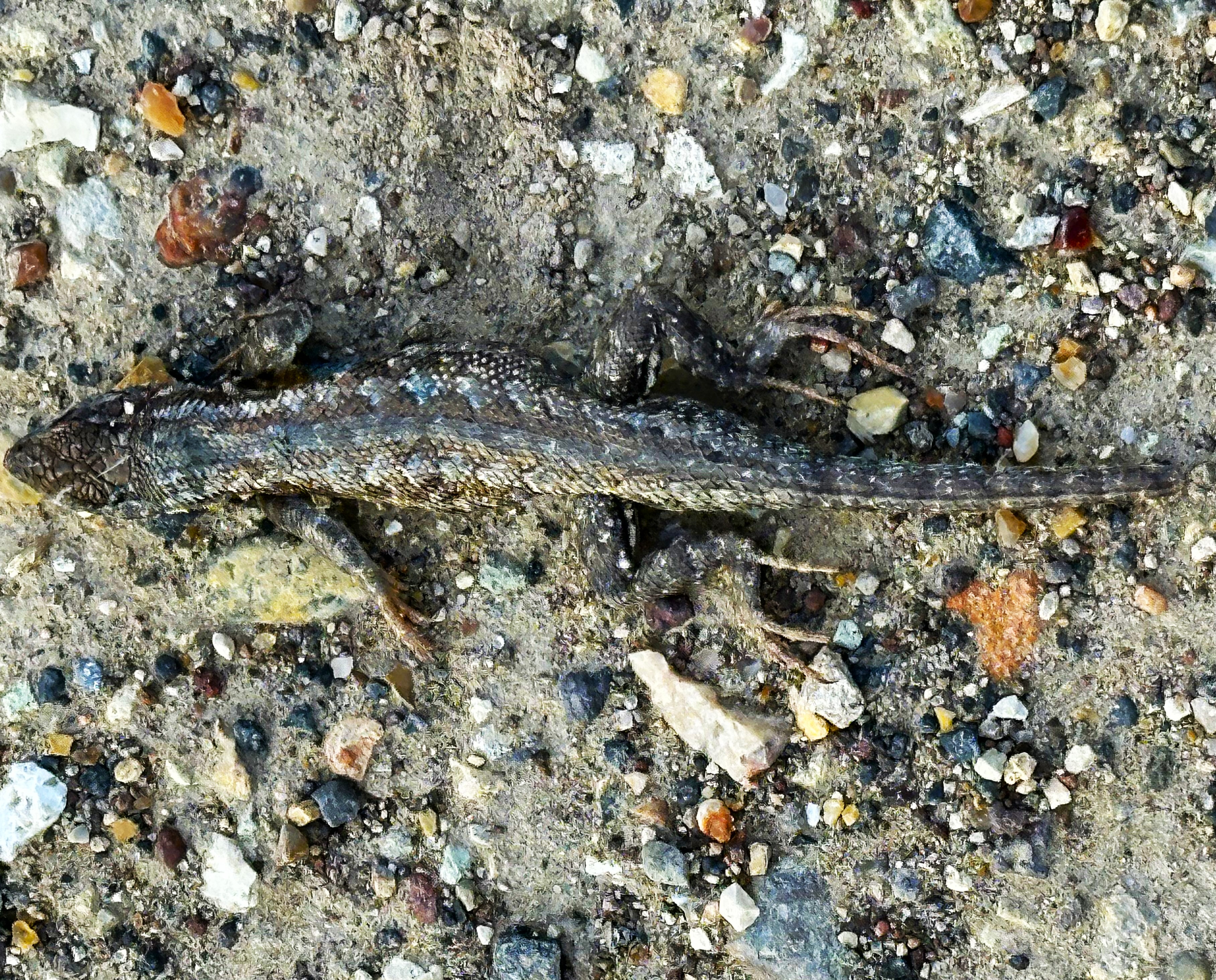
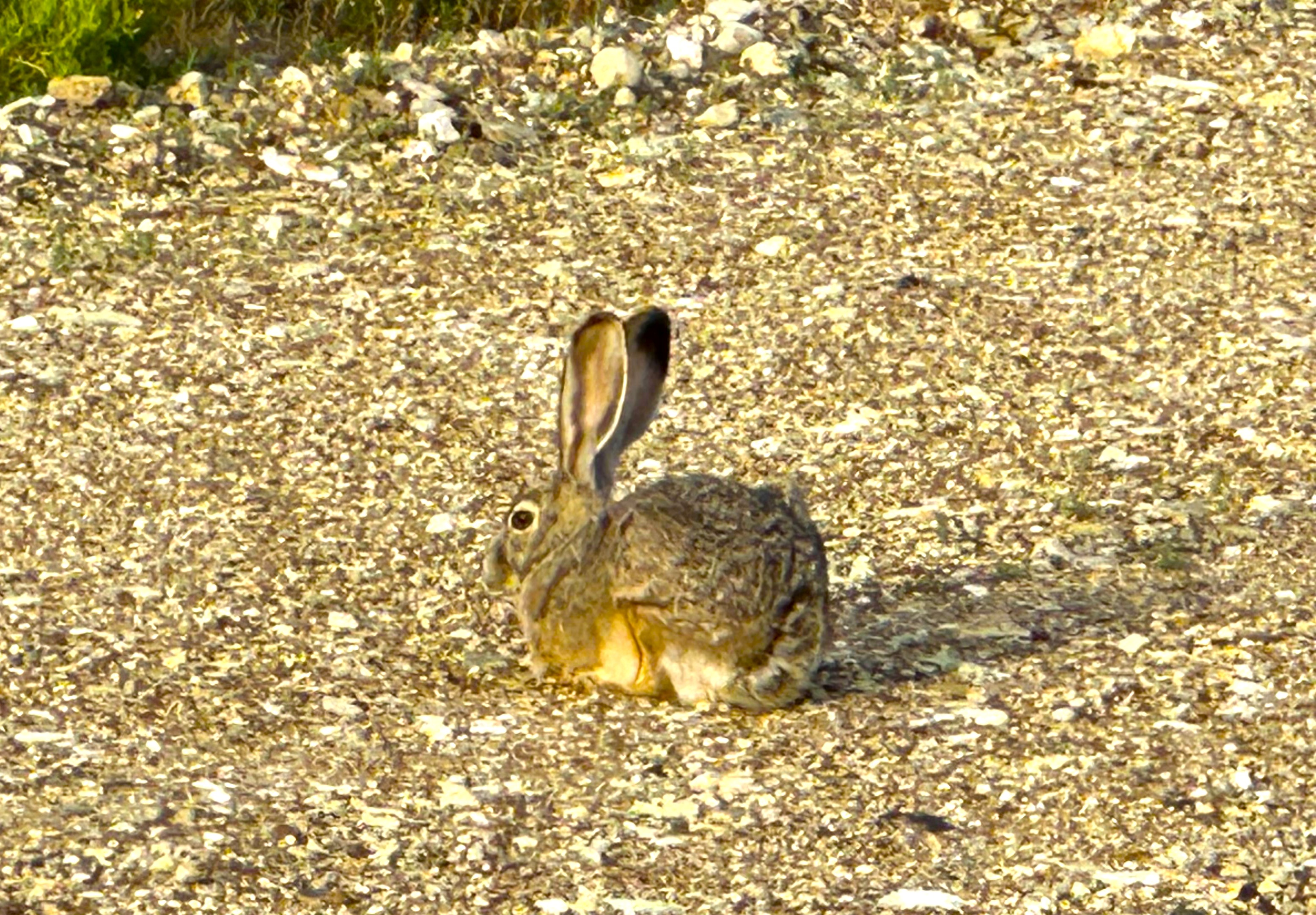
Birds and Beasts of Malheur