Birds of MacGillivray
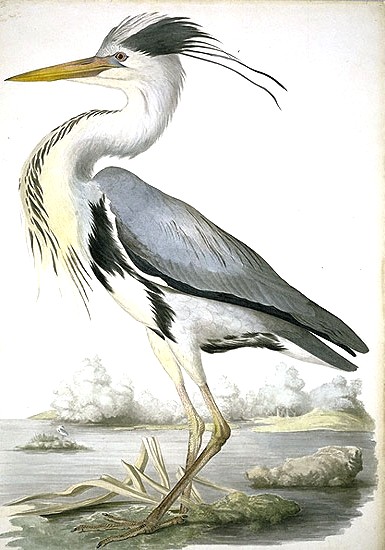
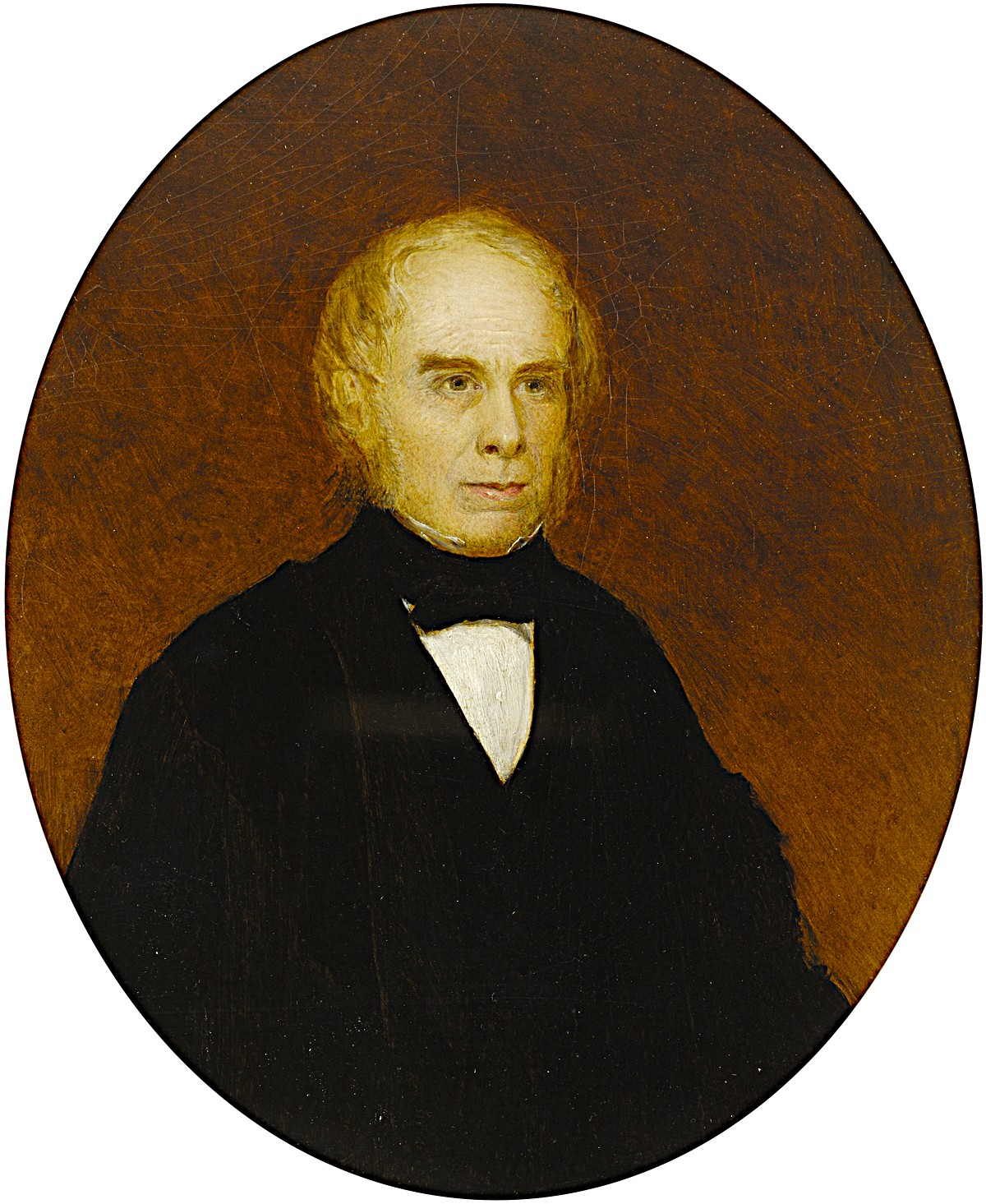
William MacGillivray was a Scottish naturalist and ornithologist, born in January 1796 and died in September 1852. He was born in Aberdeen, Scotland, grew up on the island of Harris, and then returned to Aberdeen to study medicine at King’s College. He became known for very long walks in the British Isles. In 1819 he walked from Aberdeen to London to see the British Museum’s natural history collection, taking a long route by way of Ben Nevis in the Scottish Highlands. He covered 837 miles in 8 weeks and kept a journal along the way. Later in life he became known as “Scotland’s greatest field naturalist” and did much to popularise ornithology.[1]
The Father & Son at King’s College
MacGillivray was born in Aberdeen to unmarried parents, Anne Wishart and William MacGillivray, who was a philosophy student at King’s College. His father joined the army shortly after his birth and died while William was still young. At about the age of three, William was sent to be raised by his uncle, Roderick MacGillivray, on his farm on Harris Isle, Scotland.
After his early schooling at Leverburgh on Harris, he returned to Aberdeen as a teenager to study at King’s College, graduating MA, the Scottish general arts degree, in 1815. He then began studying medicine but never completed the course, turning instead to natural history. He was hired as Assistant Dissector in the Anatomy classes at King’s College. In 1817, while on a return trip to Harris Isle, MacGillivray found a walrus that had been shot and he dissected it. He was excited about his discoveries and published his first scientific paper after returning to Aberdeen later that year. He then decided to further his knowledge of natural history by visiting the British Museum in London. He made the journey of 550 miles on foot from Aberdeen in three weeks.[2]
In 1820 he married Marion Askill, a resident of Harris Isle. And one year later, in 1821, the couple moved to Edinburgh, where MacGillivray secured a job as assistant to Professor Robert Jameson. His task was to look after Jameson’s natural history collection. In 1830 MacGillivray published the first of a series of books “intended to induce the young to betake themselves, to the fields and woods, the mountains and shores, there to examine for themselves the rich profusion of nature.” His self-education gave him deep understanding of natural history and in 1831 he became curator of the museum for the Royal College of Surgeons in Edinburgh. Ten years later, in 1841, he became Professor of Natural History at Marischal College, Aberdeen, where he introduced the then-unheard-of practice of taking students on field trips.[2]
Marion & William MacGillivray had 10 children, two of whom died in infancy. They also owned two slaves (indentured servants) who helped them with child care and household chores in Scotland.[3]
The Audubon Connection
John James Audubon came to Edinburgh, Scotland in 1826. He sailed there to find an engraver for his drawings. While he was there, he met James Wilson, a naturalist who was friendly to him. By 1830 Audubon’s engraved plates were well underway, yet he needed someone to turn his field notes into text as companion to the drawings. Audubon was a self-taught naturalist with no scientific training, so he wanted a trained ornithologist to supply the technical descriptions and polish his prose. He aked Wilson, who turned down the request and handed him a business card for William MacGillivray. Audubon met MacGillivray and the two agreed MacGillivray would correct the manuscripts for thirty-two guineas (two guineas per sheet for sixteen pages). The arrangement started as paid editorial work. Their friendship grew out of it.[2]
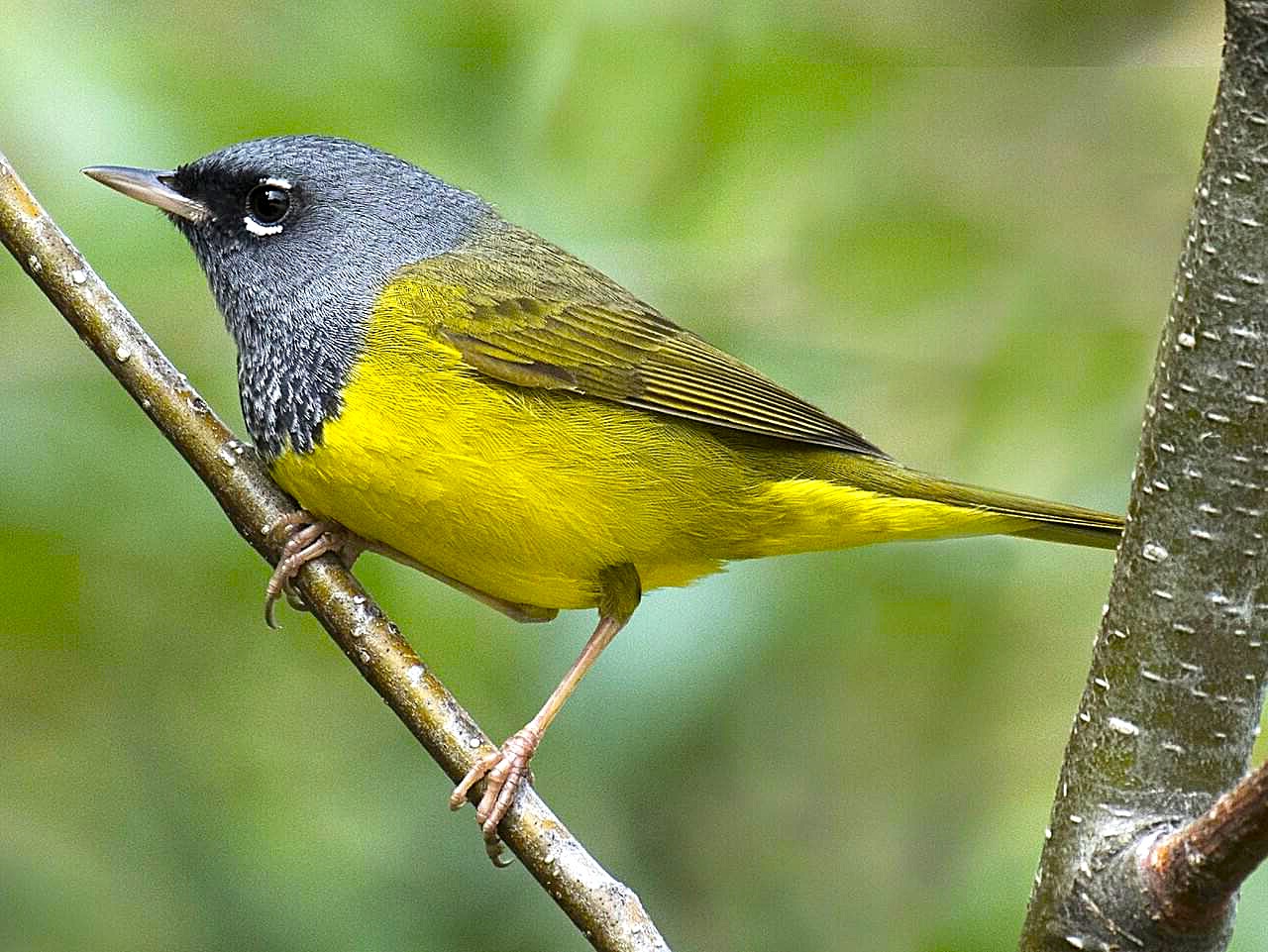
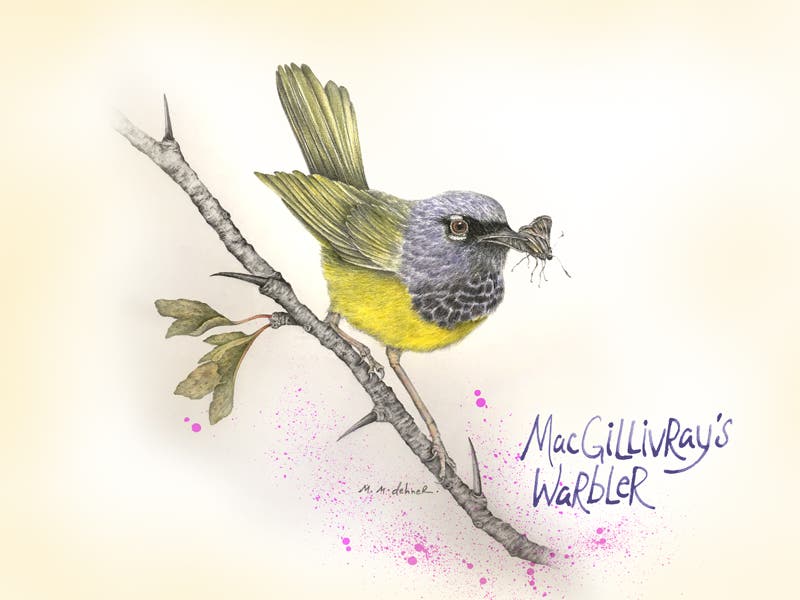
His work with John James Audubon was largely invisible at the time. MacGillivray wrote a large part of Audubon’s Ornithological Biographies from 1830 to 1839. MacGillivray co-wrote the Ornithological Biography that accompanied Birds of America, but the title page doesn’t acknowledge his contribution. Audubon honored him instead by naming Audubon named MacGillivray’s warbler after him, a bird MacGillivray never saw. MacGillivray was a fine artist himself, and started work on his own five volume A History of British Birds.[4]
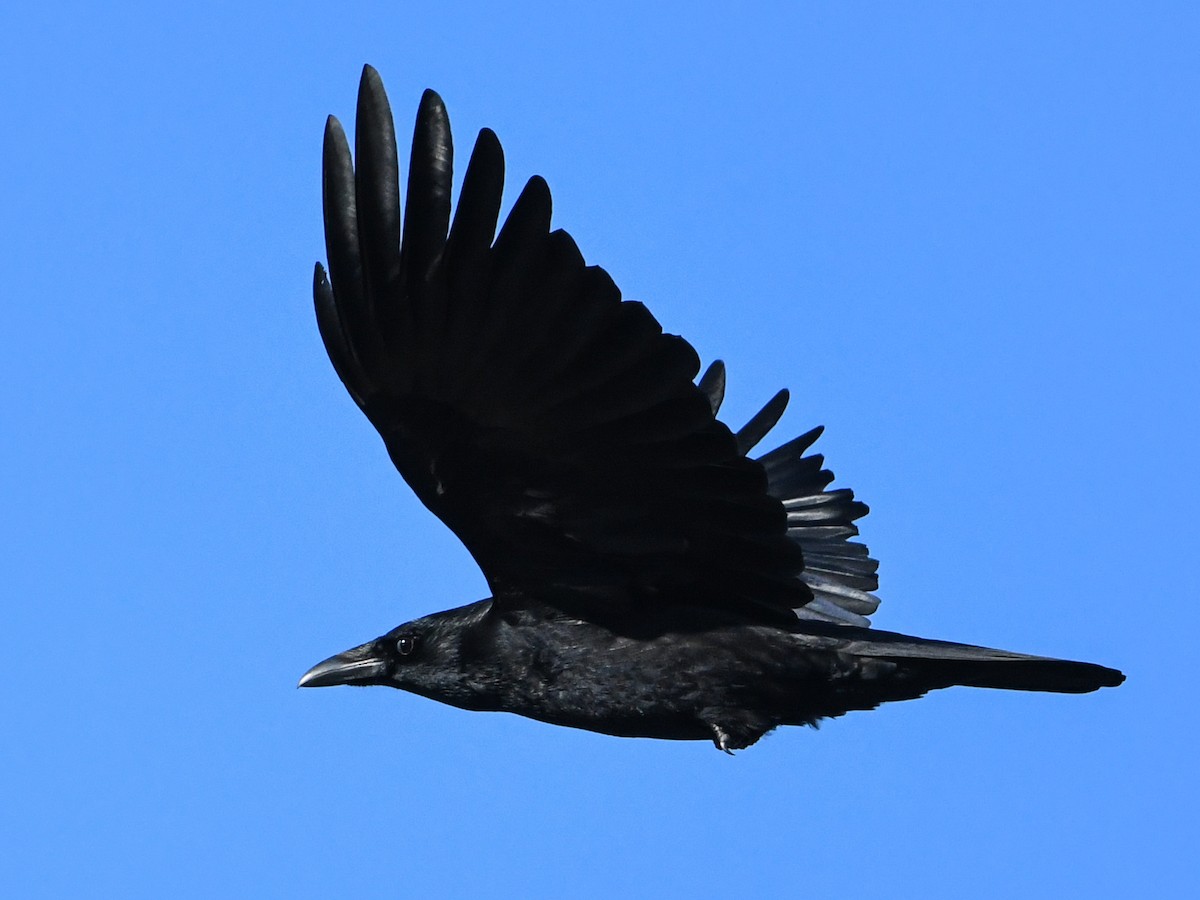
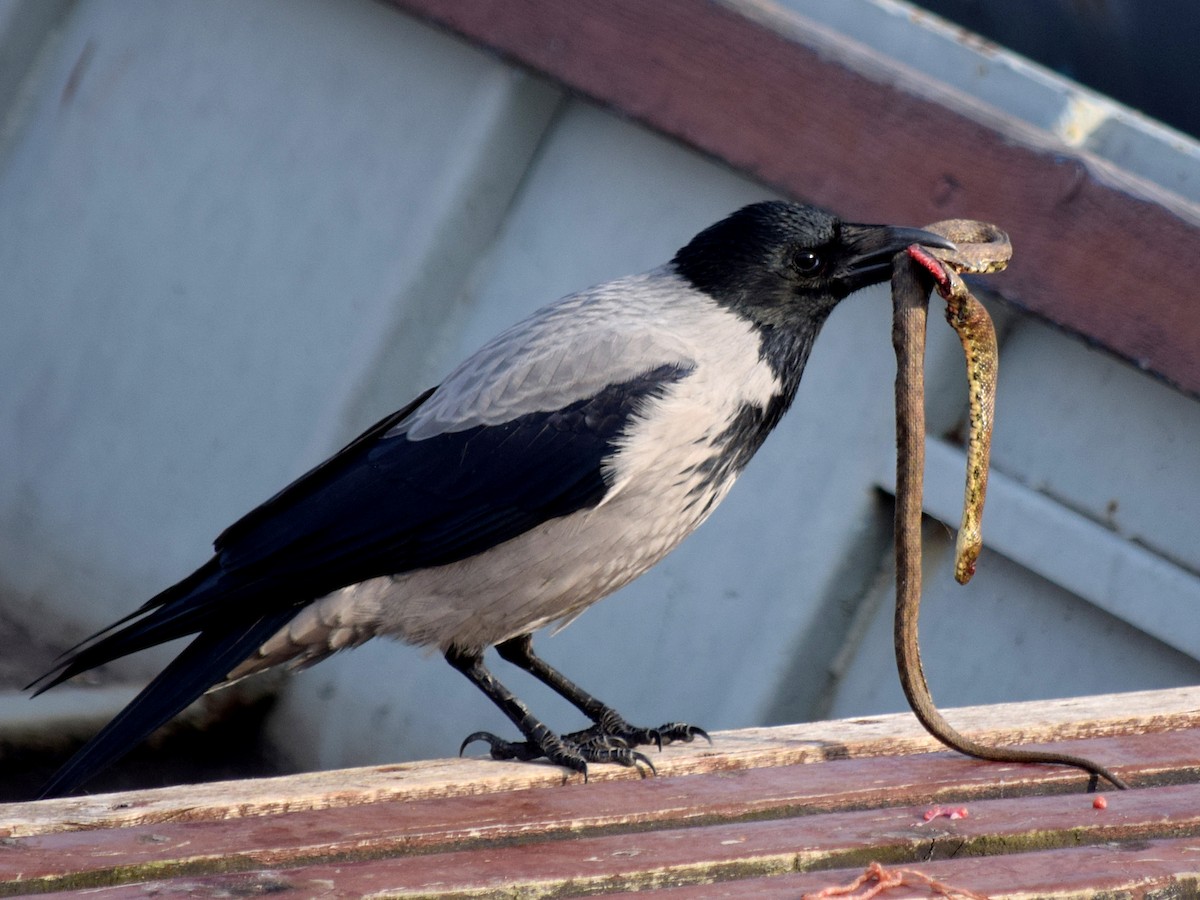
To his credit, MacGillivray correctly distinguished between the Hooded crow and Carrion crow. At the time they were considered only to be subspecies. With the introduction of DNA evidence, one and a half centuries later, in 2002, the Hooded crow was awarded species status.
William MacGillivray died in Aberdeen in September 1852 and his wife, Marion, died the same year. They were buried side-by-side in New Calton Cemetery in Edinburgh.
Is MacGillivray on an AOS “bad actor” list?
Not specifically. The AOS did not single out individuals. It decided to rename every bird named after a person, regardless of that person’s record. On November 1, 2023, the AOS announced it would change all English bird names within its geographic jurisdiction that are named after people. Scientific names are not part of this initiative. MacGillivray’s Warbler is on the list only because it is an eponym. Unlike McCown’s Longspur, it was not renamed because of its namesake’s conduct. americanornithologyamericanornithology
Current status: The first pilot group of six species is Inca Dove, Townsend’s Solitaire, Maui Parrotbill, Bachman’s Sparrow, Scott’s Oriole, and Townsend’s Warbler. MacGillivray’s Warbler is not among them. americanornithology. And as of an October 2, 2026 check of the AOS pages, no new names had been announced. mybirdfolio
Concerns critics could raise about MacGillivray:
- Indigenous human remains. This is the most serious issue. He brought specimens from Audubon to Aberdeen, including ancestral remains of Indigenous people. In 2022 the University of Aberdeen began negotiating with a Native American tribe seeking the return of several skulls that Audubon had stolen and given to MacGillivray in 1838. A second case came from his own collection: the records describe a “Native of Van Diemen’s Land, who was shot on the Shannon River” in Tasmania How MacGillivray came to have the skull is unknown. The university returned it to the Tasmanian Aboriginal Centre in March 2025. The university’s head of collections said violence and racism lay behind how the remains were acquired. William MacGillivray (1796-1852) +4
- Close association with Audubon. Audubon himself is heavily criticized for slaveholding and grave robbing.
- Slave ownership. The census records from 1831 showed that the MacGillivray’s owned two slaves (indentured servants) who helped them with child care and household chores in Scotland.
- The general colonial-naming critique. Bird Names for Birds argues that eponyms perpetuate colonialism and the racism associated with it. MacGillivray’s case also illustrates how arbitrary such name changes can be: 1) he was a Scottish ornithologist, not from the US; and 2) he never came to America, even once. thecottonwoodpostthecottonwoodpost
Birds named for him
| Common name | Scientific name | Notes |
|---|---|---|
| MacGillivray’s Warbler | Geothlypis tolmiei | Audubon’s synonym was Sylvia macgillivrayi. Townsend had already described it in 1839 as Sylvia Tolmiei (“Tolmie’s Warbler”). The scientific name honors William Fraser Tolmie instead. |
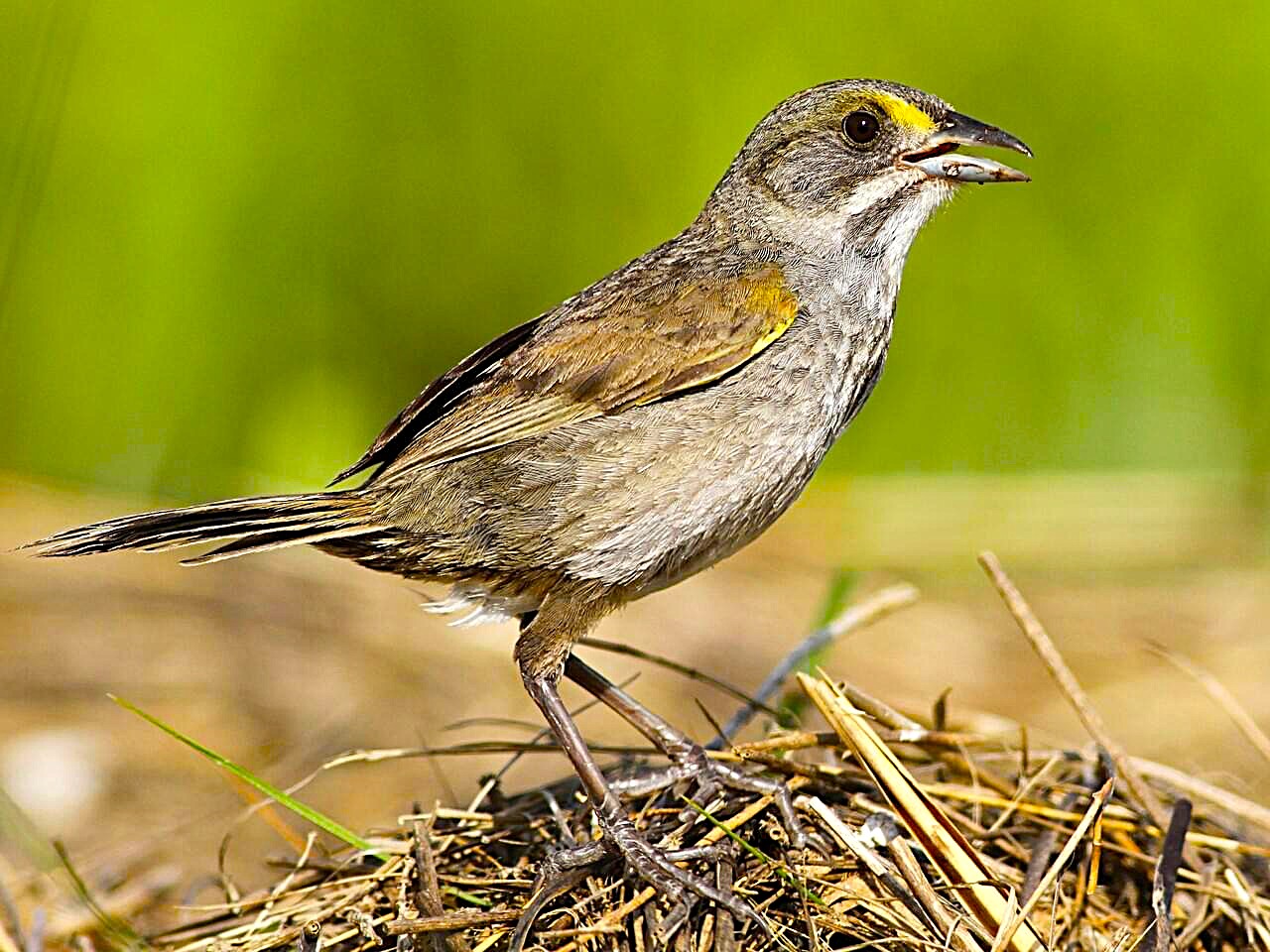
| MacGillivray’s Seaside Sparrow | Ammospiza maritima macgillivraii | This is a subspecies. Audubon called it MacGillivray’s Finch (Ammodramus in his 1839 Synopsis; plate 355). It lives in salt marshes from northern North Carolina to southern Georgia. MacGillivray’s warbler +2 |
| MacGillivray’s Finch | Fringilla macgillivraii | In 1834 Audubon named MacGillivray epithet about a finch that is no longer in use. |
=-=-=-=-=-=-=-=-=-=-=-=-=-=-=-=-=-=
Footnotes and References:
[2] https://www.undiscoveredscotland.co.uk/usbiography/mac/williammacgillivray.html
[3] Of the children born to Marion and William MacGillivray, at least eight survived to adulthood, and three sons are remembered today. Their eldest, John MacGillivray (1821 – 1867), served as naturalist aboard HMS Fly and HMS Rattlesnake and wrote the published account of the Rattlesnake’s voyage. Their second son, Paul Howard MacGillivray (1834 – 1895), published A Catalogue of the Flowering Plants and Ferns Growing in the Neighbourhood of Aberdeen in 1853, while still a student; he later became a surgeon and leading naturalist in Victoria, Australia. In 1892 Paul presented 213 of his father’s watercolours to the Natural History Museum in London. A third son was named Audubon Felix MacGillivray (1836 – 1900?). His first name honors the family’s friend, John James Audubon.
[4] https://www.lindahall.org/about/news/scientist-of-the-day/william-macgillivray/
=-=-=-=-=-=-=-=-=-=-=-=-=-=-=-=-=-=
 Harris, Scotland, view from the beach |
Bibliography
Works by MacGillivray
- Audubon, John James, and William MacGillivray. Ornithological Biography, or an Account of the Habits of the Birds of the United States of America. 5 vols., Edinburgh, 1831–1839.
- MacGillivray, William. Descriptions of the Rapacious Birds of Great Britain. Edinburgh, 1836.
- —. A History of British Birds, Indigenous and Migratory. 5 vols., London, 1837–1852.
- —. A History of British Quadrupeds. Edinburgh, 1838.
- —. A Hebridean Naturalist’s Journal, 1817–1818. Edited by Robert Ralph, Acair, 1996.
- —. A History of the Molluscous Animals of the Counties of Aberdeen, Kincardine, and Banff. London, 1843.
- —. Lives of Eminent Zoologists, from Aristotle to Linnaeus. Edinburgh, 1834.
- —. A Manual of Botany, Comprising Vegetable Anatomy and Physiology. London, 1840.
- —. A Manual of British Ornithology. 2 vols., London, 1840–1842.
- —. The Natural History of Dee Side and Braemar. Edited by Edwin Lankester, London, 1855.
- —. A Systematic Arrangement of British Plants. London, 1835.
- —. The Travels and Researches of Alexander von Humboldt. Edinburgh, 1832
- —. A Walk to London. Edited by Robert Ralph, Acair, 1998.
Works about MacGillivray
- Ashworth, William B., Jr. “William MacGillivray.” Scientist of the Day, Linda Hall Library, 25 Jan. 2018, www.lindahall.org/william-macgillivray/.
- MacGillivray, William. Life of William MacGillivray, M.A., LL.D., Ornithologist. John Murray, 1910. The 1910 Life was written by a later namesake, not by the ornithologist.
- A Memorial Tribute to William MacGillivray, Ornithologist. Edinburgh, 1901.
- Pizzuto-Pomaco, Josh. “Taken without Consent: UoA Museums and Special Collections Houses Hundreds of Human Skulls.” The Gaudie, www.gaudie.co.uk/post/taken-without-consent-uoa-museums-and-special-collections-houses-hundreds-of-human-skulls. Accessed 21 Oct. 2026.
- Ralph, Robert. William MacGillivray. HMSO, 1993.
- —. William MacGillivray: Creatures of Air, Land and Sea. Merrell Holberton / Natural History Museum, 1999.
- Tomkins, Ivan R. “Notes on Macgillivray’s Seaside Sparrow.” The Auk, vol. 58, no. 1, 1941, pp. 38–51.
- —. “The Status of Macgillivray’s Seaside Sparrow.” The Auk, vol. 54, no. 2, 1937, pp. 185–88.
- University of Aberdeen. “Tasmanian Ancestral Remains to Return Home.” University of Aberdeen News, Mar. 2025, www.abdn.ac.uk/news/24212/.