
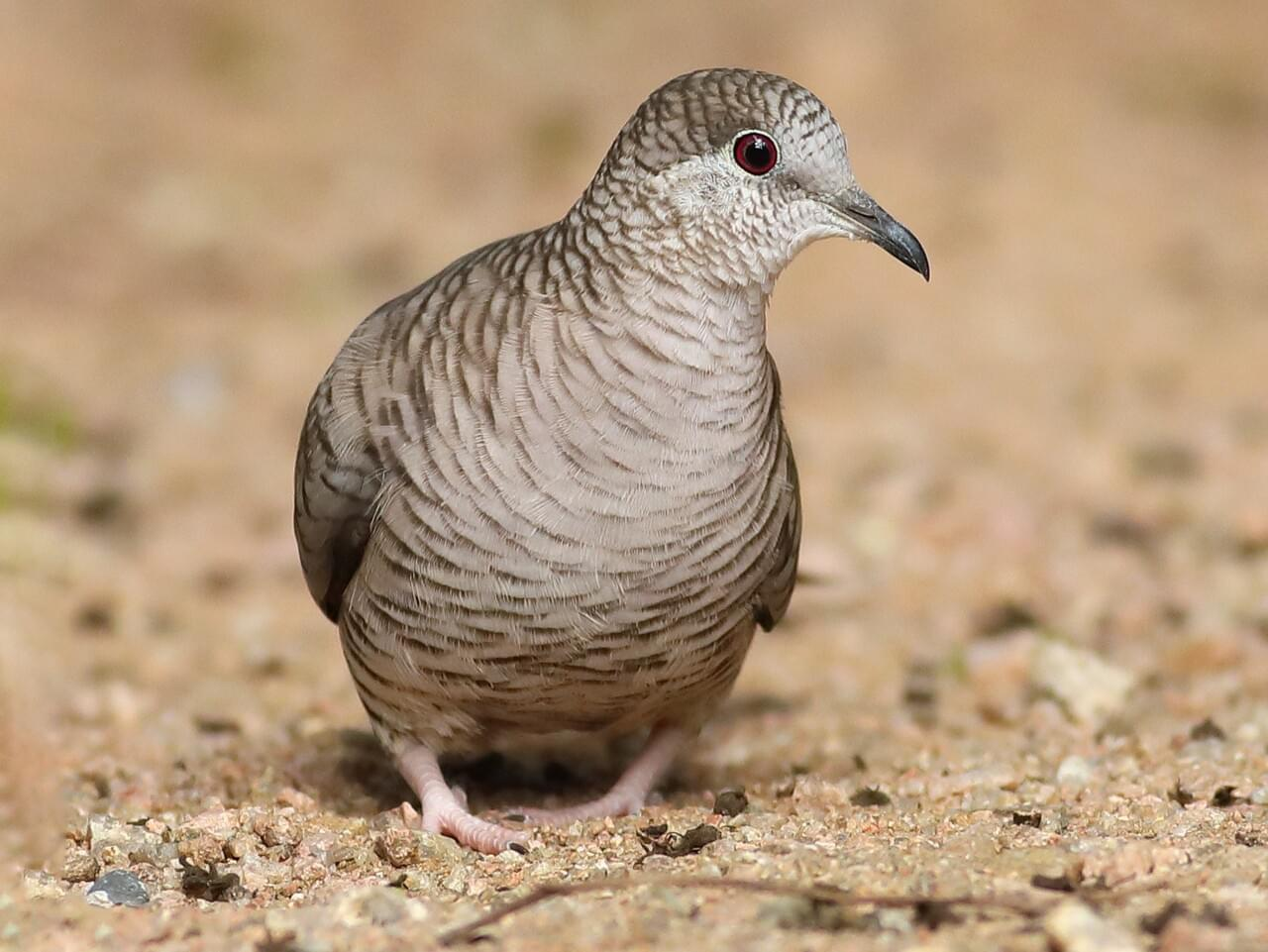
Birds of Inca
While several of my Bird Posts have consisted of birds named after a particular ornithologist or historical character, some of the Posts refer to locations. I have loved researching places where I have visited (such as Helsinki, Chiricahua Mountains and the Baja Peninsula). This Bird Post, however, has to do with the AOS decision to remove the names that they believe to be eponyms of bad people. In the process they are eliminating names that are attached to PLACES and the members feel “wronged” by the reference, either in the common name or the scientific name.
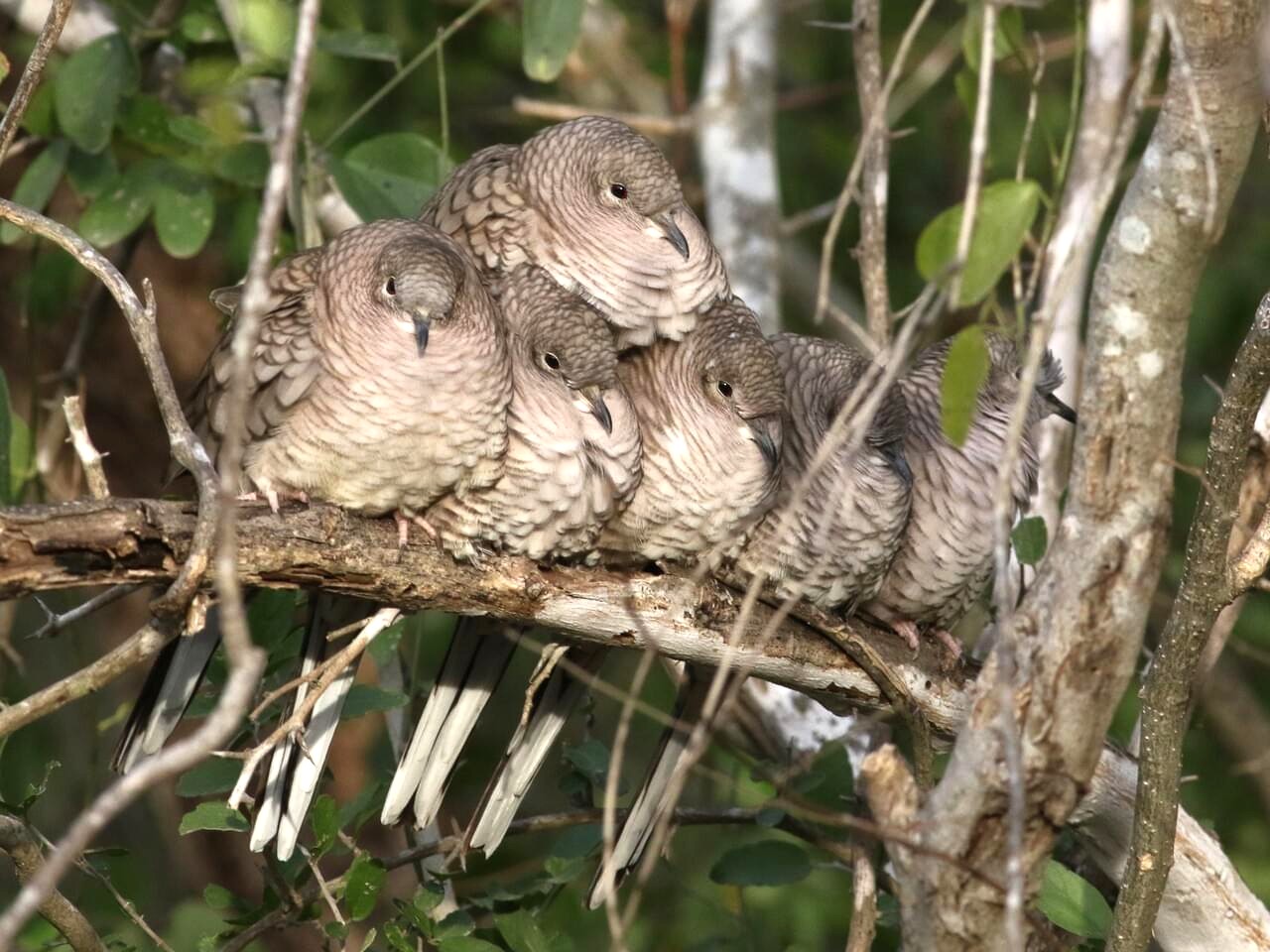
Similar to my Maui Parrotbill Post,[1] this bird story doesn’t really involve a person. Neither is the story here about a mistaken eponym. This one has a twist: there was no person named Inca. The Inca Dove isn’t named after a birder or scientist, so there’s no biography of revered deeds and scorned misdeeds to tell. “Inca” in this case refers to the Inca Empire of the Andes, and the bird’s name is criticized because it’s a geographic mistake, not because of anyone’s conduct. To summarize: the Inca Dove’s name upsets people because it’s simply wrong; a European naturalist’s mixed-up the name and fellow ornithologists left it uncorrected for nearly two centuries.
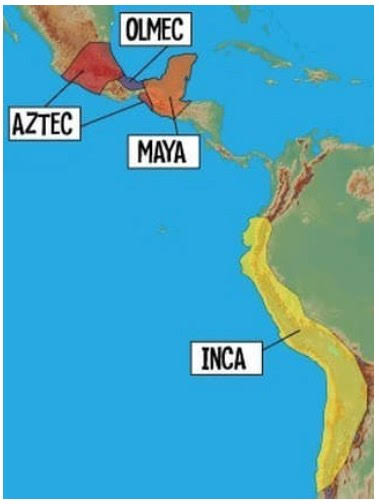
Where did the Inca name come from? The dove species was first described in 1847 by French surgeon and naturalist René Lesson. He may be the one to blame for the geographic mess. Although the dove was named for the Inca Empire, it doesn’t live anywhere in the lands that empire covered. The Inca ruled the Andes Mountains of South America, while this little dove has always lived in southern North America and Central America, much of which the Aztecs once ruled. The dove is most common in central Mexico, right across the old Aztec heartland. The geographical mistake was noticed over 50 years ago. Ernest A. Choate’s 1973 Dictionary of American Bird Names suggested René Lesson had confused the land of the Aztecs with the land of the Incas in Peru. No one has found a better explanation for why a Mesoamerican dove got a South American empire’s name.
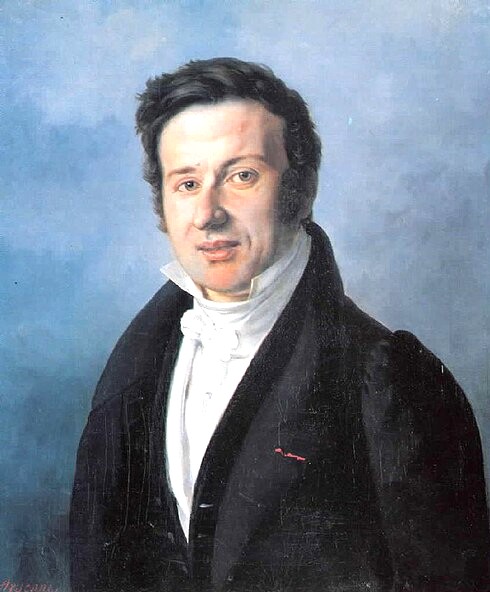
If there is a person at the center of this story, it’s probably René Lesson, who was a well-regarded naval surgeon-naturalist, best known for his work on hummingbirds and birds-of-paradise. He helped Victor Masséna identify and catalogue his massive collection of 12,500 birds in which he kept in Paris, France. René Lesson found several new species of birds in the menagerie, two of them were hummingbirds. He named one hummingbird after Duke Victor Masséna (Rivoli’s Hummingbird) and the other after Duchess Anna Debelle Masséna (Anna’s Hummingbird). Lesson’s blunder with the Inca dove was a mix-up, not a moral failing, and nobody counts him among the “hated” namesakes in the Bird Naming debates.[2, 3]
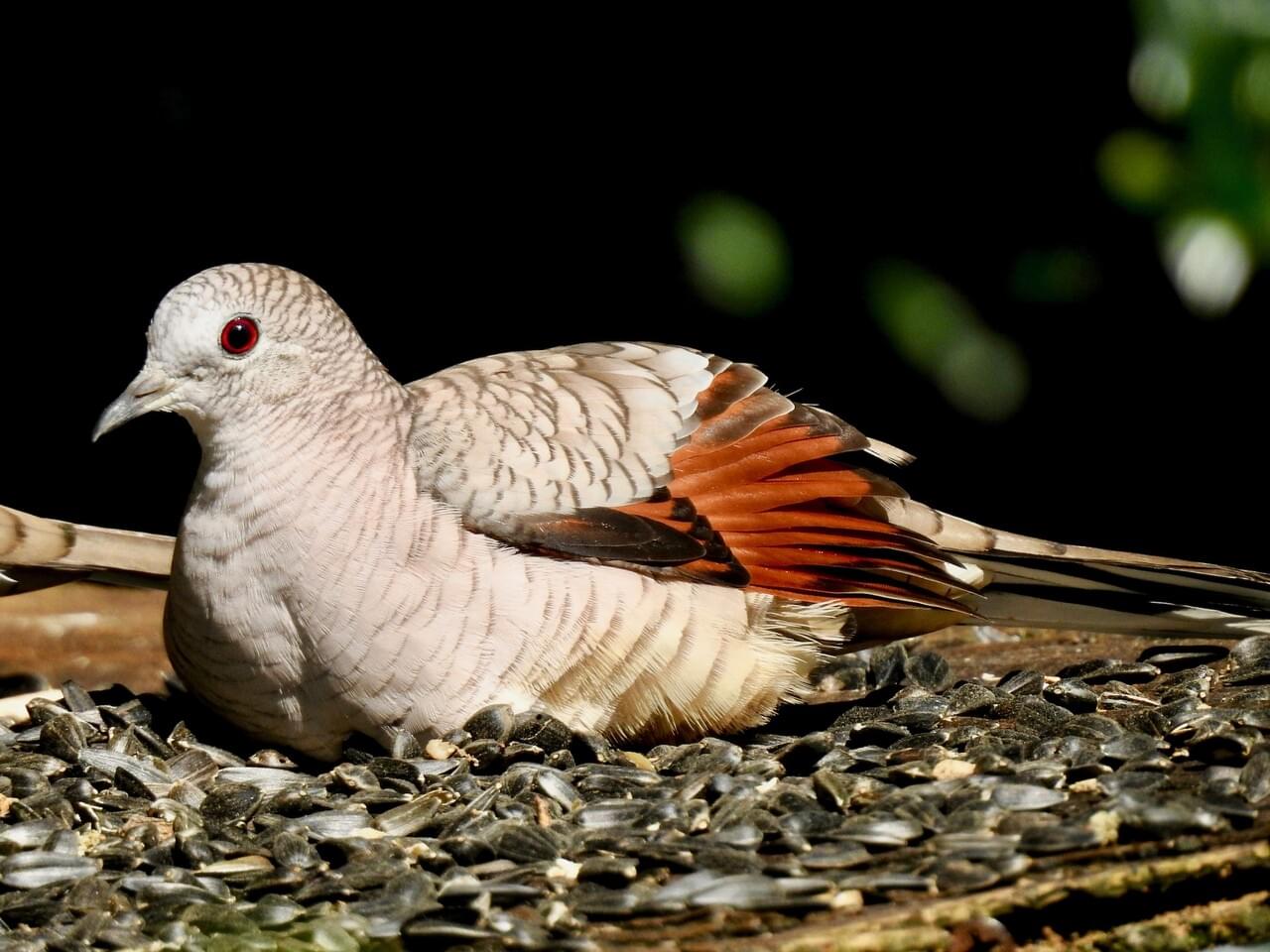
Why is the Inca name on the change list? The AOS committee that recommended renaming all eponymous birds also flagged three non-eponymous names, and Inca Dove was one of them. The AOS grouped it with names that had derogatory or culturally unsuitable references. It’s also one of the six birds in the pilot project, which Stephen Hampton describes as a set of relatively easy, uncontroversial cases. The objection isn’t that “Inca” is an insult. It’s that a name confusing two distinct Indigenous civilizations shows carelessness about Latin American history and culture.[4] Before the 2023 decision, ornithologist Van Remsen, a longtime member of the North American Classification Committee, had already argued in 2012 that the name should change. He called it a “completely misleading, nonsensical, embarrassing name” and warned that keeping it only confirmed to Latin Americans how little most Americans know about places beyond their borders. His proposal to switch to “Aztec Dove” failed 5 to 4. One opponent argued that the name reflected Lesson’s ignorance, not the committee’s.
The debate over a replacement of “Inca.” “Aztec Dove” is the leading candidate, but it has critics on several sides. Some note that “Inca” was a royal title passed down a line of rulers, rather than the name of a people. The term “Aztec” is a 19th-century label, and that a name is based on a specific group and would need to be clarified with something like Mexica or Nahua. Others ask why the bird should be named for the Aztecs rather than any of the other peoples who lived in its range. Some checklist committee members objected that it would be wrong to honor a society that practiced human sacrifice. Steve Hampton, who served on the ad hoc committee, rejects that as a colonial stereotype. He argues that what matters most is how people from that place feel about the name, and he says many people in Mexico and the U.S. embrace “Aztec” with pride. He says “Mexican Dove” or “Nahua Dove” would also work, but he’d vote for Aztec Dove. “Mexican Dove” is in fact already an alternative English name for the species.
Where does the Inca Dove discussion currently stand. As of August 2026, Steve Hampton’s post indicates that the AOS still hadn’t adopted the recommendation, so the bird will officially remains the Inca Dove, until further deliberations are weighed.
Here is a LINK to the List of Bird Names Derived from English Names
=-=-=-=-=-=-=-=-=-=-=-=-=-=-=-=-=-=-=
[1] https://henryehooper.blog/birds-of-maui/
[2] https://henryehooper.blog/birds-of-massena/
[3] Rene Lesson published his findings on the Inca Dove in his 1847 book Description de mammifères et d’oiseaux récemment découverts, on page 211, under the name Chamaepelia inca. The Bibliothèque nationale de France has scanned the book, and in the passage that introduces the “colombicolin inca,” Lesson calls it “une jolie espèce du Mexique,” a pretty species from Mexico.” The modern type locality of his sighting is Mexico City, Mexico.
[4] FAQ about the name changing rules set forth by the AOS by All About Birds

