
Birds of Masséna
The Massénas and the story behind Anna’s Hummingbird
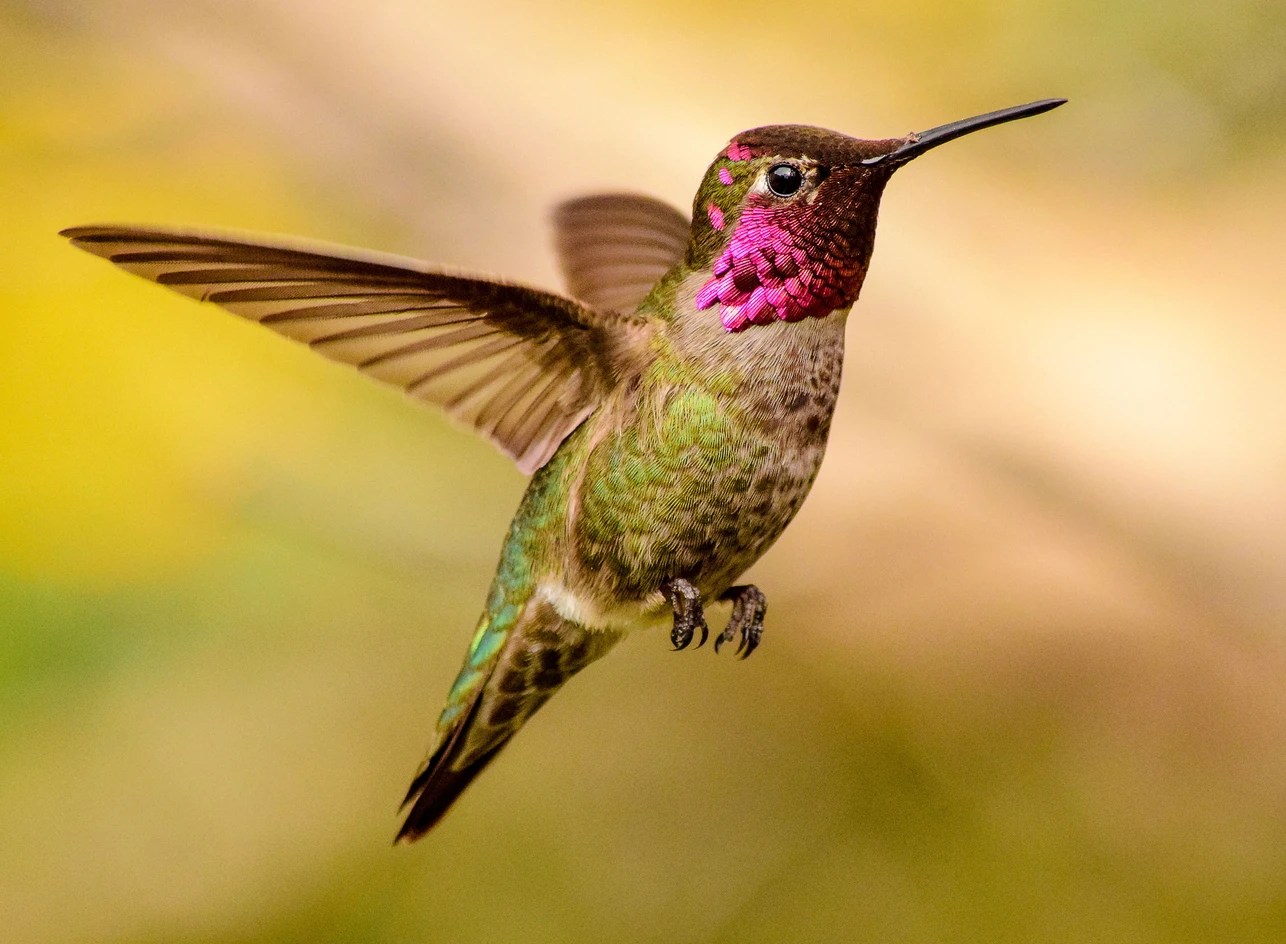
Spoiler Alert: There are some overly dramaticized versions of the story behind the naming of Anna’s Hummingbird (Calypte anna) with rumors of massive avian obsessions by a Prince hoarding 30,000 bird specimen and secret romances between Americans and high society French Duchesses; however, I could not find a single reliable source for these versions. Therefore, I will stick to the facts on the naming of one of my favorite hummingbirds.
Anna’s are special to me for two simple reasons: First, the birds arrive at our water fountain in packs of three or four just at dawn on a daily basis. And Second, they have stuck around all year, even surviving some severe freezes, with our bird feeders rose colored sugar water as an energy source.
Where to begin? With a name like Anna’s there is bound to be a woman involved. However, the story starts back a generation in a French family and the naming of this hummingbird takes some European/American twists and turns.
Bonaparte and Masséna and Audubon
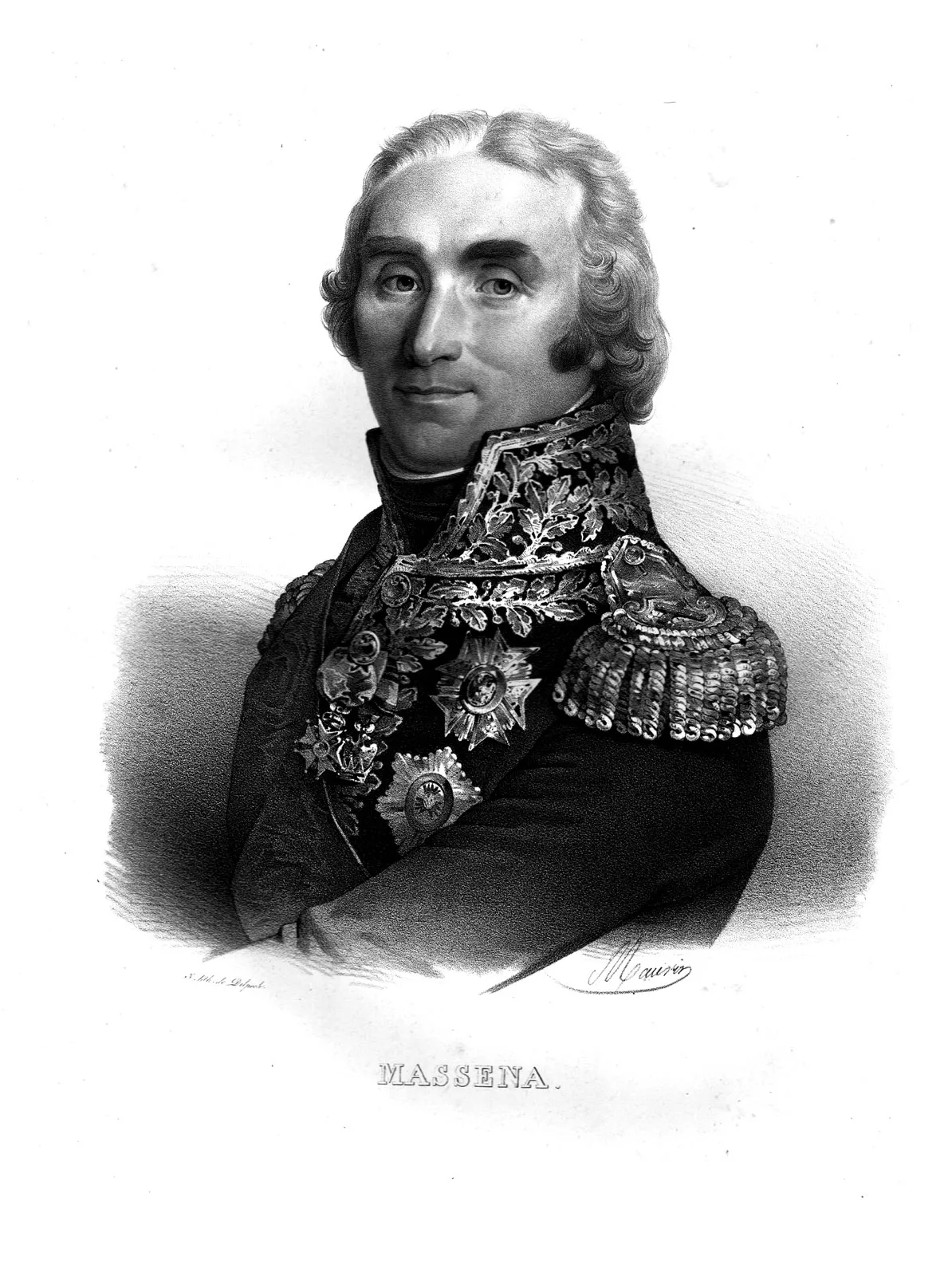
The tale begins with André Masséna, who was a volunteer cabin boy and simple soldier in the French Army. Napoleon Bonaparte noticed Masséna as he rose through the ranks during French Revolution and became known for his tactical mindset in times of battle. And although Napoleon nicknamed him “the dear child of victory” (l’enfant chéri de la victoire), he grew to be one of Napoleon Bonaparte’s most ruthless military Marshals. In his military career Masséna battled opponents of France in Italy, Portugal, Switzerland, Austria and Russia with merciless, bloody success. He received the title of Marshal of the Empire, when Napoleon crowned himself Emperor. Some called his military efforts brilliant, while others dubbed them rapacious and brutal. For a vicious battle victory in Austria he earned the title Prince of Essling and for additional battles won he earned the title Duke of Rivoli.[1]
While André Masséna’s military talents received praise, his character was severely tainted by his greed and his taste for pillage.[3] As one biographer noted “besides soldiering, he had two interests: money and women.” Masséna was known throughout the army as an insatiable looter, avaricious and anxious to enrich himself through material goods. During one Italian campaign certain towns and regions occupied by his division were completely ransacked and numerous complaints were made directly to Bonaparte, who nevertheless preferred to turn a blind eye to the actions of his subordinate. Masséna’s reckless behavior earned him the derisive new nickname “the rotten child of victory” (l’enfant pourri de la victoire).[1]
Off the Battlefield and at Home
In 1789 Marshal Masséna married Anne Marie Rosalie Lamare (1765–1829), the daughter of a master surgeon from Antibes. They had four children, three of whom survived to adulthood. The youngest son, François Victor Masséna (1799–1863) was born in Antibes and succeeded his father as 2nd Duke de Rivoli and he succeeded his brother as 3rd Prince d’Essling. He married Anne Debelle, daughter of General Jean-François Joseph Debelle, in 1823.
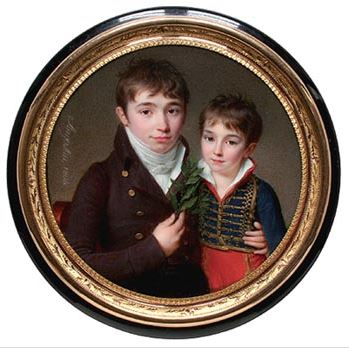
When the Napoleonic Wars ended (in 1815), the younest son, Duke Victor Masséna, did not seem to have a career, beyond his title. However, he began building one of Europe’s great private bird collections. While there was some speculation that his interest in birds went from curious birder to manic obsession, there is no proof that this budding ornithologist was working through some intra-family psychological trauma. There is simply no record of such generational impact, though that is possible: Victor did have a troubled father and he did develop ‘a thing for birds.’ He collected and collected and collected, finally amassing about 12,500 specimens from all over the world.[4]
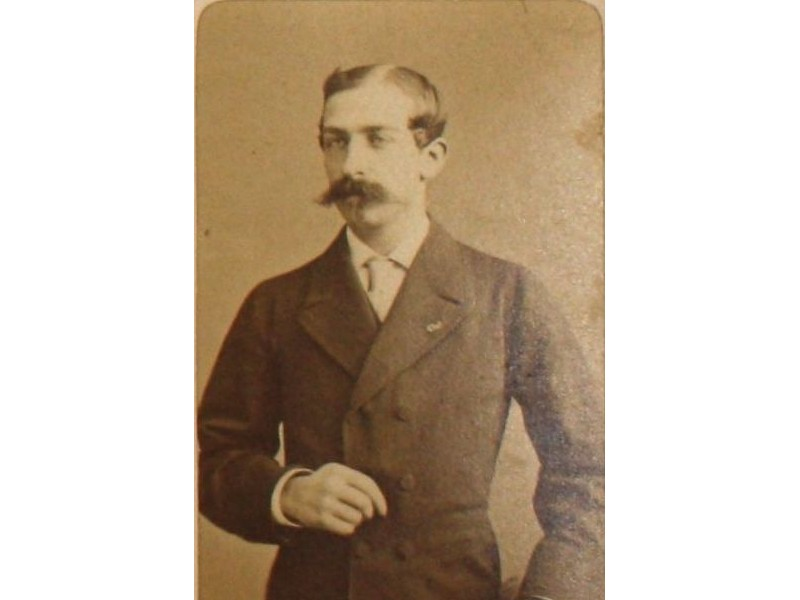
Victor’s wife, Anna, was the daughter of a French general, and after their marriage she assumed the title — Duchess of Rivoli. She was also a woman with laudable social graces.
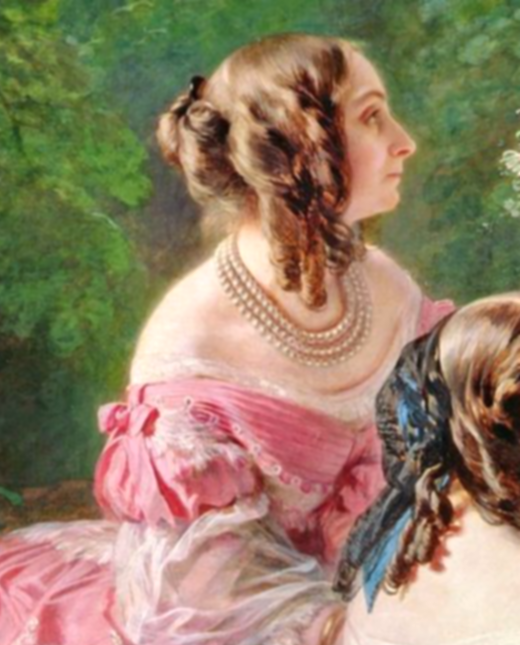
The young Duke and Duchess invited the French naturalist and fellow ornithologist, René Lesson, to describe the birds they had collected, identifing any new species within the bird collection.
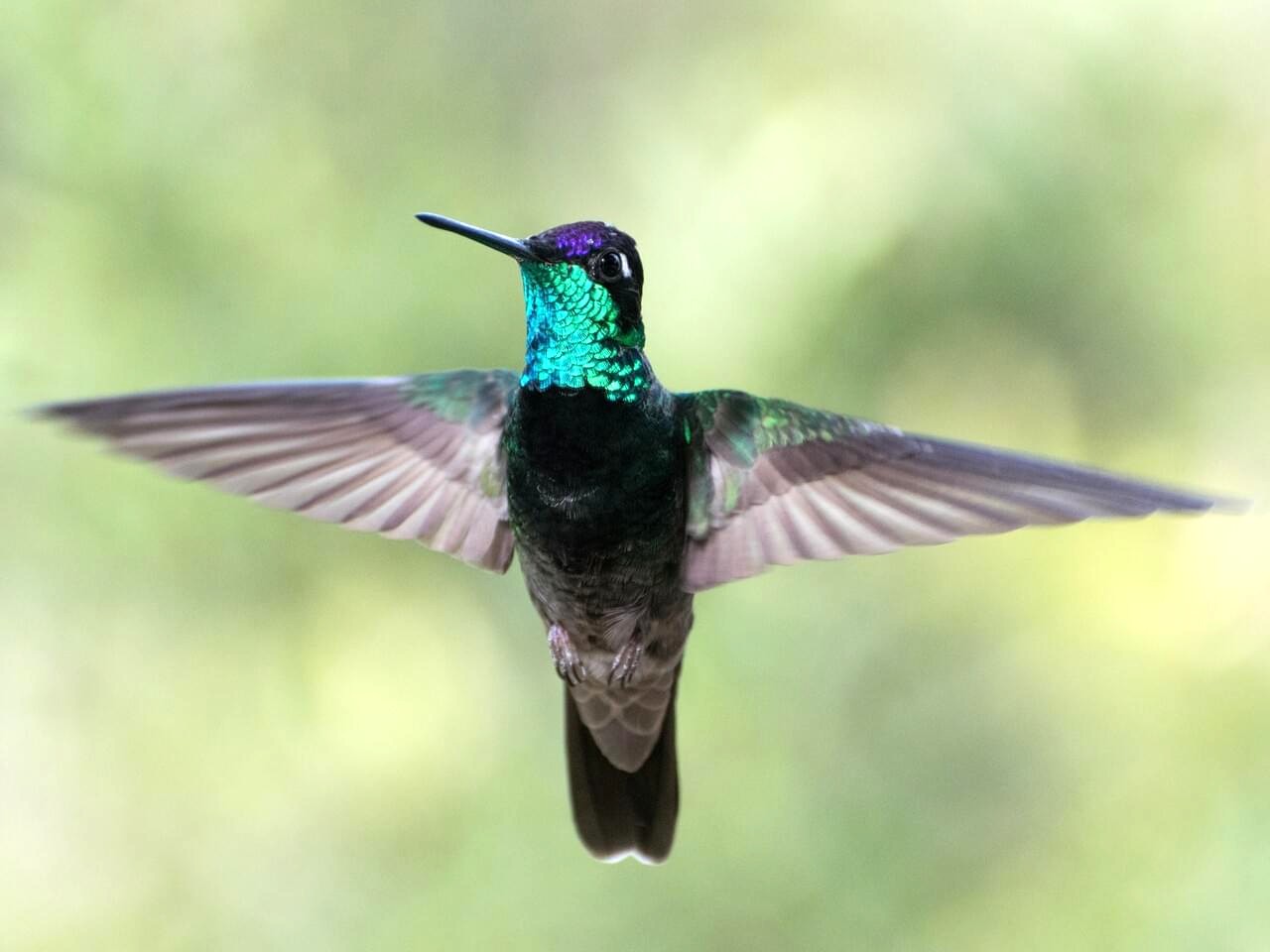
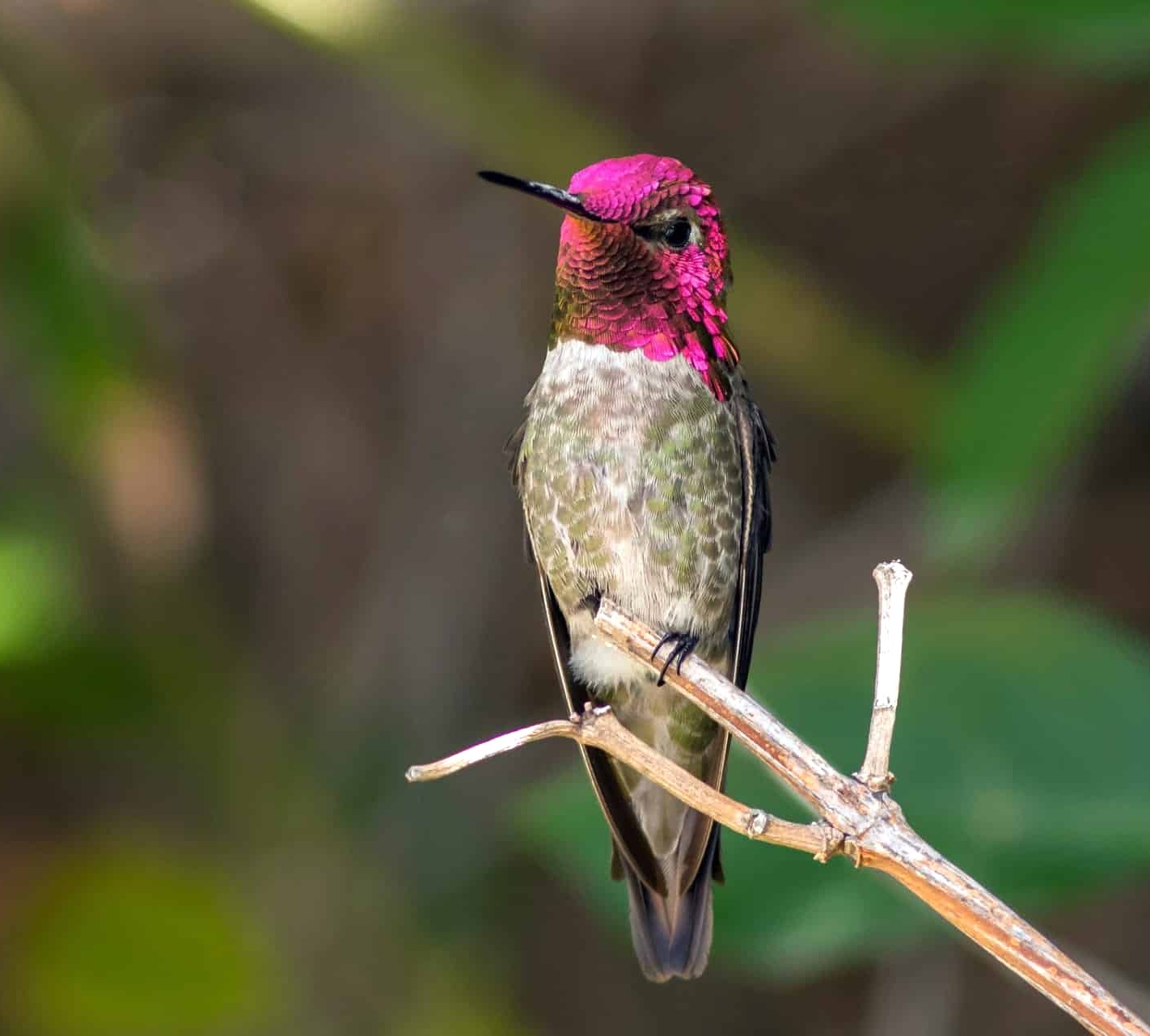
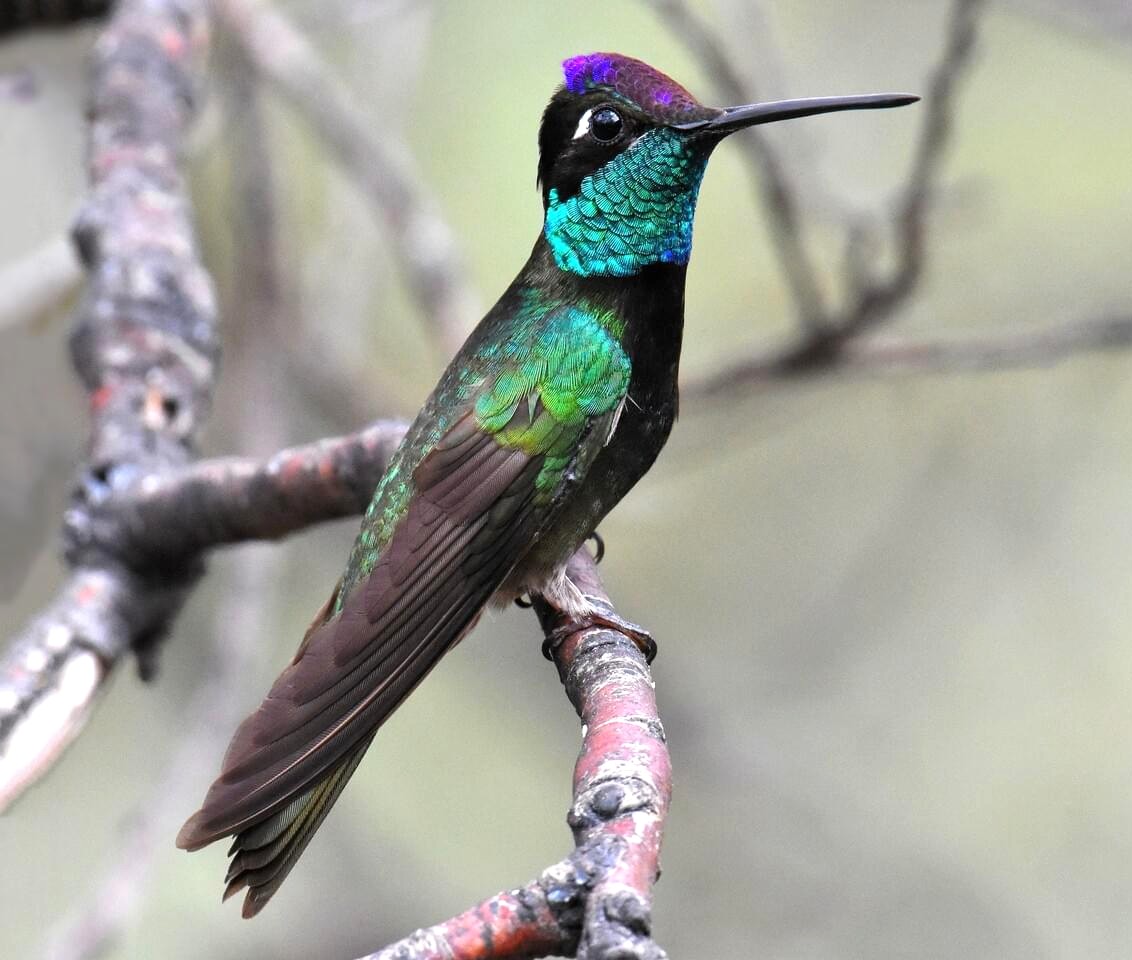
René Lesson found several new species of birds in the menagerie, two of them were hummingbirds. He named one hummingbird after Duke Victor Masséna (Rivoli’s Hummingbird) and the other after Duchess Anna Debelle Masséna (Anna’s Hummingbird).
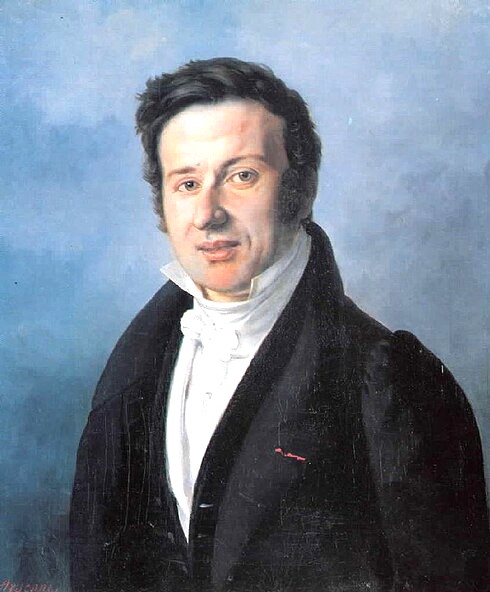
What’s a Bird Story without J.J. Audubon in the Plot?
In 1828, John James Audubon visited Paris, seeking subscribers for his book The Birds of America. He sought out like-minded scientists for endorsements of his work. He found admirers like Professor Georges Cuvier, who was the most powerful figure in French natural science at the time. Cuvier was a professor at the Muséum National d’Histoire Naturelle and permanent secretary of the Académie des Sciences.[5] Audubon wrote about the professor in his journals with a mix of nervousness and awe. After a private dinner together, Cuvier examined the plates of The Birds of America and gave a favorable report on them before the members of the Académie. Cuvier proved the key endorser of Audubon. Shortly after that academic nod of approval the famous French naturalist, Étienne Geoffroy Saint-Hilaire, lent Audubon additional scientific credibility in Paris.[6]
From there Audubon also reached out to artists, ornithologists and bird lovers. He met couples like Duke and Duchess Masséna through social channels on his trip. Audubon later described Anna Debelle Masséna as a beautiful, gracious and polite young woman.
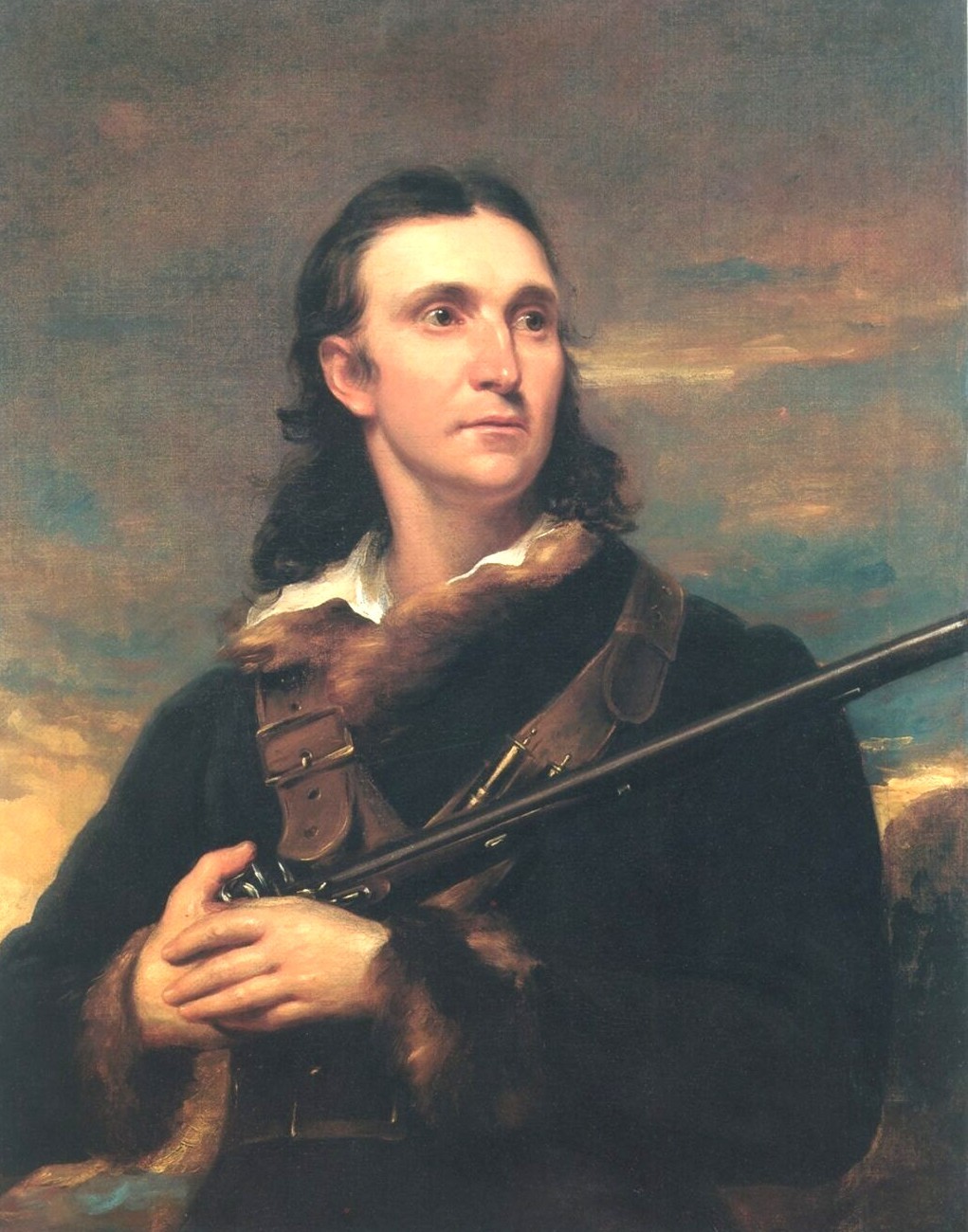
Was there a secret love affair between the Princess Anna and John James Audubon? Again, nothing, except wild and sordid speculation, substantiates that idea. So there are no taudry tales to tell. Audubon was not involved with the naming of the hummingbirds. René Lesson, through his personal research, noted a male hummingbird’s iridescent rose-magenta head and throat perfectly matched the description of an unnamed species, native to California. And to clarify, there were no rumors about a love affair between Lesson and Duchess Anna. The story goes that Lesson named the colorful bird Anna and another stunningly beautiful hummingbird Rivoli to honor the Masséna family’s patronage.
Commercially, how did Audubon fare? By all financial accounts his trip to Paris was modest. He secured only a handful of subscribers, though that list did include the Duke of Orléans, who later rose to be France’s King Louis-Philippe.
Many of the birds that Audubon included in his The Birds of America compendium were already deeply intertwined with the study and classification of many of the same species represented in Masséna/Wilson collections. J. J. Audubon published The Birds of America as a serial work that first began in 1827. The monumental “Double Elephant Folio” project, which consisted of 435 life-sized, hand-colored prints, was completed 11 years later in 1838, when the final plates and fourth volume were delivered to paid subscribers.[6]
What about all of those stuffed birds?
Although there were never 30,000 birds in the Masséna’s original collection, that is not the end of the stuffed bird count story. There would soon be a massive collection of over 26,000 birds in play. The larger sum was curated by an American collector of mounted birds who wanted them all.
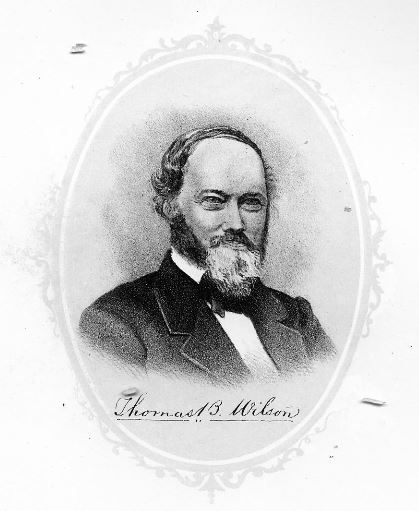
The Masséna collection (12,500 mounted and named bird specimens) was bought by an avid bird collector named Dr. Thomas B. Wilson (1807-1865). Wilson was an American physician, naturalist, and patron of science who loved birds, dead or alive. He bought the famous Masséna specimens in 1846 and added them to the thousands of other specimens he had purchased over the years. Wilson had donated many of the finest bird specimens in his large private collection to the Academy of Natural Sciences of Philadelphia in 1846, the same year he bought the Masséna collection. 16 years later, Wilson finally gave full title to all 26,000 birds to the Academy in 1860, making for one of the largest ornithological repositories in the world at the time. Anna’s Hummingbird was in the mix.
—————————————————
=-=-=-=-=-=-=-=-=-=-=-=-=-=-=-=-=-=-=-=-=-=-=
Footnotes:
[3] Elting, John R. (1997). Swords around a Throne: Napoleon’s Grande Armée. Phoenix Giant. ISBN 0-7538-0219-8.
[5] Georges Cuvier (1769–1832) was the most powerful figure in French natural science. He was a professor at the Muséum national d’Histoire naturelle and permanent secretary of the Académie des Sciences. He is best remembered as a founder of comparative anatomy and paleontology, and for establishing that species go extinct, using fossil records, like mammoths and mastodons, as evidence of his theories and findings.

