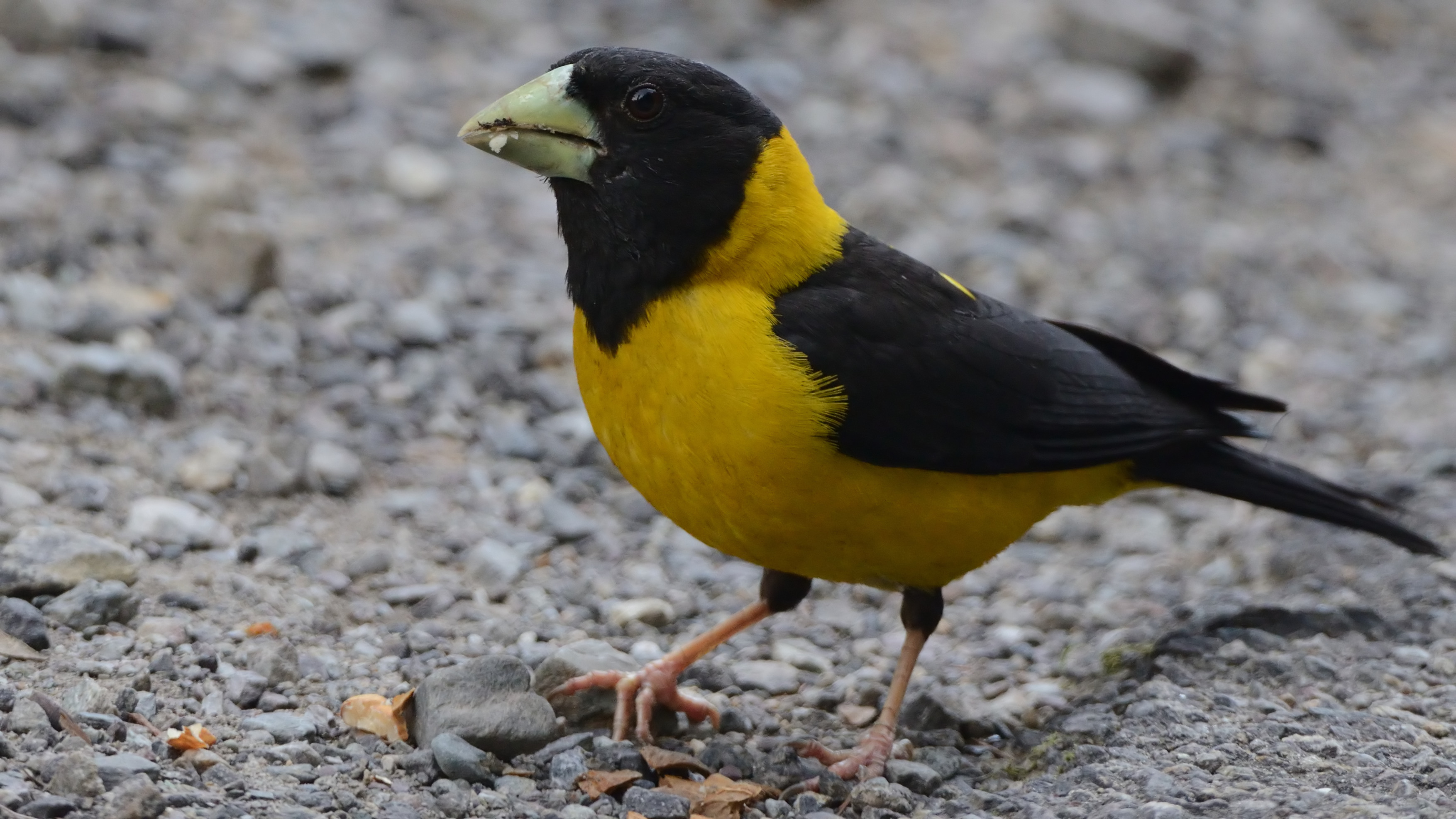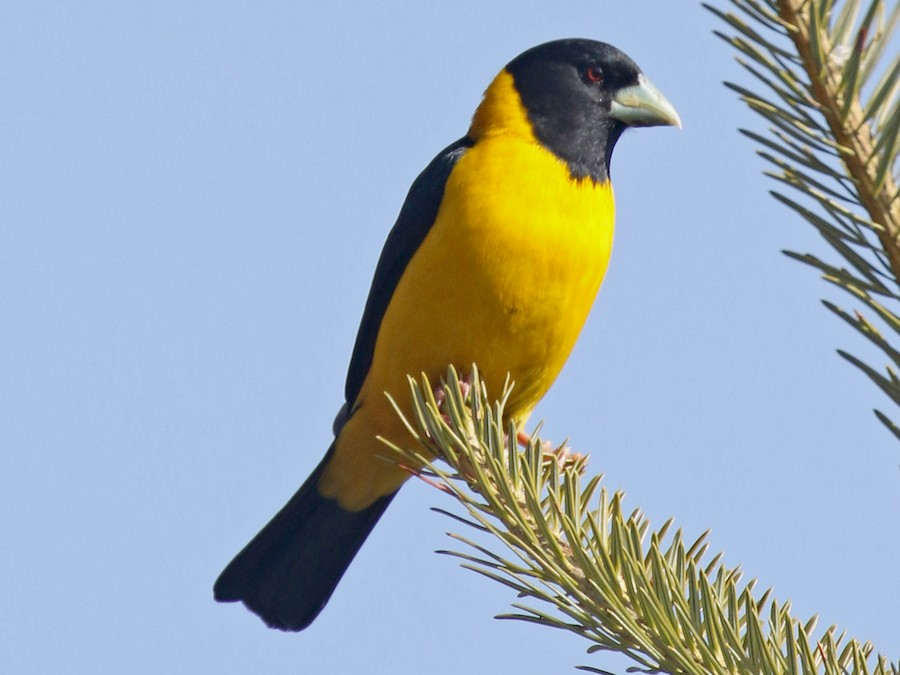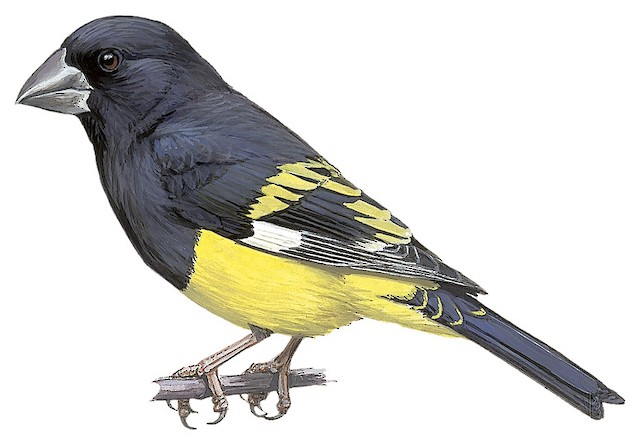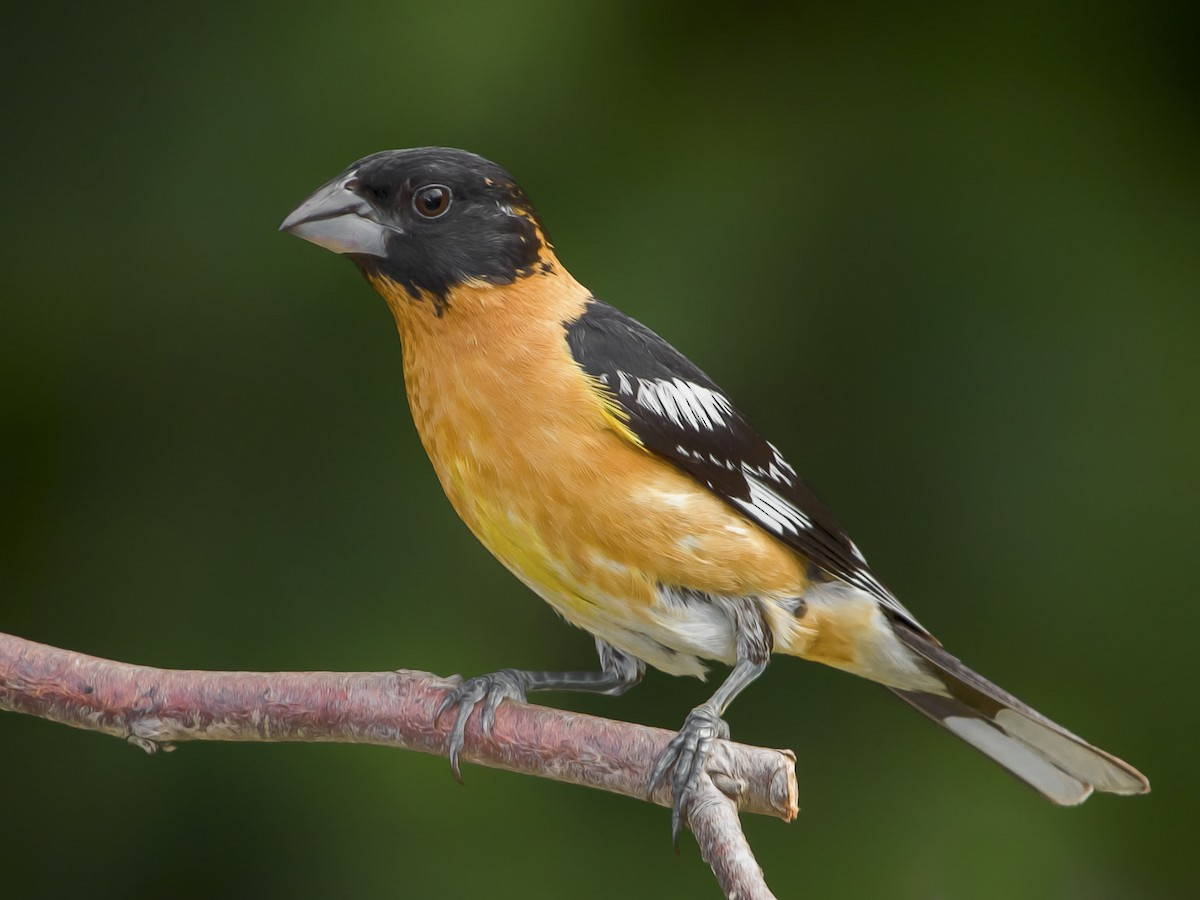
Birds: Grosbeak
It did not take long for the path to lead to the trail which led to the copse of trees which hosted the birds. Today the trees had towhees, juncos, jays, and grosbeaks. And not just any grosbeak, but the Black-headed version.
Grosbeaks are placed in several categories: New World, Old World, and True Finches. I am not sure why these big-billed birds are set apart as they are, but several other ornithologists place them in different groupings. Here are the ones that seem to make sense to me:
1. The Cardinal Group (Cardinalidae)
This family is native to the Americas and features sexually dimorphic birds (where males display brilliant colors and females are more subdued, for camouflage purposes).
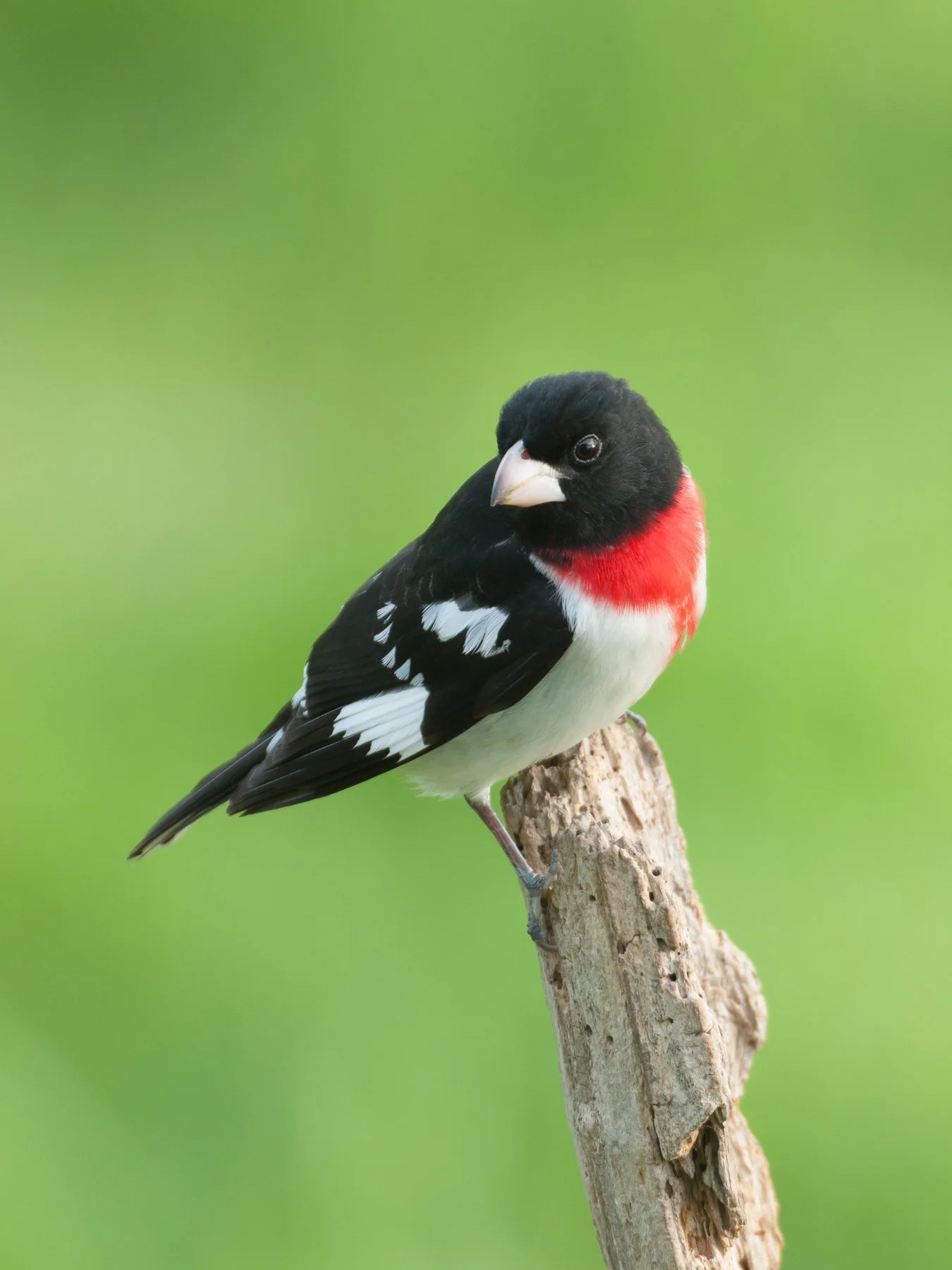
- Rose-breasted Grosbeak: Features bold black-and-white plumage with a striking ruby-red triangular patch on its breast.
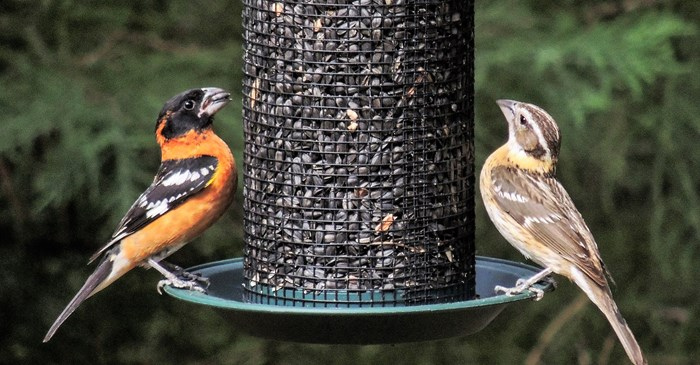
- Black-headed Grosbeak: A western species characterized by its tawny-gold breast, black wings with white markings, and rich, robin-like song.
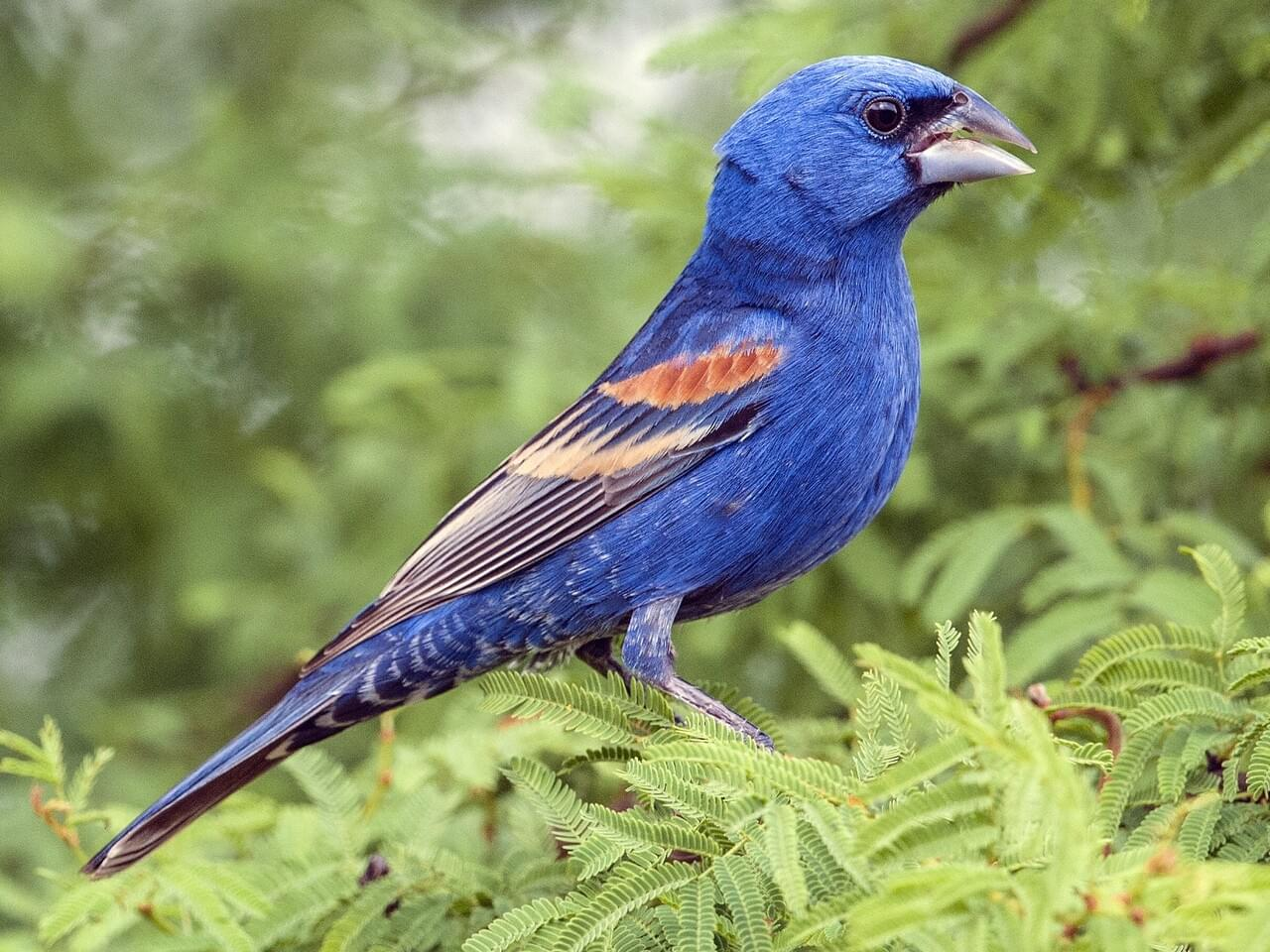
- Blue Grosbeak: A stunning deep-blue migrant with prominent chestnut wing bars that prefers brushy fields and desert edges.
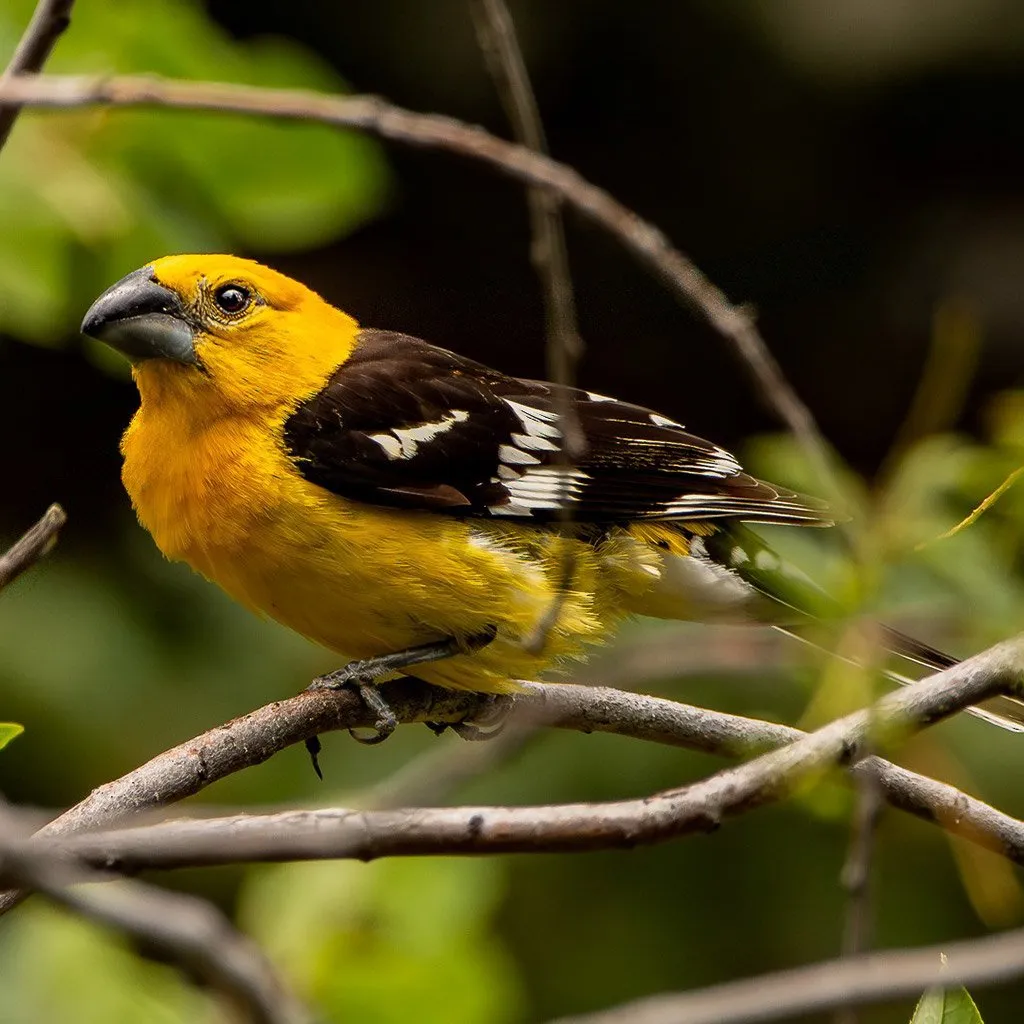
- Yellow Grosbeak: Another brightly colored species found mostly in Mexico, featuring vibrant banana-yellow plumage.
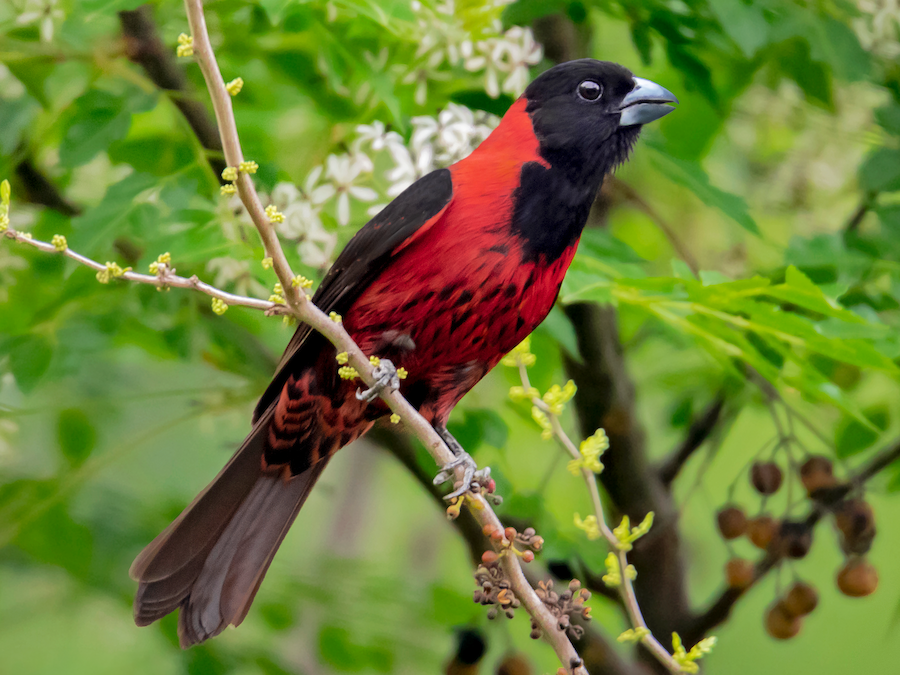
- Crimson-collared Grosbeak: A predominantly Mexican species recognized by its deep red, collar-like plumage.
2. The Finch Group (Fringillidae)
These true finches typically prefer northern conifer forests and rely on fruits and seeds. [1, 2]
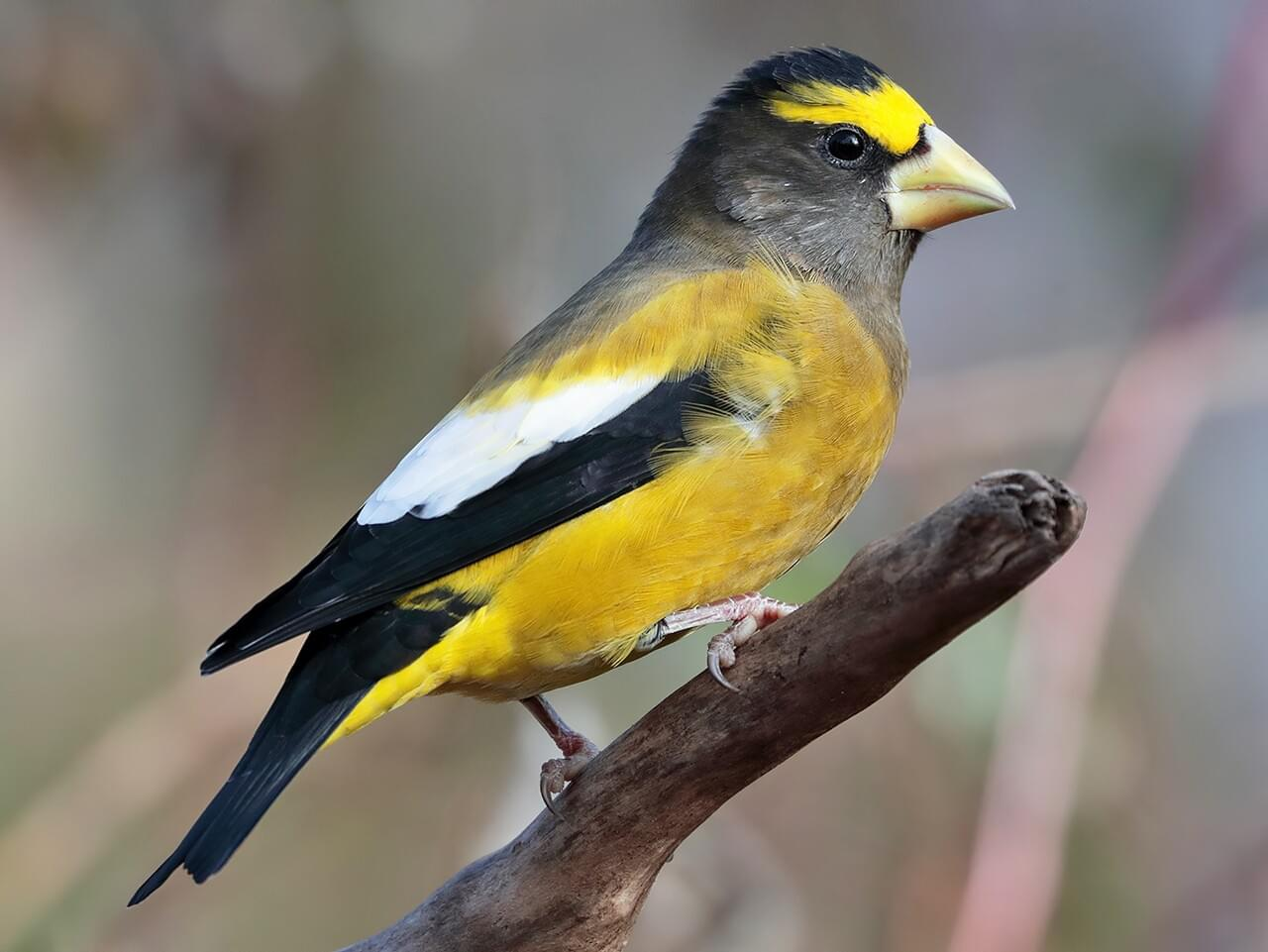
- Evening Grosbeak: Recognizable by its bold golden-yellow body, black wings, and bright yellow/white forehead patch.
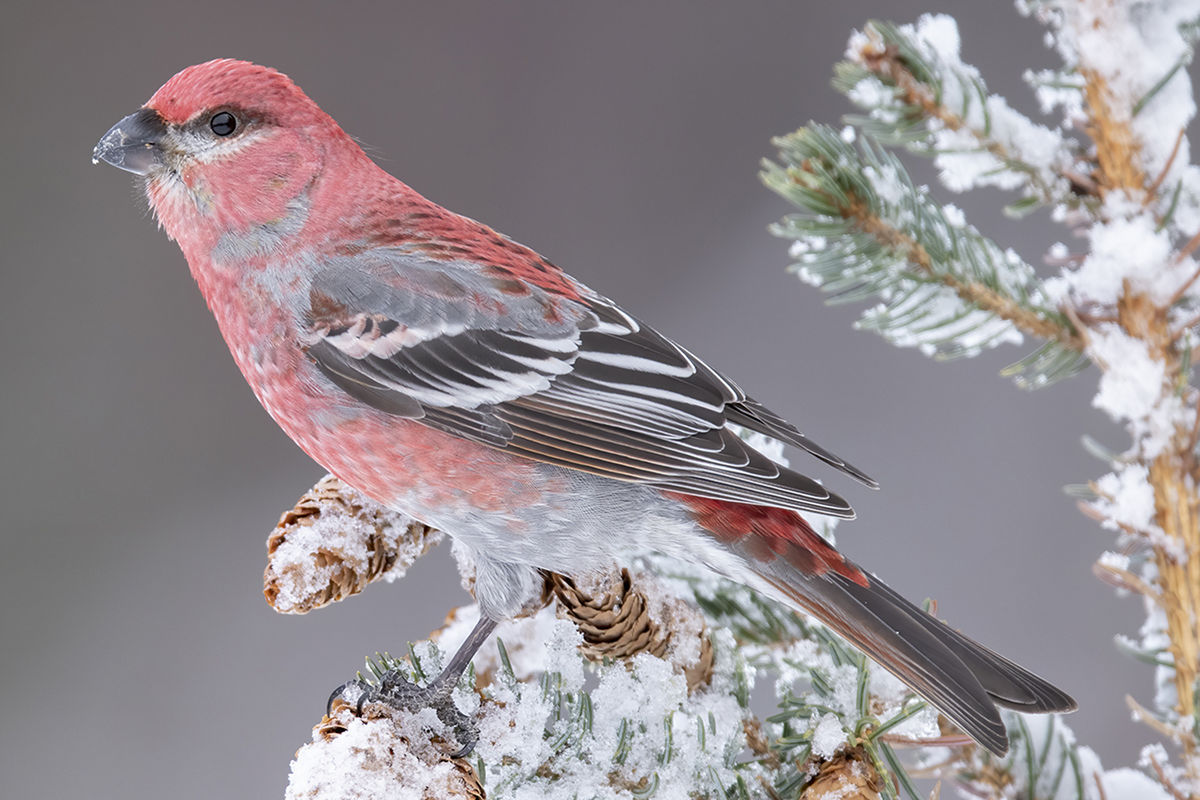
- Pine Grosbeak: A larger, winter-hardy species. Males have deep rose-red plumage with grey/black wings, while females feature more muted grey and yellowish tones.
3. Typical Grosbeaks & Old World Finches
These are Old World species spread across Asia and Europe that share the signature large bill. While many of the males look nearly identical to species from other countries, ornithologists have seen them as separate species and have assigned them unique scientific names.
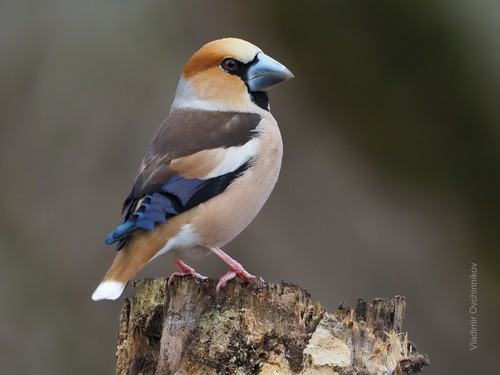
- Hawfinch: Often referred to as the European grosbeak, it has a rusty-brown crown, grey underparts, and black-and-white wings.
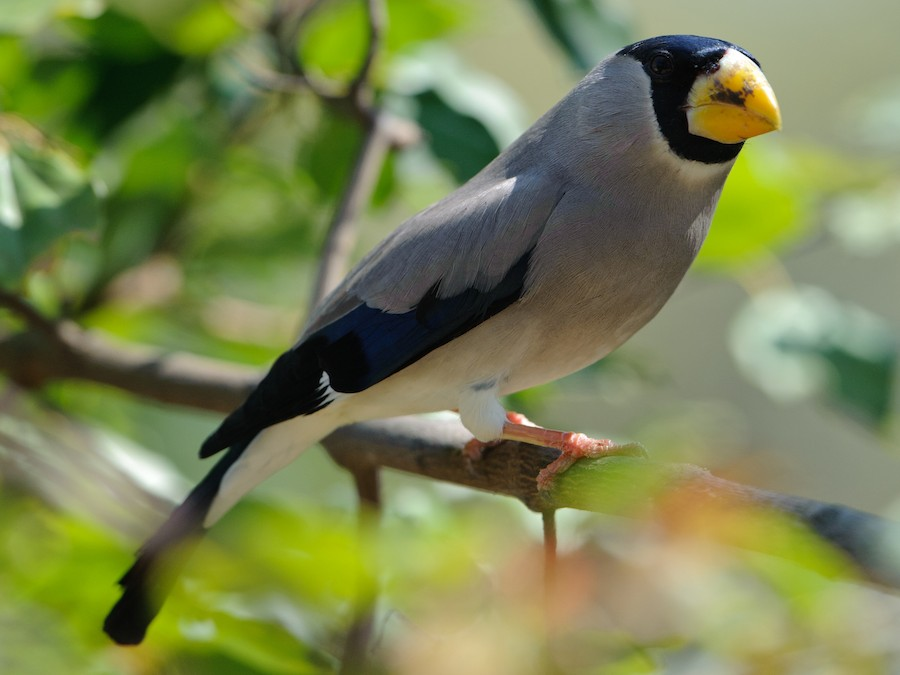
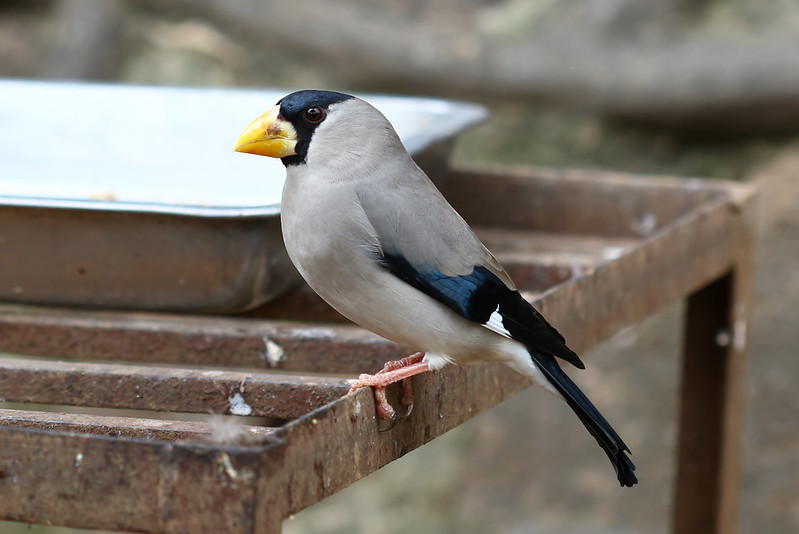
- Japanese Grosbeak & Chinese Grosbeak: Asian species with striking yellow bills and distinct dark or pale plumage patterns.
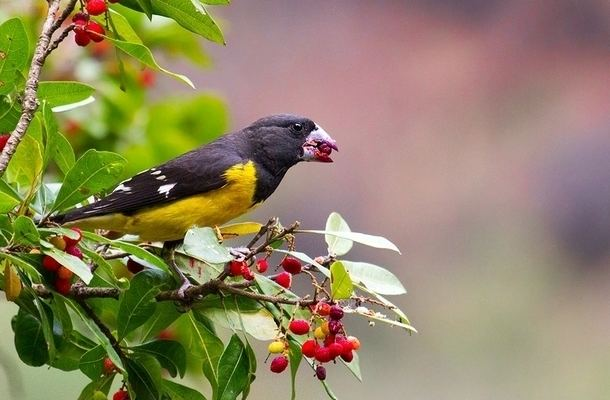
- Spot-winged, Black-and-yellow, Collared, and White-winged Grosbeaks: Four South Asian species (genus Mycerobas) that are primarily seed and nut eaters in high-altitude forests.