

Word Smith: Tragedy
According to Robert Bly, “tragedy means the song of the dying goat that is sacrificed.“[1] Not sure of the authenticity of that comment, it was time for some further investigation:
Robert Bly has it right!

According to Etymonline, the word “Tragedy originated from the Greek word tragoidia, which means “goat song.” The Greek tragoidia is a compound of Tragos (“he-goat”) and oide (“song” or “ode”). The word emerged in the 6th century BCE from Ancient Greek rituals—specifically Dionysian festivals—where performers likely wore goat skins or sacrificed goats while performing, or perhaps because a goat was the prize.
The literal meaning of Goat Song to rituals honoring the god Dionysus seems mythical, for sure; however, Dionysus often is described with saytrs (mythological half-goat, half-man figures). The theory that everything on a theatre stage depended on “Goat.” This theory makes sense, when all actors and choruses wore goat skins to portrey satyrs.
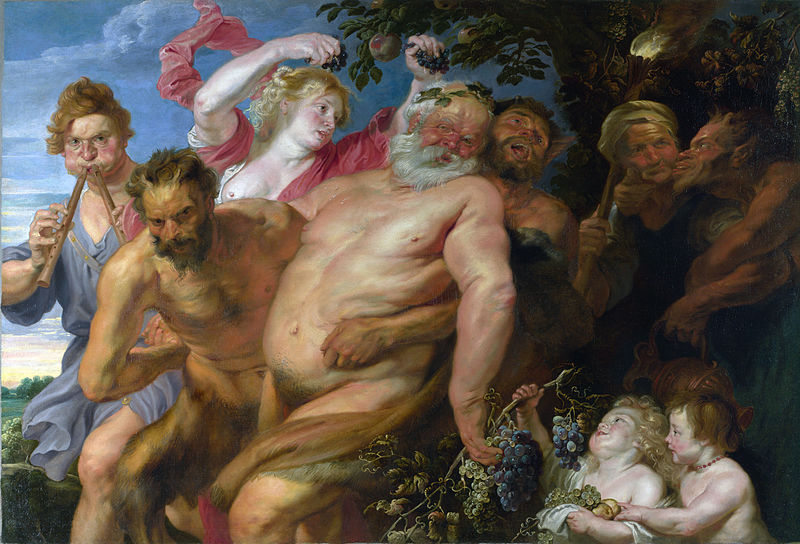
The PRIZE given to competitive performers was a goat. And, interestingly, there was often a moment in the performance, the actors and director sacrificed a goat.
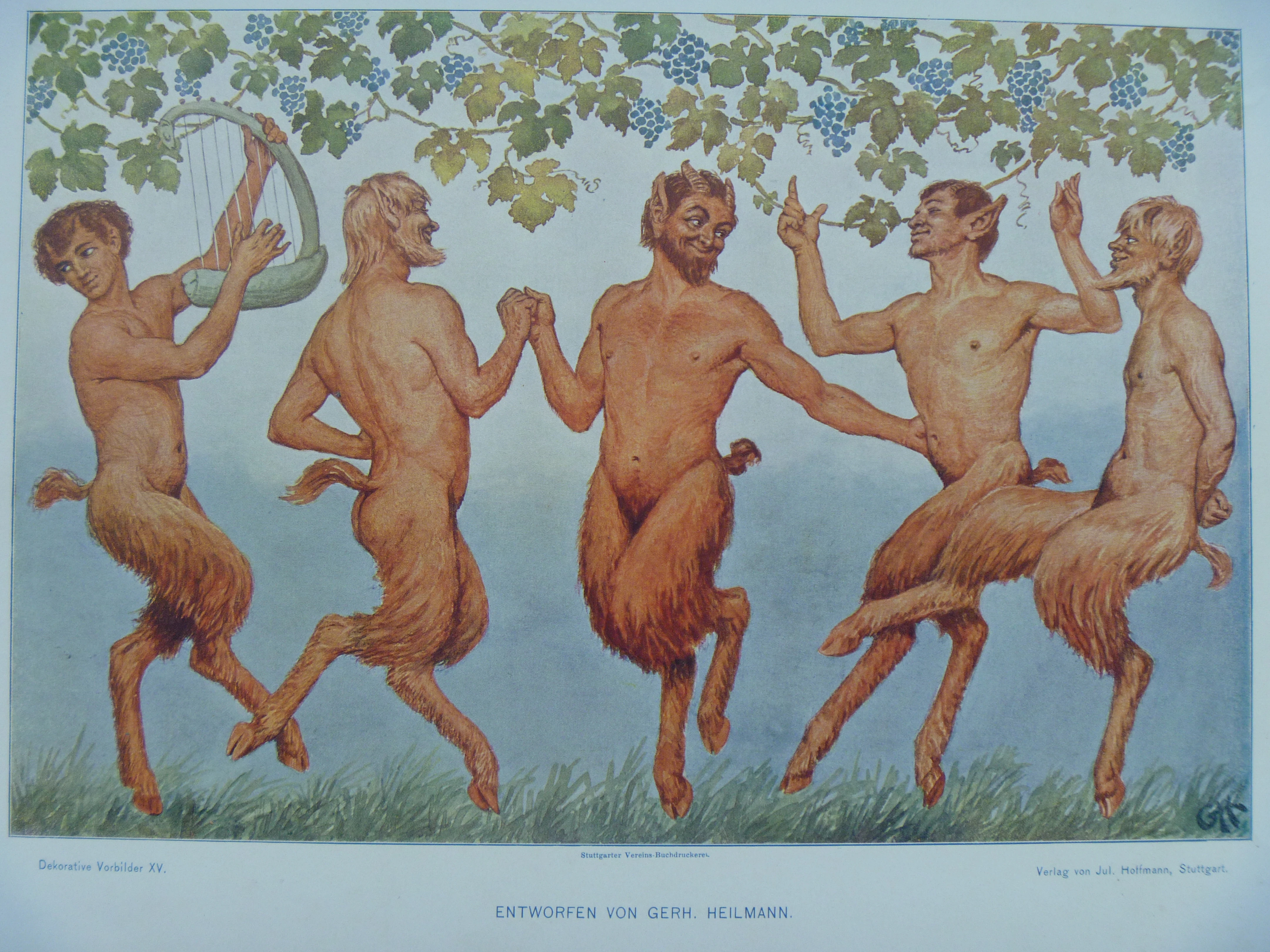
Later in history, the term Tragos-oide, was used in the late 14th centruy from the Old French tragedie, which is derived from the Latin word Tragoedia.

While early Greek plays were not always explicitly about death or deep sorrow, the term evolved to represent the serious, high-stakes drama that, in Aristotle’s definition, often results in a profound downfall. Geoffrey Chaucer described, a “dite of a prosperite for a tyme that endeth in wrecchidnesse” (a story of prosperity that ends in wretchedness). Sounds like a tragedy, right?
==========================================================
References:
[1] Iron John: A Book About Men by Robert Bly
[2] https://www.etymonline.com/word/tragedy
[3] https://www.britannica.com/art/tragedy-literature/Critical-theory-in-the-20th-century-and-beyond
[4] In the very beginning Greek mythology presented Dionysus as roaming the Greek wilderness in the company of Seleni, Satyrs and Maenads. On his travels the first humans he came across were herds of wandering nomads. Myth has it that one of them, Stafylos, was the one who first presented a bunch of grapes to the king of Aitolia, Oineas, and then later was the first person to squeeze the juice out of the berries. Ancient Greeks were the first to come into contact with the ecstasy of misuse of wine consumption who at first were suspicious towards wine. This was made known to us by the tragic story of King Icarios of Athens. Icarios, following Dionysus’ instructions kept his wine stored in a place where a bunch of wandering nomads who happened to be guests of the king found and drank it. The ecstasy of drunkenness that followed which unknown to them was perceived as an attempt by Icarios to poison them and so in their drunken state they slaughtered the King. Stories like these emphasized the initial connection between Dionysus and Pan the God of wild life and protector of shepherds.
https://www.greeceandgrapes.com/en/wine-wiki/a-short-story-about-dionysus

