

Word Smith: Birdwatcher, Birder, Twitcher
As all viewers of this author’s Witness Posts will attest: many of the references are about BIRDS. To be more specific, at the time of this Post, of the 750 entries in these Word Press submissions, over 100 have to do with birds in one way, shape or form. That amounts to 13% of all the posts.
With this propensity to write about BIRDS, some people call me an ornithologist, a birdwatcher, a birder, or a Twitcher. First and foremost, I am not an ornithologist! This Post provides some further research into the vocabulary around viewing birds to see how the experts would categorize me and my avian affinity. As strange and flighty as my behavior may be.
What’s The Difference Between Birding and Twitching [1]
Following the lead from the website Daily Birder, here are authoritative thoughts on the subject:
Some people watch birds. But not all of them are birders. And just because some folks are birders doesn’t mean they can call themselves twitchers. What is the difference between birding and twitching? It comes down to the contrasting approaches to birdwatching:
- Birding involves a comprehensive mindset for engaging in the hobby.
- Twitching involves the relentless pursuit of a rare bird species for observation.
If this all sounds a bit confusing, take heart. Here, you will discover, in detail, the differences between the two expressions.

Birding
Birding and birdwatching are two different mindsets:
- Birdwatching: If you wander out to your backyard and look at the birds, you are a birdwatcher. That title also applies if you suddenly pull over alongside the road to catch a glimpse. You may have a bird bath or bird feeder, because you are interested in their wellbeing. Or, you just tag along with a friend who happens to be a birder.
- Birding: If you take a trip specifically for birdwatching, you have graduated to a birder. You probably also read books and maybe even take courses at your local community college. Your hobby not only involves the watching of birds but studying about them as well.
Birders are people who love birds. They just can’t get enough of them. And they have a desire to witness a wide variety of species in their natural habitat.
Let’s take a further look at how birders accomplish all that “witnessing.”
Your love affair with birds may start with just a passing glance. You spot a flock of birds as you drive over a bridge across a river or a marsh. And at that moment, you realize there are more species of birds than you may have in your backyard.
The pattern is gradual and then picks up speed. You start to check out different websites. You buy a field guide or two. You actively think about birds. You ask yourself: “What kind of bird was it that I saw the other day?” You start to slowly invest in your new hobby. You start to say expressions like: “Gee whiz, those new binoculars sure look good around my neck.” Or “that new camera I bought really captures the color of those blue jays. I better order a tripod to keep all those beautiful photos steady and focused.“
The next thing you know, you’re taking weekend trips to your state’s wildlife refuges. There, you may even get a peek of a rare bird or two. That’s what you keep hoping, anyway.
Congratulations! You have just graduated from a birdwatcher to becoming a birder.
Ornithologists are scientists who study birds and bird behaviors. However, you don’t have to be one to teach others about birding. You can inspire a whole new generation of enthusiasts by sharing your records, photos and experiences. It’s mostly the collaboration with others that makes birding a worthwhile pursuit. You want to encourage them to discover their own personal Spark Bird, which will make all the difference. Then they will gain an appreciation of birds in general and of their favorite bird specifically.
Birders, first and foremost, are conservationists. They are careful not to disturb the habitats of the many bird species they come in contact with. For that reason, they tend to stay on trails and other marked areas. A true birder freely shares their knowledge and findings. For example, if they come across marvelous discoveries, such as a new nest of yellow crowned night herons, they disclose all the data of where and when they discovered them. They are also respectful of others who have differing opinions about their research findings.
Most importantly, authentic birders obey the law at all times. They are respectful of other people’s property. And they never enter a private lot or building without permission from the owner.
Twitching
The term twitching is an old English expression. It means to go out in pursuit of a rare species of bird for the sole purpose of observing it. In the US and Canada, this practice is widely referred to as chasing.
Twitching is all about spotting a rare bird and showing the world your amazing discoveries. Before the internet, you would mail in a report to receive credit from a national bird watching association. Now, you simply go to a site like eBird.com to post your incredible findings online.
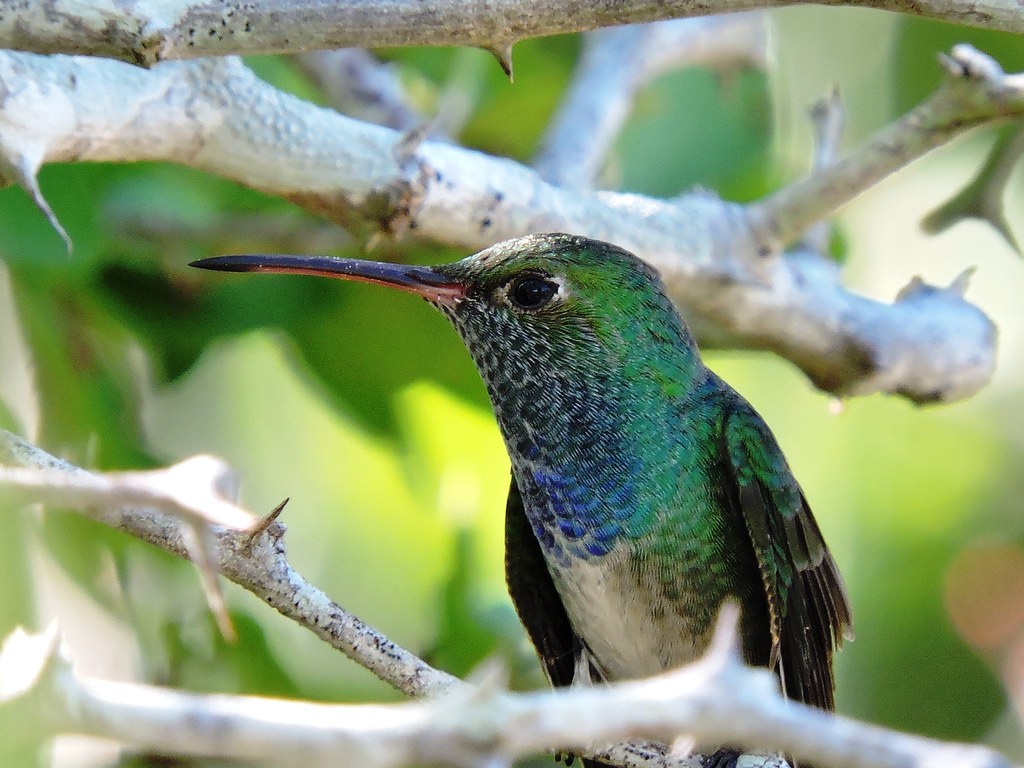
Twitchers refer to most of their birding activities as “twitches.” And while some adventures may be easy and pleasant, others prove to be very difficult and exhausting. For example, if the Honduran Emerald is on your list, you will have to fly to Honduras to see this rare hummingbird. After you get there, plan on paying for a guide to take you through the thick jungles where they live. Next, be prepared to traverse very rugged terrain, float down snake-infested rivers, and climb tall, slippery trees. All this to have a 1/1000th of a chance of getting close enough to take a picture.
Although birdwatching is not an official sport, the activity of twitching can be highly competitive. For example, there are awards given by some organizations for checking off specific rare bird lists it deems worthy. And sometimes, participants will go to great lengths to get recognized for their achievements.
Using another example, some twitchers may go broke flying to various parts of the world in order to pursue that elusive, rare bird. Others will suffer injury. Still, others may succumb to mental breakdown due to the pressures of always having to finish their lists.
Twitchers are sometimes looked down on by the wider birding community. It is often speculated that these obsessed people will stop at nothing to check bird species off their lists. In the opinion of many, twitchers will throw out all observance of laws and ethics to win the prize.
These are some of the more egregious violations:
- Trespassing on private property
- Disturbing nesting areas
- Intentionally sabotaging the experience of other competitors
- Selfishly keeping records to themselves, unless it is to win a competition
Still, most of these infractions are seldom recorded. So, they can become mere speculation. And upon careful examination, most twitchers are excellent stewards of the birding community and the environment.
Final Word: The Difference Between Birding and Twitching
When you think about what the difference is between birding and twitching, it comes down to personalities. One is relaxed and passive, while the other is adventurous and competitive.
Now that you know the difference among birdwatching, birding and twitching and can draw that line mentally: where do you think you land on the spectrum from birdwatching, to birding, to twitching?
[1] https://dailybirder.com/whats-the-difference-between-birding-and-twitching/
 Henry E. Hooper