
Lessons from the Home Office: Economics
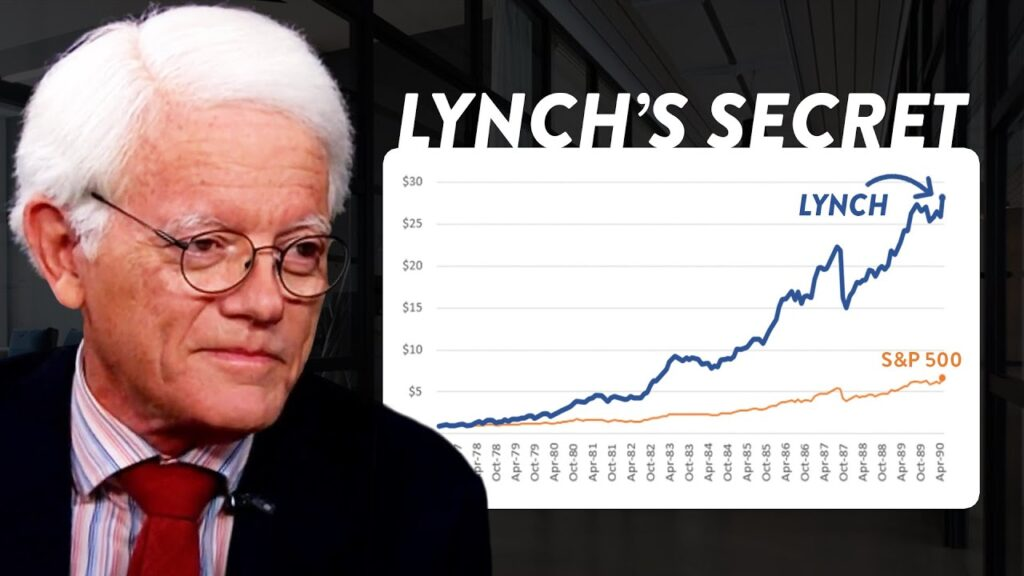
Fidelity Magellan fund manager, Peter Lynch, once quipped: “If you spend 13 minutes a year on economics, you’ve wasted 10 minutes.” It is called the Dismal Science afterall.
But why is the study of economics so often slammed by educated folk? Is it dismal? Is it a science? And why do so many people, who depend on economic forecasts for their livelihood, constantly complain about it? Consider the following points, as conjured up by Yahoo.
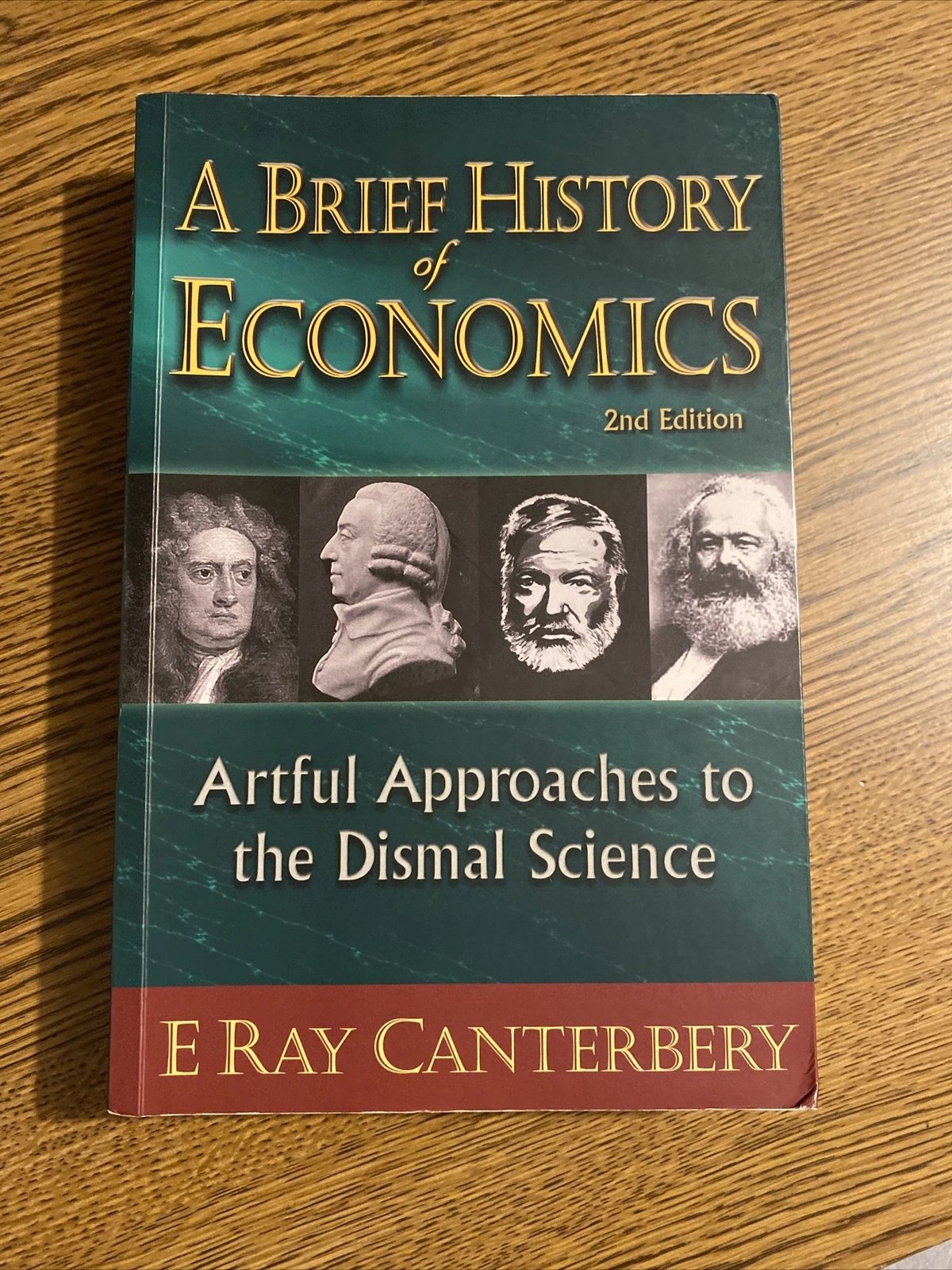
- The term Dismal Science was first coined by Thomas Carlyle in the 19th century, reflecting his view on the bleakness of economic predictions.
- Economics often deals with both abundance and scarcity. Abundance is nearly always great. And scarcity? That can lead to difficult choices and trade-offs that seem pessimistic.
- The term “dismal science” highlights the harsh realities of human behavior, such as self-interest and intense competition, which can be seen by consumers as a losing proposition and disheartening.
- Economic theories frequently reveal systemic inequalities and failures, contributing to a demoralizing sense of despair.
- The focus in economics on data (just the facts) and models (historical and predictive simulations) can sometimes overlook the human element, making it seem cold and unfeeling.
- Critics argue that economics, as a field of social science, can be overly deterministic, suggesting a lack of hope for either change or future improvement.
 Henry E. Hooper