
Friday Finance: Please Explain the Fed, Inflation and Interest Rates!
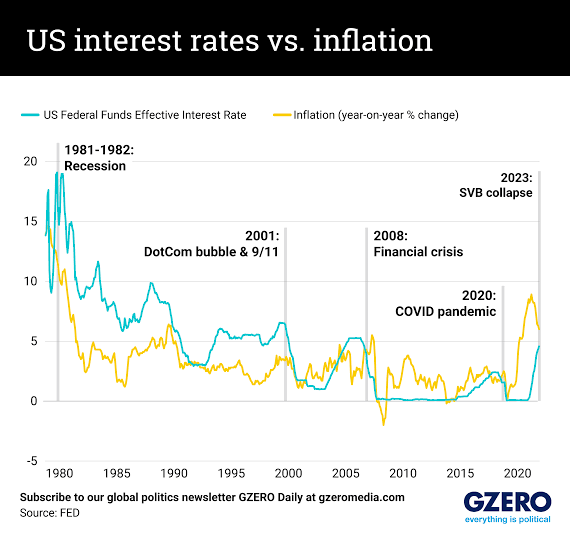
PROMPT: “I have been trying to explain to my adult daughters what the Federal Reserve does with interest rates to attempt to control inflation and get it down to the 2% target. The explanation I have tried discusses the incremental dollar in someone’s pocket. If interest rates are high, a consumer would save the dollar for the interest it can earn. If the interest rates are low, the closer to zero it gets, the more likely it is for the consumer to spend that dollar, because they have no incentive to keep it in savings. Is there a better (easier, more illustrative, alternative) way to explain the raising and lowering of overnight interest rates and movement of the dials that underpin interest rate changes that the Fed can adjust?”
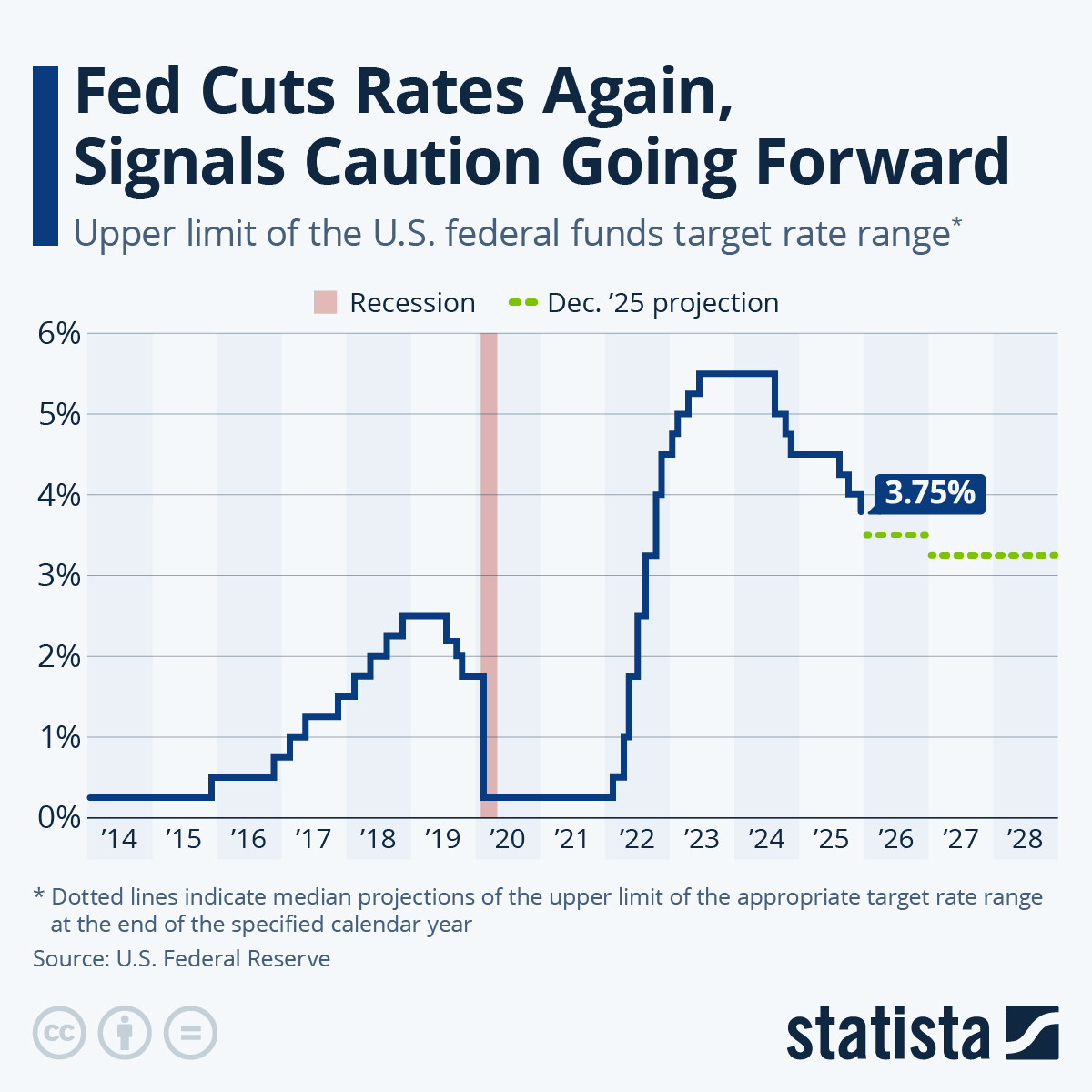
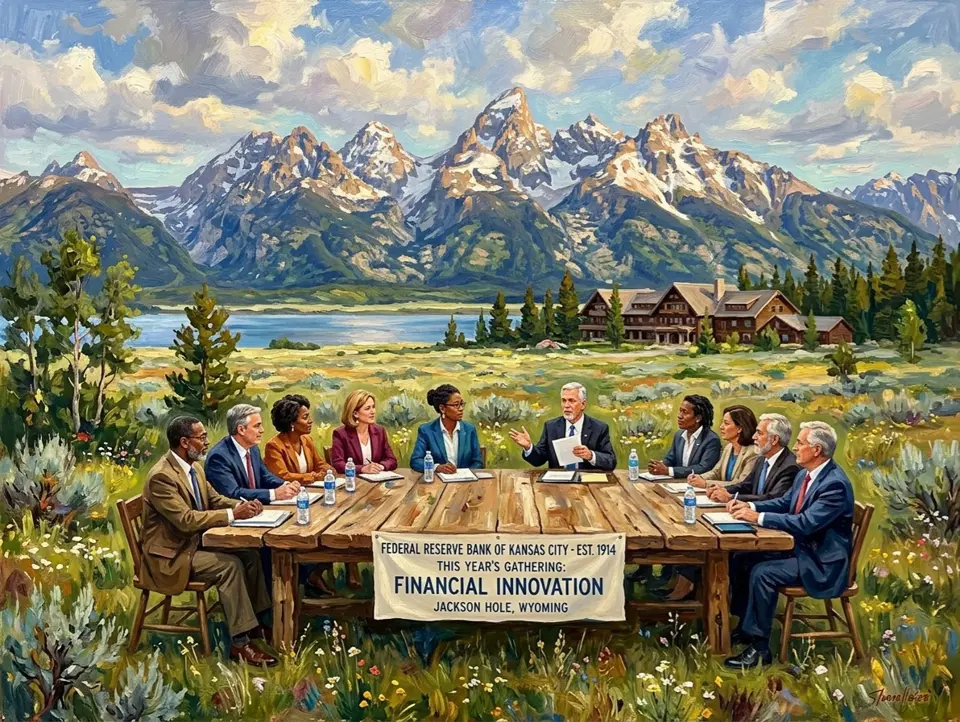
With our Governors of the FED in Jackson Hole, Wyoming this week, it is worth seeing a picture of the peaks of the Grand Tetons, right? They resemble the over night rate graph from above.

My friends at the Federal Reserve, responded to the question above: “Your intuition about ‘the incremental dollar’ is actually a solid explanation — but here’s what makes it click even better: the Fed has more than one lever to pull. In its tool kit, the Fed has a whole dashboard of dials and levers that all work through the same basic logic…”
First, what exactly is “the Fed” anyway?
Think of the U.S. economy like a giant swimming pool full of money. The Federal Reserve (everyone calls it “the Fed”) is like the lifeguard in charge of the pool. Its job is to make sure the water level isn’t too high (too much money sloshing around) or too low (not enough money to go around), too cold (moving too slowly), or too hot (making for a boiling economy).
- Too much water in the pool = inflation (prices go up, there’s tons of money chasing not enough goods and services to buy).
- Too little water = a slow economy (people stop spending, businesses struggle, people lose jobs).
The Fed’s job is to keep the level of the pool water at a healthy, appropriately monitored level. The Federal Open Market Committee (FOMC) wants the banks, who are swimming in the pool, remain as robust as possible. The Fed has several levers it can manipulate on the master dial to control the water level, the swimmers, and the turbulance for all of the participants (banks, companies and consumers) in the pool.
The Fed’s Main Tool: the “Master Dial”
The Fed’s biggest lever to pull is the Federal Funds Rate. But what is it really? Banks lend money to each other overnight, all the time, in tiny amounts, to make sure everyone has enough cash on hand each night. The Federal Funds Rate is just that — the interest rate banks charge each other for those overnight loans.
Although those small charges and amounts sounds boring and small, when this one rate moves, almost every other interest rate in the country moves with it. Think of these other participants as your “credit worthiness”, your credit card rate, your car loan, your mortgage, your savings account interest income. Each of these interest charging participants to varying degrees follow this one “master dial.” The Federal Reserve targets this Federal Funds Rate, which influences the interest rate at which banks lend reserve balances to other banks overnight.
You might also think of it like the Thermostat for the Whole Economy:
- When the Fed raises the dial → borrowing money gets more expensive everywhere → people and businesses borrow and spend less → the economy cools down → inflation slows down
- When the Fed lowers the dial → borrowing gets cheaper → people and businesses borrow and spend more → the economy heats up → helps if things are too slow
As to the Fed’s most recent move? They have held the Fed Funds Rate steady (June, 2026). Before that pronouncement, the target rate range was, and still is, 3.50%–3.75%, after being lowered from 3.75-4.00% in December 2025.
How the Fed actually moves the dial.
The Federal Funds Rate isn’t something the Fed can just announce and magically make true. U.S. banks still negotiate the rate with each other. So the Fed influences the banks with rate changes, purchases, and sales. They use these tools to nudge and leverage the banks into compliance. Besides the Fed Funds Rate, the Fed typically uses two other tools: Open Market Operations and Reserve Requirements.
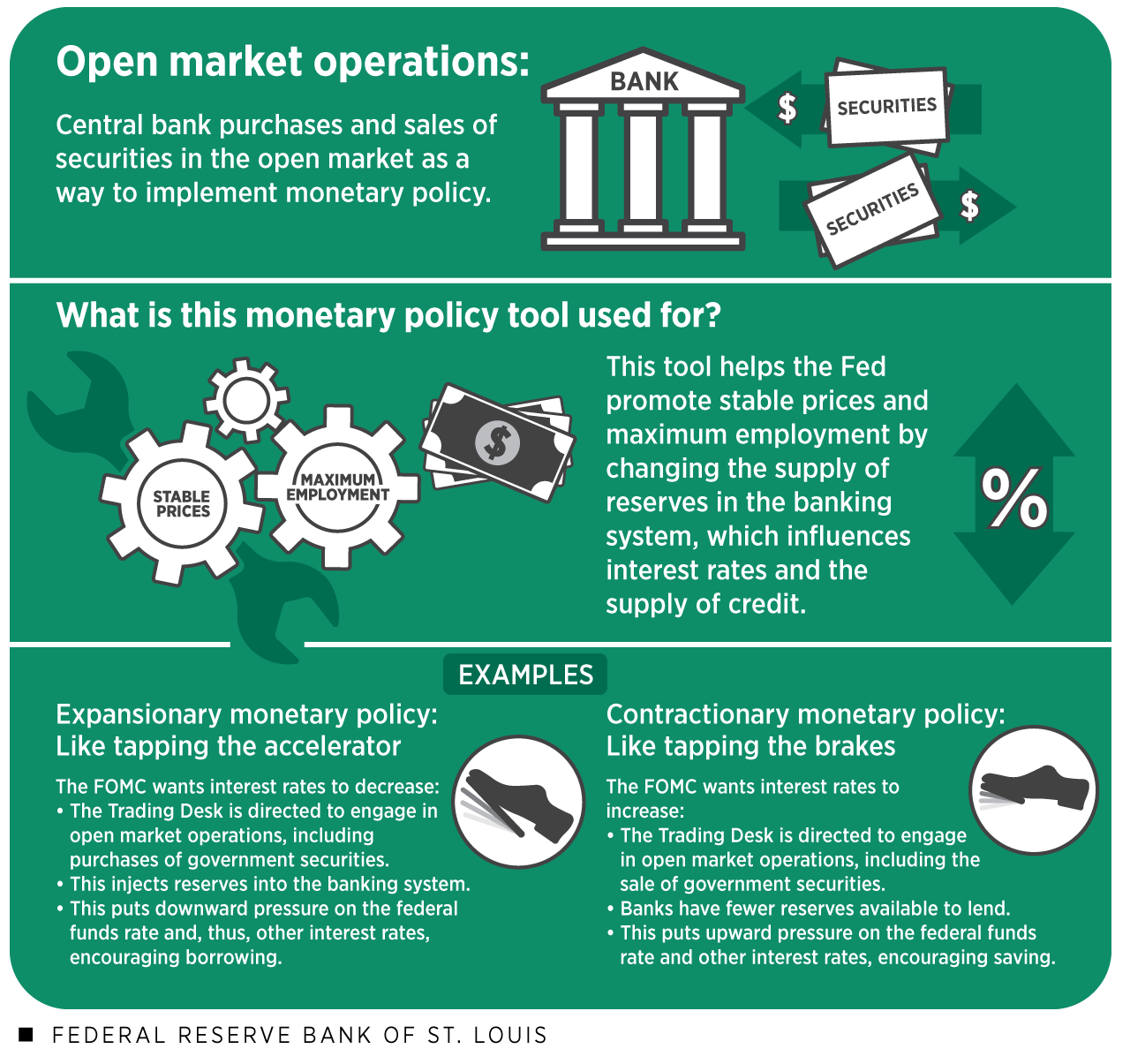
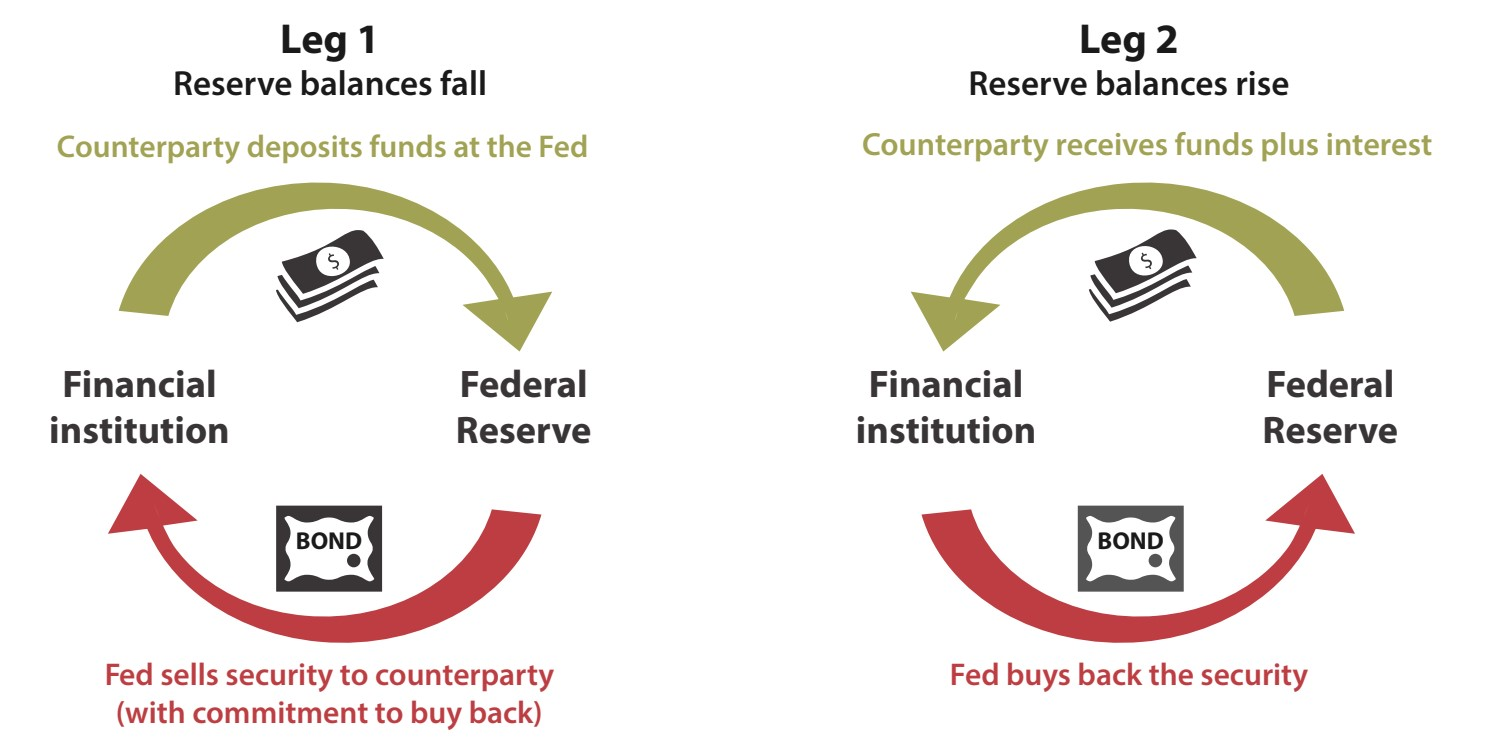
1. Open Market Operations: Buying and Selling “IOUs”
The government sells special IOUs called Treasury bonds. The Fed can buy or sell these from banks.
- Fed buys bonds from banks → banks get extra cash in exchange → more money floating around → it’s now easier/cheaper to borrow → interest rates drop (like adding more water to the pool)
- Fed sells bonds to banks → banks hand over cash to pay for them → less money floating around → borrowing gets harder/pricier → interest rates rise (like draining some water out)
This is a key tool the Federal Reserve uses to implement monetary policy, and the short-term target for it is set by the Federal Open Market Committee (FOMC). Think of the FOMC as the Fed’s “board of directors” who meet throughout the year to decide where they want the dial to be.
2. Reserve Requirements: How much Banks must keep locked away
Banks don’t lend out every dollar people deposit — they’re required to keep some portion locked in a vault (or with the Fed) as a safety cushion, and lend out the rest.
- Higher Reserve Requirements → banks must hold back more cash → they have less to lend out → less money circulating → cools things down
- Lower Reserve Requirements → banks can lend out more → more money circulating → heats things up
(NOTE: In practice, the Fed relies much more heavily day-to-day on the Federal Funds Rate and Open Market Operations. The Reserve Requirements are the tool it reaches for the least often, and it tends to be when the Fed feels the banks are getting too risk tolerant with their investments.)
Putting it all together
| If the Fed wants to… | It can… | Effect |
|---|---|---|
| Slow down inflation | Raise the federal funds rate, sell bonds, raise reserve requirements | Borrowing gets more expensive, spending slows, prices cool off |
| Boost a sluggish economy | Lower the federal funds rate, buy bonds, lower reserve requirements | Borrowing gets cheaper, spending picks up, economy speeds up |
The one-sentence version
OK, here it is in one sentence: “The Fed is the lifeguard watching out for institutions (banks) that are swimmers in the money pool. The federal funds rate is its main dial, and it turns that dial by trading bonds and adjusting how much cash the banks are required to keep locked away in reserves, all in an effort to keep prices stable and the economy humming.”
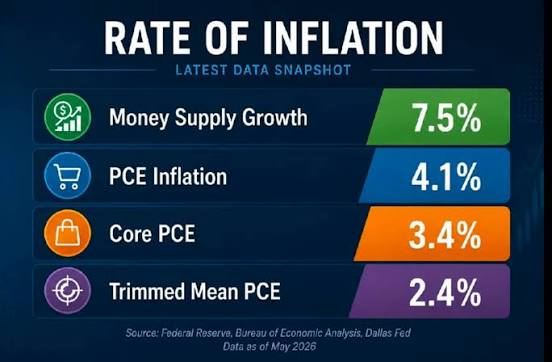
Can you explain in another way or two, how the Fed influences Inflation?
If what happens at Banks leaves you as the consumer wondering, “What About Me?” then it is worth looking for another Big Picture analogy to clarify the Fed, Interest Rates, and Inflation:
❄️ Big Picture:
- At high interest rates, any borrowing gets expensive. People save instead of spending. Businesses pause expansion. Demand cools, and that reduced demand is exactly what brings inflation back down toward the 2% target. Higher interest payments can lead to increased defaults on loans, further tightening credit availability.
- At low interest rates, the overall economy grows rapidly, because cheap borrowing boosts consumer spending and business expansion. Although this increased demand risks triggering higher inflation, the trick is to find the balance. Low rates can sometimes encourage excessive risk-taking among investors, potentially leading to asset bubbles.
- At moderate interest rates, the economy finds balance: It has enough credit to grow and enough restraint to keep prices stable. This is the “Goldilocks zone” that members of the Fed are always hunting for. Moderate rates can sustain consumer confidence, promoting steady growth without significant inflationary pressures.
The earlier cited “incremental dollar” framing of inflation is actually the economists’ own core logic. They call it the opportunity cost of spending. Whether you spent the money today or later, does depend on the relative value and real return (interest) you can get from different economic opportunities. Below are a few other ways to frame the same idea for the everyday consumer:
- The Parking Money Analogy: When rates are high (say 6%), leaving $1,000 in savings earns you $60 a year for doing nothing. Spending it means giving up $60. That’s a real cost that makes you think twice. When rates are near zero, leaving $1,000 in savings earns you maybe $2 or less. You have almost no reason to wait — spend now.
- The Should I Renovate our Kitchen? Test: If you borrow $30,000 for a kitchen remodel at 3%, the monthly cost is comfortable. At 7.5% it’s nearly twice as painful. Multiply that decision by millions of households and businesses all simultaneously doing that math, and you’ve described the entire mechanism.
- Why Does the Fed target 2% Inflation and No Inflation?: The Fed doesn’t target 0% inflation, because a little inflation (2%) actually lubricates the economy and greases commerce. It encourages spending now rather than waiting (Why buy a TV today, if it’ll be cheaper next year?), and it gives the Fed room to lower rates if and when things go wrong. Below 0% inflation (deflation) can be catastrophic; just look back at Japan’s “lost decade” as the textbook example of economic plans gone awry.
The three Fed dials are the real ones. The Federal Funds Rate is the headline number you hear in the news; the other two (open market operations and reserve requirements) are less visible but work through the same economic channels, controlling how much money is available and how expensive it is to access that money.
Sources and References:
[1] Federal Reserve: Open Market Operations, Reserve Requirements
[2] https://www.federalreserve.gov/aboutthefed.htm
[3] https://www.investopedia.com/articles/economics/08/monetary-policy-recession.asp

