

Birds of Kaestner
The first man named Kaestner I knew was a defenseman on the Johns Hopkins University men’s lacrosse team in the mid 1960s. [Since this is a Bird Post, its worth noting that the JHU team mascot is a Blue Jay.] The defenseman’s name was Hank Kaestner. He was a strong and determined defensive player for the nationally ranked JHU varsity. Hank’s father, Benjamin “Bud” Henry Kaestner, Jr. was a Hall-of-Fame Lacrosse player, also at Johns Hopkins. Bud Kaestner later played on a club team, called the Mount Washington Lacrosse Club, which was a perennial post-college team powerhouse.
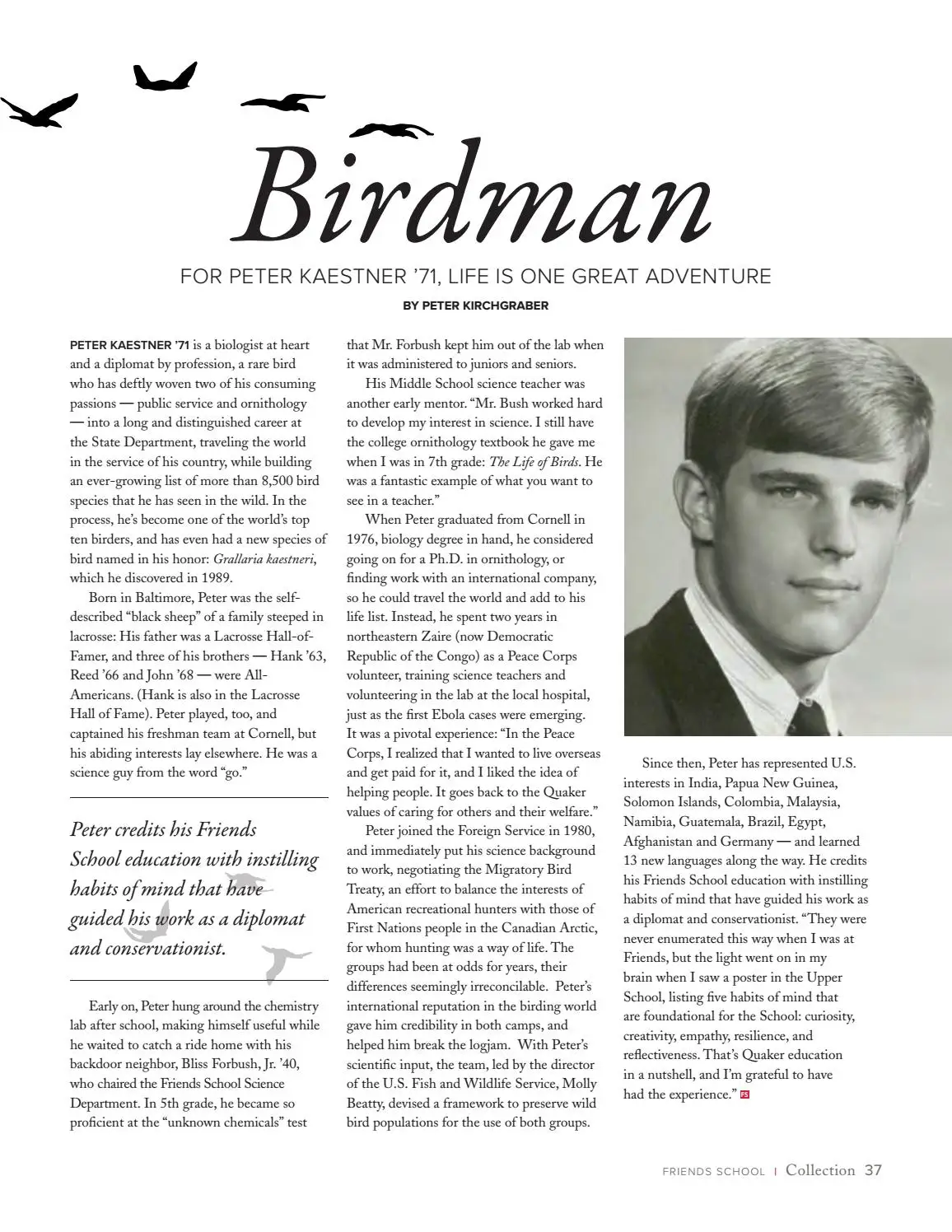
One of Hank’s younger brothers, Peter Kaestner, was also an emerging lacrosse player at the time, playing in the lower school of a Quaker school in Baltimore, Friends School. Peter Kaestner (spoiler alert) is the most recognized character in this Bird Post; however, all of the family members (there are 10 Kaestner children and step-children) are birders, even their mother, Alice Reed Kaestner. This clan is revered for the number of bird species they have identified from around the world “in the wild,” so the family name Birds of Kaestner is meant to honor them all.
Why this Bird Post?
There are 120+ Bird Posts among my Witness Posts over the years, pointing to some usual and some unusual bird sightings. I do not have a definitive bird count (life list), as my travels have been primarily in the United States, which has fewer than 800 known species. Interestingly many bird names were derived by ornithologists who have either named the birds themselves, or had the birds named after them by others, but it seems that the traditional naming convention will soon change. Names like Audubon, Cassins, Say, Swainson, Cooper, Baird, Lewis and Clark may all be on the moniker chopping block by the ornithology zealots. Many articles have shamed the birding communities for family names of men who were slave owners, or racists, or people with bad reputations. The furor has spread to any OLD NAMES that may have North American birds attached to them.
This Bird Post attempts to rise above the fray and to honor two men in particular, brothers named Kaestner. These men have but a few scientific birds named in their honor. More simply, they have followed their hearts and minds to identify and catalogue as many birds in the wild as they possibly can, before they (the men and the birds) are no longer with us.
As a side benefit, the Kaestners are proud Baltimoreans, as I am.
Amazingly, two of these Kaestner brothers are both among the top 10 birdwatchers in the world: Hank Kaestner (#9) and Peter Kaestner (#1). They both have the passion of twitchers, but the sensitivity of preservationists. They have had lifelong spark birds (Hank’s: Vermilion Flycatcher (Pyrocephalus rubinus) and Peter’s: Cundinamarca Antpitta (Grallaria kaestneri).) Peter discovered the new species of Antpitta and it’s scientific name honors him. Its all about the birds, as these flying creatures have inspired these two men to keep on looking, even after Peter had eye surgery, for that next species in the wild.
Hank Kaestner
Did you know that cinnamon is actually the bark from a tree? Imagine walking through a cinnamon forest…Hank Kaestner knows just what that smells like.[1] He spent decades buying spices around the world for McCormick & Co, which is continuing to expand its spice empire. Unlike in the Sci-Fi trilogy and movie, Dune, this spice powerhouse is based in Baltimore. Hank can also tell us about the unique way that vanilla plants are fertilized, and how much vanilla is actually in your vanilla extract. This expert spice buyer did more than buy rare spices around the globe, he also used those trips to expand his life list of birds.
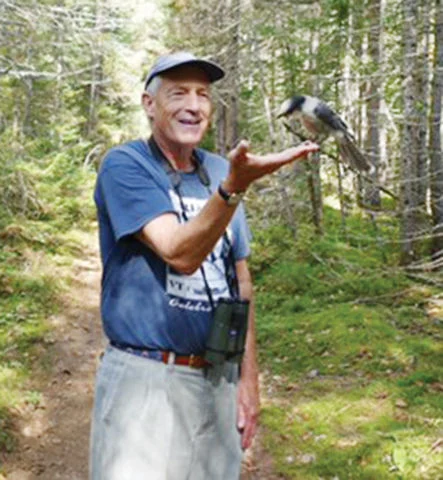
Hank Kaestner was a seasoned spice specialist for over 33 years. Those company trips afforded him some additional “stay-overs” and “route selection” to see some rare birds he had on his life list. With hundreds of those globe trotting trips notched in his belt, Hank is an honest and constantly curious birder. As of this writing (2025) Hank Kaestner is ranked No. 9 in the world for unique species on his birding life list. He has positively identified over 8,100 different species of birds.

After a lifetime of birding, it is an understatement to say Hank Kaestner knows a lot about our feathered friends. But he also knows a lot about many topics: spices, camping, lacrosse and basketball. Basketball? Yes, not only did he play D-1 lacrosse at Johns Hopkins University, he was also coached lacrosse at West Point for Army in the late 1960s. The captain of Army’s basketball team at the time was Mike Krzyzewski. As a result of those relationships, Kaestner knows a lot about Duke Basketball. He followed the 42-year coaching career of Coach K, while he was at Duke on tobacco road.
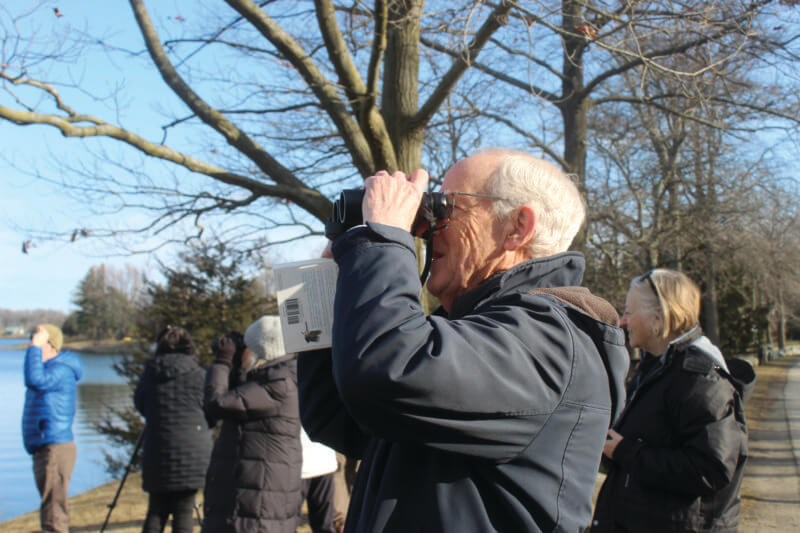
Hank Kaestner’s bird walks are often local, taking people to their backyards, before heading out. “A lot of birds are returning to your backyard — redbirds, blackbirds, grackles, bluebirds,” Kaestner said. “All sorts of things are here.”
“All birds are different. You just have to know what to look for. The goldeneye, of course, has a golden eye. With the buffleheads it’s the white patch on top,” Kaestner said. He joyfully mentions that the bird watchers can even identify a bird by its song using their iPhone. Kaestner touts the wonders of eBird, a website managed by the Cornell Lab of Ornithology: “You can take a picture of birds. The camera knows where you are because of global positioning. It’s got a picture; it sends it to the computer at Cornell University in Ithaca, NY, where eBird is headquartered.”
Kaestner goes out the day before or morning of a birding expedition to scope out potential birding spots and see where the feathered action is. Sometimes, he will announce a destination only to change it because of bird activity. You don’t know where you’re going with Hank Kaestner until the birding starts.
The Spark Bird
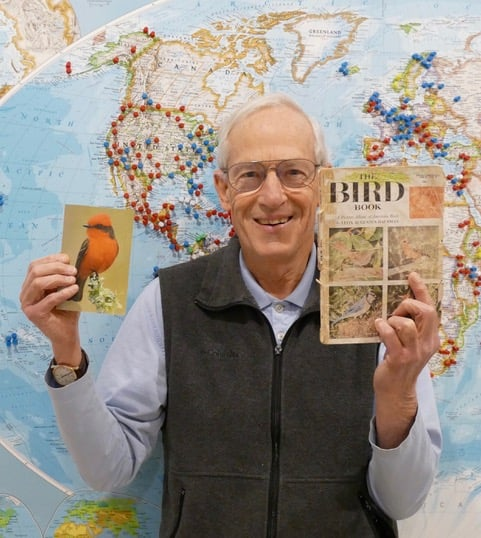
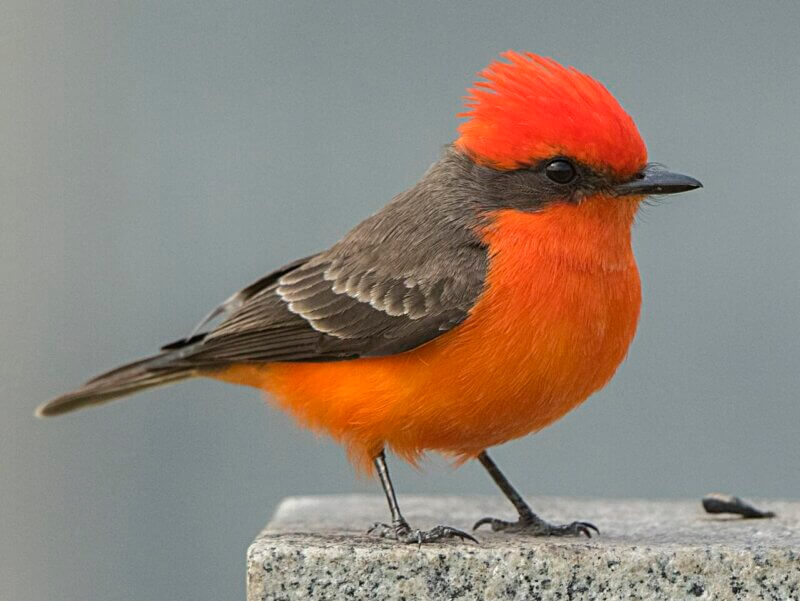
Hank Kaestner, who has been birding since he was a third grader, said, “Serious birdwatchers have what they call their ‘spark bird.’ That’s the bird that they saw that gets them interested in birdwatching. I’ve never met a bird watcher that didn’t have a spark bird and a story about that key bird,” Kaestner said. His spark bird was a vermilion flycatcher. He was visiting his grandparents in Mexico City when he was 10 years old. Until then he’d been interested in and collecting butterflies, when a brilliant colored bird flew up to the picnic bench where he was sitting.
“As a budding naturalist, I wonder what the name of that bird is,” Kaestner said. “The next day I went to a bookstore. There was a bird book with a photo of the bird I had seen. It was on the cover.” He bought the book and identified the bird as a vermilion flycatcher, common in the western and southwestern United States, but not so much in Kaestner’s hometown of Baltimore.
He was immediately hooked.
Kaestner is the oldest of five brothers, and he got them all interested in birding. Eventually, even exciting his brother, Peter, who was eight years younger and 2 years old at the time of Hank’s birding epiphany. “When organizing family events, our father would say, ‘I’ve got five boys. The oldest is interested in birdwatching; let’s go birdwatching.‘”
As the years passed, his younger brother, Peter, caught the bird bug big time. So big, that like Hank, he travels the world trying to add to his bird list. In fact, Peter was written about in The New York Times and on the cover of The Baltimore Sun, because he is the first person in history to have gotten to 10,000 species on his bird list. He had added the Orange Tufted Spiderhunter (Arachnothera flammifera) to his life list, by taking a special trip to see it in forests on a remote Philippine Island.
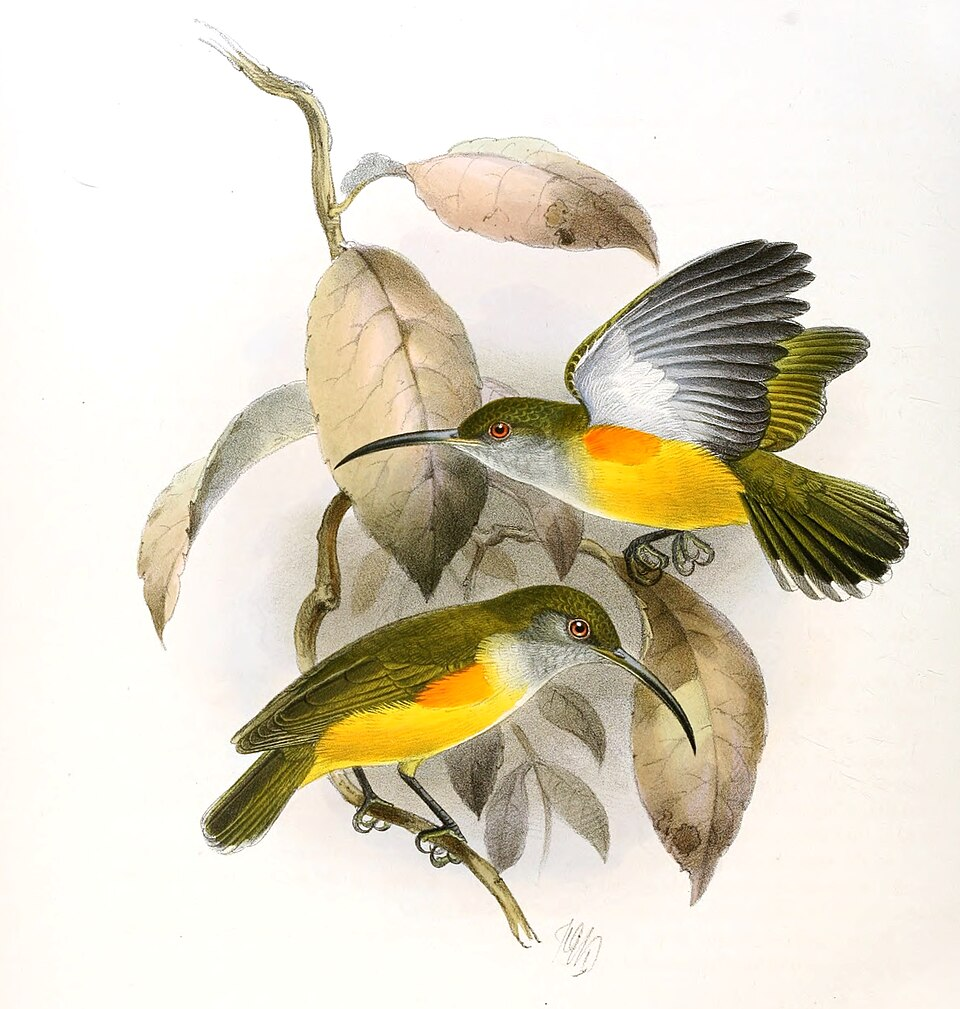
According to The New York Times, 10,000 had once been thought unachievable. Consider that there are only an estimated 11,000 species of birds in the world. And, only 750 in the United States and Canada. “Fewer than 60 people have ever seen 8,000; fewer than 20 have surpassed 9,000,” according to The Times.
Kaestners Combining Work and Birding
Both Kaestner brothers chose professions that were beneficial to their birdwatching pursuits. Hank traveled the world, buying spices for McCormick, going to 140 countries and planning his travel itinerary so it supplemented his birdwatching. “If you’re flying all the way around the world to Sumatra, where we got our cinnamon, you can go a lot of different ways,” Hank Kaestner said. He’s gone to Madagascar by way of Brazil to get in some birdwatching along the way.
“My brother, Peter, was in the US State Department. When it was time to choose where he wanted to be, he would be Papua New Guinea or the Philippines or South Africa, all these crazy places where there were birds,” Hank Kaestner said. “He always got his first choice.”
Dabbling vs. Diving
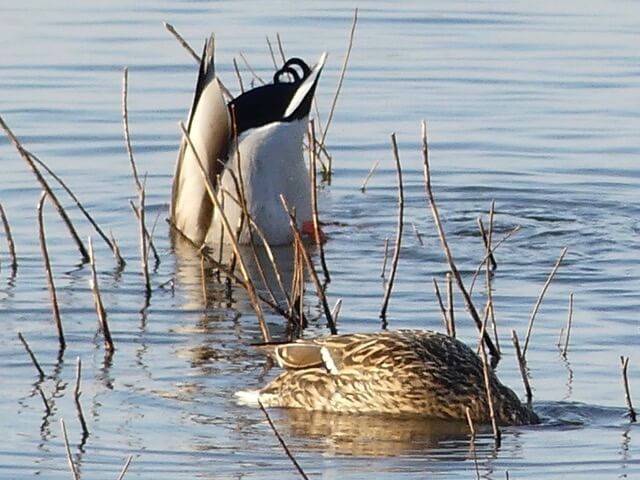
Always the teacher, Hank Kaestner still conducts backyard birdwatching events. At one event in Vermont he went on to explain different types of water birds: two categories are those that were dabblers and divers. “Loons and grebes are different from ducks and geese. The dabbling ducks included mallards, black and pintail ducks, who prefer shallow water where they feed by turning upside down. Diving ducks, on the other hand, like deep water and generally remain in the middle of the lake.” It is handy to have a good telescope, like the one Hank Kaestner carries, because they help birders watch the birds in their natural habitat. And because it is fun to just watch them as they feed, rest and congregate.
Although you can only spot divers on the surface of the water, they feed by diving and chasing their prey underwater. When they re-surface you can often see their catch in their beaks. Scaups, goldeneyes, cormorants, mergansers and buffleheads are examples of diving ducks.
Peter Kaestner
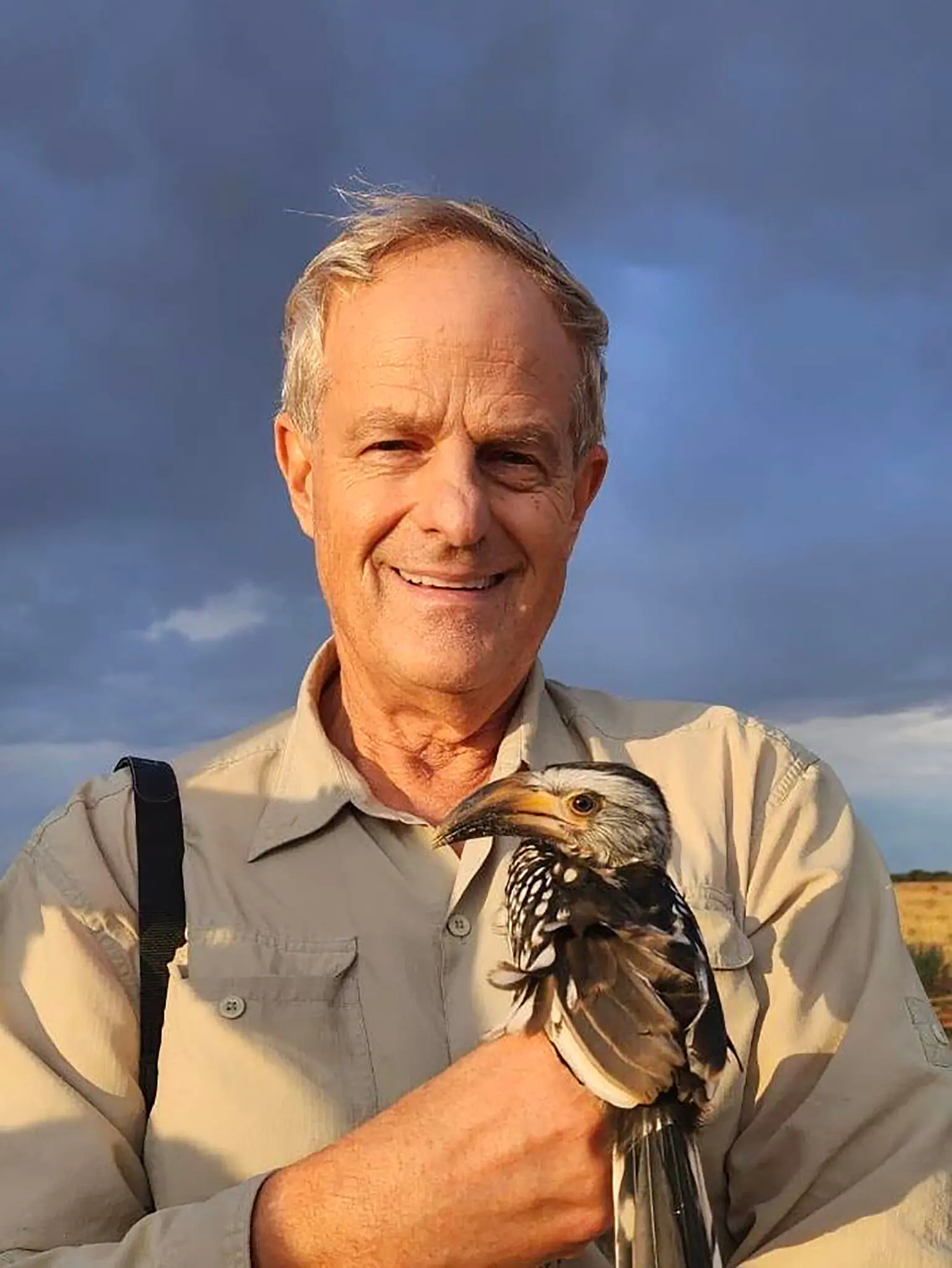
Peter Kaestner, who lives in a suburb of Baltimore, has been watching birds as long as he can remember, he says, joining his older brother, Hank, in his birding exploits when Peter reached the ripe old age of four.
A career diplomat, Peter took advantage of his travels around the world to see as many bird species as possible, setting a record in 1986 for being the first person to observe an example of every bird family in the wild—a feat that was recognized by Guinness World Records. He built up a reputation in the birding community as he publicly shared many of his lists and photos.
“When I was in college at Cornell, the very first book listing the birds of the world was compiled and published, and it had about 8,600 birds cited,” he said. “Seeing 10,000 birds was mathematically impossible.” He spent two years in Zaire with the Peace Corps, and then became a career diplomat, being assigned to 20 different countries where he got to see a great many birds.
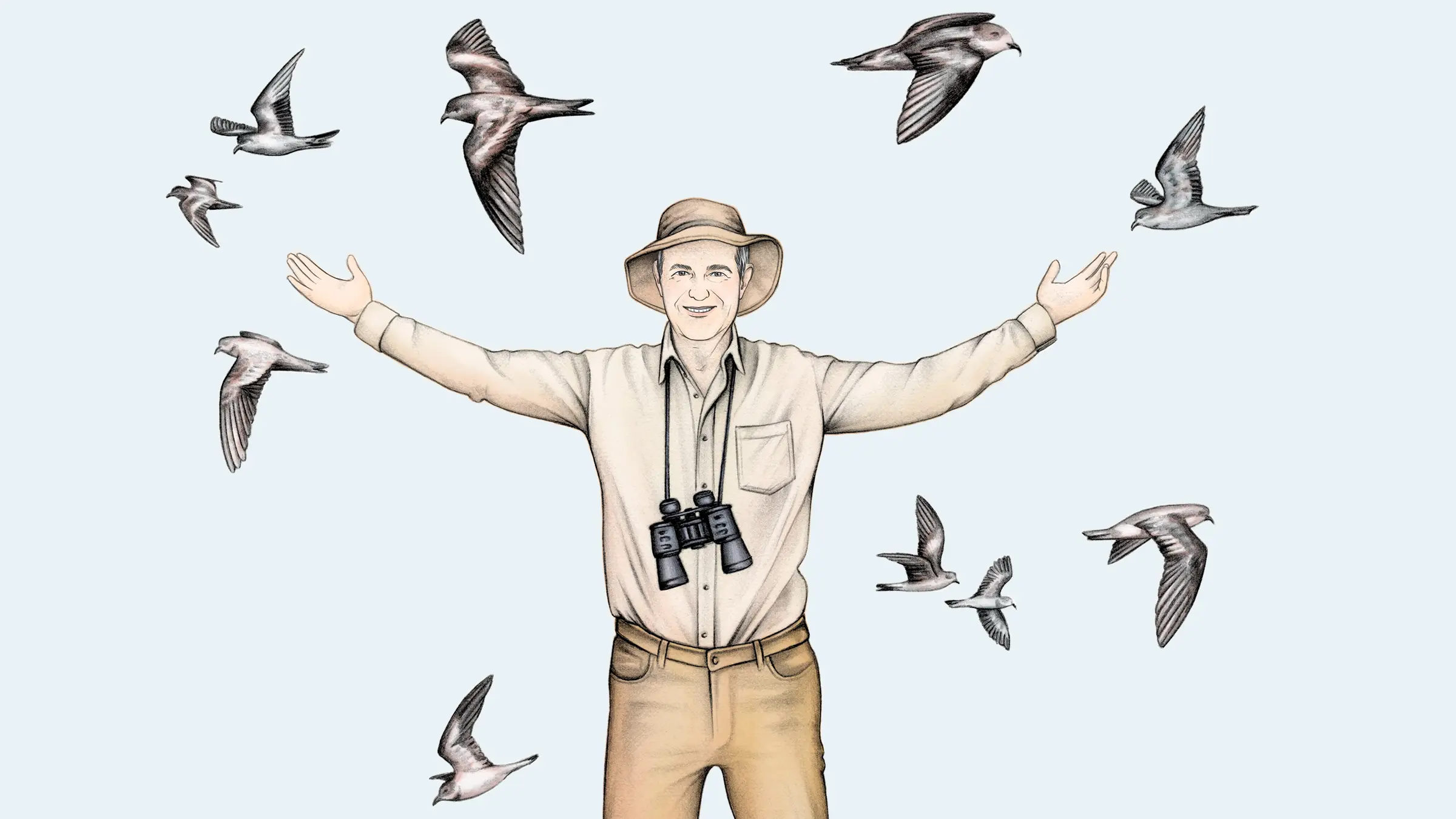
In 2018, Kaestner realized he had surpassed 9,000 on his life list (lifers) and began pursuing the 10,000-bird milestone in earnest. His quest was highlighted in a May 2023 article in Outside Magazine, as well as on his widely followed Facebook account. He explained his goal, how he planned to accomplish it, and his timeline.

The path of Peter Kaestner’s final 1,000 species was written and recorded in 2024 on the American Birding Association (ABA) website. The article is dubbed “The Final Stretch” and the ABA article does a good job of telling his storybook ending to his lifelong quest. [3]
The interview is well worth the listen and viewing. As birdwatches move from birders to twitchers, some get lost along the way, sabotaging their sightings, so that no one else can see the same species. One such twitcher [5] was Jason Mann …
Who is Jason Mann?
As mentioned several times, Peter Kaestner, is ranked as the No. 1 birder in the world. And he is the first person to have reached 10,000 birds, spotted and recorded “in the wild.” It is worth noting that a challenger to the Kaestner milestone arose at the same time that Peter was setting his record. Another American birder, Jason Mann, competed with Kaestner for the milestone, claiming to have reached it first, before later admitting to collecting mistakes and documentation errors. While still an amazing bird watcher of note, Mann has been relegated to lower status due to his many errors.

How Many Bird Species Are There?
There are approximately 10,800 to 11,500 known living bird species in the world, according to major taxonomic checklists. While conventional lists by groups like the National Audubon Society say that the number hovers around 10,000–11,000, some research suggests that if a more stringent, evolution-based definition of species is used, the number could be closer to 18,000.
- Commonly Accepted Numbers: The International Ornithological Committee (IOC) recognizes 10,824 species as of late 2024.
- Alternative Checklists: The Clements/eBird 2023 Checklist lists 11,017 species, and the HBW/BirdLife International checklist cites 11,524 species.
- Scientific Debate: The total number is constantly in flux due to ongoing research that “splits” (classifies two groups as distinct) or “lumps” (combines two groups into one) species, such as the 2025 split of the Warbling Vireo.
- New Discoveries: Approximately 5–10 new bird species are discovered annually.
Threat Status: According to the latest State of the World’s Birds report, the threats are real: one in eight bird species (12.5%) is threatened with extinction, AND half (50%) of all bird species are experiencing population declines.
========================================
[1] https://www.charlottenewsvt.org/2024/03/21/birdwatching-as-a-way-of-life/
[2] https://www.sparkbirding.com/post/highlights-from-peter-kaestner-srecent-visit
[3] https://www.aba.org/the-final-stretch/
[4] https://www.youtube.com/watch?v=eI49G-k49Bk
[5] https://henryehooper.blog/word-smith-birding-birder-twitcher/

