

Birds of Cooper
Quite a few ornithologists out there have two or more birds named in their honor, for example: John Cassin (5 birds); Alexander Wilson (5 birds); William Swainson (4 birds), and John K. Townsend (3 birds).[1]
Many others have a single species named for them. As examples are the Lewis’s Woodpecker, named after Meriwether Lewis, and Clark’s Nutcracker, named for his co-leader William Clark on their famous expedition across the recently bought Louisiana Purchase from France. Also in the one-time club are John Bachman, a minister with a sparrow named for him, and Thomas Brewer, who had a medium-sized blackbird named in his honor.
This story has a twist: it is actually about TWO men named Cooper and ONE bird.
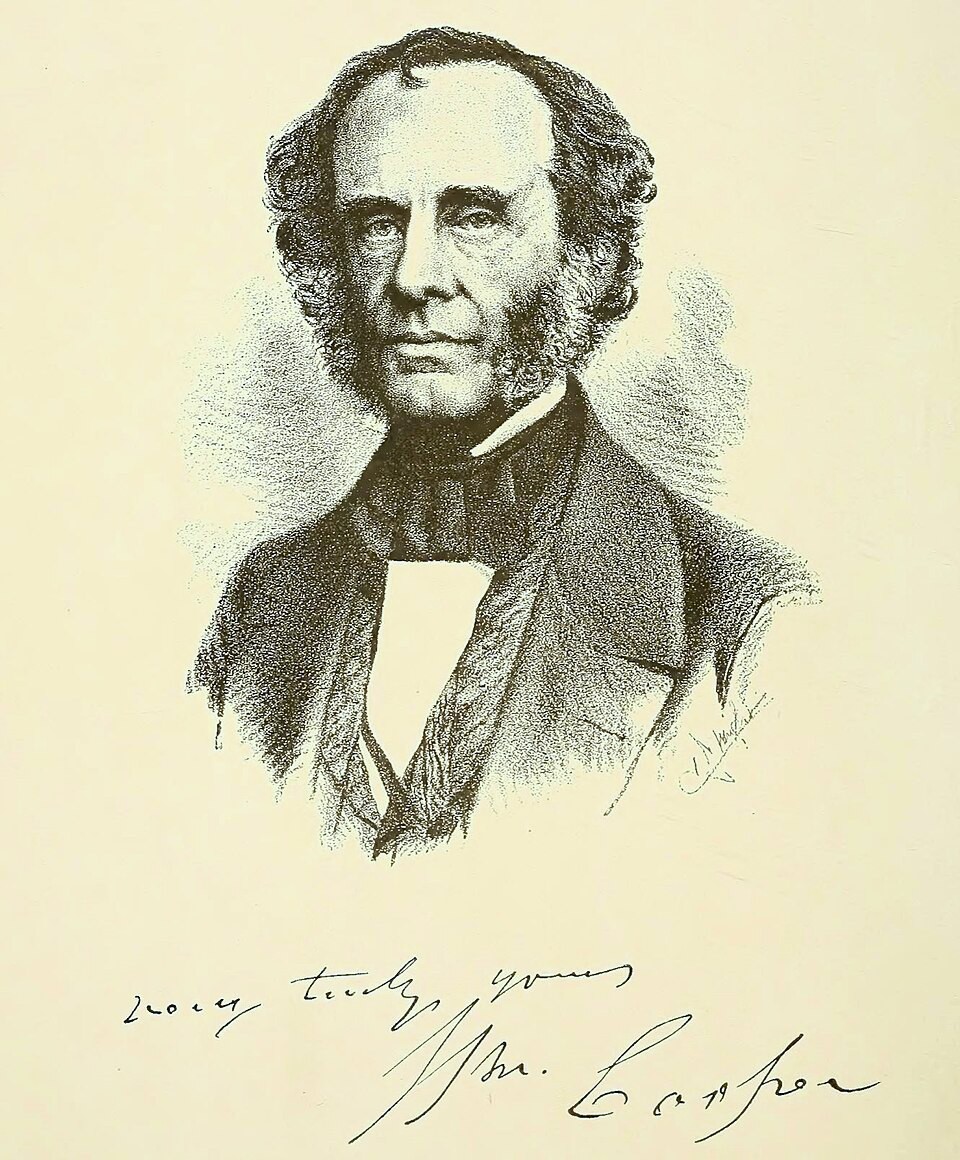
The Cooper’s Hawk is named for William Cooper, a New York scientist. According to Wikipedia, William Cooper, studied zoology in Europe from 1821 to 1824, and afterwards he travelled to North America. Covering the continent from Canada to the Caribbean, he went on expeditions starting in Nova Scotia, then to Kentucky and the Bahamas in his efforts to collect birds and sea shell specimens. There is no record of the shells in his collection, only the birds.
Although he was not an author in his own right, William Cooper was a scientist. He collected specimens of many birds along the way and wrote field notes that were of great help to others for research, drawing, and further study, such as John James Audubon, Charles Lucien Bonaparte and Thomas Nuttall.[2]
Cooper was one of the founders of the New York Lyceum of Natural History (later the New York Academy of Sciences), and he was the first American member of the Zoological Society of London. Charles Lucien Bonaparte, the nephew of Napoleon Bonaparte, named the Cooper’s Hawk for Cooper (Accipiter cooperii), after Cooper collected a specimen of the raptor in 1828.

Closely resembling, but larger than Sharp-shinned Hawks (Accipiter striatus), there are some differences between the birds. Cooper’s Hawks‘ eye color changes from bluish-gray in nestlings, to yellow in young adults, and then to red in older adults. Among the bird world’s most skillful fliers, Cooper’s Hawks are common woodland hawks that tear through cluttered tree canopies at high speeds in pursuit of other birds.
You’re most likely to see one prowling above a forest edge or field using just a few stiff wingbeats followed by a smooth glide. We had a Cooper’s hawk who nested in some elm trees in our Portland, Oregon canopy. The birds of prey made a steady diet of the sparrows, doves and pigeons who were often resting there. The sight of discarded bird feathers was a common calling card left after their meals.
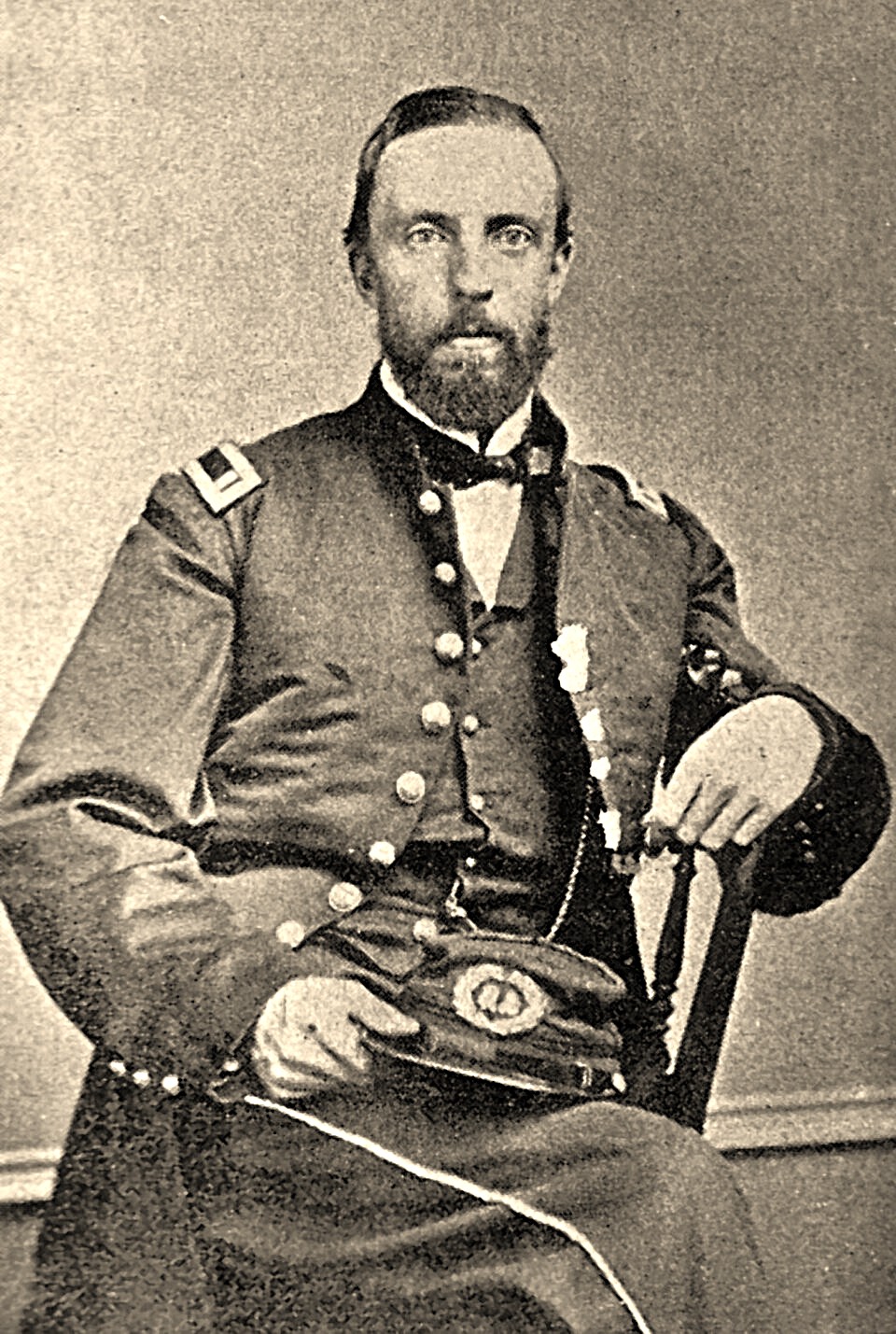
Cooper Bird Club
The Cooper Ornithological Society (COS), formerly known as the Cooper Ornithological Club, was an American ornithological society affiliate. First founded in 1893 in California, the society operated for 123 years until it merged in 2016 with the American Ornithological Society.
Its Cooper moniker commemorated James Graham Cooper (1830 – 1902), an early California biologist and the son of William Cooper. The son James was a physician and famous naturalist in his own right. The younger Cooper did extensive mollusk work on the Pacific coast. For example, a marine-species eponym database lists Trochocyathus cooperi (Gardiner, 1905) next to entries for the Coopers.
The Cooper Ornithological Society published the famous birding journal The Condor and the monograph series Studies in Avian Biology (formerly Pacific Coast Avifauna). The COS presented the annual Loye and Alden Miller Research Award, which was given for lifetime achievement in ornithological research and the recipients were often members of the Ornithological Council.
The aims of the Cooper Ornithological Society were the scientific study of birds, the dissemination of ornithological knowledge, the encouragement and spread of interest in the study of birds, and the conservation of birds and wildlife in general.
In October 2016 the Cooper Ornithological Society (COS) officially merged with the American Ornithologists’ Union to form the American Ornithological Society (AOS), based in Chicago, Illinois. The combined society continues to present the Loye and Alden Miller Research Award that were initiated by the COS.[3][4]
Name Changes Ahead
As of this writing, in October 2026, many of the birds which have been named for English men will have those designations scrubbed from the record books. It has already happened to Audubon, and next up was McCown. The reasons the AOS gave for the wholesale name changes were that it did not want to judge which historical figures deserved the honor, and that eponyms imply human ownership of birds. These eponyms don’t describe the birds, which they insist they should. That blanket statement covers 152 English names in the North American committee’s region and 111 more under the South American committee’s purview, starting with 70–80 species in the U.S. and Canada.[1][5]
Stay tuned to the future name changes, as they may surprise all of us.
=-=-=-=-=-=-=-=-=-=-=-=-=-=-=-=-=-=-=-=-=-=-=-=
Footnotes:
[1] Although there are more than those on the list above, it is important to note that J.J. Audubon had his named birds stripped from him for his egregious practices with slavery and grave robbing. Others in the list may soon fall for similar logic: Scott, McCown, Wilson, Townsend, Bachman, Cassin, Steller, and Cooper and are on the must drop list. The list of birds named for white men is long. Here is an abbreviated list:
- Alexander Wilson (5 birds): Widely considered the “Father of American Ornithology,” Wilson is commemorated by All About Birds with Wilson’s Warbler, Wilson’s Plover, Wilson’s Phalarope, Wilson’s Storm-Petrel, and Wilson’s Snipe. Ironically, Wilson preferred descriptive biological names over human names during his lifetime.
- John Cassin (5 birds): A prominent 19th-century ornithologist at the Academy of Natural Sciences of Philadelphia. He is honored with Cassin’s Sparrow, Cassin’s Kingbird, Cassin’s Finch, Cassin’s Auklet, and Cassin’s Vireo.
- William Swainson (4 birds): An English ornithologist and illustrator honored with Swainson’s Hawk, Swainson’s Thrush, Swainson’s Warbler, and Swainson’s Francolin.
- John Kirk Townsend (3 birds): An early American naturalist who traveled across the Rocky Mountains, honored with Townsend’s Warbler, Townsend’s Solitaire, and Townsend’s Storm-Petrel.
The name of McCown has already been extinguished. The names of those in the queue for a rolling phase-out, dropping them from the common name of record are as follows:
| John P. McCown | McCown’s Longspur | Changed (Now Thick-billed Longspur) |
| Alexander Wilson | Wilson’s Warbler, Wilson’s Snipe, Wilson’s Phalarope | Queued for rolling phase-out |
| John Cassin | Cassin’s Finch, Cassin’s Sparrow, Cassin’s Kingbird | Queued for rolling phase-out |
| William Cooper | Cooper’s Hawk | Queued for rolling phase-out |
| Georg Wilhelm Steller | Steller’s Jay | Queued for rolling phase-out |
| John Bachman | Bachman’s Sparrow | Queued for rolling phase-out |
[2] https://en.wikipedia.org/wiki/William_Cooper_(conchologist)
[3] https://en.wikipedia.org/wiki/Cooper_Ornithological_Society
[5] From the .PDF of AOS Birds, here is the list of English names in the last appendix entry.
Appendices:
Birds Named After William Cooper
- Cooper’s hawk Astur cooperii (formerly Accipiter cooperii; originally Falco cooperii), Bonaparte, 1828. Charles Lucien Bonaparte named it for his friend Cooper, who had sent him a specimen in 1828. The type was shot by Cooper himself in Hudson County, New Jersey. In 2024 it was moved from Accipiter to Astur.
- Olive-sided flycatcher Contopus cooperi (originally Muscicapa cooperi), Nuttall, 1831. The species name honors William Cooper. For decades it went by C. borealis; cooperi was restored following Banks and Browning (1995) and the AOU (1997).
- Cooper’s sandpiper “Calidris” × cooperi (originally Tringa cooperi), Baird, 1858. Baird described it from a specimen collected on Long Island in May 1833 and named it for Cooper, who collected the bird. It is now thought to be a hybrid, probably of curlew sandpiper and sharp-tailed sandpiper. www.wildflphoto.com +6
Animals, Birds and Plants discovered/described by William Cooper
- Evening Grosbeak Hesperiphona vespertina (also placed in Coccothraustes; originally Fringilla vespertina), Cooper, 1825. Cooper formally described it in 1825. It was the only new bird he ever described, sent to him by his friend Schoolcraft, who was exploring toward the head of Lake Superior. Wikipediaarchive
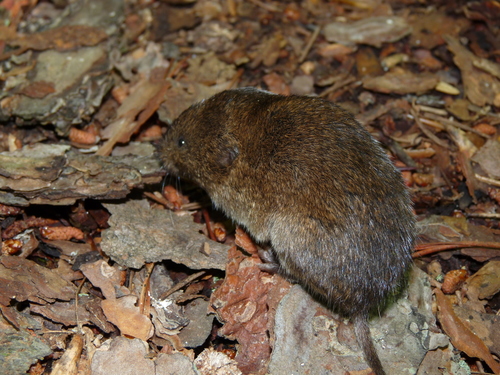
- Southern Bog Lemming (Synaptomys cooperi, Baird 1857), sometimes called Cooper’s Bog Lemming.
- Flowering plants Astragalus cooperi (Gray), both the lemming and astragulus are noted in the biographical sketches of William Cooper below. Astragalus is a flowering legume prized in Chinese medicine for the medicinal qualities in its roots.
Written Works by William Cooper
The Lyceum’s Annals contain nearly all of Cooper’s original articles. The sketch lists these titles and years. I’ve left out page numbers I couldn’t confirm, so check them against the Biodiversity Heritage Library scans of the Annals before you submit. archive
- Cooper, William. “Description of a New Species of Grosbeak, Inhabiting the North-Western Territory of the United States.” Annals of the Lyceum of Natural History of New-York, vol. 1, 1825, pp. 219–22.
- Cooper, William. “On the Remains of the Megatherium Recently Discovered in Georgia.” Annals of the Lyceum of Natural History of New-York, vol. 1, 1824.
- Cooper, William. “Further Discovery of Fossil Bones in Georgia, and Remarks on Their Identity with Those of the Megatherium of Paraguay.” Annals of the Lyceum of Natural History of New-York, vol. 2, 1827.
- Cooper, William. “Note on the Habitat of Schizaea pusilla.” Annals of the Lyceum of Natural History of New-York, vol. 1, 1824.
- Cooper, William. “Observations on Big-Bone Lick.” Monthly American Journal of Geology and Natural Science, 1831.
- Cooper, William. “A Report on Some Fossil Bones of the Megalonyx, from Virginia.” Annals of the Lyceum of Natural History of New-York, vol. 3, 1833.
- Cooper, William. “Description of Five Species of Vespertilio Which Inhabit the Environs of the City of New-York.” Annals of the Lyceum of Natural History of New-York, vol. 4, 1837.
- Cooper, William. “On Two Species of Plecotus Inhabiting the United States Territory.” Annals of the Lyceum of Natural History of New-York, vol. 4, 1837.
- Cooper, William. “On Two Species of Molossus Inhabiting the Southern United States.” Annals of the Lyceum of Natural History of New-York, vol. 4, 1837.
Works about Wm. Cooper or naming birds for him
- Baird, Spencer F. “Birds.” Reports of Explorations and Surveys … for a Railroad from the Mississippi River to the Pacific Ocean, vol. 9, Beverley Tucker, 1858, p. 716.
- Biographical Sketch of the Late William Cooper of Hudson County, New Jersey. Gilliss Brothers & Turnure, Art Age Press, n.d. Internet Archive, archive.org/details/biographicalsket00coop.
- Some sources date this 1864. However, it cites works from 1870 and 1877, so it was printed later. It was probably written by his son.
- Bonaparte, Charles Lucian. American Ornithology; or, The Natural History of Birds Inhabiting the United States, Not Given by Wilson. Vol. 2, Carey, Lea & Carey, 1828.
- Cox, John B. “The Enigmatic Cooper’s and Cox’s Sandpiper.” Dutch Birding, vol. 12, 1990, pp. 53–64.
- Emerson, W. Otto. “Dr. James G. Cooper: A Sketch.” Bulletin of the Cooper Ornithological Club, vol. 1, no. 1, 1899, pp. 1–5.
- This article covers William Cooper’s career in its opening pages.
- Monroe, Burt L., Jr. “A Reconsideration of the Massachusetts ‘Cox’s Sandpiper.’” American Birds, vol. 45, no. 2, 1991, pp. 232–33.
- “Notes and News.” The Auk, vol. 19, no. 4, 1902, p. 421.
- This is the obituary of J. G. Cooper. It summarizes William’s role and the hawk and sandpiper named for him.
- Nuttall, Thomas. A Manual of the Ornithology of the United States and of Canada: The Land Birds. Hilliard and Brown, 1832.
Archival collection
Swann Galleries auctioned an archive of William and James G. Cooper papers. It includes four William Cooper diaries from 1820–24 and a manuscript “Catalogue of the Birds of New York, April 1831.”
Birds James G. Cooper discovered and described
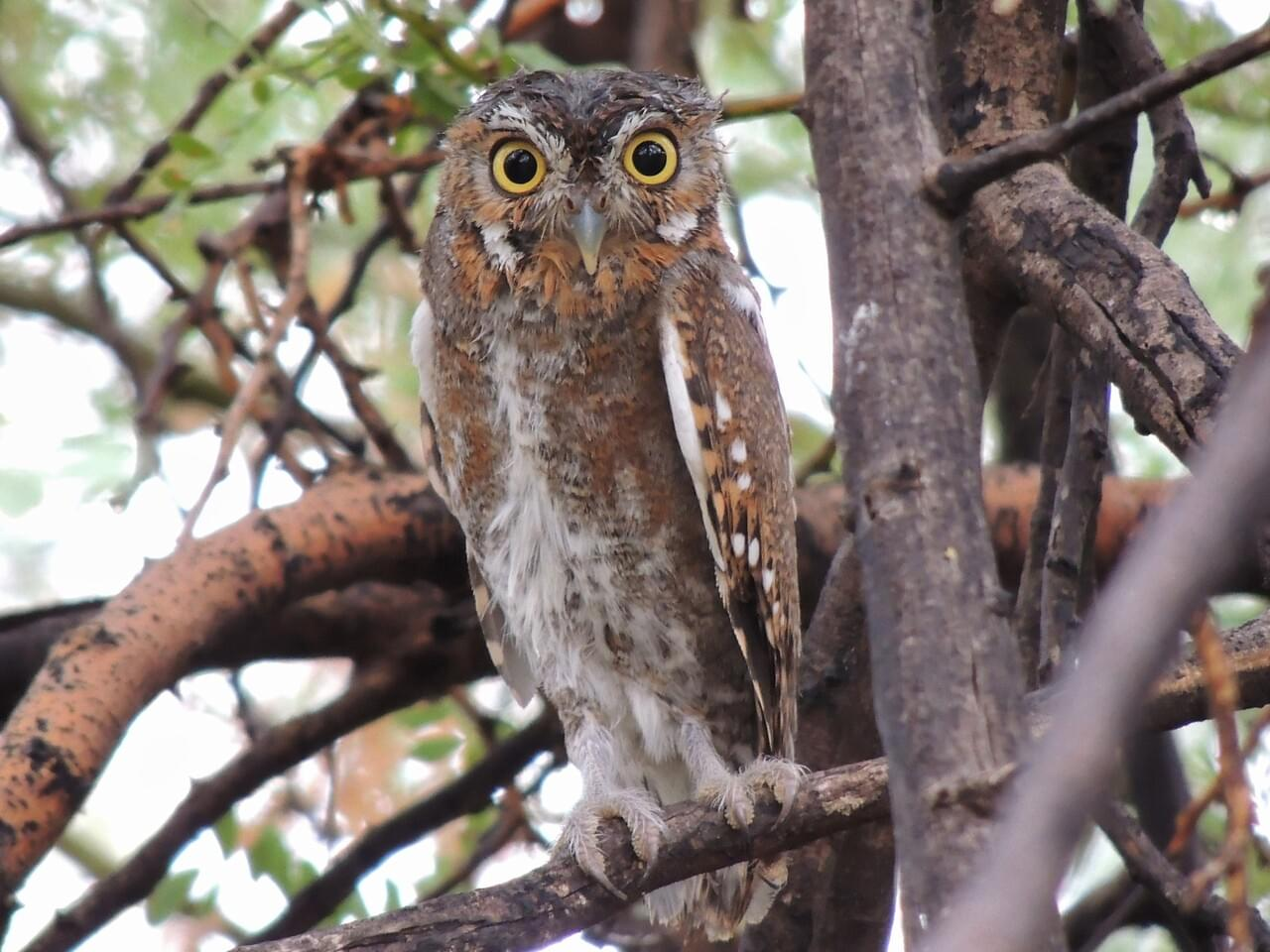
- Elf Owl (Micrathene whitneyi): Cooper formally described it in 1861 from a specimen collected near Fort Mohave in Arizona. He originally named it Athene whitneyi, and the species name honors the geologist Josiah Dwight Whitney. Wikipediaworldbirdnames
- Lucy’s Warbler (Leiothlypis luciae): credited as (J. G. Cooper, 1861). Older synonyms include Vermivora luciae and Oreothlypis luciae. It was named for Lucy Baird, daughter of Spencer F. Baird. npsnps
Birds named after James G. Cooper
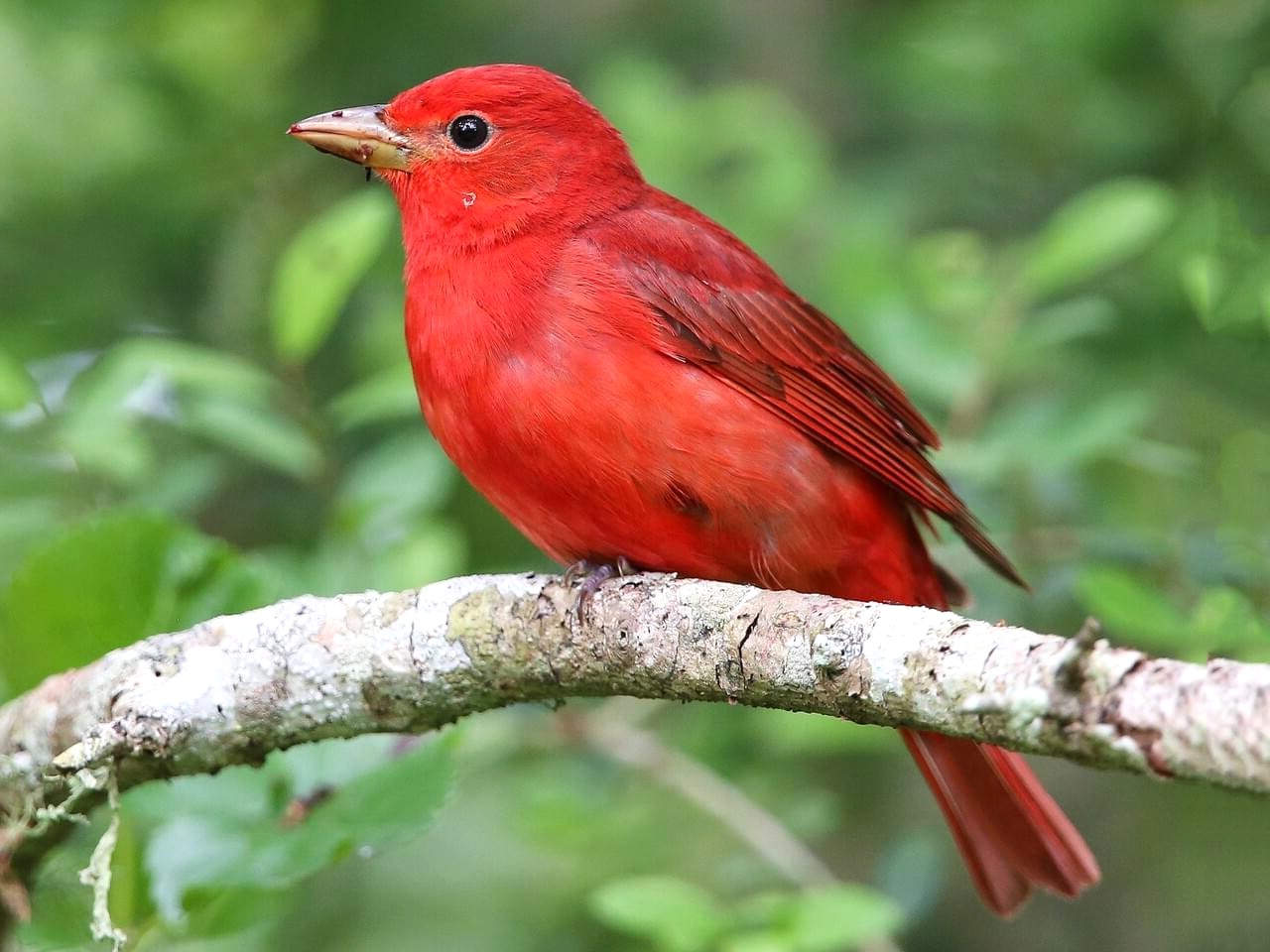
- Summer Tanager, western subspecies (Piranga rubra cooperi): named by Ridgway in 1869; it breeds in the southwestern US and northern Mexico. This name is attributed to Dr. James Graham Cooper. Wikipediaworldbirdnames
- San Diego Song Sparrow (Melospiza melodia cooperi): Ridgway first published it as Melospiza fasciata cooperi in The Auk in 1899. The type specimen was an adult collected by Dr. Cooper at San Diego on April 18, 1862. Some authorities now treat it as a synonym of M. m. heermanni. unmillinois
- Not named for him:
- Pacific Screech-Owl (Megascops cooperi): Ridgway named it after Juan Cooper of Cartago, Costa Rica. worldbirdnames
The ornithological society The Condor came from was also named for him. The Cooper Ornithological Society was founded in 1893 in his honor. cdlib
Written Works by and about James G. Cooper
- Coan, Eugene V. James Graham Cooper, Pioneer Western Naturalist. University Press of Idaho, 1981. The Coan biography is the most complete source on Cooper. It includes a bibliography on pages 216–248, which lists his many other papers.
- Cooper, J. G. “The Fauna of California and Its Geographical Distribution.” Proceedings of the California Academy of Sciences, vol. 4, 1870, pp. 61–81.
- Cooper, J. G. “New California Animals.” Proceedings of the California Academy of Sciences, vol. 2, 1861, pp. 118–23.
- Cooper, J. G. Ornithology. Vol. 1: Land Birds. Edited by S. F. Baird, Geological Survey of California, 1870.
- Cooper, J. G., and George Suckley. The Natural History of Washington Territory. Baillière Brothers, 1859.
- Emerson, W. Otto. “Dr. James G. Cooper.” Bulletin of the Cooper Ornithological Club, vol. 1, no. 1, 1899, pp. 1–5.
- “James G. Cooper.” The Auk, vol. 19, no. 4, 1902, pp. 421–24.
- Ridgway, Robert. “New Species, Etc., of American Birds.—III. Fringillidae (Continued).” The Auk, vol. 16, no. 1, 1899, pp. 35–37.
Appendix with Bird Names derived from “English Names”
Here is a LINK to the English Named Birds that the AOS has listed for removal.
| English Common Name & Species | Who It Is Named For | Who It Is Named By |
| Ross’s Goose | Bernard R. Ross | John Cassin |
| Steller’s Eider | Georg Steller | Peter Simon Pallas |
| Stejneger’s Scoter | Leonhard Stegneger | Robert Ridgway |
| Barrow’s Goldeneye | Sir John Barrow | Johann Freidrich Gmelin |
| Gambel’s Quail | William Gambel | William Gambel |
| Erckel’s Francolin | Theodor Erckel | Eduard Rüppell |
| Elliot’s Pheasant | Daniel Giraud Elliot | Robert Swinhoe |
| Lady Amherst’s Pheasant | Sarah Amherst | Benjamin Leadbetter |
| Clark’s Grebe | John Henry Clark | George Lawrence |
| Vaux’s Swift | William Sansom Vaux | John Kirk Townsend |
| Chapman’s Swift | Frank M. Chapman | Carl Hellmayr |
| Sick’s Swift | Helmut Sick | Carl Hellmayr |
| Rivoli’s Hummingbird | Victor Masséna, 2nd Duke of Rivoli | Rene Primevere Lesson |
| Anna’s Hummingbird | Duchess Anna Debelle Masséna | Rene Primevere Lesson |
| Costa’s Hummingbird | Louis Marie Pantaleon Costa | Jules Bourcier |
| Allen’s Hummingbird | Charles Andrew Allen | Rene Primevere Lesson |
| Canivet’s Emerald | Emmanuel Canivet de Carentan | Rene Primevere Lesson |
| Brace’s Emerald | Lewis J. K. Brace | George Lawrence |
| Humboldt’s Sapphire | Alexander von Humboldt | Jules Bourcier |
| Xantus’s Hummingbird | John Xantus de Vesey | George Lawrence |
| Ridgway’s Rail | Robert Ridgway | Robert Ridgway |
| Wilson’s Plover | Alexander Wilson | George Ord |
| Temminck’s Stint | Coenraad Jacob Temminck | Johan Leisler |
| Baird’s Sandpiper | Spencer Fullerton Baird | Elliott Coues |
| Wilson’s Snipe | Alexander Wilson | George Ord |
| Wilson’s Phalarope | Alexander Wilson | Louis Pierre Veillot |
| Kittlitz’s Murrelet | Heinrich von Kittlitz | Nicholas Aylward Vigors |
| Scripps Murrelet | Robert Paine Scripps | J. Elton Green/Lee W. Arnold |
| Craveri’s Murrelet | Federico Ettore Craveri | Tommaso Salvadori |
| Cassin’s Auklet | John Cassin | John Cassin |
| Sabine’s Gull | Edward Sabine | Joseph Sabine |
| Bonaparte’s Gull | Charles Lucien Bonaparte | George Ord |
| Ross’s Gull | James Clark Ross | William MacGillivray |
| Franklin’s Gull | John Franklin | Johann Wagler |
| Pallas’s Gull | Peter Simon Pallas | Peter Simon Pallas |
| Belcher’s Gull | Edward Belcher | Nicholas Aylward Vigors |
| Heermann’s Gull | Adolphus Lewis Heermann | John Cassin |
| Forster’s Tern | Johann Reinhold Forster | Thomas Nuttall |
| Salvin’s Albatross | Osbert Salvin | Lionel Walter Rothschild |
| Willson’s Storm-Petrel | Alexander Wilson | Heinrich Kuhl |
| Elliot’s Storm-Petrel | Daniel Giraud Elliot | Daniel Giraud Elliot |
| Leach’s Storm-Petrel | William Elford Leach | Louis Pierre Veillot |
| Townsend’s Storm-Petrel | Charles Haskins Townsend | Charles Haskins Townsend |
| Ainley’s Storm-Petrel | David Ainley | David Ainley |
| Swinhoe’s Storm-Petrel | Robert Swinhoe | Robert Swinhoe |
| Markham’s Storm-Petrel | Albert Hastings Markham | Osbert Salvin |
| Tristram’s Storm-Petrel | Henry Baker Tristram | Osbert Salvin |
| Murphy’s Petrel | Robert Cushman Murphy | Robert Cushman Murphy |
| Zino’s Petrel | Paul Alexander Zino | Gregory MacAlister Matthews |
| Fea’s Petrel | Leonardo Fea | Tommaso Salvadori |
| Cook’s Petrel | Captain James Cook | George Robert Gray |
| Stejneger’s Petrel | Leonhard Stejneger | Leonhard Stejneger |
| Bulwer’s Petrel | James Bulwer | William Jardine/John Selby |
| Jouanin’s Petrel | Christian Jouanin | Christian Jouanin |
| Parkinson’s Petrel | Sydney Parkinson | George Robert Gray |
| Cory’s Shearwater | Charles B. Cory | Charles B Cory |
| Buller’s Shearwater | Walter Buller | Osbert Salvin |
| Newell’s Shearwater | Matthias Newell | Henry Weatherbee Henshaw |
| Bryan’s Shearwater | Edwin Horace Bryan, Jr. | Peter Pyle/A. Welch/Robert Fleischer |
| Audubon’s Shearwater | John James Audubon | Rene Primevere Lesson |
| Brandt’s Cormorant | Johann Freidrich von Brandt | Johann Freidrich von Brandt |
| Cooper’s Hawk | William Cooper | Charles Lucien Bonaparte |
| Gundlach’s Hawk | Juan Cristobal Christoff Gundlach | George Lawrence |
| Steller’s Sea-Eagle | Georg Wilhelm Steller | Peter Simon Pallas |
| Harris’s Hawk | Edward Harris | John James Audubon |
| Ridgway’s Hawk | Robert Ridgway | Charles B. Cory |
| Swainson’s Hawk | William Swainson | Charles Lucien Bonaparte |
| Baird’s Trogon | Spencer Fullerton Baird | George Lawrence |
| Lesson’s Motmot | Rene Premevere Lesson | Rene Primevere Lesson |
| Williamson’s Sapsucker | Robert Stockton Williamson | John Cassin |
| Lewis’s Woodpecker | Meriwether Lewis | Alexander Wilson |
| Hoffmann’s Woodpecker | Karl Hoffman | Jean Louis Cabanis |
| Nuttall’s Woodpecker | Thomas Nuttall | William Gambel |
| Strickland’s Woodpecker | Hugh Edwin Strickland | Alfred Malherbe |
| Fernandina’s Flicker | King Ferdinand II of Aragon | Nicholas Aylward Vigors |
| Zeledon’s Antbird | Jose Castulo Zeledon | Robert Ridgway |
| Euler’s Flycatcher | Carl Euler | Jean Louis Cabanis |
| Hammond’s Flycatcher | William Alexander Hammond | Spencer Fullerton Baird |
| Say’s Phoebe | Thomas Say | Charles Lucien Bonaparte |
| Nutting’s Flycatcher | Charles Cleveland Nutting | Robert Ridgway |
| La Sagra’s Flycatcher | Don Ramon de La Sagra | Juan Cristobal Christiff Gundlach |
| Couch’s Kingbird | Darius N. Couch | Spencer Fullerton Baird |
| Cassin’s Kingbird | John Cassin | John Cassin |
| Bell’s Vireo | John Graham Bell | John James Audubon |
| Hutton’s Vireo | William Rich Hutton | John Cassin |
| Cassin’s Vireo | John Cassin | John Xantus de Vesey |
| Steller’s Jay | Georg Wilhelm Steller | Johan Freidrich Gmelin |
| Woodhouse’s Scrub-Jay | Samuel Washington Woodhouse | Spencer Fullerton Baird |
| Clark’s Nutcracker | William Clark | Alexander Wilson |
| Blyth’s Reed Warbler | Edward Blyth | Edward Blyth |
| Pallas’s Grasshopper-Warbler | Peter Simon Pallas | Peter Simon Pallas |
| Middendorff’s Grasshopper-Warbler | Alexander Theodor von Middendorf | Alexander Theodor von Middendorf |
| Pallas’s Leaf-Warbler | Peter Simon Pallas | Peter Simon Pallas |
| Swinhoe’s White-eye | Robert Swinhoe | Robert Swinhoe |
| Sumichrast’s Wren | Francis Sumichrast | George Lawrence |
| Nava’s Wren | Juan Nava Solorio | Richard S. Crossin/Charles A. Ely |
| Bewick’s Wren | Thomas Bewick | John James Audubon |
| Boucard’s Wren | Adolphe Boucard | Philip Lutley Sclater |
| Cabani’s Wren | Jean Louis Cabanis | Jean Louis Cabanis |
| Bendire’s Thrasher | Charles Bendire | Elliott Coues |
| LeConte’s Thrasher | John Lawrence LeConte | George Lawrence |
| Townsend’s Solitaire | John Kirk Townsend | John James Audubon |
| White’s Thrush | Gilbert White | Jean-Joseph-César Holandre |
| Bicknell’s Thrush | Eugene Bicknell | Robert Ridgway |
| Swainson’s Thrush | William Swainson | Thomas Nuttall |
| Bishop’s Oo | Charles Reed Bishop | Lionel Walter Rothschild |
| Sprague’s Pipit | Isaac Sprague | John James Audubon |
| Pallas’s Rosefinch | Peter Simon Pallas | Peter Simon Pallas |
| Cassin’s Finch | John Cassin | Spencer Fullerton Baird |
| Lawrence’s Goldfinch | George Lawrence | John Cassin |
| Smith’s Longspur | Gideon B. Smith | John James Audubon |
| McKay’s Bunting | Charles McKay | Robert Ridgway |
| Pallas’s Bunting | Peter Simon Pallas | Jean Louis Cabanis |
| Botteri’s Sparrow | Matteo Botteri | Philip Lutley Sclater |
| Cassin’s Sparrow | John Cassin | Samuel Washington Woodhouse |
| Bachman’s Sparrow | John Bachman | Martin Hinrich Carl Lichtenstein |
| Brewer’s Sparrow | Thomas Mayo Brewer | John Cassin |
| Worthen’s Sparrow | Charles K. Worthen | Robert Ridgway |
| Baird’s Junco | Spencer Fullerton Baird | John James Audubon |
| Harris’s Sparrow | Edward Harris | John James Audubon |
| Bell’s Sparrow | John Graham Bell | John Cassin |
| Nelson’s Sparrow | Edward William Nelson | Joel Asaph Allen |
| Baird’s Sparrow | Spencer Fullerton Baird | John James Audubon |
| LeConte’s Sparrow | John Lawrence LeConte | John James Audubon |
| Henslow’s Sparrow | John Stevens Henslow | John James Audubon |
| Lincoln’s Sparrow | Thomas Lincoln | John James Audubon |
| Abert’s Towhee | James WIlliam Abert | Spencer Fullerton Baird |
| Cabani’s Ground-Sparrow | Jean Louis Cabanis | Philip Lutley Sclater/Osbert Salvin |
| Bullock’s Oriole | William Bullock | William John Swainson |
| Audubon’s Oriole | John James Audubon | Rene Primevere Lesson |
| Scott’s Oriole | Winfield Scott | Charles Lucien Bonaparte |
| Brewer’s Blackbird | Thomas Mayo Brewer | John James Audubon |
| Bachman’s Warbler | John Bachman | John James Audubon |
| Swainson’s Warbler | William Swainson | John James Audubon |
| Lucy’s Warbler | Lucy Hunter Baird | James Graham Cooper |
| Virginia’s Warbler | Virginia Anderson | Spencer Fullerton Baird |
| Semper’s Warbler | John E. Semper | Philip Lutley Sclater |
| MacGillivray’s Warbler | William MacGillivray | John James Audubon |
| Belding’s Yellowthroat | Lyman Belding | Robert Ridgway |
| Kirtland’s Warbler | Jared Potter Kirtland | Spencer Fullerton Baird |
| Adelaide’s Warbler | Adelaide Swift | Spencer Fullerton Baird |
| Grace’s Warbler | Grace Darling Coues | Spencer Fullerton Baird |
| Townsend’s Warbler | John Kirk Townsend | John Kirk Townsend |
| Wilson’s Warbler | Alexander Wilson | Alexander Wilson |
| Carmiol’s Tanager | Julian Carmiol | George Lawrence |
| Lesson’s Seedeater | Rene Primevere Lesson | Rene Primevere Lesson |
| Morelet’s Seedeater | Pierre Marie Arthur Morelet | Charles Lucien Bonaparte |
| Blackburnian Warbler | Anna Blackburn | Thomas Pennant |
| Zenaida Dove | Zénaïde Bonaparte | Charles Lucien Bonaparte |
| Montezuma Quail | Aztec Emperor Moctezuma II | Nicholas Aylward Vigors |

