
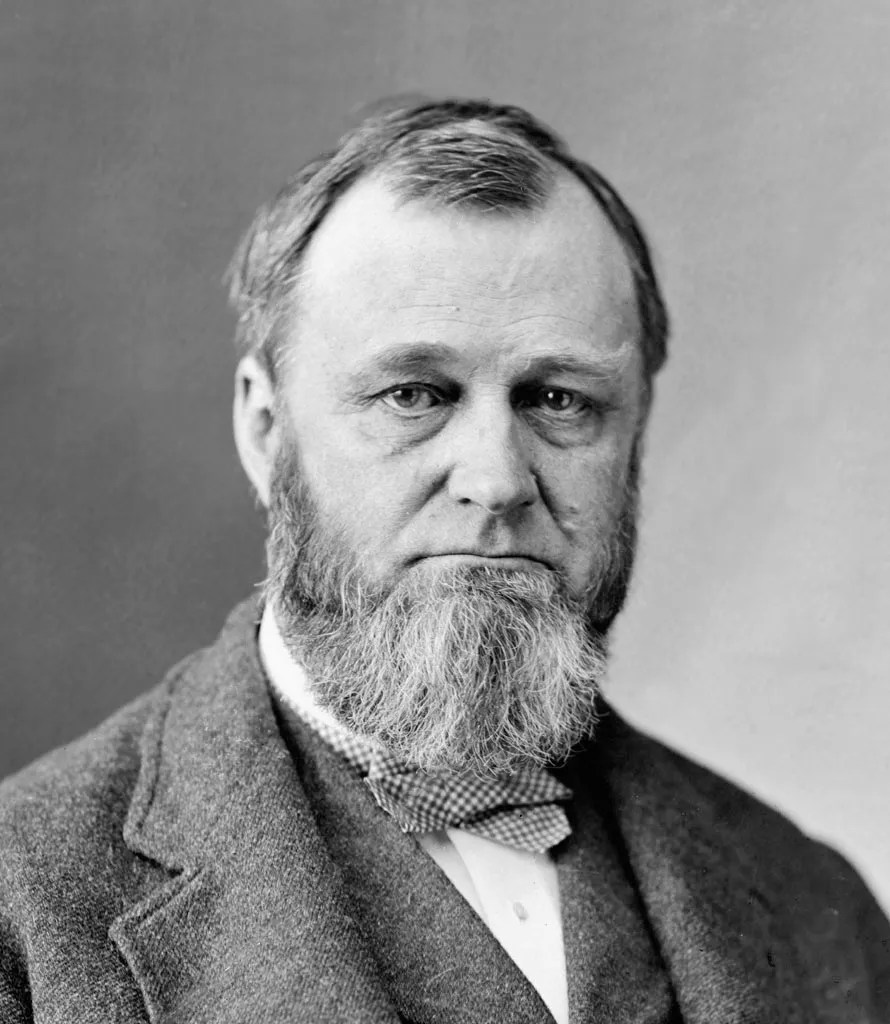
Birds of Baird
The Spencer Baird story is nearly the reverse of most of the eponym controversies surfaced by the AOS: there’s no scandal attached to the man himself. The case against his Bird Names rests on the naming system itself, not his character.
Spencer Fullerton Baird, after whom we have Baird’s Sparrow and Baird’s Sandpiper, was an obsessed teenager, who rose from a persistent collector of birds to the legendary Secretary of the Smithsonian Institute.
The Backstory of Baird
Spencer F. Baird was born in Reading, Pennsylvania, in February 1823, to Samuel Baird and Lydia McFunn Biddle. He was the third of seven children. His father was a well-known local lawyer, and his mother came from Philadelphia. He was named after Spencer Fullerton, a distant relative who died a few months before he was born. His father, Samuel, took him gardening and on walks, and his older brother, William, a birder, taught him to identify birds in the field. Then, in 1833, when Spencer was ten, his father died of cholera. The next year Lydia moved with her seven children to Carlisle, Pennsylvania, to be near her relatives.
William remained his bird-partner in pursuit of better understanding natural history. William later became a lawyer, yet he contributed more than 3,000 specimens to his brother’s growing bird collection. The brothers’ first scientific paper described two flycatchers they correctly determined were new species to science, which they had found in Cumberland County, Pennsylvania.
Spencer attended Nottingham Academy in Port Deposit, Maryland, and then public school in Carlisle, Pennsylvania. He entered Dickinson College in Carlisle when he was 13. He graduated in 1840 at age 17. He then earned a master’s degree in 1843. Later Baird lamented that he wished he’d been held back, because he thought a 13-year-old was too young to get the full benefit of college.
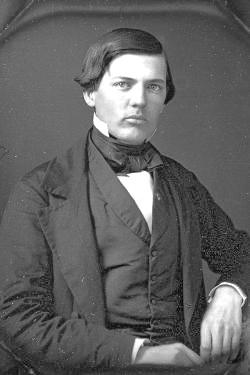
In November 1841 Spencer went to New York City to study medicine, but, within two months, he gave it up and came back to Carlisle. He was determined to become a zoologist, even though there were few such jobs in America. With no formal science training available in the U.S., he learned through self-study and informal teaching from established naturalists, including James Dwight Dana, John James Audubon, John Cassin and George N. Lawrence. He also had protégés such as John Xantus, Elliott Coues, Charles Bendire, and Robert Ridgway.
The Audubon mentorship and friendship
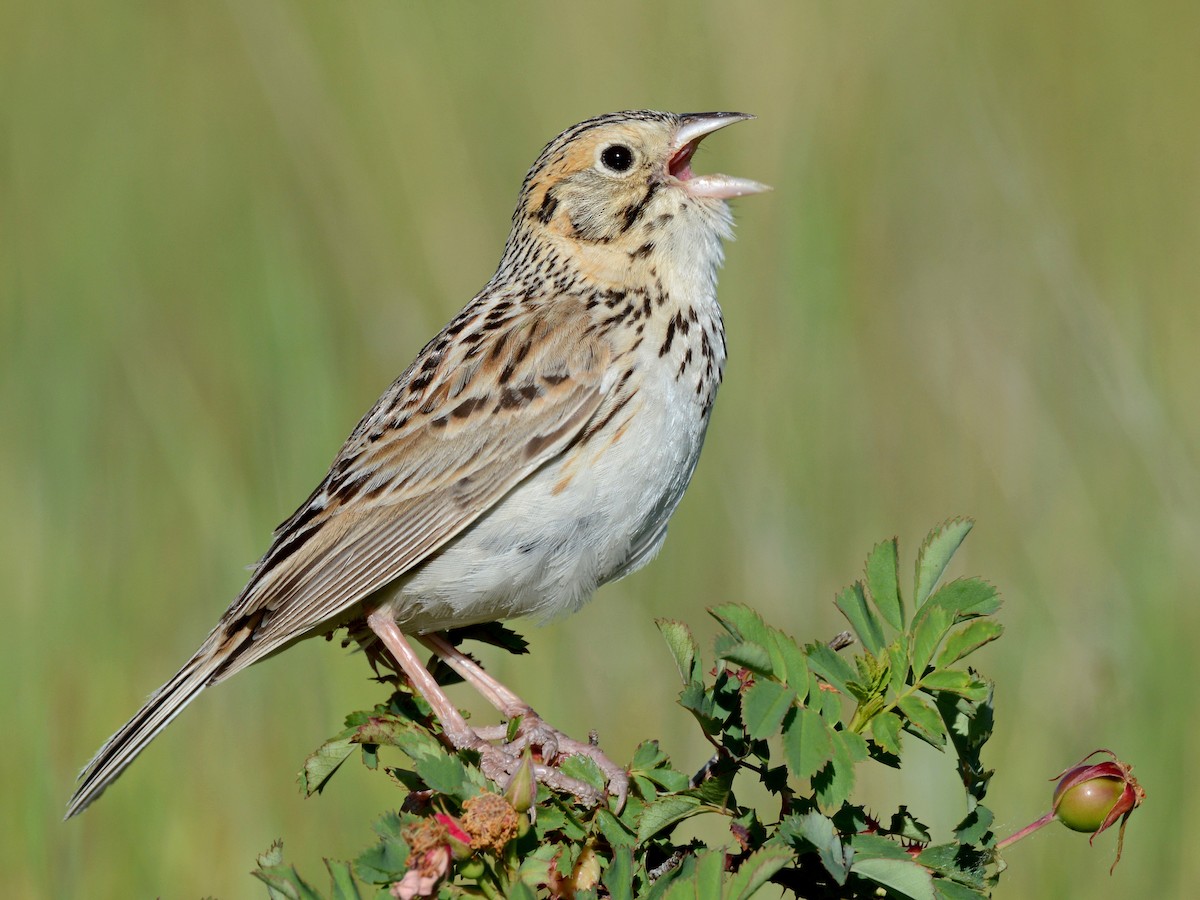
Spencer Baird met Audubon in 1838 and began writing to him while still a school boy. He sent Audubon a stuffed bird he had named the Yellow-bellied Flycather. Another bird, Baird’s Sparrow, was sent to Audubon and it appears as plate 500 of the smaller octavo edition of Audubon’s The Birds of America. It isn’t included in the famous double-elephant folio, which was finished in 1838, before Baird and Audubon ever corresponded. Audubon also invited the young Baird on his 1843 Missouri River expedition, but Baird didn’t go, reportedly because his family worried about his health. In return for all of his specimens and writings, Audubon gave him most of his own bird collection and named Baird’s Bunting, now Baird’s Sparrow, for him.
The best part of “the Baird sparrow story” is usually left out. In 1843 Audubon invited the 20-year-old Baird on his Missouri River expedition. Baird’s parents, however, kept him home, partly over concerns about his health. The expedition collected a new grassland sparrow, and it was first described from North Dakota in 1843. Audubon named Baird’s Sparrow (Centronyx bairdii) for the young Spencer, who couldn’t overcome his parents’ objections. Its scientific name is Centronyx bairdii (Audubon, 1844). Wikipedianatureserve
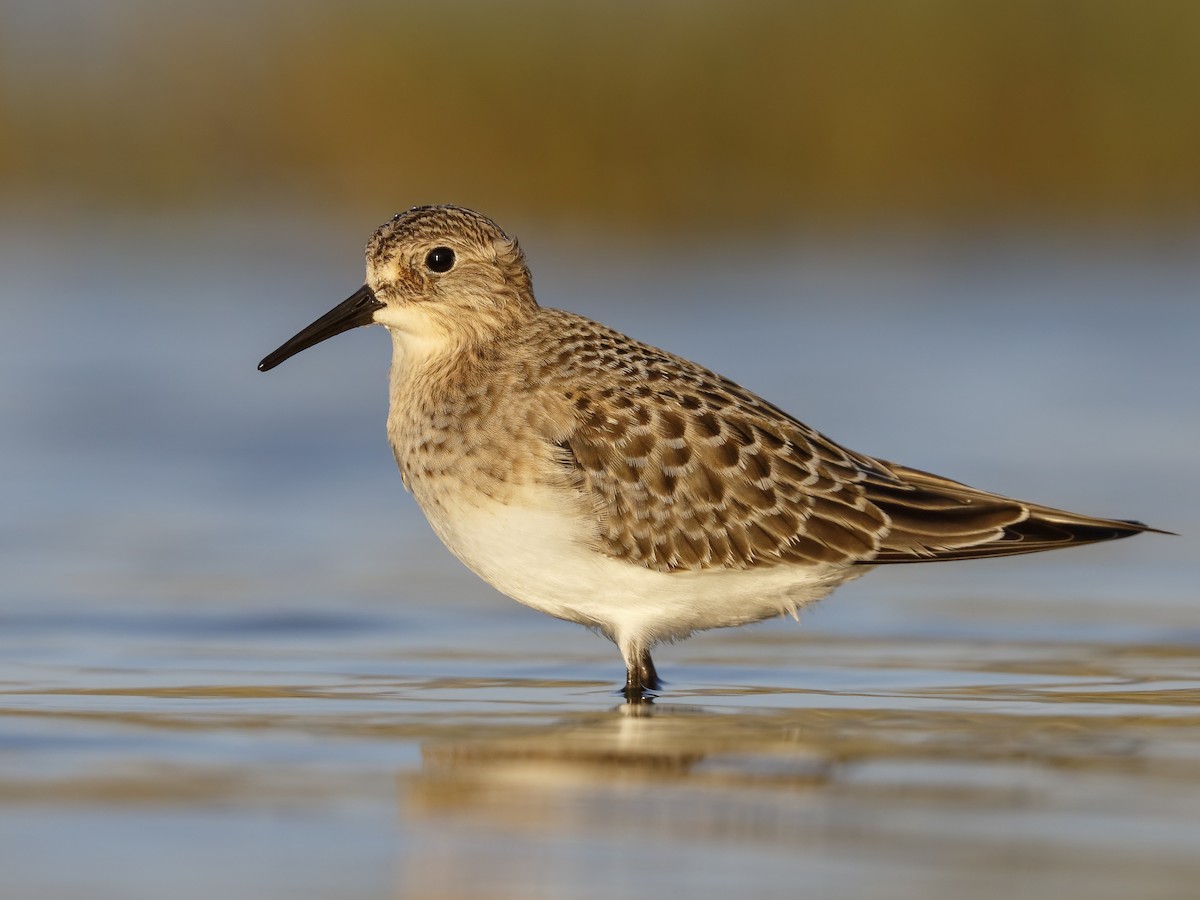
Baird’s Sandpiper (Calidris bairdii) has a similar origin. It was named in 1861 by Elliott Coues, one of Baird’s own protégés. So both of his famous bird names were gifts from someone he’d mentored (Coues) or had been mentored by (Audubon).
Baird did much of his collecting on foot, and in 1842 alone he hiked more than 2,100 miles. Sources disagree on the total; his own diary, quoted in a 1906 biography, says he walked about 1,400 miles that year. On one 1842 trip he walked to Baltimore, took the train to Washington, and studied the specimens from the U.S. Exploring Expedition (the Wilkes Expedition) stored at the Patent Office. By 1842 he had collected 650 bird skins of 128 species. Many of which were drawn by Audubon.
There is some symmetry to “the hand-off from Audubon to Baird to Others” story: Audubon named a bird for the boy who wrote to him, and that boy spent the rest of his life answering letters from other boys.
Baird Family & Career
In August 1846, Baird married Mary Helen Churchill, who was born in 1821. She was the only daughter of Sylvester Churchill, Inspector General of the U.S. Army. That same year Baird became a full, paid professor of natural history at Dickinson College. (He had endured a year as an unpaid honorary professor and curator of the college’s natural history collection.) Two years later, in February 1848, Mary Baird gave birth to their daughter, Lucy Hunter Baird. Lucy later preserved most of her father’s papers, and many of them reached the Smithsonian directly from her or from her estate.
He was popular with students at Dickenson, reportedly because he took them into the field to study nature directly. In 1848 he became chair of both natural history and chemistry. That year a Smithsonian grant funded his exploration of bone caves and the natural history of southeastern Pennsylvania.
Baird’s career after that was enormous. He became Assistant Secretary of the Smithsonian in 1850, reportedly arriving with his personal collection in railcars. He served as Secretary from 1878 to 1887. His 1858 Birds volume for the Pacific Railroad Surveys, written with John Cassin and George Lawrence, set the standard for American ornithology for a generation. That standard, built on measured series of specimens, is sometimes called the “Bairdian School.” He also founded the U.S. Fish Commission in 1871, the predecessor of NOAA Fisheries, and the science hub in Cape Cod at Woods Hole, Massachusetts.
The Praiseworthy
His real genius was as a mentor and network-builder. Baird corresponded with hundreds of army surgeons, survey men, telegraph crews, and amateurs, trained them by letter, and sent them supplies. He repaid Audubon’s kindness many times over. When a teenage Robert Ridgway wrote to the Smithsonian with bird drawings, Baird took him on. Ridgway became one of the great ornithologists of the next era. Robert Kennicott, another Baird protégé, was a herpetologist who explored Russian America. His knowledge from that expedition fed into the 1867 Alaska Purchase debate in Congress, though Kennicott had died in the field in 1866.
In 1850, at 27, Baird became Assistant Secretary of the Smithsonian Institution and its first curator. Amazingly, his collection of birds, lizards, fish, skins, and skeletons, weighing 89,000 pounds, reportedly needed two railroad freight cars to move from Carlisle to Washington. Baird organized the zoological work of the Pacific Railroad Surveys, the government expeditions mapping possible railroad routes to the West, and he described and named several genera and many species from them. He wrote the survey volumes on mammals (1857), birds (1858), and reptiles and amphibians (1859). The 1858 Birds of North America became a landmark. This connects directly to your earlier posts: officers on these surveys and on Army postings, such as Samuel Woodhouse and Darius Couch, sent specimens to Baird, and he often named the new species after the collectors. That’s how Woodhouse’s Scrub-Jay and Couch’s Jay got their names.
When Joseph Henry, the initial Secretary of the Smithsonian, died in 1878, Baird succeeded him, becoming the Smithsonian’s second Secretary. Under him, the U.S. National Museum grew from about 6,000 specimens in 1850 to more than two and a half million when he died. He was enormously productive, with nearly 1,200 published works between 1843 and 1882.
In 1871 U.S. President Grant appointed him the first U.S. Commissioner of Fish and Fisheries. He was never paid for the job, which he held alongside his Smithsonian work until his death. He pioneered fisheries science in North America, set up the marine research station at Woods Hole, Massachusetts, sent the research ship Albatross on expeditions, and coordinated state fish hatcheries. His laboratory at Woods Hole became world famous for fish culture. He first visited Woods Hole in 1862 and spent the summers of 1881 to 1887 there.
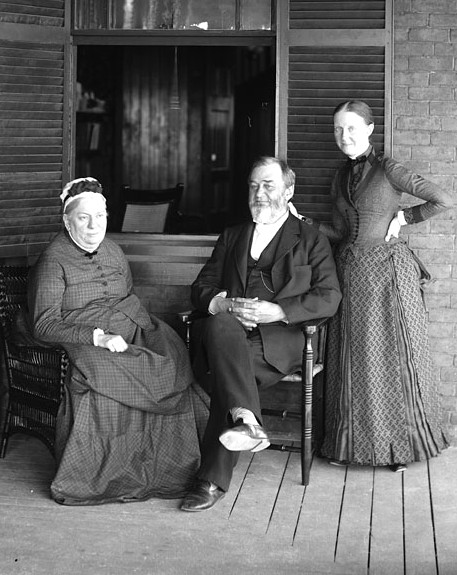
Baird’s health had been failing for months, and in August 1887, he died at Woods Hole, the seaside research station he’d built. Spencer Fullerton Baird was 64. He was buried at Oak Hill Cemetery in Washington, D.C. There’s a poignant footnote to his story: for all those years running the Fish Commission, Baird never drew a salary, and he’d even let the Commission use his own home as its offices. In 1888, Congress finally settled up, paying his widow, and daughter, a sum of $50,000 for his service. Mary Baird died in 1890, three years after her husband.
The Bad
The clearest black marks against Baird are ecological. Baird’s Fish Commission imported common carp from Germany in 1877 and shipped them across the country through the 1880s as a food fish. Carp are now one of North America’s most damaging invasive species. The Commission’s habit of moving fish between regions had mixed results more generally. Shad and striped bass sent to the Pacific coast, for example, established permanently.
There are also uncomfortable aspects of his bird and animal collecting methods. It happened on an industrial scale, through shotguns. Many of his “rogue collectors” were army personnel posted to the frontier during the wars against Native nations, so his collections are entangled with westward expansion. The Smithsonian’s collecting networks of that period also gathered Native cultural objects and, in some cases, human remains, which are now subject to repatriation law. In fairness, Baird has not generally been singled out for his behavior, the way some of his contemporaries are. And Baird presided over a culture that was accustomed to rewarding collectors with eponyms. Dozens of species and subspecies are named for Baird and his tight inner circle (Xantus, Coues, Bendire, Cassin, Ridgway), which is exactly the practice his critics object to.
The Naming Game
Birds bearing the Baird common name include Baird’s Sparrow, named by Audubon, and Baird’s Sandpiper. A woodpecker which as named for him in 1842 was later found to be a distinct species. His collaborative book A History of North American Birds (1874), which was co-written with Thomas M. Brewer and Robert Ridgway, became a foundational textbook for anyone interested in ornithology.
The Bird Naming is where Baird’s case is instructive. In November 2023, the American Ornithological Society (AOS) announced it would change all English bird names currently named after people within its geographic jurisdiction. Its advisory committee deliberately rejected judging people one by one, concluding that a case-by-case approach was intractable. So Baird’s Sparrow and Baird’s Sandpiper are slated for new names not because of anything Baird did, but because the policy is blanket. The aim is names that describe the birds, plus a break from the colonial-era custom of naming them after the people who shot them. Supporters point out that the old name for the sparrow says nothing about a declining Great Plains grassland bird. Critics argue that Baird is precisely the kind of benign, admirable figure the blanket rule erases unnecessarily. americanornithologyamericanornithology
As of the most recent information (September, 2026), the AOS hadn’t yet published official replacements for either Baird name; scientific names are not affected, so bairdii stays. Name ideas circulating online, such as “Dakota Sparrow,” are fan suggestions, not official. It’s worth checking the AOS English Bird Names page before you publish, since this is moving. americanornithology
Appendices:
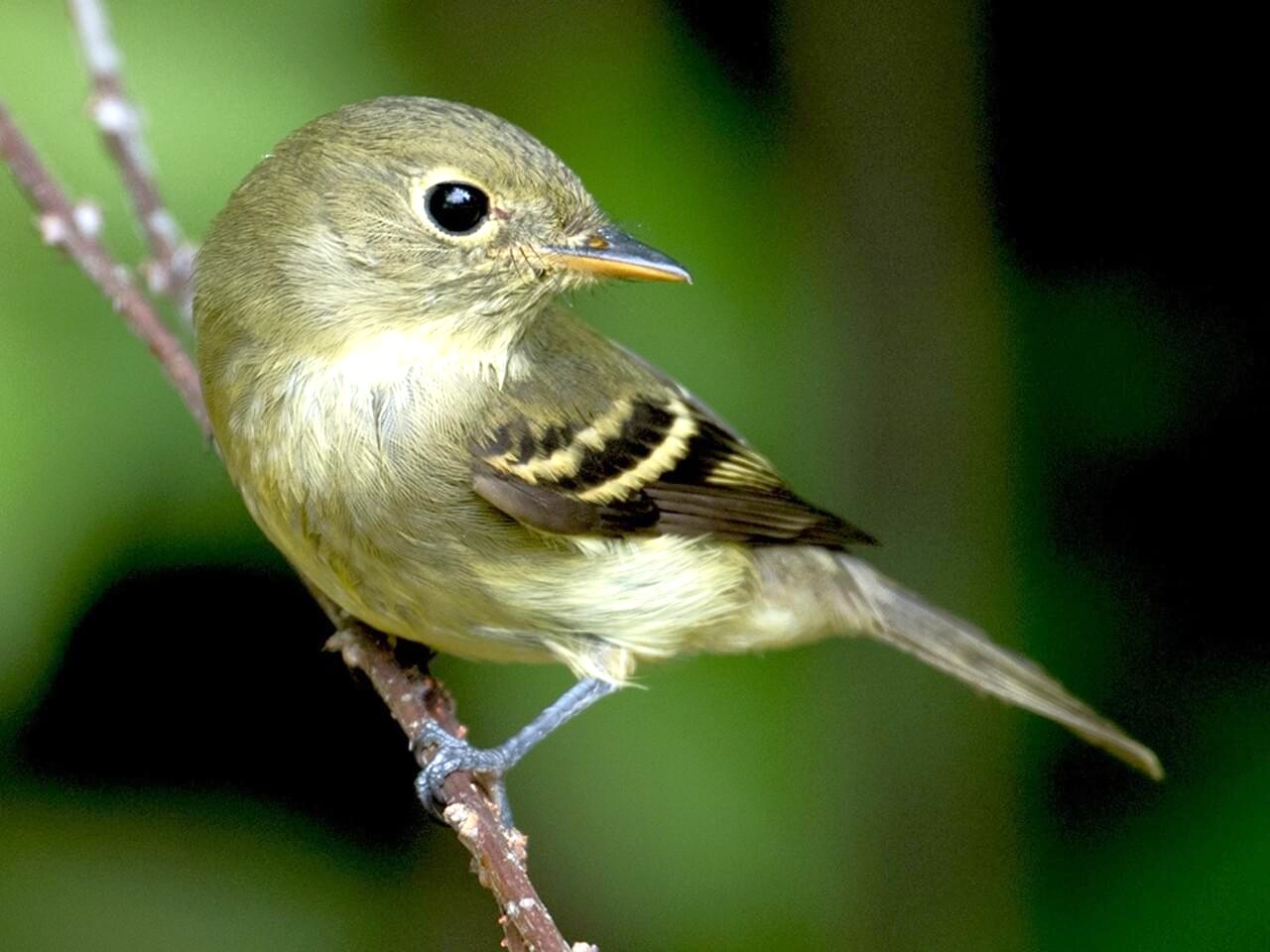
Birds Discovered by Spencer & William Baird (Carlisle, Pennsylvania)
- Yellow-bellied Flycatcher (Empidonax flaviventris), originally named Tyrannula flaviventris by William & Spencer Baird in 1843. To correct the record, Spencer Baird and his older brother, William, had described the Yellow-bellied Flycatcher themselves in the Proceedings of the Academy of Natural Sciences of Philadelphia in 1843. The teenagers didn’t need the revered John James Audubon to name the bird.
- Least Flycatcher (Empidonax minimus), named by both brothers in 1843.
These two flycatchers came from the brothers’ first paper, describing two birds they believed were new from Cumberland County, Pennsylvania. Baird found five new animals to science near Carlisle (two birds, a lizard, a frog, and a salamander), but public records couldn’t identify the names and dates of the lizard, frog, or salamander. A woodpecker was also named after Baird in 1842, but by someone else.
Birds described by Spencer Baird
- Abert’s Towhee (Melozone aberti), 1852.
- Cassin’s Finch (Haemorhous cassinii), 1854, named for John Cassin.
- Gila Woodpecker (Melanerpes uropygialis), 1854.
- Woodhouse’s Scrub-Jay (Aphelocoma woodhouseii), 1858, named for Samuel Washington Woodhouse.
- Slate-colored Fox Sparrow (Passerella schistacea), 1858.
- Thick-billed Fox Sparrow (Passerella megarhyncha), 1858.
- Gray Flycatcher (Empidonax wrightii), 1858.
- Pacific-slope Flycatcher (Empidonax difficilis), 1858.
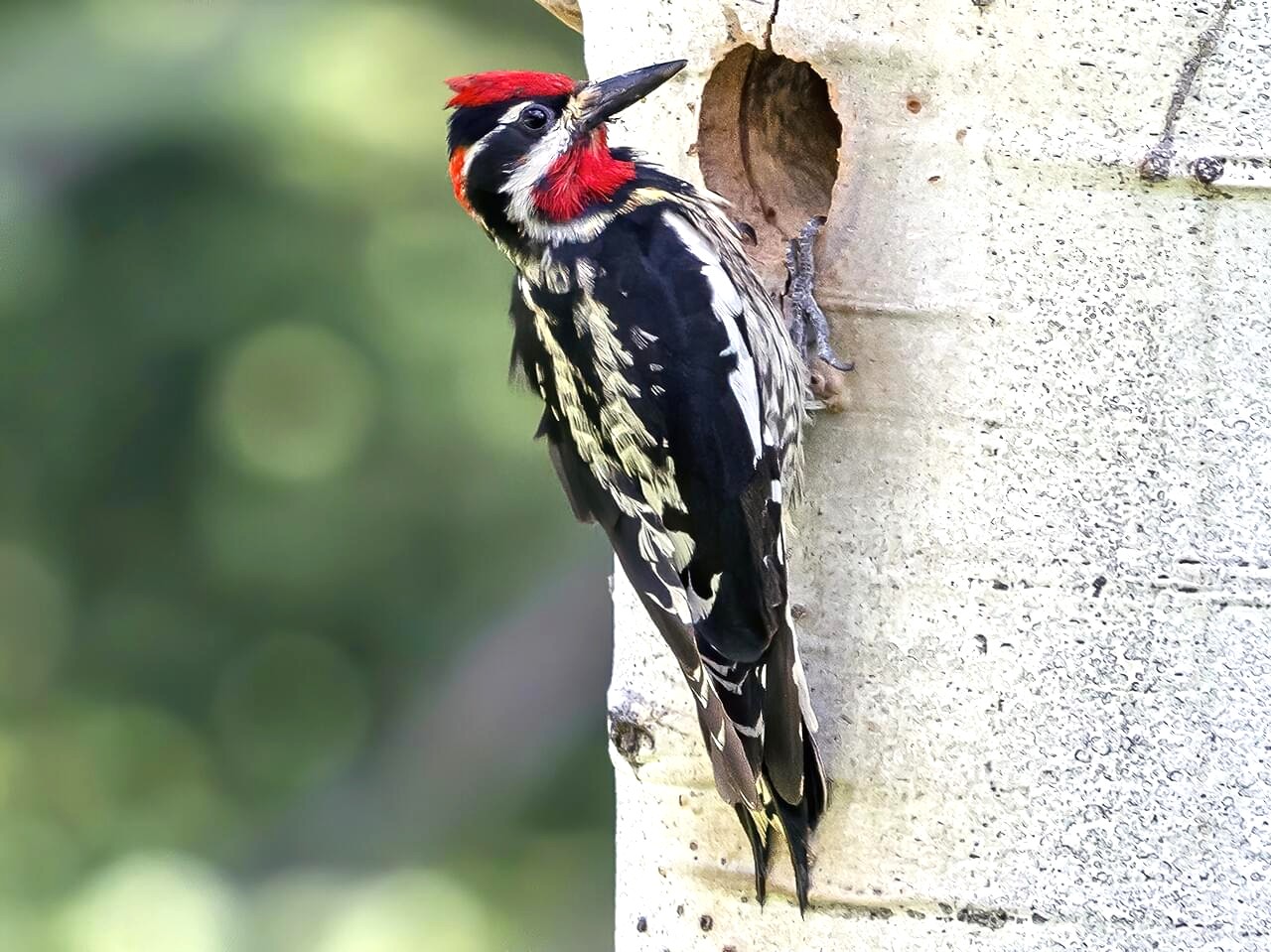
- Red-naped Sapsucker (Sphyrapicus nuchalis), 1858. He also created the sapsucker genus Sphyrapicus.
- Virginia’s Warbler (Leiothlypis virginiae), 1860.
- Couch’s Jay (Aphelocoma ultramarina couchii), 1858, now a subspecies of the Mexican Jay, named for Darius Couch.
Other Animals described by Baird
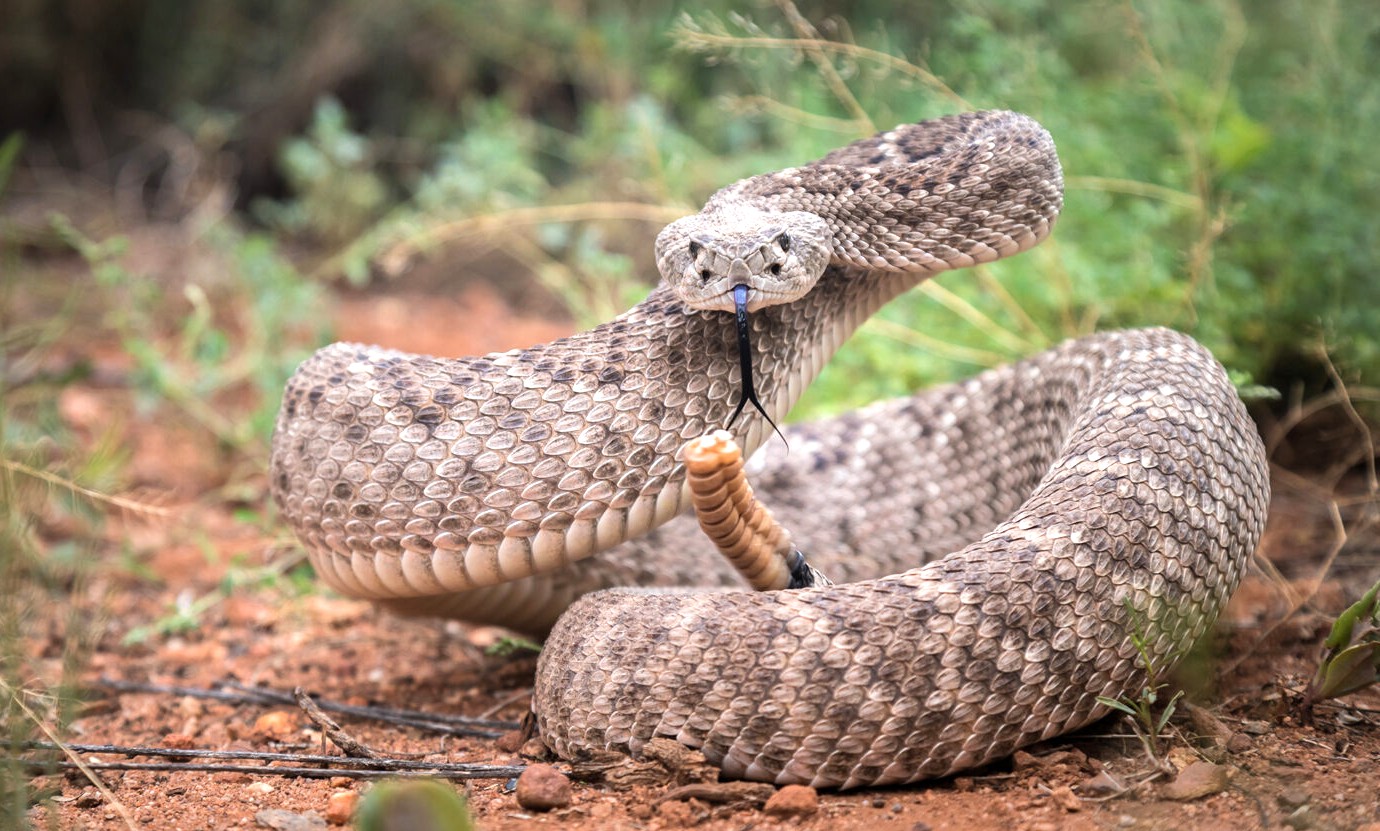
- Reptiles: Western Diamondback Rattlesnake (Crotalus atrox), described with Charles Girard in 1853 in their catalogue of the Smithsonian’s snake collection.
- Couch’s Spadefoot Toad (Scaphiopus couchii), 1854, named for Darius Couch, who collected the first specimen in northern Mexico for the Smithsonian.
- Mink Frog (now Lithobates septentrionalis), 1854.
- Desert Cottontail (Sylvilagus audubonii), 1858, from his Pacific Railroad mammal report.
- Fish: The fish genus Astyanax (tetras), named with Girard in 1854. It now includes 177 species.
- Other reptiles and amphibians:
- Western Fence Lizard (Sceloporus occidentalis).
- Side-blotched Lizard (Uta stansburiana).
- Desert Iguana (Dipsosaurus dorsalis).
- Red-spotted Toad (Anaxyrus punctatus), all with Girard in 1852.
- Barred Tiger Salamander (Ambystoma mavortium), 1850.
- Mammals (collected in 1855, 1857 and 1858):
- Shrew-mole (Neurotrichus gibbsii).
- Vagrant Shrew (Sorex vagrans).
- Western Harvest Mouse (Reithrodontomys megalotis).
- Dusky-footed Woodrat (Neotoma fuscipes).
- Hispid Pocket Mouse (Chaetodipus hispidus).
- Trowbridge’s Shrew (Sorex trowbridgii).
- Cliff Chipmunk (Neotamias dorsalis).
Birds and Animals named in Baird’s honor
- Baird’s Sparrow (Centronyx bairdii), named by Audubon in 1844.
- Baird’s Junco (Junco bairdi), named by Ridgway in 1883.
- Baird’s Sandpiper (Calidris bairdii), named by Coues, 1861.
- Baird’s Trogon (Trogon bairdii), named by Lawrence, 1868.
- Baird’s Tapir (Tapirus bairdii), named by Gill, 1865
- Baird’s Beaked Whale (Berardius bairdii), named by Stejneger, 1883.
Works Cited
- Baird, Spencer F. Catalogue of North American Birds, Chiefly in the Museum of the Smithsonian Institution. Washington, 1858.
- —. Catalogue of North American Mammals, Chiefly in the Museum of the Smithsonian Institution. Washington, 1857.
- —. “Descriptions of New Genera and Species of North American Frogs.” Proceedings of the Academy of Natural Sciences of Philadelphia, vol. 7, 1854, pp. 59–62.
- —. “Mammals.” Reports of Explorations and Surveys to Ascertain the Most Practicable and Economical Route for a Railroad from the Mississippi River to the Pacific Ocean, vol. 8, Washington, 1857.
- —. “Reptiles.” Reports of Explorations and Surveys to Ascertain the Most Practicable and Economical Route for a Railroad from the Mississippi River to the Pacific Ocean, vol. 10, Washington, 1859.
- —. Review of American Birds in the Museum of the Smithsonian Institution. Washington, 1864–66.
- —. Review of American Birds, the History of North American Birds with Brewer and Ridgway (Land Birds 1874, Water Birds 1884)
- Baird, Spencer F., and Charles Girard. Catalogue of North American Reptiles in the Museum of the Smithsonian Institution. Part 1: Serpents. Washington, 1853. Notes on the Serpents Catalogue, state that it was published by the Pacific Railroad volumes 8–10, 1852. Dates as published by the railroads were notoriously off by a year or two, due to their tendency to place dates at least one year after publication.
- Baird, Spencer F., et al. “Birds.” Reports of Explorations and Surveys to Ascertain the Most Practicable and Economical Route for a Railroad from the Mississippi River to the Pacific Ocean, vol. 9, Washington, 1858.
- —. A History of North American Birds: Land Birds. 3 vols., Boston, 1874.
- —. The Water Birds of North America. 2 vols., Boston, 1884.
- Baird, William M., and Spencer F. Baird. “Descriptions of Two Species, Supposed to Be New, of the Genus Tyrannula, Swainson, Found in Cumberland County, Pennsylvania.” Proceedings of the Academy of Natural Sciences of Philadelphia, vol. 1, 1843, pp. 283–85.
- Cooper, J. G. Ornithology. Volume 1: Land Birds. Edited by S. F. Baird, Cambridge, MA, 1870. Baird did much of the editing of Cooper’s California bird volume, as well.
- Heck, J. G. Iconographic Encyclopaedia of Science, Literature, and Art. Translated and edited by Spencer F. Baird, 4 vols., New York, 1851.
- United States Commission of Fish and Fisheries. Report of the Commissioner for 1871 and 1872. By Spencer F. Baird, Washington, 1873.
For More on the AOS Bird Naming
- FAQ about the name changing rules set forth by the AOS by All About Birds.

