
Word Smith: Sybarite
Reading an article about Thomas Jefferson in the New York Times Magazine[1], there was a line by Jane Kamensky on the third US President. Kamensky is the President and CEO of Monticello, Virginia. And Jefferson. as author of the Declaration of Independence, is always mentioned as one of the historical FF’s (Founding Fathers) of the country. The entire magazine this holiday, however, was dedicated to the not-so-well known everyday founders of our country.
Kamensky said in her summary of Jefferson, “We want our guests [at Monticello] to understand the man in full — the lawyer, the scientist, the politician, the architect, the thinker, the farmer, the husband, the father, the sybarite, the debtor.” She left off the descriptions as the diplomat, the president, and the slave owner. I was also puzzled by the second to last descripter, Sybarite, that she had emblazoned on Jefferson. I had not seen Jefferson as a particularly hedonistic man. It was time to look further into the man and the word.
According to Vocabulary.com[2] the term sybarite refers to a person who is devoted to luxury, pleasure and self-indulgence. It is typically used to describe someone who loves fine foods, expensive materials and physical comforts.
Etymology and History of the Word
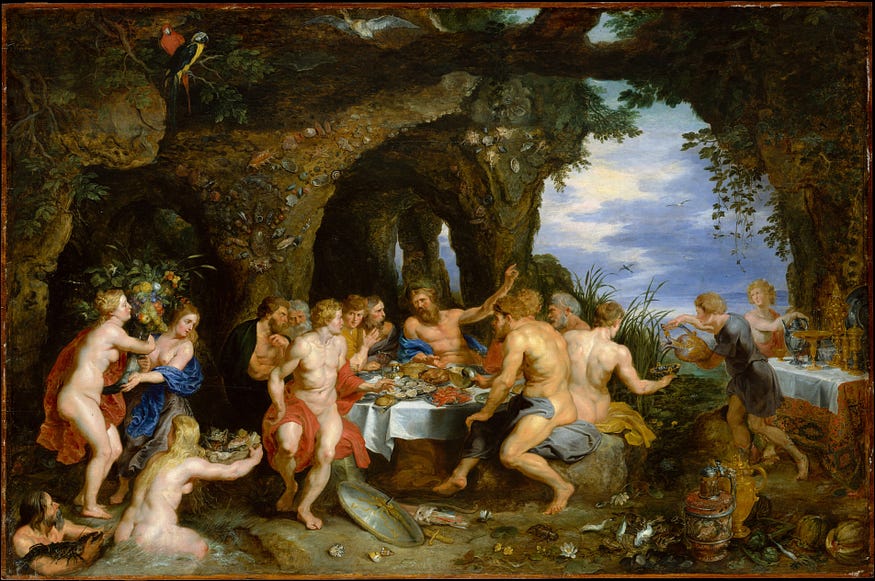
The term sybarite originates from Sybaris, an ancient Greek city in southern Italy that existed between the 8th and 6th centuries BCE. The city became incredibly wealthy due to its fertile land and bustling port. Over time, its citizens developed a legendary reputation among neighboring Greeks for their opulence, feasting and outrageous extravagance, permanently embedding the city’s name into the English language for its excesses.
Synonyms of Sybarite
- Hedonist: A broader term for someone whose primary pursuit in life is pleasure.
- Voluptuary: Someone who is entirely given over to luxury and sensual gratification.
- Epicure: A person who takes particular, refined pleasure in fine food and drink
Was Jefferson a Sybarite?
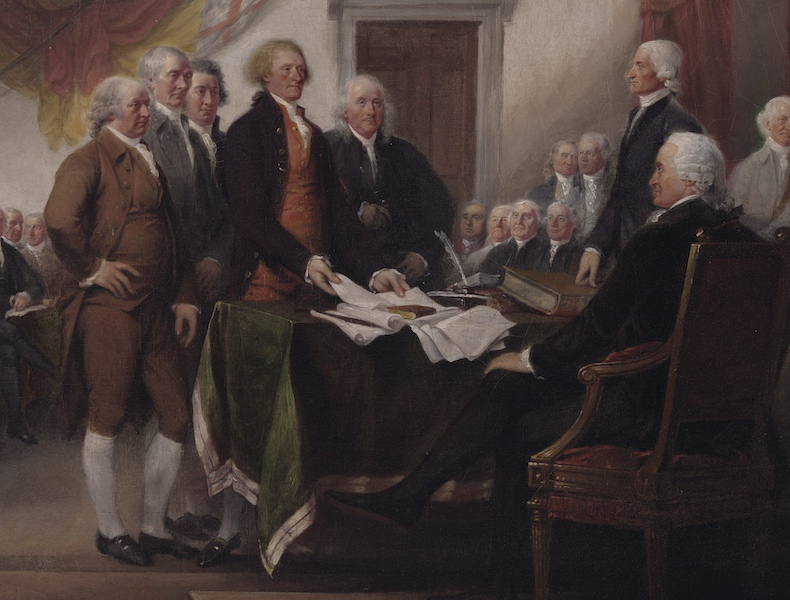
While the word Sybarite captures a real and well-documented side of Jefferson, it is almost always overshadowed by his political and intellectual reputation. Diving deeper into the accusation (without delving into the children he fathered and slaves he owned with Sally Hemings), the word clarifies some true tendencies that are often overlooked when measuring the man. These indulgences include fine wine, food, architecture, materialistic culture and collections.
Wine. Jefferson was arguably America’s first great wine connoisseur. He toured French, Italian, and German wine regions while serving as minister to France in the 1780s, kept detailed notes on vintages and vineyards, and spent enormous sums importing wine for the rest of his life. His wine bills alone contributed significantly to his enormous debts.
Food. He sent his enslaved chef, James Hemings, to train in Paris in French culinary techniques, then brought those methods back to Monticello and the White House. Jefferson is credited with popularizing dishes like macaroni and cheese, French fries, and ice cream in America. His dinners as president were famous for their elaborate, French-influenced menus — a deliberate departure from the plainer fare of his predecessors, George Washington and John Adams.
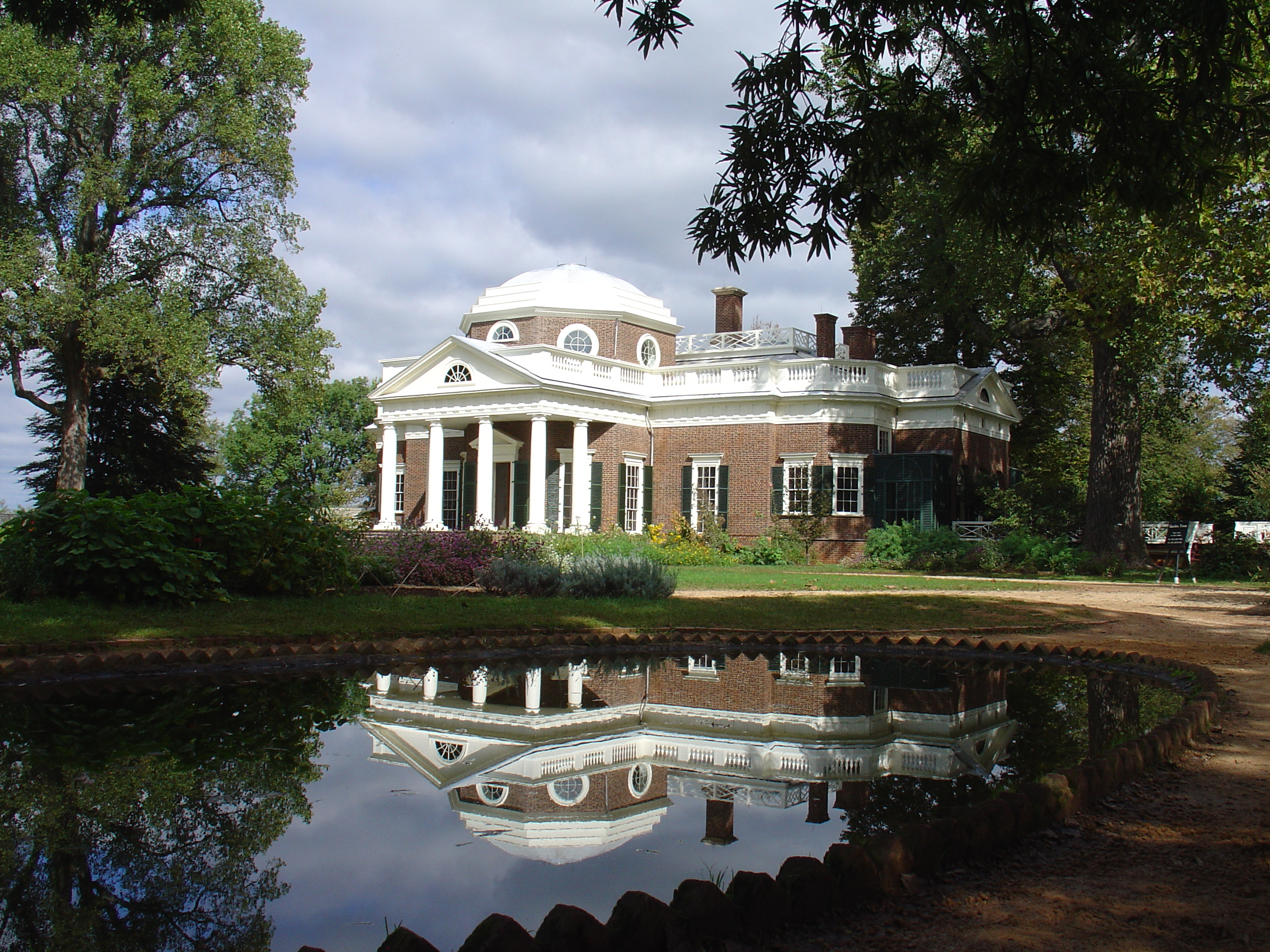
Architecture and design as sensory experience. Monticello, by the way, wasn’t just a functional house. Jefferson rebuilt and tinkered with it for decades, obsessing over sightlines, light, proportion and comfort. He filled it with art, sculpture busts, scientific instruments and curiosities, treating the house itself as an expression of taste and pleasure rather than of mere utility.
Materialistic culture and collections. He amassed one of the largest personal libraries in America (which became the seeds of the Library of Congress in Washington, DC), collected European furniture, maps, and artifacts. Jefferson insisted that Lewis & Clark send him the finest rare specimens they discovered in their Corp of Discovery journey to the Pacific and back. Jefferson also cared deeply about the aesthetics of his surroundings, such as clothing, carriages, tableware, and grounds keeping.
The dark side of the indulgence. This Dark Side of the third President is where “sybaritic lifestyle” becomes more than a charming quirk. Jefferson’s appetite for luxury goods far outpaced his income from Monticello’s plantation economy. He died deeply in debt[3]; partly because his sybaritic habits were subsidized by the forced, unpaid labor of the enslaved people he owned. His pleasure-seeking wasn’t separate from the plantation system; it was financially dependent on it. Historians increasingly treat that connection as central rather than incidental — the sybarite and the slaveholder aren’t really separable categories, even if Kamensky’s list presents “sybarite” as its own human failing and intellectual facet.
So, as uncomfortable as it may be for us to label Jefferson as a Sybarite, the moniker fits genuinely. Jefferson really did cultivate refined pleasure as a life philosophy, influenced by Epicurean ideas he read in classical texts; however, it’s worth noting the “sybarite” and the economic reality of his time (1743 – 1826) were entangled, whether or not that entanglement was named in the same breath.
==========================================================
Sources:
[1] NYT Magazine article by Jane Kamensky
[2] https://www.vocabulary.com/dictionary/sybarite
[3] When Thomas Jefferson died on July 4, 1826, his estate was in a staggering financial hole, leaving behind to his heirs approximately $107,000 in debt. In today’s money, this indebtedness equates to roughly $2.8 million to $3 million, putting into perspective how devastatingly broke this Founding Father was at the end of his life. Perhaps that is the cost of a Sybaritic lifestyle.

