

Word Smith: Haptic
Reading an article in the Wall Street Journal today (7/17/2025), I came across the word haptic. Not exactly sure what it meant I did some research.
Virtual Reality headsets, cell phones, smart devices these day all have features that include buzzing and vibrating. These sensations provide the owner tactile feedback of a cellphone call, text or DM. Any your watch, alarm clock and other devices have the same capabilities. These forces are known as a haptic engine.
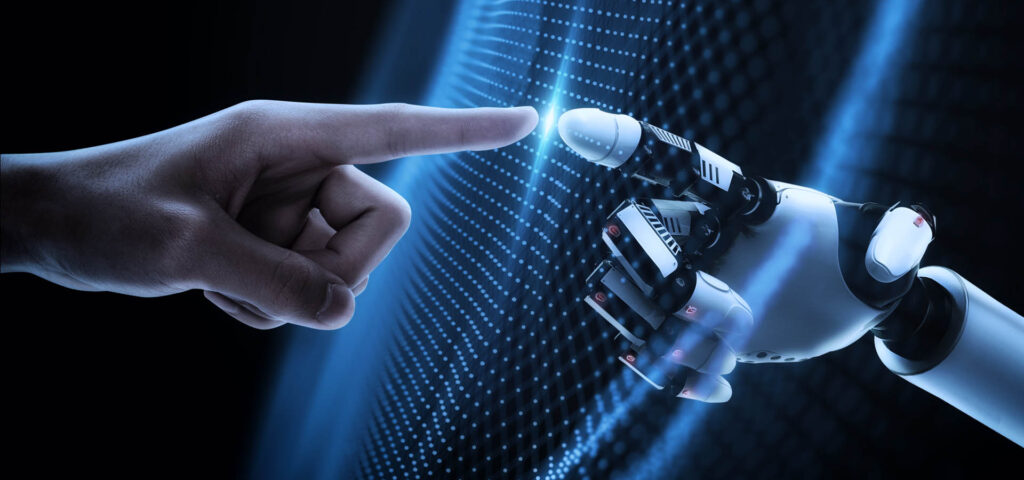
Every day many of the subtle motions we experience come from magnetic forces that are induced by rare earth minerals: the adjustment of the seat in your car, the change in volume on a device, the notification of a local emergency, etc. The corporations who make these devices, not wanting to get caught in the rare earth minerals stranglehold by the Chinese, are taking matters into their own hands.
Apple, for example, recently signed a $500 Million deal to secure a steady supply of rare earth minerals from a US supplier, MP Materials, which has operations in California and Texas. These rare earth minerals are members of the group of chemical elements on the Periodic Table consisting of three elements: scandium [Sc], yttrium [Y], and lanthanum [La]. Others have names such as cerium [Ce] through lutetium [Lu], though scientists disagree as to whether they should be labeled as rare earths. These rare earths are generally trivalent elements, but a few have other valences. Cerium, praseodymium, and terbium can be tetravalent; samarium, europium and ytterbium.
The technical difficulty with rare earths is in mastering the arcane engineering skills required to make quality magnets, including what is called Grain Boundary Diffusion, or GBD, cannot be overestimated. To date China has been one of the only countries in the world to master GBD at scale.
 Henry E. Hooper