

Cut and Dried Chili Peppers in New Mexico
Word Smith: Cut and Dried
Reading a news clip the other day about new ways to manage a team of fellow employees, the writer said, “These days it is not so cut and dried.” Reading this specific expression as an approach to management techniques, I wondered about the source of the idiom. Hopefully, we have not reverted to treating employees like harvested vegetables. This thought led to two wonderings: first, what did the expression originally mean and second, what does it mean today.
Answering the second question first, it is a phrase that has come to mean “clearly decided,” or settled in advance. It can also refer to something that is simple and ordinary, nothing special or unique. It seems to also infer that the task at hand can be completed without debate, hesitation, or argument. An example would be: “The rules around the swimming pool are cut and dry, but the boy broke the rule and ran anyway, slipping on his way around the cement pool deck.”
As to the origins of the phrase, the standard expression, Cut and Dried, seems to have been a metaphorical reference to grasses, hay, or herbs that are cut and then dried for future use or sale. Once decicated, the grasses are free of mildew and can be stored in a dry place for a long time. Nothing more needs to be done to make it useful. I will mention though, that many fragrant herbs and spices over time can lose their scent and their intrinsic value if dried completely.
On the English Stack Exchange, many people also explain that “the rule is clear-cut,” by which they mean overt, explicit and unambiguous. Therefore the discussion ends promptly because the matter is fully decided and finalized. No need for further discussion. [1]
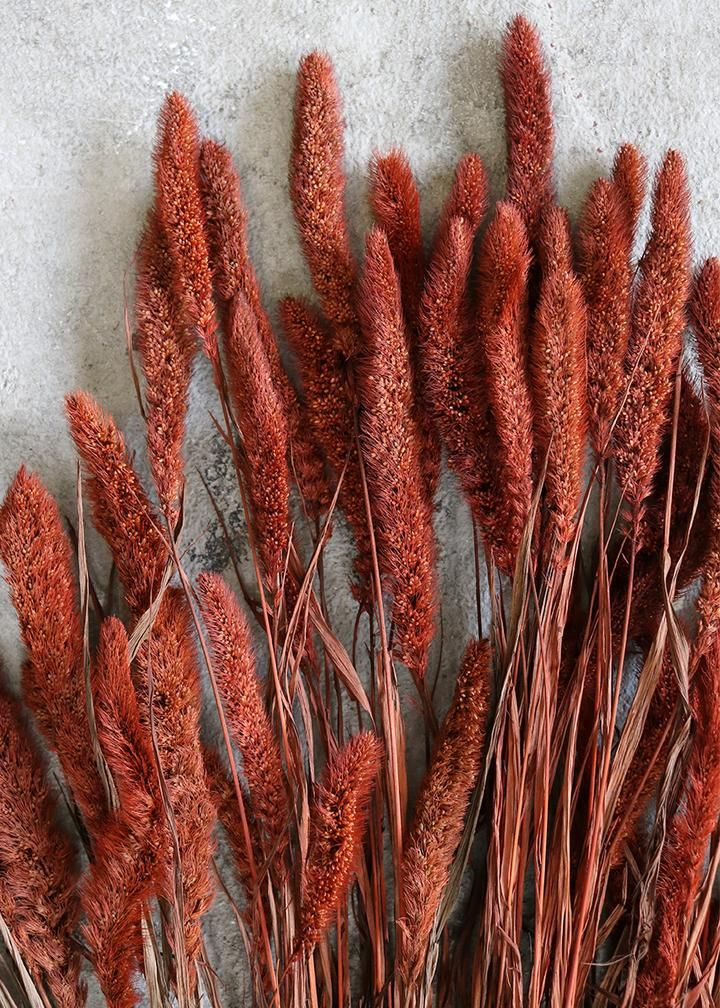
The idiom’s origin seems to be coming out of life as a farmer or herbalist. The art of growing hay or herbs and spices is so agrarian and down to earth. However, the cutting and the drying of the plants, comes in after the broadcasting of the seeds, the watering of the sprouts, and the tending of the grasses. It is much more about the harvest: the cutting and drying emphasizes the final processing of the plants for future use. So it goes.
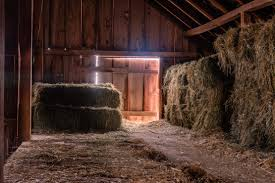
The high art of dried flowers is a world of wonder unto itself. And it is worthy of our appreciation. The art of drying and cutting resources for future use is one of the most important biblical metaphors for saving for the future. We never know when the next famine is coming, so prepare for the hard times, because they will come our way at some point. Be ready!
[1] https://english.stackexchange.com/questions/34793/what-is-the-origin-of-the-phrase-cut-and-dried
 Henry E. Hooper