
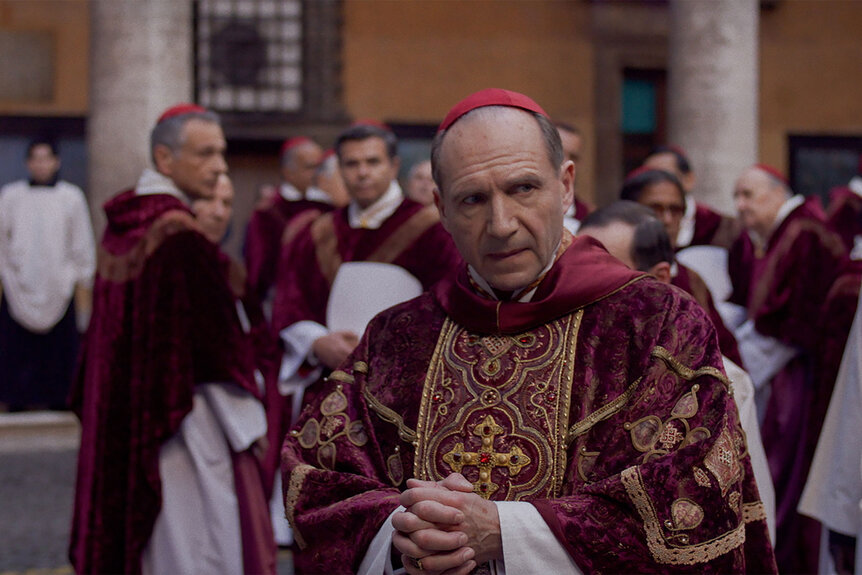
Ralph Fines in Conclave
Word Smith: Conclave
The original Latin phrase for “conclave” is “cum clave,” which translates to “with a key.” This phrase refers to the practice of locking the eligible cardinals of the Catholic Church in the Sistine Chapel, while they are electing a new Pope. The cardinals must be of good standing and less than 80 years of age. The cardinals stay in that secluded setting, until a new pontiff is elected. The cardinals represent the apostolic successors of Saint Peter, who was named “The Rock” upon whom the post-Christ church would be built. Therefore, the cardinals are the earthly heads of the Catholic Church, the Pope at the top of the religious sect.
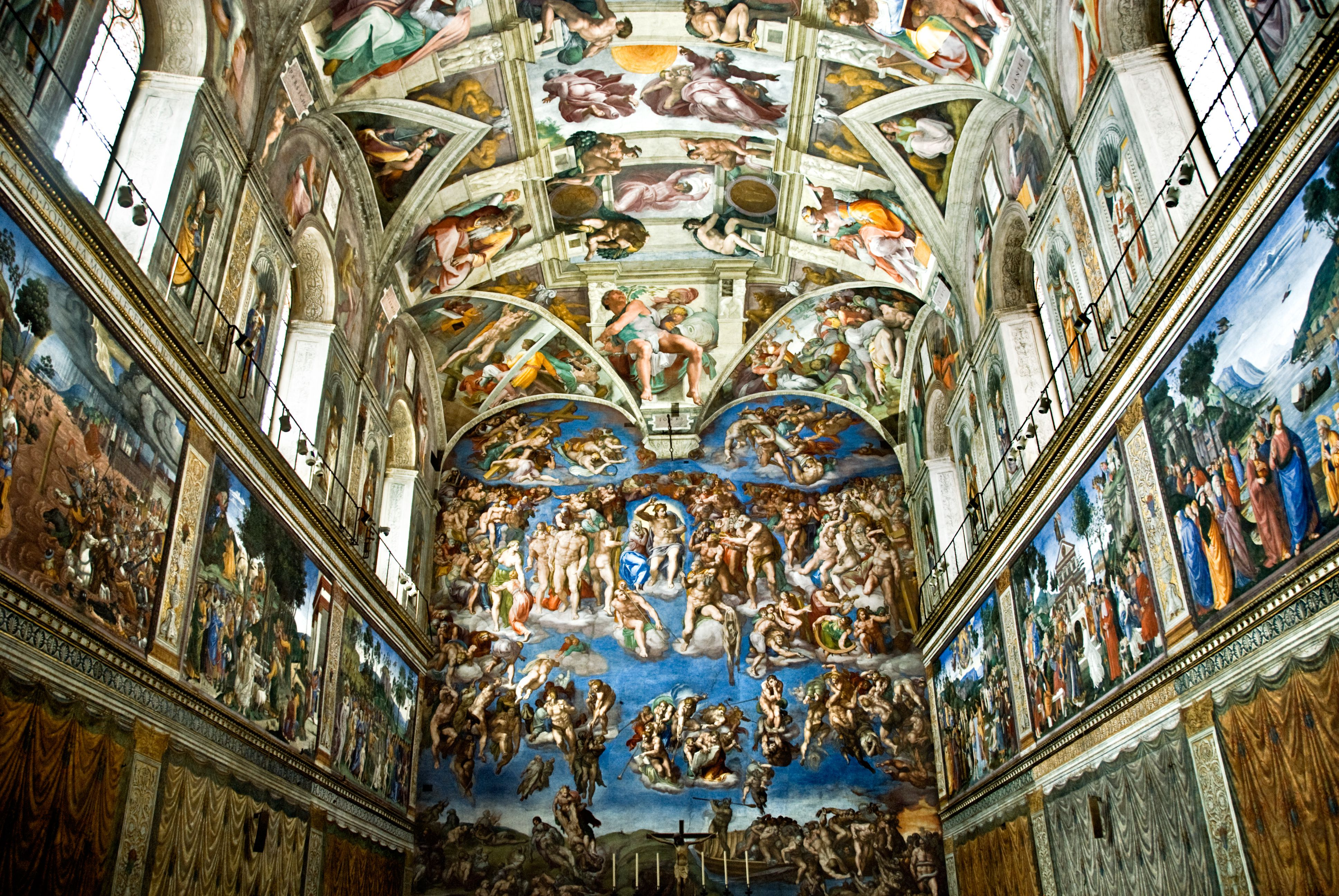
Ceiling of the Sistine Chapel, painted by Michelangelo Buonarroti
The Papal conclaves convene at the death or the resignation of the last pope. The cardinals convene and appoint the new Bishop of Rome (or Pope). To recognize a particular candidate, the cardinals must vote with a super-majority of two/thirds of those voting.
The “College of Cardinals” is the longest dynasty of historical methods of electing a particular head of state that remains in the world today. The Papal conclave of 1492 (the year that Columbus sailed over the edge of the flat earth to the New World), was the first election that was held in the Sistine Chapel.

For the first time in history the cardinals elected a US cardinal as the new Pope. Pope Leo XIV was born Robert Francis Prevost. He grew up in Chicago, Illinois, attended Villanova University and served as a missionary in Peru for many years.

Pope Leo XIV
 Henry E. Hooper