Witness Post: Mark Rothko
A great master of abstraction, Mark Rothko’s brushstrokes lead museum viewers to live visual emotions, contemplative reveries of which only he had the secret. Rothko’s large areas of colours continue to fascinate viewers today, yet these were not the only forms he painted on his canvases. He is truly a master at his craft of abstract colour and juxtaposition.
This Witness Post is an effort to reveal parts of the man, the artist, the icon. He is a complicated character in the art world and his story has many layers worth exploring …
Beginnings in the Baltics [1]
Marcus Rothkowitz was born on September 25, 1903 in Dvinsk (now Daugavpils), Latvia. His family ancestors were upper middle class Baltic citizens and devout followers of the Jewish faith. In 1913, at the age of 10, Marcus left the Russian Empire for the United States. He emigrated to Portland, Oregon, in the US, where his father and brothers had already settled. Sadly his father died only a year after Marcus’s arrival on the North American continent.
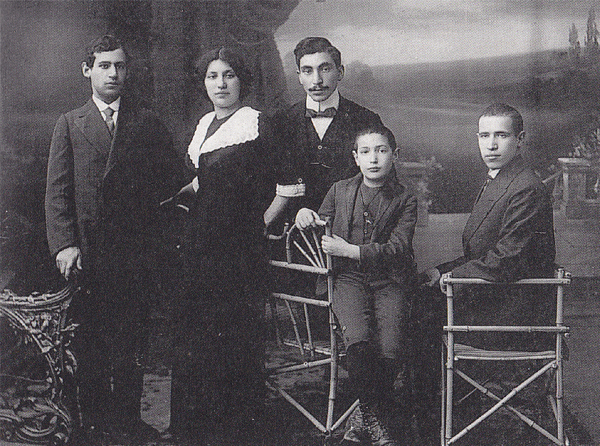
Marcus settled with his family in Portland. He attended Shattuck Grade School and Lincoln High School. After four years of education at Lincoln, Marcus attended college on scholarship at the prestigious Yale University. While in New Haven, Marcus studied English, French, biology, economics, philosophy, psychology and of course art. He had planned to become an attorney or engineer after college; however, as a poor Jewish immigrant, Rothkowitz was something of an outcast. Two years into his studies at Yale, the bursars office converted his tuition scholarship to a student loan. The loan payments were steep, so he dropped out altogether. [He never completed his bachelor’s degree, only earning an honorary degree many years later.] Rothkowitz had spent many hours in the Yale University Museum of Art, where he familiarized himself with the great global art masters.
Rothkowitz abandoned his law and engineering dreams and decided to pursue his interest in the business of art. He moved to New York City, and lived for a time in Brooklyn. In 1929 Marcus Rothkowitz began teaching drawing to children of wealthy families who served as his patrons. Then the stock market crashed, followed by a decade of the lingering Great Depression. During all those years of tension and tumult, Rothkowitz made a living by selling his own art and teaching art classes to children at the Center Academy of the Brooklyn Jewish Center.
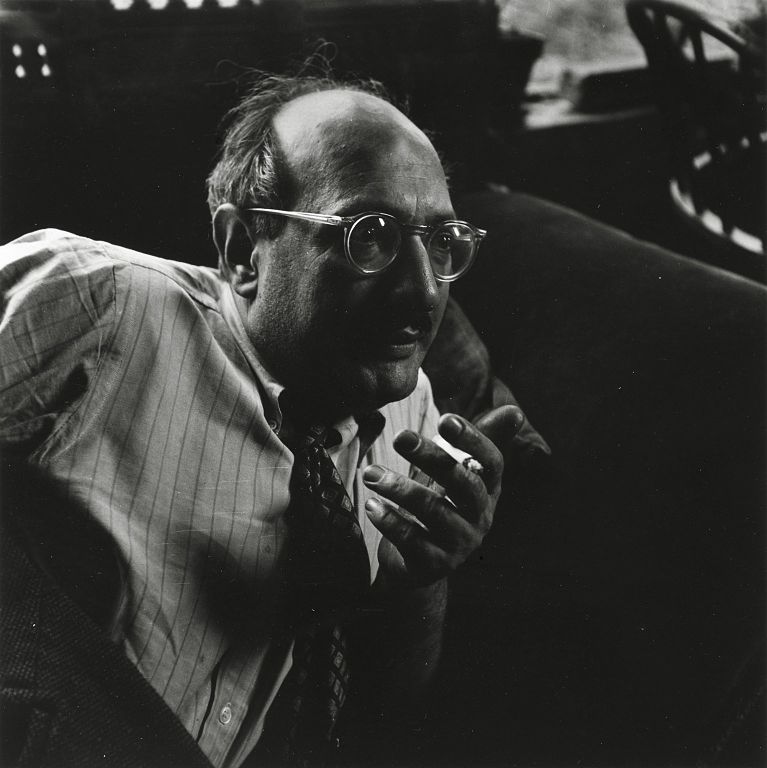
It was not until 1938, after 25 years in Oregon, Connecticut and New York, that Marcus Rothkowitz formally obtained American citizenship.
With the German-Soviet Pact concluded between Stalin and Hitler in 1939, Rothkowitz and other artists left the organization known as the Congress of American Artists. Their departure was a form of protest against the rapprochement of the Congress with radical communism.
In June 1939, Rothkowitz initiated a new group of artists known as the Federation of Modern Painters and Sculptors, which wished to keep art out of politics. For many years after World War II, the artists in the US continued to protest against the radical persecution of modern painters and sculptors. The Federation continued to insist that art must be kept separate from political propaganda; however, the anti-semitism remained intense.
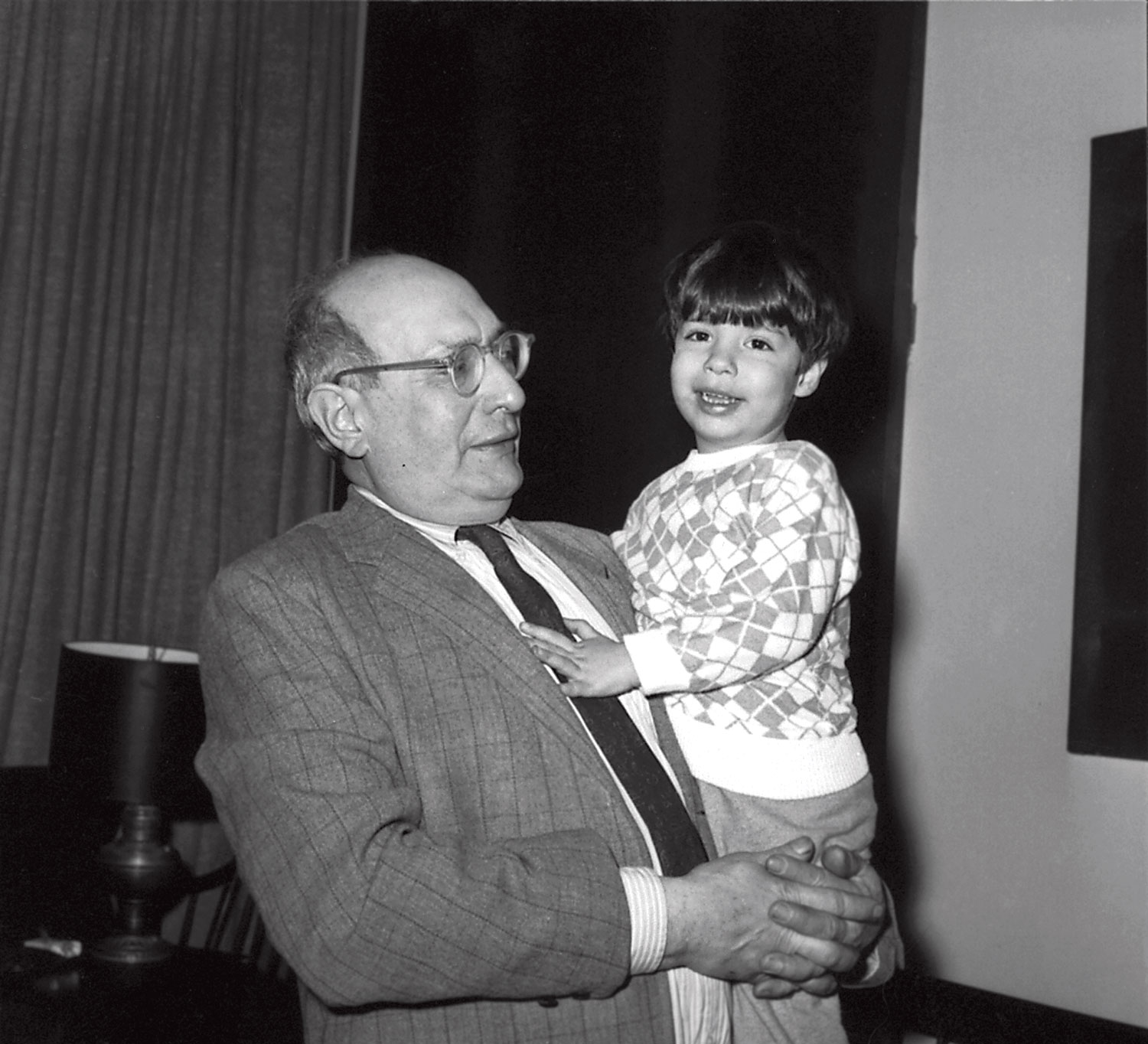
Feeling the influence of Nazism rising around the world, he decided to change his name. He adopted the anglicised name of Mark Rothko in January, 1940.
As to characterizing his own art, after having tried his hand at abstract expressionism with artists such as Adolph Gottlieb and Jackson Pollock, but also at surrealism, Mark Rothko developed a new way of painting at the end of the 1940s.

He was rather hostile to the expressionism of Action Painting. Together with Clyfford Still and Barnett Newman, the American painter invented a new way of painting that could be described as meditative. The art critic Clement Greenberg called this new movement “Colorfield Painting.”
It should be noted, however, that Mark Rothko refused to be classified in any singular artistic movement, which he considered “alienating” to artists like himself.
Rothko’s Professional Career Took Off in the 1950s
The art collector Duncan Phillips acquired several of Rothko’s paintings in the 1950s. In addition to Rothko, Phillips had closely followed and bought art work from many emerging artists, including Arthur Dove and Georgia O’Keeffe.

The Rothko Room in the Phillips Collection
In the early 1960s Rothko engaged in what they called “a collaborative process” of art with Phillips. Duncan Phillips by that time was a well known art collector, critic and philanthropist. He owned a few Rothko originals and became interested in discussing with Rothko different ways to present his art. Buying a selection of Rothko’s work, Phillips assembled them at his house in Washington, DC, which he dubbed “the experiment station.” The end result was the Phillips Collection in Duncan’s home gallery located on Dupont Circle in Washington, DC. It is the only art gallery in the United States to have a Rothko Room, fulfilling the dream of the American abstract expressionist artist, who wanted viewers of his paintings to be undisturbed by other types of art.[2]
A Chapel Bears the Rothko Name
In 1964, Mr. and Mrs. de Ménil asked Rothko to create a meditation space decorated with his paintings. John and Dominique de Ménil were French art collectors, who became well known for the vision of art as a spiritual pursuit. They founded the Ménil collection in Houston, which is celebrated for its modern and contemporary masterpieces. Their collection holds one of the widest arrays of the world’s Surrealist art. The Ménil fortune was created by John Ménil at Schlumberger Well Surveying Corporation, the family’s oil business, which was located in Houston.
The Rothko Chapel in Houston, Texas, is octagonal in shape and has a huge skylight in its centre. Simple benches are in the space for visitors to come and meditate with his art for as long as they want.
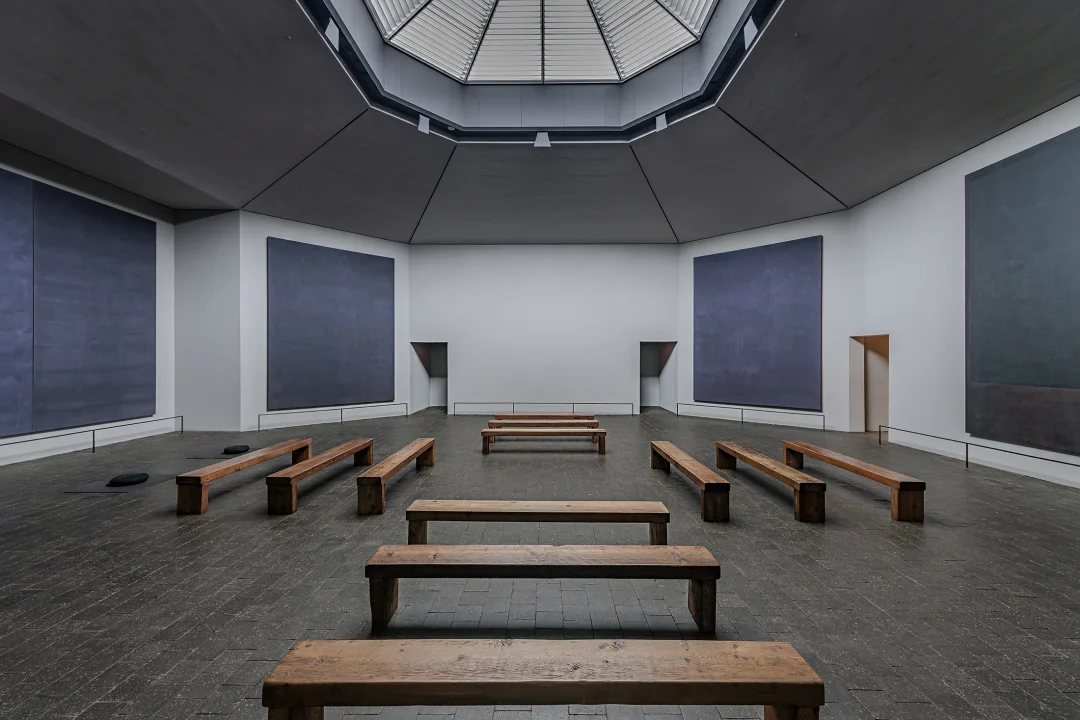
Citing his own vision for future displays of his art, Mark Rothko said, “It would be nice if places could be built all over the country, little chapels of sorts, where a traveller or a walker could meditate for a long time on a single painting hanging in a small room.” The Ménil collection in Houston made Rothko’s vision come alive.
Rothko’s Life Ended Tragically
Passionate about creating large-scale paintings, Mark Rothko was stopped in his tracks by an aortic aneurysm in 1968 that prevented him from painting as he wished. His heavy drinking and smoking added to his health challenges and he slumped into depression.
Unfortunately, the artist died a few months before the 1971 inauguration in Houston of the Rothko Chapel. On February 25, 1970, he took his own life by suicide, while in his East 69th Street studio in New York City. He was 66 years old.

John Hurt Fischer, a friend of the artist said this about Mark Rothko’s death:
“I’ve heard various explanations: he was in poor health, he hadn’t produced anything for six months, he felt rejected by an art world whose ephemeral tastes had turned to younger, inferior painters. Perhaps there is some of this; I don’t know. But my hunch is that his long-standing anger was one of those causes. For it was the righteous anger of a man who knew he was predestined to paint temples, and saw that his paintings were regarded as nothing more than commonplace commodities.“
Today Mark Rothko’s Paintings are Expensive
Far from commonplace commodities, collectors today are willing to spend astronomical sums to acquire Mark Rothko’s most beautiful abstract paintings. In 2012, for example, his painting entitled Orange, Red, Yellow (1961) was sold for $87 million.
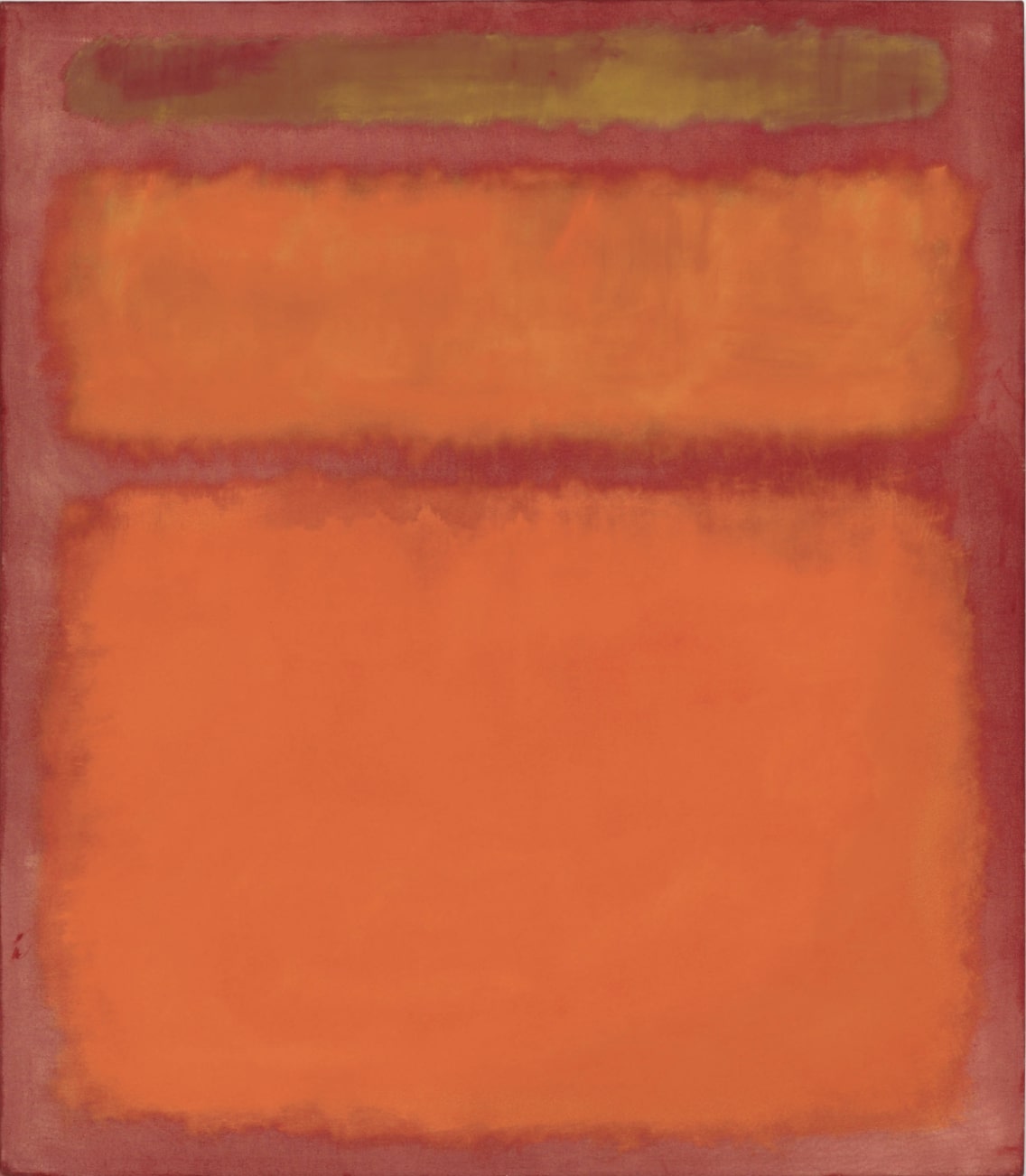
A few years later, in 2015, an abstract known as N.10 (1958) was sold for $82 million in New York. Today, Mark Rothko remains as one of the most expensive abstract artists in the world.
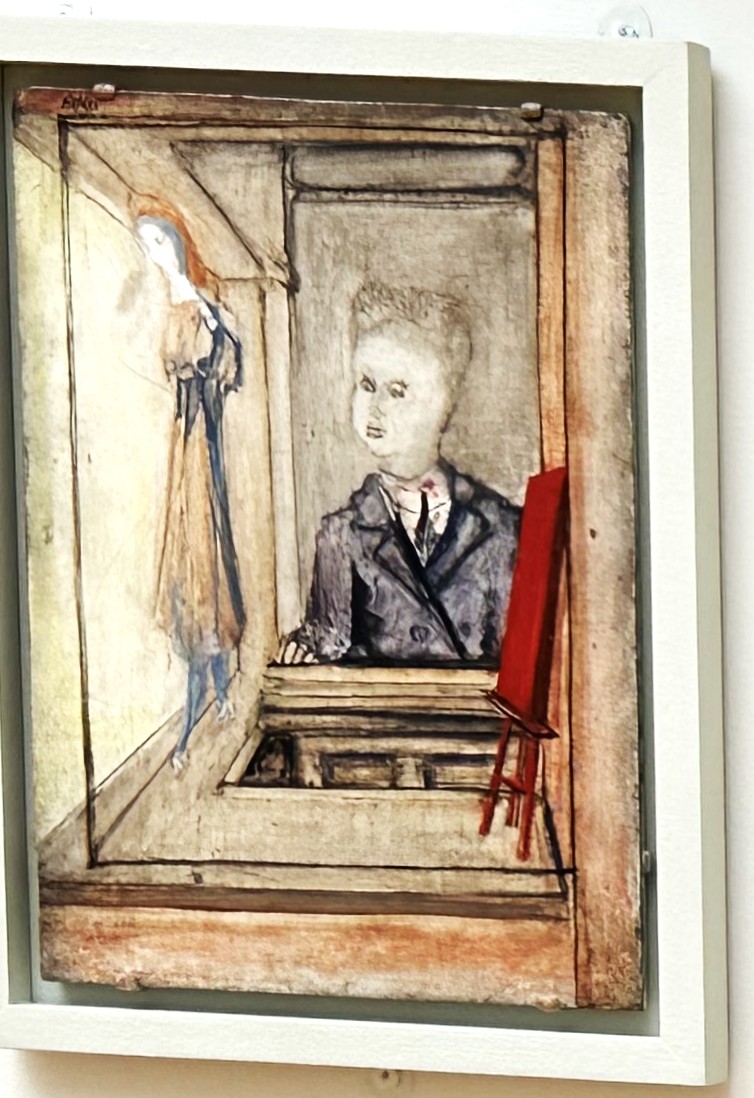
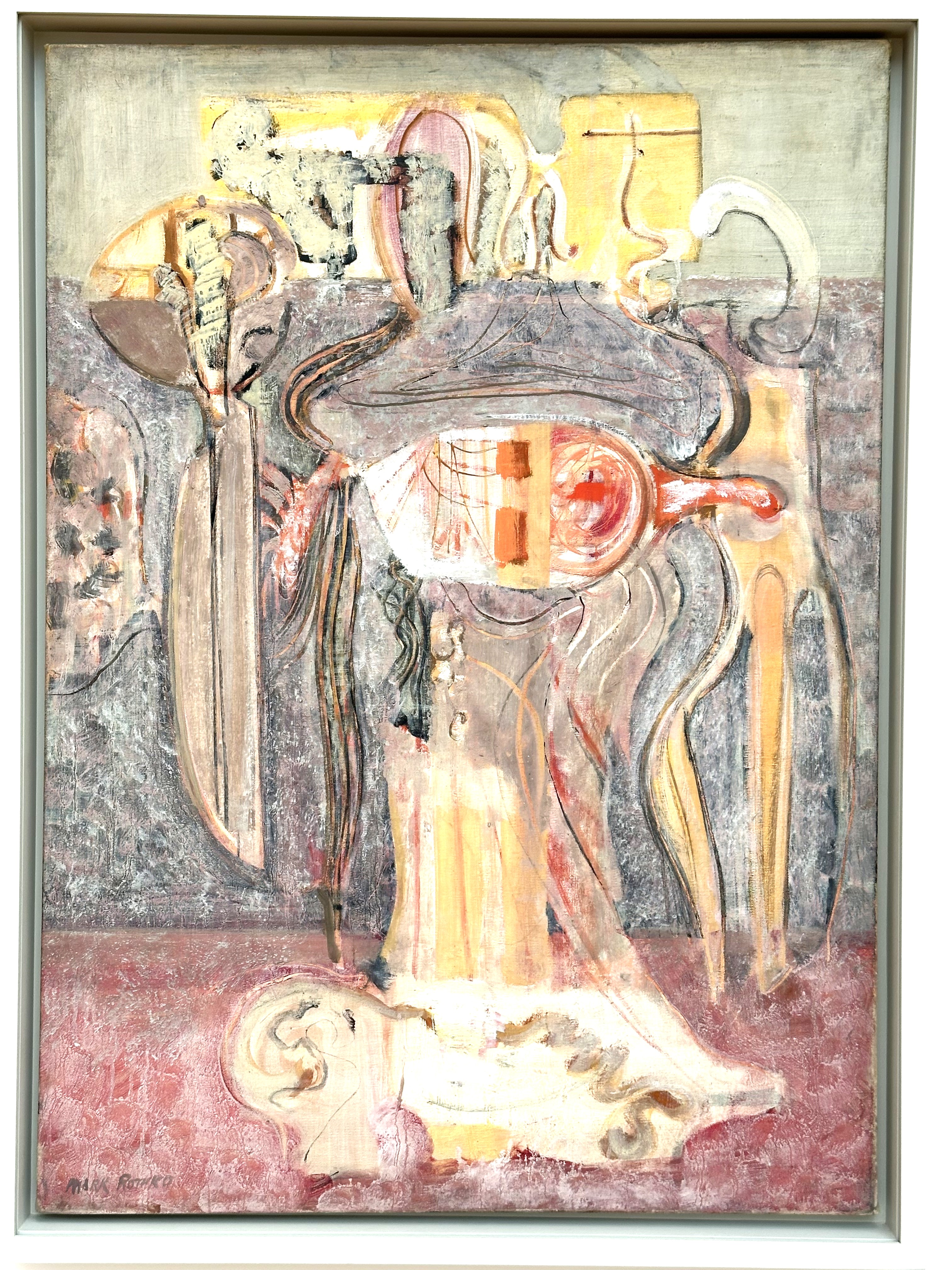
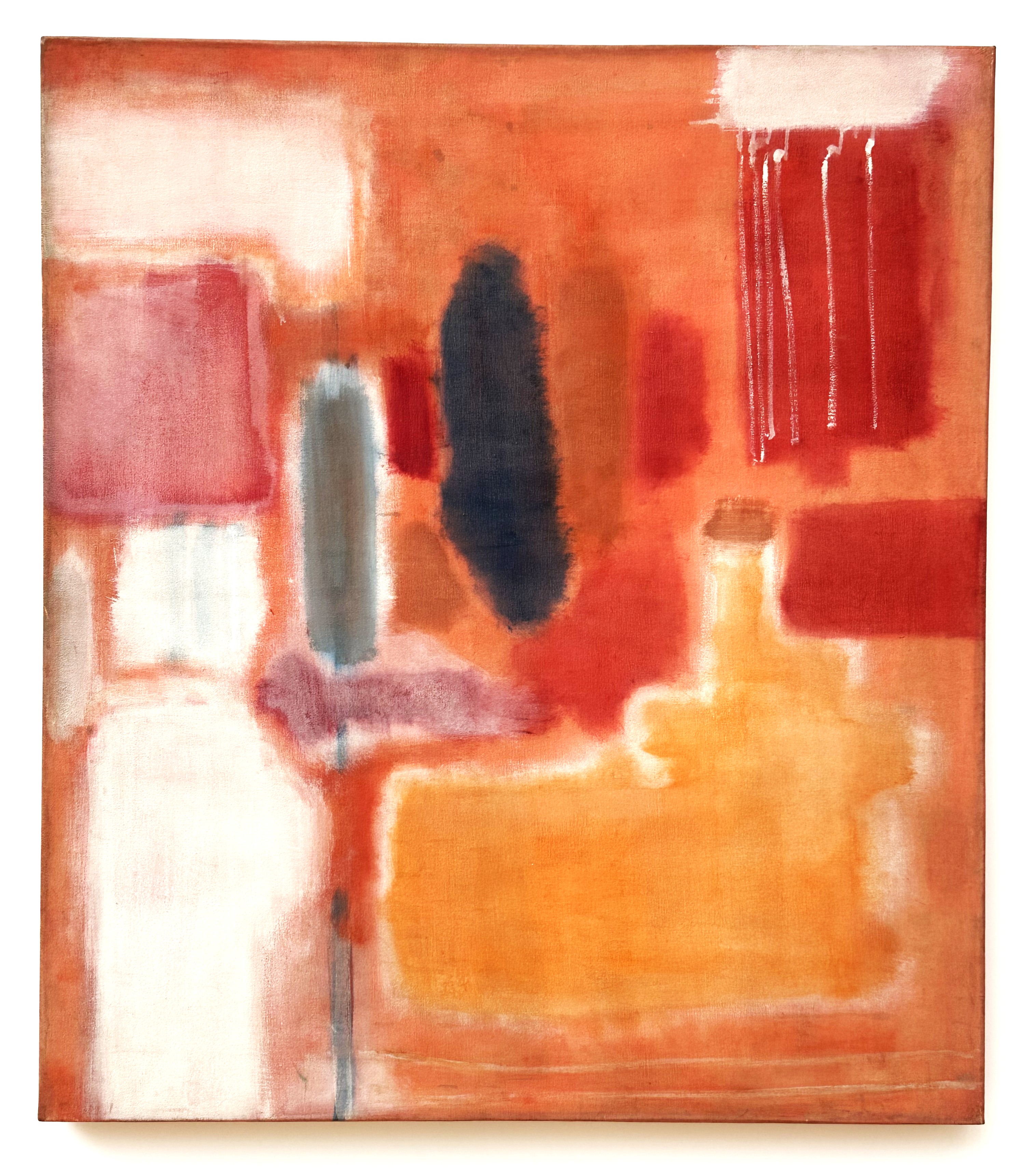
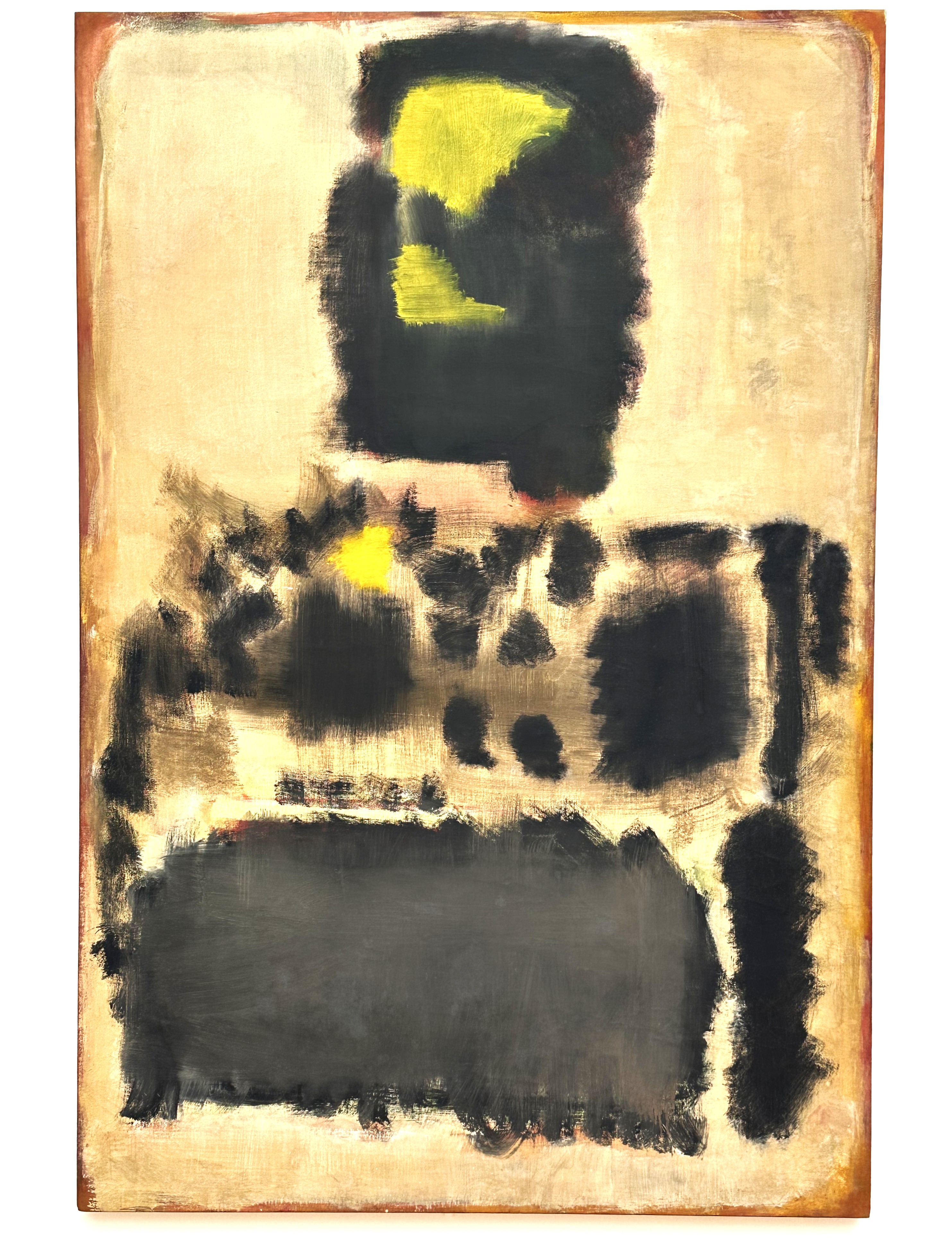
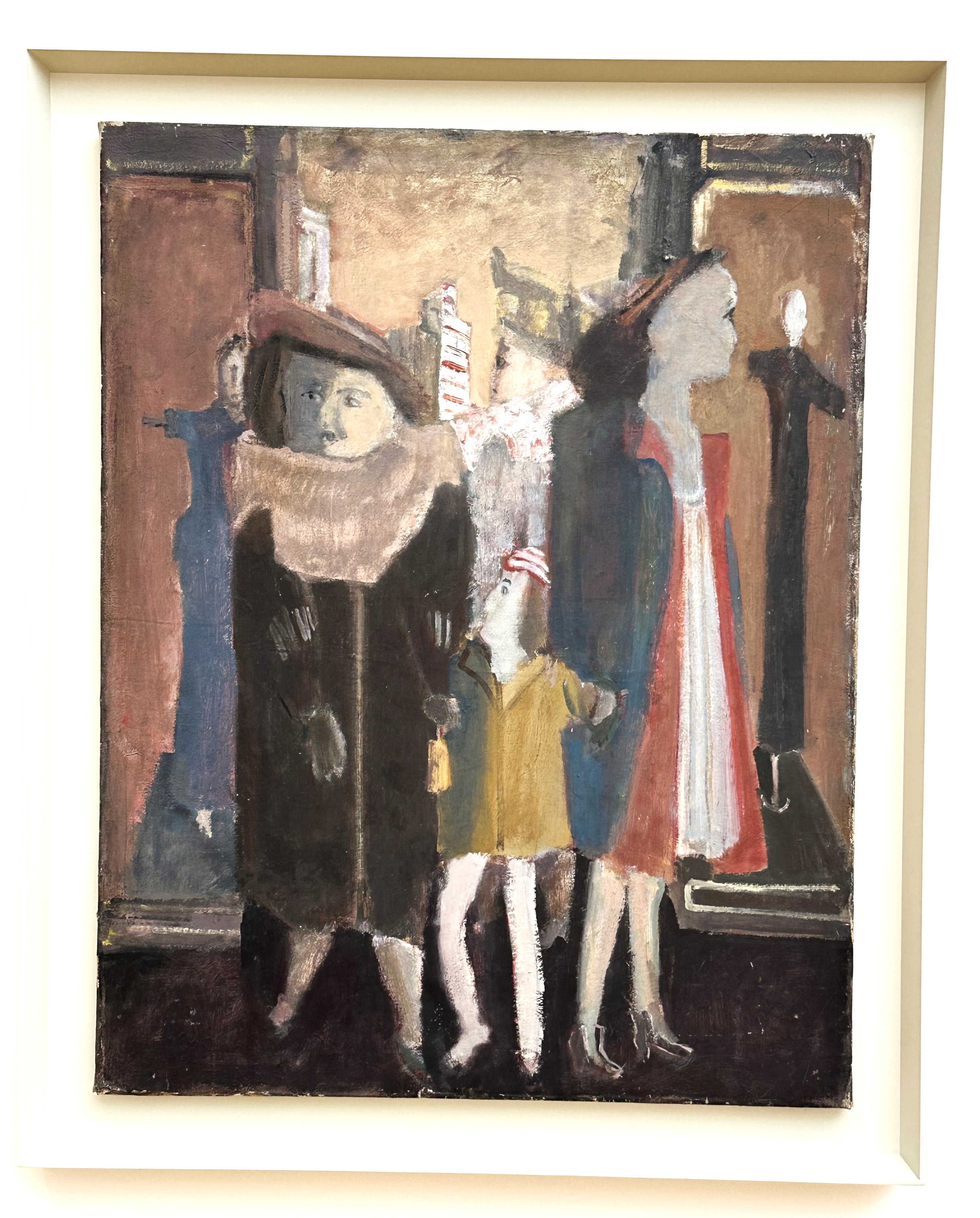
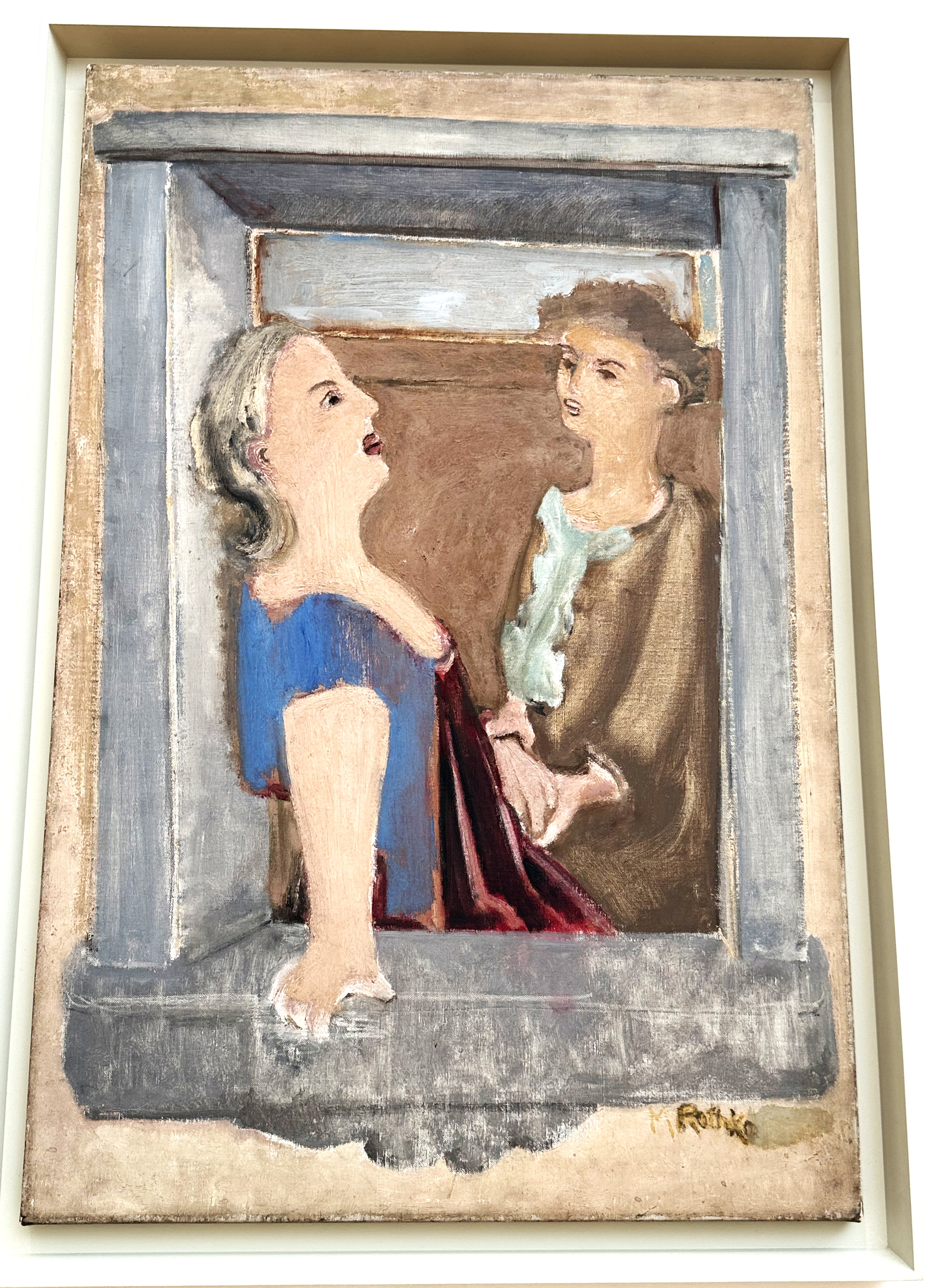
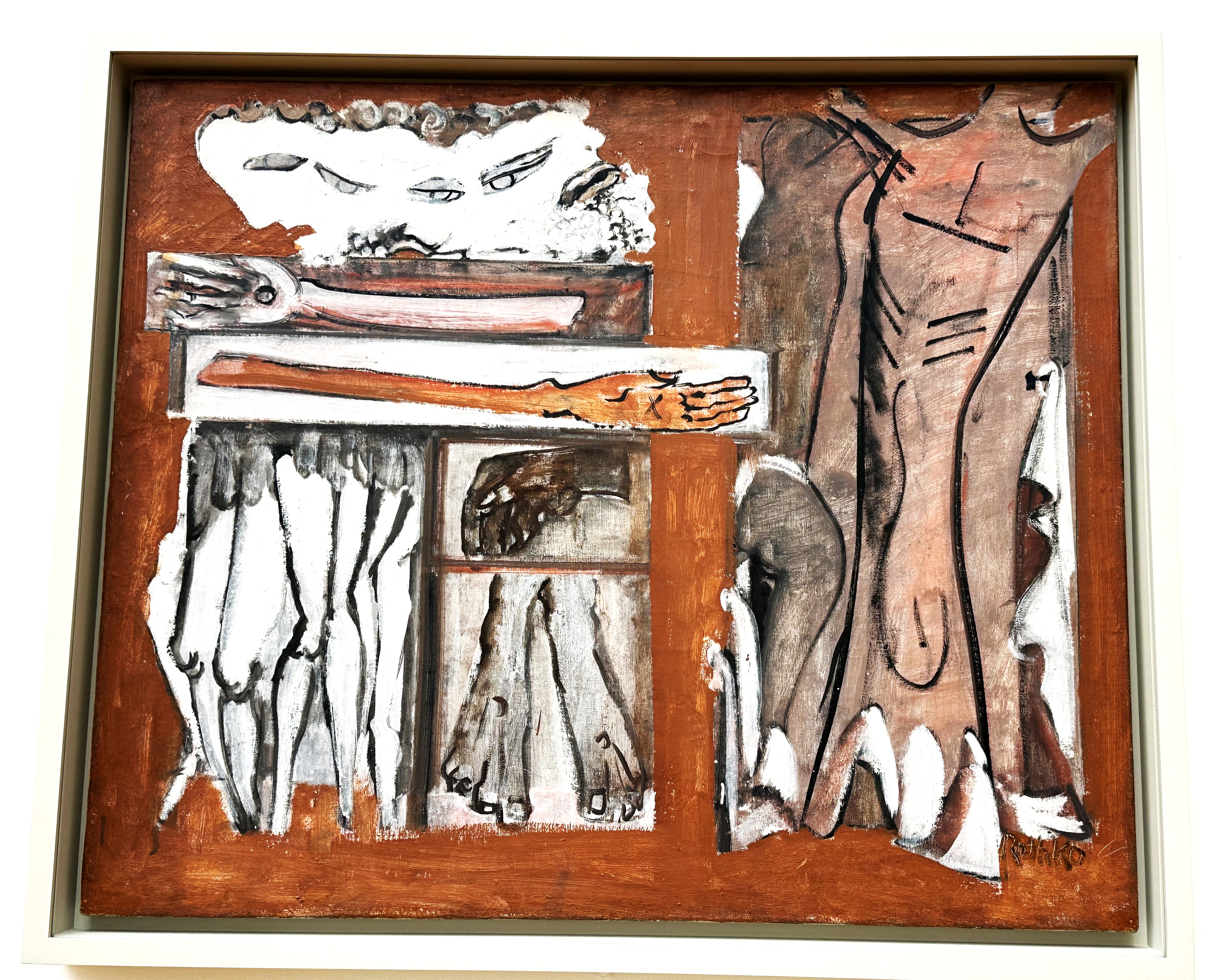
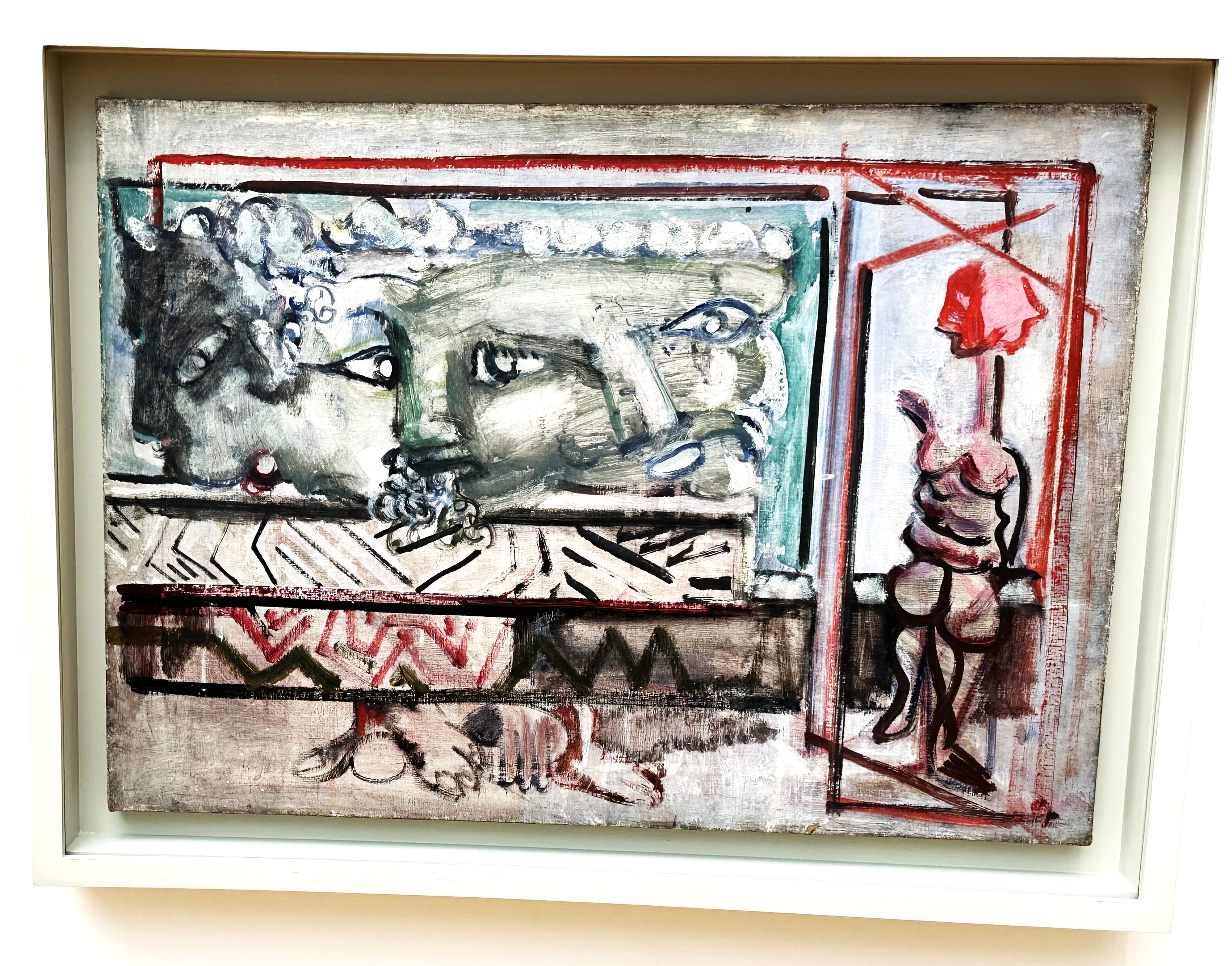
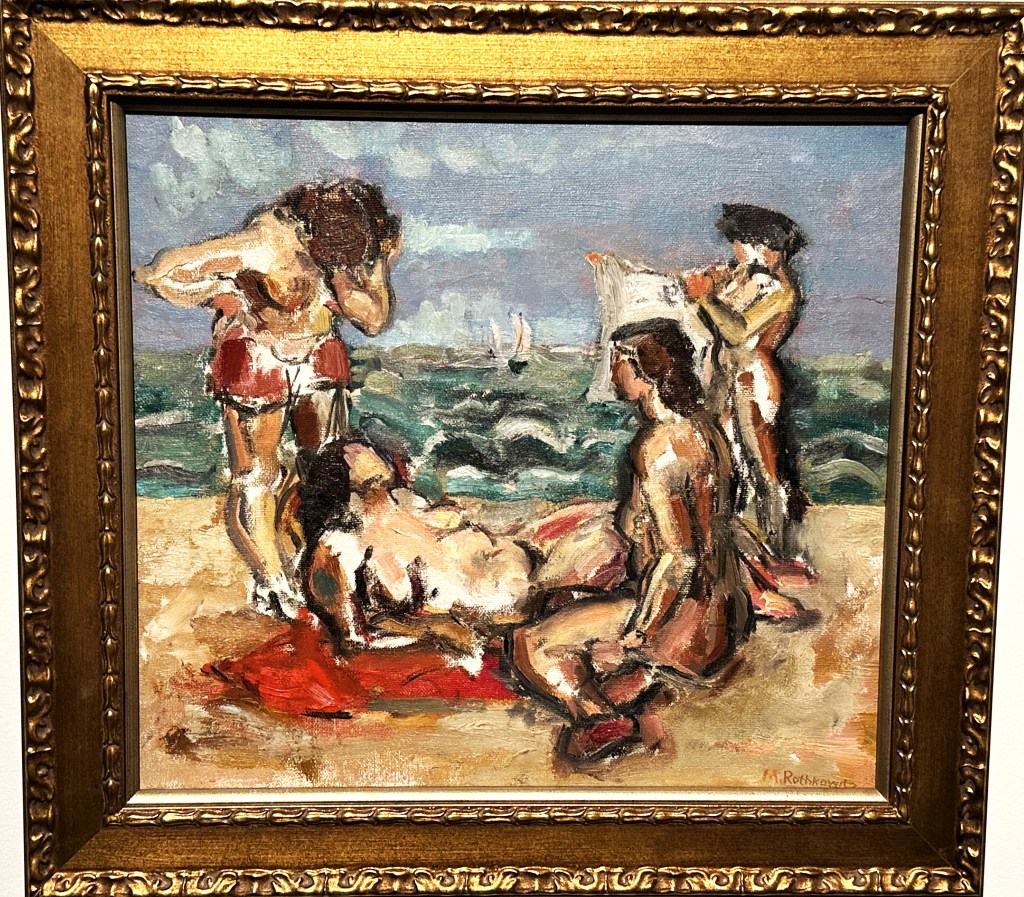
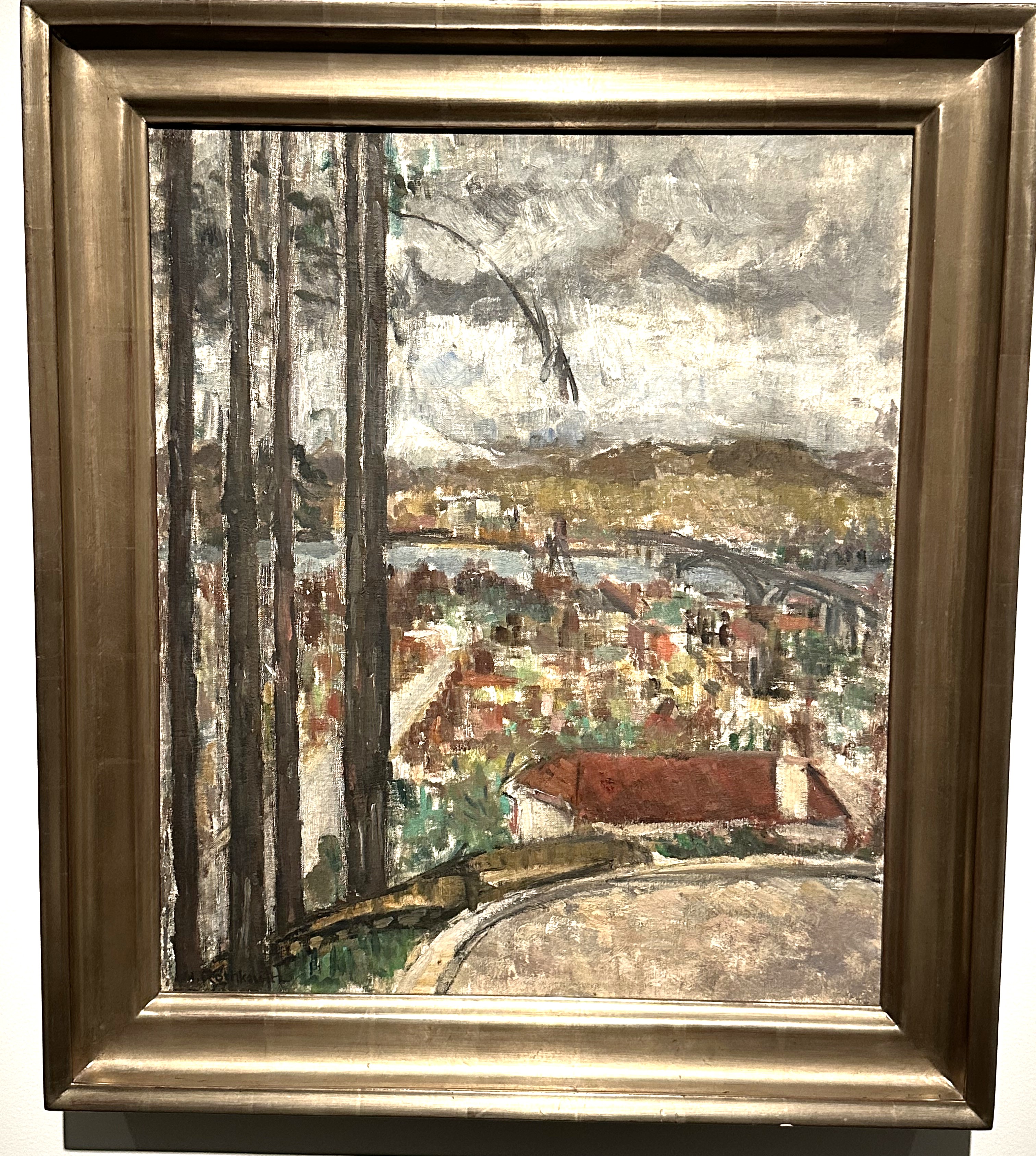
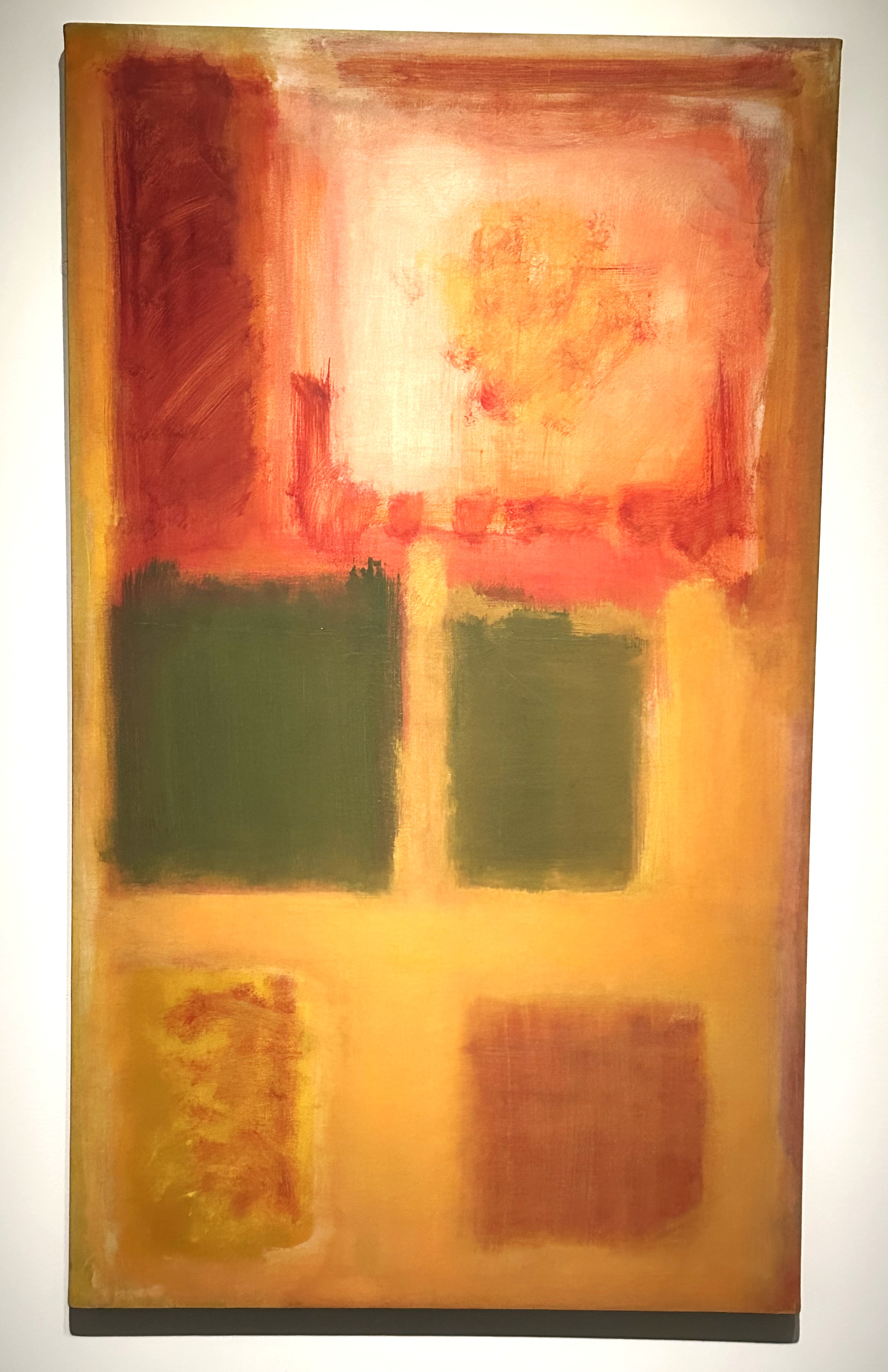
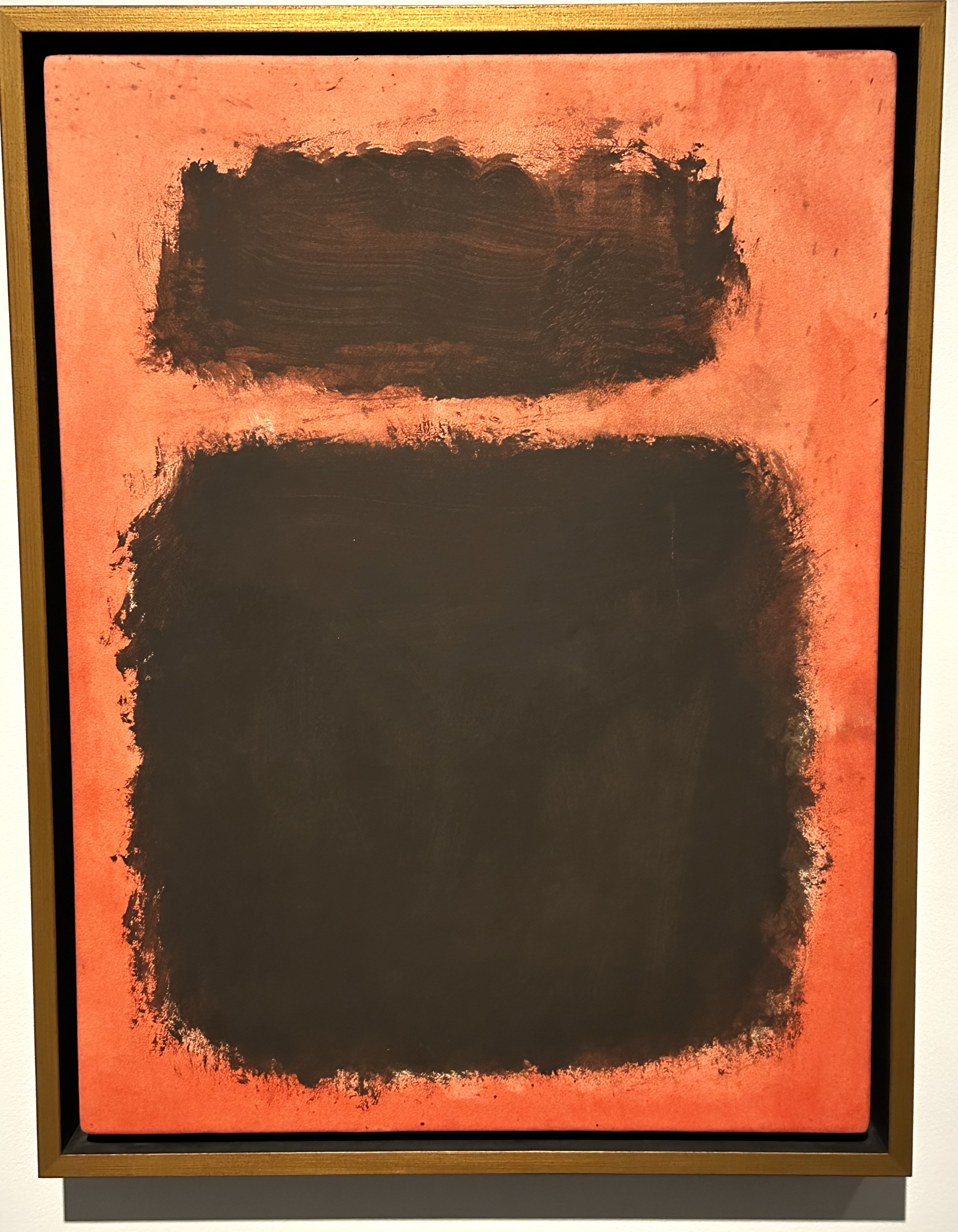
Bodies in Space [3]
Rothko believed in the power of art to address the human experience. An article about Rothko is on the wall of the National Gallery of Art in Washington, DC. The curator of the exhibit emphasised that throughout Rothko’s career, he explored the relationship between space and bodies – both painted and real – in order to engage the “heights as well as the depths of despair.“
His paintings in the 1930s framed bodies in tight urban or interior spaces (as seen above) to evoke tension and a sense of emotional isolation. As the horrors of World War II and the Holocaust emerged in the 1940s, he adopted what he considered “timeless and tragic subjects” from Greek mythology and religious ritual. His work included fragmented figures, strange hybrids, and biomophic creatures in his works, “as if he were grappling with how increasingly unrecognizable humanity had become.” Eventually, references to humans and reality disappeared all together in favor of vast expanses of color.
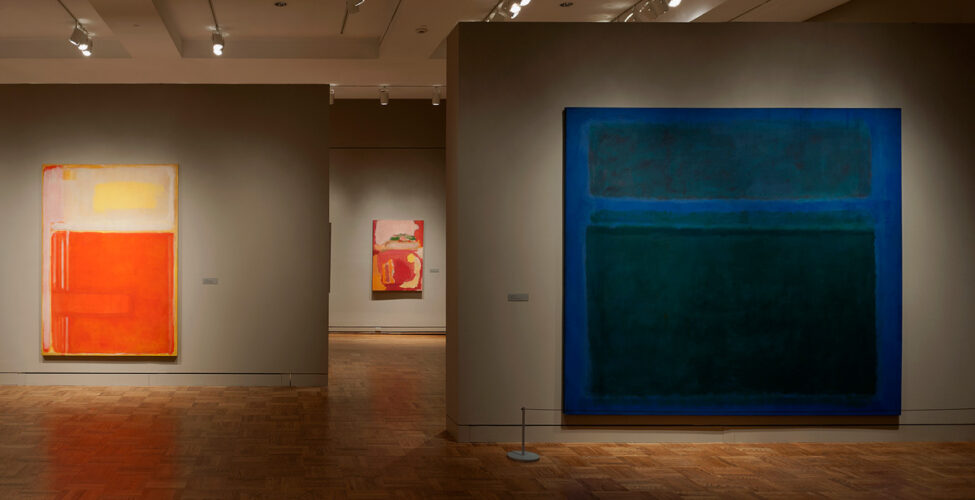
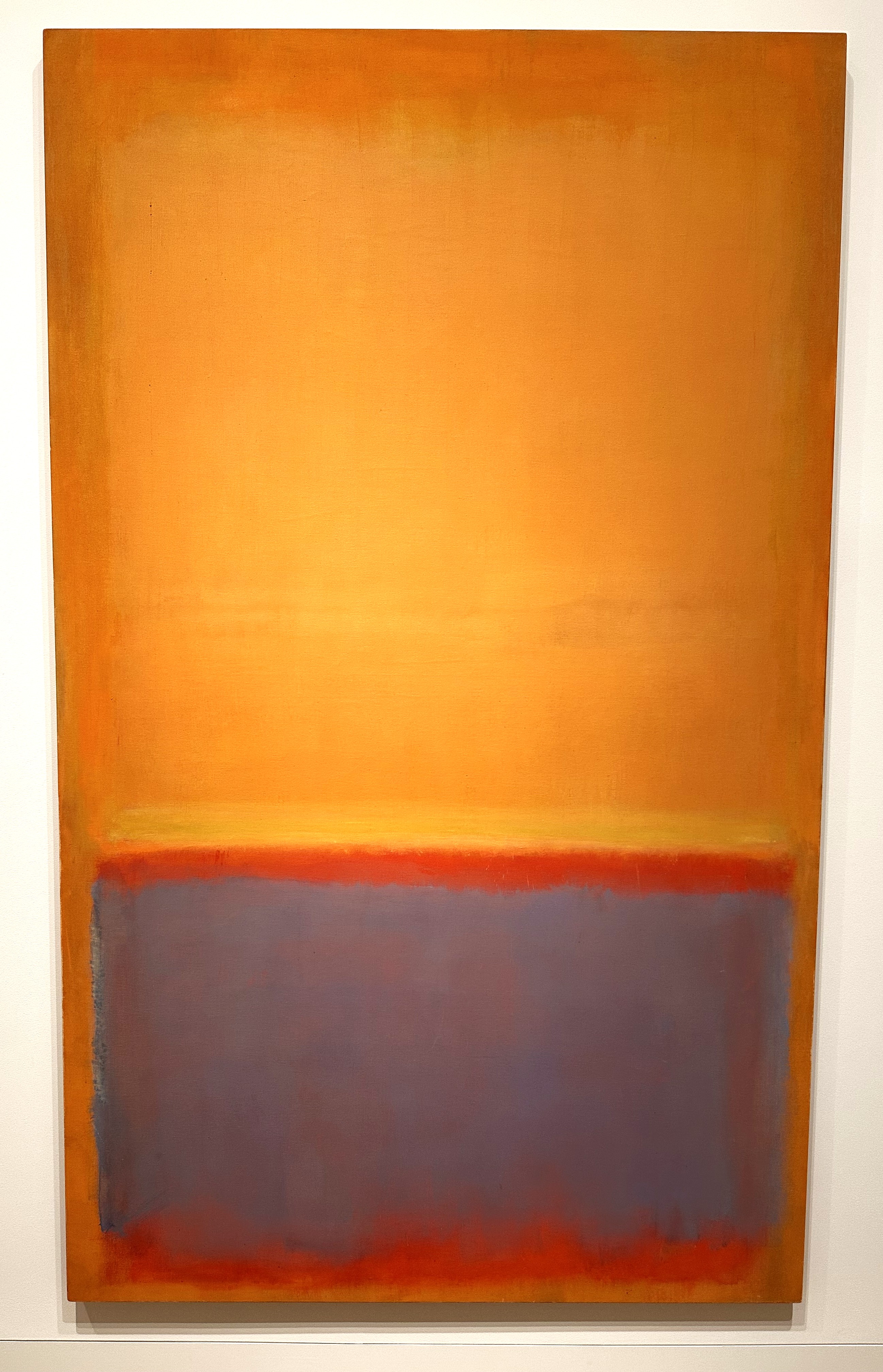
In 1949 Rothko began to shift toward what would become his signature style: horizontal rectangles set against monochrome backgrounds. With this apparently simple format, he explored the expressive possibilities of color. He painted multiple layers with different degrees of opacity and translucency and variation in gesture. These large paintings can appear to pulse and shimmer, inviting viewers to be enveloped in an intimate exchange with the art. As the National Gallery curator suggested to visitors entering the Rothko space, “Now it is our own bodies and selves, rather than any depicted within the paintings, that have been drawn into the expansive frame of Rothko’s art.”
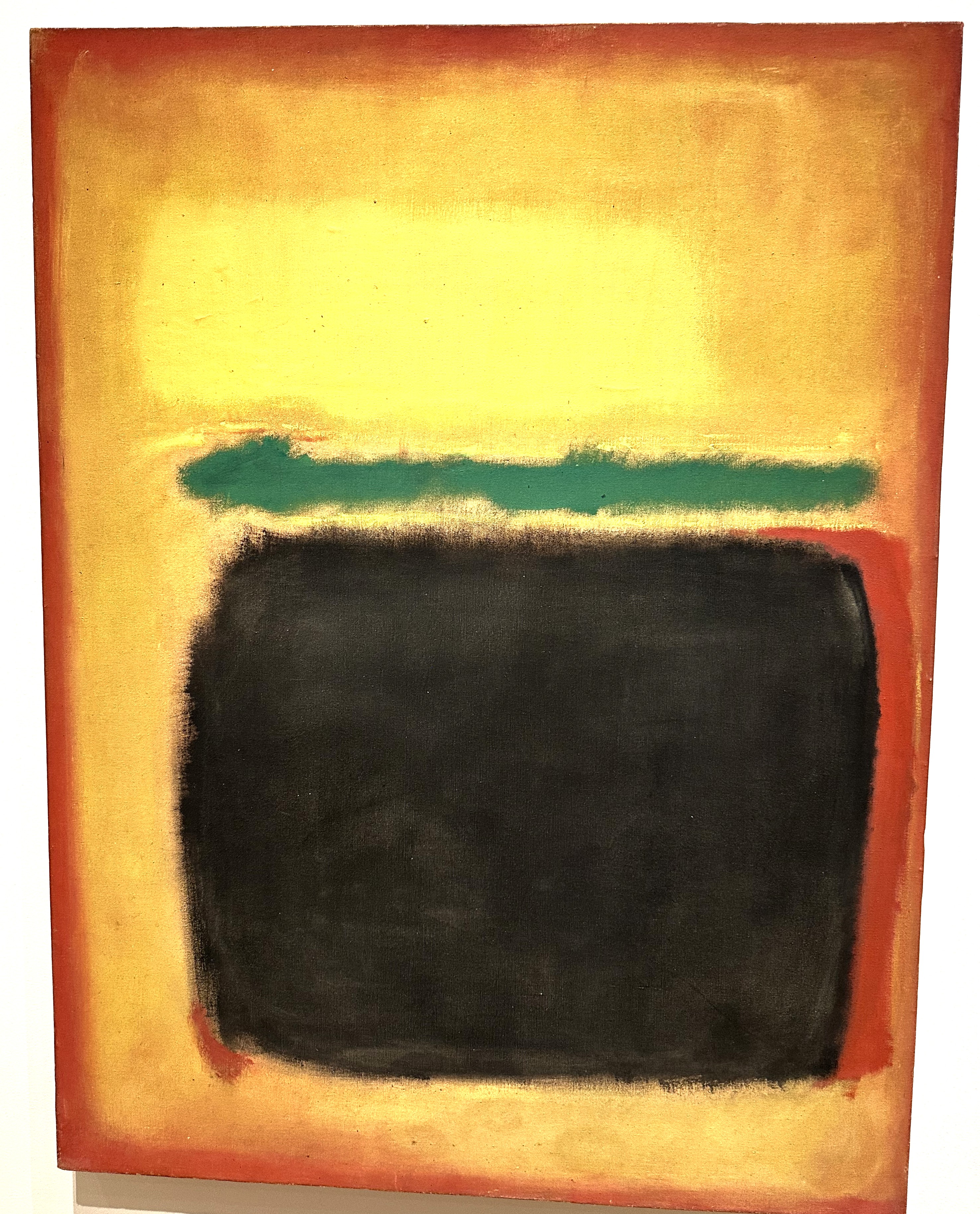
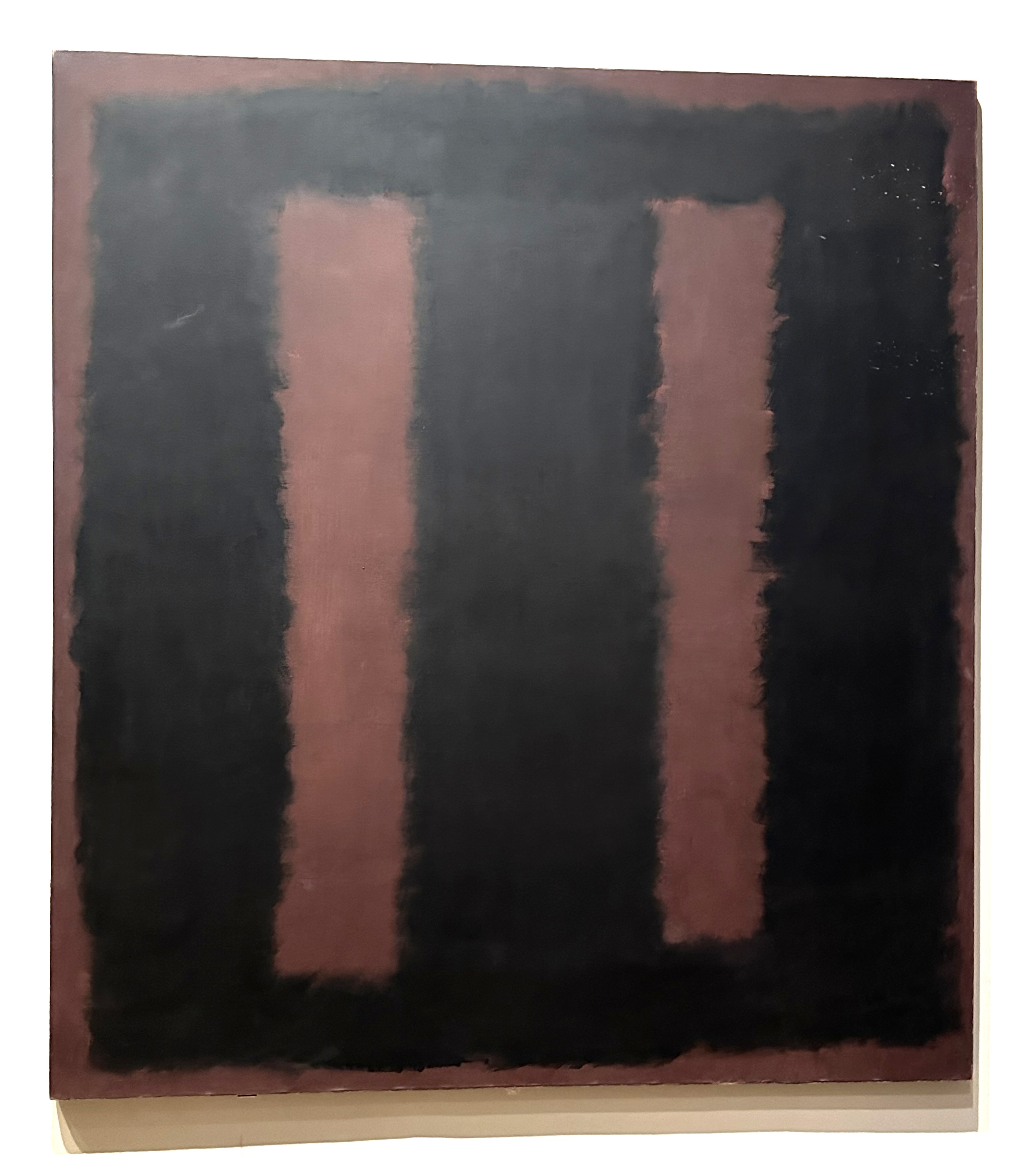
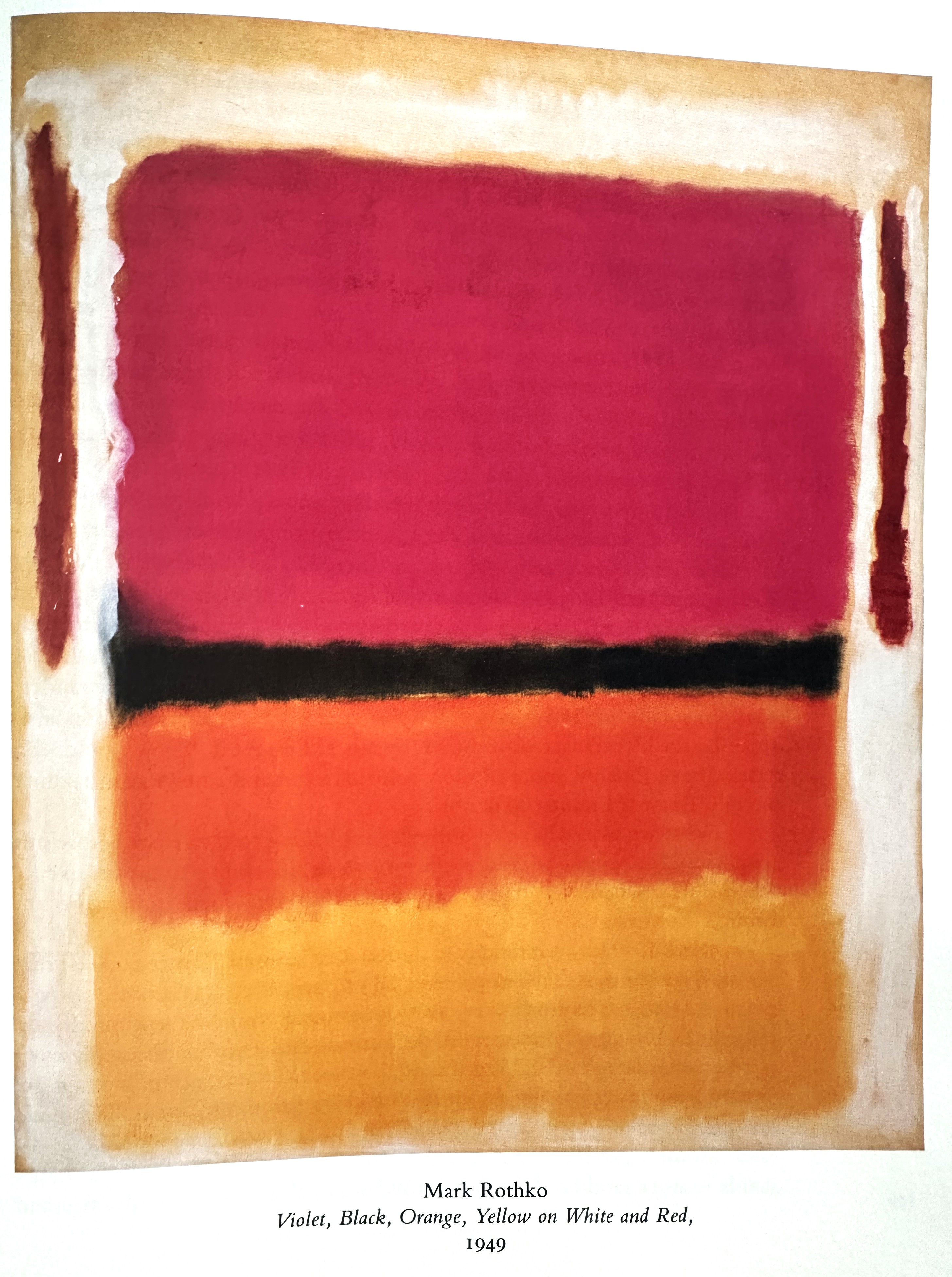
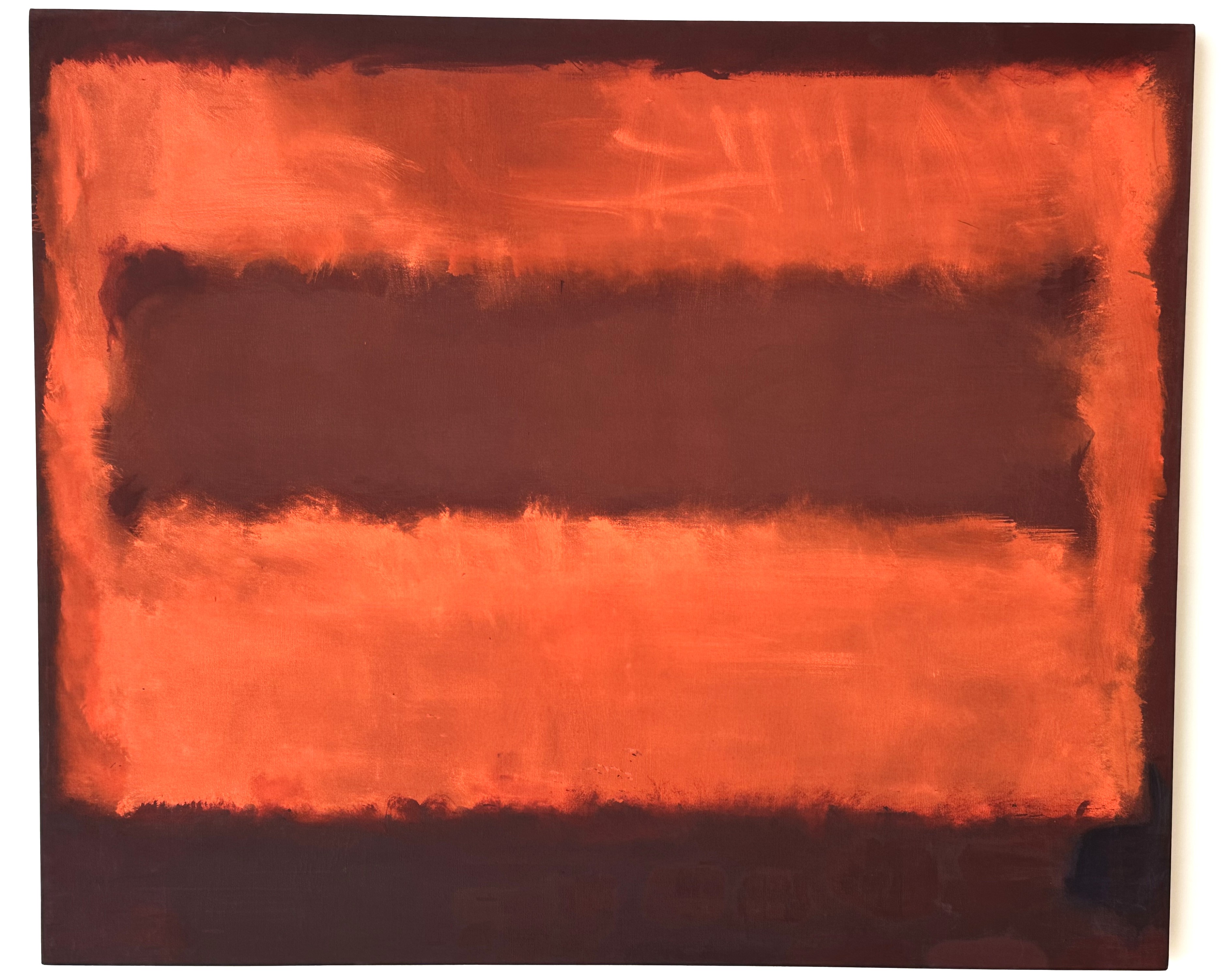
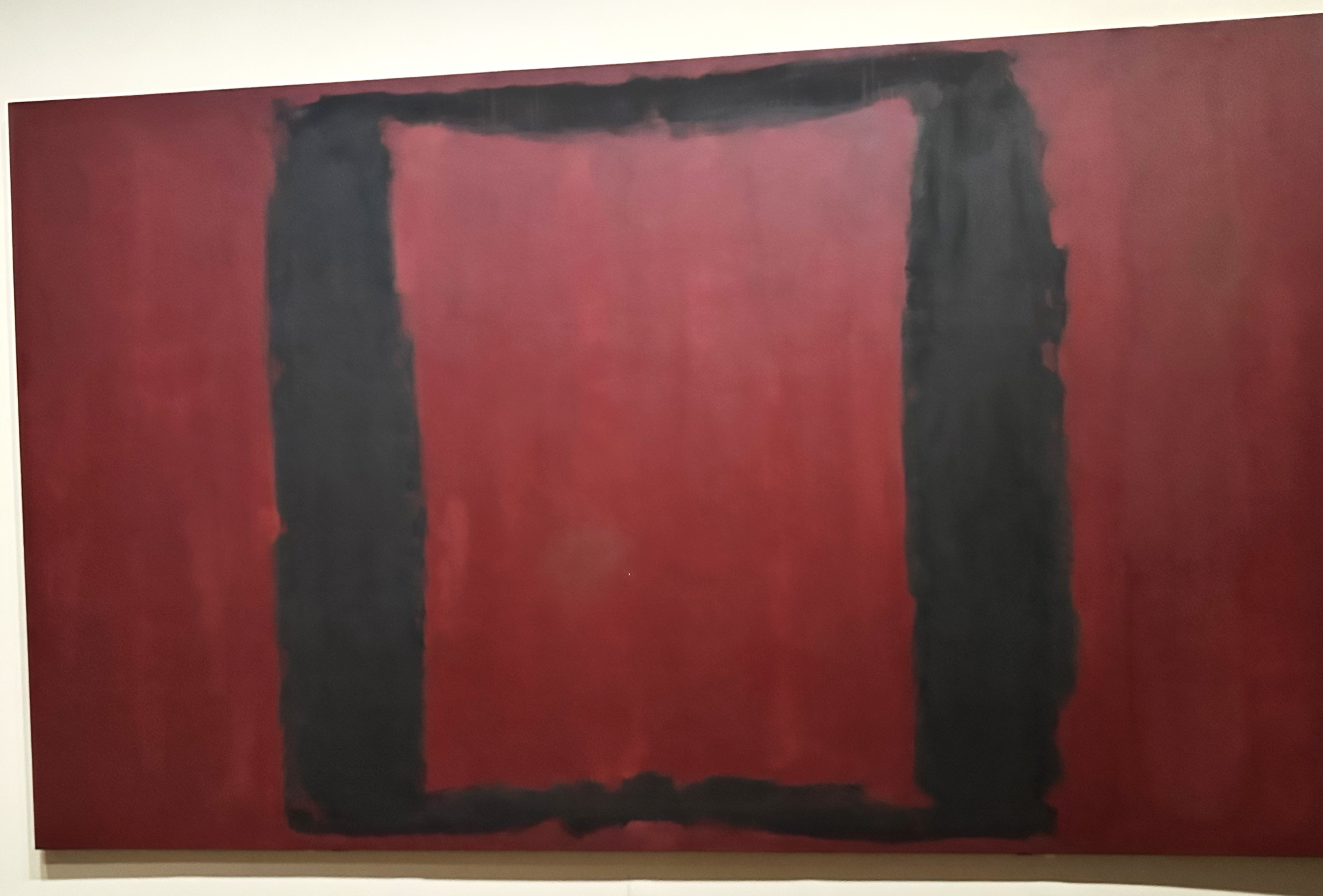
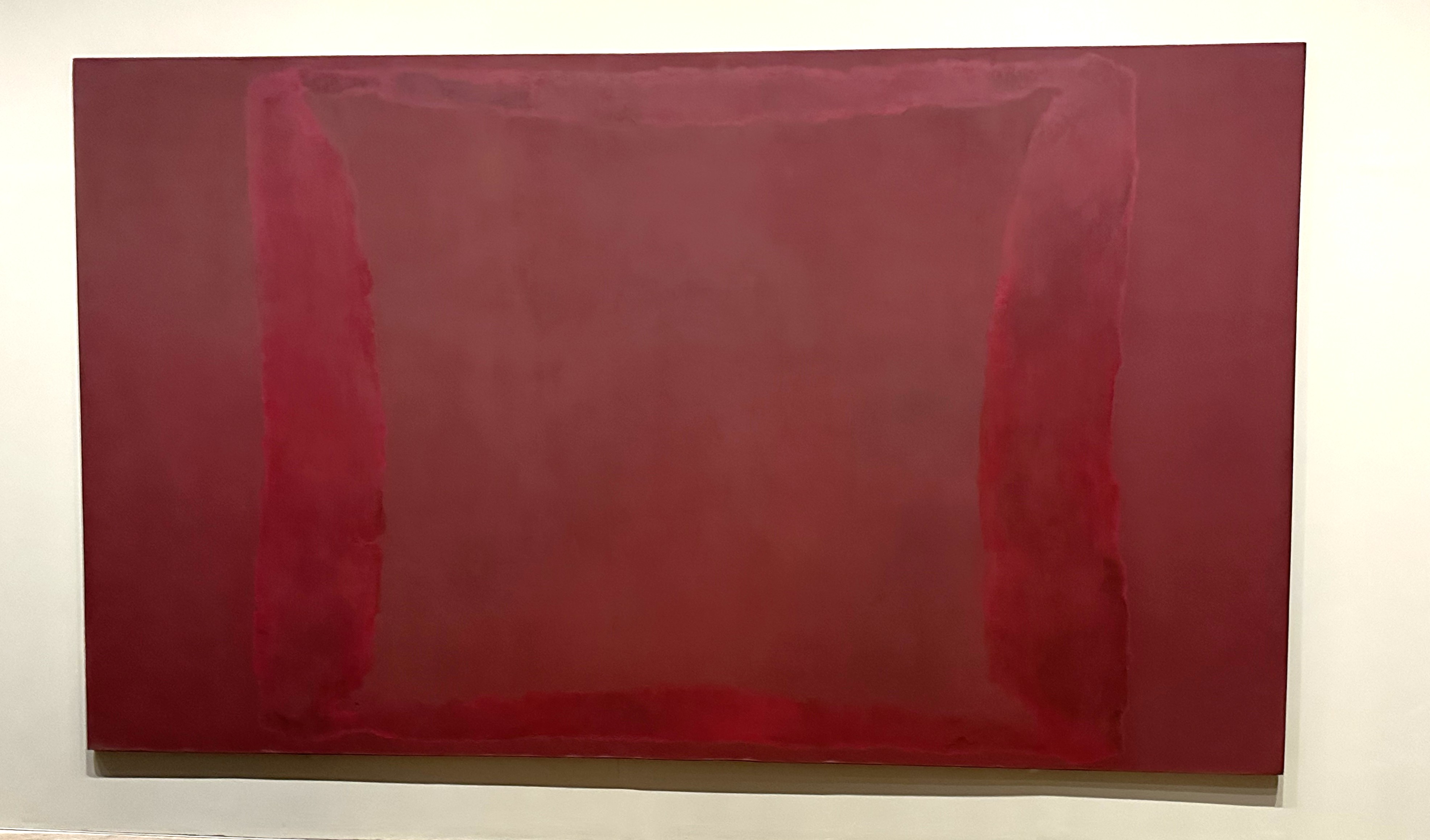
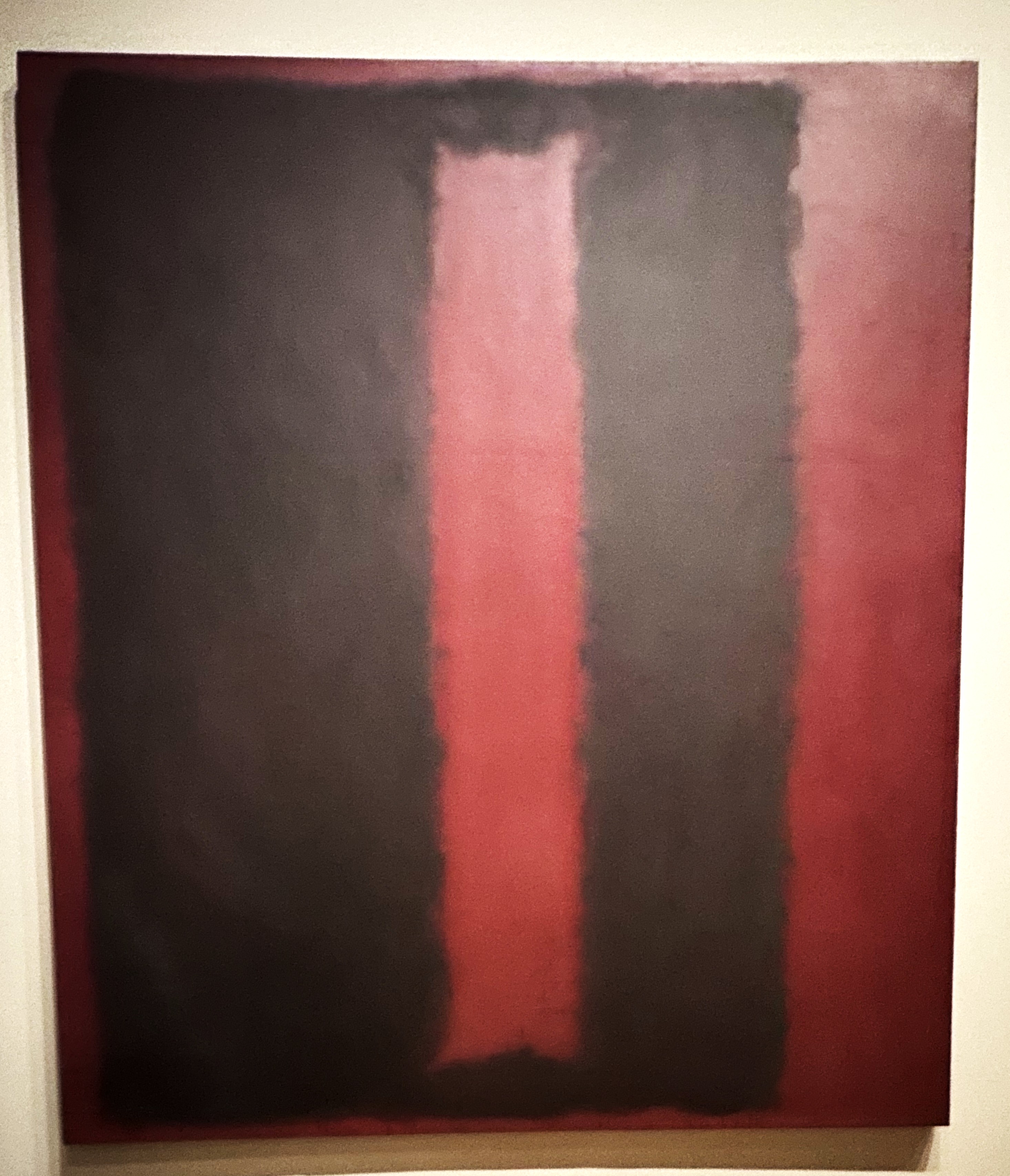
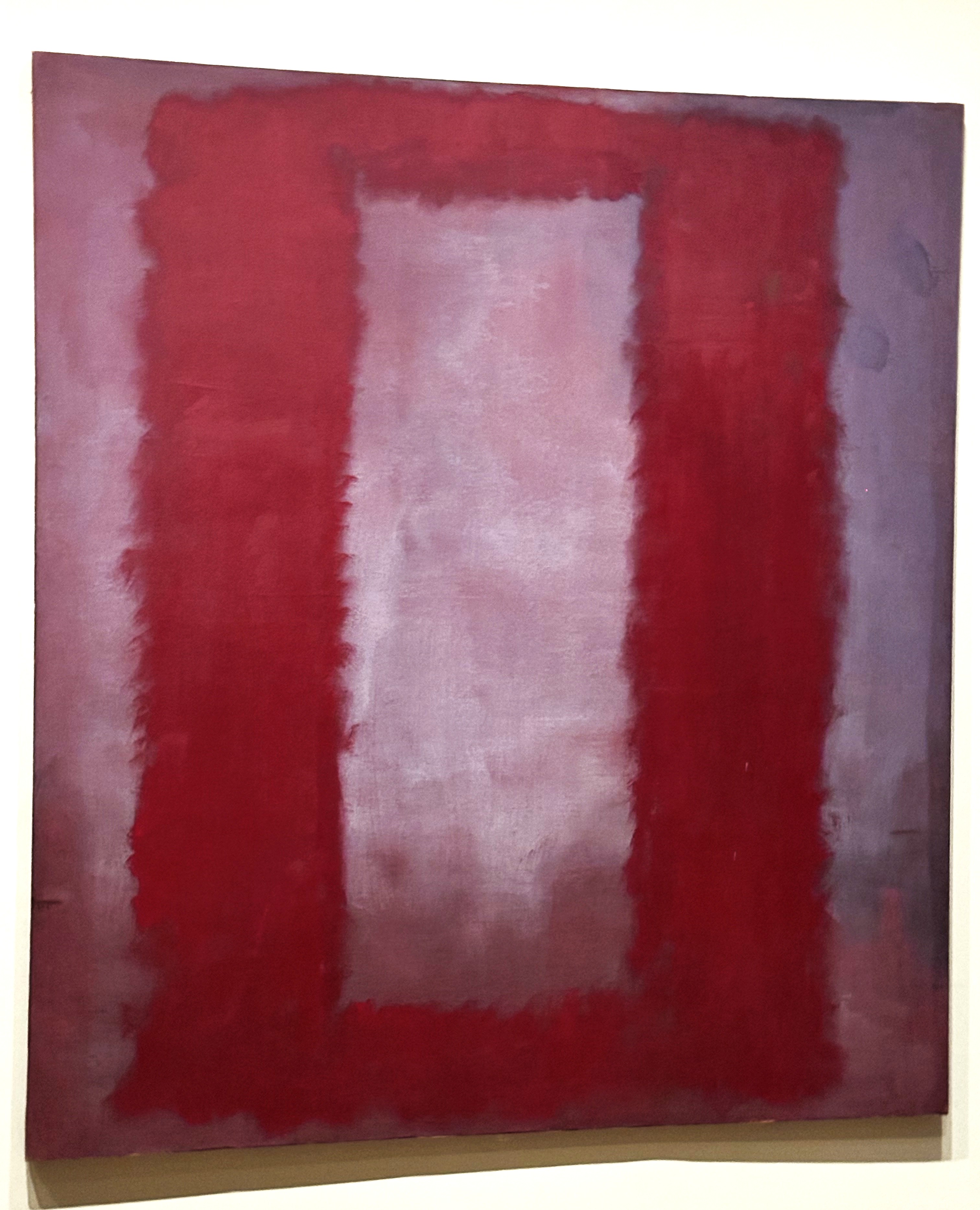
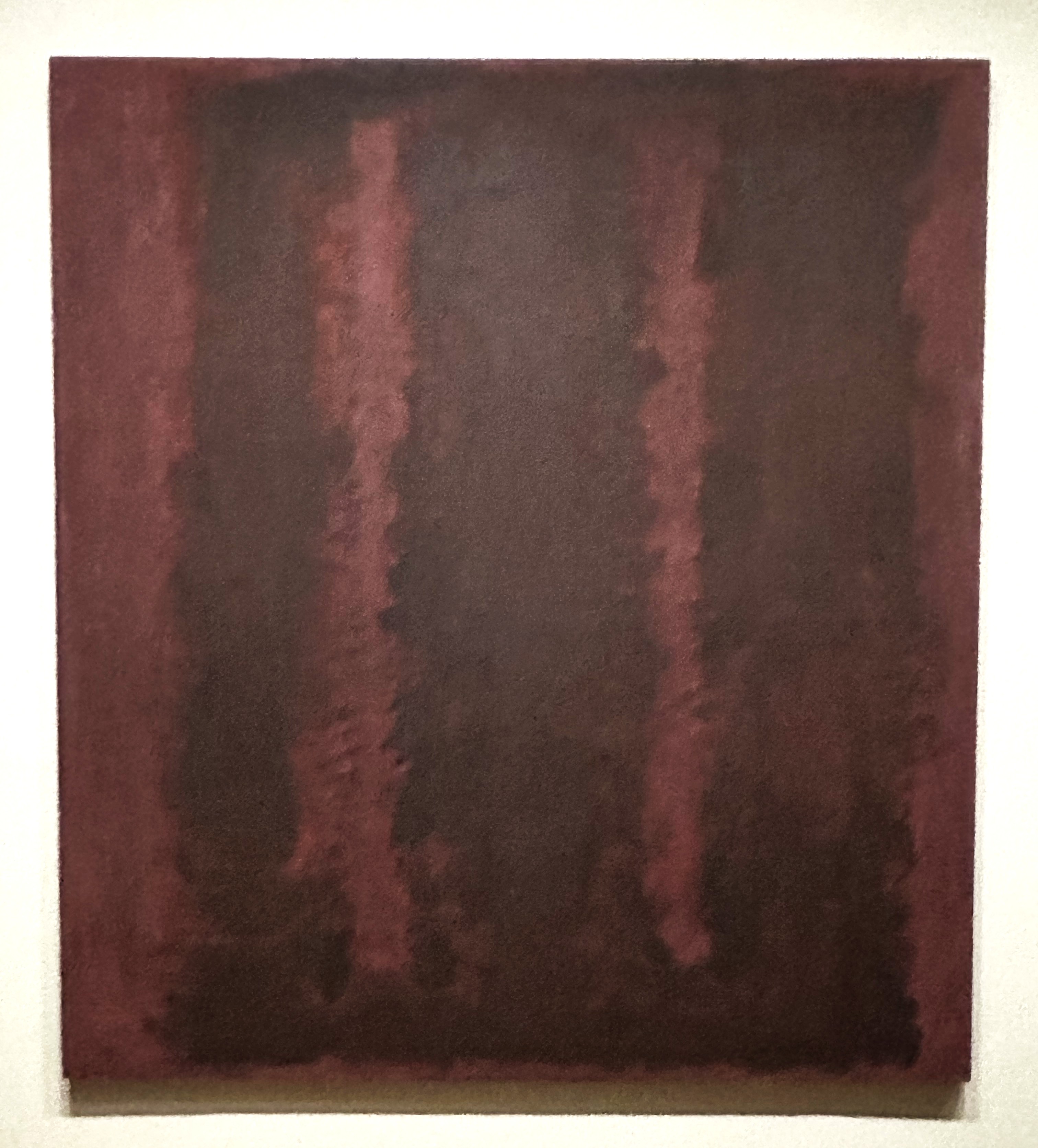
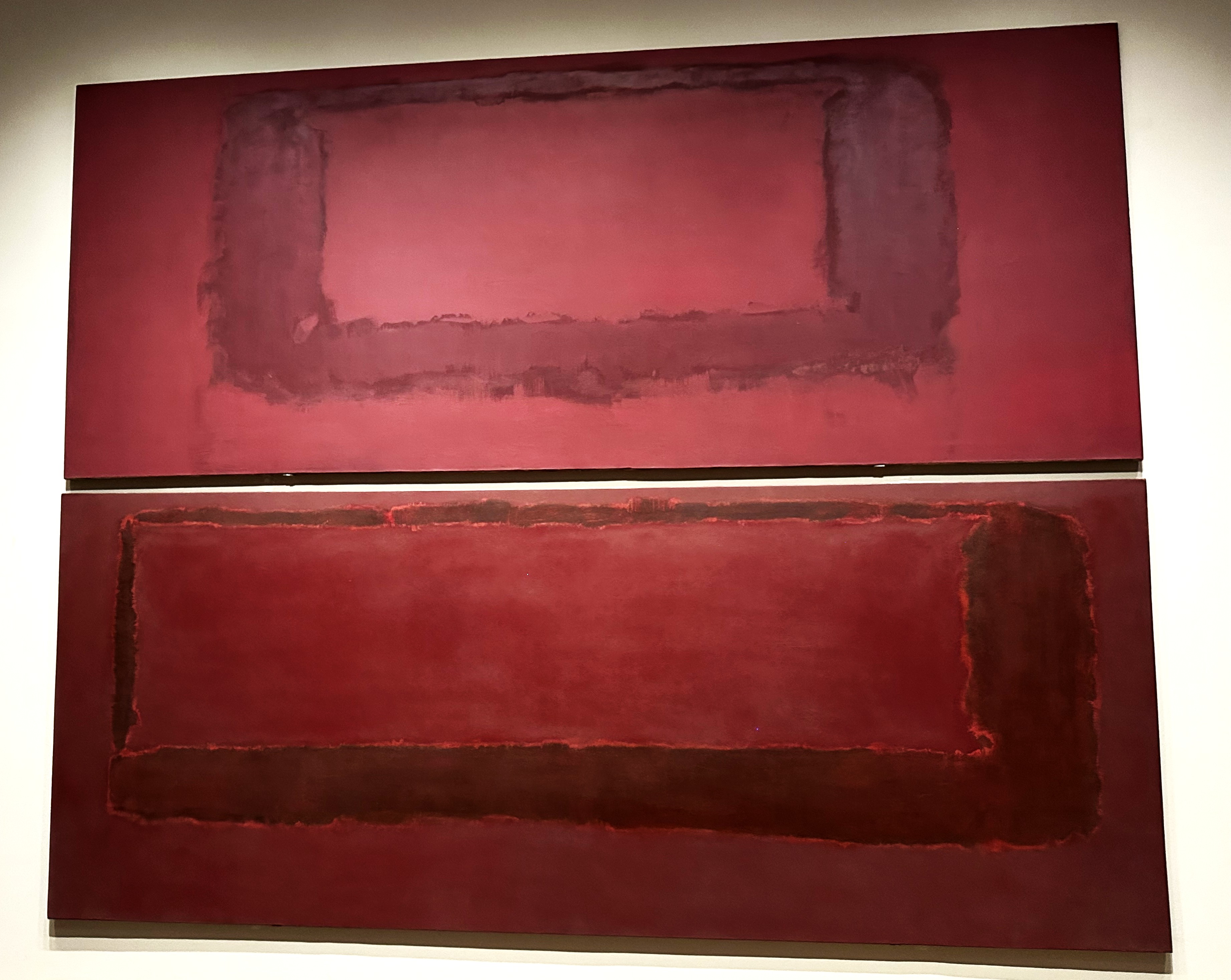
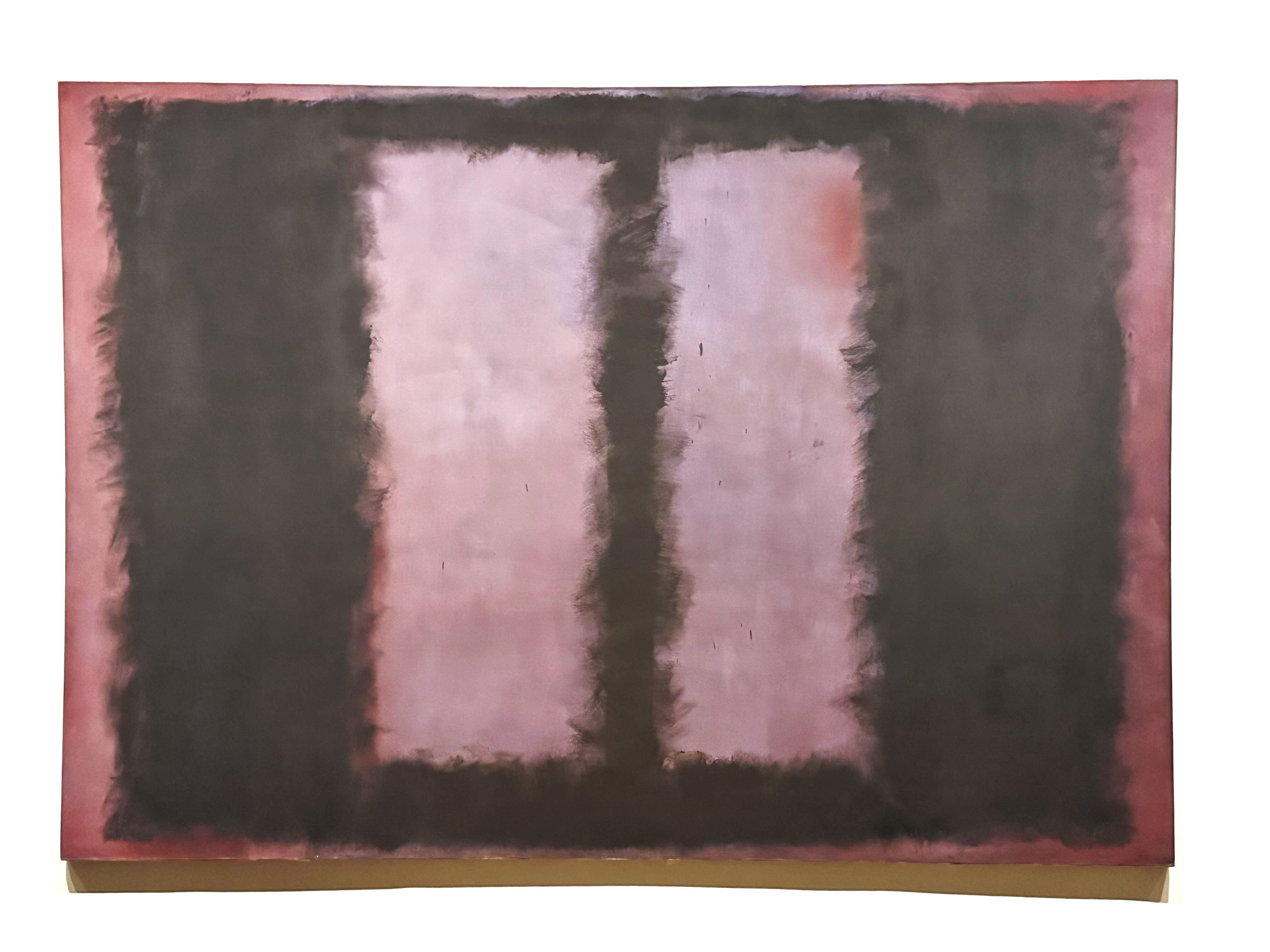
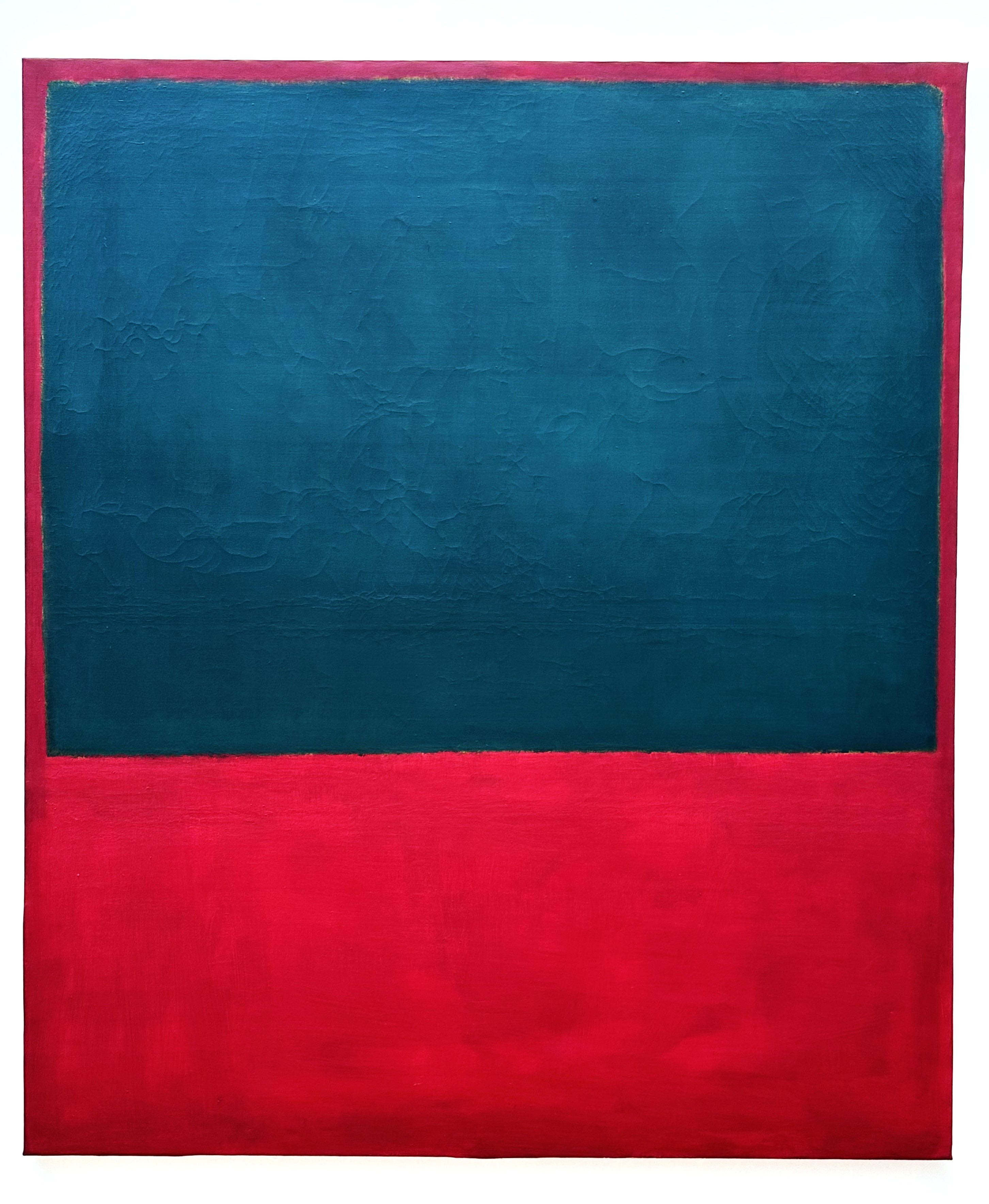
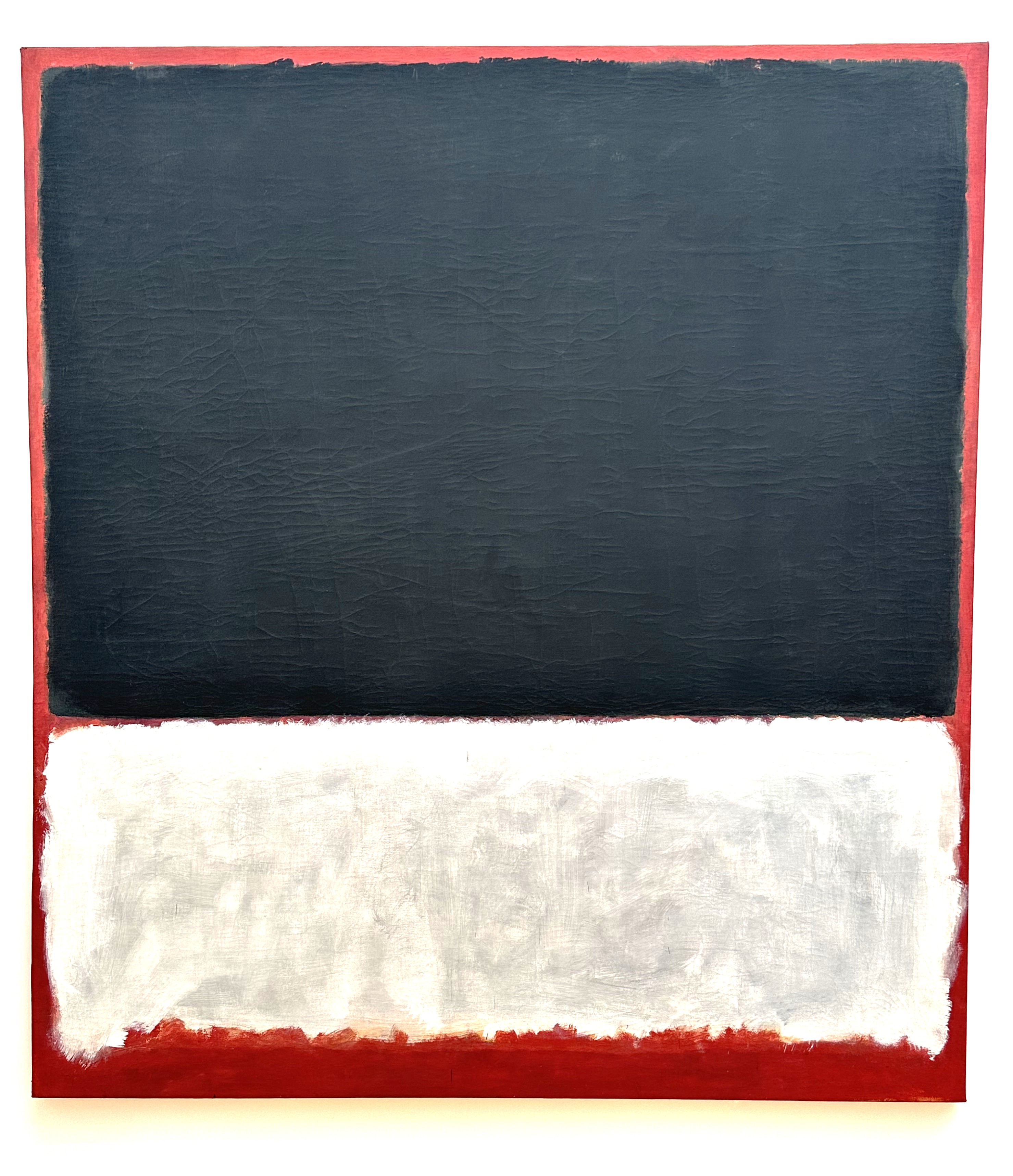
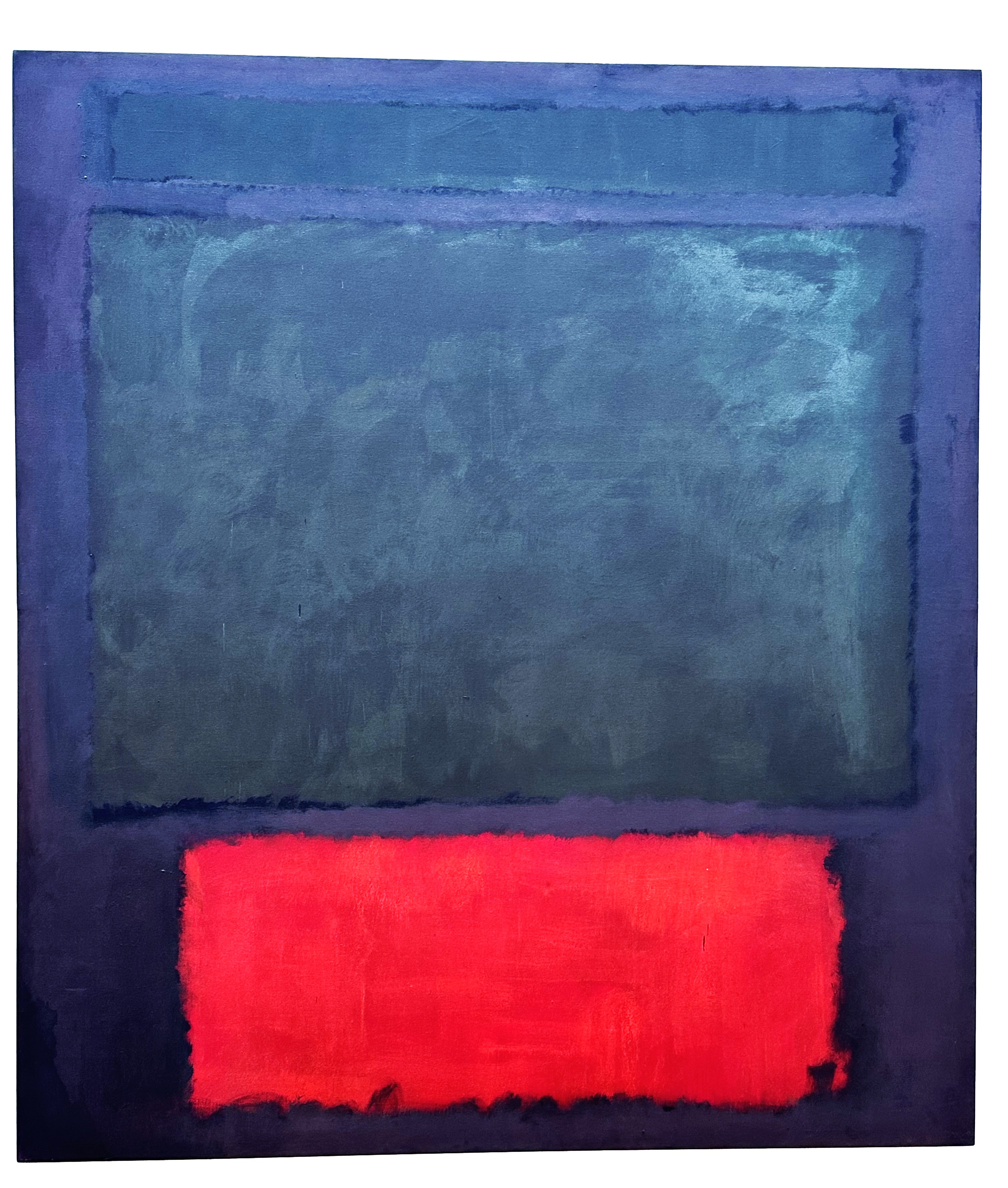
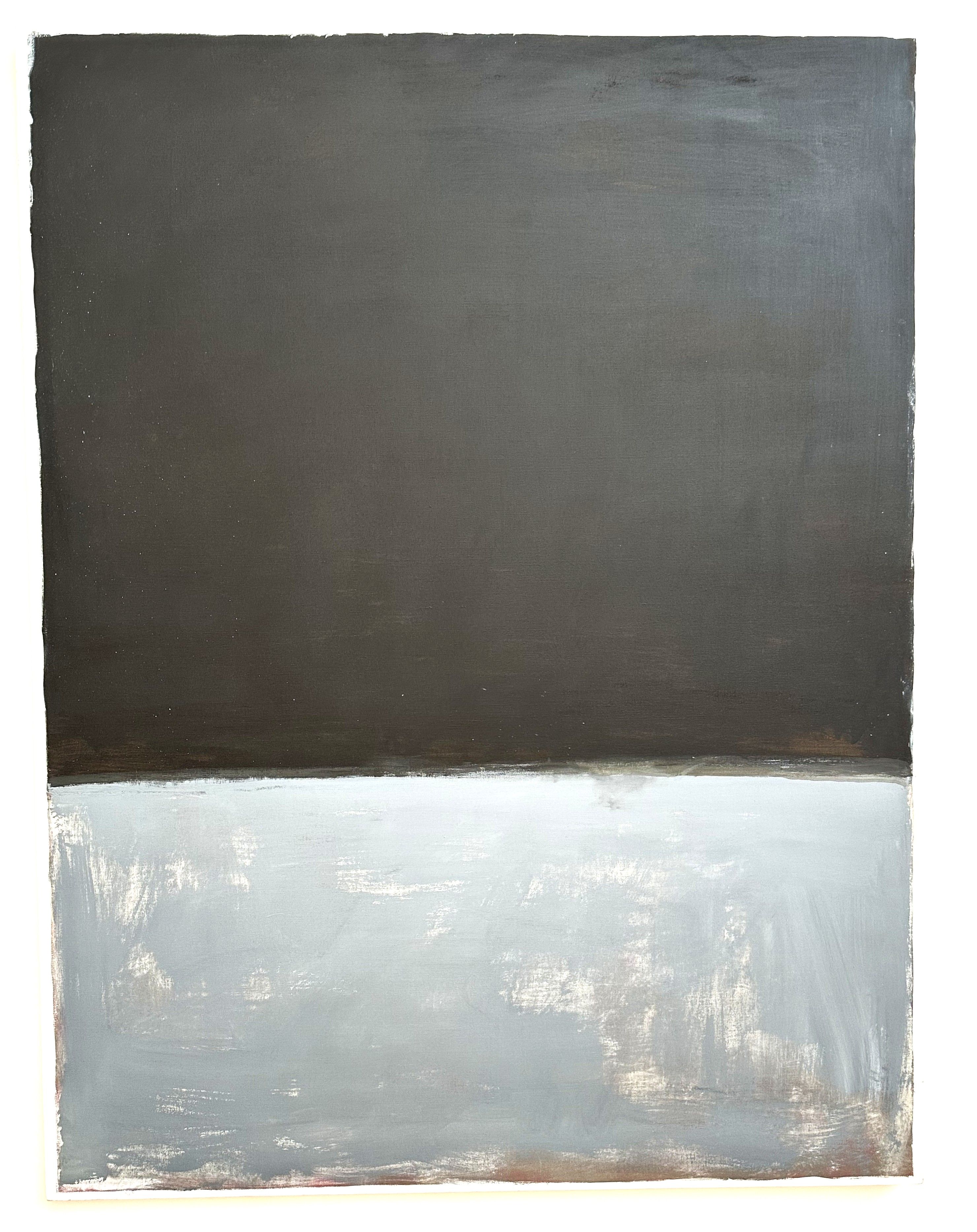
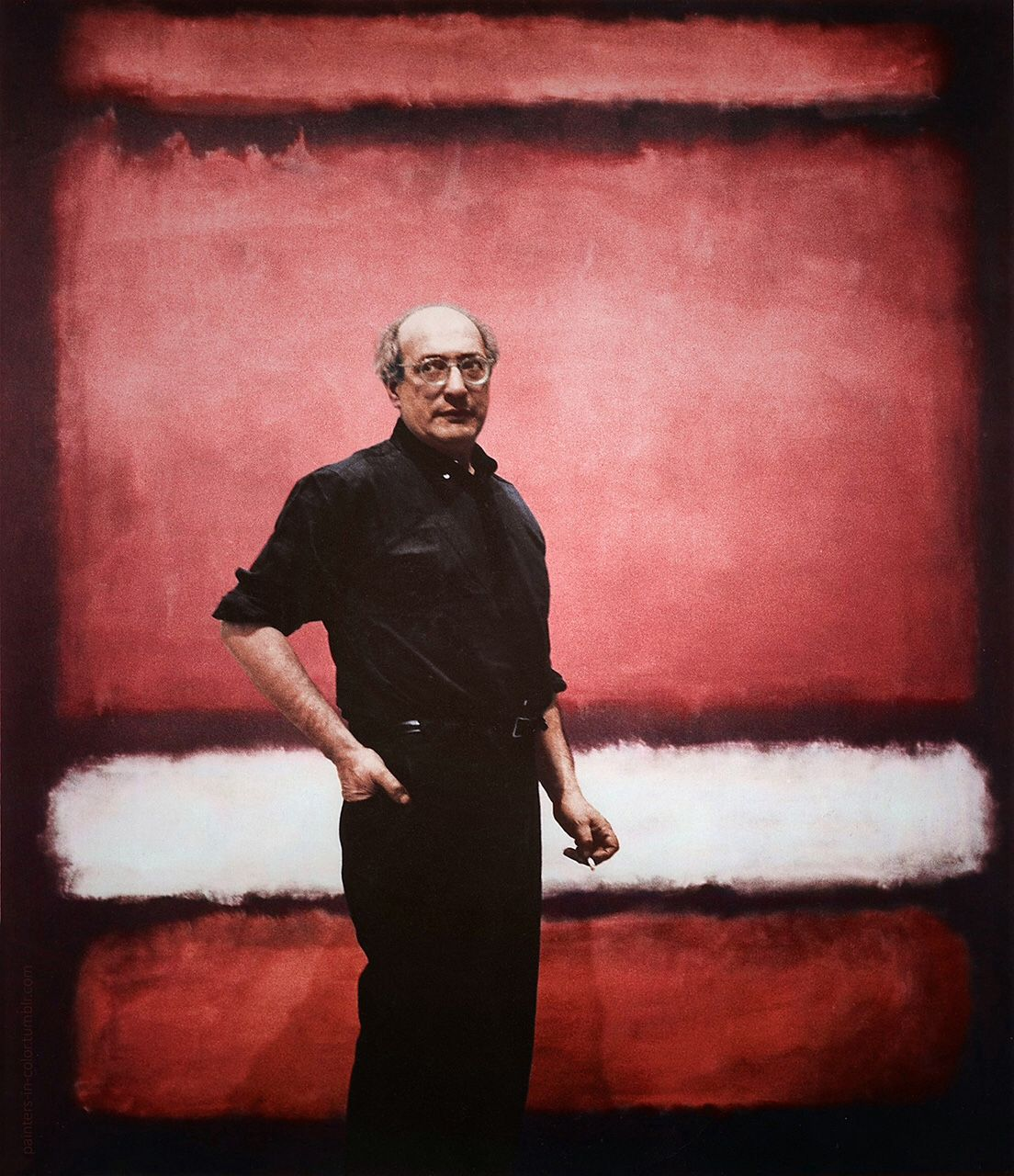
In 1958, Mark Rothko was commissioned to produce a series of works for a restaurant in New York’s Seagram Building. The restaurant was to be named the Four Seasons, located at 375 Park Avenue, New York, NY (between 52nd and 53rd Streets). He constructed a scaffold in his studio to match the site’s dimensions, allowing him to paint at scale. He was emphatic that his paintings “are involved with the scale of human feelings, the human drama, as much of it as I can express.” The resulting works were much darker in mood than Rothko’s previous abstracts. The bright and intense colors of his earlier canvases shifted to maroon, dark red, and black. He described them as “more somber than anything I’ve tried before.“
In 1960, after more than two years of work on the project and with a studio of completed paintings, Rothko withdrew from the Seagram commission. After visiting the restaurant and dining there, he grew increasingly uncomfortable with the idea of his art hanging in an upscale restaurant for wealthy patrons. He withdrew from the commission and returned the commission fee, feeling the exclusive environment of the restaurant was an inappropriate setting for his artworks. He later presented a selection of nine canvases from the series to the Tate Museum in London. “This kind of design may look simple,” Rothko remarked, “but it usually takes me many hours to get the proportions and colours just right. Everything has to lock together. I guess I am pretty much a plumber at heart.” Other paintings ended up at the National Gallery of Art in Washington, DC, and other museums instead.
================================================
References:
[1] https://artshortlist.com/en/journal/article/8-things-to-know-about-mark-rothko
[2] https://www.nga.gov/stories/articles/who-mark-rothko-9-things-know
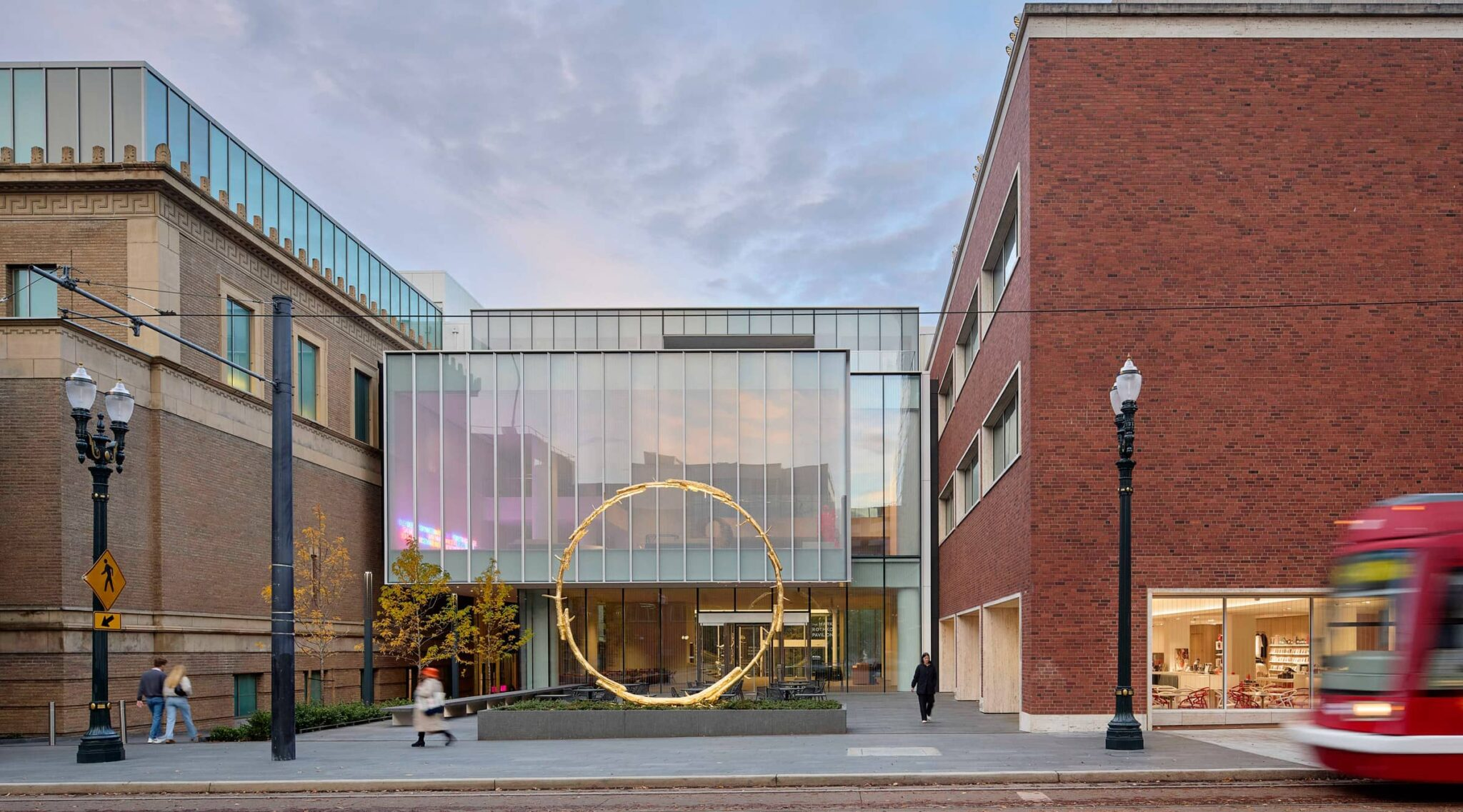
[3] Many of the images in this Witness Post are from my personal camera, when spotting them and their curated discriptions in some of the great art galleries in the US and London. As a teacher at Lincoln High School in Portland, OR, (Marcus Rothkowitz is a Lincoln High alumnus) Rothko’s work has been a source of pride to those of us who know his Portland connections. We are truly astonished by his body of work. We did not know the man, and may not have understood his true artistic purpose, but we are all huge admirers of his artistic talents. A new pavilion added to the Portland Art Gallery has been named and dedicated to Mark Rothko.
Thank you, Jordan Schnitzer and Tim & Mary Boyle, for funding the expansive Rothko pavilion at the Portland Art Gallery.