
Lessons from the Home Office: Georgist
We have a crisis in Portland, Oregon, these days, and in many major and minor cities across the US. What is it? Affordable housing! As highlighted in the New York Times,[1] there is a tax scheme that has been in our lexicon for over a century. Called “the land value tax,” it was popularized by Henry George, author of Progress and Poverty (published in 1879). Georgism has pejoratively been described as “the tinfoil-hat-wearers of economics.” True believers postulate that if America were to throw out all taxes, then replace them with a single land-value tax, it would end poverty and recessions for good.
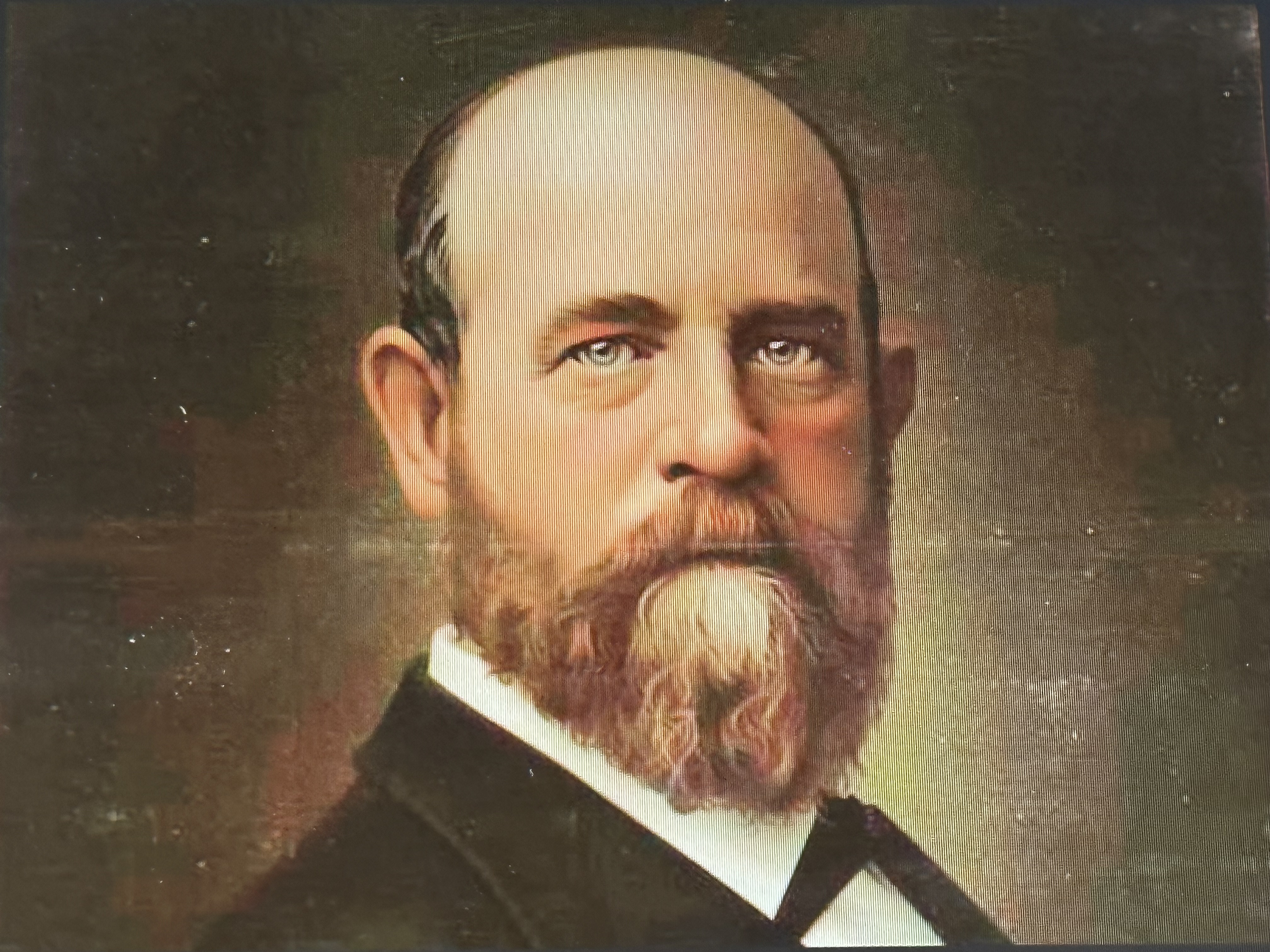
Henry George (1839-1897)
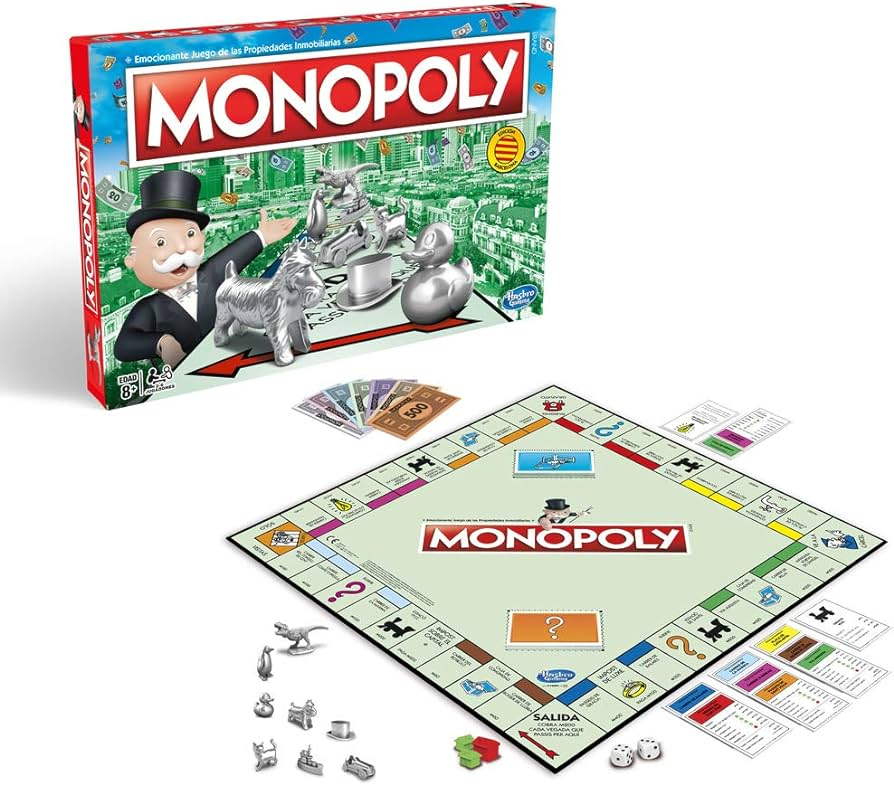
A quotation from George’s gravestone is: “By making land private property, by permitting individuals to appropriate this fund which nature plainly intended for the use of all, we throw the children’s bread to the dogs of greed and lust.” His argument was that since land derives most of its worth from its location and surrounding community, that the people in the community, and NOT the owner, should realize most of the benefits when values rise. The board game Monopoly was invented by a Henry George fan in hopes of spreading the wisdom of Georgists.[2]

Daryl Fairweather, chief economist at Redfin, the real estate brokerage firm, has become one of the land-value tax’s most outspoken advocates. She trumpets the policy on podcasts, headlines panels with the names like “the tax policy that can fix housing.” Although Ms. Fairweather does not consider herself a Georgist, she says that land-value taxes are so smart that one of her favorite parts of arguing for them was they allowed her to “always be right.” The land-use taxes encourage housing development. “It’s like there’s this tool in our toolbox that could help solve a lot of our problems, and we refuse to pick it up. … If more people understood how useful this was, they would advocate it.”

Daryl Fairweather, Redfin Chief Economist
The Times article cites the land values in Detroit, which have nameless investors who have swooped in and bought property, which has been taking advantage of the city. The article also takes the idea of property values at the other end of the value spectrum. Palo Alto, California, for example.
Georgist podcaster, Mark Mollineaux, states that If there were a land tax on the $3million bungalows in toney Palo Alto, and the owners were to raze and replace those dwellings with denser housing owned by the public, then socializing the land would create enormous, equitable wealth. While radical and unlikely to be further considered by anyone in the Bay Area, Mollineaux demures: “But even a tweak would be nice.”
—————————————————————————
[1] https://www.nytimes.com/2023/11/12/business/georgism-land-tax-housing.html
[2] The board game Monopoly has its origin in the early 20th century. The earliest known version, known as The Landlord’s Game, was designed by Elizabeth Magie and first patented in 1904, but the game existed as early as 1902.
 Henry E. Hooper