
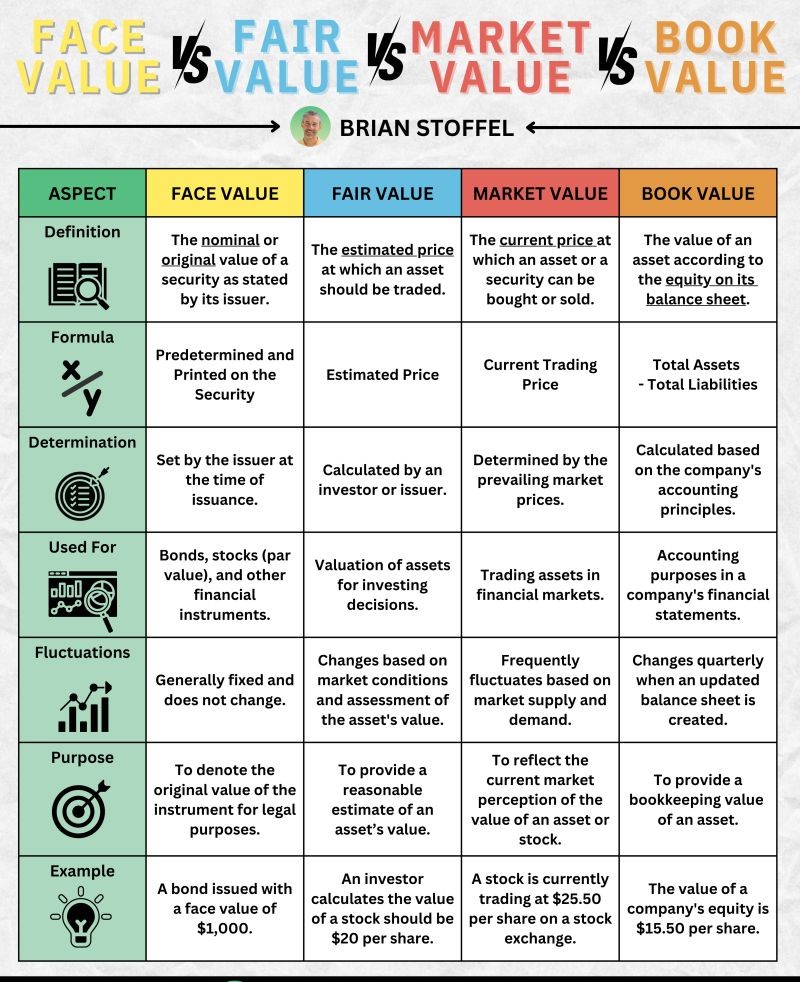
Where do we go from here on value? How about “fair” value?
One of the most useful questions in personal finance is also one of the simplest: “Is this worth it?” We ask ourselves the question all the time: when we buy a car, rent or buy a home, take a vacation, choose a college, accept a job, invest our savings or decide whether to spend $200 on dinner. But being “worth it” is not the same concept as the specific “dollar price.” Price is what you pay in dollars and cents. Value is what you get in return. And when using the expression “fair value,” it is our attempt to determine whether the two ideas make sense together.
What Is Fair Value?
In the traditional financial sense, fair value or Fair Market Value is the price that a willing buyer and a willing seller would agree upon in an open market, with neither party being forced to transact and both having reasonable knowledge of the relevant facts. That classic definition of fair value is useful, but personal finance requires something more. The price of something may be $50,000. Its fair market value may be $50,000. But that doesn’t necessarily mean it is a good value for you.
Why? Because everyone’s unique financial situation, priorities and alternatives matter. Was that purchase (for ______________ , – – fill in the blank – – asset) a good value?
- A $50,000 car might be a wonderful value for someone who needs reliable transportation for a long commute and it may be a terrible value for someone who works from home and already owns a perfectly good car.
- A $3,000 vacation may be irresponsible for someone carrying $15,000 of credit-card debt and it could be a terrific value for someone with a healthy emergency fund, no expensive debt and a desire to spend money on experiences rather than possessions.
So, to more fully explore Fair Value, there are at least two additional questions to consider:
- What is something worth in the marketplace? And:
2. What is it worth to me?
Those two concepts (worth and value) are not always the same thing. Let’s start with Value to YOU.
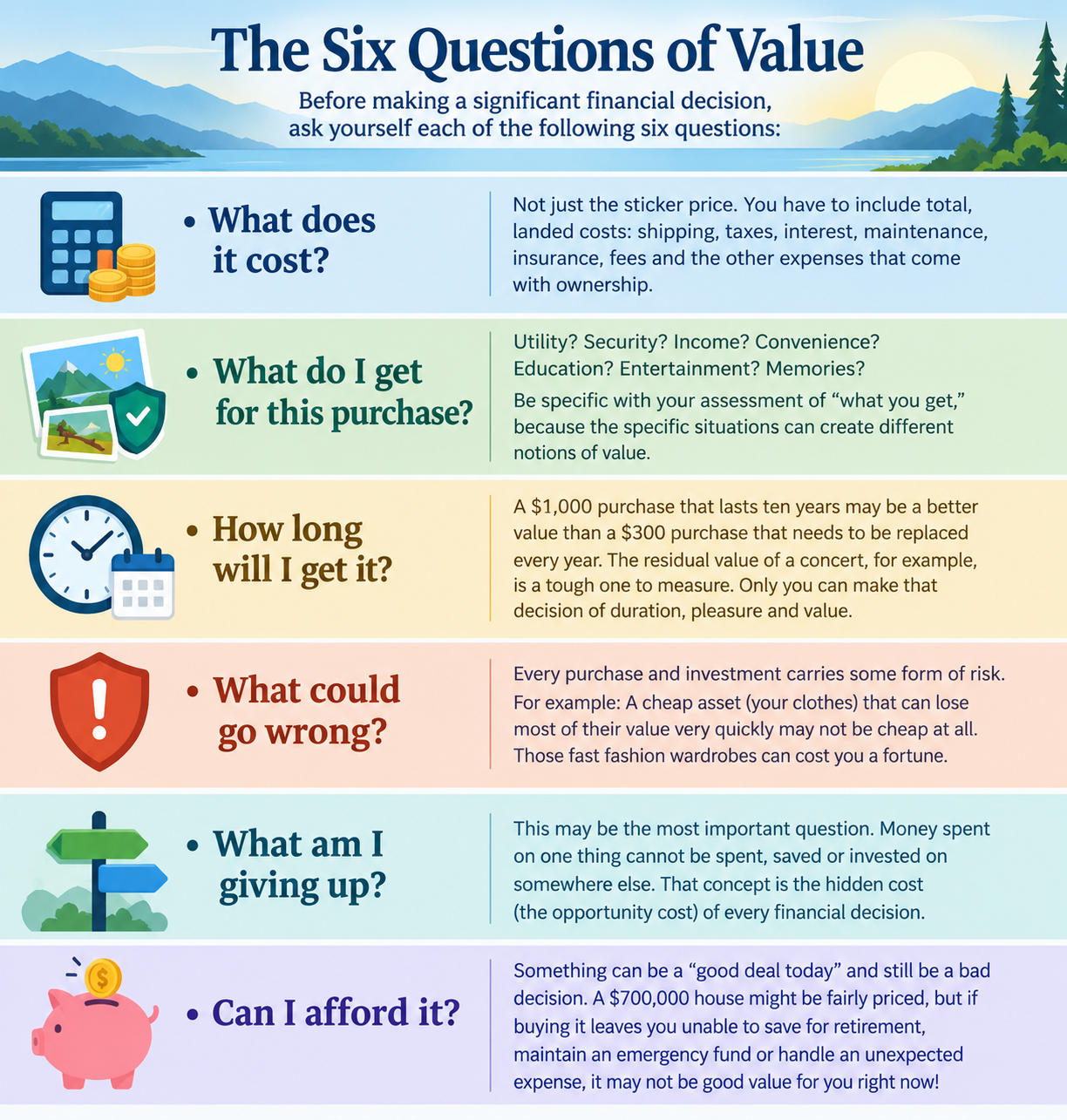
The Six Questions of Value
Before making any significant financial decision, it is important to ask yourself each of the following six questions:
1. What does it cost?
Of course, the cost of an item is not just the sticker price. You have to include total of ownership of that item. In your calculation be sure to include what are called the landed costs: which is the costs of shipping, taxes, interest, maintenance, insurance, fees and the other expenses that come with ownership of that new asset. And your time…will this decision take thirty days of 3 minutes? Your time needs to be considered as part of these landed costs.
2. What do I get for this purchase?
Here the idea is again to draw a circle around the entire purchase. If you are looking for many qualities or rewards that may come with the asset then start to ask additional questions. Questions such as Utility? Security? Income? Convenience? Education? Entertainment? Memories? Be specific with your assessment of “what you get,” because the specific situations can create different notions of value. And those perceptions of value can change as you age with that asset (think of a hotel stay, and a home purchase).
3. How long will I get to keep it?
Some assets are gone in a flash. Others have residual value that only becomes evident over time. A $1,000 purchase that lasts ten years may be a better value than a $300 purchase that needs to be replaced every year. The residual value of a concert, for example, is a tough one to measure. Only you can make that decision of duration, pleasure and value that comes from a purchase that resides momentarily or forever in your memory bank.
4. What could go wrong?
Every purchase and investment carries some form of risk. For example: A cheap asset (your clothes) that can lose most of their value very quickly may not be cheap at all. Those fast fashion wardrobes can cost you a fortune. Are there ways to insure the long-term value of that asset? Does it dry-up before it is fully used? Does it need regular drycleaning to keep it looking fresh? Does it quickly lose appeal to the “fast crowd” you are trying to emulate?
5. What am I giving up?
This may be the most important question to ask yourself. Yet it is also the most awkward. You may not know exactly what the alternative uses are for the dollars you spend today. This is where a budget comes into play. Money spent on one thing cannot be spent, saved or invested on somewhere else. The concept is the hidden costs (also known as the opportunity costs) of every financial decision. Taking the time to make these assessments are worthy of your time and deliberation. Have a personal debate among the alternatives, so that the best opportunity wins and lands in your financial pocketbook.
6. Can I afford it?
In our family we try to separate the notion of Affording a potential purchase, and Budgeting for that item. Perhaps we can AFFORD it, but it is not an item that we need and/or want to buy with our BUDGET today. It is also important to acknowledge that something can be a “good deal today” and still be a bad decision. A $750,000 house might be fairly priced, but if buying it leaves you unable to save for retirement, maintain an emergency fund or handle an unexpected expense, it may not be good value for you right now!
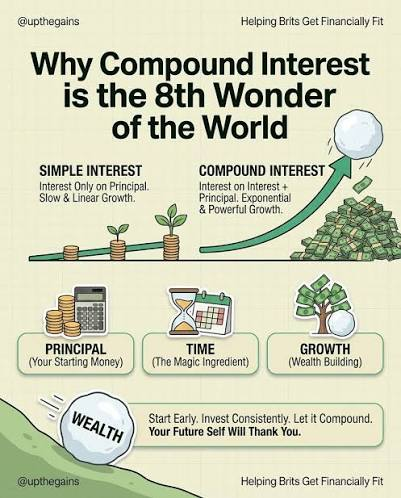
Good Value: The Assets That Compound
Some financial decisions become more valuable over time and their real value only becomes apparent as time passes. Putting the financial wonder of the world, compounding, to work as soon as you can adds to the magic. Some call it the 8th wonder of the world!
Save and invest as early as you are able
One of the best values in personal finance remains remarkably boring: Put money into tax-advantaged retirement accounts and leave it there. If you work for a traditional business with a simple 401(k) plan in 2026, the basic employee contribution limit is $24,500, while the IRA contribution limit is $7,500. [Senior workers in their 50s and older generally have additional catch-up opportunities, including an enhanced catch-up contribution of $11,250 for people ages 60 through 63.]
The precise limits will likely change again; however, the basic principle won’t: Money invested early has more time to compound. And compouding gives you the ability to generate interest, and then interest on your interest over the years. And with 401(k) plans there is another form of value that is generated here: tax treatment. Taking advantage of the retirement accounts that are available to you can be one of the highest-value financial decisions you make. And you don’t need to be a stock wizard out to find the next hot investment strategy. Sometimes the best financial move is simply to use the rules that already exist.
Eliminate Expensive Debt
Paying off high-interest credit-card debt is another unusually good financial trade. The Federal Reserve reported that the average interest rate on credit-card accounts assessed interest was about 21% in the first quarter of 2026. If you owe $10,000 at that rate, the interest expense alone can approach $2,100 a year before considering compounding and other charges.
Paying that high-interest debt off doesn’t produce a speculative return. It produces a certain saving. That is an important distinction. You might hope that any and all of your investments earn 10% next year. Yet you know for sure what you save when you eliminate a 21% interest charge. Therefore: Eliminating High-interest debt is one of the few financial problems where the math can be unusually clear.
Buy the Car You Need
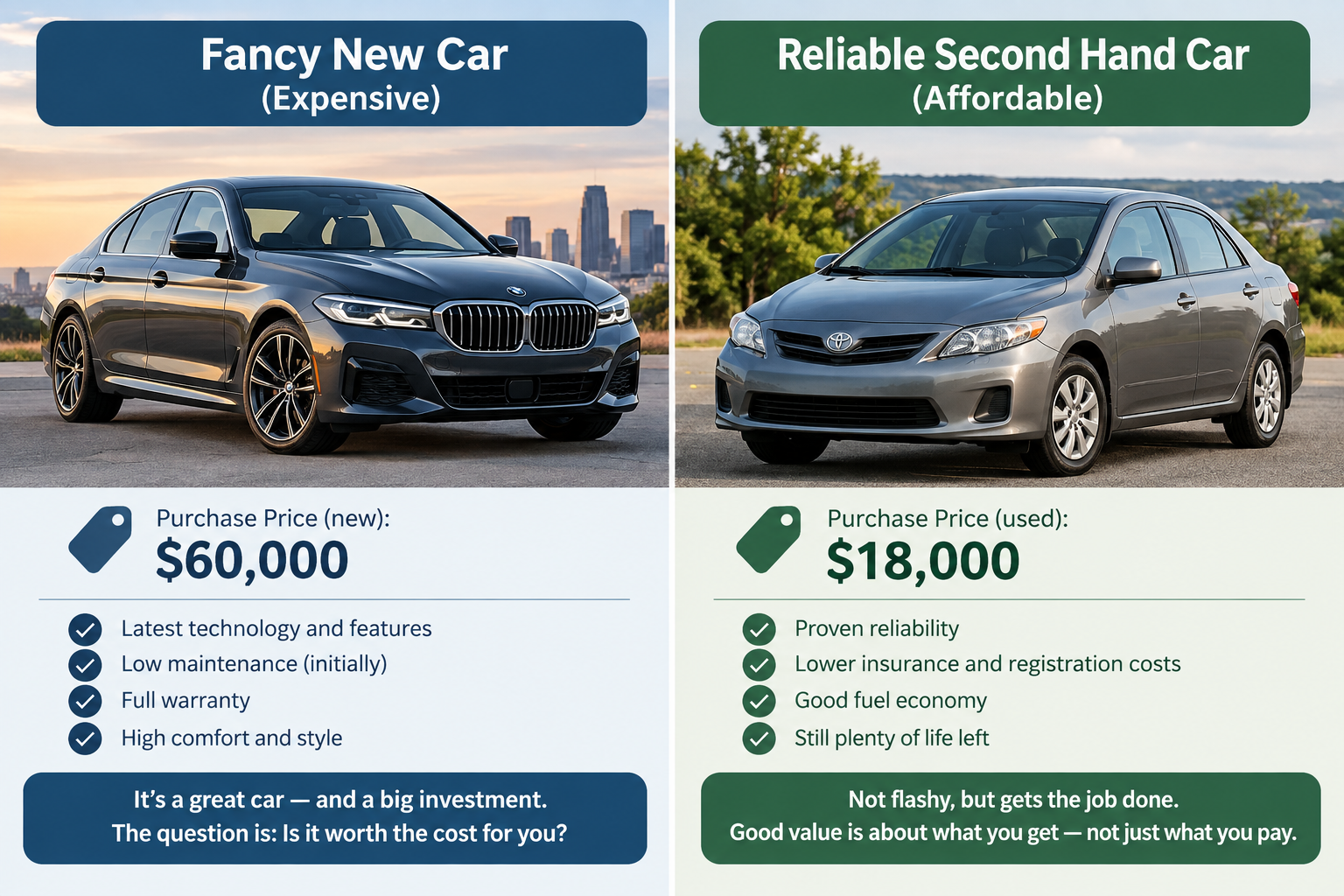
A car is transportation first and a financial asset second. The mistake is not necessarily buying a new car, those features may be important to you. The mistake is buying more car than you need. When you buy a car (I know you’ve heard this one), it starts depreciating the momeny you drive it off the show-room parking lot.
The question is: are you financing a transportation need or are you financing a lifestyle you cannot comfortably afford? The better question isn’t: “Can I make the monthly payment?” Ask yourself: “What will this car really cost me over the years I own it?” Here it is key to look back at the Six Questions of Value (listed above) to consider when you are buying an asset.
Seriously consider the following “costs of buying that car.” Which brings into question whether you own the car or if the car owns you:
- purchase price
- financing costs
- insurance fees
- fuel and other fluids
- parking fees
- car washing and detailing
- regular maintenance
- tire rotation
- auto repairs
- depreciation costs
- and opportunity costs: (What else could you have done with the money you are spending on this car?)
A reliable used car can be terrific value. So can a dependable new car that you keep for ten years and carefully maintain at all times. The lesson is not “never buy new.” The lesson is: Always buy transportation, not social status.
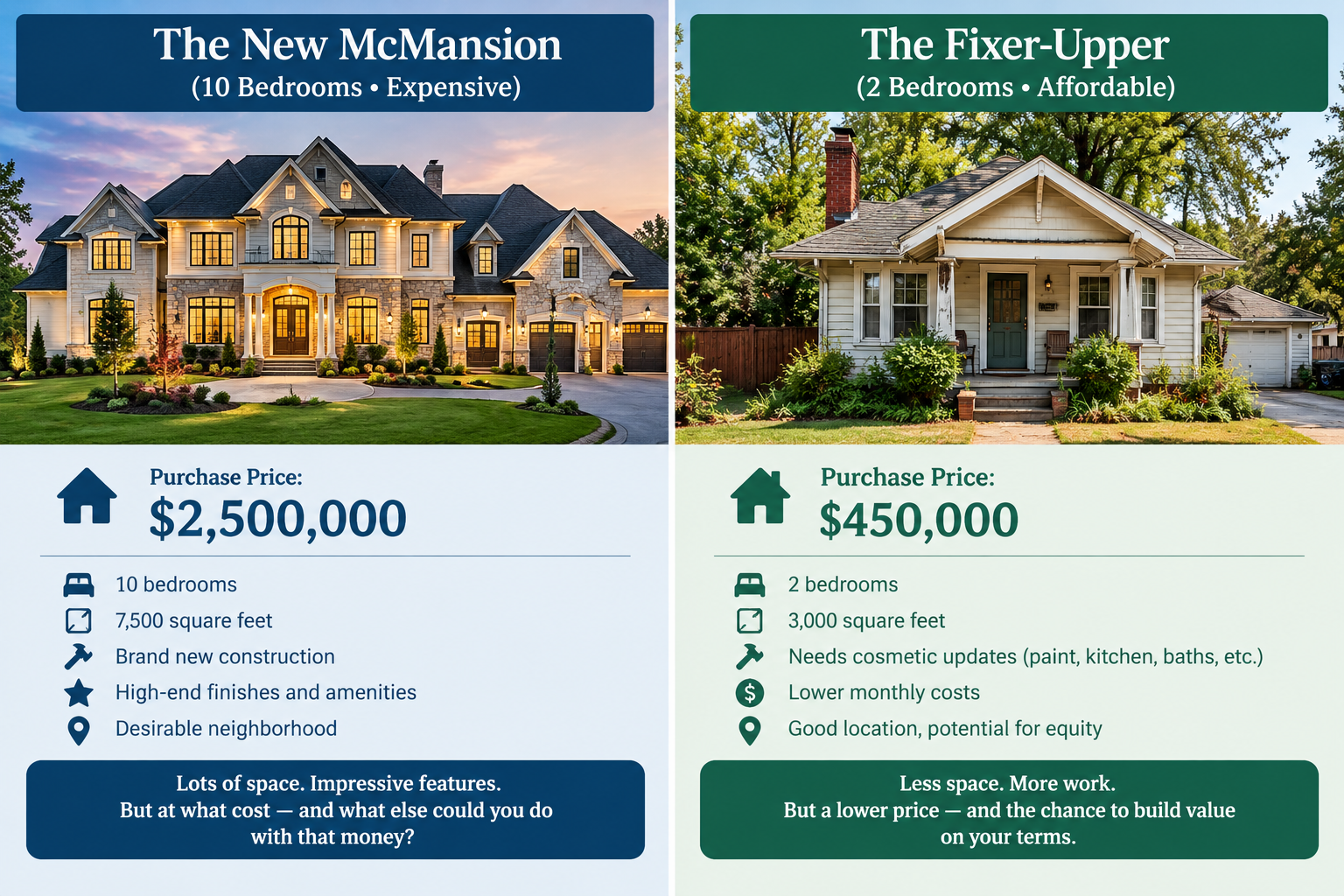
Buy a Home You Can Afford
Owning a home can create enormous personal and financial value. It can provide stability, privacy, control over your surroundings and, over time, equity in the property. But a house is not automatically a good investment simply because it is a home.
Similar to that car purchase considerations in the last exercise, the real costs of a home include:
- mortgage interest (and any future refinancing costs)
- private mortgage insurance (if you will be putting down less than 20% of the price of the mortgage)
- property taxes
- home owners assessment fees (if there are any)
- property insurance
- home maintenance
- home repairs
- utilities
- lawn care (if needed)
- transaction costs (closing costs, fees)
- and the opportunity cost of the money that is now tied up in the property.
Mortgage rates make this particularly important. As of September 3, 2026, Freddie Mac’s national average for a 30-year fixed mortgage was 6.71%. At rates like that, affordability deserves more attention than ever.
The lesson is not: “Renting is throwing money away.” Nor is it: “Buying is always better.” The better real estate lesson is: A home is good value when the financial and personal benefits of owning it justify the price, debt, maintenance and opportunity cost.
Sometimes the best financial decision is to buy. Sometimes it is to rent. The general “rule of thumb,” which can be dangerous, is that if you will be living in the same place for 7 years or longer, it is better to consider buying than renting. The right answer for you, however, depends on the person, the house, the market and the length of time you expect to stay in that particular dwelling spot.
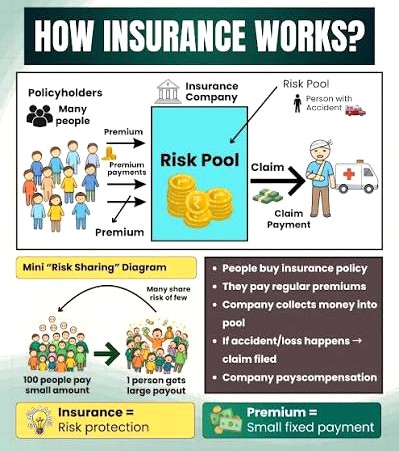
Insurance: Paying for Something You Hope You Never Need
Insurance can look like bad value because you spend money and, if everything goes well, get nothing tangible in return. That simplification is an inaccurate way to think about insurance. Insurance is valuable because it transfers a potentially devastating financial risk to someone else. You pay a known cost (premium) to protect yourself against an unknown but potentially enormous cost. That is why appropriate health, auto, disability, homeowners/renters, liability and term-life insurance can be good value.
The important word is appropriate. You don’t need to insure every conceivable inconvenience. You need to protect yourself against losses that could seriously damage your financial life and dent your financial pocketbook.
Good Value Is Not Always Cheap
This is one area where the idea of fair value gets interesting.
- A $20 pair of shoes that falls apart in six months may be worse value than a $100 pair that lasts five years.
- A $500 mattress may be better value than a $1,000 television if you use the mattress every night for ten years.
- A $2,000 computer may be excellent value for someone who earns a living using it and terrible value for someone who checks email twice a week.
The question may not be: “Is it expensive?” The real question is: “What am I getting for the money?”
Spend Money on Things That Matter to You
Personal finance is not supposed to be an exercise in maximizing the muscles in your bank balance. Money is a tool and as a financial tool it buys “things that matter” to you. It can buy you security; it can buy time; it can buy experiences; it can make your life more comfortable; it can allow you to help your family; it can give you the freedom to make choices that are meaningful to you. So travel, restaurants, hobbies, good food, a comfortable chair, a bicycle, a musical instrument or a great vacation can all be good value for you and your family.
The key is that you actually recognize the items you value and find pleasure from them. As is often quoted, “there is no prize for being the one dying with the most money.” The objective is to use your money in a way that improves your life without sacrificing your financial future.
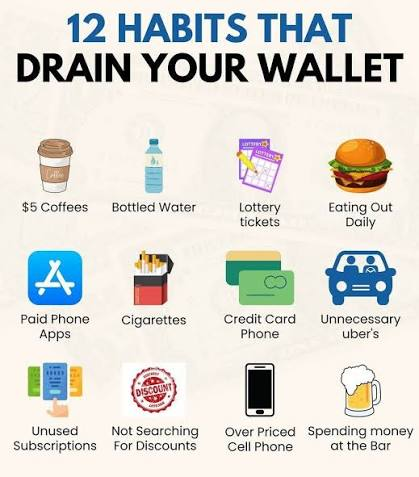
Beware of the Silent Expenses
Some of the worst values in personal finance aren’t large purchases, they’re small recurring expenses that you barely notice. A $15 subscription doesn’t feel like much; however, ten of them cost $150 a month, and that totals to $1,800 a year.
The same principle of hidden expenses applies to some sub-categories in our lives:
- unused memberships
- unnecessary upgrades
- convenience purchases
- frequent food delivery
- impulse shopping
- expensive coffee that has become automatic and reflexive rather than accounted for and enjoyable.
The problem isn’t the $5-$7 coffee; the problem is spending money automatically instead of intentionally. There is nothing wrong with buying a cup of coffee, yet, there IS SOMETHING WRONG with not knowing where your money is going.

Buy Time
Here is one category of value that deserves much more attention: time. On your personal balance sheet, your time is an asset. Sometimes spending money is a perfectly sensible way to get some of of your time back. But be careful to know your opponent in any request for your time. A former colleague once paraphrased George Bernard Shaw: “Don’t waste your time wrestling with a pig … You will both get really dirty and the pig will enjoy it.”
Examples of the time recovery tools that are worth paying for:
- childcare
- a house/apartment professional cleaner
- a more reliable car
- a shorter commute
- prepared foods
- professional accounting services
- technology that automates tedious work
These are examples that can be good value to you, but only if it gives you back time that you would rather spend elsewhere.
This string of examples leads to a useful question: How much is an hour of my life worth? You don’t need a precise answer to this question; you simply need to recognize that money and time are both scarce resources. Sometimes the best purchase isn’t the cheapest one. It’s the one that gives you something more valuable than the money you spent for it. So what is your time worth?

Education: Invest in the Person, Not the Diploma
Education can be an extraordinary investment. It can also be an extraordinarily expensive mistake. The difference is what you get in return for the investment in terms of your future income and your time. Every high school senior should ask themselves before taking on substantial education debt:
- Will this degree increase my earning power?
- Will it give me access to opportunities I don’t have today?
- Is the credential actually required in my field?
- Will I meet people who can change my life’s trajectory?
- How much debt will I carry?
- What are the realistic employment prospects?
- What happens if my career plans change?
The same degree can be an excellent value for one person and a terrible value for another. Don’t buy a credential merely because it sounds impressive. Buy your education when the knowledge, skills, network or credential are likely to produce something valuable in return.

Your Career Is an Investment Too
For someone in their 20s or 30s, perhaps the most valuable asset is not a stock portfolio. It is future earning power, which makes learning, experience, relationships and reputation investments. Think of career aspects that can be good investments: a course that makes you better at your job can be valuable, finding amentor can be valuable, creating a professional network can be valuable. At work taking on a difficult assignment that teaches you something valuable can be valuable. Even changing jobs can be valuable if it increases your skills, income or future opportunities.
The important question to ask yourself is: Am I becoming more valuable? For each of us our human capital is the ability to earn money in the future. Unlike a stock certificate, you carry it with you.
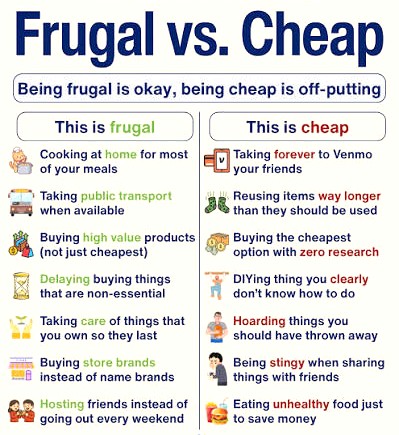
Investments: Cheap Isn’t the Same as Valuable
The word “value” has a special meaning in investing. A value investor generally looks for investments whose market price appears low relative to their underlying earnings, assets or cash flows. That can be useful. But there is an important warning: “Somethings are cheap for a reason.” For example: a stock trading at a low price-to-earnings ratio isn’t automatically a bargain. A house selling below its previous price isn’t automatically a bargain. A private investment offering a high expected return isn’t automatically a bargain.
In many places and circumstances price matters. But so do concepts such as quality, risk, liquidity, future value and fortune. The smartest investors don’t simply ask: “Is it cheap?” More often than not they ask: Am I being frugal or foolish? “What am I actually getting for the price I’m paying?”
Liquidity Has Value
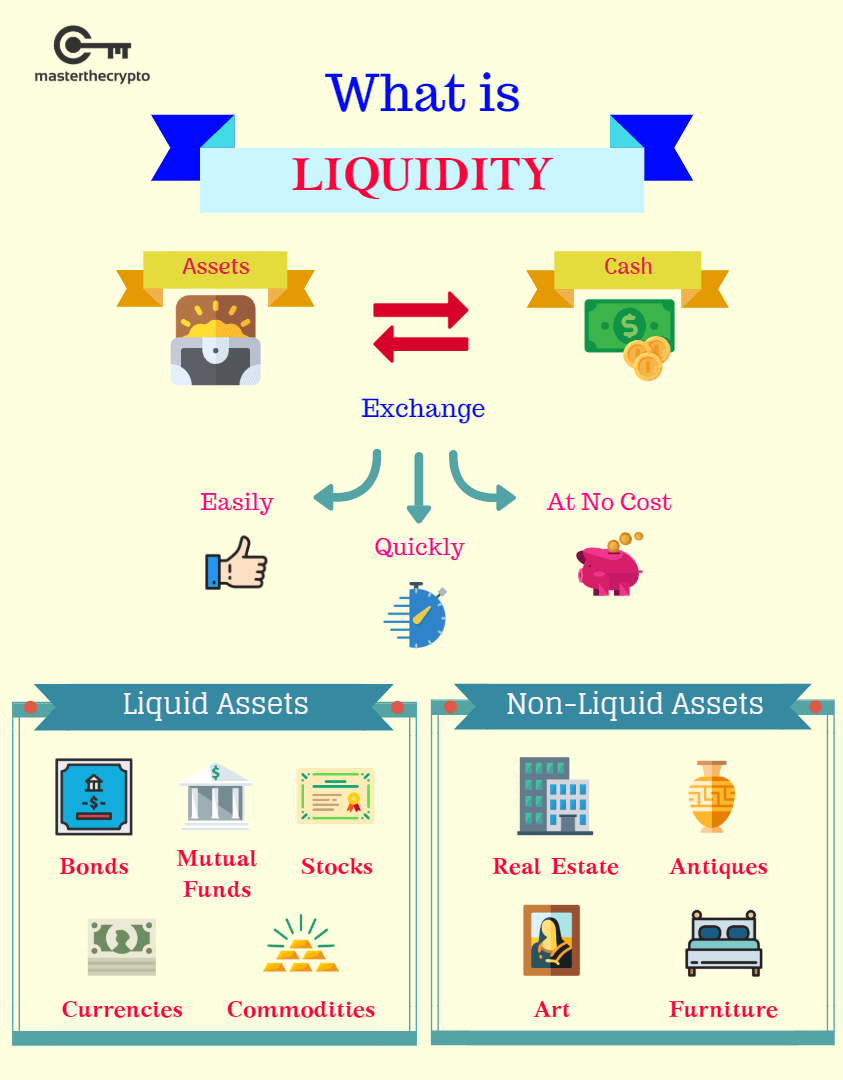
This theme of value is becoming especially important as more individual investors gain access to private investments. For example: suppose you have two investments, each supposedly worth $100,000. Investment A can be sold tomorrow. Investment B may take years to sell. Because of the duration, these are not economically identical to you. Liquidity has value.
The events of 2026 provide a useful reminder. Several private-credit funds have faced elevated redemption requests while limiting withdrawals to roughly 5% of fund assets per quarter. Blackstone’s $77 billion-plus private-credit fund, for example, received requests to withdraw roughly 10% of shares in the third quarter but was limited to repurchasing 5%.
That does not mean private credit is inherently bad. It means that investors should understand what they are buying. A high expected return may compensate you for taking risk. It may also compensate you for giving up liquidity. The real value key is to Know the Liquidity Difference.
The Most Important Value Question
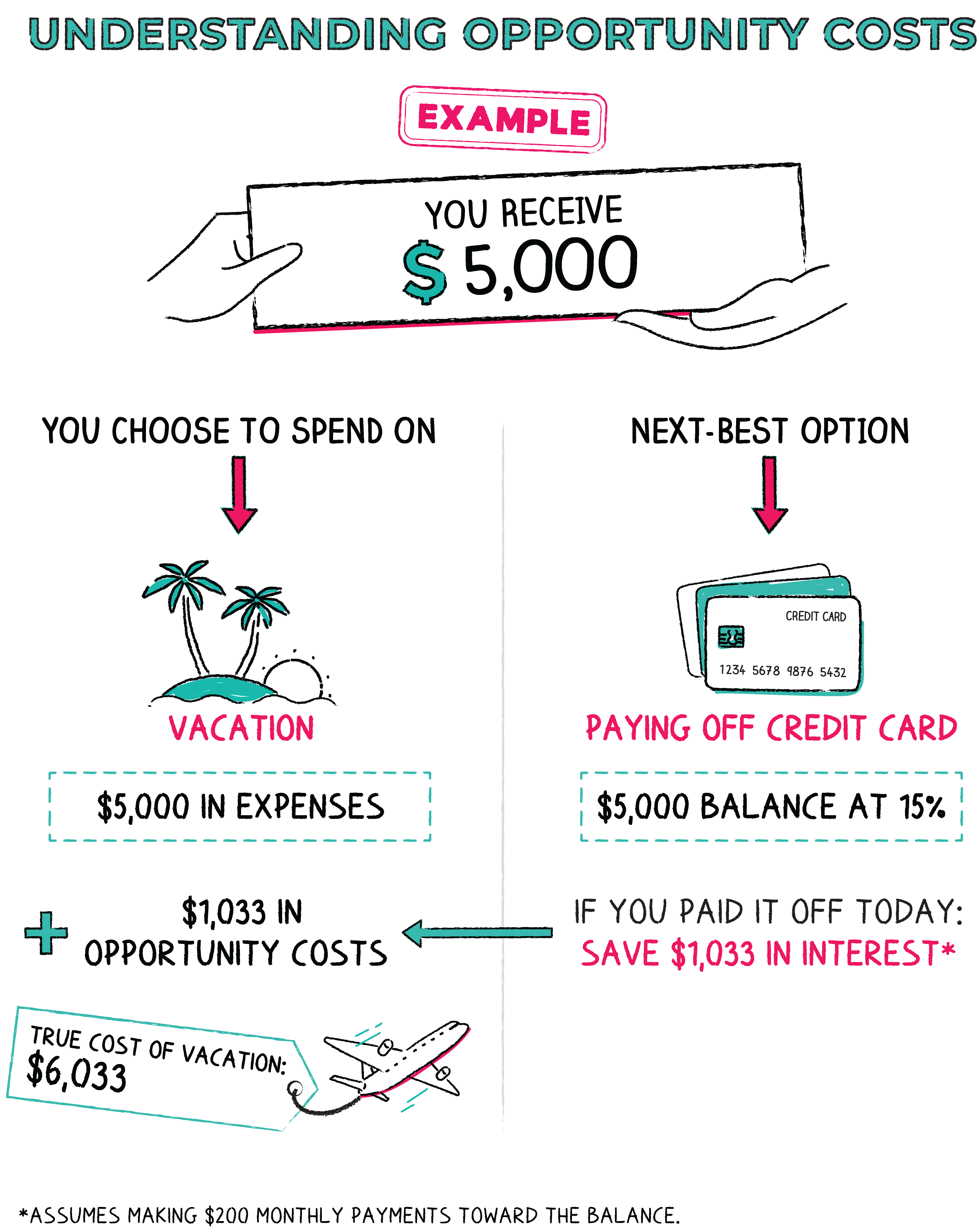
There is one question that connects almost everything we’ve discussed is the opportunity costs question: What else could I do with this money? Such as, should you spend $50,000 on a car. For that decision you cannot invest that $50,000 in your emergency fund. Spend $100,000 renovating a kitchen? Because of that decision you cannot put that money toward retirement. Should you take on $100,000 of student debt, and for that choice you have committed future income to pay back those federal debts.
If you buy a $1 million house, you have tied up a substantial amount of capital. Every financial decision has an opportunity cost. You don’t have to avoid spending money. You simply have to understand the trade-off with your expenses.
Friday Finance: Rule of Thumb for Value
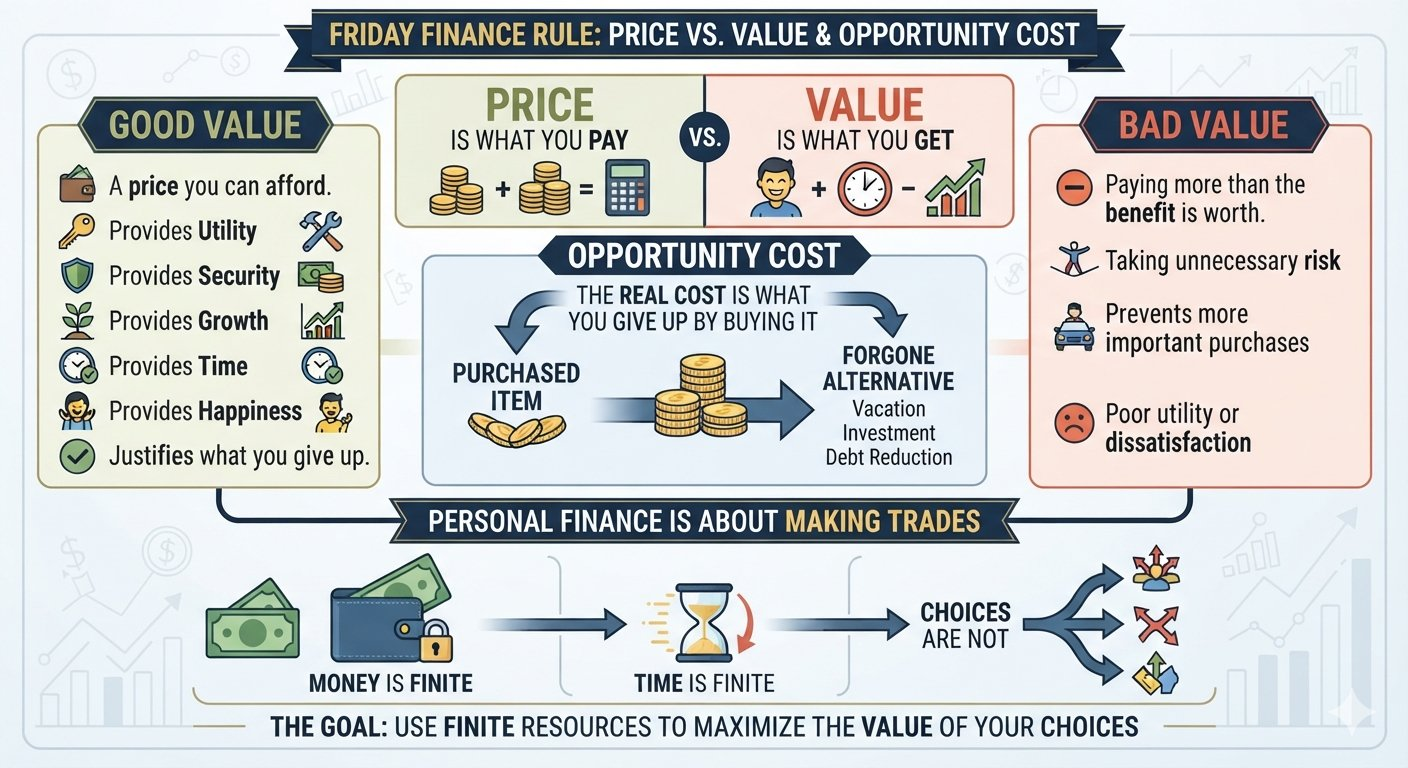
So here is a Friday Finance rule that may be valuable to you: Good value = a price you can afford for something that provides enough utility, security, growth, time or happiness to justify what you give up.
And the financial corrolary for you? Bad value = paying more than the benefit is worth, taking unnecessary risk, or making a purchase that prevents you from doing something more important with your money.
And perhaps the simplest version is these two statements: Price is what you pay. Value is what you get.
But there is one more piece of advice that seems timely: The real cost of anything is what you give up by buying it.
That concept of opportunity cost is coded in the essence of personal finance. You don’t have to spend the least. You don’t have to save the most. You don’t have to buy everything on sale. You don’t have to maximize every dollar. You simply need to become better at recognizing and making the trade.
- Money is finite.
- Your time is finite.
- Your choices are not.
The goal of personal finance is to use the first two concepts in order to make the third as valuable as possible.

