
Friday Finance: Understanding the Bond Market
Lessons from the Headlines
Over the last several weeks, I have followed writers on the economy (Jeff Sommers with the New York Times, James Mackintosh, Jack Pitcher, Sam Goldfarb and Telis Demos from the Wall Street Journal). Together, these researchers and writers, give a surprisingly clear picture to what is going on in the bond market these days.
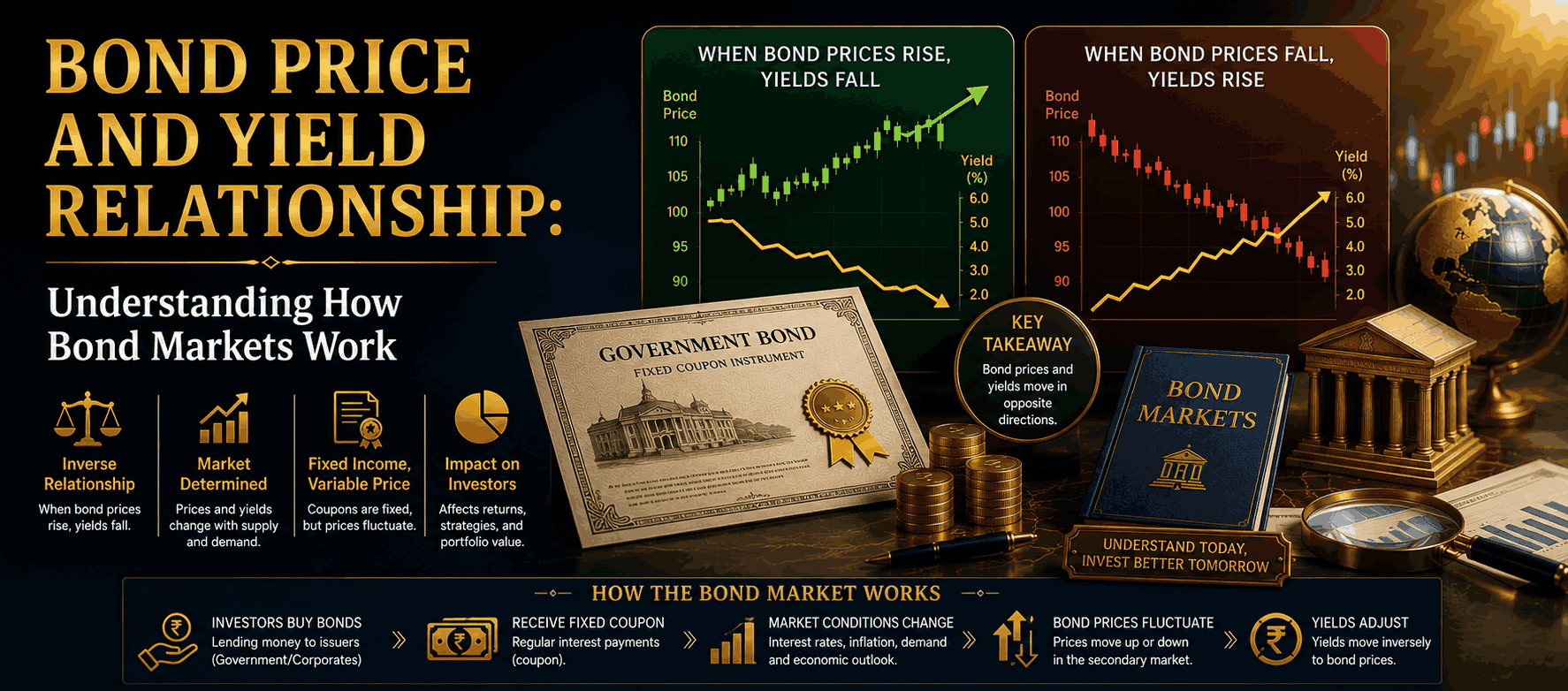
Lesson 1: When yields go up, bond prices go down
This is the part that confuses most people. A bond pays a fixed interest rate, called the coupon, for its whole life. In August the Treasury sold 10-year notes paying 4.63%. A month later, new 10-year Treasuries were offering close to 5% coupon. Nobody wants to pay full price for an old 4.63% note when a new one pays you more, so the old note’s price falls until its effective yield (the bond’s “yield curve”) matches the market.
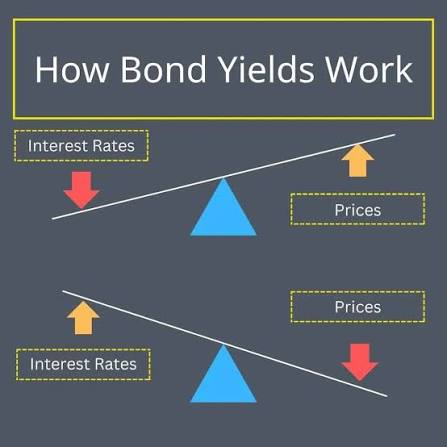
That’s why “the bond market is down” and “yields are up” describe the same event. It’s also why bond funds lose value when rates rise: they are full of older, lower-paying bonds.
Lesson 2: What’s actually happening right now
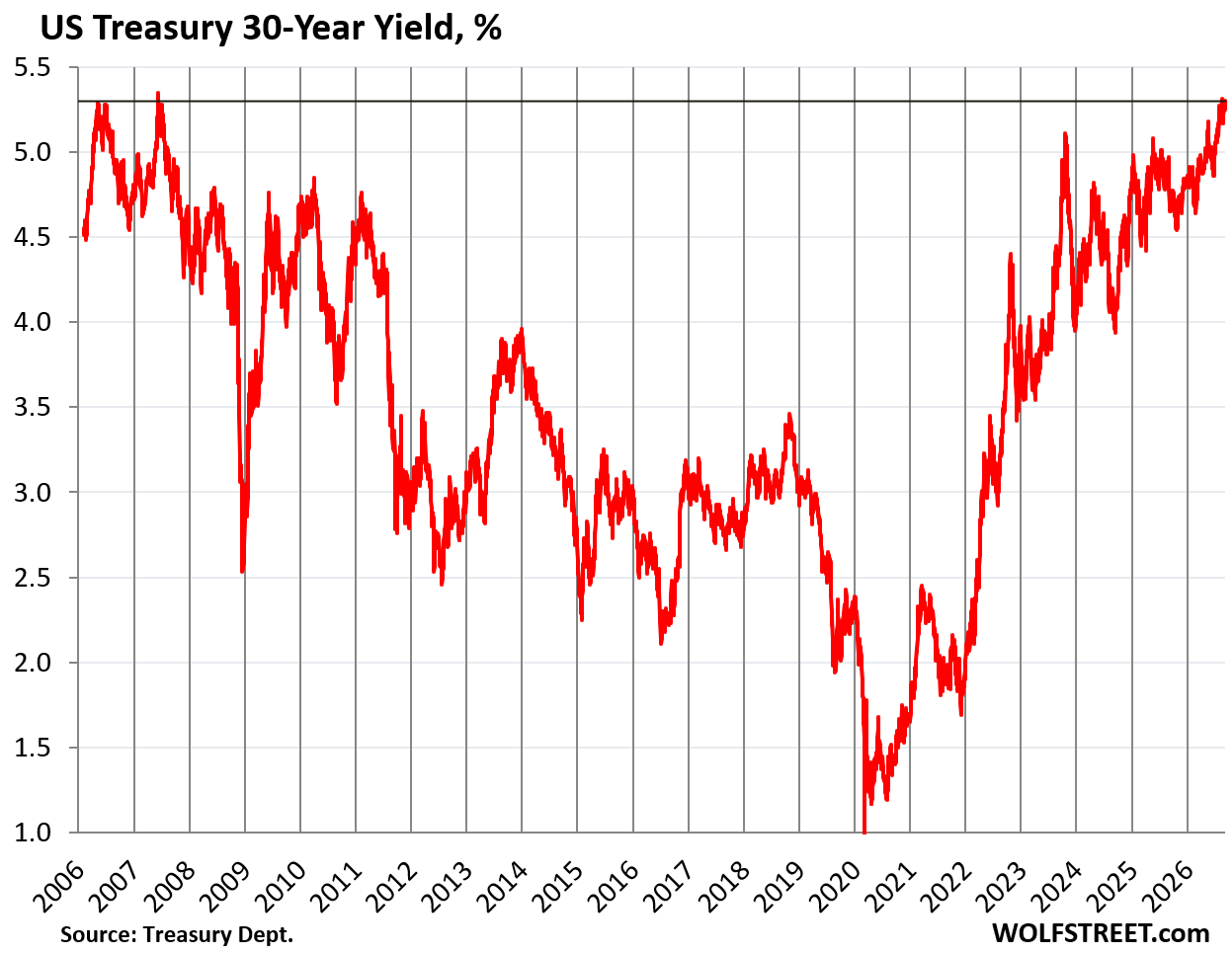
The 10-year Treasury yield is the benchmark for mortgages, corporate borrowing, and much else. It started 2026 around 4.17% and dipped just under 4% in late February. Today (September 23, 2026) it jumped to about 5.11%, its highest level since July 2007 and its biggest one-day rise in more than a year. The trigger was oil climbing back above $100 and a business survey showing both stronger activity and rising prices.
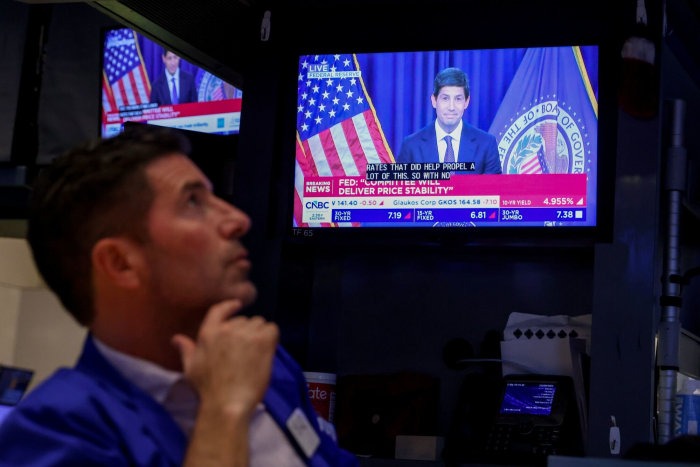
The Fed has changed direction too. Last week (September 15, 2026) new Fed Chair, Kevin Warsh, and the FOMC delivered the message: It’s All About Inflation. They introduced the first rate hike in the Overnight rates since 2023, and said higher rates are needed to fight inflation. That news translates into more Fed action in the months ahead.
Lesson 3: Why it’s so volatile
The news articles point to several forces hitting the bond market at once:
- The Iran war and oil. The day after yields bottomed in February, U.S. strikes on Iran began a war that has restricted tanker traffic through the Strait of Hormuz. Higher oil feeds into nearly every price in the economy, and bond investors hate inflation because it eats away at the fixed payments they receive.
- Inflation that won’t go away. The Fed hasn’t hit its 2% target in over five years. When inflation is high, investors demand higher yields, so that they still earn something on their investments after inflation.
- Huge deficits. The federal deficit is running around $2 trillion a year, roughly 6% of Gross Domestic Products (GDP). Deficits that large used to happen only in world wars and severe recessions. More borrowing means more Treasuries for investors to absorb, which pushes yields up. Deficit spending can also act as stimulus, which pressures the Fed to keep rates higher to maintain that stimulus.
- Tariffs and erratic policy. These uncertainty factors raise prices and, according to the WSJ, have discouraged some foreign buyers of Treasuries. The erratic policy shifts have un-nerved many countries, who feel they can no longer depend on the U.S. as a reliable business/trading partner.
- Pressure on the Fed. President Trump wants rate cuts, while Warsh says he wants to fight inflation. If bond traders suspect the Fed won’t act when it should, they push long-term yields higher as insurance to protect their investments.
- The AI boom. Companies are borrowing heavily to build data centers. Those bonds compete with Treasuries for investors’ money, and the enormous spending on the data center build-outs heats up the economy.
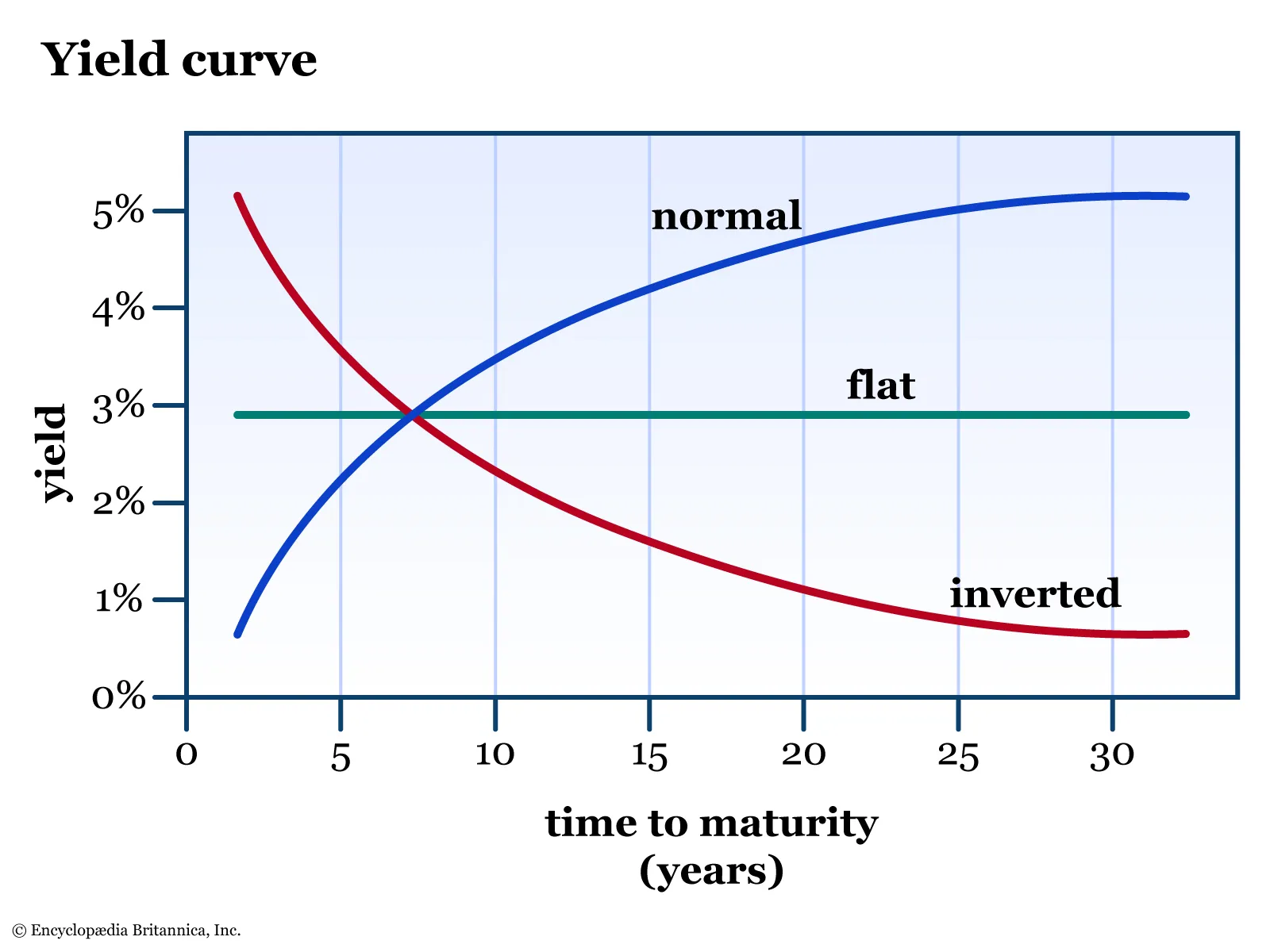
Lesson 4: Nobody is quite sure why yields rose, and that matters
James Mackintosh’s WSJ column makes the most important point: there are two very different stories about this rise, and the evidence supports both.
The “good” story is a strong economy, plentiful jobs, and AI investment, which require somewhat higher rates. Several signals support it. Short-term yields have risen more than long-term ones, which suggests investors expect Fed hikes soon but cuts later. The market’s forecast for average inflation over the next decade barely moved, from 2.25% to 2.33%. Most of the rise came from “real” (inflation-adjusted) yields, which suggests investors believe Kevin Warsh and the Fed Open Market Committee (FOMC) can bring inflation down.
The “bad” story is that America’s credibility is eroding through debt, political pressure on the Fed, and erratic policy. Evidence for this comes from the “term premium,” the extra yield investors demand for locking money up long-term. One Fed model shows it at its highest since just after the 2008 financial crisis, accounting for about half the rise in yields. A second Fed model says it has actually fallen this year.
The distinction matters because a strong economy is good for stocks, while a credibility problem is bad for them. Mackintosh’s conclusion is that anyone making confident predictions deserves skepticism.
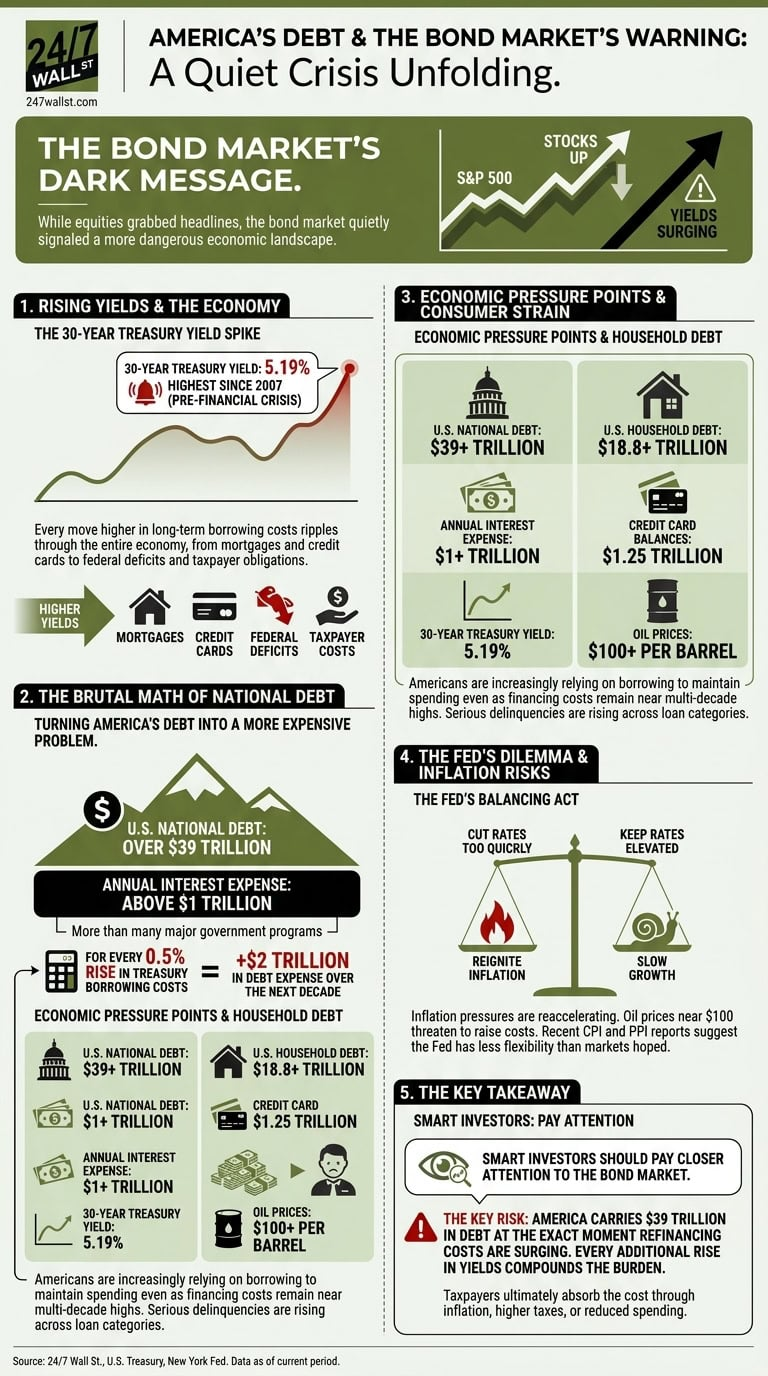
Lesson 5: Some historical perspective
The current bond rates aren’t extreme when examined from an historical perspective. Bond analysts from Deutsche Bank estimate the average 10-year yield since 1800 is about 4.5%. What made the 2010s feel normal was actually the unusual part: yields fell below 1% during the Covid-19 epidemic. Much of today’s rise in yields is a return to more typical levels. It feels painful because so many borrowers, homeowners, and businesses got used to cheap money. Today, it ain’t so cheap.
Lesson 6: What this means for an 80/20 investor
I’m not a financial advisor and can’t tell you what to do with your money, but here are the factors the articles raise.
Your stock/bond mix has probably drifted. Since October 2023 the S&P 500 is up about 82%, while broad bond funds gained around 15%. A portfolio that started at 80% stocks / 20% bonds ratio may now be closer to 85/15 or more. Rebalancing back to your target ratios would mean trimming stocks and buying bonds when yields are high.
Higher yields mean better future bond returns. Jeff Sommer’s central argument is that today’s high yields mean more income ahead, and that income cushions bond holders against further price drops. When yields were near these levels in October 2023, he said it was a good time to buy, and broad bond funds have done well since.
Bond maturity matters a lot. Long-term bonds swing much more when rates move. So far this year a long-term Treasury fund lost about 4.4%, while a broad total-bond fund lost only about 1.3%. If volatility worries you, shorter and intermediate bonds are steadier.
Holding to maturity is different from holding a fund. If you own individual high-quality bonds and hold them to maturity, you still get every interest payment you are owed and you get your full principal back. Remember that price swings only matter if you sell. Bond funds don’t mature, so their losses are real, though they are gradually offset by higher income.
Bonds are a weaker hedge to the market right now. This is a subtle but important lesson from James Mackintosh. When inflation is the main worry, stocks tend to fall when yields rise. The link is now the strongest since 1997. That means stocks and bonds can drop together, as in 2022, when the S&P fell 19% and bonds fell too. Your 20% in bonds may not cushion a stock decline as reliably as it did in the 2010s. Some investors respond by holding Treasury Inflation-Protected Securities (TIPS) or short-term Treasuries and a stock-pile of cash alongside regular bonds.
Keep an emergency fund. Jeff Sommer keeps cash for emergencies and always holds both stocks and bonds. That way he never has to sell either one at a bad time in the market.
The key question is your timeline. Someone near retirement drawing income faces a different situation than someone with 20 years to go. A fee-only financial planner can help apply this practice to your specific holdings that matches your risk profile.
Lesson 7: Where the bond market might go from here
Think of the following statements as various future scenarios rather than predictions.
Scenario 1: Yields could fall back if the Iran war ends or the Strait of Hormuz reopens, oil prices drop, the economy cools, or the Fed shows it’s serious and inflation eases. The market already expects Fed cuts in the longer run, so some of this relief is priced in.
Scenario 2: Yields could keep climbing if oil prices stay above $100/barrel, if deficits keep growing, if tariffs escalate, or if investors conclude the Fed is bending to political pressure. The credibility story would then win out, and that scenario would be bad for both bonds and stocks.
Scenario 3: The Fed is caught in the middle. It is raising overnight rates to fight inflation from an oil shock it can’t control, while the president pushes for cuts. Watch how Kevin Warsh handles that tension; his behavior may matter more than any single data point.
Short-term rates are likely driven by Fed decisions and inflation reports. Long-term rates will be driven by oil, deficits, and confidence in U.S. policy. Expect big swings to continue in the markets, because investors are still debating which story is true.
The most durable lessons from the headlines are that our times are scary for people who must sell bonds now; however, for patient investors, higher yields could be an opportunity rather than a disaster.
==============================================
References:
[1] https://www.nytimes.com/2026/09/11/business/bond-market-interest-rates.html
[2] https://www.wsj.com/livecoverage/stock-market-today-dow-sp-500-nasdaq-09-23-2026?mod=hp_lead_pos1

