
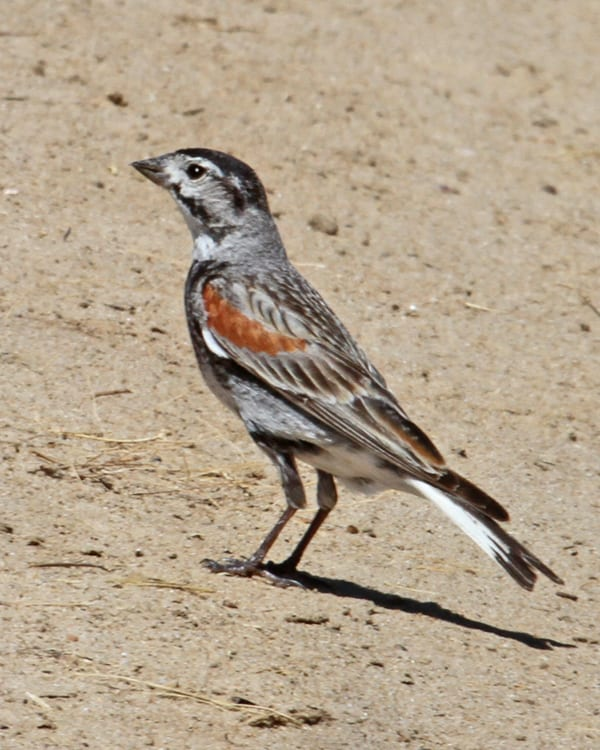
Birds of McCown
Tennessee Volunteer Beginnings
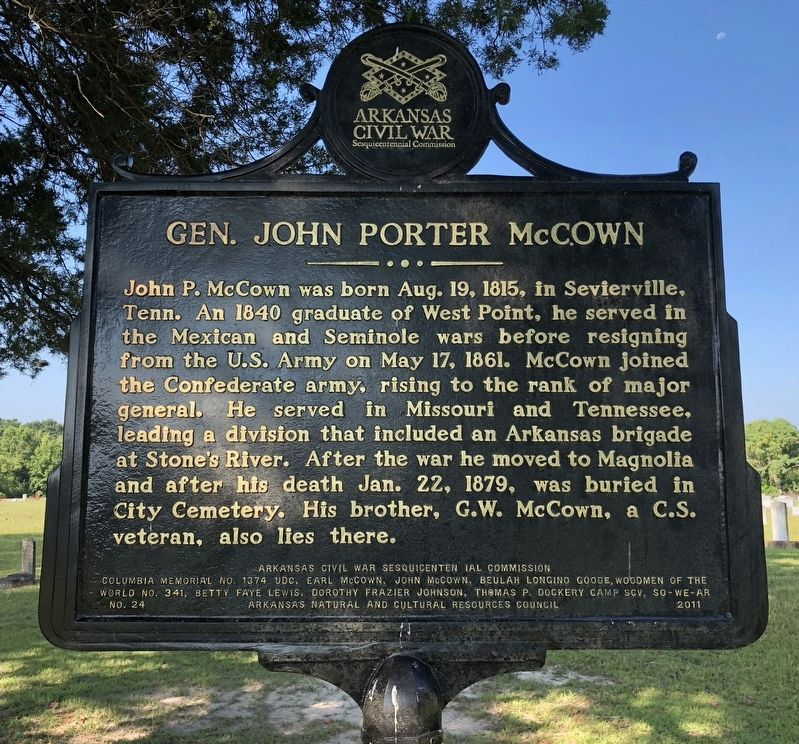
John Porter McCown was born near the town of Sevierville, Tennessee, in 1815 to George Wesly McCown and Mary Caroline Porter. In September 1835 he entered the United States Military Academy at West Point. McCown graduated in 1840 standing tenth out of 42 cadets. McCown was commissioned a second lieutenant and assigned to the 4th U.S. Artillery. He was promoted to first lieutenant on September, 1843. McCown then participated in the U.S. Army’s military occupation of Texas in 1845 and 1846.[1]
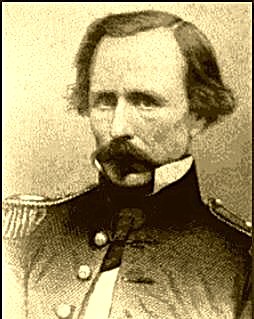
McCown fought during the Mexican–American War and participated in the Battle of Cerro Gordo near Xalapa, Veracruz. He was brevetted to captain on April 18, 1847, for his conduct in that battle. He served as the 4th Artillery’s Regimental Quartermaster from March, 1847 to January, 1849.[1]
After the Mexican-American War, McCown served along the Rio Grande on frontier duty. He was promoted to the rank of captain in January, 1851.
Keen Interest in Birds
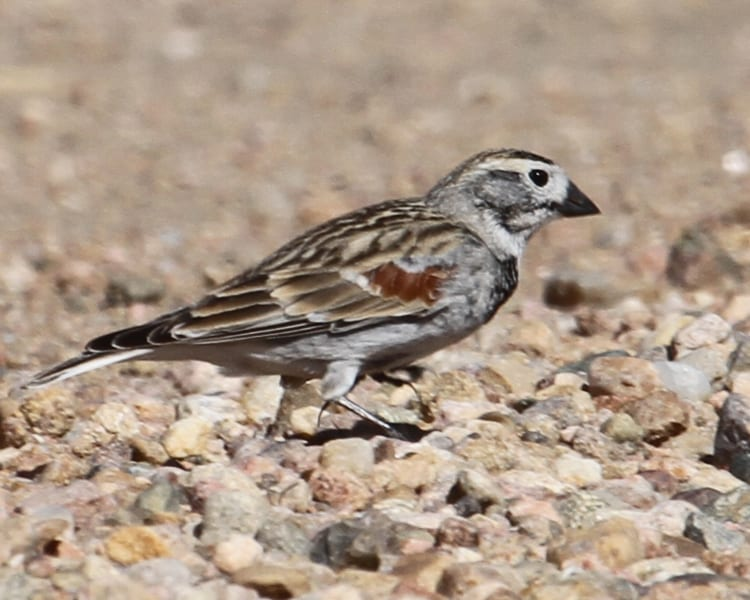
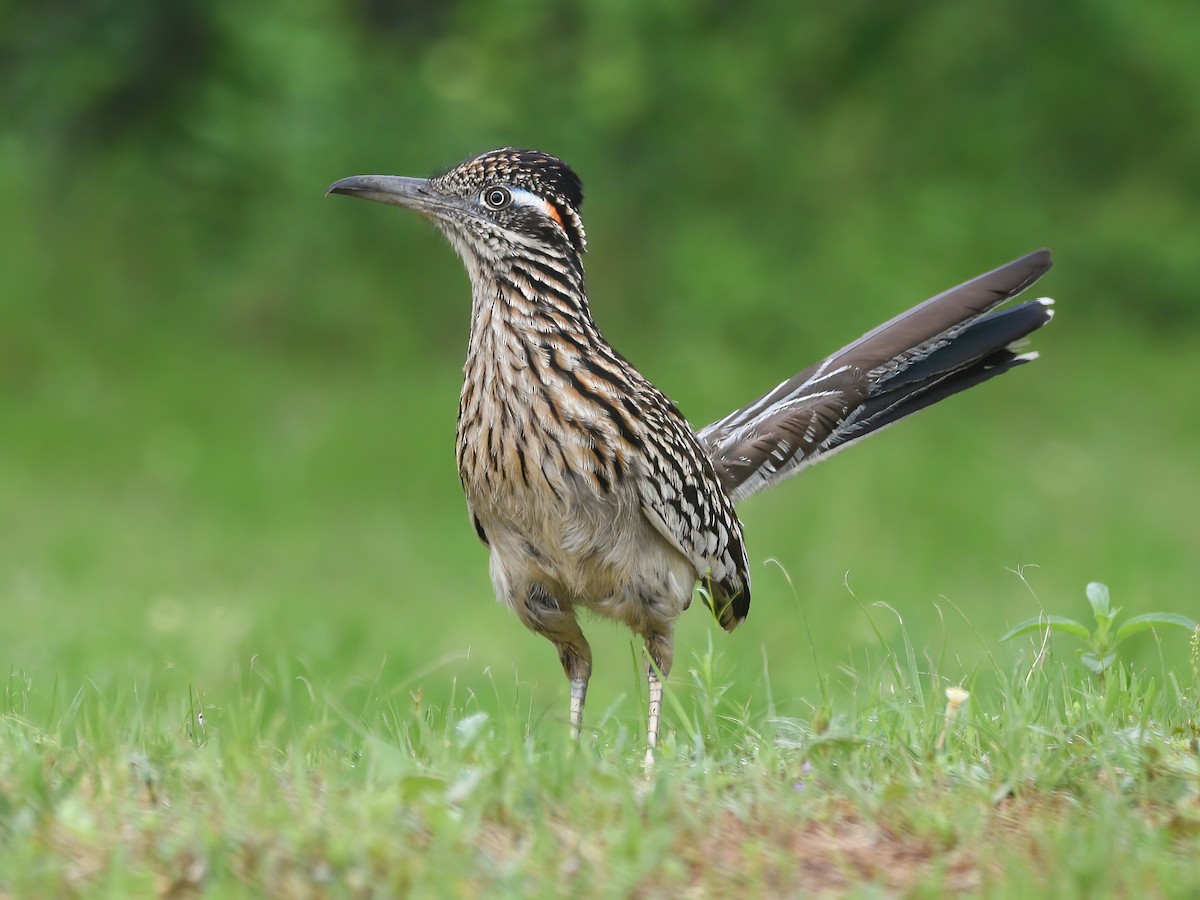
During his time in the Southwest, McCown collected birds in the area, most of which he sent to his friend, ornithologist George Lawrence. Three of these species were found to be new to science and one, the McCown’s longspur, was named in McCown’s honor. George Lawrence, after whom the Lawrence’s Goldfinch is named, conducted Pacific bird surveys for Spencer F. Baird and John Cassin, and the three men co-authored Birds of North America in 1860. McCown also wrote a paper on the greater roadrunner in 1853.
The longspur has since been renamed the thick-billed longspur due to McCown’s connection to the Confederacy.
Back to War … this time its a Civil War
In 1856 and 1857 McCown fought during the Seminole Wars in Florida, and in 1858 he was part of the Utah War. He then was on garrison duty in the Nebraska Territory and later the Dakota Territory from 1858 into 1861.
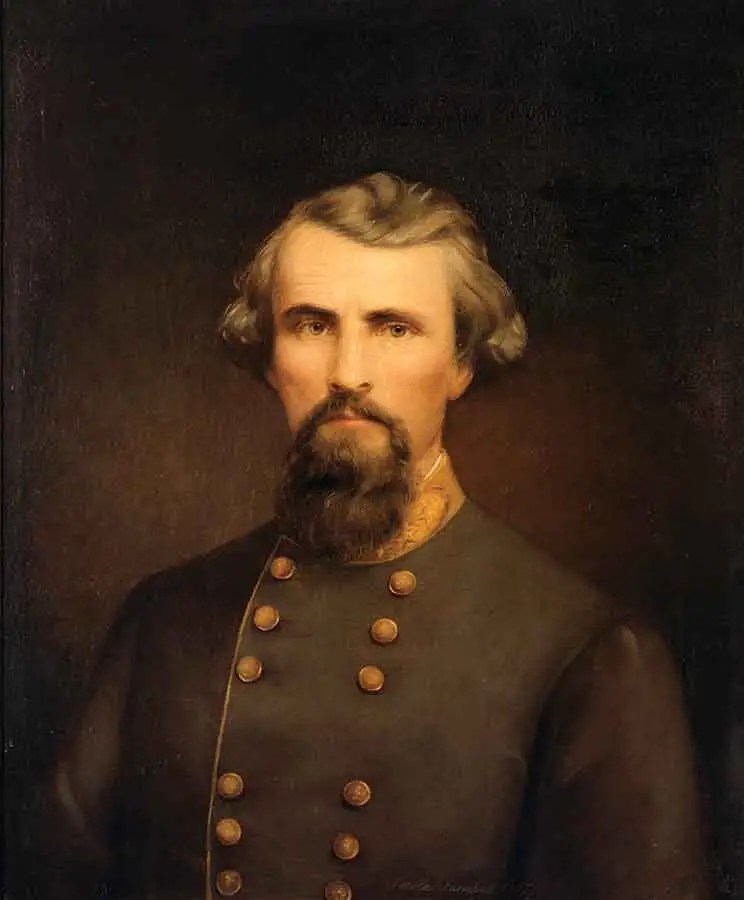
When the Civil War broke out in 1861, McCown made a difficult decision. Rejecting the Union, he chose to side with the Confederacy and resigned his U.S. Army commission on May 17, 1861. As a seasoned West Point graduate, his subsequent promotions within the Confederate Army were swift; he was initially appointed as an artillery captain and quickly advanced to lieutenant colonel. Later in 1861 he was in charge of a Confederate infantry brigade under the command of Gideon J. Pillow. McCown was sent to the Western Theater and appointed a colonel in the Tennessee artillery. He was promoted again to brigadier general on October 12, 1861 and he marched his brigade to Columbus, Kentucky, and on to the Battle of Belmont. McCown participated in many battles after fighting in Kentucky, including with the Confederate Army of Mississippi, the Army of Tennessee, and the Army of the West.
Lack of Faith in Leadership
Brig. Gen. McCown and other senior generals petitioned Jefferson Davis to relieve General Braxton Bragg in favor of Gen. Joseph E. Johnston. Davis refused to relieve either Bragg or the rebellious generals. McCown ran afoul of General Bragg, who blamed McCown for the loss of New Madrid, Kentucky, and labeled him “my worst division commander.” In March 1863 Bragg had McCown court-martialed, ostensibly for disobeying orders at Murfreesboro, Tennessee. McCown was relieved of his position as the commanding general of the Army and was tried and found guilty of disobedience of orders on March 16, 1863. He was sentenced to suspension from duty for a period of six months.
With contempt McCown declared the Confederacy was nothing more than “a damned stinking cotton oligarchy… gotten up for the benefit of Isham G. Harris and Jefferson Davis and their damned corrupt cliques.” That May, most of McCown’s command was sent for service in Mississippi. By 1865 McCown was in North Carolina. In April he defended a Catawba River crossing near Morganton, North Carolina. McCown held the crossing against the Union cavalry division of Brig. Gen. Alvan Gillem with about 300 soldiers and one artillery piece.
On April 9, 1865, when Confederate General Robert E. Lee surrendered to Union General Ulysses S. Grant at Appomattox Court House, Virginia, the Civil War was officially declared ended.
After the war, McCown was paroled at Salisbury, North Carolina. Surrendering Confederate soldiers signed paroles which were promises not to take up arms against the United States again. In return the soldiers were allowed to go home without being imprisoned.[2]
So, what is McCown doing in this Bird Post?
The primary reason for this Birds of McCown Post is to shine a light on the controversy that swirled around the use of family names in what I call — the AOS Battle of Bird Names. The seeds of unrest were spread in 2018, when Robert Driver, an American ornithologist and graduate student, submitted a proposal to rename McCown’s Longspur. In November 2019, the nine member North American Classification Committee (NACC) overwhelmingly rejected it, voting 1 yes, 7 no, and 1 abstain.
Things changed in 2020, just seven months later. On June 22 the “Bird Names for Birds” campaign launched with a letter to the AOS written by ornithologists Gabriel Foley and Jordan Rutter and co-signed by 180 other members. The classification committee revised its guidelines to allow English names to be changed when they cause “ongoing harm.” A new version of the proposal was resubmitted and accepted, and the McCown Longspur officially became the Thick-billed Longspur. To stir up the resentment even more the National Audubon Society publicly acknowledged in a blog post by historian Gregory Nobles on July 31, 2020, that John James Audubon had bought and sold slaves. The rejection of the McCown name-change, followed by reversal a few months later, was the fuel for the dramatic heart of this story. One week later, on August 7, the NACC announced its decision that the new Longspur name was Thick-billed, a literal translation of the genus name Rhynchophanes. Collisions among social mores in the U.S. were having their own Civil War; with the murder of George Floyd and the weeks of widespread Black Lives Matter movement and protests and public calls for racial justice, there was a reckoning occurring.[3]
Interestingly the scientific name stayed Rhynchophanes mccownii, so McCown’s name is still attached to the bird in its formal Latin name. Only the bird’s common name in English changed in 2020. That’s because the two kinds of names are governed differently. The AOS controls English common names in its region and can change them by a vote of the committee. Scientific names follow the International Code of Zoological Nomenclature (ICZN), which has strict rules about priority and stability and doesn’t allow a name to be replaced, because, for example, the person it honors is now seen as objectionable. The AOS’s 2023 committee report said explicitly that its recommendations cover English names only, not scientific names.
One clarifying point is that the new English name, “Thick-billed,” comes from the genus Rhynchophanes, which roughly means “beak-showing” in Greek. The committee translated the part of the scientific name that describes the bird and left the species part, mccownii, which is named after the man. So McCown is no longer the common name, but remains in the official scientific one.

The AOS’s Internal Deliberations
To better understand the process of deliberation that was taken by the AOS, I found a few data points that may be worth your attention. The may also have significance in the future as the last of those 263 family names are potentially scrubbed from the AOS roles.
- NACC proposals archive. The committee posts its proposals and meeting results on the AOS website. Find Driver’s 2018–19 proposal and the 2020 resubmission. They lay out the arguments, and the vote records show how members reasoned.
- The NACC’s revised English-name guidelines from 2020. This is the policy change that made the reversal possible.
- The 2021 AOS Community Congress on English Bird Names. This was a virtual workshop, and recordings were posted.
- The Ad Hoc English Bird Names Committee report (October 2023). This is the key document. It recommended replacing all eponymous English bird names within the society’s purview, a total of 263 names, or about 5.5% of the names the AOS oversees. It also explains why the committee chose to rename all eponyms instead of judging them one by one. americanornithology
- The AOS’s 2024 pilot project post. In it, the AOS admits the Council’s decision surprised many people and drew pushback on its scope from members and the wider community. It also describes the plan to rename six species first. americanornithology
Critical Outside Perspectives
It’s worth reading the letters of dissent too. The Association of Field Ornithologists published the feedback from its members that was sharply critical, arguing that the committee didn’t fully address its charges and simply recommended eliminating all 152 NACC and 111 SACC eponymous names. A 2024 video/radio piece by National Public Radio (NPR) interviewed both sides. Robert Driver himself appears in it, describing the six-bird pilot as a way for the society to step back somewhat, change the high-priority names first, and then see how people felt. A petition to AOS leadership opposing the decision, along with the society’s reply, is on Change.org. And Cornell’s All About Birds website has an inside account of the committee’s reasoning.[4,5]
==================================
References and Footnotes:
[1] John P. McCown
[2] https://en.wikipedia.org/wiki/Salisbury,_North_Carolina
[5] FAQ about the name changing rules set forth by the AOS by All About Birds
- Lawrence’s original 1851 description, published in the Annals of the Lyceum of Natural History of New York. It’s free on the Biodiversity Heritage Library.
- The War of the Rebellion: Official Records, for McCown’s Civil War reports and the court-martial.
- Audubon to Xantus by Barbara and Richard Mearns, a biography of the people behind American bird eponyms has an entry on J. P. McCown.
- The Eponym Dictionary of Birds (Beolens et al.)

