
Birds of Coues
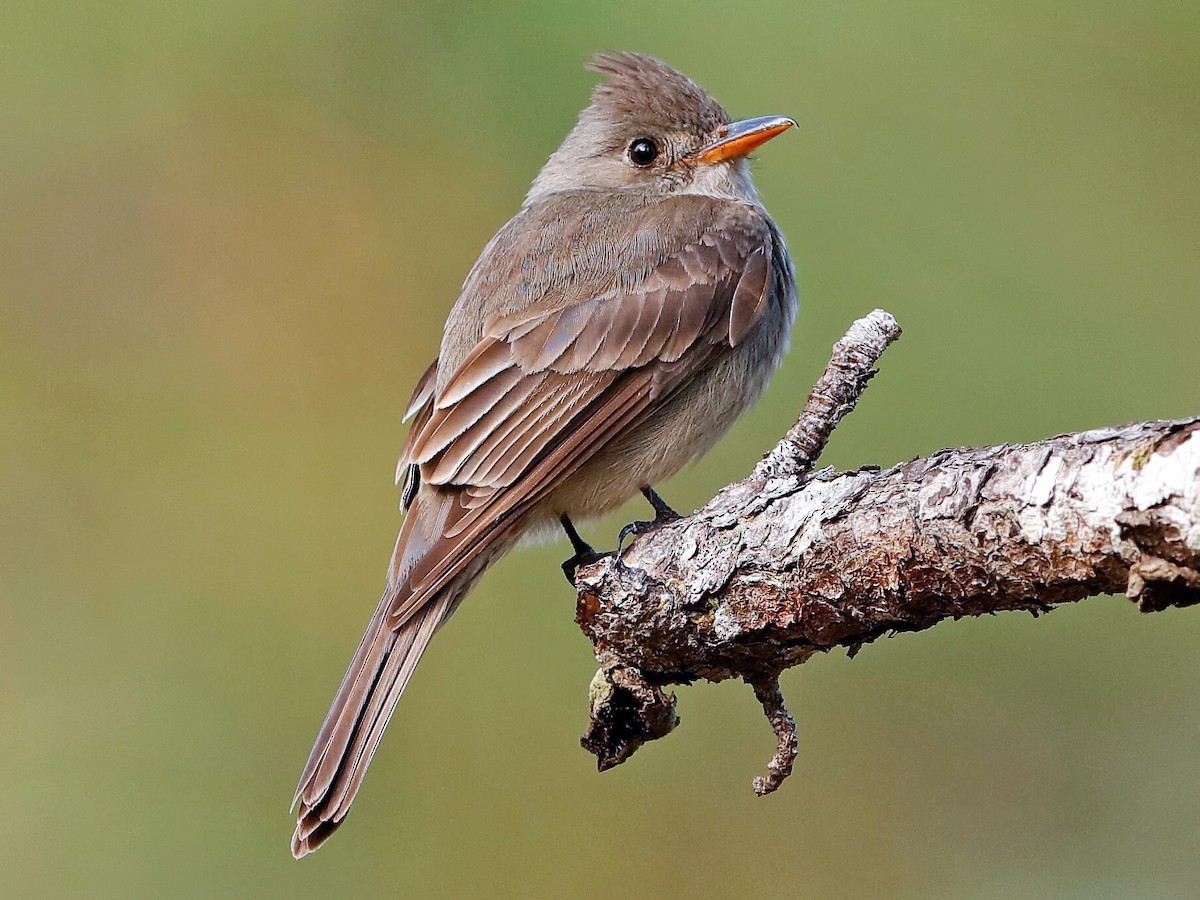
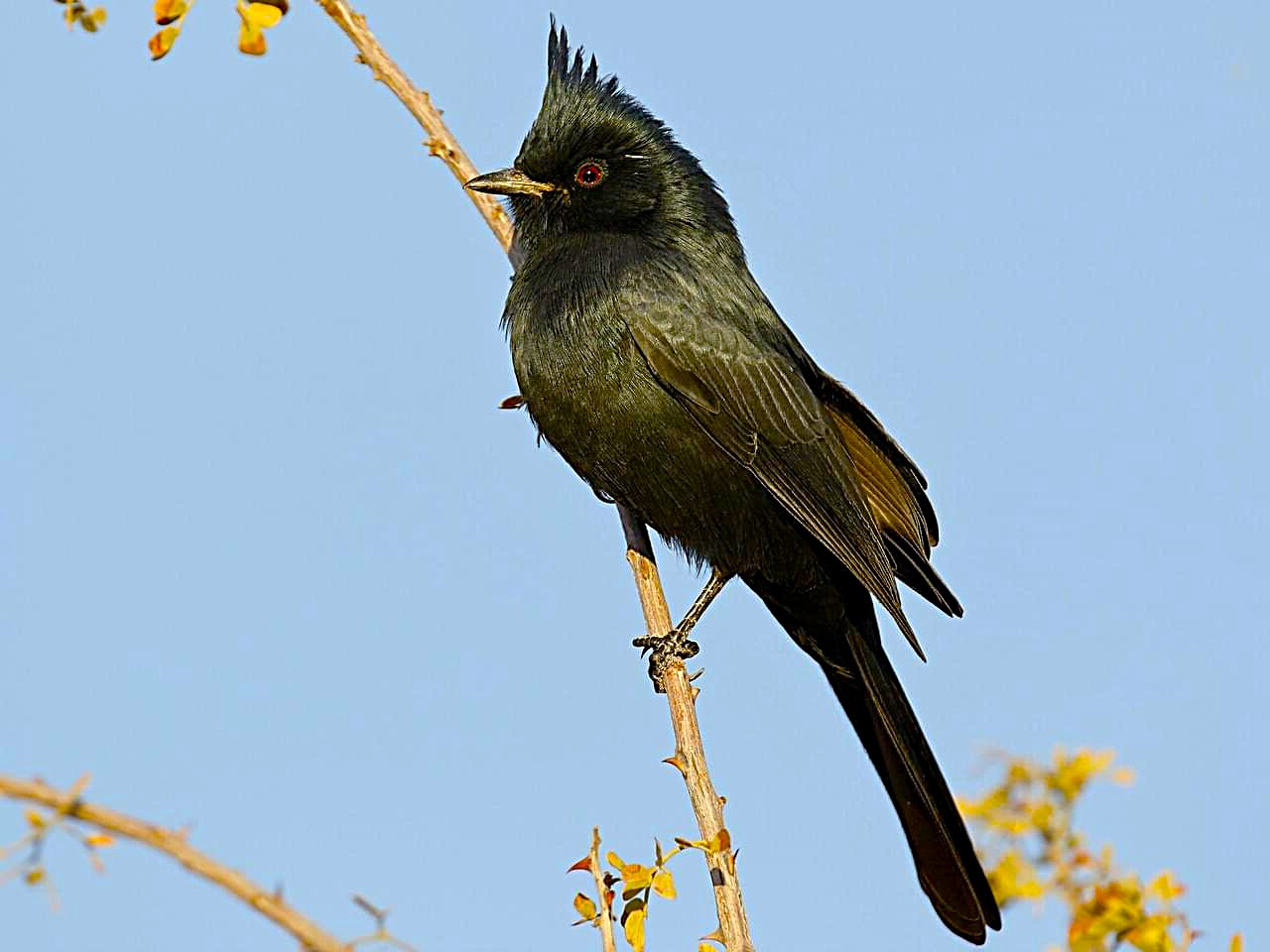
The bird most often linked to Elliott Ladd Coues (properly pronounced “cows”) is the Greater Pewee, a dull gray-brown flycatcher once called “Coues’s Flycatcher.” Another dark bird worth remembering is the Phainopepla, a glossy black bird that Coues wrote about memorably from his army years, based in Arizona. The phainopepla isn’t named for him or by him. He had recognized a Phainopepla, with its “appropriately feathered funeral black,” at dusk in a scouting party’s camp during the Apache wars. sportingclassicsdaily
Coues’s Background
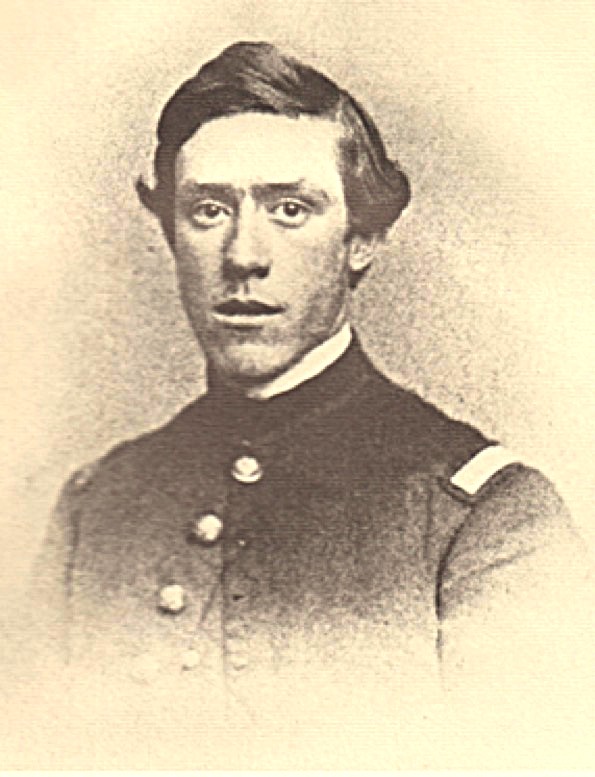
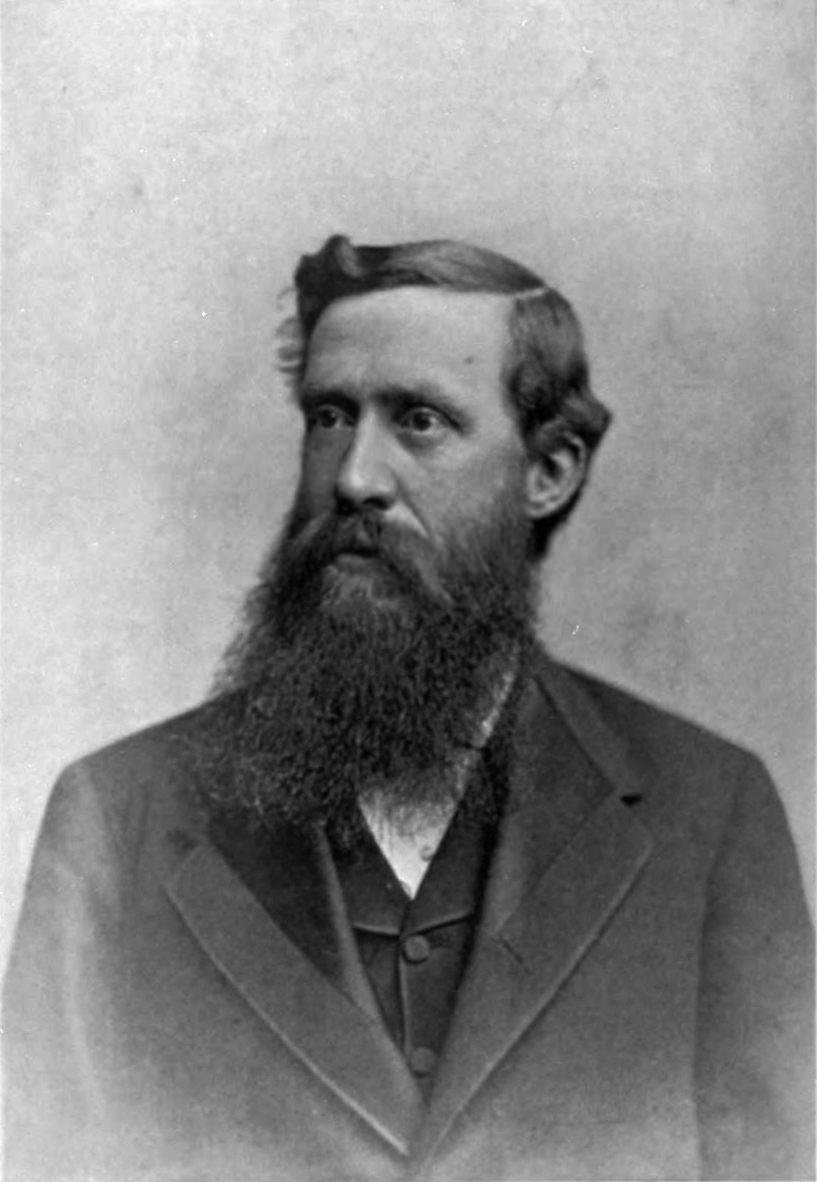
Elliott Ladd Coues was an American army surgeon, historian, ornithologist, and author. He led surveys of the Arizona Territory, and later as secretary of the United States Geological and Geographical Survey of the Territories. He founded the American Ornithological Union (AOU) in 1883, and was editor of the AOU’s publication, The Auk.[1]
Elliott Coues was born in Portsmouth, New Hampshire, to Samuel Elliott Coues (1797 – 1867) and Charlotte Haven Ladd Coues (1813 – 1900). Charlotte was Cous’s second spouse. Samuel Coues was a merchant and shipowner of at least 13 ships. He moved his family to the nation’s capital and worked at the US Patent Office in Washington. He wrote several books on the physical sciences. Charlotte Coues also wrote. Her specialty was poetry and publishable articles. Elliott Coues graduated from Columbian University, Washington, DC (now George Washington Univ.) in 1861 with a bachelors degree. Two years later he earned a medical degree from the medical school at Columbian Univ.[1]
Spousal Matters
Elliott Coues was married three times. Two of the marriages were childless, and the second produced five children. His first marriage was to Sarah A. Richardson in April, 1864. Things did not go well for the couple and within a few months of their union, while Coues was assigned to Fort Whipple, Arizona, he filed for divorce. Since there was no process for divorce in the Arizona Territory, he filed for and was granted an annulment by the 1st Arizona Territorial Legislature in Prescott, that same year. The unhappy couple had no children.
Coues’s second marriage, three years later, was to Jeannie Augusta McKenney (1845 – 1925) in May 1867. She had attended Ripley Female College in Vermont and they met through mutual friends. Together they had five children, three of whom survived to adulthood.[2] The couple divorced in 1886. After the divorce, their children Edith (18) and Beverly (8) stayed with their mother in Washington, DC and Elliott Baird (14) lived with his father.
Cous’s third marriage was to Mary Emily (Bennett) Bates (1835 – 1906). Mary Bates’s first husband (James William Bates) had died in 1886, and they were married one year later. She was a powerful woman in her own right. Mary Cous was elected Secretary of the Woman’s National Liberal Union, where Matilda Gage was the President. Mary Emily Bates Coues was later named a “Woman of the Century” by her fellow suffragists.[3]
Ornithologist Interests
In 1872, Elliott Coues published his Key to North American Birds, which did a lot to promote the systemic study of ornithology in America. (This seminal work was revised and rewritten in 1884 and 1901.) In 1883, Coues was one of three members of the Nuttall Ornithological Club that put out a call to form a “Union of American Ornithologists.” This union would later become the American Ornithologists’ Union (AOU), with Coues as a founding member. He edited the AOU journal, The Auk, and several other ornithological periodicals. His work was instrumental in establishing the currently accepted standards of trinomial nomenclature – the taxonomic classification of subspecies – in ornithology, and ultimately the whole of zoology.
For four years, during 1873 – 1876, Coues was engaged as surgeon and naturalist to the United States Northern Boundary Commission. From 1876 to 1880 he was secretary and naturalist to the United States Geological and Geographical Survey of the Territories, where he edited the publications. In his spare time he was a lecturer on anatomy in the medical school of the Columbian University from 1877 to 1882, and professor of anatomy there from 1882 to 1887. In every case he was a meticulously careful bibliographer and lesson planner.[1][4]
Spirituality Interests
In his mid-life, Coues took an interest in spiritualism and began speculations in Theosophy. He was a friend of Alfred Russel Wallace and they had attended séances with the medium, Pierre L.O.A. Keeler. Coues felt the inadequacy of formal orthodox science in dealing with the deeper problems of human life and destiny. Convinced by the principles of evolution, he believed that these principles may be capable of being applied in psychical research. He proposed to use this research to explain obscure phenomena such as hypnotism, clairvoyance and telepathy. He claimed to have witnessed levitation of objects and developed a theory to explain these paranormal phenomenon, publishing an article about his telekinetic theory of levitation in the first issue of The Metaphysical Magazine (1895).[5]
Coues joined the Theosophical Society in July, 1884. He visited Helena Blavatsky, a Russian mystic living in Europe. He founded the Gnostic Theosophical Society of Washington, and in 1890 became the president of the Theosophical Society. He later became highly critical of Blavatsky and lost interest in the Theosophical movement.[5][6]
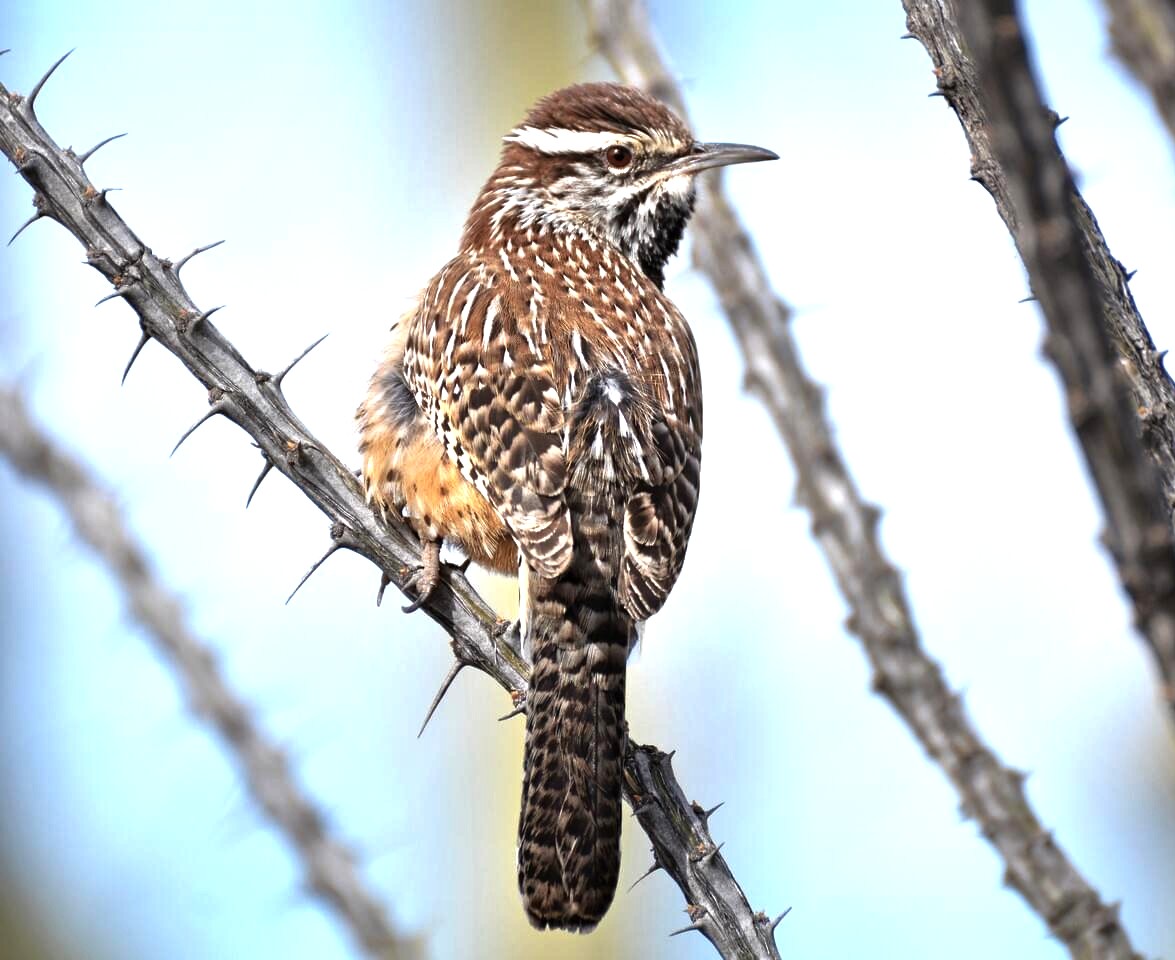
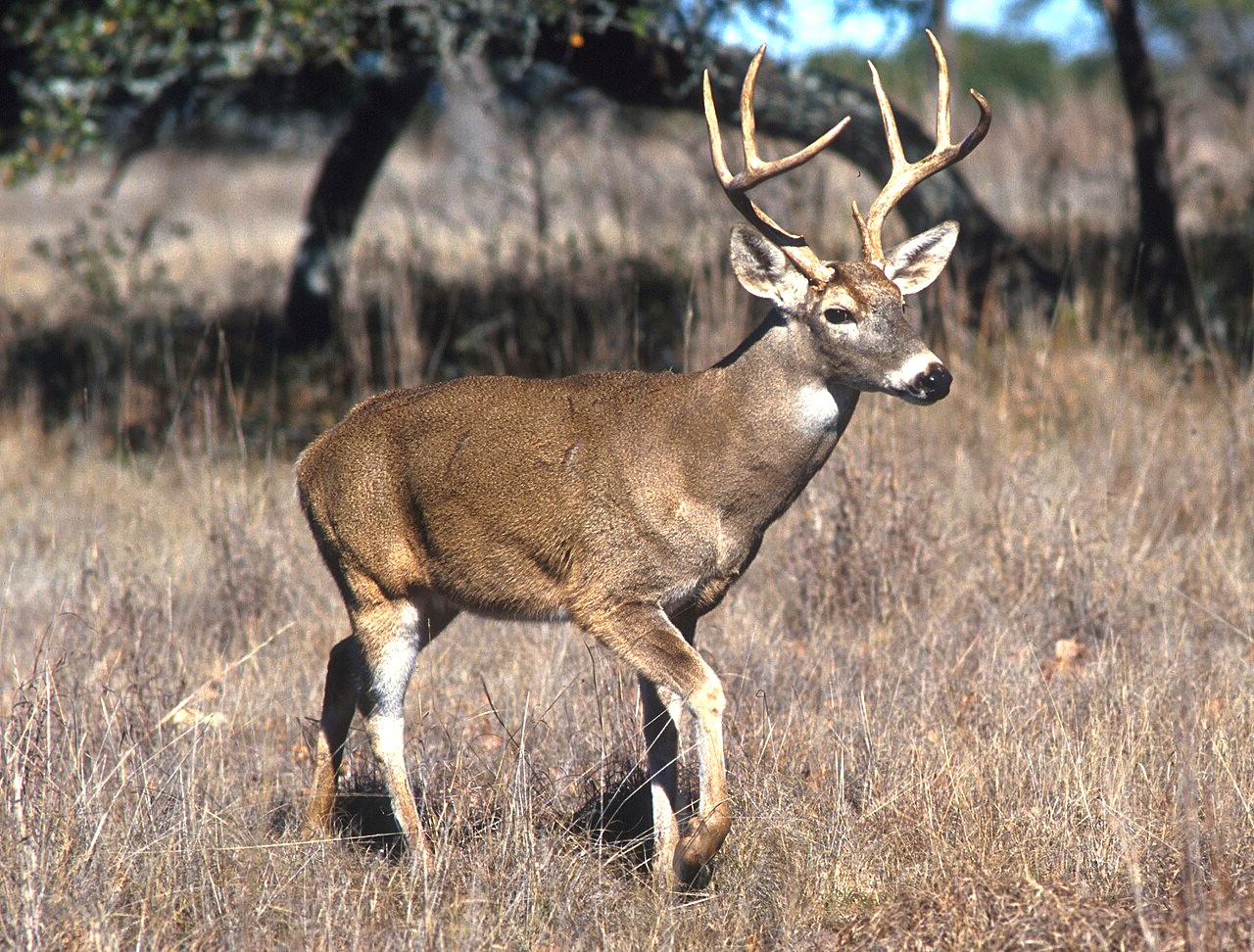
In addition to spiritualty and ornithology, Coues did valuable work in mammalogy. His book, Fur-Bearing Animals (1877), was distinguished by the accuracy and completeness of its description of species, several of which were already becoming rare. Odocoileus virginianus couesi, the Coues’ white-tailed deer, is named after him. Campylorhynchus brunneicapillus couesi, a subspecies of the Cactus wren, is also named in his honor. This wren was designated as the state bird of Arizona, recognizing Coues’s early contributions to natural surveys he conducted in territorial Arizona.[1]
He was elected as a member of the American Philosophical Society in 1878. He resigned from the army in 1881 and for the next 18 years he devote himself entirely to scientific research. He also engaged in a bird battle, which he waged with Thomas Brewer. In Coues’s last decade of life, he and Brewer sparred with over the fate of the House Sparrow. At the time it was a recently introduced bird from England. The issue was that the bird was multiplying and crowding out domestic birds far faster than expected. While Coues and most ornithologists were in favor of killing many of them off, Brewer tried to defend the sparrows. This ornithological event was dubbed “The Sparrow War.“[7]
While the Sparrow War seems like a singular event, there was a similar non-native species introduction of the Eurasian tree sparrow that was made by Carl Daenzer who brought the sparrow into Lafayette Park in St. Louis, Missouri during the 1870s.
In 1899 he died in Baltimore, Maryland.
Is he on an AOS “bad actors” list?
According to the AOS, no such list exists. Instead, the Society chose a blanket name-change policy rather than judging each name individually. The AOS said it would change all eponymous English bird names, regardless of whether the person’s history was ethical. Its stated reasoning was that some names are offensive because of the actions of the people they honor, but it would be extremely difficult to reach consensus on who should or shouldn’t have a bird named after them, so it is better to drop eponyms altogether. newsnationnowallaboutbirds
By an unusual quirk, Coues may not even be affected. The AOS renames species, and no current AOS species name honors him: “Coues’s Flycatcher” became “Greater Pewee” decades ago. The names in the Appendix below survive only as informal subspecies names, which aren’t part of the AOS list. The AOS still gives an Elliott Ladd Coues Award; a 2026 recipient was recognized with a medal named in honor of Coues as a founding AOU member. As of this month, a birding site that checked the AOS’s pages on October, 2026, reported that no new names had been announced. coloradomybirdfolio
If people at the AOS did weigh Coues’s conduct, these are the issues that come up:
- Theosophy feud and lawsuit: He wrote an attack titled “Blavatsky Unveiled!” in The Sun on July 20, 1890. Blavatsky sued him and the paper, but the suit ended when she died in 1891. He was expelled from the Theosophical Society in June 1899 for “untheosophical conduct.” Wikipedia
- Spiritualism: He claimed to have witnessed levitation and published a telekinetic theory of it in 1895. This is eccentric rather than harmful. Wikipedia
- Army service on the Apache frontier: This is the serious context. Beginning in 1868, the Army Medical Museum asked army medical personnel in “Indian country” for Native American skulls for racial craniometry studies. Coues was an army surgeon during that period. However, there is no source documenting that he personally collected human remains. That separates him from figures like John Kirk Townsend and John James Audubon, whose grave-robbing was well documented. philarchive
=-=-=-=-=-=-=-=-=-=-=-=-=-=-=-=-=-=-=-=-=
Footnotes and Sources:
[1] https://en.wikipedia.org/wiki/Elliott_Coues; Elliott Coues – Wikipedia
[2] Coues Children from his marriage to Jeannie (Jane) Augusta McKenney (1845–1925) (five; three survived to adulthood):
- Edith Louise Coues (1868 – 1939). Born in Columbia, South Carolina. She became a journalist, biographer, and screenwriter. In 1901 she married diplomat Nelson O’Shaughnessy, and she wrote about the Mexican Revolution while he served there.
- Elliott Baird Coues (1872 – 1913). Born January 19, 1872, at Fort McHenry, Baltimore, where his father was post surgeon. He was elected an Associate of the AOU at 14. He earned his M.D. from Bellevue in 1895 and practiced in New York and Haiti. He died in 1913, in Zurich, unmarried. His middle name honors Spencer Fullerton Baird.
- Haven L. Coues (1874 – 1875). Died in infancy.
- Charles P. Coues (1875 – 1879). Died at age four.
- Beverly Drinkard Coues (1877 – 1913) Born in Washington, D.C. His name honors Dr. William Beverly Drinkard, a Washington physician. Coues was then teaching anatomy at Columbian’s medical school, and the National Library of Medicine holds a memorial tribute to Drinkard noting that he died young. Beverly Coues was unmarried as of the Athenaeum record.
- Sharlot Hall Museum – Prof. Elliott Coues
- Encyclopedia.com – Elliott Coues
- Sporting Classics Daily – Elliott Coues
- KXAN/NewsNation – Texas birds to be renamed
- All About Birds – View from Sapsucker Woods
- My Bird Folio – Bird name changes 2026
- CU Boulder – Elliott Coues Award 2026
- Juzda – Skulls, science, and the spoils of war (PhilArchive)
- Greater pewee – Wikipedia
- Cactus wren – Wikipedia
- Coues’s gadwall – Wikipedia
- Hoary Redpoll – BioDiversity4All
- Biodiversity Heritage Library – Coues Check List
[3] https://en.wikipedia.org/wiki/Mary_Emily_Bates_Coues
[4] Elliott Coues was a careful bibliographer and, in his work on the Birds of the Colorado Valley, he included a special section on swallows. He attempted to resolve the mystery as to whether they migrated in winter or hibernated under lakes as was believed at the time:
I have never seen anything of the sort, nor have I ever known one who had seen it; consequently, I know nothing of the case but what I have read about it. But I have no means of refuting the evidence, and consequently cannot refuse to recognize its validity. Nor have I aught to urge against it, beyond the degree of incredibility that attaches to highly exceptional and improbable allegations in general, and in particular the difficulty of understanding the alleged abruptness of the transition from activity to torpor. I cannot consider the evidence as inadmissible, and must admit that the alleged facts are as well attested, according to ordinary rules of evidence, as any in ornithology. It is useless as well as unscientific to pooh-pooh the notion. The asserted facts are nearly identical with the known cases of many reptiles and batrachians. They are strikingly like the known cases of many bats. They accord in general with the recognized conditions of hibernation in many mammals.
— Birds of the Colorado Valley (1878), Chapter XIV.
[5] https://en.wikipedia.org/wiki/Helena_Blavatsky
[6] Coues wrote an attack on Blavatsky entitled “Blavatsky Unveiled!” in The Sun newspaper on July 20, 1890. The article prompted Blavatsky to file a legal suit against Coues and the newspaper but it was terminated as she died in 1891. He fell out with Theosophical leaders such as William Quan Judge and was expelled from the Theosophical Society in June 1899 for “untheosophical conduct.” Coues retained interest in oriental religious thought and later studied Islam.
[7] https://en.wikipedia.org/wiki/Thomas_Mayo_Brewer; from book by Barrow, Mark V. A Passion for Birds. Princeton University Press, 1998.
Appendices
Birds & Mammals named for Coues
- Greater Pewee (Contopus pertinax): formerly known as Coues’s Flycatcher. The species name honors Cabanis and Heine, not Coues; only the old English name honored him. The French name is still Moucherolle de Coues. Wikipedia
- Cactus Wren, Coues’s subspecies (Campylorhynchus brunneicapillus couesi): covers most of the species’ U.S. range, from Nevada and Utah to Texas, and is named for Coues. Arizona’s state bird. Wikipedia
- Coues’s Gadwall (Mareca strepera couesi): an extinct subspecies described by Thomas Hale Streets in 1876, also called the Washington Island Gadwall; its status is controversial. Wikipedia
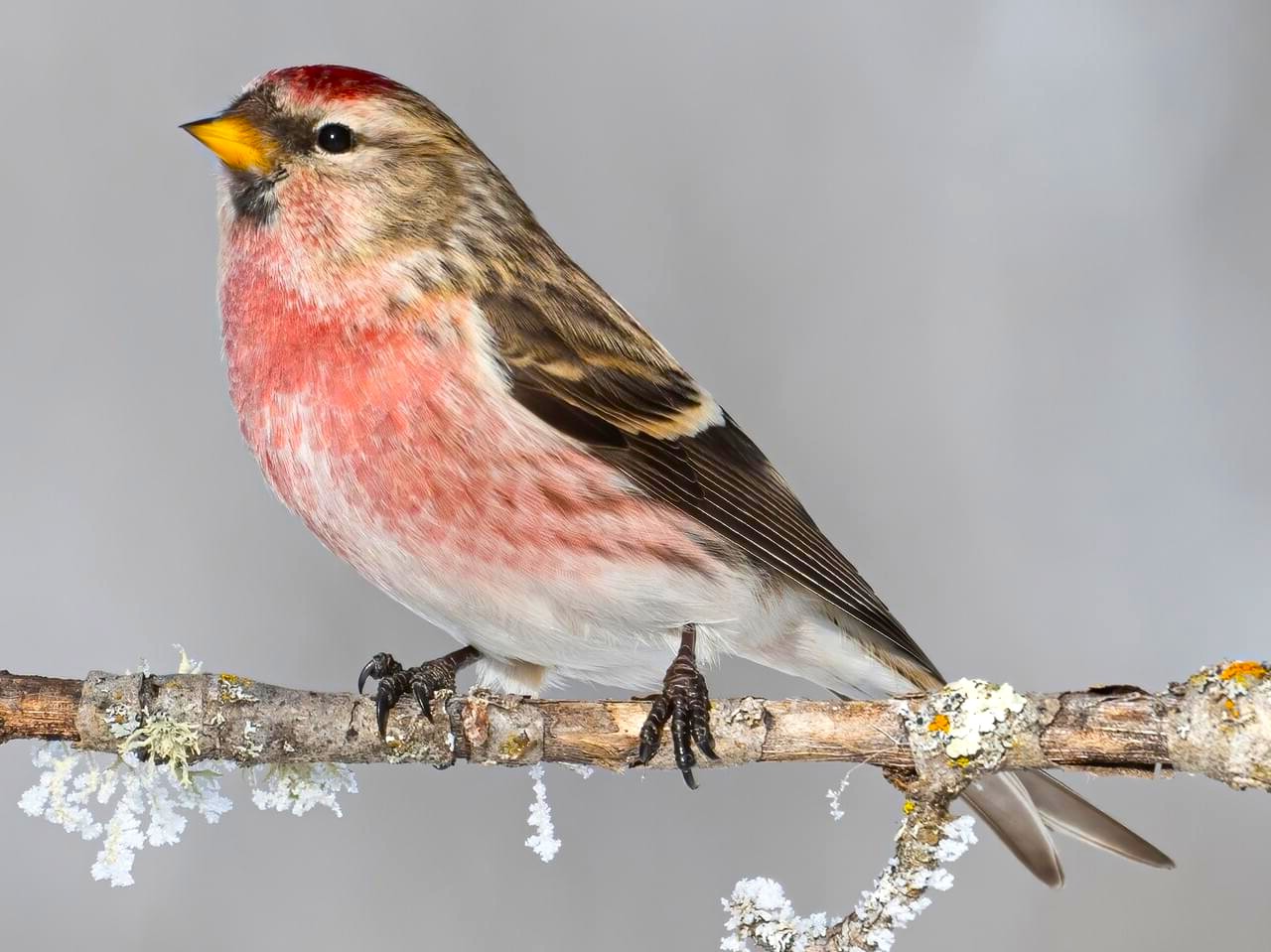
- Coues’s Arctic Redpoll (Acanthis hornemanni exilipes): the subspecies that breeds in the tundra of northern North America and Eurasia. Coues described it himself in 1862. The AOS has since merged the redpolls into one species, Acanthis flammea. biodiversity4all
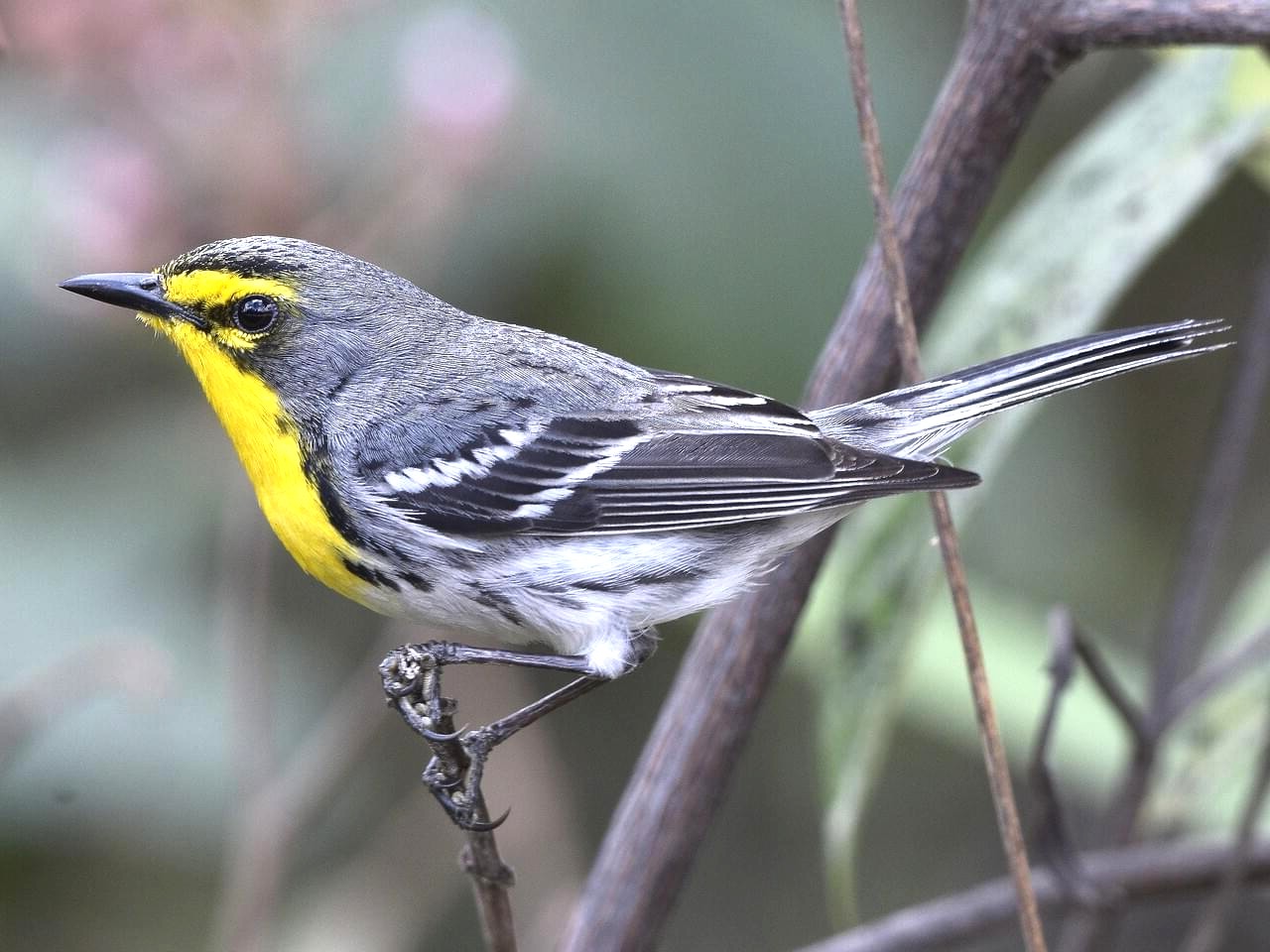
- Grace’s Warbler (Setophaga graciae). Note: this Warbler was named for Coues’s sister, Grace. This warbler species was discovered by Elliott Coues in the Rocky Mountains in 1864. He requested that the new species be named after his 18-year-old sister, Grace Darling Coues, and his request was honored when Spencer Fullerton Baird described the species scientifically in 1865.
- Coues’s White-tailed Deer (Odocoileus virginianus couesi), is named after Elliott Coues. Wikipedia
Works Written by Elliott Coues
- Coues, Elliott. Biogen: A Speculation on the Origin and Nature of Life. Estes and Lauriat, 1884.
- —. Birds of the Colorado Valley. Government Printing Office, 1878.
- —. Birds of the Northwest. Government Printing Office, 1874.
- —. The Coues Check List of North American Birds. 2nd ed., Estes and Lauriat, 1882.
- —. “The Cuculidæ of the A. O. U. List.” The Auk, vol. 14, 1897, pp. 90–92.
- —. Field Ornithology. Naturalists’ Agency, 1874.
- —. Fur-Bearing Animals: A Monograph of North American Mustelidae. US Government Printing Office, 1877.
- —. Key to North American Birds. Naturalists’ Agency, 1872.
- —. “List of the Birds of Fort Whipple, Arizona.” Proceedings of the Academy of Natural Sciences of Philadelphia, vol. 18, 1866, pp. 39–100.
- —. New England Bird Life. Lee and Shepard, 1881. The original publishers of the 1881 may be inaccurate.
- —. “The Telekinetic Theory of Levitation.” The Metaphysical Magazine, vol. 1, Jan. 1895, pp. 1–11.
- —, editor. History of the Expedition under the Command of Lewis and Clark. Francis P. Harper, 1893. 4 vols.
- —, editor. On the Trail of a Spanish Pioneer: The Diary and Itinerary of Francisco Garcés. Francis P. Harper, 1900.
- Coues, Elliott, and Joel Asaph Allen. Monographs of North American Rodentia. Government Printing Office, 1877.
- Coues, Elliott, and Charles Dixon. Rural Bird Life of England. 1895. The original publishers for the Coues and Dixon book are unknown.
Works about Elliott Coues
- Allen, J. A. “Biographical Memoir of Elliott Coues, 1842–1899.” Biographical Memoirs of the National Academy of Sciences, vol. 6, 1909, pp. 395–446.
- Beolens, Bo, and Michael Watkins. Whose Bird? Men and Women Commemorated in the Common Names of Birds. Yale Univ. Press, 2003.
- “Coues, Elliott.” Encyclopædia Britannica, edited by Hugh Chisholm, 11th ed., vol. 7, Cambridge Univ. Press, 1911, p. 308.
- Cutright, Paul Russell, and Michael J. Brodhead. Elliott Coues: Naturalist and Frontier Historian. U of Illinois Press, 1981. Cutright and Brodhead’s biography is the standard full-length life and the best place to dig further into his army years.
- Jobling, James A. The Helm Dictionary of Scientific Bird Names. Christopher Helm, 2010.
- Juzda, Elise. “Skulls, Science, and the Spoils of War: Craniological Studies at the United States Army Medical Museum, 1868–1900.” Studies in History and Philosophy of Biological and Biomedical Sciences, vol. 40, no. 3, 2009, pp. 156–67. This is a good background on army surgeons, in general, although not specifically about Coues.
- Marble, C. C. “The Late Dr. Elliott Coues.” Birds and All Nature, Feb. 1900.
- Smith, Alfred Emanuel. “A Great Ornithologist.” The Outlook, vol. 64, 13 Jan. 1900, p. 98.
- Victor, Frances Fuller. “Dr. Elliott Coues.” The Quarterly of the Oregon Historical Society, vol. 1, 1900, p. 192.

