
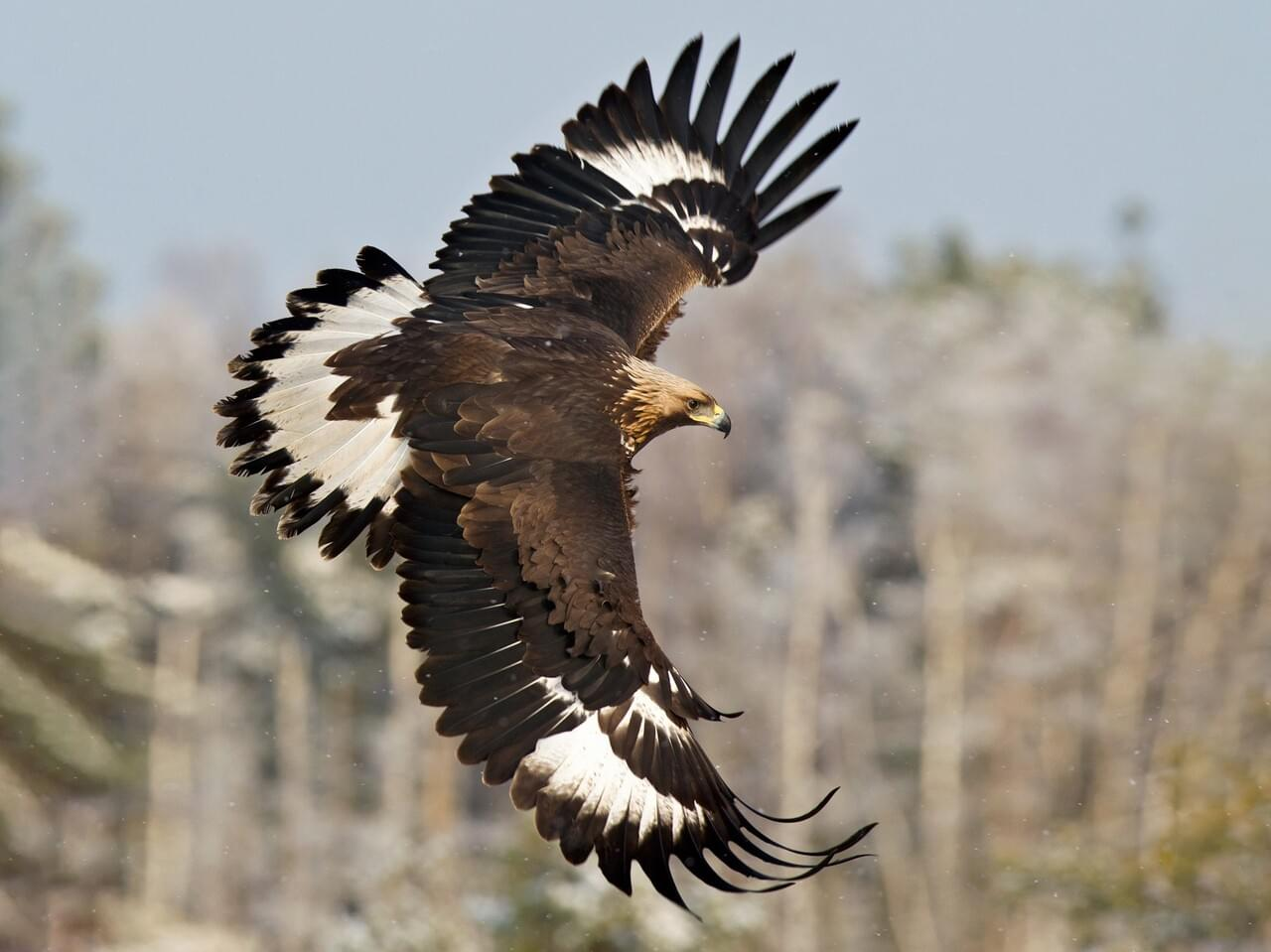
Birds of Boulder
This Birds of Boulder Post is from personal spotting of birds on the wing in and around Boulder County, Colorado. The compilation is from two trips: one in June, 2025, and the other in December, 2025. Although not the ideal times for any migratory birds, the places we visited seem to have enough water and bird-friendly habitat to offer an interesting variety of birds.
All of the images of these birds were collected from the internet from public representations of these species.
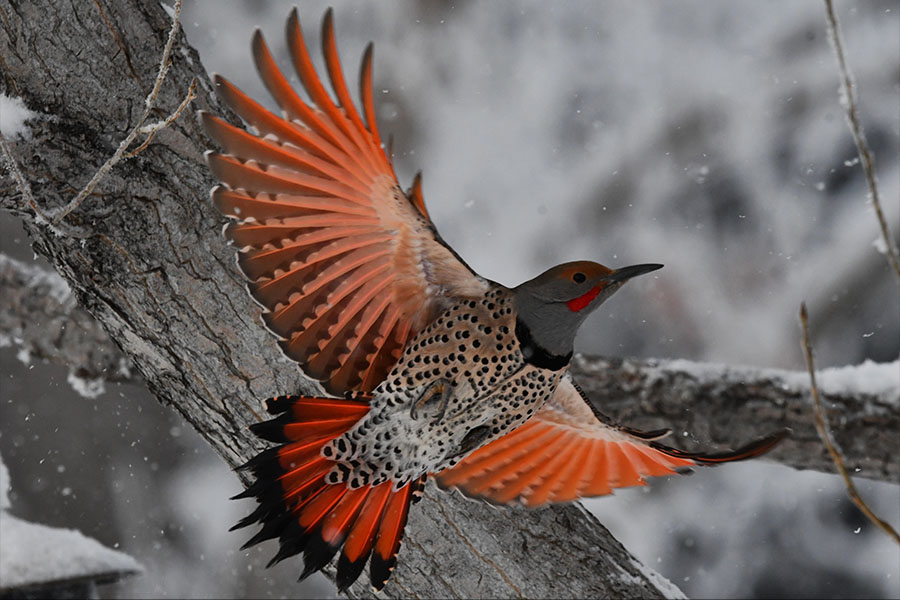
Red-shafted Flicker (Colaptes auratus cafer)
A big, handsome woodpecker that prefers the ground to tree trunks. You’ll notice the warm salmon-red flash under the wings when it lifts off, and hear its loud, rolling wick-wick-wick. Also known as a Northern Flicker, it has an easily spotted white triangle on their lower backs, when they fly away. Flight patterns often proceed in ungulating flight. Surprisingly tolerant of humans, you can see them poking for ants around lawns and on tree trunks.
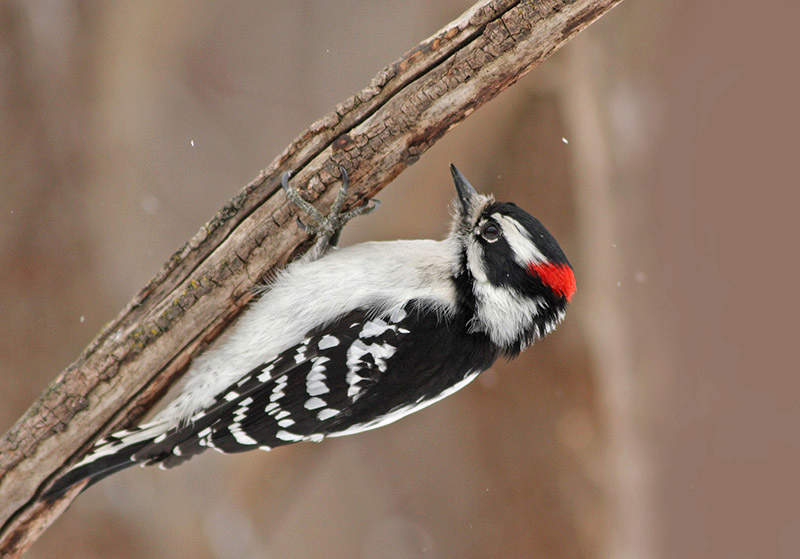
Downy Woodpecker (Dryobates pubescens)
The tiny, polite woodpecker of backyards and parks. It drums softly, clings delicately to branches, and looks like a miniature Hairy Woodpecker. Often fearless around feeders and easy to love.
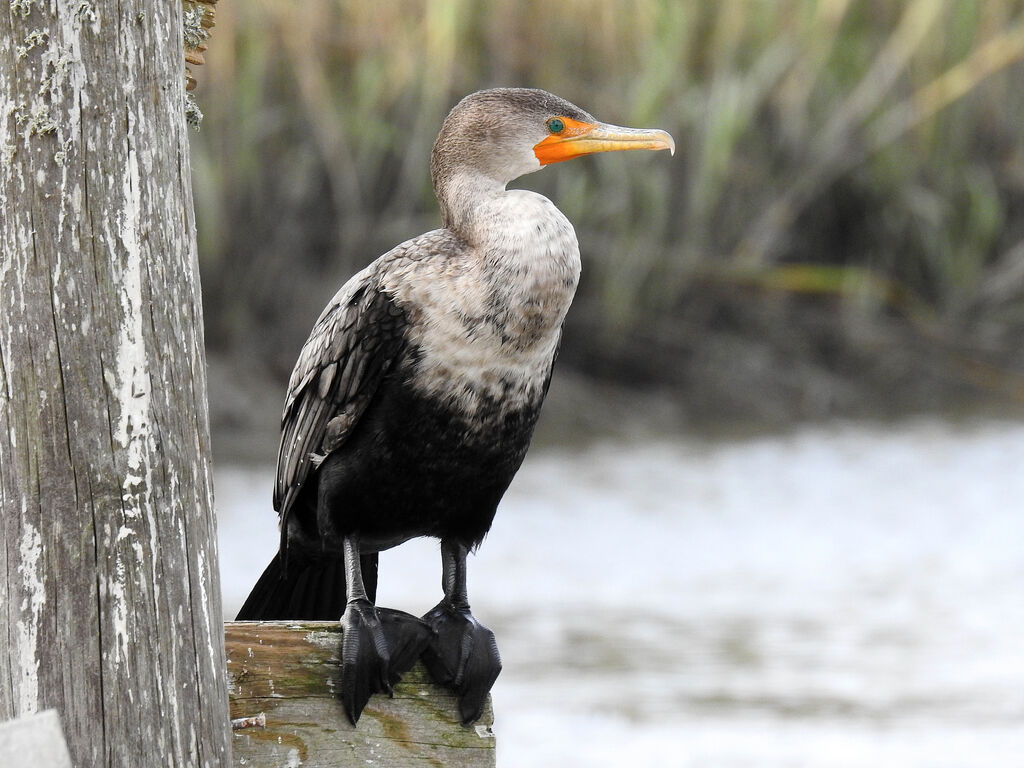
Double-crested Cormorant (Nannopterum auritum)
A dark, prehistoric-looking bird that feels more reptile than feather. You’ll often see it standing with wings spread wide, drying itself after a dive. Awkward on land, deadly efficient catching fish underwater.
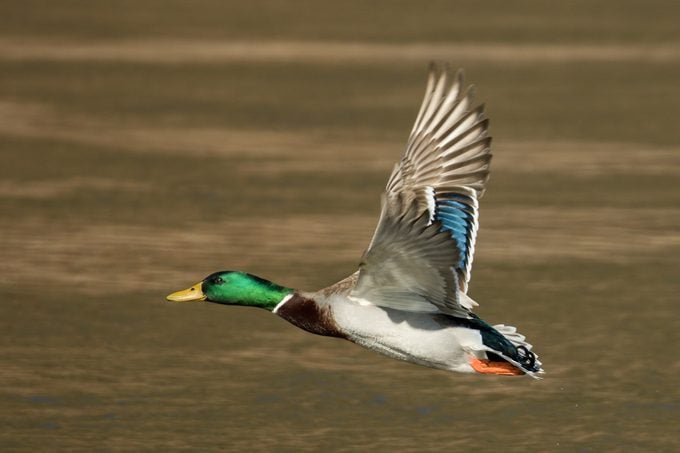
Mallard (Anas platyrhynchos)
The bird that taught most of us what a duck looks like. Drakes glow green and chestnut, while females wear perfect camouflage. Common, yes—but still beautiful up close. Just look at those color contrasts in the male mallard above.
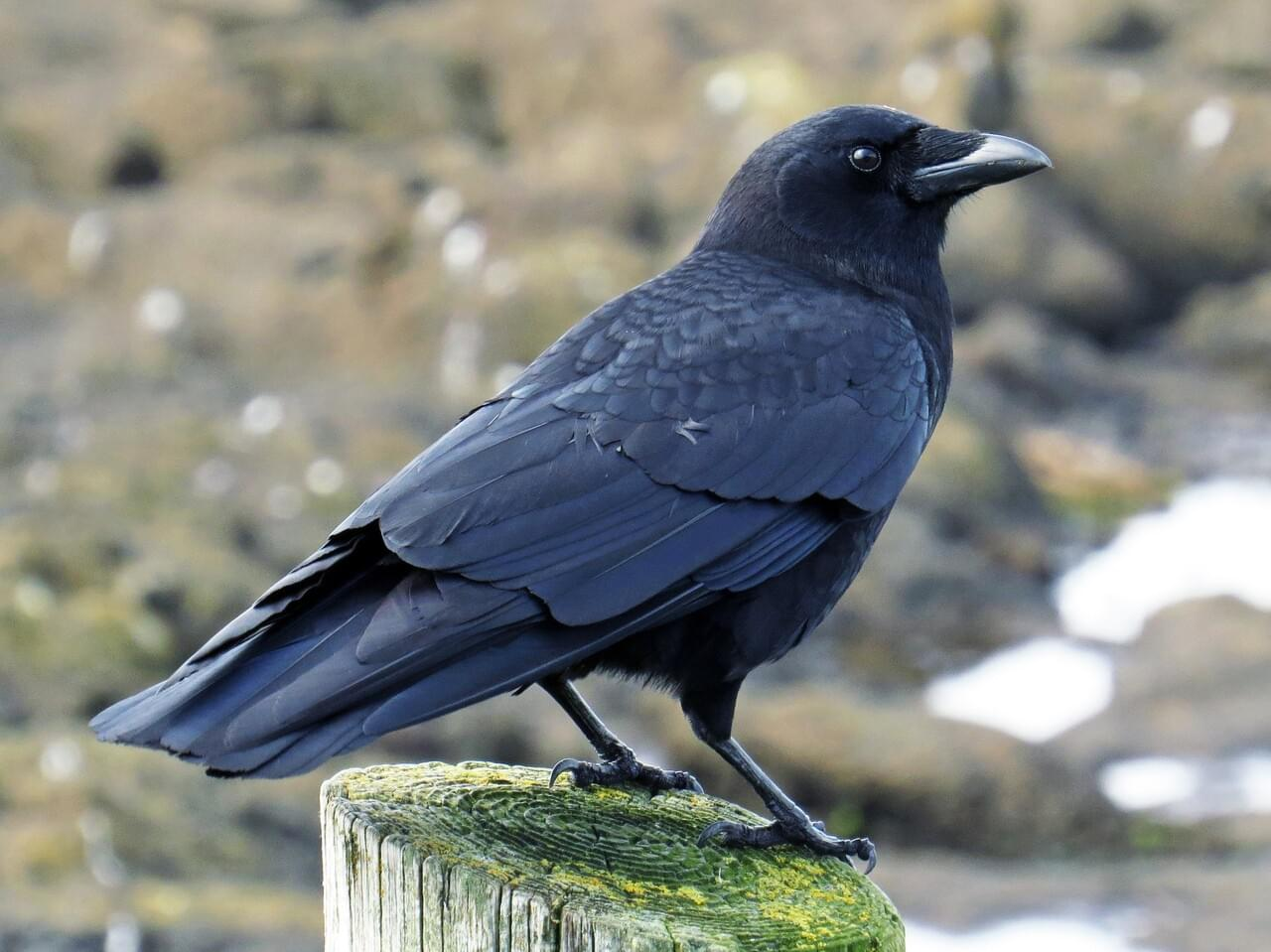
American Crow (Corvus brachyrhynchos)
Smart, loud, and endlessly curious. Crows know you’re watching them—and probably what you had for lunch. They gather in noisy groups called murders and seem to comment on everything.
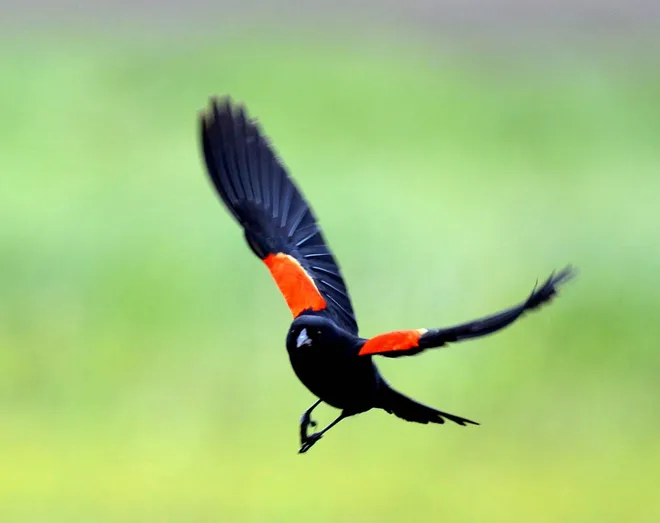
Red-winged Blackbird (Agelaius phoeniceus)
That flash of red and yellow on black is pure marsh drama. Males shout conk-la-ree! from a perch atop of cattails, fiercely defending its territory. Females are quieter and beautifully streaked.

Brewer’s Blackbird (Euphagus cyanocephalus)
Sleek and glossy with pale eyes that feel slightly uncanny. Often found strutting around parking lots or lawns, as comfortable in human spaces as any bird can be.

Common Grackle (Quiscalus quiscula)
Long-tailed, loud, and slightly chaotic. Grackles move like they own the place, shining purple and green in the sun, with voices that sound like rusty hinges.

Boat-tailed Grackle (Quiscalus major)
A grackle turned up to eleven. Big, bold, and noisy, with males flaunting enormous keel-shaped tails. If they’re around, you’ll know it.
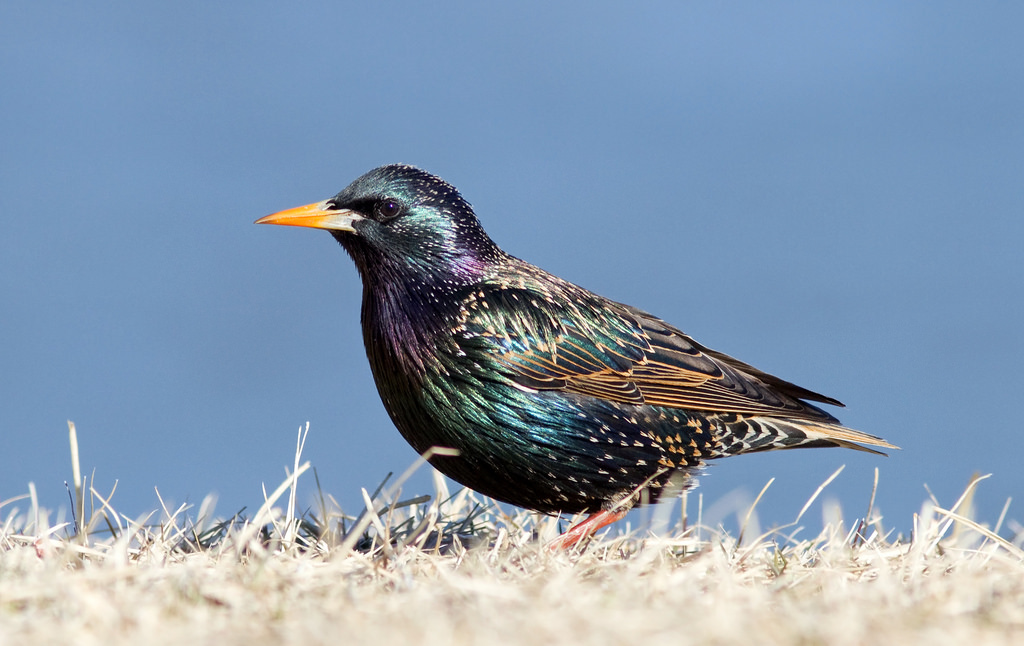
European Starling (Sturnus vulgaris)
A shapeshifter. In winter, dark with white speckles; in breeding season, glossy and iridescent. In flocks, they become living smoke, swirling in mesmerizing murmurations.
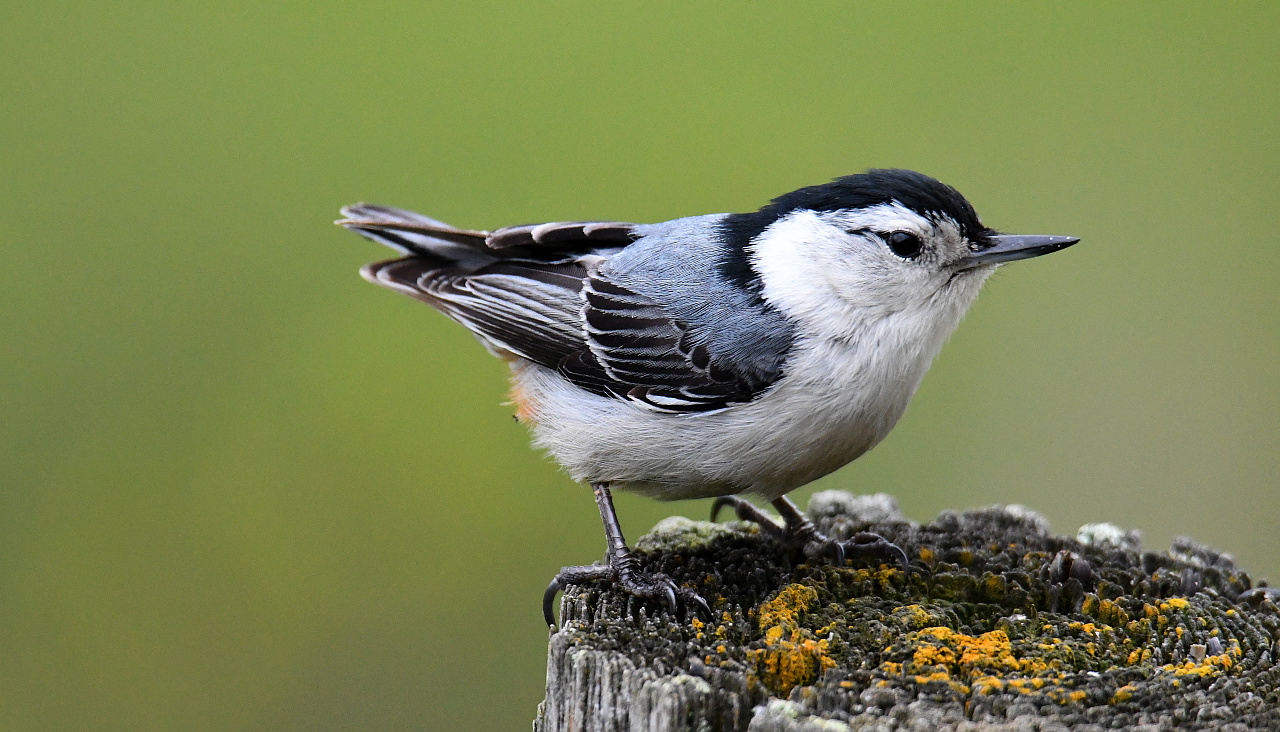
White-breasted Nuthatch (Sitta carolinensis)
The bird that walks headfirst down tree trunks. Compact, nasal-voiced (yank-yank), and endlessly busy, often wedging seeds into bark and hammering them open.
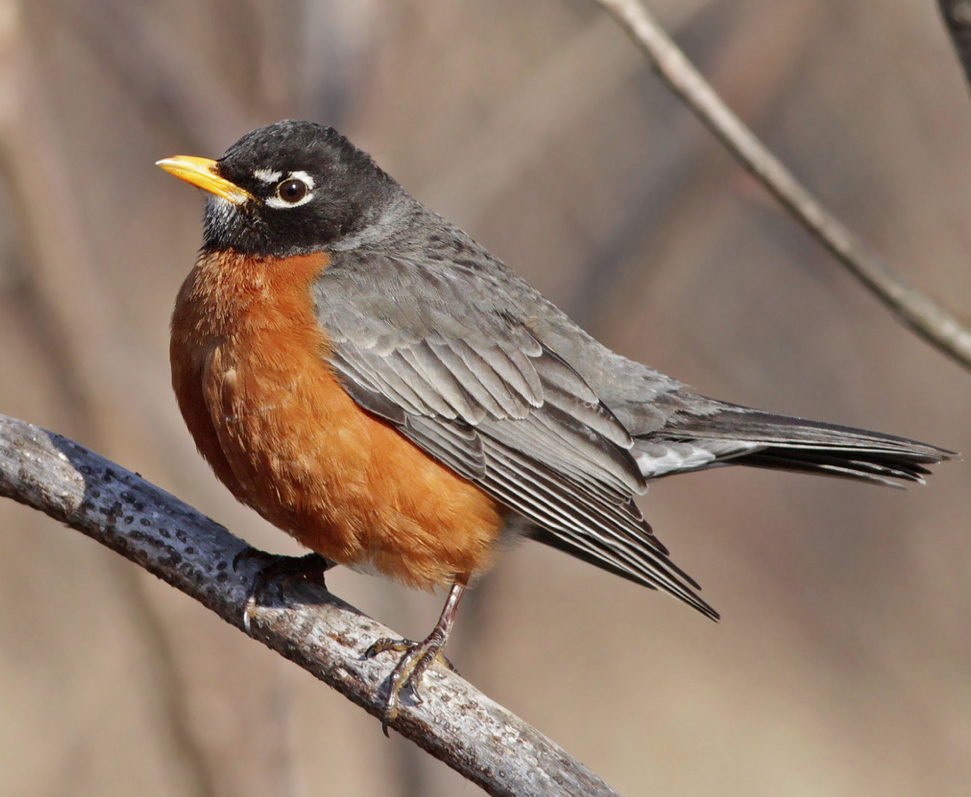
American Robin (Turdus migratorius)
The sound of early mornings and wet lawns. Robins run, stop, tilt their heads, and yank up worms with authority. These ubiquitous thrush are a harbinger of spring. Familiar, but never boring.
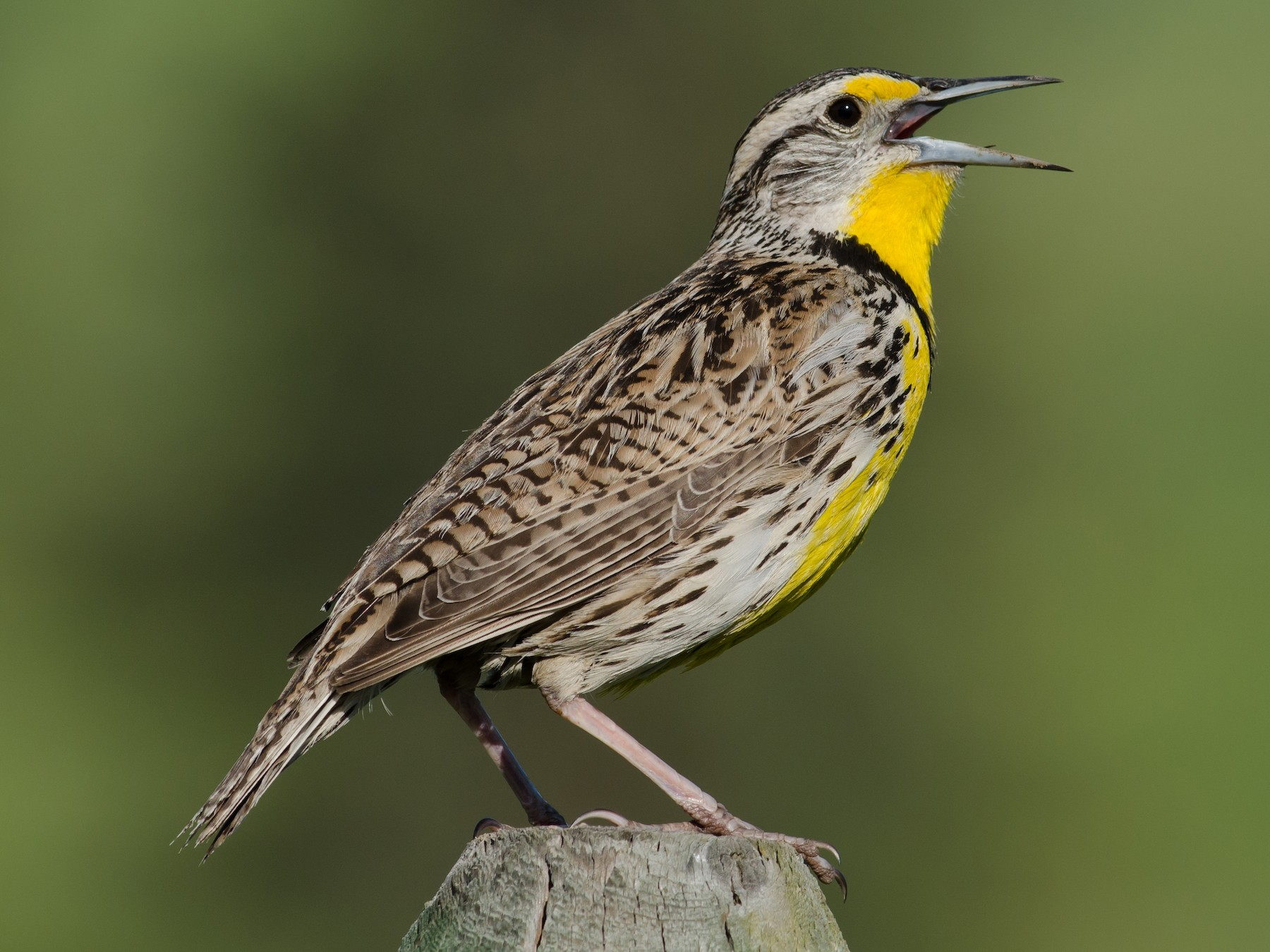
Western Meadowlark (Sturnella neglecta)
Often seen before it’s heard, and what a beautiful song it has. Rich, fluting notes pour out over open fields, even though the bird itself blends in quietly with the grass.
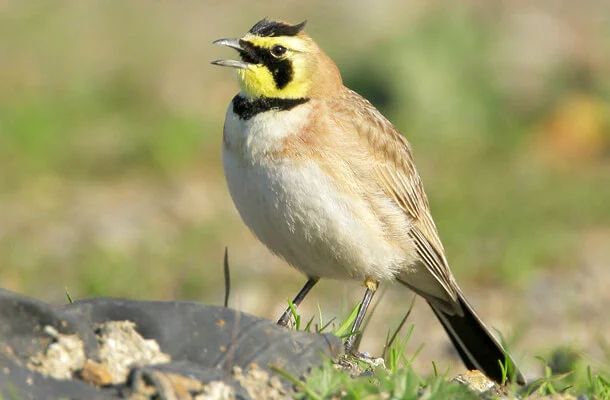
Horned Lark (Eremophila alpestris)
A bird of wide open spaces. Pale, ground-hugging, and often overlooked until it flutters up, with males showing tiny “horns” and a sweet, tinkling song.
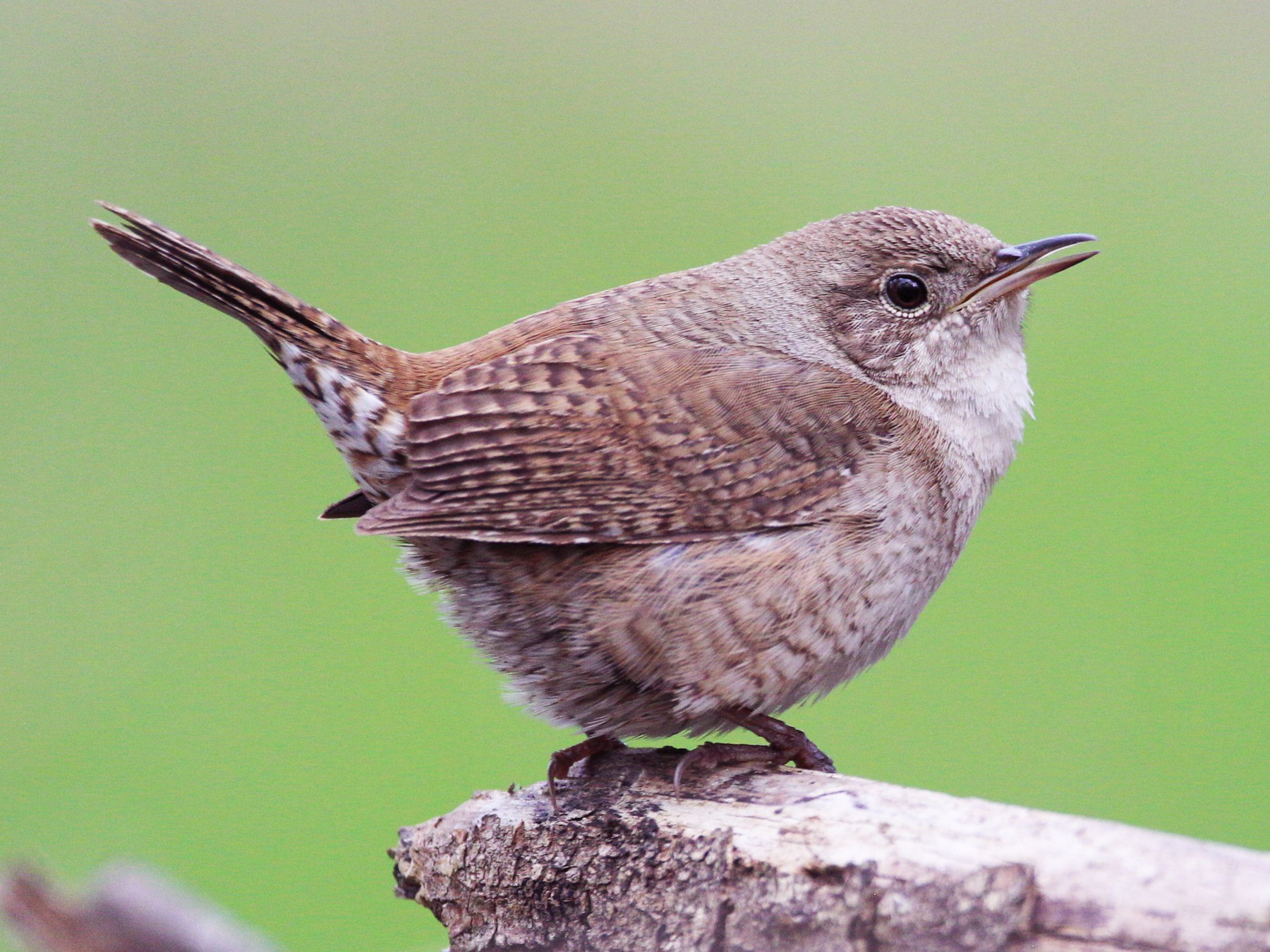
House Wren (Troglodytes aedon)
Small body, huge personality. Bursting with bubbly song, constantly scolding, and always on the move. Never underestimate a house wren.
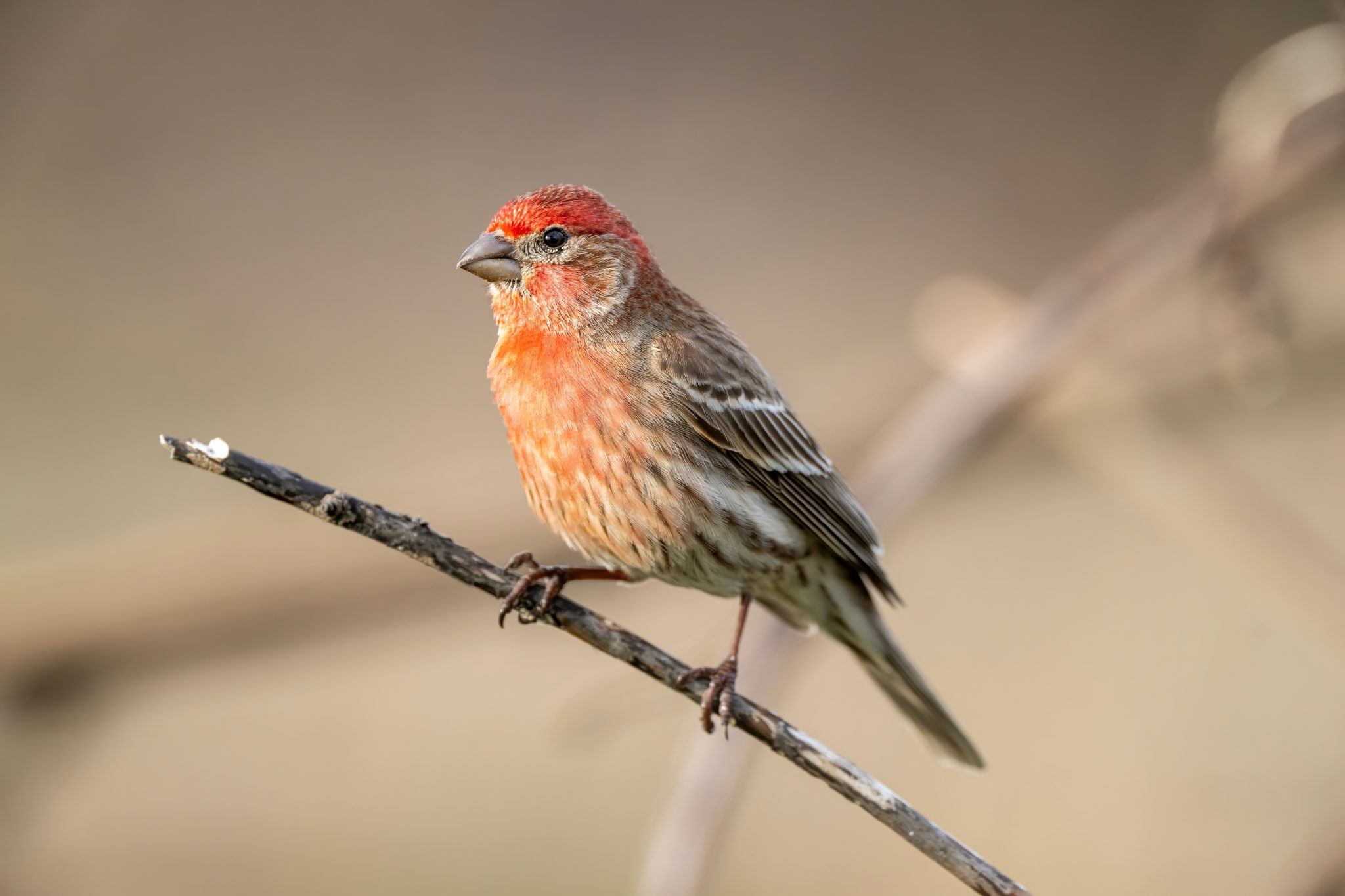
House Finch (Linnet) (Haemorhous mexicanus)
Friendly and familiar, with males blushing raspberry red. They chatter cheerfully at feeders and seem genuinely happy to be wherever they are.
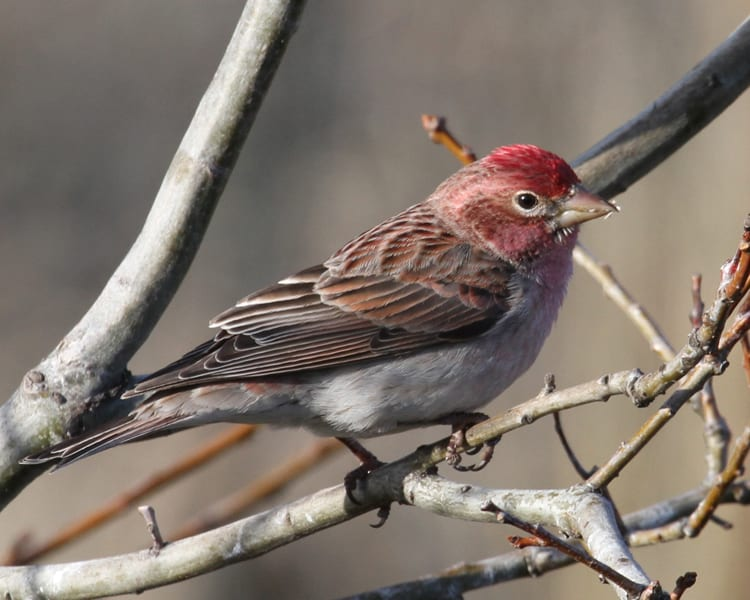
Cassin’s Finch (Haemorhous cassinii)
A mountain finch with a rich, wine-colored head and a more refined, musical presence. Less common, and therefore more satisfying to spot.

Dark-eyed Junco (Junco hyemalis)
The little gray bird that signals winter for many birders, this is sometimes called an Oregon Junco. They hop on the ground like wind-up toys and flash white tail feathers when they fly.

Spotted Towhee (Pipilo maculatus)
A bold bird that lives in the understory, scratching noisily in leaf litter. Red eyes, spotted sides, and a sharp chewink announce its presence. Another name is the rufous sided towhee, calling out its rust flanks.
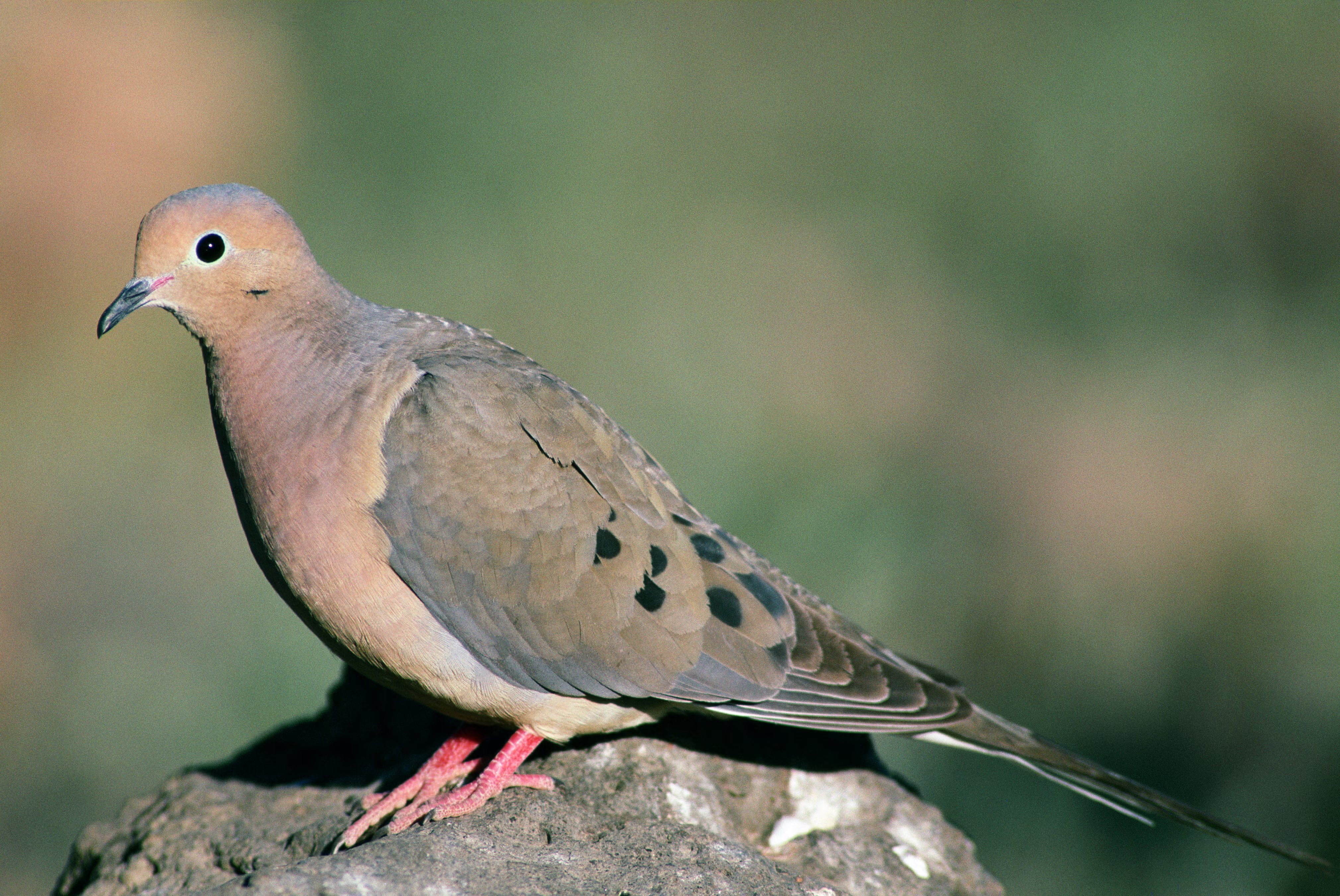
Mourning Dove (Zenaida macroura)
Soft, gentle, and melancholy. Their cooing feels like a quiet conversation with the evening, and their wings whistle when they take off.
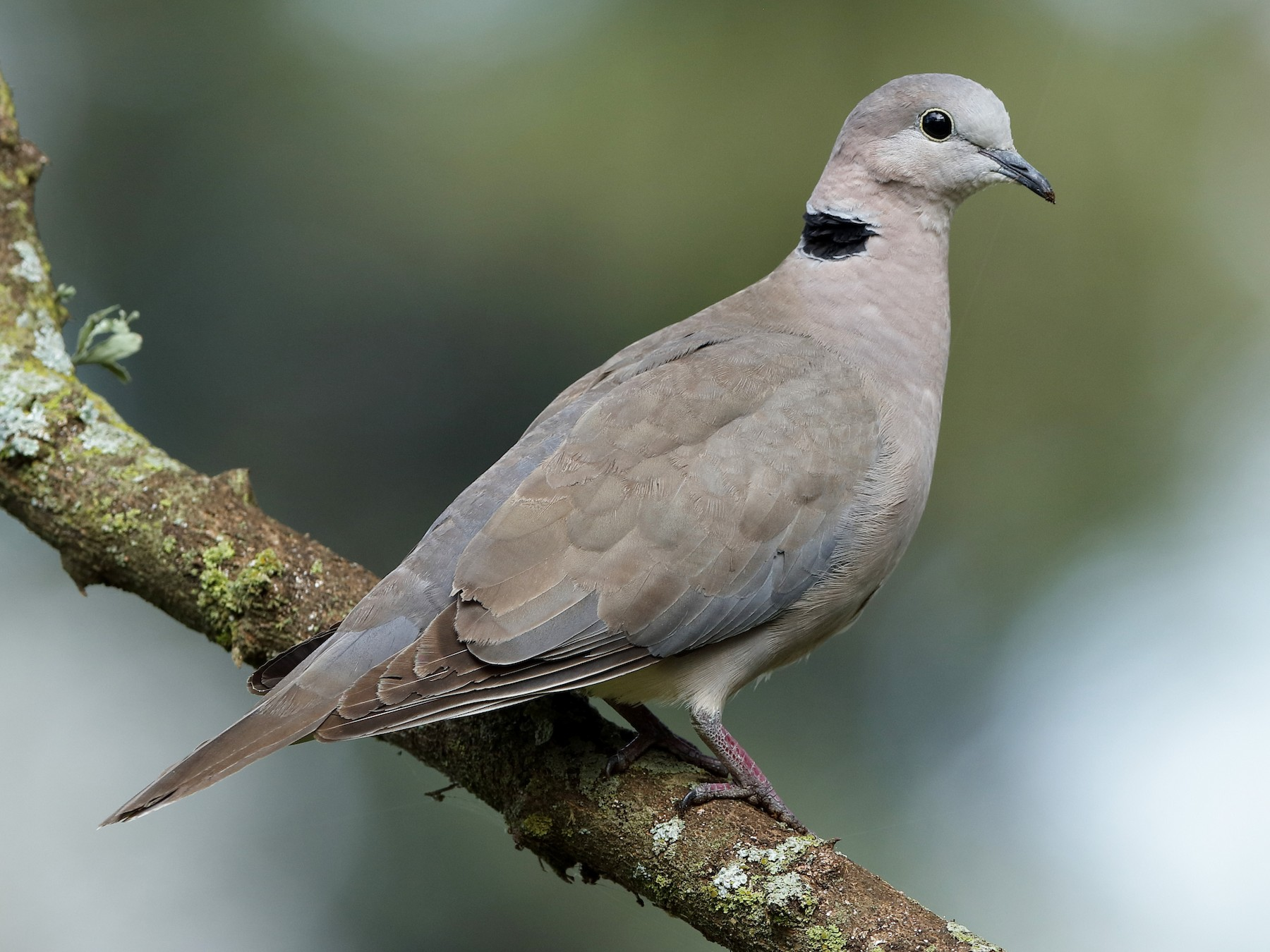
Ring-necked Pigeon (or Rock Pigeon) (Columba livia)
Urban survivors in endless color variations. Often ignored, but fascinating once you really look—each one subtly different.

Broad-tailed Hummingbird (Selasphorus platycercus)
Mountain air, pine forests, and a sharp metallic trill made by wings in flight. The male’s rose throat flashes brilliantly in sunlight.
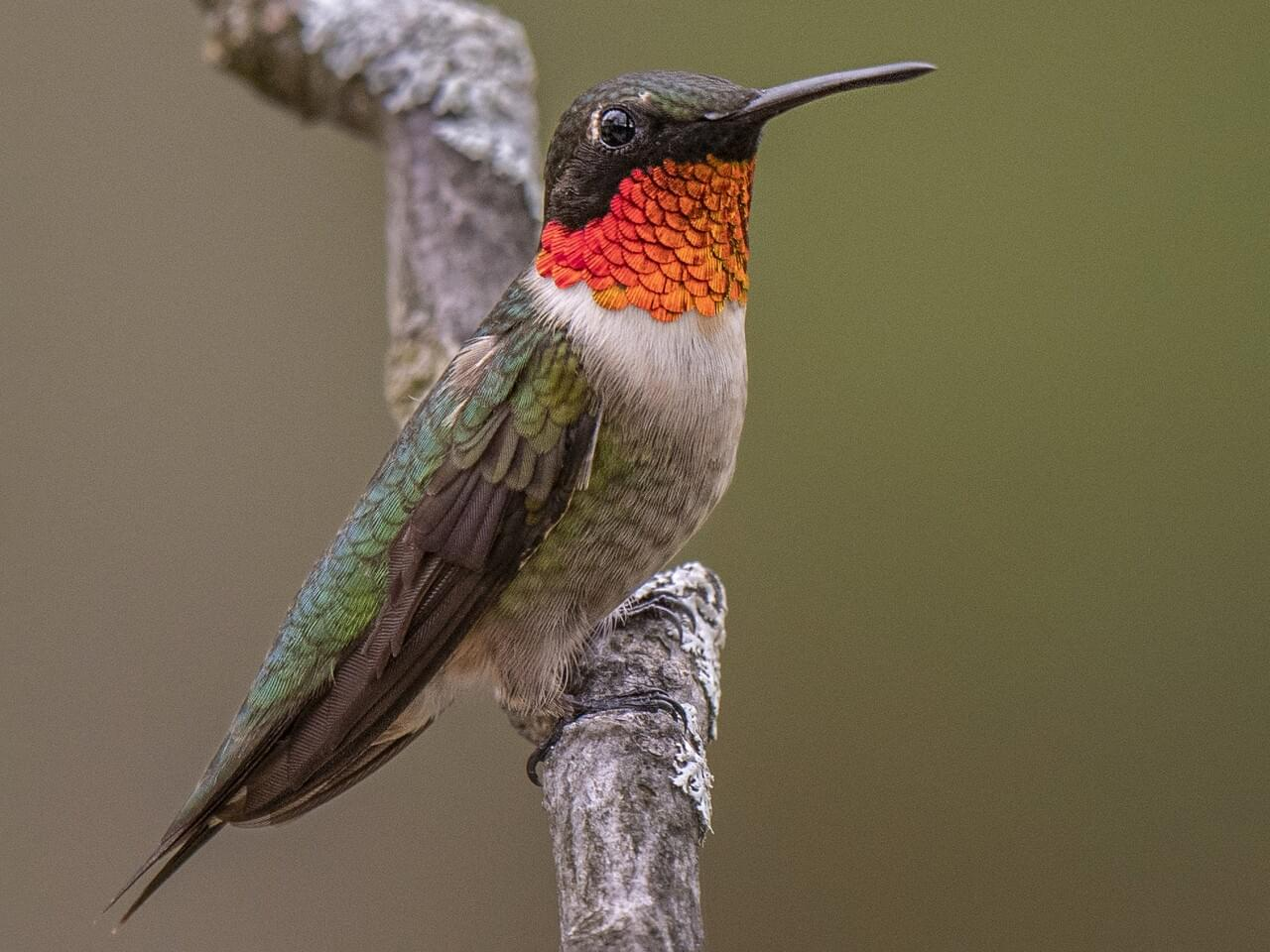
Ruby-throated Hummingbird (Archilochus colubris)
A flying jewel that seems impossible until it zips past your face. Tiny, fierce, and surprisingly vocal when defending flowers.
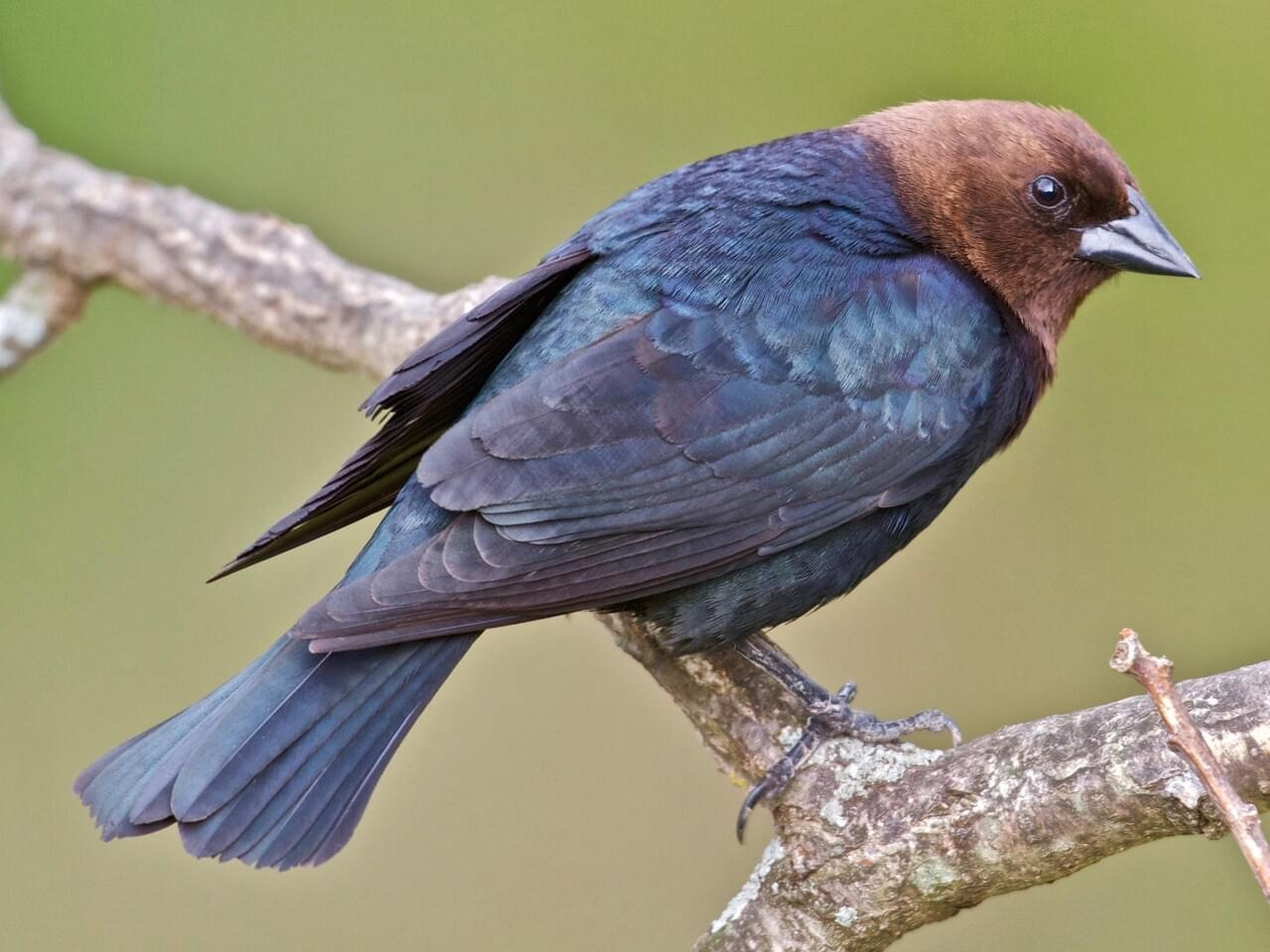
Brown-headed Cowbird (Molothrus ater)
Often hanging around larger birds like a quiet opportunist. The female often lays her eggs in a smaller bird’s nest, and when the egg hatches, the cowbird kicks out the other chicks and eats all of the food brought to the nest by the surrogate parents. Males have glossy black bodies and chocolate-brown heads; controversial, but undeniably part of the landscape.
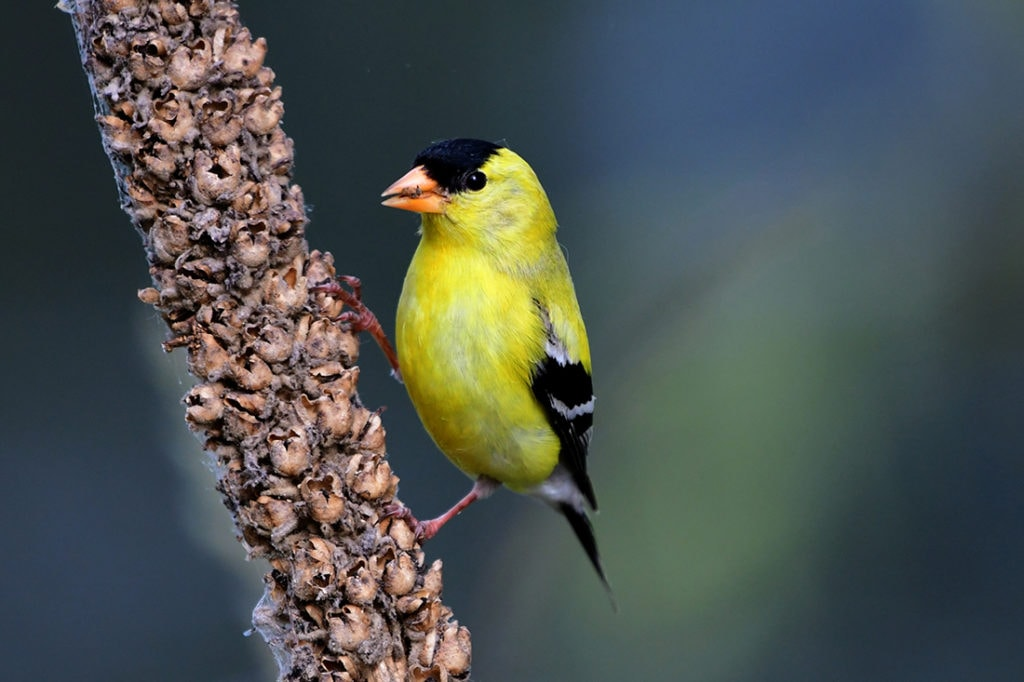
American Goldfinch (Spinus tristis)
Sunshine with wings. In summer, males glow yellow and bounce through the air in looping flight while singing per-chic-o-ree.
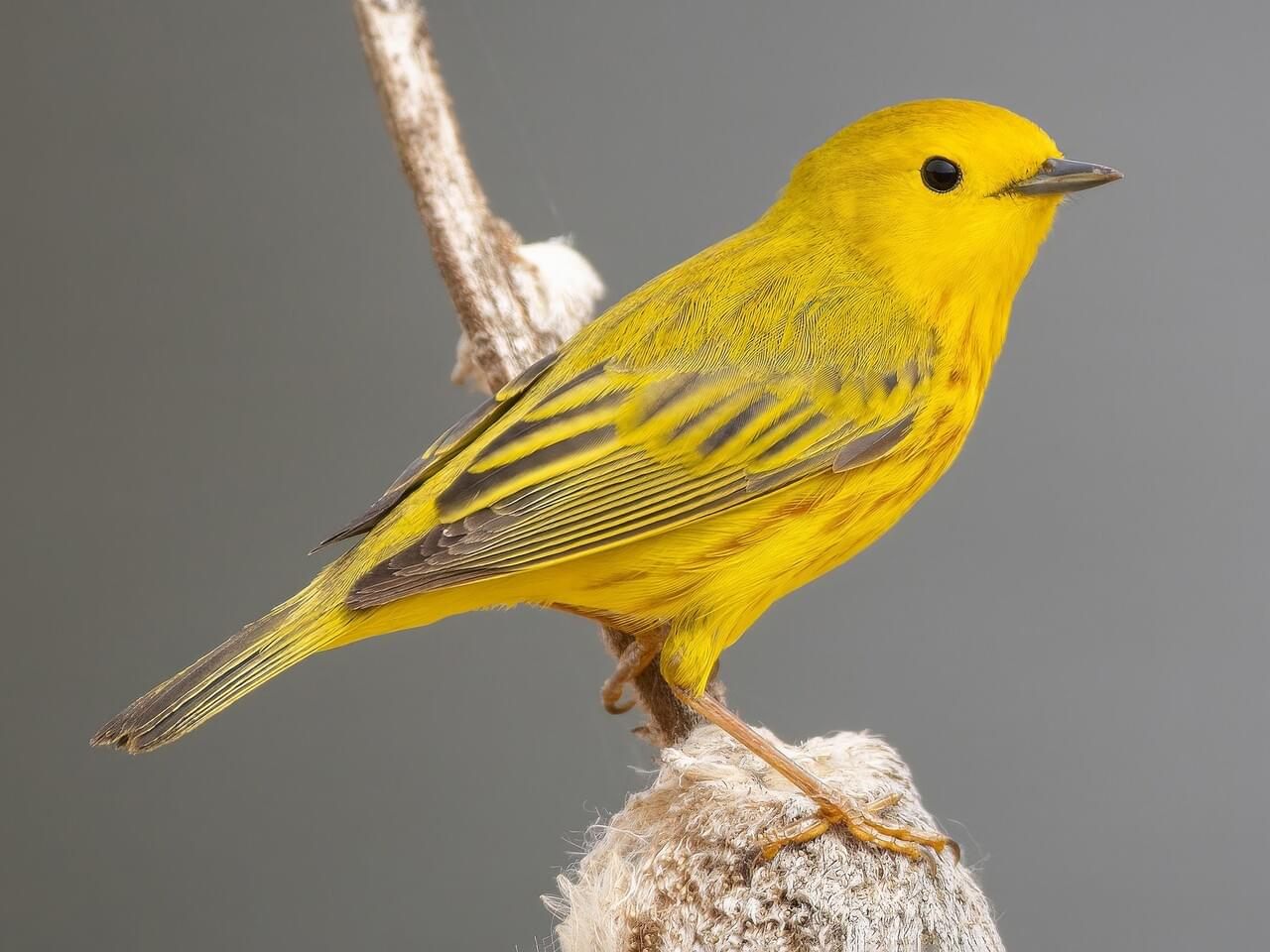
Yellow Warbler (Setophaga petechia)
A little lemon drop of a bird. Bright, buzzy, and full of energy, often singing sweet-sweet-sweet, I’m-so-sweet from shrubs near water.

Blue Jay (Cyanocitta cristata)
Bold, brilliant, and noisy. Jays announce themselves loudly, mimic hawks, and stash acorns with long-term planning in mind.

Black-capped Chickadee (Poecile atricapillus)
Everyone’s favorite. Friendly, curious, and endlessly expressive, with a voice that literally says its name.
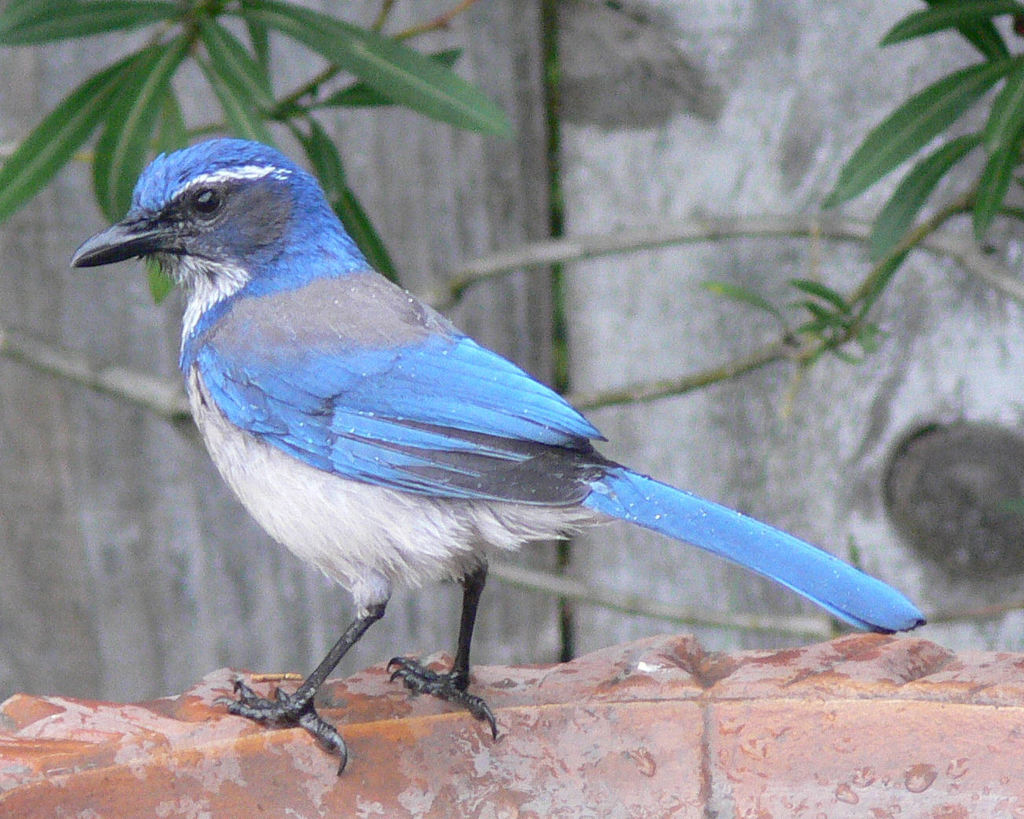
Western Scrub-Jay (Aphelocoma californica)
Confident, intelligent, and intensely blue. Often locks eyes with you, as if evaluating your intentions.
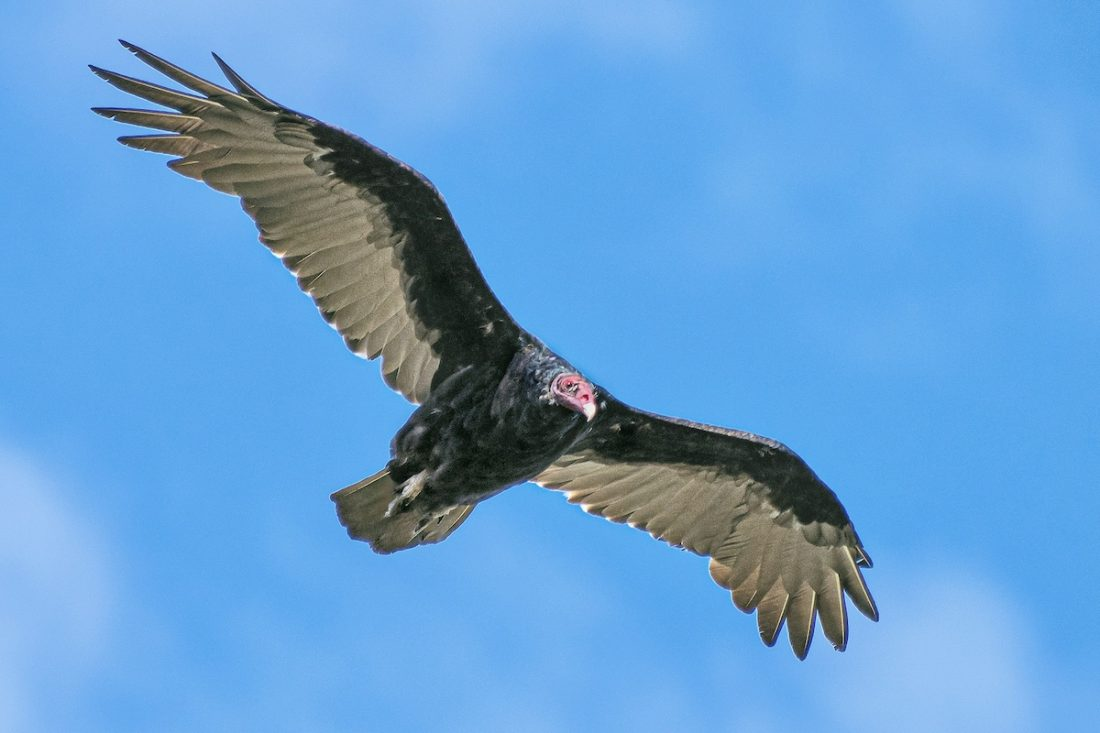
Turkey Vulture (Cathartes aura)
A master of the sky. Rocking gently on thermals, wings held in a shallow V, looking lazy but traveling miles with ease.

Violet-green Swallow (Tachycineta thalassina)
Fast, sleek, and luminous in sunlight. They twist and dart high overhead, their white faces flashing as they turn.
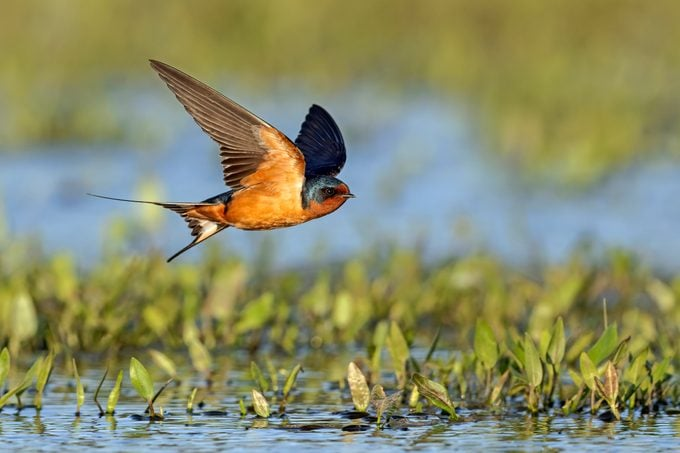
Barn Swallow (Hirundo rustica)
Graceful and familiar, skimming low over fields and water. Long tail streamers and constant chatter give them a joyful presence.
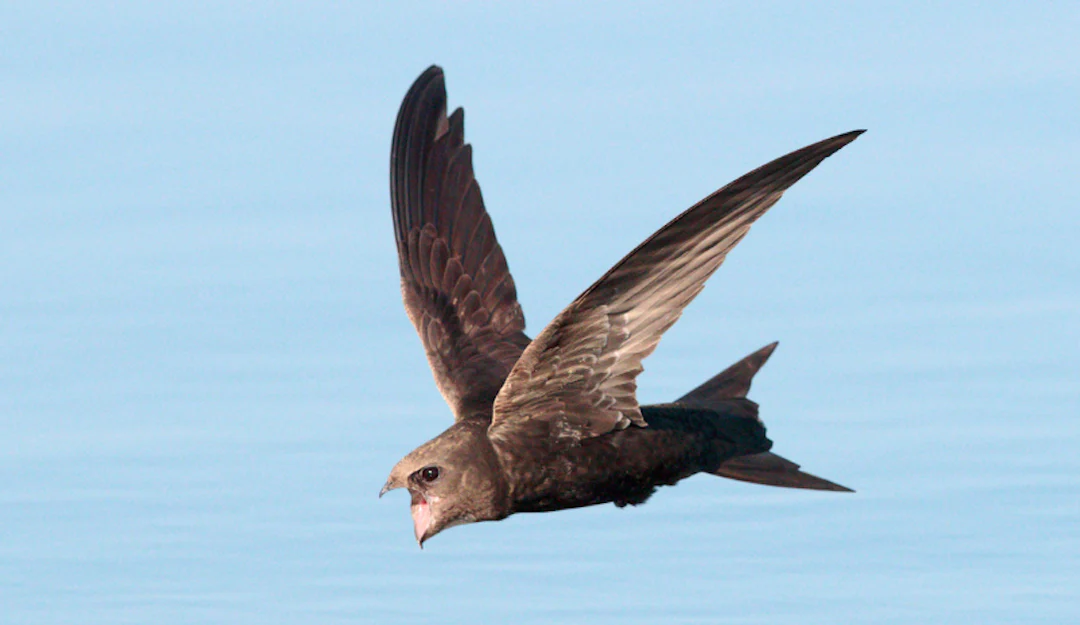
Chimney Swift (Chaetura pelagica)
Flying cigars with wings. They never seem to stop moving, chattering overhead as they hunt insects on the wing.
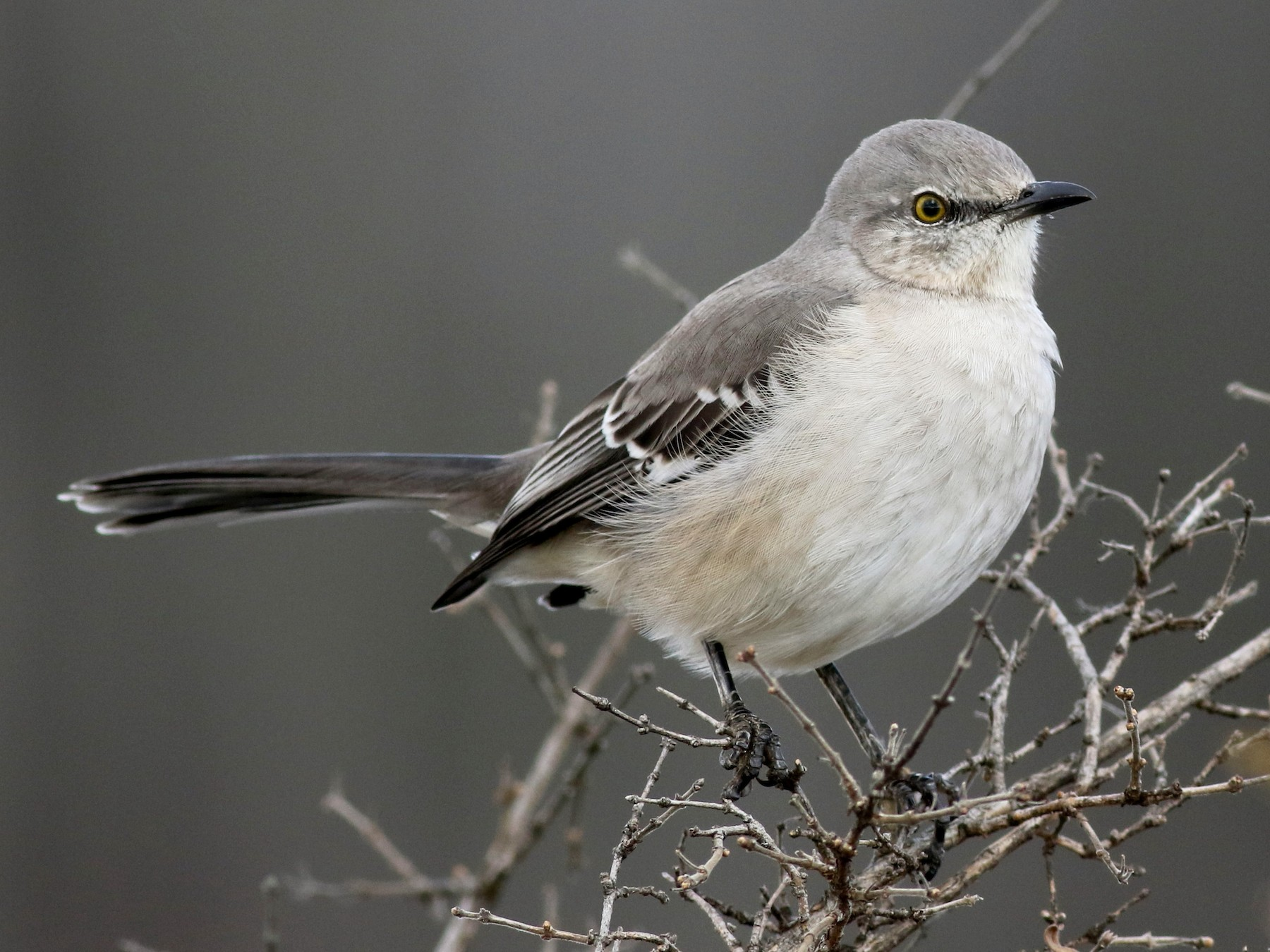
Northern Mockingbird (Mimus polyglottos)
A tireless performer. Sings all day, all night, copying every sound it’s ever heard—and making sure you hear it too.
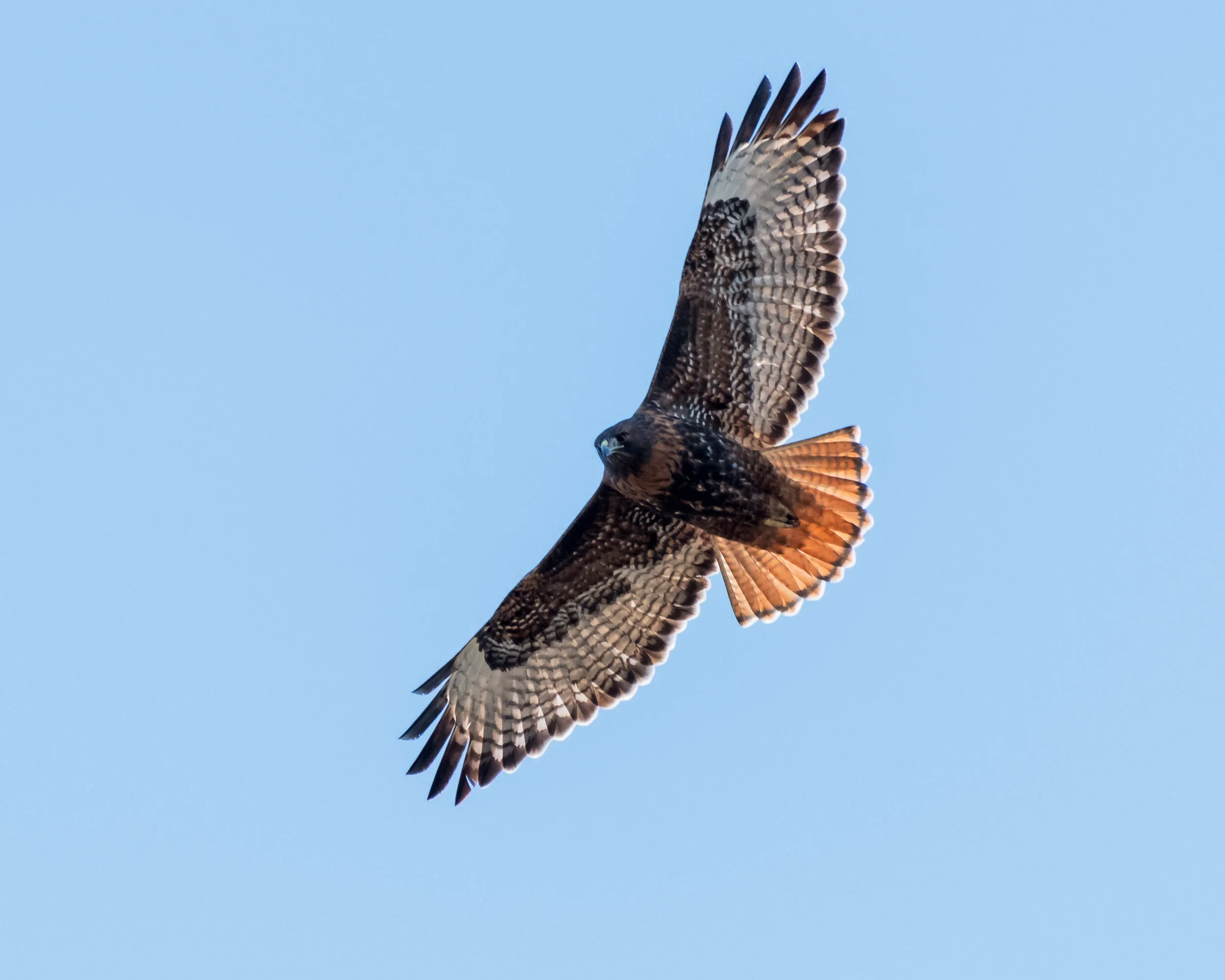
Red-tailed Hawk (Buteo jamaicensis)
The classic soaring hawk. Broad wings, rusty tail, and that piercing scream that defines wild open skies.
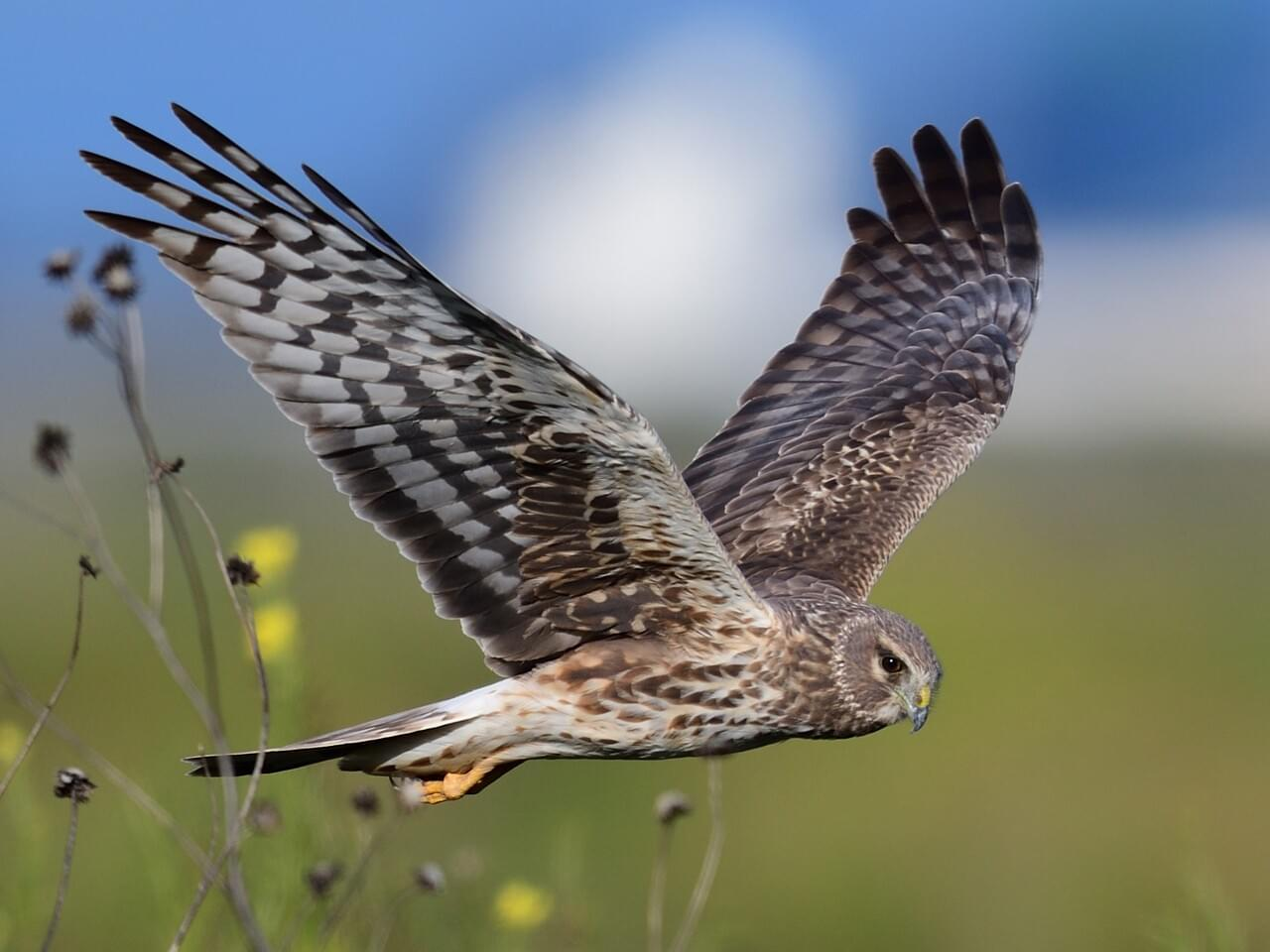
Marsh Hawk (or Northern Harrier) (Circus hudsonius)
A ghost over wetlands. Low, slow flight with wings held in a shallow V, face framed like an owl’s as it listens for prey.
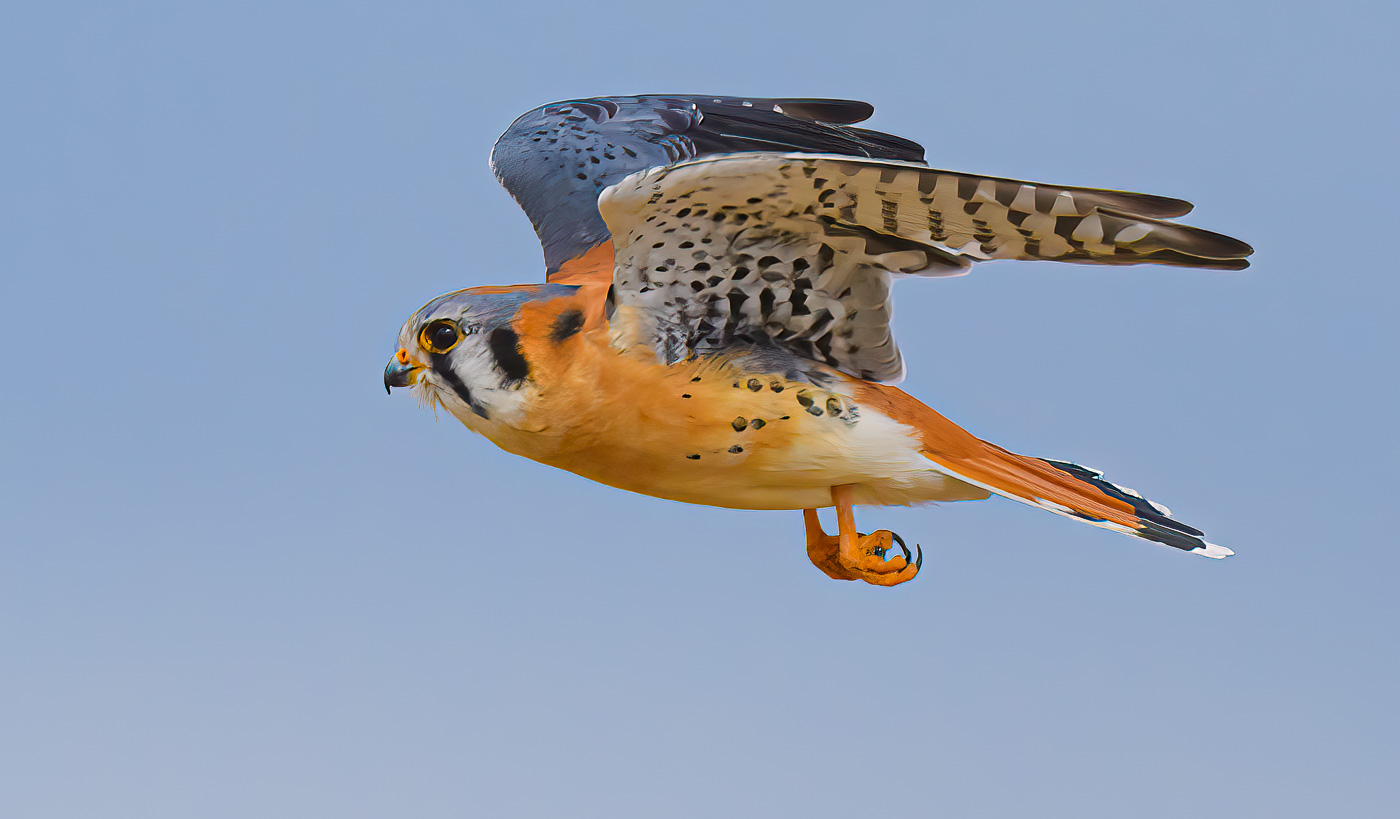
American Kestrel (Falco sparverius)
A tiny falcon with bold colors. Often seen hovering over fields, tail fanned, eyes locked on the ground.
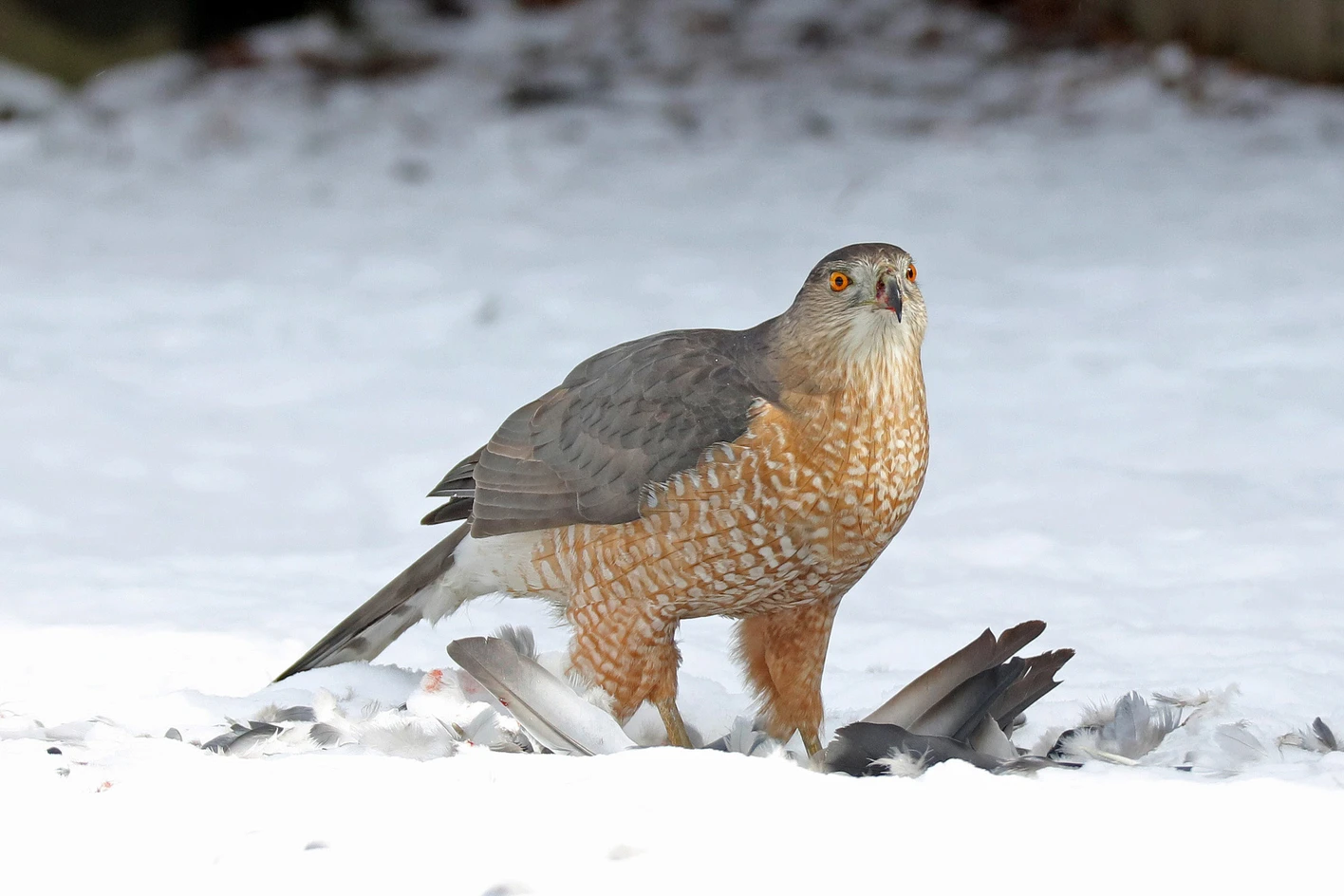
Cooper’s Hawk (Accipiter cooperii)
The backyard ambusher. Fast, agile, and often startling as it blasts through trees chasing smaller birds.
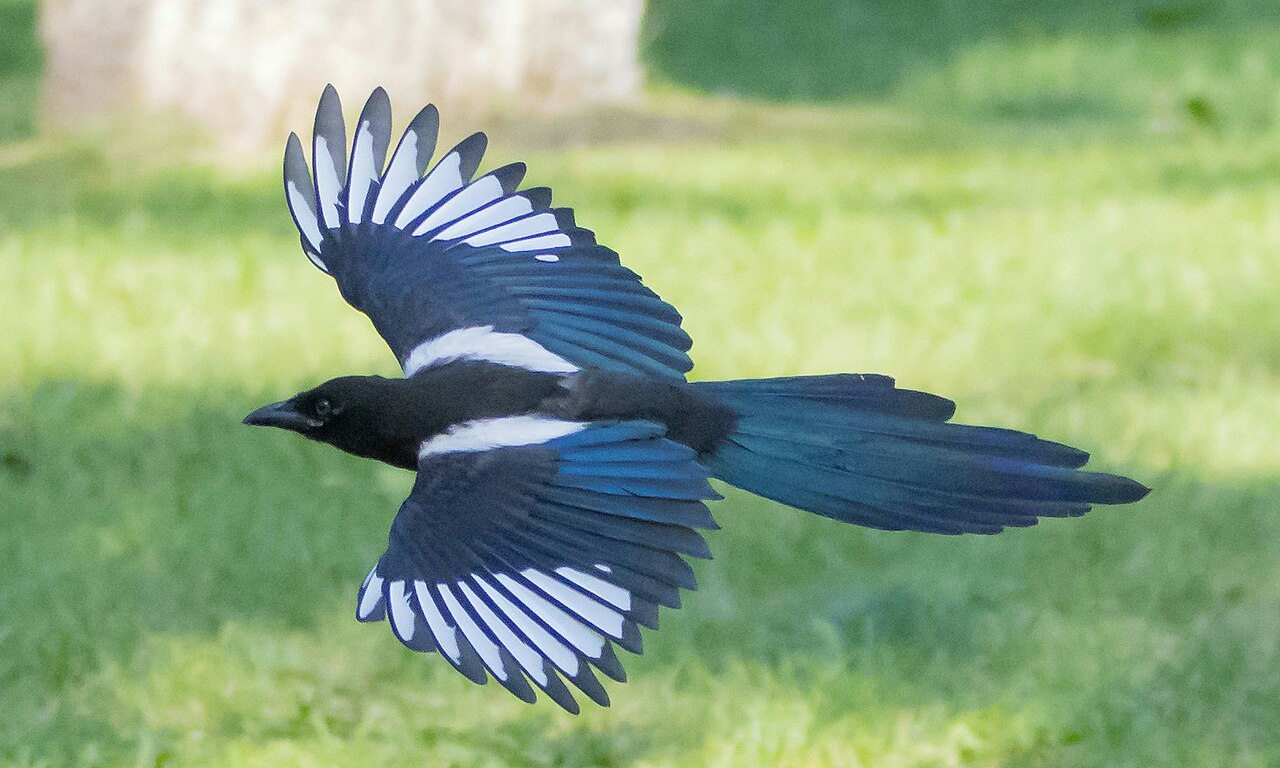
Black-billed Magpie (Pica hudsonia)
Smart, flashy, and impossible to ignore. Long tail, bold black and white, and a knack for getting into everything.

English Sparrow (or House Sparrow) (Passer domesticus)
Always nearby, always busy. Chirpy, scrappy, and deeply tied to human spaces, whether we notice them or not.
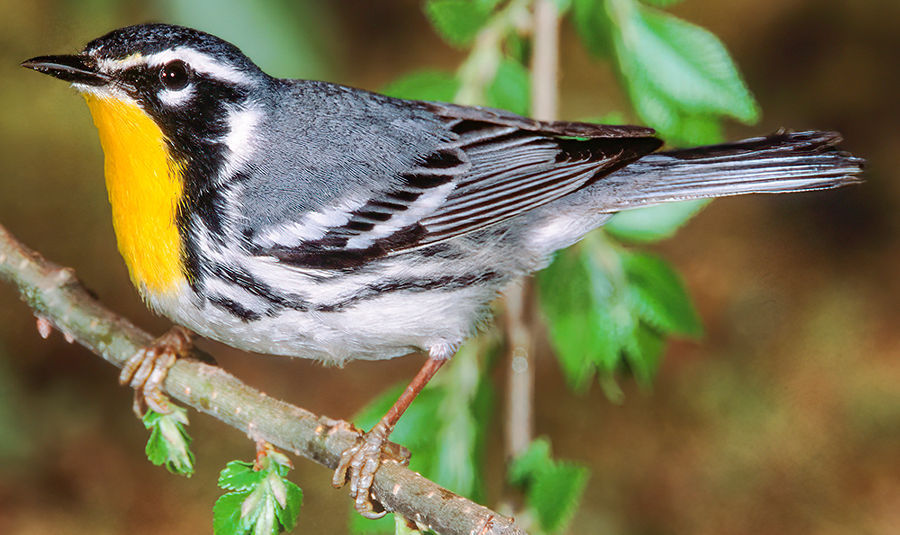
Yellow-throated Warbler (Setophaga dominica)
A sharp-looking warbler with a bright yellow throat and crisp black-and-white face. Often spotted creeping along tree trunks.

Ring-billed Gull (Larus delawarensis)
I know what you are thinking…Yes, there are seagulls, even when they are 1,000 miles from the closest sea. The classic gull can be spotted along rivers and on lakeshores. Loud, assertive, and endlessly adaptable, gulls seem to frequent parking lots and garbage dumps.
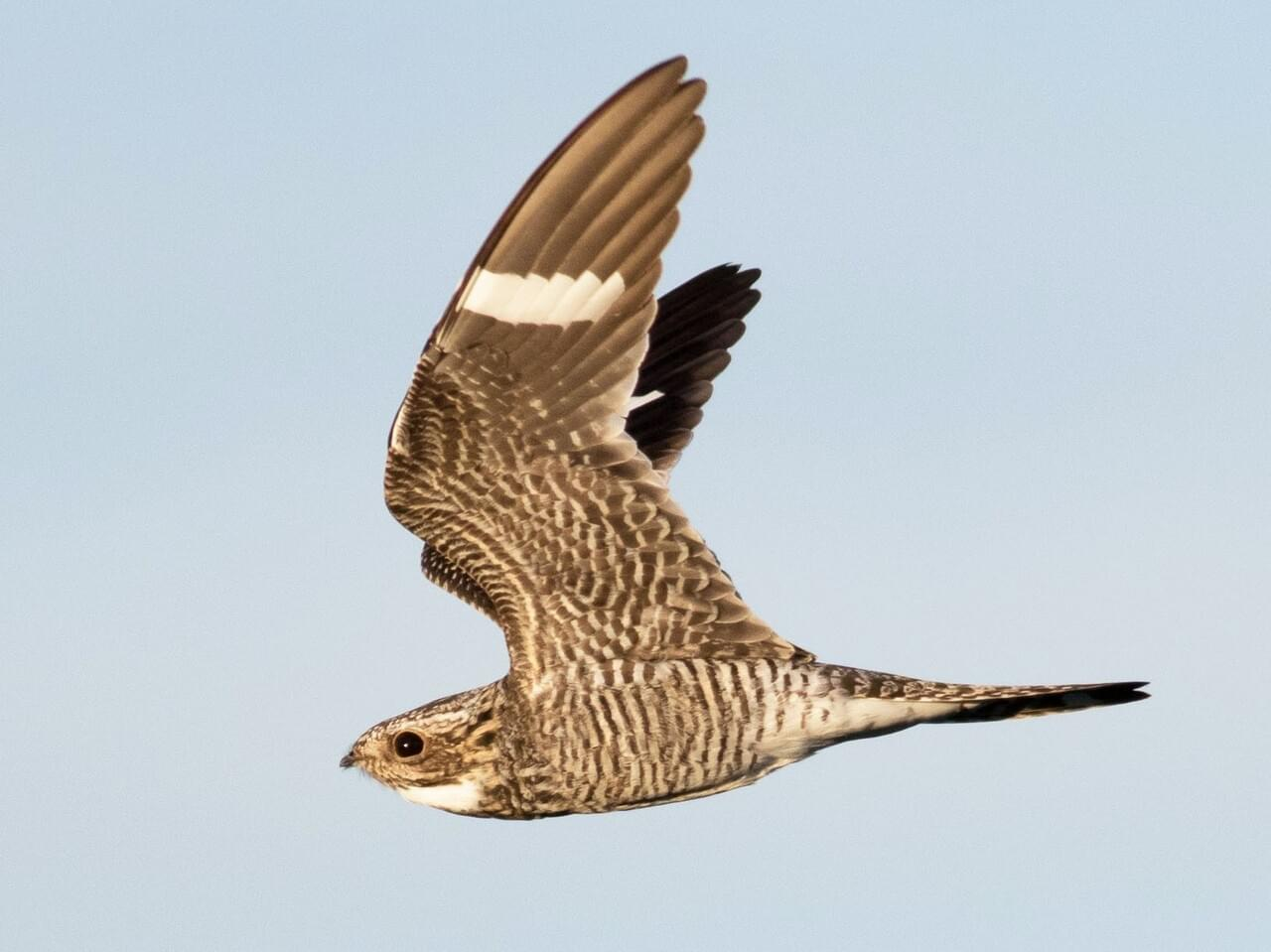
Common Nighthawk (Chordeiles minor)
Seen at dusk, slicing the sky with sharp wingbeats. Erratic flight, booming dives, and a buzzing peent call make them unforgettable.
 Henry E. Hooper